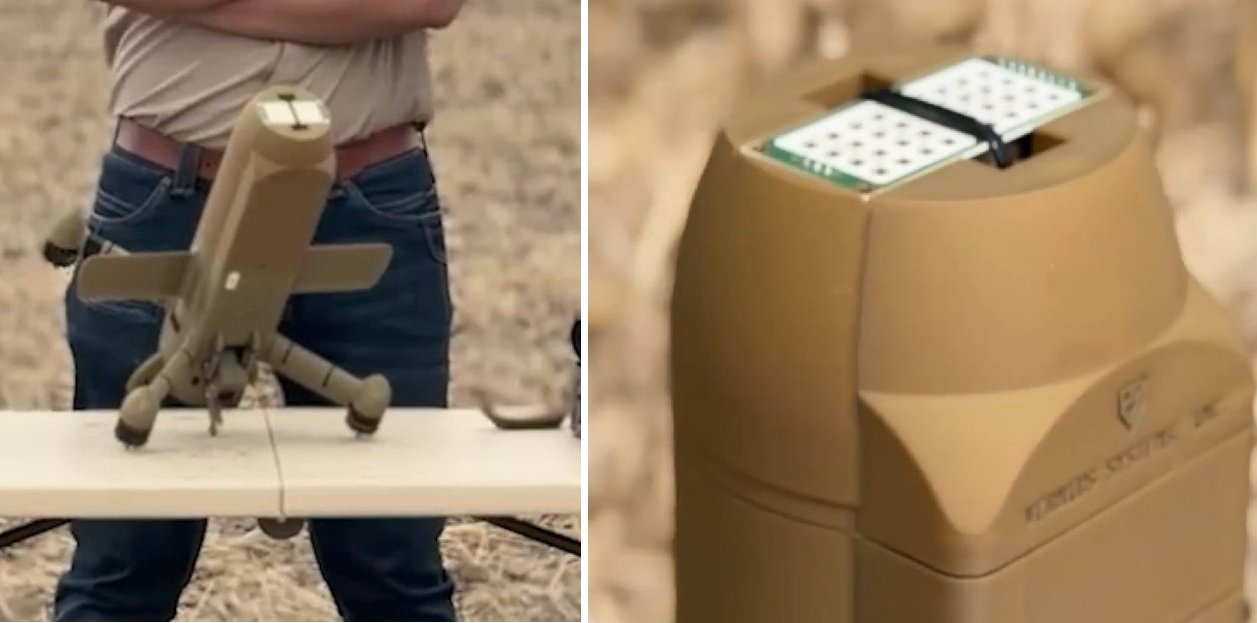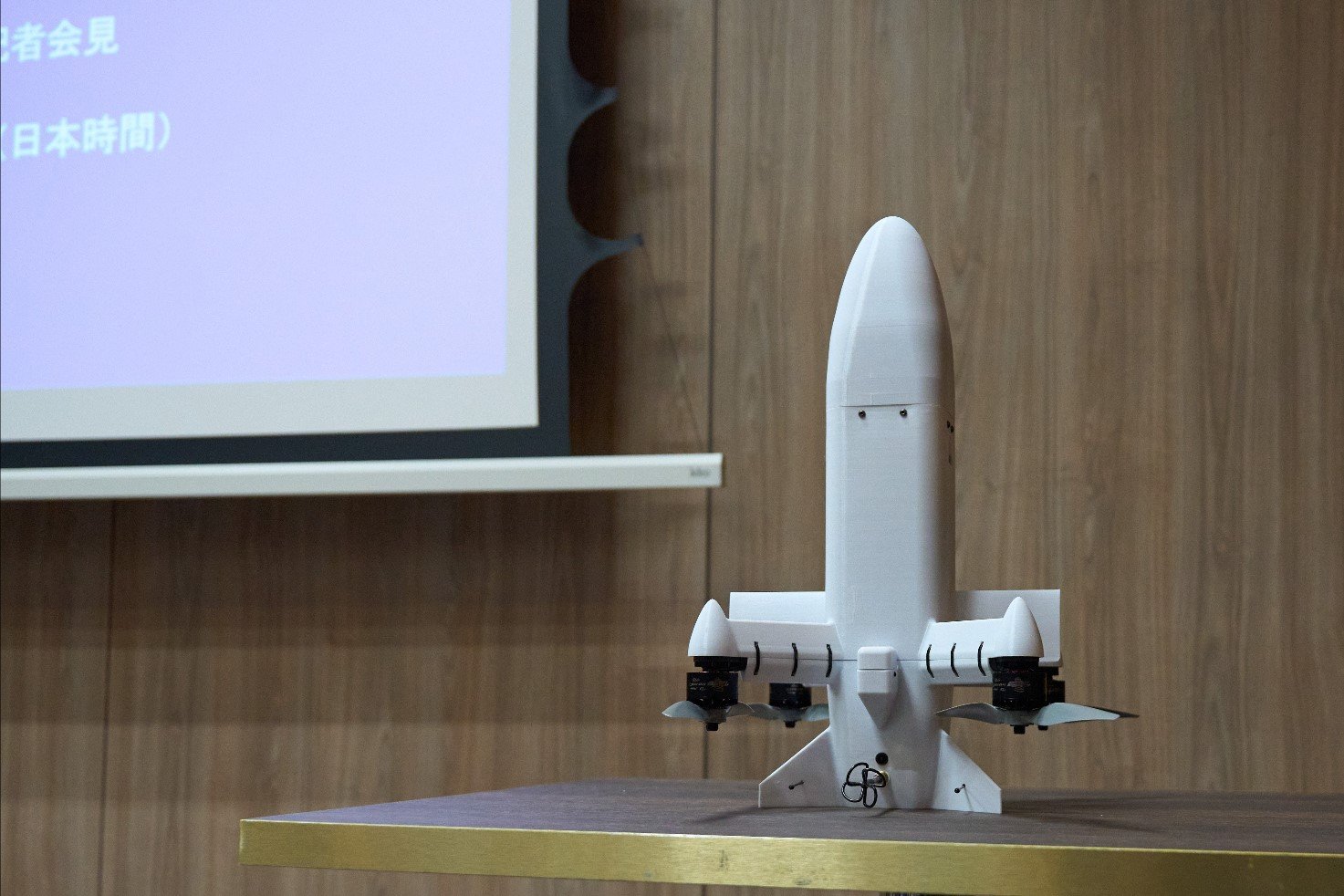
Tokyo — Japan’s Acquisition, Technology & Logistics Agency (ATLA) has signed a mass-production contract with Terra Drone Corporation for the Terra B1 interceptor UAV, under the country’s Interceptor Drone Rapid Acquisition Program.
ATLA launched the program on June 5, 2026, to rapidly field low-cost interceptor UAVs against long-range, one-way attack drones, including systems similar to the Shahed type used in recent conflicts. The program aims to move from proposals to delivery in about three months, with the first deliveries expected around September 2026.
ATLA received proposals from 38 companies, with four systems advancing to the demonstration stage. The Japan Maritime Self-Defense Force (JMSDF) conducted testing from July 15 to August 6. The Terra B1 was the only system among the four to pass the demonstration phase.
The evaluation covered effective range, endurance, flight distance, maximum and cruising speed, guidance methods, simultaneous control of multiple UAVs, launch and recovery procedures, integration with other equipment, safety measures, operational records, and the time required from contract to delivery. The requirements also included domestic production capability, a domestic production base, a maximum speed of at least 250 km/h, and vertical takeoff and landing capability. Testing included operations at a JMSDF base and aboard a destroyer.
Terra Drone will now begin mass production of the Terra B1 and establish domestic production and supply chains covering components, batteries, communications equipment and control systems. The company will also develop maintenance, replenishment and training support, along with system integration for deployment at bases, aboard vessels and at other facilities. Quality management and safety systems for defense use will also be strengthened.
Initial deployment is planned for the JMSDF, while future use by the Japan Air Self-Defense Force and Japan Ground Self-Defense Force is being considered based on operational needs.
The program draws on lessons from conflicts in Ukraine and the Middle East, where low-cost attack drones have created challenges for more expensive interceptor missiles. Japan is seeking a more cost-effective approach to protecting Self-Defense Force facilities and vessels.
Terra Drone, based in Tokyo, has prior experience testing related interceptor UAVs in Ukraine and has been developing domestic production capabilities for defense drones.
ATLA and Terra Drone have not disclosed the contract value or the number of Terra B1 units to be procured.
——— End of Article ———