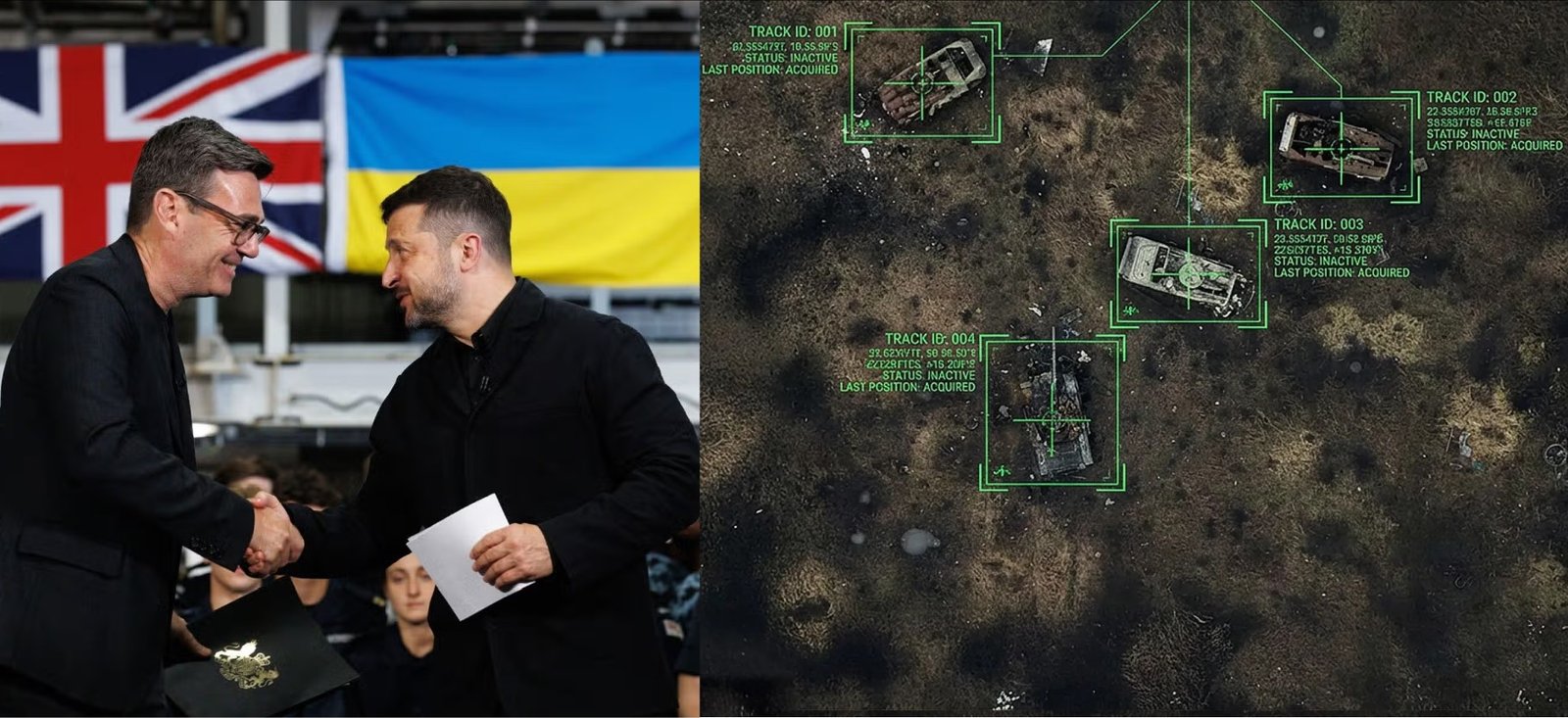
Kyiv / London — The United Kingdom and Ukraine have signed a new bilateral defence agreement giving Britain access to Ukraine’s Avengers AI Labs, making the UK the first international partner to gain access to the platform. The agreement was signed in Kyiv on August 24 by UK Prime Minister Andy Burnham and Ukrainian President Volodymyr Zelenskyy. It forms part of the broader UK-Ukraine 100 Year Partnership and initially focuses on defence and national security.
The agreement will establish a joint AI cell bringing together engineers, academics, technology companies and military specialists from both countries. Britain will provide access to its universities, researchers and AI technology ecosystem, while Ukraine will contribute battlefield experience and operational datasets.
Ukraine’s Battlefield AI Data
Avengers AI Labs is built around Ukraine’s DELTA combat system and includes an annotated dataset of about 5 million real-world battlefield images. Data is collected by thousands of daylight cameras, acoustic sensors and infrared sensors operating across Ukraine’s battlefield.
The system records and categorises objects including tanks, artillery, infantry, air defence systems, Shahed drones and reconnaissance aircraft. According to Ukraine’s Defence Ministry, AI models trained on the data support an automated target-detection system that analyses more than 100,000 drone video feeds each month and identifies about 70 percent of enemy targets in real time.
British AI Projects
Three British start-ups — Bristol-based Sintela, Oxford-based Mind Foundry and London-based Skyral — are already involved in pilot projects.
One project is due to be deployed at a UK defence site. It combines Ukrainian data with British fibre-optic sensing technology to turn buried fibre-optic cables into an AI-enabled sensor network. The initial system is intended to help protect defence facilities from protesters and hostile actors seeking intelligence, with potential applications at airports, prisons, railways and energy facilities.
A second project will focus on developing low-power AI chips for drones, robotics and autonomous systems. If successful, the technology could allow these systems to operate for longer and respond more quickly in difficult environments.
SCALP Missile Production
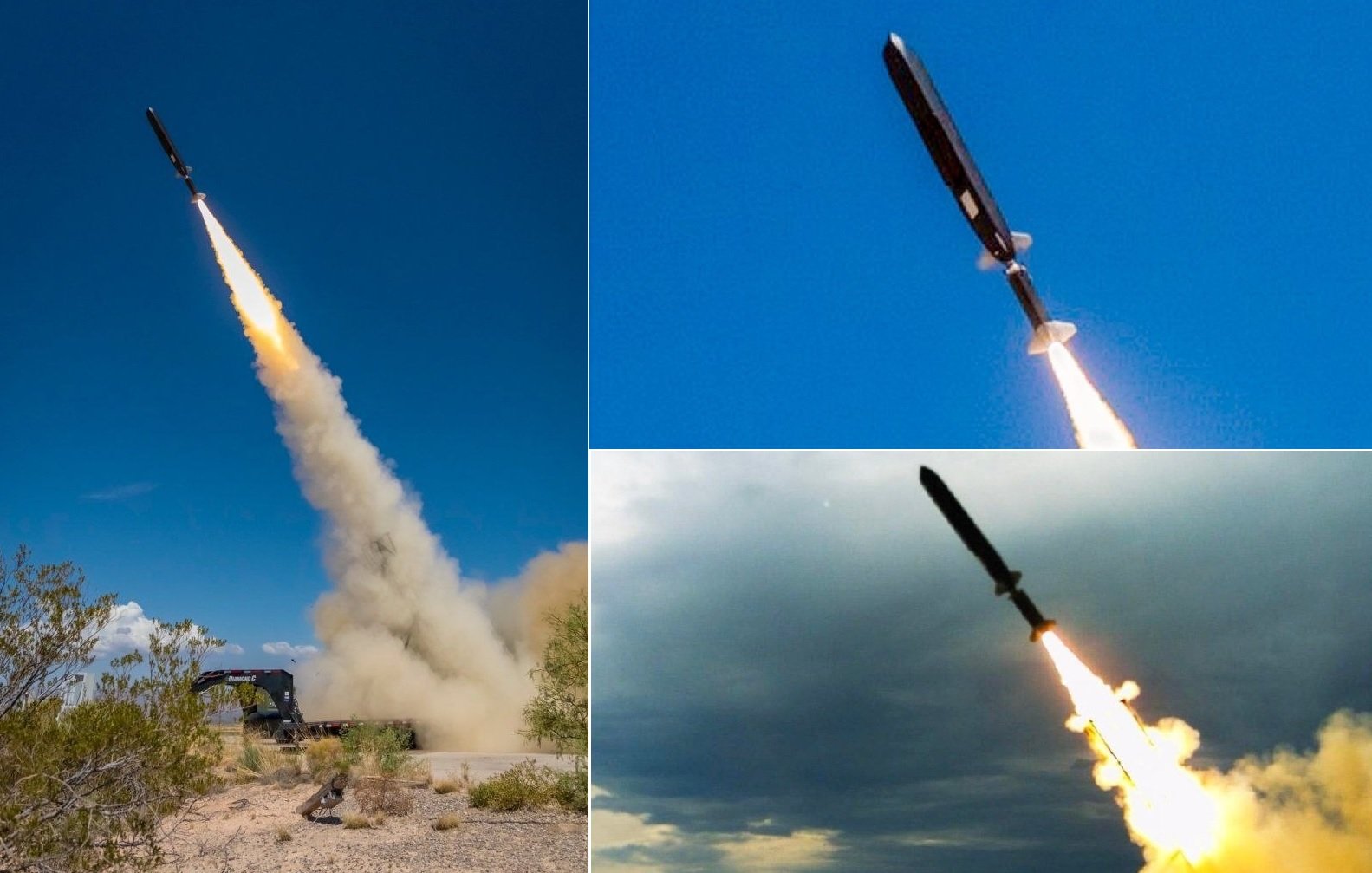
The UK government has also allowed defence company MBDA to release classified information on British-made components used in the SCALP long-range cruise missile. The decision supports plans to establish SCALP assembly lines in Ukraine.
Burnham said the agreement would combine Ukraine’s operational experience with Britain’s AI expertise to develop technologies for battlefield and domestic security applications. Defence Secretary Wes Streeting said cooperation between British scientists, engineers and technology companies and Ukraine’s battlefield experience and data would strengthen both countries’ defence and security.
AI Minister Kanishka Narayan described the partnership as “AI sovereignty in practice”, with frontline experience being used to develop systems for armed forces and critical infrastructure.
Burnham’s Kyiv visit was his first overseas trip as prime minister. He also held talks with Zelenskyy and co-chaired a meeting of the Coalition of the Willing.
The partnership covers government cooperation, industry projects linked to operational requirements and academic research into autonomy, AI assurance and cybersecurity. The declaration of intent is not legally binding, and further arrangements and additional areas of cooperation are expected in the coming months.
——— End of Article ———