
World
In a major step forward for space logistics, Northrop Grumman’s first Cygnus XL spacecraft—the S.S. William “Willie” C. McCool—has successfully lifted off to the International Space Station aboard a SpaceX Falcon 9 rocket from Cape Canaveral Space Force Station in Florida. The mission, designated NG-23 under NASA’s Commercial Resupply Services programme, marks the inaugural flight of the enlarged and more capable Cygnus XL vehicle. Key Details of the Mission The spacecraft launched at 6:11 p.m. EDT on September 14, 2025, carrying more than 11,000 pounds (≈5,000 kg) of equipment, science experiments and supplies for Expedition 73 astronauts aboard the ISS. It is scheduled to arrive on September 17, 2025, when NASA astronaut Jonny Kim, assisted by Zena Cardman, will operate the Canadarm2 robotic arm to capture the craft and berth it to the Unity module’s Earth-facing port. What’s New with Cygnus XL The XL variant brings several upgrades compared with its predecessor: 33% greater cargo capacity, with the ability to carry up to 5,000 kg of ascent cargo. A larger pressurised cargo module, offering about 38 cubic metres of volume and standing nearly 8 metres tall. Improved solar power, using twin UltraFlex arrays with gallium arsenide solar cells. Continued reboost capability, allowing the spacecraft to help maintain the ISS’s orbital altitude, a role Cygnus has supported since 2022. Scientific Payload and Other Cargo Alongside crew supplies, the Cygnus XL is delivering a diverse range of research material and station hardware, including: Semiconductor crystal growth experiments to study advanced materials. Equipment for testing cryogenic fuel storage technologies in space. A UV light water purification system to reduce microbial growth aboard the station. Pharmaceutical crystal growth studies with potential applications for cancer treatment. Spare components for station life support, power management, air circulation and structural systems. Mission Timeline and Duration The spacecraft is expected to stay attached to the station until around March 2026. It will temporarily undock in November 2025 to clear the Unity port for the arrival of Russia’s Soyuz MS-28 spacecraft. At the end of its mission, Cygnus will be packed with station refuse and burn up safely during re-entry into Earth’s atmosphere. Honouring a Fallen Astronaut As with previous missions, this Cygnus is named in honour of a space pioneer. The NG-23 vehicle commemorates William “Willie” McCool, the pilot of Space Shuttle Columbia’s STS-107 mission in 2003, who lost his life in the Columbia accident. A New Chapter in Commercial Spaceflight Since its debut in 2013, the Cygnus programme has delivered more than 71,000 kg (≈148,000 pounds) of cargo to the ISS. With the introduction of the XL variant, Northrop Grumman strengthens its role in advancing a commercial space economy, giving NASA and its partners more efficient and flexible ways to sustain the orbiting laboratory while preparing for future exploration missions beyond low Earth orbit.
Read More → Posted on 2025-09-15 14:14:17
World
A suspected North Korean state-backed hacking group, Kimsuky, has been caught using ChatGPT to generate fake South Korean military identification cards in a phishing campaign aimed at defence agencies, civil society groups, journalists, and human rights organizations. Fake IDs as Phishing Bait Cybersecurity researchers in Seoul discovered that the attackers sent phishing emails disguised as requests to review “sample” ID card designs for military-affiliated civilian employees. The attached images were AI-generated deepfakes, designed to mimic real military IDs and trick recipients into believing the emails were legitimate. The emails also contained malicious links and attachments that installed data-stealing malware on victims’ devices once opened. These phishing attempts came from domains crafted to look like official South Korean defence addresses, including fake addresses ending in “.mli.kr” instead of the real “.mil.kr.” How ChatGPT Was Misused The hackers appear to have bypassed ChatGPT’s safeguards by presenting their requests as harmless mock-up or draft designs instead of explicitly asking for military IDs. By manipulating prompts, they convinced the AI model to generate images resembling genuine credentials, which were then embedded into phishing messages. Forensic analysis of the images confirmed that generative AI had been used to produce the visuals, making the phishing attempts more persuasive and harder to detect. Technical Attack Chain The campaign used a multi-layered malware delivery process, often relying on compressed ZIP files, shortcut link (.lnk) files, and batch scripts (.bat). Some payloads were disguised as common software updates, such as fake “Hancom Office” updates, to trick victims into running them. Scripts were also heavily obfuscated, using environment variable slicing and delayed execution via PowerShell to bypass security tools. Growing AI Role in Cyber Operations The incident reflects North Korea’s broader strategy of exploiting AI and deepfake technologies for espionage and financial gain. In August, another case revealed that North Korean hackers had used AI tools to generate fake résumés, cover letters, and coding samples to infiltrate overseas IT companies. Once employed, they allegedly used AI both for technical tasks and to collect intelligence. Cybersecurity experts warn that AI now enables attackers to automate almost every stage of an operation—from planning and malware development to impersonation and deception. Longstanding Espionage Network Kimsuky, long identified by US and South Korean authorities, is described as one of Pyongyang’s key intelligence-gathering cyber units. Its operations often include phishing, cryptocurrency theft, and covert IT contracting to fund North Korea’s heavily sanctioned nuclear weapons program. The number of victims in this latest phishing campaign remains unknown, but officials caution that the use of AI in such attacks significantly raises the national security risks for South Korea and its allies.
Read More → Posted on 2025-09-15 14:08:44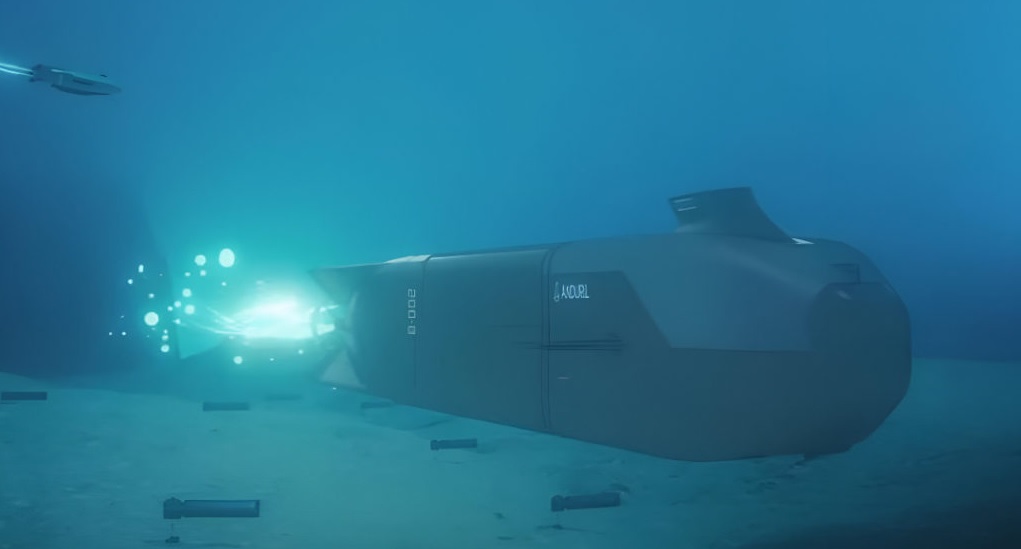
World
A groundbreaking study from China’s defence sector has revealed that artificial intelligence (AI) could soon make it nearly impossible for submarines to evade detection in future naval conflicts. The research, published in the peer-reviewed journal Electronics Optics & Control and led by senior engineer Meng Hao from the China Helicopter Research and Development Institute, showcases an advanced AI-driven anti-submarine warfare (ASW) system that dramatically improves detection and tracking capabilities—even against the stealthiest submarines. According to the study, the AI system could reduce a submarine’s chance of escape to just 5 percent, meaning that only one out of every 20 submarines would likely avoid detection and attack. This represents a stark contrast to traditional ASW methods, where submarines equipped with advanced countermeasures such as decoys or silent running techniques could boast survival rates as high as 85 percent. A Smart Commander Beneath the Waves The AI system acts like an intelligent commander, using real-time data from multiple sources—including sonar buoys deployed by helicopters, underwater sensors, radar systems, and environmental data such as ocean temperature and salinity—to create a constantly evolving picture of underwater activities. Based on this comprehensive view, the system rapidly decides where to focus search efforts and how to counter evasive maneuvers like zigzagging, sudden halts, or deploying fake signals. In computer simulations, the system maintained a detection and tracking rate of approximately 95 percent, even when submarines employed sophisticated tactics such as using drones or decoys to distract sensors. The AI’s ability to anticipate submarine behavior based on previous patterns and acoustic signals gives it a significant edge over traditional methods. Revolutionising Anti-Submarine Warfare For decades, submarines have been regarded as one of the most formidable assets in naval warfare, capable of launching nuclear strikes, gathering intelligence, or neutralising entire fleets without revealing their position. The U.S. Navy’s nuclear submarine fleet, consisting of about 70 vessels as of 2025, has long depended on their stealth and advanced countermeasures to deter adversaries like China’s expanding naval forces. However, experts now warn that AI-based detection systems could render these stealth tactics obsolete. “The ultimate success rate remains stable at around 95 percent,” the researchers stated, suggesting that submarines’ asymmetric advantage may soon be neutralised by smarter, faster hunting networks. Multi-Layer AI Architecture The AI’s architecture is built on three layers—perception, decision-making, and human-machine interaction: Perception Layer: The system integrates data from sonar, radar, magnetic anomaly detectors, and oceanographic sensors. By adjusting for environmental variables like water temperature and background noise, it overcomes traditional sonar limitations. Decision Layer: Using multi-agent reinforcement learning models, AI “hunter” agents such as helicopters and sonobuoys engage with simulated “prey” submarines. Thousands of simulated encounters refine the system’s tactics, from forming sonar barriers to executing coordinated sweeps and focusing search efforts on likely escape routes. Human-Machine Interaction Layer: AI-generated strategies are translated into plain-language recommendations via large language models, reducing the cognitive load on operators during complex missions. The Path Ahead The research team notes that future iterations of the technology could extend beyond submarines. By networking drones in the air, ships on the surface, and autonomous underwater vehicles, AI could create a three-dimensional, fully integrated hunting system capable of adapting to real-world scenarios. Moreover, the system’s learning capabilities will improve with each deployment, allowing it to refine its algorithms based on evolving tactics. Smaller, lightweight versions could be installed on compact combat platforms, enabling decentralised decision-making without reliance on a central command. As global powers increasingly prioritise AI in military operations, this breakthrough suggests that stealth-dependent strategies may no longer be reliable. The rise of AI-enabled warfare marks a turning point in underwater combat, challenging long-held notions of invulnerability and reshaping the future of naval deterrence.
Read More → Posted on 2025-09-14 15:30:18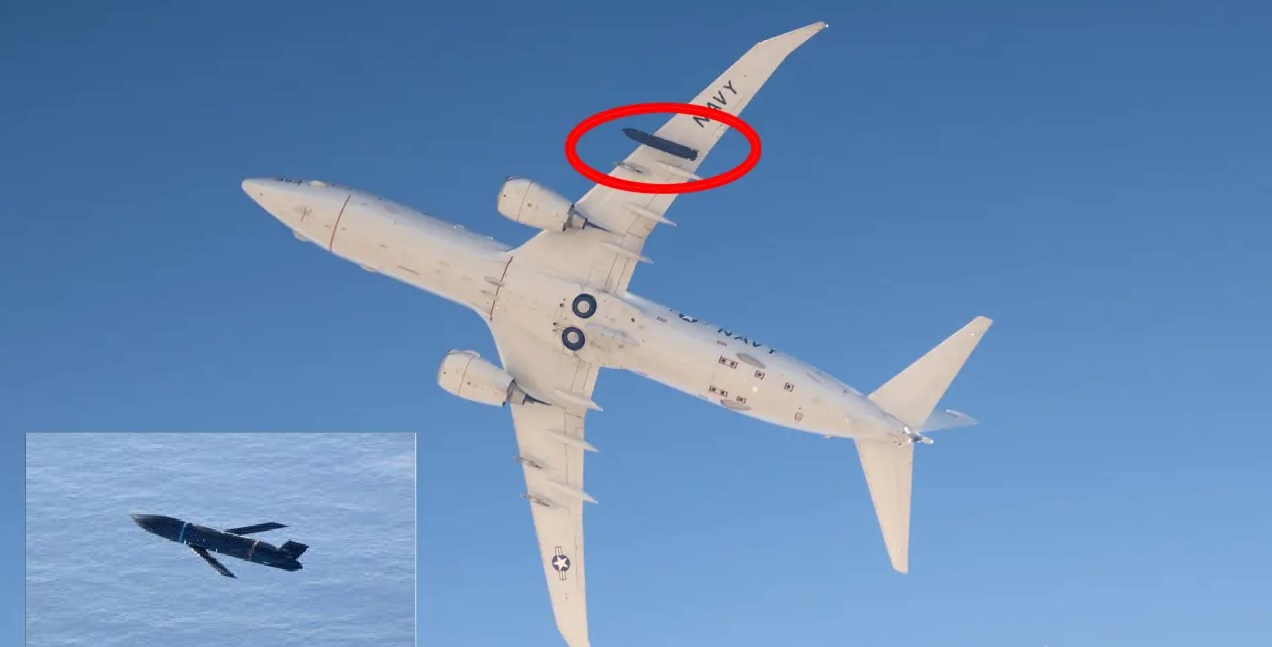
World
The U.S. Navy has officially confirmed the integration of the AGM-158C Long Range Anti-Ship Missile (LRASM) onto its P-8A Poseidon maritime patrol aircraft, offering the first official images of the missile slung beneath the wing of the aircraft. This development marks a significant milestone in enhancing the U.S. Navy’s long-range strike capabilities from its existing fleet of surveillance platforms. Initial sightings of the P-8A carrying an LRASM were reported earlier by military observers, but the U.S. Navy’s recent confirmation underscores the progress made since the first fit checks conducted in July 2020 at Naval Air Station (NAS) Patuxent River. These early tests involved verifying the aerodynamic compatibility and structural integrity of mounting the missile on the aircraft's wing pylons. Over the last few years, flight tests have been carried out to ensure safe and effective deployment, signaling a deepened commitment to expanding the LRASM’s launch platforms. The P-8A Poseidon has been a cornerstone of the Navy’s maritime patrol and reconnaissance efforts since its induction in 2012. Replacing the aging P-3 Orion aircraft—which had served the U.S. Navy since the 1960s—the P-8A is a Boeing 737-800 airframe extensively modified for anti-submarine warfare, anti-surface warfare, and intelligence, surveillance, and reconnaissance missions. Its sensor suite includes air-dropped sonobuoys, advanced surface search radars such as the AN/APY-10, and other electronic surveillance systems that enable it to detect, track, and engage threats across vast ocean expanses. Until now, the P-8A has been armed with weapons like the MK-54 lightweight torpedo and the AGM-84 Harpoon anti-ship missile. The addition of the AGM-158C LRASM considerably extends its lethality by enabling strikes at standoff distances exceeding 200 nautical miles. This capability allows P-8A crews to engage high-value maritime targets from beyond the range of enemy air defenses, significantly improving mission survivability and operational flexibility. Enhanced Reach with LRASM The AGM-158C LRASM is a next-generation anti-ship missile developed by Lockheed Martin as an advanced variant of the Joint Air-to-Surface Standoff Missile Extended Range (JASSM-ER). The LRASM combines stealth design features, advanced seekers utilizing radio-frequency and infrared guidance, datalink capabilities for real-time updates, and sophisticated onboard navigation systems to evade detection and intercept heavily defended naval targets. The latest AGM-158C-3 variant expected to enter service this fiscal year builds on earlier versions with improved beyond-line-of-sight targeting, enhanced electronic counter-countermeasures, and software updates to further increase mission effectiveness. With these enhancements, the LRASM can engage targets in complex, contested environments where GPS jamming and electronic warfare are prevalent. Currently, the LRASM is deployed on the Air Force’s B-1B strategic bomber and the Navy’s F/A-18 E/F Super Hornet. Integration is also underway for the F-15 and B-52 bomber fleets, as well as the Marine Corps’ and Navy’s F-35 Lightning II variants. The missile’s growing adaptability is part of a broader effort to diversify launch platforms and strengthen multi-domain warfare capabilities across the U.S. military. Aligning with JADC2 Goals The decision to integrate LRASM onto the P-8A Poseidon reflects the Navy’s broader push to enhance its long-range precision strike options while maintaining operational flexibility across contested maritime regions. By arming the P-8A with the LRASM, the Navy reinforces its ability to conduct networked warfare, allowing aircraft to work in coordination with other platforms, including drones, surface ships, and allied forces. This integration aligns with the Joint All-Domain Command and Control (JADC2) framework, an initiative aimed at connecting sensors, shooters, and decision-makers across air, sea, land, space, and cyber domains. The ability to conduct complex, networked engagements from stand-off ranges ensures that maritime forces can respond swiftly to evolving threats while preserving force survivability. Future Outlook The U.S. Navy has confirmed that additional flight tests are planned to further validate the integration of LRASM with the P-8A. As the Navy accelerates its adoption of long-range precision weapons, the P-8A’s enhanced strike capabilities will complement surface vessels and other aircraft in countering advanced maritime threats. With tensions rising in regions such as the Indo-Pacific, where near-peer adversaries are fielding increasingly capable naval assets and air defense systems, the deployment of LRASM on the P-8A will give the U.S. Navy a decisive edge. It bolsters the ability to deter aggression, project power, and maintain sea control over critical maritime chokepoints. The successful integration of LRASM on the P-8A Poseidon marks a transformative step in the evolution of naval warfare, marrying advanced sensor technologies with long-range precision strike capabilities to meet the challenges of modern combat. The U.S. Navy’s ongoing tests and eventual deployment of this capability will undoubtedly redefine how maritime patrol aircraft contribute to multi-domain operations in the years ahead.
Read More → Posted on 2025-09-14 15:26:42
World
A T-90MS main battle tank, once showcased in desert camouflage at the IDEX 2025 defence exhibition in the United Arab Emirates, has now been repainted and deployed to frontline service in Ukraine, according to a statement from UralVagonZavod, Russia’s main tank manufacturer. The unusual move underscores Moscow’s urgency to field upgraded vehicles amid rising battlefield losses. From Expo Floor to Combat Zone The tank had been part of Russia’s display pavilion in Abu Dhabi earlier this year, where it was presented to potential foreign buyers in desert camouflage. After its return to Russia, the tank was repainted into standard military green and delivered directly to Russian troops. UralVagonZavod stated that the vehicle was transferred to the armed forces “in nearly the same configuration as it was shown at the exhibition.” The only official change confirmed was the camouflage pattern. Features and Upgrades The T-90MS is the export-oriented variant of Russia’s T-90M Proryv, incorporating lessons from recent combat operations. The version displayed at IDEX featured: Slat and mesh armour to protect against drones and portable anti-tank weapons. Reactive armour panels on the hull and turret. Enhanced optics and fire control systems for improved targeting. Potential electronic counter-drone measures, reflecting battlefield threats in Ukraine. These additions highlight Russia’s adaptation to the growing use of first-person-view drones and precision anti-tank systems on the front. Strategic Significance While demonstration models are usually reserved for export marketing, Russia’s decision to field an exhibition tank reflects the strain on its armour inventory. Losses of modern tanks in Ukraine have created pressure on UralVagonZavod to make every available vehicle combat-ready. This step also signals that the same advanced upgrades showcased abroad are being adopted domestically, narrowing the line between Russia’s export pitch and battlefield needs. What Remains Unclear The manufacturer did not reveal which unit received the tank or where it was deployed. Nor is it clear whether all the systems displayed at IDEX were fully functional in the combat-ready version, or whether some were mock-ups for exhibition purposes. Independent battlefield sightings of this particular vehicle have yet to be confirmed. Broader Implications The deployment of the IDEX 2025 T-90MS illustrates how Russia is re-purposing even exhibition assets for the war effort. It highlights both the demand for modern armour and the rapid incorporation of battlefield feedback into production models. For international buyers, it also demonstrates that platforms offered for export are closely aligned with those in active Russian service, potentially increasing their credibility as “combat-tested” systems.
Read More → Posted on 2025-09-14 15:20:19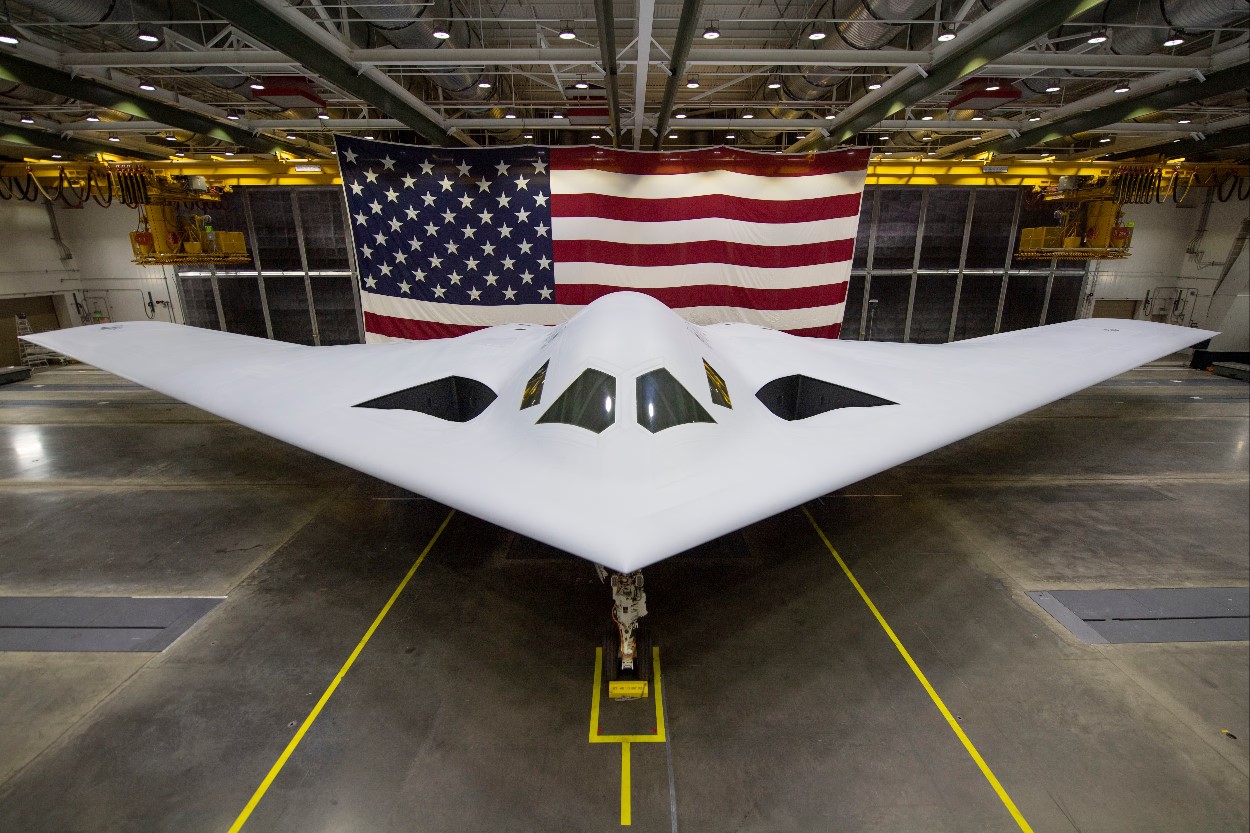
World
The U.S. Air Force has released its first photograph showing two B-21 Raider stealth bombers together at Edwards Air Force Base, following the arrival of the second pre-production aircraft. The newcomer flew from Plant 42 in Palmdale on its maiden mission and has now officially joined the test fleet. Both jets are now assigned to the 420th Flight Test Squadron at Edwards, forming the core of the Combined Test Force for the Raider programme. Alongside them, at least two non-flying airframes are under evaluation, and four more pre-production aircraft are being built at Plant 42. Low-rate initial production contracts have already been awarded for additional units. This development marks a major step forward in the B-21’s journey toward operational readiness, and shows how it stacks up, technologically and operationally, against other stealth bombers past and present. What’s New & How B-21 Raider Compares Here are some of the updated capabilities and advantages of the B-21 Raider, and how it improves upon earlier stealth bombers such as the B-2 Spirit and B-1 Lancer: Stealth & Survivability: The B-21 is designed with next-generation stealth, including improved low-observable coatings, refined engine inlets, and simplified landing gear. These changes reduce radar visibility and make the aircraft easier to maintain compared to the delicate coatings of the B-2 Spirit. Dual Capability: The Raider is dual-capable, able to carry both conventional weapons and nuclear munitions. It is designed to integrate a wider range of stand-off and direct-attack weapons, making it more flexible than its predecessors. Open Systems Architecture: Built with an open systems design, the B-21 can quickly integrate new sensors, software, and weapons as threats evolve. This makes it far more upgradeable than the B-2, which requires costly and time-consuming modernizations. Production & Fleet Size: The Air Force plans to acquire at least 100 B-21s, with per-unit costs significantly lower than the billion-dollar B-2. This ensures a larger, more sustainable stealth fleet for future operations. Operational Concepts & Networking: The Raider is designed for high-threat environments, equipped to work within large networks of sensors, intelligence, and communications. It is expected to operate alongside unmanned aircraft in some missions and uses cloud-based digital systems for maintenance and logistics. Timeline & Replacement: The B-21 is expected to start replacing the B-2 Spirit and B-1 Lancer in the 2030s. The first main operating base has already been designated at Ellsworth Air Force Base. Updates from the Recent Milestones The second pre-production B-21 has flown and joined the Edwards test fleet, doubling the number of flying Raiders available for evaluation. Testing is shifting from pure flight performance toward mission systems and weapons integration, ensuring the jet can employ its payloads in realistic combat scenarios. Preparations are underway for training and operational deployment, with infrastructure and bases being readied for the arrival of the first operational units. Why This Matters The B-21 Raider is not just another stealth bomber. It represents a generational leap in survivability, adaptability, and affordability, ensuring the U.S. can maintain long-range strike capabilities against the most advanced air defence systems in the world. With its larger planned fleet, lower cost, and cutting-edge design, the Raider is poised to become the backbone of America’s strategic bomber force for decades to come. The sight of two Raiders together at Edwards is more than symbolic—it signals that the programme is accelerating, with the U.S. Air Force edging closer to deploying its most advanced stealth aircraft yet.
Read More → Posted on 2025-09-14 15:08:58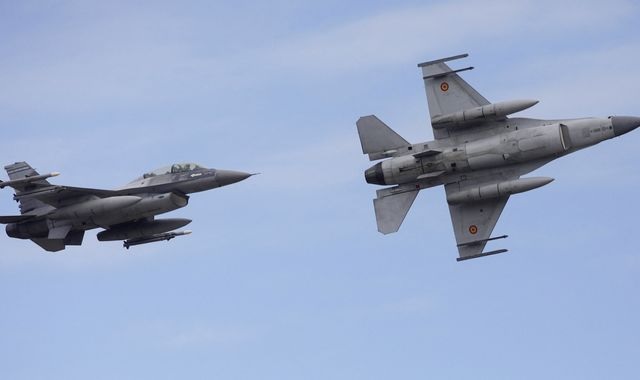
World
Poland activated a preventive air operation on Saturday after intelligence suggested Russian drones could strike Ukrainian territory near the Polish border. The alert lasted around two hours, during which Polish and allied aircraft were deployed, and air defence and reconnaissance systems were placed on high alert. The eastern city of Lublin’s airport was temporarily closed due to military aviation activities. Preventive Actions in Poland The Polish military’s Operational Command explained that the measures were precautionary, designed to secure national airspace and safeguard civilians in border regions most at risk. Prime Minister Donald Tusk confirmed that preventive operations were underway, stressing that Russian drones operating near Ukraine posed a direct danger. The Government Security Centre also issued an air-attack warning for several counties in the Lublin region, cautioning residents to remain alert. Once the threat period ended, the military announced that the operation had been completed and that systems returned to normal readiness. Recent Incursions and Rising Tensions This action followed incidents earlier in the week, when multiple Russian drones crossed into Polish airspace, forcing NATO to scramble fighter jets. While Moscow denied intentionally targeting Poland, European leaders called the incursions a deliberate provocation. Belarus, a Russian ally, claimed the drones had gone astray due to jamming. Poland has scrambled aircraft repeatedly in recent months due to Russian airstrikes on Ukraine, but these strikes often occur at night or in the early morning. Romania Reports Drone Breach On the same day, Romania deployed two F-16 fighter jets, supported by German Eurofighter aircraft, after a Russian drone briefly entered its airspace. The drone crossed near the Danube, remained for about 50 minutes, and then exited back toward Ukraine. The Romanian Defence Ministry said the drone did not fly over populated areas and posed no immediate danger to civilians. Search teams have been deployed to check for possible debris. Ukrainian President Volodymyr Zelenskyy described the Romanian incursion as “an obvious expansion of the war” and urged NATO allies to strengthen joint defence and tighten sanctions on Russia. Broader Implications These events highlight growing security risks on NATO’s eastern flank, where spillover from Russia’s war in Ukraine is becoming more frequent. Preventive operations, once rare, now demonstrate how seriously Poland and Romania treat even potential threats from low-flying drones. The incidents raise ongoing questions about NATO’s next steps—whether to increase regional air defence, expand early-warning systems, or take stronger diplomatic measures against Moscow.
Read More → Posted on 2025-09-14 15:03:43
World
Overnight, Ukraine launched one of its largest drone attacks since the start of the war, targeting Russia with at least 361 drones, four guided aerial bombs, and a U.S.-made HIMARS missile, according to Russian defense officials. Among the key targets was the Kirishi oil refinery in the Leningrad region, one of Russia’s most important energy facilities. What Happened The Kirishi refinery, operated by Surgutneftegaz, processes about 17.7 million tons of crude oil annually (around 355,000 barrels per day), making up more than 6% of Russia’s refining capacity. Regional governor Alexander Drozdenko said that three drones were shot down near the facility. Falling debris caused a fire, which was quickly extinguished. No injuries were reported. Ukraine’s drone command confirmed responsibility, claiming a “successful strike” and reporting visible explosions and fires. The exact scale of damage to the refinery remains unclear. Strategic Significance This attack is part of a wider Ukrainian campaign against Russia’s energy infrastructure, including oil refineries, fuel depots, and pipelines. By targeting energy facilities, Ukraine aims to undermine Russia’s war economy and disrupt fuel supplies to its military. The strike comes as several Russian regions already face fuel shortages, and further disruption at Kirishi could worsen the situation domestically. Russia, meanwhile, announced that it had successfully tested a Zircon hypersonic missile in the Barents Sea and carried out joint military exercises with Belarus, signaling that it intends to show military strength even as its infrastructure comes under increasing pressure. Global Context The attack comes at a time when international pressure on Russia’s energy sector is intensifying. The United States has urged NATO allies to tighten sanctions, while the European Union has reaffirmed its plan to phase out Russian oil and gas imports by 2028. Energy exports remain a vital revenue stream for Moscow, making strikes on facilities like Kirishi especially damaging in both economic and psychological terms. Outlook While Russia insists its air defenses destroyed the vast majority of incoming drones, the repeated targeting of strategic oil facilities shows Ukraine’s intent to stretch Russian resources and erode its energy-based war financing. Analysts warn that such attacks could escalate further, with Russia potentially responding by intensifying missile strikes against Ukrainian infrastructure.
Read More → Posted on 2025-09-14 14:25:31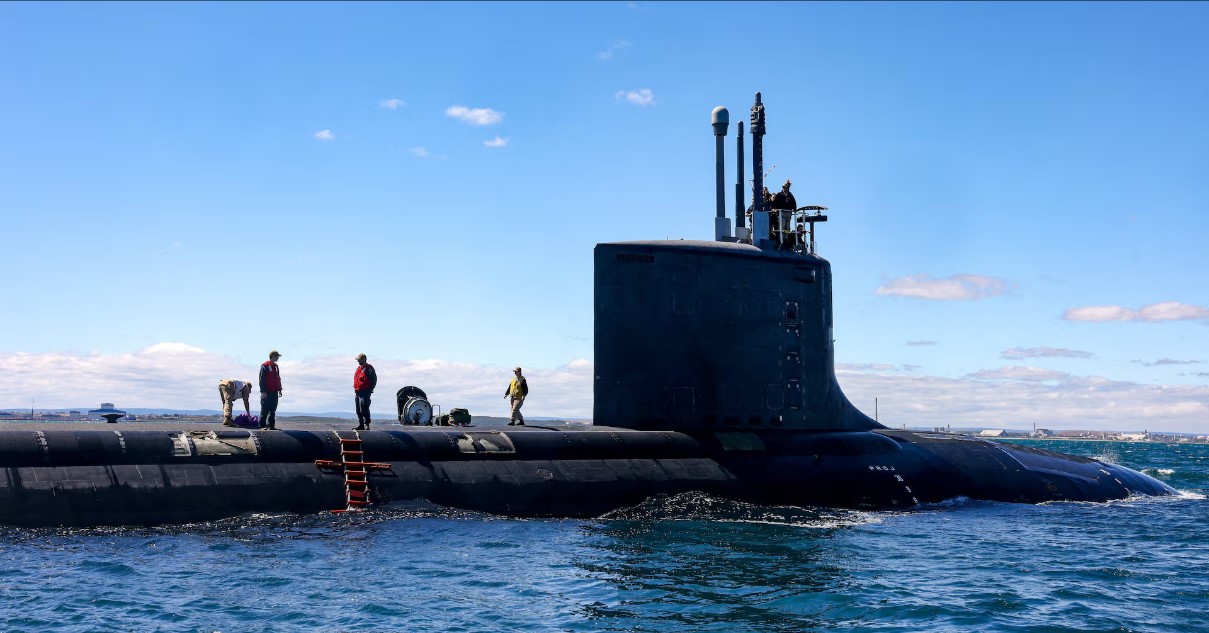
World
Australia has pledged an initial A$12 billion toward transforming the Henderson Defence Precinct in Western Australia into a world-class shipyard and maintenance facility to support its future fleet of nuclear-powered submarines under the AUKUS partnership, Defence Minister Richard Marles announced. The funding is part of a broader plan expected to cost around A$25 billion over the next decade. What the Investment Covers Construction of secure dry docks capable of servicing and maintaining nuclear-powered submarines. Facilities for building landing craft for the Army and general-purpose frigates for the Royal Australian Navy. Support infrastructure for sustaining Australia’s surface fleet in addition to the submarine force, including depot-level overhaul and contingency docking. Early works including planning, design, and enabling construction. The precinct upgrade is expected to underpin an estimated 10,000 direct jobs over the next two decades in Western Australia. Timeline & Related Defence Commitments Australia is set to acquire at least three Virginia-class nuclear-powered submarines from the United States in the early 2030s, with options for more. The country will eventually co-develop and build its own SSN-AUKUS class submarines, with domestic construction planned for the early to mid-2040s. Australia recently selected the Japanese Mogami-class frigate design for its future general-purpose frigates. The first three will be built overseas, while the rest are to be produced in Henderson once the precinct is fully operational. Another major project is the “Ghost Shark” underwater drone fleet, long-range unmanned vehicles for surveillance and strike roles, expected to begin entering service in early 2026. Strategic Implications This investment underscores Australia’s shift to significantly bolster its naval and undersea capabilities in light of growing regional strategic competition, particularly in the Indo-Pacific. The Henderson Precinct is intended to be central to maintaining continuous naval shipbuilding and sustainment under AUKUS, effectively bridging capability gaps until Australia’s domestically built SSN-AUKUS submarines are ready. The plan also involves rotational presence of United States and United Kingdom submarines at HMAS Stirling, further integrating Australia into AUKUS operations and strengthening trilateral defence cooperation. Challenges & Considerations The complexity of transforming Henderson into a facility that meets nuclear-submarine maintenance and operational standards, including nuclear safety and security protocols. Tight timelines to ensure infrastructure is ready before the arrival of Virginia-class submarines in the early 2030s. Concerns over whether the United States can deliver submarines on schedule, given its own production capacity pressures. Australia’s A$12 billion Henderson investment marks a landmark step toward building a stronger, more self-reliant naval force and reinforcing its place within the AUKUS security framework.
Read More → Posted on 2025-09-14 13:52:20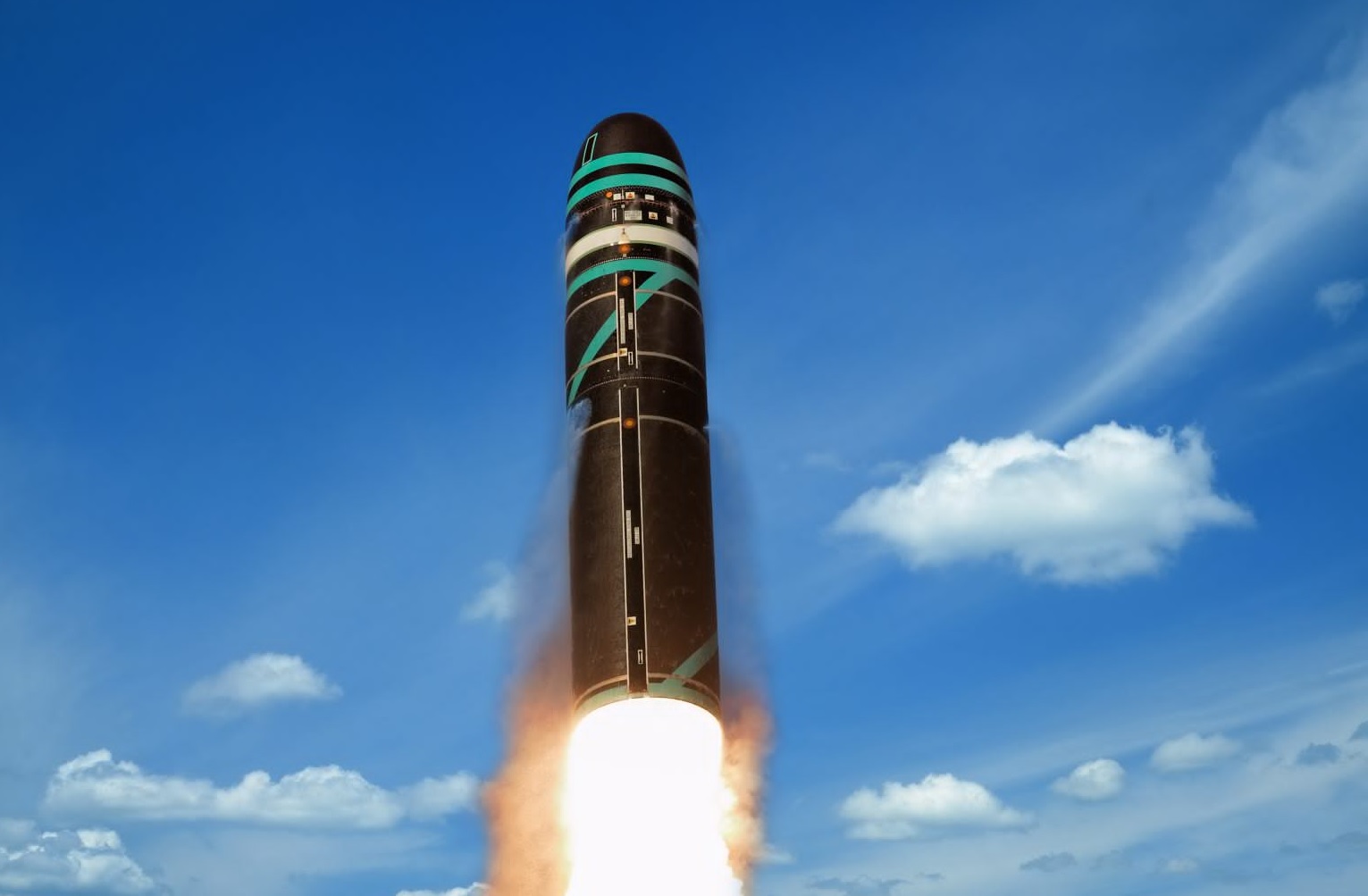
World
On August 28, 2025, the French Defence Procurement and Technology Agency (DGA) awarded ArianeGroup a contract to design and produce the fourth iteration of the M51 submarine-launched ballistic missile (SLBM), designated M51.4. This development underscores France's commitment to enhancing its nuclear deterrence capabilities in response to evolving global threats. The M51.4 is set to replace the M51.3, which is currently entering service. ArianeGroup, as the industrial prime contractor for France’s Strategic Oceanic Force (FOST), will oversee the missile's design, production, and lifecycle management, including maintenance and decommissioning. The M51.4's enhanced range, precision, and penetration capabilities aim to reinforce the credibility of France’s oceanic nuclear deterrent. The M51 missile family, developed by ArianeGroup, is a cornerstone of France’s nuclear deterrence strategy. The M51.4 will be deployed aboard the future-generation SNLE 3G submarines, which are set to replace the current Triomphant-class nuclear-powered submarines. These submarines are integral to France's strategic deterrence posture, ensuring the nation's ability to respond to nuclear threats with credibility and effectiveness. In a statement, Vincent Pery, Director of Defence Programs at ArianeGroup, expressed gratitude to the DGA for its continued trust in the company's expertise. He emphasized that the M51.4 program will drive innovation and transformation, incorporating advanced technologies and methods to meet ambitious technical and economic objectives. The M51.4's development aligns with France's broader defense strategy, which includes significant investments in modernizing its nuclear deterrent forces. These efforts are part of the Military Programming Law, ensuring the maintenance and enhancement of France's autonomous and sovereign deterrent capabilities to address growing global security challenges. With the M51.4, France aims to maintain a robust and credible nuclear deterrent, adapting to the changing security landscape and reaffirming its commitment to national and global stability.
Read More → Posted on 2025-09-13 16:23:34
World
Washington, D.C September 2025 : In a significant advancement for U.S. space capabilities, the U.S. Space Force has awarded a contract of up to $60 million to Seattle-based aerospace startup Gravitics. This partnership aims to develop an innovative "Orbital Aircraft Carrier," a space-based platform designed to revolutionize satellite deployment and bolster national security in the increasingly contested domain of space. What Is the Orbital Aircraft Carrier? The Orbital Aircraft Carrier is conceptualized as a modular, unpressurized space station capable of housing multiple maneuverable satellites. This platform will serve as a pre-positioned launch pad in orbit, allowing for the rapid deployment of satellites without the need for traditional ground-based rocket launches. By eliminating the constraints of terrestrial launch schedules and infrastructure, the Orbital Carrier offers unprecedented flexibility and speed for in-space operations, significantly enhancing the nation's space defense posture. According to Gravitics CEO Colin Doughan, "The Orbital Carrier is a game-changer, acting as a pre-positioned launch pad in space. It bypasses traditional launch constraints, enabling space vehicle operators to rapidly select a deployment orbit on-demand." Strategic Implications This initiative is part of a broader U.S. strategy to maintain space superiority amid growing global competition. By establishing a pre-positioned platform in orbit, the U.S. aims to bolster its operational capabilities and readiness in addressing both immediate and long-term security challenges. The Orbital Carrier's ability to deploy satellites on-demand enhances the nation's agility in responding to threats and ensures a resilient space infrastructure. Technical Specifications and Development Timeline The Orbital Carrier is designed to accommodate multiple satellites, providing an unpressurized environment that protects sensitive electronics from the harsh conditions of space. This protective feature not only safeguards military assets but also grants the U.S. a tactical advantage by masking satellite positions from adversaries, thereby enhancing its space security posture. Gravitics plans to demonstrate the Orbital Carrier's capabilities as early as 2026, with the initial mission focusing on validating the platform's ability to operate in space and deploy assets on orbit. The demonstration will serve as a critical step toward full operational deployment. Public-Private Collaboration This project underscores the importance of public-private partnerships in advancing space technology. Collaborations with innovative startups like Gravitics enable the rapid integration of cutting-edge technologies into national defense strategies, fostering the growth of the U.S. space sector and maintaining a competitive edge in space operations. Global Perspective The development of the Orbital Aircraft Carrier has significant implications for international space dynamics. As nations enhance their space capabilities, the U.S. aims to lead in space innovation, ensuring that advancements in space exploration contribute to shared peace and progress for all of humanity. The collaboration between the U.S. Space Force and Gravitics to develop the Orbital Aircraft Carrier marks a pivotal moment in the evolution of space operations. By enabling rapid, on-demand satellite deployment from orbit, this initiative enhances the U.S.'s strategic capabilities and sets the stage for future advancements in space technology. As the project progresses, it will undoubtedly influence the trajectory of global space exploration and security.
Read More → Posted on 2025-09-13 16:12:37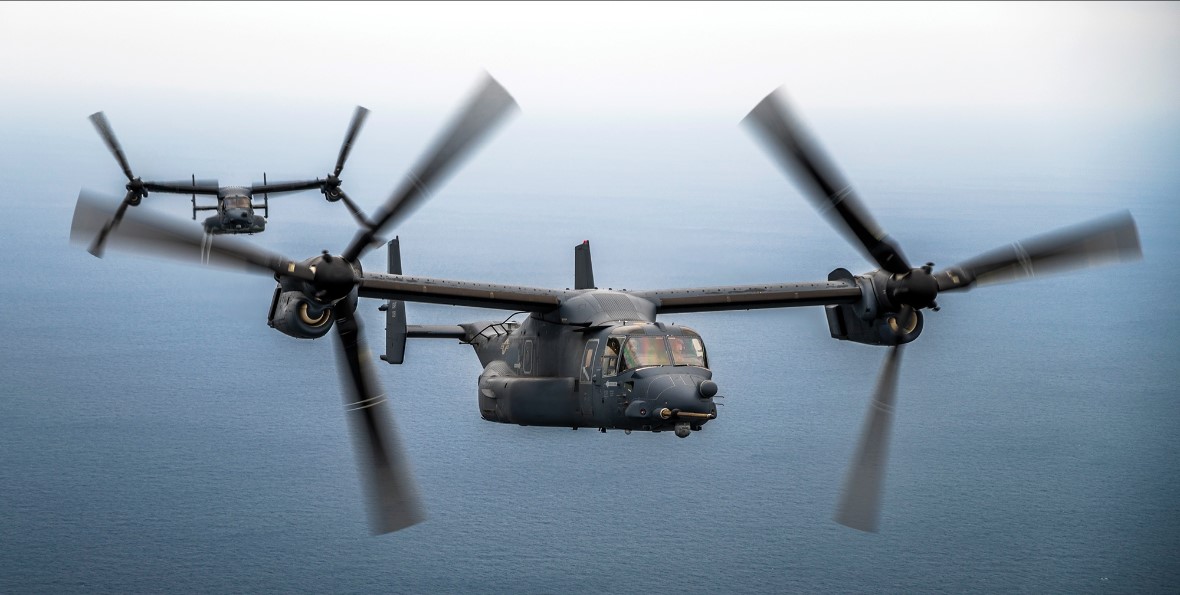
World
The U.S. Air Force has updated its strategy for the future of Davis-Monthan Air Force Base in Arizona, transforming the 492nd Special Operations Wing into a new Power Projection Wing. The move comes as the base prepares to retire its long-serving A-10 aircraft and take on a more diverse special operations mission. Updated Force Structure Originally, the Air Force had planned to move multiple MC-130J Commando II squadrons and special tactics units to Davis-Monthan. After further review, however, those units will remain at their current locations. Instead, the new wing will feature: Two OA-1K Armed Overwatch squadrons, both relocating from Hurlburt Field in Florida. A CV-22 Osprey squadron and its maintenance unit, transferring from Cannon Air Force Base in New Mexico. A new Theater Air Operations Squadron, created to enhance mission planning and support tailored to specific regions. A new Intelligence Squadron under Air Combat Command, which will activate at Davis-Monthan. These changes emphasize strike, mobility, intelligence, surveillance, reconnaissance, and air-ground coordination — the full mission set of Air Force Special Operations Command. Why the Changes? Air Force leaders determined that keeping the MC-130J fleet distributed across existing locations would ensure greater operational effectiveness. In addition, relocating special tactics units was ruled out due to the high cost of building specialized facilities at Davis-Monthan, compared to the infrastructure already available elsewhere. Timeline and Next Steps The headquarters of the 492nd Special Operations Wing and three associated squadrons have already been cleared to begin moving to Davis-Monthan. The relocation of the second OA-1K squadron and the CV-22 squadron still requires environmental impact reviews, though much of the groundwork for those studies has already been completed. Officials expect the new wing to reach full operational capability by Fiscal Year 2028. A-10 Retirement and Base Transition Davis-Monthan is in the midst of bidding farewell to its iconic A-10 “Warthog” fleet. The first aircraft began departing for retirement in 2024, and the phased withdrawal is expected to continue into 2026. The Air Force has justified the retirement by pointing to the A-10’s limited survivability in modern high-threat environments, particularly in potential conflicts against near-peer adversaries such as China. The shift to special operations represents not only a modernization effort but also a new chapter in the identity of Davis-Monthan, positioning the base as a hub for flexible, global special operations capabilities. Local and Strategic Impact Community leaders in Arizona have expressed both optimism and concern about the transition. While the move secures Davis-Monthan’s future with a new mission, questions remain about aircraft noise, environmental impact, and infrastructure requirements for incoming units like the CV-22. For the Air Force, however, the decision reflects a balance between expanding special operations capabilities, controlling costs, and ensuring readiness for future contested environments. By 2028, Davis-Monthan will no longer be defined by its A-10 heritage but by its role in projecting specialized airpower across the globe.
Read More → Posted on 2025-09-13 15:41:21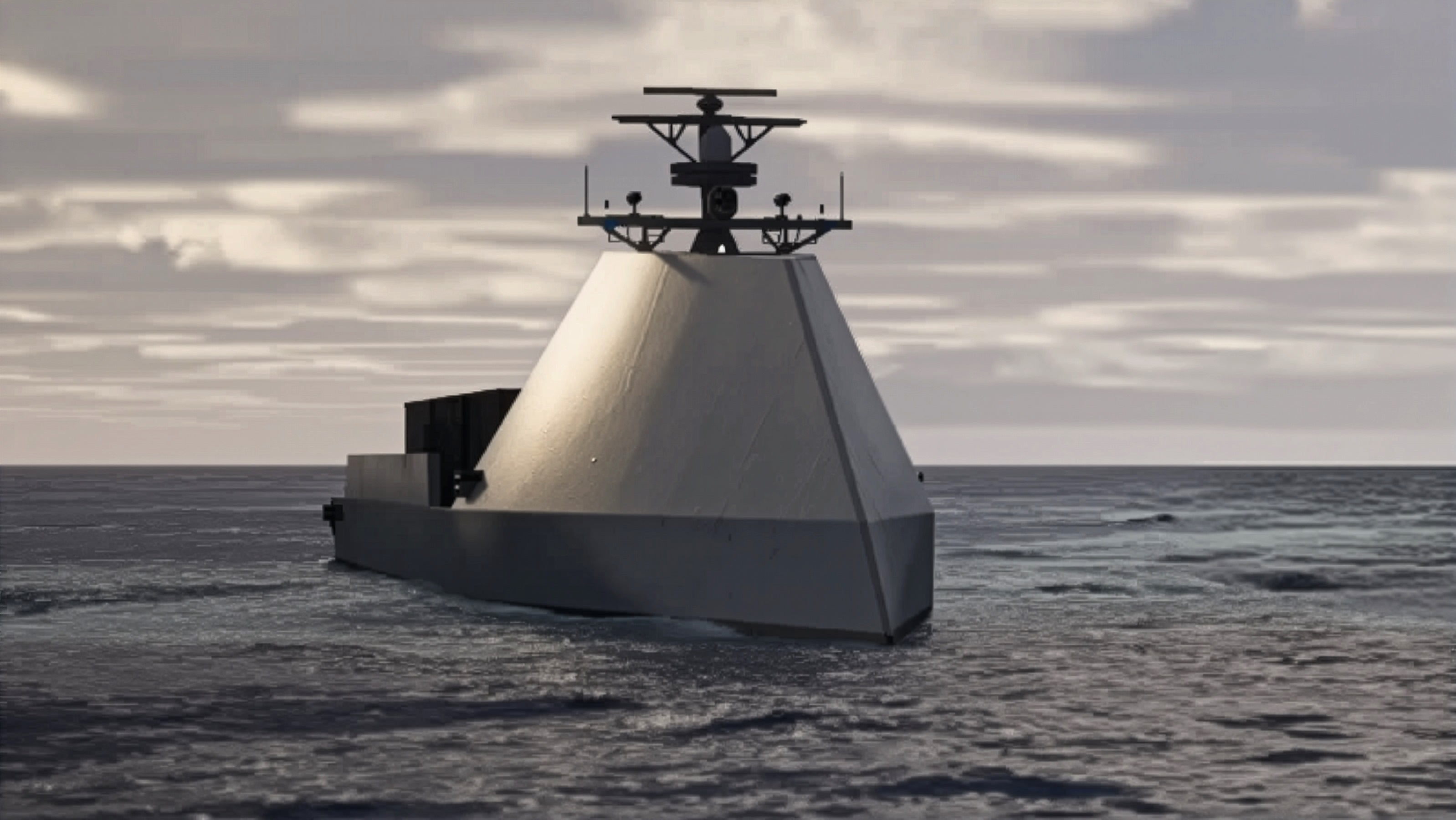
World
Huntington Ingalls Industries (HII) has unveiled ROMULUS, a modular, AI-enabled family of unmanned surface vessels (USVs) powered by its Odyssey Autonomous Control System (ACS). The flagship, ROMULUS 190, is already under construction, marking a major step in advancing unmanned naval warfare capabilities for the U.S. Navy, Marine Corps, joint forces, and allied partners. Key Features of ROMULUS 190 A 190-foot hull built to commercial standards, enabling rapid and repeatable production. Designed to reach speeds of more than 25 knots. Endurance of 2,500 nautical miles, even while carrying four standard intermodal containers. Developed in partnership with Breaux Brothers, Beier Integrated Systems, and Incat Crowther. Advanced Autonomy and Modular Design ROMULUS is powered by the Odyssey ACS, which has already recorded over 6,000 operational hours across more than 35 different unmanned platforms. Built with an open architecture, Odyssey allows rapid integration of third-party payloads, sensors, and software. The program also incorporates technologies from Shield AI, Applied Intuition, and C3 AI to enhance autonomy, object classification, and lifecycle management. Mission Roles and Multi-Domain Operations ROMULUS has a reconfigurable design, making it suitable for multiple mission sets, including: Intelligence, surveillance, and reconnaissance (ISR) Strike operations Counter-unmanned systems Launch and recovery of unmanned aerial and undersea vehicles Paired with HII’s REMUS unmanned undersea vehicles (UUVs), ROMULUS is expected to strengthen undersea sensing capabilities, improve anti-submarine warfare (ASW) performance, and support mine countermeasure operations. Production Timeline and Strategic Context The first ROMULUS 190 is expected to be completed within 12 months. Once the production line is established, HII aims to build up to six vessels at a time, with annual deliveries of four to five ships. The program arrives as the U.S. Navy evaluates new medium-sized unmanned surface vessel concepts, such as the Modular Attack Surface Craft (MASC). ROMULUS’ containerized payload capability, commercial-standard hull, and scalability align with many of the Navy’s future operational needs. Implications With ROMULUS, HII is advancing a vision of naval operations that emphasizes speed, autonomy, and scalability. The platform is designed to operate in tandem with unmanned aerial and undersea systems, offering a layered and flexible maritime defense network. Defense experts note that the system could significantly reduce risks to manned platforms, enhance distributed operations, and provide cost-effective options for sustained oceanic missions. However, factors such as cost, logistics, and cybersecurity resilience will remain critical as ROMULUS transitions from concept to fleet service.
Read More → Posted on 2025-09-13 15:29:57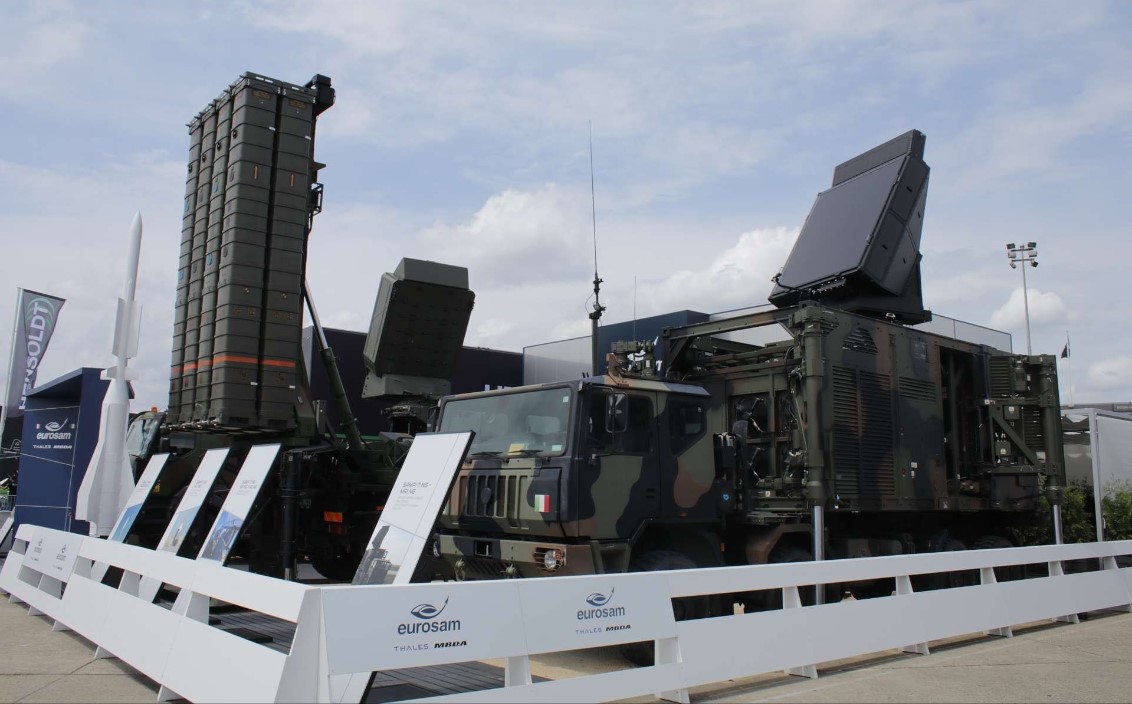
World
Copenhagen, September 13, 2025 — Denmark has announced a historic decision to invest around 58 billion kroner (approximately 9.1 billion USD) in new ground-based air and missile defense systems, aimed at strengthening the country’s protection against aerial threats. The move represents the largest single defense procurement in Danish history. Key Elements of the Investment Denmark will acquire eight full-scale air defense systems, each consisting of multiple fire units. For long-range defense, Denmark has chosen the Franco-Italian SAMP/T NG system, developed by Eurosam (a joint venture between MBDA and Thales). For medium-range defense, the country is considering three European options: Norway’s NASAMS, Germany’s IRIS-T, and France’s VL MICA. A mix of these could be selected to provide layered coverage. The first system is expected to become operational as early as 2025, with the rest to be phased in over the coming years. Background and Rationale The decision is a direct response to the security challenges highlighted by Russia’s war in Ukraine. Experience from Ukraine has shown that modern, layered air defense systems are vital for protecting civilians, infrastructure, and military assets from missile and drone strikes. Defense Minister Troels Lund Poulsen emphasized that ground-based air defense is now “an absolute top priority” in the future development of Denmark’s armed forces. Why European Systems? While the U.S. Patriot system was considered, Denmark opted for European solutions mainly due to faster delivery timelines and lower procurement risks. Danish officials made clear that the decision was not a rejection of U.S. technology, but rather a pragmatic choice to address immediate defense needs. The move also supports Europe’s broader ambition to strengthen its defense industry and reduce reliance on non-European suppliers. Strategic Implications This investment marks a major leap in Denmark’s defense capabilities, aligning the country more closely with NATO’s collective defense strategy. Approval by the Danish Parliament (Folketinget) will be required, but strong political backing is expected. Denmark will become one of the first Northern European nations to deploy a fully integrated, multi-layered air defense shield, enhancing both national and regional security. With this record-breaking purchase, Denmark signals its determination to adapt to Europe’s new security reality, ensuring that both its citizens and armed forces are shielded from the evolving threats of modern warfare.
Read More → Posted on 2025-09-13 14:01:55
World
Beijing, September 12, 2025 : China has unveiled a state-of-the-art missile production facility that operates entirely under artificial intelligence (AI) control, capable of manufacturing more than 100 missiles daily. This advanced facility marks a significant leap in China's military manufacturing capabilities, emphasizing the nation's commitment to integrating AI into its defense sector. The facility's operations are fully automated, with AI systems overseeing the entire production process. Human intervention is limited to periodic inspections, ensuring quality control without direct involvement in the manufacturing stages. This approach not only enhances efficiency but also reduces human error, allowing for a rapid and scalable missile production capacity. A notable example of this AI-driven manufacturing is the PL-15E air-to-air missile. Developed by China's aerospace giant AVIC, the PL-15E is produced on a 24-hour unmanned assembly line. Once materials are prepared and software configurations are set, the production process runs autonomously, highlighting the facility's advanced capabilities. This missile has been reported to outperform Western equivalents in both range and terminal engagement performance, with a maximum reach of 145 km. The PL-15E's advanced features make it a significant asset in China's missile arsenal. The integration of AI into missile production is part of China's broader strategy to modernize its military infrastructure. The People's Liberation Army (PLA) has been showcasing its growing technological prowess, with recent demonstrations of AI-powered military systems. These advancements underscore China's commitment to enhancing its defense capabilities through innovation and technological integration. This development positions China as a formidable force in the global defense sector, with the potential to influence international security dynamics. The AI-controlled missile production line not only signifies a technological milestone but also reflects China's strategic focus on strengthening its military readiness and deterrence capabilities. As the global community observes China's advancements in military technology, the implications for international relations and security remain a topic of significant interest and analysis.
Read More → Posted on 2025-09-12 16:50:15Search
Top Trending in 24 Hours
-
 Ukraine Launches Largest Drone Attack on Moscow Since Start of Full-Scale War, Hits Major Oil Refinery
-
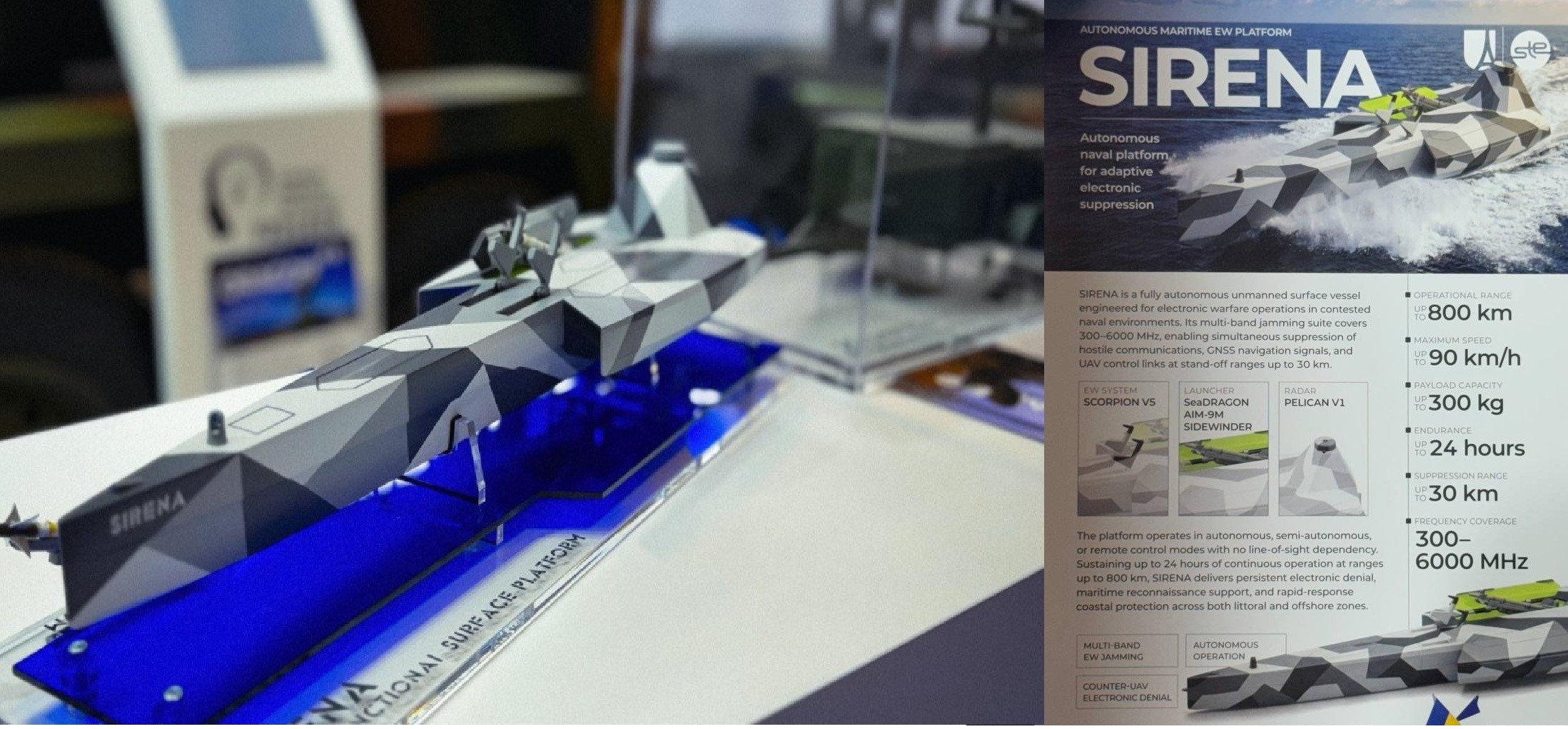 Ukraine Unveils SIRENA USV Armed with Sidewinder Missiles and Advanced EW System at Eurosatory 2026
-
 Quantum Space Wins Pentagon Contract to Develop Orbital Satellite Refueling Depot for U.S. Space Force
-
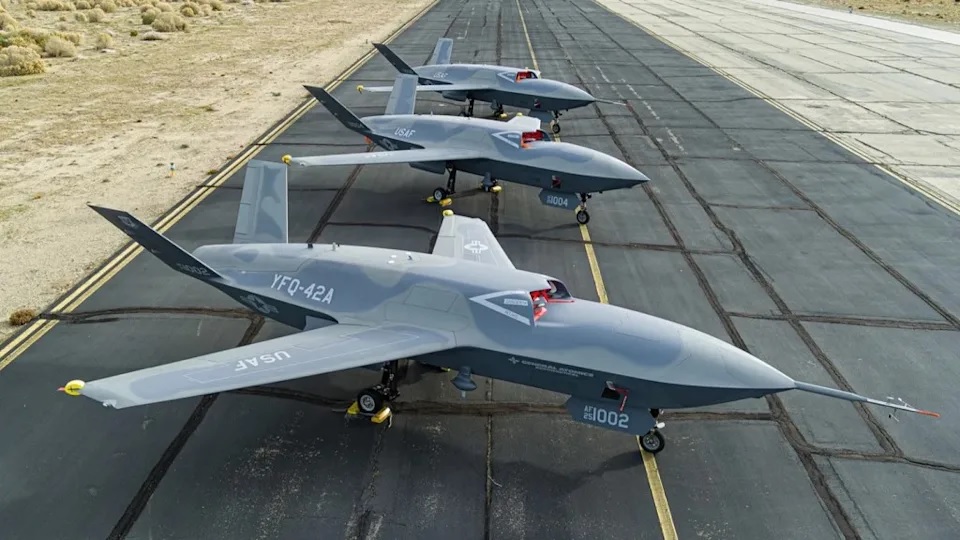 U.S. Air Force Awards Production Contracts for FQ-42A and FQ-44A Collaborative Combat Aircraft
-
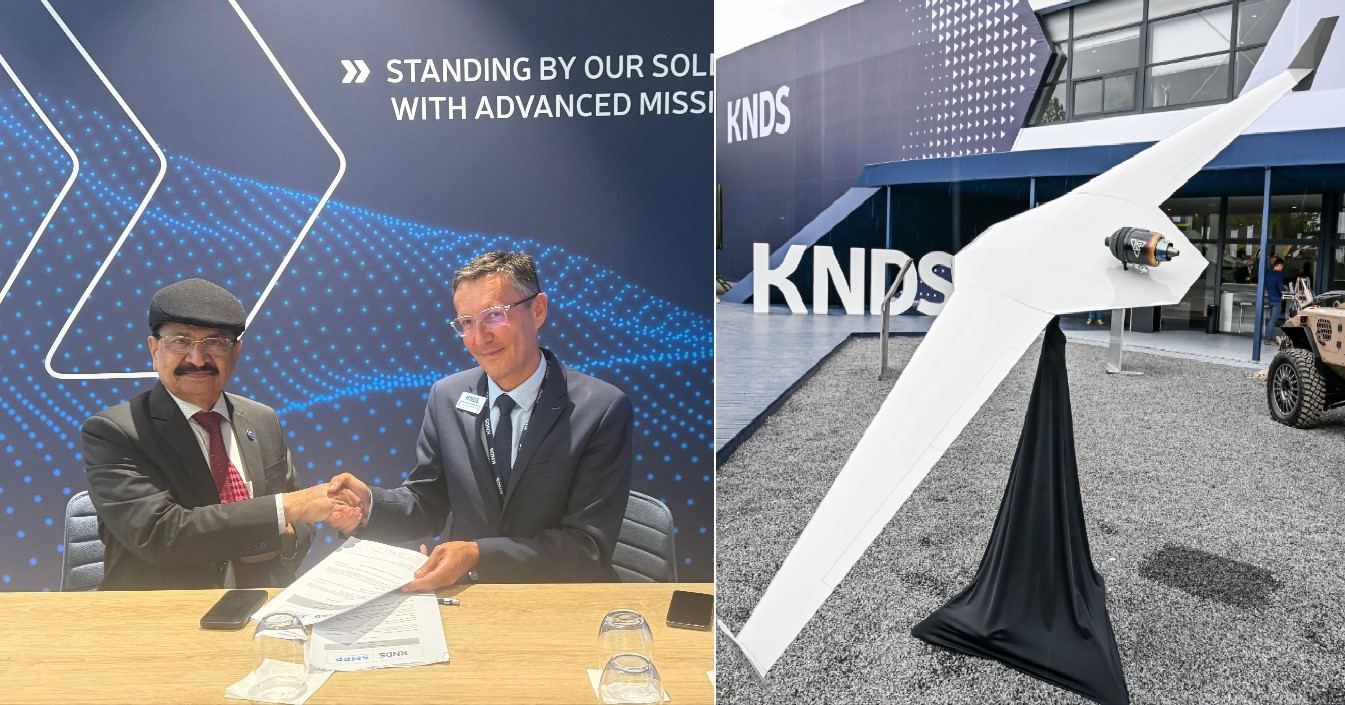 SMPP and KNDS Sign Agreement to Manufacture Advanced Loitering Munitions and ISTAR Drones in India
-
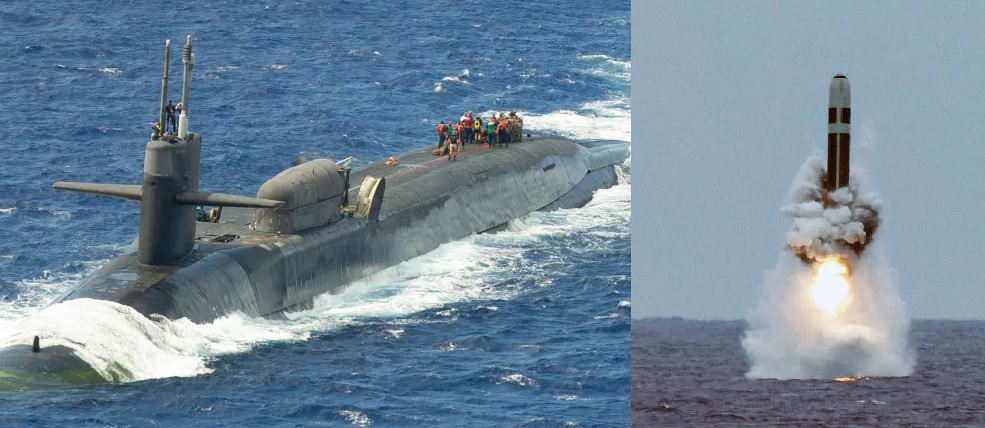 NNSA Delivers First W76/Mk4B Nuclear Reentry Body Nearly Three Months Ahead of Schedule for Ohio-Class Ballistic Missile Submarines
-
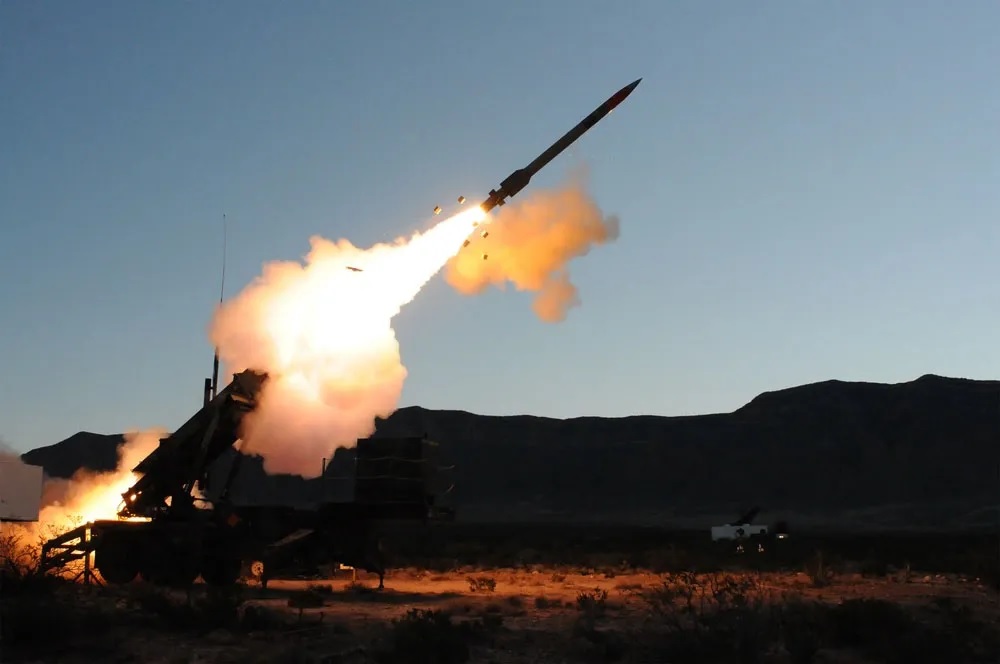 Germany Announces $400 Million Air Defense Package for Ukraine, Funds Patriot PAC-3 Missiles
-
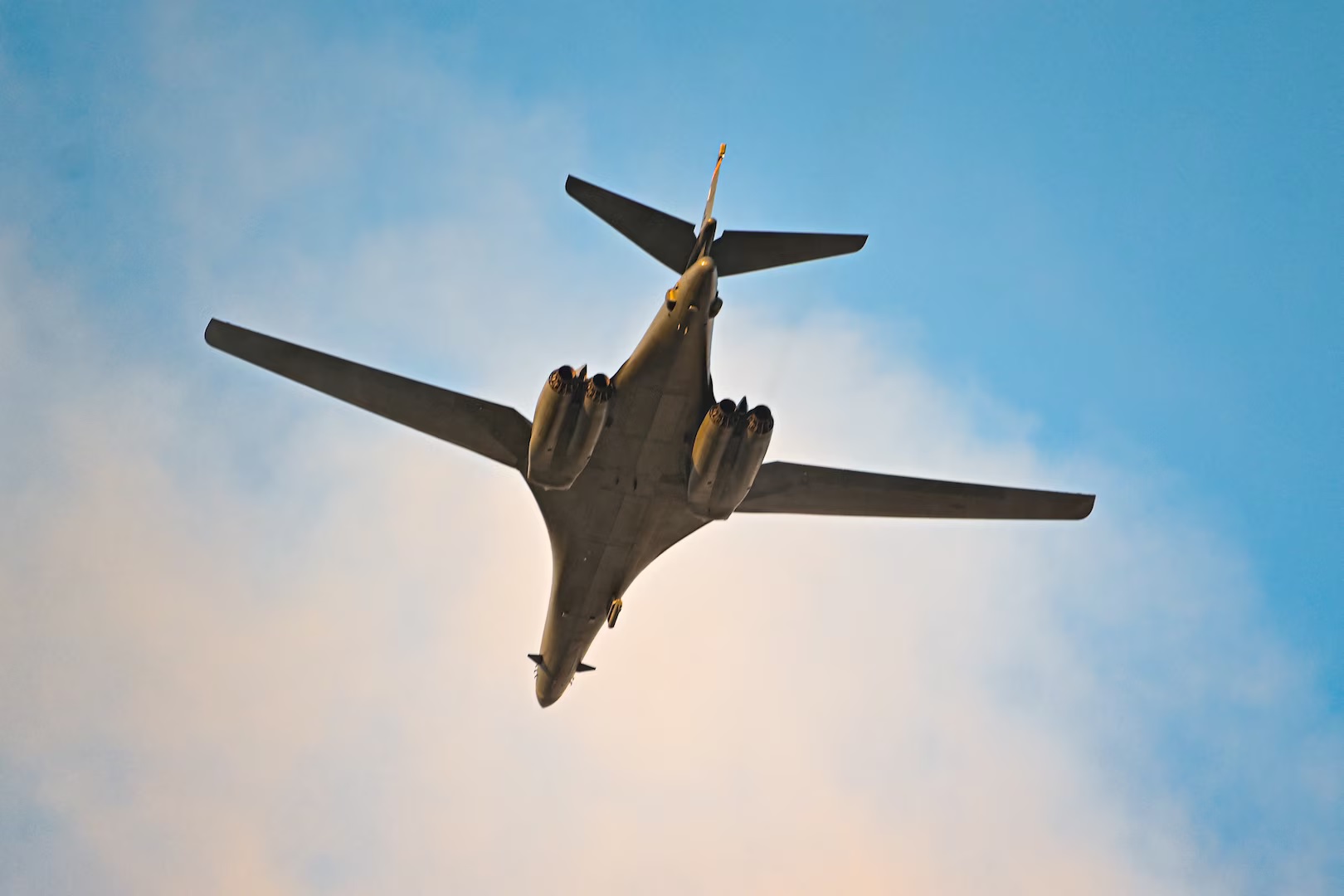 U.S. DLA Awards $76 Million Contracts to Sustain B-1B Lancer Wing Components Through 2029
Top Trending in 4 Days
-
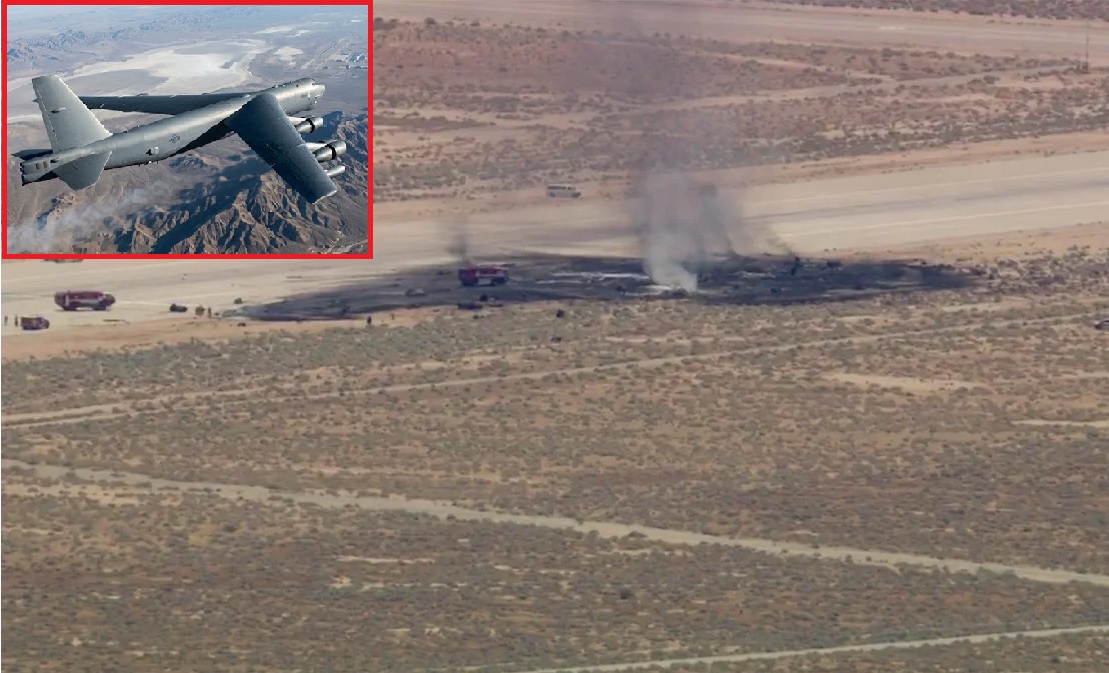 8 U.S. Air Force Crew Members Killed in B-52 Bomber Crash During Test Flight at Edwards Air Force Base
-
 Ukraine Introduces Balloon-Launched DART Missile Designed to Defeat Electronic Warfare
-
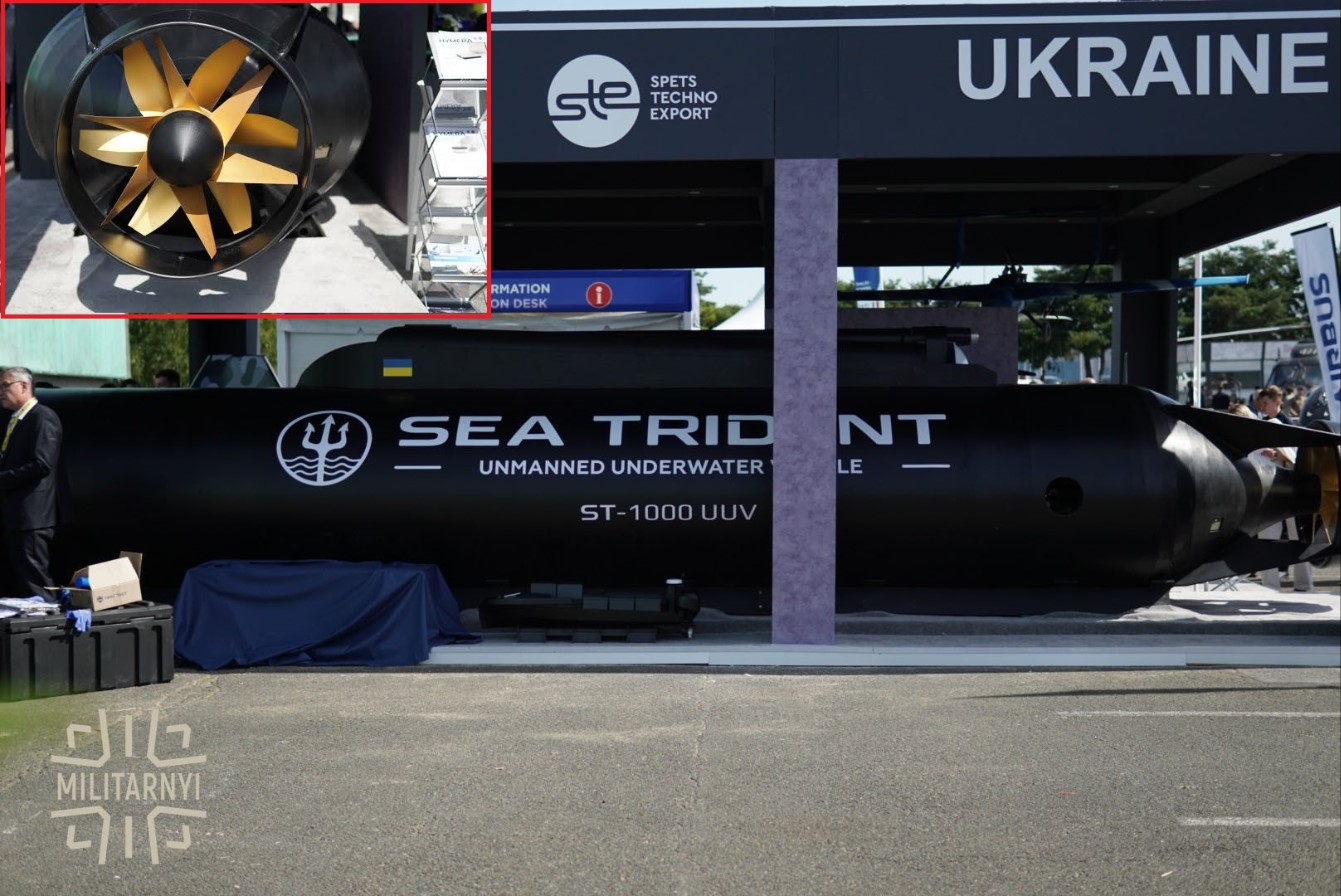 Ukraine Unveils 'Sea Trident' 10-Ton Autonomous Underwater Drone at Eurosatory 2026
-
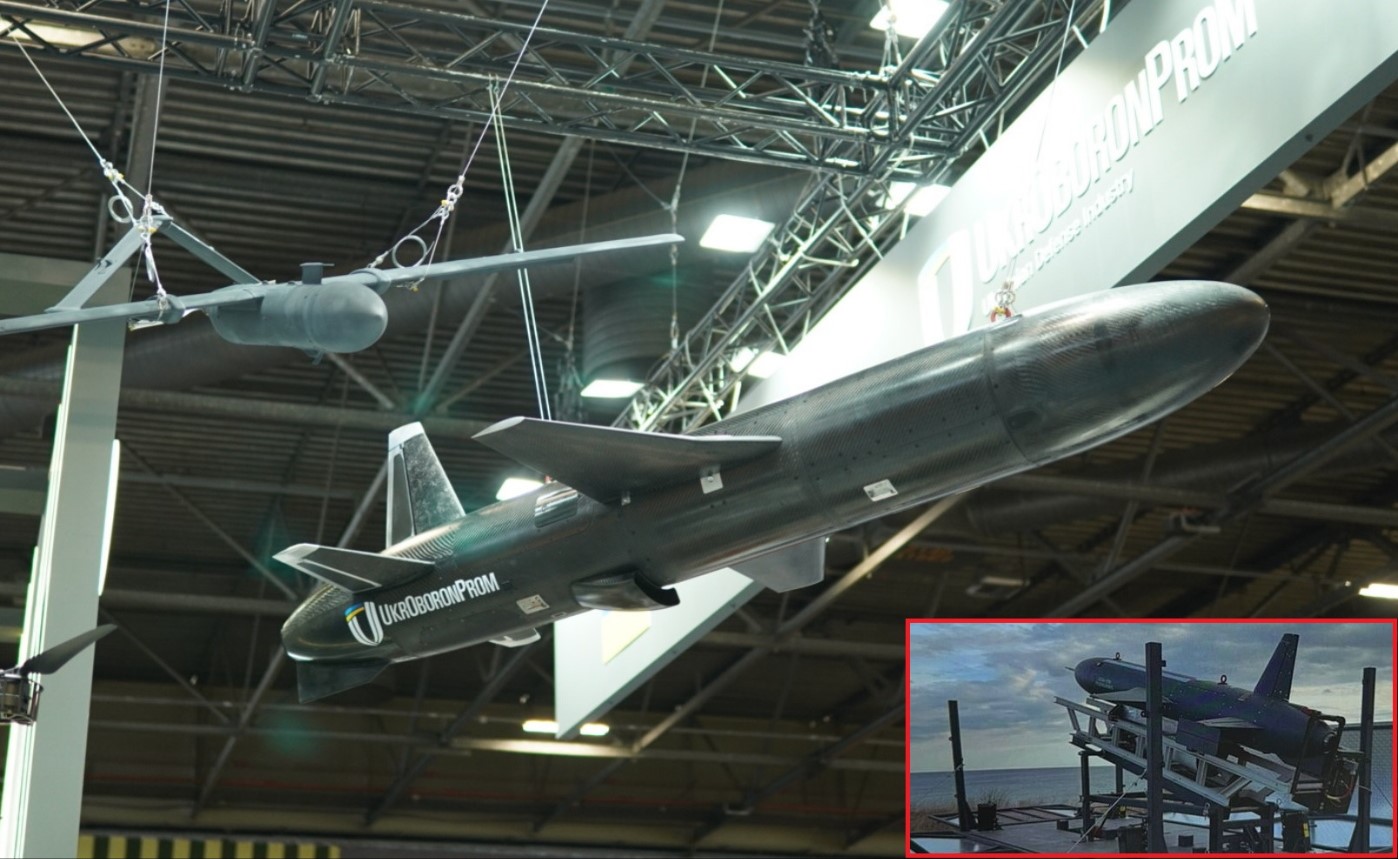 Ukraine Unveils UAV-290 Jet-Powered Strike Drone with 650 km Range at Eurosatory 2026
-
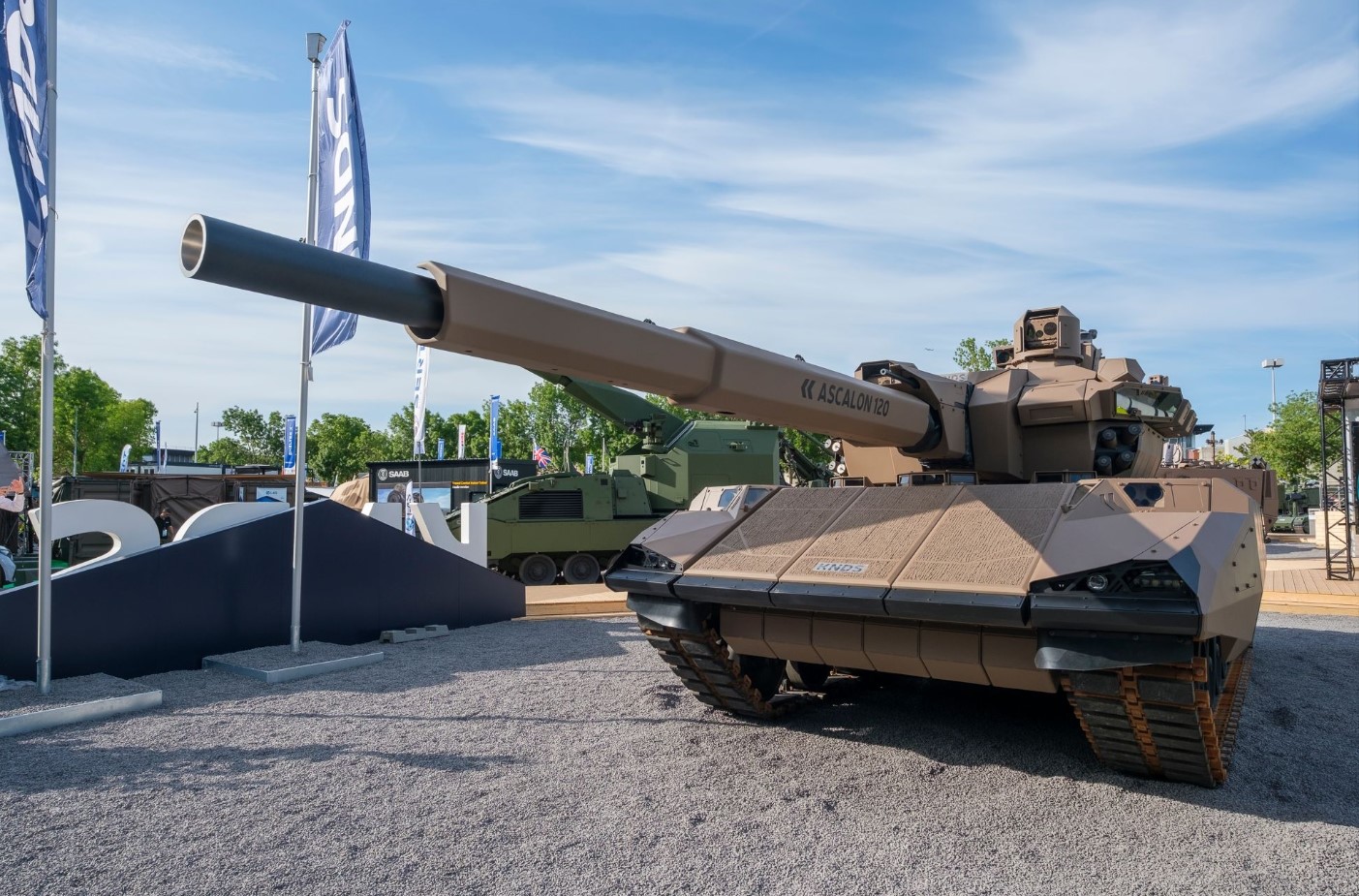 KNDS Unveils CAPINT Main Battle Tank at Eurosatory 2026 as Leclerc Stopgap
-
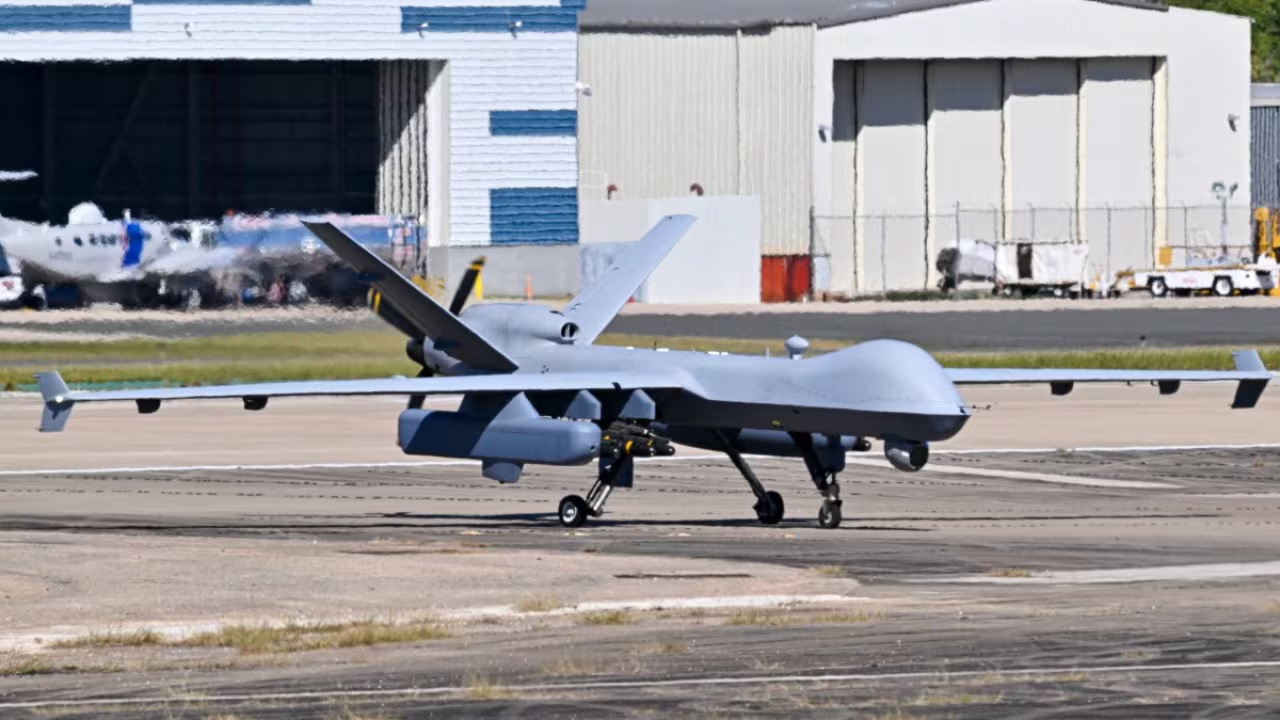 U.S. Air Force Moves to Rebuild MQ-9 Reaper Fleet After Heavy Losses in Iran Conflict
-
 UK Announces £210 Million Deal to Supply Enriched Uranium to Ukraine for Two Years
-
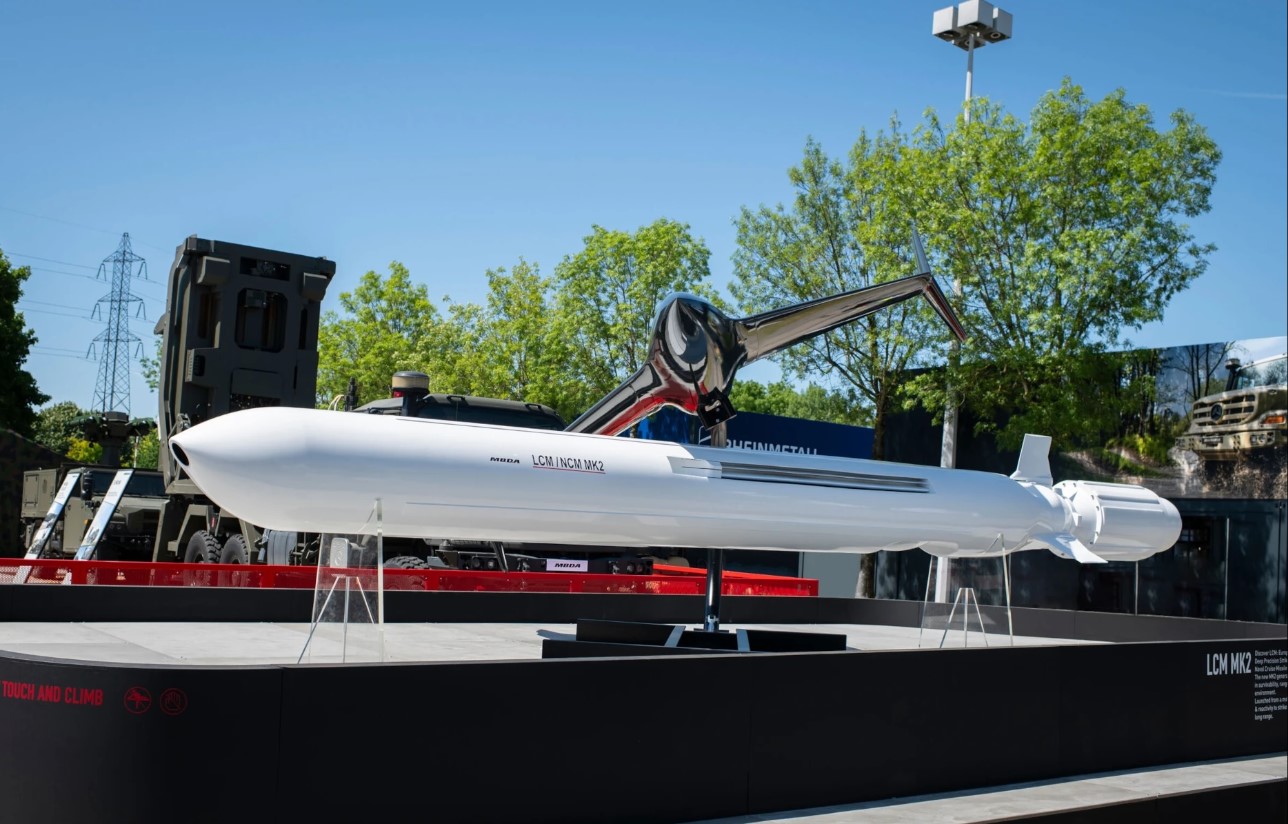 MBDA Unveils NCM-LCM MK2 Cruise Missile With 1,000+ km Range at Eurosatory 2026