World
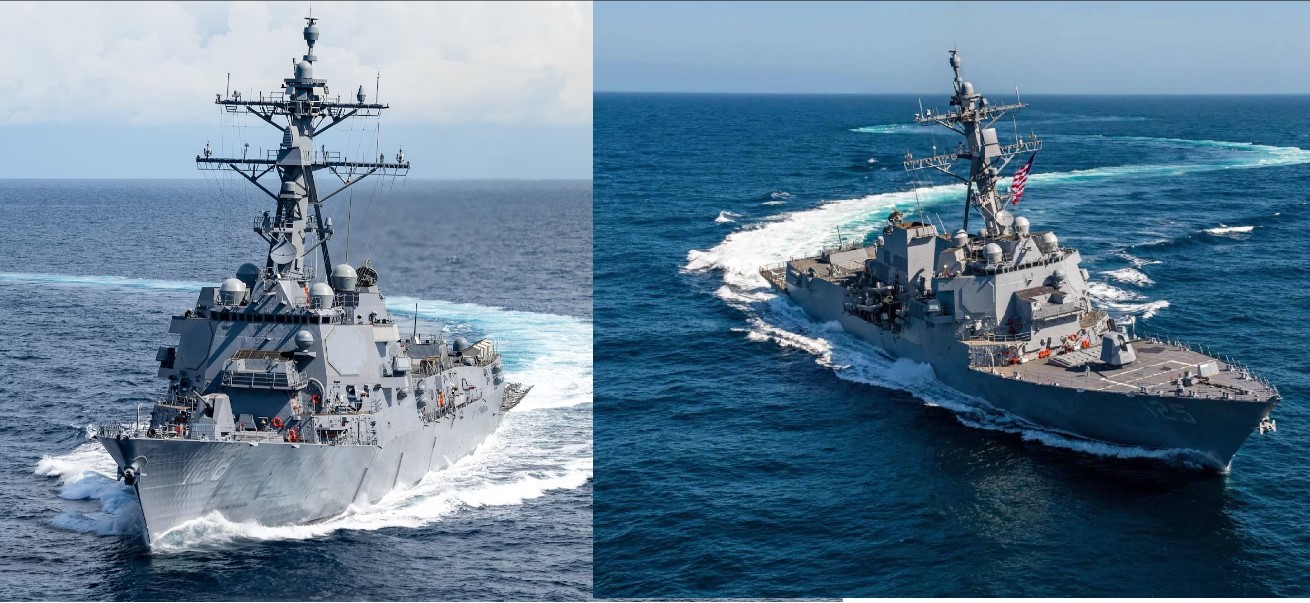
PASCAGOULA, Mississippi : On 29 December 2025 The United States Navy has formally taken delivery of the guided-missile destroyer USS Ted Stevens (DDG-128), marking another significant step in the service’s effort to modernise its surface fleet and strengthen high-end naval combat capability. The ship was handed over by Huntington Ingalls Industries, through its Ingalls Shipbuilding division, at the company’s Pascagoula shipyard in Mississippi. The delivery of Ted Stevens reinforces the Navy’s expanding Flight III Arleigh Burke-class destroyer programme at a time of intensifying maritime competition and growing demand for advanced air and missile defence assets. Navy officials described the handover as a critical milestone in enhancing fleet readiness and supporting Distributed Maritime Operations, the operational concept guiding future U.S. naval warfare. A Key Addition to the Flight III Programme Ted Stevens is one of the most advanced variants of the Arleigh Burke-class, the longest-running destroyer production programme in U.S. Navy history. More than 80 ships of the class have been delivered, are under construction, or are planned, underscoring its central role in American naval power. Flight III ships represent a major generational upgrade over earlier Flight IIA destroyers. While retaining the proven hull, propulsion and weapons architecture of the DDG-51 family, the Flight III design introduces substantial improvements in sensors, power generation and cooling capacity, enabling the integration of next-generation combat systems and significantly improving survivability in contested environments. SPY-6 Radar Brings Step-Change in Capability At the core of Ted Stevens’ enhanced combat capability is the AN/SPY-6(V)1 Air and Missile Defense Radar, the most capable radar ever deployed on a U.S. Navy surface combatant. Built using scalable gallium nitride (GaN) technology, SPY-6 offers up to a 30-times increase in sensitivity compared with the legacy SPY-1 radar. This capability allows the destroyer to simultaneously detect, track and discriminate among ballistic missiles, cruise missiles, aircraft and surface threats, even in dense electronic warfare conditions. The radar’s modular design also improves resilience and long-term upgrade potential as threat profiles evolve. Aegis Baseline 10 and Expanded Warfighting Roles The radar is paired with the Aegis Baseline 10 combat system, enabling Flight III destroyers to function as theatre-level air and missile defence nodes. Baseline 10 supports full integration of advanced weapons such as the SM-6 missile, alongside next-generation electronic warfare and command-and-control capabilities. Together, these systems allow ships like Ted Stevens to conduct complex, multi-domain engagements across wide maritime battlespaces, extending their role beyond traditional escort duties to become central elements in joint and allied defence architectures. Industrial Momentum at Pascagoula Ingalls Shipbuilding officials highlighted the delivery as evidence of sustained production momentum at the Pascagoula yard. The shipbuilder is currently constructing multiple Flight III destroyers in parallel, including DDG-129 Jeremiah Denton, DDG-131 George M. Neal, DDG-133 Sam Nunn and DDG-135 Thad Cochran. To support this increased tempo, Ingalls has expanded its distributed shipbuilding model, spreading fabrication and outfitting work across partner facilities to stabilise schedules, manage workforce demand and accelerate delivery timelines. With Ted Stevens, Ingalls has now delivered 36 Arleigh Burke-class destroyers to the U.S. Navy. Honouring a National Figure The destroyer is named after Ted Stevens, the long-serving U.S. Senator from Alaska whose career spanned four decades and who was a prominent advocate for national defence and military readiness. Navy leaders have said the ship will carry forward that legacy through decades of operational service. Strengthening Fleet Readiness As the U.S. Navy confronts increasingly sophisticated missile threats and contested maritime domains, the induction of USS Ted Stevens underscores a clear strategic direction: sustained investment in high-end surface combatants capable of operating at the centre of modern naval warfare. With Flight III destroyers entering service in growing numbers, the Navy is positioning its surface fleet to retain technological and operational advantage well into the coming decades.
Read More → Posted on 2025-12-31 16:37:25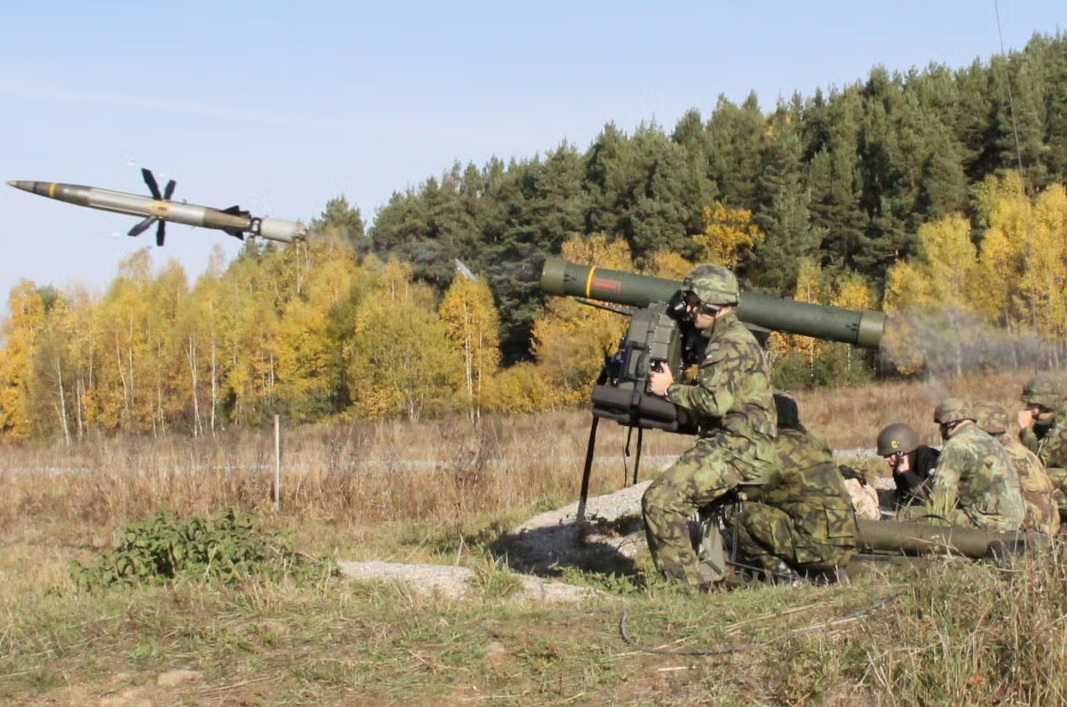
World
Stockholm / Vilnius: Swedish defence major Saab AB has received a major SEK 3 billion order from the Lithuanian Ministry of National Defence for RBS 70 Bolide short-range air defence missiles, marking a significant reinforcement of Lithuania’s layered air defence posture. Deliveries of the missiles are scheduled to take place over a five-year period from 2028 to 2032, Saab confirmed. The procurement has been placed under a framework agreement for Saab’s RBS 70 NG short-range air defence system, involving Saab, the Swedish Defence Materiel Administration (FMV), and the Lithuanian Ministry of National Defence. The framework is designed to ensure long-term availability, predictable deliveries, and sustained operational support for Lithuania’s air defence forces. Strengthening Lithuania’s Air Defence Network Lithuania has operated the RBS 70 air defence system since 2004, making it one of the longest-serving users of the Swedish-designed solution. Over two decades, the system has become a cornerstone of Lithuania’s short-range air defence, valued for its high mobility, battlefield robustness, and resistance to electronic warfare. The latest order focuses on the Bolide missile, the most advanced interceptor developed for the RBS 70 family. The Bolide significantly expands the engagement envelope of the system, enabling Lithuanian forces to counter a broad spectrum of modern aerial threats. “With this order, we continue our commitment to supporting the Lithuanian Armed Forces with our world-leading RBS 70 missiles. These form a key part of the nation’s air defence capability and contribute to keeping Lithuania’s airspace safe,” said Görgen Johansson, Head of Saab’s Business Area Dynamics. Bolide Missile: Capabilities and Performance The RBS 70 Bolide is a high-speed, laser beam-riding missile specifically designed to defeat modern and emerging airborne threats. Unlike heat-seeking missiles, its laser-guided system makes it immune to jamming, flares, and infrared decoys, a decisive advantage in today’s electronic warfare-intensive environment. Key performance parameters of the Bolide missile include: Maximum engagement range: up to 9 km Maximum engagement altitude: up to 5 km Target set: UAVs and loitering munitions, helicopters, fast jets, and low-flying cruise missiles Warhead penetration: capable of penetrating approximately 200 mm of armour, increasing lethality against hardened or fast-moving targets These capabilities significantly enhance Lithuania’s ability to defend critical infrastructure, military formations, and manoeuvring units against low-altitude and high-speed threats. Integration with Mobile Air Defence Systems The RBS 70 NG is already integrated into Lithuania’s vehicle-mounted mobile air defence systems, providing protection to moving military units during manoeuvres and deployments. The system combines missile launchers with surveillance sensors and command-and-control elements, enabling rapid reaction and high operational flexibility. The newly ordered Bolide missiles will further strengthen this mobile air defence layer, ensuring sustained readiness and ammunition availability for years to come. Strategic Significance Lithuanian Minister of National Defence Robertas Kaunas underlined the importance of the deal, stating that strengthening air defence remains a top national priority. The acquisition, he said, ensures an uninterrupted supply of critical air defence ammunition for the Lithuanian Armed Forces at a time of heightened regional security concerns. The SEK 3 billion contract also underscores Saab’s growing role as a key air defence supplier to NATO and European frontline states. As demand rises for highly mobile, short-range air defence systems capable of countering drones, cruise missiles, and fast jets, the RBS 70 NG and Bolide combination continues to attract sustained international interest. With deliveries beginning in 2028 and running through 2032, the agreement represents a long-term investment in Lithuania’s airspace security and a further deepening of defence cooperation between Lithuania and Sweden.
Read More → Posted on 2025-12-31 16:27:10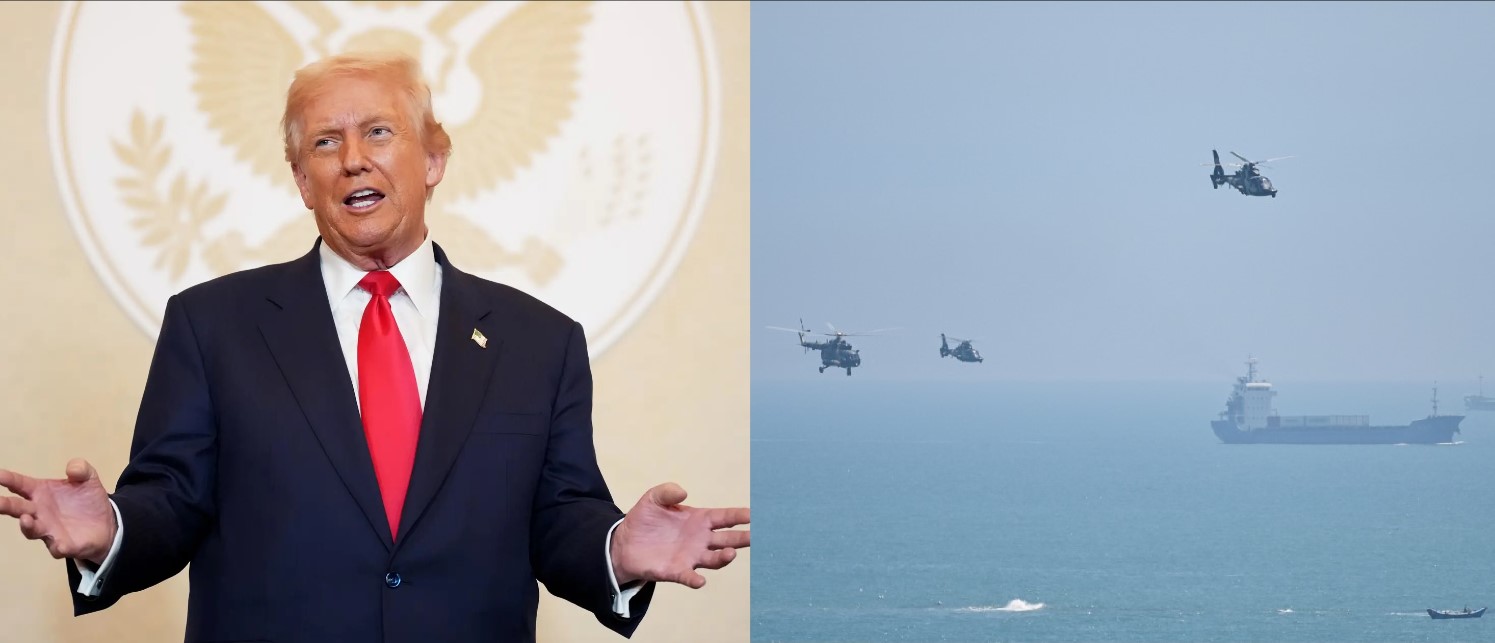
World
U.S. President Donald Trump has dismissed concerns over China’s latest live-fire military exercises around Taiwan, telling reporters he is “not worried” and describing the maneuvers as part of a long-running regional pattern. Speaking to the media, Trump noted that China has conducted naval exercises in the Taiwan Strait for years, and leaned heavily on personal diplomacy, stressing what he called a “great relationship” with Chinese President Xi Jinping. Trump also revealed that Xi did not give him advance notice of the drills, but he nevertheless played down the risk of a near-term crisis. His remarks came as Beijing concluded some of the largest Taiwan-focused military exercises seen in recent years. What China Did: “Justice Mission 2025” Around Taiwan China’s People’s Liberation Army (PLA) launched a large-scale, two-day operation dubbed “Justice Mission 2025” on December 29–30, 2025. The exercise featured extended live-fire activity and multi-domain operations, combining air, naval, and missile forces. According to international reporting, the drills simulated encirclement and blockade scenarios, along with joint air-and-sea strike operations and other integrated combat missions. While official tallies varied, the overall message was consistent: a show of force aimed at Taiwan and a warning to outside powers. Reuters reported that the operation involved around 10 hours of live-fire drills, with 71 military aircraft and 24 naval vessels taking part. The scenarios reportedly included strike missions, maritime control, and anti-submarine warfare components. Why Now: Arms Sales, Signaling, And Deterrence The timing of the drills coincided with a sharp rise in cross-strait tensions following a major U.S. decision. The Trump administration recently announced an $11.1 billion arms package for Taiwan, described as the largest-ever U.S. weapons sale to the island. The package reportedly includes HIMARS rocket systems, artillery, and drones, aimed at strengthening Taiwan’s asymmetric defense posture. Analysts say China’s exercises were intended to send a clear deterrent signal, particularly against what Beijing calls “external interference”—language widely interpreted as a warning to Washington and its allies. Taipei’s Response: Condemnation And Readiness Taiwan’s government strongly condemned the drills, calling them destabilizing and escalatory. Taiwanese defense authorities said they closely monitored PLA aircraft and naval vessels operating around the island and maintained a heightened state of military readiness. International reporting also highlighted concerns over the psychological and coercive impact of the exercises, with Taiwanese officials warning that such actions increase the risk of miscalculation, even in the absence of an immediate crisis. International Pushback: UK And Allies Urge Restraint Diplomatic reactions widened as the drills concluded. The United Kingdom publicly expressed concern and urged restraint, warning that large-scale military activity near Taiwan raises tensions and the risk of escalation. London reiterated its opposition to any unilateral attempt to change the status quo by force or coercion. Debate In Washington: Confidence Versus Caution Trump’s confidence is rooted in his belief that personal rapport with Xi Jinping reduces the chances of a major confrontation. However, China experts and allied governments caution that Taiwan remains a core sovereignty issue for Beijing. They argue that Chinese military activity around the island is often used to test resolve, signal deterrence, and shape political decisions, rather than to indicate a single, imminent move. Recent analysis has framed the exercises as a test of Trump’s Taiwan policy following the record-breaking arms package. What Happens Next As 2026 approaches, the Taiwan Strait enters the new year under heightened international scrutiny. With China intensifying military pressure, the United States expanding military support for Taiwan, and leaders relying heavily on strategic signaling and personal diplomacy, even routine drills now carry amplified geopolitical meaning—especially when they coincide with weapons transfers, elections, or shifts in regional posture.
Read More → Posted on 2025-12-31 16:16:09
World
Moscow / Kyiv : Russia has signalled a fresh escalation in its war against Ukraine, with its top military commander stating that President Vladimir Putin has ordered preparations to expand a so-called “buffer zone” inside northeastern Ukraine in 2026. The announcement was made by Chief of the General Staff Valery Gerasimov, who said Russian forces were pressing forward in border areas of Ukraine’s Sumy and Kharkiv regions. Gerasimov was speaking during an inspection of Russia’s “North” troop grouping, according to Russian state news agencies. Moscow’s Buffer Zone Plan Russian officials describe the buffer zone as a security measure intended to push Ukrainian troops and weapons systems farther away from Russia’s border. Moscow has repeatedly cited cross-border shelling and drone attacks on Russian regions such as Belgorod and Kursk as justification for the policy. The “North” grouping, formed in early 2024, has been operating along the northeastern frontier with the stated aim of creating the buffer zone and preventing Ukrainian forces from staging attacks into Russian territory. Gerasimov said the expansion ordered by Putin would be implemented next year, indicating that Russia intends to deepen and consolidate its presence inside Ukraine’s border regions. Context of Rising Tensions Gerasimov’s remarks come amid heightened tensions following Russia’s vow to retaliate over what it claimed — without presenting evidence — was an attempt to attack Putin’s residence. Ukraine has denied the allegation, saying it was designed to derail diplomatic efforts as the war nears its fourth year. There was no immediate response from Ukrainian military officials to the latest Russian statement. However, Kyiv has consistently rejected the concept of a buffer zone, arguing that it is being used by Moscow to justify further territorial expansion. Ukraine’s Rejection President Volodymyr Zelenskiy has previously dismissed Russia’s plans for Sumy and Kharkiv as “mad” and has pledged that Ukrainian forces will defend the regions. Ukrainian officials say the proposed buffer zone violates Ukraine’s sovereignty and international law, accusing Moscow of disguising offensive operations as defensive measures. Northeastern Ukraine has been a contested front since early 2024, with Russian units attempting to establish footholds near the border and Ukrainian forces conducting counter-operations to repel advances. Fighting in the area has underscored the strategic importance of Sumy and Kharkiv, which lie close to major supply routes and population centres. Outlook for 2026 The announcement of a planned buffer-zone expansion in 2026 suggests that Moscow is preparing for a prolonged conflict rather than a near-term political settlement. Analysts say the move points to continued fighting along the northeastern front, even as diplomatic efforts remain stalled. As both sides harden their positions, the regions bordering Russia are likely to remain a focal point of military activity, keeping tensions high well into the coming year and beyond.
Read More → Posted on 2025-12-31 16:08:58
World
Washington/Taipei : The United States has intensified its naval posture in the Western Pacific with the deployment of two aircraft carriers and an amphibious assault ship amid China’s largest live-fire military exercises near Taiwan. The moves reflect escalating tensions in the Taiwan Strait, with Washington signaling its commitment to maintaining freedom of navigation and supporting regional security amid Beijing’s growing military assertiveness. China’s “Justice Mission 2025” drills — spanning multiple designated zones encircling Taiwan — have involved extensive live-fire exercises, simulated blockades of key ports, and combined sea-air operations. Taiwanese authorities reported disruptions to international flights and maintained elevated alert levels as missiles, warships and fighter aircraft operated in waters and airspace around the island. The People’s Liberation Army (PLA) described the maneuvers as a stern warning against “external interference” and a necessary action to safeguard national sovereignty and unity. China’s military activity followed the recent approval of a record U.S. arms package to Taiwan, including missiles, drones and artillery systems — a move denounced by Beijing as provocative. U.S. Naval Deployment: Carriers and Amphibious Power According to fleet-tracking data and defense reports, the U.S. Navy currently has two aircraft carriers operating in the Western Pacific: USS Abraham Lincoln (CVN-72) — A Nimitz-class carrier that recently transited from Guam through the Philippine Sea into the South China Sea, conducting routine operations and integrating with allied maritime forces. USS George Washington (CVN-73) — Forward-deployed at Yokosuka, Japan, and maintaining presence in the wider Pacific amid regional tensions. Both carriers serve as flagship elements of their respective carrier strike groups, bringing significant air power, surveillance, and strike capabilities to the region. Nuclear-powered and equipped with a full complement of fighter aircraft, early warning planes and support helicopters, these carriers are central to U.S. force projection in the Indo-Pacific. In addition to the carriers, the U.S. amphibious assault ship USS Tripoli has been active in the vicinity, operating with embarked F-35B Lightning II jets and supporting extended maritime operations. Tripoli’s presence enhances the U.S. capability to launch aviation and expeditionary missions, underscoring multidomain readiness amid rising tensions. Strategic Implications and Regional Responses The concurrent deployment of two U.S. carriers represents one of the most robust American naval postures in the region in recent years. Analysts view the strengthened presence as designed to deter further escalation and reassure allies such as Japan, South Korea, the Philippines and Taiwan of continued U.S. commitment to regional stability. For its part, Taiwan has maintained heightened defensive readiness, conducting rapid-response drills and monitoring PLA movements with coast guard and military forces. The island’s leadership has condemned Beijing’s drills as intolerable provocations threatening peace in the region. Beijing, however, insists the exercises were a demonstration of integrated combat capability and a direct counter to what it casts as separatist movements and foreign interference. Senior Chinese officials have reiterated the goal of reunification with Taiwan, framing the operations within broader national security objectives. Global Repercussions and Future Outlook The standoff around Taiwan is drawing international scrutiny as the PLA’s extensive live-fire exercises and U.S. naval deployments contribute to heightened strategic competition in East Asia. Allies within the Quad grouping — the United States, Japan, Australia and India — have also discussed regional security concerns, signaling a broad diplomatic response to China’s military expansion. Defense experts caution that sustained military posturing, if not managed through diplomatic channels, could increase the risk of miscalculation. With China’s drills described as among the largest to date and U.S. carriers showcasing operational reach, the Taiwan Strait remains a focal point of potential flashpoints in the coming months. As the new year begins, Washington and Beijing face mounting pressure to navigate the delicate balance between deterrence and escalation, with far-reaching implications for Indo-Pacific security and the broader international order
Read More → Posted on 2025-12-31 14:23:41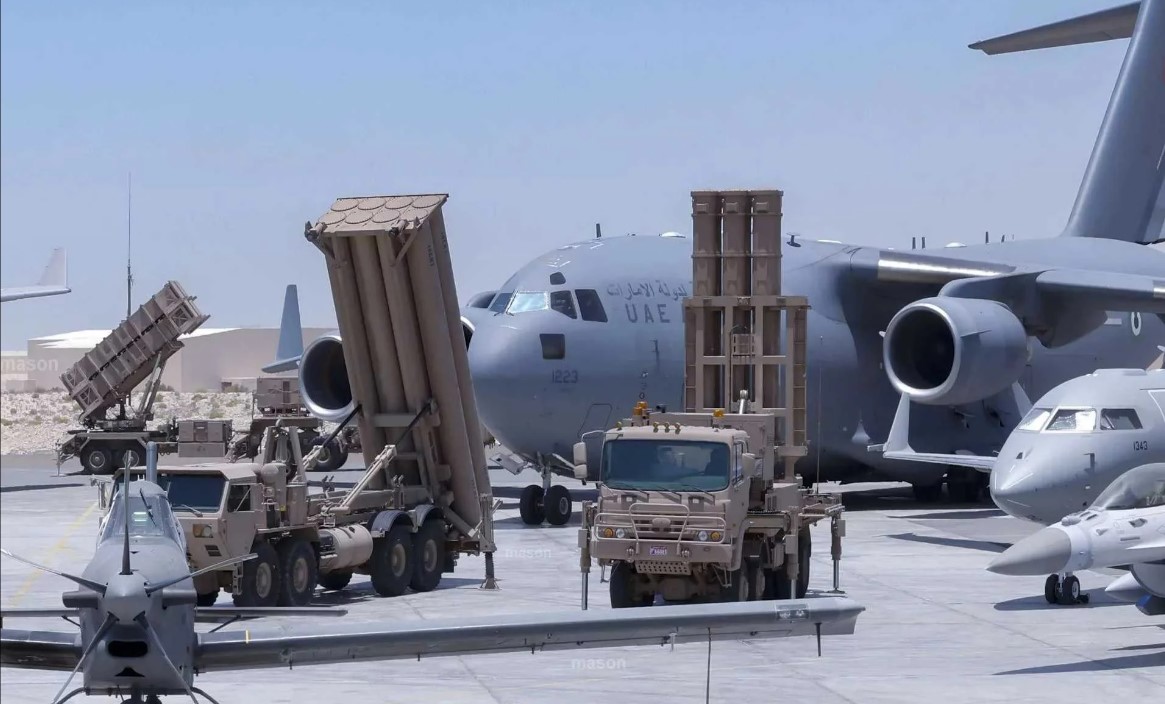
World
Washington / Abu Dhabi : Lockheed Martin has secured a $142.6 million contract modification from the United States government to continue long-term sustainment support for the United Arab Emirates’ Terminal High Altitude Area Defense (THAAD) missile defence system, reinforcing Washington’s commitment to strengthening integrated air and missile defence capabilities among key Gulf partners. The award, issued under the U.S. Foreign Military Sales (FMS) programme, raises the total value of the overarching THAAD sustainment contract to $876.7 million. The contract is being administered by the Missile Defense Agency (MDA) from Huntsville, Alabama, under contract number HQ0147-19-C-5001, with all funds fully obligated at the time of award. Sustainment of a Critical Missile Shield The latest modification ensures continued operational readiness of the UAE’s two THAAD batteries, which form the upper tier of the country’s layered missile defence architecture. The scope of work includes logistics and supply chain support, engineering and technical services, hardware and software sustainment, missile and ground system repair, training support, hardware-in-the-loop testing, missile field surveillance, and country-specific engineering enhancements tailored to Emirati operational requirements. THAAD is designed to intercept and destroy short-, medium-, and intermediate-range ballistic missiles during the terminal phase of flight using hit-to-kill kinetic interceptors, providing protection over wide areas and complementing lower-tier systems such as Patriot. Strategic Importance for the Gulf The UAE was the first international customer to acquire THAAD, with deliveries beginning in 2015, marking a major milestone in U.S. missile defence exports. Since then, the system has become a cornerstone of Emirati airspace defence amid a regional environment characterised by growing ballistic and cruise missile proliferation. Defence analysts view the sustainment award as a signal of deepening U.S.–UAE strategic alignment, particularly as Gulf states prioritise integrated, networked missile defence to counter evolving aerial threats. Continued investment in sustainment reflects the reality that high-end missile defence systems require constant technical support and upgrades to remain effective. Industrial and Operational Footprint Work under the contract will be carried out across multiple U.S. locations — including Alabama, Texas, Arkansas, and California — as well as at operational sites in the UAE. While Lockheed Martin has not issued a public statement on the award, the programme is expected to support skilled jobs and specialised defence manufacturing and sustainment capabilities within the U.S. industrial base. Long-Term Defence Cooperation The contract modification underscores the long-term nature of missile defence partnerships under the FMS framework, where sustainment, training, and lifecycle support often extend well beyond initial system delivery. As missile threats in the Middle East continue to evolve, systems like THAAD are expected to remain central to regional deterrence and air defence planning. With the latest $142.6 million award, Lockheed Martin and the U.S. government reaffirm their commitment to ensuring that the UAE’s THAAD system remains fully mission-capable, technologically current, and operationally resilient for years to come.
Read More → Posted on 2025-12-31 14:00:35
World
San Diego / Europe : Kratos Defense & Security Solutions, Inc. has successfully completed the first Factory Acceptance Test (FAT) of its EPOCH Command and Control (C2) software in collaboration with Airbus Defence and Space, marking a critical milestone in the deployment of Airbus’s OneSat next-generation software-defined satellite platform. The successful test confirms that EPOCH can fully support OneSat’s dynamic in-orbit reconfiguration capability, enabling satellite operators to rapidly reshape coverage, bandwidth, and mission profiles after launch. This capability represents a fundamental shift away from traditional fixed-payload satellites toward flexible, software-defined space systems. Enabling Next-Generation Software-Defined Satellites Unlike conventional satellites with static configurations, the OneSat platform is designed for frequent software updates, greater onboard autonomy, and long-term mission adaptability. While this architecture significantly enhances operational flexibility and commercial responsiveness, it also increases the complexity of ground command and control operations. To address these challenges, Kratos integrated new advanced capabilities into a recent EPOCH software release, specifically engineered to operate in tandem with OneSat’s highly dynamic architecture. These upgrades allow the ground system to manage real-time mission reconfiguration, autonomous satellite behavior, and rapid operational changes while maintaining high levels of safety, redundancy, and reliability. Factory Acceptance Test Confirms Operational Readiness During the Factory Acceptance Test, joint engineering teams from Kratos and Airbus conducted extensive system validation. The test verified that EPOCH’s hardware and software complied with all safety, redundancy, and performance requirements, successfully communicated with a simulated OneSat satellite, and functioned exactly as designed across multiple operational scenarios. Upon completion, the system achieved formal acceptance by Airbus, confirming its readiness for operational deployment. Maurizio Scotta, President of Kratos Communications, stated that the successful milestone reflects the close collaboration between the two companies. He emphasized that the flexibility of the EPOCH system architecture, combined with the deep expertise of Kratos personnel, enables Airbus to unlock the full operational potential of the OneSat platform, delivering faster reconfiguration, smarter operations, and greater mission agility for customers. Airbus Signals Confidence Ahead of Launch Elodie Viau, Senior Vice President of Telecommunication and Navigation at Airbus Defence and Space, said the achievement provides full confidence in the reliability and performance of the EPOCH command and control system that will operate OneSat satellites in orbit. She described the milestone as a key step forward as Airbus prepares for upcoming launches and continues to deliver innovative software-defined satellite solutions to commercial and government operators worldwide. Strategic Impact on the Global Space Sector With more than 20 years of experience in satellite command and control systems, Kratos positions EPOCH as a cornerstone technology for managing next-generation space assets. The successful validation with OneSat underscores a broader industry transition toward software-defined satellite constellations, where ground systems must evolve to keep pace with autonomous, reconfigurable, and mission-adaptive spacecraft. As demand grows for greater flexibility, resilience, and responsiveness in space operations, the successful integration of Kratos EPOCH with Airbus OneSat places both companies at the forefront of the software-defined space revolution, reinforcing the critical role of advanced ground control software in shaping the future of satellite operations.
Read More → Posted on 2025-12-31 13:33:32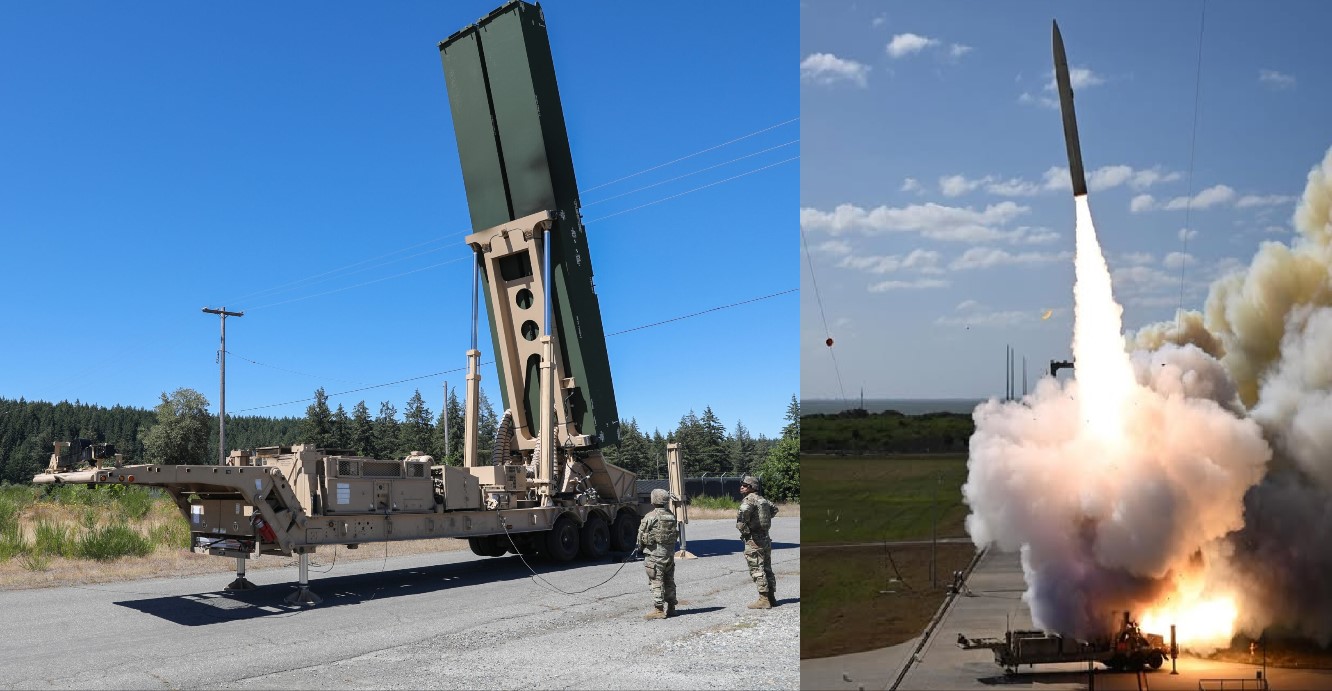
World
BERLIN/WASHINGTON : The United States is under growing pressure to accelerate its planned deployment of land-based, long-range strike weapons to Germany after Russia and Belarus showcased the arrival of the nuclear-capable “Oreshnik” hypersonic missile system on Belarusian soil — a move that dramatically compresses warning times for parts of NATO’s eastern flank and reinforces Moscow’s message that it can escalate faster than Western capitals can deliberate. While Washington and Berlin have not publicly announced a revised schedule, the baseline plan already envisions U.S. Army “episodic deployments” of a package that includes Tomahawk land-attack cruise missiles, SM-6 missiles, and a developmental hypersonic weapon widely referred to as the Long-Range Hypersonic Weapon (LRHW) / “Dark Eagle”, starting in 2026. The Trigger: Oreshnik Footage, a Former Airbase, and a New Forward Posture On December 30, 2025, Belarus released footage showing Oreshnik launchers being placed on combat duty, with President Alexander Lukashenko confirming the system’s presence in-country. Independent analysts cited in reporting said indicators point to a former airbase near Krichev in eastern Belarus as a likely deployment site. Russia has cast Oreshnik as exceptionally hard to stop, with reporting describing speeds over Mach 10 and a range in the 5,000 km to 5,500 km class, depending on the public claim or assessment — distances that place large parts of Europe within reach from Belarus. Russia has also spoken of stationing up to 10 systems there, underscoring the scale of the messaging effort as much as the military effect. What the U.S. Package for Germany Includes The U.S.–Germany plan was formally announced on July 10, 2024, on the sidelines of the NATO summit in Washington. The joint statement said the U.S. would begin 2026 “episodic deployments” of the long-range fires capabilities associated with its Multi-Domain Task Force construct, as groundwork for “enduring stationing” later. When fully developed, the deployed toolkit is expected to include three headline systems. First is Tomahawk, a long-range land-attack cruise missile adapted for ground launch as part of the U.S. Army’s mid-range capability architecture. Second is SM-6, a multi-mission missile better known as a naval weapon but now being positioned as a land-based option for air defense and maritime/land strike roles under the same family of launch systems tied to U.S. Army long-range fires. Third is the LRHW / “Dark Eagle” — the developmental hypersonic element of the 2026 package. Open-source technical descriptions commonly cite a maximum speed around Mach 17 and a range on the order of 1,725 miles (2,775 km) for the weapon concept as presented publicly. The Launchers and the Math Behind “Salvo” Capacity A key enabling system for the non-hypersonic portion of this approach is the U.S. Army’s Typhon launcher (also referred to in analysis as a Mid-Range Capability system), designed to fire Tomahawk and SM-6 from ground-based launchers. One NATO-region assessment describes a Typhon battery as four launchers capable of firing up to 16 missiles in a single collective salvo (a mix of Tomahawks and SM-6s), a detail that helps explain why planners view the system as more than symbolic: it is designed for repeatable, mobile, land-based strike at scale. Is the Pentagon “Fast-Tracking” the Move? Claims that the Pentagon is “fast-tracking” missile deployments to Germany have circulated in OSINT and social media commentary in recent days, largely framed as a response to the Belarus/Oreshnik developments. However, the most authoritative public record still points to the previously announced 2026 start for episodic deployments, and no official U.S. or German statement has yet confirmed a formally accelerated timeline. What has changed is the strategic context. Russia’s Belarus deployment is being interpreted by multiple observers as an attempt to deter NATO support for Ukraine and to complicate Western basing decisions — especially as arms control timelines tighten and European capitals debate how much risk they can absorb. Why Germany Matters — and Why the U.S. Needs Allies The 2024 announcement tied the deployments to broader European integrated deterrence, implicitly acknowledging that geography, access, and allied infrastructure are decisive in any contest of long-range fires. That reality is now sharper: Belarus offers Russia a more forward location for advanced missiles, while Germany offers the United States the central logistics, command connectivity, and political weight to field countervailing capabilities credibly inside NATO’s core. Whether Washington keeps to 2026 or tries to compress preparations, the direction of travel is the same — more land-based long-range strike in Europe, more hypersonic signaling from Moscow, and less room for ambiguity about how dependent the U.S. is on allied territory when the strategic clock speeds up.
Read More → Posted on 2025-12-30 17:21:54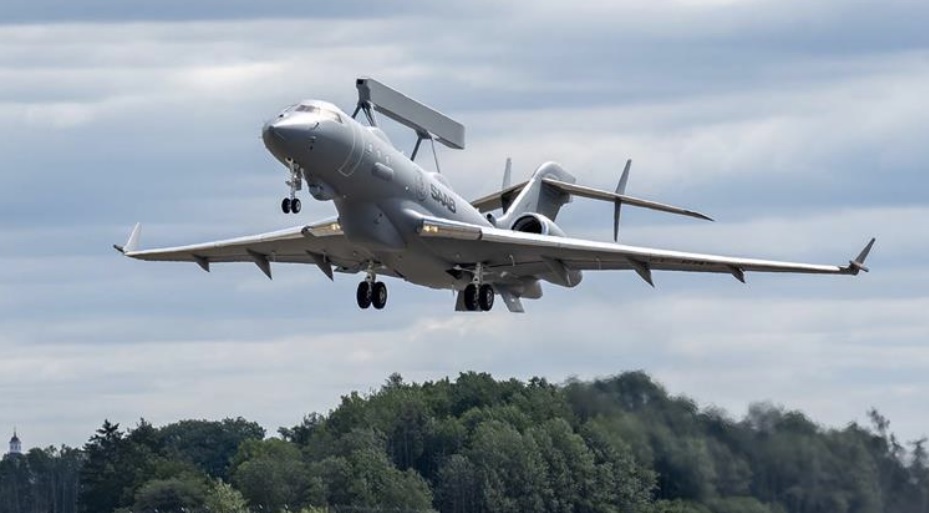
World
France : France has signed a major defence procurement contract with Saab for the acquisition of two GlobalEye Airborne Early Warning and Control (AEW&C) aircraft, marking a significant upgrade to the country’s long-range surveillance and command-and-control capabilities. The agreement was concluded with France’s defence procurement authority, the Direction générale de l’armement (DGA), and is valued at approximately SEK 12.3 billion. According to Saab, the contract covers not only the aircraft themselves but also ground-based support equipment, comprehensive training programmes, and long-term logistical and technical support. Deliveries of the two GlobalEye platforms are scheduled to take place between 2029 and 2032. The agreement further includes an option for the DGA to procure two additional aircraft, potentially doubling France’s GlobalEye fleet in the next decade. Commenting on the development, Micael Johansson, President and CEO of Saab, said the order highlights the strength of the strategic partnership between France and Sweden. He stated that France’s selection of GlobalEye represents an investment in a highly advanced AEW&C capability and reinforces national sovereignty while contributing to broader European security. With this decision, both France and Sweden will operate the same airborne early warning platform. The GlobalEye system is designed as a multi-domain surveillance and command solution, capable of detecting and tracking threats across air, sea, and land environments. The platform integrates a combination of active and passive sensors, enabling long-range detection, identification, and tracking of a wide spectrum of targets, including aircraft, surface vessels, and low-observable threats. A defining feature of GlobalEye is its ability to fuse data from multiple sensors into a single, real-time operational picture. This information can be shared with air force, army, and naval units, significantly improving situational awareness and enabling earlier warning of potential threats. Such capabilities are increasingly critical as modern battlefields become more complex and contested, with faster decision-making and cross-domain coordination playing a decisive role. For France, the acquisition aligns with its broader defence modernisation efforts and its emphasis on strategic autonomy, high-end capabilities, and interoperability with European and allied forces. The GlobalEye aircraft are expected to complement existing airborne surveillance assets while offering extended range, endurance, and multi-domain coverage. The contract also strengthens Saab’s footprint in the European defence market, underlining growing demand for advanced airborne early warning solutions amid a changing security environment. As deliveries begin in 2029 and continue through 2032, the GlobalEye programme is set to become a central pillar of France’s future air surveillance and battle-management architecture, while further deepening defence cooperation between Paris and Stockholm.
Read More → Posted on 2025-12-30 17:05:36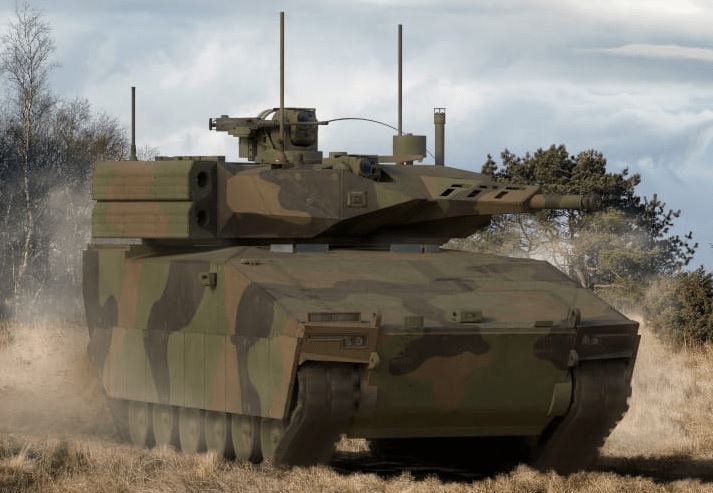
World
WASHINGTON, D.C: The U.S. Army is poised to accelerate development of its next-generation mechanized combat vehicle after the Department of Defense unveiled its Fiscal Year (FY) 2026 budget request, allocating approximately $386.4 million to the XM30 Combat Vehicle program. The investment sustains momentum for the long-planned Bradley Infantry Fighting Vehicle replacement and moves the program deeper into detailed engineering and prototype efforts without yet committing to full-scale production. From Concept to Prototype The XM30 Combat Vehicle, previously known as the Optionally Manned Fighting Vehicle (OMFV), represents the Army’s most ambitious effort in decades to modernize its armored forces and replace the aging M2 Bradley Fighting Vehicle, which has been in service since 1981. Under the FY 2026 budget blueprint, funding will support the transition from the Preliminary Design Review (PDR) to the Critical Design Review (CDR) phase. This shift marks a milestone in moving from abstract design toward the construction of physical prototypes and integrated systems testing. Army leaders have framed this stage as essential for validating vehicle architecture, survivability suites, and digital systems that will define the XM30’s battlefield effectiveness. Both industry competitors — General Dynamics Land Systems, with its Griffin III-based platform, and American Rheinmetall Vehicles, offering a variant based on the Rheinmetall KF41 Lynx — are under firm-fixed-price contracts supporting system development and demonstration. The Army’s continued investment in dual pathways preserves competitive tension and technical comparison ahead of a future selection decision. A Strategic Pivot for Army Modernization The XM30 program is part of the broader Next Generation Combat Vehicle (NGCV) portfolio, one of several key modernization priorities that also includes the new M1E3 Abrams main battle tank. Unlike previous replacement efforts that faltered under technical and budgetary challenges, the XM30 initiative leverages an open systems architecture and digital engineering tools to enable rapid upgrades as technologies evolve. According to Congressional Research Service documentation, the XM30 is being acquired through a five-phase approach, starting with market research and advancing through concept and detailed design, prototype build and test, and ultimately limited production. The platform is designed as an optionally manned vehicle, meaning it can operate with an onboard crew or with remote control, depending on mission requirements — a significant leap in tactical flexibility. Technical Aspirations and Future Capabilities The XM30 is expected to deliver decisive lethality on the modern battlefield with advanced sensors, robust troop protection, and enhanced situational awareness. Hybrid-electric propulsion is a core program requirement, offering improved fuel efficiency, reduced thermal signature, and support for silent watch operations. Digital backbone architecture and modular systems are intended to future-proof the vehicle against emerging threats, including integration with unmanned systems and AI-enabled targeting solutions. While the Army has not finalized exact production numbers or dates, planning documents indicate that prototype fabrication and system trials could accelerate in 2027, with a Milestone C decision — the formal authorization to enter low-rate initial production — targeted for early FY 2028. Balancing Legacy and Innovation Despite the XM30’s progress, the Bradley family of vehicles will remain in service for years to come. Modernized Bradley variants, such as the M2A4E1 equipped with improved powerplants and active protection systems, will continue to support Army formations while XM30 prototypes are tested and matured. The FY 2026 investment in the XM30 program underscores the Pentagon’s commitment to transforming ground combat capabilities in the face of evolving global threats. By advancing detailed design and prototyping efforts, the Army aims to field a vehicle that not only replaces the Bradley but reshapes infantry maneuver warfare for the decades ahead.
Read More → Posted on 2025-12-30 16:59:59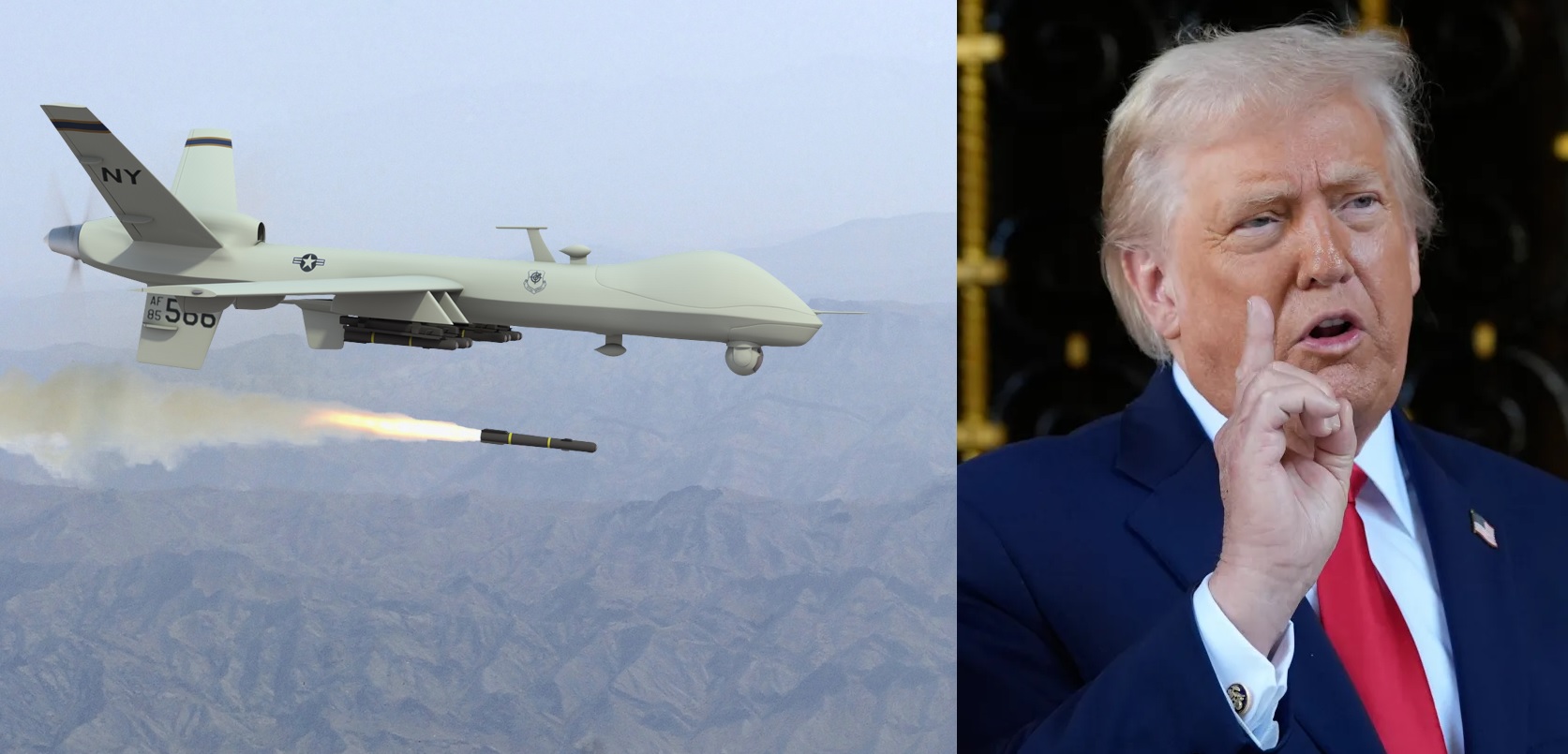
World
Washington / Caracas: The United States has quietly carried out what appears to be its first known drone strike inside Venezuela, targeting a coastal port facility believed to be linked to drug-trafficking networks, according to multiple sources familiar with the matter. The operation, attributed to the Central Intelligence Agency, marks a significant escalation in Washington’s counter-narcotics posture in the Caribbean region and introduces new diplomatic and legal questions in an already strained U.S.–Venezuela relationship. Sources cited by CNN said the drone strike took place earlier this month against a remote dock facility on Venezuela’s coastline, believed by U.S. authorities to be used as a logistics node for maritime drug shipments. The facility was reportedly associated with the Tren de Aragua, a transnational criminal organization that U.S. officials have increasingly linked to narcotics trafficking and organized crime across the Americas. Conflicting Accounts on Military Involvement Two individuals familiar with the operation told CNN that U.S. Special Operations Forces provided intelligence support, underscoring continued American involvement in counter-drug activities near Venezuelan territory. However, that claim was publicly denied by Col. Allie Weiskopf, a spokesperson for U.S. Special Operations Command, who stated that Special Operations did not support the mission, “to include intel support.” The denial highlights the opaque nature of the operation, with no formal acknowledgment from the Pentagon or the CIA, and no release of imagery, strike footage, or after-action details. Trump Statement Triggers Scrutiny Public attention intensified after Donald Trump made a brief but striking claim on December 29, 2025, saying the United States had “hit” and destroyed a dock or coastal loading area in Venezuela, describing a “major explosion.” The president did not disclose the location, the platform used, the type of munition, or whether the strike was conducted by the U.S. military or another government agency. That statement, coupled with subsequent media reporting, has been interpreted as tacit confirmation of a U.S. lethal action on Venezuelan soil, something Washington has previously avoided even amid years of sanctions, covert pressure, and maritime drug interdictions. Target, Tactics, and Likely Weapons According to CNN’s reporting, the dock was unoccupied at the time of the strike, resulting in no casualties. U.S. officials believed the site was used to store narcotics, refuel boats, and transfer drug consignments onto small vessels for onward shipment through Caribbean trafficking routes. Military analysts note that such remote boat-loading docks present compact, high-value aimpoints, including pier decking, fuel storage, and small craft, making them suitable for precision engagement. A medium-altitude, long-endurance armed drone is considered a plausible platform, given its ability to conduct extended surveillance and strike when a site is clear of civilians. A precision missile, such as a Hellfire-class weapon, would align with the reported level of destruction, with the described “major explosion” potentially caused by secondary fires or fuel ignition rather than the warhead alone. However, U.S. officials have not confirmed the platform or munition used, and all assessments remain informed inference, not verified fact. Legal and Diplomatic Implications The strike represents a sharper and more unilateral turn in U.S. counter-narcotics enforcement. Conducting a covert drone strike inside Venezuela, a country with which the United States has no formal security cooperation, raises questions under international law, particularly regarding sovereignty and the use of force outside active armed conflict zones. Caracas has not issued a detailed public response, but any confirmed U.S. attack could further inflame tensions with Venezuela, whose government has long accused Washington of covert aggression and regime-change operations. A Broader Shift in U.S. Counter-Narcotics Strategy The operation suggests a potential expansion of U.S. drone use beyond traditional theaters such as the Middle East and Africa, into the Western Hemisphere. While the United States has routinely conducted maritime interdictions, surveillance flights, and partner-nation operations in the Caribbean, direct kinetic action inside Venezuela would represent a notable policy shift. For now, the strike remains unacknowledged in official channels, but its implications are significant: a signal that Washington may be prepared to act unilaterally and covertly against perceived drug-trafficking infrastructure, even inside politically hostile states. As more details emerge, the incident is likely to face intense scrutiny from lawmakers, legal experts, and regional governments—testing the boundaries of U.S. counter-narcotics authority in the Americas.
Read More → Posted on 2025-12-30 15:47:10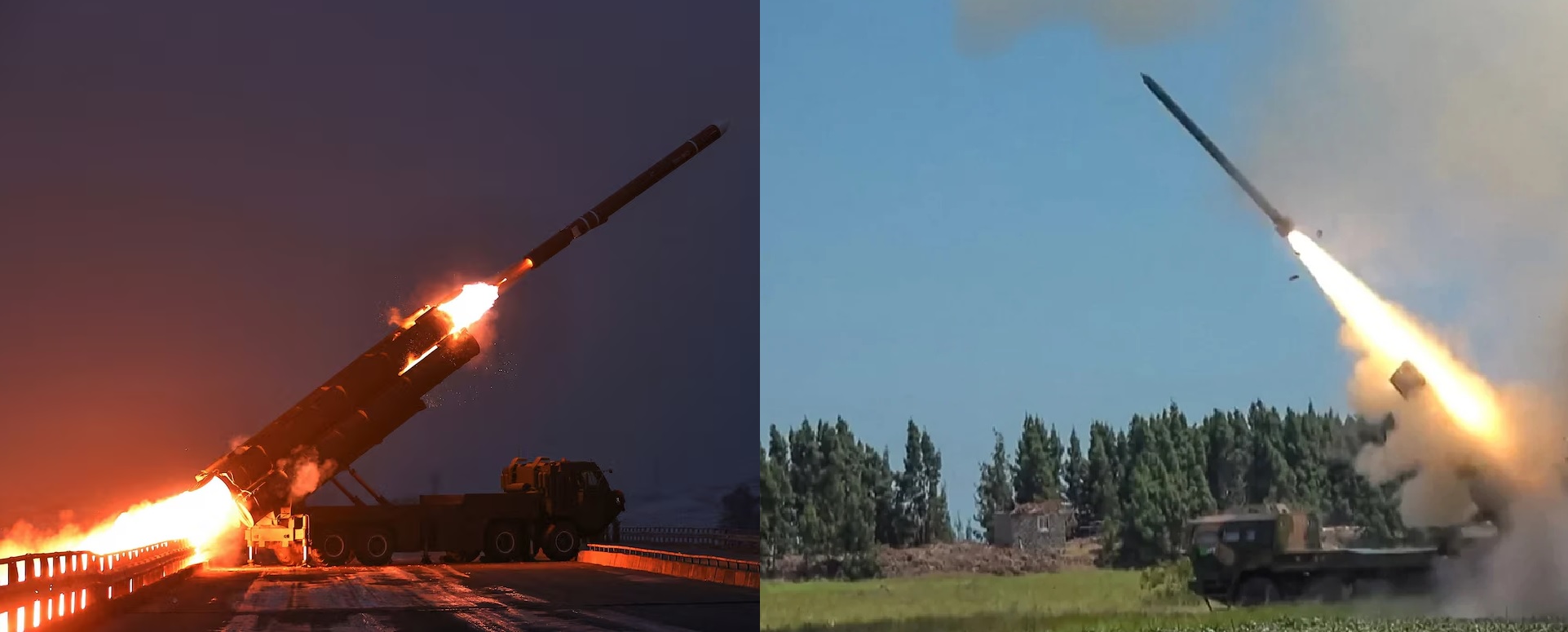
World
Beijing / Taipei : China’s People’s Liberation Army (PLA) has conducted long-range live-fire rocket launches from its southeastern coast, firing multiple salvos from PCL-191 modular multiple launch rocket systems (MLRS) deployed in Fujian province as part of large-scale military exercises dubbed “Justice Mission 2025.” The rockets were launched toward designated maritime zones north of Taiwan, with impacts reported in open ocean waters, sharply escalating already high cross-strait tensions. Video footage released by Chinese state media showed PLA Rocket Force units firing a reported 16 long-range rockets from truck-mounted PCL-191 launchers positioned along the coastline facing Taiwan. Defence analysts note that the PCL-191 (also known as PHL-191) is a modern, modular rocket artillery system capable of firing guided and unguided munitions with ranges sufficient to strike targets across the Taiwan Strait. Chinese military sources also indicated that a CH-4 (Rainbow-4) unmanned aerial vehicle (UAV) was used for reconnaissance, targeting, and battle damage assessment, highlighting the PLA’s growing emphasis on network-centric and joint warfare operations integrating rockets, drones, naval forces, and combat aircraft. Beijing Issues ‘Stern Warning’ In an official statement, the PLA Eastern Theatre Command described the drills as a “stern warning” against “Taiwan independence separatist forces” and external interference, an apparent reference to recent U.S. arms sales to Taiwan. Chinese officials said the exercises were designed to test precision strike capability, joint firepower coordination, and area-denial operations under realistic combat conditions. Military observers say the inclusion of long-range rocket artillery—rather than only ballistic missiles or air power—signals a deliberate attempt by Beijing to demonstrate scalable coercive options that can apply pressure without immediately crossing the threshold into full-scale conflict. Taiwan Condemns ‘Military Intimidation’ Taiwan’s Ministry of National Defense strongly condemned the launches, calling them “blatant military intimidation” that undermines regional peace and stability. Taipei confirmed that no rockets struck Taiwanese territory, but said its armed forces were placed on heightened alert and closely tracked the launches using joint intelligence, surveillance, and reconnaissance (ISR) systems. In response, Taiwan publicly underscored the readiness of its own long-range strike capabilities, including U.S.-supplied HIMARS (High Mobility Artillery Rocket System) units. Taiwanese officials noted that these systems are capable of reaching coastal areas of Fujian, reinforcing what Taipei described as a credible deterrence posture. Wider Regional Impact The Justice Mission 2025 drills are among the largest and most complex military exercises conducted by China around Taiwan to date, involving naval vessels, combat aircraft, missile forces, and amphibious units operating across multiple zones. Analysts warn that the scale, frequency, and live-fire nature of such exercises significantly increase the risk of miscalculation or accidental escalation in one of the world’s most sensitive geopolitical flashpoints. As the drills continue, regional and international observers are closely watching for signs of further escalation or de-escalation, with many viewing the rocket launches as a clear message from Beijing that military pressure on Taiwan is becoming more explicit, more integrated, and more routine.
Read More → Posted on 2025-12-30 15:22:48
World
A sharp and unusual public rupture has erupted between Saudi Arabia and the United Arab Emirates (UAE) after a Saudi-led coalition airstrike hit Yemen’s southern port city of Mukalla on Tuesday, December 30, 2025, targeting what Riyadh said was an unauthorised weapons and armored-vehicle shipment linked to UAE-backed southern separatists. According to Reuters and AP, Saudi Arabia framed the incident as a direct national security issue, warning that its security is a “red line” and accusing Abu Dhabi—implicitly and then more directly—of actions that could destabilise the anti-Houthi coalition from within. The strike followed reports of two Emirati ships arriving and unloading cargo that Saudi officials said was destined for the Southern Transitional Council (STC), a powerful separatist movement backed by the UAE. The UAE denied the core allegation, saying it had sent vehicles for its own forces and urged restraint. The “24-Hour” Ultimatum—and a Wider Clampdown The most dramatic escalation came with a 24-hour demand for UAE forces to withdraw from Yemen, issued amid the crisis by the Saudi side and echoed through Yemen’s Saudi-aligned political leadership. Reuters reported that Yemen’s presidential council head, Rashad al-Alimi, cancelled a defence pact with the UAE and accused Abu Dhabi of fuelling internal conflict by empowering the STC. The fallout quickly expanded beyond rhetoric. Reuters reported a 72-hour no-fly zone and a widening ground and sea blockade across Yemeni entry points, underscoring how rapidly the dispute has shifted from political friction to operational pressure. Separate reporting also described emergency measures around Mukalla following the strikes. Why Mukalla Matters: Yemen’s Fractured Anti-Houthi Front Mukalla sits in Yemen’s south, where the war is not just a fight between the Iran-aligned Houthis and the internationally recognised government, but a multi-layered contest among rival anti-Houthi factions. The UAE’s long backing of the STC has repeatedly clashed with Saudi preferences for a unified, Saudi-aligned Yemeni government structure. This week’s escalation is being read by diplomats and analysts as a moment when those contradictions have broken into the open—potentially handing the Houthis a strategic advantage if the anti-Houthi coalition fractures further. If Riyadh and Abu Dhabi Clash, Where Does Pakistan Stand? The Saudi–UAE crisis lands uncomfortably in Islamabad because Pakistan is deeply tied to both capitals, but in different ways—security with Saudi Arabia and financial stabilisation with the UAE, alongside broader Gulf links. Pakistan’s defence relationship with Riyadh has been reinforced recently by a reported Strategic Mutual Defense Agreement (SMDA) signed on September 17, 2025, formalising long-standing military cooperation and signalling that Saudi Arabia views Pakistan as a core security partner. At the same time, the UAE remains a crucial economic backer at moments of acute pressure. Pakistan’s central bank confirmed the UAE rolled over $2 billion in deposits—two $1 billion placements—for another year in January 2025, providing immediate breathing room for Pakistan’s reserves and debt calendar. Islamabad has also pursued wider Emirati economic engagement. Reuters previously reported Pakistan’s prime minister’s office said the UAE had committed $10 billion in investments (with sector details not fully specified at the time), highlighting how Pakistan sees Abu Dhabi not only as a lender but as a potential long-term investor. The Likely Pakistani Playbook: Quiet Diplomacy, No Public “Pick a Side” Given the stakes, Pakistan is unlikely to publicly choose one partner over the other—at least in the near term. Instead, Islamabad’s most realistic strategy is to lean on three familiar tools. First, silence and caution: Pakistan typically avoids amplifying intra-Gulf disputes in public statements, particularly when both sides are essential for external financing and migrant-worker remittances. Second, back-channel reassurance: Pakistan can privately reassure Riyadh that existing defence cooperation remains intact—especially under the post-2025 framework—while simultaneously signalling to Abu Dhabi that Pakistan’s economic partnership and investment facilitation remain separate from Gulf political rivalries. Third, multilateral cover: If the Saudi–UAE rift widens, Pakistan may prefer to position itself behind broader calls for de-escalation—through the UN or regional diplomacy—rather than bilateral alignment that could jeopardise either defence cooperation with Saudi Arabia or vital financial rollovers from the UAE. What Happens Next: A Test of Gulf Cohesion—and Pakistan’s Crisis Diplomacy The immediate question is whether the 24-hour withdrawal demand becomes a stepping stone to negotiation—or a trigger for escalation at sea and in the air around southern Yemen’s ports. The broader question is whether this dispute remains contained to Yemen, or spills into other theatres where Riyadh and Abu Dhabi have diverging interests. For Pakistan, the risk is not only diplomatic embarrassment but material: any prolonged Saudi–UAE confrontation could complicate the very debt rollovers, reserve support, and investment flows that Pakistan relies on to stay afloat—while simultaneously testing the durability of its deepening security alignment with Riyadh.
Read More → Posted on 2025-12-30 14:15:05
World
MOSCOW / KYIV : Russia has accused Ukraine of attempting a large-scale UAV strike on one of President Vladimir Putin’s state residences in northwestern Russia, alleging that 91 long-range drones were launched toward the site and that all were destroyed by Russian air defenses. Ukraine has flatly rejected the allegation, saying Moscow has offered no evidence and warning the claim could be used as a pretext for new Russian attacks, including on Kyiv. What Russia Says Happened Russian Foreign Minister Sergei Lavrov said the alleged incident took place in the early hours of December 29, with drones aimed at a presidential residence in Russia’s Novgorod region—often described in media reports as linked to Putin’s Valdai area retreat. Lavrov called the episode an act of “state terrorism” and said it would force Moscow to reassess its negotiating posture, while still claiming Russia would not abandon the ongoing diplomatic track. Russian state media accounts and secondary reports citing the Russian Defense Ministry provided a more detailed breakdown of interceptions, saying 49 drones were downed over Bryansk, while 18 were intercepted over Novgorod up to 7:00 a.m. Moscow time, followed by another 23 between 7:00 a.m. and 9:00 a.m. Some Ukrainian and independent reporting also flagged inconsistencies in Russia’s public tallies, noting that separate official statements referenced different totals for drones intercepted that night, even as Lavrov publicly cited 91. Ukraine’s Response: “Fabrication” and a Warning of Escalation Ukrainian President Volodymyr Zelenskyy dismissed Russia’s accusation as false, describing it as another round of Russian disinformation intended to undermine diplomacy and justify further strikes. Ukrainian officials and several outlets emphasized that Moscow has not released verifiable evidence—such as imagery, wreckage documentation tied to the alleged flight paths, or independent corroboration—supporting the claim that Putin’s residence was the intended target. Separate reporting noted that residents in the Valdai area reported no visible signs consistent with the dramatic account described by Russian officials, adding to questions around the incident’s verifiability. Lavrov: Retaliation “Targets and Timing” Decided Lavrov’s most consequential statement was his assertion that Russia has already determined the “targets” and “timing” of a retaliatory strike in response to the alleged attack. While he did not name specific locations, the warning landed amid heightened concern in Ukraine about potential renewed strikes on government and command sites in Kyiv and other major cities. Diplomacy in the Background, Uncertainty in the Foreground The claims and counterclaims have surfaced as international efforts to explore a negotiated end to the war remain active, with Russia signaling it could harden its stance while Ukraine argues Moscow is attempting to derail talks through escalation messaging. Reuters reported that it remained unclear whether Putin was at the residence at the time, and independent confirmation of the alleged targeting has not been established publicly. Why This Matters Now If Russia proceeds with a major retaliatory strike, it would further intensify a war already marked by expanding long-range drone operations and reciprocal attacks deep behind front lines. Analysts quoted by Australia’s ABC said the episode—at least as described by Moscow—“made no sense,” underscoring the uncertainty surrounding what occurred and why it was announced in such stark terms. For now, the episode stands as a high-stakes information battle: Moscow framing an alleged 91-drone operation as terrorism against the head of state, and Kyiv calling it a manufactured narrative designed to justify the next wave of strikes
Read More → Posted on 2025-12-30 13:57:55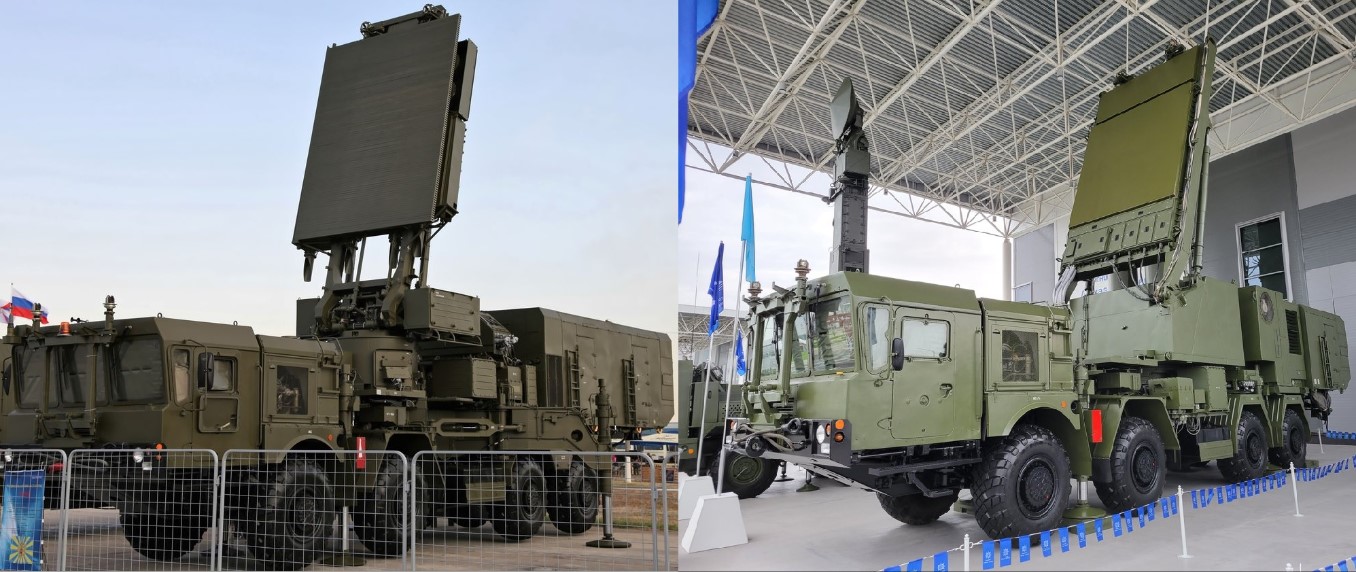
World
Moscow : Russia has taken a major step in strengthening its Integrated Air Defence (IAD) network with the development and integration of two advanced AESA (Active Electronically Scanned Array) radars for its frontline S-350 and S-400 surface-to-air missile (SAM) systems. The new radars significantly enhance detection range, survivability, electronic-warfare resistance, and hypersonic tracking, reflecting a broader push to modernise Russian air defence architecture. 96L6-TsP AESA Radar Strengthens S-350 Vityaz The first system, the 96L6-TsP AESA radar, has been developed specifically for the S-350 Vityaz medium-range air defence missile system. This radar represents a next-generation evolution of the 96L6 family, transitioning from traditional PESA designs to a fully active phased-array configuration. According to available technical details, the 96L6-TsP consists of two independent AESA panels—one dedicated to transmission and the other to reception—combined with three 96L6-VP passive modules. The radar makes extensive use of modern Russian gallium-arsenide (GaAs) microwave electronics, improving sensitivity, reliability, and resistance to jamming. A key operational advantage lies in the 96L6-VP passive modules, which allow the S-350 system to remain on covert combat alert even when the central radar post and the 50N6A multifunction engagement radar are switched off. This capability is designed to reduce electromagnetic signature and enhance survivability against anti-radiation missiles. Mounted on special folding towers extending to heights of 15–20 metres, the passive modules enable the detection and precise localisation of low-observable cruise missiles and active airborne radars. This includes threats such as SCALP-EG, Taurus, and Storm Shadow stand-off missiles, which rely on terrain-hugging flight profiles and reduced radar cross-sections. Yenisei AESA Radar Integrated with S-400 The second and more powerful development is the Yenisei AESA radar, initially designed for the S-500 Prometey strategic air and missile defence system. Russia has now begun integrating this radar with the S-400 Triumf, dramatically expanding the system’s surveillance and tracking envelope. The Yenisei is based on a multi-element, jam-resistant AESA architecture, optimised for long-range detection and engagement support against ballistic, hypersonic, and aerodynamic targets. The radar is reportedly capable of tracking targets at altitudes up to 120 kilometres and at speeds of 4,800 m/s (17,280 km/h), with future growth potential to 7,000 m/s (25,200 km/h). In terms of detection performance, the figures mark a substantial leap: Low-observable targets with an RCS of 0.05 m² can be detected at distances of up to 200 km Extremely stealthy objects with an RCS of around 0.01 m² are detectable at up to 150 km, nearly twice the range of standard S-400 radars Conventional aircraft and helicopters with an RCS of about 5 m² can be detected at ranges of 550–600 km These capabilities significantly improve the S-400’s effectiveness against stealth aircraft, stand-off weapons, and hypersonic glide vehicles. Electronics and Materials Breakthroughs The enhanced performance of the Yenisei AESA radar is attributed to Russian advances in high-power, low-noise microwave transistors built on LTCC (Low Temperature Co-Fired Ceramic) substrates. These heat-resistant ceramics allow for higher power density, improved thermal management, and greater long-term reliability. Technologically, the Yenisei represents a direct evolutionary step from earlier Russian radar systems such as the RLM-S and 96L6 PESA radars, combining their proven design philosophies with modern AESA processing, digital beam-forming, and electronic-counter-countermeasures (ECCM). Strategic Impact The introduction of the 96L6-TsP and Yenisei radars significantly strengthens Russia’s layered air defence concept. The S-350, enhanced with passive detection and AESA surveillance, gains greater survivability and effectiveness against low-flying cruise missiles, while the S-400, upgraded with Yenisei, approaches capabilities previously associated only with the S-500. Defence analysts note that these upgrades could complicate enemy air operations, particularly those relying on stealth, electronic warfare, and hypersonic speed. At the same time, recent conflicts have shown that advanced radars remain high-value targets, making their real-world survivability and operational resilience a critical factor to watch. As deployment progresses, the performance of these new Russian AESA radars will be closely monitored, as they have the potential to reshape the air defence balance in regions where S-350 and S-400 systems are deployed.
Read More → Posted on 2025-12-30 13:11:25Search
Top Trending in 24 Hours
-
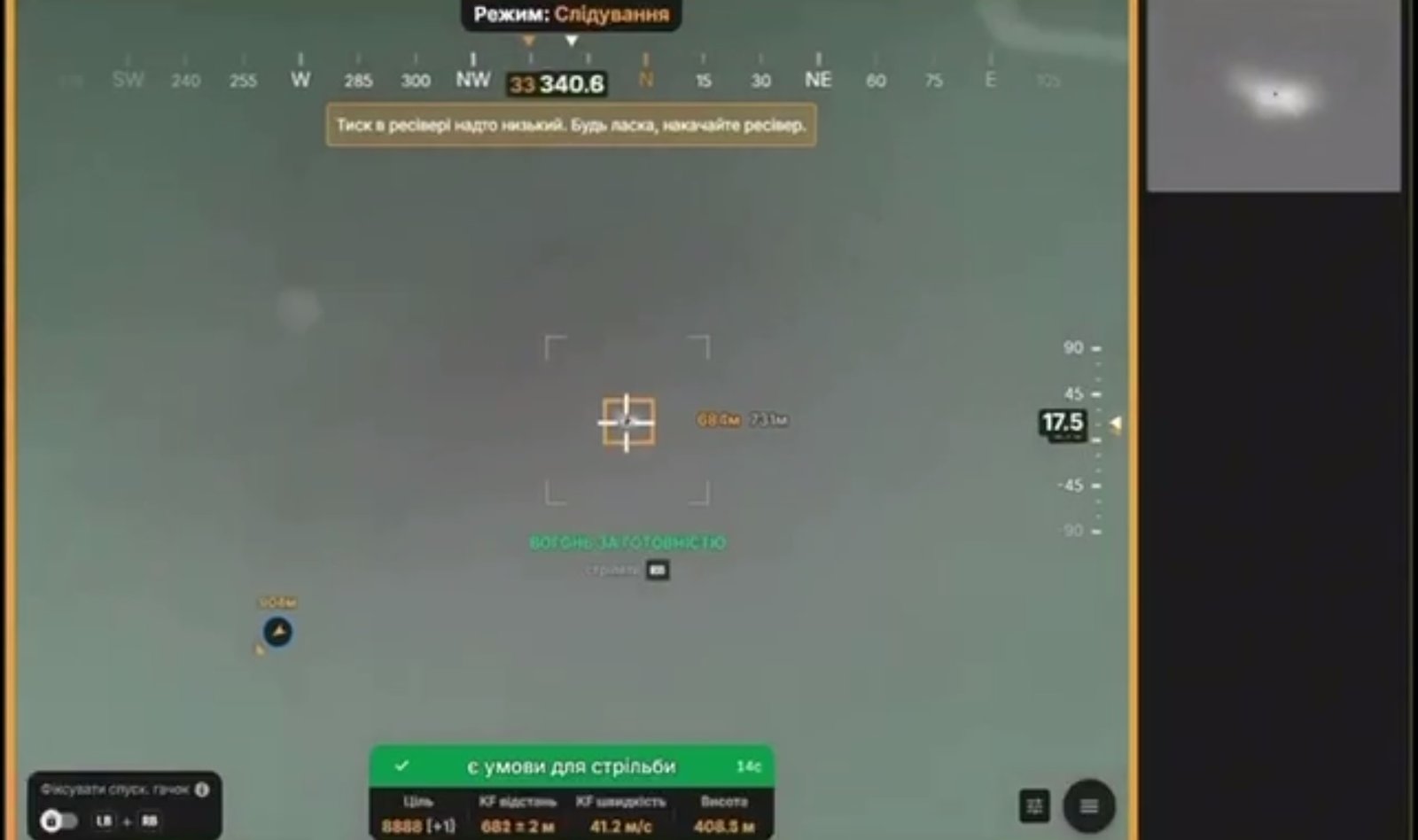 Ukraine’s Blysk Laser Air Defence System Shoots Down Russian Jet-Powered Geran Drone
-
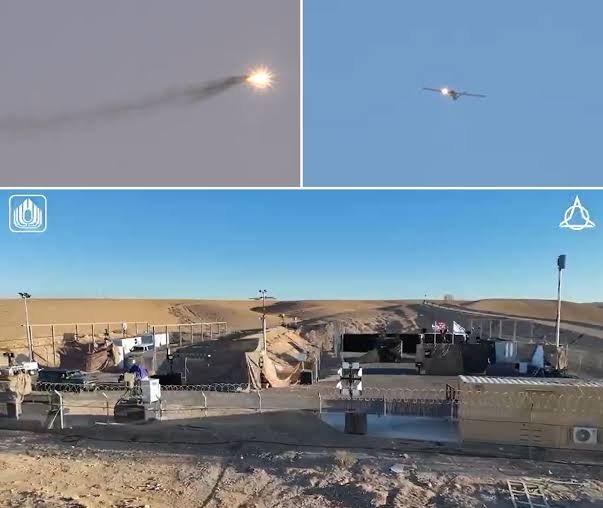 Israel and US Test 20 Counter-Drone Systems in First Joint Trials on Israeli Soil
-
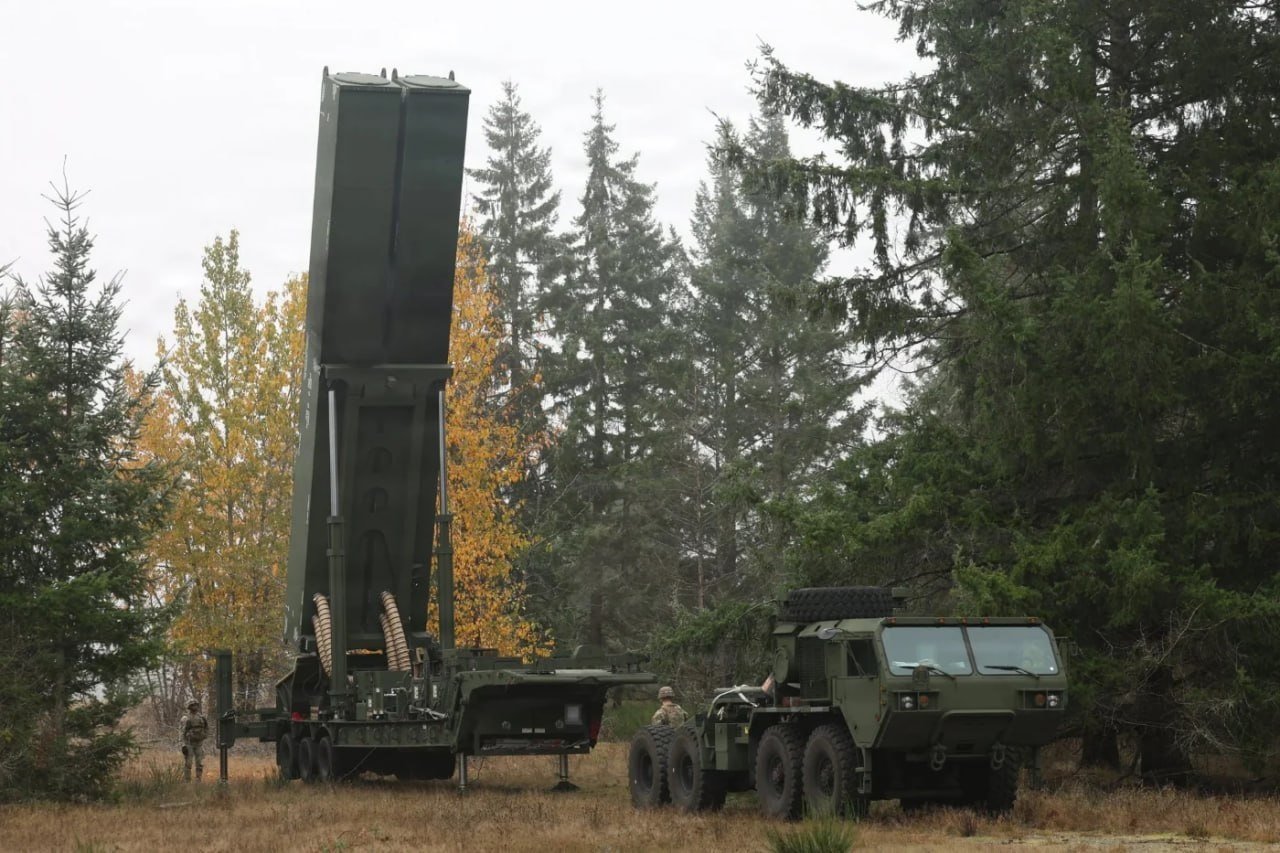 U.S. Army Declares First Dark Eagle Hypersonic Missile Battery Ready for Combat Deployment
-
 India's SiGaN Validates First 20-Watt GaN RF Power Amplifier, Opens Commercial Orders
-
 Europe Opens Largest Satellite Factory in Belgium to Build Starlink Alternative
-
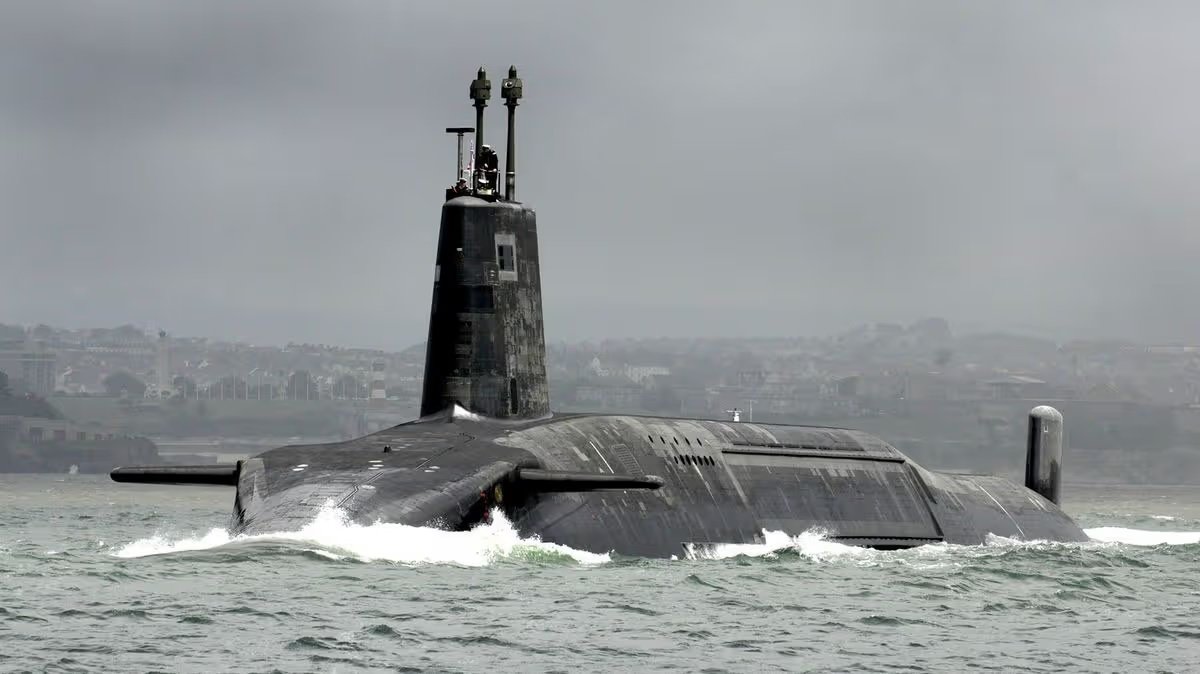 Babcock Signs Record £8.7 Billion Deal to Support UK Nuclear Submarine Fleet
-
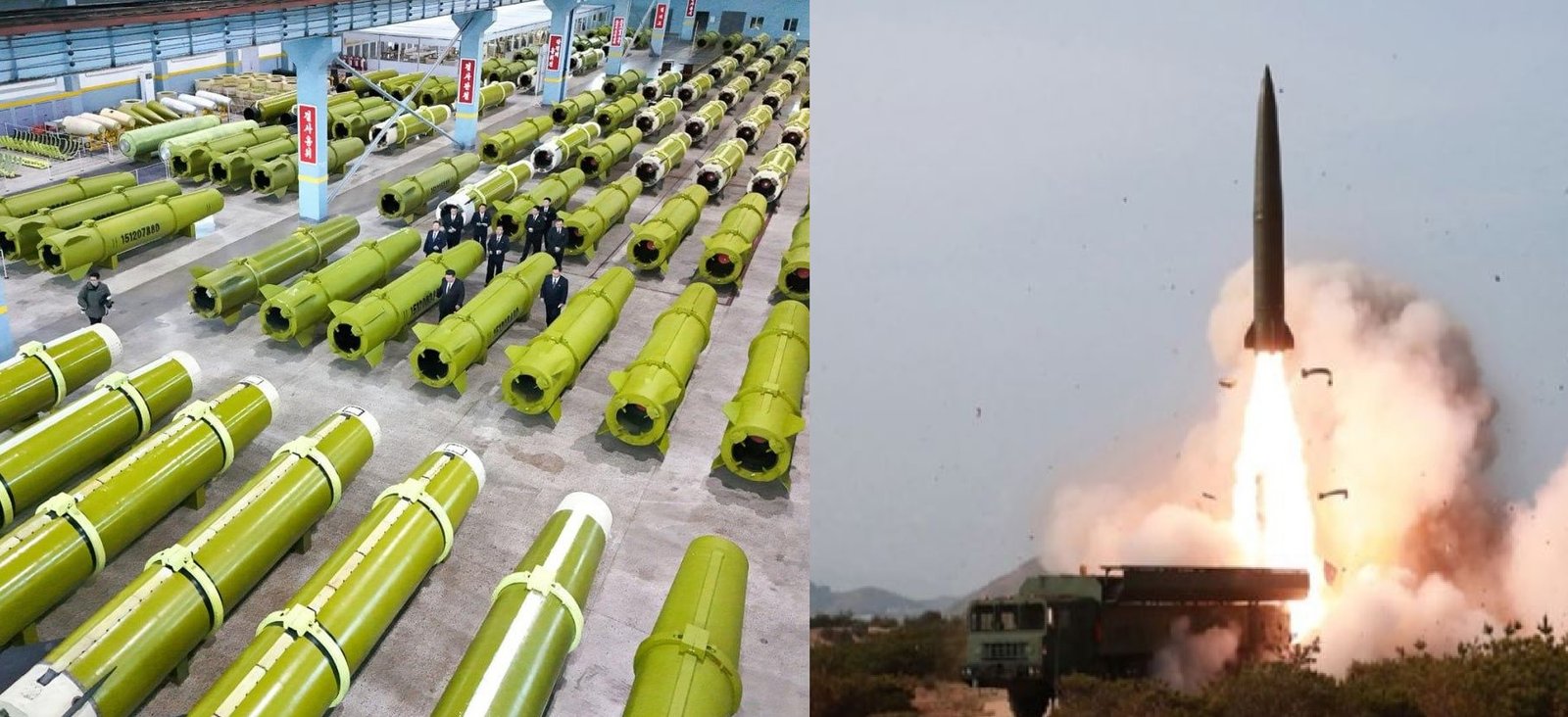 North Korea Suspends KN-23 Missile and Artillery Deliveries to Russia Amid Diplomatic Tensions
-
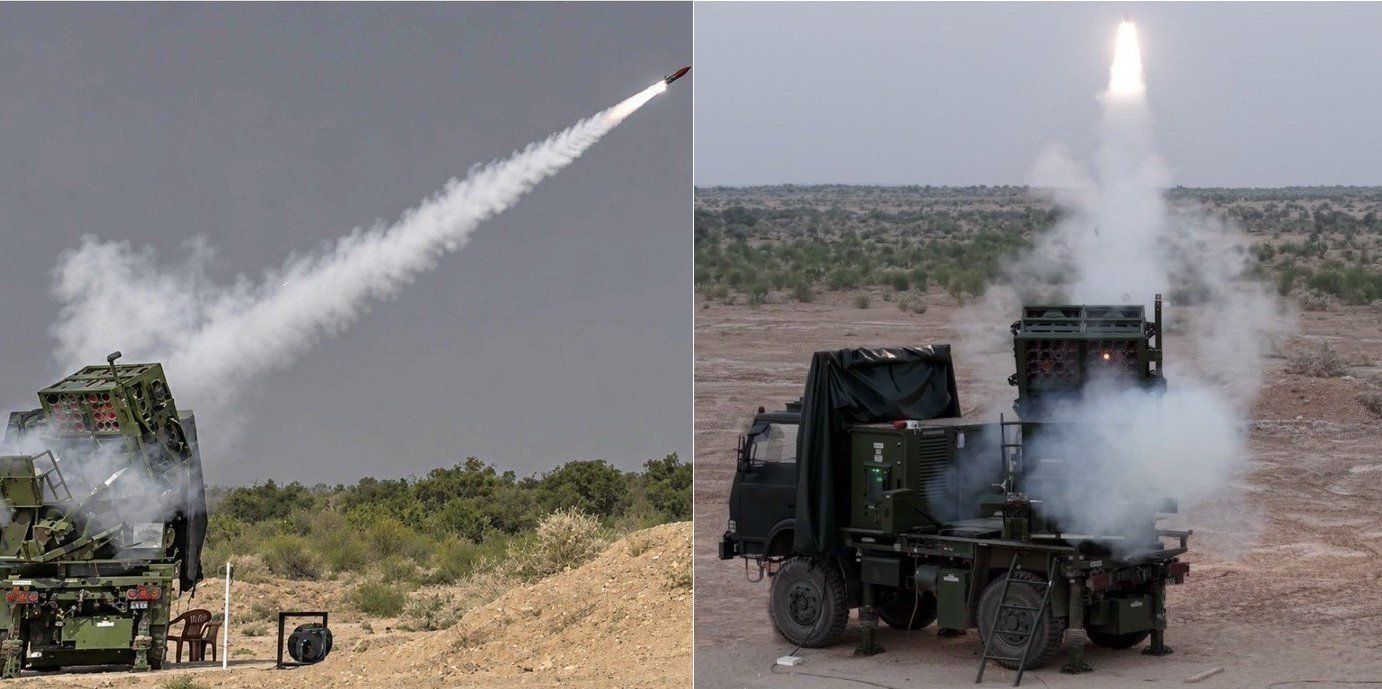 India’s Bhargavastra Counter-Swarm Drone System Completes Pokhran Trials Ahead of Army Demonstration
Top Trending in 4 Days
-
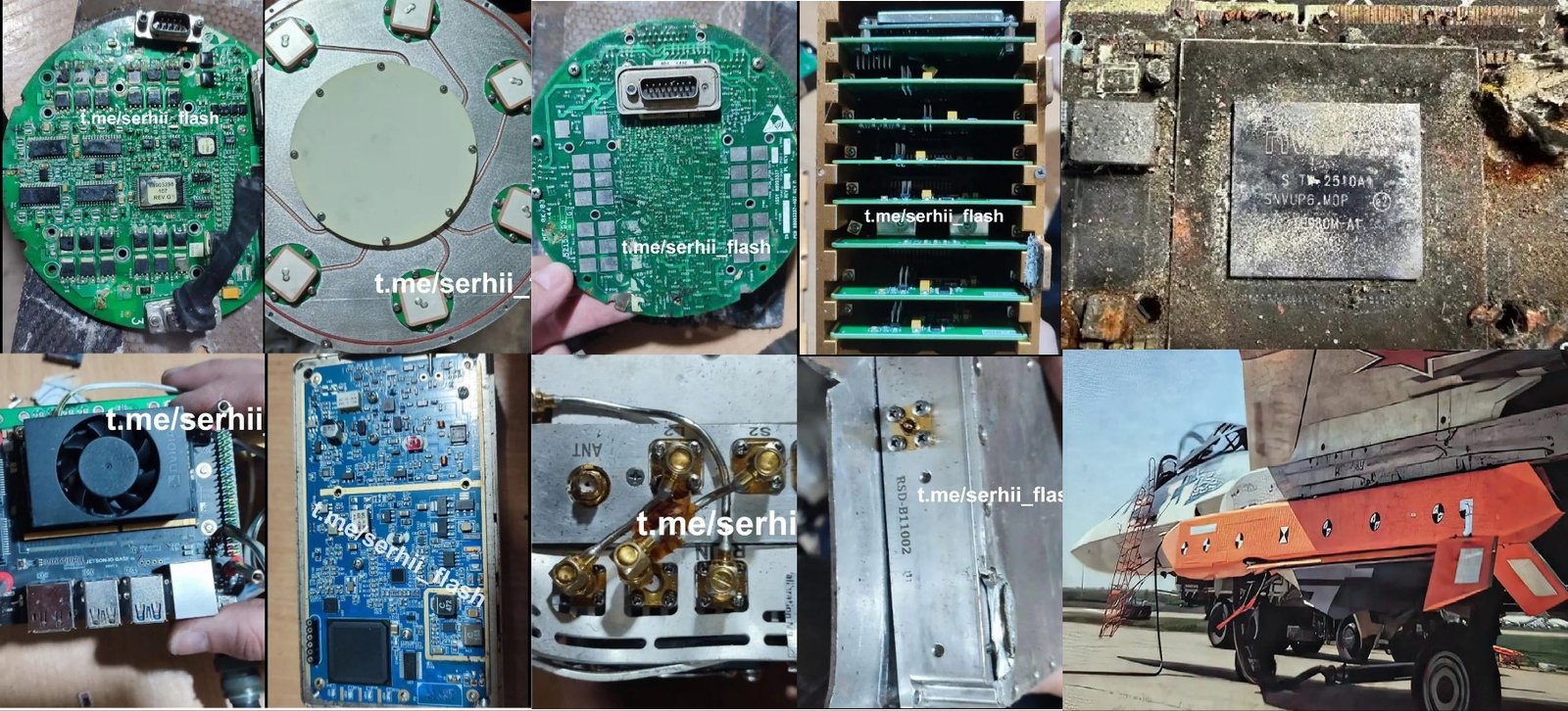 Russian Drones and Cruise Missiles Found Using Civilian NVIDIA AI Chips in Ukraine
-
 Western Intelligence Warns Russia Could Launch Nuclear-Armed Satellite as Early as December
-
 NASA Suspends Science Operations on Perseverance Rover and Mars Odyssey After Hardware Failures
-
 U.S. Awards Lockheed Martin $330.6 Million Contract for Long-Lead Materials Supporting 75 F-35 Lot 22 Aircraft
-
 IG Defence Successfully Test-Fires JWALA MK-1 Counter-Drone Missile at Pokhran
-
Ukraine’s Blysk Laser Air Defence System Shoots Down Russian Jet-Powered Geran Drone
-
 Ukraine Strikes Five Russian Warplanes, Including Three Kinzhal-Capable MiG-31s at Savasleyka Airbase
-
 Chinese Military Warns U.S. AI Could Threaten China’s Nuclear Missile Survivability