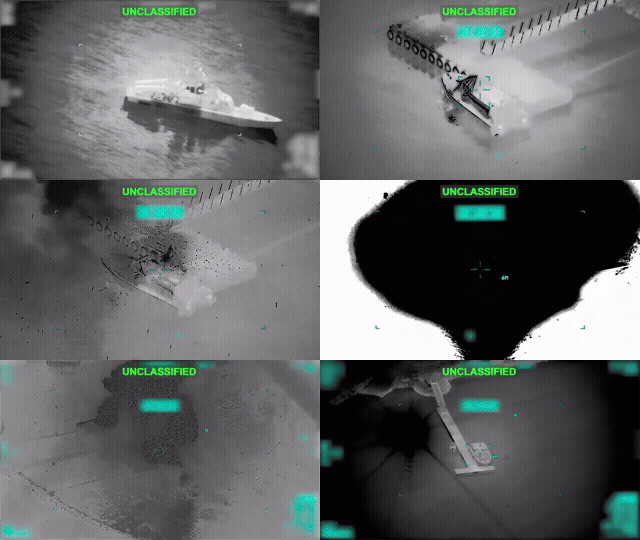
MANAMA, Bahrain / WASHINGTON — March 11, 2026 : U.S. Central Command (CENTCOM) announced that American military forces destroyed multiple Iranian naval vessels operating near the Strait of Hormuz on March 10, including 16 vessels identified as minelayers. The action followed U.S. intelligence assessments indicating that Iranian forces had begun preparing to deploy naval mines in the strategically significant waterway, raising concerns about potential disruption to global oil shipments.
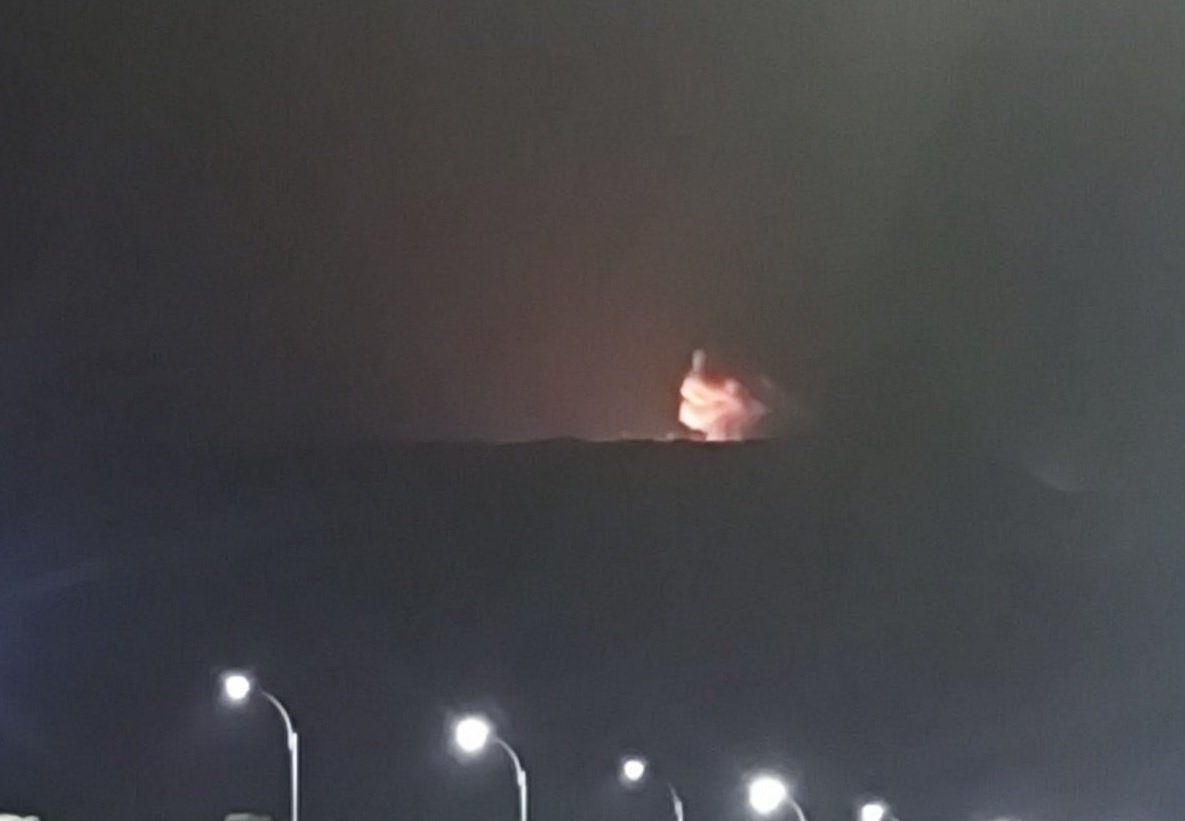
In an official statement, CENTCOM said the vessels were neutralized in international waters near the entrance to the Strait of Hormuz. The command also released a 34-second video through its official account on the social media platform X showing several vessels being struck by projectiles and exploding after impact.
According to the statement, “U.S. forces eliminated multiple Iranian naval vessels, March 10, including 16 minelayers near the Strait of Hormuz.” The command did not disclose which specific U.S. military assets carried out the strikes.
Intelligence Reports of Mine Deployment
U.S. officials said the operation followed intelligence indicating that Iranian naval units were preparing to lay sea mines in the strait. Sources familiar with the intelligence assessments reported that several dozen mines had already been placed in the waterway in recent days, although the mining effort was described as limited at the time of the strike.
Officials stated that the vessels targeted during the operation were associated with mine-laying activity. U.S. Secretary of Defense Pete Hegseth said American forces conducted precision strikes against vessels identified as inactive mine-laying platforms.
Despite the reported losses, U.S. officials noted that Iran still retains the majority of its small-boat fleet capable of conducting similar operations. Intelligence estimates indicate that approximately 80 to 90 percent of Iran’s small attack boats and minelayers remain operational, meaning additional mining activity remains possible.
Operation Described as Preemptive Measure
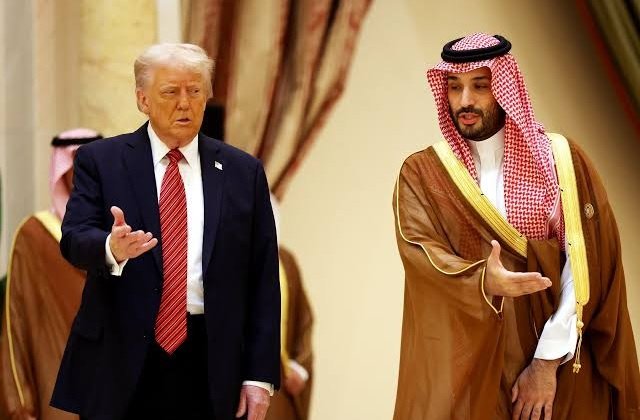
U.S. officials described the action as a preventive measure aimed at protecting maritime navigation and global energy supply routes. The operation was reportedly authorized by President Donald Trump following intelligence assessments that mining operations in the strait could expand if not disrupted.
President Trump addressed the situation in a post on Truth Social, stating that any mines placed in the Strait of Hormuz must be removed immediately. He added that U.S. naval assets stationed in the region are equipped to detect and inspect for naval mines in order to keep the waterway open to commercial shipping.
CENTCOM did not provide details regarding the number of Iranian vessels destroyed beyond confirming that 16 were identified as minelayers, nor did the command disclose the current status of mines believed to have been placed in the strait.
Strategic Importance of the Strait of Hormuz
The Strait of Hormuz is widely regarded as the world’s most important maritime energy chokepoint. At its narrowest point, the waterway is approximately 21 miles (34 kilometers) wide and serves as the primary transit route for oil and liquefied natural gas exports from the Persian Gulf to global markets.
Roughly one-fifth of the world’s crude oil supply passes through the strait each day. Oil shipments moving through the waterway originate primarily from major regional producers including Saudi Arabia, Iraq, the United Arab Emirates and Kuwait, with much of the supply destined for markets in Asia, Europe and North America.
Analysts estimate that disruption of traffic in the strait could strand nearly 15 million barrels per day of crude oil production and approximately 4.5 million barrels per day of refined petroleum products. Several Gulf producers rely almost entirely on the strait for maritime exports, and in many cases there are limited or no alternative shipping routes.
Because of its strategic role in global energy markets, threats to navigation in the strait have historically led to volatility in global oil prices and heightened military activity in the Persian Gulf region.
Context of Ongoing Regional Conflict
The reported U.S. strikes occur amid the ongoing conflict involving the United States, Israel and Iran that began on February 28. During previous periods of tension in the region, Iran has threatened to close or disrupt the Strait of Hormuz and has used naval mines during the Iran-Iraq War in the 1980s.
Western military planners have long considered mining operations one of Iran’s primary asymmetric naval capabilities in the Persian Gulf. Small vessels equipped to deploy mines can operate quickly and in large numbers, potentially complicating efforts to secure maritime shipping lanes.
U.S. intelligence agencies and military forces continue monitoring Iranian naval activity in the Persian Gulf and the Gulf of Oman. Officials indicated that the attempted deployment of mines may be part of a broader Iranian strategy aimed at affecting maritime traffic and energy exports moving through the region.
Limited Independent Verification
As of March 11, Iranian authorities had not publicly confirmed the reported destruction of the vessels or the alleged mine-laying activity. Independent verification of the incident has also been limited, with the video released by CENTCOM remaining the primary publicly available documentation of the strikes.
CENTCOM did not provide additional operational details about the engagement or the forces involved. U.S. officials said monitoring and maritime security operations in the region remain ongoing as naval forces continue to assess potential threats to commercial shipping.
——— End of Article ———