India
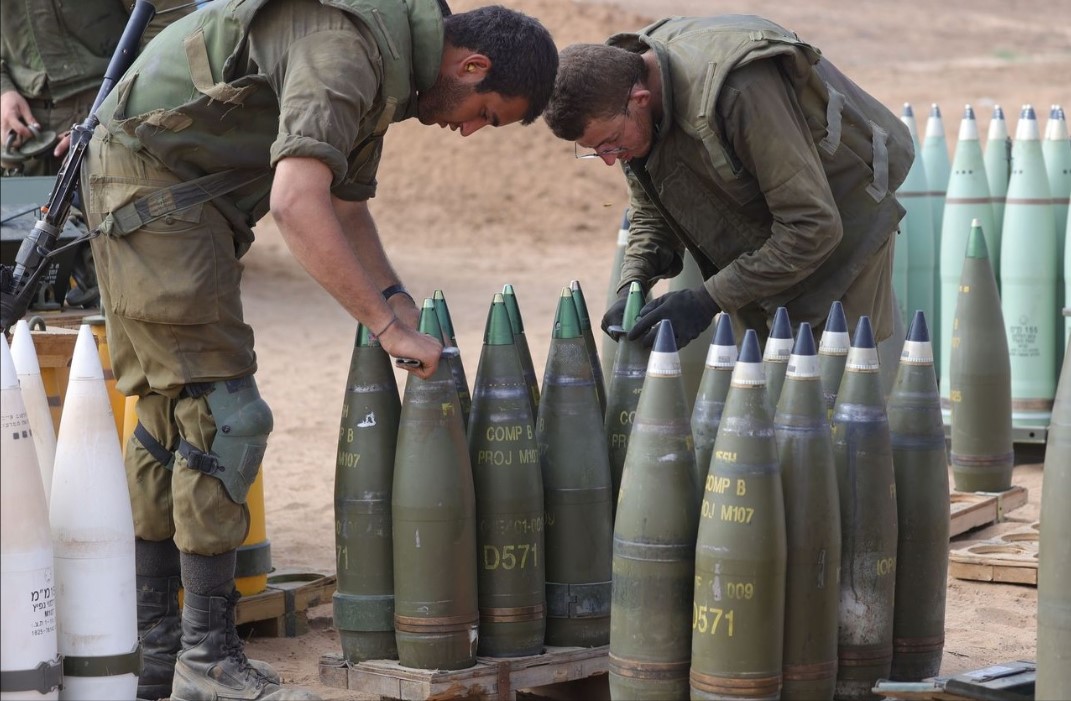
India The Indian Army aims to halt all ammunition imports within the next fiscal year, emphasizing self-sufficiency in defense manufacturing and redirecting funds towards domestic producers. This move reflects India's commitment to the "Atmanirbhar Bharat" initiative and signals a significant shift in its defense procurement strategy.In a significant stride towards bolstering its defense capabilities, the Indian Army has set forth an ambitious plan to cease all ammunition imports within the next fiscal year. This pivotal decision underscores India's growing self-sufficiency in arms production, with local manufacturers rapidly expanding their capacities to meet the nation's defense needs.The move comes on the heels of substantial progress made by the Indian industry in meeting the army's ammunition requirements. Major General V.K. Sharma, Additional Director General (Procurement) of the Indian Army, revealed that indigenous sources are now capable of supplying nearly 150 out of the 175 types of ammunition used by the army. This marks a remarkable turnaround from the army's previous heavy reliance on imports.The transition towards self-reliance is a direct outcome of the government's "Atmanirbhar Bharat" initiative, aimed at promoting domestic production and reducing dependence on foreign suppliers. Currently, the army allocates approximately ₹6,000-8,000 crore ($725 - $970 million USD) annually towards ammunition procurement, funds that will now be redirected entirely towards Indian manufacturers.This transformation is being facilitated through a phased approach utilizing 'positive indigenization lists', which identify items that India has the capability to produce domestically and will henceforth no longer import. As a result, foreign suppliers currently fulfill only a small fraction, ranging from 5-10%, of the army's ammunition requirements.The corporatization of the Ordnance Factory Boards and the burgeoning private defense sector are driving India's surge in ammunition production. This year, Adani Defence & Aerospace inaugurated Asia's largest ammunition complex in Kanpur, promising a substantial output of various munitions for the armed forces. Additionally, Tata Aerospace & Defence has made significant strides as the first private aircraft manufacturer in India, partnering with the European aerospace giant Airbus to assemble the Airbus C-295 transport aircraft.The Indian Army's commitment to sourcing ammunition exclusively from domestic sources underscores India's resolve to strengthen its defense industry. Industry experts, including Maj. Gen. Sharma, express confidence that this move will not only meet the military's demands but also position India as a significant player in the global arms market, potentially capturing up to 30% of market share in the coming years.In conclusion, the Indian Army's endeavor to eliminate ammunition imports marks a pivotal milestone in the nation's journey towards self-reliance in defense manufacturing. By leveraging indigenous capabilities and fostering partnerships with the private sector, India is poised to emerge as a formidable force in the global arms market while enhancing its security preparedness on the domestic front.
Read More → Posted on 2024-05-09 15:01:47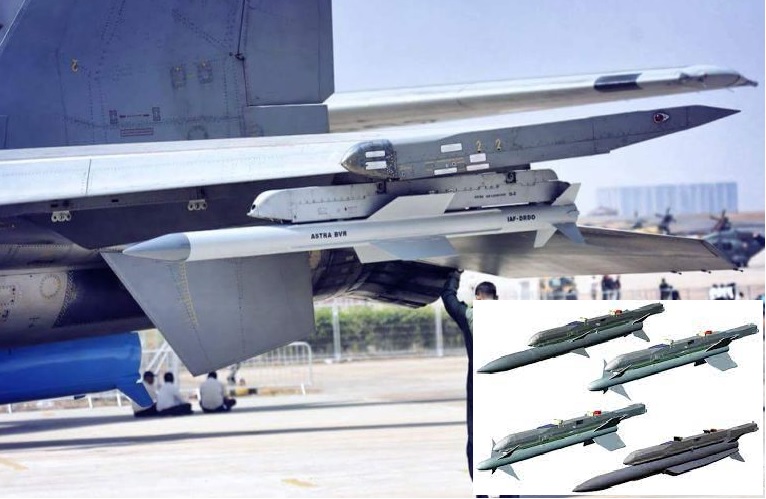
India
India DRDO's universal launcher adapter bridges the gap between diverse fighter jets and missiles, enhancing India's air defense flexibility. This innovation promises to streamline logistics and bolster self-reliance in defense technology.India's quest for self-reliance in defense takes a significant step forward with the Defense Research and Development Organization's (DRDO) development of a universal launcher adapter. This innovative technology could be a game-changer for the Indian Air Force (IAF), particularly for its indigenously developed light combat aircraft, the Tejas.The Challenge: A Mix of Missiles, A Patchwork of LaunchersThe IAF currently operates a diverse fleet of fighter jets, including Russian-made Su-30MKIs, French Mirage 2000s, and the homegrown Tejas. This diversity comes with a logistical hurdle: each aircraft is typically limited to launching missiles designed for its specific platform. This not only complicates maintenance and training but also restricts operational flexibility.The Solution: A Universal FitThe DRDO's universal launcher adapter promises to bridge this gap. By functioning as an intermediary between the aircraft and the missile, the adapter could theoretically allow Tejas, or any other IAF aircraft equipped with the adapter, to launch a wider range of missiles. This includes:Indian-made missiles: Astra air-to-air missiles, BrahMos supersonic cruise missiles (already undergoing integration with Tejas)Western missiles: MICA air-to-air missiles (used on Mirage 2000s) potentially, AIM-120 AMRAAM missiles (used on US-origin aircraft)Russian missiles: R-73 air-to-air missiles (used on Su-30MKIs) potentiallyBenefits: A More Potent TejasA successful universal launcher adapter would offer significant advantages:Enhanced Operational Flexibility: Tejas pilots would have a wider range of offensive options at their disposal, allowing them to adapt to different mission requirements.Streamlined Logistics: A single launcher system would simplify maintenance and reduce the need for aircraft-specific missile stocks.Standardization: The adapter paves the way for future integration of new missile types without requiring aircraft modifications.The Road Ahead: Testing and ImplementationThe DRDO's universal launcher adapter is currently under development. Successful integration with Tejas and other aircraft will require rigorous testing to ensure safe and reliable operation with various missile types.Beyond Tejas: Implications for the IAFIf proven successful, the launcher adapter could be adopted across the IAF's fighter jet fleet. This would significantly enhance India's air combat capabilities by promoting greater interoperability and flexibility.ConclusionThe DRDO's universal launcher adapter represents a significant step towards an IAF that is less reliant on foreign platforms and more adaptable to modern warfare. While challenges remain in testing and implementation, a successful outcome would be a major win for India's self-reliance in defense technology.
Read More → Posted on 2024-05-09 07:37:54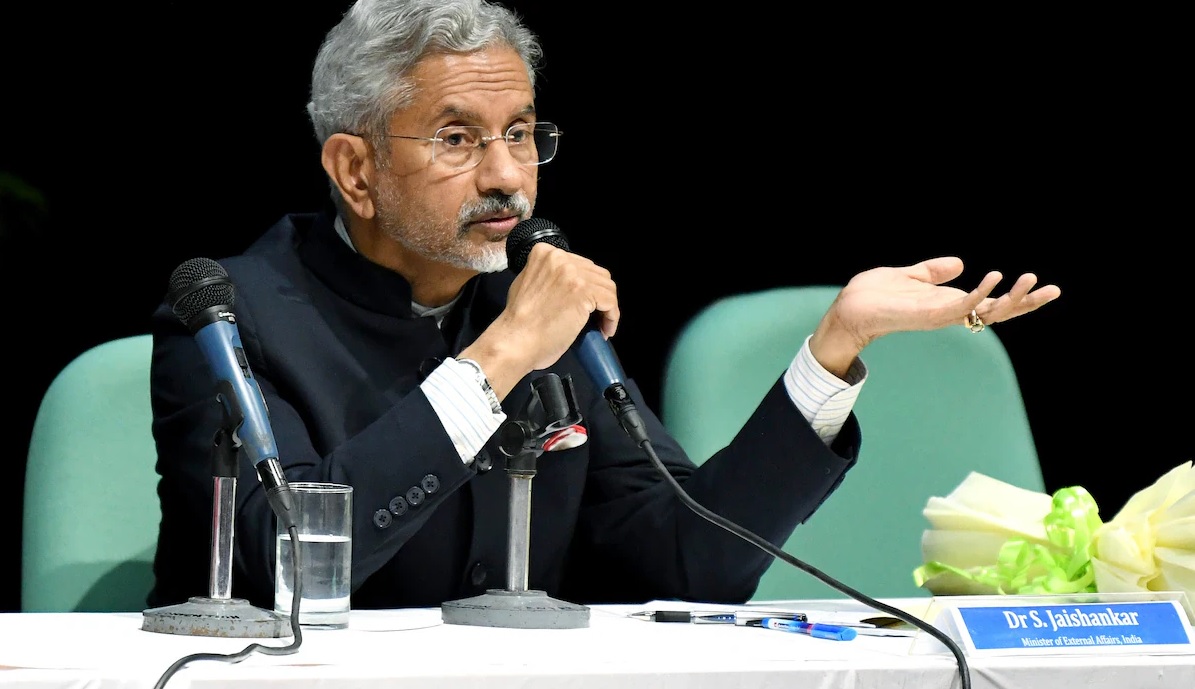
Jaishankar: India to Prioritize National Interests with Agniveer Scheme Impact on Nepal Recruitments
India
India India's External Affairs Minister defends Agniveer Scheme, prioritizing national interest in military recruitment and diplomatic relations with neighbouring nations amid tensions with Maldives and Nepal.India's External Affairs Minister, S Jaishankar, recently reiterated India's commitment to reforming its armed forces and diplomatic strategies, placing paramount importance on national interest. His statements come amidst the implementation of the Agniveer Scheme, a move aimed at bolstering India's military recruitment strategy, and diplomatic tensions with neighbouring countries like Maldives and Nepal.The Agniveer Scheme, approved by the Union Cabinet in June 2022, introduced an attractive recruitment initiative for Indian youth to serve in the Armed Forces under the banner of Agniveers. While the scheme aims to harness patriotic and motivated youth for a four-year service period, it also resulted in the cessation of military recruitment from Nepal. Minister Jaishankar defended this decision, emphasizing that India's reforms prioritize its own interests above all else.In his interactions, Minister Jaishankar underscored the complexities of managing diplomatic relations with neighbouring nations, acknowledging differing viewpoints and political dynamics. He emphasized the significance of maintaining ties with neighbours, even amid disagreements, citing instances such as Maldives' request for the replacement of Indian military personnel and Nepal's depiction of Indian territories on its currency notes.India's diplomatic efforts extend beyond bilateral relations, with a focus on strengthening ties across South Asia. Minister Jaishankar highlighted India's evolving relationships with countries like Sri Lanka and Bangladesh, where perceptions towards India have seen fundamental shifts.The recent diplomatic engagement between India and Maldives, including the replacement of Indian military personnel, reflects a commitment to resolving disputes through dialogue and cooperation. Similarly, India's response to Nepal's territorial depiction demonstrates a nuanced approach to managing sensitive issues with neighbouring nations.Minister Jaishankar's remarks underscore India's proactive stance in safeguarding its national interests while fostering constructive relationships with neighbouring countries. In navigating diplomatic challenges, India prioritizes dialogue, cooperation, and mutual respect, ensuring stability and prosperity in the region.As India continues its journey towards bolstering defence capabilities and enhancing diplomatic engagements, the principles of sovereignty, mutual benefit, and respect remain at the forefront of its foreign policy agenda. Through strategic reforms and pragmatic diplomacy, India strives to create a conducive environment for regional cooperation and prosperity.In conclusion, Minister Jaishankar's reaffirmation of India's commitment to national interest in defence and diplomacy reflects a pragmatic and forward-looking approach in navigating complex geopolitical realities. As India consolidates its position as a responsible regional player, the pursuit of peace, stability, and prosperity remains paramount in its interactions with neighbouring countries and beyond.
Read More → Posted on 2024-05-09 06:47:54
India
India India's Astra Mk-I air-to-air missile, declared the world leader in Beyond-Visual-Range technology, underscores India's prowess in indigenous defense innovation, enhancing the nation's air defense capabilities and strategic advantage in aerial engagements.In a recent interview with Bharat Shakti, Commodore A. Madhavarao (Retd.), Chairman and Managing Director of Bharat Dynamics Limited (BDL), proudly declared India's Astra Mk-I air-to-air missile as the world leader in its class of Beyond-Visual-Range (BVR) technologies.What sets the Astra Mk-I apart is its exceptional performance and strategic importance. With deliveries already underway to the Indian Air Force (IAF), it's clear that the IAF has immense confidence in this domestically developed missile program.The Astra Mk-I's capabilities are indeed impressive. It has an extended operational range and can fly at speeds exceeding Mach 4.5, making it a formidable asset in aerial engagements. Successful user trials conducted on Sukhoi Su-30MKI fighter jets have further demonstrated its combat readiness.The significance of the Astra Mk-I lies not just in its technological excellence but also in its strategic value. By integrating this missile into its arsenal, the IAF significantly enhances India's air defense capabilities, providing a tactical advantage in defending our skies.Looking ahead, the future of the Astra program appears promising. With ongoing work on future iterations like the Astra Mk-II and Mk-III, India remains committed to maintaining its technological edge in air combat dominance.In conclusion, India's Astra Mk-I missile stands as a testament to the nation's prowess in indigenous defense technology. Its emergence as a global leader in Beyond-Visual-Range technology not only showcases India's capabilities but also reinforces its commitment to securing its airspace and defending its sovereignty.
Read More → Posted on 2024-05-09 06:18:07
India
India The World Migration Report 2024 highlights India's milestone as the top recipient of remittances, surpassing USD 100 billion in 2022, while also shedding light on global migration trends and challenges faced by migrant workers worldwide.India received over USD 111 billion in remittances in 2022, marking a significant milestone as the first country to surpass the USD 100 billion threshold, according to the United Nations migration agency, the International Organization for Migration (IOM). In its World Migration Report 2024, launched on Tuesday, the IOM revealed that India was the top recipient of remittances in 2022, with Mexico, China, the Philippines, and France rounding out the top five. The report highlighted the steady growth of remittances to India over the years. In 2010, India received USD 53.48 billion in remittances, which grew to USD 68.91 billion in 2015, USD 83.15 billion in 2020, and ultimately USD 111.22 billion in 2022. This influx of funds is largely driven by a significant number of migrant workers from Southern Asia. The report noted that India, Pakistan, and Bangladesh, among the top ten recipients of international remittances, demonstrate the importance of labour migration in the region. However, while remittances provide vital support to families and communities, the report also pointed out that migrant workers face numerous risks, such as financial exploitation, excessive financial debt due to migration costs, xenophobia, and workplace abuses. The Gulf States, a common destination for migrant workers from India and other countries, have faced criticism for rights violations, particularly highlighted during the 2022 FIFA World Cup in Qatar. Additionally, the IOM report discussed migration trends and patterns. It revealed that nearly 18 million or 1.3 per cent of India's population are international migrants, making India the largest source of migrants globally. Major diasporas from India are located in the United Arab Emirates, the United States, and Saudi Arabia. The report also stated that India is the 13th most popular destination for immigrants, with 4.48 million people coming from other countries to live in India. Regarding irregular migration, the report highlighted ongoing challenges at the United States-Mexico border, with record numbers of encounters in 2022. This has led to a significant increase in arrivals from countries like Venezuela, Cuba, and Nicaragua. However, it also noted that these encounters included migrants from other regions, including Haiti, Brazil, and even India. The report emphasized the profound impact of the COVID-19 pandemic on migration patterns, particularly affecting low-skilled and undocumented workers. The pandemic led to job losses, wage theft, and a lack of social security, causing many Indian migrants to face financial instability and deep debt. It also reshaped internal migration within India, with a decline in blue-collar workforce mobility towards cities, affecting labour supply in major industries. Overall, the IOM's World Migration Report 2024 provides a comprehensive view of the shifting landscape of migration and remittances, highlighting both the opportunities and challenges that migrant workers face in their journeys across the globe.
Read More → Posted on 2024-05-09 06:04:54
India
India ,Canada Three Indian nationals accused of Sikh separatist leader Hardeep Singh Nijjar's killing make their first court appearance in Surrey, British Columbia, amid ongoing tensions between Canada and India over the incident. Pro-Khalistani protesters gather outside the courthouse as the suspects face charges of first-degree murder and murderous conspiracy in connection with the June 2023 shooting.In a significant development regarding the case of Hardeep Singh Nijjar's killing, three Indian nationals accused of the Sikh separatist leader's murder appeared in a Surrey courtroom in British Columbia. The courtroom witnessed a notable presence of members from the Sikh community, indicating the gravity of the situation.The suspects, identified as Karan Brar, Karanpreet Singh, and Kamalpreet Singh, made their initial court appearance via video link, dressed in orange jumpsuits. Outside the courthouse, pro-Khalistani protesters voiced their sentiments, holding placards and chanting slogans, placing blame on the Indian government for Nijjar's death.During the court proceedings, Judge Delaram Jahani engaged with the suspects briefly. While Brar and Karanpreet Singh opted to appear again on May 21 through their attorneys, Kamalpreet Singh, seeking legal counsel, awaits a decision on a new court date.The arrests of the three men, which occurred in Edmonton the previous week, relate to the first-degree murder and murderous conspiracy charges concerning the shooting of Nijjar in June 2023. This incident has significantly strained relations between Canada and India.The diplomatic tension escalated when Canadian Prime Minister accused agents of the Indian government of being involved in Nijjar's killing. However, India has strongly refuted these allegations, dismissing them as baseless and motivated.Hardeep Singh Nijjar was fatally shot outside a gurdwara in Surrey, a suburb of Vancouver, in June last year. The emergence of a video clip purportedly showing his assassination in March this year intensified the investigation, suggesting a possible contract killing.Canadian authorities, in their pursuit of justice, released photographs of the arrested individuals along with images of the car believed to have been used in connection with the homicide. The Integrated Homicide Investigation Team (IHIT) of Surrey RCMP, along with other law enforcement agencies, played a crucial role in apprehending the suspects.Despite the arrest, allegations of Indian involvement persist. Canada's New Democratic Party (NDP) leader, Jagmeet Singh, reiterated accusations against the Indian government following the arrests. However, no evidence linking India to the crime has been shared by Canadian authorities.Jagmeet Singh's party, which supports the Liberal minority government led by Prime Minister Trudeau, emphasized the importance of uncovering the truth behind Nijjar's killing. The demand for justice echoes not only for Nijjar but also for preserving Canada's democratic values and upholding the rule of law.In 2023, similar accusations were made by the Canadian PM, which India vehemently denied. The absence of concrete evidence linking India to the crime underscores the complexity of the situation and the importance of a thorough investigation.As the legal proceedings continue and the investigation unfolds, the case of Hardeep Singh Nijjar's killing remains a focal point in Canada's legal and diplomatic spheres, highlighting the delicate balance between justice, international relations, and the pursuit of truth.
Read More → Posted on 2024-05-08 15:52:50
India
India Recent intelligence reveals over 50,000 suspected illegal refugees in Kerala, aided by counterfeit Aadhaar cards, prompting concerns about state security and the integrity of the Aadhaar system. Urgent action is needed to strengthen security measures and dismantle the networks behind the production of fake IDs.A recent intelligence report has exposed a serious security concern in Kerala. Over 50,000 suspected illegal refugees, primarily from Bangladesh, Myanmar, and Sri Lanka, are believed to be residing in the state with the help of fake Aadhaar cards. This revelation raises grave questions about the integrity of the Aadhaar system and the efficiency of Kerala's internal security measures.Manufacturing the Threat:The report indicates that these fake Aadhaar cards were not just obtained, but manufactured within Kerala itself. The involvement of Akshaya centers, government-run facilities meant to facilitate Aadhaar enrolment, suggests a worrying insider threat. Further, the report traces the source of some online manipulations back to West Bengal and Jharkhand, highlighting the inter-state network facilitating this crime.Double-edged Sword:Kerala's hospitality towards migrant workers, both domestic and international, is well known. However, the presence of a large undocumented population residing under false pretenses poses a significant security risk. These individuals not only lack proper background checks, but their very presence undermines national security efforts.Beyond Petty Crime:While the immediate concern might be rising theft and burglary cases, the report warns of a more sinister possibility. Terrorist organizations like the ISI (Inter-Services Intelligence) could exploit this undocumented population to further their agendas. This raises the chilling prospect of homegrown extremism taking root.A Call to Action:The Kerala government must act swiftly and decisively to address this issue. A multi-pronged approach is necessary:Strengthen Aadhaar Security: A thorough investigation into the vulnerabilities of the Aadhaar system in Kerala is crucial. Stringent measures need to be implemented to prevent further misuse.Border Vigilance: The Border Security Force (BSF) and the Indian Coast Guard's (ICG) intensified patrolling efforts are commendable. Continued vigilance is essential to curb illegal immigration.Inter-state Cooperation: Collaboration with West Bengal and Jharkhand to dismantle the network creating fake Aadhaar cards is necessary.Scrutiny of Akshaya Centers: A thorough audit of Akshaya centers and stricter screening of personnel are essential to prevent insider involvement.Kerala's reputation as a peaceful and prosperous state is at stake. The government owes it to its citizens to ensure their safety and security. By taking decisive action, Kerala can plug the holes in its security apparatus and ensure a safer future for all its residents.
Read More → Posted on 2024-05-08 15:31:32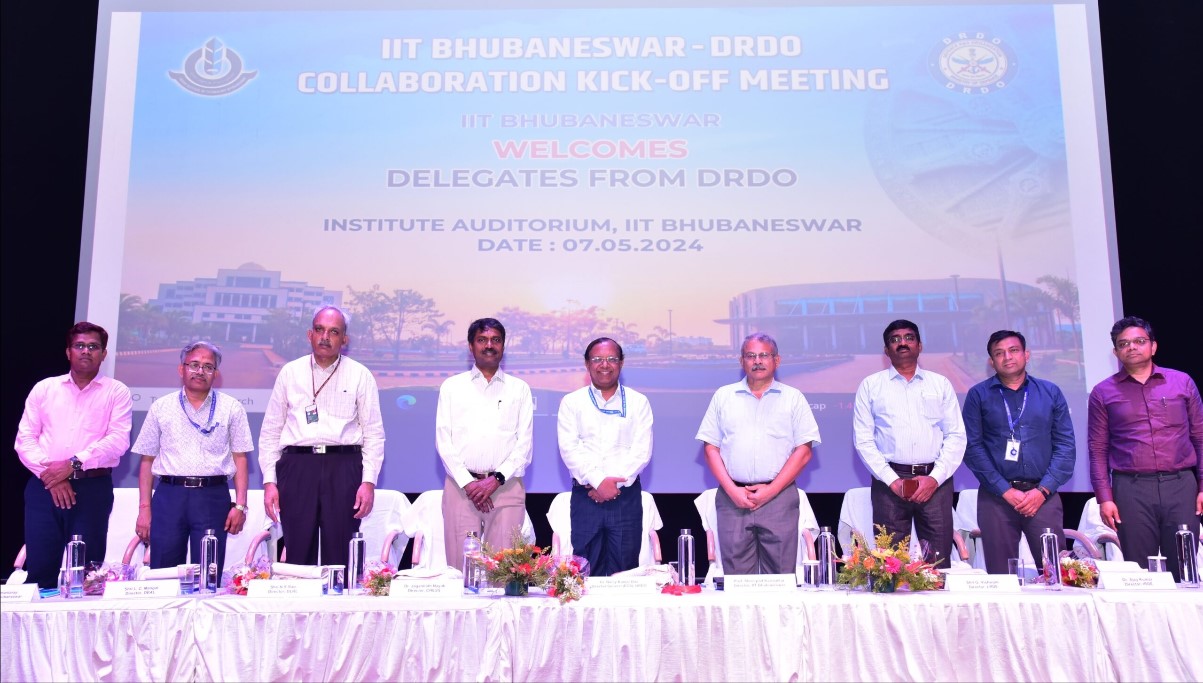
India
India DRDO and IIT-Bhubaneswar collaborate on defense technology projects, aiming to advance research in electronics warfare, AI surveillance, and radar systems, contributing to India's self-reliance and security goals.In a significant development aimed at bolstering India's defense capabilities, the Electronics and Communication Systems (ECS) cluster of the Defence Research and Development Organisation (DRDO) has initiated collaboration with the Indian Institute of Technology, Bhubaneswar (IIT-Bhubaneswar). This partnership marks a crucial step towards advancing research and development in defense applications, fostering innovation, and contributing to the nation's self-reliance goals.At a recent meeting, nine projects from the ECS cluster were handed over to IIT-Bhubaneswar, with seven more projects currently in the pipeline. These projects, with a combined funding of Rs 18 crore, will focus on areas such as electronics warfare, AI-driven surveillance, power systems, and radar systems. The collaboration aims to harness the expertise of both institutions to address the evolving needs of defense technology.Speaking about the collaboration, SR Samantaray, Head of Electrical Science School at IIT-Bhubaneswar, highlighted its significance in meeting the future requirements of the country's defense sector. He emphasized the role of collaborative efforts in enhancing research sustainability and fostering innovation, thereby contributing to the nation-building process.Binay K Das, Director General of ECS at DRDO, underscored the organization's shift towards becoming technology enablers and setting standards for the Indian Armed Forces and global counterparts. He emphasized the importance of the collaboration and expressed optimism about the establishment of a Centre of Excellence at IIT-Bhubaneswar, which would play a pivotal role in driving innovation in defense technology.Shreepad Karmalkar, Director of IIT-Bhubaneswar, emphasized the evolution of IITs beyond knowledge generation towards practical applications and entrepreneurship. He highlighted the collaborative efforts with DRDO as a step towards excellence in defense research and development, stressing the role of research scholars in fostering innovative ideas.DRDO officials reiterated their commitment to collaborating with academia and industry to advance research projects from conceptualization to application. These collaborations aim to develop cutting-edge technologies that will elevate India to international standards in defense technology.In conclusion, the collaboration between DRDO and IIT-Bhubaneswar signifies a strategic partnership aimed at driving innovation, fostering research excellence, and strengthening India's defense capabilities. Through joint efforts and shared expertise, both institutions are poised to make significant contributions to the defense sector, ultimately advancing the nation's security interests.
Read More → Posted on 2024-05-08 15:18:37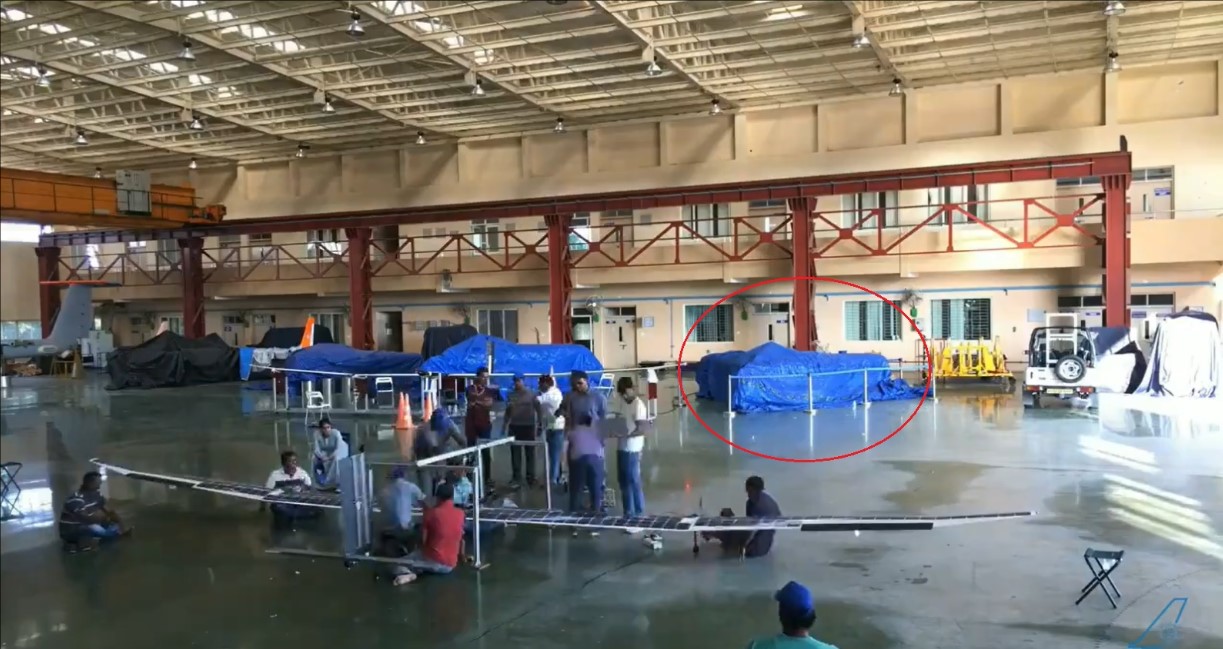
India
India India's SWiFT program, showcased during high-altitude testing, reveals advancements in indigenous combat drone technology, serving as a crucial precursor to the forthcoming Ghatak UCAV, reflecting India's pursuit of self-reliance in defense.India's strides in the field of unmanned aerial vehicle (UAV) technology have recently been underscored by a significant development at the Aeronautical Test Range (ATR) in Chitradurga. In a video released by the Council of Scientific and Industrial Research-National Aerospace Laboratories (CSIR-NAL), keen observers noticed three shrouded prototypes of the DRDO Stealth SWiFT UCAV (Unmanned Combat Aerial Vehicle) in the background, hinting at a noteworthy advancement in India's indigenous combat drone program. The SWiFT (Standing Wave Integrated Fused Thruster) program, developed by the Aeronautical Development Establishment (ADE), a DRDO laboratory, serves as a crucial precursor to the forthcoming Ghatak UCAV. While the SWiFT weighs around one tonne, the Ghatak is envisioned as a far larger aircraft, weighing approximately 13 tonnes. This initiative marks a significant step in India's quest for self-reliance in combat drone technology.Recently, the SWiFT completed a successful flight test at the Chitradurga range, showcasing its unique tailless configuration. This successful test, conducted with a budget of approximately Rs 70 crore and approved in 2016, primarily aims to evaluate stealth technologies and high-speed autonomous landing capabilities.What distinguishes the SWiFT is its unconventional design. Unlike traditional aircraft with separate wings, tails, and fuselage, the SWiFT adopts a single-lift surface design, integrating these components into a unified form. This streamlined approach likely contributes to the prototype's enhanced stealth characteristics.The CSIR-NAL video, offering a glimpse of the SWiFT prototypes, underscores India's rapid progress in UAV technology. According to a tweet by defense expert Vivek Singh, the testing results, particularly in terms of speed, have exceeded expectations. This success sets the stage for the more ambitious Ghatak UCAV.In conclusion, India's advancements in indigenous combat drone technology, exemplified by the SWiFT program, reflect the nation's determination to foster a robust defense industry with cutting-edge capabilities. The successful testing of the SWiFT prototype signals a promising future for India's defense landscape.
Read More → Posted on 2024-05-08 15:10:20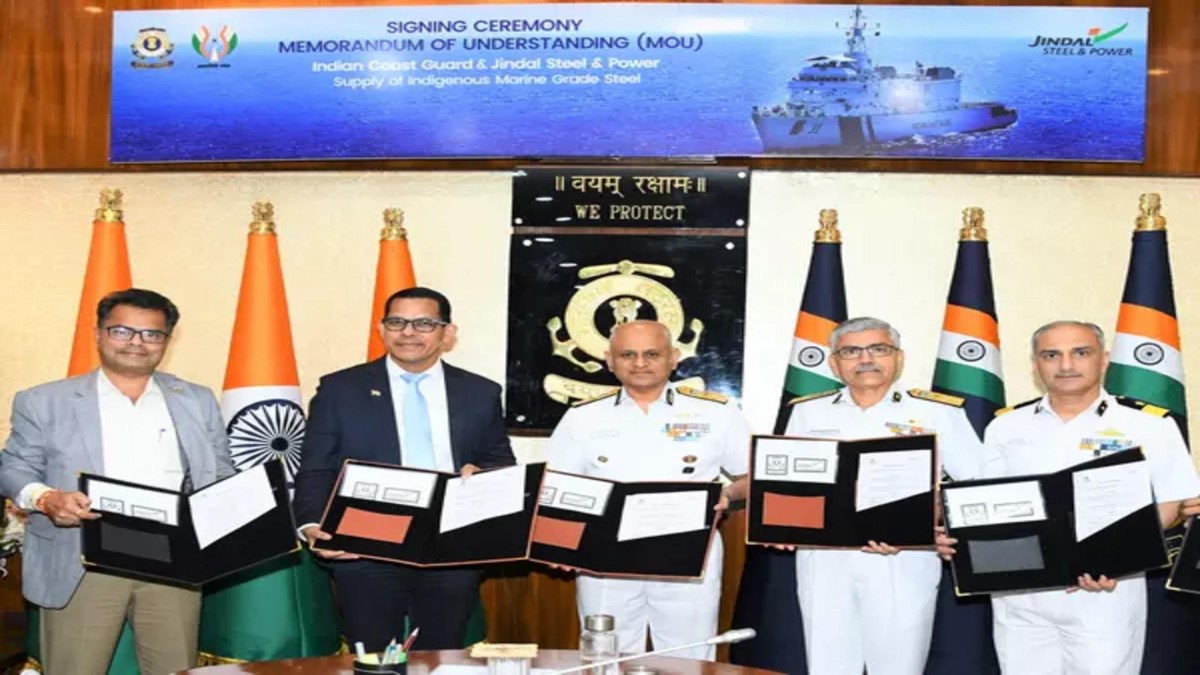
India
India The Indian Coast Guard partners with Jindal Steel and Power to enhance indigenous shipbuilding, ensuring a timely supply of marine-grade steel for defense projects. This collaboration underscores India's commitment to self-reliance in defense manufacturing.In a significant move towards enhancing India's maritime capabilities, the Indian Coast Guard (ICG) has teamed up with Jindal Steel and Power (JSP) to boost the supply of indigenous marine-grade steel for shipbuilding projects. The Memorandum of Understanding (MoU), signed in New Delhi, reflects the commitment of both entities to promote indigenization efforts in the defense sector.The MoU outlines crucial specifications concerning the quality, grades, and dimensions of marine-grade steel, ensuring a consistent and timely supply for the Indian Coast Guard's shipbuilding endeavors. Designated steel plants will be responsible for manufacturing the specified product, guaranteeing adherence to stringent standards.This partnership underscores the importance of public-private partnerships in addressing complex security challenges, emphasizing collaboration between governmental bodies and the private sector. It aligns with the government's 'Make in India' and 'Atmanirbhar Bharat' initiatives, aimed at fostering self-reliance in defense manufacturing.Moreover, the Indian Coast Guard has recently sealed a contract with Armoured Vehicle Nigam Limited for the acquisition of ten 30 mm CRN-91 guns, reinforcing its arsenal with indigenous weaponry. These guns, manufactured in India, signify a step towards reducing dependency on imported materials and enhancing operational efficiency.By leveraging the expertise of the private sector, the Indian Coast Guard aims to elevate the quality and performance of its fleet, contributing to the nation's maritime security. The MoU between the ICG and JSP marks a significant milestone in bolstering India's shipbuilding capabilities and advancing self-reliance in defense production.
Read More → Posted on 2024-05-08 15:02:49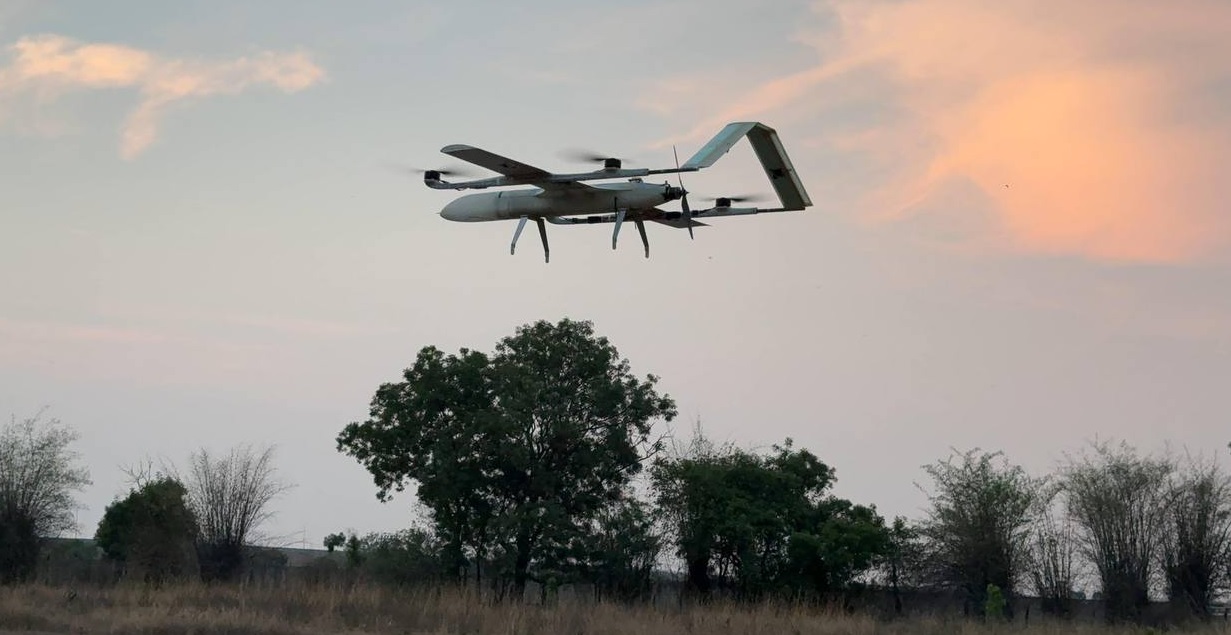
India
India Kadet Defence Systems unveils indigenous loitering drones, enhancing India's defense capabilities with precision strikes and tactical flexibility. Collaboration with DRDO signifies a step towards self-reliance, positioning India for potential export opportunities.This is great news for India's defense sector! Kadet Defence Systems (KDS) recently unveiled their indigenously developed loitering aerial munitions (LAMs), also known as kamikaze drones. These drones are a significant advancement in India's military capabilities, offering a new dimension to battlefield operations.Key Points:Kadet's Innovation: KDS, a leading Indian aerospace company, has successfully developed these LAMs in collaboration with the Defence Research and Development Organisation (DRDO). This signifies a major step towards self-reliance in defense technology.Drone Capabilities: Details about the specific capabilities haven't been released, but LAMs typically function as both combat drones for precision strikes and suicide drones for targeted engagements. They offer advantages like long loitering times and the ability to strike with high accuracy.Boosting Indian Army: The Indian Army is slated to receive 50 of these drones by the end of 2024. This initial delivery paves the way for larger-scale integration, potentially reaching 5,000 units within the next few years.Market Potential: LAMs represent a growing market in the defense sector. KDS's success positions them to be a major player, not just fulfilling domestic needs but potentially exporting these drones in the future.Overall Significance:Kadet's loitering drones mark a crucial milestone in India's defense indigenization efforts. They equip the Indian Army with advanced technology and enhance their tactical flexibility. This indigenous development not only strengthens national security but also positions India as a potential exporter of such sophisticated weaponry.
Read More → Posted on 2024-05-08 14:58:56
India
India ,Canada Canada alleges Indian involvement in the killing of designated terrorist Hardeep Singh Nijjar, sparking diplomatic tension despite lack of concrete evidence. Arrest of three suspects in connection with the murder intensifies scrutiny on the delicate balance between protecting citizens and fostering international relations.Canada's assertion of Indian involvement in the killing of Hardeep Singh Nijjar, a designated terrorist, has ignited a diplomatic conundrum between Ottawa and New Delhi. The recent arrest of three suspects in connection with Nijjar's murder has intensified scrutiny on the delicate balance between protecting citizens, maintaining sovereignty, and fostering international relations.On the heels of the arrests, Canadian Foreign Minister Melanie Joly reiterated Ottawa's stance, affirming that the Royal Canadian Mounted Police (RCMP) investigation into Nijjar's killing remains ongoing. Despite lacking concrete evidence linking the suspects to Indian agents, Canada persists in its allegations, underscoring its commitment to safeguarding its citizens.The incident, which occurred in June 2023 outside a Gurdwara in Surrey, British Columbia, reverberated through both Canadian and Indian corridors of power. Nijjar, designated as a terrorist by India's National Investigation Agency, fell victim to what authorities describe as a "contract killing." The subsequent surfacing of a video depicting his assassination further fueled tensions between the two nations.Against this backdrop, the arrest of Karan Brar, Karanpreet Singh, and Kamalpreet Singh in Edmonton last week marks a significant development in the case. Charged with first-degree murder and conspiracy, the trio's court appearance in Surrey drew attention from the Sikh community and pro-Khalistani demonstrators, highlighting the gravity of the situation.However, amidst the legal proceedings, questions persist regarding the veracity of Canada's allegations against Indian agents. While Trudeau's government has openly accused India of Nijjar's killing, New Delhi vehemently denies any involvement, dismissing the claims as baseless and politically motivated.The unfolding saga underscores the complexities inherent in diplomatic relations, especially in matters entangled with accusations of state-sponsored violence. For Canada, balancing the imperatives of justice, national security, and foreign policy presents a formidable challenge.At its core, the case illuminates broader themes of sovereignty and the rule of law. Canada's insistence on pursuing the investigation reflects its commitment to upholding justice within its borders. Simultaneously, the diplomatic ramifications underscore the delicate dance between cooperation and confrontation in international affairs.In navigating this delicate terrain, both Canada and India must tread cautiously to prevent further escalation of tensions. While allegations of state-sponsored violence demand thorough investigation, they also necessitate a measured approach to diplomacy.As the legal proceedings unfold, it is imperative for all parties involved to prioritize transparency and adherence to due process. Upholding the principles of justice and accountability is paramount in fostering trust and cooperation between nations.Moreover, the case serves as a reminder of the broader challenges posed by transnational terrorism and the imperative of international cooperation in addressing such threats. Beyond the bilateral dispute between Canada and India, the pursuit of justice for Nijjar's killing underscores the global imperative of combatting terrorism in all its forms.In conclusion, Canada's allegations of Indian involvement in Hardeep Singh Nijjar's killing represent a critical juncture in diplomatic relations between Ottawa and New Delhi. As legal proceedings unfold and investigations continue, both nations must navigate the complexities of justice, sovereignty, and international cooperation with prudence and resolve. Only through steadfast commitment to the rule of law and diplomatic dialogue can the path toward resolution and reconciliation be forged.
Read More → Posted on 2024-05-08 14:35:46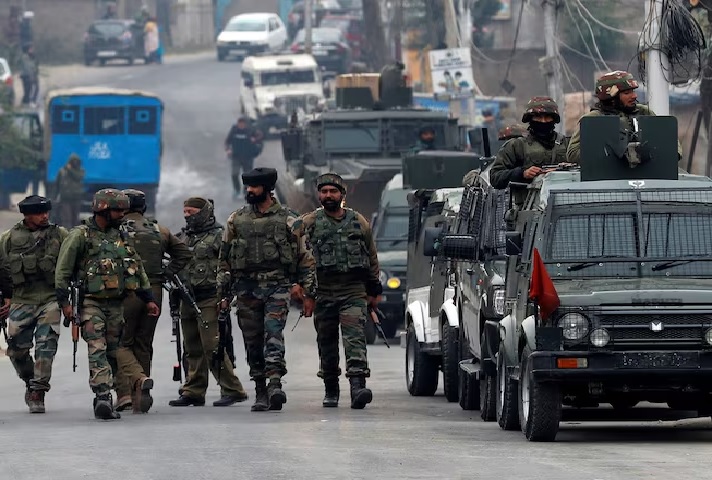
India
India ,Pakistan Recent statements from Pakistan's ISPR allege ceasefire violations and targeted killings by India, amidst ongoing tensions over Kashmir. India maintains its commitment to national security while advocating for dialogue to address disputes.In recent statements, Pakistan's Director General of Inter-Services Public Relations (ISPR), Maj-Gen Ahmed Sharif, has raised serious concerns regarding alleged actions by India along their shared border and within the disputed Kashmir region. These allegations, made on May 7, 2024, include claims of ceasefire violations, airspace breaches, and targeted killings.According to Sharif, Pakistan has observed numerous instances of what they perceive as Indian provocations along the Line of Control (LoC), the de facto border dividing the two nations in Kashmir. These alleged actions include speculative firing, airspace violations, and technical air transgressions. Sharif condemned these actions and emphasized Pakistan's commitment to safeguarding its sovereignty and responding to any perceived threats.India, on the other hand, routinely denies accusations of initiating ceasefire violations and asserts its adherence to the ceasefire agreement. The Indian government places blame on Pakistan for instigating violence along the LoC and emphasizes its right to defend its territorial integrity.Another point of contention raised by Sharif is India's handling of affairs in Indian-administered Kashmir, particularly following the revocation of Article 370 of the Indian Constitution in 2019. Pakistan criticizes India for what it perceives as suppression of democratic voices and violation of international norms. However, India maintains that the revocation of Article 370 is an internal matter aimed at fostering national unity and promoting development in the region.Sharif also accused India of involvement in targeted killings on Pakistani soil, citing specific instances of such incidents. However, it's important to note that these claims remain unverified, and independent verification is necessary before drawing conclusions.In conclusion, the recent statements from Pakistan underscore the ongoing complexities in the India-Pakistan relationship. While Pakistan raises concerns about alleged Indian actions, India maintains its commitment to national security and territorial integrity. The need for dialogue and diplomacy to address these issues remains paramount, with both nations striving for a peaceful resolution of disputes.
Read More → Posted on 2024-05-08 07:14:49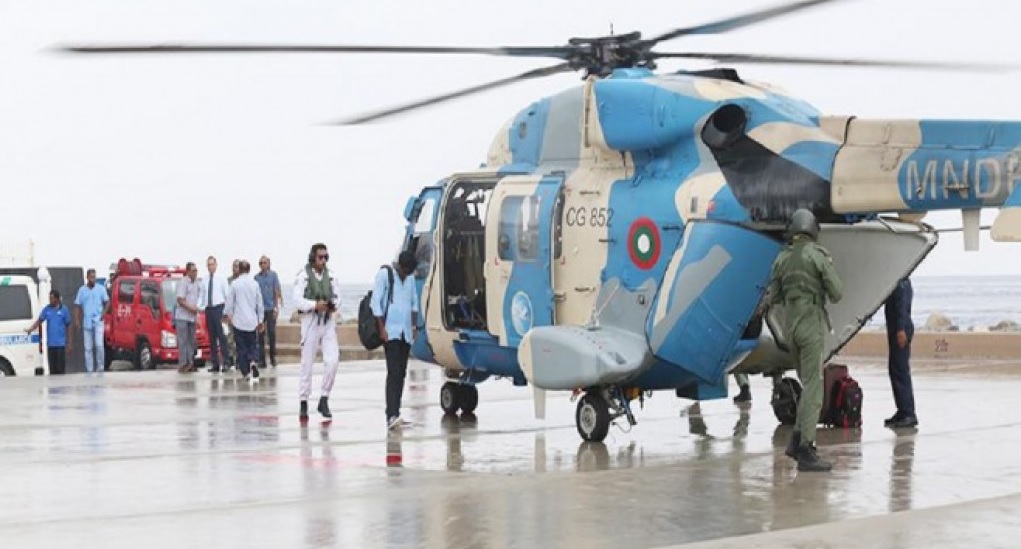
India
India India withdraws 51 soldiers from the Maldives as part of President Muizzu's deadline; bilateral relations undergo significant realignment.India has initiated the withdrawal of its military personnel from the Maldives in compliance with President Mohamed Muizzu's deadline set for May 10. The decision to repatriate Indian soldiers stationed in the Maldives underscores a significant shift in bilateral relations between the two countries.According to official statements from the Chief Spokesperson of the President's Office Heena Waleed, a total of 51 Indian soldiers have been withdrawn from the Maldives as of now. However, specific details regarding the total number of Indian soldiers stationed in the Maldives have not been disclosed yet.Previously, the Maldivian government had announced that a total of 88 Indian soldiers were deployed in the country to operate two helicopters, a Dornier aircraft, and the Senahiya military hospital, all of which were gifts from India.President Muizzu, perceived as a pro-China leader, made the withdrawal of Indian military personnel a significant promise during his presidential campaign. The decision reflects a geopolitical realignment in the region.India has already commenced the withdrawal process by replacing some military personnel with Indian civilian technical experts at three aviation platforms in the Maldives. Both India and the Maldives have reaffirmed their commitment to complete the withdrawal of Indian troops before the May 10 deadline.The recent bilateral discussions held in New Delhi on May 3, during the fourth meeting of the high-level core group, emphasized the smooth progress of logistical arrangements for the withdrawal. The Maldivian foreign ministry expressed satisfaction with the cooperation between the two countries in meeting the stipulated deadline.Reports indicate that two batches of Indian soldiers stationed in the Maldives have already departed, with Indian civilian personnel stepping in to replace them. This transition signifies a diplomatic maneuver that aligns with India's strategic interests in the Indian Ocean Region.The Maldives holds a significant position in India's maritime strategy, as evidenced by initiatives such as 'SAGAR' (Security and Growth for All in the Region) and the 'Neighbourhood First Policy' of the Indian government under Prime Minister Narendra Modi.In conclusion, the ongoing withdrawal of Indian military personnel from the Maldives highlights the evolving dynamics of regional geopolitics and underscores the importance of diplomatic dialogue in managing bilateral relations.
Read More → Posted on 2024-05-08 07:09:31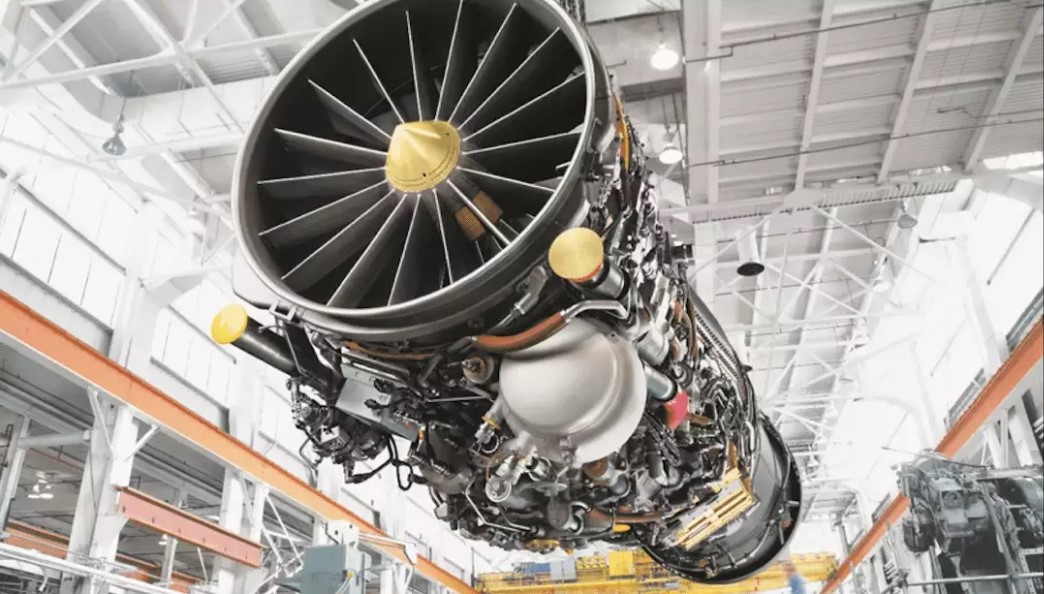
India
India Godrej Aerospace pioneers India's first high-temperature brazing process for Aero Engine performance, reducing dependency on foreign technologies and bolstering indigenous aerospace capabilities. With a commitment to innovation and excellence, Godrej & Boyce continues to drive India's growth across various sectors, from aerospace to clean energy.Godrej & Boyce's aerospace division, Godrej Aerospace, has achieved a groundbreaking feat in India's aviation industry. They have developed a high-temperature brazing process crucial for Aero Engine performance, a first for the country. This achievement reflects Godrej Aerospace's commitment to innovation and excellence, strengthening India's aerospace capabilities.The significance of this achievement lies in reducing reliance on foreign technologies and enhancing India's self-sufficiency in aerospace manufacturing. The high-temperature brazing process is vital for Aero Engine technology, especially in ensuring the durability and performance of turbine rotor blades under extreme conditions.Specifically, Godrej Aerospace is developing this process for plugging the tip and root openings of cast Turbine Rotor Blades, supporting the ceramic core used for producing cooling passages. These passages are essential for maintaining optimal temperature levels within the blades during operation. Maneck Behramkamdin, Senior Vice President & Business Head at Godrej Aerospace, emphasized the milestone's significance, stating that it signifies a leap forward in India's aerospace capabilities. Developing this process domestically not only meets the stringent requirements of modern aerospace technology but also showcases India's potential in advanced manufacturing techniques.Godrej & Boyce, with its long history dating back to 1897, has been instrumental in India's economic growth and self-reliance. Through investments in engineering, design-led innovation, and carbon-lite manufacturing, the company has contributed significantly to key sectors such as aerospace, energy, and security.Today, Godrej & Boyce continues to lead across various consumer, industrial, and emerging businesses. Their contributions extend to India's space missions, clean energy goals, green construction, and intralogistics landscape. As one of India's most trusted brands, Godrej serves customers worldwide with design-led and integrated smart solutions.In conclusion, Godrej Aerospace's achievement in developing a high-temperature brazing process marks a significant milestone for India's aerospace industry. It not only enhances the country's self-reliance but also demonstrates its potential in advanced manufacturing techniques on a global scale.
Read More → Posted on 2024-05-08 06:46:21Search
Top Trending in 24 Hours
-
 NASA Suspends Science Operations on Perseverance Rover and Mars Odyssey After Hardware Failures
-
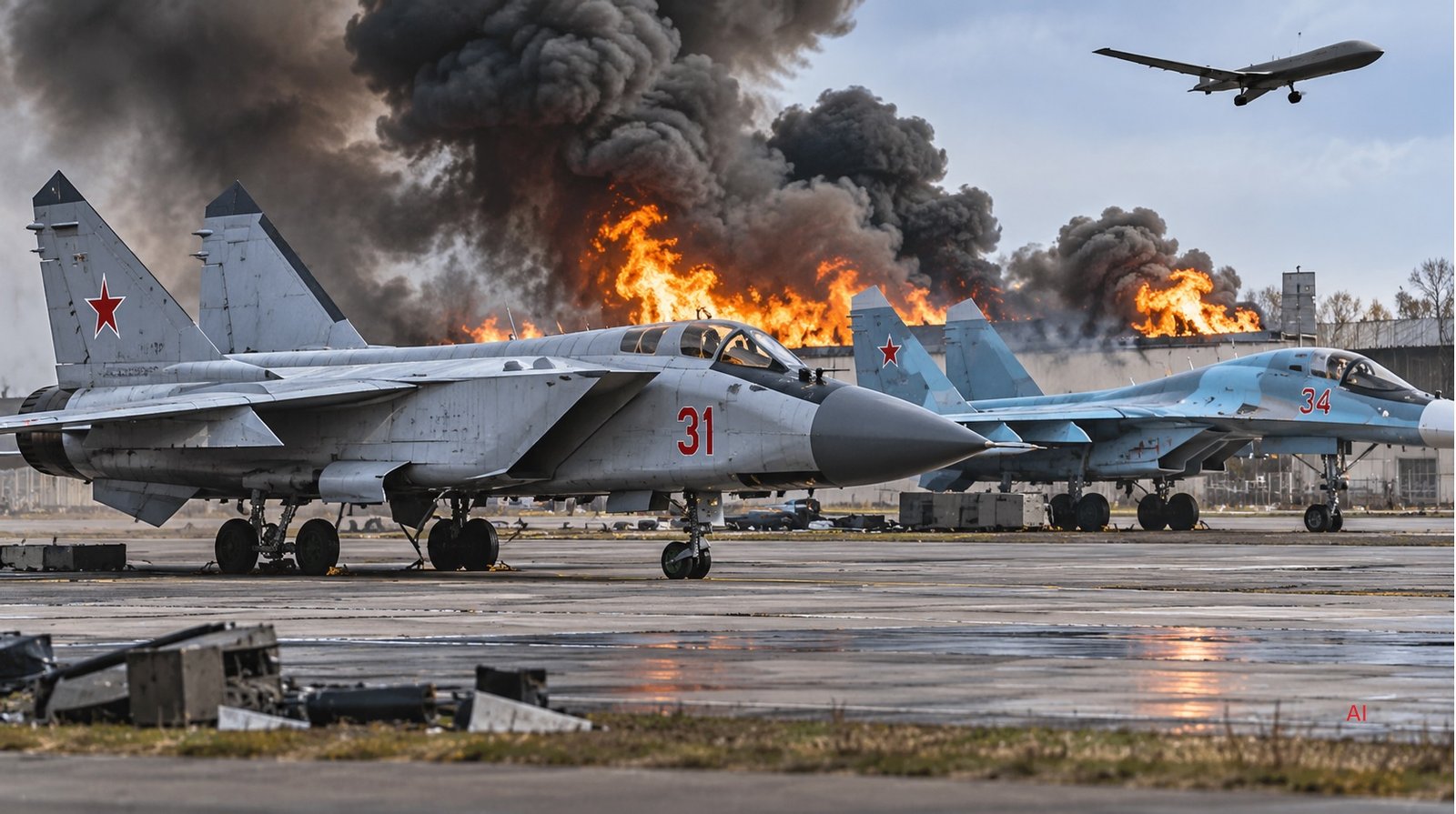 Ukraine Strikes Five Russian Warplanes, Including Three Kinzhal-Capable MiG-31s at Savasleyka Airbase
-
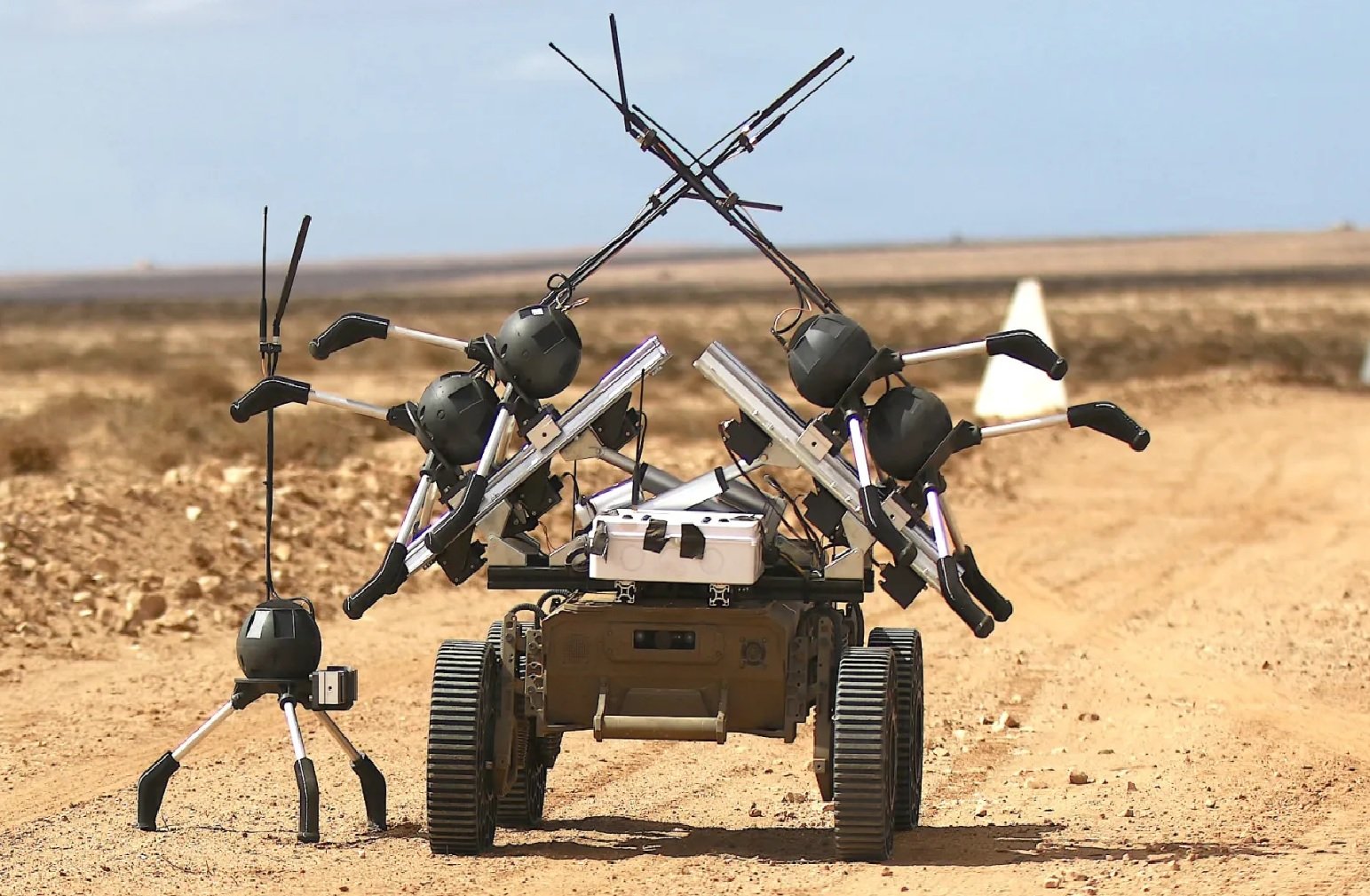 U.S. Army Tests FireAnt Robotic Vehicle to Deploy Drone-Detection Sensors in Morocco
-
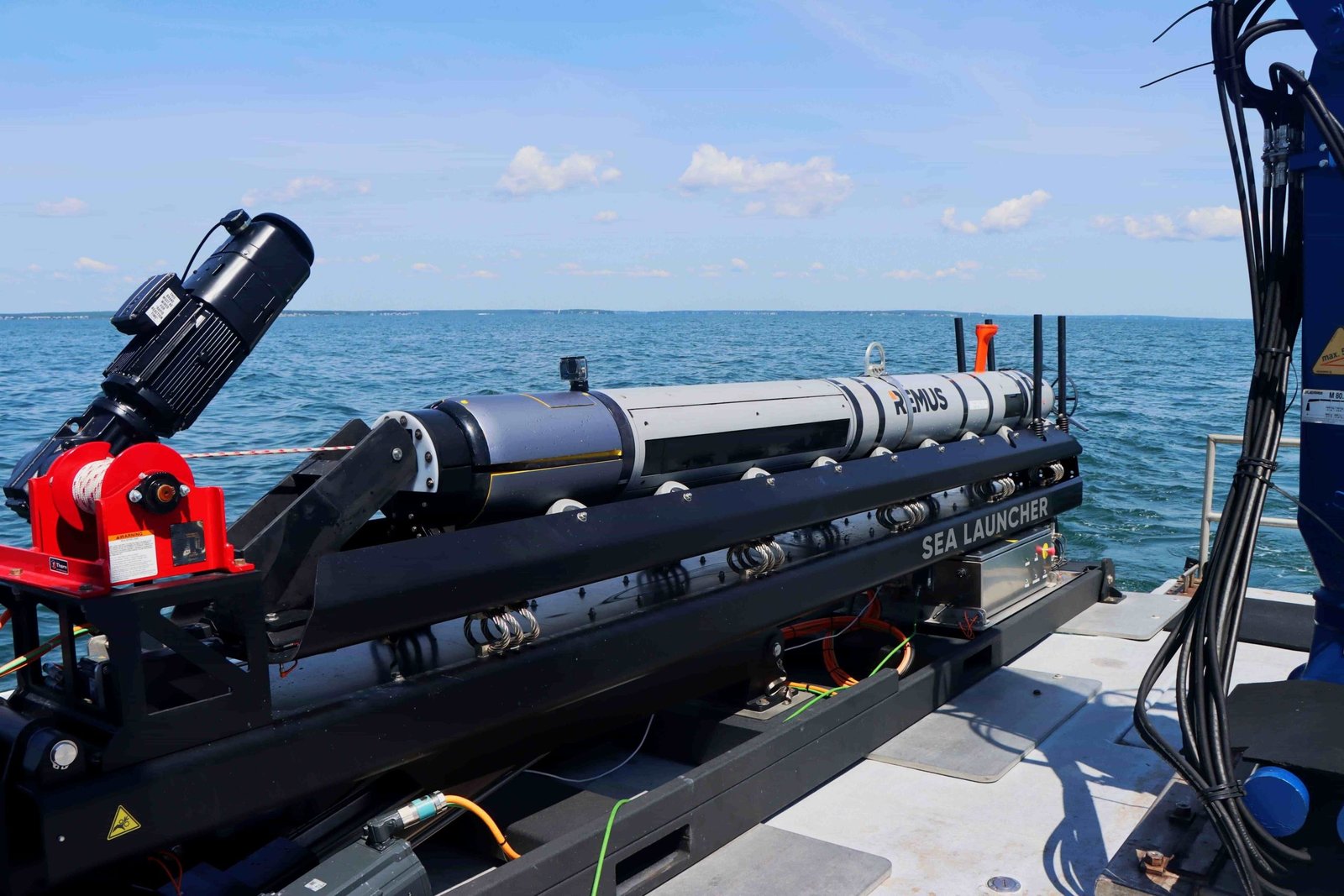 UK Awards HII £142 Million Contract for REMUS 620 Underwater Vehicles for Royal Navy Mine-Hunting Programme
-
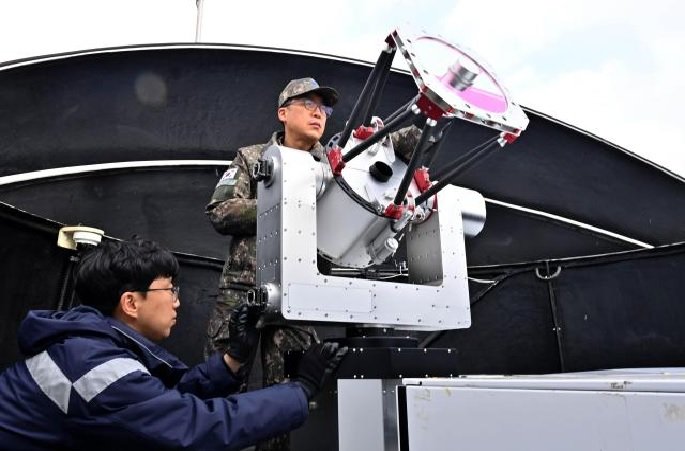 South Korea’s Air Force Deploys New Space Weather Warning System to Monitor Solar Activity and Protect Military Operations
-
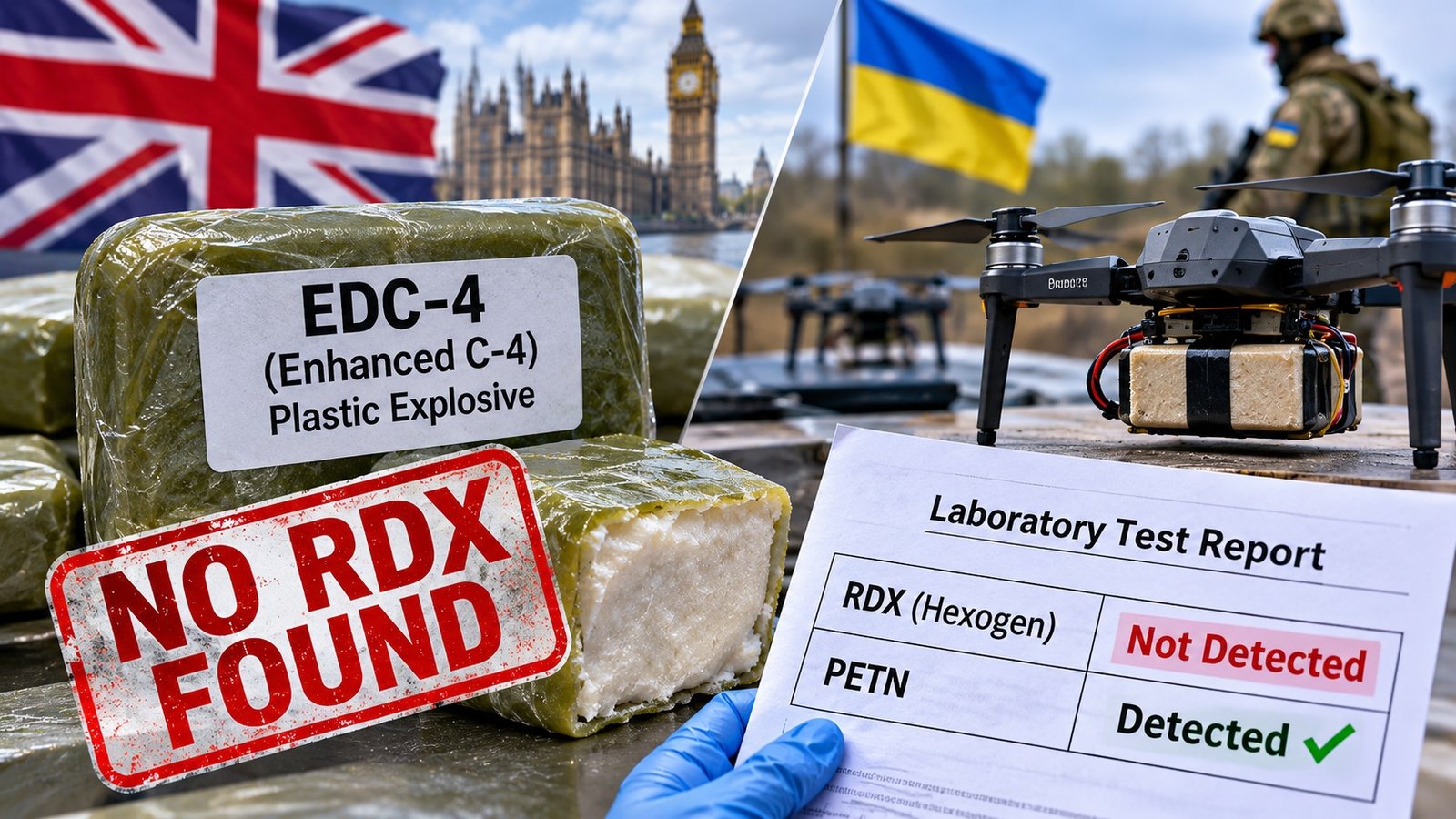 UK Supplied Fake 'Enhanced C-4' Explosives for Ukrainian Drones, Investigation Reveals
-
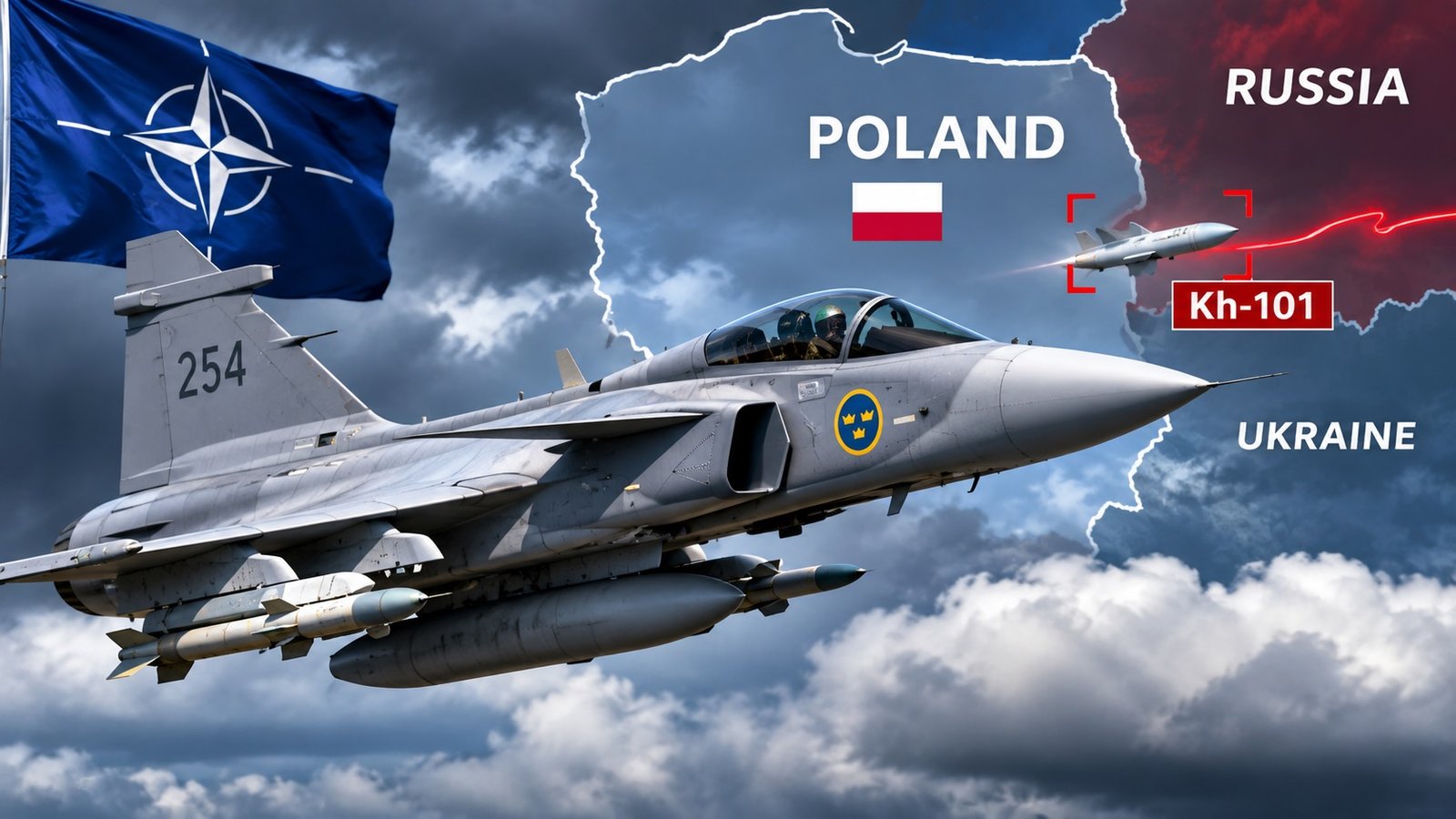 Swedish Gripen Fighter's Capabilities Questioned After Pilot Fails to Engage Suspected Russian Missile Over Poland
-
 Israeli Elbit Systems Wins Five-Year Contract to Equip Four German Navy F128 Frigates With Electronic Warfare Systems
Top Trending in 4 Days
-
 Two Injured in Bahrain After Iranian Attacks; Iran Claims Strike on US Patriot Radars
-
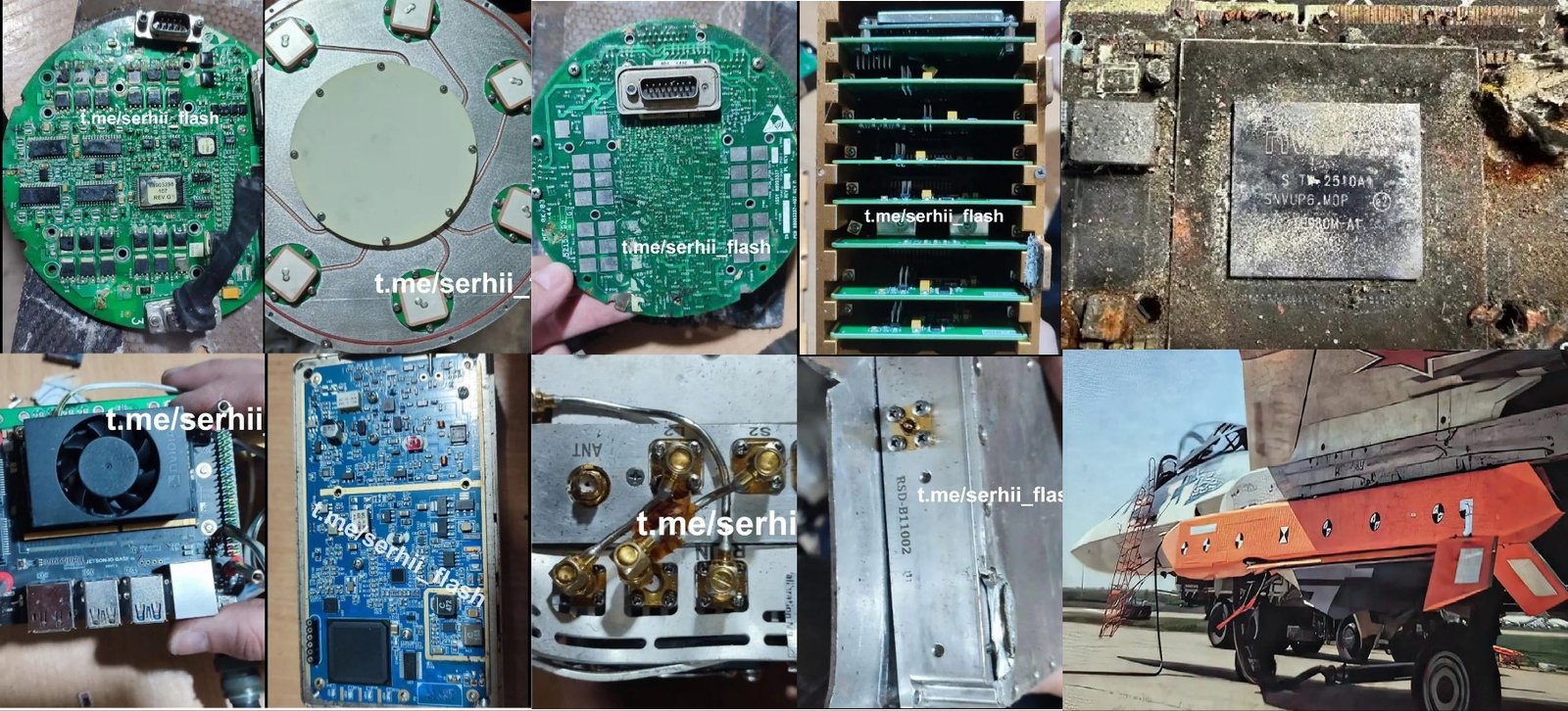 Russian Drones and Cruise Missiles Found Using Civilian NVIDIA AI Chips in Ukraine
-
 Russian Corvette Merkury Almost Certainly Destroyed in Benghazi Port Explosion
-
 Western Intelligence Warns Russia Could Launch Nuclear-Armed Satellite as Early as December
-
 IG Defence Successfully Test-Fires JWALA MK-1 Counter-Drone Missile at Pokhran
-
 U.S. Awards Lockheed Martin $330.6 Million Contract for Long-Lead Materials Supporting 75 F-35 Lot 22 Aircraft
-
NASA Suspends Science Operations on Perseverance Rover and Mars Odyssey After Hardware Failures
-
 Chinese Military Warns U.S. AI Could Threaten China’s Nuclear Missile Survivability