
India
India ,Israel Recent reports reveal India's export of dual-use technology to Israel, raising concerns about its potential military application amid heightened conflict in the region, emphasizing the need for enhanced oversight and transparency in dual-use technology exports.Recent revelations by The Wire, a news outlet known for its left-leaning perspective, shed light on the export of dual-use technology from India to Israel. Dual-use technology refers to items that can serve both civilian and military purposes, posing unique challenges in regulation and oversight.According to the reports, two Indian companies have been involved in exporting potentially sensitive technology to Israel. Munitions India Ltd (MIL), a public sector enterprise under India's Ministry of Defence, received a license in January 2024 to export various products to Israel. These products, including explosives and pyrotechnics, have applications in both military and non-military sectors like construction and mining. Another entity, Adani-Elbit Advanced Systems India Ltd., a joint venture between Adani Defence and Israel's Elbit Systems, reportedly exported components for Israeli drones between 2019 and 2023.The export of dual-use items, despite licensing requirements, highlights the difficulty in regulating technologies with dual purposes. The timing of license approvals, coinciding with India's UN vote in favor of a ceasefire in the Israel-Palestine conflict, has raised concerns. This has prompted questions about the Indian Government's considerations in allowing exports that could potentially be used in conflict zones.Transparency surrounding the exported dual-use items remains lacking, despite efforts to seek clarification from the involved companies. This lack of transparency amplifies concerns about the unintended consequences of such exports.India's growing defense industry aims for a greater role in global arms exports, driven partly by economic interests. However, it's crucial for countries exporting dual-use items to implement robust scrutiny and oversight mechanisms. These measures help prevent unauthorized military use and contribute to stability in sensitive regions.The case of India's exports to Israel underscores the importance of examining export control frameworks and policies regarding dual-use technology. Finding a balance between economic interests, peaceful technology use, and preventing conflict escalation is essential for the international community.In conclusion, the export of dual-use technology requires careful consideration and oversight to mitigate potential risks and promote responsible international cooperation.
Read More → Posted on 2024-05-08 06:34:45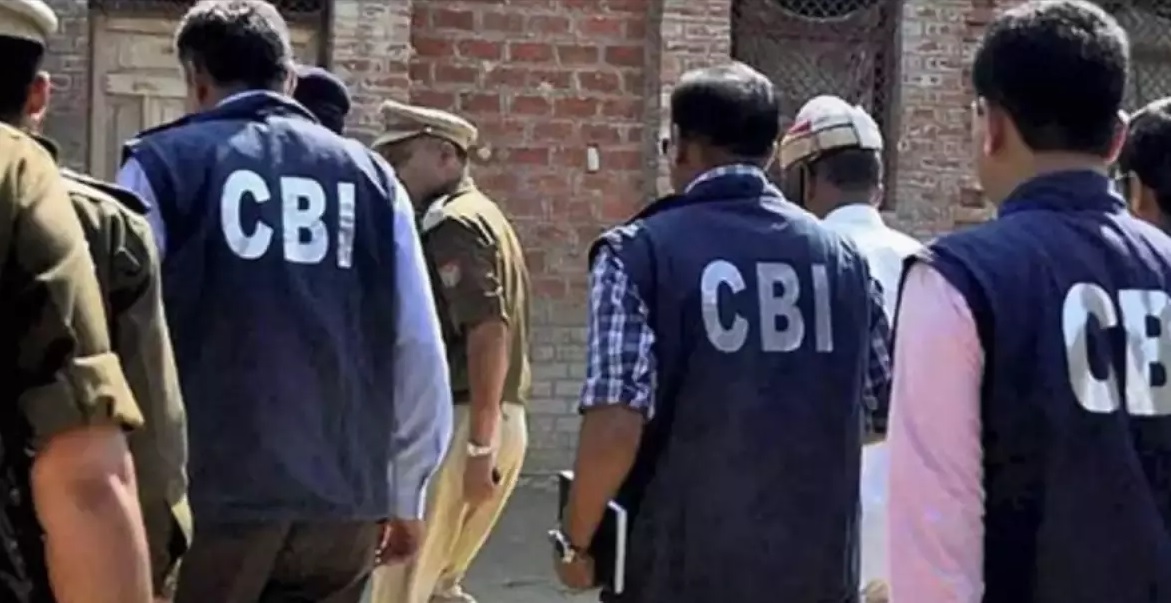
India
India ,Russia The CBI has uncovered a human trafficking network, arresting four individuals, including a contractual translator in the Russian Defence Ministry, for pushing Indian youths into the Russia-Ukraine war zone. Victims were deceived with false promises of jobs and education in Russia, only to be coerced into joining the armed forces and risking their lives in combat roles.In a recent development, the Central Bureau of Investigation (CBI) has uncovered a disturbing human trafficking network that preyed on Indian youths, promising them opportunities in Russia but instead pushing them into the dangerous Russia-Ukraine war zone. The agency's investigation has led to the arrest of four individuals, shedding light on a reprehensible scheme that endangered lives and exploited aspirations.The arrests include two recruiters, identified as Arun and Yesudas Junior alias Priyan, from Thiruvananthapuram in Kerala, and two others, Nijil Jobi Bensam, a contractual employee in the Russian Defence Ministry, and Anthony Michael Elangovan from Mumbai. Bensam, who worked as a translator in the Russian Defence Ministry, played a significant role in facilitating the recruitment of Indian nationals into the Russian Army.According to CBI officials, Michael Anthony facilitated his co-accused, Faisal Baba in Dubai, and others in Russia in visa processing and air ticket bookings for the victims. Arun and Yesudas Junior were identified as the main recruiters operating in Kerala and Tamil Nadu, respectively.The investigation has revealed a larger network of 17 visa consultancy companies across India, involved in criminal conspiracy, cheating, and human trafficking. These companies, along with their owners and agents, lured Indian youths with false promises of lucrative jobs and educational opportunities in Russia.Upon reaching Russia, victims had their passports confiscated and were coerced into joining the armed forces after receiving combat training. Shockingly, some were deployed to the front lines in the Russia-Ukraine war zone against their will, exposing them to grave danger. Tragically, some victims sustained severe injuries in the conflict.The CBI's findings underscore the ruthless exploitation of vulnerable individuals, including students seeking educational opportunities abroad. These victims were left at the mercy of unscrupulous agents who deceived them with promises of admissions to dubious private universities in Russia.The agency has identified 35 cases where young Indians were deceived through social media and local contacts, highlighting the pervasive nature of this trafficking operation. The arrests made so far represent a significant step in dismantling this nefarious network, but further arrests are anticipated as the investigation progresses.The CBI's efforts to combat human trafficking and protect the rights of vulnerable individuals are commendable. This case serves as a stark reminder of the need for stringent measures to prevent such exploitation and hold perpetrators accountable.In conclusion, the CBI's actions against this human trafficking network send a clear message that such heinous crimes will not be tolerated. It is imperative for authorities to continue their efforts to safeguard the aspirations and well-being of our youth, both at home and abroad.
Read More → Posted on 2024-05-08 06:28:30
India
India Mindgrove Technologies launches India's first indigenous microcontroller semiconductor, Secure IoT, offering cost-effective solutions for consumer electronics and digital infrastructure, driving the nation's Make-in-India initiative.In a significant stride towards self-reliance in the semiconductor industry, an Indian start-up has introduced the country's inaugural indigenously-developed microcontroller semiconductor. This breakthrough promises a cost-effective alternative for manufacturers of consumer electronics and digital infrastructure, aligning with the Make-in-India initiative to bolster the electronics sector.Mindgrove Technologies, supported by Peak XV Partners and incubated by IIT-Madras Pravartak Technologies Foundation and IIT-Madras Incubation Cell, unveiled its pioneering achievement, Secure IoT, a high-performance System on Chip (SoC).Utilizing RISC-V architecture, this chip empowers domestic original equipment manufacturers (OEMs) to integrate an Indian SoC into their devices, resulting in significant cost reductions. Mindgrove Technologies asserts that its chip is 30% more economical than existing market options.A microcontroller chip serves as a microcomputer embedded within a system, facilitating specific functions like signal reception or information display. This versatile chip can be deployed across various devices, including smartwatches, smart city infrastructure such as connected meters, fans, speakers, and even in the battery management systems of electric vehicles.Shashwath TR, Chief Executive and Co-founder of Mindgrove Technologies, emphasized the company's focus on addressing the gap between high-end and low-end players in the embedded systems domain. By prioritizing cost-effectiveness and performance, Mindgrove aims to cater to the middle market segment, offering enhanced flexibility, adaptability, security, and cost-efficiency.Clocking at 700 MHz, this high-performance microchip controller stands as the sole commercially available Indian-made chip in its segment. Furthermore, Mindgrove Technologies provides comprehensive design support to facilitate innovation and scale production.Headquartered at the IIT-Madras Research Park in Chennai, this start-up marks a significant milestone in India's journey towards semiconductor self-sufficiency. With its commitment to technological advancement and affordability, Mindgrove Technologies is poised to reshape the landscape of the electronics industry, contributing to India's vision of a self-reliant digital ecosystem.
Read More → Posted on 2024-05-07 16:27:04
India
India Indian Naval Ships Delhi, Shakti, and Kiltan arrive in Singapore, strengthening maritime cooperation amidst South China Sea tensions and underscoring India's commitment to regional stability and international law.In a strategic move reflecting the robust maritime cooperation between India and Singapore, three Indian Naval Ships, namely Delhi, Shakti, and Kiltan, have arrived in Singapore as part of the operational deployment of the Indian Navy’s Eastern Fleet to the South China Sea.Led by Rear Admiral Rajesh Dhankha, the ships’ arrival in the city-state highlights the longstanding friendship and cooperation between the two maritime nations. The visit is not merely symbolic; it underscores a tangible commitment to regional stability amidst escalating tensions in the South China Sea.China's assertive actions in the South China Sea have prompted concerns among neighboring countries, including the Philippines, which is currently engaged in a standoff with Chinese naval forces. The Philippines, along with Malaysia, Brunei, and Taiwan, contests China's expansive territorial claims in the region.Against this backdrop, the presence of Indian Naval Ships in Singapore sends a clear message of solidarity with nations upholding international maritime laws and norms. The visit aims to strengthen bilateral ties through a series of engagements and activities, reflecting shared values and interests.During their stay, the Indian naval personnel will engage in various interactions, including meetings with the High Commission of India, professional exchanges with the Republic of Singapore Navy, and engagements with academia and the local community. These activities not only foster mutual understanding but also facilitate the exchange of best practices and expertise.The visit is a testament to the enduring partnership between the Indian and Singaporean navies, which spans three decades of cooperation, coordination, and collaboration. Through regular visits, training arrangements, and exchange programs, both navies have bolstered regional security and stability.In conclusion, the deployment of Indian Naval Ships to Singapore underscores the importance of maritime cooperation in safeguarding regional peace and security. As nations navigate complex geopolitical dynamics, such interactions serve as vital pillars of stability, promoting dialogue, cooperation, and respect for international law in the Indo-Pacific region.
Read More → Posted on 2024-05-07 16:21:28
India
India Ordnance Factory Medak secures contract to supply ten CRN-91 guns to Indian Coast Guard, enhancing maritime defense capabilities with rapid-fire precision and reliability.Ordnance Factory Medak (OFM) has recently secured a significant contract with the Indian Coast Guard, marking a crucial step in enhancing India's maritime defense capabilities. The contract involves the supply of ten Close Range Naval (CRN)-91 guns, a naval adaptation of the esteemed Medak 30mm automatic gun.The CRN-91 is renowned for its rapid firing ability, shooting up to 500 rounds per minute, and its reliability in challenging maritime conditions. Equipped with a gyro-stabilized platform and an advanced electro-optic fire control system, this weapon ensures precise targeting even during night operations. Its versatility lies in its capability to utilize various specialized ammunition types, enabling effective engagement of diverse maritime threats.OFM's role in manufacturing critical defense equipment like the CRN-91 highlights its importance as a key player in India's defense manufacturing sector. As part of Armoured Vehicles Nigam Ltd. (AVNL) and operating under the Department of Defence Production, OFM contributes significantly to India's goal of achieving self-reliance in defense production.The contract's significance extends to the Indian Coast Guard's operational effectiveness, strengthening its capabilities in enforcing maritime law, conducting search-and-rescue missions, protecting the environment, and safeguarding India's extensive coastline.The collaboration between OFM and the Indian Coast Guard underscores a shared commitment to modernizing India's defense forces. Contracts like this contribute to a more secure and robust maritime defense posture for the nation, ensuring the safety and security of India's coastal waters.In conclusion, OFM's contract to supply CRN-91 guns to the Indian Coast Guard represents a crucial step forward in fortifying India's maritime defense infrastructure, showcasing the nation's dedication to safeguarding its coastal borders.
Read More → Posted on 2024-05-07 15:57:03
India
India The influx of illegal immigrants since 2006 has led to the emergence of nearly 1000 villages in Manipur, causing significant forest destruction and exacerbating ethnic tensions, as highlighted by Manipur Chief Minister N Biren Singh.The northeastern state of Manipur, nestled amidst verdant hills and lush forests, is grappling with a pressing issue that threatens its socio-economic fabric and environmental equilibrium: the influx of illegal immigrants. Manipur Chief Minister N Biren Singh has raised alarms about the adverse effects of this phenomenon, linking it to a range of challenges including ethnic tensions, environmental degradation, and threats to national security.Since 2006, Manipur has witnessed a proliferation of new villages attributed to the settlement of illegal immigrants from neighboring Myanmar. The Chief Minister highlighted that this "unnatural growth" has not only altered the demographic landscape but also resulted in the destruction of extensive forest cover to make way for settlements and illicit activities such as poppy cultivation. The total area of opium poppy cultivation declined 60 percent since 2021, data from the autonomous government institution Manipur Remote Sensing Applications Centre shows.The roots of the current crisis can be traced back to the ethnic conflicts of the 1990s, particularly between the Nagas and Kukis, which led to the displacement of Kuki communities into Myanmar. Subsequent regrouping facilitated the entry of illegal immigrants into Manipur's border regions, exacerbating demographic challenges and hindering census efforts. The 2001 Census for Manipur was never finalized due to abnormal decadal population growth as high as 169 percent.The Kuki-Zo tribes, dominant in the hill areas, accuse the government, primarily representing the Meitei community from the valley, of exacerbating ethnic tensions. The clashes in 2023, resulting in significant casualties and internal displacement, underscored the simmering grievances over land, resources, and political representation.The government's "war on drugs" campaign, aimed at curbing opium cultivation, further complicated the situation. The decline in cultivation dealt a blow to powerful drug cartels and intersected with demands for separate administrative units by insurgent groups. These dynamics contributed to a volatile environment conducive to conflict.In response, the government initiated measures to address the influx of illegal immigrants, including biometric data collection and geotagging of settlements. However, concerns persist regarding the encroachment on indigenous rights, resources, and job opportunities, fueling resentment among local communities. The initial findings of the first phase of the identification exercise, conducted until April 24, 2023, revealed the presence of 1,147 Myanmar immigrants in Tengnoupal across 13 villages, 881 Myanmar immigrants in Chandel across 3 villages, 154 Myanmar immigrants in Churachandpur across 1 village, and 5 Myanmar immigrants in Kamjong across 24 villages. The environmental toll of illegal immigration is equally significant. Satellite imagery reveals a stark decline in forest cover since 2006, particularly in districts like Churachandpur, Tengnoupal, and Chandel, where new settlements have proliferated. This encroachment not only threatens biodiversity but also exacerbates the vulnerability of ecosystems to degradation and climate change.Moreover, the infiltration poses challenges to social cohesion and harmony, amplifying inter-community tensions and undermining trust. Strengthening border security and surveillance, along with capacity-building measures, are essential to mitigate these risks and safeguard both the environment and communal harmony.As Manipur grapples with the multifaceted repercussions of illegal immigration, concerted efforts are needed to address the root causes, foster dialogue among diverse stakeholders, and formulate holistic strategies for sustainable development and inclusive growth. Only through collaborative action can Manipur navigate this complex challenge and preserve its rich cultural heritage and natural heritage for generations to come.
Read More → Posted on 2024-05-07 07:24:45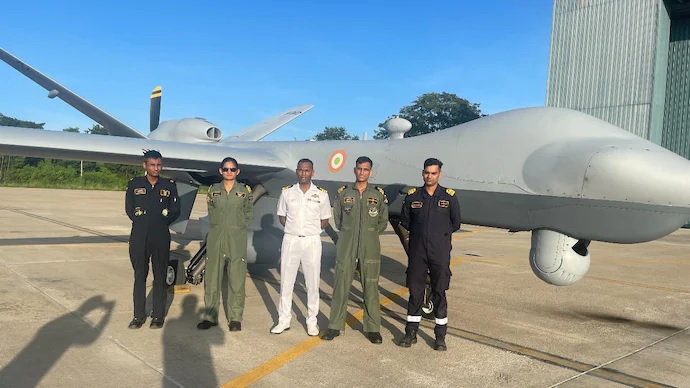
India
India India enhances border surveillance with MQ-9B Predator drones, deploying them at air bases in Uttar Pradesh to bolster defense capabilities along the Line of Actual Control with China. The USD 4 billion deal includes 31 drones, with provisions for technology transfer and indigenization, empowering India with advanced reconnaissance capabilities.In a strategic move aimed at enhancing India's surveillance capabilities along its border with China, the Indian Army and Air Force are gearing up to deploy MQ-9B Predator drones. These drones, set to be stationed at air bases in Sarsawa and Gorakhpur in Uttar Pradesh, signify a significant upgrade in India's defense infrastructure.The drone deal, valued at approximately USD 4 billion, is being negotiated at a tri-services level, with the Indian Navy taking the lead in discussions with the United States. Under this agreement, 31 MQ-9B drones are slated for acquisition, with 15 earmarked for maritime surveillance by the Indian Navy.One notable aspect of the MQ-9B drones is their requirement for a substantial runway length for takeoff and landing, a prerequisite readily met by the Indian Air Force's airbases. Hence, the decision to deploy Army drones alongside the IAF at these selected bases.Each of the armed forces—the Army and the Air Force—will be allocated eight MQ-9B drones, substantially bolstering India's reconnaissance capabilities along the Line of Actual Control (LAC) with China, spanning from Ladakh to Arunachal Pradesh. This addition, coupled with existing assets, promises comprehensive coverage of critical areas along the LAC.The acquisition agreement with the United States not only entails the procurement of drones but also includes provisions for indigenization of parts and weapons, a move aimed at enhancing India's self-reliance in defense technology. Additionally, the agreement provides for the transfer of technology to Indian entities, further bolstering indigenous capabilities.With a remarkable flight endurance exceeding 36 hours and an operational ceiling of over 40,000 feet, the MQ-9B drones offer unparalleled surveillance capabilities. Equipped with Hellfire air-to-ground missiles and smart bombs, these drones specialize in intelligence, surveillance, and reconnaissance (ISR) missions, empowering Indian defense forces with real-time situational awareness.The deployment of MQ-9B Predator drones is poised to significantly augment India's surveillance efforts not only along its land borders with China and Pakistan but also in the Indian Ocean Region (IOR). These drones have already proven their efficacy in monitoring anti-piracy operations, providing crucial insights into activities unfolding thousands of kilometers from Indian shores.In essence, the acquisition of MQ-9B Predator drones marks a pivotal step towards strengthening India's defense apparatus, ensuring enhanced vigilance and preparedness in safeguarding national security interests.
Read More → Posted on 2024-05-07 06:27:51
India
India Delhi Lieutenant Governor recommends NIA probe into allegations that Chief Minister Arvind Kejriwal and AAP received funding from a banned Khalistani group, sparking political controversy and accusations ahead of Delhi's upcoming Lok Sabha polls.In a significant development, Delhi's Lieutenant Governor VK Saxena has recommended a National Investigation Agency (NIA) probe into allegations surrounding Chief Minister Arvind Kejriwal and the Aam Aadmi Party (AAP) government. The allegations suggest that they received funding from 'Sikhs for Justice', a banned US-based Khalistani group.The Lieutenant Governor's decision comes in response to a complaint alleging that the AAP received USD 16 million from pro-Khalistani groups. These funds were purportedly linked to facilitating the release of 1993 Delhi blasts convict and terrorist Devendra Pal Bhullar and advocating pro-Khalistani sentiments.According to sources from the Lt Governor's Secretariat, the complaint raised concerns regarding the political funding received from a banned outfit, necessitating an investigation into the electronic evidence provided by the complainant. This includes forensic examination to ascertain the veracity of the claims.The Lieutenant Governor also forwarded a letter written by Kejriwal to one Iqbal Singh in January 2014 to the Ministry of Home Affairs. In the letter, Kejriwal purportedly mentioned the AAP government's recommendation to the President for Bhullar's release and commitment to addressing related issues promptly.Furthermore, allegations surfaced concerning closed-door meetings between Kejriwal and Khalistani leaders at Gurudwara Richmond Hills, New York, during his 2014 visit. It is alleged that Kejriwal promised to facilitate Bhullar's release in exchange for substantial financial backing from Khalistani factions to the AAP.The complaint also references a video released by Sikhs for Justice chief Gurpatwant Singh Pannun, a wanted Khalistani terrorist. In the video, Pannun alleges that the AAP received USD 16 million from Khalistani groups between 2014 and 2022.Adding to the controversy, Dr. Munish Kumar Raizada, a former AAP worker, shared pictures on social media purportedly depicting Kejriwal's meeting with Khalistani leaders.Kejriwal, presently in judicial custody since April 1 in connection with a money laundering case linked to Delhi's liquor policy, has vehemently denied these allegations.In response to the developments, AAP leader and Delhi Minister Saurabh Bharadwaj accused the Bharatiya Janata Party (BJP) of orchestrating a political conspiracy. He asserted that the BJP's actions stem from apprehension about potential defeat in the upcoming Lok Sabha polls in Delhi.Bharadwaj labeled the Lieutenant Governor as an agent of the BJP and described the allegations as a concerted effort to undermine Kejriwal and the AAP.The unfolding events underscore a complex and contentious intersection of politics and allegations, prompting calls for thorough investigation and scrutiny into the matter. With polling scheduled for May 25 in Delhi, the repercussions of these developments may significantly influence the political landscape in the region.
Read More → Posted on 2024-05-06 15:49:47
India
India ,PhillippinesAPSEZ, a subsidiary of the Adani Group, explores development of a deep-water port in the Philippines' Bataan province, aiming to expand its global port operations and leverage the nation's stable leadership for business growth.In a move aimed at expanding its global footprint, APSEZ, a subsidiary of the Adani Group, is considering the development of a port in the Philippines' Bataan province. This intention was communicated during a meeting between APSEZ Managing Director Karan Adani and Philippines President Ferdinand R Marcos Jr at Malacanang on May 2.The meeting, described as a courtesy call, provided an opportunity for Adani to discuss the group's plans for the port with President Marcos. Adani expressed the company's interest in the Philippines due to its stable leadership and conducive environment for business.The proposed port project entails the development of a deep-water facility capable of accommodating Panamax vessels, with a depth of 25 meters. Adani Group, known for its investments in ports, airports, power, and defence, sees potential in expanding its operations to the Philippines.President Marcos welcomed APSEZ's expansion plans, particularly emphasizing the significance of ports in handling agricultural products for global competitiveness. He suggested that initially, the focus should be on regional operations, gradually transitioning to international markets. Additionally, Marcos highlighted the government's efforts to enhance gateways for tourism and business, as well as facilitating the efficient transportation of agricultural goods domestically and internationally.APSEZ, as part of the Adani Group, holds a prominent position as the largest port developer and operator in India. With strategic locations spanning both the west and east coasts of India, the company has established itself as a key player in the maritime sector.In summary, APSEZ's interest in developing a port in the Philippines underscores its commitment to expanding its operations beyond India's borders. The potential collaboration between APSEZ and the Philippines government signifies a promising opportunity for mutual economic growth and development in the region.
Read More → Posted on 2024-05-06 06:45:43
India
India India's aviation industry is soaring with the development of a homegrown 72-seater regional jet and the innovative SARAS aircraft, marking a significant leap towards self-reliance and global competitiveness in aerospace.In recent years, India's aviation sector has witnessed unprecedented growth, fueled by a burgeoning domestic market and an ambitious vision for self-reliance in aircraft manufacturing. With domestic airlines like IndiGo, Air India, and Akasa placing substantial orders for over 1,400 aircraft from global giants Airbus and Boeing, the landscape of Indian air travel is rapidly evolving. At the heart of this transformation lies a bold endeavor – the development of indigenous aircraft, marking India's entry into the league of aerospace pioneers.The Driving Force: A Booming Domestic MarketIndia's aviation boom is underpinned by a confluence of factors, chief among them being the high passenger density and the expanding network of airports across the country. With a population that increasingly favors air travel for both business and leisure, there is a growing demand for short-haul flights connecting rural areas to major cities. This demand is further amplified by the focus of airlines on tier 1-3 cities, necessitating the need for smaller, more efficient aircraft to cater to these emerging markets.The Dream: A "Made in India" SolutionAgainst this backdrop, the concept of a "Made in India" aircraft has gained significant traction. Beyond mere symbolism, the development of indigenous manufacturing capabilities holds strategic importance for India's aerospace industry. By reducing dependence on foreign imports and fostering domestic innovation, India aims to carve out a niche for itself in the global aviation market. Moreover, the growth of the aerospace sector is poised to drive economic development through job creation, technological advancements, and enhanced industrial capabilities.Introducing the IRJ: A Game Changer in the MakingCentral to India's aerospace aspirations is the Indian Regional Jet (IRJ), a collaborative effort between the National Aerospace Laboratories (NAL) and Hindustan Aeronautics Limited (HAL). Designed to cater to regional routes within India, the IRJ boasts a seating capacity of 80-100 passengers, making it ideal for connecting tier 2 and tier 3 cities. What sets the IRJ apart is its cost advantage – with a base model offering an 80-90 seat configuration at a price point 20% lower than its global counterparts. This competitive pricing, coupled with its technological prowess, including a planned range of 1,350 nm and stringent adherence to noise pollution standards, positions the IRJ as a formidable contender in the regional aircraft market.A Look Ahead: Taking FlightThe development of the IRJ is progressing steadily, with a 90-seater variant expected to debut by 2026. However, challenges remain, particularly in establishing a robust domestic supply chain and attracting private investment. Nevertheless, India's burgeoning expertise in IT and aerospace augurs well for the IRJ's success, underscoring the nation's commitment to charting its course in the global aviation arena.SARAS Aircraft: Pushing BoundariesIn parallel with the IRJ project, NAL's innovative spirit finds expression in the SARAS aircraft. With prototypes like the MK-1 and its successor, the MK-2, NAL is pushing the boundaries of aircraft design and performance. The SARAS MK-2, boasting impressive versatility, offers ranges of up to 2,000 km with eight passengers, making it well-suited for both regional and short-haul flights. Powered by Pratt and Whitney Canada PT6A-67A turbo-prop engines, the SARAS exhibits robust performance metrics, including a max cruise speed exceeding 600 km/h and an endurance of six hours.Positioned as a cost-effective alternative to existing options like the Dornier 228, the SARAS MK-2 aims to undercut competitors with its competitive pricing of ₹50 crore per unit. Anticipating government support and leveraging potential orders from the Indian Air Force, NAL is optimistic about securing orders for 50-60 units, with prospects for further expansion in the years to come.A Vision for the FutureIn conclusion, the development of indigenous aircraft like the IRJ and SARAS marks a pivotal moment in India's aviation journey. Beyond the tangible benefits of job creation and economic growth, these projects symbolize India's ambition to assert itself as a self-sufficient force in the global aviation industry. As these aircraft take flight, they carry with them the aspirations of a nation poised to soar to new heights of excellence and innovation.
Read More → Posted on 2024-05-06 06:31:18
India
India Indian security forces, including the Army, CRPF, and J&K Police, apprehended two individuals with weapons in Aloora, Shopian, Jammu and Kashmir, following specific intelligence input. The operation resulted in the recovery of a pistol, two hand grenades, and other military supplies.The Indian Army, Central Reserve Police Force (CRPF), and Jammu and Kashmir Police apprehended two individuals in possession of weapons at Aloora in Shopian, Jammu and Kashmir. The operation, based on specific intelligence input, resulted in the recovery of one pistol, two hand grenades, and other warlike stores from the suspects.The Chinar Corps tweeted about the operation, stating, "Based on specific intelligence input, a Joint Mobile Vehicle Check Post (MVCP) was established today by Indian Army, CRPF, and J&K Police at Aloora, Shopian. Two suspected individuals have been apprehended along with the recovery of 01xPistol, 02xHand Grenade & other war-like stores. Further Investigation is in progress.""Based on specific intelligence input, a Joint Mobile Vehicle Check Post (MVCP) was established today by #IndianArmy, @crpf_srinagar & @JmuKmrPolice at Aloora, Shopian. Two suspected individuals have been apprehended along with recovery of 01xPistol, 02xHand Grenade & other war like stores. Further Investigation is in progress," the army posted on X.This joint mobile check post was instrumental in the successful operation, highlighting the seamless coordination between the Indian Army, CRPF, and J&K Police. Further investigation into the matter is currently underway to determine the intent and background of the apprehended individuals.
Read More → Posted on 2024-05-06 06:16:39
India
India ,Pakistan Former Prime Minister Imran Khan accuses India of orchestrating violence in Pakistan, alleging complicity from the Pakistani Army, sparking renewed tensions between the nuclear-armed neighbors.Former Prime Minister of Pakistan, Imran Khan, currently incarcerated on corruption charges, has once again stirred controversy by accusing India of committing murders within Pakistani territory. In a recent column penned for the British newspaper ‘Daily Telegraph,’ Khan reiterated his earlier allegations against India while also levelling serious accusations against the Pakistani Army.Khan's allegations, though not new, highlight the tense relations between India and Pakistan, two nuclear-armed neighbors with a long history of conflict and territorial disputes. The timing of Khan's statement, made from his confinement in Rawalpindi’s Adiala Jail, adds further weight to its significance.The crux of Khan's claims lies in the assertion that India is orchestrating acts of violence within Pakistan, particularly in regions like Balochistan, where separatist movements have been active. He points to an increase in terrorism and the forced disappearance of individuals as evidence of India's alleged involvement.Furthermore, Khan accuses the Pakistani Army of complicity, claiming that it not only fails to address the security challenges but also seeks to eliminate him. These accusations underscore a deep-seated distrust between Khan and the military establishment, which has historically wielded significant influence over Pakistan's politics.Khan's reference to the situation in Balochistan and the ongoing border dispute with Afghanistan underscores the complexity of regional dynamics. The region has long been plagued by instability, fueled by ethnic tensions, militant activity, and external interference.The comparison drawn by Khan between the current state of affairs and the events leading to the partition of Pakistan in 1971, resulting in the creation of Bangladesh, is significant. It serves as a stark warning about the potential consequences of internal strife and external interference.However, it is essential to approach Khan's claims with caution and subject them to thorough scrutiny. Accusations of this nature have far-reaching implications, not only for bilateral relations between India and Pakistan but also for regional stability.In response to Khan's allegations, India has vehemently denied any involvement in destabilizing activities within Pakistan. The Indian government has consistently maintained its commitment to peace and stability in the region, advocating for dialogue and diplomacy to address outstanding issues.While Khan's assertions may resonate with some segments of Pakistani society, they also raise questions about his motives and the political landscape within Pakistan. As a polarizing figure, Khan's statements often evoke strong reactions, both domestically and internationally.In conclusion, Imran Khan's accusations against India and the Pakistani Army underscore the complex web of challenges facing the region. However, it is imperative to approach these claims with skepticism and engage in constructive dialogue to address underlying grievances and promote lasting peace and stability in South Asia.
Read More → Posted on 2024-05-06 06:13:46
India
India ,Canada Diplomatic tensions soar between India and Canada over allegations of state involvement in the killing of Hardeep Singh Nijjar, as both nations trade accusations amid ongoing investigations.In a fresh critique of the Justine Trudeau-led dispensation for giving space and legitimacy to “extremism, separatism, and advocates of violence” in the name of free speech, External Affairs Minister S Jaishankar said Canada has been issuing visas to people with links to organised crime despite warnings from New Delhi.Sharing the stage with the state’s intellectuals and professionals for an interaction on his book ‘Why Bharat Matters’, Jaishankar said some people in Canada, with ‘pro-Pakistan leanings’, have organised themselves politically and taken the shape of an influential political lobby.On the rise of pro-Khalistani activities in Canada and the arrest of three Indians over their alleged involvement in the killing of India-designated terrorist Hardeep Singh Nijjar, Jaishankar said, “In some countries, these kinds of people have organised themselves politically and become a political lobby and in some of these democratic countries, the politicians of these countries are made to believe that if they defer to these people or pander to these people, these people have some ability to get a community to support them. So, they have tried to create space for themselves in the politics of these countries. I mean, at this time, it’s not so much a problem in the US.”“Our biggest problem right now is in Canada. Because in Canada, actually, today the party in power in Canada, and other parties in Canada have given these kinds of extremism, separatism, and advocates of violence a certain legitimacy in the name of free speech. See, when you tell them something, their answer is no no we are a democratic country but it is free speech. The point that they need to understand, it is no longer a world that runs as a one-way street. If there are that which happen out there, there will be pushback. Newton’s law of politics will apply there also. There will be a reaction. Others will take steps or counter it,” he added.He said he saw reports that three people have been arrested, and, the Canadian police have conducted ‘some investigation’.Nijjar was shot and killed after he had stepped out of a gurdwara in Surrey in June last year. A video clip of his killing reportedly surfaced in March this year, purportedly showing Nijjar being fatally shot by assailants, in what was claimed to be ‘contract killing’.Jaishankar said Canada has been welcoming people from India with links to organised crime, ignoring warnings by New Delhi.“Often, when I see for example these kinds of attacks, threats to our embassies, because they concern me very deeply and I tell the foreign minister, suppose if (they) happened to you, if it was your embassy, your diplomat, your flag, how would you react. We have to keep our position strong on this particular report which has come. I also saw it yesterday night, I was coming to Odisha in the morning, somebody may have been arrested, their police may have done some investigation,” Jaishankar said at the event.“But, the fact is that a number of gangland people, a number of people with organised crime links from Punjab have been made welcome in Canada. We have been telling Canada saying look these are wanted criminals from India, you have given them visas. Many of them have come in false documentation and yet you allow them to live there. If you decide to import for political purposes people with very dubious, actually, very negative backgrounds, there will be issues, they have in some cases created problems in their own country as a result of their own policies. No, why would we fear, if something happens there, it is for them to worry about,” he added.On May 4, Canada’s New Democratic Party (NDP) leader Jagmeet Singh levelled a fresh allegation of an India hand in the killing of Nijjar. However, the Canadian police administration did not share any evidence suggesting India’s involvement in the killing of the Khaliatani leader.Jagmeet’s party backs the Liberal minority government led by Trudeau in exchange for support on some key bills.After the Canadian Police announced the arrest of three alleged accused in the killing of Hardep Nijjar, Jagmeet renewed his claim of an Indian hand in the incident.“The Indian government hired assassins to murder a Canadian citizen on Canadian soil – at a place of worship. Today 3 arrests were made. Let me be clear – any Indian agent or state actor that ordered, planned or carried out this murder must be exposed and met with the full force of Canadian law. For Canada, democracy and free speech – there must be Justice for Hardeep Singh Nijjar,” Jagmeet posted from his X handle.In 2023, the Canadian PM alleged an Indian hand in the killing, a claim that was vehemently denied by India which called it ‘absurd and motivated’. The Canadian Police have also not given any evidence linking India to the killing.Earlier, on Friday, Canadian police released photographs of all three persons arrested in the killing of India-designated terrorist Hardeep Singh Nijjar last year amid an ongoing probe into alleged connections of the Indian government.The Royal Canadian Mounted Police (RCMP) in a statement named the three men, all Indian nationals, as Karanpreet Singh, 28, Kamalpreet Singh, 22 and Karan Brar, 22 and released their photographs. The trio were arrested in Edmonton City in Alberta.The Integrated Homicide Investigation Team (IHIT) of Surrey, RCMP on Friday (local time) said that on the morning of May 3, IHIT investigators, with the assistance of members from the British Columbia and Alberta RCMP and the Edmonton Police Service, arrested the three men for the June 2023 killing of Hardeep Singh Nijjar in Surrey.The trio have now been charged with first-degree murder and conspiracy to commit murder in relation to the homicide, according to a Royal Canadian Mounted Police press release. Along with photographs of the three accused, the Canadian police have also released the photographs of the car believed to have been used by the suspects in the time leading up to the homicide, in and around the Surrey area.Addressing reporters at a news conference on Friday, RCMP Assistant Commissioner David Teboul, who leads the Federal Policing Program in the Pacific Region, emphasised the active nature of the investigation into Nijjar’s murder.“Three suspects have been arrested and charged for their alleged involvement in the killing of Nijjar… We are not able to make any comments on the nature of the evidence… Nor can we speak behind the motive of the murder of Nijjar… However, I will say this matter is very much under active investigation,” he said.“There are separate and distinct investigations ongoing into these matters, certainly not limited to the involvement of the people arrested today, and these efforts include investigating connections to the government of India,” Teboul also said.India and Canada are dealing with an unprecedented diplomatic crisis, after the Canadian Prime Minister accused agents of the Indian government of killing Canadian Khalistani leader Hardeep Singh Nijjar in June 2023. However, India has dismissed the accusations as “absurd” and “motivated.”
Read More → Posted on 2024-05-05 15:54:33
India
India Security forces launch a massive search operation in J&K's Poonch district following a terrorist attack on an Air Force convoy, resulting in one casualty and several injuries. The operation aims to apprehend the perpetrators and restore peace to the region amid escalating tensions.In response to a terrorist attack on a convoy of the Air Force in Jammu and Kashmir's Poonch district, security forces have initiated a large-scale search operation in several areas. The attack, which occurred on Saturday evening in the Bakrabal Mohalla (Sanai) area of Surankote tehsil, resulted in the tragic loss of one Air Warrior's life.According to reports from the Air Force, terrorists targeted a two-vehicle convoy, prompting the Air Warriors to engage in a firefight in self-defense. During the exchange, five IAF personnel sustained gunshot wounds and were promptly evacuated to the nearest military hospital for urgent medical care. Sadly, one of the injured Air Warriors succumbed to his injuries later. The remaining four injured individuals were airlifted to the command hospital in Udhampur, with one reported to be in critical condition while the others are stable under medical supervision.This attack bears striking similarities to a previous incident on December 21, 2023, when terrorists ambushed an Army vehicle in the Dera Ki Gali area of Bafliaz, resulting in the loss of four soldiers' lives. Tragically, three civilians also lost their lives under mysterious circumstances, sparking allegations of retaliation by locals. In response to these allegations and to reassure civilians, Defence Minister Rajnath Singh visited the area at that time, emphasizing the Army's commitment to safeguarding lives and property. Subsequently, several top Army officers were reassigned, and command structures were reorganized to bolster civilian confidence.The resurgence of terrorist activities in Poonch and Rajouri districts, previously peaceful between 2021 and 2023, underscores the persistent security challenges in the region. The December 21, 2023 attack marked a troubling shift, prompting renewed concerns about the safety and security of residents.In light of these developments, a comprehensive search operation has been launched under the supervision of senior Army and police officials, including the General Officer Commanding (GOC), Deputy Inspector General (DIG), and Senior Superintendent of Police (SSP) of the concerned district. This operation aims to locate and neutralize the perpetrators responsible for the recent attack, thereby restoring peace and stability to the affected areas.As efforts continue to address the immediate aftermath of the attack, it is imperative to maintain a steadfast commitment to countering terrorism and protecting civilian lives. The resolve of security forces remains unwavering in the face of such challenges, reaffirming their dedication to safeguarding the nation's security and integrity.
Read More → Posted on 2024-05-05 15:02:06
India
India India's Defence Minister, Rajnath Singh, predicts peaceful reunification with Pakistan-Occupied-Kashmir (PoK) due to improving conditions in Jammu and Kashmir, without the need for force.India will never give up its claim on Pakistan-Occupied-Kashmir (PoK) but it won't have to capture it with force because its people, on their own, would want to be part of India after seeing the development in Kashmir, Defence Minister Rajnath Singh has said. In an exclusive interview to PTI, Singh asserted that the ground situation has improved significantly in Jammu and Kashmir and that a time will come when AFSPA (Armed Forces Special Powers Act) will no longer be required in the Union Territory. The defence minister, however, said the matter is under the domain of the Union Home Ministry and it will take appropriate decisions. He said elections will also be held there definitely, but wouldn't give a timeline. "I think India will not have to do anything. The way the ground situation has changed in Jammu and Kashmir, the way the region is witnessing economic progress and the way peace has returned there, I think demands will emerge from people of PoK that they should merge with India," he said. "We will not have to use force to take PoK as people would say that we must be merged with India. Such demands are now coming," he said. The defence minister asserted that "PoK was, is, and will remain ours". Citing improvement in the ground situation in Jammu and Kashmir, Singh said assembly elections will be held there soon, but did not give a timeline. "The way the situation is improving in Jammu and Kashmir, I think a time will come when AFSPA will no longer be required there. It is my view and it is for the Home Ministry to decide on it," he said. The AFSPA empowers security forces to conduct operations and arrest anyone without any prior warrant. It also gives immunity to the forces if they shoot someone dead. The defence minister, referring to Pakistan's proxy war in Jammu and Kashmir, said Islamabad must stop cross border terrorism. "They are trying to destabilise India and we will not allow it to happen," he said. The ties between India and Pakistan came under severe strain after India's warplanes pounded a Jaish-e-Mohammed terrorist training camp in Balakot in Pakistan in February 2019 in response to the Pulwama terror attack. The relations further deteriorated after India on August 5, 2019 announced the withdrawal of special powers of Jammu and Kashmir and the bifurcation of the state into two union territories. India has been maintaining that it desires normal neighbourly relations with Pakistan while insisting that the onus is on Islamabad to create an environment free of terror and hostility for such an engagement.
Read More → Posted on 2024-05-05 14:46:35Search
Top Trending in 24 Hours
-
 NASA Suspends Science Operations on Perseverance Rover and Mars Odyssey After Hardware Failures
-
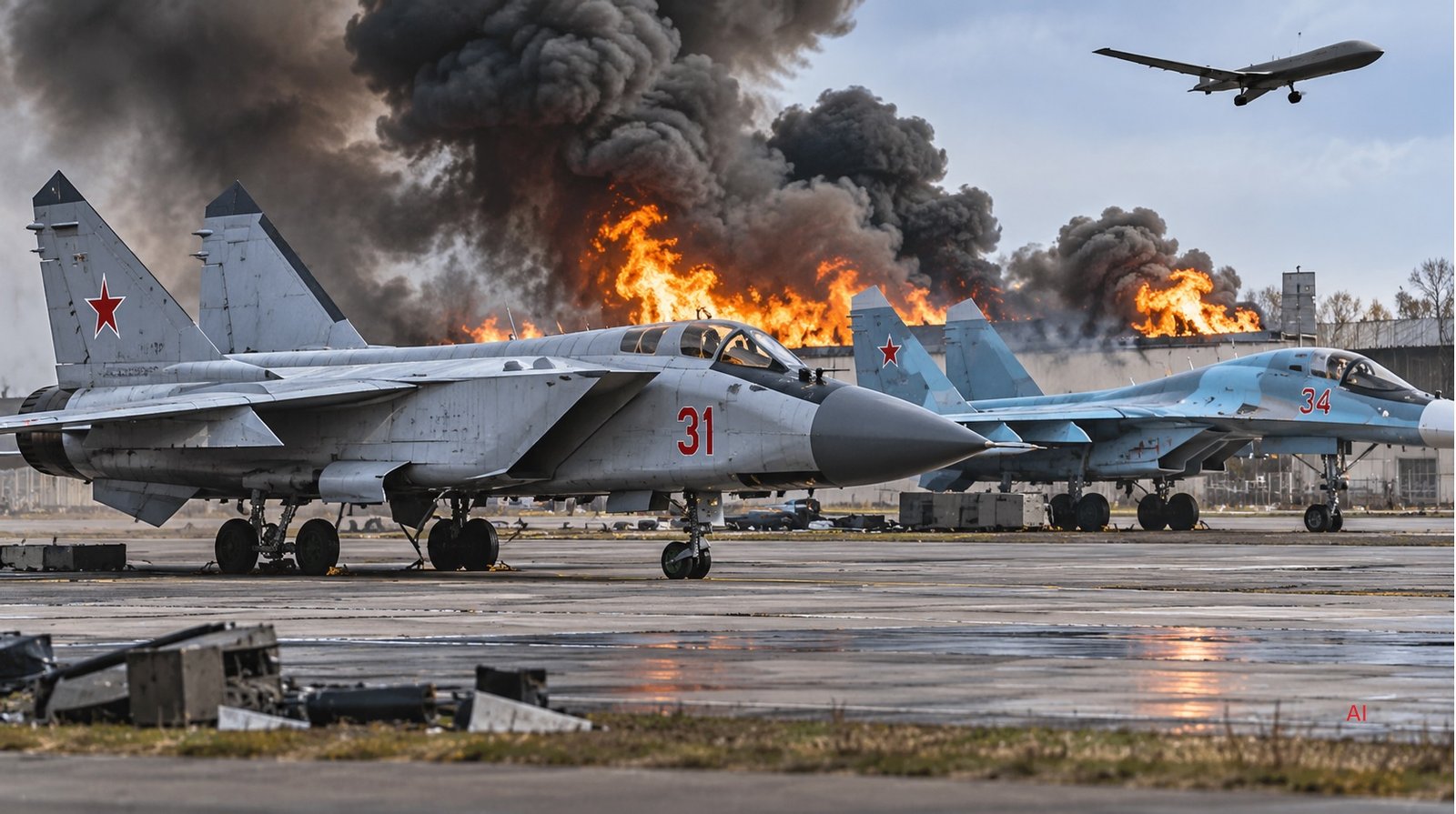 Ukraine Strikes Five Russian Warplanes, Including Three Kinzhal-Capable MiG-31s at Savasleyka Airbase
-
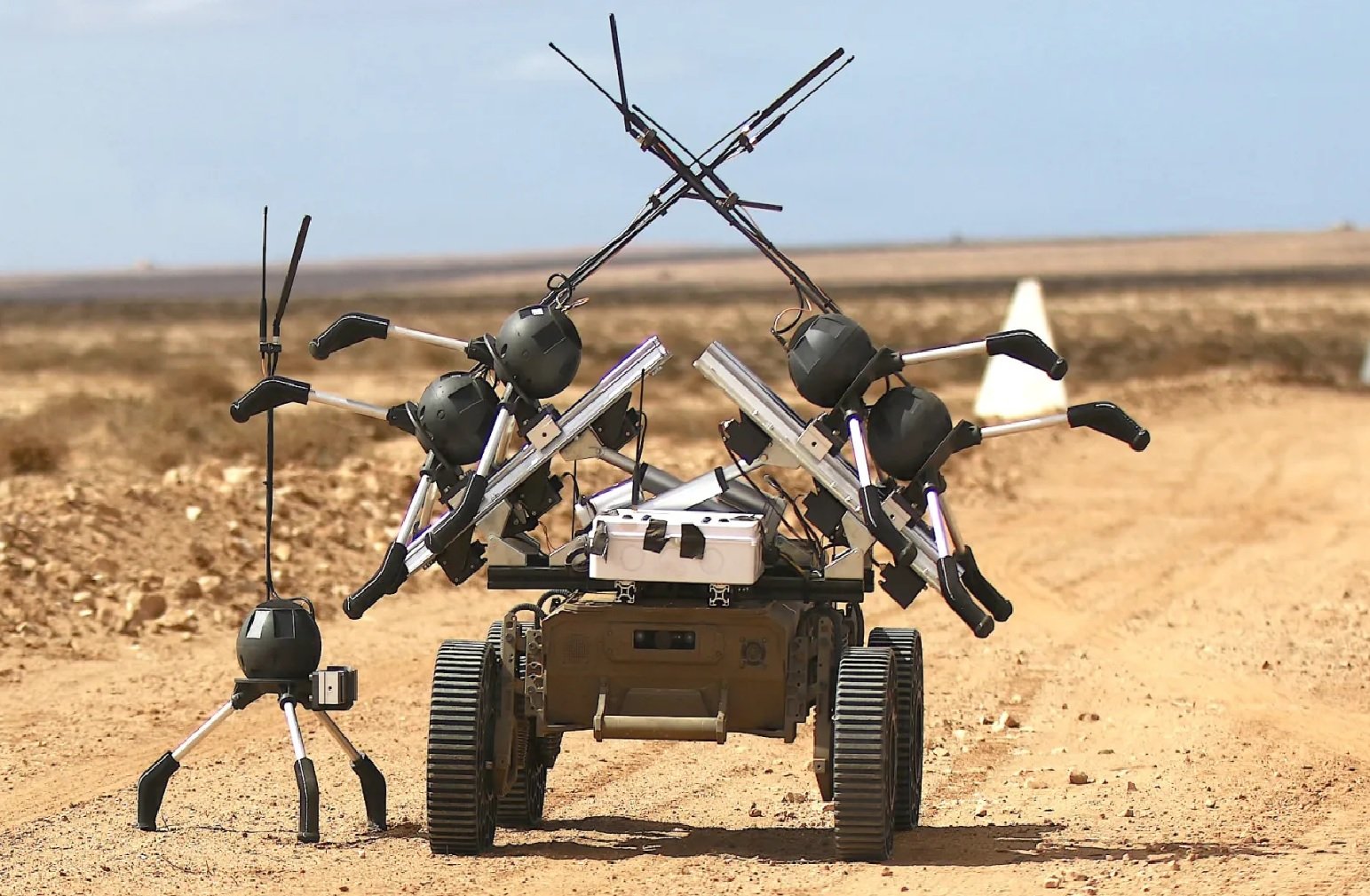 U.S. Army Tests FireAnt Robotic Vehicle to Deploy Drone-Detection Sensors in Morocco
-
 UK Awards HII £142 Million Contract for REMUS 620 Underwater Vehicles for Royal Navy Mine-Hunting Programme
-
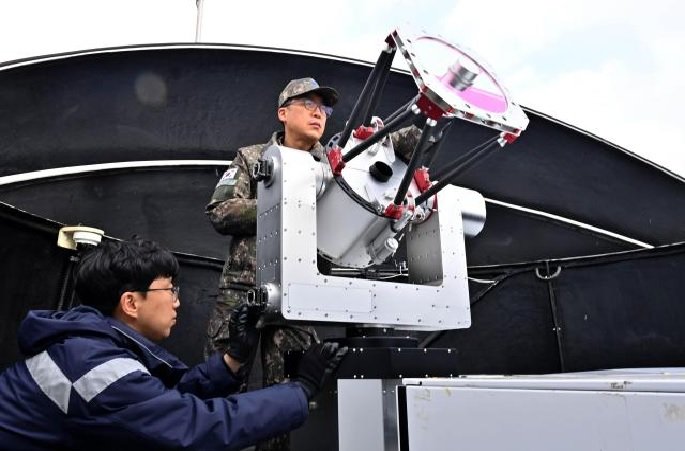 South Korea’s Air Force Deploys New Space Weather Warning System to Monitor Solar Activity and Protect Military Operations
-
 UK Supplied Fake 'Enhanced C-4' Explosives for Ukrainian Drones, Investigation Reveals
-
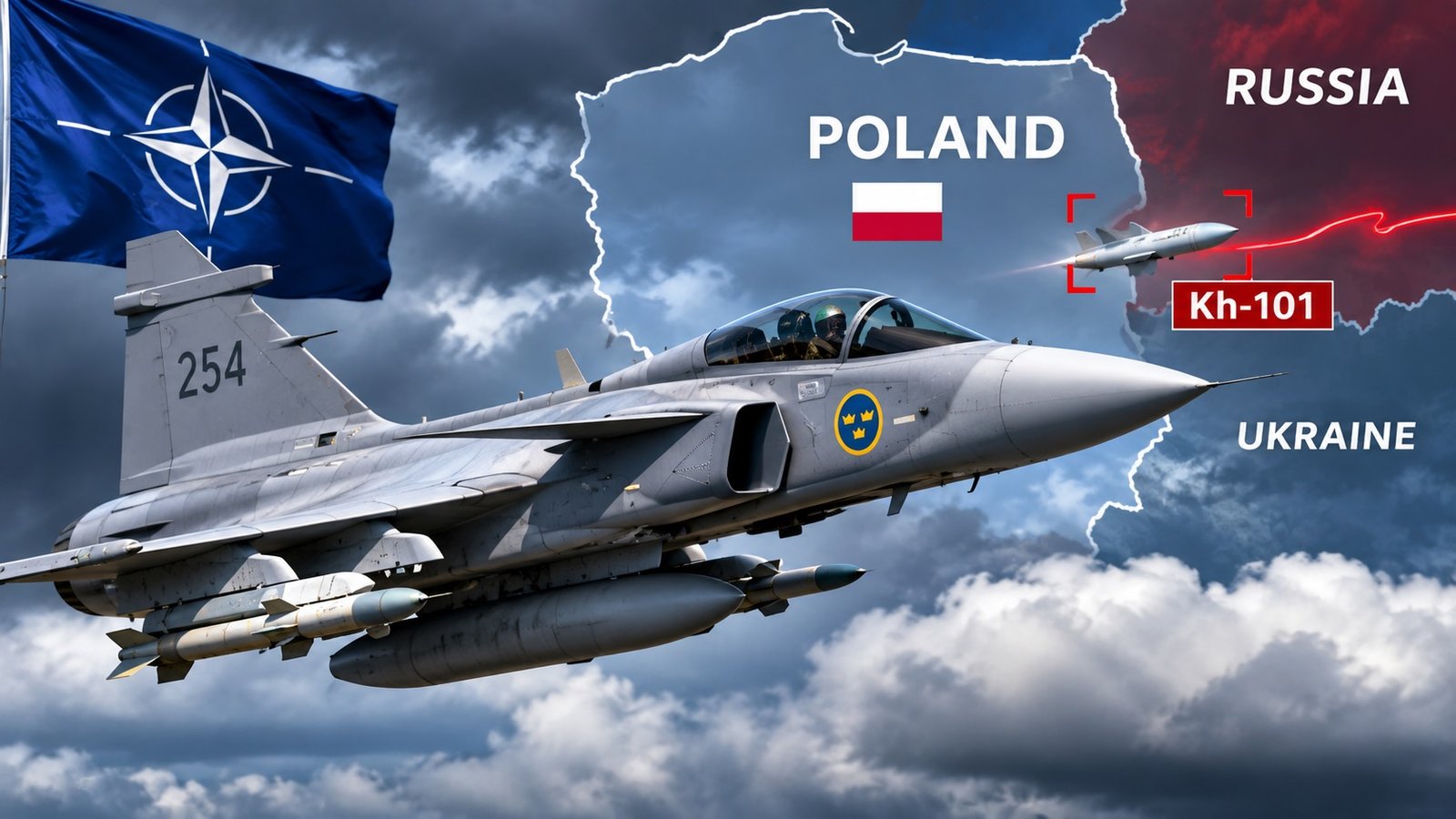 Swedish Gripen Fighter's Capabilities Questioned After Pilot Fails to Engage Suspected Russian Missile Over Poland
-
 Israeli Elbit Systems Wins Five-Year Contract to Equip Four German Navy F128 Frigates With Electronic Warfare Systems
Top Trending in 4 Days
-
 Two Injured in Bahrain After Iranian Attacks; Iran Claims Strike on US Patriot Radars
-
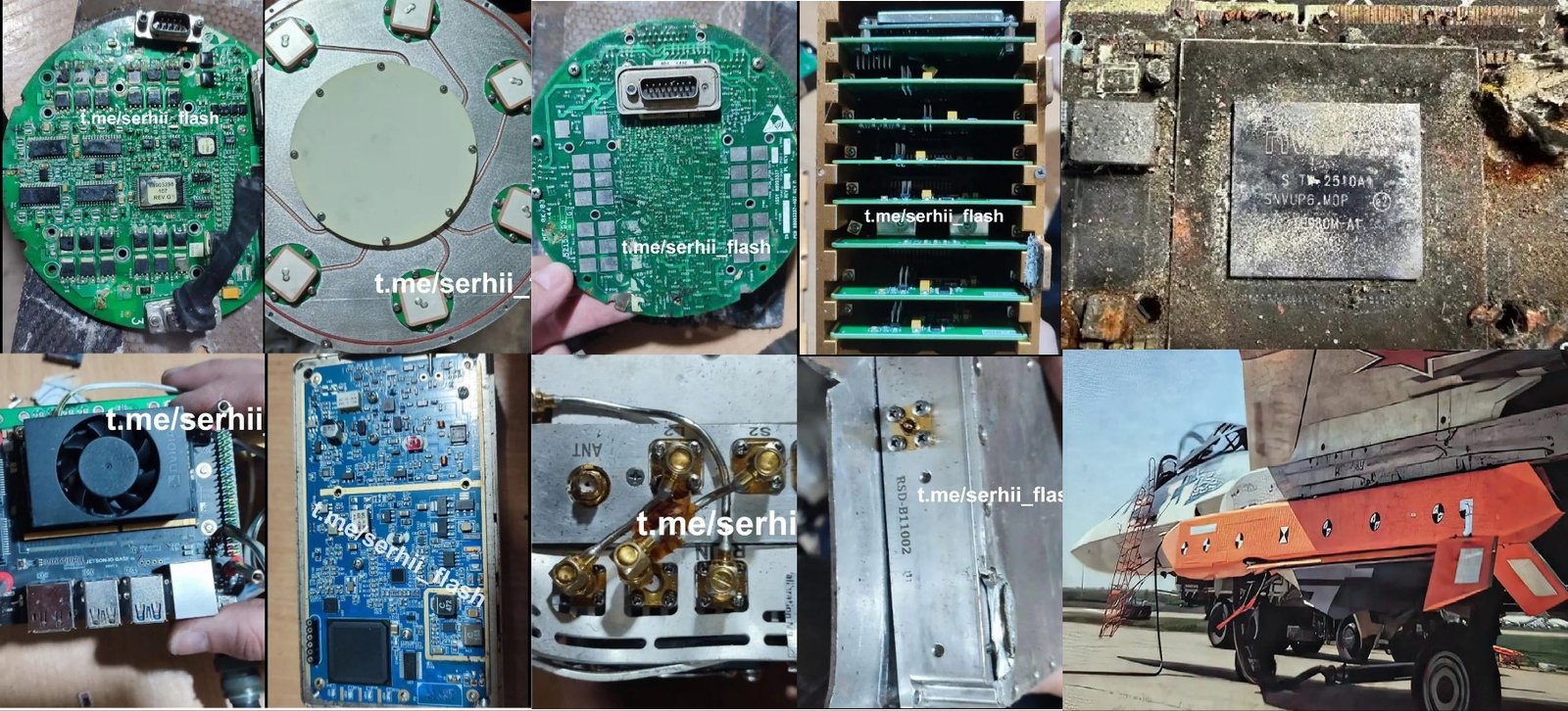 Russian Drones and Cruise Missiles Found Using Civilian NVIDIA AI Chips in Ukraine
-
 Russian Corvette Merkury Almost Certainly Destroyed in Benghazi Port Explosion
-
 Western Intelligence Warns Russia Could Launch Nuclear-Armed Satellite as Early as December
-
 IG Defence Successfully Test-Fires JWALA MK-1 Counter-Drone Missile at Pokhran
-
 U.S. Awards Lockheed Martin $330.6 Million Contract for Long-Lead Materials Supporting 75 F-35 Lot 22 Aircraft
-
NASA Suspends Science Operations on Perseverance Rover and Mars Odyssey After Hardware Failures
-
 Chinese Military Warns U.S. AI Could Threaten China’s Nuclear Missile Survivability