India
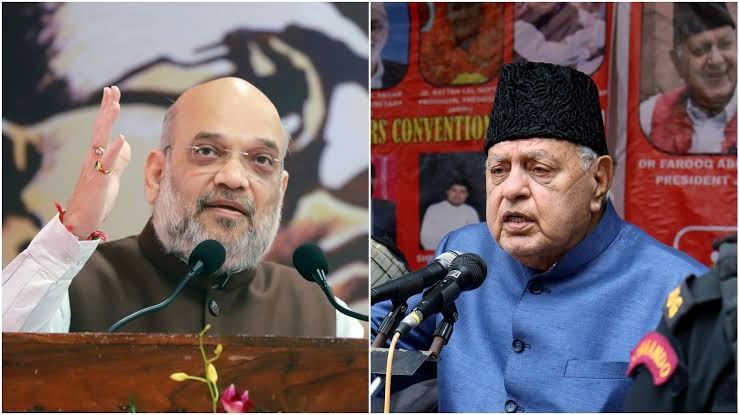
India Union Home Minister Amit Shah criticized Farooq Abdullah's comments on Pakistan-Occupied Kashmir, reaffirming India's commitment to reclaim PoK. He questioned why India, a nuclear power, should fear Pakistan and urged Rahul Gandhi to clarify his alliance's stance.Union Home Minister Amit Shah has strongly criticized Jammu and Kashmir National Conference leader Farooq Abdullah for his recent comments on Pakistan-Occupied Kashmir (PoK). Shah emphasized that the Bharatiya Janata Party (BJP) government is committed to reclaiming PoK, stressing that India, a nuclear power with a population of 130 crore, will not be intimidated by any threats.In an interview with ANI, Shah also targeted Congress leader Rahul Gandhi, questioning his stance on Abdullah's remarks. Shah highlighted Abdullah's statement where he suggested respecting Pakistan due to its possession of nuclear weapons and not demanding PoK. Shah questioned why India should be afraid and give up its rightful claim to PoK."PoK is a part of India, nobody can deny this," Shah stated firmly. He urged Rahul Gandhi to explain his alliance partner's comments that implied respecting Pakistan and relinquishing the claim on PoK. Shah reiterated BJP's position that PoK belongs to India and vowed to take it back.The controversy began when Farooq Abdullah responded to Union Defence Minister Rajnath Singh’s comment about merging PoK with India by warning of potential nuclear threats from Pakistan. Shah clarified that any steps to integrate PoK with India would be taken at an appropriate time, considering the national and international situation. He affirmed that India has a clear objective regarding PoK.Shah also addressed the recent protests and violence in PoK, which resulted in three deaths. He attributed the unrest to mismanagement by Pakistan and reaffirmed India's claim over the entire region of Kashmir, including PoK. Shah pointed out that it is India's prerogative to decide how to reclaim its territory.In response to the protests in PoK, Pakistan Prime Minister Shehbaz Sharif announced a subsidy package worth 23 billion Pakistani Rupees for the people of PoJK. However, Shah remained resolute that PoK is an integral part of India and reiterated the BJP's commitment to reclaiming it.
Read More → Posted on 2024-05-16 03:22:54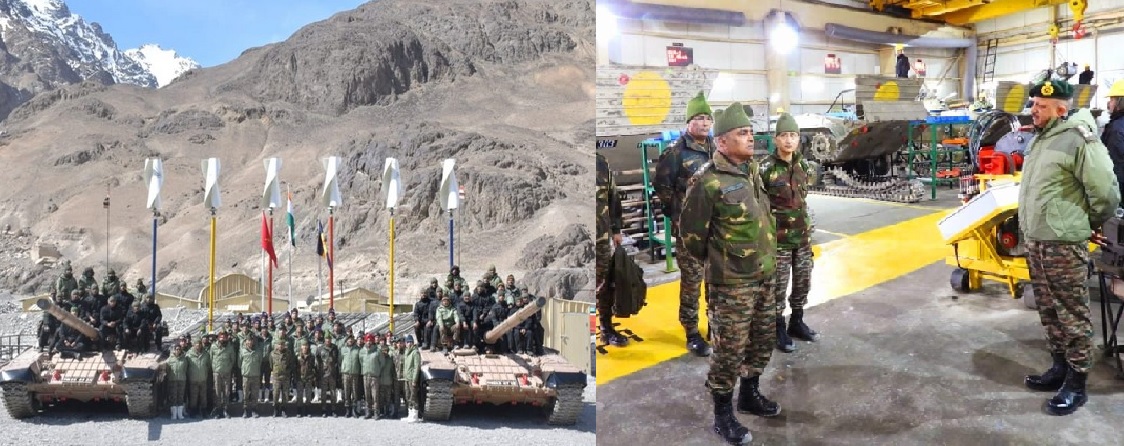
India
India Indian Army sets up the world's highest tank repair facilities in Eastern Ladakh, operating at altitudes over 14,500 feet, to support operations amidst heightened tensions with China. These maintenance centers ensure operational readiness of armored vehicles in extreme conditions, bolstering India's defense capabilities in the region.In a remarkable feat of military engineering, the Indian Army has established two maintenance and repair facilities for armored vehicles in Eastern Ladakh, setting a world record for their altitude. Amidst the backdrop of heightened tensions with China since April-May 2020, the deployment of over 500 tanks and infantry combat vehicles in the region necessitated the creation of these facilities.Located near the China border in Nyoma and the DBO Sector, these facilities operate at altitudes exceeding 14,500 feet, making them the highest tank repair centers globally. Given the extreme conditions of Eastern Ladakh, maintaining and repairing armored vehicles at such heights posed unprecedented challenges.The decision to establish these Medium Maintenance (Reset) Facilities underscores the Indian Army's commitment to sustaining armored operations in the region. Tanks, including T-90s and T-72s, BMPs, and indigenous Quick Reaction Fighting Vehicles, form the backbone of the Army's presence in Eastern Ladakh.Visiting one of these facilities, Army Chief General Manoj Pande witnessed firsthand the unique maintenance setup designed to enhance serviceability and mission reliability. Despite temperatures plummeting to minus 40 degrees Celsius, these facilities ensure that the combat fleet remains operationally ready in rugged terrain and adverse weather conditions.The standoff between India and China in Eastern Ladakh, now spanning four years, has seen both sides deploy significant troop and armor concentrations along the Line of Actual Control. China's unilateral actions to alter the status quo prompted a swift response from the Indian Army, necessitating the airlift of heavy armored elements to counter the threat.The establishment of these repair facilities not only demonstrates India's strategic foresight but also its ability to adapt to evolving security challenges. By staging forward specialist technical support infrastructure for armored fighting vehicles, the Indian Army has elevated its operational efficiency and readiness on the world's highest battlefield.As tensions persist along the border, the Indian Army's investment in infrastructure reaffirms its commitment to defending the nation's territorial integrity while ensuring the preparedness of its armed forces in the face of adversity.
Read More → Posted on 2024-05-15 14:59:44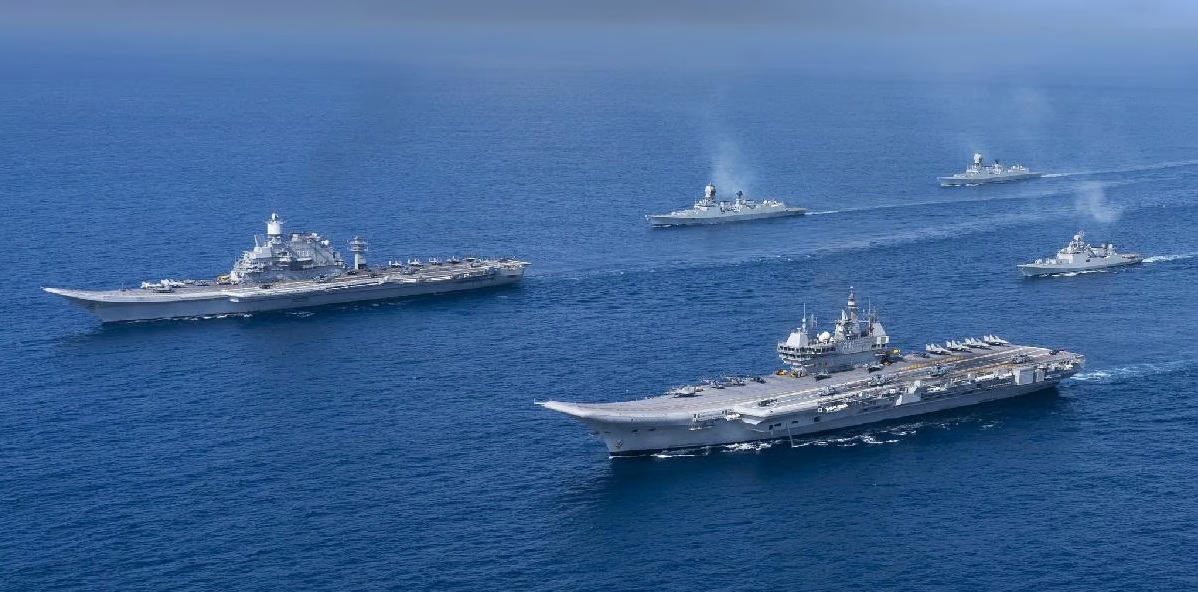
India
India India announces plans to construct multiple aircraft carriers, aiming to match China's naval capabilities and solidify its position in the Indo-Pacific region. This ambitious endeavor marks a significant shift in India's naval strategy, signaling its commitment to enhancing maritime power.India is poised to embark on a significant naval expansion, as Defense Minister Rajnath Singh recently disclosed plans for the construction of a third aircraft carrier. This announcement comes hot on the heels of the commissioning of INS Vikrant, a formidable 45,000-ton carrier. But Singh's vision extends far beyond just one additional vessel; he boldly declared India's intention to build several more carriers, aiming to reach a fleet size of at least six.This strategic move by India reflects a clear response to the escalating naval capabilities of its regional counterpart, China. Recent reports indicate China's ambitious goal of operating six aircraft carriers by 2030, with notable advancements like the introduction of electromagnetic catapults on its latest carrier, the Fujian.However, the naval competition isn't confined to just India and China. Other Asian nations are also bolstering their maritime capabilities, with Japan converting its helicopter carriers into aircraft carriers capable of hosting F-35 fighter jets, and South Korea outlining plans for its own carrier by 2030.India's journey into aircraft carriers dates back to 1961, with the acquisition of INS Vikrant, formerly HMS Hercules from the UK. This vessel played a pivotal role in the 1971 India-Pakistan conflict. The subsequent acquisition of INS Viraat, formerly HMS Hermes, further solidified India's presence in naval aviation until its decommissioning in 2017.The decision to expand India's carrier fleet signifies a significant milestone in its naval history. With multiple carriers, India aims to project power, safeguard its maritime interests, and assert itself as a key player in the Indo-Pacific region.Yet, the road ahead is laden with challenges. Building and maintaining aircraft carriers entail substantial investment in infrastructure, technology, and personnel training. However, if India succeeds in executing this ambitious plan, it will mark a monumental leap forward in its naval capabilities.In conclusion, India's strategic decision to expand its aircraft carrier fleet underscores its commitment to bolstering maritime security and asserting influence in the Indo-Pacific. While the journey ahead may be arduous, the potential benefits for India's national security and regional stability are undeniable.
Read More → Posted on 2024-05-15 14:46:44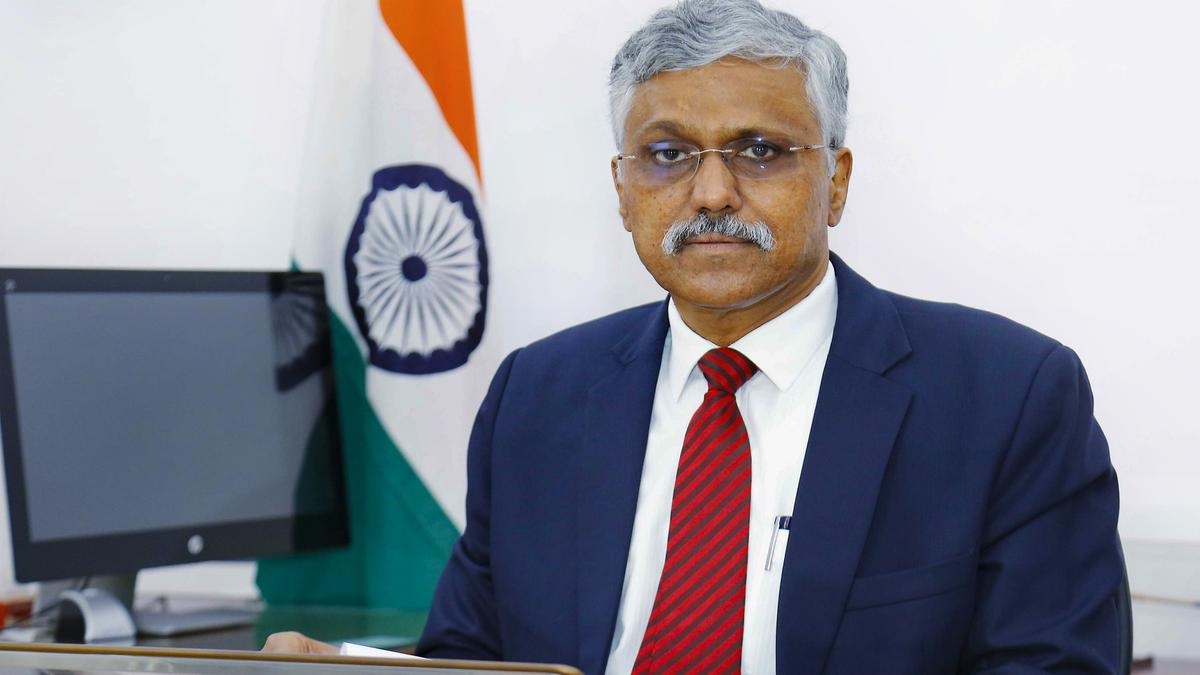
India
India Defence Secretary Giridhar Aramane emphasized India's need for self-reliance in manufacturing and shipbuilding during Mazagon Dock Shipbuilders Limited's 250th Foundation Day, highlighting the importance of domestic innovation and private sector involvement.Mumbai, May 15, 2024 — During the 250th Foundation Day celebration of Mazagon Dock Shipbuilders Limited (MDL), Defence Secretary Giridhar Aramane emphasized the importance of India becoming self-reliant in the manufacturing sector. Speaking at the event, which included the release of a commemorative coin, a seminar, and a panel discussion on "Emerging Technologies and the Future of Shipbuilding," Aramane stressed that India's needs cannot be met by relying on foreign industries.Aramane stated, "India is such a country that its needs cannot be met by the industries of other countries. It is impossible for us to depend on others for a consistent supply of anything—whether it's food grains or modern equipment. We have to manufacture for ourselves."Highlighting India's extensive coastline and numerous island chains, Aramane pointed out the necessity of developing domestic capabilities. "We need several technologies which we do not have and we don't have any visibility of their being supplied by our friends from abroad," he said.Aramane also underscored the importance of collaboration with academic institutions and young innovators. "Domestic solutions by innovation will be difficult to come by if we don't engage with the academic institutions and the young innovators who are very enthusiastic about starting their own companies and contributing to the country," he noted.Reflecting on India's maritime heritage, Aramane mentioned that India has historically been a significant maritime nation. "India occupies a central role in the Indo-Pacific. India has been a maritime country for centuries. We forgot somewhere down the line. It was briefly revived during Chhatrapati Shivaji's time in Maharashtra. However, because our battles were fought on land, we didn't give so much importance to the Navy and shipbuilding practices. It caused immense harm to us for a period of time. From the 19th century onwards, we have been building up our capabilities again."Aramane encouraged the integration of the private sector in shipbuilding. "Again, the time has come to give a free hand to our enterprise, where we encourage the private sector industry to acquire those instincts to contribute to the nation's growth. In this context, MDL has a major role. You (MDL) were a private company initially, and then you became a public sector company. Now again, you have to work with the private sector industry in a major fashion, build a consortium of shipbuilders, meet the needs of our country, and also contribute to our friendly countries, both to the west and east of our country."Discussing India's role in regional security, Aramane said, "India is a member of the Indo-Pacific Oceans Initiative. Our Prime Minister gave importance as a concept to the Indo-Pacific, which has now been accepted by the US and other major players in the world. They consider India to contribute to the safety and security of this region—the entire Indian Ocean as well as adjoining areas of the Pacific Ocean. The Indian Navy is playing a major role."Aramane highlighted the active role of the Indian Navy in Southeast Asia and the East African coast, emphasizing that India's geopolitical situation requires a strong shipbuilding industry. "We now send our ships and submarines to the entire Southeast Asia. Our ships constantly travel to the East African coast, and our role in the Arabian Sea has acquired a lot of laurels recently. We will continue to do this, and the situation in geopolitics is such that India has to play a major role which requires shipbuilders in India to contribute in a major fashion."Addressing the impact of ongoing global conflicts on the defence industry, Aramane noted, "The Defence Industry worldwide is facing a capacity crunch, whether it's ammunition or land platforms, which are in great demand because of the Russia-Ukraine war. The new technologies and asymmetric warfare in the Red Sea and the Gulf indicate continued demand for the next several years to build up inventories and refurbish what is being destroyed in the two wars (Russia-Ukraine and Israel-Hamas). So, we must build the capacity to meet the security needs of ourselves and also the other friendly countries."The event marked a significant milestone for MDL, reinforcing the critical role of self-reliance and innovation in India's defence and shipbuilding sectors.
Read More → Posted on 2024-05-15 14:26:53
India
India The Astra Gun Park in Telipara, West Bengal, is India's pioneering military storage facility, utilizing cutting-edge Light Gauge Steel Frame (LGSF) technology for rapid construction and enhanced durability against severe weather conditions. This innovative approach marks a significant leap forward in military infrastructure, showcasing the Indian Army's commitment to efficiency and sustainability.The Indian Army has set a new benchmark in military infrastructure with the unveiling of its cutting-edge Astra Gun Park in Telipara, West Bengal. This state-of-the-art facility is not just another storage space; it represents a significant leap forward in construction technology, utilizing Light Gauge Steel Frame (LGSF) technology for the first time in India.So, why the buzz about LGSF? Well, it's all about efficiency, durability, and sustainability. Firstly, LGSF allowed the Astra Gun Park to be constructed in nearly half the time it would have taken using traditional concrete methods. The speed at which the park was completed showcases the efficiency of this innovative approach.Secondly, LGSF structures are tough cookies. They can withstand severe weather conditions that might wreak havoc on regular buildings. This durability factor ensures that the Astra Gun Park will stand strong against the elements, a crucial aspect for military installations.Lastly, sustainability is a key benefit of LGSF. This method requires fewer resources and produces less waste compared to traditional construction techniques. By embracing LGSF, the Indian Army is not only enhancing its operational capabilities but also reducing its environmental footprint.Lieutenant General Rajiv Sirohi, Commander of the Eastern Command, views the Astra Gun Park as a significant advancement. He emphasizes how embracing LGSF technology has expedited the construction process while addressing the unique challenges of the operational environment.Now, you might be wondering, "What does this mean for me?" Well, even if you're not in the business of storing artillery guns, the implications of this innovative construction technique are far-reaching. Faster construction means quicker project completions, whether it's building homes, offices, or infrastructure projects. Plus, the added durability and sustainability aspects are something we can all appreciate.Colonel Arjun Kapoor, the project lead for the Astra Gun Park, highlights the benefits of LGSF technology, stressing its role in accelerating infrastructure development and better preparing for operational demands. Additionally, its environmentally friendly nature is a win-win for all.Is LGSF the future of construction? Only time will tell, but the Astra Gun Park serves as a compelling example of what's possible. As the Indian Army continues to innovate, we can expect more groundbreaking projects on the horizon.In conclusion, the Astra Gun Park isn't just a storage facility; it's a symbol of progress and innovation. By embracing LGSF technology, India's military is leading the charge towards a more efficient, durable, and sustainable future in construction.
Read More → Posted on 2024-05-15 05:13:20
India
India The Border Roads Organisation achieves a breakthrough in the construction of the 2.79-km Sungal tunnel along the Jammu-Poonch national highway, marking significant progress in enhancing connectivity and defense infrastructure in the region. Once completed, the project aims to reduce travel time between Jammu and Poonch by almost half, while driving economic prosperity in the border region.The Border Roads Organisation (BRO) has reached a significant milestone in its efforts to enhance connectivity and strengthen defense infrastructure along the Jammu-Poonch national highway. With the breakthrough of the 2.79-kilometer Sungal tunnel, the project is progressing rapidly, marking a pivotal moment in the region's development.Led by BRO chief Lt Gen Raghu Srinivasan, the breakthrough ceremony underscores the strategic importance of the Jammu-Poonch link, which is vital for both connectivity and defense preparedness. Lt Gen Srinivasan highlighted the importance of this project in light of the challenges posed by nefarious activities from neighboring regions, aimed at disrupting peace in Jammu and Kashmir.The completion of the Sungal tunnel, along with the previously achieved breakthrough at the Naushera tunnel, signifies significant progress towards reducing travel time between Jammu and Poonch by nearly half, from eight hours to a more manageable duration. These tunnels, along with road widening efforts, will ensure all-weather connectivity and safer travel conditions for residents and travelers alike.Importantly, the development of the 200-kilometer Akhnoor-Poonch section of the highway is expected to not only improve connectivity but also drive economic prosperity in the border region. Better roads are anticipated to attract investors and pave the way for large-scale development projects, further bolstering the region's growth.Looking ahead, the BRO aims to complete the project by 2026, with a focus on connecting remote areas with major centers in the Jammu-Poonch region. The organization remains steadfast in its commitment to strengthening defense infrastructure along the Line of Control (LoC) and Line of Actual Control (LAC) through the construction and upgrading of strategic roads.Under the banner of Project Sampark, the BRO is dedicated to creating, connecting, caring, and saving lives in the regions it serves. With a belief in the transformative power of roads, the organization is rededicating itself to the construction of border road infrastructure, driving socio-economic progress and fostering a safer, more connected future for all.
Read More → Posted on 2024-05-15 05:08:36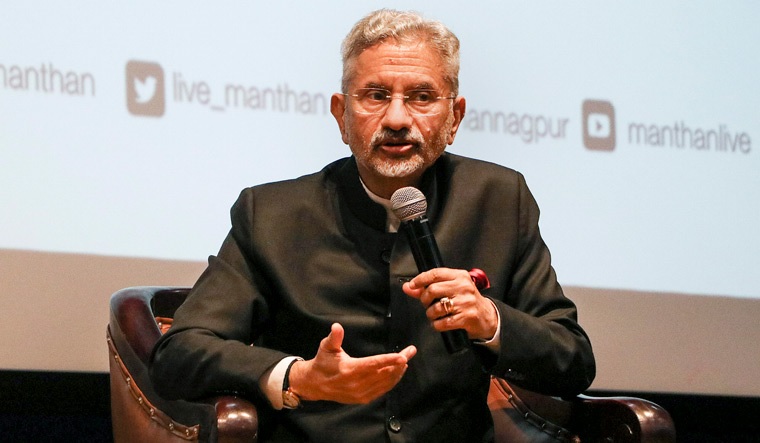
India
India India's External Affairs Minister defends the Chabahar Port agreement with Iran, stressing its regional benefits, amid US warnings of potential sanctions. The agreement aims to enhance trade connectivity with Afghanistan and Central Asia.India’s External Affairs Minister, S. Jaishankar, has emphasized the regional benefits of the Chabahar Port project in Iran, despite recent warnings from the United States about potential sanctions. This statement came a day after the US cautioned about the risks of doing business with Iran following India's signing of a 10-year agreement to operate the port.During an event in Kolkata, Jaishankar highlighted that the Chabahar Port has broader implications for regional trade and development, urging that the project should not be viewed narrowly. He noted that the US has previously recognized the strategic importance of Chabahar, which serves as a key transit hub for trade with Afghanistan and Central Asia.Responding to the US warnings, Jaishankar stated, "I did see some of the remarks which were made, but I think it’s a question of communicating, convincing, and getting people to understand that this is actually for everyone’s benefit. I don’t think people should take a narrow view of it." He pointed out that the US had been supportive of the Chabahar project in the past due to its broader relevance.On Tuesday, US State Department Principal Deputy Spokesperson Vedant Patel reiterated that US sanctions on Iran remain in place and warned entities of the risks involved in business deals with Tehran. "Any entity, anyone considering business deals with Iran, they need to be aware of the potential risk they are opening themselves up to, potential risk of sanctions," Patel stated.The recent agreement, signed between Indian Ports Global Limited (IPGL) and Iran’s Port & Maritime Organisation (PMO), allows India to operate the Shahid Beheshti port within the Chabahar Port Development Project for a decade. Jaishankar explained that while India has been involved with the Chabahar Port for a long time, issues on the Iranian side had previously hindered a long-term pact. Resolving these issues was crucial for improving port operations and realizing its regional benefits.The Chabahar Port project, a collaborative effort between India and Iran, aims to enhance trade connectivity with Afghanistan and Central Asia, providing these landlocked regions with access to maritime routes. India's investment in the port’s infrastructure underscores its strategic interest in facilitating regional trade and economic integration.In conclusion, Jaishankar reiterated India’s commitment to the Chabahar Port project, expressing confidence that the long-term agreement would benefit the entire region despite the potential challenges posed by US sanctions.
Read More → Posted on 2024-05-15 04:56:12
India
India India has denied Maldivian Defence Minister Ghassan Maumoon's claim that Indian helicopter pilots conducted an unauthorized operation in 2019, stating all activities were properly authorized. This clarification follows India's recent withdrawal of military personnel from the Maldives amid strained relations.India has rejected a claim made by Maldivian Defence Minister Ghassan Maumoon that Indian military helicopter pilots conducted an unauthorized operation in the Maldives in 2019. The Indian High Commission in the Maldives stated that all Indian aviation activities in the Maldives have been conducted according to agreed procedures and with proper authorization.This response came shortly after India withdrew 76 military personnel from the Maldives, following a demand from Maldivian President Mohamed Muizzu. Relations between the two countries have been strained since Muizzu, known for his pro-China stance, took office in November last year. President Muizzu had set a deadline of May 10 for the withdrawal of Indian troops.At a press conference, Defence Minister Ghassan alleged that one of the two helicopters operated by Indian military personnel landed in Thimarafushi without permission in October 2019. He stated that this incident was reviewed by the Parliament's Committee on National Security Services, where he was a lawmaker at the time.However, the Indian High Commission refuted this allegation, explaining that the emergency landing at Thimarafushi on October 9, 2019, was due to an unforeseen exigency. They emphasized that the sortie was conducted with the approval of the Maldives National Defence Force (MNDF) and necessary on-ground clearances from Air Traffic Control were obtained to ensure the safety of the crew and the aircraft.Local media reports have suggested that the MNDF disclosed on May 11 that Indian military personnel had conducted a helicopter trip without informing the Maldivian military during former President Ibrahim Mohamed Solih's administration.Despite these tensions, Defence Minister Ghassan admitted during the press conference that the Maldives military still lacks pilots capable of operating the three aircraft donated by India. Indian military personnel had been stationed in the Maldives to operate these aircraft, which include two helicopters and a Dornier aircraft primarily used for medical evacuations.The last group of Indian military personnel left the Maldives by May 10, in accordance with the deadline agreed upon in February between the two countries. The Maldives remains a key maritime neighbor for India in the Indian Ocean Region and holds significant importance in India's regional initiatives such as 'Security and Growth for All in the Region' (SAGAR) and the 'Neighbourhood First Policy'.
Read More → Posted on 2024-05-15 04:52:57
India
India Thirty Naxalites, including nine with ₹39 lakh bounties, surrendered in Chhattisgarh's Bijapur district, citing disillusionment with Maoist ideology and atrocities. They will be rehabilitated under the government's policy.Bijapur, Chhattisgarh — In a significant development, 30 Naxalites, including six women, surrendered to security forces in Chhattisgarh's Bijapur district on Tuesday. This group includes nine individuals with a combined bounty of ₹39 lakh on their heads. The surrender took place before senior officials of the police and Central Reserve Police Force (CRPF). According to a police release, the Naxalites cited their dissatisfaction with Maoist atrocities against tribals and the "hollow" ideology of the Maoists as reasons for their decision to surrender. They were also influenced by the police's rehabilitation policy.Among the prominent surrendered cadres, Mitki Kakem alias Sarita (35) and Muri Muhnda alias Sukhmati (32) were part of the Maoist military company no. 2 and platoon no. 32, respectively, and each had a bounty of ₹8 lakh on their heads. Rajita Vetti (24), Deve Kovasi (24), Ayta Sodhi (22), and Sinu, a battalion no. 1 member, had bounties of ₹5 lakh each. Munna Hemla (35), Aytu Midiam (38), and Aytu Karam (50), who led 'janatana sarkar' (people's government) groups, carried rewards of ₹1 lakh each.These nine key cadres were reportedly involved in multiple attacks on security personnel.The surrendered Naxalites were each provided with ₹25,000 and will be rehabilitated under the government's policy. This surrender is part of a broader trend in the district, with 76 Naxalites having given up violence so far this year.Police and CRPF officials view this surrender as a positive step towards peace and stability in the region.
Read More → Posted on 2024-05-15 04:50:03
India
Russia ,India Russian-made Ural 4320-3 command vehicles spotted in India prompt speculation: are they undergoing Indian Army trials or simply here for certification by a Russian company? Their shared platform with the S-400 air defense system vehicles fuels intrigue about their potential role in India's military.In recent days, the sighting of Russian-made Ural 4320-3 command vehicles being transported within India has sparked widespread curiosity and speculation. These sturdy vehicles have prompted questions about their purpose on Indian soil: are they undergoing testing for potential integration into the Indian Army, or are they simply here for certification by a Russian company? Adding to the intrigue is the fact that the Ural 4320-3 shares the same platform as the 55K6E command and control center vehicles, which are crucial components of the S-400 air defense system recently acquired by the Indian Air Force (IAF). This common chassis has led to speculation that the Ural 4320-3 could serve a similar command and control function within the Indian military.Two main scenarios have been proposed to explain the presence of these vehicles:1. Indian Army Trials: It's possible that the vehicles are undergoing rigorous evaluation by the Indian Army to assess their suitability for integration into existing military infrastructure. This would involve various tests to evaluate factors such as performance, compatibility, and ease of use in Indian conditions.2. Russian Homologation: Alternatively, the Ural 4320-3s might be in India for homologation, which is the process of certification and approval by a Russian firm. This is a standard procedure for vehicles intended for use in foreign markets.Despite the attention generated by these sightings, available information, including videos showing multiple vehicles (around 5-6), doesn't provide a definitive answer. Further details, such as any markings or insignia on the vehicles, could offer clues to their intended purpose.The Ural-4320 series has a well-established history of military use, renowned for its ruggedness and off-road capabilities. Various models within the series are employed for tasks such as cargo transport, troop movement, and specialized roles like mobile workshops and communication centers.India's ongoing efforts to modernize its armed forces are evident, with the recent acquisition of the S-400 system serving as a notable example of this commitment to advanced weaponry. If the Ural 4320-3s are indeed being considered for adoption, it would signify a continued push to enhance India's defense capabilities.As more information emerges, the purpose of these Ural 4320-3 command vehicles in India is expected to become clearer. For now, their presence remains a subject of keen interest and speculation among defense observers and the general public alike.
Read More → Posted on 2024-05-14 15:59:46
India
India Bharat Forge advances in the defence sector with the development of a light tank for the Indian Army and plans for a new factory in Pune, aligning with India's goal of self-reliance in defence. Leveraging internal innovation, the company aims to reduce dependence on imports and position itself as a key player in the global defence export market.Bharat Forge, a leading name in the industrial landscape, is making significant strides in the defence sector, aligning with the evolving needs of the Indian Army. The company's recent endeavor involves the development of a light tank weighing under 25 tons, catering to the future requirements of the Indian Army. This initiative is part of Bharat Forge's broader focus on defence exports and reducing dependence on imported parts by the year 2030.One notable aspect of Bharat Forge's approach is its emphasis on leveraging its own intellectual property to innovate and develop new weapons systems. Unlike some other defence companies that rely on external technology for product assembly, Bharat Forge is tapping into its internal resources to drive innovation in the defence sector.In line with its expansion plans, Bharat Forge is establishing a new factory in Jejuri, Pune district. This facility will be dedicated to producing vehicles like the M4, which has garnered significant interest from the Indian Army. The move signifies Bharat Forge's commitment to meeting the demands of the Indian armed forces while also contributing to the nation's self-reliance in defence capabilities.With an impressive order book of ₹5,000 crore, 80% of which is attributed to exports, Bharat Forge is poised to emerge as a key player in the defence export market. The development of the light tank not only meets the Indian Army's evolving needs but also presents a substantial opportunity for domestic defence companies to contribute to the nation's defence capabilities.In conclusion, Bharat Forge's initiatives in the defence sector underscore its commitment to innovation, self-reliance, and meeting the requirements of the Indian armed forces. By leveraging its intellectual property and focusing on domestic production, Bharat Forge is not only strengthening its position in the defence market but also playing a crucial role in bolstering India's defence capabilities.
Read More → Posted on 2024-05-14 15:38:36
India
India Indian Army's Panther Division showcases military readiness with integrated combat drills, featuring unexpected T-55 tanks, sparking speculation on their renewed role in modern warfare.In a recent demonstration of strength, troops from the Indian Army's Panther Division, stationed under Western Command, engaged in integrated combat training exercises. These drills, designed to simulate real-world operational scenarios, aimed to reinforce professionalism and ensure the division's readiness for potential conflicts. However, what captured the attention of many online observers was the unexpected inclusion of T-55 main battle tanks (MBTs) in the exercises.Why the Interest in the T-55?The T-55, a tank with Soviet origins, was once a cornerstone of the Indian Army, with nearly 700 units in service since its introduction in 1965. However, by 2011, newer models like the T-72 and T-90 had taken precedence, relegating the aging T-55s to a secondary role. Eventually, these tanks were phased out, symbolizing the end of an era.Yet, in 2017, it was discovered that some T-55s had been repurposed along the Line of Control (LoC) as fortified bunkers, utilizing their main guns as mobile artillery.What Does This Signify?The presence of T-55s in the recent training exercises prompts questions about their potential ongoing use. While official details are scarce, several possibilities exist:1. Specialized Roles: Despite their age, the T-55's sturdy build and potent main gun could still be valuable in specific situations, such as providing fire support in challenging terrain or serving as a mobile reserve force.2. Training Purposes: These tanks might serve as cost-effective training platforms for tank crews, allowing them to refine their skills and tactics without relying on more advanced and expensive models.3. Psychological Warfare: Merely including T-55s in the exercises could be a deliberate tactic to sow uncertainty and confusion among potential adversaries.What Comes Next?The Indian Army has not commented officially on the role of the T-55s in the recent drills. However, their reappearance underscores the military's commitment to adaptability and resourcefulness.Whether these tanks are destined for a new purpose or are making a temporary return, their presence in the exercise highlights the enduring legacy of the T-55 in India's military history.Conclusion:As more information becomes available regarding the T-55s' role in the Panther Division's training exercise, we'll keep you informed. In the meantime, the sight of these iconic tanks rolling across the training grounds sparks curiosity and speculation, reminding us that even retired military hardware can still have relevance in the evolving landscape of modern warfare.
Read More → Posted on 2024-05-14 15:26:57
India
India Mazagon Dock Shipbuilders Limited unveils 'Arowana,' India's inaugural fully indigenous midget submarine, symbolizing a leap forward in naval defense innovation and self-reliance.Mazagon Dock Shipbuilders Limited (MDL) celebrated its 250th Foundation Day in Mumbai with a remarkable achievement – the launch of 'Arowana,' India's first fully homegrown midget submarine prototype.This event, attended by Defence Secretary Shri Giridhar Aramane, marks a significant step forward in India's journey towards self-reliance in naval defense. The Arowana represents more than just a submarine; it symbolizes MDL's dedication to indigenous innovation. This advanced vessel is designed to be a stealth platform, reducing noise and electromagnetic signals for improved operational secrecy.Equipped with state-of-the-art technologies like SONAR, GPS, Inertial Navigation System, and advanced communication systems, the Arowana promises to be a formidable asset in underwater warfare.Midget submarines like the Arowana are designed for specialized missions. With space for a pilot, co-pilot, and a combat swimmer team, along with their equipment, the Arowana is prepared for missions both on land and at sea. The pilot and co-pilot are integral parts of the swimmer team, ensuring efficient coordination during underwater operations.The Arowana launch is part of MDL's broader modernization efforts. The company is upgrading its infrastructure and facilities to meet the increasing maritime demands of the nation.Looking ahead, MDL is working on the MS-X02A Midget Submarine, expected to be even more advanced than the Arowana, further cementing India's position in submarine technology.While the Arowana project is in its early stages, rigorous testing and evaluation are essential to ensure its operational readiness. If successful, the Arowana could pave the way for a fleet of indigenous underwater vehicles, enhancing India's naval capabilities significantly.In addition to the Arowana launch, MDL's 250th Foundation Day celebrations included the inauguration of new infrastructure acquired from the Mumbai Port Authority, the commissioning of Electric Boats, and the release of a commemorative coin. A technical seminar highlighted the company's commitment to advancing shipbuilding technology.In conclusion, the launch of the Arowana marks a proud moment for MDL and signifies India's growing prowess in the defense sector. It represents a new era of indigenous innovation and self-reliance in naval technology, which is poised to garner attention globally.
Read More → Posted on 2024-05-14 15:16:40
India
India The Indian Air Force tests BHISHM portable cubes in Agra, showcasing their rapid deployment capabilities for emergency medical response. These innovative cubes integrate AI and data analytics, promising effective coordination and comprehensive care for up to 200 casualties.The Indian Air Force recently conducted a significant test in Agra, Uttar Pradesh, showcasing its capabilities in emergency medical response. The focus was on BHISHM portable cubes, a key component of the broader initiative called "Project BHISHM" - Bharat Health Initiative for Sahyog, Hita and Maitri.These portable cubes are designed to serve as rapid-response hospitals, capable of treating up to 200 casualties. What makes them stand out is their versatility and speed of deployment. With 72 easily transportable components, they can be swiftly carried by hand, cycle, or even drone.The Aid Cube, as it's called, integrates innovative tools and technology, including Artificial Intelligence (AI) and data analytics. This ensures effective coordination, real-time monitoring, and efficient management of medical services during emergencies.One of the remarkable features of these cubes is their ability to be deployed within just 12 minutes. This makes them invaluable during mass casualty incidents, where immediate medical attention is crucial.Moreover, these cubes are designed to withstand various environmental conditions. They are robust, waterproof, and light, making them suitable for diverse emergency scenarios, whether it's through airdrops or ground transportation.Earlier this year, during the Pran Pratishtha ceremony in Ayodhya on January 22, two Arogya Maitri Disaster Management Cube-BHISHM units were strategically deployed. This deployment highlighted their role in enhancing medical preparedness and response capabilities.In essence, the testing of BHISHM portable cubes by the Indian Air Force marks a significant step towards strengthening emergency medical services in the country. With their rapid deployment capabilities and advanced features, these cubes have the potential to save countless lives during critical situations.
Read More → Posted on 2024-05-14 15:09:34
India
India ,U.S The Biden administration is nearing an agreement with India for General Electric Co to produce military jet engines in India, bolstering bilateral military-industrial ties and enhancing India's defense capabilities in the region. This landmark deal, expected to be unveiled during President Biden's meeting with Prime Minister Modi, signifies a significant step towards deeper collaboration in defense manufacturing between the two nations.In a significant move signaling closer ties between the United States and India, the Biden administration is on the brink of approving a groundbreaking agreement for General Electric Co to initiate the production of military jet engines in India. This development, anticipated to be formally announced during President Joe Biden’s upcoming meeting with Indian Prime Minister Narendra Modi on June 22, marks a notable step forward in bilateral military-industrial cooperation.Sources familiar with the ongoing discussions, who preferred to remain anonymous due to the sensitivity of the negotiations, revealed that while the agreement is not yet finalized, it would require notification to the U.S. Congress, a procedural requirement for such international defense collaborations.The proposed deal involves the joint production of jet engines, primarily intended for India’s second-generation light combat aircraft, among other platforms. India’s state-owned Hindustan Aeronautics Ltd (HAL) has expressed intentions to utilize GE-manufactured 414 engines for these aircraft and is currently in talks for domestic production capabilities.This partnership not only aims to strengthen India’s aviation sector but also positions HAL as a licensed manufacturer, potentially enabling technology transfer from GE. India has been advocating for increased technology sharing, underscoring its commitment to enhancing self-reliance in defense manufacturing. With plans to produce over 350 fighter jets for its air force and navy in the next two decades, the need for a consistent and indigenous engine supply is paramount.However, beyond the scope of engine production, this agreement is part of a broader joint initiative launched earlier this year to foster collaboration between U.S. and Indian firms, particularly in the realm of military equipment and advanced technology.Against the backdrop of India’s drive for domestic engine production, it is noteworthy to consider the regional context. While this deal unfolds, Pakistan, India’s regional rival, has been making progress with its JF-17 Thunder Block-III fighter jets, securing export orders and defense agreements with countries such as Iraq.In conclusion, the impending agreement between the Biden administration and India for military jet engine production signifies a significant milestone in bilateral relations, underlining the growing strategic partnership between the two nations. As both countries continue to pursue their defense objectives, such collaborations are poised to shape the regional military landscape in the years to come.
Read More → Posted on 2024-05-14 15:06:26Search
Top Trending in 24 Hours
-
 NASA Suspends Science Operations on Perseverance Rover and Mars Odyssey After Hardware Failures
-
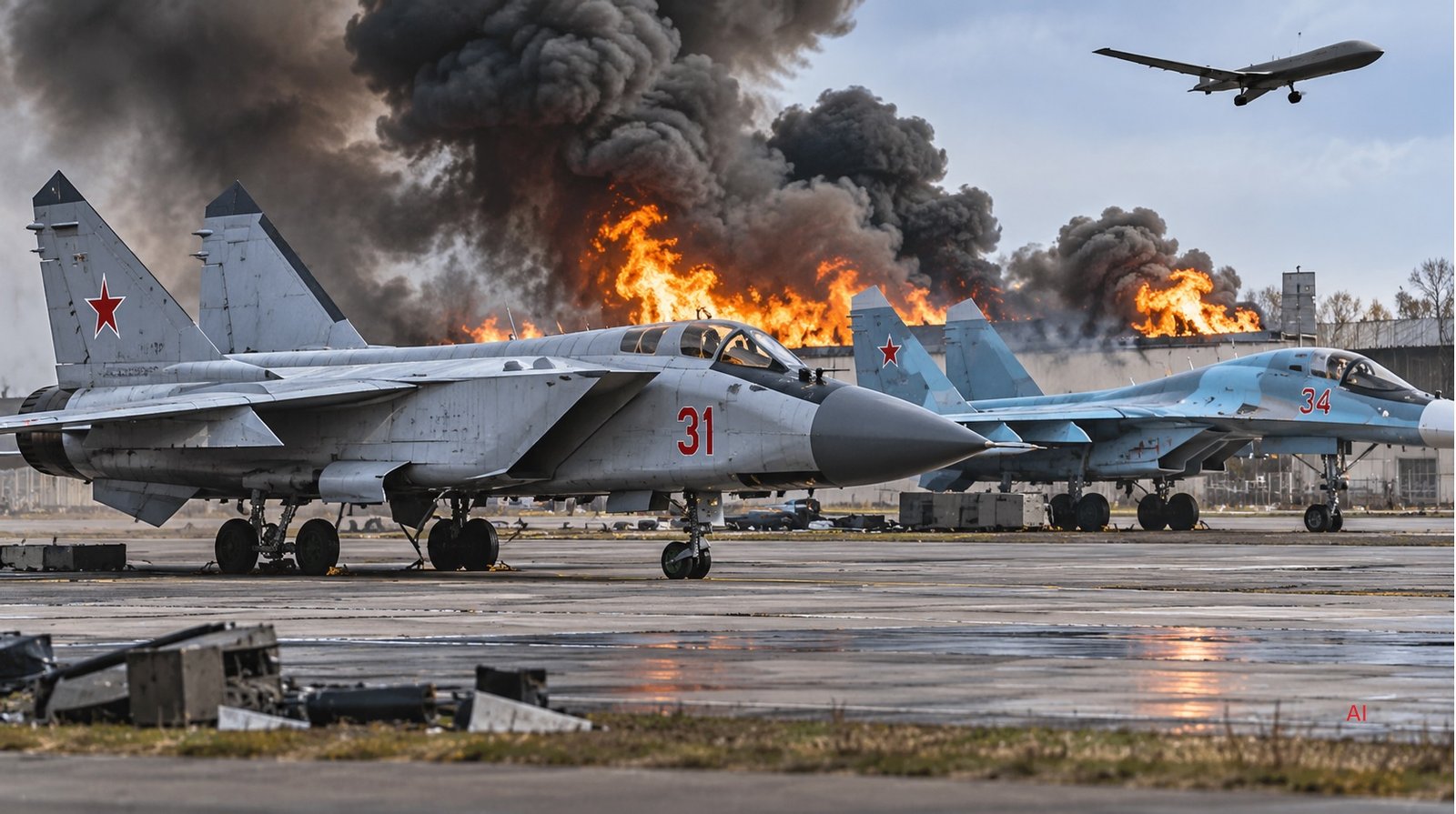 Ukraine Strikes Five Russian Warplanes, Including Three Kinzhal-Capable MiG-31s at Savasleyka Airbase
-
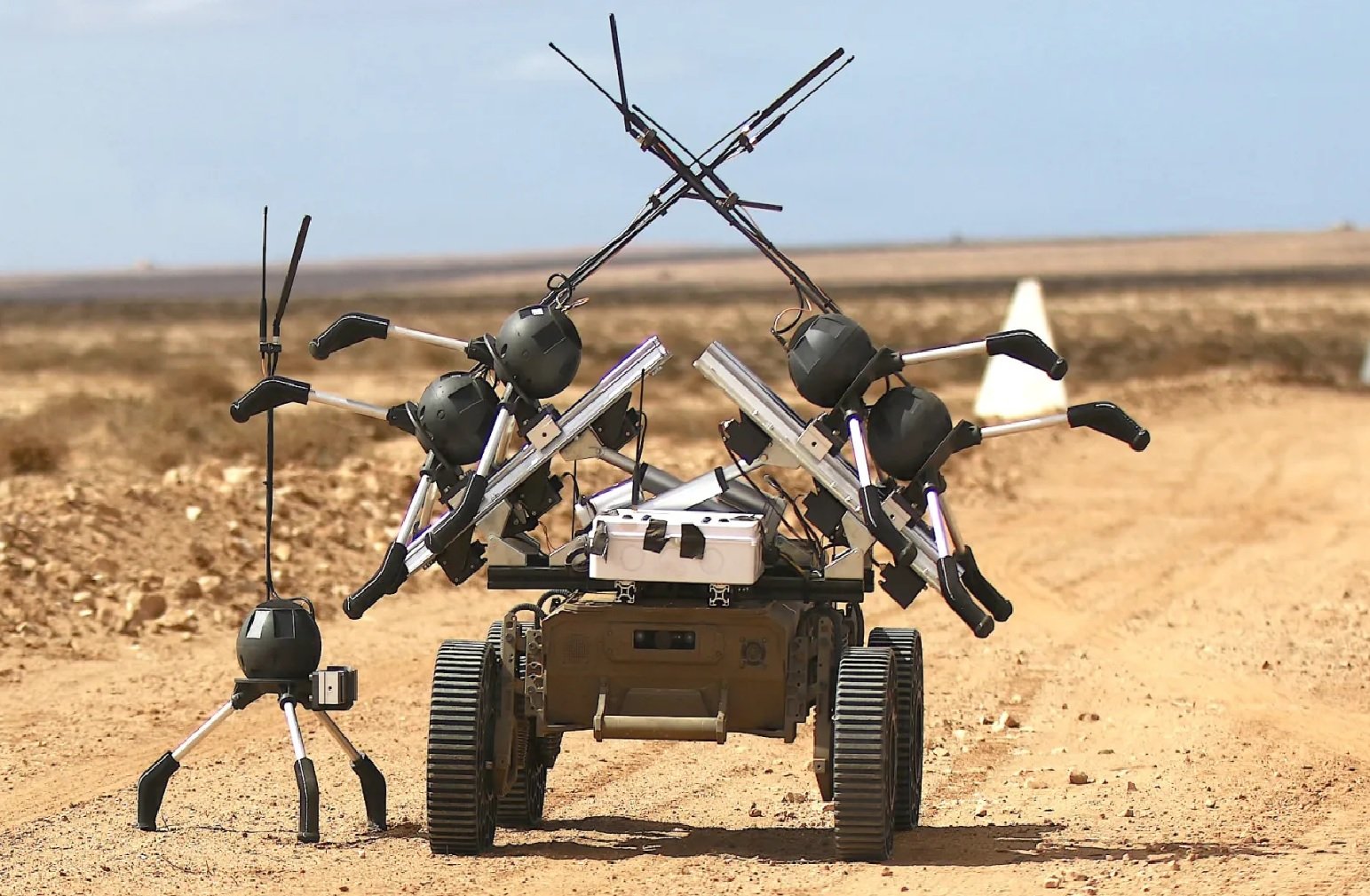 U.S. Army Tests FireAnt Robotic Vehicle to Deploy Drone-Detection Sensors in Morocco
-
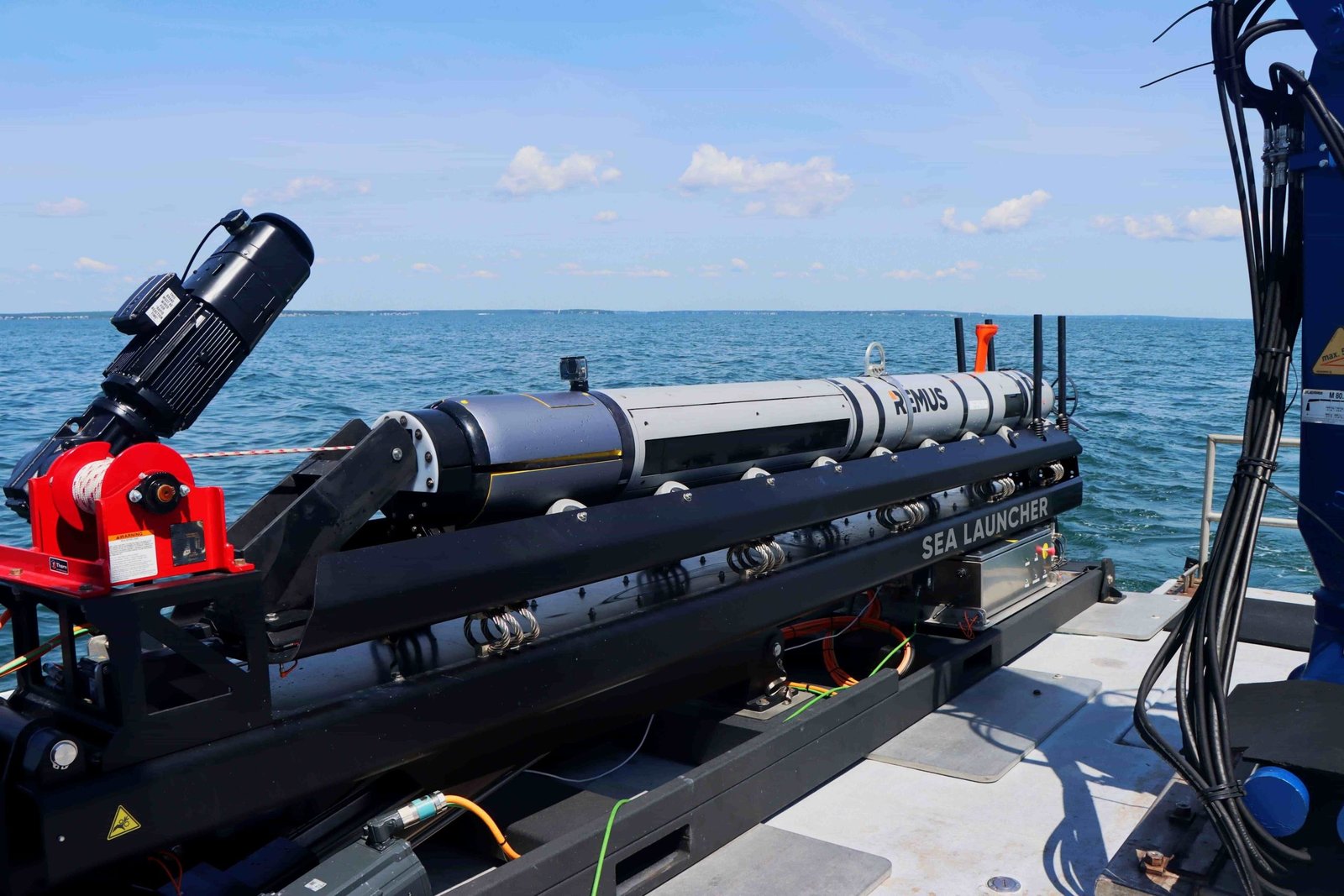 UK Awards HII £142 Million Contract for REMUS 620 Underwater Vehicles for Royal Navy Mine-Hunting Programme
-
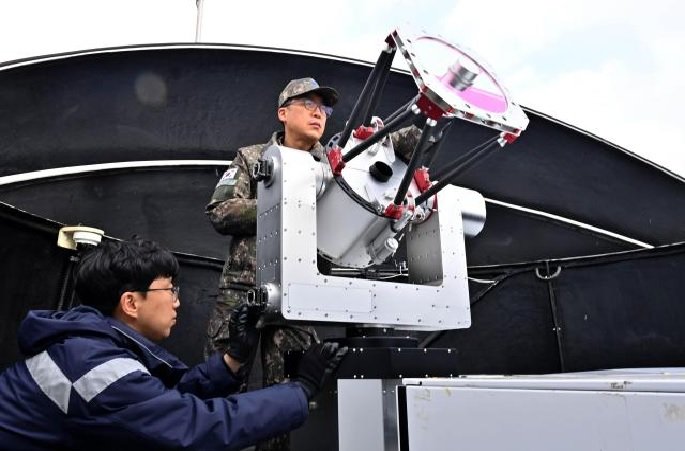 South Korea’s Air Force Deploys New Space Weather Warning System to Monitor Solar Activity and Protect Military Operations
-
 UK Supplied Fake 'Enhanced C-4' Explosives for Ukrainian Drones, Investigation Reveals
-
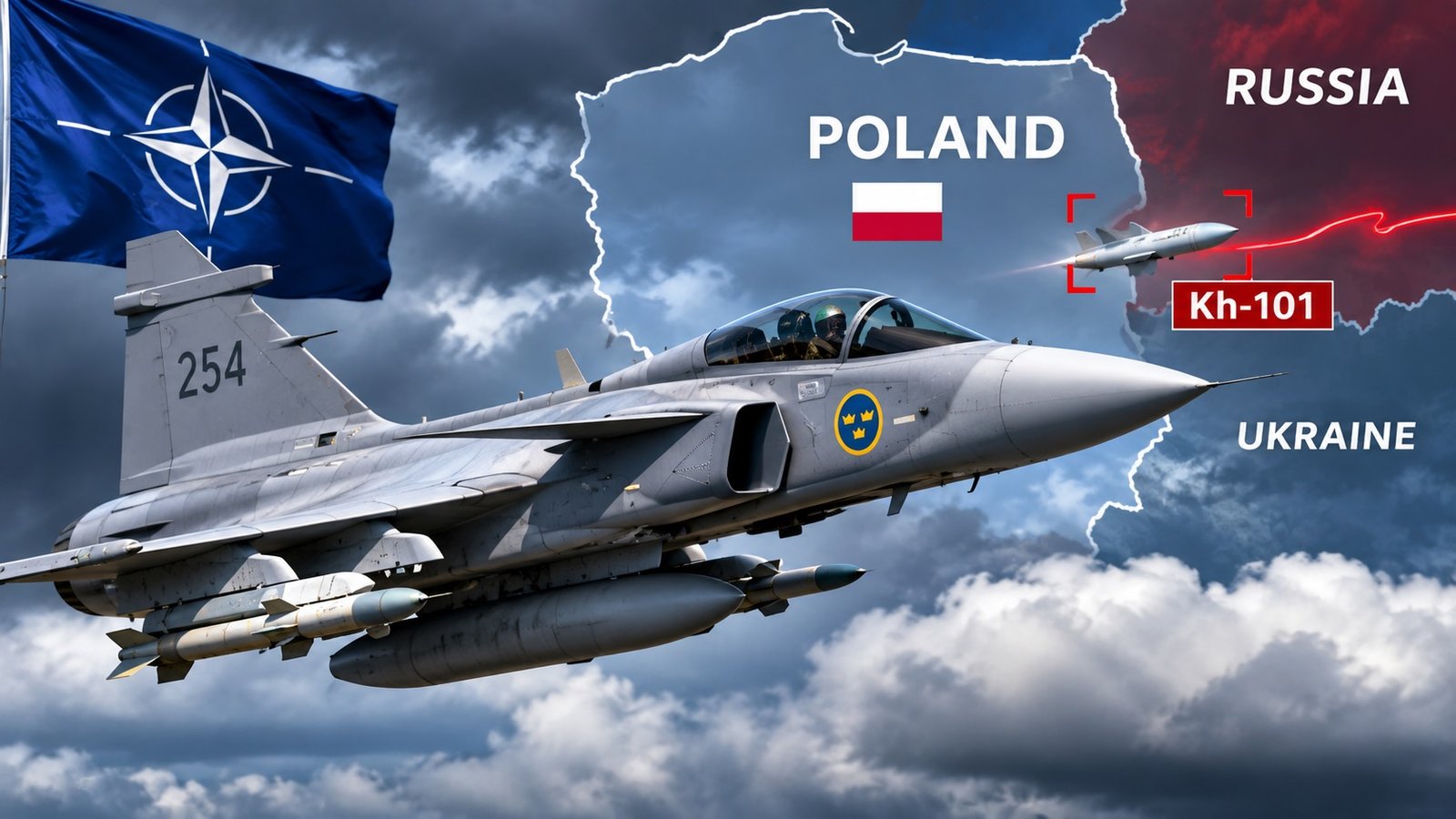 Swedish Gripen Fighter's Capabilities Questioned After Pilot Fails to Engage Suspected Russian Missile Over Poland
-
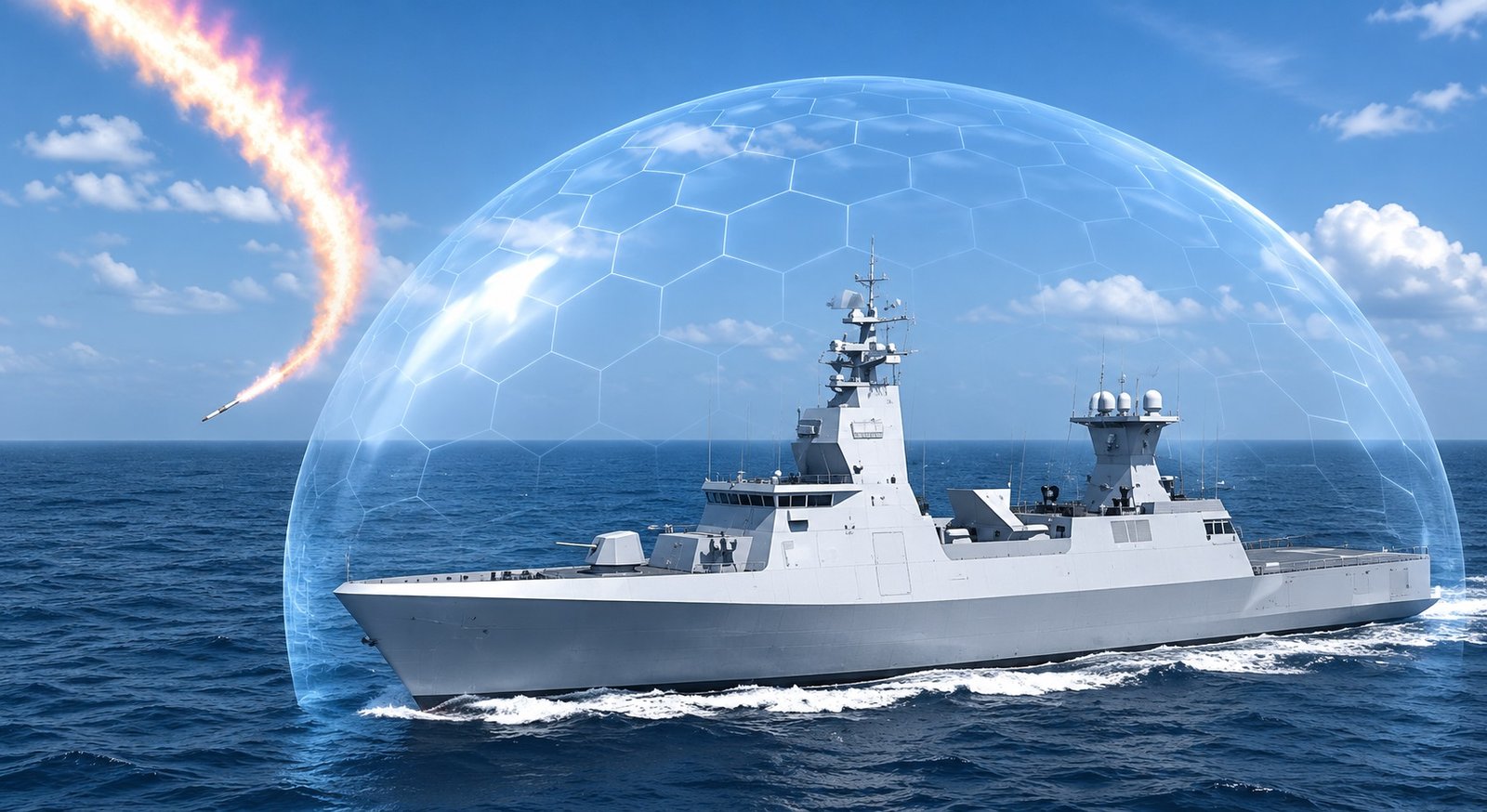 Israeli Elbit Systems Wins Five-Year Contract to Equip Four German Navy F128 Frigates With Electronic Warfare Systems
Top Trending in 4 Days
-
 Two Injured in Bahrain After Iranian Attacks; Iran Claims Strike on US Patriot Radars
-
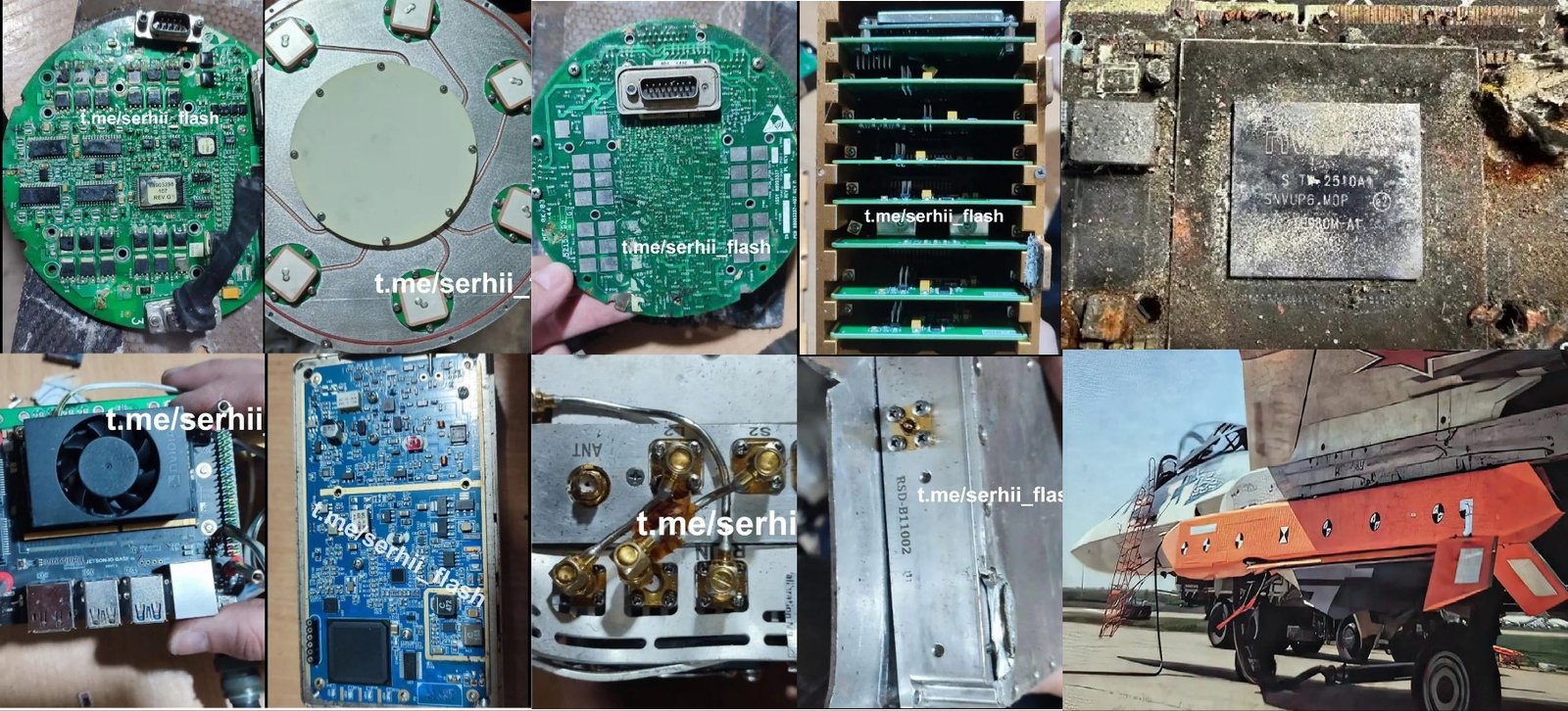 Russian Drones and Cruise Missiles Found Using Civilian NVIDIA AI Chips in Ukraine
-
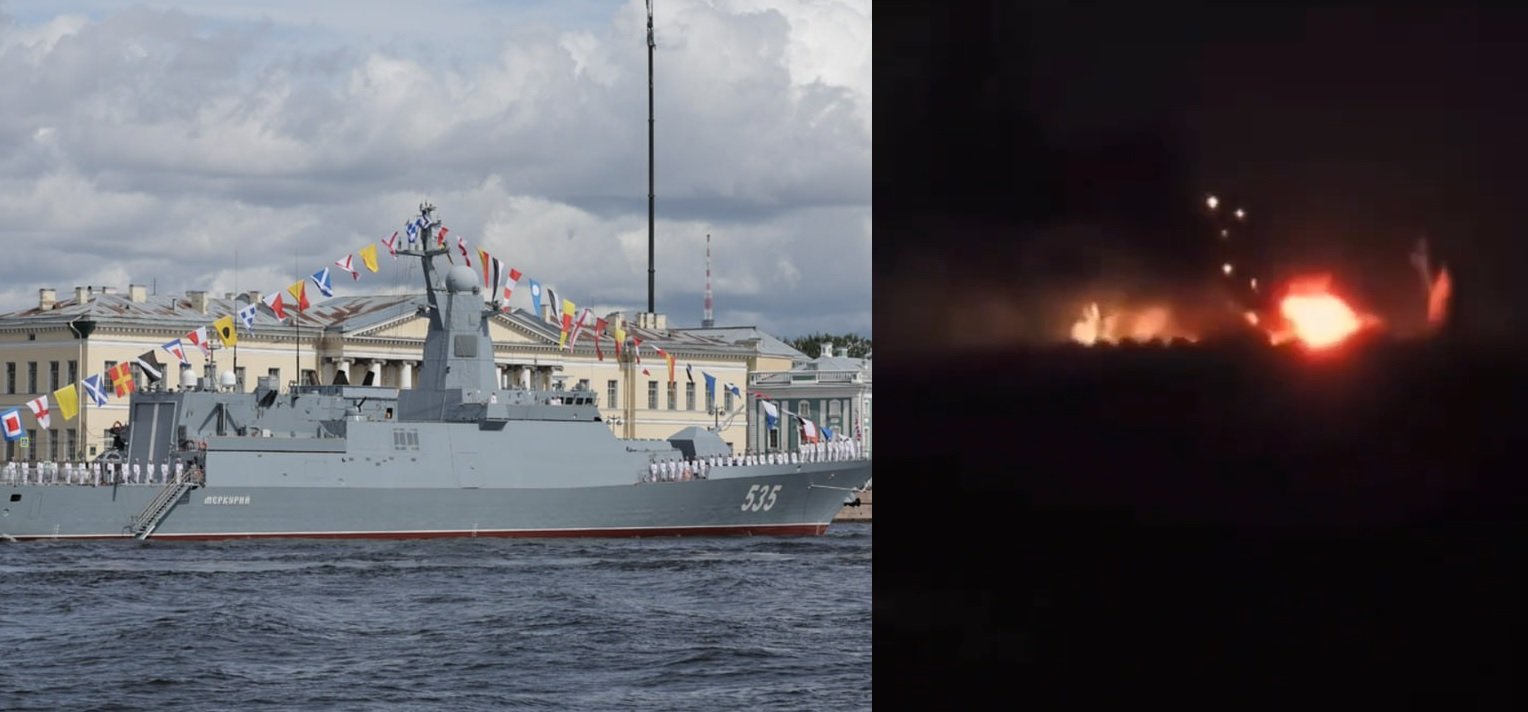 Russian Corvette Merkury Almost Certainly Destroyed in Benghazi Port Explosion
-
 Western Intelligence Warns Russia Could Launch Nuclear-Armed Satellite as Early as December
-
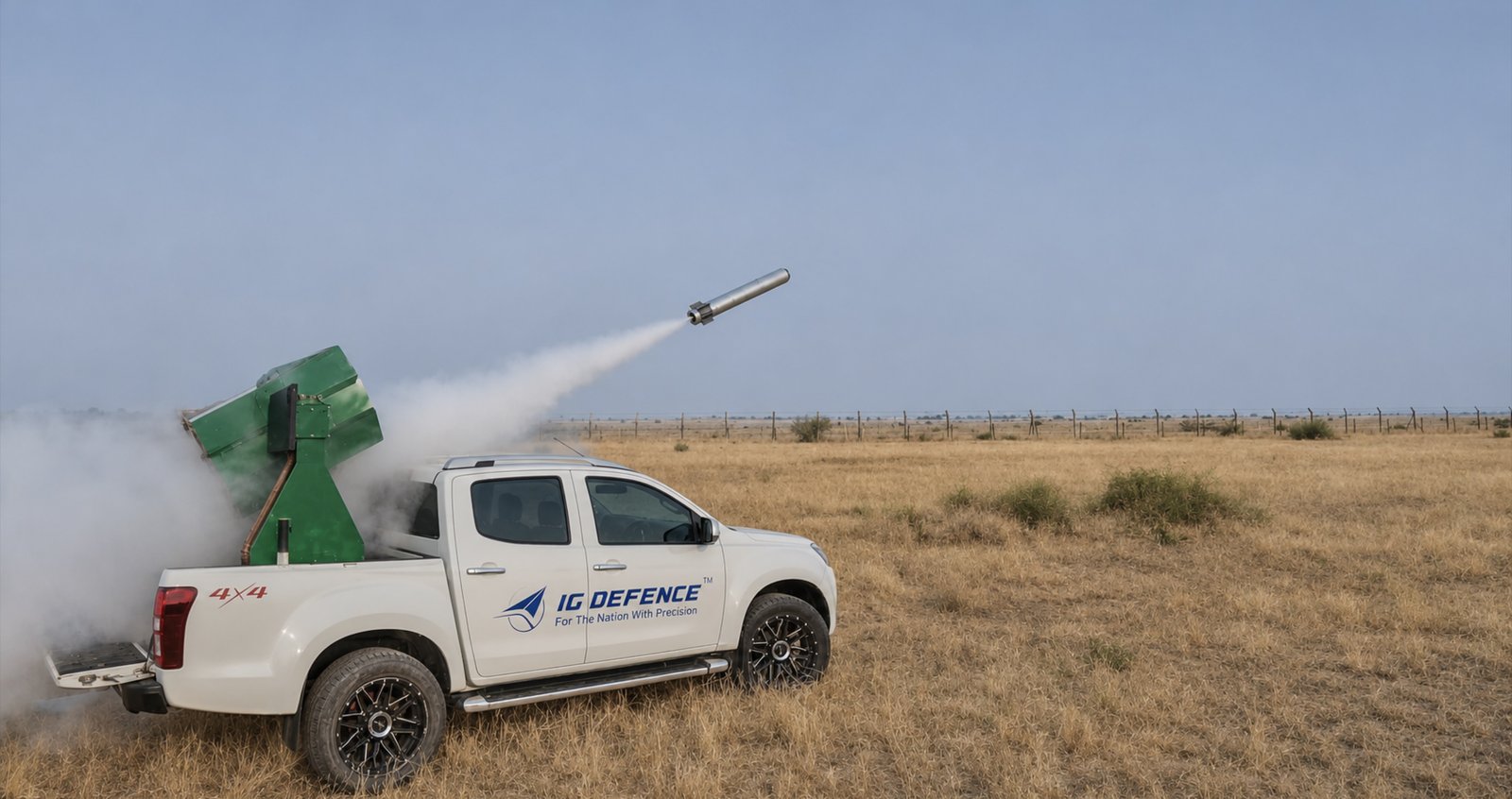 IG Defence Successfully Test-Fires JWALA MK-1 Counter-Drone Missile at Pokhran
-
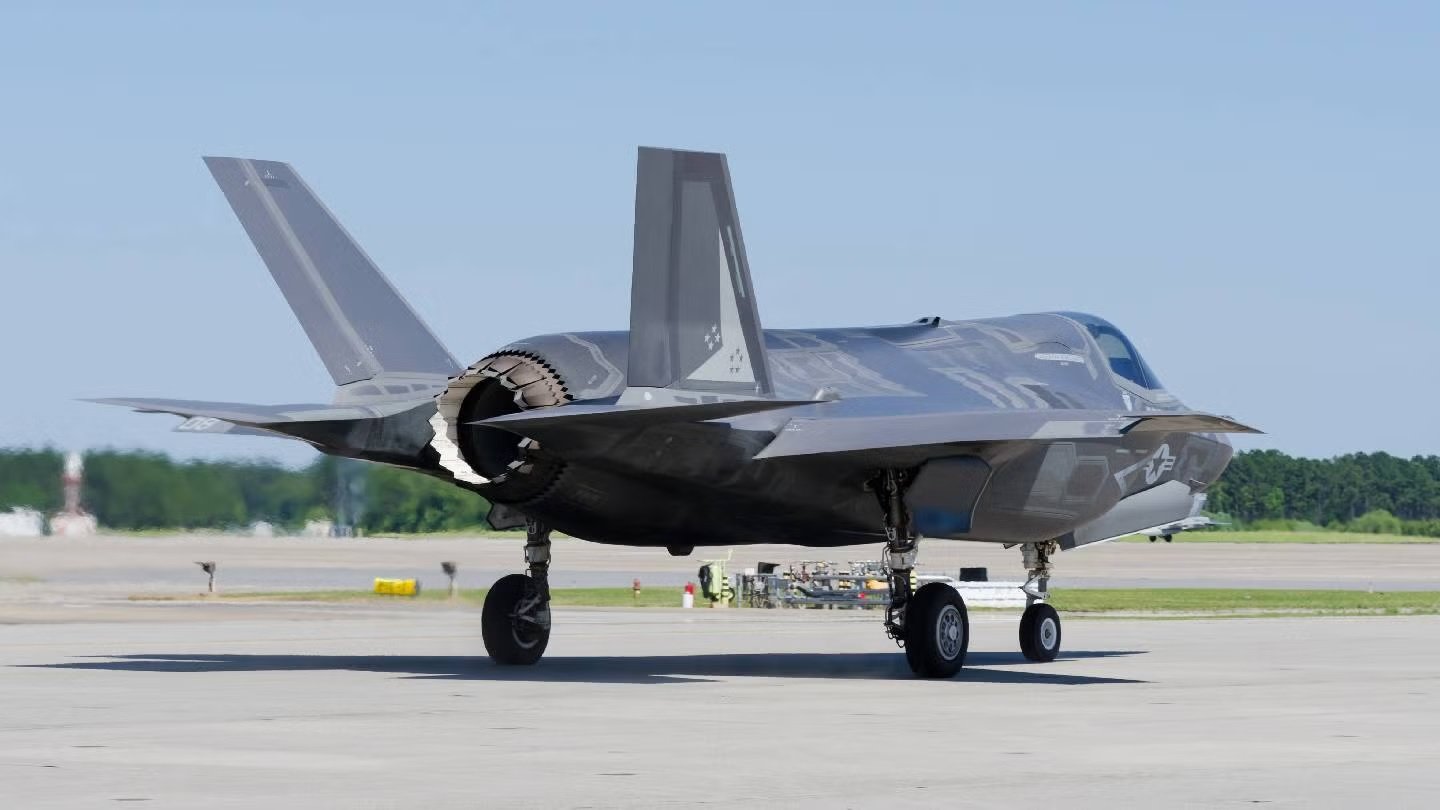 U.S. Awards Lockheed Martin $330.6 Million Contract for Long-Lead Materials Supporting 75 F-35 Lot 22 Aircraft
-
NASA Suspends Science Operations on Perseverance Rover and Mars Odyssey After Hardware Failures
-
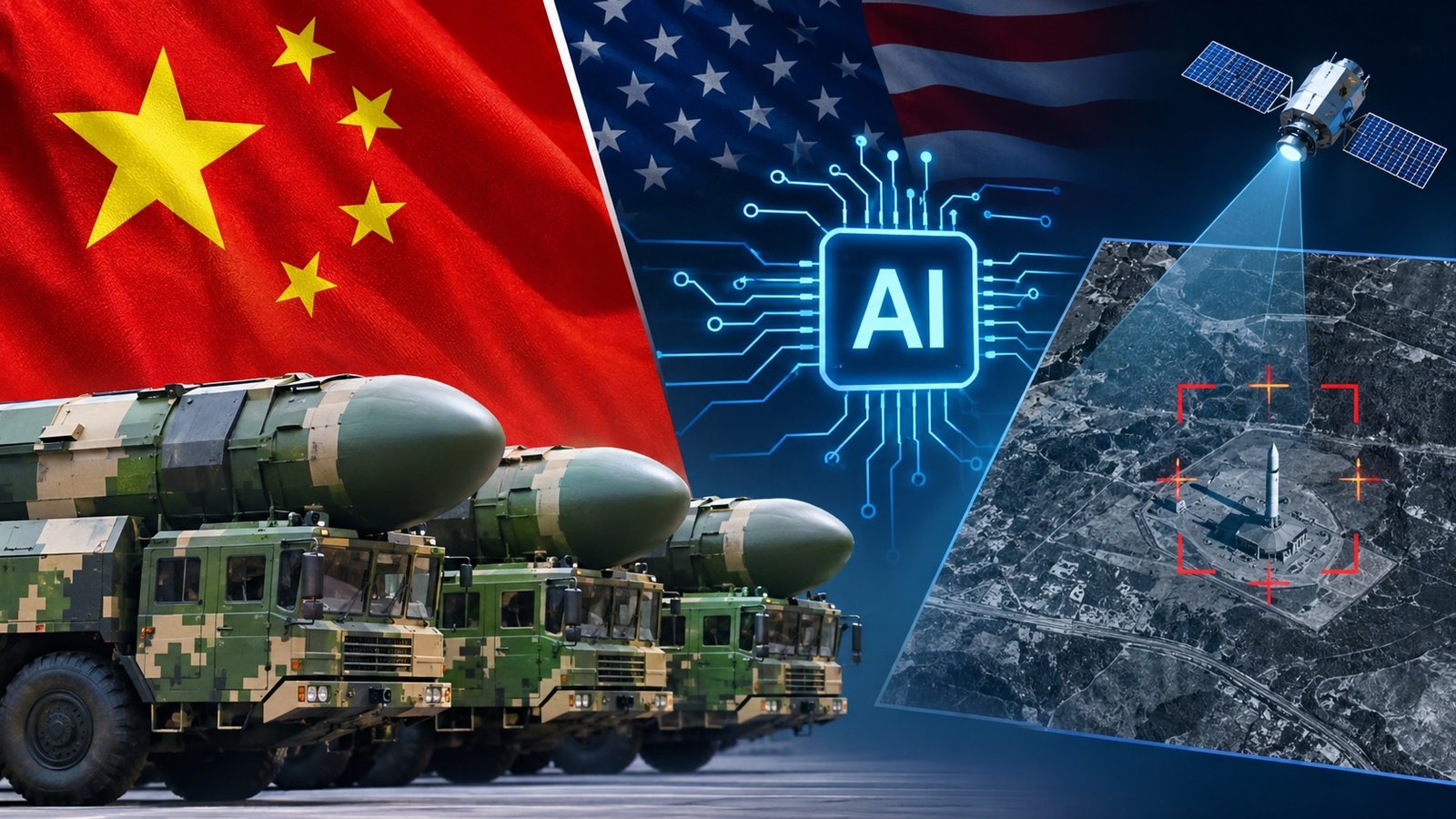 Chinese Military Warns U.S. AI Could Threaten China’s Nuclear Missile Survivability