India
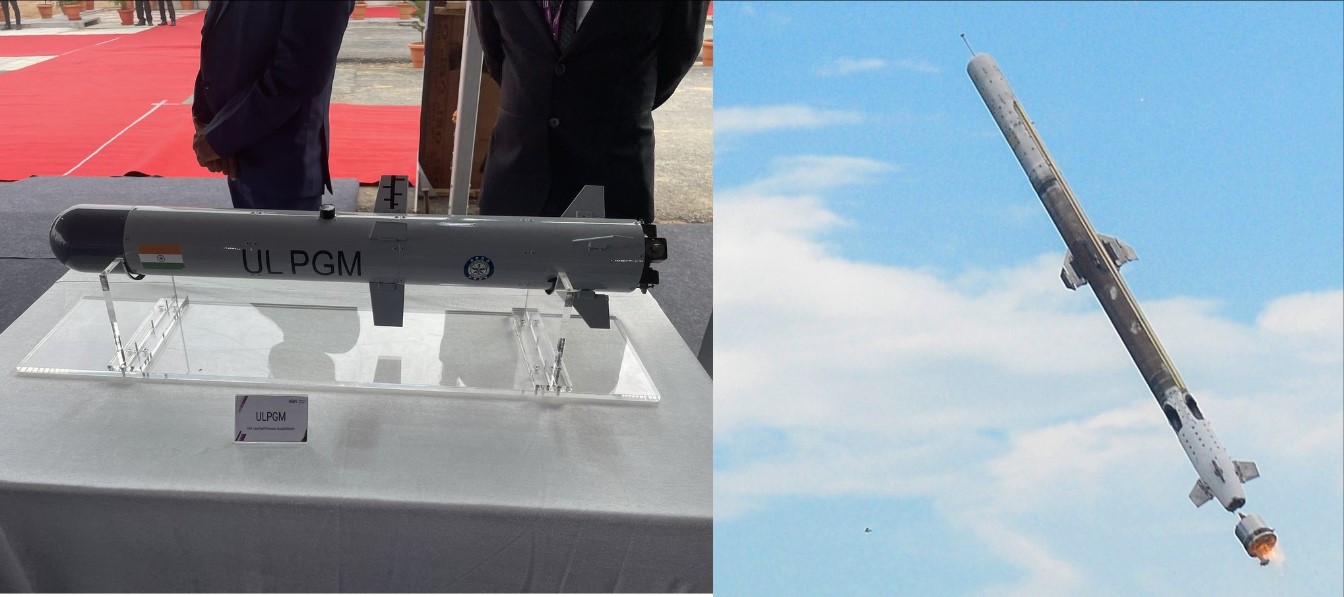
India Adani Defence is set to deliver game-changing defense systems to the Indian Army: the ULPGM for precision strikes from UAVs and the VSHORADS for countering low-altitude aerial threats, marking a significant leap in India's defense capabilities.India's defense sector is on the brink of a groundbreaking moment as Adani Defence gears up to deliver two innovative weapon systems to the Indian Army. Starting from May 18th, 2024, these systems – the UAV Launched Precision Guided Munition (ULPGM) and the Very Short-Range Air Defence System (VSHORADS) – are set to redefine tactical operations and bolster air defense capabilities.The ULPGM, developed in collaboration with the Defence Research and Development Organisation (DRDO), is a compact missile designed to be launched from unmanned aerial vehicles (UAVs). What sets it apart is its ability to maintain accuracy even in challenging environments, thanks to its jamming-proof technology. This feature ensures precise targeting, enhancing the effectiveness of tactical missions.On the other hand, the VSHORADS, developed jointly by Research Centre Imarat (RCI), DRDO, and industry partners, is a Man-Portable Air Defence System (MANPAD) designed to counter low-altitude aerial threats. Equipped with advanced features such as a miniaturized Reaction Control System (RCS) and integrated avionics, this system has undergone rigorous testing to ensure reliability in the field.The delivery of these cutting-edge systems signifies a significant stride in India's defense modernization efforts. The ULPGM's precision and versatility promise to revolutionize tactical operations, providing a strategic advantage on the battlefield. Meanwhile, the VSHORADS will strengthen India's air defense capabilities, safeguarding against emerging threats.More than just technological advancements, these deliveries reflect a broader shift towards indigenous development and production of defense equipment in India. With continued investment and collaboration, the country is poised to further enhance its self-reliance in developing advanced defense technologies.Overall, the future looks promising for India's defense sector, with these deliveries marking a pivotal moment in its journey towards achieving greater security and sovereignty.
Read More → Posted on 2024-05-11 15:28:24
India
India In a recent counter-terrorism operation in Kulgam, Jammu and Kashmir, the Indian Army utilized flamethrowers to clear fortified positions, sparking discussions about their tactical effectiveness and ethical implications.In a recent counter-terrorism operation in Kulgam, Jammu and Kashmir, the Indian Army employed a rarely seen tactic: the use of flamethrowers. This decision has sparked discussions about the advantages and drawbacks of utilizing such weapons in such scenarios. Why Use a Flamethrower?The primary reason behind deploying flamethrowers seems to be the protection of Indian soldiers. Here's why flamethrowers can prove effective in certain situations:Clearing Enclosed Spaces: Flamethrowers are particularly adept at clearing fortified positions or driving adversaries out of buildings or bunkers. In the Kulgam encounter, this likely aided in neutralizing the threat from a distance, reducing the need for risky close-quarter combat.Limited Collateral Damage (In Theory): Compared to explosives, flamethrowers can offer more controlled destruction, potentially minimizing harm to nearby structures or civilians. However, this depends on how the weapon is used and the specific situation.Psychological Impact: The fear induced by a flamethrower can be a potent weapon, potentially disorienting or even causing enemies to surrender.The Downsides of FlamethrowersDespite their niche applications, flamethrowers are not commonly used in modern warfare for several reasons:Risk to Civilians and Environment: The indiscriminate nature of fire poses a significant risk to non-combatants and can lead to widespread environmental damage.Limited Range: Flamethrowers are effective only at close range, making their use impractical in many situations.Ethical Concerns: The use of incendiary weapons raises ethical questions, especially in populated areas.A Calculated Risk?The Kulgam incident underscores the tough decisions faced in counter-terrorism operations. The Indian Army's decision likely stemmed from the specific circumstances of the encounter, with a focus on safeguarding its soldiers. However, the use of flamethrowers raises important questions about proportionality and the potential for unintended consequences.Open Source InvestigationWhile official reports on the Kulgam incident are scarce, open-source information such as eyewitness accounts and social media posts indicates that the encounter was intense and involved a barricaded situation. The use of a flamethrower in this context aligns with its tactical strengths, but a complete understanding of the situation remains elusive.In ConclusionThe uncommon deployment of a flamethrower in Kulgam serves as a reminder of the complex challenges faced in counter-terrorism. While such tactics may offer tactical advantages in specific scenarios, their use must be carefully weighed against potential risks and ethical considerations. As discussions continue, it's vital to comprehend both the potential benefits and the serious drawbacks of this unconventional weapon.
Read More → Posted on 2024-05-11 15:16:59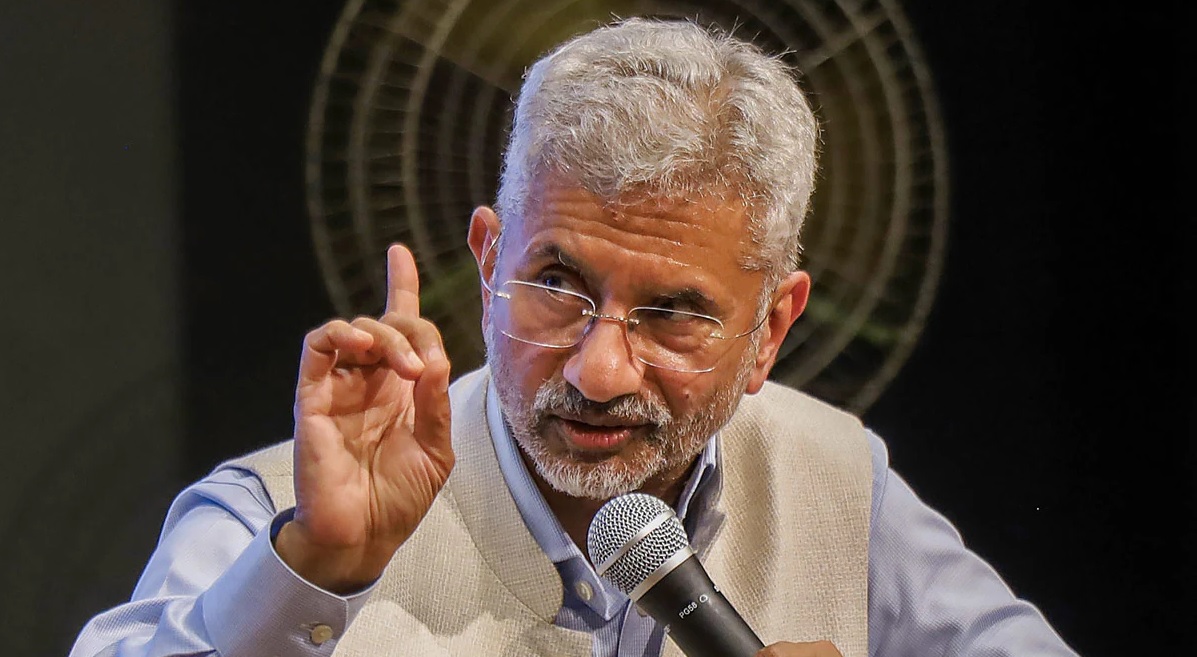
India
India The Kartarpur Corridor facilitates pilgrimage to the revered Sikh site of Kartarpur Sahib, bridging India and Pakistan. Recent discussions address the USD 20 fee imposed by Pakistan on Indian visitors, prompting diplomatic efforts for resolution.In recent discussions, External Affairs Minister S Jaishankar addressed the issue of a fee imposed by Pakistan on Indians visiting Kartarpur Sahib, a revered Sikh pilgrimage site. Here's a simple breakdown of what was discussed and its significance.Kartarpur Sahib holds immense spiritual importance as the final abode of Sri Guru Nanak Dev Ji, where he spent the last 18 years of his life. Situated on the west bank of the river Ravi, it's a place of deep reverence for Sikhs worldwide.The Kartarpur Corridor, a passage between India and Pakistan, facilitates pilgrimages to this sacred site. This corridor has been a significant development, allowing Indian pilgrims visa-free access to Kartarpur Sahib.However, amidst these advancements, a USD 20 fee levied by Pakistan on Indian visitors has sparked discussions. Minister Jaishankar clarified that this fee was not imposed by India but by Pakistan, emphasizing the need for bilateral agreements to address such matters.While visas are no longer necessary for Kartarpur Sahib visits, crossing international borders mandates possession of passports. Understandably, this requirement might pose challenges for some aspiring pilgrims without passports.The Indian government, acknowledging the aspirations of many to visit Kartarpur Sahib, expressed its intent to engage with Pakistani authorities to address the fee issue. Jaishankar assured that efforts would be made to discuss and potentially resolve this matter amicably.It's important to note the geographical context of Kartarpur and Dera Baba Nanak. These towns straddle the India-Pakistan border, symbolizing the shared heritage and spiritual significance they hold for both nations.The Dera Baba Nanak-Sri Kartarpur Sahib corridor, spanning 4.1 kilometers, connects Dera Baba Nanak in India to Kartarpur in Pakistan. This corridor includes a modern passenger terminal building at the international border, facilitating pilgrim movement.Dera Baba Nanak, named after Guru Nanak Dev Ji, holds historical and cultural significance, resonating with followers of Sikhism and admirers of the Guru's teachings.In conclusion, the Kartarpur Corridor represents a bridge of faith and goodwill between India and Pakistan, allowing pilgrims to connect with their spiritual heritage. While challenges such as the imposed fee exist, diplomatic efforts remain underway to address them, ensuring unhindered access to Kartarpur Sahib for all devotees.In essence, the Kartarpur Corridor stands as a testament to the enduring spirit of unity and harmony, transcending borders in the pursuit of spiritual fulfillment.
Read More → Posted on 2024-05-11 14:56:37
India
India The Indian Army receives its first Hermes-900 Starliner drone, enhancing border surveillance capabilities along the Pakistan border. Adani Defence Systems supplies the drone, marking a significant step in bolstering India's defence infrastructure.In a significant development aimed at bolstering surveillance capabilities along the Pakistan border, the Indian Army is set to receive its first Hermes-900 Starliner drone on June 18. These drones, also known as the Drishti-10, are being supplied by Adani Defence Systems.According to defence officials, the first drone will be handed over to the Indian Army on June 18 in Hyderabad. These acquisitions are part of a deal signed under emergency powers granted by the Defence Ministry. The Indian Army plans to deploy these drones at its Bhatinda base, providing comprehensive surveillance along the entire western border with Pakistan.The delivery of the first Hermes-900 drone follows the earlier supply to the Indian Navy in January this year. The Indian Army has placed orders for two drones, with the second one being delivered soon.Furthermore, the Indian Navy is set to receive the third drone, while the fourth will be allocated to the Army. These procurements adhere to the requirement that systems supplied to the forces should be more than 60 per cent indigenous, in line with the 'Make in India' initiative in Defence.Adani Defence, in collaboration with Israeli firm Elbit, has transferred technology for the drones. They have indigenized 70 per cent of the drones and aim to increase this percentage further. The Indian Army is already operating Heron Mark 1 and Mark 2 drones, and these Hermes-900 drones will complement their existing capabilities.The drones, with their satellite communication-enabled features, provide enhanced surveillance capabilities. The Indian Navy plans to position them in Porbandar to monitor the maritime boundary with Pakistan and the high seas. With the ability to fly for over 30 hours and cover a distance of around 2,000 km in one go, these drones significantly enhance India's border and maritime security.In conclusion, the acquisition of Hermes-900 Starliner drones marks a significant step forward for the Indian Army in bolstering its surveillance capabilities along the Pakistan border and maritime boundaries. These drones, with their advanced features and indigenous technology, underscore India's commitment to enhancing its defence capabilities.
Read More → Posted on 2024-05-11 06:26:56
India
India India will present its proposal for a new Antarctic research station at the 46th Antarctic Treaty Consultative Meeting and the 26th Meeting of the Committee for Environment Protection in Kochi from May 20-30, led by Dr. M Ravichandran, Secretary of the Ministry of Earth Sciences.India is poised to unveil its plans for a new research station in Antarctica during the upcoming 46th Antarctic Treaty Consultative Meeting (ATCM) and the 26th Meeting of the Committee for Environment Protection (CEP). These meetings, scheduled for May 20-30 in Kochi, India, will bring together nations engaged in Antarctic research.Dr. M Ravichandran, Secretary of the Ministry of Earth Sciences, highlighted the significance of India hosting these meetings. This provides a platform for India to:Announce New Research Station: India will formally announce its plans to build a new research station, likely to further its scientific pursuits on the continent. This follows India's operation of two existing stations, Maitri and Bharati.Promote Collaboration: The meetings serve as a venue for India to foster international collaboration on Antarctic research and environmental protection efforts.India's Growing Role in Antarctic Research:India has been an active player in Antarctic research for decades. The new research station reflects India's commitment to:Expanding Scientific Footprint: A new station will allow India to conduct a wider range of scientific research in Antarctica, potentially focusing on fields like climate change, glaciology, and marine biology.Strengthening Environmental Stewardship: India remains a signatory to the Antarctic Treaty, emphasizing its commitment to peaceful research and environmental protection in the region.What to Expect at the Kochi Meetings:The ATCM and CEP meetings will likely see discussions on various critical issues related to Antarctica, including:Research Cooperation: Delegates will explore avenues for international collaboration on scientific research endeavors in Antarctica.Environmental Regulations: Discussions on regulations to ensure the continent's fragile ecosystem is protected from the impact of research activities and potential tourism ventures are likely.Sustainable Practices: Developing and implementing sustainable practices for research stations and minimizing human impact on the Antarctic environment will be a key focus.India's Leadership Role:By hosting these meetings, India positions itself as a leader in Antarctic research and environmental stewardship. The announcement of a new research station signifies India's growing commitment to scientific exploration and collaboration in the Southern Hemisphere.
Read More → Posted on 2024-05-10 16:02:33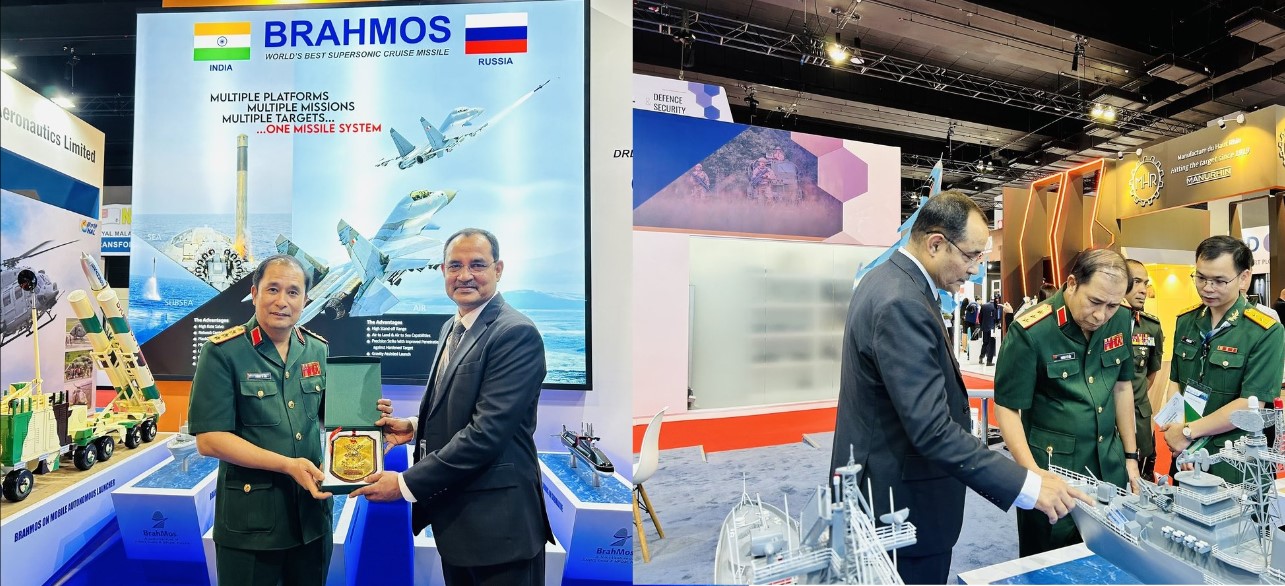
India
India ,VietnamA high-ranking Vietnamese military delegation, led by Senior Lieutenant General Phung Si Tan, demonstrates keen interest in the BrahMos supersonic missile system at DSA Malaysia 2024, signaling Vietnam's commitment to modernizing its defense capabilities and forging strategic partnerships with leading defense manufacturers.The recent visit of a high-ranking Vietnamese military delegation to the BrahMos pavilion at DSA Malaysia 2024 has garnered significant attention in defense circles. Led by Senior Lieutenant General Phung Si Tan, Deputy Chief of the General Staff of the Vietnam People's Army (VPA), the delegation demonstrated a keen interest in the BrahMos supersonic missile system and its various iterations.DSA Malaysia 2024, a prominent defense and security exhibition in the Asia-Pacific region, provided an ideal platform for the Vietnamese officials to explore cutting-edge defense technologies. At the BrahMos pavilion, they were introduced to the advanced capabilities of the BrahMos missile, a product of collaboration between India and Russia.BrahMos Aerospace, the entity behind the BrahMos missile system, showcased its range of missile systems and variants, emphasizing their adaptability and effectiveness in modern warfare scenarios. The delegation received detailed briefings and demonstrations on the missile's supersonic speed, precision targeting capabilities, and its potential for deployment across different military platforms.During discussions with BrahMos Aerospace representatives, the Vietnamese delegation delved into potential avenues for collaboration and technology transfer to enhance Vietnam's defense capabilities. They recognized the BrahMos missile system as a powerful deterrent force, capable of bolstering Vietnam's defense posture in the Indo-Pacific region.The visit underscored Vietnam's strategic imperative to explore advanced defense technologies and forge partnerships with leading defense manufacturers to address evolving security challenges. As geopolitical dynamics shift in the Indo-Pacific, Vietnam aims to leverage advanced defense capabilities to safeguard its territorial integrity and maritime interests.DSA Malaysia 2024 serves as a vital platform for defense industry stakeholders to showcase their latest innovations and engage in dialogue on emerging security trends. The Vietnamese delegation's interest in the BrahMos missile system highlights their commitment to modernizing the country's armed forces and strengthening strategic partnerships with key defense manufacturers.In conclusion, collaboration with established defense industry players like BrahMos Aerospace is poised to play a crucial role in shaping Vietnam's defense landscape and safeguarding its national security interests. The visit to the BrahMos pavilion at DSA Malaysia reflects Vietnam's determination to enhance its defense capabilities through strategic partnerships and the adoption of advanced technologies.
Read More → Posted on 2024-05-10 15:53:44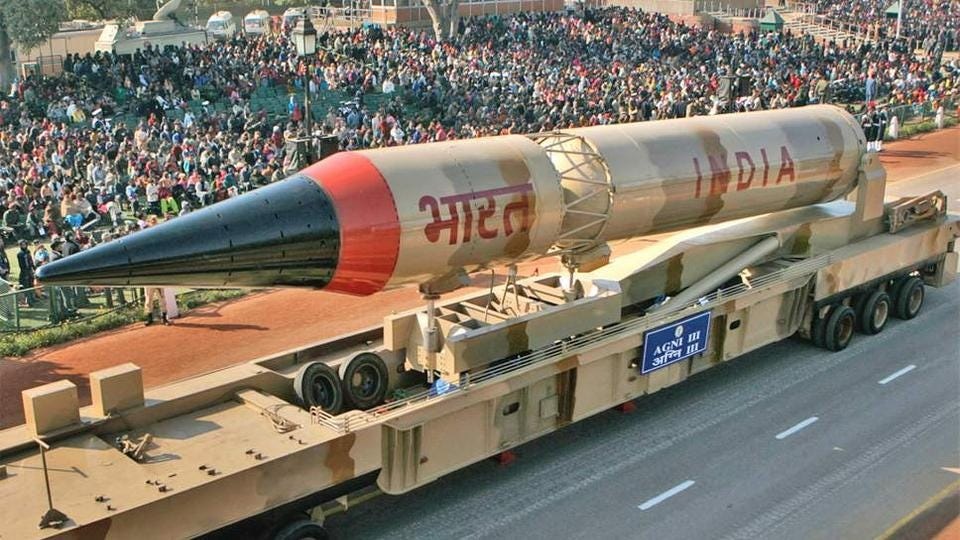
India
India The Indian Strategic Forces Command has launched its dedicated intelligence unit, CCIU-SFC, to counter espionage threats from Pakistan, China, and other adversaries targeting its nuclear weapons program.India's Strategic Forces Command (SFC), responsible for managing the country's nuclear arsenal, has reportedly established its own dedicated intelligence unit, the CCIU-SFC. This move signifies India's commitment to fortifying its nuclear security posture against potential espionage attempts.Why a Dedicated Unit?Heightened Threats: The ever-evolving espionage landscape, particularly from neighboring Pakistan and China, necessitates a specialized unit to proactively identify and thwart intelligence gathering efforts targeting India's nuclear weapons program.Improved Focus: A dedicated unit allows for focused expertise in nuclear security matters. SFC personnel can hone their skills in counterintelligence techniques specifically tailored to safeguarding sensitive information and deterring insider threats.What can the CCIU-SFC do?Human Intelligence (HUMINT): The unit is likely to employ human intelligence sources to infiltrate potential spy rings and gather intel on foreign attempts to acquire classified information.Signal Intelligence (SIGINT): Monitoring and analyzing foreign communications could provide valuable insights into ongoing espionage activities.Counterintelligence (CI): Proactive measures to identify and neutralize potential insider threats within the SFC itself are crucial for maintaining the integrity of the nuclear program.Transparency and Reassurance:While details about the CCIU-SFC remain scarce, transparency on its function can be beneficial. Public awareness of India's robust nuclear security measures can reassure its citizens and the international community of its commitment to responsible nuclear stewardship.Potential Implications:Deterrence Effect: The creation of the CCIU-SFC sends a strong message to potential adversaries that India takes nuclear security extremely seriously. This can deter attempts at espionage and strengthen India's nuclear deterrence posture.Arms Race Concerns: An escalation of intelligence gathering efforts in the region could trigger an arms race between India and its neighbors.The Road Ahead:The establishment of the CCIU-SFC signifies a significant step in India's efforts to safeguard its nuclear arsenal. Continued focus on robust security measures and international cooperation on non-proliferation will be essential for maintaining regional stability.In conclusionThe creation of the CCIU-SFC underscores India's commitment to fortifying its nuclear security posture and serves as a proactive measure to address evolving espionage threats. By prioritizing transparency and cooperation, India aims to enhance confidence in its nuclear program while contributing to global efforts to prevent the proliferation of nuclear weapons.
Read More → Posted on 2024-05-10 15:46:07
India
India New Space Research & Technologies (NRT) partners with Forge for the O.C-9.0 Challenge, aiming to advance High Altitude Pseudo-Satellite (HAPS) technology, showcasing India's growing aerospace innovation on a global scale.New Space Research & Technologies (NRT), a leading company in India's aerospace and defense sector, has joined forces with Forge for a significant project called the O.C-9.0 Challenge – High Altitude Pseudo-Satellite (HAPS) MK1. This collaboration highlights NRT's commitment to driving innovation in Next-Generation Missions and Technologies (NGM&T) worldwide.NRT is well-known for its advanced work in Manned-Unmanned Teaming (MUM-T). This technology smoothly combines crewed fighter aircraft with fleets of unmanned aerial vehicles (UAVs) and uncrewed combat aerial vehicles (UCAVs), making military air assets more effective and extending their operational range.One of NRT's main areas of expertise is in developing High Altitude Pseudo-Satellites (HAPS). These specialized UAVs are designed to fly at very high altitudes between 5km and 20km. They can stay in the air for an impressive amount of time, sometimes exceeding three months. This makes them ideal for long-term Earth observation missions and building strong communication networks.NRT uses its advanced UAVs for various purposes, both military and civilian. These include surveillance, secure communication, search and rescue missions, tracking locations and assets, monitoring the environment and climate, and improving agricultural practices.The O.C-9.0 Challenge – HAPS MK1 likely focuses on creating or demonstrating a new, highly capable HAPS platform. By partnering with Forge, NRT brings its expertise in HAPS technology to this challenge. This collaboration shows NRT's determination to lead in this rapidly evolving field.India's aerospace industry is witnessing a surge in innovation, and NRT's involvement in this partnership showcases the nation's growing importance in the global arena. The results of the O.C-9.0 Challenge could have significant implications for defense, communication, and scientific exploration in the future.
Read More → Posted on 2024-05-10 15:29:01
India
India Mahindra Defence Systems introduces the Armado, a versatile Armoured Light Specialist Vehicle, delivering robust performance and ballistic protection for diverse military operations. Designed for agility and adaptability, it exceeds expectations with its powerful engine, advanced tire technology, and configurable passenger capacity.Mahindra Defence Systems (MDS), a subsidiary of Mahindra & Mahindra, has achieved a significant milestone by commencing deliveries of the Armado, a newly developed Armoured Light Specialist Vehicle (ALSV), to the Indian armed forces. In the current financial year (FY24), MDS has surpassed expectations by delivering over 719 vehicles, including the ALSV, Markshman, and Mrap models, marking the highest annual total for the company.The Armado is a versatile vehicle designed to meet various operational needs. With ballistic protection up to B7 Stanag Level II, it is well-suited for counter-terrorism operations, patrolling conflict zones, and supporting special forces. Its adaptability extends to carrying ammunition, reconnaissance missions, and border patrols. The vehicle's design allows it to navigate challenging terrains, from open fields to desert landscapes.Underneath its robust exterior, the Armado features a powerful 3.2-litre turbocharged, direct-injection diesel engine. This engine, compatible with Nato-grade diesel, delivers 215 horsepower and 500 Nm of peak torque, providing ample power for various operations. A 4-speed automatic transmission system distributes power to all wheels.Despite its sturdy construction, the Armado offers impressive performance, reaching speeds exceeding 120 kilometers per hour and accelerating from 0 to 60 kilometers per hour in just 12 seconds. It boasts a payload capacity of 1,000 kilograms, enabling it to carry essential equipment and personnel.Equipped with 318/80 R17 profile tires designed to withstand punctures and operate with no air pressure, the Armado ensures reliability even in challenging conditions. A centralized tire inflation system allows for on-the-go tire management. The vehicle can be customized as either a left-hand drive or a right-hand drive to meet operational requirements.With a configurable passenger capacity, the Armado can comfortably seat six personnel, including the driver, with the option to accommodate up to eight individuals.In conclusion, the Armado represents a significant advancement in defence vehicle technology, offering versatility, robust performance, and adaptability to meet the diverse needs of the Indian armed forces. Mahindra Defence Systems' commitment to innovation and excellence is evident in the design and capabilities of the Armado, reinforcing its position as a leading provider of defence solutions.
Read More → Posted on 2024-05-10 15:24:07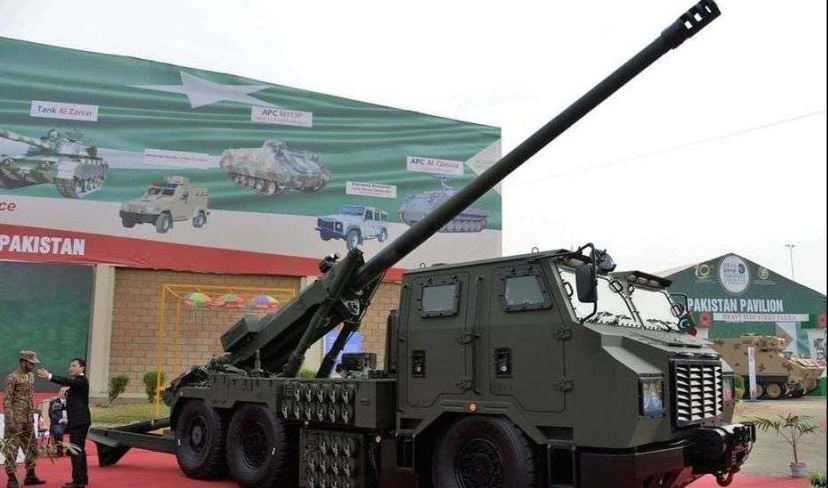
India
Pakistan ,IndiaPakistan accelerates acquisition of advanced Chinese mobile artillery systems, outpacing India's procurement efforts and raising concerns over regional military balance.In today's world, military strength isn't just about big guns—it's about being fast and adaptable. Recent reports indicate that Pakistan is rapidly enhancing its artillery capabilities with the acquisition of hundreds of advanced mobile artillery systems from China. These systems, known as SH-15 155mm Mounted Gun Systems (MGS), are mounted on trucks, giving them a significant advantage over traditional towed artillery.What sets these MGS apart is their ability to quickly fire a few rounds and then relocate before the enemy can respond. This "shoot and scoot" tactic makes them harder to target and hit. In contrast, towed artillery requires more time to set up and take down, making them vulnerable to enemy fire, especially in today's battlefield, where drones and loitering munitions are becoming increasingly prevalent.Since 2018, Pakistan has been securing deals with China for these advanced systems. It's rumored that Pakistan's orders may exceed 400 units, surpassing India's current fleet of K-9 Vajra-T tracked howitzers. The reported deployment of these systems near the Line of Control in 2023 has heightened India's concerns, particularly given China's presence in Tibet.On the other hand, India's procurement of similar systems has faced obstacles due to bureaucratic delays. Despite ambitious plans, progress has been slow. However, there is hope in the growth of India's own artillery industry. Companies like Kalyani and Bharat Forge are now producing advanced howitzers domestically. The success of India's military modernization efforts hinges on embracing these local capabilities and expediting procurement processes.This development underscores the ongoing arms race between India and Pakistan, highlighting the importance of staying ahead in military technology and capabilities. How India responds to Pakistan's acquisition of these advanced systems will be critical in maintaining the regional military balance. Streamlining procurement procedures and investing in indigenous solutions will be key steps in ensuring India's readiness for future challenges.In conclusion, Pakistan's acquisition of advanced mobile artillery systems poses a significant challenge to India's military preparedness. To effectively counter this threat, India must prioritize modernization efforts and leverage domestic capabilities to stay ahead in the evolving security landscape of South Asia.
Read More → Posted on 2024-05-10 14:58:43
India
India , China China's launch of its third aircraft carrier, the Fujian, has sent ripples through the Indo-Pacific. While India boasts two carriers itself, the question arises: can India effectively counter China's growing naval power with its existing weaponry? Carrier Comparison: A Numbers GameOn paper, China's carriers hold a clear advantage. The Fujian is a technologically advanced behemoth, displacing over 80,000 tons and likely carrying more aircraft than India's Vikrant and Vikramaditya (both around 45,000 tons). However, military might isn't just about size First Biggest Question:How China's Aircraft Carrier Group Entered the Indian Ocean ?There are several possible routes an aircraft carrier group from China could take to enter the Indian Ocean, depending on their starting point and destination. Here are two main options:East China Sea - South China Sea - Malacca Strait - Andaman Sea: This is the most likely route, as it is the shortest and most direct way from China's southeastern coast to the Indian Ocean. However, it also takes the carrier group through a strategically important chokepoint, the Strait of Malacca, which is controlled by several countries, including Malaysia and Singapore.East China Sea - Pacific Ocean - Sunda Strait - Indian Ocean: This route bypasses the Malacca Strait but is slightly longer. The Sunda Strait, between Sumatra and Java in Indonesia, is another chokepoint but less congested than Malacca.Other factors that could influence the route choice include:South China Sea - Karimata Strait - Indian Ocean: This route avoids both the Malacca and Sunda straits but adds significant distance. The Karimata Strait is south of Borneo and less restricted If China's Aircraft Carrier Group Enter the Indian Ocean Through Malacca Strait.The Andaman and Nicobar Islands do pose a strategic challenge for a Chinese aircraft carrier group entering the Indian Ocean via the Malacca Strait here's how: Geographical Advantage:Location: The Andaman and Nicobar Islands sits right at the entrance to the Malacca Strait, effectively creating a chokepoint. This allows India to potentially monitor and restrict the movement of the carrier group.Island chain: The islands themselves can be used as forward bases for Indian military assets.Military Capabilities:Anti-access/Area Denial (A2/AD) Weapons: India can deploy these on the islands to make it difficult for the carrier group to operate freely. This could include missile systems, submarines, and maritime patrol aircraft.Airbases: India has airbases in the Andaman and Nicobar Islands that could be used to launch fighter jets and bombers to threaten the carrier group.Impact on China:Lengthened Routes: If China feels the Malacca Strait is too risky due to the Indian presence, they are forced to take longer routes through the Sunda Strait or Karimata Strait, delaying their arrival and strategic goals.Resource Drain: China may need to dedicate additional resources to defend the carrier group against potential Indian threats. If China's Aircraft Carrier Group Successfully Entered the Indian Ocean Through Other Option. India's Asymmetric Response With Navy Battle Carrier Group.1. Su-30 MKI With BrahmosThe combination of multiple Su-30 MKI fighter jets armed with BrahMos missiles poses a significant threat to China's new aircraft carrier group in the Indian Ocean, for several reasons: BrahMos's Reach and Power:Long-range Supersonic Threat: BrahMos missiles are hypersonic (Mach 5+) or supersonic (Mach 3+) cruise missiles, making them extremely difficult to intercept by a carrier's air defense systems. Their extended range (potentially exceeding 800 km) allows Su-30 MKIs to launch attacks from well outside the effective range of the carrier's defenses.Devastating Impact: The BrahMos missile carries a large warhead, capable of inflicting significant damage on an aircraft carrier if it lands a successful hit. Su-30 MKI's Advantages:Multirole Flexibility: Su-30 MKIs are capable long-range fighters. They can fly long distances to reach the operational area and carry multiple BrahMos missiles for a concentrated attack.Large Numbers: India possesses a sizable fleet of Su-30 MKI fighters, allowing for a coordinated multi-aircraft strike, overwhelming the carrier's defenses. Exploiting Carrier Vulnerabilities:Limited Air Defense: Aircraft carriers, despite having advanced defensive systems, have a limited defensive radius. A well-coordinated missile attack from multiple Sukhoi-30s, potentially launched from different directions, could overwhelm the carrier's defenses.Carrier Group's Reliance on Support Ships: Aircraft carrier groups rely on a number of support ships for operations. Taking out these support vessels with BrahMos missiles can significantly cripple the carrier's effectiveness. However, it's important to consider some balancing factors:China's Carrier Defenses: China's new carrier group will likely possess advanced anti-missile systems that can potentially counter the BrahMos threat.Air Superiority: For a successful attack, the Indian Air Force would need to establish air superiority to prevent Chinese fighter jets from intercepting the Su-30s before they launch their missiles. Overall, multiple Su-30 MKIs with BrahMos missiles pose a credible threat to China's new aircraft carrier. However, the effectiveness of this strategy would depend on India's ability to overwhelm Chinese defenses and establish air superiority in the region.2. Agni Prime Missile with MIRV TechnologyIndia's recent development of the Agni Prime missile, a smaller, more mobile version of the Agni series with a reported 1500 km range and MIRV (Multiple Independently Re-entry Vehicle) capability, adds another layer of deterrence against China's growing naval presence in the Indian Ocean. Here's how: Strategic Reach from Island Chain:Andaman and Nicobar Islands: By deploying Agni Prime to India's strategically located Andaman and Nicobar Islands, the missile effectively extends India's reach into a large part of the Indian Ocean.China's Carrier Vulnerability: If a Chinese carrier group enters the Indian Ocean, it would likely come within striking distance of Agni Prime missiles launched from the Andamans. MIRV Technology for Added Threat:Multiple Warheads: The MIRV technology allows a single Agni Prime missile to carry and deploy multiple independently targeted warheads. This significantly increases the chance of inflicting critical damage on a large target like an aircraft carrier.Overwhelming Defenses: MIRV missiles can overwhelm a carrier's defenses by forcing them to engage multiple incoming threats simultaneously. Limitations and Considerations:Limited Range: While 1500 km is a significant range, it doesn't cover the entirety of the Indian Ocean. China might operate its carrier group beyond Agni Prime's reach.Accuracy and Survivability: The effectiveness of Agni Prime would depend on its accuracy and the survivability of its launch platforms against potential Chinese attacks. 3. Nuclear submarine China's launch of the Fujian aircraft carrier has cast a strategic spotlight on the Indian Navy's capabilities. While an aircraft carrier itself might be a deterrent, India's nuclear submarines offer a different kind of threat – a silent and potentially devastating one. The Submarine Advantage:Covert Operations: Nuclear submarines operate underwater, remaining undetected for extended periods. This allows them to position themselves strategically for a surprise attack on the Chinese carrier group.Anti-Ship Missile Threat: Indian nuclear submarines like the Arihant class are armed with powerful anti-ship missiles. A well-placed torpedo or missile launch from a submerged submarine could cripple or even sink a large carrier.Disrupting Carrier Operations: The mere presence of undetected submarines can force a carrier group to alter its course and maneuver defensively, hindering its operational effectiveness. Challenges and Considerations:Anti-Submarine Warfare (ASW): China undoubtedly possesses advanced ASW capabilities. The success of an Indian submarine attack hinges on its ability to evade detection.Limited Numbers: India's current fleet of nuclear submarines is relatively small compared to China's. This limits the number of submarines that can be deployed for a coordinated attack. 4. India's SMART Torpedo - A Silent Threat to China's Carrier Dreams.China's new Fujian aircraft carrier might be a formidable force, but India's recently tested Supersonic Missile-Assisted Release of Torpedo (SMART) system throws a wrench into the equation. India's SMART system presents a potential game-changer in the Indian Ocean Here's why:Bypassing Carrier Defenses:Underwater Assassins: Unlike conventional aircraft or ship-launched torpedoes, SMART utilizes a high-speed missile to deliver a lightweight torpedo at extended ranges. This allows the torpedo to bypass a carrier's air defense entirely, striking from unexpected depths.Long-Range Surprise: SMART's extended range, reportedly exceeding that of conventional torpedoes by a significant margin, keeps Indian launch platforms well outside the carrier group's defensive zone. This makes pinpointing the launch origin and deploying countermeasures difficult. Exploiting Carrier Vulnerabilities:Submarine Threat: Aircraft carriers are notoriously vulnerable to underwater attacks. A successful SMART torpedo strike has the potential to inflict crippling damage or even sink a carrier.Carrier Group Disruption: The threat of underwater attacks can force a carrier group to alter its movements and deploy additional anti-submarine warfare (ASW) resources, hindering its overall operational effectiveness. Challenges and Considerations:System Immaturity: SMART is a relatively new system, and its operational effectiveness and reliability remain to be fully proven.Anti-Submarine Warfare (ASW): The success of a SMART attack depends on India's submarines evading detection by China's advanced ASW capabilities.. If Any Case ,China's Aircraft Carrier Group Fighter Aircraft Successfully Reach Near India, the Biggest Challenge Would Be India's Long-Range Air Defense Systems . Multi-Layered long Range Air Defense Systems:India's multi-layered air defense system, including Long-Range Air Defense Systems (LRADs), poses a significant challenge for Chinese aircraft carrier group (CVBG) fighter jets operating near Indian territory in the Indian Ocean. Here's how this layered defense works: Multi-Layered Defense:LRADs (Outer Layer): As mentioned earlier, LRADs form the outer layer, engaging enemy aircraft at long distances with powerful missiles. This forces CVBG fighters to operate farther out, reducing their range and effectiveness.Medium-Range Air Defense Systems (Mid Layer): Once enemy aircraft breach the LRAD range, medium-range air defense systems take over. These systems, deployed on land or ships, can engage targets at shorter distances with missiles and anti-aircraft guns.Short-Range Air Defense Systems (Inner Layer): The innermost layer comprises short-range air defense systems like close-in weapon systems (CIWS) deployed on warships and coastal defense units. These engage aerial threats at very close range, providing final protection.Fighter Jets (Interception Layer): Throughout these layers, India's fighter jets act as a crucial mobile defense. They can be scrambled to intercept enemy aircraft that penetrate deeper and engage them in aerial combat. Combined Threat:This multi-layered approach makes it difficult for CVBG fighters to overwhelm the defenses. They encounter threats at various distances, forcing them to adapt tactics and expend countermeasures throughout their mission. Challenges for CVBG Fighters:Limited Maneuverability: Being forced to operate further out and potentially change course due to threats reduces the fighters' ability to maneuver freely and carry out precise attacks.Resource Depletion: Evading LRADs and layered defenses might require CVBG fighters to expend countermeasures like chaff and flares, reducing their effectiveness later in the mission.Increased Risk: The layered air defense exposes CVBG fighters to missile threats at multiple stages, raising the risk of losses.Important Considerations:System Integration: The effectiveness of this multi-layered approach depends on strong communication and integration between different air defense systems and fighter jets.Intelligence and Early Warning: Accurate intelligence about the CVBG's location and intentions is crucial for India to activate the appropriate defense layers at the right time.Overall Impact:While not impenetrable, India's multi-layered air defense with LRADs as the outer layer significantly complicates operations for Chinese CVBG fighters. It forces them to expend resources, reduces their effectiveness, and increases the risk of losses. This ultimately deters aggressive actions and compels China to carefully consider the costs of operating a carrier group near Indian territory. Beyond Hardware: Strategy and AlliancesMilitary hardware is just one piece of the puzzle. India's success hinges on:Effective intelligence gathering: Pinpointing the location and capabilities of China's CSGs is vital for planning counter-strikes.Seamless coordination: Air, surface, and sub-surface assets need to work together flawlessly to overwhelm a CSG's defenses.Strategic alliances: India's partnerships with the US, Japan, and Australia (the Quad) can provide crucial support in deterring Chinese aggression. The Evolving ChessboardWhile India's current arsenal can pose a significant challenge, a long-term solution requires:Modernization: India needs to continuously upgrade its carrier fleet, invest in next-generation fighters, and strengthen its ASW capabilities.Indigenous Development: Self-reliance in crucial defense technologies like missiles and aircraft carriers is paramount for long-term strategic autonomy. ConclusionCountering China's naval might is a complex challenge. India's current arsenal offers options, but long-term strategic thinking and continuous modernization are essential. By leveraging its asymmetric advantages, forging strong alliances, and prioritizing indigenous development, India can ensure a credible deterrent in the Indo-Pacific. In Last ,Indian Armed Forces Know Better Than Us , How to Deal With China and it's Navel War Groups.
Read More → Posted on 2024-05-10 07:11:31
DRDO Successful Testing of Liquid Ramjet Fuel Signals Advancement in Air-Breathing Engine Technology
India
India India's DRDO achieves a milestone with successful testing of liquid Ramjet fuel, marking a significant leap in air-breathing engine technology. Collaboration with industry partners enhances indigenous defense capabilities for future platforms.India's Defence Research and Development Organisation (DRDO) has achieved a major breakthrough in air-breathing engine technology. On May 9th, 2024, DRDO announced the successful development and testing of liquid Ramjet fuel, a significant milestone in advancing propulsion systems.This accomplishment is attributed to the efforts of the Defence Materials and Stores Research and Development Establishment (DMSRDE), a laboratory under DRDO. The newly developed fuel underwent rigorous testing on May 8th, 2024, at the Ramjet Testbed located at the Defence Research and Development Laboratory (DRDL). These tests affirmed the fuel's effectiveness in powering advanced air-breathing engines. The collaboration between DMSRDE and industry partners, including M/s Bharat Petroleum Corporation Limited (BPCL) and M/s Mineral Oil Corporation Pvt Ltd, played a pivotal role in achieving this milestone. This partnership highlights the successful synergy between government research institutions and private enterprises in driving innovation for India's defense sector.The significance of this breakthrough goes beyond propulsion technology. The development of this new liquid Ramjet fuel has the potential to enhance the capabilities of several ongoing Indian defense programs.This achievement underscores India's commitment to advancing its indigenous defense capabilities. Further research and development efforts are expected to build upon the success of this liquid Ramjet fuel testing, paving the way for more powerful and efficient air-breathing engines for future defense platforms.
Read More → Posted on 2024-05-10 06:21:52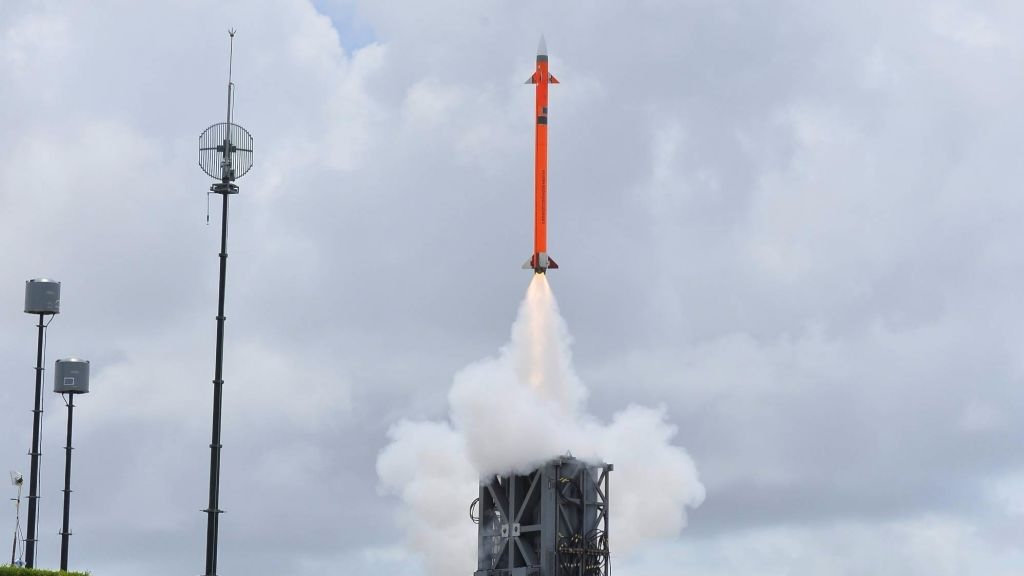
India
India ,IsraelIndia celebrates milestone as it achieves self-sufficiency in ammunition production, signaling a shift towards reducing reliance on imports for defense needs. With 150 out of 175 ammunition types now sourced domestically, the Indian Army plans to procure solely from Indian vendors, fostering indigenous manufacturing and bolstering defense capabilities.Israeli Aerospace Industries (IAI) unwittingly revealed its largest customer — India — to which it exported close to a billion dollars' worth of weapon systems last year (2023).This is down 17 per cent from the year 2022.IAI made this gaffe in its annual reports by listing dates of past transactions with its customers. Although the annual report did not explicitly name India (it mentioned Material Customer A), the dates listed can be matched with past public announcements made by IAI regarding deals with India.For example, the annual report stated, “In October 2018, IAI entered into an agreement with a government company in Material Customer A's country for the joint manufacture and supply of air defence systems totalling $777 million.”This perfectly aligns with IAI’s announcement that month stating that it had entered into an agreement with Bharat Electronics Limited (BEL) to supply the naval Barak 8 surface-to-air missile (SAM) system worth $777 million.Multiple of these announcements can be matched with the listings in the annual reports, such as the further supply of Barak 8 SAM worth $1.6 billion in April 2017, a $550 million deal for the Sky Capture C3 system in October 2018, and many more.In total, India ordered arms worth $953 million last year from IAI, with $94 million for unmanned aerial vehicles (UAVs), $202 million for radars and electronic warfare (EW), and $631 million for missiles.India is the world’s largest importer of arms with Russia being its largest supplier, closely followed by France, the US, and then Israel.However, India’s domestic ammunition manufacturing ecosystem is now rising to the occasion.Just yesterday (8 May), Indian Army’s ADG (Procurement) Major General V K Sharma announced that India has become self-sufficient in domestic ammunition production, with the army planning to order ammunitions only from Indian vendors.Maj Gen Sharma stated, “In the next financial year (2025-26), we will not have any import of ammunition, other than in cases where the quantity is too low and it is not economical for the industry to manufacture them.”According to Maj Gen Sharma, the army has found indigenous suppliers for 150 of the 175 ammunition types in its inventory.The army usually procures Rs 8,000 to Rs 6,000 crore worth of weapons and ammunition, contracts for most of which will now go to Indian suppliers.It appears that the intense efforts of the entire military-industrial ecosystem, including the government of India, Ministry of Defence, all three services, and the private manufacturers, are now bearing fruit.Source - swarajyamag
Read More → Posted on 2024-05-10 05:55:34
India
India MKU Limited and Estonian firm Vegvisir collaborate to integrate cutting-edge Mixed Reality Situational Awareness System (MRSAS) into thousands of Indian armored vehicles, revolutionizing operational capabilities and enhancing crew safety.MKU Limited, a renowned provider of defense solutions, has joined hands with Estonian company Vegvisir to introduce a groundbreaking advancement in India's defense sector. This collaboration was formalized during the Vibrant Gujarat Global Summit and signifies a significant step forward in the Indo-Estonian partnership, particularly in the realms of technology and economy.The centerpiece of this partnership is Vegvisir's Mixed Reality Situational Awareness System (MRSAS), set to be integrated into thousands of Indian armored vehicles. This cutting-edge system revolutionizes how vehicle crews perceive and interact with their surroundings, offering a host of features tailored to enhance operational efficiency and crew safety.One of the standout features of MRSAS is its 360-degree virtual dome, providing operators with a comprehensive real-time view of their environment. Live data overlays further augment decision-making by projecting battlefield information directly into the operator's field of view. Additionally, the system's 'See-Through-the-Armour' capability visualizes obstacles and threats, significantly improving situational awareness.The modular and reliable design of MRSAS allows for customization to meet specific requirements while ensuring resilience in challenging conditions. Moreover, its multi-spectrum, NATO-compliant nature facilitates interoperability with existing Indian systems and those of potential NATO allies, further enhancing India's defense capabilities.This strategic partnership aims to equip over 10,000 Indian Main Battle Tanks, Infantry Fighting Vehicles, and Armored Personnel Carriers with MRSAS technology. By doing so, MKU is playing a pivotal role in India's quest for self-reliance in defense technology, aligning with the nation's vision for a secure and self-sufficient future.Neeraj Gupta, Managing Director of MKU Limited, emphasized the importance of the partnership, stating, "Our collaboration with Vegvisir underscores our commitment to empowering our defense forces with indigenous solutions. We are dedicated to strengthening global collaborations and contributing to our nation's self-reliance in defense technology."Prachi Gupta, CEO of Netro Optronics at MKU, echoed this sentiment, highlighting the significance of aligning with the principles of 'Make in India' and Atmanirbharta. She emphasized the transformative impact of the collaboration, emphasizing its role in bolstering India's defense capabilities and fostering a secure future.Overall, the MKU-Vegvisir partnership represents a significant milestone in India's journey towards advanced defense capabilities. With MRSAS technology at its core, Indian armored forces are poised to gain a decisive advantage on the battlefield, enabling informed decisions, ensuring crew safety, and enhancing overall operational effectiveness.
Read More → Posted on 2024-05-09 15:40:37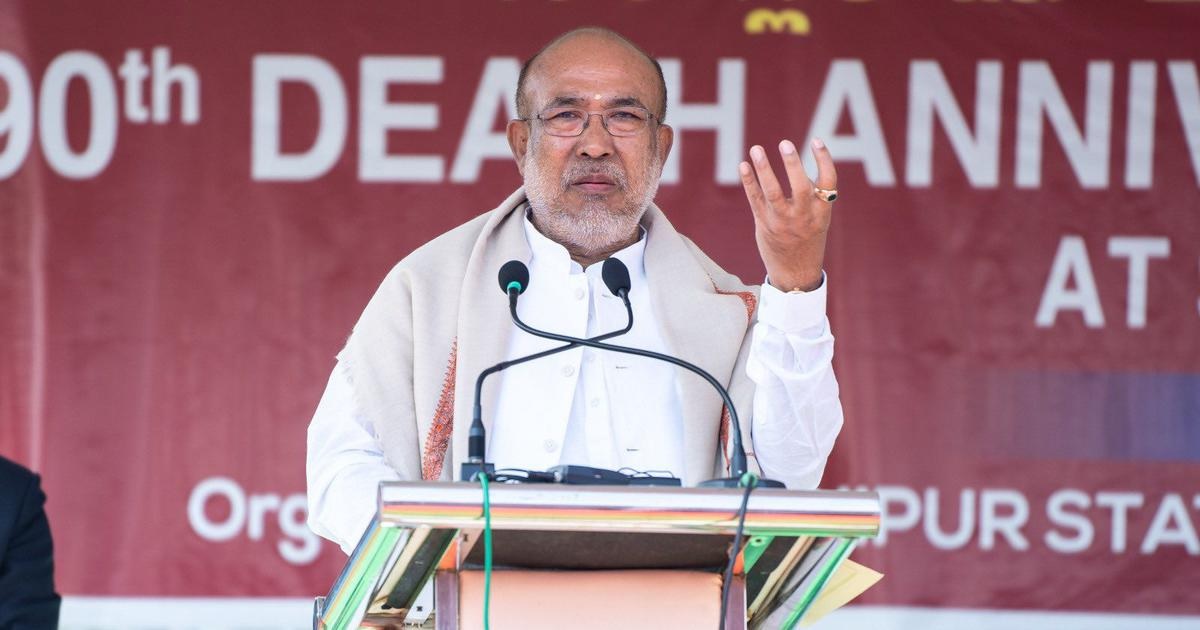
India
India The Manipur government detects and begins deportation procedures for 5,457 illegal immigrants in Kamjong district, ensuring humane treatment and providing aid. Chief Minister N Biren Singh underscores sensitivity and compassion in handling the situation, exemplifying responsible governance.In a significant move, the Manipur government has identified and initiated measures for the deportation of 5,457 illegal immigrants found in the Kamjong district. Chief Minister N Biren Singh disclosed that steps are being taken to address this issue while ensuring the welfare of those affected.A key aspect of the government's response has been the collection of biometric data from 5,173 individuals among the detected illegal immigrants. Efforts are also underway to obtain biometrics from those residing in Phaikoh, Huimi Thana, and Sangkalok refugee camps.Chief Minister Singh emphasized the government's commitment to handling the situation with utmost sensitivity. Despite the complexities involved, the administration has been providing humanitarian aid to all identified illegal immigrants, underscoring a compassionate approach to the issue.Earlier this month, 38 more illegal immigrants from Myanmar were deported through Moreh town in Tengnoupal district. This deportation follows a previous phase where 77 individuals were similarly repatriated.The government's actions reflect a balance between upholding legal standards and recognizing the human dimension of the situation. By addressing the issue of illegal immigration in a humane manner, Manipur sets an example of responsible governance guided by compassion and respect for human dignity.
Read More → Posted on 2024-05-09 15:10:40Search
Top Trending in 24 Hours
-
 NASA Suspends Science Operations on Perseverance Rover and Mars Odyssey After Hardware Failures
-
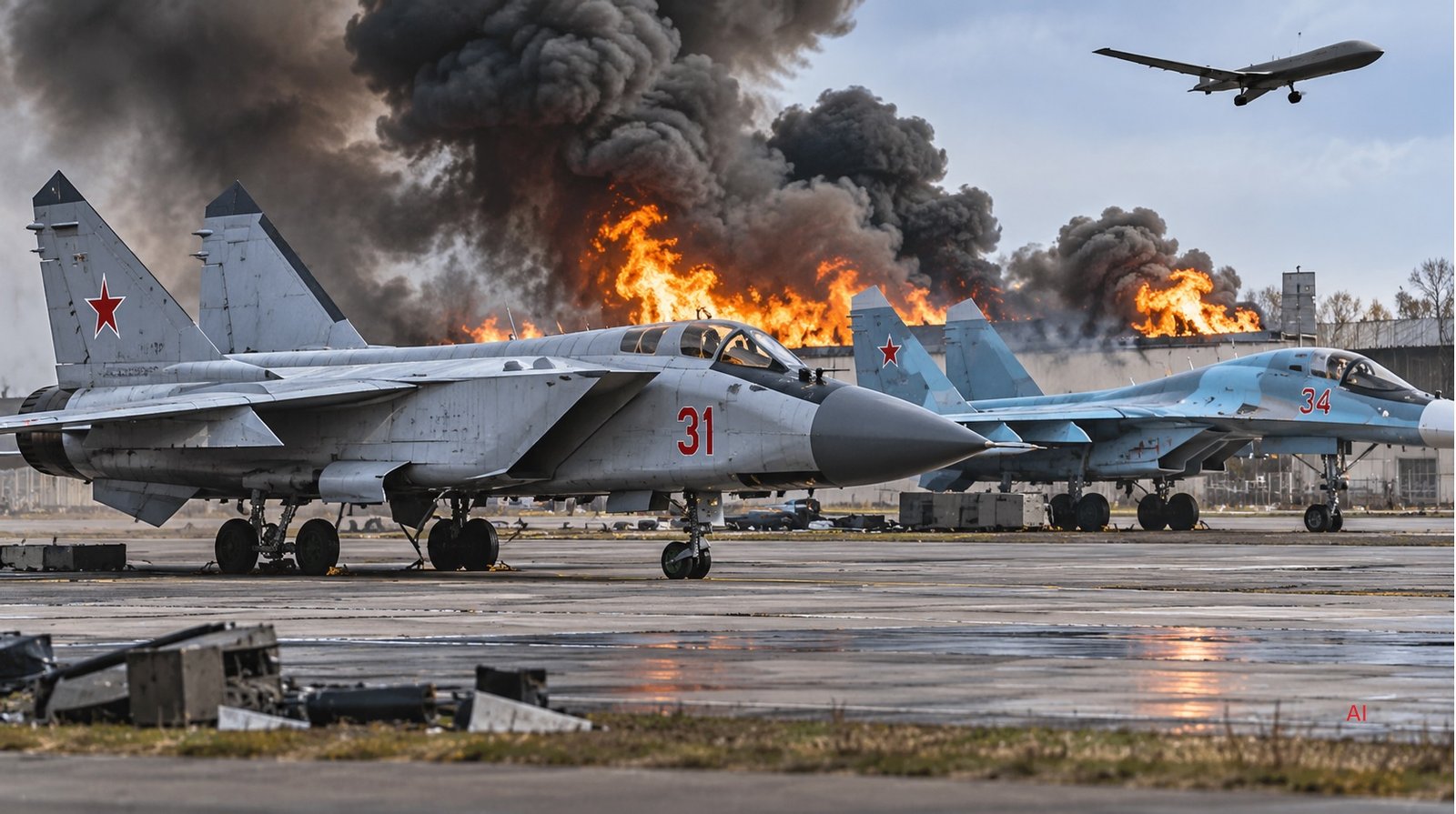 Ukraine Strikes Five Russian Warplanes, Including Three Kinzhal-Capable MiG-31s at Savasleyka Airbase
-
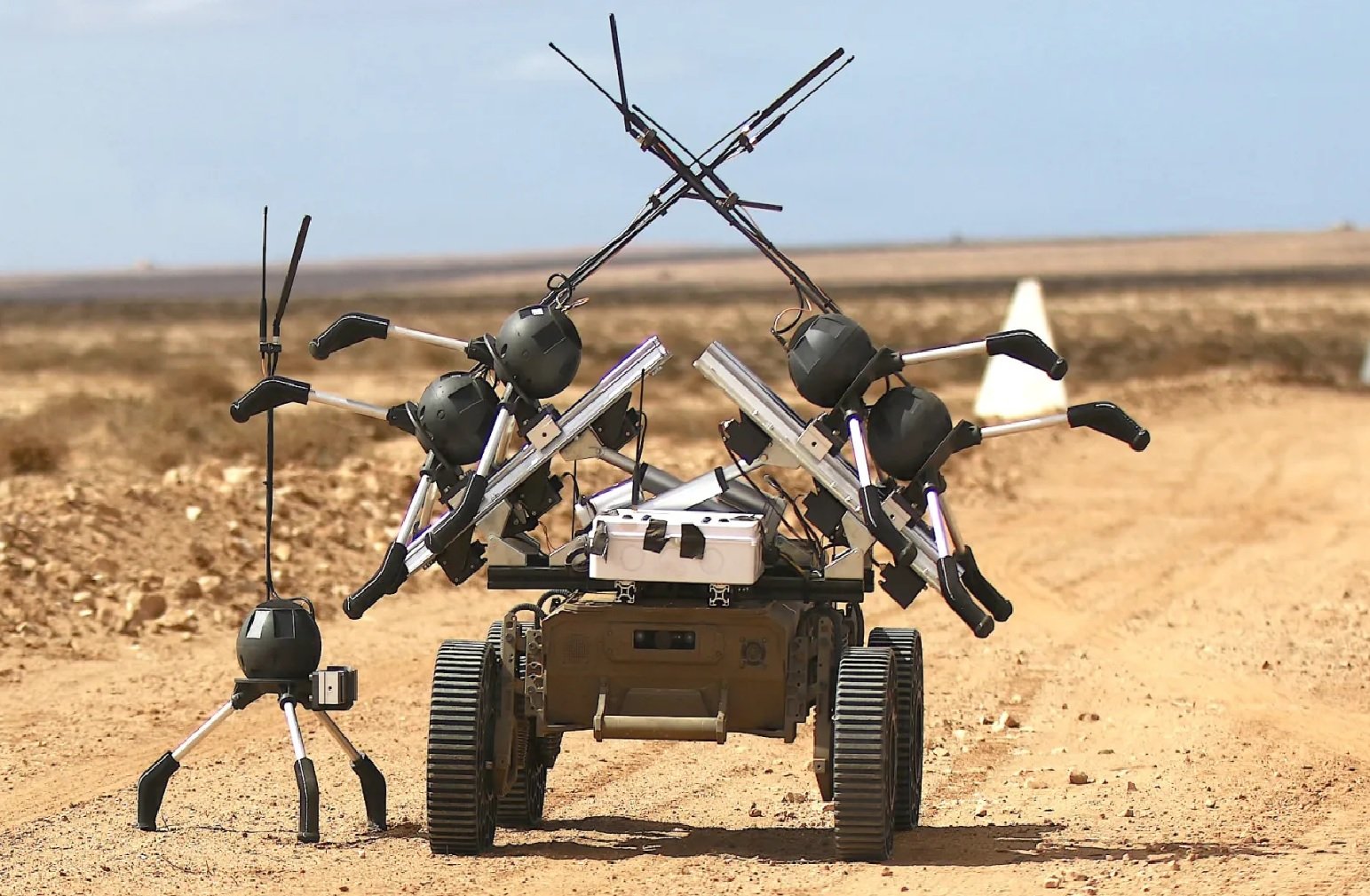 U.S. Army Tests FireAnt Robotic Vehicle to Deploy Drone-Detection Sensors in Morocco
-
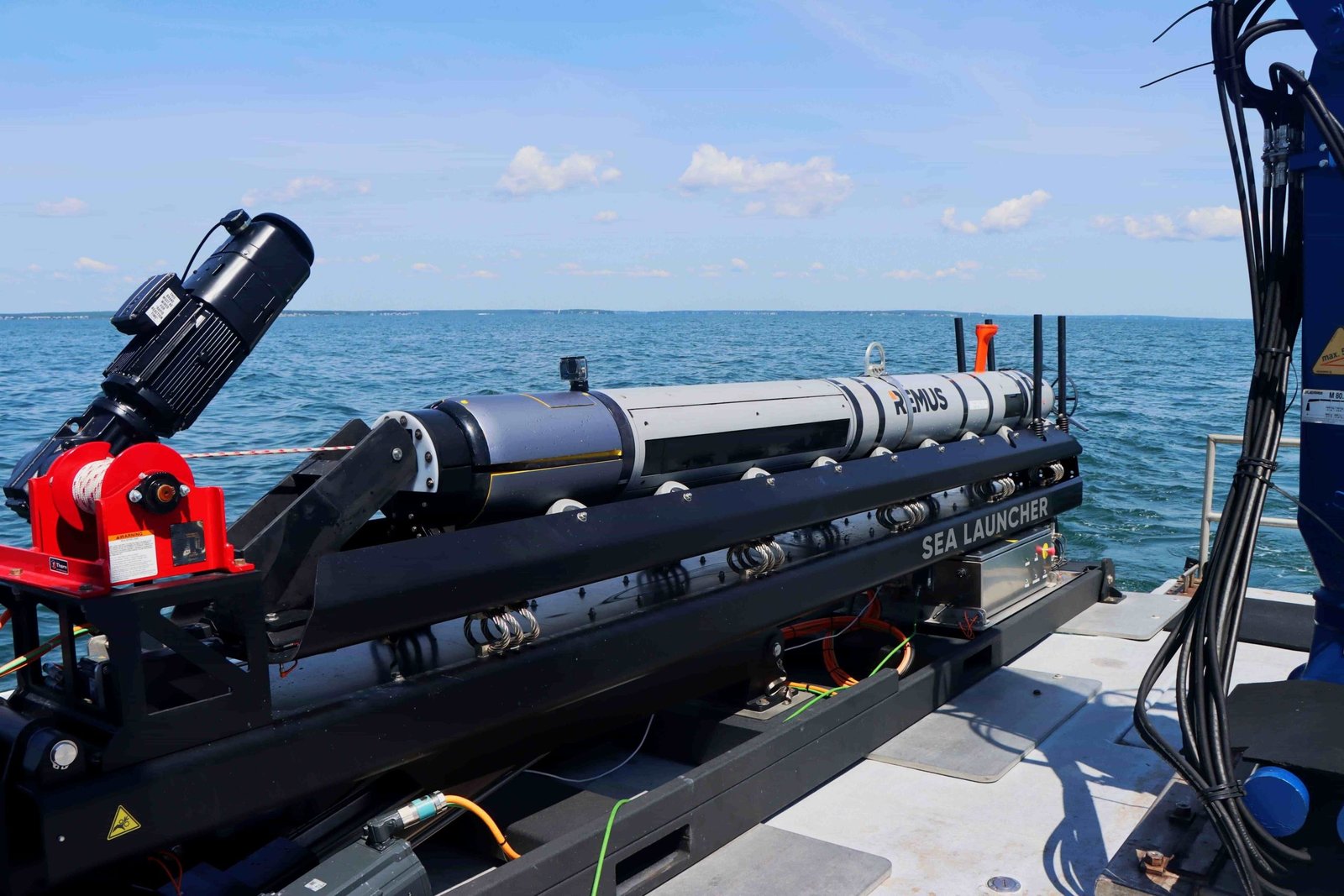 UK Awards HII £142 Million Contract for REMUS 620 Underwater Vehicles for Royal Navy Mine-Hunting Programme
-
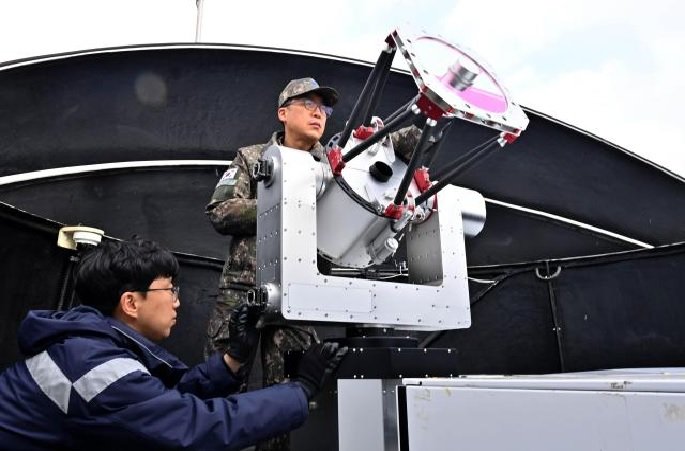 South Korea’s Air Force Deploys New Space Weather Warning System to Monitor Solar Activity and Protect Military Operations
-
 UK Supplied Fake 'Enhanced C-4' Explosives for Ukrainian Drones, Investigation Reveals
-
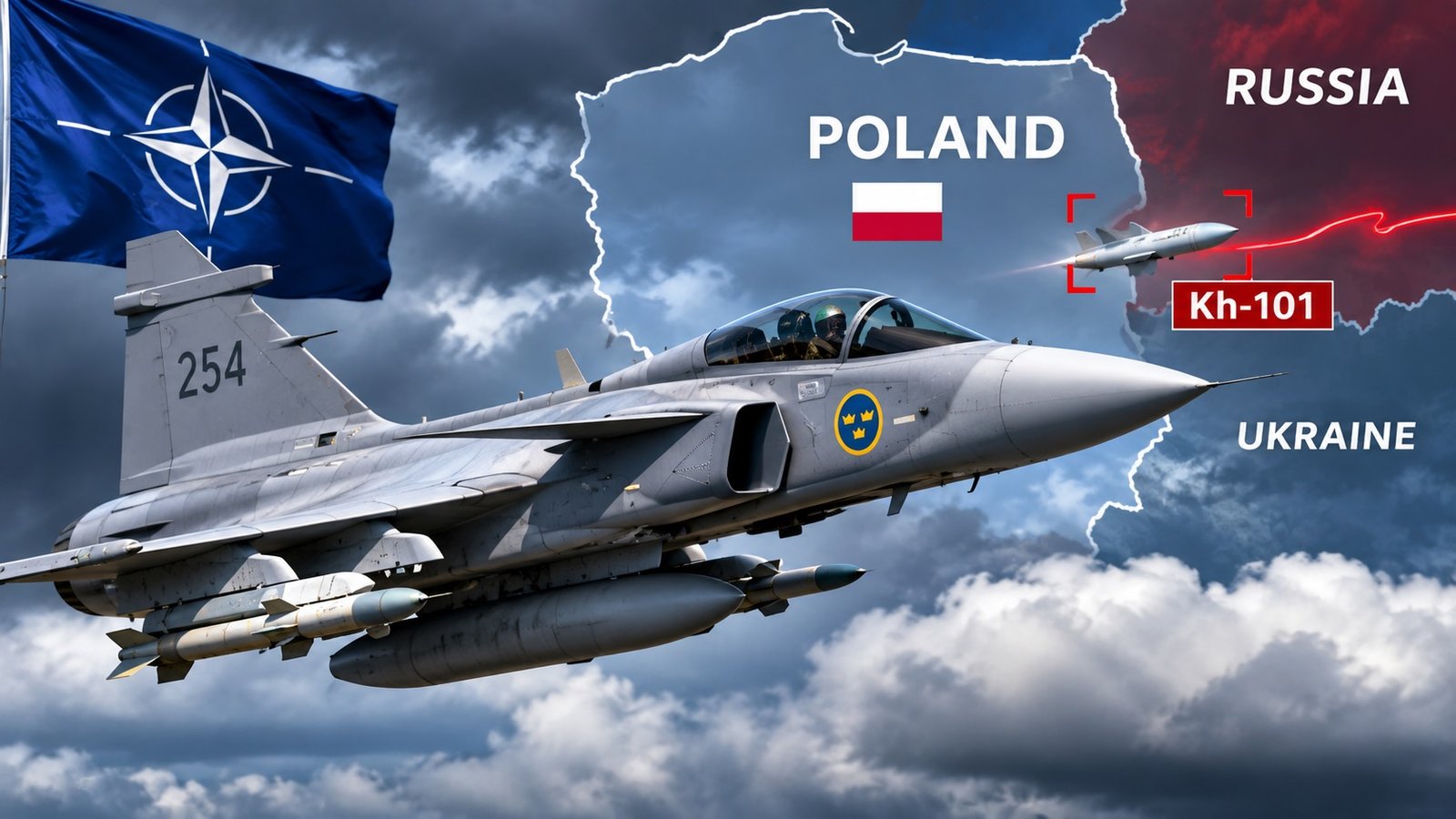 Swedish Gripen Fighter's Capabilities Questioned After Pilot Fails to Engage Suspected Russian Missile Over Poland
-
 Israeli Elbit Systems Wins Five-Year Contract to Equip Four German Navy F128 Frigates With Electronic Warfare Systems
Top Trending in 4 Days
-
 Two Injured in Bahrain After Iranian Attacks; Iran Claims Strike on US Patriot Radars
-
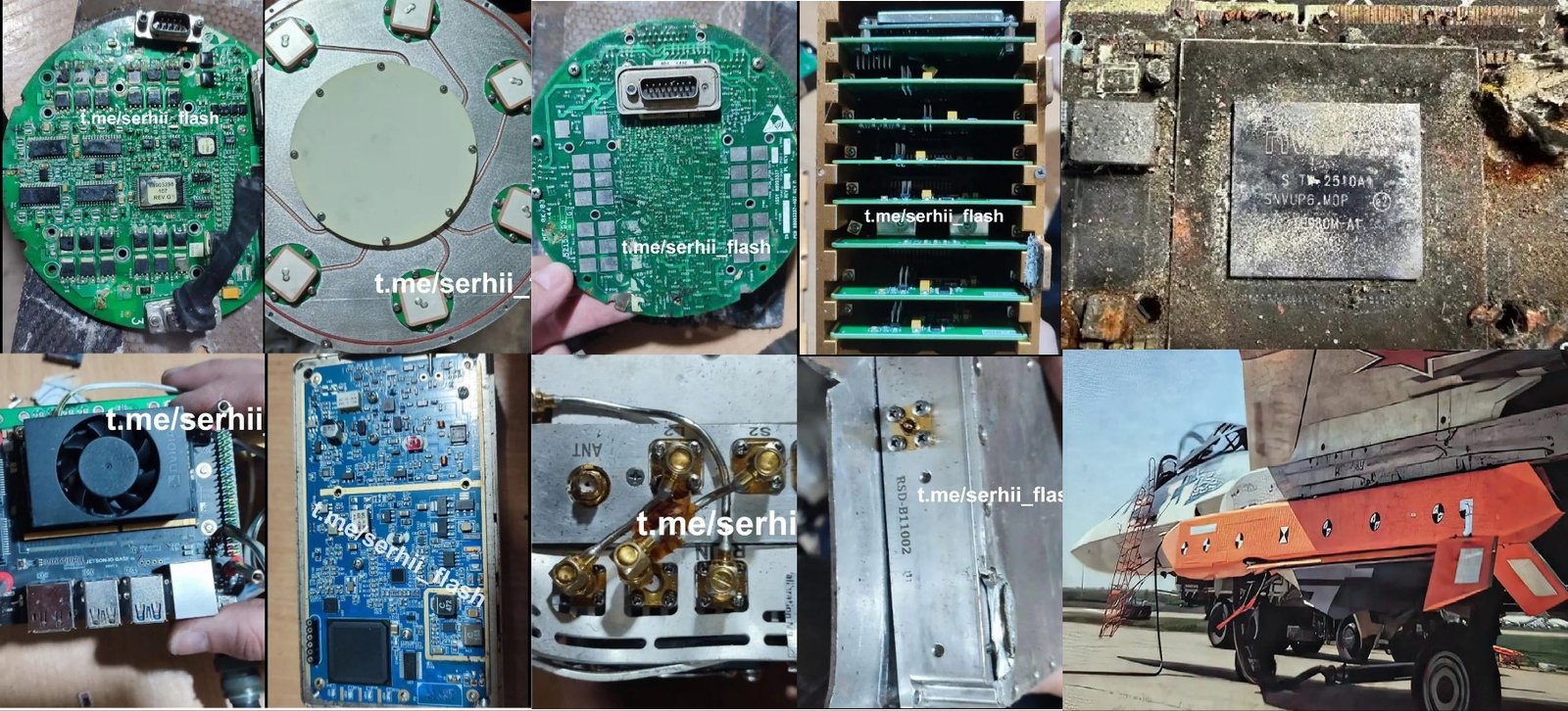 Russian Drones and Cruise Missiles Found Using Civilian NVIDIA AI Chips in Ukraine
-
 Russian Corvette Merkury Almost Certainly Destroyed in Benghazi Port Explosion
-
 Western Intelligence Warns Russia Could Launch Nuclear-Armed Satellite as Early as December
-
 IG Defence Successfully Test-Fires JWALA MK-1 Counter-Drone Missile at Pokhran
-
 U.S. Awards Lockheed Martin $330.6 Million Contract for Long-Lead Materials Supporting 75 F-35 Lot 22 Aircraft
-
NASA Suspends Science Operations on Perseverance Rover and Mars Odyssey After Hardware Failures
-
 Chinese Military Warns U.S. AI Could Threaten China’s Nuclear Missile Survivability