
India
India India's Bharat Dynamics Limited is set to test its latest creation, the Takshak torpedo, a cutting-edge advancement poised to enhance the country's naval defense capabilities significantly. Equipped with state-of-the-art technology, including GPS-based guidance and an extended operational range, the Takshak represents India's commitment to indigenous defense innovation.Bharat Dynamics Limited (BDL) is on the brink of a significant milestone in India's naval defense with the imminent testing of its latest creation, the Takshak torpedo. In a recent interview with Bharat Shakti's Editor-in-Chief, Nitin A. Gokhale, BDL's Chairman and Managing Director, Commodore A. Madhavarao (Retd.), shared insights into this groundbreaking weapon.The Takshak represents a notable advancement from its predecessor, the Varunastra HWT, which has long been a cornerstone of India's anti-submarine warfare (ASW) capabilities. With a diameter of 533mm and a length of 6.4 meters, the Takshak is specifically designed for submarine launch, positioning it as a formidable asset beneath the waves.What sets the Takshak apart is its cutting-edge technology. Equipped with a Ring Laser Gyro Inertial Navigation System (RLG INS) and GPS-based guidance, it boasts unparalleled accuracy. Moreover, its extended operational range surpasses that of the Varunastra, enhancing the Indian Navy's ability to detect and neutralize underwater threats.Commodore Madhavarao's announcement that the Takshak is poised for sea trials marks a significant stride forward. Successful trials could pave the way for its integration into the Indian Navy's arsenal, bolstering its capabilities in sub-surface defense.Beyond its tactical implications, the Takshak underscores India's commitment to indigenous defense development. It underscores India's transition from being a consumer to a producer of cutting-edge defense technology. As the world watches, the Takshak stands as a testament to India's growing prowess in defense innovation.In conclusion, the impending sea trials of the Takshak herald a new chapter in India's naval defense capabilities. With its advanced features and indigenous development, the Takshak is poised to elevate India's position as a formidable maritime power in the Indian Ocean region and beyond. Stay tuned for further updates on this exciting development.
Read More → Posted on 2024-05-14 14:57:59
India
India India accelerates defense capabilities by launching BrahMos missile production in Lucknow, aiming for self-reliance and bolstering strategic defenses with the advanced BrahMos-NG variant.India takes a significant step forward in enhancing its defense capabilities with the recent announcement by Defense Minister Rajnath Singh regarding the commencement of BrahMos missile production in Lucknow from 2026. This move marks a crucial milestone in India's journey towards achieving self-reliance in defense manufacturing.The BrahMos missile, a result of collaboration between India’s Defence Research and Development Organisation (DRDO) and Russia’s NPO Mashinostroyeniya, is renowned for its precision strike capabilities and supersonic speed. By establishing a BrahMos missile production plant in Lucknow, India aims to substantially increase its production capacity, thereby reducing its reliance on imports and strengthening its strategic defense capabilities.A noteworthy aspect of this announcement is the incorporation of the BrahMos-NG (Next Generation) missile into the production plans. The BrahMos-NG, currently in the developmental phase, is anticipated to be a lighter, faster, and more adaptable version of the original BrahMos missile.The commencement of BrahMos missile production in Lucknow, scheduled to begin in 2026, signifies a significant stride towards bolstering India’s defense manufacturing capabilities. Furthermore, the addition of BrahMos-NG production, expected to commence in 2027, heralds a new era in India’s defense technology landscape.The advanced features and capabilities of the BrahMos-NG missile are poised to elevate India’s deterrence capabilities and provide a decisive edge in modern warfare scenarios. With its increased range, speed, and precision, the BrahMos-NG is anticipated to play a pivotal role in safeguarding India’s national security interests.India's initiative to produce BrahMos missiles domestically underscores its commitment to enhancing indigenous defense manufacturing capabilities. This move not only contributes to the country's self-reliance goals but also strengthens its position as a significant player in the global defense arena.In conclusion, the commencement of BrahMos missile production in Lucknow represents a significant milestone in India's journey towards bolstering its defense capabilities and achieving self-reliance in defense manufacturing. With the inclusion of BrahMos-NG production, India is poised to embrace cutting-edge technology and reinforce its position as a formidable force in the realm of defense.
Read More → Posted on 2024-05-14 03:19:09
India
India ,U.S India signs a decade-long agreement with Iran to operate the Chabahar Port, bolstering regional trade despite US sanctions warnings. The deal underscores India's commitment to enhancing connectivity and economic cooperation in the region.India recently inked a significant deal with Iran to operate the Chabahar Port for the next decade, marking a pivotal milestone in their bilateral relations. The agreement, signed between Indian Ports Global Limited (IPGL) and Iran's Port & Maritime Organisation (PMO), solidifies India's commitment to enhancing regional connectivity and trade routes.The Chabahar Port, situated in Iran, holds strategic importance as a crucial transit point for trade between India, Afghanistan, and Central Asian nations. Over the years, India has actively invested in the port's infrastructure to facilitate smoother movement of goods and strengthen economic ties with its neighboring countries.Under the terms of the agreement, IPGL will invest around USD 120 million in equipping and operating the port during the ten-year period. Additionally, India has extended a credit line of USD 250 million for collaborative projects aimed at improving Chabahar's infrastructure further.Despite the positive momentum generated by this partnership, the United States has cautioned against engaging in business ventures with Iran due to ongoing sanctions. Vedant Patel, the Principal Deputy Spokesperson of the US State Department, emphasized the importance of understanding the potential risks associated with such dealings.While reaffirming the US stance on maintaining sanctions against Iran, Patel acknowledged India's prerogative in determining its foreign policy goals and bilateral relationships. He underscored the need for entities considering business deals with Iran to weigh the potential consequences of violating existing sanctions.India's decision to proceed with the Chabahar Port agreement reflects its commitment to regional development and economic cooperation, despite external pressures. By enhancing connectivity through projects like Chabahar, India aims to foster trade relations and promote stability in the region.The long-term lease agreement not only strengthens the partnership between India and Iran but also instills confidence among traders and stakeholders in the viability of Chabahar as a key trade route. As India continues to invest in infrastructure and forge alliances, the Chabahar Port project stands as a testament to its dedication to fostering inclusive growth and connectivity in the region.In conclusion, the signing of the Chabahar Port agreement signifies a significant step forward in India's pursuit of enhancing regional connectivity and trade. While challenges persist, the enduring partnership between India and Iran underscores the potential for mutually beneficial collaborations despite external pressures.
Read More → Posted on 2024-05-14 03:04:32
India
India Lieutenant General N.S. Raja Subramani inspects Shatrujeet Brigade, focusing on their operational readiness and showcasing cutting-edge technologies like the British-made Pholo precision strike drone, highlighting advancements in the Indian Army's capabilities.Lieutenant General N.S. Raja Subramani, the General Officer Commanding-in-Chief (GOC-in-C) of Surya Command, recently paid a visit to the Shatrujeet Brigade and Agra Military Station. The purpose of this visit was to assess the Brigade's operational readiness and showcase the Indian Army's integration of advanced technologies.During his inspection, Lt. Gen. Subramani thoroughly examined the combat capabilities of the Shatrujeet Brigade and evaluated their preparedness for various operational scenarios. The visit also shed light on the incorporation of next-generation technologies into the Brigade's operations.One of the notable technologies showcased during the visit was the Robotic Mules. These innovative machines are designed to lighten the load for soldiers during deployments, thereby enhancing their mobility and efficiency. Additionally, Logistic Drones were highlighted for their role in streamlining supply transportation, making logistics operations more effective and timely.However, what garnered significant attention from observers, particularly netizens, was the British-made Pholo - a precision strike Unmanned Aerial System (UAS). The Pholo represents a leap forward in weapons technology, boasting features that elevate its performance and usability.One of its key attributes is its low acoustic signature, achieved through the use of larger counter-rotating propellers. This feature makes it incredibly difficult to detect, enhancing its effectiveness in covert operations. Furthermore, its portability and ease of use are underscored by its ability to disassemble into three parts for convenient transport.The Pholo's custom flight control system enables direct operator control, ensuring mission completion even in GPS-denied environments. Its open-architecture design allows for swift reconfiguration and mission-specific programming, adapting to the dynamic nature of modern warfare.Weighing under 6.5kg, the Pholo offers several tactical advantages. Its ability to facilitate covert operations with minimal operator workload enhances situational awareness on the battlefield. Moreover, its capability for beyond-line-of-sight targeting expands the reach of military operations, bolstering strike capabilities.The mesh networking feature of the Pholo further extends its operational range, allowing multiple units to connect and collaborate seamlessly. This not only enhances system control but also enables coordinated missions beyond the limitations of a single radio link.In conclusion, the integration of advanced technologies like the Pholo into the Indian Army Special Forces arsenal exemplifies its commitment to modernizing its capabilities. These advancements not only enhance operational effectiveness but also ensure that the Indian Army remains at the forefront of defense innovation, ready to meet the challenges of the 21st century battlefield.
Read More → Posted on 2024-05-14 02:59:22
India
India ,Pakistan Union Home Minister Amit Shah criticizes opposition leaders' remarks on Pakistan's nuclear arsenal during an election rally in Uttar Pradesh's Pratapgarh, emphasizing BJP's commitment to national security ahead of the upcoming Lok Sabha elections.Union Home Minister Amit Shah has stirred a debate during an election rally in Uttar Pradesh's Pratapgarh by criticizing the opposition's stance on Pakistan's nuclear capabilities. Shah targeted Congress leader Mani Shankar Aiyar and Jammu and Kashmir National Conference (NC) leader Farooq Abdullah for their recent remarks regarding Pakistan's possession of atomic weapons.During his speech, Shah referenced a viral video featuring Mani Shankar Aiyar, where Aiyar suggested that India should accord respect to Pakistan due to its possession of nuclear arms. Aiyar's comments raised concerns about the potential repercussions if these weapons were misused. However, the Congress party distanced itself from Aiyar's remarks, emphasizing that the video was from several months ago.Similarly, Farooq Abdullah, in response to Defence Minister Rajnath Singh's statements about integrating Pakistan Occupied Kashmir (POK) with India, cautioned about Pakistan's potential retaliation, mentioning the threat of "atom bombs."Amit Shah emphasized the BJP's resolve to address key issues, outlining the party's objectives for the upcoming elections. He reiterated the goals of securing a third term for Prime Minister Narendra Modi, ensuring victories for the Bharatiya Janata Party (BJP) in Uttar Pradesh, and supporting the candidacy of Vinod Kumar Sonkar for the Kaushambi Lok Sabha seat.The remarks made by Shah underscore the ongoing political discourse surrounding national security and territorial integrity. With the Lok Sabha elections in Uttar Pradesh approaching, such discussions are expected to influence voter sentiments.The Kaushambi (SC) Lok Sabha seat is slated for voting in the fifth phase of the elections on May 20, making the statements by political leaders all the more significant in shaping public opinion.In conclusion, Union Home Minister Amit Shah's critique of the opposition's remarks regarding Pakistan's nuclear capabilities highlights the importance of national security discourse in the political landscape of India. As the electoral process progresses, voters will weigh these issues alongside other factors when making their decisions at the ballot box.
Read More → Posted on 2024-05-13 16:41:53
India
India The Indian Army's upgraded T-90S Bhishma tanks, the Bhishma Mk 3, feature automated targeting, digital ballistic computing, and advanced sighting systems, enhancing combat effectiveness and modernizing India's armored capabilities. With over 450 tanks ordered, these upgrades ensure the Indian Army maintains a potent and reliable armored fleet for years to come.The Indian Army has taken delivery of the first batch of upgraded T-90S Bhishma tanks, designated Bhishma Mk 3. This marks a significant step in modernizing India's armored capabilities. Reports suggest an order exceeding 450 tanks.T-90 MkIII rolled out from HVF AvadiThe Bhishma Mk 3 boasts several enhancements over its predecessors:Automated Targeting Capabilities: The upgraded tanks come equipped with a new fire control system that automates target acquisition and tracking. This allows for faster and more accurate engagement in dynamic combat situations.Digital Ballistic Computer: A digital ballistic computer replaces the older analog system, improving firing accuracy by factoring in various environmental conditions like wind speed and temperature.Next-Generation Sighting System: The Bhishma Mk 3 integrates a next-generation sighting system, potentially drawing inspiration from the Arjun Mk 1A. This advanced system provides superior situational awareness for the crew and enhanced target identification capabilities, especially at night or in low-visibility conditions.These upgrades, reportedly influenced by technology from the Arjun Mk 1A, are expected to significantly improve the Bhishma Mk 3's battlefield performance. The upgraded tanks will provide the Indian Army with a potent tool to deter potential adversaries and maintain regional security.While details haven't been officially revealed, it's possible that the Bhishma Mk 3 may also benefit from improvements in armor protection and engine performance. These enhancements would further solidify the tank's position as a formidable fighting machine.The induction of the Bhishma Mk 3 marks a crucial step towards modernizing India's armored fleet. With an order exceeding 450 tanks, this upgrade program will ensure that the Indian Army remains equipped with a powerful and reliable main battle tank for years to come.
Read More → Posted on 2024-05-13 16:36:56
India
India ,France 'Shakti-2024' marks the seventh edition of joint military exercises between India and France, focusing on ground control operations in challenging terrains with the participation of Air Force assets for the first time, reflecting the deepening Indo-French defense ties and commitment to regional security.The seventh edition of the joint military exercise between the Indian and French Armies, known as ‘Shakti-2024’, commenced on Monday at the Eastern Command’s Joint Training Node in Umroi, Meghalaya. This exercise, held alternatively in India and France, will run until May 26, with a focus on training for ground control operations in semi-urban and mountainous terrain under United Nations mandate. Notably, this year’s exercise includes Air Force assets for the first time, alongside Navy and Air Force observers, marking a significant advancement in its complexity compared to previous editions.One key highlight of ‘Shakti-2024’ is the participation of a larger contingent, with twice the number of troops compared to previous exercises. The exercise commenced with a brigade-level command post-exercise, showcasing the depth and intensity of the training involved.The French contingent, consisting of 90 personnel from the elite corps of the French Army known as Legion etrangere (Foreign Legion), brings a wealth of experience and expertise to the exercise. Their involvement underscores the growing collaboration between India and France in the defense sector.This year’s ‘Shakti’ exercise is part of the broader efforts to strengthen Indo-French defense ties, following French President Emmanuel Macron’s State Visit to India earlier in the year. Recent high-level visits, including the official visit of CDS General Anil Chauhan to France and the visits of the French Navy and Army Chiefs to India, have further cemented this cooperation.The exercise also reflects the deepening engagement between the two nations in various domains, including naval exercises and joint military drills. A recent port call by a French frigate, FNS Bretagne, in Kerala, and upcoming naval exercises like ‘Varuna’, demonstrate the growing synergy between the Indian and French armed forces.Defense and security cooperation between India and France have been identified as a cornerstone of their strategic partnership. This was reaffirmed during Prime Minister Narendra Modi’s visit to France in 2023, with the adoption of the Horizon 2047 Roadmap. The aim is to enhance both nations’ sovereignty and strategic autonomy while fostering peace and security in the Indo-Pacific region.Speaking at the opening ceremony of the exercise, Thierry Mathou, Ambassador of France to India, emphasized the unique bond between the two nations, highlighting the reciprocal invitations extended to leaders on their respective National Days. He underscored the aim of the Indo-French defense cooperation to strengthen sovereignty, strategic autonomy, and contribute to peace and security in the Indo-Pacific region.In conclusion, the ‘Shakti-2024’ exercise symbolizes the deepening Indo-French defense cooperation and underscores the commitment of both nations to enhance mutual capabilities and contribute to regional stability.
Read More → Posted on 2024-05-13 16:27:10
India
India ,Nepal Nepal's economic advisor resigns amid controversy over new currency featuring disputed Indian territories, highlighting tensions between the two nations over territorial claims.In a recent development, Nepal's economic advisor, Chiranjivi Nepal, has resigned from his position following a controversy sparked by his remarks regarding the government's decision to issue new hundred-rupee notes featuring a map that includes three Indian territories. The move has already been met with rejection from India.President Ram Chandra Paudel approved Chiranjivi Nepal's resignation, as stated in a press release from the Office of the President. Chiranjivi Nepal expressed his sentiments, explaining, "I made the remarks as an economist and a former governor of the central bank, but some news media have twisted it in an attempt to unnecessarily drag the respectful institution of the president into controversy, which made me feel sad."The new map depicted on the currency includes territories such as Kalapani, Lipulekh, and Limpiyadhura. However, India maintains sovereignty over these areas.Chiranjivi Nepal clarified his stance, saying, "My intention in the statement was just to make people aware as a conscious citizen that such acts could create practical problems for the country and the people at a time when discussions are underway at diplomatic levels."The decision to print the new hundred-rupee notes with the revised map was made during a Cabinet meeting, despite criticism from various quarters. CPN-UML chairman and former Prime Minister KP Sharma Oli, along with a group of civil society leaders, expressed disapproval of Chiranjivi Nepal's remarks, arguing that they were against national interest and breached decorum.Nepal's government had previously unveiled a new political map in May 2020, including Lipulek, Kalapani, and Limpiyadhura within its territory. This decision was backed by the Parliament but faced objection from India.India's External Affairs Ministry stated, "This artificial enlargement of claims is not based on historical fact or evidence and is not tenable. It is also violative of our current understanding to hold talks on outstanding boundary issues."External Affairs Minister S Jaishankar voiced dissatisfaction with Nepal's decision to issue the new notes, emphasizing that it would not alter the ground situation.Nepal shares a border of over 1,850 km with five Indian states – Sikkim, West Bengal, Bihar, Uttar Pradesh, and Uttarakhand.The resignation of Chiranjivi Nepal underscores the complexities surrounding diplomatic relations and territorial disputes between Nepal and India. The incident highlights the importance of thoughtful dialogue and diplomacy in addressing sensitive issues while upholding national interests and international norms.
Read More → Posted on 2024-05-13 16:14:49
India
India India's CSIR-NAL celebrates Technology Day by achieving a record-breaking altitude of 25,000 feet with its solar-powered High Altitude Pseudo Satellite, marking a significant milestone in aerial technology advancements.India celebrated its Technology Day with a remarkable feat in aerial technology as the Council of Scientific and Industrial Research-National Aerospace Laboratories (CSIR-NAL) achieved a record-breaking altitude of 25,000 feet above sea level with its High Altitude Pseudo Satellite (HAP) vehicle.What are HAPs?HAPs, or High Altitude Pseudo Satellites, are not your typical drones. These aircraft are designed to fly in the stratosphere, a layer of the atmosphere above where commercial airplanes fly. They are powered by solar cells and advanced batteries, allowing them to stay in the air for long periods, making them a cost-effective alternative to traditional satellites.CSIR-NAL's Success:The successful test flight of CSIR-NAL's HAP showcases India's growing expertise in developing advanced aerial technology. Reaching such high altitudes opens up possibilities for various applications like telecommunications, surveillance, and environmental monitoring.Future Plans:Having achieved this milestone, CSIR-NAL aims to enhance the capabilities of their HAP further. They plan to improve flight durations, increase payload capacity, and integrate advanced sensors and communication systems. The goal is to develop a fully operational system that can contribute to scientific and commercial endeavors.India's Ambitions:This achievement not only demonstrates CSIR-NAL's technological prowess but also reflects India's ambitions in aerospace innovation. As India continues to invest in research and development, more groundbreaking advancements can be expected in the future.A Glimpse into the Future:CSIR-NAL's successful high-altitude flight with the HAP signifies India's commitment to pushing the boundaries of technological innovation. As HAPs become more sophisticated and accessible, they have the potential to revolutionize various industries and benefit society as a whole.
Read More → Posted on 2024-05-13 16:08:17
India
India ,Iran India to sign a historic agreement with Iran, taking operational control of Chabahar Port for 10 years, marking a pivotal moment in regional connectivity and trade dynamics.In a significant move amidst escalating geopolitical tensions, India is poised to sign an agreement with Iran to take over the management of the Chabahar Port for the next decade. The Economic Times reports that Shipping Minister Sarbananda Sonowal is slated to travel to Iran for the signing ceremony on Monday.This development marks a historic milestone as it will be the first time India assumes operational control of a port beyond its borders. Chabahar Port holds strategic importance for India, serving as a crucial gateway to Afghanistan, Central Asia, and the wider Eurasian region. It is seen as a key counterbalance to Pakistan's Gwadar port and China's expansive Belt and Road Initiative.The agreement comes at a crucial juncture, as India aims to bolster its connectivity with Afghanistan and Central Asia while reducing dependence on Pakistan. Plans are underway to integrate Chabahar Port with the International North South Transport Corridor (INSTC), offering India alternative trade routes amidst disruptions in the region.The Ministry of External Affairs approved a proposal by India Ports Global in April to take charge of operations at Myanmar's Sittwe Port, further solidifying India's maritime presence in the Bay of Bengal.The timing of Sonowal's visit to Iran, amid ongoing election campaigns, underscores the significance of the impending pact. The agreement, which has been in negotiation for years, is set to empower India with operational control of Chabahar Port, which it has supported financially for expansion.Chabahar Port has been a focal point of discussions between Indian and Iranian leadership, with Prime Minister Narendra Modi and President Ebrahim Raisi highlighting its importance during various diplomatic engagements. The new agreement is poised to replace the original contract signed in 2016 during Modi's visit to Iran, with a validity period of 10 years, extendable automatically.As global trade routes face disruptions due to the West Asia crisis, India's move to assume control of Chabahar Port signifies its commitment to strengthening regional connectivity and securing vital trade corridors.In conclusion, India's upcoming agreement with Iran to manage Chabahar Port marks a significant step towards enhancing its strategic presence in the region and ensuring uninterrupted access to key markets.
Read More → Posted on 2024-05-13 15:22:39
India
India ,Maldives Maldives Defense Minister acknowledges lack of pilots for Indian-donated aircraft, amid strained relations; plans underway for training local pilots to fill the gap.In a recent revelation, Maldives Defence Minister Ghassan Maumoon acknowledged the absence of qualified pilots within the Maldives National Defense Force (MNDF) capable of operating three aircraft donated by India. This admission comes amidst the withdrawal of 76 Indian defence personnel from the Maldives, following President Mohamed Muizzu's directive.Speaking at a press conference held at the President’s Office, Ghassan disclosed that despite previous training efforts initiated by past administrations, no Maldivian soldiers have attained the necessary licensing or proficiency to fly the two helicopters and Dornier aircraft provided by the Indian military. These training programs were aimed at building local capacity but faced challenges leading to incomplete training for Maldivian soldiers.The strained relations between the Maldives and India escalated when President Muizzu, known for his pro-China stance, demanded the withdrawal of all Indian military personnel operating the aviation platforms by May 10. India has complied with this request by withdrawing its military personnel, leaving a void in operational expertise for the donated aircraft.Contrary to current statements, during their time in opposition, senior officials of the present administration criticized the previous government's handling of military aviation capabilities. They claimed that capable pilots existed within the MNDF, which now appears to be not the case.The training of Maldivian pilots was the primary objective behind the deployment of Indian soldiers to operate the helicopters and Dornier aircraft, which were donated during different administrations. However, despite ongoing efforts, the completion of training remains elusive.Foreign Minister Zameer has indicated that the agreement to replace Indian soldiers with civilians also includes provisions for training local pilots. This signals a commitment from both sides to address the deficiency in pilot expertise and ensure the sustainable operation of the donated aircraft in the future.In light of these developments, the Maldives government underscores its commitment to strengthening its military capabilities while maintaining cooperative relations with strategic partners. Efforts to train local pilots will be crucial in ensuring the effective utilization of the donated aircraft for national security and emergency response purposes.As the Maldives navigates its military aviation challenges, collaboration with international partners, including India, will continue to play a pivotal role in enhancing its defence capabilities and safeguarding its territorial integrity.
Read More → Posted on 2024-05-13 15:02:59
India
India Central paramilitary forces adopt beekeeping model pioneered by BSF in West Bengal to boost employment and security along India's international borders.In a bid to enhance employment opportunities in border areas while strengthening security measures, the Union home ministry has directed various central paramilitary and allied forces to replicate a successful beekeeping model pioneered by a BSF unit in West Bengal. This initiative aims to foster goodwill among local communities and deter criminal activities along India's international borders.The model, developed and implemented by the 32nd battalion of the Border Security Force (BSF) stationed in Nadia district, West Bengal, garnered praise during a recent meeting chaired by Union Home Secretary Ajay Bhalla. Following the meeting, all central armed police forces (CAPFs) have been tasked with adopting this beekeeping approach in their respective regions of responsibility.While some border guarding forces like the Sashastra Seema Bal (SSB) and the Indo Tibetan Border Police (ITBP) do not have physical fences, they can still implement similar initiatives tailored to their specific duties. The overarching goal is to leverage local resources and community engagement to bolster security efforts.The primary objective of replicating the BSF West Bengal beekeeping model is twofold: to generate employment opportunities in remote border regions and cultivate positive relationships with local residents, who serve as crucial allies in maintaining security. By involving locals in productive activities, such as beekeeping and horticulture, the initiative aims to mitigate the allure of criminal involvement driven by limited livelihood options.Initiated in November last year, the BSF unit in Nadia has installed nearly 200 beehives along the India-Bangladesh border fence. This strategic placement not only serves as a deterrent to border crimes like smuggling but also provides a source of income for participating communities. Additionally, efforts are underway to plant flowering and fruit-bearing plants to sustain honeybee populations and support trade activities.Commandant Sujeet Kumar, the commanding officer of the BSF battalion, emphasized the direct correlation between economic opportunities and border security. Recognizing the need to address root causes of trans-border crimes, the 'beehives on fence' initiative aims to empower local populations through sustainable livelihoods.Collaborating with the Ayush ministry, the BSF has procured herbal and aromatic plants to complement the beekeeping initiative. This integration aligns with the government's broader agenda, including the vibrant village programme (VVP), which seeks to engage border communities in productive ventures to curb migration and enhance internal security.Since the inception of the 'beehives on border fence' model, over 100,000 saplings have been planted in Nadia's border area through joint efforts involving BSF personnel, the Ayush ministry, and local volunteers. This collective endeavor underscores the commitment of security forces to not only safeguard the nation's borders but also uplift the socio-economic well-being of border communities.In conclusion, the adoption of the BSF West Bengal beekeeping model by various central paramilitary and allied forces signifies a proactive approach towards addressing security challenges while promoting sustainable development in border regions. By harnessing the potential of beekeeping and horticulture, these initiatives aim to create a win-win situation for both security agencies and local communities, fostering a safer and more prosperous border environment.
Read More → Posted on 2024-05-12 16:19:23
India
India , Russia Russian exporters leverage idle funds in Indian rupees to purchase $4 billion worth of Indian defence equipment and other imports, facilitated by Vostro accounts, amid efforts to enhance bilateral trade ties with India.In recent developments, Russian exporters engaging in trade with India have made significant transactions amounting to nearly $4 billion. These transactions encompassed the procurement of Indian-made defence equipment, armaments, and other imports, alongside investments in Indian securities. These expenditures were made possible through funds that had been dormant in their Vostro accounts.Vostro accounts serve as a pivotal mechanism to facilitate trade between Russia and India, leveraging the Indian rupee for transactions. Managed by domestic banks on behalf of foreign counterparts, these accounts enable various trade-related activities, including forex settlements, cross-border payments, and investments in different markets.Until October, Russian exporters had approximately $8 billion resting in Vostro accounts, intended to bolster trade ties between the two nations. However, due to limited investment opportunities within India, a substantial portion of these funds remained unutilized.Reports indicate that in the span of just six months, around 50% of the funds held in Vostro accounts were deployed for various trade-related purposes. While the exact figures remain elusive due to the complexity of transactions, insiders familiar with the matter confirm a significant utilization of funds during this period.The Reserve Bank of India (RBI) had earlier sanctioned the opening of Special Rupee Vostro Accounts (SRVAs) for 20 banks operating in India, thereby facilitating bilateral trade in local currencies with partner banks from 22 countries, including Russia. This initiative aimed to streamline trade transactions and enhance economic cooperation between India and its international counterparts.The surge in rupee deposits in Russian Vostro accounts correlates with India's heightened imports of affordable Russian crude oil amidst Western sanctions on Moscow. Russia's substantial contributions to India's crude oil supply further solidify their economic ties.Moreover, Russian funds in Indian rupees have found their way into investments in Indian government treasury bills. However, regulatory restrictions prohibit such funds from being invested in corporate debt instruments.Efforts are underway by both Indian and Russian authorities to address the issue of accumulating rupee payments in Vostro accounts. These funds are also being utilized to settle Indian exports, further facilitating the bilateral trade relationship.In 2023, India's exports to Russia amounted to $4.06 billion, while imports totaled $60.60 billion, underscoring the significance of their economic partnership.In essence, the recent utilization of idle funds in Vostro accounts highlights the dynamic nature of Indo-Russian trade relations and the mutual benefits derived from strategic economic cooperation. As both nations continue to explore avenues for enhancing bilateral trade, the efficient utilization of available resources remains paramount for sustaining this symbiotic partnership.
Read More → Posted on 2024-05-12 16:10:31
India
India A recent report highlights changes in India's religious demographics over the past 65 years, sparking concerns about cultural identity amid declining Hindu and rising Muslim population shares. As discussions unfold, emphasis is placed on promoting tolerance and understanding while ensuring equal opportunities for all religious communities in the country.A recent report by the Economic Advisory Council to the Prime Minister (EAC-PM) has sparked discussions about religious demographics in India. The report highlights a significant shift between 1950 and 2015: the Hindu population share declined from 84% to 78%, while the Muslim population share grew from 9.84% to 14.09%. This translates to an 8% decrease for Hindus and a 43.15% increase for Muslims.While the report focuses on a 65-year timeframe, it's important to note that some sources suggest an even faster growth rate for the Muslim population. Figures suggesting a compounded growth of nearly 400% for Muslims between 1951 and 2011 have caused concern among some Hindu communities.These demographic shifts have led to anxieties about the future of India's religious makeup. Some fear that a continued decline in the Hindu population share could threaten the country's cultural identity and potentially lead to efforts to turn India into a Muslim-majority nation.It's crucial to address these concerns with a nuanced approach.Firstly, India has a well-established secular democracy enshrined in its constitution. This guarantees the right to freedom of religion for all citizens.Secondly, demographic trends can be influenced by various factors, including birth rates, mortality rates, Illegal Immigrants ,Religious Conversion ,and migration patterns. Understanding these factors is essential for informed policy decisions.Thirdly, fostering interfaith dialogue and promoting tolerance are key to ensuring a harmonious society where all communities feel secure.Open discussions and data-driven analysis are necessary to address these demographic changes effectively. The government's role lies in ensuring equal opportunities and promoting social cohesion for all religious communities in India.
Read More → Posted on 2024-05-11 16:22:39
India
India Explore India's burgeoning defence sector, projected to witness a USD 138 billion surge in ordering opportunities by 2032, driven by government support and strategic investments in indigenous manufacturing and technology development.In the dynamic landscape of global security, India stands at the forefront, poised for significant strides in its defence sector. A recent report by Nomura sheds light on the tremendous opportunities awaiting companies engaged in defence production and technology development. With projections estimating a staggering USD 138 billion in ordering opportunities over FY24-32, the Indian defence sector emerges as a beacon of growth and innovation.Key Drivers of Growth:The report underscores several factors propelling the growth of India's defence sector. Foremost among these is the escalating demand for defence equipment, technologies, and services. As nations worldwide prioritize modernization efforts to bolster their security apparatus, India stands ready to meet this demand.Government Support and Policy Reforms:Integral to this growth trajectory is the unwavering support of the Indian government. Through favorable policy reforms, incentives, and initiatives such as "Make in India," the government is actively fostering indigenous manufacturing and technology development. This strategic focus not only enhances self-reliance but also fuels economic growth and innovation within the sector.Projected Surge in Capital Expenditure:The Nomura report highlights a significant surge in India's defence capital expenditure, poised to reach 37% of the total budget by FY30. This substantial increase, from the projected 29% in FY25, signifies a strategic shift towards modernization and capacity building. With a cumulative capital outlay of Rs 15.5 trillion over FY24-30, the sector is set to witness unprecedented growth compared to previous periods.Opportunities Across Segments:Diving deeper, the report identifies lucrative opportunities across various segments of the defence sector. The defence aerospace sector alone presents a USD 50 billion opportunity, spanning investments in aircraft, helicopters, UAVs, avionics, and related systems. Similarly, defence shipbuilding emerges as a significant area with a potential of USD 38 billion, bolstering maritime security through naval vessels, submarines, and patrol boats.Enhanced Capabilities in Missiles and Artillery:India's efforts to enhance its artillery and missile capabilities resonate in the projected USD 21 billion investment in missiles, artillery, and gun systems. This strategic alignment underscores the nation's commitment to bolstering its defensive capabilities and securing its borders effectively.Rise in Defence Exports:Another notable aspect highlighted in the report is the substantial growth in defence exports, estimated at USD 29 billion. With momentum expected to continue, Indian defence manufacturers are poised to leverage export opportunities, thereby diversifying revenue streams and expanding their global footprint.Investment Potential in Key Players:The report identifies key players poised for substantial growth in the Indian defence sector. Hindustan Aeronautics (HAL) and Bharat Electronics emerge as frontrunners, with significant potential for upside. HAL's strong moat in fighter aircraft and helicopters, coupled with its capability upgrade for indigenous engine development, positions it for a 28% potential upside. Similarly, Bharat Electronics holds promise with a potential upside of 32%, driven by increased visibility on order inflows and expansion in returns ratios.Government Support Fuelling Industry Expansion:The active support of the Indian government serves as a catalyst for industry expansion. By fostering an environment conducive to indigenous manufacturing and technology development, policymakers are paving the way for sustained growth and innovation within the defence sector. This strategic alignment not only strengthens national security but also propels economic growth and technological advancement.Global Expansion and Collaboration:Furthermore, the report underscores the increasing focus of India's defence industry on expanding its global presence through exports, technology transfer, and collaboration. By leveraging international partnerships and alliances, Indian defence manufacturers can tap into new markets, exchange expertise, and drive innovation, thereby solidifying their position on the global stage.In Conclusion:India's defence sector stands at the cusp of a transformative journey, fueled by escalating demand, government support, and technological advancements. With projected ordering opportunities of USD 138 billion over FY24-32, the sector presents a fertile ground for companies engaged in defence production and technology development. By capitalizing on key growth drivers, leveraging export opportunities, and investing in innovation, Indian defence manufacturers can not only bolster national security but also emerge as global leaders in the realm of defence technology and innovation. As the nation marches towards self-reliance and strategic autonomy, the Indian defence sector serves as a testament to resilience, innovation, and unwavering commitment to safeguarding the nation's interests on the global stage.
Read More → Posted on 2024-05-11 15:48:07Search
Top Trending in 24 Hours
-
 NASA Suspends Science Operations on Perseverance Rover and Mars Odyssey After Hardware Failures
-
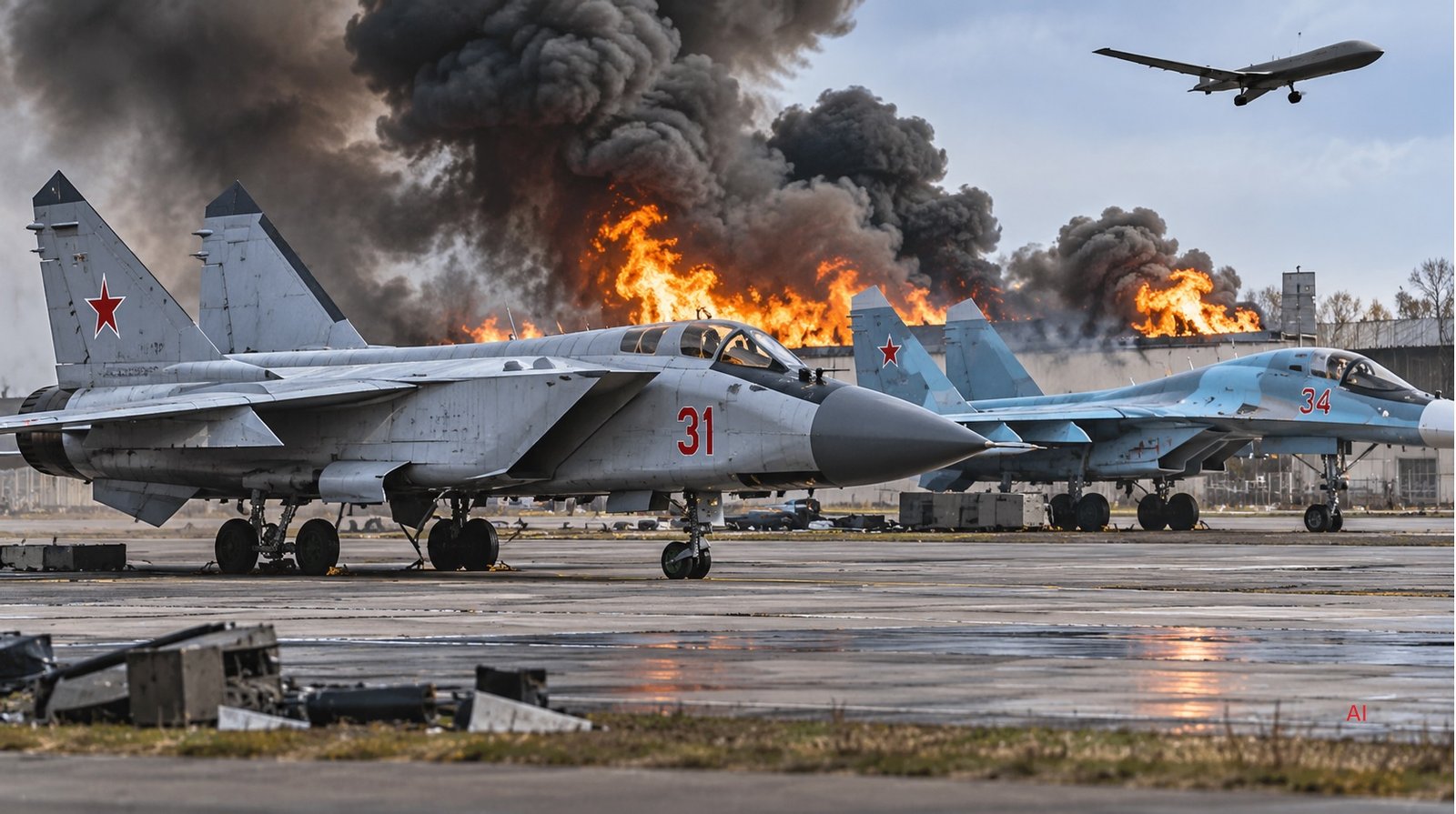 Ukraine Strikes Five Russian Warplanes, Including Three Kinzhal-Capable MiG-31s at Savasleyka Airbase
-
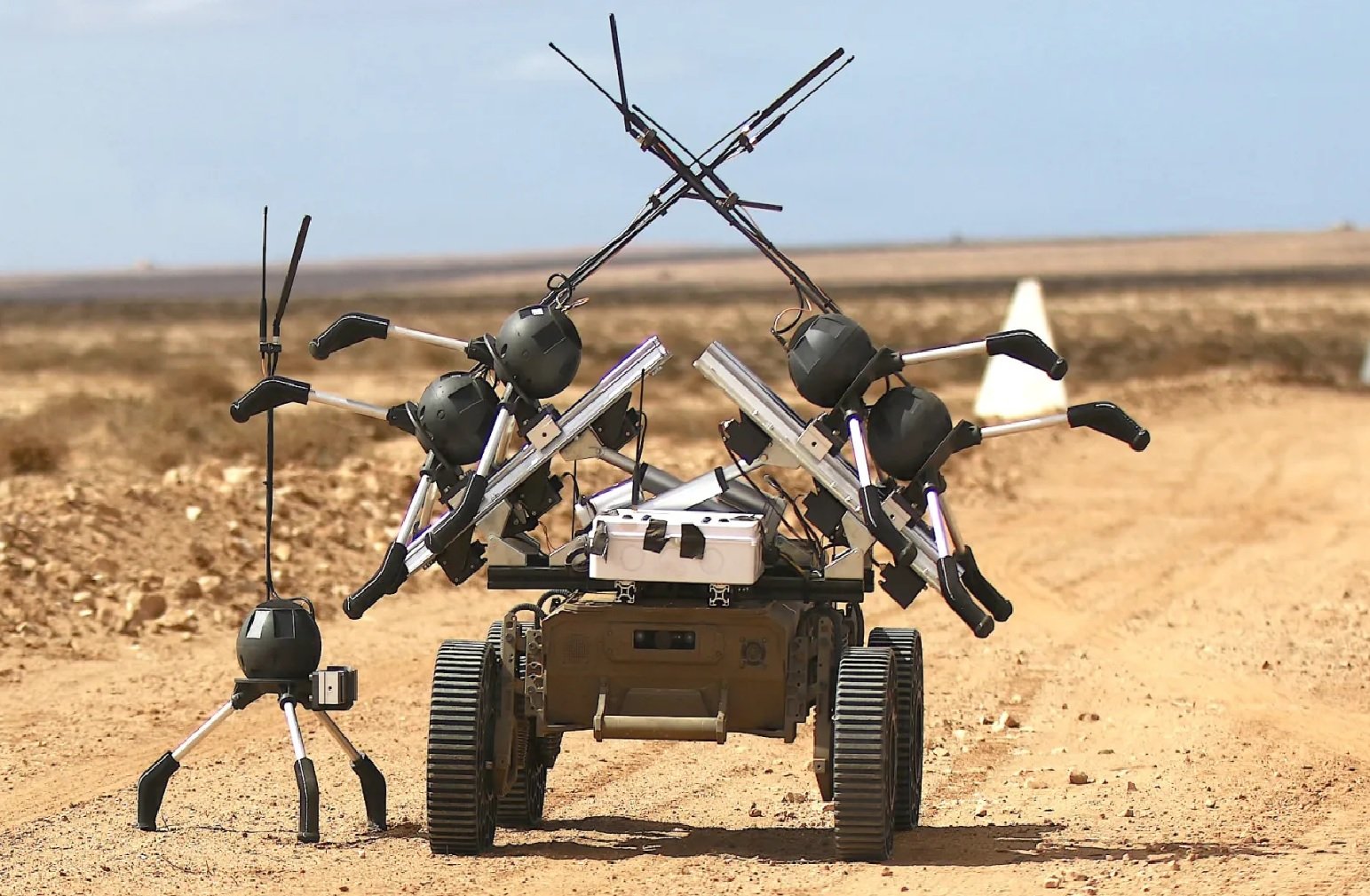 U.S. Army Tests FireAnt Robotic Vehicle to Deploy Drone-Detection Sensors in Morocco
-
 UK Awards HII £142 Million Contract for REMUS 620 Underwater Vehicles for Royal Navy Mine-Hunting Programme
-
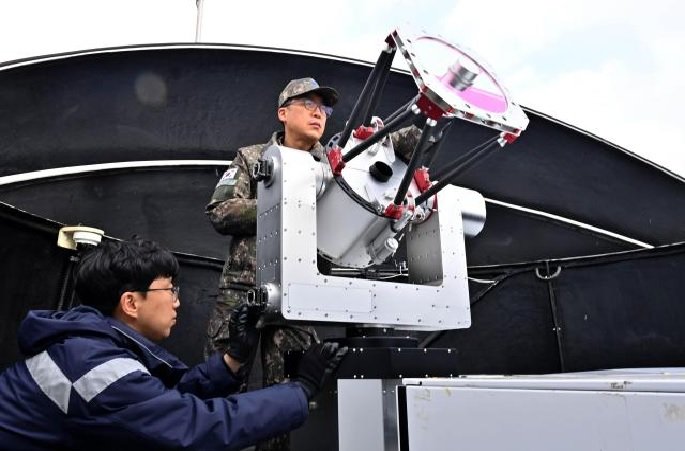 South Korea’s Air Force Deploys New Space Weather Warning System to Monitor Solar Activity and Protect Military Operations
-
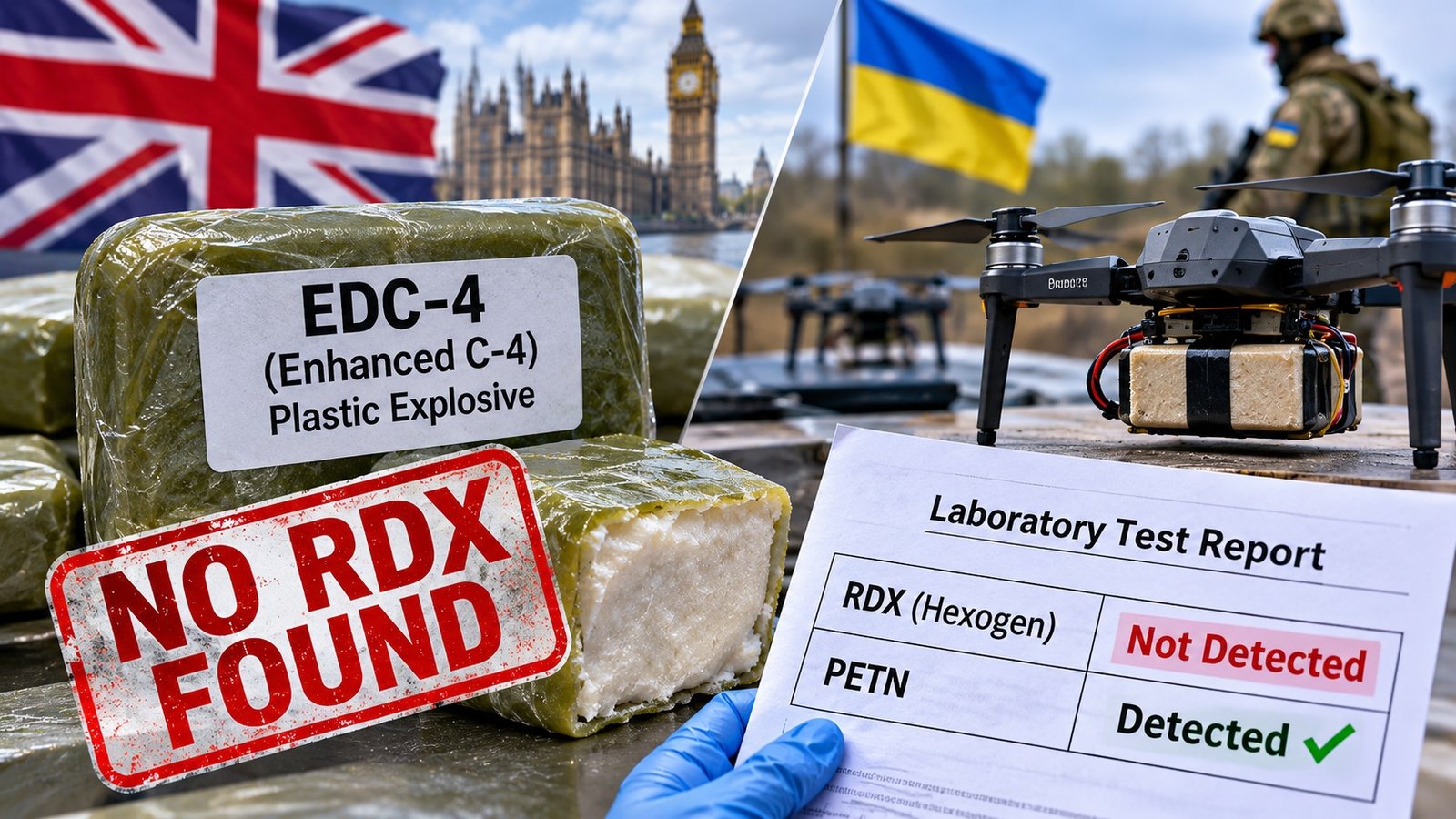 UK Supplied Fake 'Enhanced C-4' Explosives for Ukrainian Drones, Investigation Reveals
-
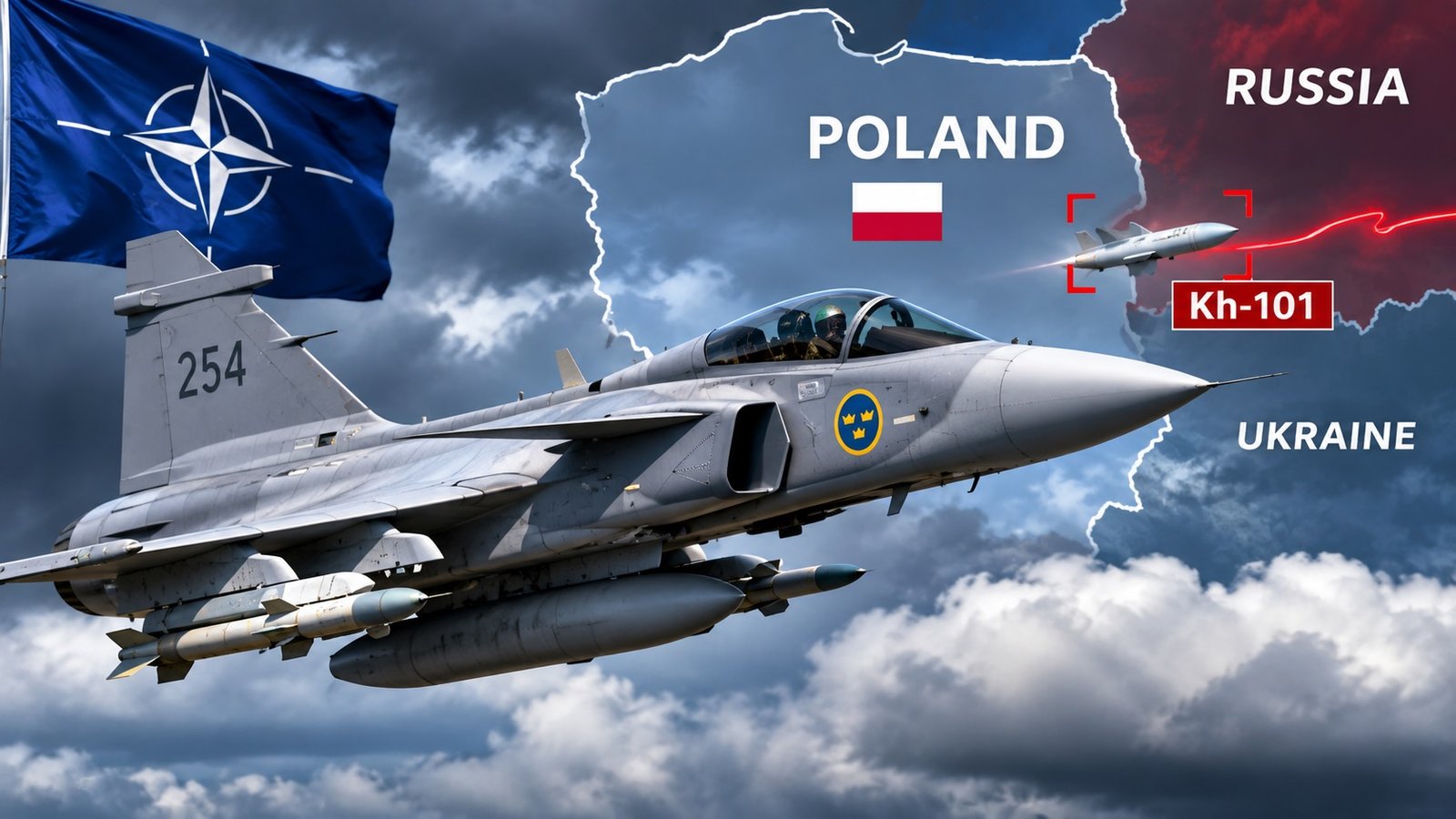 Swedish Gripen Fighter's Capabilities Questioned After Pilot Fails to Engage Suspected Russian Missile Over Poland
-
 Israeli Elbit Systems Wins Five-Year Contract to Equip Four German Navy F128 Frigates With Electronic Warfare Systems
Top Trending in 4 Days
-
 Two Injured in Bahrain After Iranian Attacks; Iran Claims Strike on US Patriot Radars
-
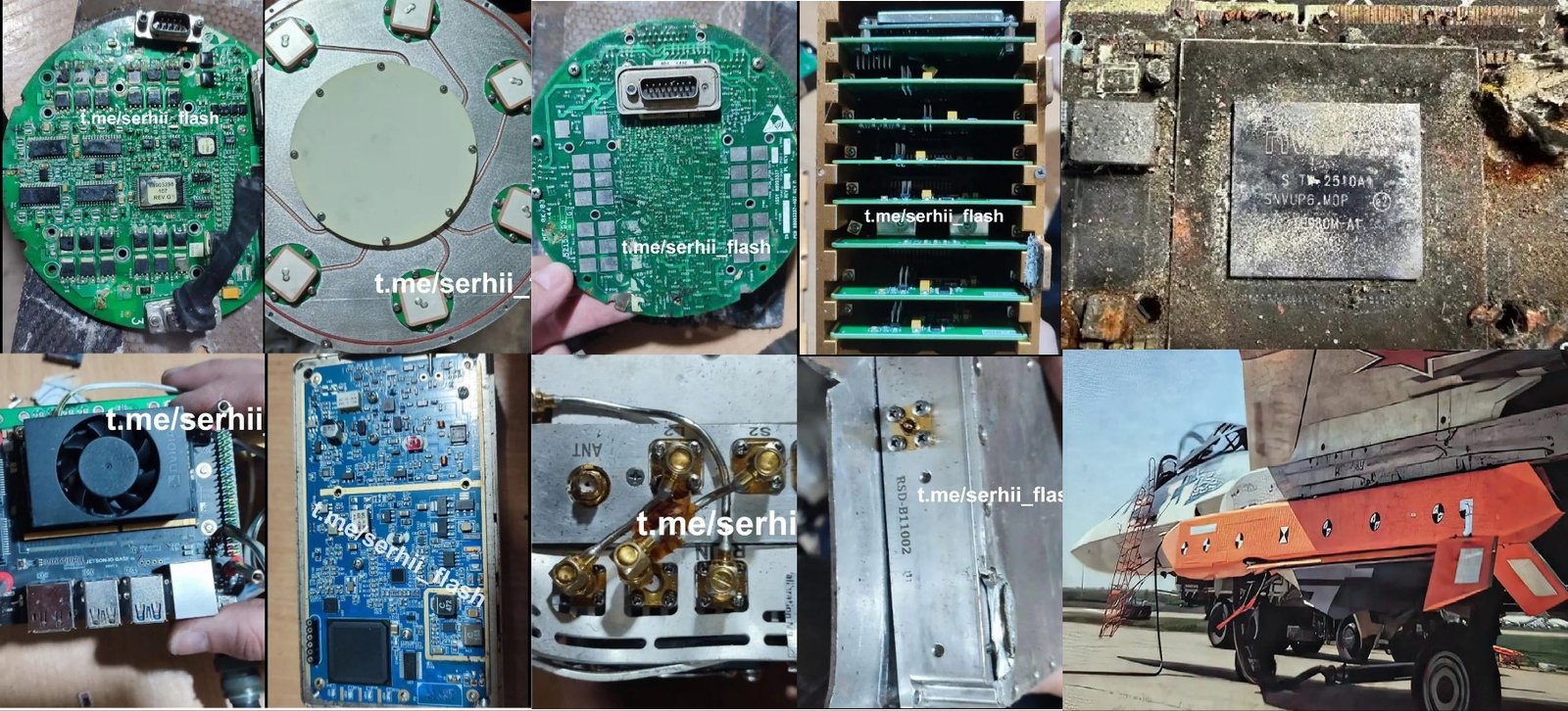 Russian Drones and Cruise Missiles Found Using Civilian NVIDIA AI Chips in Ukraine
-
 Russian Corvette Merkury Almost Certainly Destroyed in Benghazi Port Explosion
-
 Western Intelligence Warns Russia Could Launch Nuclear-Armed Satellite as Early as December
-
 IG Defence Successfully Test-Fires JWALA MK-1 Counter-Drone Missile at Pokhran
-
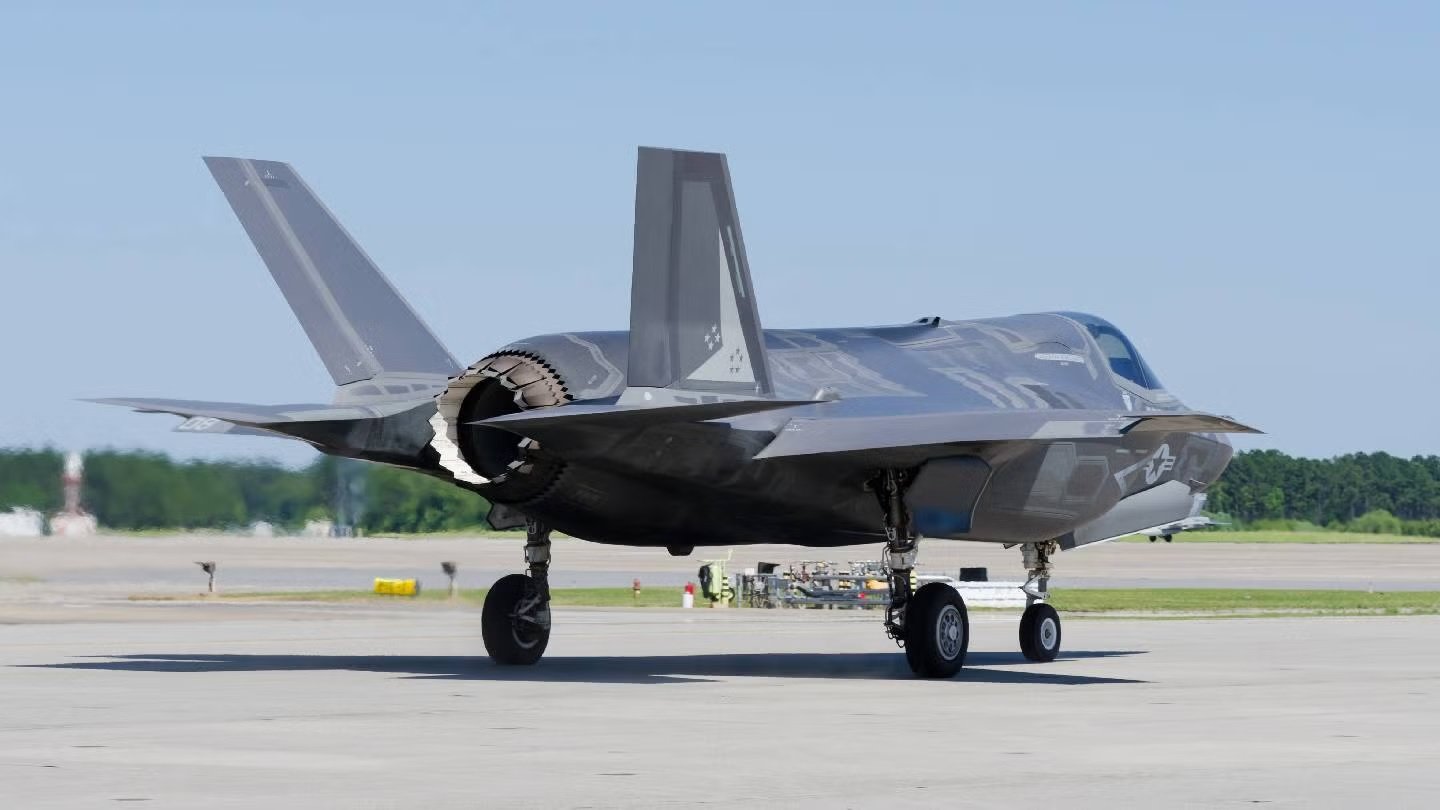 U.S. Awards Lockheed Martin $330.6 Million Contract for Long-Lead Materials Supporting 75 F-35 Lot 22 Aircraft
-
NASA Suspends Science Operations on Perseverance Rover and Mars Odyssey After Hardware Failures
-
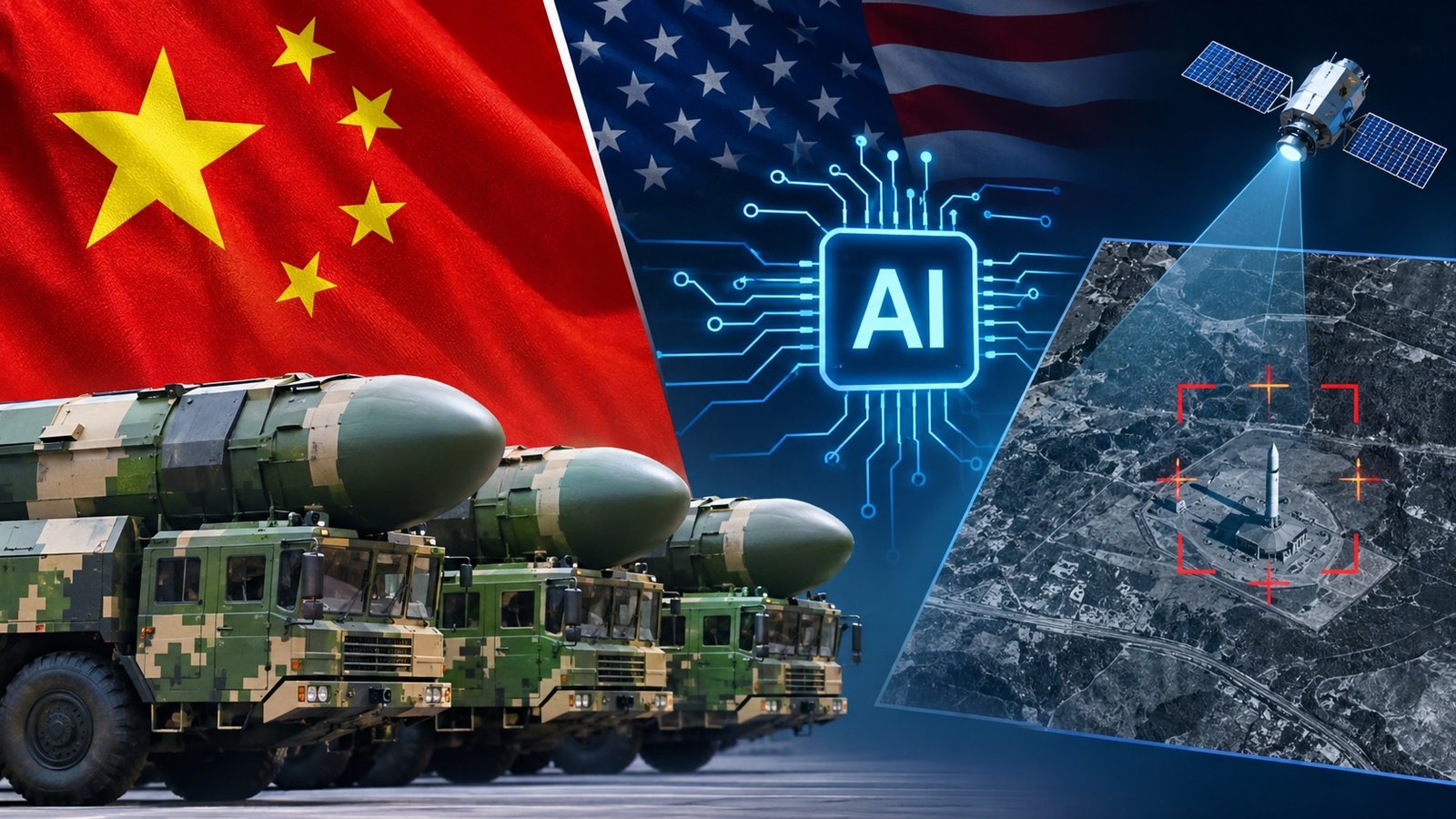 Chinese Military Warns U.S. AI Could Threaten China’s Nuclear Missile Survivability