
India
India The keel-laying ceremony for India's first Next Generation Offshore Patrol Vessel marks a milestone in the nation's drive for self-reliance in defense. These advanced ships will bolster maritime security, supporting anti-piracy efforts and coastal defense in the Indian Ocean Region.The Indian Navy took a significant step forward in its quest for self-reliance with the keel-laying ceremony for the first Next Generation Offshore Patrol Vessel (NGOPV), held at Goa Shipyard Ltd. This event marks a crucial milestone in India's 'Make in India' initiative, aimed at bolstering the nation's maritime security capabilities.At the ceremony, Vice Admiral B Siva Kumar, Controller Warship Production & Acquisition, presided over the proceedings. Last year, the Ministry of Defence, along with Goa Shipyard Ltd (GSL) and Garden Reach Shipbuilders and Engineers (GRSE), inked a contract for the indigenous design and construction of 11 NGOPVs. GSL will lead the construction, making seven vessels, while GRSE will build the remaining four.These advanced patrol vessels will serve vital roles in safeguarding India's economic and geopolitical interests in the Indian Ocean Region. Their main tasks will include anti-piracy operations, coastal defense and surveillance, search and rescue missions, and protection of critical offshore assets.The Ministry of Defence highlighted that this endeavor is in line with the 'Aatmanirbhar Bharat' vision, which promotes self-reliance in defense manufacturing. This initiative underscores India's commitment to enhancing its naval capabilities and emerging as a dominant maritime force.The keel-laying ceremony of the first NGOPV underscores India's resolve to modernize its naval fleet. These domestically manufactured vessels will significantly enhance the Indian Navy's ability to patrol waters and safeguard the nation's extensive coastline.
Read More → Posted on 2024-05-04 15:37:14
India
India The Indian Air Force celebrated the overhaul of its 2500th Viper 22-8 aero engine, crucial for training pilots, at the BRD Kanpur. Air Marshal Vibhas Pande commended the depot's expertise, highlighting the IAF's commitment to self-reliance in aero-engine maintenance.The Indian Air Force (IAF) achieved a significant milestone on April 30th, 2024, as it celebrated the overhaul of its 2500th Viper 22-8 aero engine at the Base Repair Depot (BRD) located at Air Force Station (AFS) Kanpur. This engine is crucial as it powers the Kiran MK I/IA aircraft, which plays a vital role in training IAF pilots.Air Marshal Vibhas Pande, the Air Officer Commanding-in-Chief (AOC-in-C) of Headquarters Maintenance Command (HQMC), was present to commend the BRD Kanpur for its remarkable achievement. The depot has been overhauling Viper engines since 1974, showcasing a long history of exceptional service. The Viper 22-8 engines are essential for the continued operation of the Kiran MK I/IA jet trainers, which have been fundamental in IAF pilot training for many years.Reaching the milestone of 2500 engine overhauls highlights the expertise of the personnel at BRD Kanpur. Their dedication ensures that IAF assets remain highly serviceable, allowing for uninterrupted training of future pilots. This achievement also reflects the IAF's commitment to self-reliance in aero-engine maintenance.During his visit, Air Marshal Pande also recommissioned the AN-32 Aircraft Painting Hangar, a unique facility within the IAF. In his address to air warriors, he emphasized the importance of adapting to advancements in military technology and the changing landscape of cyber warfare.Additionally, Air Marshal Pande inaugurated a new recreation room at the Airmen Mess and a re-appropriated canteen, recognizing efforts to enhance the quality of life for personnel at AFS Kanpur.The overhaul of the 2500th Viper engine is a testament to the Indian Air Force's dedication to maintaining operational readiness and fostering a culture of self-sufficiency within its ranks. This achievement marks a significant step forward in the IAF's journey towards excellence in aviation maintenance and training.
Read More → Posted on 2024-05-04 15:27:13
India
India India's External Affairs Minister rejects Biden's characterization of India as "xenophobic," emphasizing the country's openness and economic strength, while reaffirming its commitment to inclusivity and diplomatic relationships.In recent remarks by US President Joe Biden, India found itself characterized as "xenophobic," alongside China, Japan, and Russia. However, India’s External Affairs Minister, S Jaishankar, swiftly rejected these assertions, emphasizing India’s long-standing openness to diverse cultures and people. Speaking to the Economic Times, Jaishankar refuted claims of India’s faltering economy and highlighted the country's welcoming stance, particularly exemplified by the Citizenship Amendment Act (CAA) introduced by the Prime Minister Narendra Modi-led government.Biden's statement, made during a fundraising event in Washington, sparked a rebuttal from Jaishankar, who staunchly defended India’s inclusive ethos. Contrary to Biden’s portrayal, Jaishankar emphasized that India has historically been a melting pot, welcoming individuals from various backgrounds. He pointed out that the CAA stands as a testament to India's commitment to offering refuge to those in need, regardless of religion or ethnicity.Criticism surrounding the CAA was also addressed by Jaishankar, who dismissed claims of discrimination against Muslims. He clarified that no individuals had lost their citizenship due to the CAA, countering assertions that a million Muslims would be affected. Jaishankar’s stance underscores India’s commitment to upholding its secular values while addressing humanitarian concerns.Moreover, Jaishankar addressed the biased coverage of certain international media outlets, particularly regarding India and its policies. He criticized what he perceived as an ideological agenda aimed at shaping global narratives, expressing concerns over biased reporting that targets India. His remarks shed light on the importance of objective journalism in fostering understanding and cooperation among nations.Additionally, Jaishankar addressed allegations of India’s involvement in targeted killings of terrorists in Pakistan. While acknowledging the presence of terrorists in the region, he refrained from confirming any direct involvement, attributing such incidents to the volatile nature of terrorism. His response reflects India’s commitment to combating terrorism while upholding international norms and principles.Following Biden’s comments, the White House moved swiftly to clarify the President’s intentions, emphasizing his respect for allies and partners, including India and Japan. White House Press Secretary Karine Jean Pierre reiterated Biden’s commitment to strengthening diplomatic relationships with key nations, highlighting his actions over the past three years.In essence, India’s response to Biden’s remarks reaffirms its steadfast commitment to openness, inclusivity, and economic resilience. By refuting allegations of xenophobia and highlighting its welcoming approach, India underscores its role as a vibrant democracy that values diversity and pluralism. As the global community navigates various challenges, including geopolitical tensions and economic uncertainties, fostering mutual respect and understanding remains paramount in advancing collective prosperity and peace.
Read More → Posted on 2024-05-04 15:14:31
India
India Terrorists opened fire on security vehicles in Jammu and Kashmir's Poonch, injuring five soldiers. Despite recent claims of declining incidents, the attack serves as a stark reminder of ongoing security challenges in the region.Five soldiers were injured after terrorists opened fire on two security vehicles in Jammu and Kashmir's Poonch, officials said today. There was no immediate report of any casualty.According to reports, terrorists attacked an Indian Air Force vehicle convoy in the Poonch district of J&K. The firing was reported from Sanai village of Surankote and reinforcements from Army and police have been rushed to the area to ascertain the details, officials told PTI.Security officials told ANI that the local Rashtriya Rifles unit has started cordon and search operations in the area following the incident. "The vehicles have been secured inside the air base in the general area near Shahsitar," they added.Home Minister Amit Shah had claimed earlier in January this year that terrorist incidents declined by 66 per cent in J&K in 2023.However, the latest attack on the soldiers' convoy would rekindle memories of the 2019 Pulwama attack, in which 44 soldiers lost their lives.In 2019, 44 Central Reserve Police Force (CRPF) personnel were killed and another 20 injured when a Jaish-e-Mohammad (JeM) terrorist drove an explosive-laden SUV into a convoy of vehicles carrying paramilitary troops on the Srinagar-Jammu national highway in South Kashmir’s Pulwama district.
Read More → Posted on 2024-05-04 15:07:49
India
India ,Iran Iran releases all crew members of the Portuguese-flagged cargo ship MSC Aries, including 17 Indians, seized near the Strait of Hormuz, emphasizing the importance of diplomatic dialogue and adherence to maritime regulations for global security.Iran's release of all crew members from the Portuguese-flagged cargo ship MSC Aries, including 17 Indians among the 25 crew, marks a significant development in a recent maritime incident that garnered international attention. The vessel's seizure by Iran's Islamic Revolutionary Guard Corps Navy on April 13 near the Strait of Hormuz had raised concerns and triggered diplomatic efforts to secure the crew's safe return.The resolution of this incident underscores the importance of diplomatic dialogue and adherence to maritime regulations to ensure the safety of seafarers and the security of international waters. The phone conversation between Iranian Foreign Minister Hossein Amirabdollahian and his Estonian counterpart Margus Tsahkna reflects the diplomatic efforts undertaken to address the situation and uphold maritime norms.Among the crew members was Ann Tessa Joseph from Thrissur, Kerala, who returned safely to India on April 18. Her safe return and the ongoing communication between relevant authorities reassure the families and nations involved about the well-being of the crew.The incident also prompted diplomatic engagements between India and Iran, with External Affairs Minister S Jaishankar engaging with Iranian authorities to seek the release of the Indian crew members. The assurance from Iranian Ambassador to India, Iraj Elahi, that the crew members are not detained and are free to return home alleviates concerns and facilitates the repatriation process.Iran's explanation regarding the detention of the Portuguese ship MSC Aries underscores the importance of maritime security and adherence to regulations. The statement emphasizes the need for all vessels to comply with maritime rules to ensure safe navigation and prevent incidents that could jeopardize maritime safety.The timing of this incident amidst heightened tensions between Iran and the West, particularly amid the ongoing conflict between Israel and Hamas, adds complexity to the situation. However, the resolution through diplomatic channels demonstrates the capacity for dialogue and cooperation even in challenging geopolitical contexts.Overall, the release of the crew members on humanitarian grounds reflects a positive outcome and highlights the importance of diplomatic engagement, adherence to regulations, and respect for human rights in resolving maritime incidents and ensuring global security and stability.
Read More → Posted on 2024-05-04 15:04:33
India
India The Indian Navy initiates trials for six advanced submarines, valued at Rs 60,000 crore, in collaboration with domestic shipyards and foreign partners, aiming to bolster its maritime capabilities with cutting-edge technology including Air Independent Propulsion systems.In a significant stride towards enhancing its naval capabilities, the Indian Navy has embarked on trials for the construction of six cutting-edge submarines within the country. Valued at Rs 60,000 crore, this tender underscores India's commitment to fortifying its conventional submarine fleet.The tender, issued to Indian shipyards Mazagaon Dockyards Limited and Larsen and Toubro, signifies a collaborative effort between domestic and foreign partners. The trials commenced in March this year, with a delegation from the Indian Navy inspecting the Air Independent Propulsion (AIP) system of German submarine manufacturer ThyssenKrupp Marine Systems in Kiel, Germany.ThyssenKrupp Marine Systems, in partnership with the Indian Defence Ministry's Mazagon Dock Shipbuilders Limited (MDL), is a key player in this significant endeavor. MDL, serving as the prime partner, aims to ensure that over 60% of the vessel's components are indigenous, fostering self-reliance and bolstering the country's maritime capabilities.The upcoming phase of trials, scheduled in Spain, will witness Spanish firm Navantia and Larsen and Toubro showcasing their AIP systems by the end of June. The AIP technology stands as a crucial requirement set forth by the Indian Navy, promising extended underwater endurance—a capability vital for strategic naval operations.Navantia and Larsen & Toubro's collaboration, facilitated by a Teaming Agreement, underscores their commitment to delivering technologically advanced solutions for the Indian Navy's P75 (India) submarine program. This initiative seeks to procure diesel-electric attack submarines equipped with fuel cells and AIP systems, ensuring a significant leap in capabilities over existing vessels.The forthcoming submarines, characterized by their larger size and enhanced capabilities attributable to AIP technology, represent a vital step forward in India's maritime defense strategy. By leveraging the expertise of both domestic and international partners, the Indian Navy is poised to bolster its operational readiness and secure its maritime interests effectively.The ongoing trials mark a pivotal moment in India's quest for a modernized and robust submarine fleet, affirming its status as a formidable maritime power in the region. As these endeavors progress, India reaffirms its commitment to safeguarding its maritime borders and upholding security and stability in the Indo-Pacific region.
Read More → Posted on 2024-05-04 06:59:35
India
India Veda Aeronautics, a Noida-based startup, pioneers interceptor technology to combat unauthorized drone threats, ensuring airspace security with swift detection and neutralization capabilities.Veda Aeronautics, a rising star in Noida's defense startup scene, is making waves in the crucial area of counter-drone technology. Their innovative interceptor system is designed to combat the growing security concern posed by unauthorized Unmanned Aerial Vehicles (UAVs), commonly known as drones.Veda's interceptor technology offers a robust solution to neutralize UAV threats, safeguarding critical infrastructure, personnel, and airspace from unauthorized intrusions. These drones can be used for malicious purposes like surveillance, espionage, or even attacks.Veda's interceptor system boasts the capability of detecting, tracking, and neutralizing hostile drones. This rapid response system is designed to effectively mitigate potential security risks before they escalate.While specific details about the inner workings of the interceptor are undisclosed, Veda's focus on detection, tracking, and neutralization suggests a multi-pronged approach. This could involve a combination of electronic countermeasures to disrupt drone control signals, signal jamming to prevent communication, or even kinetic takedown methods to physically eliminate the threat.As drone technology proliferates at a rapid pace, so too does the need for effective counter-drone solutions. Veda Aeronautics is well-positioned to play a key role in safeguarding airspace and ensuring security in the face of evolving threats posed by unauthorized drones.
Read More → Posted on 2024-05-04 06:41:15
India
India The Indian Air Force receives its second C295 aircraft, part of a larger order to replace its aging Avro fleet, marking progress in fleet modernization and indigenous manufacturing under the 'Make in India' Aerospace program.The Indian Air Force (IAF) recently achieved a significant milestone in its fleet modernization efforts with the delivery of the second C295 aircraft, part of a larger order aimed at replacing its aging Avro-748 fleet. This delivery underscores India's commitment to enhancing its air capabilities through strategic partnerships and indigenous manufacturing.In September 2021, India finalized the acquisition of 56 Airbus C295 aircraft, valued at Rs 21,935 crore. Of these, 16 are being produced by Airbus in Seville, Spain, while the remaining 40 will be manufactured and assembled in Gujarat's Vadodara through a partnership with Tata Advanced Systems Limited (TASL). This collaboration represents a crucial step in India's 'Make in India' Aerospace program, facilitating private sector involvement in military aircraft production.The C295 aircraft, known for its 5-10 tonne transport capacity and modern technology, is poised to replace the aging Avro fleet. Equipped with a rear ramp door for efficient troop and cargo deployment, it offers enhanced operational capabilities crucial for contemporary military requirements.The delivery schedule is well-defined, with 16 aircraft set to be delivered in flyaway condition from Spain within 48 months of contract signing, while the remaining 40 will be produced domestically by the Tata Consortium within 10 years. This phased approach ensures a smooth transition while leveraging both international expertise and domestic manufacturing capabilities.For decades, Hindustan Aeronautics Limited (HAL) held a monopoly over military aircraft production in India. However, the involvement of private sector players like Tata Advanced Systems Limited marks a significant shift, promoting competition, innovation, and efficiency in the defense manufacturing ecosystem.The first 'Make in India' C295 is slated to roll out of the Vadodara plant in September 2026, symbolizing a key milestone in India's journey towards self-reliance in defense production. This achievement not only strengthens India's defense capabilities but also stimulates economic growth through technology transfer, job creation, and skill development.The contract between the Indian Defence Ministry and Airbus Defence and Space, Spain, signals a strategic partnership aimed at enhancing India's defense preparedness. With its versatile capabilities and indigenous manufacturing approach, the C295 aircraft is poised to play a pivotal role in safeguarding India's airspace and bolstering its military logistics capabilities for years to come.In conclusion, the delivery of the second C295 aircraft underscores India's commitment to modernizing its air fleet through strategic partnerships and indigenous manufacturing initiatives. As the nation gears up to embrace the future of defense production, collaborations like these pave the way for a stronger, more self-reliant India on the global stage.
Read More → Posted on 2024-05-04 06:26:47
India
India ,Indonesia India and Indonesia reinforce defence cooperation, emphasizing collaboration in defence industry, maritime security, and multilateral affairs during their seventh Joint Defence Cooperation Committee meeting.India and Indonesia continue to strengthen their bilateral ties in the realm of defence cooperation as they convened for the seventh India-Indonesia Joint Defence Cooperation Committee meeting. Held recently, the meeting saw Defence Secretary Giridhar Aramane and Secretary General of the Ministry of Defence, Indonesia, Air Marshal Donny Ermawan Taufanto, MDS, co-chairing discussions.The meeting showcased the mutual commitment of both nations to enhance collaboration across various fronts, including defence industry, maritime security, and multilateral cooperation. Both sides expressed satisfaction with the expanding scope of defence cooperation, reflecting on the progress achieved in bilateral defence initiatives.Deliberations during the meeting also focused on reviewing the progress made in bilateral defence cooperation initiatives, particularly those discussed in meetings of Working Groups on Defence Cooperation and Defence Industries Cooperation.Moreover, the meeting identified avenues to further strengthen existing areas of collaboration, with special emphasis on defence industry ties, maritime security, and multilateral cooperation.As part of his visit, Air Marshal Donny Ermawan Taufanto also toured key defence facilities in India, including the DRDO headquarters in New Delhi, as well as TATA Advanced Systems and L&T Defence facilities in Pune. Engagements with Indian defence industry partners such as Bharat Forge, Mahindra Defence, and Mazagon Dock Shipbuilders Limited were aimed at exploring opportunities for joint research and production to enhance defence industrial capabilities.Air Marshal Donny Ermawan Taufanto's visit underscored the enduring partnership between India and Indonesia, marked by frequent high-level interactions and shared strategic interests. The Comprehensive Strategic Partnership between the two countries is underpinned by a shared vision of the Indo-Pacific, where Indonesia plays a significant role in India's Act East Policy.During his visit, Air Marshal Donny Ermawan Taufanto paid tribute to the fallen heroes at the National War Memorial in New Delhi, symbolizing the deep-rooted respect and solidarity between the two nations.In conclusion, the recent joint meeting between India and Indonesia signifies a continued commitment to deepening defence cooperation and fostering strategic collaboration in the Indo-Pacific region. With shared objectives and mutual interests, both nations are poised to further strengthen their partnership in the years ahead.
Read More → Posted on 2024-05-04 06:09:40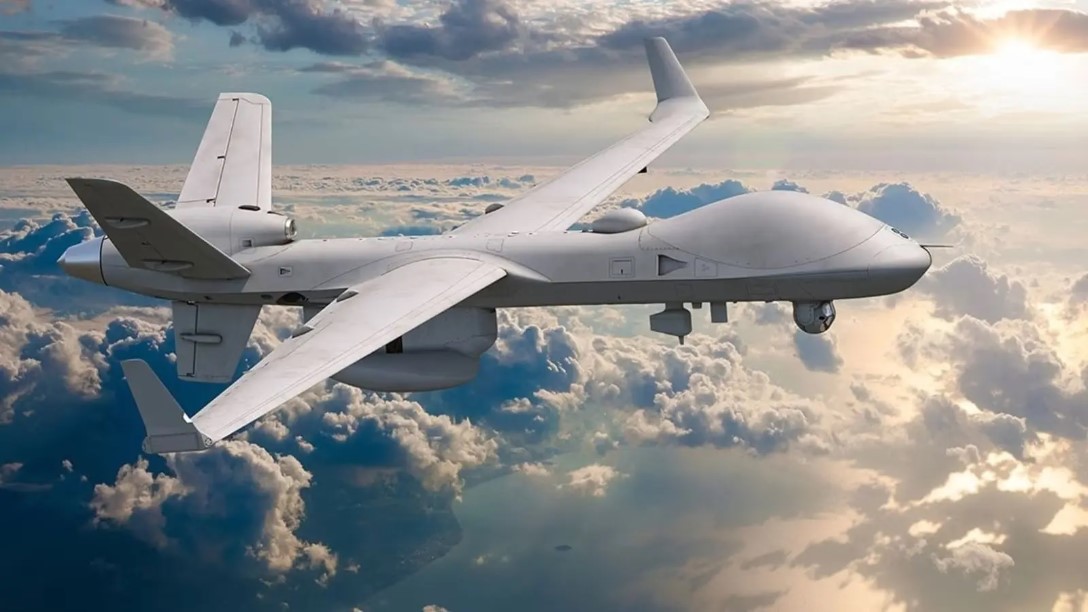
India
India India's new government expected to sign billion-dollar MQ-9B drone deal in June, boosting air force and navy with advanced surveillance tech.The new government of India is anticipated to sign a multi-billion dollar agreement for the acquisition of MQ-9B drones once it takes office in June 2024. The deal is expected to significantly bolster India's aerial surveillance and military capabilities.Deployment DetailsAs per the reported agreement, the drones will be dispersed across various Indian military branches and locations:Indian Navy: 15 MQ-9B drones will be stationed at INS Rajali Naval Base in Tamil Nadu.Indian Army & Indian Air Force: Each will operate 8 MQ-9B drones stationed at Sarsawa and Gorakhpur Air Force Stations in Uttar Pradesh.This strategic distribution will enhance India's ability to monitor its borders and conduct military operations across land and sea.MQ-9B CapabilitiesThe MQ-9B Predator drone, also known as the SkyGuardian, is a highly sophisticated unmanned aerial vehicle (UAV) capable of long-endurance flights and carrying a variety of payloads. These include:High-resolution cameras and sensors for surveillance and intelligence gatheringMissiles and bombs for offensive operationsThe acquisition of these drones is a significant step for India's military modernization efforts. It will provide the country with advanced technology to strengthen its national security posture.Deal StatusIt's important to note that while the previous government initiated the process, the finalization of the deal awaits the new government's approval after it takes office in June 2024.
Read More → Posted on 2024-05-03 16:31:18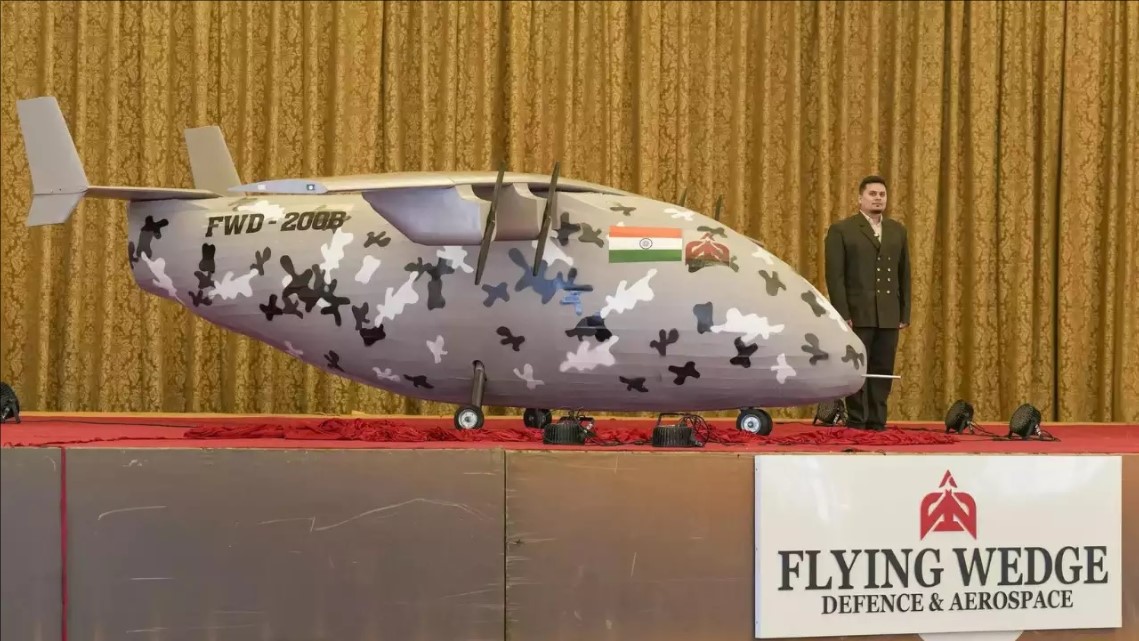
India
India India introduces the FWD-200B bomber drone, a cost-effective and indigenous solution for aerial surveillance and precision air strikes, marking a significant milestone in the nation's defence capabilities.In a significant development for India's defence capabilities, Flying Wedge Defence and Aerospace Technologies, a homegrown Indian company, recently introduced the FWD-200B bomber drone. This unmanned combat aerial vehicle (UCAV) is a landmark achievement for the nation, marking a departure from previous attempts to develop such technology.The FWD-200B stands out for its impressive features. Designed to operate for extended durations of 12-20 hours, it boasts high endurance and the capacity to carry advanced surveillance equipment along with precision air-strike weaponry. With a top speed of nearly 370 km/h, it provides robust control capabilities even when operating up to 200 km away, enhancing India's ability to monitor and defend its airspace.One of the most notable aspects of the FWD-200B is its affordability. While comparable imported drones can cost as much as Rs 250 crore each, this Indian-made UCAV comes with a significantly reduced price tag of just Rs 25 crores. This tenfold reduction in cost underscores India's commitment to self-reliance and represents a major success for the country's "Make in India" initiative.Suhas Tejaskanda, the founder of Flying Wedge Defence, emphasized the significance of this achievement, stating that it positions India as a leader in cost-effective defence solutions. The unveiling of the FWD-200B marks a turning point in India's quest for indigenous combat UAV production, overcoming previous challenges faced by agencies like the Defence Research and Development Organisation (DRDO).While the initial model may exhibit a prototype-like appearance, it signifies just the beginning of a promising journey. Details regarding flight trials, deployment timelines, and final design enhancements are eagerly awaited. Nevertheless, the introduction of the FWD-200B signals India's entry into a new era of defence capabilities, paving the way for enhanced security and self-sufficiency in defence technology.
Read More → Posted on 2024-05-03 15:49:50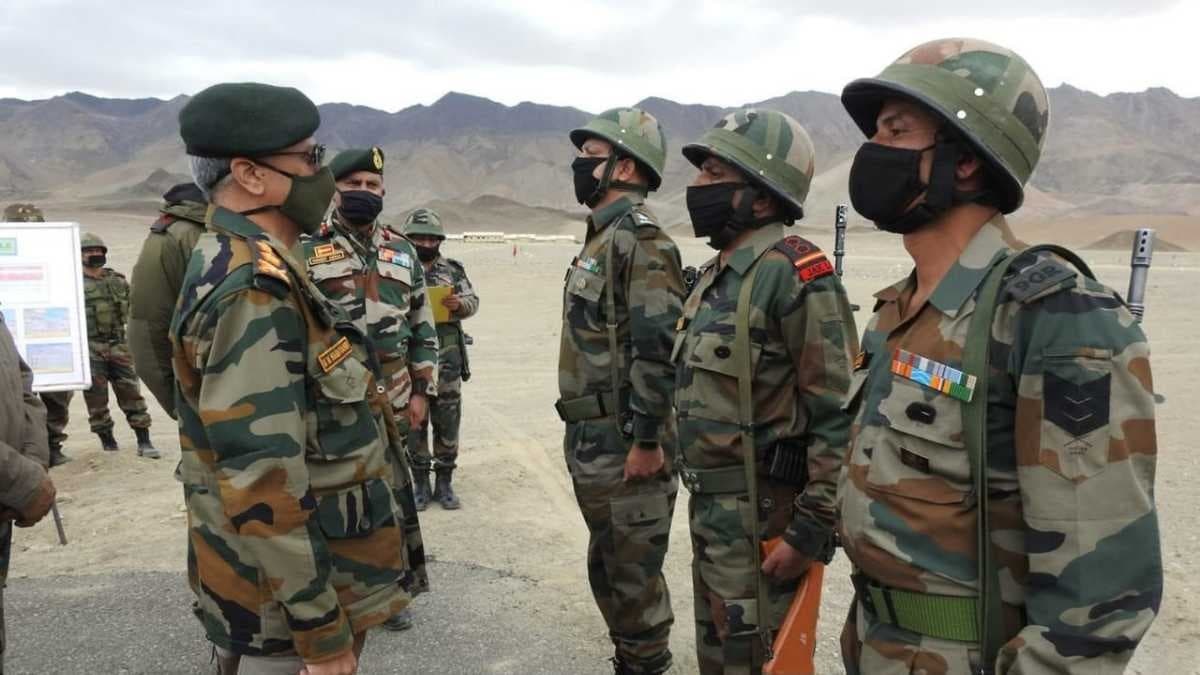
India
India The Indian Army is assessing the military implications of China's road construction in the Shaksgam Valley, amidst concerns of potential threats to Indian defenses in the Siachen Glacier area. India remains committed to protecting its territory and has lodged protests against the unauthorized construction activities.The Indian Army is set to analyze the military implications of China's construction of a road in the Shaksgam Valley. This move comes amidst concerns that Beijing's physical occupation in the region could potentially threaten Indian defenses in the Siachen Glacier area. The 5180 square kilometers of Indian territory in the Shaksgam Valley was illegally ceded by Pakistan to China in 1963.India recently lodged a strong protest against the Chinese road construction, both in Delhi and Beijing. The road is believed to be part of an alignment that aims to link the Karakoram Highway to the Upper Shaksgam Valley, which borders the Siachen Glacier. This new road passes through the 16333 feet Aghil Pass and could provide an alternative route to the Karakoram Pass via Upper Shaksgam and further to the Khunjerab Pass in the Northern Areas of Occupied Jammu and Kashmir.The construction of this road is a matter of serious concern for India. If China extends the road to the Upper Shaksgam Valley, it would pose a dual threat to Indian positions on the Siachen Glacier from both Pakistan in the South and China in the North. It is logical to assume that the Indian Army will need to plan long-term defenses to address Chinese expansion in the Occupied Shaksgam Valley.While the current road construction is a patch between two potential alignments in the long term, it is evident that China aims to connect Lower and Upper Shaksgam Valley through roads and military outposts. This move is seen as an attempt to pressure Indian Army positions on the Siachen Glacier and Saltoro Ridge. However, the area is largely glaciated, with high mountains on all sides, and is dominated by the K2 peak and the Concordia complex.India has raised the issue of the Shaksgam Valley in the Special Representative Dialogue on Boundary Resolution. The last meeting was held in December 2019. Despite Indian Special Representative Ajit Doval's meeting with his Chinese counterpart Wang Yi on the sidelines of BRICS in South Africa on July 24, 2023, the SR dialogue has been largely inactive since the Chinese PLA transgressed in East Ladakh in May 2020, disregarding all bilateral agreements. The clash between Indian troops, led by Colonel Santosh Babu, and the PLA at Galwan on June 15, 2020, further strained relations between the two countries.India has lodged at least two protests in the past two years against road construction in the Shaksgam Valley. These actions demonstrate India's commitment to protecting its territory and ensuring that road construction is halted in the illegally occupied region.
Read More → Posted on 2024-05-03 15:17:54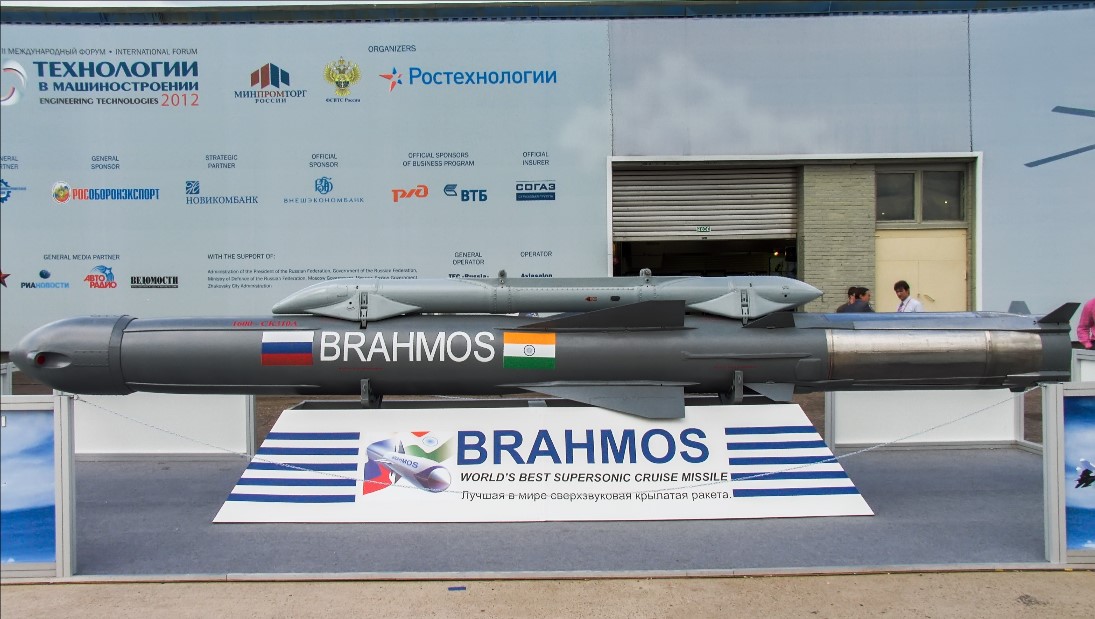
India
India Former DRDO Director General suspected of unauthorized removal of confidential documents from BrahMos Aerospace, raising serious security concerns and highlighting lapses in safeguarding India's defense secrets.Serious security breaches have surfaced at BrahMos Aerospace, with accusations pointing towards a former Director General of the Defence Research and Development Organization (DRDO) for unauthorized removal of confidential documents from the company premises. Reports obtained by Firstpost reveal suspicions from DRDO's Vigilance Department against Sudhir Mishra, the former DG, in connection with the incident.Details of the Alleged BreachAccording to reports, Mishra enlisted the services of Big Logistics India Pvt Ltd. on the day of his retirement to transport numerous boxes and documents from BrahMos headquarters without the necessary "out-pass." Company registers indicate involvement of a person named Sultan, presumably linked to the logistics firm.Approximately a month later, Mishra returned some materials, including a file marked "CONFIDENTIAL," which triggered the investigation uncovering significant security loopholes within the firm.Missing Evidence and Security FailuresInvestigations unveiled the absence of CCTV footage from a crucial 15-day period. Furthermore, mandatory 90-day backups of CCTV footage were not maintained, and records of items leaving the premises were found to be poorly managed.DRDO Response and ConcernsWhile DRDO's investigative committee did not find concrete evidence against Mishra, the incident underscores grave concerns regarding security protocols at BrahMos. Both Mishra and BrahMos have opted not to comment on the allegations.A Pattern of Security Concerns This episode adds to a troubling string of security breaches involving DRDO scientists. Recent years have seen several instances of sensitive information leaks to suspected foreign agents, raising serious questions about the protection of India's defense secrets. Examples include the 2023 case of Pradeep Kurulkar, allegedly lured into espionage by Pakistani operatives, along with similar incidents in 2022 and 2018.The Path ForwardThe fallout from this alleged breach is yet to unfold. The case underscores the urgent need for bolstered security measures at sensitive defense establishments. It is crucial to ascertain Mishra's conduct and address any vulnerabilities exposed by this incident.
Read More → Posted on 2024-05-03 06:40:16
India
India Recent missile attacks on Israel highlight the importance of air defense for India. India's system is layered but needs more equipment and better integration between military branches. In its first direct attack on Israeli soil since the beginning of the Israel-Hamas war last October, Iran launched Operation ‘True Promise’ on the intervening night of 13 and 14 April, firing hundreds of drones, ballistic missiles, and cruise missiles at Israel.This was days after Tehran vowed retaliation for what it called an Israeli strike on its consulate in Damascus on 1 April that killed seven officers of the Islamic Revolutionary Guard Corps (IRGC), including two senior commanders.The salvo deployed by Iran in retaliation, according to Israel’s chief military spokesman, comprised around more than 30 cruise missiles, at least 120 ballistic missiles and 170 drones. The attack, it is suspected, was aimed at overwhelming Israel’s air defences and causing damage to its Nevatim air base. However, Israel, with the help of the US, the UK, Jordan as well as Saudi Arabia, shot down most of the incoming projectiles.Though Israel claimed “99 percent” of projectiles fired by Iran were intercepted, satellite imagery hints that a taxiway at Nevatim air base was damaged in the attack.Much of the credit for minimising damage went to Israel’s multi-tiered air defence system which consists of various components including man-portable air defence systems (MANPADS), short-range air defence systems (SHORADS), Spyder air defence system, Iron Dome, David’s Sling, Patriot air defence system, Arrow anti-ballistic missiles, Iron Beam and the naval air defence system or C-Dome. These systems are complemented by the Israeli air force’s fleet of F-15, F-16, and F-35 aircraft.Air defence systems are put in place to defend sovereign air space from enemy aircraft, drones and weapons. It is also meant to protect vulnerable civilian and military targets.Back in India, the strikes by Iran and Israel drew attention to the Indian military’s air defence preparedness in the backdrop of tensions with adversarial neighbours China and Pakistan. It has also been pointed out that India will need relatively more air assets simply on account of its geography — the country has an area of more than 32.87 lakh sq km.Layers of India’s Air Defence CapabilityThe Indian Air Force (IAF) currently operates several equipment with varying ranges that work in conjunction to form layers of air defence.At present, the S-400 air defence system is the only long-range system deployed by the IAF. While three squadrons have already been delivered, Russia is expected to deliver the remaining two by 2026. The S-400 has a range of 400 km and can engage fighters and cruise missiles.The Defence Research and Development Organisation (DRDO) is also working on developing a long-range surface-to-air missile (LRSAM) under ‘Project Kusha’.Besides, the Army and Air Force also operate medium-range surface-to-air missiles (MRSAM) that can intercept targets at a range of 70 km. MRSAMs form the intermediate layer of India’s air defence apparatus.The next layer comprises the Israeli-made Spyder and DRDO-developed Akash short-range air defence systems operated by the IAF.Terminal weapon systems, which have a short range, form the next layer. These include anti-aircraft guns, also known as close-in weapon systems, which have a high rate of fire — measured in rounds per minute or rounds per second.The Army operates these weapons to meet tactical requirements. Among those with a range of less than 10 km, it operates OSA-AK-M surface-to-air missiles, Tunguska anti-aircraft gun and missile system, Shilka radar-guided anti-aircraft weapon system, L70 anti-aircraft gun, ZU-23 MM anti-aircraft gun and Strela-10M anti-aircraft missile system.Among MANPADS, India operates Igla-M and Igla-S with ranges of 5 km and 6 km, respectively. As reported by ThePrint earlier, the Army procured a fresh batch of the Russian Igla-S systems in April this year.The DRDO is also pursuing its own program to develop a very short-range air defence system (VSHORAD). The Request for Proposal (RFP) for these systems was issued in 2010.The Navy’s role in air defence is limited to the defence of its fleet in sovereign and international waters. For this purpose, it operates Barak-8 long-range surface-to-air missile for area defence and the Barak-1 for point-defence. It also has the AK-630 close-in weapon system which has a rate of fire of nearly 5,000 rounds per minute.Sources in the defence and security establishment told ThePrint that the Indian military needs to induct more air defence systems and that when it came to certain equipment, the shortfall in numbers was acute.“Air defence (systems) are complex interdependent systems which come at a huge cost. Resultantly, their inventory in a nation’s arsenal is finite and limited,” explained Lt Gen V.K. Saxena (Retd), former Director General of the Corps of Army Air Defence.He added that it was on account of these constraints that there is invariably a gap between what needs to be protected and what can be protected with resources currently at hand.According to Lt Gen Saxena (Retd), the country’s assets are marked as Priority 1, 2 and 3, depending on their importance and vulnerability, to ensure that critical assets are secured.“The air defence weapons are allocated according to these priorities, which themselves are dynamic and change with respect to a host of factors — flow of war and the changing geopolitical situation. The prioritised assets under this exercise cover the entire spectrum such as national strategic assets, key industrial infrastructure, nuclear assets and war-waging potential,” he added.However, since the number of prioritised vulnerabilities exceeds the resources at hand, India needs to ramp up procurement of air defence systems in line with its changing priorities, he said.Seamless Integration of BMC2 SystemsAll three armed services have their own Battle Management/Command and Control (BMC2) systems. But the nation’s air defence in peace and war rides on the Air Force’s Integrated Command and Control System (IACCS) — an automated command and control system for air defence managed by the IAF and spread across the country in nodes.The IACCS provides a digitised integrated fused picture of India’s airspace. A network centric and warfare enabled system, it reduces the time taken to detect a target or respond to it. It can also shoot down an incoming aerial object.Lt Gen Saxena (Retd) said that the air defence BMC2 capability of the nation must be seamlessly connected and integrated across the three services. “That is to say that the Indian Air Force’s Integrated Air Command and Control System (IACCS) must have a seamless connectivity with the Army’s and the Naval BMC2 systems.”Air Marshal Diptendu Choudhury (Retd), former Commandant of the National Defence College, emphasised that the IAF has always looked after the country’s air defence.“The Army’s air defence requirements, on the other hand, are more tactical. They will come into play during times of war. During peacetime, the Air Force is solely responsible for air defence. For future requirements, it makes sense to integrate India’s peacetime air defence capability. While the nation’s wartime air defence is fairly well integrated, for future requirements, given the paucity of resources, it would make sense to integrate all air defence assets of all services,” he told ThePrint.He added that there now exists “greater understanding of this and all services are looking at common systems as well as their integration in the future”.Given provocations by China’s People’s Liberation Army Air Force (PLAAF) over Taiwanese airspace and Beijing’s efforts to ramp up resources in Tibet, air activity along the India-China border can be expected to increase in the future.Asked about this aspect, Air Marshal Choudhury (Retd) added, “Air defence of our border areas must therefore be kept relevant and responsive. Therefore, it is vital that IAF’s air defence fighters and air-to-air weapons must retain the advantage over the adversary. For this, regular upgrade of platforms and weapons will be necessary in future.”Aerospace Defence: The FutureIn the wake of increasing use of space for transit of ballistic missiles and the possibility of space-launched weapons in the future, there has emerged a need to widen the idea of air defence.As Air Marshal Choudhury (Retd) put it, air defence has graduated from being a ‘purely defensive affair’ to one with an ‘offensive capability’ as both long-range surface-to-air missile systems and fighter-launched air-to-air missiles have the ability to shoot down the enemy well within enemy airspace. Thus, offensive capabilities of air defence weapons are increasingly becoming more relevant.“In the future, air defence will no longer be limited to air- and surface- launched threats, but will also include futuristic weapons, possibly even emanating from space,” he added.According to him, the potential threat from India’s northern adversary could be centred around air and space forces.“In the long-term national interest, we must now move away from mere air defence to a more comprehensive concept of aerospace defence. This also means that we need to begin with increasing our aerospace awareness,” said Air Marshal Choudhury (Retd).This would amount to the ability to monitor and defend the air and space continuum over India’s sovereign territories, exclusive economic zones (EEZ) and other areas of interest.
Read More → Posted on 2024-05-03 06:29:10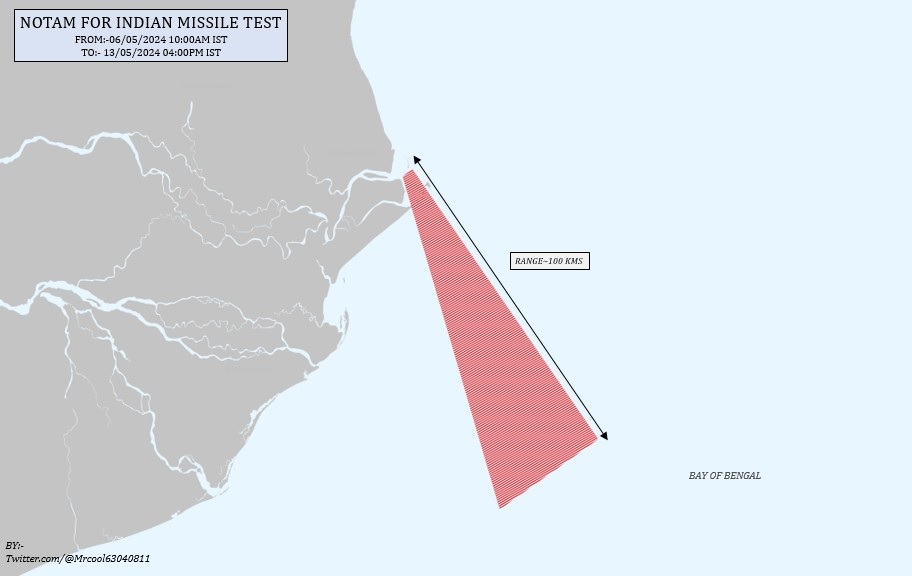
India
India India issues a NOTAM for a missile test in the Bay of Bengal, scheduled between May 6th and May 13th, 2024, as part of routine safety measures, showcasing advancements in defense technology.India has recently issued a Notice to Airmen (NOTAM) regarding an upcoming missile test in the Bay of Bengal. Scheduled between May 6th and May 13th, 2024, this test is a precautionary measure to ensure the safety of air traffic during the designated period.The test area, spanning approximately 100 kilometers wide, will be within the Bay of Bengal. While the specifics of the missile being tested remain confidential, experts suggest it could be either an air-launched or ship-launched missile.The issuance of this NOTAM serves as a standard safety protocol, ensuring that aircraft steer clear of the testing zone during the scheduled period. It is essential to note that this test should not impact daily activities or disrupt air travel.This development underscores India's advancing technological prowess, particularly in the realm of missile technology. Further details regarding the specific type of missile being tested may be disclosed closer to the test date.In conclusion, while the NOTAM for the missile test in the Bay of Bengal signifies progress in India's defense capabilities, it is a routine measure aimed at maintaining safety in airspace. Stay tuned for updates as more information becomes available.
Read More → Posted on 2024-05-02 16:05:56Search
Top Trending in 24 Hours
-
 NASA Suspends Science Operations on Perseverance Rover and Mars Odyssey After Hardware Failures
-
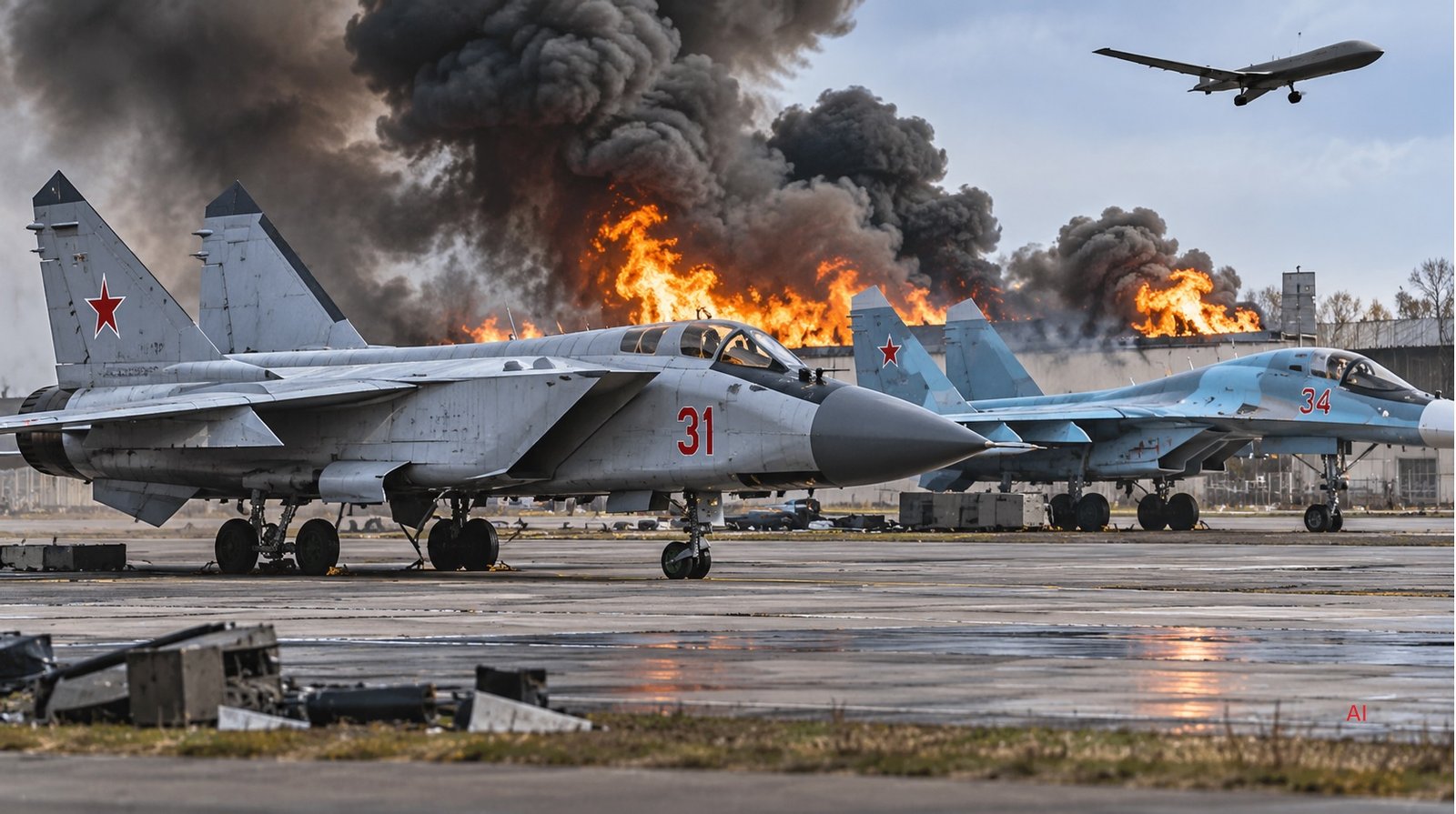 Ukraine Strikes Five Russian Warplanes, Including Three Kinzhal-Capable MiG-31s at Savasleyka Airbase
-
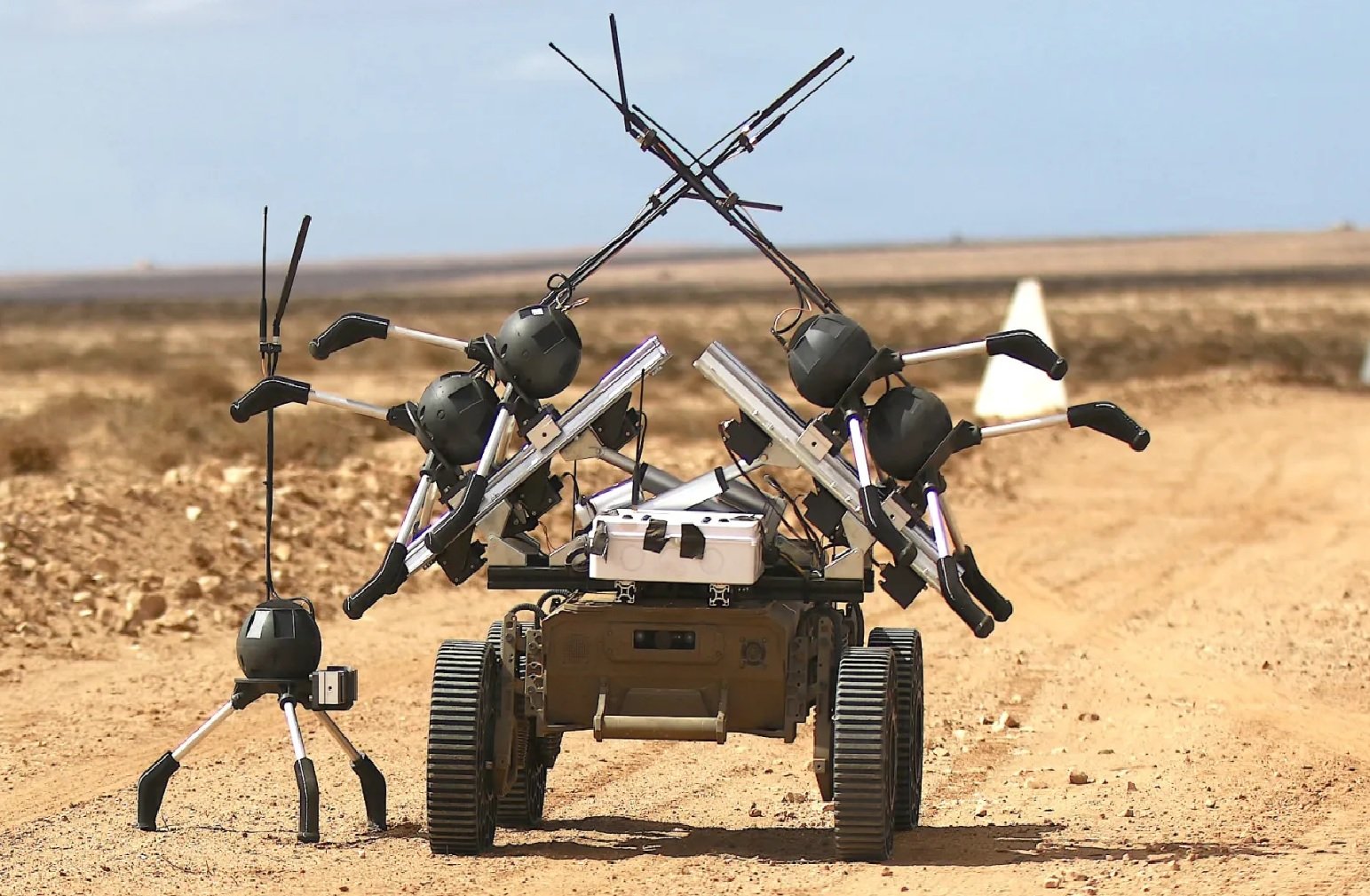 U.S. Army Tests FireAnt Robotic Vehicle to Deploy Drone-Detection Sensors in Morocco
-
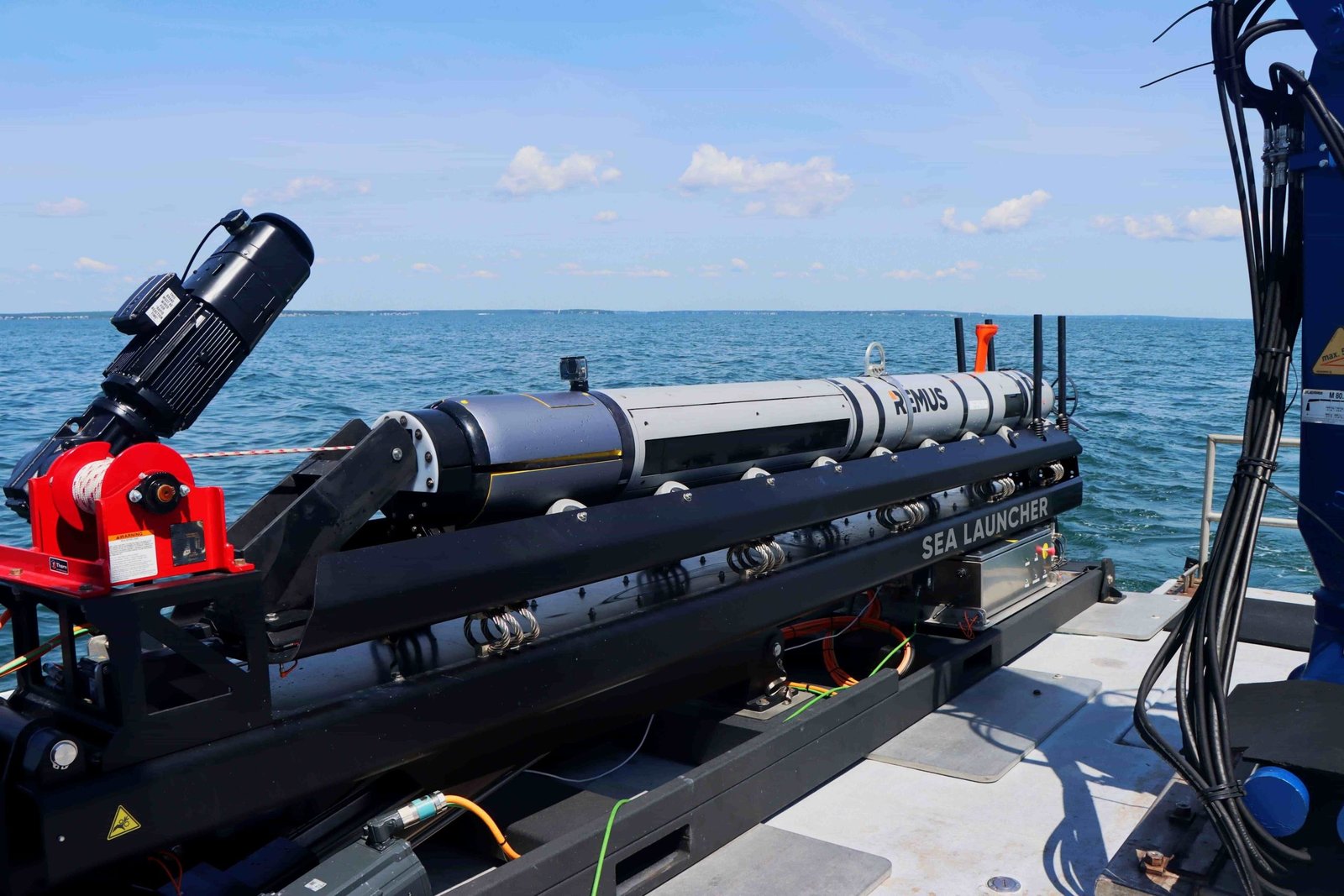 UK Awards HII £142 Million Contract for REMUS 620 Underwater Vehicles for Royal Navy Mine-Hunting Programme
-
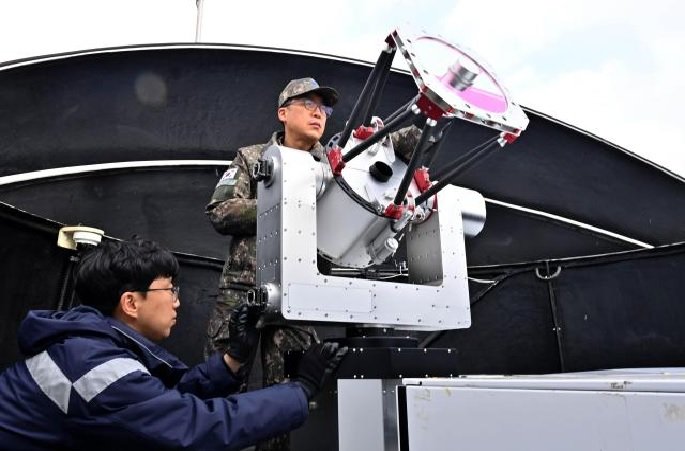 South Korea’s Air Force Deploys New Space Weather Warning System to Monitor Solar Activity and Protect Military Operations
-
 UK Supplied Fake 'Enhanced C-4' Explosives for Ukrainian Drones, Investigation Reveals
-
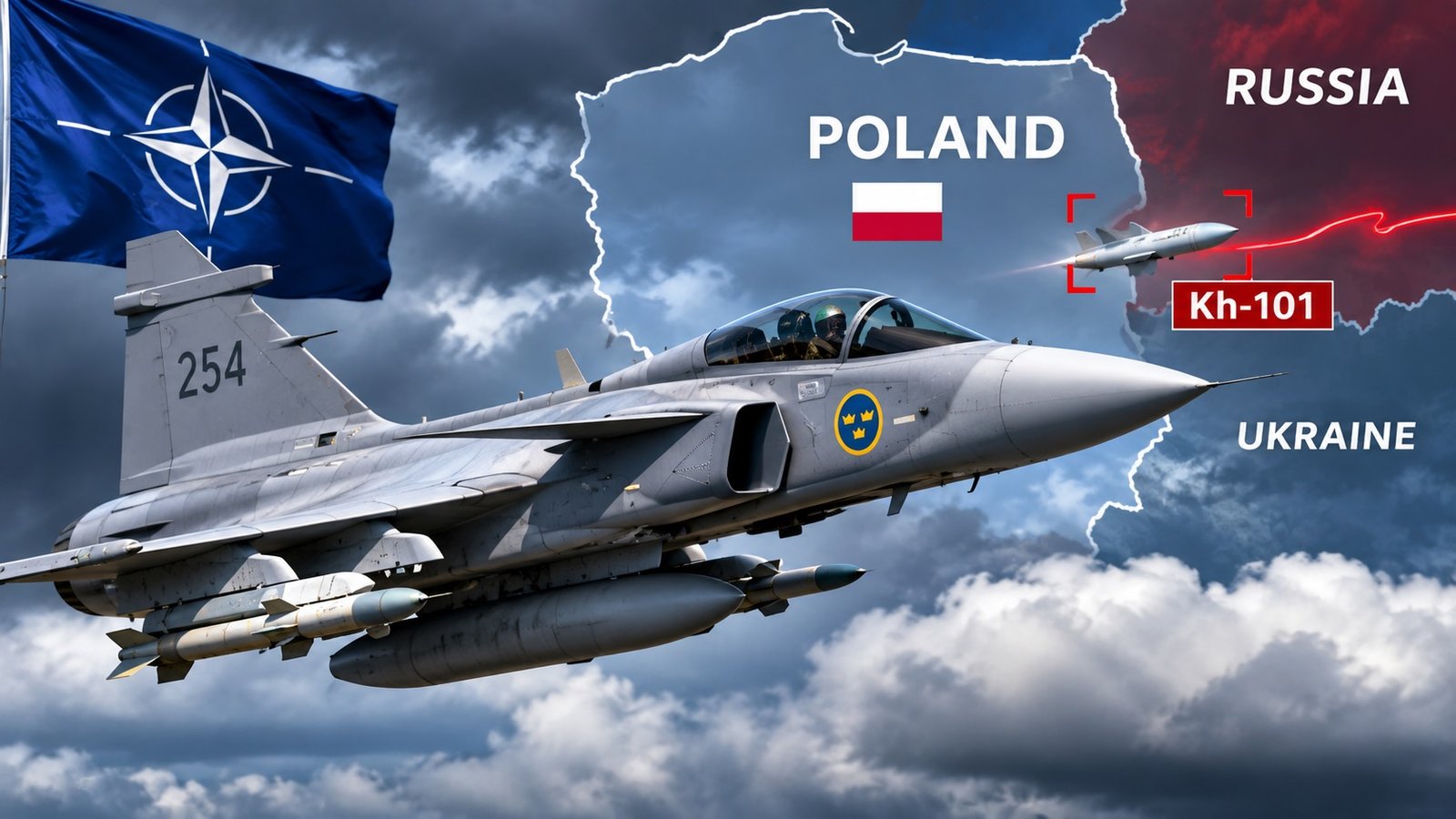 Swedish Gripen Fighter's Capabilities Questioned After Pilot Fails to Engage Suspected Russian Missile Over Poland
-
 Israeli Elbit Systems Wins Five-Year Contract to Equip Four German Navy F128 Frigates With Electronic Warfare Systems
Top Trending in 4 Days
-
 Two Injured in Bahrain After Iranian Attacks; Iran Claims Strike on US Patriot Radars
-
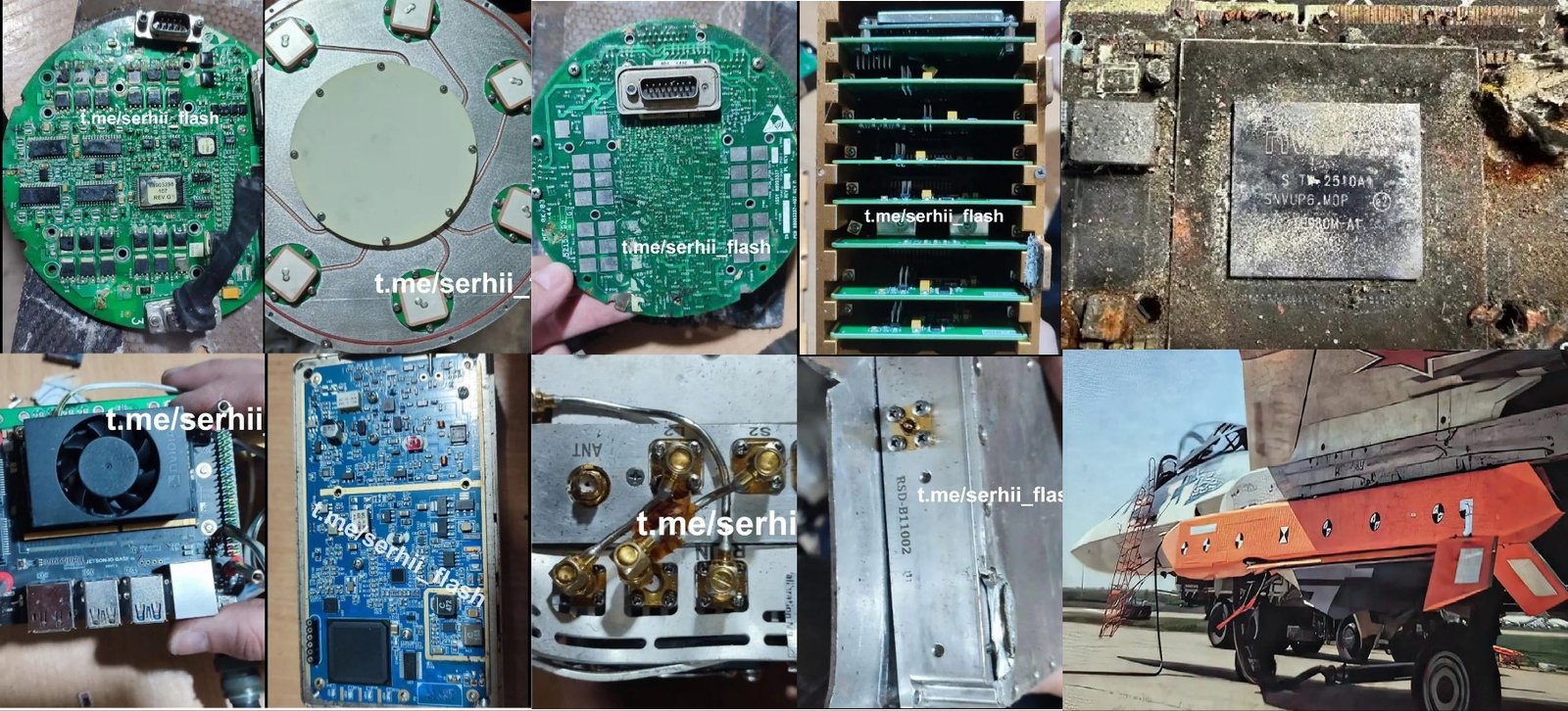 Russian Drones and Cruise Missiles Found Using Civilian NVIDIA AI Chips in Ukraine
-
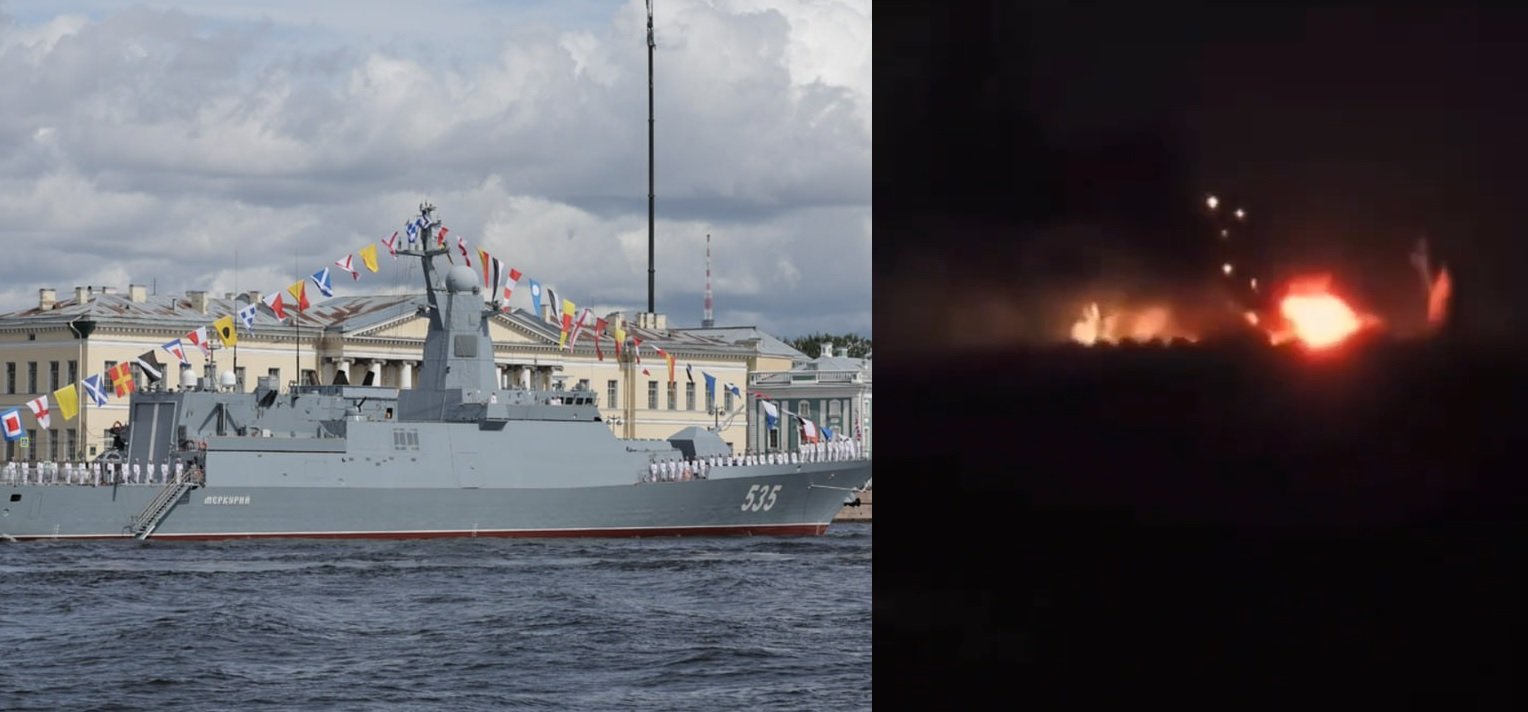 Russian Corvette Merkury Almost Certainly Destroyed in Benghazi Port Explosion
-
 Western Intelligence Warns Russia Could Launch Nuclear-Armed Satellite as Early as December
-
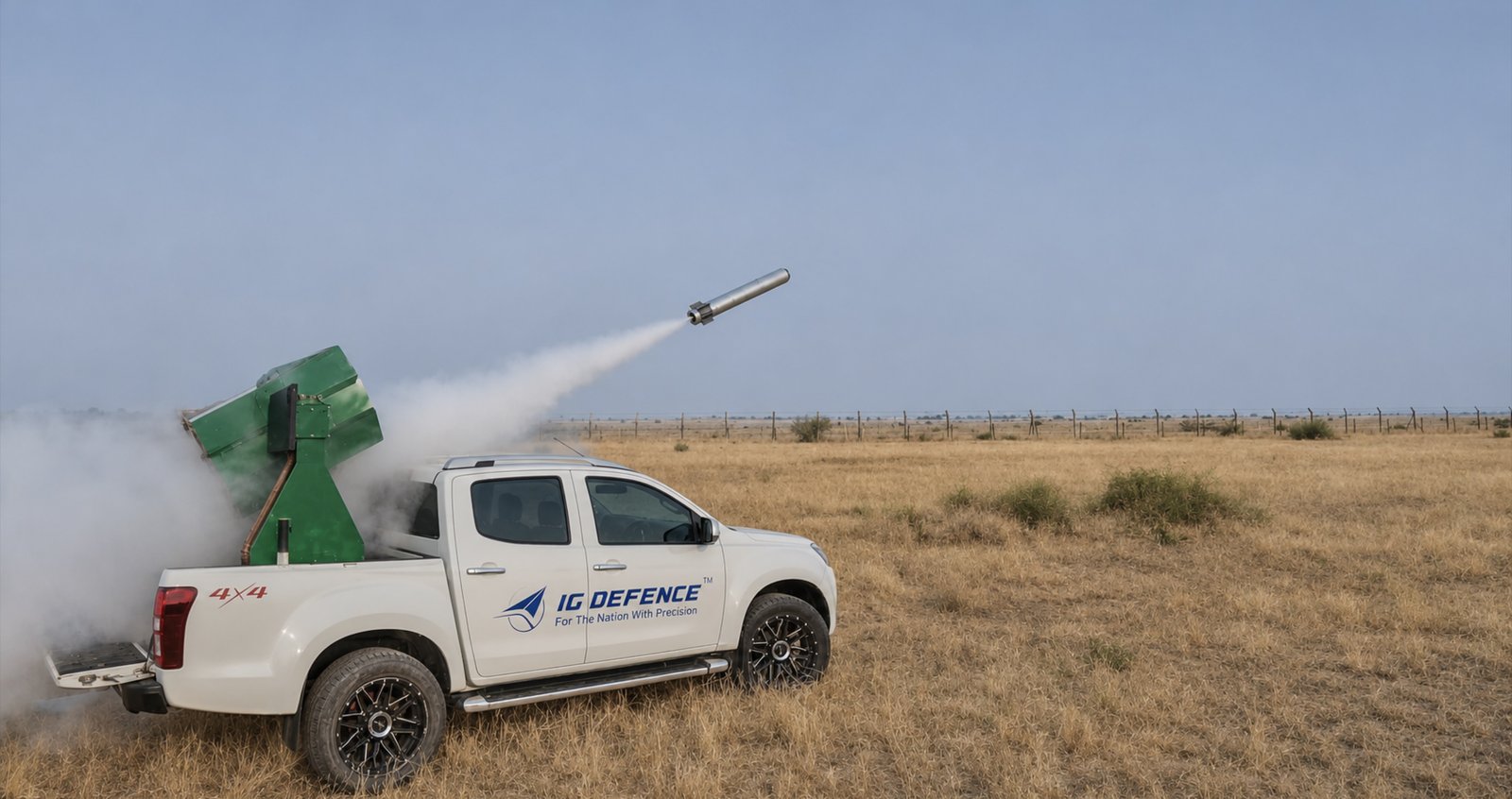 IG Defence Successfully Test-Fires JWALA MK-1 Counter-Drone Missile at Pokhran
-
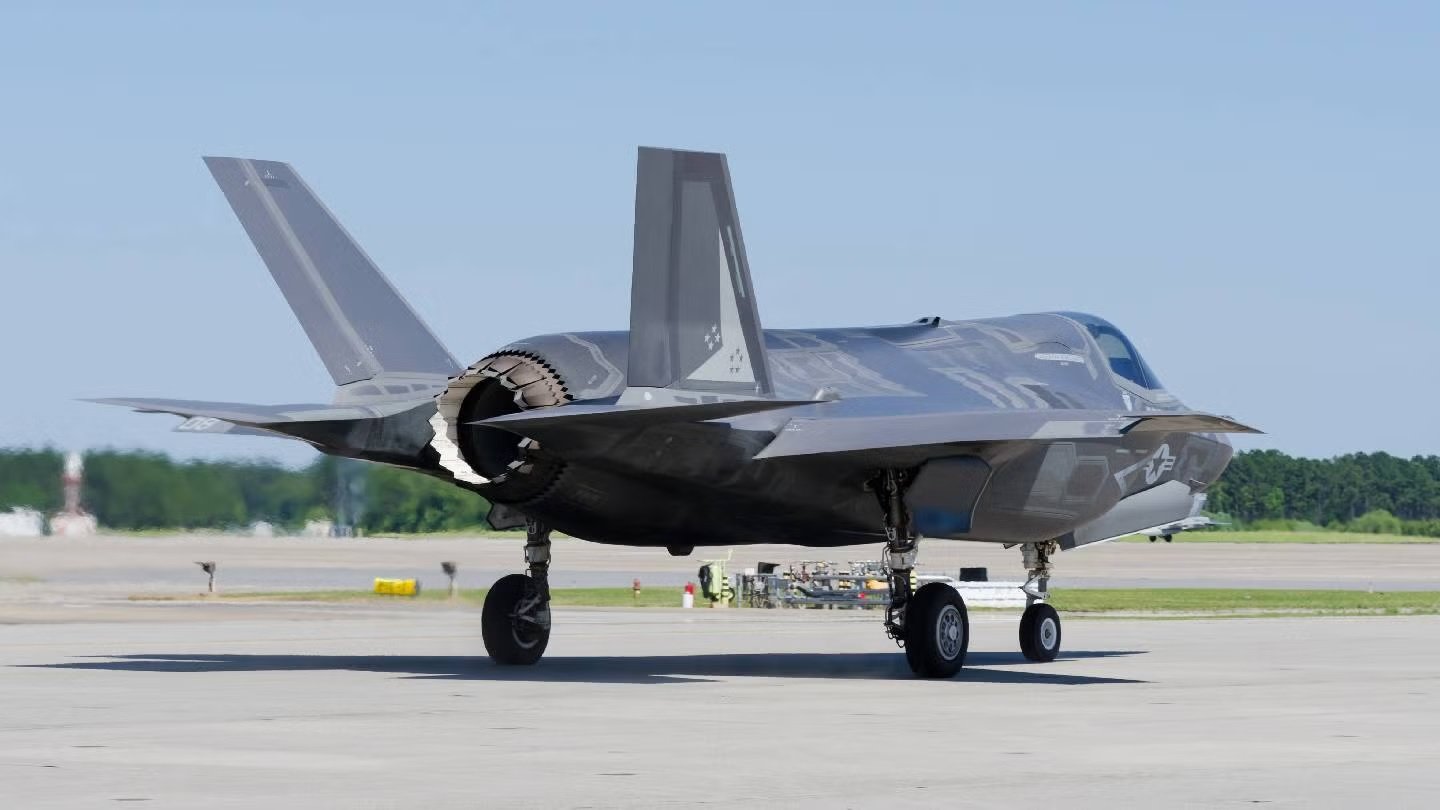 U.S. Awards Lockheed Martin $330.6 Million Contract for Long-Lead Materials Supporting 75 F-35 Lot 22 Aircraft
-
NASA Suspends Science Operations on Perseverance Rover and Mars Odyssey After Hardware Failures
-
 Chinese Military Warns U.S. AI Could Threaten China’s Nuclear Missile Survivability