The Indian military strengthens its air defense in Kashmir by replacing aging systems with the advanced Akash missile system, ensuring superior protection and operational readiness.
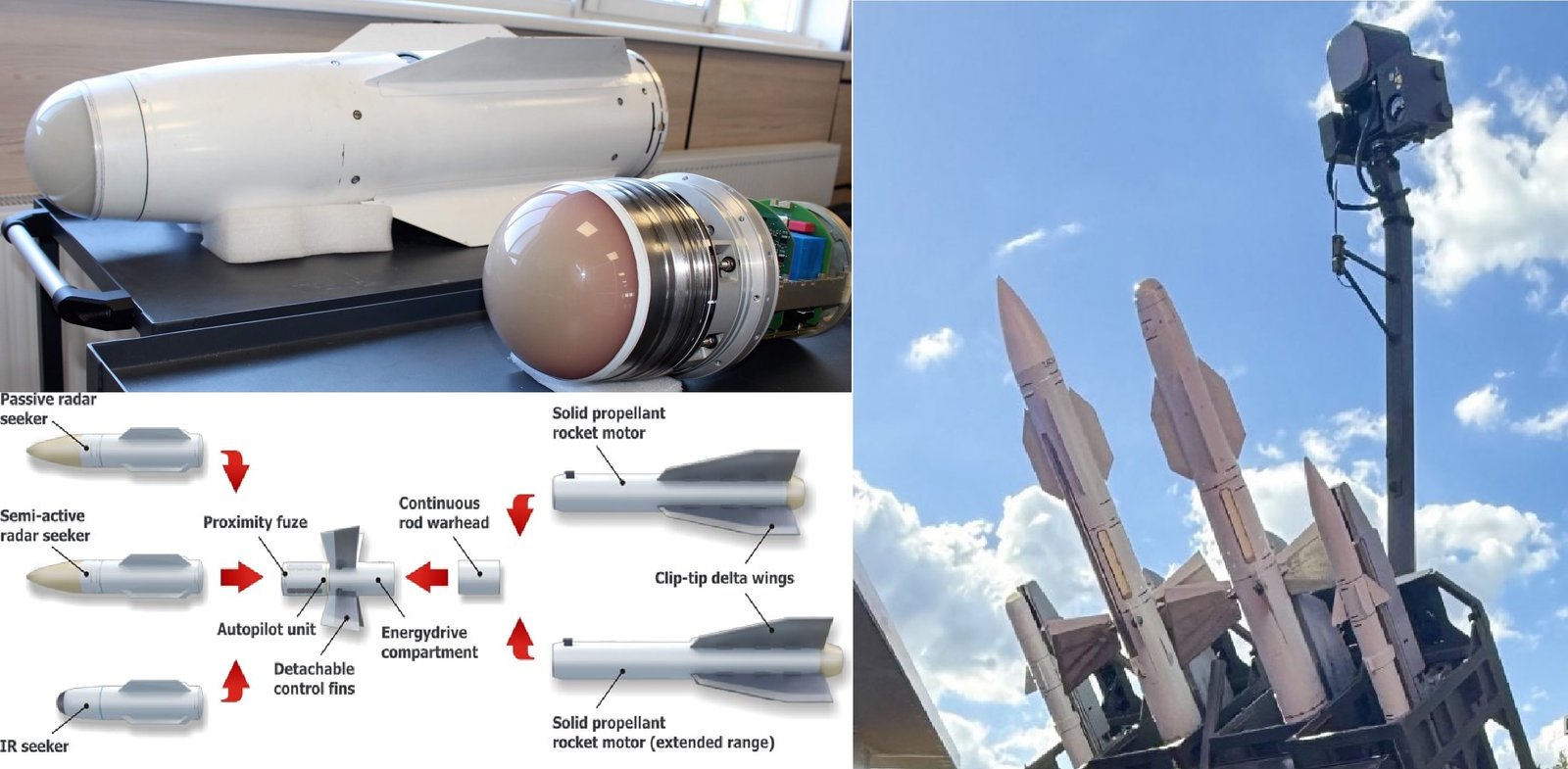
The Indian military is significantly upgrading its air defense capabilities with the deployment of the indigenously developed Akash air defense system. This modern, medium-range surface-to-air missile (SAM) system is set to replace the outdated SA-3 Goa systems, marking a substantial improvement in technological capability.
Transition to Advanced Defense in Awantipora
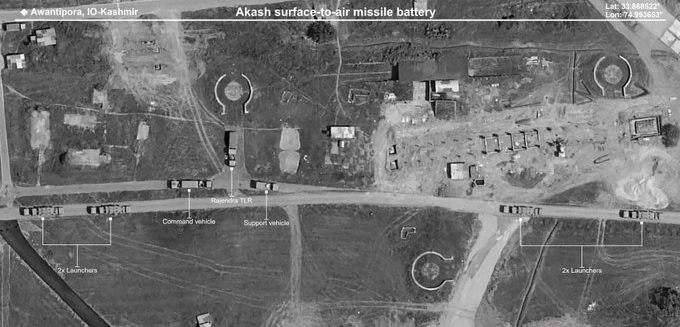
A notable example of this upgrade is in Awantipora, Kashmir. This strategically important location has recently seen the deployment of an Akash battery, which has taken over the operational duties from the older SA-3 system. This change is a crucial step towards enhancing India’s air defense in the region.
To support the long-term deployment and optimal use of the Akash system, a dedicated Akash SAM site is currently under construction in Awantipora. This purpose-built facility will offer robust infrastructure to house the system, ensuring its maximum effectiveness.
Advantages of the Akash System
The Akash missile system offers several significant improvements over its predecessor:
- Extended Range: The Akash system has a longer range, allowing it to engage targets at greater distances.
- Improved Accuracy: Enhanced targeting capabilities ensure higher precision in intercepting threats.
- Superior Target Engagement: The system can effectively engage multiple targets simultaneously.
- High Maneuverability: Akash missiles are highly maneuverable, making them more effective against agile aerial threats.
- Jamming Immunity: Advanced technology makes the Akash system resistant to electronic jamming, enhancing its reliability in combat scenarios.
Complementary Defense in Srinagar
This strategic upgrade in Awantipora complements the deployment of the Barak-8 missile defense system in Srinagar, another critical location in Kashmir. The Barak-8 system provides medium to long-range protection and is designed to intercept and destroy aerial threats like aircraft, helicopters, and missiles.
The combination of the Akash and Barak-8 systems creates a layered air defense network in Kashmir. This network ensures comprehensive protection against a wide range of aerial threats, including fixed-wing aircraft, drones, and cruise missiles. By integrating these advanced systems, the Indian military enhances its operational readiness and deterrence capabilities in the region.
Conclusion
The deployment of the Akash air defense system in Awantipora and the construction of a dedicated SAM site underscore India’s commitment to strengthening its military infrastructure and defense capabilities. This upgrade not only replaces outdated systems but also provides a robust and modern defense solution capable of addressing contemporary aerial threats. The strategic enhancement in Kashmir, complemented by the Barak-8 system in Srinagar, signifies a significant leap in India’s air defense posture.
——— End of Article ———