WASHINGTON : Senior officials in the United States government under President Donald Trump held high-level discussions about the possibility of seizing oil tankers carrying Iranian crude as part of a broader effort to exert economic pressure on Tehran. The deliberations, reported by The Wall Street Journal, focused on cutting off Iran’s primary source of revenue but were ultimately shelved due to concerns over retaliation and potential disruption to global energy markets.
Proposal to Target Iranian Oil Revenues
The discussions emerged amid heightened U.S. scrutiny of Iran’s oil export network, particularly vessels involved in moving crude outside of sanctioned channels. U.S. authorities have sanctioned more than 20 ships this year that transport Iranian oil, identifying them as potential enforcement targets.
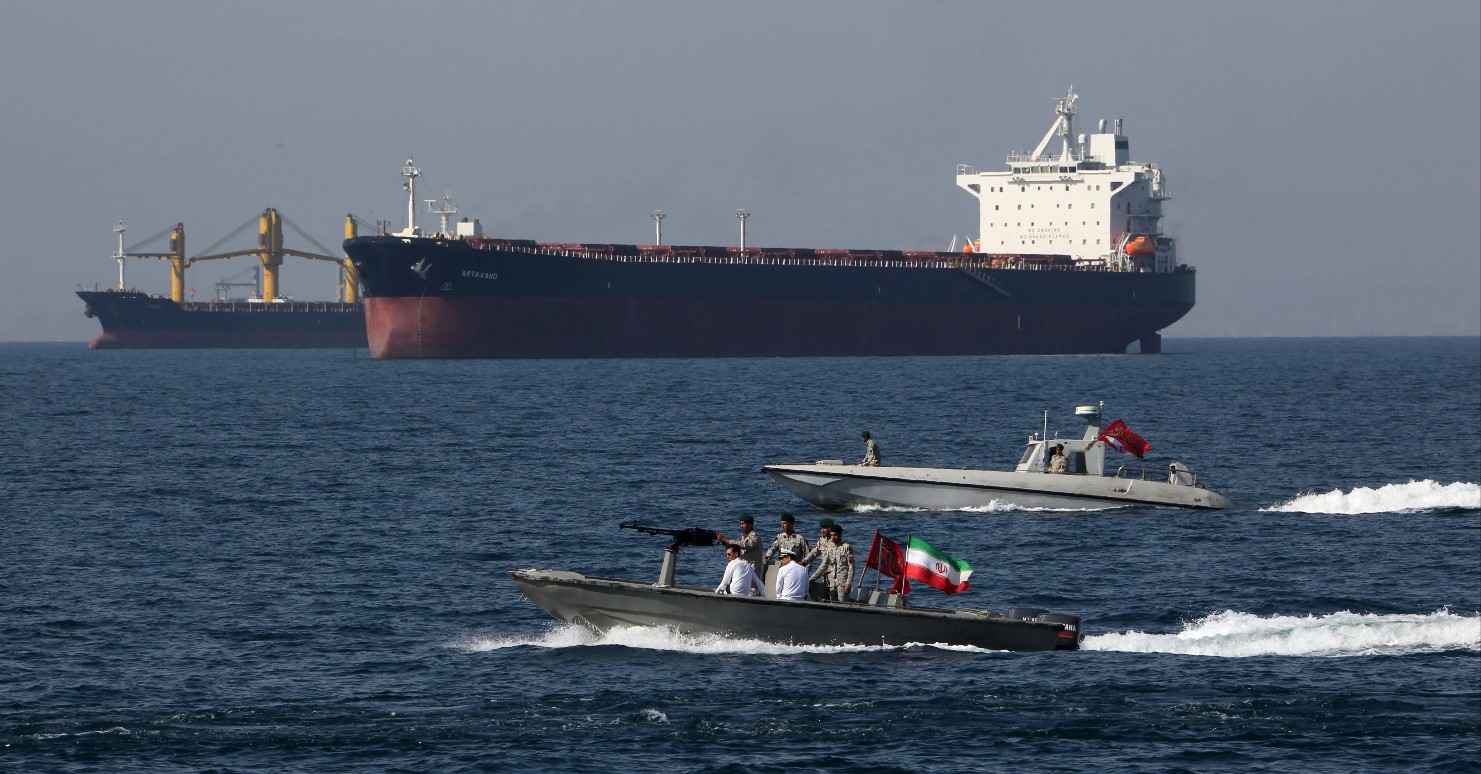
These vessels are part of what officials describe as a “shadow fleet”, a network of ships used to carry crude to buyers in China and other markets while obscuring their origin or ownership to evade U.S. sanctions.
The proposal considered by the administration aimed to expand enforcement measures previously used against sanctioned Venezuelan tankers to Iranian shipments. The strategy sought to restrict hard currency earnings from petroleum exports, thereby increasing U.S. leverage in nuclear negotiations and broader regional security discussions.
Concerns Over Retaliation and Market Disruption
Despite its strategic objectives, officials decided against implementing the plan. U.S. military and intelligence assessments indicated that Iran would likely respond to seizure operations by targeting vessels carrying oil from U.S. partner countries in the Middle East or by interfering with maritime traffic in key shipping lanes.
There were also concerns that Tehran might deploy naval mines or undertake other measures to disrupt shipments through the Strait of Hormuz, a maritime chokepoint through which a significant portion of the world’s petroleum supply transits.
Senior officials concluded that the risk of sharp oil price increases, supply disruptions, and broader market volatility outweighed the potential benefits of a maritime interdiction campaign.
Context of Ongoing Enforcement and Naval Operations
The discussions took place against the backdrop of ongoing U.S. enforcement actions against sanctioned vessels. In recent months, U.S. forces have seized ships involved in transporting Iranian or related illicit oil shipments. In one operation, a sanctioned tanker was boarded in the Indian Ocean following a prolonged pursuit from the Caribbean.
Earlier actions near the Caribbean and off Venezuela’s coast targeted vessels suspected of facilitating sanctioned oil exports. These operations were conducted as part of a broader U.S. naval effort to enforce sanctions compliance and monitor tanker movements in strategic maritime regions.
Diplomatic and Security Implications
The decision not to proceed with additional seizures comes amid continued indirect nuclear talks between U.S. and Iranian officials. Diplomatic efforts, including negotiations in Muscat mediated by Oman, remain active.
At the same time, tensions in the Persian Gulf persist. The U.S. Maritime Administration recently issued updated guidance advising commercial vessels transiting the Strait of Hormuz to exercise heightened caution due to regional security risks.
Earlier this month, Iran seized two foreign-flagged tankers near Farsi Island, citing fuel smuggling allegations. The ships and their crews were detained, reflecting continued maritime enforcement activity by Tehran in regional waters.
Economic Impact and Market Reaction
Reports that the administration considered expanded tanker seizures influenced global crude markets. On Wednesday, Brent crude and West Texas Intermediate (WTI) futures recorded modest gains amid investor concerns over geopolitical risks affecting supply routes.
Market analysts noted that any disruption involving the Strait of Hormuz or retaliatory action targeting oil shipments could introduce additional risk premiums into pricing, reinforcing volatility in international energy markets.
——— End of Article ———