TEL AVIV : The Israel Ministry of Defense announced the successful completion of a comprehensive test campaign for the David’s Sling air and missile defense system, validating a future threat-readiness upgrade. The trials were conducted jointly by the Israeli Missile Defense Organization (IMDO), the U.S. Missile Defense Agency (MDA), and Rafael Advanced Defense Systems.
According to the ministry, the upgraded system was tested against a broad spectrum of simulated aerial threats, including rockets, tactical ballistic missiles, cruise missiles, fixed-wing aircraft, and unmanned aerial vehicles (UAVs). Officials confirmed that the series concluded successfully, enabling a significant enhancement to Israel’s national air and missile defense architecture.
Operational Upgrades Incorporate Combat Lessons
The validation campaign integrated direct operational lessons from recent combat engagements, including Operation Rising Lion. Real-time adaptations implemented during the conflict have now been incorporated into structured development programs.
Moshe Patel, Director of the IMDO within the Directorate of Defense Research & Development (DDR&D), stated that wartime modifications enhanced the capabilities of Israeli Air Force air and missile defense systems, particularly David’s Sling. He confirmed that the test series assessed the system’s future operational capabilities and its ability to counter multiple, diverse threats simultaneously, with results indicating full success.
The ministry further stated that David’s Sling has maintained a record of successful operational interceptions during recent conflicts, preventing significant damage and loss of life.
Role Within Israel’s Multi-Layered Defense Network
David’s Sling serves as the mid-tier layer of Israel’s multi-layered air defense framework. It operates above the short-range Iron Dome and the laser-based Iron Beam, and below the exo-atmospheric Arrow interceptor systems.
Program management is led by the IMDO in partnership with the U.S. MDA. Industrial responsibilities are divided among key defense contractors:
-
Rafael Advanced Defense Systems – Prime contractor and interceptor developer
-
Elta Systems, a subsidiary of Israel Aerospace Industries – Developer of the Active Electronically Scanned Array (AESA) Multi-Mission Radar (MMR)
-
Elbit Systems – Developer of the battle management and command-and-control system
Yoav Tourgeman, Chief Executive Officer of Rafael, stated that the latest trials incorporated new operational capabilities across multiple complex scenarios and demonstrated the system’s continued development and adaptation to evolving threats.
Technical Specifications: Stunner (SkyCeptor) Interceptor
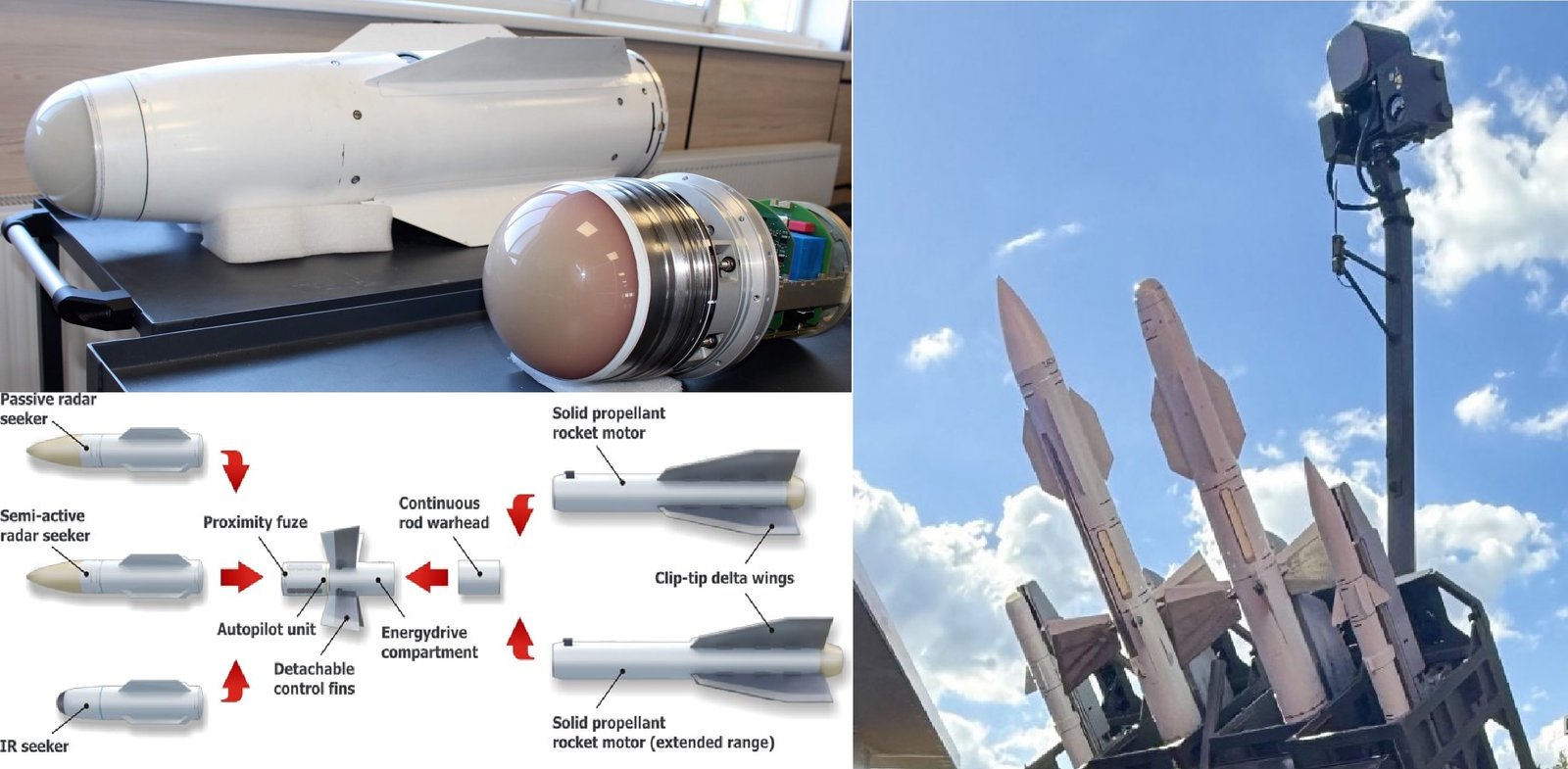
David’s Sling employs the “Stunner” interceptor, also known internationally as SkyCeptor.
Key technical specifications include:
-
Operational Range: 40–300 kilometers (25–190 miles)
-
Maximum Speed: Up to Mach 7.5
-
Propulsion: Two-stage solid-propellant design with a multi-pulse motor for enhanced maneuverability during terminal interception
-
Lethality Mechanism: Kinetic “hit-to-kill” technology, eliminating the need for an explosive warhead
-
Guidance System: Dual-seeker configuration combining 3D radar and electro-optical/imaging infrared (EO/IR) sensors for all-weather capability and warhead discrimination
-
Estimated Cost: Approximately $1 million per interceptor
Program Significance
The completion of the test series formally validates the integration of combat-derived enhancements into the David’s Sling architecture. With its extended engagement range, high-speed performance, advanced dual-sensor guidance, and kinetic interception capability, the system remains a central component of Israel’s layered air and missile defense structure.
Defense officials confirmed that the validated upgrades strengthen readiness against current and emerging aerial threats while maintaining interoperability with U.S. missile defense frameworks.
——— End of Article ———