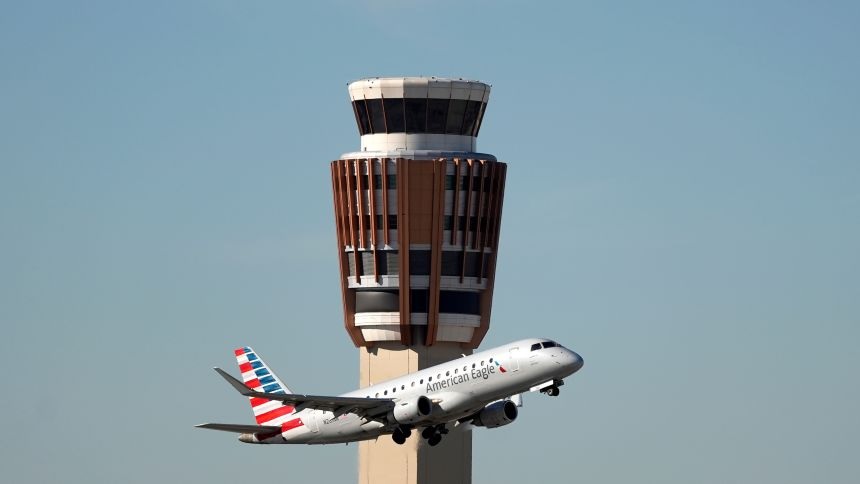
EL PASO, Texas : February 11, 2026: The Federal Aviation Administration (FAA) on Wednesday morning lifted a temporary airspace restriction over El Paso International Airport, concluding a shutdown that had initially been scheduled to last 10 days.
The restriction began late Tuesday, February 10, after federal authorities cited security concerns linked to unmanned aircraft activity near the U.S.–Mexico border. Officials described the action as the first extended airspace closure over a major U.S. city since the September 11, 2001 attacks.
Details of the Airspace Restriction
The FAA issued a Notice to Air Missions (NOTAM) establishing what it classified as “national defense airspace” over a 10-nautical-mile radius surrounding El Paso International Airport. The restricted zone extended from the surface up to 17,999 feet.
All commercial, cargo, and general aviation flights were halted within the designated airspace. The restriction applied strictly to U.S. territory and did not extend into Mexican airspace.
The agency initially stated that the suspension was imposed for “special security reasons.” Under the order, any pilot who violated the restricted zone could have faced interception, detention, or the potential use of deadly force if determined to pose an imminent security threat.
Cause of the Closure
U.S. Transportation Secretary Sean Duffy said the closure followed what he described as a “cartel drone incursion” originating near the U.S.–Mexico border.
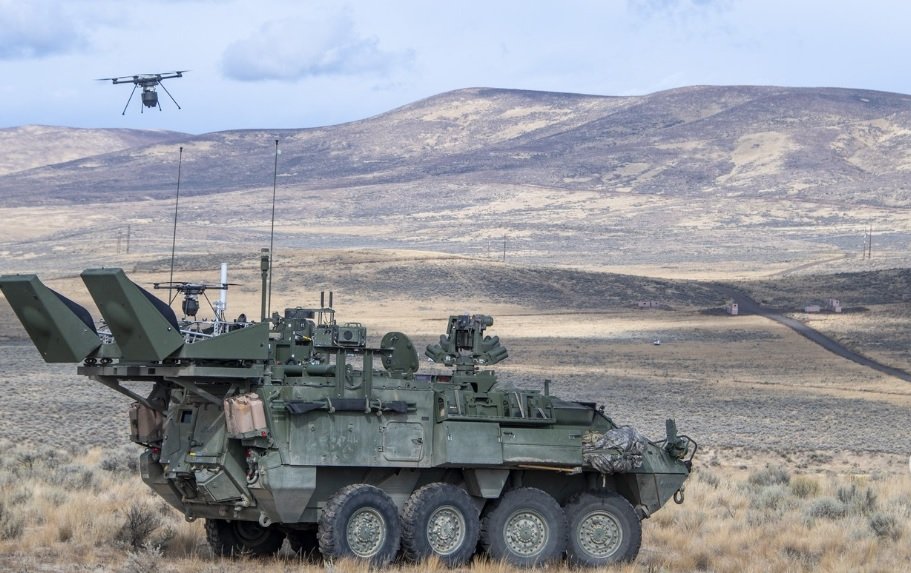
According to industry officials briefed by the FAA, the Department of Defense operated counter-drone systems from Biggs Army Airfield and Fort Bliss in response to the unmanned aircraft activity.
Military unmanned aircraft systems were operating outside standard civilian flight paths as part of the response effort. Detailed real-time flight information was not immediately shared with air traffic control, creating uncertainty about the drones’ positions within controlled airspace.
Because the FAA could not accurately determine the location and movement of military-operated systems, the agency suspended civilian flight operations as a precautionary measure until the situation was resolved.
Official Statements
Early Wednesday, the FAA announced via social media that the temporary restriction had been lifted, stating there was no threat to commercial aviation and that normal flight operations would resume.
Secretary Duffy confirmed that federal agencies had neutralized the drone activity and that the incident did not pose a danger to commercial travel.
U.S. Representative Veronica Escobar, whose congressional district includes El Paso, said her office and local authorities were not given advance notice of the shutdown. She stated there was no prior communication with her office, the City of El Paso, or airport operations officials. She added that her office was informed shortly afterward that there was no immediate threat to the local community.
Operational Impact
The original 10-day restriction was scheduled to remain in effect through February 20. More than 1,000 scheduled flights were expected to be affected if the closure had continued, significantly limiting air connectivity to El Paso, the 23rd-largest city in the United States.
Following confirmation that the drone threat had been neutralized, the FAA cleared El Paso International Airport to resume standard daily operations.
Airport authorities began restoring regular flight schedules Wednesday morning, with airlines working to accommodate passengers impacted by the temporary suspension.
——— End of Article ———