KYIV : Ukraine has developed a working laser-based air defense complex known as “Sunray,” according to a report by The Atlantic. The directed-energy system is expected to serve as a central component of a broader domestically produced air defense network, which President Volodymyr Zelensky said is scheduled to become operational by summer.
The initiative aims to create a Ukrainian equivalent to Iron Dome, Israel’s short-range air defense system designed to intercept rockets and aerial threats targeting civilian areas and critical infrastructure. Ukraine’s proposed shield will combine laser systems, interceptor drones, and AI-enabled ground platforms into a multi-layered defensive structure focused on countering high-volume drone and missile attacks.
Development of the “Sunray” Laser Complex
The “Sunray” laser complex was developed over approximately two years by Ukrainian engineers as a low-cost domestic alternative to Western interceptor systems. Comparable programs, including the United States Navy’s HELIOS (High Energy Laser with Integrated Optical-dazzler and Surveillance), have been reported to cost around $150 million to develop. In contrast, the Ukrainian prototype was built for several million dollars, with projected production costs of a few hundred thousand dollars per unit.
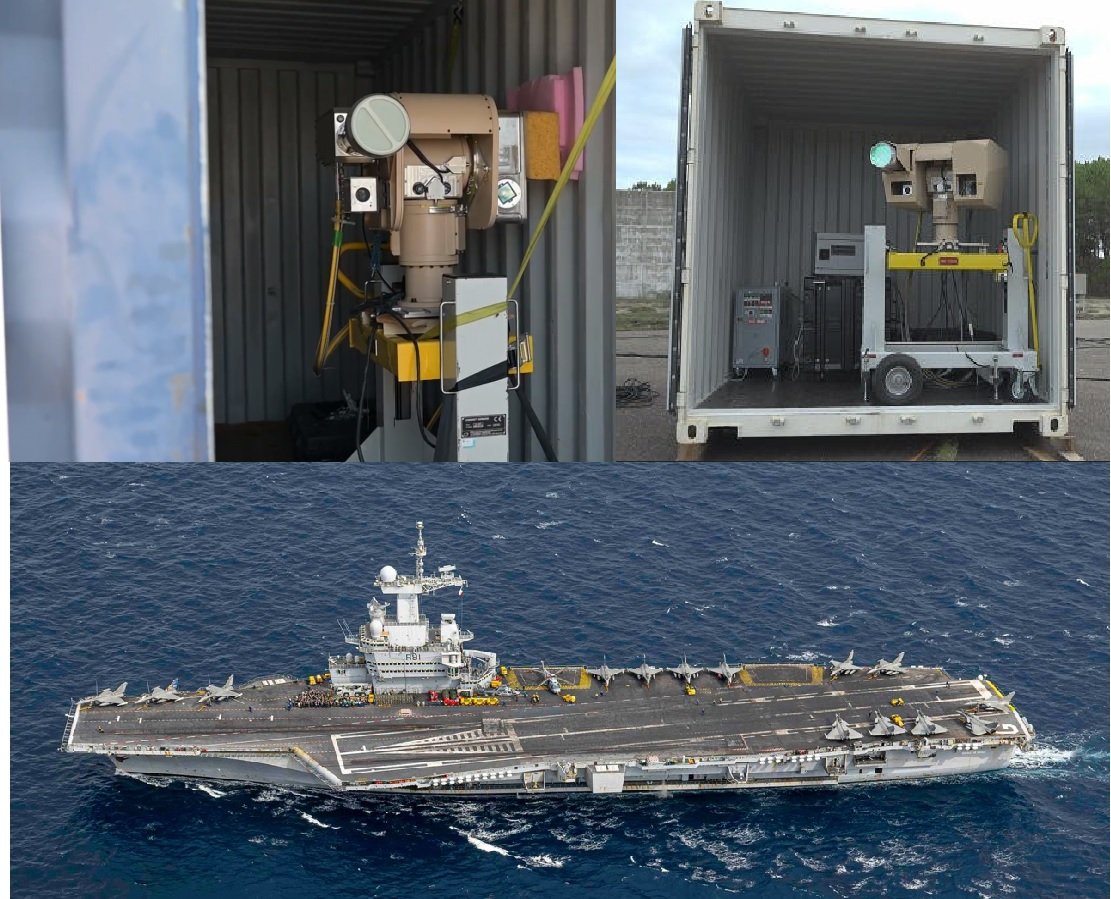
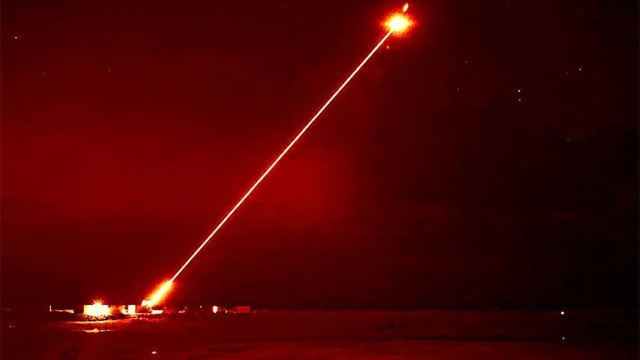
The system is portable and adaptable, capable of fitting into the trunk of a standard passenger vehicle or being mounted on a pickup truck roof. During a field demonstration described by The Atlantic, onboard cameras tracked a target unmanned aerial vehicle (UAV) before the laser engaged it within seconds, causing the drone to fall. The system reportedly operated without visible beam emission and without audible discharge.
The directed-energy approach is intended to reduce reliance on expensive interceptor missiles, as laser engagements primarily require electrical power rather than physical munitions, supporting sustained counter-drone operations.
Integrated Components of the Shield
In addition to the laser system, the air defense shield includes several cost-efficient technologies designed to intercept aerial threats.
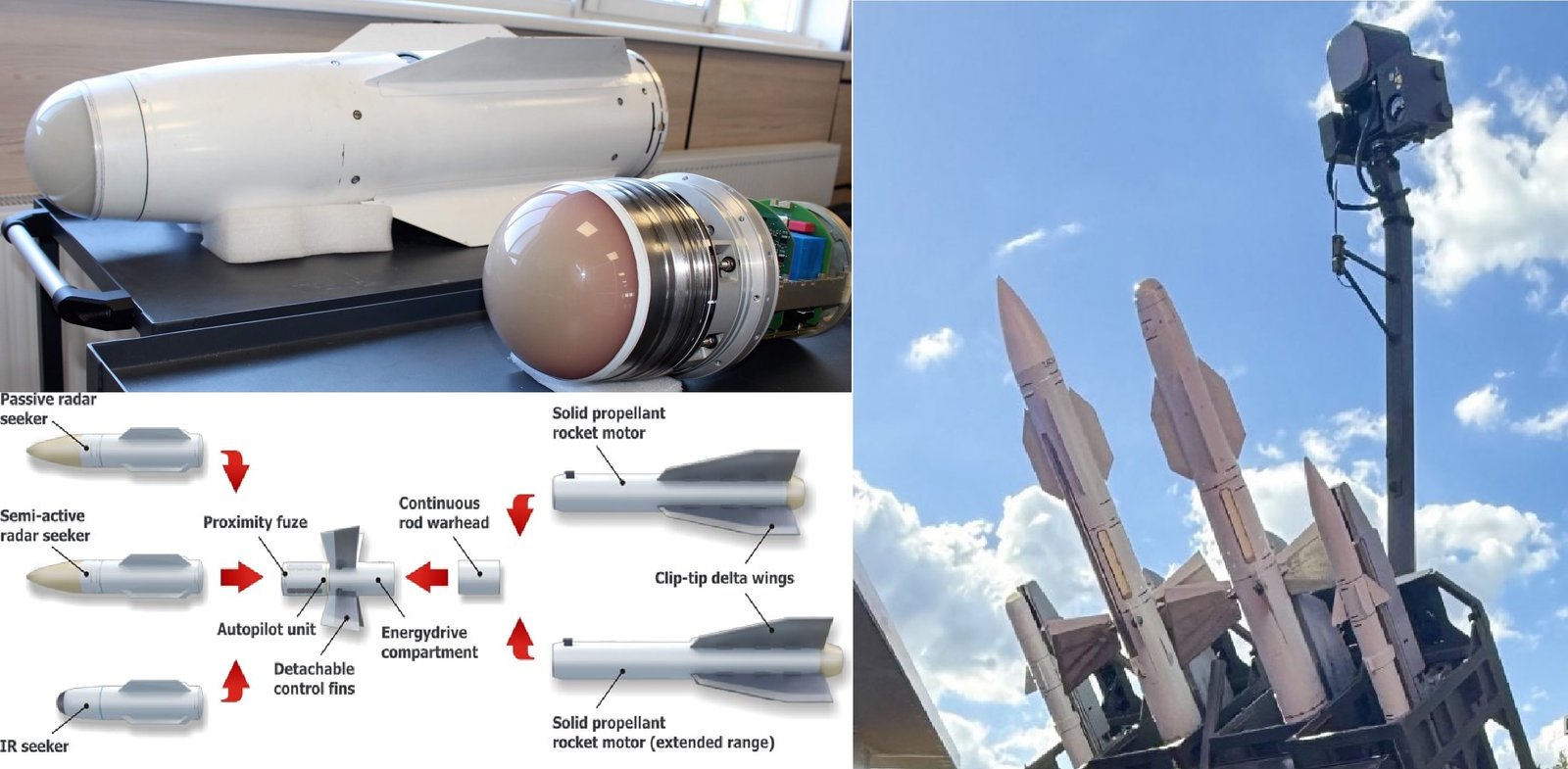
A key element is the deployment of 3D-printed interceptor drones equipped with AI-based sensors capable of autonomously identifying and tracking targets. One interceptor model has been designed as a carbon-fiber copy of Russia’s most advanced surface-to-air guided missiles, with emphasis on mass production and scalability. These UAVs are intended to autonomously approach and neutralize incoming threats.
The system also incorporates AI-powered robotic turrets mounted on wheeled platforms and armed with machine guns. These turrets can detect, track, and engage low-flying drones using artificial intelligence to calculate firing solutions without manual aiming or trigger input.
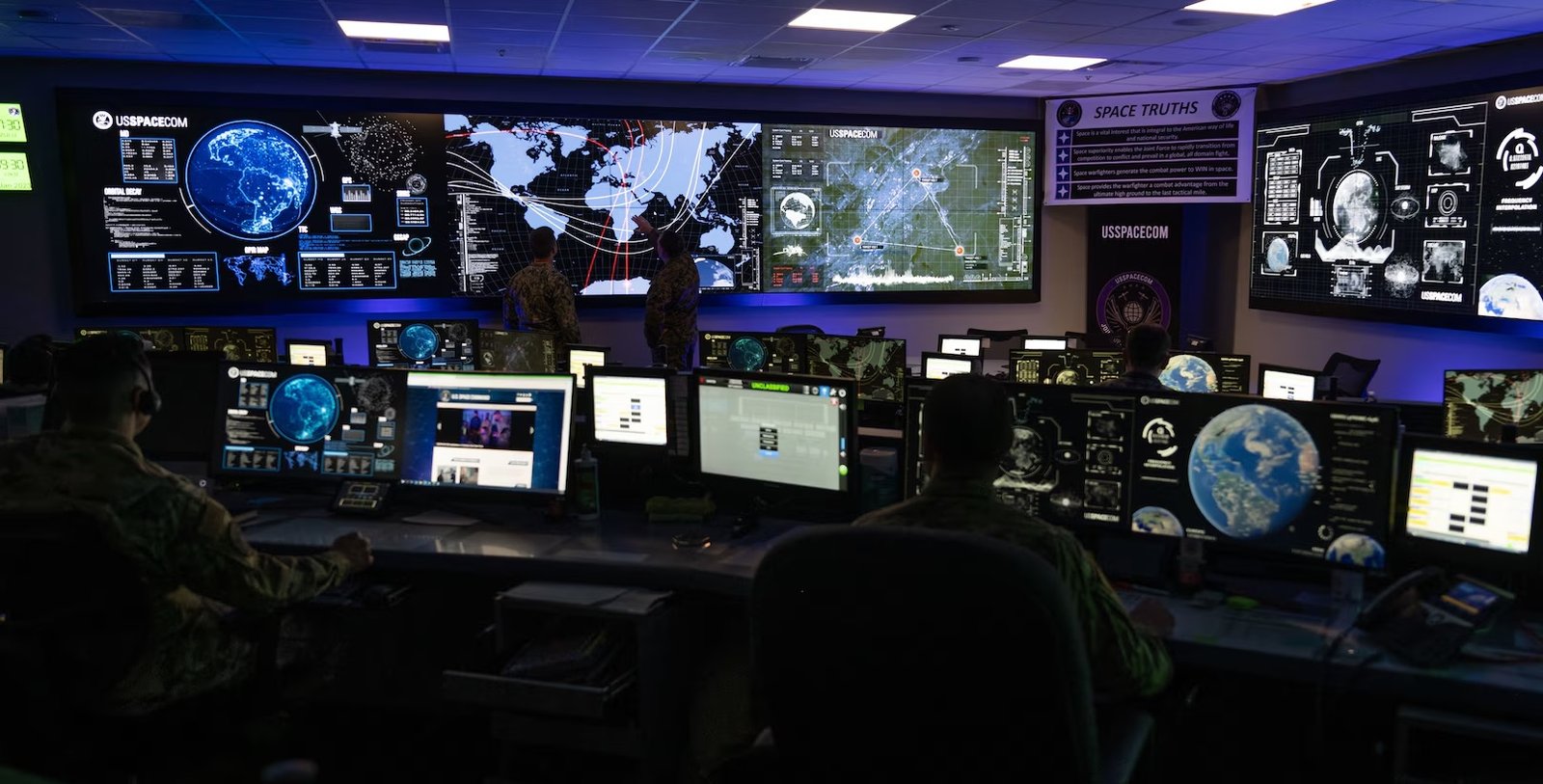
All components — lasers, autonomous interceptors, and robotic gun systems — are being integrated into a unified command and control framework, forming a coordinated, layered air defense network.
Leadership and Implementation
The project is overseen by Colonel Pavlo Yelizarov, Deputy Commander of the Ukrainian Air Force. He was appointed in January 2026 with a mandate to restructure short-range and mobile air defense strategies.
Under his direction, the Air Force is shifting from dependence on foreign-supplied interceptor missiles toward domestically developed systems. The strategy prioritizes mobility, sustainability, and reduced per-intercept cost, aiming to provide continued defense coverage against persistent drone and missile threats.
If deployed as scheduled, the “Sunray” laser system and its integrated technologies will form a domestic, multi-layered air defense network combining directed-energy and autonomous systems within a single operational structure.
——— End of Article ———