
World
In 2025, Taiwan’s defense landscape is set to take a major leap forward, as the government submitted a NT$647 billion (US$20.24 billion) defense budget proposal to the Legislative Yuan for review. A significant portion of this budget is dedicated to Taiwan’s naval programs, underscoring the country’s commitment to modernizing its maritime defense in the face of growing regional tensions, particularly with China.The FY2025 budget reflects Taiwan’s strategic focus on enhancing its surveillance, anti-ship capabilities, and undersea warfare, aiming to secure its territorial waters and strengthen deterrence capabilities. Several advanced technologies, including unmanned aerial vehicles (UAVs), long-range submarine-launched torpedoes, and combat system upgrades for existing submarines and frigates, form the core of the new naval programs. Here's a breakdown of the key initiatives.UAVs for Land Surveillance and ReconnaissanceUnmanned aerial vehicles (UAVs) will play a pivotal role in Taiwan’s defense strategy, particularly for land-based surface-to-surface missile (SSM) targeting. Over NT$2.414 billion is allocated for acquiring 96 UAVs over the next few years, with NT$300 million specifically set aside for purchasing 12 UAVs in the FY2025 budget. These UAVs will enhance Taiwan’s capability to detect threats and direct missile fire with greater precision, marking a step forward in integrated land-based surveillance.Long-Range Submarine-Launched TorpedoesThe ROC Navy has prioritized acquiring 24 long-range submarine-launched torpedoes, with the budget for these purchases spread from FY 2018 to FY 2030. These advanced torpedoes, designed for high-speed underwater engagements, will provide greater flexibility in Taiwan’s submarine tactics. They will be mixed with the currently equipped torpedoes to enhance operational versatility. For FY2025, NT$38.4 million is requested, reflecting the Navy’s gradual progress in expanding its undersea strike capabilities.Shipborne UAVs for SurveillanceTo bolster maritime intelligence, Taiwan plans to purchase 16 shipborne UAVs by FY2025, investing over NT$424.67 million. The UAVs will be deployed from amphibious transport docks (LPDs) and used for reconnaissance operations, including surveying beaches and harbors in preparation for amphibious missions. For the 2025 budget alone, NT$318.5 million is allocated for acquiring 12 UAVs, reinforcing the Navy’s ability to conduct coastal surveillance and strategic reconnaissance.Combat Systems Mid-Life Upgrades for Chien Lung-Class SubmarinesTaiwan’s focus on modernizing its undersea fleet extends to upgrading the Chien Lung-class submarines, particularly their combat systems. This NT$7.4 billion investment, running from FY2018 through FY2027, aims to enhance early warning capabilities, self-protection measures, and electronic reconnaissance. For FY2025, NT$360.3 million is requested to continue the upgrade process, improving the submarines’ overall combat effectiveness and survivability in hostile environments.High-Altitude UAVs (MQ-9B)The ROC Air Force is also expanding its UAV fleet with the high-altitude MQ-9B, allocating NT$21.7 billion between FY2022 and FY2029 to purchase four of these systems. The MQ-9B UAVs will be used for surveillance, reconnaissance, and strike missions, giving Taiwan’s air force a stronger presence in its airspace. The FY2025 budget includes a NT$10.4 billion request, signaling the importance of UAVs in both offensive and defensive operations.Indigenous Defense Submarine ProgramPerhaps the most ambitious part of Taiwan’s naval modernization is its Indigenous Defense Submarine (IDS) program. The second batch of these submarines is scheduled for production from FY2019 to FY2029, with one submarine currently under construction. For FY2025, NT$585 million is set aside to continue this effort, part of a larger NT$49.36 billion allocation. The IDS program is a significant step towards achieving self-sufficiency in submarine technology, providing Taiwan with a critical undersea deterrence capability.New Generation Light FrigatesIn addition to submarines, Taiwan is investing in a new class of light frigates. These vessels will be tasked with patrolling the Taiwan Strait, conducting intelligence, surveillance, and reconnaissance (ISR) missions, and securing sea lanes of communication (SLOC). Taiwan’s Navy is seeking NT$24.54 billion to build two of these frigates by FY2026, with NT$8.9 billion allocated in FY2025 for this purpose. The light frigates are designed to be multi-mission platforms, capable of supporting a wide range of naval operations.Harpoon Coastal Defense Cruise MissilesAs part of its anti-ship defense strategy, Taiwan plans to establish mobile missile batteries using the Harpoon coastal defense cruise missile system. The program, which runs through FY2030, seeks to procure 100 sets of these systems to enhance Taiwan’s sea control capabilities. For FY2025, NT$24.96 billion is allocated towards this purchase, reflecting the increasing focus on protecting Taiwan’s coastline from amphibious invasions or naval incursions.Future Submarine ProgramsLooking beyond the second batch, Taiwan has committed to building a third batch of seven indigenous defense submarines between 2025 and 2038. This initiative will follow a production sequence of 2-3-2, ensuring a steady supply of submarines over the next decade. For FY2025, NT$2 billion is earmarked to initiate this program, reinforcing Taiwan’s long-term vision for its undersea warfare capabilities.Political Challenges and Uncertain FutureDespite the robust defense strategy laid out in the FY2025 budget, Taiwan’s legislative process is not without hurdles. Some opposition members, particularly from the pro-China annexation camp within the Chinese Nationalist Party (CNP) and Taiwan People’s Party (TPP), have raised concerns about various defense spending proposals. Certain MPs have threatened to block or suspend the budget, including the crucial funding for the Indigenous Defense Submarine program. These political challenges add a layer of uncertainty to Taiwan’s naval modernization efforts, but the defense ministry remains committed to pushing its budget through the legislative process.Taiwan’s FY2025 defense budget reflects a comprehensive approach to naval modernization, focusing on advanced UAVs, modernized submarines, and enhanced coastal defense systems. The proposed investments signal Taiwan’s determination to safeguard its waters, protect its sovereignty, and deter potential threats from adversaries. However, political opposition remains a factor that could impact the timely execution of these defense programs. As Taiwan navigates these internal and external challenges, its FY2025 naval budget underscores the nation’s resolve to strengthen its maritime security for the years ahead.
Read More → Posted on 2024-10-11 15:37:13
Space & Technology
China is making significant strides in its quantum computing capabilities, according to reports from state-run media, but the question remains: is this the truth, or just part of the larger narrative China often pushes? The **Anhui Quantum Computing Engineering Research Centre**, a key player in China's quantum efforts, has announced an expansion of its superconducting quantum computer production line. The facility, which currently assembles up to five quantum computers simultaneously, is upgrading its capacity to handle eight at once. This move is seen as a major leap in the country’s ambitious drive to lead the global race in quantum technology.Wukong Chip and China's Quantum LeapAt the heart of this expansion is the Wukong chip, a 72-qubit superconducting quantum chip developed by the Anhui Quantum Computing Engineering Research Centre. The Wukong chip, which powers the country’s third-generation quantum computer, has been operational for nine months and is reportedly running reliably. This chip is a cornerstone of China’s expanding quantum computing program, with researchers at the Anhui centre working on next-generation chips that promise even higher qubit counts and improved stability.Quantum computers, unlike classical computers, operate based on qubits, which allow for far greater computational power. By increasing the qubit count and enhancing stability, China hopes to address more complex problems in fields such as logistics, materials science, and pharmaceuticals. These are industries where quantum computing could deliver breakthroughs that are currently beyond the reach of traditional computers.Production Expansion and Growing DemandThe expansion of the Anhui facility's production line from five to eight quantum computers signals that China is serious about scaling up its quantum capabilities. Jia Zhilong, the deputy director of the Quantum Computing Chip Provincial Key Laboratory, confirmed the importance of this move, stating that it will help meet the growing demand for quantum systems both domestically and internationally.Since the "Origin Wukong" quantum computer went operational in early 2024, it has completed over 270,000 quantum computing tasks, serving users from 133 countries. This global reach is a testament to China’s efforts to position itself as a leader in the quantum space. The expansion at Anhui is part of a larger trend where quantum technology is moving from the lab into practical applications, and China is clearly betting big on this transition.Next-Generation Quantum Chips and Future ProspectsThe next step in China’s quantum journey focuses on building chips with more qubits and better reliability. Achieving higher qubit counts is a technical challenge that researchers worldwide are working on, and China's next-generation chips are designed to push these limits even further. Greater stability in qubit operations is crucial, as quantum computers need precise control over qubits to perform accurate calculations.With advancements in chip technology, China aims to unlock the full potential of quantum systems. This would allow for faster solutions to problems in drug discovery, material innovation, and even optimization algorithms in logistics, giving industries a powerful tool for tackling previously unsolvable challenges.The Role of State MediaOf course, given that these developments are coming from ECNS, a state-run media outlet, it’s important to view this news through a critical lens. China’s aggressive push into quantum computing is not just about technology—it's also a part of its broader strategic positioning. The reports of increased production capacity and next-generation chip development could very well be part of a larger narrative designed to showcase China's technological dominance.However, state-backed projects like the Anhui centre are undeniably crucial to China’s efforts. The facility has already established the country’s first superconducting quantum computer production line, and collaborations with companies like Origin Quantum indicate that China is building a complete quantum ecosystem. These developments, while potentially hyped in official reports, are still real steps forward in the quantum computing race.China's Quantum Future: Propaganda or Reality?Whether or not China’s reported progress lives up to the claims made by state media, one thing is clear: the country is investing heavily in quantum computing. The expansion of the Anhui facility and the development of more advanced chips show that China is committed to becoming a leader in this critical field. As quantum computing continues to evolve, China's moves will likely play a pivotal role in shaping the future of global quantum research and industry.Only time will tell whether China’s ambitions in quantum technology are grounded in substance or inflated by propaganda. But for now, the country’s quantum computing program is moving full steam ahead, and the world is taking notice.
Read More → Posted on 2024-10-11 15:31:05
World
Turkey’s leading defense manufacturer, Roketsan, recently achieved a milestone with the first successful test-firing of its LEVENT Point Defense Missile System (PDMS). This event marked a crucial step in the development of Turkey's advanced naval defense capabilities. The test footage, released by Roketsan on social media, showcased the LEVENT system in action, highlighting the cutting-edge technology behind this sophisticated defense platform.LEVENT’s Role in Naval DefenseThe LEVENT system is designed to defend against high-speed, advanced aerial threats, including anti-ship missiles, drones, helicopters, and air-to-ground missiles. This capability is essential for modern naval operations, where ships are increasingly vulnerable to complex, multi-directional attacks. One of the most notable aspects of LEVENT is its ability to engage threats at various altitudes, from low-flying sea-skimming missiles to high-diving subsonic and supersonic projectiles.Advanced Technology Behind LEVENTThe LEVENT system integrates a combination of fixed-face AESA (Active Electronically Scanned Array) radar and electro-optic sensors, providing a 360-degree surveillance and tracking capability. This comprehensive detection system ensures that no threat goes unnoticed, allowing the platform to react swiftly and accurately. The inclusion of AESA radar arrays, which are capable of detecting and tracking multiple targets at once, significantly enhances the system's ability to deal with high-speed and stealthy threats.Another key component of LEVENT is its SUNGUR-derived missiles. These missiles, originally developed by Roketsan for use in other defense platforms, feature an imaging infrared (IIR) seeker for precise target acquisition. The LEVENT launcher holds up to eleven missiles, each with a range of approximately 11 kilometers and a diameter of 128 mm, giving the system considerable firepower and coverage against incoming attacks.Flexibility and Operational CapabilitiesOne of LEVENT’s strengths is its flexibility. The system can operate both autonomously or in conjunction with a ship's onboard sensor suite, allowing for seamless integration into various naval platforms. Whether mounted on smaller vessels for independent defense or as part of a broader fleet defense system, LEVENT is adaptable to different operational scenarios, making it a versatile solution for modern naval warfare.Roketsan first showcased the LEVENT system at the IDEF 2023 exhibition in İstanbul, where it generated considerable interest. It was later introduced internationally at DIMDEX 2024 in Qatar, signaling Turkey’s ambitions to become a leading supplier of advanced naval defense systems on the global stage. LEVENT is set to replace older systems like the RAM (Rolling Airframe Missile) Close-In Weapon System, which many navies currently rely on for point defense against missile threats.Competing Systems: GÖKSUR PDMSTurkey’s defense industry has also been working on another point-defense system called GÖKSUR, developed by Aselsan and TUBITAK SAGE. Like LEVENT, GÖKSUR is designed to counter aerial threats, including anti-ship missiles, UAVs, and helicopters. It features a launcher with 12 BOZDOGAN missiles, a new-generation missile similar to the U.S. AIM-9 Sidewinder. With a 360-degree engagement capability and advanced IIR-guided missiles, GÖKSUR represents a parallel effort by Turkey to bolster its short-range air and missile defense systems.While GÖKSUR and LEVENT share some similarities in their ability to detect and engage aerial threats, the LEVENT system stands out for its shorter-range missile platform and specific integration of SUNGUR missiles. Together, these systems represent a significant leap forward in Turkey’s ability to protect its naval assets from modern missile threats.ConclusionThe successful test-firing of the LEVENT Point Defense Missile System signals a significant advancement in Turkey’s naval defense capabilities. With its ability to detect, track, and intercept a wide variety of aerial threats, the LEVENT system is set to become a vital asset for both Turkish and allied naval forces. By integrating cutting-edge radar technology, flexible operational modes, and high-precision missile systems, Roketsan's LEVENT positions itself as a key player in the next generation of close-in defense systems. As Turkey continues to develop advanced defense platforms, the LEVENT system showcases the country’s growing expertise and ambition in the global defense arena.
Read More → Posted on 2024-10-11 15:26:39
World
Russia has once again targeted Ukraine’s vital Patriot air defense systems, claiming that its missiles successfully struck two US-made Patriot launchers. The attack, reportedly carried out using Iskander missiles, was said to have occurred in the Dnipropetrovsk region, where Ukrainian forces are heavily dependent on advanced Western air defense to shield themselves from the relentless Russian missile barrage.The Russian Ministry of Defense boasted that its missiles had damaged the launchers as well as the radar and control stations integral to the Patriot battery. These components are crucial for detecting incoming threats and coordinating missile launches. Russia also claimed that Ukrainian troops and other military equipment stationed near the launchers were hit in the strike.Kyiv confirmed that the Patriot system was indeed targeted but downplayed the extent of the damage. According to Yuriy Ignat, a spokesman for Ukraine’s air force, the system was not destroyed but had suffered only minor damage. He likened the situation to how "equipment can be wounded just like people" in war. Ignat reassured that despite the strike, the same Patriot unit remains operational and continues to serve its purpose in defending Ukraine.The Patriot system, one of the most sophisticated air defense systems in the world, consists of several vital parts. These include a manned control station that coordinates the defense, a radar set that tracks incoming threats, and multiple launcher stations that transport and launch interceptor missiles. These systems have proven to be a critical defense against the wide range of Russian missile and drone attacks. Each Patriot battery is a high-value target for Russia, given its ability to defend against ballistic and cruise missile strikes, which has allowed Ukraine to resist some of Russia’s most advanced missiles.The Iskander missile, which Russia claimed was used in this attack, is known for its speed and precision, making it difficult to intercept. Russia has been relying on these weapons to strike deep into Ukraine’s defenses, often targeting high-value military equipment, including Western-supplied systems like the Patriot. Kyiv received its first batch of Patriot systems in April 2023 as part of a broader push by Western nations to strengthen Ukraine’s air defense capabilities. Despite Russia’s frequent claims of destroying Ukrainian equipment, Ukraine’s military often reports that these systems continue to operate even after suffering damage. A similar incident occurred in July when Russia claimed to have destroyed two Patriot launchers, although Kyiv did not confirm the extent of the damage.This latest attack underscores the continuing intensity of the conflict as Russia seeks to weaken Ukraine's air defenses. For Ukraine, keeping systems like the Patriot operational is key to defending cities and critical infrastructure from missile strikes. However, Kyiv continues to call for more deliveries of these systems to bolster its defense against the relentless Russian offensive.As the war drags on, the Patriot air defense system remains a symbol of the crucial Western support Ukraine relies on to protect its skies, while Russia's persistent targeting of such systems signals its determination to dismantle these defenses.
Read More → Posted on 2024-10-11 15:07:11
India
In a significant stride toward strengthening India's indigenous defense capabilities, the Armament Research and Development Establishment (ARDE) is working to equip the Indian Army's 'Rudra' helicopters with an array of homegrown weaponry. This includes a 20mm gun, a 20mm turret, and a 70mm rocket system, all developed under ARDE's initiative to reduce dependency on foreign suppliers and enhance the combat effectiveness of the fleet.The Rudra, a weaponized variant of the Dhruv Advanced Light Helicopter, is already a versatile and reliable platform in the Indian military’s arsenal. It currently operates with the Nexter THL20 turret gun, which has been a critical component of its firepower. However, ARDE’s new indigenous 20x102mm TGS (turret gun system) gun is set to replace this foreign system, offering the military a more robust, home-grown alternative. The 20mm gun being developed for the Rudra is designed with precision and power in mind. The 20x102mm caliber, a standard for many modern attack helicopters, is known for its high-velocity, armor-piercing capability, making it ideal for close air support and anti-armor roles. This upgrade aims to deliver better operational performance, particularly in high-intensity conflict zones where helicopters like the Rudra are often deployed.One of the key aspects of this development is the indigenous 20mm turret that will house the gun. The turret is being fabricated with advanced materials and design technology, ensuring it remains lightweight while maintaining durability and resilience under combat conditions. The turret's smooth integration with the Rudra will improve targeting accuracy and flexibility in dynamic combat environments, giving pilots greater control over their offensive operations.In addition to the gun and turret, the Rudra is set to be equipped with a 70mm rocket system. This system has already seen successful tests on the 'Prachand,' a lighter variant of the Rudra, with impressive results. The 70mm rockets offer a versatile attack option, ideal for engaging a variety of targets, from infantry units to lightly armored vehicles and fortifications. With their ability to deliver a barrage of firepower in rapid succession, these rockets will significantly enhance the helicopter's ability to provide close air support for ground troops.The 70mm rocket system being developed is also a reflection of India's growing expertise in missile and rocket technology. Rockets in this class are often used in saturation attacks, where multiple rockets can be launched to cover a wide area, providing an overwhelming offensive strike. This capability is especially valuable in mountainous terrain or other challenging landscapes where precise, large-area engagement is crucial.ARDE’s development of this indigenous weapons package is part of a broader push by the Indian government and the Defence Research and Development Organisation (DRDO) to advance self-reliance in defense production. The collaboration with an undisclosed partner for the 20mm gun development represents a growing trend of private-public partnerships in India’s defense sector, combining ARDE’s research and design expertise with industry manufacturing capabilities to bring sophisticated weapon systems to the field more quickly.The Rudra fleet, already a critical asset for the Indian Army, will be further empowered with these indigenous systems. This shift not only aligns with India's strategic goal of reducing reliance on imported defense equipment but also enhances the country's ability to rapidly scale and adapt its military capabilities in response to evolving threats. The successful implementation of these new weapon systems on the Rudra helicopters could pave the way for further advancements in the future, including potential exports of Indian-made defense technology.As ARDE approaches the final stages of fabrication for the turret and continues testing the rocket systems, the Indian Army is expected to see a significant boost in the offensive capability of its helicopter fleet. The indigenous development of these systems signals a new chapter in India’s defense modernization journey, providing more independence in critical combat technologies and ensuring the country is better equipped to handle both conventional and unconventional warfare.
Read More → Posted on 2024-10-11 15:04:52
World
In a significant move signaling Armenia's growing independence from Moscow, Russian border guards are set to withdraw from the Armenia-Iran border by January 1, 2025. This development follows an agreement reached between Armenian Prime Minister Nikol Pashinyan and Russian President Vladimir Putin. Under the deal, Armenia will take over control of the strategic Armenia-Iran checkpoint, marking a clear shift in the country's approach to its security and international relationships.For years, Russian troops have been stationed at Armenia’s borders with both Iran and Turkey, playing a pivotal role in safeguarding the region. However, the decision to transition the border checkpoint’s control to Armenian forces reflects deeper changes in the political landscape between the two former Soviet allies. Pashinyan's government has been increasingly vocal about its dissatisfaction with Russia, especially after the loss of the Nagorno-Karabakh region to Azerbaijan in 2020, a conflict that Armenia feels Russia did little to help resolve. Pashinyan, who once viewed Moscow as Armenia’s main security guarantor, now considers this dependence a miscalculation. He openly criticized Russia in 2023 for its failure to protect Armenia’s interests, noting that Moscow’s attention has been consumed by the war in Ukraine. Despite Russia's assurances that its focus on the South Caucasus remains intact, Armenia's frustration has grown. Yerevan’s decision to offer humanitarian aid to Ukraine last year only deepened the rift between Armenia and Russia.This change in Armenia's defense strategy goes beyond border control. The country suspended its participation in the Russian-led Collective Security Treaty Organization (CSTO) earlier this year. Pashinyan cited the bloc's failure to support Armenia during critical times, particularly during conflicts with Azerbaijan. His remarks in September 2024 were a stark warning of Armenia’s declining trust in the CSTO, describing the alliance as a threat to Armenia’s sovereignty.The geopolitical shift is further evidenced by Armenia’s search for new defense partnerships. Yerevan has been expanding its military ties with other nations, including procuring arms from India and conducting joint exercises with NATO members like the United States. Meanwhile, Armenia’s forces will still cooperate with Russian troops along its western border with Turkey, maintaining some level of military collaboration.The decision to replace Russian border guards with Armenian forces at the Armenia-Iran frontier underscores Yerevan’s growing desire to assert control over its own security. As Armenia continues to recalibrate its foreign relations, the departure of Russian forces from this sensitive border marks the end of an era and the start of a new chapter in Armenia’s geopolitical strategy.
Read More → Posted on 2024-10-11 15:04:12
India
India is set to dramatically enhance its space-based surveillance capabilities with the recent approval of a major new phase of its Space-Based Surveillance (SBS) project. In a move that underscores the country’s growing focus on national security and regional monitoring, the Cabinet Committee on Security (CCS), chaired by Prime Minister Narendra Modi, has greenlit the third phase of the SBS program. Valued at ₹26,968 crore, this phase involves the deployment of 52 new satellites to boost India's monitoring of strategic activities both on land and at sea.These satellites will be instrumental in gathering real-time intelligence, helping to detect enemy movements, monitor infrastructure along borders, and track potential threats in crucial areas. They will serve dual purposes, with both military and civilian applications, providing India with a versatile tool to safeguard its interests. Strengthening Surveillance Across DomainsThe SBS project is aimed at enhancing India’s "domain awareness" across multiple dimensions. Of the 52 new satellites, a combination of low Earth orbit (LEO) and geostationary orbit (GEO) satellites will be deployed. Satellites in LEO will provide high-resolution imaging that can help track movements on the ground, while GEO satellites will offer broader, more stable surveillance of key regions.These satellites will play a critical role in monitoring the construction of infrastructure by adversaries along India's land borders, such as the Line of Actual Control (LAC) with China and the India-Pakistan border. With geopolitical tensions simmering in the Indo-Pacific region, the new satellites are expected to help India keep a closer watch on strategic activities, particularly Chinese military maneuvers, and maritime presence in the region.One of the program's key objectives is to detect and counteract the rising presence of hostile submarines and naval forces in the Indian Ocean, a region of growing strategic importance. With China expanding its influence in the Indo-Pacific waters, this capability will be invaluable in ensuring India's maritime security and preparedness.Public-Private Collaboration in SpaceWhat sets this phase of the SBS project apart is its extensive involvement of the private sector. Out of the 52 satellites, the Indian Space Research Organisation (ISRO) will design and launch 21, while private companies will contribute the remaining 31. This growing collaboration reflects India’s strategy of encouraging greater private-sector participation in its space endeavors, signaling a shift towards a more commercially driven space ecosystem.Private space companies are playing a more significant role in India's space missions than ever before, particularly in areas like satellite manufacturing and launch services. This aligns with the government’s broader push for "Atmanirbhar Bharat" (self-reliant India), leveraging domestic expertise to meet the country’s growing demand for advanced space technologies.Military and Civilian UsesThough the SBS program is primarily a defense initiative, the new satellite fleet will have wide-ranging civilian applications. For instance, these satellites will be pivotal in disaster management, environmental monitoring, and infrastructure development. Data gathered from these systems will also improve weather forecasting, help manage natural resources such as forests, and enhance agricultural planning by providing insights into crop patterns and soil conditions.The surveillance network will provide India with critical data for informed decision-making in areas like urban development and food security. It will also contribute to better environmental protection by monitoring forest cover, deforestation rates, and pollution levels. Additionally, this network will be invaluable in providing early warnings in disaster-prone regions, facilitating quicker response times to mitigate the impact of natural calamities.India’s Expanding Space AmbitionsThe SBS program is a continuation of India’s long-standing efforts to improve its space-based defense and surveillance capabilities. The first two phases of this project, initiated in 2001 and 2013, saw the launch of a total of 10 satellites. This latest phase marks a significant expansion of that effort and comes at a time when India is demonstrating increasing prowess in space technology. India's ability to destroy satellites in orbit, demonstrated in 2019 during its anti-satellite (ASAT) missile test, is one of the many achievements that highlight its growing space capabilities. The recent acquisition of 31 Predator drones from the United States further complements India’s surveillance efforts, enabling real-time tracking of activities over land and sea.With the SBS project’s new satellite network and other space-based advancements, India is positioning itself as a formidable player in space technology and defense. This enhanced surveillance capability is crucial not only for national security but also for maintaining India’s strategic edge in an increasingly complex geopolitical landscape.The approval of 52 new satellites under the SBS Phase III program marks a significant milestone for India's space-based surveillance. It will serve as a powerful tool for both military and civilian applications, strengthening India’s position in the region and ensuring it remains prepared for any emerging threats. With a substantial investment of ₹26,968 crore and an expanding collaboration between public and private sectors, India is on the path to securing its space assets while setting new benchmarks in the global space race.
Read More → Posted on 2024-10-11 14:58:36
World
Raytheon, an RTX business, has been awarded a $736 million contract by the U.S. Navy to produce a new batch of AIM-9X Sidewinder missiles. This contract focuses on the upgraded Block II variant, which incorporates significant improvements to tackle hardware obsolescence and ensure long-term reliability and superior performance. This development reflects the growing demand for this short-range missile in air-to-air and surface-to-air defense systems worldwide.The AIM-9X Sidewinder is recognized as one of the most advanced infrared-tracking missiles on the market, praised for its versatility in multiple military applications. Initially designed as a short-range air-to-air missile, it has evolved to offer ground-launched capabilities, such as integration with the National Advanced Surface-to-Air Missile System (NASAMS), providing a robust layered defense solution.One of the standout features of the AIM-9X is its infrared-guided seeker, which allows the missile to "lock on" to heat signatures emitted by enemy aircraft. This seeker’s sensitivity ensures precision targeting in intense aerial combat, giving pilots a critical edge. The missile is also designed for easy installation on a wide range of modern aircraft, including fighters like the F-35, F-16, and F/A-18. Its compact design and adaptable configuration have made it a preferred choice not only for the U.S. but also for over 30 allied and partner nations.This latest contract aims to ramp up production to meet increasing global demand. According to Barbara Borgonovi, president of Naval Power at Raytheon, the missile’s reputation for performance and reliability continues to grow, with orders from international customers rising steadily. The Czech Republic recently joined the list of AIM-9X users by signing a letter of agreement to procure the missile for their F-35 fleet, further highlighting the system's global appeal.The improved Block II variant includes upgrades to both the missile’s electronics and software, ensuring enhanced performance in modern warfare scenarios. These improvements also address the missile’s ability to counter advanced countermeasures deployed by potential adversaries. With its thrust vectoring capability, the AIM-9X can engage highly agile targets, providing a key advantage in dogfights or defense scenarios.The work on this contract will be carried out at several locations across the U.S. and is expected to continue until 2029. As production ramps up, RTX is focusing on maintaining its strong partnership with the U.S. Navy while also addressing the growing needs of international customers who look to bolster their defense capabilities with the AIM-9X.This contract not only reinforces the AIM-9X's status as a top-tier missile but also underscores the importance of continued innovation in missile defense technology. With the U.S. Navy and Air Force leading the charge, the AIM-9X Sidewinder remains a critical asset in both aerial and surface defense strategies.
Read More → Posted on 2024-10-11 14:55:24
India
Apollo Micro Systems Ltd, a rising player in India's defense manufacturing sector, has been declared the Lowest Bidder (L1) for a significant order worth ₹28.74 crore from Bharat Electronics Limited (BEL) and CNA (OF) Pune, related to projects for the Indian Navy. This order, classified as a proprietary order from BEL, highlights the company's growing role in the defense supply chain, providing advanced systems and hardware tailored to the Navy’s operational needs.The win comes as a continuation of Apollo Micro Systems' recent successes in the defense sector. The company has been building momentum with contracts and collaborations across India’s defense landscape. One of its key breakthroughs was its selection by the Armament Research and Development Establishment (ARDE) under DRDO for the Transfer of Technology (ToT) for PRACHAND Munition Hardware. This advanced anti-tank munition, designed for full-width attack capability, has significant operational importance for the Indian Armed Forces. With the technology in hand, Apollo Micro Systems is preparing to scale up production, anticipating strong demand for the PRACHAND system.In addition to its work on munitions, Apollo Micro Systems has been expanding its electronic warfare and weapons development capabilities. The company recently secured an order worth ₹5.72 crore from Reliable Technosystems India Pvt Ltd for the supply of electronic modules, reinforcing its position as a key supplier in India’s defense electronics ecosystem. The company’s diverse portfolio also includes a ₹4.70 crore contract from Economic Explosives Ltd and ARDE-DRDO, along with a major ₹72.26 crore GNC Kit project for Munitions India Ltd. These orders reflect the growing confidence of key defense organizations in Apollo's ability to deliver critical components and systems.Apollo's capabilities are not limited to traditional munitions and electronics. The company is also venturing into advanced naval weaponry. It recently secured a ₹10.90 crore order from Bharat Dynamics Limited for the development of homing systems for heavy-weight torpedoes in collaboration with DRDO. These systems, essential for improving the accuracy and efficiency of torpedoes used by the Indian Navy, highlight Apollo Micro Systems' push into innovative naval warfare technologies. Furthermore, a ₹5.73 crore contract for the development of Rocket Guided Bombs for Anti-Submarine Warfare marks the company's first major foray into complete weapon system development for underwater combat.Apollo Micro Systems’ strategic moves underscore its rapid ascent in the defense manufacturing sector, driven by its ability to deliver high-tech solutions across a wide spectrum of military requirements. With its growing list of defense contracts, including the recent BEL Navy order, the company is positioning itself as a critical supplier in India’s defense modernization efforts, while also making strides into global defense markets.As Apollo Micro Systems continues to secure high-value contracts, its role in shaping the future of India’s defense industry becomes increasingly prominent. The combination of indigenous manufacturing, technological collaborations with DRDO, and the strategic importance of its projects for the Indian Armed Forces is setting the stage for even larger opportunities in the near future.
Read More → Posted on 2024-10-11 14:52:45
India
India's drone industry is on the verge of a technological revolution, with the goal of achieving complete self-reliance by 2029. This ambitious target, laid out by R Shivaraman, co-founder and Chief Technology Officer of Big Bang Boom Solutions (BBBS), reflects the growing strength and capabilities of India's domestic drone sector. Over the last few years, the nation has seen a significant shift in drone technology, from its increasing presence in defense and intelligence operations to its potential for civil applications across sectors like agriculture, e-commerce, and disaster management.The rapid rise of India's drone market has been nothing short of impressive. In just the last five years, nearly 50 new drone manufacturers have entered the market, driven by rising demand, especially from the Indian Armed Forces. Companies like BBBS have been pivotal in this growth, supplying anti-drone systems and other advanced UAV (Unmanned Aerial Vehicle) technologies to the military. Shivaraman is confident that the industry is on track to lead India's efforts in “Atmanirbharta” (self-reliance) within the defense sector, particularly in drone technology.According to Shivaraman, by 2028-2029, India will no longer need to rely on imports for both armed and unarmed drones, including those required for Intelligence, Surveillance, and Reconnaissance (ISR) purposes. This development will not only reduce foreign dependence but also strengthen India's strategic autonomy in defense operations. Currently, Indian manufacturers have captured 40-50% of the domestic drone market, a remarkable feat considering the country's earlier reliance on imports for critical drone technologies. However, to achieve full self-reliance, India is moving beyond basic assembly. Manufacturers are now focused on producing essential components such as drone controllers, motors, and other key systems. This vertical integration is crucial for building a robust, indigenous supply chain and competing with international players.The push towards self-reliance is strongly aligned with India’s broader "Make in India" initiative. Government schemes like the Drone Shakti and Digital Sky Platform are designed to streamline drone operations, boost innovation, and encourage local manufacturing. These policies are a crucial part of the effort to grow the drone industry into a global powerhouse, a sector that some reports project could be worth as much as $23 billion by 2029. Forecasts estimate that the industry could grow at an impressive compound annual growth rate (CAGR) of 17% to 35%, largely fueled by defense, agriculture, e-commerce, and disaster management sectors.BBBS and other local players are optimistic about this growth, especially as India's defense sector continues to place significant orders for tactical and ISR drones. With government support and increasing investment from the private sector, the country’s drone industry is on a path to becoming a global leader in UAV technology. This transformation is set to not only meet India’s defense needs but also contribute significantly to the nation's economic growth and technological advancements in the years ahead.By 2029, India’s dream of a fully self-reliant drone ecosystem could very well become a reality, marking another milestone in the nation's journey towards becoming a global hub for innovation and manufacturing.
Read More → Posted on 2024-10-11 14:48:25
India
The Indian Ministry of Defence (MoD) has taken a major step toward strengthening the nation's military by issuing a request for information (RFI) for the procurement of 20,000 new-generation anti-tank guided missiles (ATGMs) and 1,500 launchers. These advanced ATGMs are specifically intended to bolster the Indian Army's ability to target and destroy heavily armored vehicles such as tanks, armored personnel carriers, and even low-flying helicopters. This development comes as part of India's broader military modernization efforts to improve its border security with Pakistan and China.The missiles are to be procured under the "Buy (Indian-IDDM)" category, a policy that encourages local industry by mandating 60% indigenous content in all products. The ATGMs will be indigenously designed, developed, and manufactured, making them a vital contribution to India’s ‘Aatmanirbhar Bharat’ (self-reliant India) initiative. The RFI issued by the MoD specifies that these missiles will have to meet stringent requirements to perform across diverse terrains, from the deserts along the western border with Pakistan to the harsh high-altitude regions bordering China.### Key Capabilities and Specifications of the ATGMsThe ATGMs being procured must have a range of no less than 4 kilometers, allowing Indian forces to engage enemy armored units from a safe distance. In terms of versatility, the RFI mandates that the weapon system should be operational in all types of terrain, including plains, deserts, mountainous regions up to 18,000 feet (about 5,500 meters), coastal zones, and islands. This ensures that the missiles can be deployed effectively in any strategic area, regardless of geographic or environmental challenges.To operate effectively in these regions, the ATGMs must function in extreme weather conditions. The MoD has specified that the system should be fully operational in temperatures ranging from -45°C to 45°C, covering the broad spectrum of weather encountered in India’s challenging border areas. Furthermore, the system should work in conditions of rain, fog, dust, and humidity, ensuring operational readiness during day and night combat situations.### Modular Design and Future UpgradesThe modular design of these next-generation ATGMs will ensure that the system is adaptable for future upgrades. This forward-thinking design feature means that the system can be easily modified without requiring significant structural changes. It will also facilitate the integration of newer technologies as they become available, extending the life cycle of the missile system and allowing the Indian Army to remain technologically agile on the battlefield.### Broad Strike CapabilityIn terms of targeting, the ATGMs will be expected to destroy a wide variety of enemy assets. This includes not only heavily armored tanks but also light armored vehicles, combat vehicles, concrete structures, and even low-flying helicopters. The missiles will be capable of taking out static and moving targets, giving Indian forces a significant edge in combat. Additionally, the system should allow for rapid deployment and ease of integration with the existing network of weapons systems used by the Indian Army.### Timeline and Indian VendorsThe RFI also calls for capable Indian vendors who can deliver the ATGMs, launchers, and simulators within four years of the contract’s award. As the procurement falls under the "Buy (Indian-IDDM)" category, this opens the door for Indian defense manufacturers to step up and contribute to the project. Indian defense giants like Bharat Dynamics Limited (BDL) and Larsen & Toubro, both with extensive experience in missile production, are likely to be contenders for this massive contract.This move reflects India’s commitment to modernizing its military arsenal, reducing its reliance on foreign defense imports, and building a self-sufficient defense manufacturing ecosystem. By incorporating advanced ATGM technology into its forces, the Indian Army will enhance its strike capabilities along its sensitive borders, ensuring greater operational readiness in any future conflicts.
Read More → Posted on 2024-10-11 14:42:42
Space & Technology
The U.S. Space Force's experimental X-37B spacecraft is on the verge of achieving a significant milestone in space technology. This small but mighty orbital test vehicle is set to demonstrate aerobraking, a maneuver that allows it to alter its orbit using Earth's atmosphere instead of relying heavily on traditional propulsion. This approach conserves fuel, allowing for longer mission durations and expanded operational flexibility—a crucial asset in an environment where resources are limited.Aerobraking, a technique typically used by spacecraft when re-entering the atmosphere, involves using atmospheric drag to reduce speed and transition to a lower orbit. The X-37B will take advantage of Earth's thin upper atmosphere to slow itself down, making this method an innovative step in the realm of space exploration and satellite operations. For the Space Force, this move marks a new era of maneuverability in space, setting the stage for dynamic operations that could one day revolutionize space warfare, communications, and reconnaissance.“This first-of-a-kind maneuver from the X-37B is an incredibly important milestone for the US Space Force as we seek to expand our aptitude and ability to perform in this challenging domain,” said General Chance Saltzman, Chief of Space Operations. His statement underscores how critical this test is in terms of advancing the Space Force's capabilities, particularly when it comes to countering threats in space, such as hostile satellites or potential space debris.The X-37B, designed by Boeing, is a highly advanced orbital test vehicle that can operate at altitudes between 150 and 500 miles above Earth. One of the key innovations of the X-37B is its composite structure, which is lighter and more fuel-efficient compared to aluminum-based designs used in other spacecraft. This lightweight build enables the X-37B to perform intricate maneuvers like aerobraking with greater precision and less fuel consumption.Boeing Vice President for Space Mission Systems Michelle Parker expressed optimism about the test, highlighting how the X-37B continues to push the boundaries of what is possible in space operations. “There is no other space platform as capable, flexible, and maneuverable as the X-37B, and its next demonstration will be another proof point that this test vehicle sets the pace of innovation,” Parker stated. This comment hints at the broader strategic importance of the X-37B—not just as a test vehicle but as a potential game-changer for future space missions.The upcoming aerobraking test is not only about changing orbits; it also involves demonstrating safe disposal of the spacecraft’s service module components. This aligns with international guidelines aimed at reducing space debris, an increasingly pressing issue as more objects enter Earth’s orbit.As space becomes more crowded and contested, the ability to perform fuel-efficient, rapid maneuvers like aerobraking will be essential for maintaining the upper hand in space-based operations. The X-37B’s success in this area could pave the way for future missions that require rapid orbital shifts, whether for surveillance, communication, or even to avoid hostile actions in space.The X-37B has already proven itself with several long-duration missions, staying in orbit for over two years at a time. Its ability to perform complex tasks autonomously makes it an invaluable asset to the U.S. military and space exploration community. The spacecraft's reusability adds to its strategic advantage, reducing costs and ensuring that new technologies can be tested and refined across multiple missions.If the aerobraking test succeeds, it will not only enhance the X-37B’s capabilities but also solidify its place as a leader in space innovation. Such technology could offer strategic advantages in countering threats, whether from space debris or adversarial satellites, while opening the door to longer, more efficient missions in space.In a future where space is likely to become a major theater for defense and technological competition, the X-37B’s ability to dynamically adjust its orbit and conduct extended missions could give the U.S. Space Force a significant edge.
Read More → Posted on 2024-10-11 14:41:03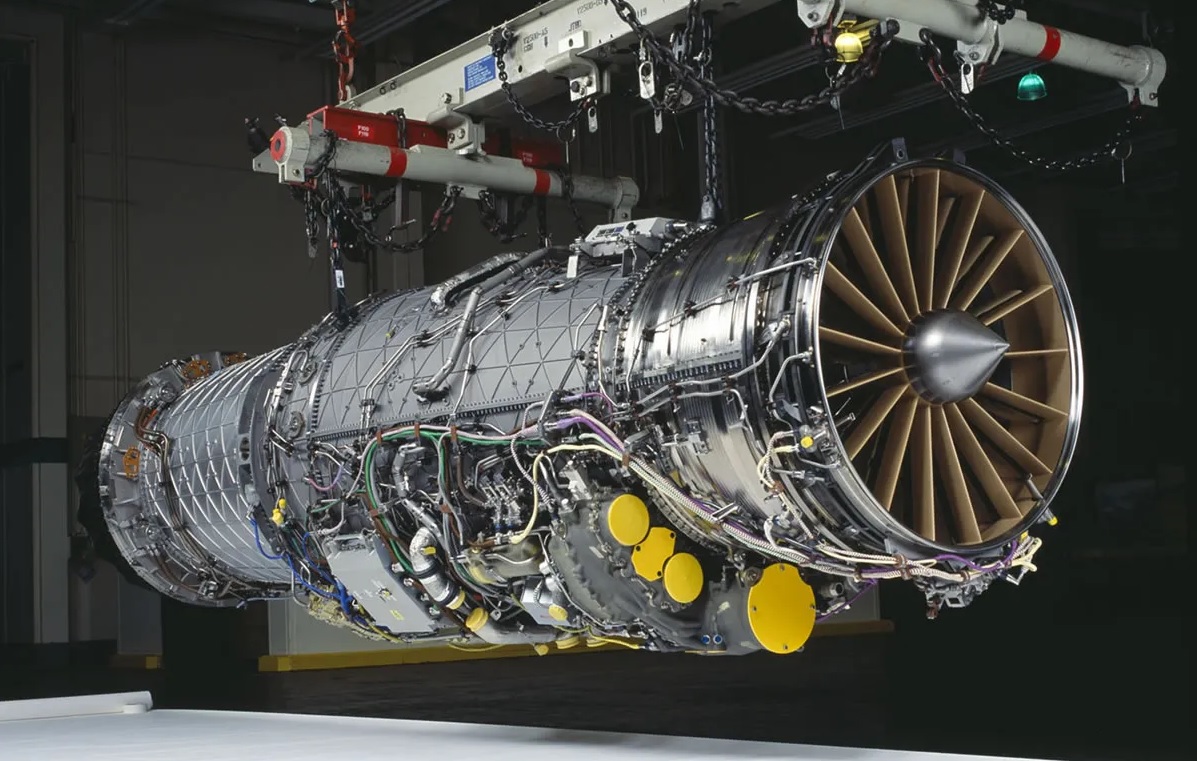
India
In a significant step toward advancing India's defense manufacturing capabilities, France has offered its expertise in the development of a powerful 110kN engine for the country's ambitious Advanced Medium Combat Aircraft (AMCA) program. This collaboration, which goes beyond the engine itself, also includes critical support in advanced materials and metallurgy—key technologies that will not only boost the AMCA’s performance but also elevate India's overall aerospace industry.The partnership is vital for India, as the 110kN engine is expected to be a game-changer for the AMCA’s long-range strike capabilities. While the AMCA is a 5th generation fighter, designed to rival modern combat aircraft worldwide, the engine is the heart of its performance. A high-thrust engine like the 110kN unit will provide superior power, allowing the jet to carry more weapons, achieve better speed, and offer greater endurance, all of which are critical for India’s strategic defense objectives.However, the collaboration doesn’t stop at engine design. France’s expertise in advanced materials and metallurgy is equally crucial for India. The materials used in aerospace applications, particularly those in military-grade engines, must withstand extreme temperatures and stresses. By working with French experts, India’s defense sector can gain insights into the complex processes of forging and casting these high-performance materials—an area where India is still building capacity.The collaboration offers India an opportunity to develop expertise in advanced metallurgy, which is essential for mastering critical engine components. These include turbine blades, combustor casings, and other high-stress parts of a jet engine. French assistance in these areas could fast-track India's progress in aerospace manufacturing, allowing the country to play a larger role in the global supply chain for both military and civilian aerospace applications.Although France is committed to supporting this 110kN engine program, the final decision on who will lead the project remains under consideration. India’s Gas Turbine Research Establishment (GTRE) is reviewing proposals from global industry leaders, including GE Aerospace and Rolls-Royce, to either collaborate or create an entirely indigenous solution. This decision holds weight for India’s long-term defense strategy, as the engine’s success could potentially lead to future engine programs and broader self-reliance in defense manufacturing.This joint effort between France and India is just the latest chapter in their growing defense cooperation. France has recently signaled interest in collaborating on other critical defense technologies, including nuclear submarines and underwater drones, further strengthening the strategic ties between the two nations. These partnerships position India as an increasingly important player on the world stage, particularly in cutting-edge military technology.The AMCA project is a key part of India’s efforts to develop homegrown military technology, reducing its reliance on foreign suppliers while advancing its aerospace capabilities. The successful development of the 110kN engine with French support would not only enhance India’s military strength but also solidify its status as a major contender in the global defense and aerospace industries.
Read More → Posted on 2024-10-11 14:36:50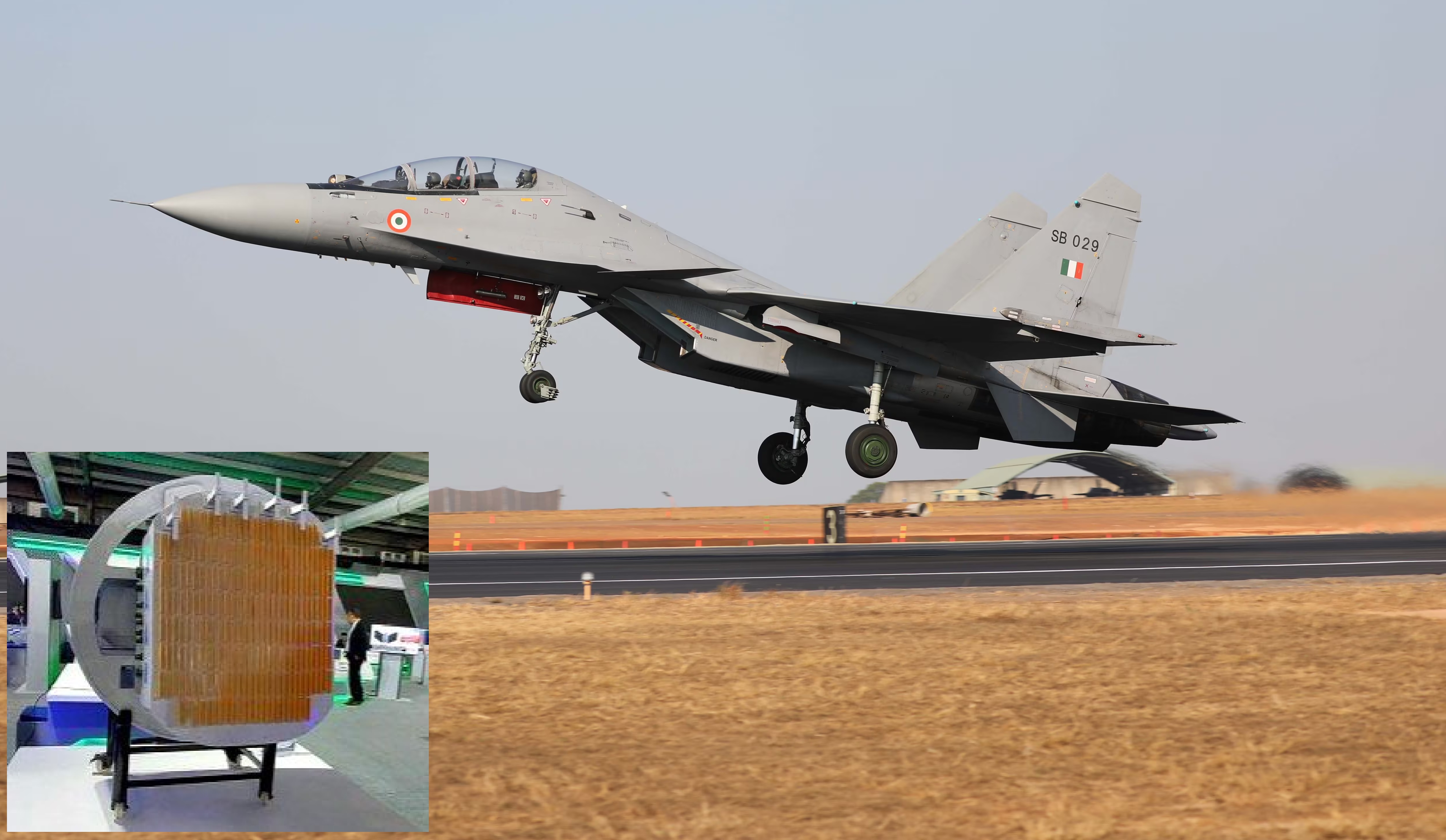
India
India’s Sukhoi Su-30MKI is set to undergo a significant upgrade with the integration of the Virupaksha radar system, marking a transformative leap in the country’s air defense capabilities. Spearheaded by DRDO’s Electronics and Radar Development Establishment (LRDE), this new radar system will bring cutting-edge technology to the Indian Air Force’s frontline fighter jets, making them far more formidable and capable of handling modern threats. But what makes the Virupaksha radar so revolutionary, and how will it give India an unmatched edge in aerial combat?The Power Behind the Virupaksha RadarThe Virupaksha radar builds upon the success of India’s earlier Uttam AESA radar but takes things to an entirely new level. Unlike the Uttam radar’s quad Transmit-Receive Modules (TRMs) configuration, the Virupaksha introduces a more densely packed structure, allowing for an astounding 2,400 radiating elements. This dense configuration offers superior precision, range, and adaptability, making the radar highly efficient at detecting and tracking enemy targets, even in complex environments. The Gallium Nitride (GaN) technology incorporated into the Virupaksha radar is key to its enhanced performance. GaN has long been recognized as a game-changer in radar technology due to its high power density, superior thermal performance, and ability to operate at higher frequencies. Compared to its predecessor, Gallium Arsenide (GaAs), GaN allows for longer range, better power efficiency, and the ability to operate under high stress, ensuring that the radar can perform optimally during extended missions and under harsh conditions.Why GaN Matters for Radar PerformanceOne of the most critical improvements in the Virupaksha radar is its use of GaN-on-silicon carbide (GaN-on-SiC) transistors, which significantly enhance the radar’s range and efficiency. GaN-based radars can operate at much higher power levels compared to GaAs-based systems, resulting in up to 50% more range. This means the radar can detect distant or smaller targets that would be invisible to older systems. The higher thermal conductivity of GaN also allows for longer operational periods without the risk of overheating, which improves the radar’s overall reliability and reduces the need for complex cooling systems.In addition, GaN’s ability to handle wider bandwidths ensures better resolution and clarity when tracking multiple targets, making it highly effective against stealth aircraft and advanced electronic warfare systems. The anti-jamming capabilities of GaN-based AESA radars provide an additional layer of protection, ensuring that India’s upgraded Su-30MKI jets can operate effectively even in environments where adversaries deploy sophisticated radar jammers.Tactical Advantages in Modern CombatFor the Indian Air Force, this radar upgrade isn’t just a technical improvement—it is a strategic advantage. The Su-30MKI has long been one of India’s most versatile and powerful aircraft, excelling in both air-to-air combat and ground-attack roles. However, modern threats demand more sophisticated sensors and better situational awareness, especially in scenarios involving stealth fighters, unmanned aerial vehicles (UAVs), and electronic warfare systems.The Virupaksha radar’s high tracking accuracy will greatly improve the Su-30MKI’s air-to-air engagement capabilities, allowing it to better detect and lock onto enemy aircraft, even those flying at supersonic speeds or using stealth technology. With enhanced multi-target tracking and long-range detection, Indian pilots will have more time to react to incoming threats and coordinate complex missions, such as suppression of enemy air defenses or precision strikes on ground targets.In air-to-ground combat, the radar’s ability to provide high-resolution mapping and target designation will be crucial for precision strikes. The Su-30MKI, already capable of carrying a wide array of air-to-ground munitions, will benefit from this upgrade by being able to engage enemy positions with greater accuracy, reducing the likelihood of collateral damage and increasing mission success rates.Strengthening India’s Defense ModernizationThe quick timeline for development and testing—16 weeks from assembly to final acceptance—shows India’s commitment to modernizing its defense forces. The Virupaksha radar is a central part of India’s broader effort to upgrade its fleet and bring its technology on par with global standards. As regional threats continue to evolve, having a sophisticated, agile, and powerful air defense system is crucial.The integration of the Virupaksha radar into the Su-30MKI fleet will play a vital role in bolstering India’s air superiority. With its enhanced range, multi-role capability, and superior tracking performance, the radar system ensures that the Su-30MKI can dominate the skies in any future conflict, providing unmatched capabilities against both regional adversaries and potential global threats.India’s Su-30MKI fighters, already a key part of the nation’s air defense strategy, are about to get a major upgrade with the introduction of the Virupaksha radar. This cutting-edge system, with its GaN-based architecture, promises better range, superior tracking, anti-jamming capabilities, and overall enhanced performance. As a result, the Indian Air Force will be better equipped to maintain air superiority, tackle new-age threats, and secure the nation’s airspace in an increasingly complex and contested environment.
Read More → Posted on 2024-10-10 18:35:30
World
Russia’s military has received a fresh batch of Su-34 fighter-bombers, reinforcing its aerial combat and strike capabilities. The United Aircraft Corporation (UAC), responsible for the aircraft's production, confirmed that these new jets underwent extensive ground and flight testing before being delivered to operational units. The Su-34, a cornerstone of Russia’s tactical aviation, is renowned for its versatility and technological sophistication, making it one of the most advanced platforms in the Russian Aerospace Forces.The Su-34 was designed as a multi-role fighter-bomber, capable of handling a wide range of missions—from precision strikes on ground and naval targets to air-to-air combat and reconnaissance operations. What sets the Su-34 apart is its unique combination of fighter agility with bomber-grade payload capacity, allowing it to carry a diverse array of weapons, including air-to-surface missiles, guided bombs, and anti-ship missiles.The jet is equipped with advanced avionics, radar systems, and onboard electronic warfare capabilities, enabling it to evade detection and neutralize enemy air defenses. Its long operational range gives it the ability to conduct deep-strike missions, which has been of particular relevance in the ongoing conflict in Ukraine. The Su-34 has been instrumental in launching strikes on critical infrastructure and strategic targets, leveraging its precision and firepower to deliver significant impact in combat scenarios.A spokesperson from UAC highlighted the company’s commitment to maintaining a steady production pace while incorporating new technologies and refining processes at their facilities. This ongoing modernization of production ensures that the Su-34 remains at the forefront of Russian aerial warfare capabilities, adapting to the evolving demands of modern combat environments.The newly delivered Su-34s are expected to provide a crucial boost to Russia’s tactical aviation units, equipping them with enhanced tools for executing complex and high-risk missions. As Russia continues to upgrade its air fleet, the Su-34’s role as a versatile and powerful aircraft will only become more significant in maintaining Russia’s strategic advantage in both regional and international military operations.
Read More → Posted on 2024-10-10 18:24:32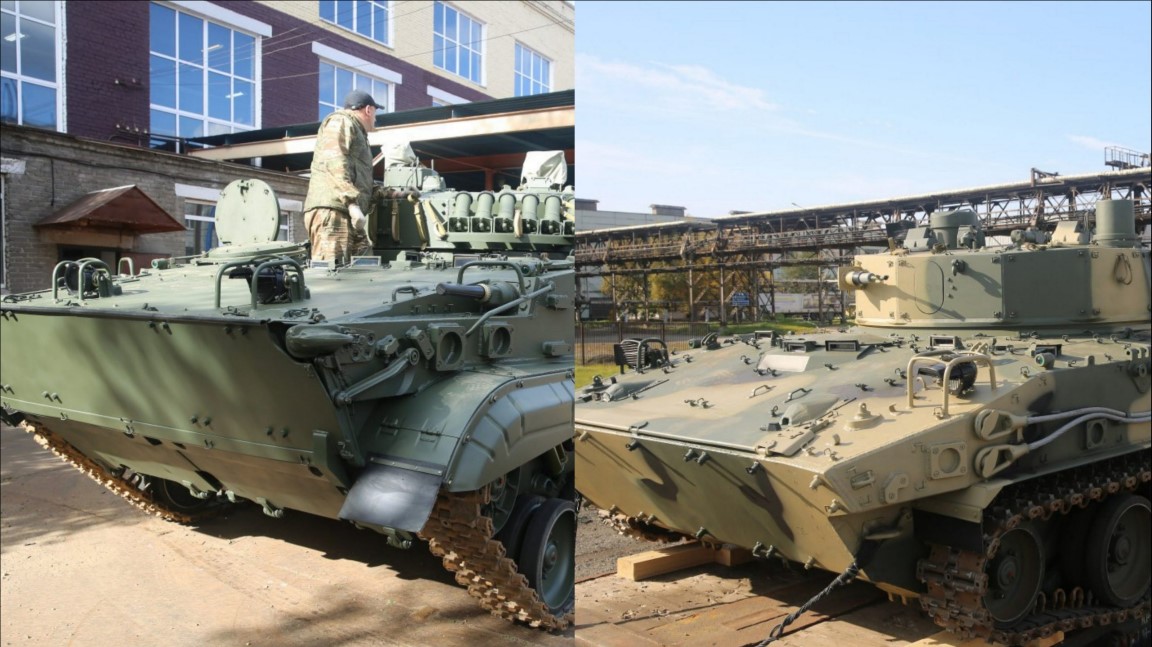
World
In a significant boost to its military capabilities, Russia has received a fresh delivery of upgraded armored infantry and airborne vehicles from its state defense industry. Rostec, a major player in Russia’s defense sector, recently confirmed the handover of a batch of BMD-4M airborne combat vehicles and BMP-3 infantry fighting vehicles to the Russian Army. These vehicles, produced by Rostec’s subsidiary Kurganmashzavod, come equipped with several cutting-edge enhancements that elevate their performance and survivability on the battlefield.The BMD-4M and BMP-3 are no strangers to the Russian military. They have long been valued for their robust design, firepower, and adaptability in various combat scenarios. However, this latest batch takes things a step further by incorporating new protection systems, making these vehicles even more formidable in modern warfare environments.Upgraded Armor and Advanced Protection SystemsOne of the standout features of the newly delivered vehicles is the enhanced protection systems they carry. Both the BMD-4M and BMP-3 are now equipped with additional armor plating, along with lattice screens designed to defend against anti-tank weapons. These lattice screens are crucial for neutralizing the impact of rocket-propelled grenades (RPGs) and similar threats, providing an extra layer of defense against incoming projectiles.Another key feature is the integration of “Nakidka” cloaking kits, a specialized technology aimed at reducing the vehicles’ visibility on thermal and radar detection systems. The Nakidka system is crafted from non-combustible materials that not only help reduce the infrared signature of the vehicles but also protect them against enemy detection in radar-guided attack scenarios. This makes it much harder for enemy forces to locate and target these armored vehicles, significantly boosting their survivability in the heat of battle.Production Surge at KurganmashzavodThe delivery is part of a broader effort by Russia to ramp up its military production amidst the ongoing conflict in Ukraine. Kurganmashzavod, the manufacturing facility responsible for these vehicles, has seen a significant increase in output. According to Rostec, the factory has increased production of BMPs and BMDs by 20% in the first nine months of 2024 compared to the same period the previous year. To meet the demands of the Russian state defense order, some production lines are now operating around the clock.The ability to mass-produce these vehicles efficiently and on time is critical for the Russian military, especially as it seeks to maintain a state of operational readiness. With these new additions, Russia’s ground forces are better equipped to face the challenges of modern combat.Battlefield Versatility of BMD-4M and BMP-3Both the BMD-4M and BMP-3 vehicles have earned a reputation for their versatility in combat. The BMD-4M, designed specifically for airborne operations, is known for its lightweight, rapid deployment capabilities, and high mobility, making it ideal for airborne units that need to move quickly across different terrains. It offers significant firepower with a 100mm cannon, 30mm automatic cannon, and 7.62mm machine guns, all packed into a compact and mobile design.On the other hand, the BMP-3 is a staple of Russia’s mechanized infantry. It is equipped with a 100mm 2A70 rifled gun, a 30mm 2A72 autocannon, and several 7.62mm machine guns, giving it substantial firepower. With the ability to transport troops into hostile areas while providing fire support, the BMP-3 has been a key asset in Russia’s ground warfare strategy for years. The recent enhancements in armor and cloaking technology make it an even more potent weapon on the modern battlefield, capable of handling both direct engagements and ambushes.Strengthening Russia's Military PostureThis latest delivery of armored vehicles aligns with Russia’s broader strategy to modernize and strengthen its military capabilities, particularly in light of the ongoing conflict with Ukraine. As ground warfare becomes more complex with the increasing use of drones, precision missiles, and anti-tank weapons, armored vehicles like the BMD-4M and BMP-3 play a crucial role in ensuring the survivability and effectiveness of infantry units on the battlefield.The combination of enhanced armor, cloaking technology, and powerful weaponry makes these vehicles highly effective in diverse combat scenarios, from urban warfare to open battlefield operations. As the Russian Army continues to receive new batches of these advanced vehicles, its ground forces will be better positioned to respond to evolving threats, ensuring they remain a formidable force in any conflict.
Read More → Posted on 2024-10-10 18:22:45
India
UVision has unveiled its latest innovation: an Autonomous Multi-Launch Loitering Munition System that takes loitering munitions to a new level of capability and flexibility on the battlefield. This new system marks a departure from the traditional single-munition operations and introduces a more advanced approach that allows armed forces to launch and manage multiple HERO 120 munitions simultaneously. The HERO 120 is a loitering munition designed to destroy a range of targets, from armored vehicles to personnel, and this system amplifies its operational impact by integrating modern automation and mission control.Enhanced Mission Planning and FlexibilityThe heart of UVision's new system lies in its advanced mission planning and management capabilities. It offers unprecedented operational flexibility by allowing autonomous mission execution from target identification to neutralization. One of the standout features is the AI-driven automatic target recognition system, which provides operators with real-time intelligence, ensuring quick and precise responses to both pre-identified and time-sensitive targets.This means that operators can deploy multiple loitering munitions at once, receiving a constant flow of intelligence from various platforms such as drones, tactical UAS, and command systems. This continuous intelligence processing not only enhances the accuracy of the strikes but also allows for rapid decisions in real-time. Operators remain in control throughout the mission, with the ability to abort strikes mid-flight, if necessary, giving them full flexibility during combat operations.Designed for Saturated Combat EnvironmentsOne of the defining aspects of this new system is its ability to manage and launch loitering munitions in waves, which is crucial in saturated combat environments. This feature is particularly useful for overwhelming enemy defenses, where multiple munitions can be launched in quick succession, overwhelming the adversary and ensuring a higher likelihood of mission success. The system's real-time decision-making capabilities allow for optimized strike sequences, making it a game-changer for modern warfare.Operators benefit from the ability to manage multiple munitions simultaneously, focusing on strategic decisions rather than micro-managing individual munitions. This is an important leap forward in firepower efficiency, enabling operators to conduct large-scale, coordinated strikes while staying at a safe stand-off distance.Seamless Integration and DeploymentUVision's multi-launch system is designed with ease of deployment in mind. The containerized design of the system allows it to be quickly integrated across a wide range of platforms, including trucks, naval vessels, and other mobile units, without the need for extensive modifications. Its high mobility makes it suitable for fast-paced battlefield environments where rapid deployment is crucial.The system's flexibility extends to its seamless integration with third-party command and control (C2) systems, enabling armed forces to incorporate it into their existing defense structures. This adaptability is one of the system's most significant advantages, as it allows various military units to benefit from the loitering munitions' capabilities without requiring costly and time-consuming platform upgrades.Autonomous Targeting for Greater PrecisionThe system's autonomous target recognition capabilities allow it to independently identify, track, and engage targets with high precision. This autonomy reduces the cognitive load on operators, enabling them to focus on broader battlefield strategies. The system processes data from multiple sources simultaneously, combining inputs from surveillance platforms and reconnaissance drones, ensuring accurate and timely strikes.Dr. Ran Gozali, CEO of UVision Air and Chairman of the Board of UVision USA, emphasized the system’s transformative impact on mission planning and execution. He highlighted how this new solution enables operators to “concentrate on strategic decisions, enhanced lethality, and firepower efficiency,” rather than being burdened by micro-level engagement decisions.ConclusionUVision’s Autonomous Multi-Launch Loitering Munition System is poised to revolutionize how modern military forces conduct operations. With the ability to autonomously manage and deploy multiple HERO 120 loitering munitions, this system provides unmatched flexibility and lethality on the battlefield. Its seamless integration with intelligence-gathering platforms, containerized design for rapid deployment, and AI-driven mission management makes it a comprehensive solution for complex, multi-faceted combat environments. As military forces worldwide face increasingly sophisticated threats, UVision’s new system offers a significant technological advantage, empowering them to dominate the battlefield with precision, flexibility, and efficiency.
Read More → Posted on 2024-10-10 18:18:50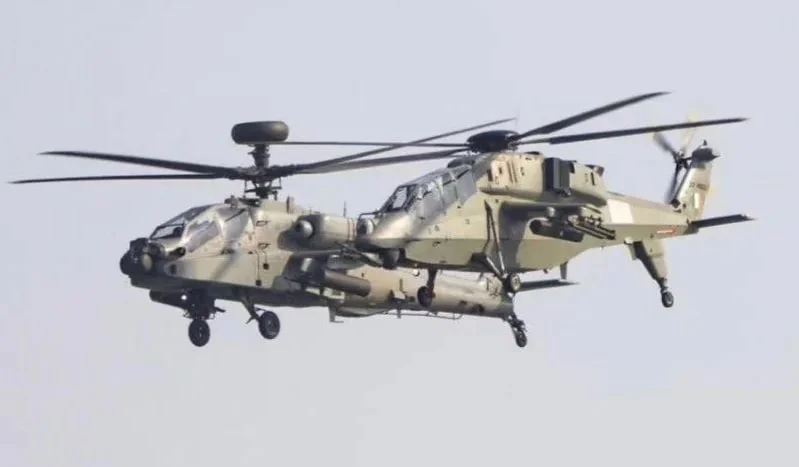
India
The Light Combat Helicopter (LCH) 'Prachand', developed by Hindustan Aeronautics Limited (HAL), has rapidly gained prominence within the Indian Air Force (IAF) as a key component in modern aerial warfare. Although initially designed as an attack helicopter, its ability to counter unmanned aerial vehicles (UAVs), or drones, has made it an invaluable asset in today’s battlefields. Since its induction in October 2022, the Prachand has become an essential tool for countering drone threats, particularly in high-altitude, challenging environments like those found in the Himalayas.Designed for High-Altitude OperationsOne of the standout features of the Prachand is its ability to operate efficiently in "hot and high" conditions—regions with high temperatures and altitudes. This design capability allows it to engage drones and other aerial threats in difficult terrains like India’s northern borders, which often lie at altitudes above 15,000 feet. The Prachand can reach heights of up to 20,000 feet, ensuring that it can intercept and destroy drones even in areas where other helicopters or ground-based systems may struggle to operate.The ability to fly at speeds of up to 280 km/h, coupled with its rapid rate of ascent, allows the Prachand to quickly respond to drone incursions. In a combat scenario, speed and altitude are critical factors when engaging fast-moving aerial threats like drones, which often have small signatures and can maneuver unpredictably.Equipped for Drone DestructionWhat sets the Prachand apart as a dedicated "drone destroyer" is its impressive array of onboard weaponry and targeting systems. The helicopter is armed with a chin-mounted 20mm cannon, which is particularly effective for engaging small, agile drones at close ranges. In addition to the cannon, the Prachand can carry a variety of munitions, including air-to-air missiles and unguided rockets, providing it with the versatility to destroy drones and other aerial targets at different distances.The helicopter’s sophisticated electro-optic pod enhances its ability to detect and target drones, even under adverse weather or visibility conditions. This is critical for identifying drones that may have a low radar cross-section and are difficult to detect using conventional radar systems. Additionally, the helmet-mounted display system allows pilots to engage targets with greater precision. With this system, pilots can simply look at the target—whether it be a drone or another threat—and the helicopter’s targeting system will lock on, significantly reducing reaction time during critical engagements.Filling the Anti-Drone GapAs drone technology becomes more advanced and accessible, they are increasingly being used in modern warfare, not only for surveillance but also for offensive operations, including the delivery of explosives. The rise of drones, both small and armed, poses a serious threat to ground forces, infrastructure, and air superiority. Many nations are seeking dedicated systems to counter this new threat, and India’s LCH Prachand fills this gap for the Indian Armed Forces.While the Prachand was initially developed as a multi-role attack helicopter to engage ground targets and provide close air support, its anti-drone capabilities have brought it to the forefront of India’s defense strategy. Its ability to engage small, fast-moving UAVs—especially at high altitudes where drones might be used for reconnaissance or precision strikes—gives India a critical tool in countering airborne threats.A Strategic AdvantageThe Prachand’s role as a "drone destroyer" is likely to expand in the future, especially as drone warfare becomes an increasingly central aspect of modern conflicts. The agility, versatility, and high-altitude performance of the helicopter make it well-suited for India’s unique geographic and strategic challenges, particularly along the country’s borders with Pakistan and China, where drone incursions may become more common.The Prachand’s successful integration into the IAF reflects India's focus on indigenous solutions for modern defense needs. As conflicts evolve and drones play a more significant role in both conventional and asymmetric warfare, the Prachand will undoubtedly remain a key player in ensuring India's aerial superiority and protection against the ever-growing drone threat.
Read More → Posted on 2024-10-10 18:12:42
World
The Royal Navy’s Wildcat helicopters have just taken a significant leap forward in combat power, following the successful test firing of the new Sea Venom anti-ship missile. Launched from a Wildcat HMA Mk2 helicopter at the Aberporth test range in Wales, the Sea Venom is designed to enhance the fleet's ability to engage enemy warships, particularly larger and more heavily armored vessels.This marks a major upgrade for the Wildcat, which previously relied on Martlet missiles and Sting Ray torpedoes to engage smaller, lightly armored targets. While the Martlet missile excels at targeting fast attack craft and patrol boats, it lacks the sheer power needed to take on larger ships. The Sea Venom, however, changes that dynamic entirely, offering a capability that delivers ten times the firepower of the Martlet missile. With a range of up to 20 kilometers, the Sea Venom can strike corvettes and other sizable warships from a safe distance, keeping both the helicopter and its crew out of the reach of enemy defenses.Lieutenant Commander Robin Kenchington of the Royal Navy’s 744 Naval Air Squadron hailed the missile's performance, noting how the Sea Venom enhances the Wildcat's arsenal. He highlighted how the missile's long-range capabilities allow crews to engage targets without exposing themselves to hostile countermeasures. “The Wildcat now has another potent addition to its armament, enabling front-line crews to operate with greater stand-off distance while maximizing their combat effectiveness,” Kenchington remarked.The successful test of the Sea Venom was the result of a joint effort involving multiple partners, including Leonardo UK, MBDA, QinetiQ, and the Ministry of Defence. Commodore Nick Sargent, Head of Helicopters at Defence Equipment & Support, called the milestone a significant achievement for the Royal Navy’s evolving capabilities.The Sea Venom missile is a highly versatile weapon, designed to replace the retired Sea Skua missile. It offers several advanced features, including **coastal suppression**, in-flight re-targeting, and the ability to follow different flight profiles, making it adaptable to a variety of naval warfare situations. This flexibility will allow Wildcat helicopters to engage a range of threats, from small coastal vessels to heavily armored warships, depending on the operational requirements.The addition of the Sea Venom to the Wildcat’s armament significantly boosts the role of these helicopters within the Royal Navy’s broader maritime strategy. Wildcats are already a key part of the fleet, serving alongside major assets such as the Queen Elizabeth-class aircraft carriers, and are deployed on a variety of front-line missions worldwide. The introduction of the Sea Venom not only enhances their offensive capabilities but also underscores the Royal Navy’s commitment to maintaining technological superiority in naval warfare.As global naval threats continue to evolve, having helicopters equipped with advanced anti-ship missiles like the Sea Venom ensures that the Royal Navy remains capable of responding to a wide range of challenges. The Sea Venom’s combination of power, range, and precision will play a vital role in the Royal Navy’s operations, providing critical support to both surface ships and carrier strike groups. With this new capability, the Wildcat helicopters can now tackle larger adversaries, improving the overall combat readiness of the fleet.The successful integration of the Sea Venom is not just a milestone for the Wildcat platform but a major leap in modern naval warfare, allowing for greater versatility and effectiveness in maritime combat scenarios.
Read More → Posted on 2024-10-10 18:07:59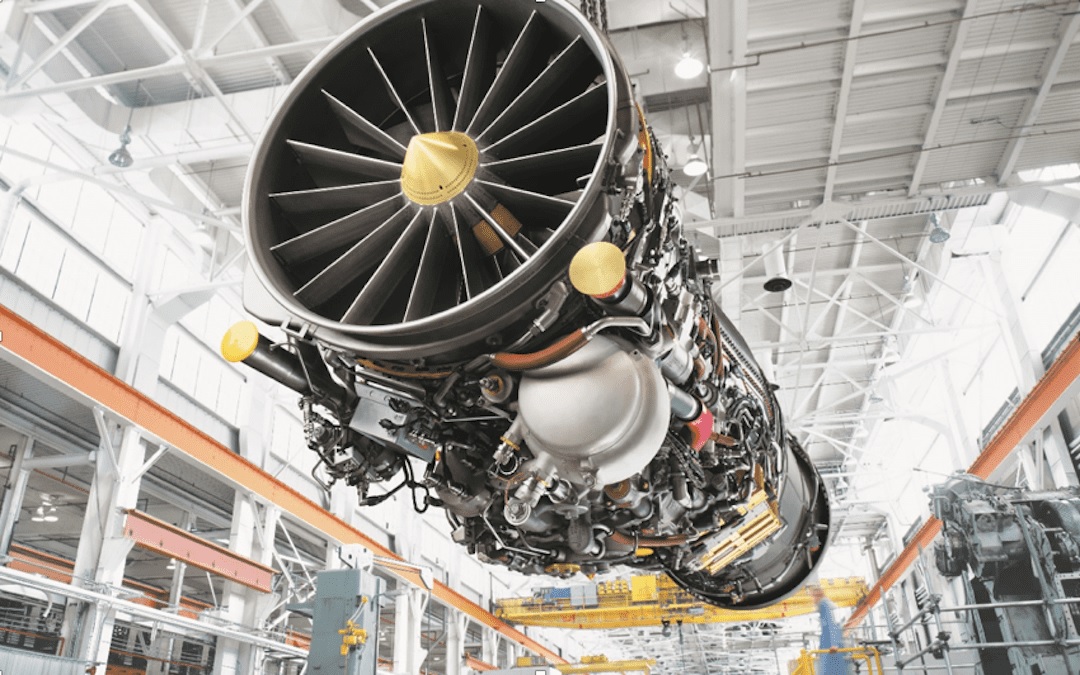
India
India’s ambition to join the elite group of nations capable of producing indigenous fighter jet engines has encountered a potential roadblock. As the country pushes forward with plans to develop a state-of-the-art engine for its next-generation fighter jets, a key offer from the United States to co-develop the F414 jet engine has sparked concerns over intellectual property sharing. According to a report by the *Financial Times*, the US is wary of fully transferring this critical technology to India, citing the close defence ties between New Delhi and Moscow as a cause for hesitation.The F414 engine, designed by General Electric (GE), is a powerful jet engine widely used in advanced fighter aircraft like the F/A-18 Super Hornet and the Saab Gripen. It is considered one of the most advanced in its class, offering exceptional thrust and reliability. The potential for India to manufacture this engine domestically would be a major boost for its defence industry, which seeks to reduce reliance on foreign imports and expand its domestic production capabilities. However, the US’s reluctance stems from fears that sensitive technology could be indirectly shared with Russia, a long-time defence partner of India.While India has maintained strong ties with Russia, especially in terms of military equipment, it has also deepened its strategic relationship with the US in recent years, signing key defence agreements and participating in joint military exercises. Despite these closer ties, Washington remains cautious about transferring the full intellectual property of the F414 engine, particularly with the ongoing geopolitical tensions surrounding Russia.Instead of offering a complete transfer of technology, the US is proposing a co-development model that would allow India to produce the engine but with some critical aspects of the intellectual property withheld. This offer contrasts with those of France’s Safran and the UK’s Rolls-Royce, both of which have presented proposals that include full IP transfer. These offers would give India greater control over the engine's design, production, and export potential, something that would be a significant leap in India’s drive for self-reliance in defence technology.Safran’s chairman, Ross McInnes, recently emphasized the French company’s commitment to offering full IP rights during India’s Defence Conclave. He drew a direct comparison to the US’s partial offer, stating that Safran’s willingness to share all engine technology sets them apart from "other western partners." Rolls-Royce, meanwhile, has proposed collaborating with Hindustan Aeronautics Limited (HAL) to develop a custom engine for India’s Advanced Medium Combat Aircraft (AMCA) program, which aims to produce a fifth-generation fighter jet. Both companies see India’s push for indigenous technology as an opportunity to secure a foothold in one of the world’s fastest-growing defence markets.The US’s cautious approach reflects the delicate balance of maintaining a strategic partnership with India while avoiding any potential leakage of sensitive technology to Russia. Analysts believe that despite the limitations on IP transfer, GE’s offer remains strong due to the strategic partnership between India and the US. Amit Cowshish, a former senior defence official in India, noted that Washington’s global influence could play a crucial role in India’s decision-making process."The Americans have a significant clout globally, and their defence ties with India are stronger than ever. This might give them an edge, even though they’re not offering full IP rights," Cowshish commented.For India, the decision is about more than just acquiring advanced technology. It’s also about balancing long-term strategic relationships, reducing dependency on foreign imports, and ensuring autonomy over co-developed systems. Joining the ranks of countries capable of producing fighter jet engines would represent a monumental step forward for India’s defence capabilities and solidify its position as an emerging global power in military technology.As India evaluates the various offers on the table, its decision will have far-reaching implications, not only for its future military preparedness but also for its relationships with key global players. Should India opt for the US’s offer, it would deepen its strategic ties with Washington, but with the caveat of limited control over the F414 technology. If it chooses Safran or Rolls-Royce, it could gain full access to the intellectual property but at the expense of not strengthening its partnership with the US to the same degree.In the end, India’s choice will likely come down to a careful assessment of its long-term defence and strategic interests, with the potential to reshape its defence manufacturing capabilities for decades to come.
Read More → Posted on 2024-10-10 18:06:02Search
Top Trending in 24 Hours
-
 Tulsi Gabbard Releases Declassified Files Detailing U.S.-Backed Network of 120 Biolaboratories Across 30+ Countries
-
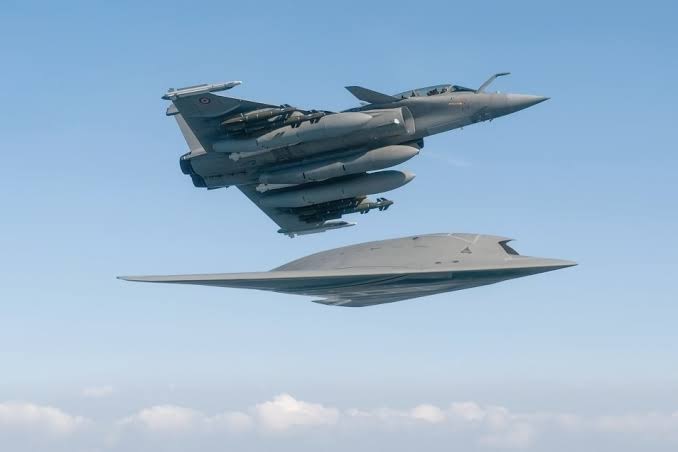 France Agrees to Equip Future Indian Rafales with AI, MUM-T and Secure Satellite Links Under F5 Standard
-
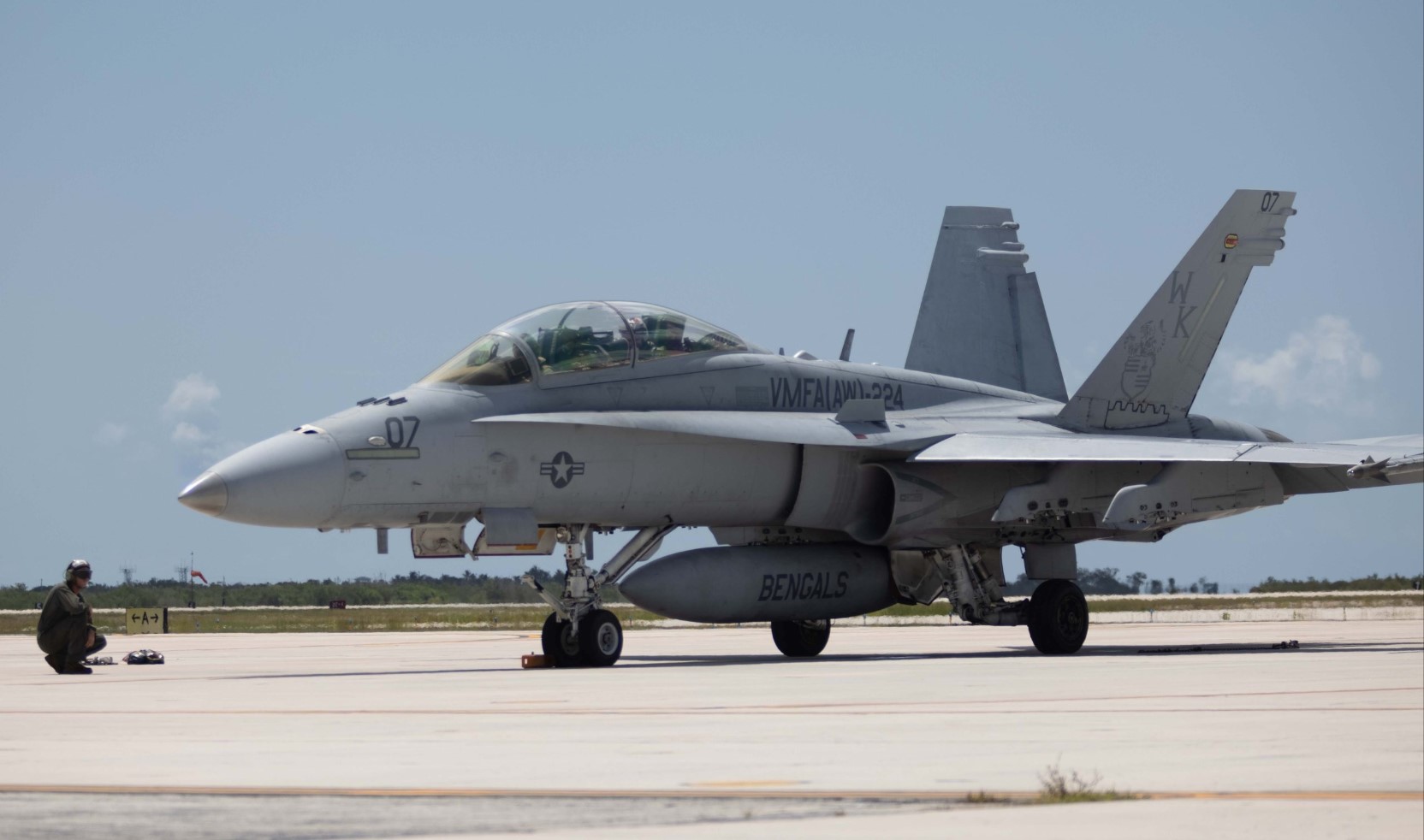 US Marine Corps F/A-18D Hornet Crashes During Training Flight in Washington Mountains; Pilot Ejects Safely
-
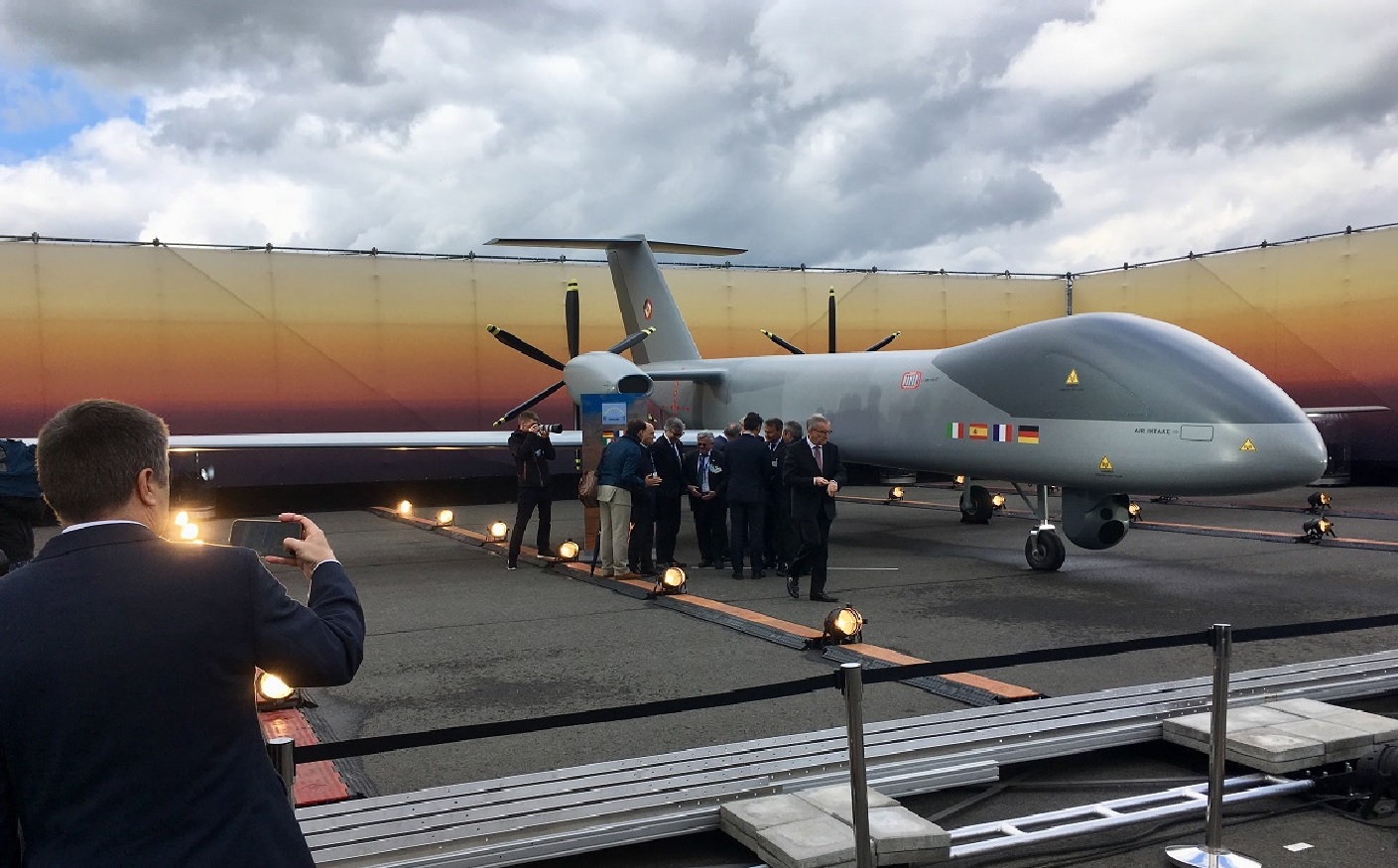 Dassault Seeks Compensation From Airbus as Eurodrone Dispute Erupts After FCAS Collapse
-
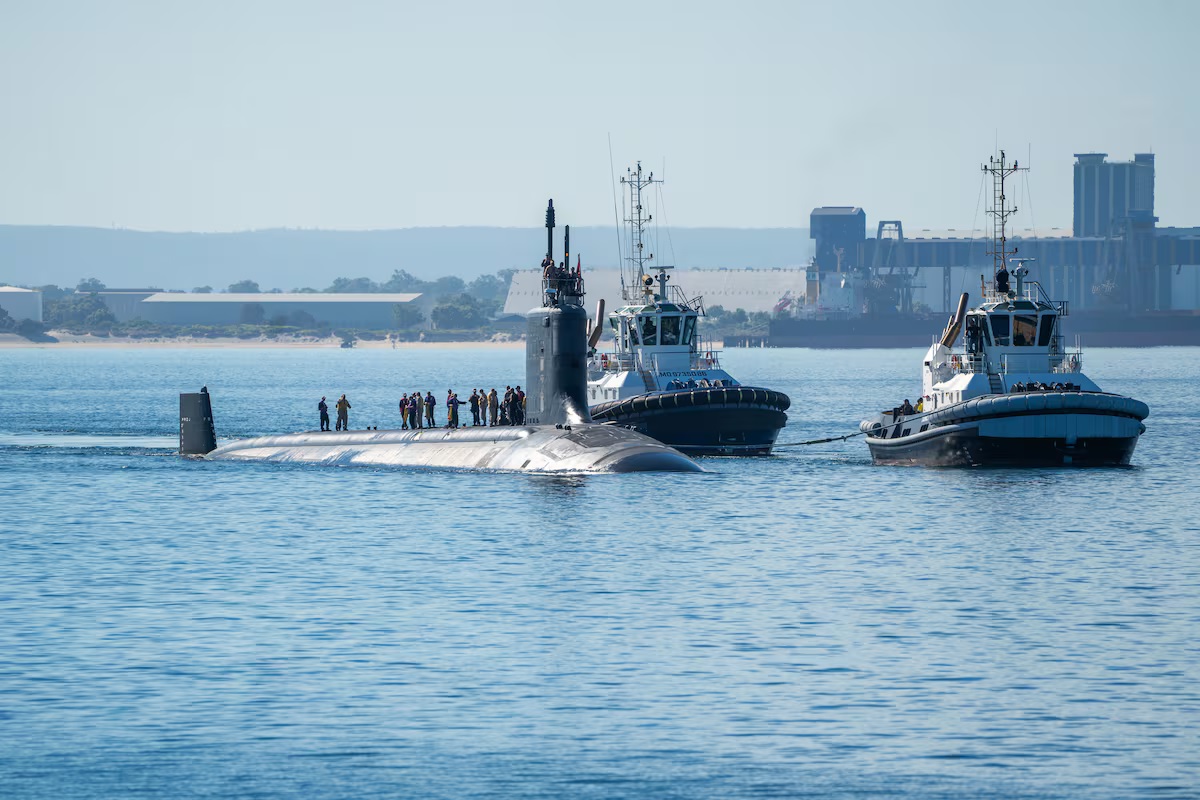 U.S. Navy Reestablishes Submarine Squadron 3 at HMAS Stirling to Support AUKUS Rotational Force
-
 AM General Unveils Next-Generation UGV and JLTV A2 with Counter-Drone Systems at Eurosatory 2026
-
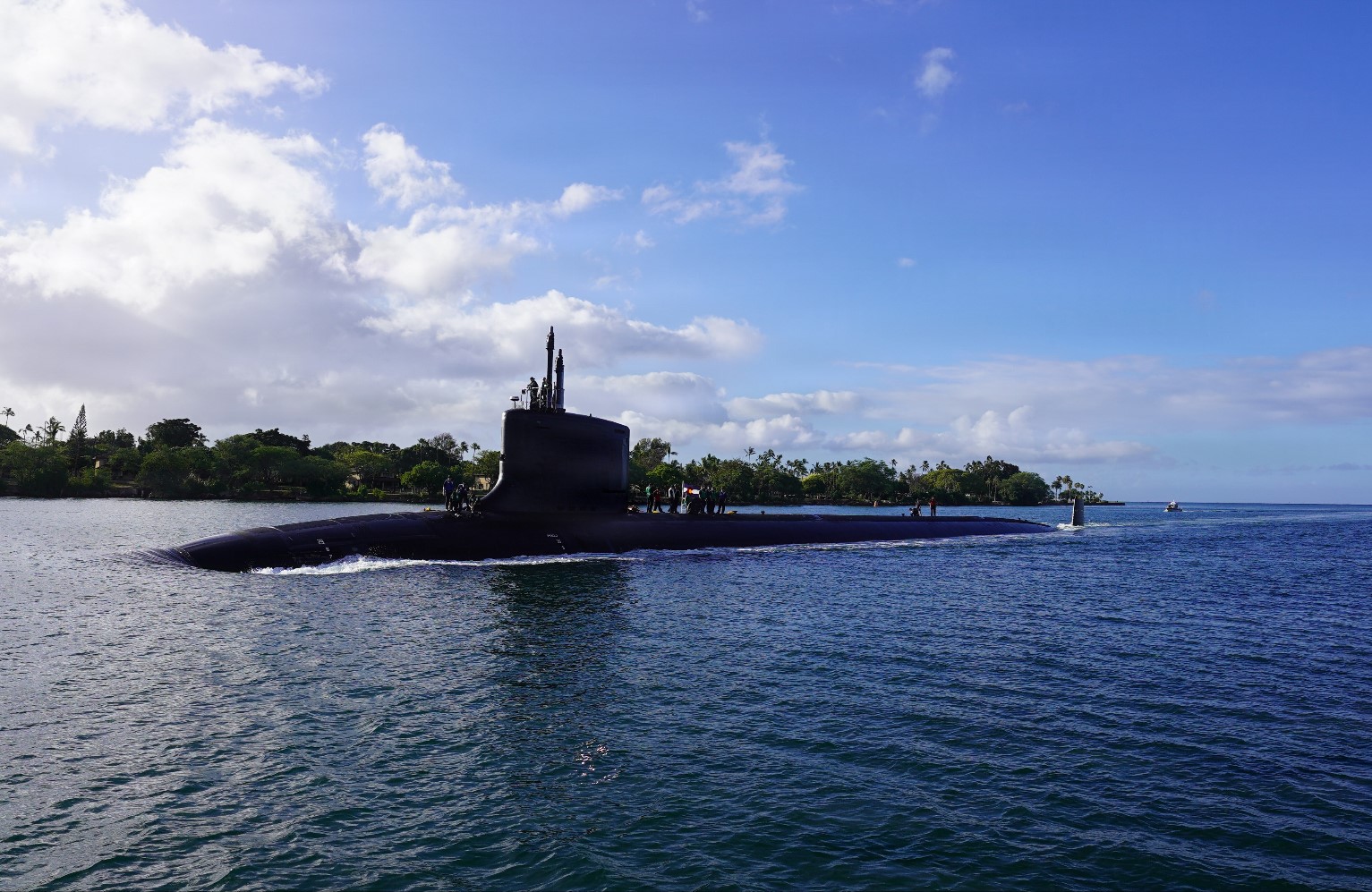 U.S. Navy's USS Colorado Submarine Returns to Pacific Fleet 29 Days Early After Major Pearl Harbor Overhaul
-
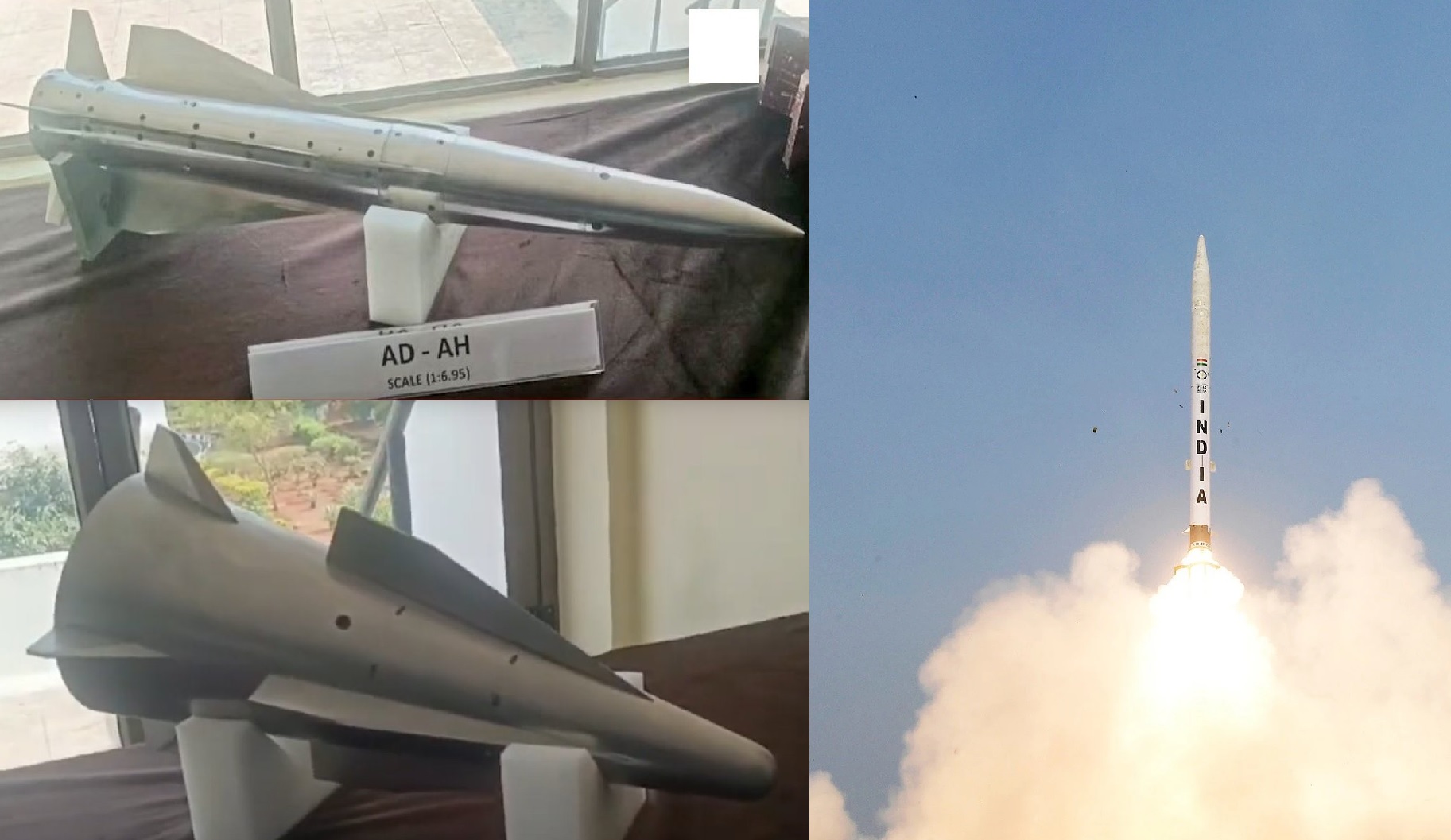 Why India’s Phase 3 BMD Program Is Unique in the Global Race Against Hypersonic and MIRV Missiles
Top Trending in 4 Days
-
 Iranian Media Leaks 14-Point U.S.-Iran Peace Framework Amid Ongoing Negotiations
-
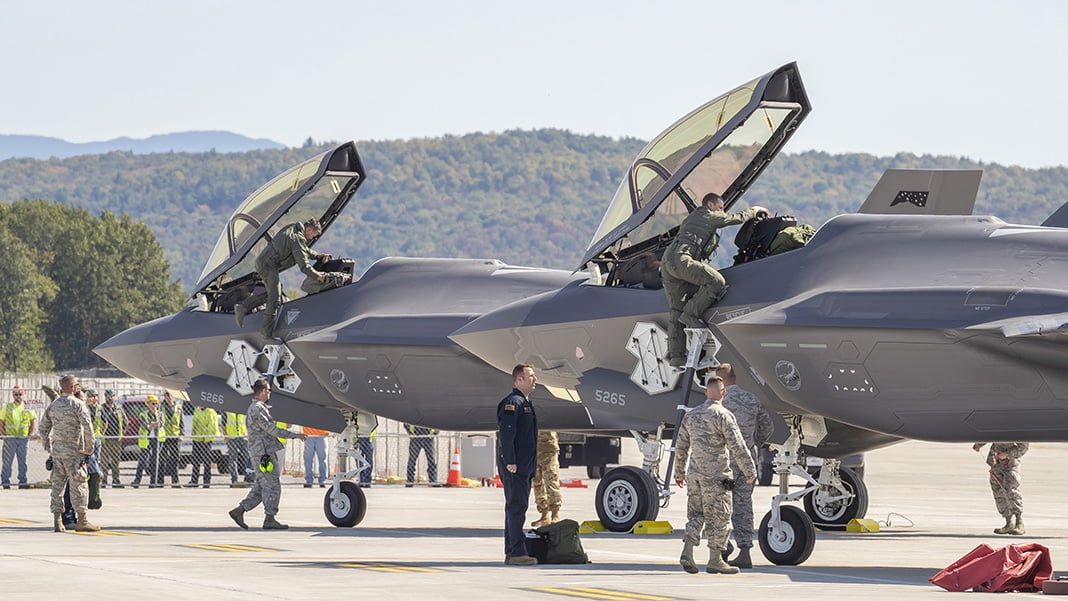 F-35 Fleet Readiness Falls to 25% Amid Parts Shortages and Software Delays: GAO Report
-
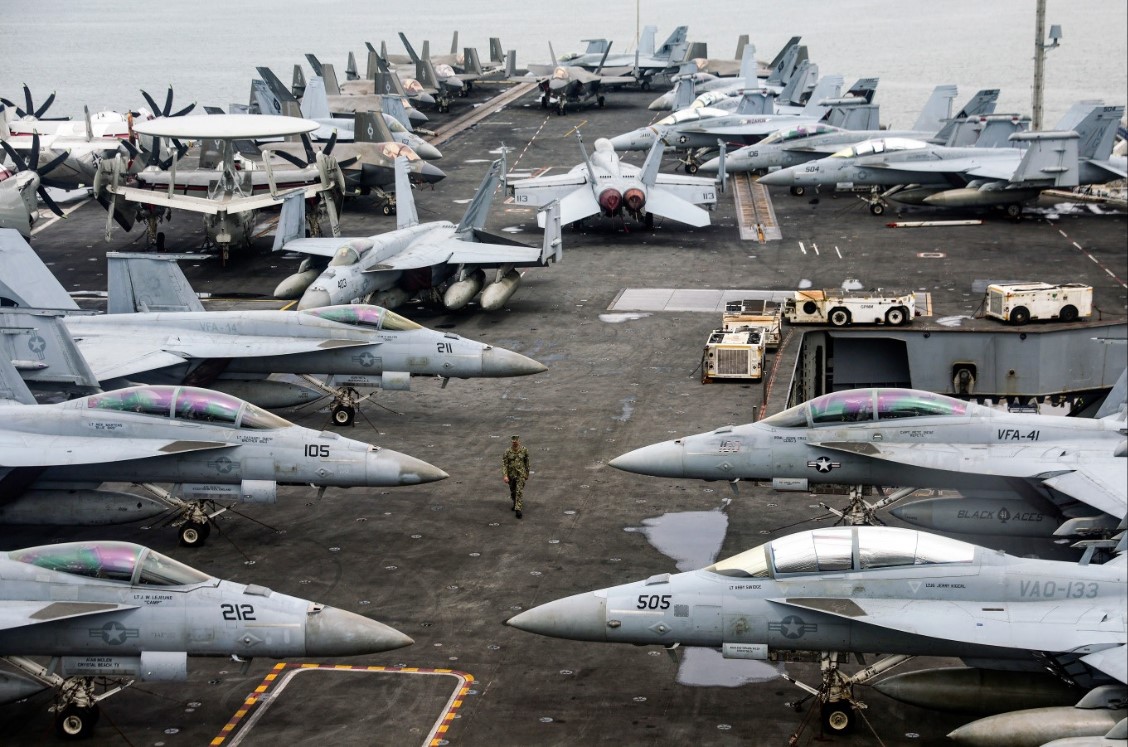 US Plans Significant Reduction of Fighter Jets and Warships for NATO Operations in Europe
-
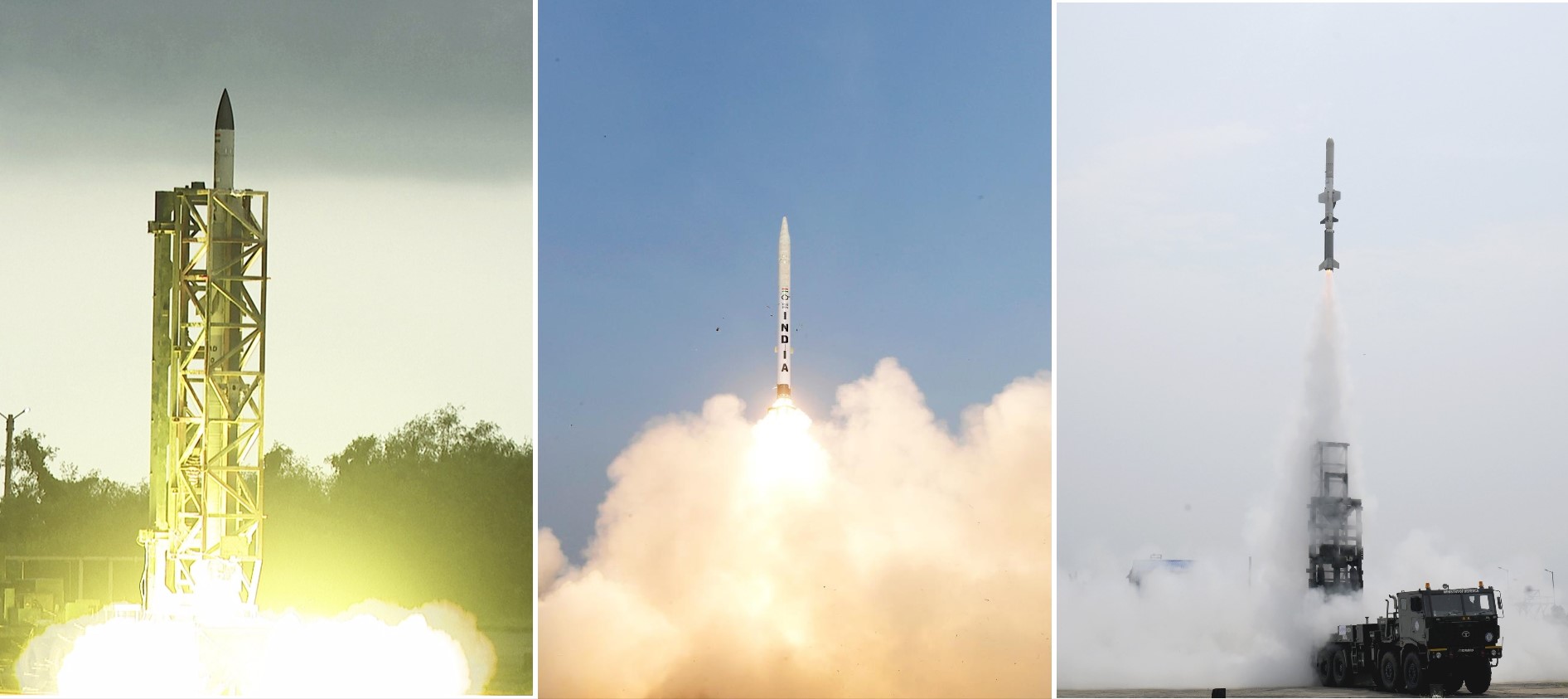 India Successfully Conducts AD-1, AD-2 Interceptor Tests and Maiden NASM-MR Flight Trial
-
 U.S. Air Force Faces Strategic Airlift Shortfall as C-17 Production Restart Remains Uncertain
-
 NATO Commander Says Russia Not Seeking Conflict With Alliance Despite U.S. Force Reductions
-
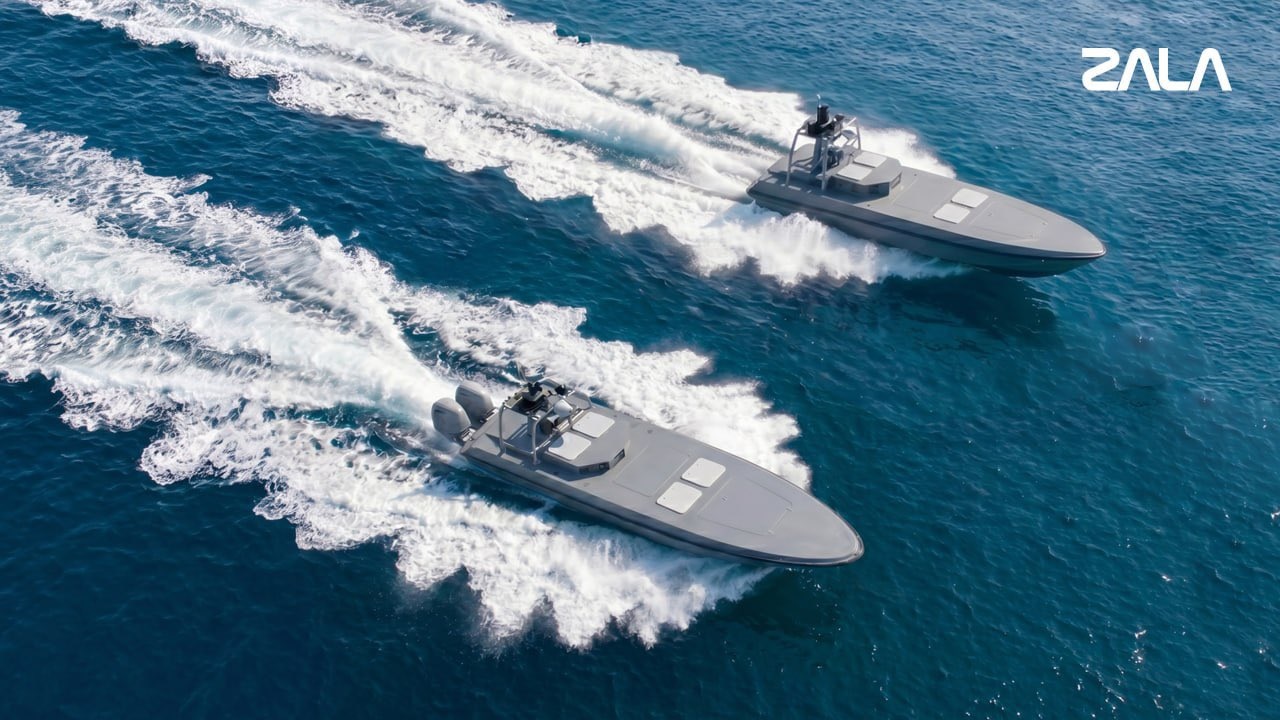 Russian Defense Firm ZALA Unveils KAMA Unmanned Surface Vessel Family at FLOT-2026 Naval Exhibition
-
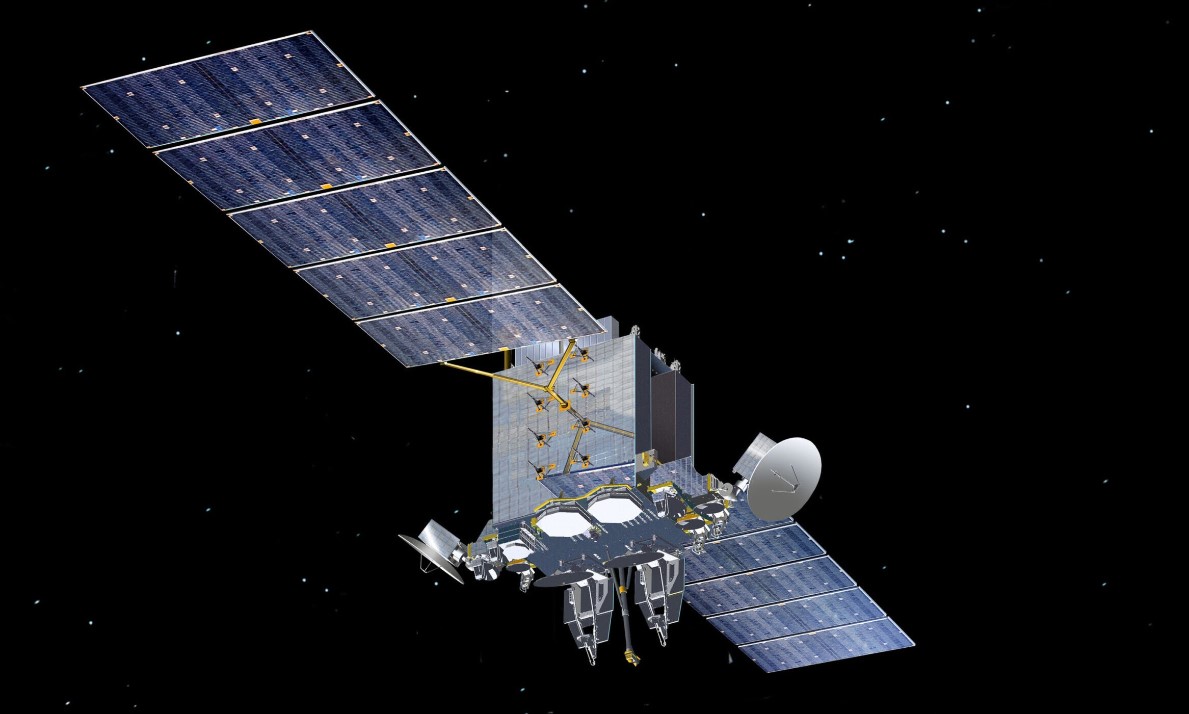 U.S. Space Force Awards $437.7 Million Contracts for First PTS-G Swarm 1 Anti-Jam Satellites
