World
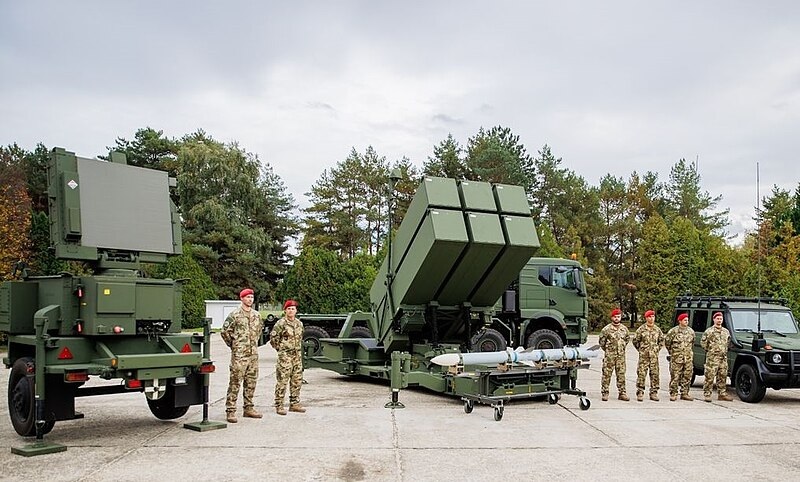
Latest Defence News Spain Spain is set to fortify its military defenses with the acquisition of additional National Advanced Surface to Air Missile Systems (NASAMS) from Kongsberg, a Norwegian defense contractor. The deal, valued at 410 million euros ($438 million), aims to enhance the Spanish Armed Forces' air defense capabilities by integrating more NASAMS units into its existing fleet of four.Expected to be finalized next month, the contract marks Spain's continued commitment to strengthening its national security infrastructure. Since becoming the first international user of NASAMS in 2003, Spain has actively utilized these systems to bolster NATO's Air Shielding Mission in the Baltic region.NASAMS, employed by 12 countries worldwide, stands out as a premier ground-based air defense system renowned for its effectiveness. With a missile range of up to 31 miles (50 kilometers) and a radar tracker capable of monitoring targets up to 75 miles (120 kilometers) away, NASAMS offers robust protection against airborne threats.The system's reliability and versatility have been demonstrated in various military engagements, including its integration into Ukraine's defense forces. Countries like Lithuania, Norway, and the United States have deployed NASAMS on the frontlines, underscoring its strategic importance in modern warfare.Recognizing the escalating demand for NASAMS, the Norwegian government has announced plans to invest 940 million kroner ($88 million) to expedite Kongsberg's delivery processes. This initiative reflects a concerted effort to address the pressing need for advanced air defense capabilities in today's volatile geopolitical landscape.Spain's decision to reinforce its defense infrastructure with additional NASAMS units underscores the nation's proactive stance in safeguarding its sovereignty and contributing to international security efforts. As threats evolve, investments in cutting-edge defense technologies like NASAMS are crucial for maintaining a robust and effective defense posture.
Read More → Posted on 2024-04-23 15:36:11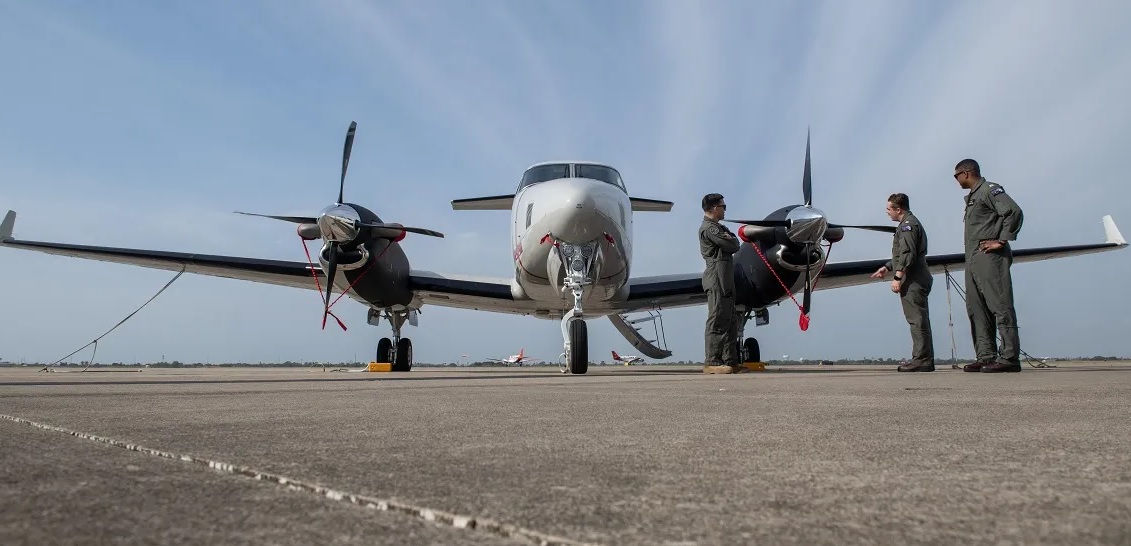
World
Latest Defence News U.S The US Navy has taken delivery of its first two Textron T-54A multi-engine training systems (METS) at Naval Air Station Corpus Christi, Texas. These planes mark a significant step in the Navy's efforts to upgrade its training capabilities.The T-54A aircraft will be utilized by Training Squadrons 31 and 35 to prepare a new generation of naval aviators for their piloting assessments for various aircraft including the P-8A Poseidon, E-2D Hawkeye, and C-130 Hercules.This delivery is part of a 2023 agreement between the Department of Defense and Textron, covering the acquisition of up to 64 T-54As to enhance the training environment for the US Navy, Marine Corps, and Coast Guard.Replacing the aging T-44C Pegasus, which has been in service since 1977, both units are set to benefit from the enhanced capabilities of the T-54A.Equipped with the Pro Line Fusion avionics suite, the T-54A features touch-control primary flight displays for improved efficiency and predictability during flights. It also boasts greater range, speed, and altitude compared to its predecessor.Furthermore, the METS incorporates an integrated GPS/inertial navigation system, digital moving maps, and redundant ultra-high frequency and very high frequency radios, ensuring enhanced navigation and communication capabilities.Lieutenant Mike Stengel, a Naval Aviator and instructor pilot, emphasized the significance of these advancements, stating, "This aircraft will lead the way for the next generation of multi-engine aviators. It has been a very rewarding and humbling experience to be a part of the METS team and it will be one of the highlights of my career."With remaining deliveries scheduled until 2026, the US Navy is on track to complete the transition to these new and improved trainers, setting a foundation for enhanced training and readiness across its fleet.
Read More → Posted on 2024-04-23 15:32:36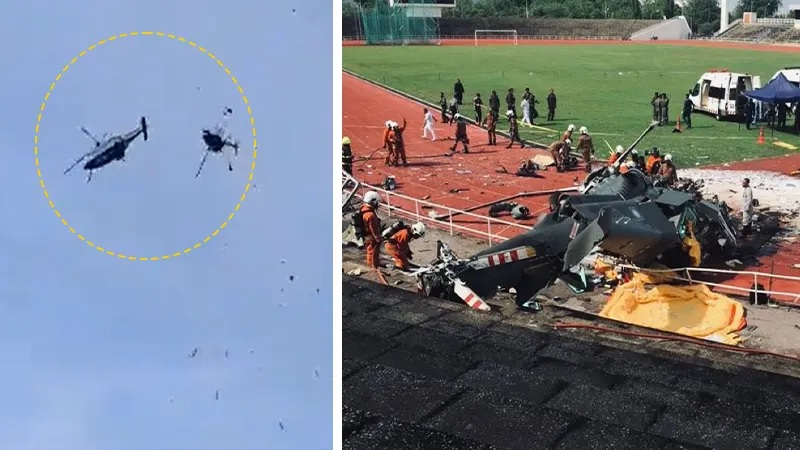
World
Latest Defence News MalaysiaIn a tragic incident, two Malaysian navy helicopters collided mid-air during a rehearsal for a naval parade, resulting in the loss of all 10 crew members on board. The Malaysian navy confirmed the devastating event, stating that the collision occurred at the Lumut naval base in the western state of Perak at 9:32 a.m. on Tuesday morning.The navy's statement indicated that all victims were declared deceased at the scene and were subsequently transported to the Lumut naval base military hospital for identification purposes. A circulating video on local media depicted several helicopters flying in formation, capturing the moment one helicopter's rotor clipped another, leading to the fatal crash. Local authorities confirmed the authenticity of the footage.Defence Minister Mohamed Khaled Nordin revealed that the aircraft involved were a maritime operations helicopter and a Fennec military chopper. These helicopters were engaged in rehearsals for a parade commemorating the 90th anniversary of the Royal Malaysian Navy, scheduled to take place on Saturday.Mohamed Khaled expressed condolences and stated that efforts were underway to confirm the identities of the crew members who lost their lives. He noted that all crew members were below the age of 40.The Malaysian navy has announced plans to conduct a thorough investigation into the incident to determine its cause. This unfortunate event serves as a poignant reminder of the risks associated with military operations and the sacrifices made by servicemen and women in the line of duty.
Read More → Posted on 2024-04-23 15:29:30
World
Latest Defence News WorldIn a recent report by the Stockholm International Peace Research Institute (SIPRI), it was revealed that global military spending reached an all-time high in 2023, totaling a staggering $2.4 trillion. This marks the highest amount ever recorded since SIPRI began monitoring military expenditures in 1949.According to the report, military spending rose to 2.3 percent of the global gross domestic product (GDP) in 2023, up from 2.2 percent the previous year. This means that, on average, every individual on the planet was taxed approximately $306 for military purposes last year – the highest rate since the Cold War era.However, despite the increase in spending, it's important to note that it doesn't necessarily translate into greater military effectiveness globally. The rise in spending merely matched the global rate of inflation, which stood at 6.8 percent.One striking aspect highlighted by SIPRI is the unequal distribution of military expenditure among nations. The report indicates that a small group of states accounts for a disproportionately large share of world military spending.The United States maintained its position as the top spender, allocating a whopping $916 billion to military endeavors, representing 37 percent of the world's total military outlays. China followed closely behind with an estimated expenditure of $296 billion.Russia secured the third spot with $109 billion in military spending, although SIPRI suggests that this figure may be underestimated due to the lack of transparency from Russian financial authorities since the full-scale invasion of Ukraine in 2022.India rounded up the top four spenders with a budget of $83.6 billion for military purposes.The belligerentsUkraine, facing the brunt of the conflict, ramped up its defense spending substantially, with a 51 percent increase totaling $64.8 billion. This surge, coupled with military aid from allies amounting to $35 billion, reflects a significant commitment, consuming 37 percent of Ukraine's GDP and nearly 60 percent of its government spending.In contrast, Russia, despite experiencing a lower societal toll, also bolstered its military spending, up by 24 percent to 6.9 percent of its GDP and 16 percent of government expenditure. This increase, the largest since the dissolution of the Soviet Union, was facilitated by robust economic growth, primarily driven by energy export revenues.The prolonged duration and resilience of Ukrainian resistance seemingly caught Russia off guard, leading to successive increases in military spending. Plans for a substantial 70 percent rise in defense and security spending for 2024 underscore Russia's ongoing commitment to the conflict.Elsewhere, conflicts in the Middle East, such as Hamas's attacks on Israel and subsequent Israeli actions in Gaza, prompted a 24 percent surge in defense spending for Israel, reaching $27.5 billion or 5.3 percent of GDP. Saudi Arabia also significantly bolstered its military expenditure, contributing to a 9 percent increase in the region's defense budget, marking the largest annual rise in a decade.The Middle East now shoulders the world's heaviest military burden relative to GDP, almost double the global average at 4.2 percent. These developments reflect the shifting dynamics of global military spending, driven by regional conflicts and geopolitical tensions.A transformation in EuropeIn response to escalating tensions stemming from Russia's full-scale war in Ukraine, Europe's NATO members have ramped up their military budgets significantly. According to the Stockholm International Peace Research Institute (SIPRI), military spending among European NATO members surged by 16 percent last year, reaching a total of $588 billion. This surge meant that these nations were allocating an average of 2.8 percent of their GDP to defense, surpassing the 2 percent threshold set by NATO in 2014, although not all members reached this level of spending.The driving force behind this increase, as explained by SIPRI Director Dan Smith, is the perceived need to bolster military capabilities in response to the perceived threat posed by Russia. European decision-makers find themselves under pressure on multiple fronts. Firstly, there is the need to replenish and enhance military stockpiles to pre-existing levels. Additionally, there is a commitment to support Ukraine, both financially and by providing military equipment.Among the countries making significant increases in military spending, Poland stands out with a remarkable 75 percent increase last year. This surge in spending, totaling 3.9 percent of its GDP, is attributed to a $2 billion defense modernization program, largely guided by the United States. Notably, Poland has invested in a wide array of military equipment, including rocket launchers, tanks, howitzers, and fighter jets from various suppliers.Similarly, Finland, sharing NATO's longest border with Russia, has seen a substantial increase in defense spending, rising by 54 percent to 2.4 percent of its GDP. The procurement of the F-35 as its next-generation jet and air defense systems has contributed to this surge, reflecting a tripling in procurement spending within a single year.Several other Northern European and Baltic Sea states have also witnessed significant spikes in military expenditure, with the United Kingdom leading the region with a 7.9 percent increase last year.Germany’s spending Germany has faced persistent challenges, notably in meeting NATO's 2 percent requirement. Despite efforts during Angela Merkel's tenure, where defense spending reached 1.33 percent of GDP, it fell short of the NATO benchmark. Even with Olaf Scholz's commitment to allocate an additional 100 billion euros to defense post-Russia's invasion of Ukraine, Germany still lagged, spending only 1.5 percent of its GDP on defense last year.Scholz's pledge to surpass the 2 percent mark this year faces skepticism. A one-third increase in military spending within a year seems improbable due to various constraints. Germany's constitution imposes strict fiscal limits, prohibiting deficits exceeding 0.35 percent of GDP, necessitating balanced budgets. While exceptions were made during the COVID-19 pandemic, returning to fiscal discipline has been swift. Legal hurdles further complicate matters, as seen in the Federal Constitutional Court's refusal to redirect unused pandemic relief funds towards defense or energy transitions.The complexity of Germany's defense spending issue lies in its legal, political, and industrial dimensions. It's not merely a matter of allocating funds but navigating a web of legal obligations, political priorities, and industrial interests.An ‘existential threat’In recent years, Europe has been increasingly recognizing Russia as a significant security challenge. This acknowledgment has manifested in various ways across different European nations.The aftermath of Russia's annexation of Crimea in 2014 prompted Latvia to take decisive action. Located on Russia's border, Latvia substantially increased its defense spending, nearly tripling it to $822 billion by 2022. Similarly, Lithuania, with its proximity to the Russian enclave of Kaliningrad, ramped up its defense budget nearly fourfold to $1.7 billion in the same period. Romania, sharing a border with Ukraine, doubled its defense spending to over $5 billion.The urgency of the Russian threat is particularly palpable in Eastern Europe, where defense spending surged by 31 percent last year, a rate three times higher than in Western and Central Europe. This trend is partly explained by the smaller economies in Eastern Europe coupled with heightened threat perceptions.Greece is a notable example, allocating 3.7 percent of its GDP to defense due to concerns about its neighbor, Turkey. In contrast, Western European nations have been slower to acknowledge the gravity of the Russian threat, with the exception of Germany. However, both the UK and France now view Russia as a genuine concern.The official stance of the European Union echoes the sentiments of Eastern Europe. EU foreign policy chief Josep Borrell emphasized the severity of the situation, stating that "Russia represents an existential threat to us." This sentiment underscores the widespread recognition of the need for collective action to address the challenges posed by Russia.
Read More → Posted on 2024-04-23 15:26:34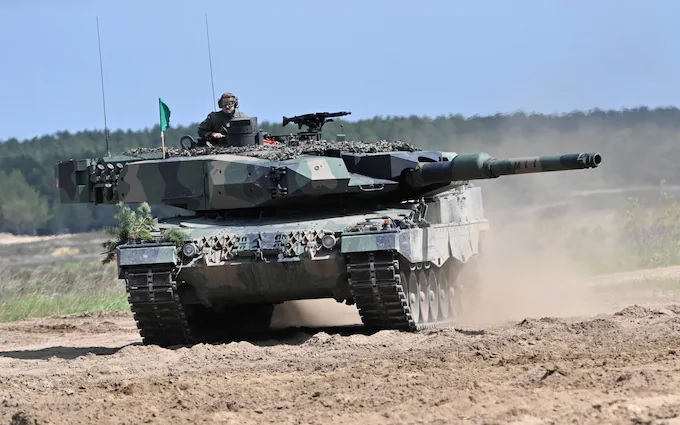
World
Latest Defence News Russia Ukraine ConflictOn April 21, a video surfaced on social media platforms showing a Ukrainian Leopard 2A6 main battle tank under Russian control. The footage, consisting of two low-quality videos, captures the tank in different stages of transport. In the initial video, the tank is seen being towed by a Russian technical support vehicle. The subsequent video depicts the tank being transported on a low-loader truck. The tank appears to have sustained damage and is missing its tracks, indicating possible combat damage or abandonment.This particular tank is believed to have originated from Germany, one of 18 Leopard 2A6 tanks previously transferred from the Bundeswehr’s reserves to Ukraine. Additionally, Portugal has contributed three similar tanks, with potential future deliveries of more units from Portugal and Greece, specifically the Leopard 2A6HEL variant.The Leopard 2A6 tanks are among the most modern equipment in the Ukrainian Armed Forces’ arsenal, alongside 10 Strv 122 tanks. Their loss is significant due to their limited numbers and high strategic value. This development underscores the ongoing conflict in the region and the shifting dynamics of military assets. The capture of such advanced equipment by opposing forces highlights the challenges faced by Ukrainian forces and the broader implications for regional security.Efforts to secure and protect military assets in conflict zones remain paramount, as the loss of advanced equipment can have serious consequences for the parties involved. As the situation continues to evolve, it is essential for all stakeholders to assess and adapt their strategies to effectively address the challenges at hand.
Read More → Posted on 2024-04-23 15:07:39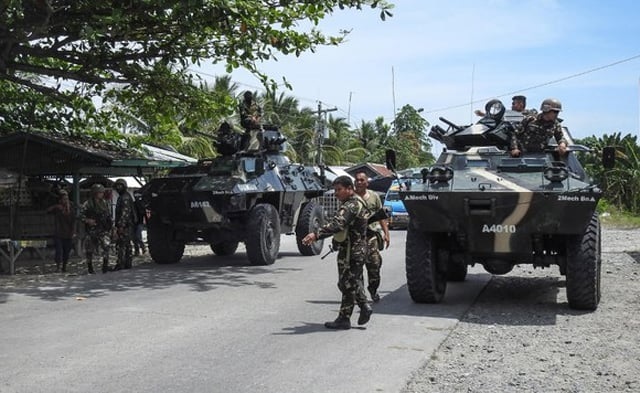
World
Latest Defence News PhilippinesIn the southern Philippines, a recent clash between militants and security forces resulted in the death of twelve militants, with seven soldiers sustaining injuries. The encounter occurred in Maguindanao del Sur province on Mindanao island, known as a base for various armed groups, ranging from communist insurgents to Islamist militants.According to the Philippine Army, the leader of the Bangsamoro Islamic Freedom Fighters-Karialan Faction, along with his brother and ten other fighters, were among those killed. The soldiers managed to seize 12 high-powered firearms, including five M16 rifles, during the operation.Mindanao has long been plagued by conflict, with a decades-old Muslim separatist insurgency and the presence of extremist groups pledging allegiance to the Islamic State. While Manila reached a peace agreement with the Moro Islamic Liberation Front in 2014, effectively ending their armed rebellion, smaller factions of Muslim fighters opposed to the accord continue to operate. Additionally, communist rebels are active in the region.The recent confrontation underscores the ongoing security challenges faced by authorities in the southern Philippines. Despite efforts to broker peace agreements and curb violence, the presence of multiple armed groups perpetuates instability in the region. The incident serves as a reminder of the persistent threat posed by militant organizations and the continued need for robust security measures to safeguard affected communities and maintain stability in the area.
Read More → Posted on 2024-04-23 15:01:12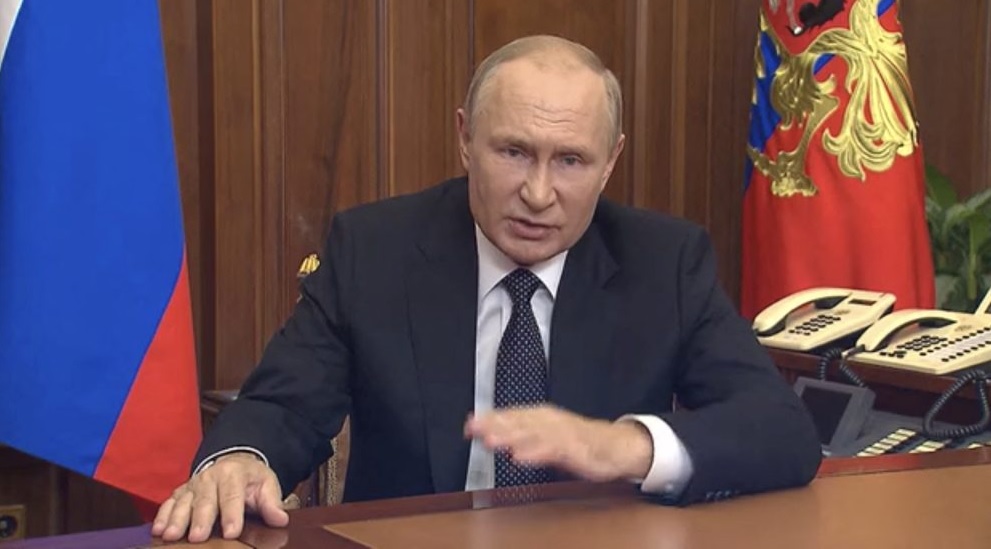
World
Latest Defence News Russia In recent statements, Russian officials have sounded alarms over what they perceive as an alarming escalation in the conflict between Ukraine and Russia, fueled by military support from the United States, Britain, and France. According to Russia, this support has pushed the world to a dangerous precipice, bringing the threat of a direct clash between the largest nuclear powers.Since President Vladimir Putin's 2022 invasion of Ukraine, relations between Russia and the West have deteriorated significantly, reminiscent of the tense atmosphere during the Cuban Missile Crisis of 1962. Russian Foreign Minister Sergei Lavrov emphasized that the United States and NATO seem fixated on achieving a "strategic defeat" against Russia.Lavrov expressed deep concern that the involvement of Western nuclear states in supporting Ukraine could lead to catastrophic consequences. He highlighted the risk of a direct military confrontation between nuclear powers, with grave implications for global security.Of particular worry to Russia is the significant role played by the US, Britain, and France in backing the Ukrainian government, which Russia considers illegitimate. Lavrov emphasized that this support, coupled with what Russia sees as provocative actions, poses serious strategic risks and heightens the danger of nuclear conflict.The statements from Russian officials underscore the growing tension and deepening divide between Russia and the West over the Ukrainian crisis. As both sides remain entrenched in their positions, the risk of a catastrophic outcome looms large.The international community closely watches the situation, hoping for diplomatic efforts to de-escalate tensions and prevent the dire consequences that a direct clash between nuclear powers could bring. However, finding a resolution to the crisis remains elusive as rhetoric on both sides continues to escalate.
Read More → Posted on 2024-04-23 06:33:43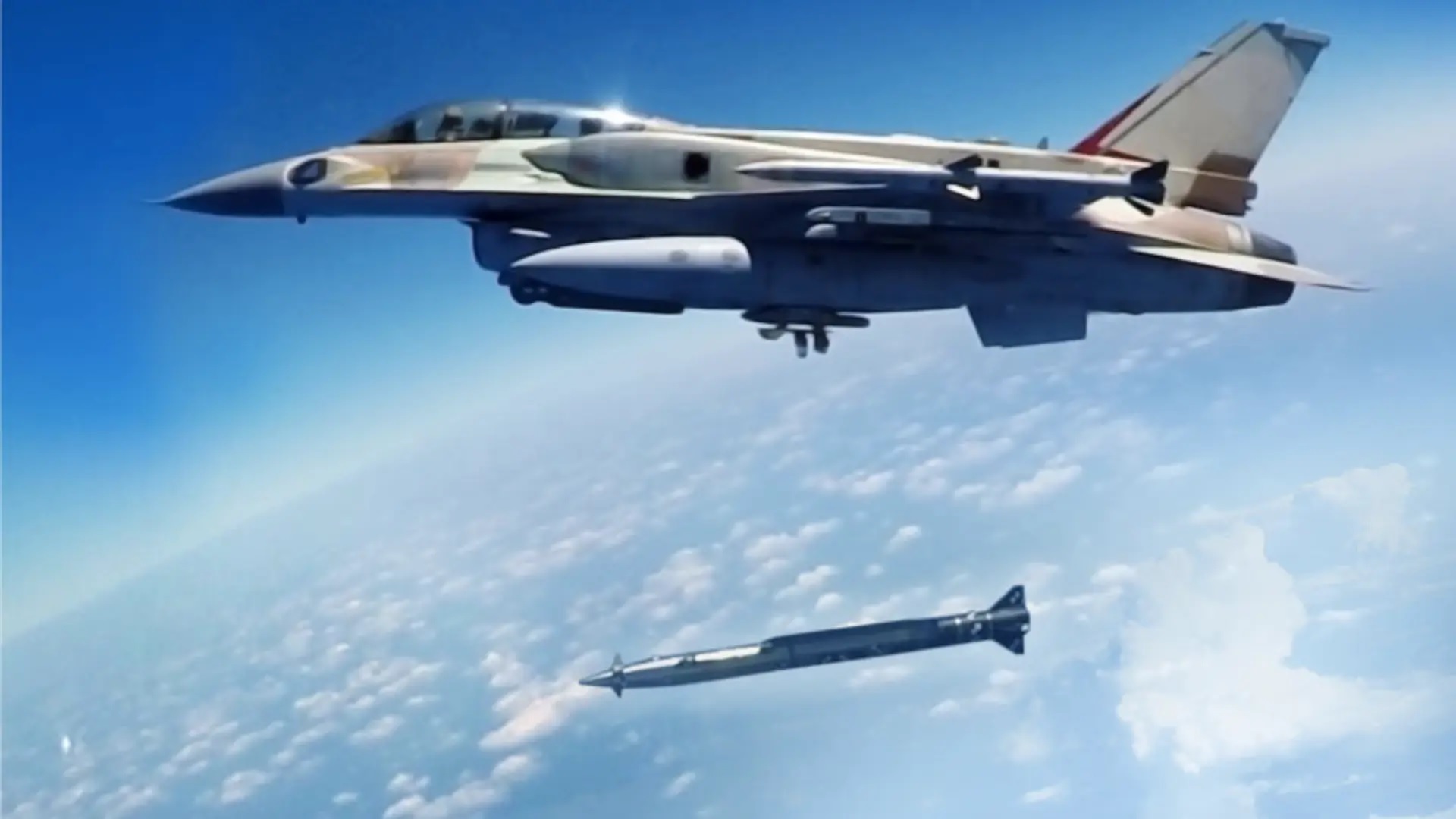
World
Latest Defence News Israel ,Iran In a recent military operation, the Israeli Air Force (IAF) targeted an Iranian S-300 air defense battery deployed to safeguard one of Iran's nuclear sites. According to reliable sources, combat aircraft launched precision strikes using long-range air-launched weapon systems.While Israel has not officially acknowledged its involvement in the attack, the nature of the operation suggests the use of advanced weaponry. The IAF has been steadily enhancing its capabilities, particularly in the realm of long-range air-to-ground missiles.One such missile employed in the operation is the Rampage, developed by Israel Aerospace Industries (IAI). The Rampage missile is designed to deliver precise strikes against high-value targets from extended distances. Its utilization underscores Israel's commitment to maintaining military superiority and ensuring the security of its interests.Additionally, the IAF utilizes other long-range air-to-ground missiles, including the Delilah and Blue and Silver Sparrow, developed by Elbit Systems and Rafael, respectively. These missiles, along with the Rampage, represent a formidable arsenal that enables the IAF to conduct precision strikes with minimal collateral damage.The success of the operation against the Iranian S-300 battery underscores the importance of accurate intelligence and sophisticated weapon systems. The IAF's ability to execute such missions with precision demonstrates its readiness and proficiency in addressing emerging threats to national security.While specifics regarding the operation remain classified, it is evident that Israel remains vigilant in safeguarding its interests and countering potential threats posed by adversarial forces. The use of advanced weaponry highlights Israel's commitment to maintaining regional stability and deterring aggression.In conclusion, the Israeli Air Force's utilization of Rampage long-range missiles in targeting the Iranian S-300 battery exemplifies its dedication to preserving national security and countering emerging threats effectively. The operation underscores Israel's capability to leverage advanced technology and precise tactics to neutralize potential challenges to its sovereignty and interests.
Read More → Posted on 2024-04-23 06:21:29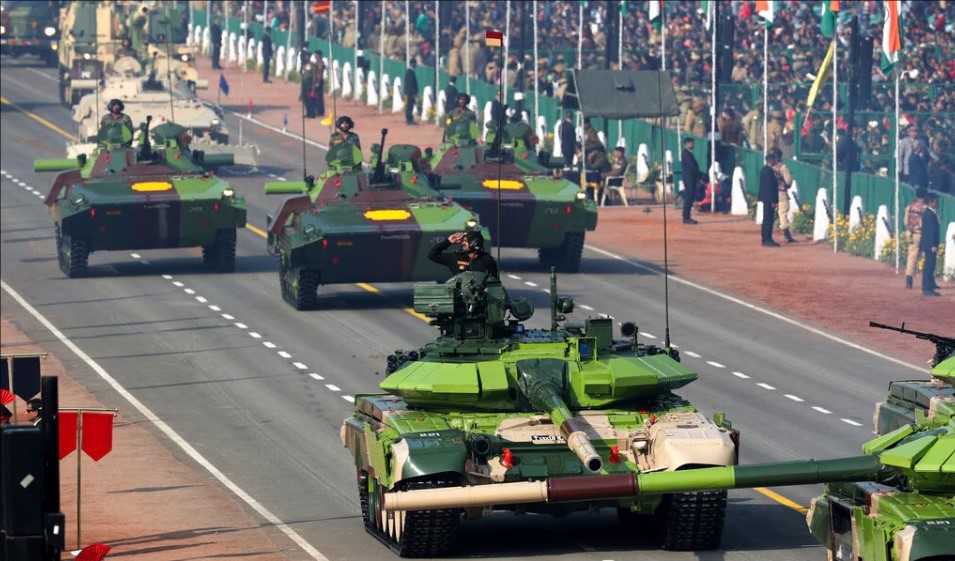
World
Latest Defence News India In the wake of escalating tensions and geopolitical uncertainties worldwide, military spending has surged to unprecedented levels, reaching a historic high in 2023. According to the latest report from the Stockholm International Peace Research Institute (SIPRI), global military expenditure soared to $2.443 trillion, marking the ninth consecutive year of growth since 2009.India emerged as the fourth-largest military spender globally, allocating $83.6 billion to defense in 2023. This represents a 4.2% increase from the previous year, reflecting the country's commitment to bolstering its national security capabilities. Notably, India's Defense Minister, Rajnath Singh, recently announced that 75% of the defense budget has been earmarked for investments in domestically manufactured equipment, aligning with the government's 'Made in India' initiative.The surge in military spending was not limited to India alone. Countries across various regions witnessed substantial increases in defense budgets, indicating a widespread prioritization of military strength amidst growing global instability. Russia recorded a significant uptick, with a 57% rise in expenditure, reaching $109 billion, while Ukraine followed suit with a 51% increase, amounting to $64.8 billion.The United States, despite its already substantial defense budget, saw a 2.2% surge, reaching $916 billion in 2023. Meanwhile, China's military expenditure rose by 6% to $296 billion, reinforcing its status as a key player in global security dynamics.Other notable increases include Japan and Taiwan, both experiencing an 11% rise in defense spending. Israel's expenditure climbed by 24%, Mexico by 55%, Poland by 75%, Brazil by 3.1%, and Algeria by a staggering 76%.Nan Tian, a Senior Researcher at SIPRI, highlighted the concerning trend of escalating military spending, attributing it to the deteriorating global peace and security landscape. Tian warned against the potential consequences of this arms race, emphasizing the risk of an action-reaction spiral among nations.The surge in military expenditure underscores the growing emphasis placed on security and defense by countries worldwide. As geopolitical tensions persist and threats evolve, nations continue to prioritize military capabilities to safeguard their interests and ensure their security in an increasingly uncertain world.In conclusion, the SIPRI report paints a stark picture of the current state of global security, with record-high military spending reflecting the prevailing atmosphere of instability and uncertainty. As countries allocate significant resources to defense, the need for concerted efforts towards peace and conflict resolution becomes more pressing than ever.
Read More → Posted on 2024-04-23 06:16:38
World
Latest Defence News Israel Maj. Gen. Aharon Haliva, the head of Israeli military intelligence, has tendered his resignation following the unprecedented attack by Hamas on October 7. This resignation marks a significant development as Haliva becomes the first senior figure to step down in light of the failures surrounding the deadliest assault in Israel's history.The attack orchestrated by Hamas saw militants breaching Israel's border defenses, unleashing havoc in Israeli communities, resulting in the loss of 1,200 lives, predominantly civilians. Additionally, around 250 individuals were taken as hostages into Gaza, escalating tensions and triggering a prolonged conflict with Hamas, now in its seventh month.In his resignation letter, Haliva expressed deep remorse, acknowledging the failure of the intelligence directorate under his command to fulfill its entrusted task. He stated, "The intelligence directorate under my command did not live up to the task we were entrusted with. I carry that black day with me ever since, day after day, night after night. I will carry the horrible pain of the war with me forever."While Haliva's resignation was anticipated, the timing remained uncertain due to Israel's ongoing engagements with Hamas in Gaza and Hezbollah in the north, alongside heightened tensions with Iran. Some experts cautioned against resignations during such multifront confrontations, citing potential interpretations of weakness.Following the attack, Haliva publicly accepted responsibility for the failure to prevent the assault, as the head of the military department responsible for providing intelligence warnings and daily alerts. However, Prime Minister Benjamin Netanyahu has not explicitly acknowledged direct responsibility for allowing the attack to unfold and has not signaled intentions to step down, despite growing calls for accountability and demands for elections.The resignation of Haliva, welcomed by Israeli opposition leader Yair Lapid, is viewed as a step towards restoring trust in the Israeli military establishment, which suffered a blow to its credibility in the face of Hamas' onslaught.As the Jewish community prepares to observe Passover, the somber mood persists with approximately 130 individuals still held captive in Gaza. The ongoing conflict has resulted in significant casualties, with over 34,000 Palestinians killed, predominantly civilians, exacerbating the humanitarian crisis in Gaza.The repercussions of the attack extend beyond Gaza, unsettling the Israeli-occupied West Bank and igniting tensions within Israel itself. Recent incidents, such as a car ramming into pedestrians in Jerusalem, underscore the volatile situation, necessitating a concerted effort to address the underlying tensions and achieve lasting peace in the region.In conclusion, Haliva's resignation underscores the gravity of the failures surrounding the Hamas attack, prompting introspection within Israel's security establishment and reinforcing the imperative for accountability and reforms to prevent future tragedies.
Read More → Posted on 2024-04-23 06:03:17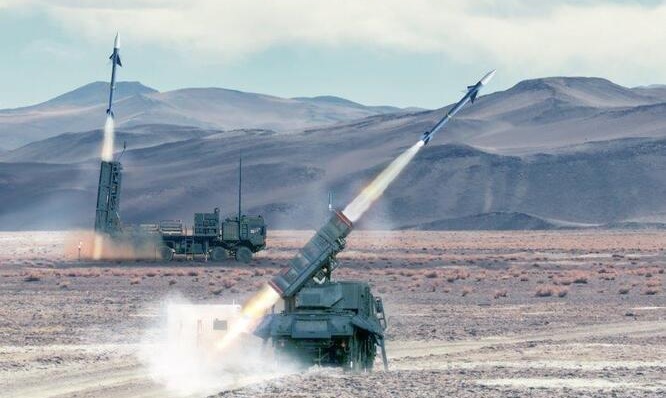
World
Latest Defence News Greece In recent times, there's been a surge in demand for the SPYDER air defense system, manufactured by the Israeli company Rafael. This system has caught the attention of defense ministries worldwide due to its proven effectiveness in combat situations. Greece's Defense Ministry is currently in talks with Rafael to finalize a deal that would include the SPYDER system. The ongoing conflict in Ukraine has heightened the need for reliable air defense solutions, further fueling international interest in the SPYDER system.Notably, both the Czech Republic and Morocco have already opted for the SPYDER system to meet their short-range air defense requirements, showcasing its growing popularity on the global stage.Recently, Rafael collaborated with the Ministry of Defense to conduct a successful test of the advanced SPYDER air defense system in its latest configuration, known as "All In One." This new setup combines various components, including radar, electro-optical launcher, control and command system, and interceptor missiles, onto a single platform. The test involved intercepting an unmanned aerial vehicle (UAV) in a challenging operational scenario, demonstrating the system's capability to effectively neutralize airborne threats.The SPYDER system is designed to defend against a range of aerial threats, including missiles, UAVs, aircraft, helicopters, and tactical ballistic missiles (TBMs). It utilizes two types of interceptor missiles developed by Rafael, namely PYTHON and Derby, to intercept and destroy incoming threats.The success of the recent test in Israel underscores the SPYDER All In One's versatility and reliability in various defense scenarios. Whether deployed independently or as part of a larger defense setup, this configuration offers a robust solution for both point defense and area defense needs with minimal operator involvement.Overall, the SPYDER air defense system continues to garner attention and adoption from military forces worldwide, thanks to its proven track record and advanced capabilities in countering airborne threats effectively.
Read More → Posted on 2024-04-23 05:58:24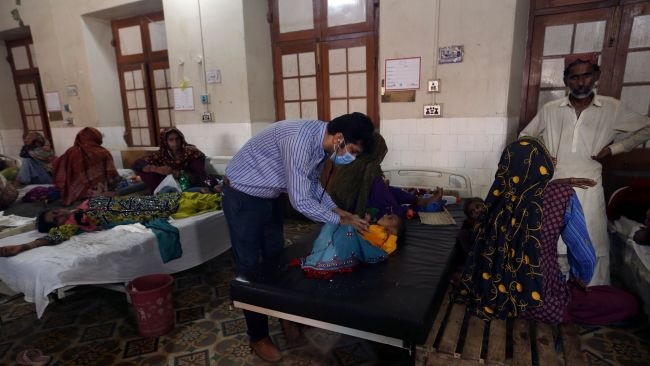
World
Latest Defence News Pakistan In Pakistan, access to basic healthcare remains a luxury for many. The stark reality is that a significant portion of the population grapples with the unavailability of primary medical services and essential medications. A recent report by The News International sheds light on the dire circumstances faced by individuals like Muhammad Boota, a domestic worker in Lahore, whose survival depends on regular insulin injections. With each dose costing a substantial portion of his meager income, Boota represents the plight of millions who find themselves at the mercy of sporadic charitable donations for life-saving medicines.According to the findings of Sehat Kahani, over half of Pakistanis lack access to fundamental healthcare services, while approximately 42 percent remain devoid of health coverage. The situation worsened earlier this year when the government raised the prices of 146 essential medicines, exacerbating the financial strain on lower-income households.One of the underlying causes of this healthcare crisis is the gross inadequacy of government funding. Pakistan allocates a mere 0.84 percent of its GDP to healthcare, a stark decrease from previous years and significantly below the average expenditure of other lower-middle-income countries. As per The News International's report, Pakistan ranks dismally low - 176th out of 189 countries - in terms of government spending on healthcare relative to its economic size.The lack of prioritization of healthcare funding by the government has left millions of Pakistanis vulnerable to health-related emergencies. In response, calls have been made by human rights organizations to enshrine the Right to Health as a constitutional right, highlighting the urgency of addressing this pressing issue. Beyond the healthcare sector, Pakistan grapples with a myriad of challenges, including rampant poverty, soaring inflation, and high unemployment rates. Even before the current economic turmoil, the country faced crises in various domains, further exacerbating the plight of its citizens.The repercussions of these challenges extend beyond healthcare, affecting vital indicators of well-being such as nutrition, infant mortality, and access to basic amenities like electricity. Reports indicate that a significant portion of the population suffers from undernourishment, while a distressing number of children face stunted growth. Moreover, the mortality rate among young children remains alarmingly high, reflecting systemic failures in ensuring basic healthcare access for all.In addition to these socio-economic challenges, Pakistan is grappling with the devastating impacts of climate change, further exacerbating existing vulnerabilities.In conclusion, Pakistan's healthcare crisis is a multifaceted challenge that demands urgent attention and concerted efforts from policymakers, stakeholders, and civil society. Addressing this crisis requires not only increased government funding but also systemic reforms to ensure equitable access to healthcare for all citizens. Until concrete measures are taken to address these systemic inadequacies, millions of Pakistanis will continue to suffer the consequences of an ailing healthcare system, perpetuating a cycle of hardship and deprivation.
Read More → Posted on 2024-04-23 05:55:32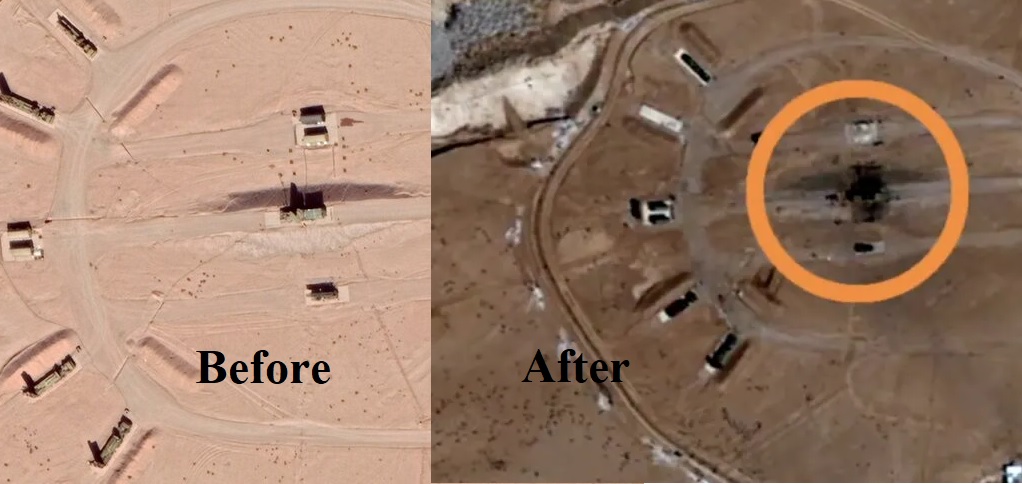
World
Latest Defence News Iran ,Israel Conflict Last week, Iran's Isfahan province found itself at the center of escalating tensions as it was struck by drone and missile attacks, reportedly attributed to Israel. The targeted area housed Iran's nuclear facility and air defense systems, marking a significant event in the ongoing geopolitical dynamics of the region.Satellite Image AnalysisDetailed scrutiny of satellite images by reputable sources such as The New York Times and BBC revealed a conspicuous absence in the vicinity of the Isfahan International Airport. The missing element was identified as the Russian S-300 Surface-Air anti-ballistic missile defense system. The latest satellite image from April 19 painted a picture of an area devoid of the S-300 system, strongly indicating it was the primary target of the attack. The system, inclusive of radar-equipped vehicles and distinct missile launchers, suffered damage, particularly affecting its crucial radar components responsible for guiding missiles.Damage AssessmentInitial assessments suggested that while the strike caused damage to the S-300 system's radar, the missile launchers themselves remained intact. Iranian state media outlet IRNA confirmed that there were no missile attacks recorded, and Iran's air defense system had not been activated during the incident. However, satellite images depicting damage to the facility contradicted these claims. Notably, Iranian military officials stated that they had not detected any incoming threats into Iranian airspace, including drones, missiles, or aircraft, during the time of the attack.Unconfirmed ClaimsThe specifics of the damage inflicted and the precise weapons utilized by Israel in the strike remain unconfirmed, as both parties have refrained from divulging detailed information. Western officials, however, assert that the objective of Israel's attack was to showcase its capability to bypass Iran's defense systems without detection. Notably, the trajectory of the missiles and aircraft involved in the strike did not breach Jordanian airspace, according to these officials.Context and BackgroundThe S-300 air defense system, supplied to Iran by Russia in 2016, has been a subject of concern for Israel since its procurement. However, it's worth mentioning that a previous deal for Russia to supply the system to Iran was annulled in 2010 due to pressure from Western nations.In conclusion, the recent drone and missile strikes in Iran's Isfahan province underscore the heightened tensions and complex dynamics prevalent in the region. The aftermath of these strikes, coupled with the absence of confirmed details from involved parties, leaves room for speculation and raises questions about the future trajectory of regional security.
Read More → Posted on 2024-04-23 05:48:53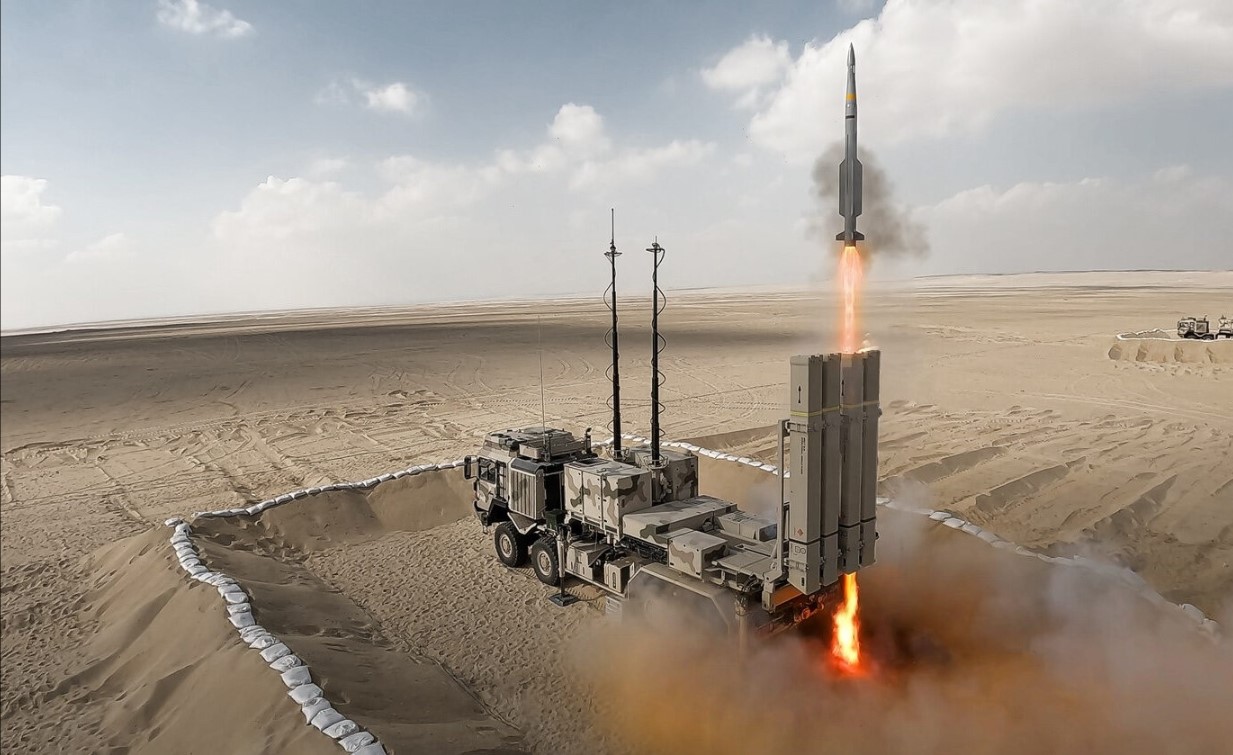
World
Latest Defence News Germany ,Ukraine In a pragmatic move to bolster Ukraine's air defense capabilities, Germany is poised to deliver the fourth IRIS-T SLM air defense system to Ukraine in the coming weeks. This marks a continuation of a commitment made by Germany to provide a total of 12 units, consisting of both medium-range IRIS-T SLM and short-range IRIS-T SLS systems.The IRIS-T SLM system, priced at approximately 140 million euros each, boasts a range of 40 kilometers (25 miles). Since fall 2022, Ukraine has already received three systems, with more slated for delivery this year.The urgency for enhanced air defense measures in Ukraine has been underscored by President Volodymyr Zelensky's recent appeal for 25 Patriot systems to combat Russian air attacks. Zelensky's plea comes amidst dwindling supplies of air defense interceptor missiles.Responding to Zelensky's call, German Chancellor Olaf Scholz announced the forthcoming delivery of a Patriot system to Ukraine. However, the specific delivery date remains undisclosed. Reports suggest that Germany is contemplating a potential increase in its procurement of Patriots, with considerations to double the previous $1.2 billion acquisition to a total of eight systems.The concerted efforts to fortify Ukraine's air defense infrastructure highlight the ongoing geopolitical tensions in the region and the imperative to safeguard Ukraine's sovereignty. The provision of advanced air defense systems underscores international solidarity with Ukraine in the face of external threats.As Ukraine braces itself against continued security challenges, the forthcoming delivery of the IRIS-T SLM system and potential expansion of Patriot system procurement reflect tangible steps towards bolstering Ukraine's defense capabilities and fortifying its resilience against hostile incursions.
Read More → Posted on 2024-04-23 05:40:29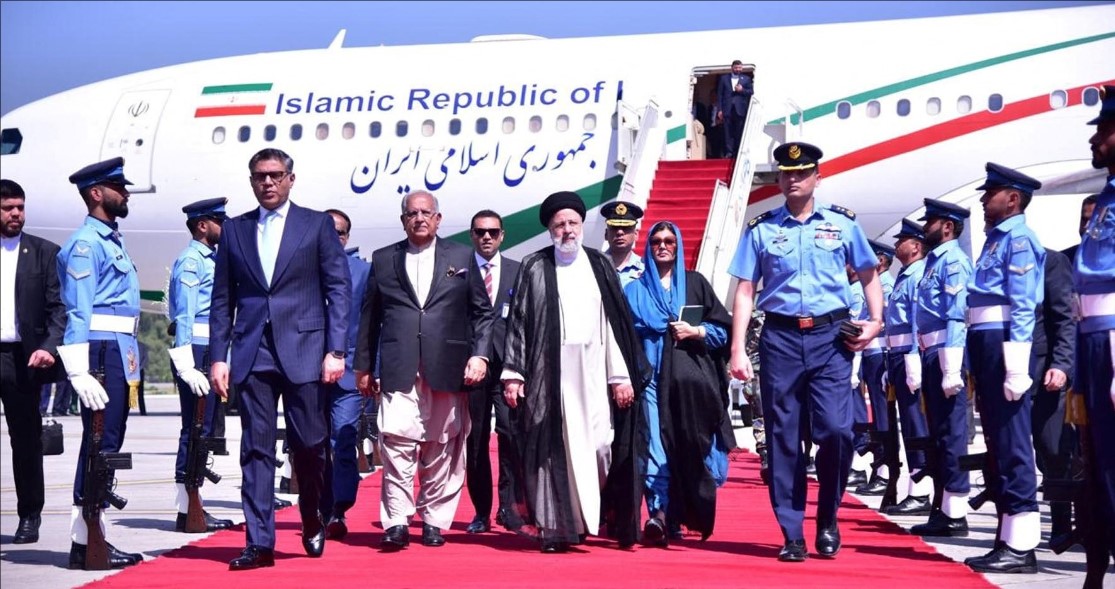
World
Latest Defence News Pakistan ,Iran Iranian President Ebrahim Raisi embarked on a significant three-day visit to Pakistan, aiming to bolster bilateral relations between the two neighboring countries. Arriving on Monday, Raisi was warmly welcomed by Pakistani officials, including Federal Minister Mian Riaz Hussain Pirzada and Pakistan's Ambassador to Iran, Ambassador Mudassir Tipu.Accompanied by his spouse and a delegation comprising high-ranking officials, including the Foreign Minister, Raisi's visit underscores the enduring ties between Iran and Pakistan. The itinerary includes meetings with Pakistan's President, Prime Minister, Senate Chairman, and National Assembly Speaker, showcasing the depth of engagement between the two nations.Beyond Islamabad, Raisi's visit extends to Lahore and Karachi, where he will engage with provincial leadership. In Lahore, meetings are scheduled with Punjab Chief Minister Maryam Nawaz and Governor Balighur Rehman, while in Karachi, discussions will take place with Sindh Chief Minister Murad Ali Shah and Governor Kamran Tessori.The visit coincides with heightened tensions in the Middle East, prompting close attention from the United States amidst strained relations between Iran and Israel. Despite external pressures, the visit underscores Pakistan's commitment to fostering diplomatic relations with its neighbor.A focal point of discussions is likely to be the Iran-Pakistan gas pipeline, a long-standing project aimed at enhancing energy cooperation. While Iran has completed its part of the pipeline, Pakistan's progress has been hindered by various challenges, including concerns over potential sanctions and regional dynamics.The collaboration between President Asif Ali Zardari and Prime Minister Shehbaz Sharif has been instrumental in navigating these complexities, balancing relations with both Iran and Saudi Arabia. However, challenges persist, particularly regarding Pakistan's stance on certain regional issues.As Raisi concludes his visit and returns to Tehran, the significance of strengthened ties between Iran and Pakistan remains apparent. While challenges persist, diplomatic engagements such as these serve as vital platforms for dialogue and cooperation, fostering mutual understanding and regional stability.
Read More → Posted on 2024-04-23 05:37:42Search
Top Trending in 24 Hours
-
 Trump Administration Weighs Purchase of Chagos Islands to Secure Diego Garcia Base
-
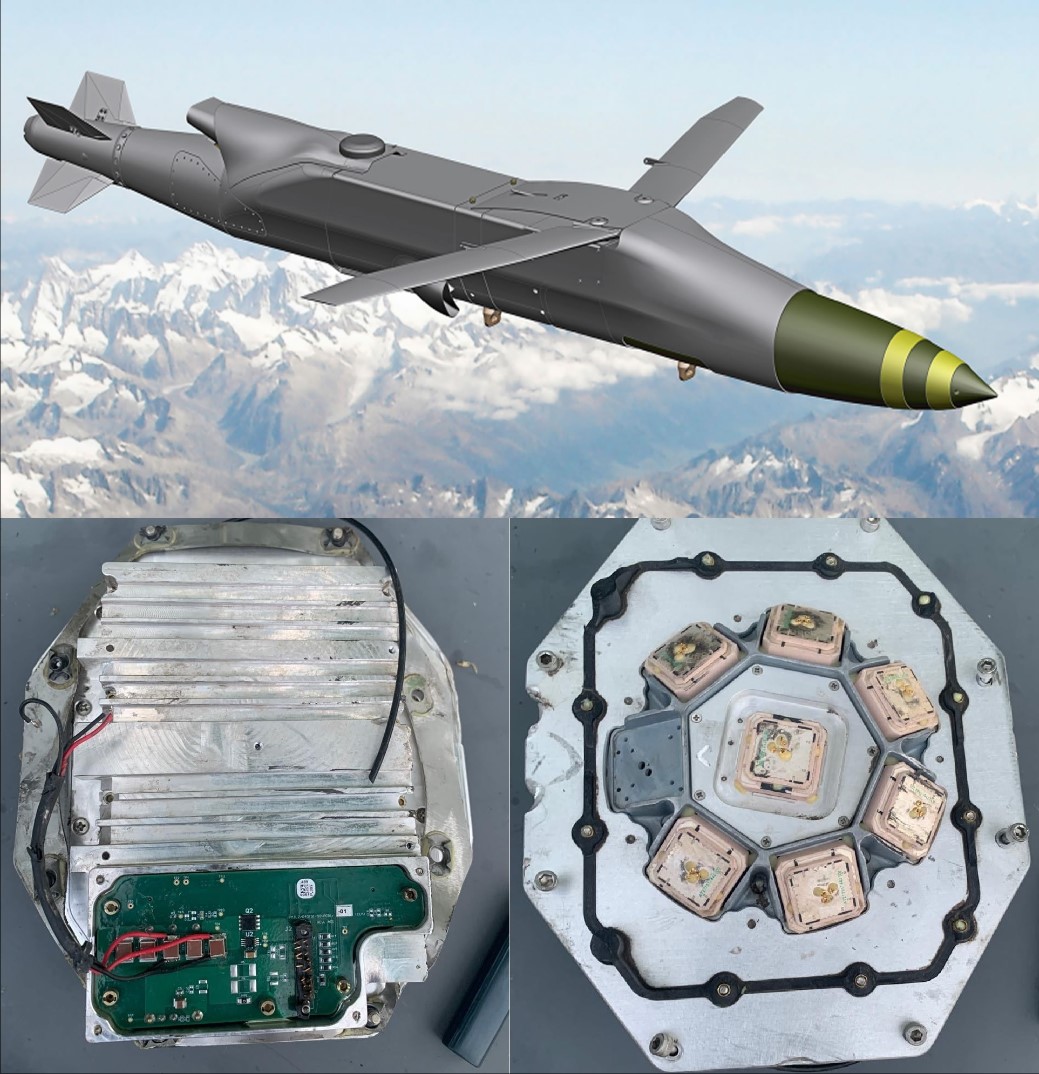 Missile Debris in Ukraine Suggests First Operational Use of U.S.-Made ERAM Cruise Missiles
-
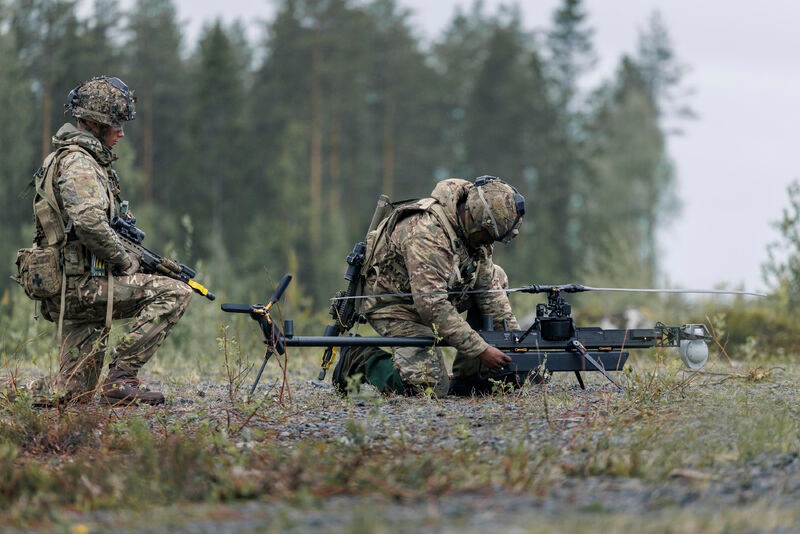 British Army Tests Autonomous Ghost and Bolt Drones Near Russian Border During NATO Exercise in Finland
-
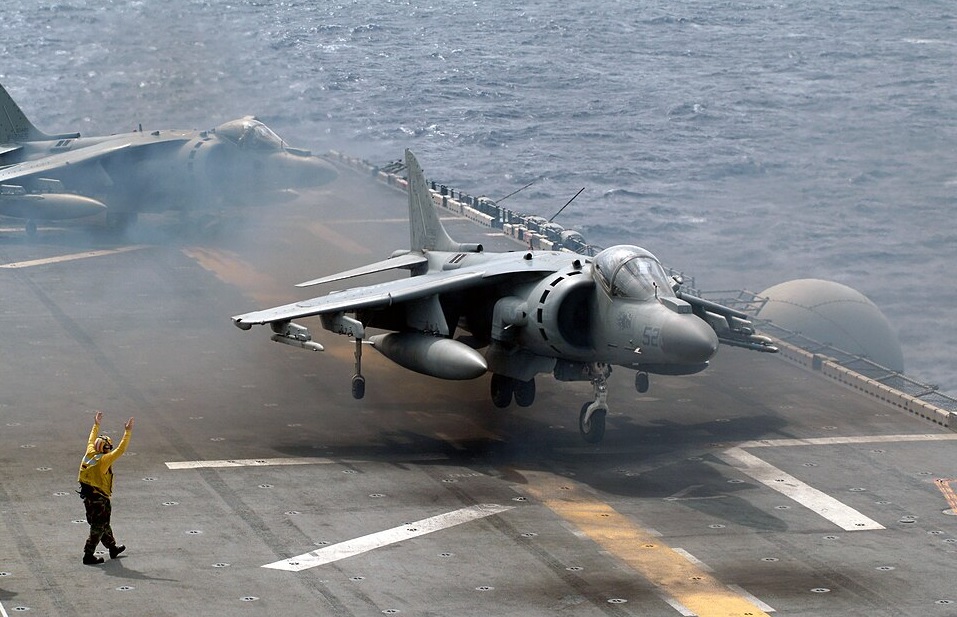 U.S. Marine Corps Retires AV-8B Harrier II, Ending More Than 50 Years of Service
-
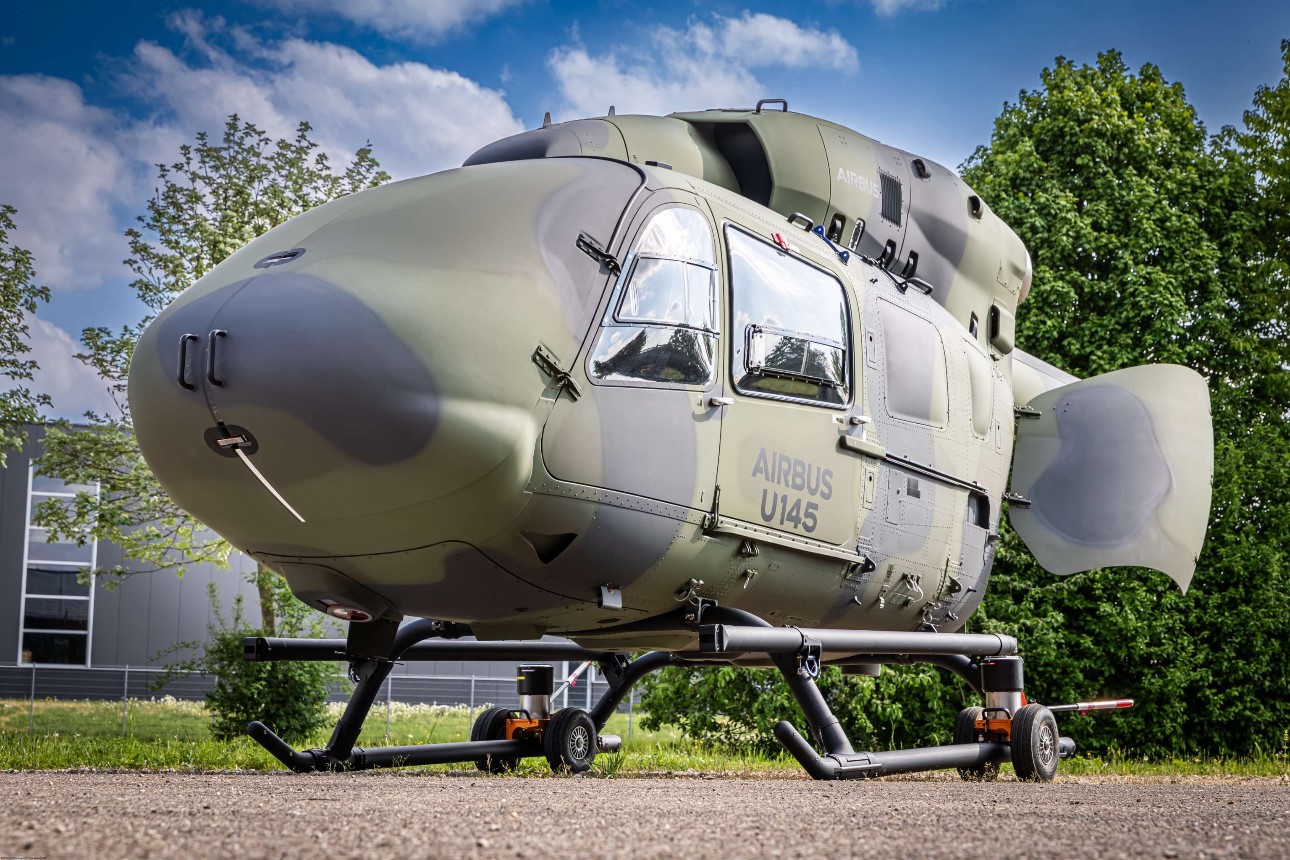 Airbus launches U145 uncrewed helicopter with AI-powered autonomous flight capabilities
-
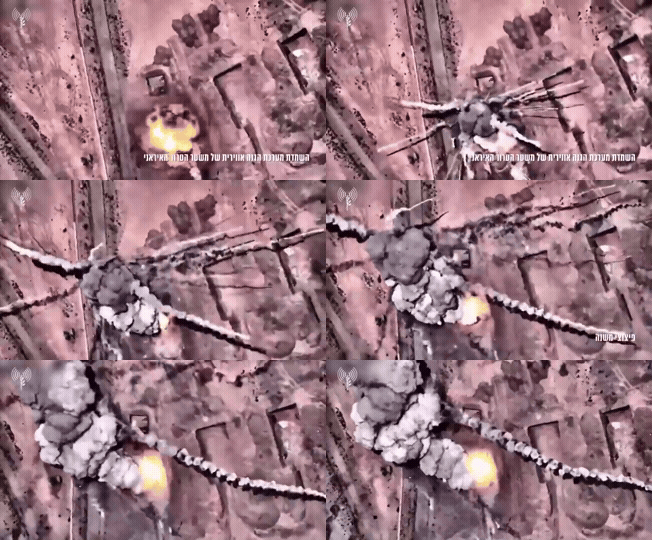 Israel Releases Strike Footage of Airstrikes on Iranian Air Defense Systems Near Tehran
-
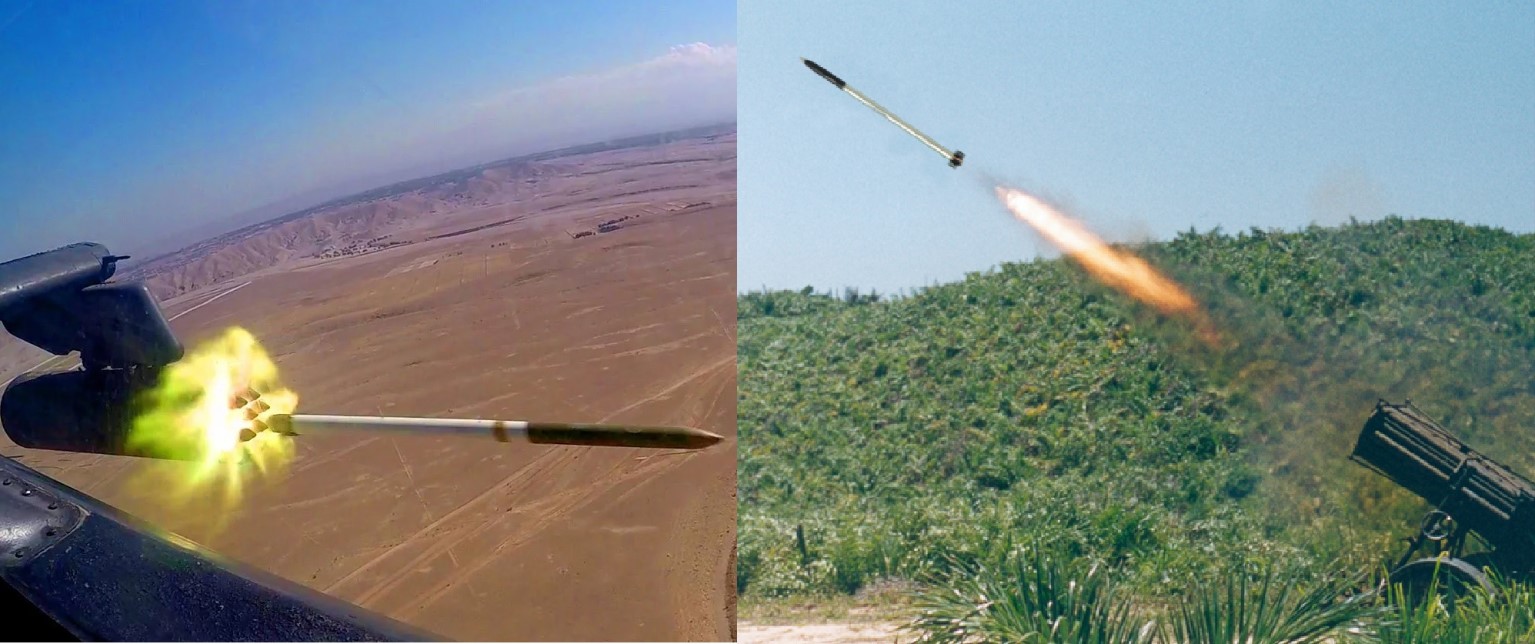 U.S. Army Awards iRocket Up to $150M Contract to Turn Hydra-70 Rockets Into Drone Interceptors
-
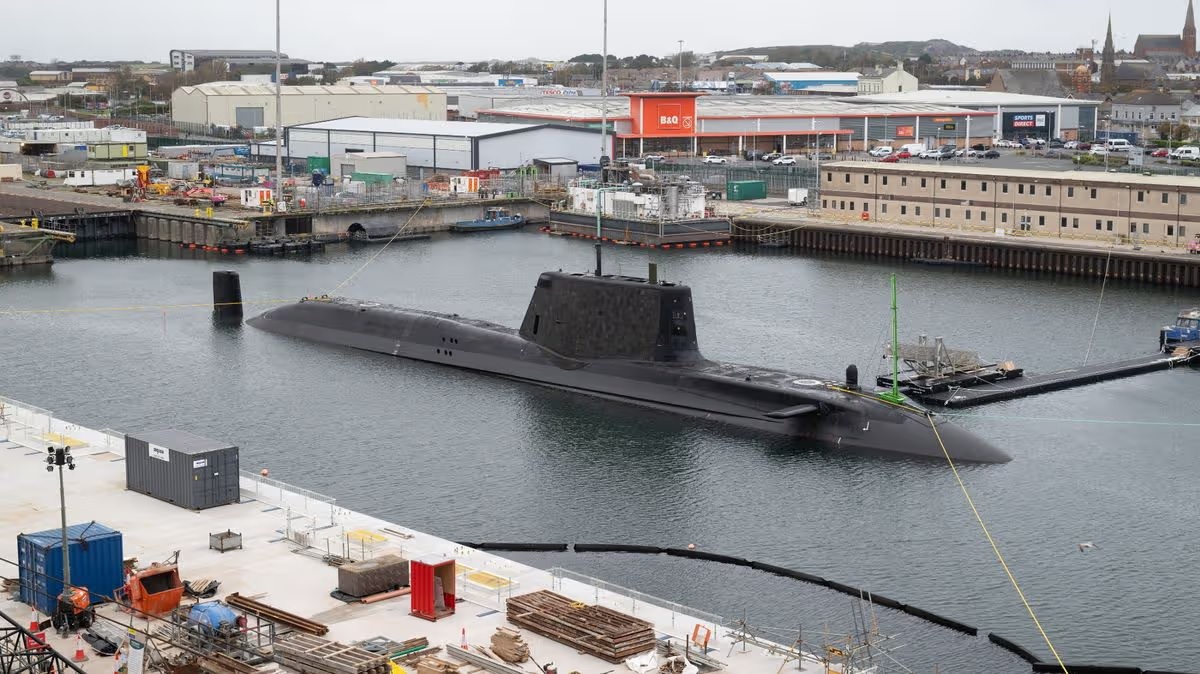 UK Left Without Active Attack Submarines as Entire Astute-Class Fleet Remains Stuck in Port
Top Trending in 4 Days
-
 Iran Releases Footage of Qader Missile and Shahid Danaye Drone Launches Toward Two U.S. Navy Destroyers
-
 Five Eyes Issues Joint Alert on Chinese Targeting Government and Military Personnel Through LinkedIn and Job Platforms
-
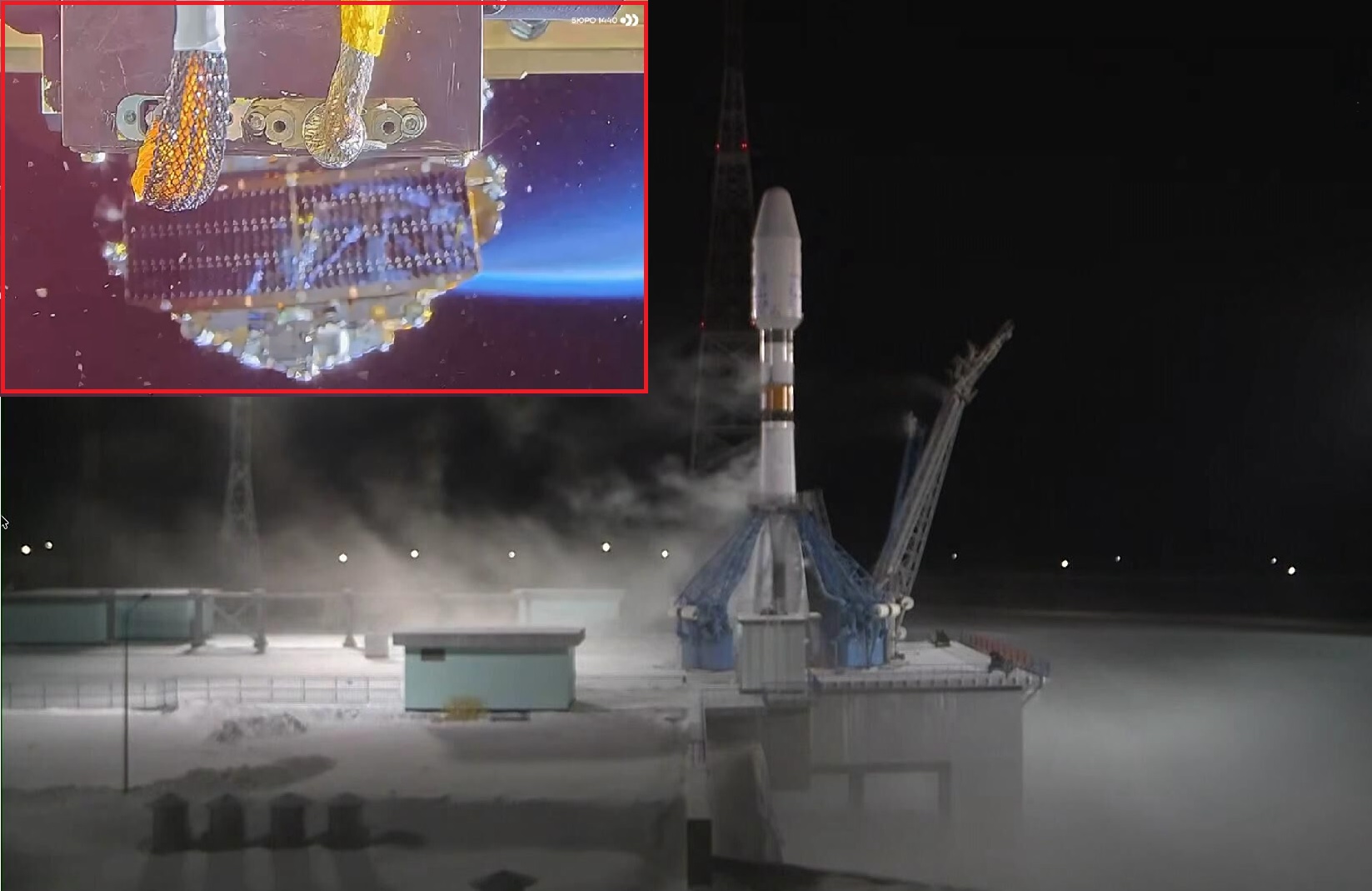 First Satellite of Russia's Rassvet Broadband Constellation Reenters Atmosphere After Less Than Three Months in Orbit
-
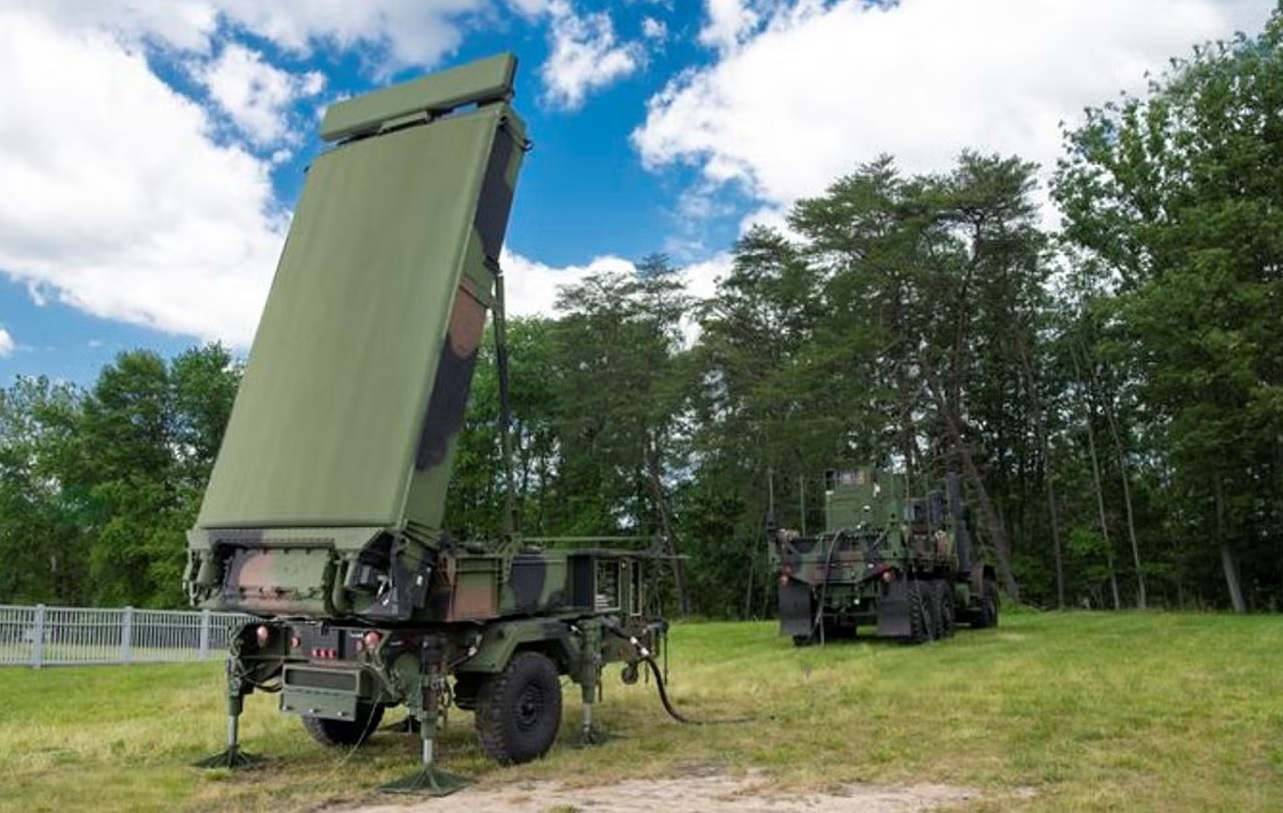 Northrop Grumman Positions G/ATOR Radar for Global Expansion with 60 Systems Planned by 2029
-
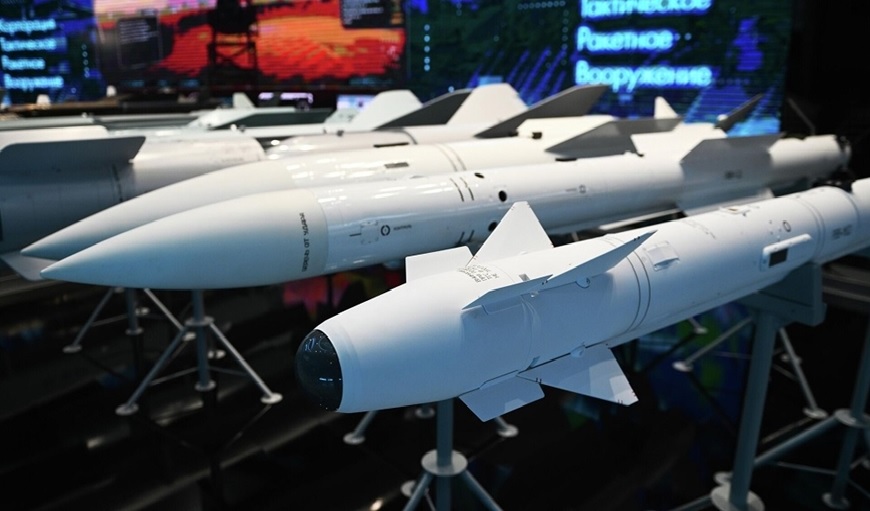 Leaked Contracts Reveal Russia Supplying Air-to-Air and Strike Missiles to Iran for Su-35 Fighter Fleet Through 2027
-
Trump Administration Weighs Purchase of Chagos Islands to Secure Diego Garcia Base
-
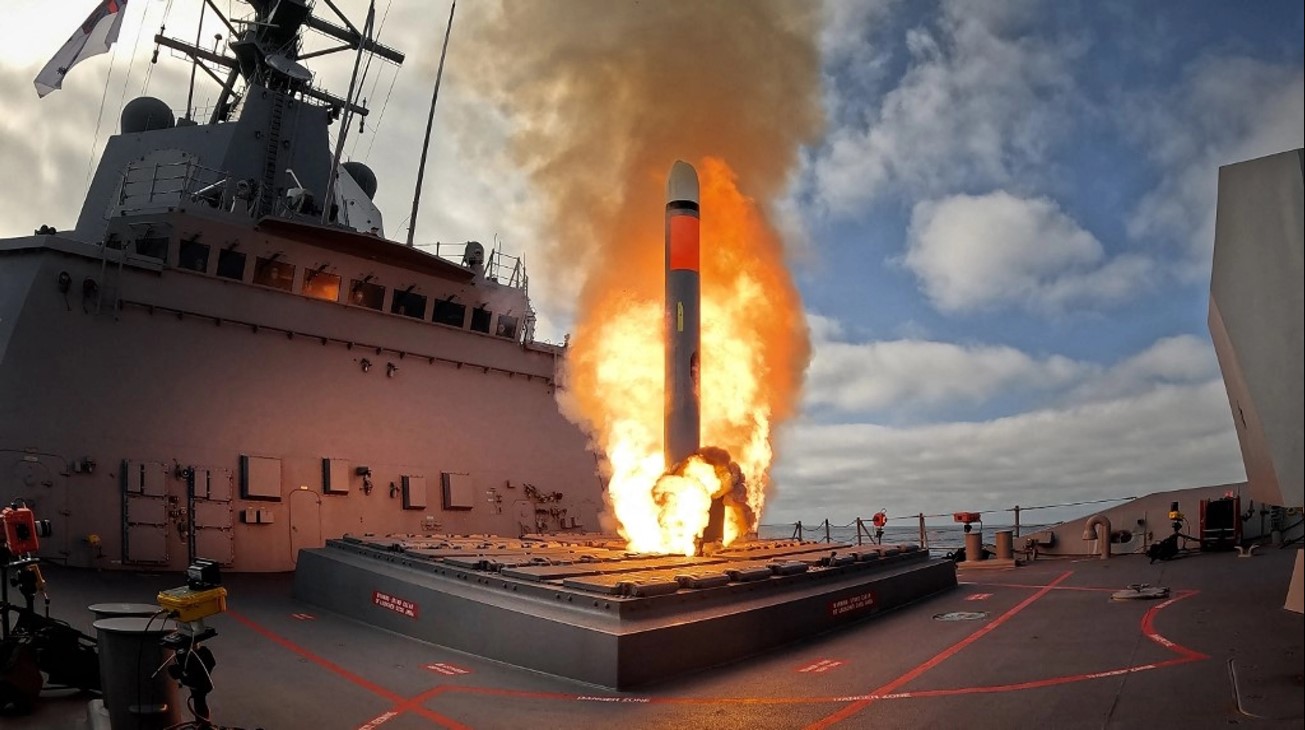 US Pentagon Expected to Cancel Tomahawk Missile Deal with Germany, Citing Russia Concerns
-
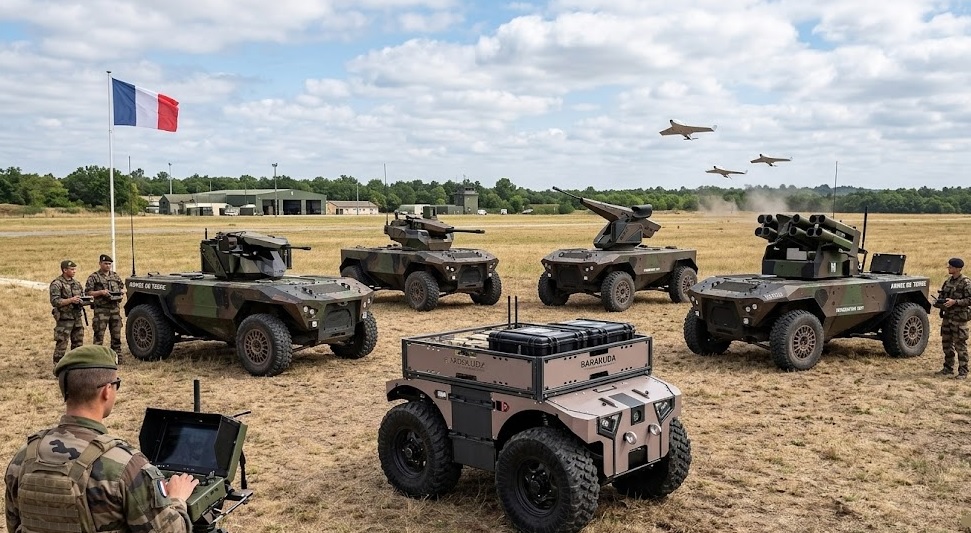 France Integrates New Unmanned Ground Vehicle Family for Modern Combat Operations