
World
U.S Boeing's blended wing-body (BWB) aircraft concept merges cargo transport and refueling capabilities, promising increased fuel efficiency and stealth features for future military operations.Boeing is paving the way for the future of military aviation with its innovative concept for a blended wing-body (BWB) aircraft. This new design combines the functions of traditional cargo planes and tankers, potentially revolutionizing modern warfare.The BWB AdvantageThe BWB design itself offers several advantages. Unlike conventional tube-and-wing aircraft, the BWB integrates the fuselage and wings seamlessly, creating a smoother, more aerodynamic shape. This translates to significant benefits:Increased Fuel Efficiency: The BWB's design reduces drag, leading to a potential 50% cut in fuel consumption compared to current models . This translates to greater range, loiter time, and operational flexibility.Enhanced Payload Capacity: The BWB's wide, airfoil-shaped body offers more space for cargo, potentially exceeding the capabilities of existing military transporters.Stealth for the BattlefieldBoeing's concept takes the BWB design a step further by incorporating stealth features. This is crucial in an era where adversaries possess increasingly sophisticated air defense systems. The design includes elements like serpentine engine inlets, which help mask the heat signature of the engines, a major factor in radar detection.By combining these features, Boeing's BWB concept aims to provide a vital capability for future conflicts. Here's how:Survivability: The stealth characteristics allow the aircraft to operate in contested airspace with a lower risk of detection. This is critical for delivering critical supplies or refueling fighter jets behind enemy lines.Versatility: The ability to handle both cargo and refueling operations in a single platform offers greater flexibility for commanders. This reduces the need for multiple aircraft and simplifies logistical operations.The Road AheadWhile Boeing's BWB concept is undeniably promising, it's important to remember it's still in its early stages. The company estimates a 10-15 year timeframe before such an aircraft could enter service [2]. Challenges like developing advanced materials and integrating complex refueling systems need to be addressed.However, Boeing's initiative reflects a growing trend in military aviation: the need for more survivable and versatile airlifters and tankers. The BWB concept offers a compelling solution, and its development will be closely watched by those invested in the future of air combat.
Read More → Posted on 2024-05-14 16:12:52
World
U.S Lockheed Martin's Skunk Works unveils a groundbreaking concept for a stealthy aerial refueling tanker, blending fuel capacity with radar-evading design elements for enhanced survivability in contested airspace. The innovative design aims to support next-generation fighters while hinting at potential multi-role capabilities beyond refueling.In a move that could revolutionize aerial refueling tactics, Lockheed Martin's Skunk Works division has unveiled a groundbreaking design concept for a stealthy aerial refueling tanker. This innovative aircraft, potentially part of the U.S. Air Force's Next Generation Air-Refueling System (NGAS) program, aims to address the need for survivability in contested airspace, particularly in the Pacific region.Stealth and tankers are not usually associated, given the inherent challenges of blending fuel capacity with stealth features. However, Skunk Works seems to have cracked the code. Their concept showcases a wide, clipped-wing design inspired by the lambda wing, offering ample fuel storage while minimizing radar detection. A slender fuselage and outward-angled twin tails further contribute to its stealth capabilities.While specific details are limited, the concept rendering depicts a sleek, futuristic aircraft refueling an F-35 Joint Strike Fighter, showcasing its potential role in supporting stealth fighters in high-threat environments. The tanker's design features a centrally mounted aerial refueling boom, a departure from traditional tail-mounted booms, likely to enhance stealth when not in use.Beyond its primary role of refueling, this concept hints at a multi-role platform that could also serve as an electronic warfare asset, a communications hub, or even a weapons and drone launch platform. This aligns with the Air Force's vision for NGAS, which aims to develop a versatile family of systems to meet diverse operational needs.The urgency for such advancements is underscored by the Air Force's current tanker fleet, primarily comprised of aging KC-135s and newer but problematic KC-46s, which are increasingly seen as vulnerable in future conflicts. The need for stealthy tankers has become a pressing necessity, particularly in the Pacific theater, where challenges from adversaries like China loom large.However, while the Skunk Works concept holds promise, it remains just that – a concept. Its realization hinges on various factors, including budget constraints, evolving Air Force requirements, and potential competition from other industry players like Boeing, who are also exploring advanced tanker designs.Looking ahead, the USAF aims to begin deploying elements of NGAS by 2040. Yet, navigating budget uncertainties and refining the overall tanker strategy pose significant challenges. Nevertheless, the unveiling of this stealthy tanker concept marks a significant stride towards a more resilient and adaptable aerial refueling fleet for the future.
Read More → Posted on 2024-05-14 15:33:15
World
U.K The UK unveils Multi-Role Support Ships, equipped with kamikaze drones and laser weapons, to enhance naval capabilities and meet modern security challenges head-on. These advanced vessels will enable rapid troop deployment and combat operations while signaling the nation's commitment to maritime strength and deterrence.In a significant development for the UK's defense capabilities, Defense Secretary Grant Shapps has announced plans for the country's new Multi-Role Support Ships (MRSS). These highly specialized vessels are designed to serve a range of functions, including rapid troop deployment and combat operations.The primary role of the MRSS will be to transport Royal Marines commando forces swiftly from sea to shore, enabling them to respond effectively to crises anywhere in the world. However, these versatile warships will also possess advanced capabilities for engaging in combat scenarios.One notable feature of the MRSS is its ability to launch attack drones from a dedicated dock. This capability enhances the vessel's offensive capabilities and allows for greater flexibility in military operations. Additionally, the ships will be equipped with specialized areas for mounting laser weapons, such as the recently-tested DragonFire system. These lasers are designed to neutralize hostile drones and missiles, providing a crucial layer of defense.Shapps emphasized that the MRSS is not solely focused on beach landings but is intended to be effective in offshore operations as well. The vessels will have the capacity to deploy commandos underwater to their target locations, expanding the range of potential missions.The development of the MRSS comes as part of the UK's strategy to modernize its naval forces and maintain a competitive edge against potential adversaries, including China and Russia. By investing in advanced shipbuilding capabilities, the UK aims to deter aggression and, if necessary, prevail in future naval conflicts.Replacing the aging HMS Albion and HMS Bulwark amphibious assault vessels, the MRSS represents a significant step forward in the UK's maritime capabilities. With features such as landing craft docks, helicopter hangars, and cargo storage space, these warships are designed to meet a wide range of mission requirements.Shapps highlighted the importance of allied cooperation in addressing emerging security challenges, urging other nations to invest in naval power. By demonstrating a commitment to modernization and innovation, the UK seeks to lead by example and encourage collective efforts to maintain peace and security in the maritime domain.In conclusion, the introduction of the Multi-Role Support Ships marks a significant milestone in the UK's defense strategy. With their advanced capabilities and versatile design, these warships are poised to play a crucial role in safeguarding national interests and upholding international security in an evolving geopolitical landscape.
Read More → Posted on 2024-05-14 15:20:26
World
U.K During NATO's Exercise Steadfast Defender, the British Army employs 3D printing technology to swiftly produce spare parts for vehicles and equipment, marking a pioneering use within NATO exercises. Spearheaded by Spee3d, these printers streamline supply chain operations, reducing costs and enhancing frontline readiness.In a groundbreaking move, the British Army has incorporated 3D printing technology into its operations during NATO’s Exercise Steadfast Defender in Sennelager, Germany. This marks the first-ever use of such technology by any armed force within a NATO exercise.The cold metal printers, crafted by Spee3d, have revolutionized the process of producing spare parts and modifications for field vehicles and equipment. Unlike traditional methods that rely on manual craftsmanship, these printers can fabricate batches of mechanical parts within a matter of hours.This initiative falls under Project Brokkr, which aims to address the demand for spare parts in the field while cutting down on expensive shipping and repair costs. By harnessing printing technologies, the army hopes to streamline supply chain operations and enhance readiness on the frontlines.During Exercise Steadfast Defender, the printers are being put through their paces, demonstrating their ability to swiftly produce critical components for tanks, vehicles, and artillery systems. The UK’s 9 Battalion Royal Electrical & Mechanical Engineers are overseeing the utilization of these printers, showcasing their potential for real-world applications.Spee3d’s 3D printers have garnered attention for their effectiveness in enhancing supply chain operations across various military contexts. Notably, the company provided seven WarpSPEE3D printers to Ukraine last year, aiding in the production of repair parts for military equipment. Additionally, Spee3d collaborated with the Australian Army in 2020, deploying tactical printers in remote bushland areas for Exercise Koolendong.By embracing cutting-edge technologies like 3D printing, the British Army is paving the way for more efficient and cost-effective maintenance practices. As trials progress, the feasibility of integrating these printers into frontline operations becomes increasingly evident, promising a transformative shift in military logistics.
Read More → Posted on 2024-05-14 15:12:13
World
Pakistan Pakistan faces economic strain with a $124 billion foreign debt, yet strengthens military ties with China, importing 82% of arms. Despite economic woes, military spending rises, sparking concerns over resource allocation amidst public discontent.Pakistan finds itself at a critical juncture, grappling with a significant economic downturn amidst notable military advancements. With a foreign debt surpassing $124 billion, which accounts for 42% of its GDP, the country faces considerable financial strain. Despite these economic hurdles, Pakistan has been strengthening its military capabilities through substantial arms imports and collaborations, primarily with China.A report by the Stockholm International Peace Research Institute (SIPRI) sheds light on China's significant contribution to Pakistan's military arsenal, accounting for 82% of its arms imports between 2019 and 2023. This underscores a growing military partnership between the two nations. China's support includes providing fighter jets, warships, missile technology, drones, and more, with strategic implications aimed at countering regional alliances such as Quad-4 and Western influences.A pivotal moment in this partnership came in 2015 during President Xi Jinping's visit to Pakistan when an agreement was reached for China to construct eight Hangor-class submarines for Pakistan, bolstering its naval capabilities. Pakistani Chief of Naval Staff, Admiral Naveed Ashraf, emphasized the submarines' role in enhancing regional peace and stability, highlighting the enduring friendship between Pakistan and China.Despite these military advancements, Pakistan faces a severe economic crisis exacerbated by factors such as last year's devastating floods, which drastically reduced the GDP growth projection from 5% to a mere 0.29%. The national budget reflects a 15.4% increase in defense spending, reaching 18,000 crore Pak rupees, despite soaring inflation and widespread poverty. Economic hardships have led to public discontent, with reports of shortages in essential items like food and medicines.Critics argue that the military exerts significant influence in Pakistan, controlling a substantial portion of the national budget and overseeing extensive revenue-generating enterprises. International discussions, including those with the IMF, echo concerns about disproportionate resource allocation to the military at the expense of civilian needs.In addition to domestic challenges, recent reports from reputable sources suggest Pakistan's involvement in covert operations related to the Ukraine conflict. Despite officially maintaining neutrality, allegations of secret arms deals with Ukraine, under American pressure, have surfaced. These clandestine activities not only contradict Pakistan's stated position but also raise questions about the ethical implications of profiting from arms sales amidst global conflicts.The complex interplay between Pakistan's economic struggles and military advancements underscores the delicate balance the nation must navigate. As it addresses pressing economic concerns, it must also carefully consider the implications of its military engagements and ensure alignment with its stated principles of neutrality and regional stability. Finding sustainable solutions to these challenges will be crucial for Pakistan's long-term prosperity and security.
Read More → Posted on 2024-05-14 15:02:26
World
Czech Republic EVPÚ Defence partners with BAE Systems Hagglunds to supply advanced CMS-1 commander sights for the Czech CV90 infantry fighting vehicle program, enhancing battlefield command and control with multi-sensor electro-optical capabilities and rugged design meeting ballistic protection standards.EVPÚ Defence, a Czech defense company, has recently made a significant stride in enhancing the Czech CV90 infantry fighting vehicle program. Teaming up with BAE Systems Hagglunds, they're providing advanced CMS-1 commander sights. This collaboration highlights a crucial step forward in the partnership between these two defense giants.So, what exactly is the CMS-1 system? Well, it's a cutting-edge technology designed to be used on both wheeled and tracked armored vehicles. What makes it stand out are its multi-sensor electro-optical capabilities, which greatly improve command and control on the battlefield. It consists of three main components: a day zoom camera, a cooled thermal night camera, and a laser rangefinder. Together, these elements ensure seamless operation regardless of weather conditions or lighting.But that's not all. The CMS-1 system is built tough. Encased in a rugged container made of Armox, it offers exceptional vibration resistance and meets Level II ballistic protection standards according to STANAG 4569 and AEP-55. This means it can withstand harsh conditions, ensuring reliability in even the most challenging environments.This advancement not only boosts the operational capabilities of the Czech armed forces but also underscores EVPÚ Defence's standing as a key player in the global defense manufacturing industry. Their commitment to innovation and quality is evident in the CMS-1 system, which promises to make a real difference on the battlefield.
Read More → Posted on 2024-05-14 03:25:35
World
Russia Ukraine War Tensions escalate in Ukraine as Russia expands ground assault in the Kharkiv region, targeting new areas to strain Ukrainian defense forces, prompting urgent evacuations and international concern. Despite Ukrainian efforts, Russia claims tactical gains, heightening the urgency for a peaceful resolution and international support.Recent developments in Ukraine have raised concerns globally as tensions escalate in the Kharkiv region. According to reports from Al Jazeera, Governor Oleh Syniehubov has highlighted Russia's expanded ground assault, targeting new areas in an attempt to widen the front and strain Ukraine's defense forces.The situation, described by Governor Syniehubov in televised remarks, underscores the deliberate efforts of the enemy to stretch the front line by launching attacks in small groups but in new directions. As a result, approximately 5,700 individuals have been evacuated from Vovchansk and surrounding areas, with an urgent plea for the remaining 300 residents to leave.The incursion, which began on Friday, saw Russian troops breaching Ukraine's border near Kharkiv city, establishing a northeastern front in a conflict that has primarily unfolded in the east and south over the past two years. This strategic move could potentially divert Ukrainian forces from eastern regions where Russia has steadily advanced.In response to the escalating crisis, Ukraine has appointed Brigadier General Mykhailo Drapatyi to lead operations on the Kharkiv front. General Drapatyi, known for his past successes, previously led operations in 2022 to reclaim territory from Russian forces along the right bank of the Dnipro River in the Kherson region.Governor Syniehubov highlighted Russia's multi-directional push in the northeast, specifically mentioning advancements near Vovchansk and the village of Lyptsi. Reports indicate that Russia has gained control of approximately 100 square kilometers (39 square miles) of territory.Despite the Ukrainian army's efforts to hold off Russian forces, the situation in Kharkiv is described as "complex and dynamically changing," with ongoing assaults in various areas. Governor Syniehubov warned of heightened risks as the conflict threatens to engulf new settlements.Meanwhile, Russia's Ministry of Defense claimed tactical gains, asserting that its troops had "improved the tactical position and dealt a blow to Ukrainian manpower" in border villages such as Lyptsi and Vovchansk.The developments in the Kharkiv region underscore the urgency of the situation and the need for international attention and support to address the escalating tensions and ensure the safety and security of the affected population. As the conflict continues to unfold, efforts to de-escalate and find a peaceful resolution are more crucial than ever.
Read More → Posted on 2024-05-14 03:09:57
World
U.SGA-ASI upgrades MQ-9A Reaper drones with Shift5's cyber solutions for enhanced cybersecurity, alongside an Airborne Battlespace Awareness and Defense pod to detect RF and IR threats, addressing recent operational setbacks.General Atomics Aeronautical Systems, Inc. (GA-ASI) has announced significant upgrades to its MQ-9A Reaper drones, aimed at bolstering cybersecurity and defense capabilities. These enhancements come in response to recent setbacks experienced by the Reaper drones in combat situations.To address cybersecurity concerns, GA-ASI has collaborated with US cybersecurity startup Shift5 to integrate onboard cyber anomaly detection and predictive maintenance solutions into the Reaper drones. This integration aims to thwart malicious code that could potentially disable the drones or compromise valuable intelligence data. By leveraging Shift5's platform, operators can swiftly detect and respond to cyber threats, ensuring mission readiness and cyber survivability.In addition to cybersecurity measures, the MQ-9A Reaper drones will be equipped with an Airborne Battlespace Awareness and Defense (ABAD) pod. This pod is designed to detect radio frequency (RF) and infrared (IR) threats commonly used by anti-aircraft weapons. By providing early detection of ground threats, the ABAD pod empowers the Reaper drones to effectively counter potential attacks.David R. Alexander, President of GA-ASI, emphasized the significance of these upgrades in enhancing the operational capabilities of the MQ-9A Reaper drones. He highlighted the critical importance of threat awareness and survivability, particularly in contested environments where the drones operate.However, these upgrades come in the wake of recent setbacks faced by the MQ-9A Reaper drones. Incidents such as the shooting down of a Reaper by Iran-backed Houthi rebels in Yemen, as well as encounters with Russian aircraft over the Black Sea, underscore the need for enhanced cybersecurity and defense measures.Despite these challenges, GA-ASI remains committed to advancing the capabilities of the MQ-9A Reaper drones. The development of the ABAD pod is underway, with plans for it to become operational by 2025. These upgrades signify a proactive approach towards addressing evolving threats and ensuring the effectiveness of unmanned aircraft systems in modern warfare scenarios.In conclusion, the upgrades introduced by GA-ASI represent a significant step forward in enhancing the cybersecurity and defense capabilities of the MQ-9A Reaper drones. By leveraging innovative technologies and strategic partnerships, these upgrades aim to strengthen the resilience and effectiveness of the drones in fulfilling their operational objectives.
Read More → Posted on 2024-05-13 15:28:41
World
Pakistan ,IraqPakistan and Iraq reportedly seal a $1.8 billion defence deal, with Pakistan set to supply twelve JF-17 Thunder Block III fighter jets and twelve MFI-17 Mushaq trainer aircraft to the Iraqi Air Force, pending official confirmation.Pakistan and Iraq have purportedly inked a substantial defence agreement, as reported by Pakistani media outlet "The Nation." According to these reports, the deal amounts to $1.8 billion and involves Pakistan providing twelve JF-17 Thunder Block III fighter jets and twelve MFI-17 Mushaq trainer aircraft to the Iraqi Air Force.Although the specifics of the agreement are yet to be officially confirmed, sources within the Pakistan Air Force (PAF) have hinted at its finalization during high-level discussions between Pakistani and Iraqi defense officials.If the deal is indeed confirmed, it would mark a significant milestone for Pakistan's defence industry and further strengthen its ties with Iraq.Here's what we know so far:- The agreement reportedly includes twelve JF-17 Thunder Block III fighter jets, which are 4.5-generation multi-role fighter aircraft jointly developed by Pakistan and China.- Additionally, twelve MFI-17 Mushaq trainer aircraft are said to be part of the deal. These trainer aircraft are commonly used by the PAF and various other air forces worldwide.Iraq would become the fourth country to acquire JF-17 Thunder aircraft, following previous sales to Nigeria and Myanmar. Furthermore, Azerbaijan is also reported to have finalized an agreement with the PAF for the purchase of these aircraft.It's essential to emphasize that these reports are still unconfirmed. While the sources cited by Pakistani media are deemed credible, official confirmation from both the Pakistani and Iraqi governments is awaited.This potential agreement underscores the growing cooperation between Pakistan and Iraq in the realm of defence and highlights Pakistan's burgeoning role as a supplier of advanced military equipment to other nations. However, until official confirmation is provided, the details and implications of the deal remain subject to change.
Read More → Posted on 2024-05-13 15:13:33
World
Russia Russian President Putin replaces Defense Minister Shoigu with economist Belousov amidst ongoing Ukraine conflict, signaling a shift towards innovation in military strategy. The shake-up comes at a crucial juncture as Russian troops advance in eastern Ukraine and launch a major ground operation in the Kharkiv region.In a significant move, Russian President Vladimir Putin has announced the replacement of Defense Minister Sergei Shoigu amidst the ongoing conflict with Ukraine. The decision comes after more than two years of military engagement in Ukraine, with Russian troops currently advancing in eastern regions and launching a major ground operation in the northeastern Kharkiv area.Andrey Belousov, an economist, has been proposed as Shoigu's replacement. This choice underscores Putin's aim to infuse the defense ministry with innovative thinking, as stated by Kremlin spokesman Dmitry Peskov. Belousov, although lacking a military background, has been a prominent economic adviser to Putin for the past decade.The timing of this change is crucial, given the evolving nature of the conflict. Despite initial setbacks, including the failure to capture Kyiv and retreats from certain regions, Putin had previously stood by Shoigu. However, the need for innovation and adaptability in military strategy appears to have prompted this decision.Shoigu, who has served as defense minister since 2012, held a longstanding position of trust within Putin's inner circle. His reassignment to the role of secretary of the Security Council reflects a reshaping of leadership dynamics within the Russian government.Valery Gerasimov, Chief of the General Staff, will retain his position overseeing daily military operations in Ukraine. Both Shoigu and Gerasimov had faced criticism from influential pro-offensive military circles for perceived failures in the conflict. Notably, Yevgeny Prigozhin, a paramilitary chief who called for Shoigu's removal, met an untimely demise in a plane crash following his dissent.The shake-up in Russia's military leadership coincides with Putin's constitutional obligation to appoint new government ministers following his recent election victory. These changes come at a pivotal moment in the conflict, with tensions between Russia and the West escalating.The conflict in Ukraine is framed by Putin as part of a broader "hybrid war" between Russia and the West. The outcome of these leadership changes could significantly impact the trajectory of the conflict and relations between Russia and its international counterparts.As Russia navigates this critical juncture, the implications of Putin's decision to replace Shoigu reverberate both domestically and internationally. The road ahead remains uncertain, with the conflict in Ukraine continuing to shape geopolitical dynamics on a global scale.
Read More → Posted on 2024-05-13 15:07:07
World
U.K The UK is investing £1 billion to develop its first hypersonic missile, aiming to enhance defence capabilities and maintain competitiveness in aerospace technology. The initiative involves a consortium of 90 entities, including SMEs and academic institutions, to foster rapid advancements in missile technology.The United Kingdom is gearing up for a major advancement in its defence capabilities with a substantial investment of £1 billion towards the development of its first hypersonic missile. Spearheaded by Defence Equipment & Support (DE&S), the Hypersonic Technologies & Capability Development Framework (HTCDF) is set to involve a consortium of 90 entities, including small and medium enterprises (SMEs) and academic institutions. This strategic move aims to strengthen the UK’s defence infrastructure by fostering rapid progress in missile technology.Hypersonic missiles are game-changers in the world of defence due to their incredible speed, capable of traveling at over five times the speed of sound (Mach 5). This attribute makes them particularly valuable for their ability to outpace and bypass current air defence systems, providing a level of unpredictability crucial for strategic military operations. The initiative by DE&S reflects not only a dedication to national security but also a commitment to maintaining the UK’s competitiveness in aerospace technology.The HTCDF framework is meticulously designed to streamline the UK’s procurement and development processes, enabling swift responses to the ever-evolving global security landscape. By adopting a competitive bidding process for contracts, the aim is to ensure that the most effective and innovative technologies are pursued. Moreover, with the participation of a diverse range of stakeholders from various sectors, including academia and SMEs, the initiative seeks to harness a wide array of technological insights to accelerate the pace of hypersonic capabilities development.This investment represents a significant component of the UK government’s recent pledges to bolster defence spending, signaling a strategic shift towards next-generation military technology. The development of hypersonic capabilities is poised to elevate the UK’s defence posture on the international stage, providing enhanced levels of deterrence and operational flexibility.In conclusion, the UK’s £1 billion investment in hypersonic missile development signifies a bold step towards fortifying its defence capabilities. Through collaboration, innovation, and strategic foresight, the nation is poised to take a leading role in the realm of hypersonic technology, ensuring its readiness to meet the challenges of an ever-changing security landscape.
Read More → Posted on 2024-05-13 14:57:33
World
POK Violent clashes erupt in Pakistan-occupied Kashmir over soaring wheat flour and electricity prices, leaving one police officer dead and over 100 injured, predominantly policemen. Protests organized by the Jammu Kashmir Joint Awami Action Committee escalate into clashes with security forces, prompting calls for peaceful resolution from Pakistan's Prime Minister Shehbaz Sharif.A recent eruption of violence in Pakistan-occupied Kashmir (PoK) has left one police officer dead and over 100 individuals injured, predominantly policemen. Reports indicate that clashes ensued between security forces and demonstrators protesting against soaring prices of wheat flour and electricity in the region.The tumultuous events unfolded amidst a wheel-jam and shutter-down strike organized by activists of a rights movement in PoK. The clashes escalated on Saturday as police confronted protestors affiliated with the Jammu Kashmir Joint Awami Action Committee (JAAC), who were rallying for their demands across several districts.Tragically, Sub-Inspector Adnan Qureshi lost his life due to a gunshot wound sustained during the unrest in Islamgarh. His demise underscores the gravity of the situation and the risks faced by law enforcement officials in maintaining order.In response to the escalating tensions, Pakistan Prime Minister Shehbaz Sharif has urged all parties to pursue peaceful avenues for resolution. He emphasized the importance of upholding the rule of law and condemned any acts of violence or vandalism.The underlying grievances fueling the protests revolve around demands for subsidized wheat flour, equitable access to electricity, and an end to perceived privileges enjoyed by the elite class. However, the protests have turned violent, leading to significant casualties and widespread disruption.Efforts to quell the unrest have been met with challenges, as authorities have resorted to arrests and heightened security measures. Yet, clashes persist, resulting in injuries to both law enforcement officers and civilians.Amidst the chaos, government officials have extended an olive branch, expressing a willingness to engage in dialogue to address the grievances raised by the protestors. However, tensions remain high, with mistrust between the parties exacerbating the situation.It is crucial for all stakeholders to prioritize dialogue and peaceful engagement to prevent further escalation of violence. Resolving the underlying issues requires a concerted effort from both the government and the protestors to find common ground and work towards sustainable solutions.In conclusion, the recent clashes in PoK underscore the urgent need for constructive dialogue and peaceful resolution of grievances. The loss of life and injuries suffered by both law enforcement personnel and civilians serve as a stark reminder of the consequences of unchecked unrest. Moving forward, it is imperative for all parties to prioritize stability, respect the rule of law, and engage in meaningful dialogue to address the root causes of the protests.
Read More → Posted on 2024-05-13 14:53:28
World
Canada Canadian authorities have arrested a fourth individual, Amardeep Singh, in connection with the murder of Khalistan separatist Hardeep Singh Nijjar in Surrey, British Columbia. Singh, charged with first-degree murder and conspiracy to commit murder, joins three others already apprehended, as the case continues to strain relations between Canada and India.Canadian authorities have made a fourth arrest in connection with the killing of Khalistan separatist Hardeep Singh Nijjar, a case that has garnered significant attention and strained relations between Canada and India. The latest arrest comes after three individuals were previously apprehended in connection with Nijjar's murder.Amardeep Singh, 22, hailing from Brampton, Surrey, and Abbotsford areas of Canada, has been charged with first-degree murder and conspiracy to commit murder in relation to the death of Nijjar, who was killed outside Guru Nanak Sikh Gurdwara in Surrey, British Columbia on June 18, 2023.The Integrated Homicide Investigation Team (IHIT) of the Royal Canadian Mounted Police (RCMP) announced Singh's arrest on May 11. He was already in custody of the Peel Regional Police for unrelated firearms charges at the time of his arrest.Superintendent Mandeep Mooker, the Officer in Charge of IHIT, emphasized the ongoing nature of the investigation and the commitment to holding those responsible for Nijjar's homicide accountable. IHIT pursued the evidence diligently, leading to sufficient information for the British Columbia Prosecution Service to lay charges against Amardeep Singh.Details surrounding the arrest have been withheld due to the ongoing nature of the investigations and court proceedings.Prior to Singh's arrest, three Indian nationals—Karan Brar (22), Kamalpreet Singh (22), and Karanpreet Singh (28)—were arrested by IHIT investigators on May 3. All three individuals, residing in Edmonton, were charged with first-degree murder and conspiracy to commit murder in connection with Nijjar's death.The strained relations between India and Canada intensified following Canadian Prime Minister Justin Trudeau's allegations in September last year, suggesting potential involvement of Indian agents in Nijjar's killing. India refuted these claims as "absurd" and "motivated."Nijjar, a known Khalistani separatist, was wanted in India on various terror charges.In response to Trudeau's allegations, India called for a reduction in Canada's diplomatic presence, leading to the withdrawal of 41 diplomats and their families from India. India has consistently expressed concerns regarding Canada's tolerance of separatist, terrorist, and anti-India elements.External Affairs Minister S. Jaishankar highlighted the importance of upholding the rule of law and criticized Canada for allowing political space to Khalistani separatist elements. He questioned Canada's vetting processes for migrants, particularly those with dubious backgrounds, including Khalistani supporters from Punjab.In an interview with PTI, Jaishankar emphasized India's respect for freedom of speech but underscored that it should not extend to supporting separatism or threatening foreign diplomats.The latest arrest underscores Canada's commitment to justice in the case of Hardeep Singh Nijjar's killing. As investigations continue, both Canada and India face ongoing diplomatic challenges surrounding the broader issues of separatism and terrorism.
Read More → Posted on 2024-05-12 15:55:46
World
Israel The conflict in Gaza escalates as Israeli forces battle Palestinian militants, causing mass displacement and humanitarian concerns. International efforts for a ceasefire and resolution are hindered by political divisions and escalating violence.Israeli forces were battling Palestinian militants across the Gaza Strip on Sunday, including in parts of the devastated north that the military said it had cleared months ago, where Hamas has exploited a security vacuum to regroup. Israel has portrayed the southern Gaza city of Rafah as Hamas' last stronghold, saying it must invade in order to succeed in its goals of dismantling the group and returning scores of hostages. A limited operation there has expanded in recent days, forcing some 300,000 people to flee and drawing warnings from Egypt, where an official said it is putting the country's decades-old peace treaty with Israel at risk. But the rest of the war-ravaged territory seems to provide ample opportunities for Hamas. Israel has yet to offer a detailed plan for postwar governance in Gaza, saying only that it will maintain open-ended security control over the coastal enclave, which is home to some 2.3 million Palestinians. Prime Minister Benjamin Netanyahu has rejected postwar plans proposed by the United States for the Palestinian Authority, which administers parts of the Israeli-occupied West Bank, to govern Gaza with support from Arab and Muslim countries. Those plans depend on progress toward the creation of a Palestinian state, something to which Netanyahu's government is deeply opposed. With the two close allies divided, Gaza has been left without a functioning government, leading to a breakdown in public order and allowing Hamas to reconstitute itself in even the hardest-hit areas. The war began when Hamas and other militants attacked southern Israel on October 7, killing around 1,200 people, mostly civilians, and taking another 250 hostage. They still hold about 100 captives and the remains of more than 30, and internationally mediated talks over a cease-fire and hostage release appear to be at a standstill. Israel's air, land and sea offensive has killed more than 35,000 Palestinians, mostly women and children, according to Gaza's Health Ministry, which doesn't distinguish between civilians and combatants in its figures. Israel says it has killed over 13,000 militants, without providing evidence. HEAVY BOMBARDMENT IN THE NORTH Palestinians reported heavy Israeli bombardment overnight in the urban Jabaliya refugee camp and other areas in the northern Gaza Strip, which has suffered widespread devastation and been largely isolated by Israeli forces for months. UN officials say there is a "full-blown famine" there. Residents said Israeli warplanes and artillery struck across the camp and the Zeitoun area east of Gaza City, where troops have been battling Palestinian militants for over a week. They have called on tens of thousands of people to relocate to nearby areas. "It was a very difficult night," said Abdel-Kareem Radwan, a 48-year-old Palestinian from Jabaliya. He said they could hear intense and constant bombing since midday Saturday. "This is madness." First responders with the Palestinian Civil Defence said they were unable to respond to multiple calls for help from both areas, as well as from Rafah. Rear Adm. Daniel Hagari, the top Israeli military spokesman, said that in addition to Jabaliya and Zeitoun, forces were also operating in Beit Lahiya and Beit Hanoun. The two towns near Gaza's northern border with Israel were heavily bombed in the opening days of the war. The military "is now going into Jabaliya for the second time and into Zeitoun for the third time, and it will continue to go in and out," columnist Ben Caspit wrote in Israel's Maariv daily, channelling the growing frustration felt by many Israelis more than seven months into the war. "Hamas' regime cannot be toppled without preparing an alternative to that regime," he wrote, drawing comparisons with the American wars in Iraq and Afghanistan. "The only people who can govern Gaza after the war are Gazans, with a lot of support and help from the outside." CIVILIANS FLEE IN THE SOUTH The United Nations' agency for Palestinian refugees, the main provider of aid in Gaza, said 300,000 people have fled Rafah since the operation began there. Most are heading to the heavily damaged nearby city of Khan Younis or Mawasi, a crowded tent camp on the coast where some 450,000 people are already living in squalid conditions. Rafah was sheltering some 1.3 million Palestinians before the Israeli operation began, most of whom had fled fighting elsewhere in the territory. Israel has now evacuated the eastern third of Rafah, and Hagari said dozens of militants had been killed there as "targeted operations continued." The United Nations has warned that a planned full-scale Rafah invasion would further cripple humanitarian operations and cause a surge in civilian deaths. Rafah borders Egypt near the main aid entry points, which are already affected. Israeli troops have captured the Gaza side of the Rafah crossing, forcing it to shut down. Egypt has refused to coordinate with Israel on the delivery of aid though the crossing because of "the unacceptable Israeli escalation," the state-owned Al Qahera News television channel reported, citing an unnamed official. A senior Egyptian official told The Associated Press that Cairo has lodged protests with Israel, the United States and European governments, saying the offensive has put its peace treaty with Israel - a cornerstone of regional stability - at high risk. The official was not authorised to brief media and spoke on condition of anonymity. US President Joe Biden has said he won't provide offensive weapons to Israel for Rafah. On Friday, his administration said there was "reasonable" evidence that Israel had breached international law protecting civilians - Washington's strongest statement yet on the matter. Israel rejects those allegations, saying it tries to avoid harming civilians. It blames Hamas for the high toll because the militants fight in dense, residential areas. But the military rarely comments on individual strikes, which often kill women and children. The Gaza Health Ministry said a strike late Saturday in central Gaza killed Mohammed Qazaat and his son, Youssef, both of whom were prominent local dentists. (AP) GRS GRS
Read More → Posted on 2024-05-12 15:50:46
World
China Recent breakthroughs in China's military AI research have led to the development of a transparent air combat system, allowing for real-time explanation of AI decisions, revolutionizing human-machine collaboration in high-stakes environments.In the realm of military aviation, where split-second decisions can mean the difference between victory and defeat, the integration of artificial intelligence (AI) has long been a subject of intense interest and debate. Recent developments in China, particularly the breakthroughs achieved by a team led by Associate Professor Zhang Dong at Northwestern Polytechnical University, signal a significant advancement in the field of AI-driven air combat systems.The introduction of a smart air combat system capable of explaining its decisions in real-time represents a departure from conventional AI technologies, which often operate as black boxes, leaving human operators in the dark about the underlying decision-making processes. This newfound transparency not only enhances trust between human pilots and AI but also facilitates deeper collaboration and communication, ultimately paving the way for more effective air operations.One of the key challenges in integrating AI into air combat systems has been the opaque nature of decision-making algorithms. Traditional AI models, such as deep reinforcement learning and large language models, operate by processing input data and generating output without providing insight into the rationale behind their decisions. In high-stakes environments like air combat, where human lives are on the line, this lack of transparency poses a significant obstacle to the widespread adoption of AI technologies.However, the work conducted by Zhang Dong's team represents a paradigm shift in this regard. By developing an AI system capable of articulating its decisions using words, data, and even charts, the researchers have opened a new avenue for human-AI interaction. This level of transparency not only enhances the understanding of AI-generated directives but also enables human pilots to provide valuable feedback and guidance to improve future performance.Central to the success of this new AI system is its ability to engage in meaningful dialogue with human pilots "from the heart." By explaining the significance of each directive in the context of the current combat situation and the underlying tactical intentions, the AI fosters a sense of trust and collaboration between man and machine. This level of transparency and communication represents a fundamental departure from the traditional black box approach and has the potential to revolutionize air combat operations.The implications of this breakthrough extend beyond the realm of theoretical research. Zhang Dong's team has demonstrated that their AI system can achieve a nearly 100 percent win rate with significantly fewer rounds of combat training compared to conventional black box AI systems. This enhanced performance not only underscores the effectiveness of transparent AI decision-making but also highlights the potential operational advantages that such systems can offer in real-world scenarios.While the United States has also been exploring the integration of AI into air combat systems, the issue of black box decision-making remains a significant concern. Efforts by organizations like the Defense Advanced Research Projects Agency (DARPA) aim to address this challenge through strategies such as task delegation and high-ranking officer demonstrations. However, the lack of transparency inherent in many AI models continues to pose a barrier to widespread adoption.In contrast, the work conducted by Zhang Dong's team represents a significant step forward in overcoming the black box problem. By decoding the decision-making process of AI systems and enabling meaningful human-AI interaction, the researchers have laid the groundwork for a new era of transparent and collaborative air combat operations.Looking ahead, the application of this technology to more realistic air combat environments holds promise for further advancements in military aviation. While challenges remain, particularly regarding safety and reliability assessments, the benefits of transparent AI decision-making are clear. As nations continue to invest in AI-driven military technologies, the lessons learned from Zhang Dong's research will undoubtedly shape the future of air combat operations for years to come.In conclusion, the development of a transparent AI system for air combat represents a significant milestone in the evolution of military aviation. By enabling meaningful dialogue between human pilots and AI, researchers have overcome a longstanding hurdle and paved the way for more effective and collaborative air operations. As nations race to harness the potential of AI in military contexts, the lessons learned from this research will be instrumental in shaping the future of warfare.
Read More → Posted on 2024-05-12 06:23:30Search
Top Trending in 24 Hours
-
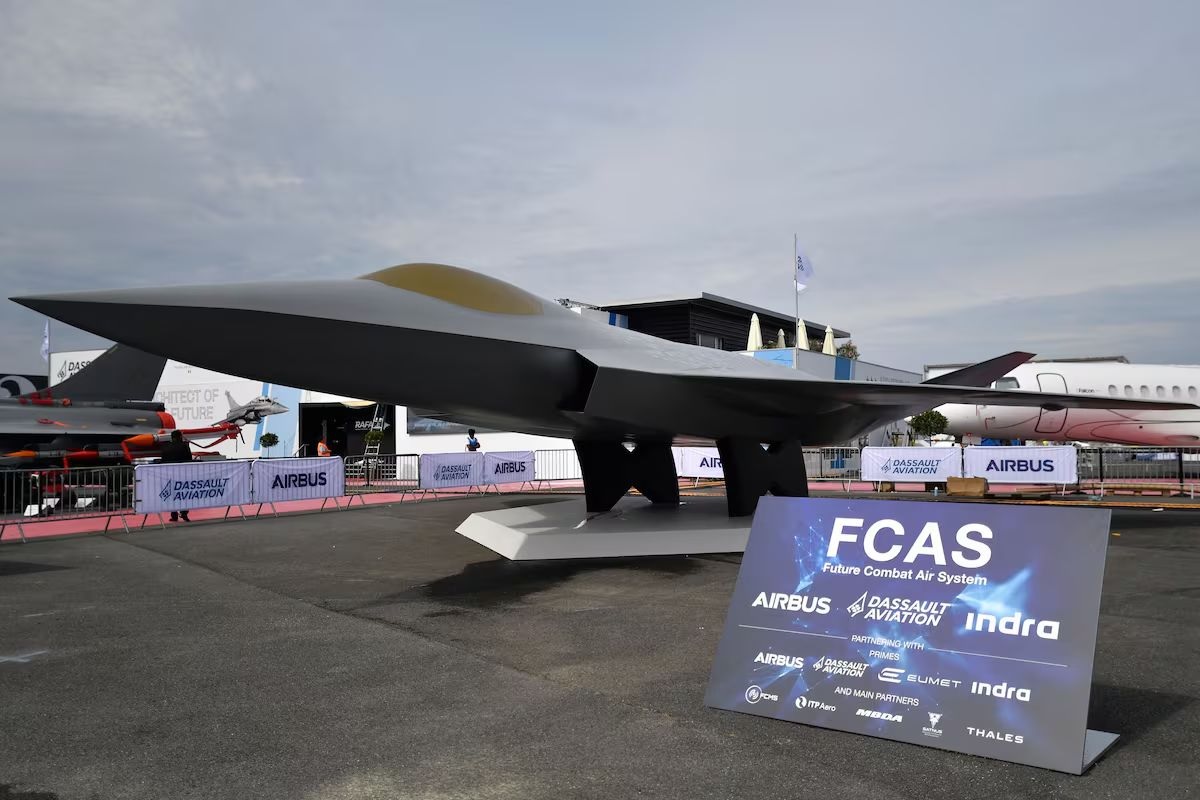 Germany and France End Joint Next-Generation Fighter Development Under FCAS Program
-
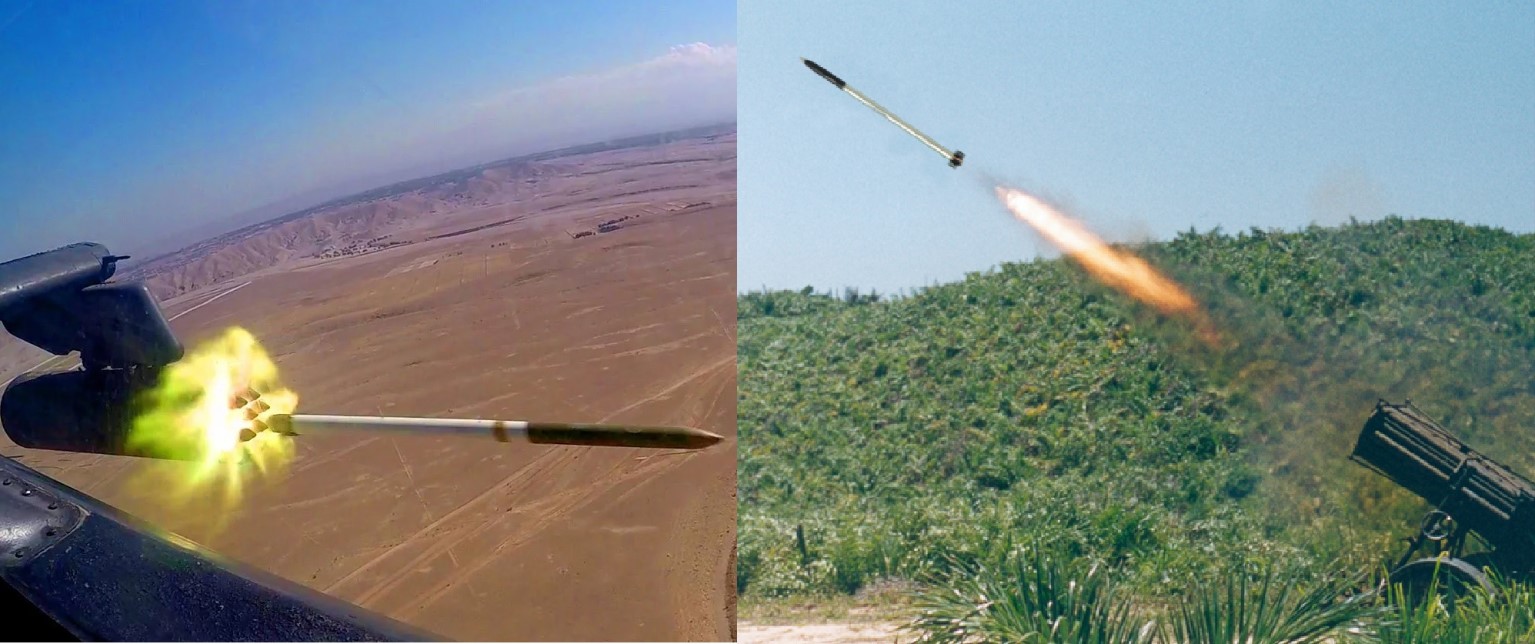 U.S. Army Awards iRocket Up to $150M Contract to Turn Hydra-70 Rockets Into Drone Interceptors
-
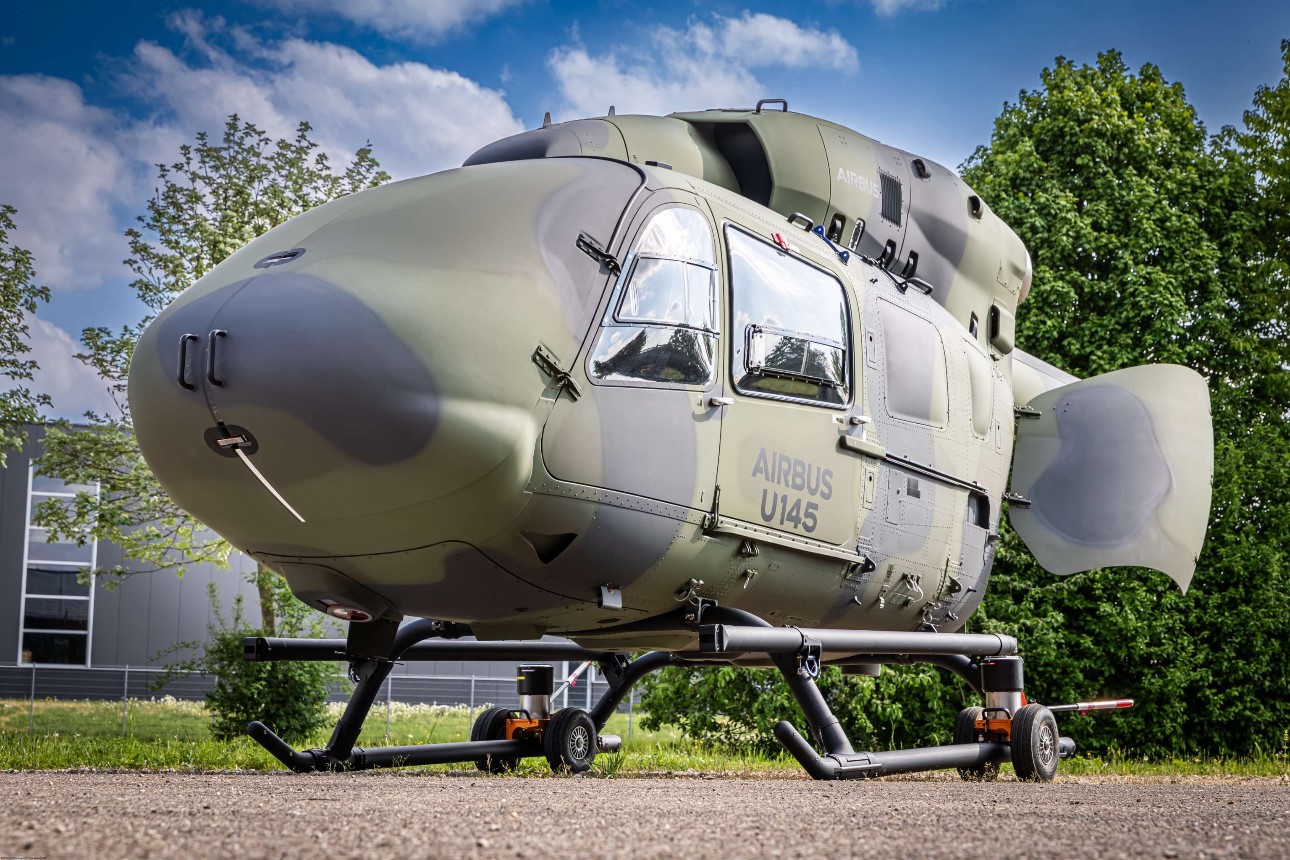 Airbus launches U145 uncrewed helicopter with AI-powered autonomous flight capabilities
-
 Ukraine Deploys AI-Powered Air Defense System That Automates 95% of Shahed Drone Interceptions
-
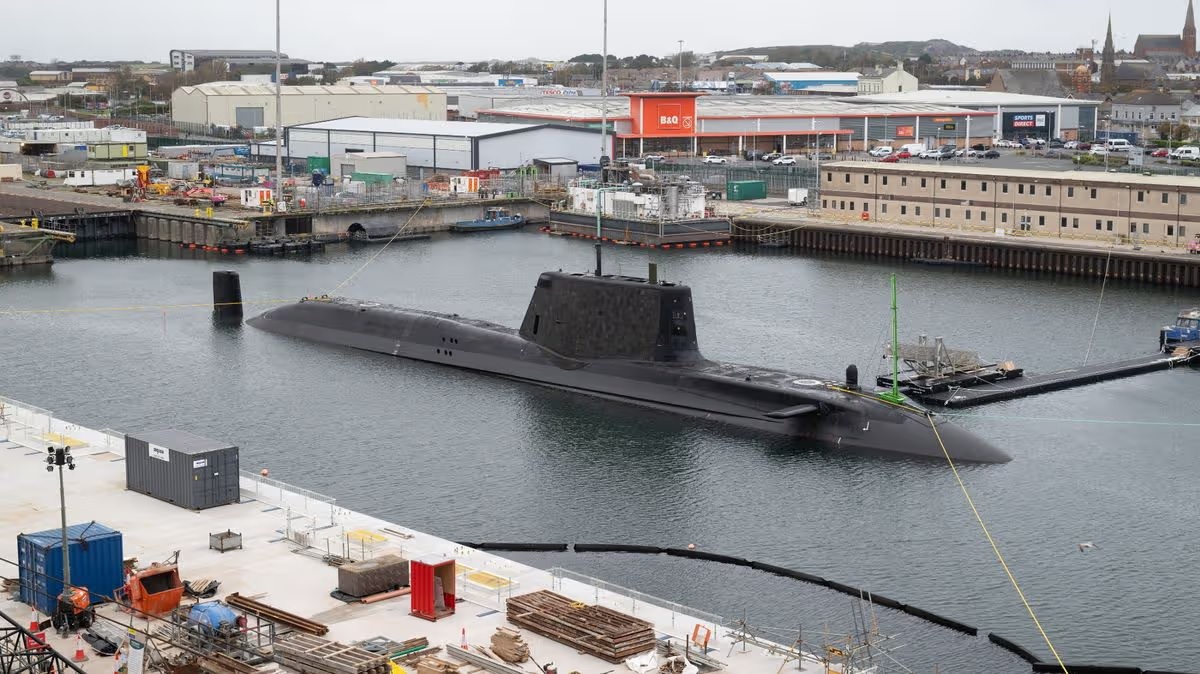 UK Left Without Active Attack Submarines as Entire Astute-Class Fleet Remains Stuck in Port
-
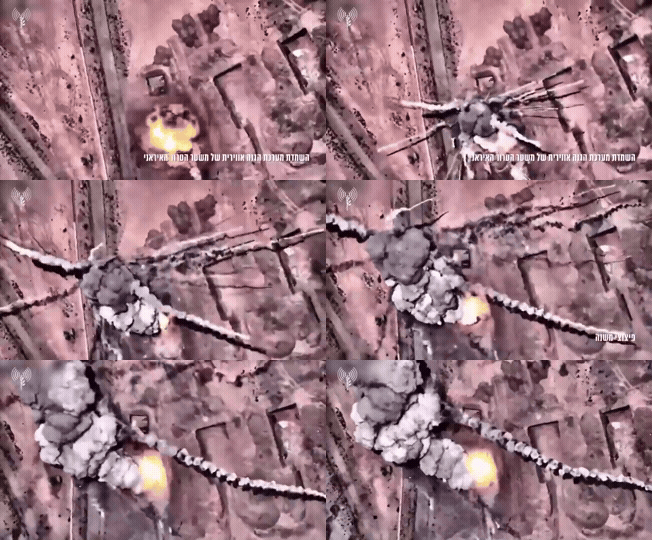 Israel Releases Strike Footage of Airstrikes on Iranian Air Defense Systems Near Tehran
-
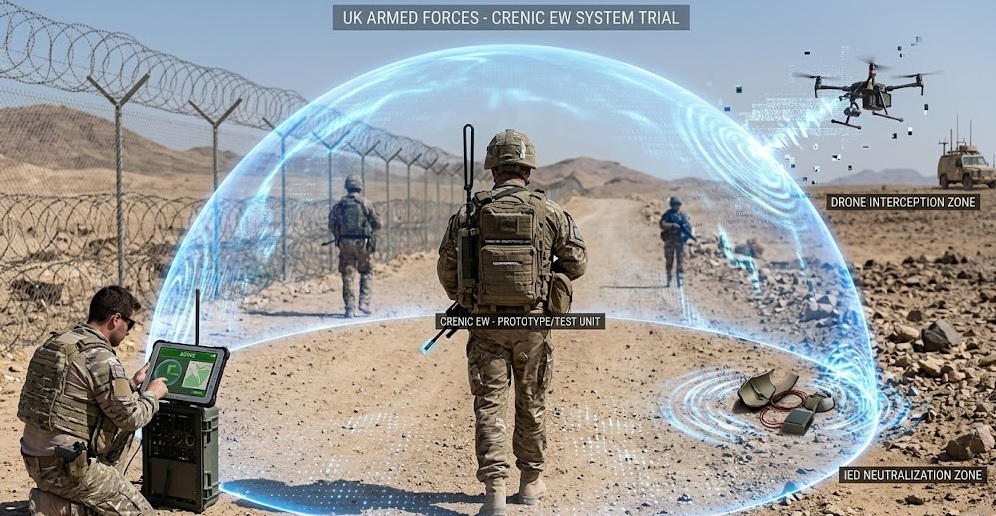 UK Armed Force Set to Trial CRENIC Electronic Warfare System Against IED and Drone Threats in 2027
-
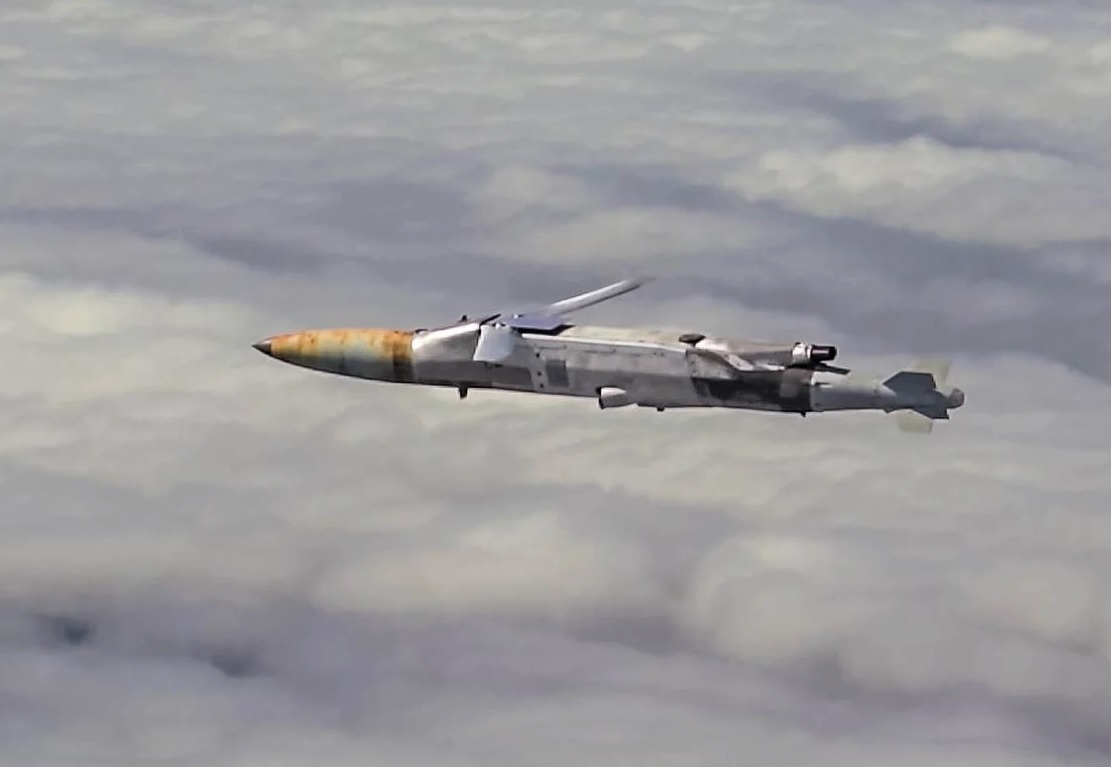 U.S. State Department Approves $106 Million JDAM Precision-Guided Munition Sale to South Korea
Top Trending in 4 Days
-
 Iran Releases Footage of Qader Missile and Shahid Danaye Drone Launches Toward Two U.S. Navy Destroyers
-
 First Satellite of Russia's Rassvet Broadband Constellation Reenters Atmosphere After Less Than Three Months in Orbit
-
 Trump Administration Weighs Purchase of Chagos Islands to Secure Diego Garcia Base
-
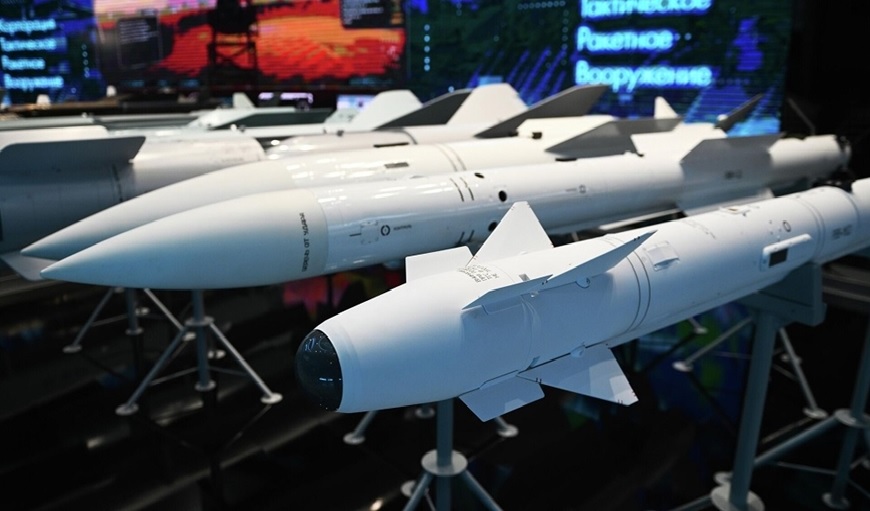 Leaked Contracts Reveal Russia Supplying Air-to-Air and Strike Missiles to Iran for Su-35 Fighter Fleet Through 2027
-
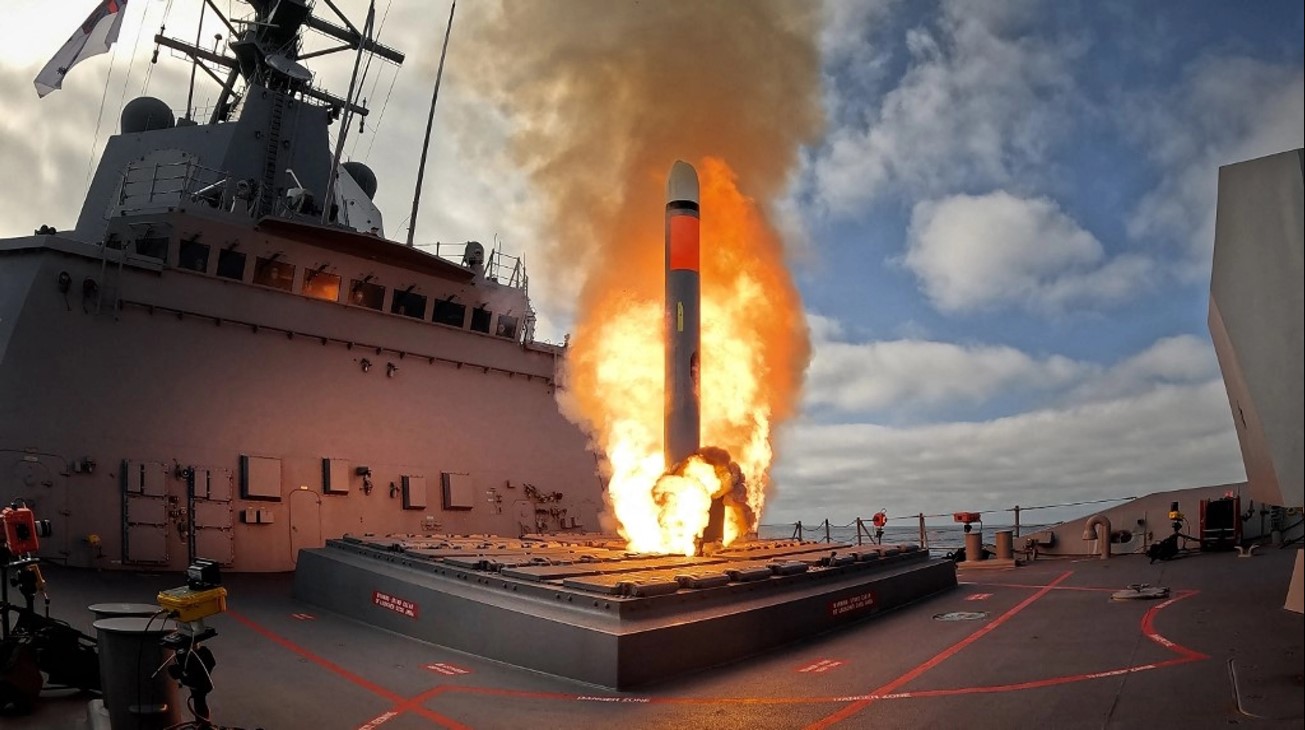 US Pentagon Expected to Cancel Tomahawk Missile Deal with Germany, Citing Russia Concerns
-
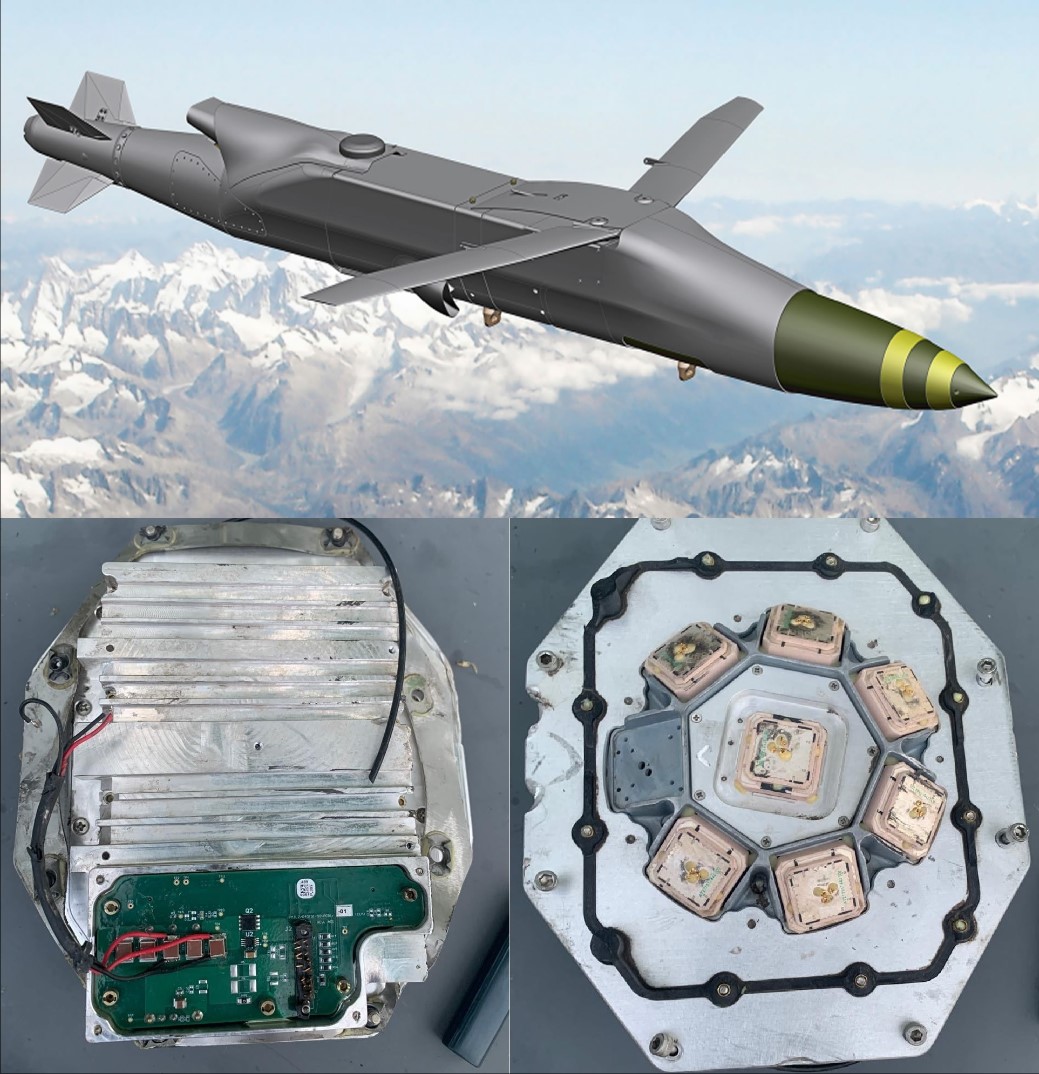 Missile Debris in Ukraine Suggests First Operational Use of U.S.-Made ERAM Cruise Missiles
-
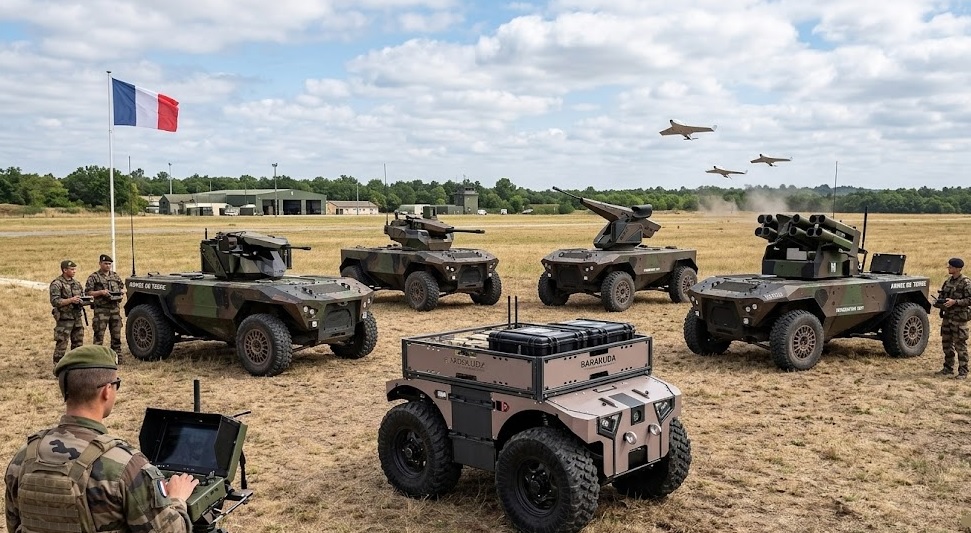 France Integrates New Unmanned Ground Vehicle Family for Modern Combat Operations
-
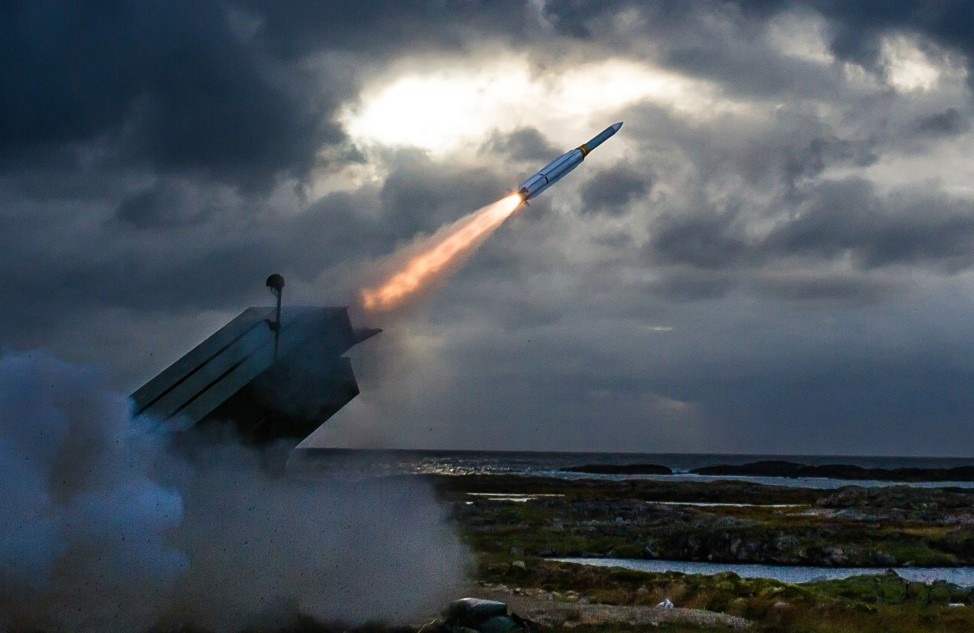 Taiwan Marine Corps Seeks NASAMS Air Defense Systems to Protect Naval Bases and Coastal Areas