
World
China and Cambodia conduct their largest-ever joint military drills, featuring "robodogs" and over 2,000 troops, raising concerns over Beijing's growing influence in the region as the United States watches closely.China and Cambodia have commenced their largest-ever joint military exercises, named Golden Dragon, sparking concerns from the United States regarding Beijing's expanding influence in the region. The drills, taking place in central Kampong Chhnang province and at sea off Preah Sihanouk province, involve over 2,000 troops, including 760 Chinese military personnel.A focal point of the exercises is the unveiling of "robodogs" — remote-controlled four-legged robots armed with automatic rifles. The display of military hardware also includes 14 warships, with three from China, two helicopters, and 69 armored vehicles and tanks. The drills encompass various scenarios, including live-fire exercises, anti-terrorism simulations, and humanitarian rescue operations, aimed at enhancing the capabilities of both armies in combating terrorism.Cambodia, a steadfast ally of China, has received significant investments from Beijing over the years. Washington's concerns center around China's utilization of a naval base in Cambodia's Gulf of Thailand, which it is currently upgrading. This strategic location could potentially bolster China's presence in the disputed South China Sea, an area largely claimed by Beijing.Despite assurances from Cambodian officials that they would not permit foreign military bases on their soil, China's involvement in renovating the Ream naval base has raised eyebrows in Washington. The recent docking of Chinese warships at Ream underscores Beijing's increasing military engagement in Cambodia.The Golden Dragon exercises mark a significant shift in Cambodia's military partnerships, particularly with the scrapping of joint exercises with US forces in favor of closer collaboration with China. The presence of Chinese vessels at Ream and Sihanoukville further emphasizes the deepening ties between China and Cambodia.While Cambodian officials maintain that the exercises aim to bolster their military capabilities and deepen bilateral ties, the growing presence of Chinese military assets in the region continues to raise questions about the geopolitical dynamics in Southeast Asia.
Read More → Posted on 2024-05-16 14:36:41
World
Russian President Putin visits China to deepen ties amidst tensions with the West, discussing trade, security, and commemorating 75 years of diplomatic relations. The visit follows Ukraine's suspension of international visits amid defense against Russian advances.Russian President Vladimir Putin's arrival in China for a two-day state visit signals a deepening of relations between Moscow and Beijing amidst heightened friction with Western nations, according to reports from CNN.This visit holds symbolic significance as it marks Putin's first overseas trip since beginning his new term as Russia's president. The timing is notable, coming on the heels of Ukrainian President Volodymyr Zelensky's announcement to suspend international visits, as Ukraine defends against Russia's advances in the Kharkiv region.Discussions between Putin and Chinese President Xi Jinping are expected to cover a range of topics, including the ongoing conflicts in Ukraine and Gaza, as well as the expansion of trade, security, and energy ties between their respective countries.In an interview with Chinese state media Xinhua prior to his visit, Putin highlighted the "unprecedented level of strategic partnership" between Russia and China. Both leaders aim to bolster foreign policy coordination and deepen cooperation in various sectors such as industry, high-tech, outer space, nuclear energy, artificial intelligence, and renewable energy.Notably, China has refrained from condemning Russia's actions in Ukraine, instead advocating for peace talks that consider the perspectives of all parties involved. This stance has contributed to the strengthening of diplomatic, trade, and security ties between Moscow and Beijing, particularly in the aftermath of sanctions imposed by other countries.Trade between Russia and China has flourished, reaching record levels in recent years despite international tensions. This visit marks the fourth in-person meeting between Xi and Putin since the onset of the Russia-Ukraine conflict, underscoring the importance both leaders place on their relationship.During the visit, the two leaders are expected to sign several bilateral agreements and commemorate 75 years of diplomatic relations between their countries with a gala event, as reported by Chinese state media.In addition to meetings in Beijing, Putin will also visit Harbin, the capital of China's Heilongjiang province bordering Russia's Far East, where he will participate in trade and cooperation forums further enhancing bilateral ties.Putin's visit to China underscores the strategic alignment between Russia and China amidst growing tensions with the West, signaling a deepening of cooperation and partnership between the two nations.
Read More → Posted on 2024-05-16 14:19:40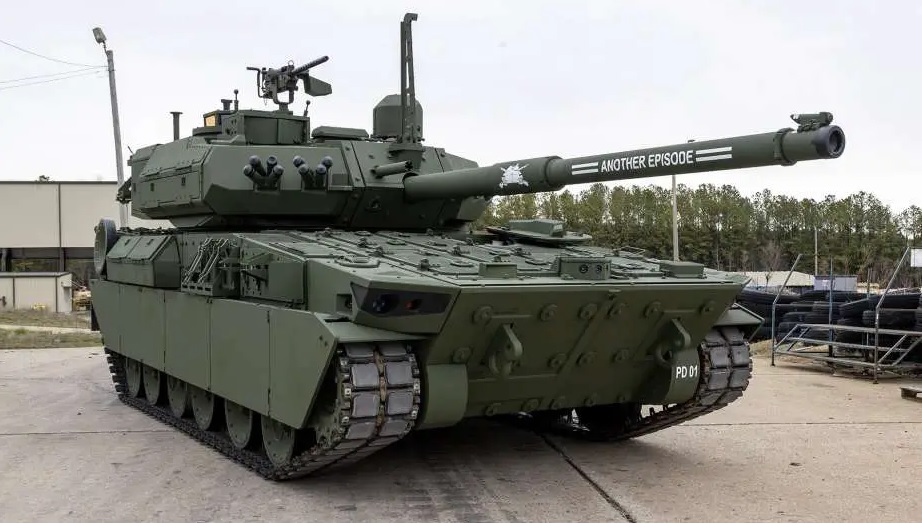
World
General Dynamics Land Systems has delivered the first batch of M10 Booker Combat Vehicles to the U.S. Army, enhancing Infantry Brigade Combat Teams with a versatile, technologically advanced assault vehicle designed for adaptability and effectiveness on the modern battlefield.General Dynamics Land Systems (GDLS) has reached a significant milestone with the delivery of the first batch of M10 Booker Combat Vehicles to the U.S. Army. These vehicles are part of the Low-Rate Initial Production (LRIP) phase, aimed at supporting government testing and logistics efforts.The M10 Booker is designed to be a versatile and robust assault vehicle, capable of quickly navigating various terrains. Its main mission is to engage and destroy enemy combatants, bunkers, machine gun positions, fortifications, and armored combat vehicles. With a four-person crew, it's equipped with advanced technology like an enhanced thermal viewer and a large-caliber cannon. Its lightweight hull and turret, alongside a modern diesel engine, transmission, and suspension system, contribute to its agility and effectiveness on the battlefield.A notable feature of the M10 Booker is its adaptable design, allowing for future upgrades to meet evolving operational needs. This forward-thinking approach ensures the vehicle can remain relevant amidst changing threats and technological advancements.Gordon Stein, General Dynamics Land Systems vice president and general manager for U.S. operations, expressed pride in delivering these vehicles to the Army. He highlighted that the latest Bookers incorporate improvements and lessons learned from the Middle Tier Acquisition phase, ensuring they meet the needs of soldiers effectively.The introduction of the M10 Booker is expected to significantly enhance the capabilities of Infantry Brigade Combat Teams (IBCTs), providing them with a powerful tool to address various combat scenarios. As the Army continues to modernize, the M10 Booker becomes a crucial component in maintaining military superiority for the United States.General Dynamics Land Systems remains committed to supporting the U.S. Army through continuous innovation and excellence in military vehicle design and production. The delivery of the M10 Booker vehicles signifies the start of a new chapter in U.S. Army operations, promising increased effectiveness and resilience in future combat engagements.About M10 Booker Combat VehicleThe M10 Booker is a new armored fighting vehicle named after two American soldiers for the U.S. Army. It is designed to provide fire support for infantry troops on the move. Here are some of its specifications:Classification: Light tank (according to some military officials and defense media) or assault gun (according to U.S. Army)Mass: 38–42 tonnes (37–41 long tons; 42–46 short tons)Main armament: 1 × 105 mm M35 tank gunSecondary armament: 1 × 12.7 mm M2HB heavy machine gun, 1 × 7.62 mm M240B machine gunEngine: Diesel MTU 8V199 TE23 15.9 L, 1,070 hp (800 kW)Maximum speed: 70 km/h (43 mph)Operational range: over 550 km (342 mi)Crew: 4The M10 Booker features a 105mm cannon that can fire a variety of rounds, including armor-piercing discarding sabot (APDS) and high-explosive (HE) rounds. It also has a 7.62mm coaxial machine gun and a 12.7mm heavy machine gun. The vehicle is well-protected with add-on armor panels and under-vehicle IED protection. It also has a proven ammunition compartmentalization system for crew safety.The M10 Booker is a highly mobile vehicle thanks to its high power-to-weight ratio and hydro-pneumatic suspension. This allows it to keep up with infantry troops and maneuver quickly over rough terrain. The vehicle is also designed to be transportable by air, which makes it easy to deploy to wherever it is needed.The M10 Booker is a significant addition to the U.S. Army's arsenal. It provides much-needed firepower and protection for infantry troops on the battlefield.
Read More → Posted on 2024-05-16 14:09:41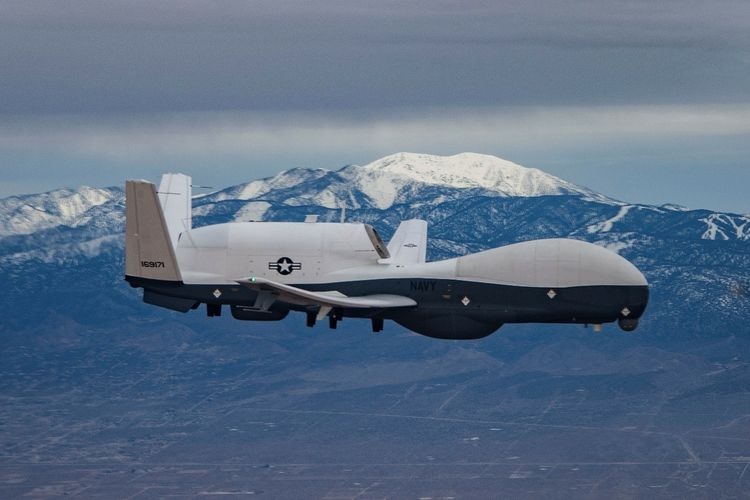
World
U.S ,Japan The US is deploying two MQ-4C Triton surveillance drones to Kadena Air Base in Japan until October to conduct intelligence missions in the Nansei region. This move addresses increased maritime tensions with China in the East and South China Seas.The US military is deploying two MQ-4C Triton maritime surveillance drones to Kadena Air Base in Japan this month. These drones, usually based in Guam, will operate from the US Air Force base until October. Their mission is to conduct intelligence operations in the Nansei region and nearby areas.The Nansei islands stretch from Kyushu, Japan's southernmost main island, to Taiwan. This deployment comes as China increasingly challenges the maritime claims of its neighbors in the East and South China Seas, including the Senkaku islands, which are administered by Japan.Northrop Grumman delivered five MQ-4C Triton drones to the US Navy last year, with plans to provide 22 more. A squadron of Tritons was deployed to Guam last year after achieving initial operational capability.The Triton, based on the US Air Force’s Global Hawk, has a service ceiling of 50,000 feet (15,240 meters) and can fly for 24 hours. It can survey an area of 4 million square nautical miles and is designed to withstand bird strikes and lightning power surges.
Read More → Posted on 2024-05-16 03:36:03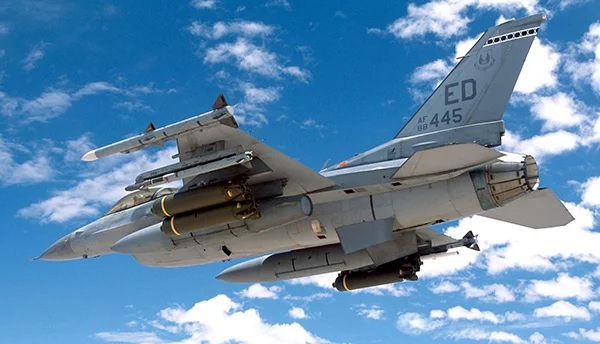
World
U.S ,Romania The US has approved a $340 million sale of 300 AIM-9X Sidewinder Block II missiles to Romania to enhance its F-16 fleet's capabilities. This sale includes missile guidance units and training missiles to support NATO's defense mission.The US State Department has given the green light for the sale of 300 AIM-9X Sidewinder Block II missiles and related equipment to Romania. This deal, valued at approximately $340.8 million, aims to bolster the capabilities of Romania's F-16 fighter jet fleet.Romania, which purchased 32 used F-16 aircraft from Norway in 2023 for 388 million euros ($418 million), requested the short-range air-to-air missiles to enhance its defense readiness. The AIM-9X Sidewinder, produced by Raytheon, boasts a range of over 10 miles (16 kilometers) and features advanced maneuverability and an infrared seeker.The package includes 40 AIM-9X Block II tactical missile guidance units, 40 AIM-9X Block II captive air training missiles, and 20 AIM-9X Block II CATM guidance units."The proposed sale will improve Romania’s capability to meet current and future threats by providing air-to-air missiles for its F-16 fleet in support of NATO’s defense mission," stated the Defense Security Cooperation Agency.Additionally, the US previously approved the sale of modernization equipment for Romania's F-16s. This includes KY-58M secure radio communication modules and KIV-78 Identification Friend or Foe systems. The F-16s will undergo servicing before being delivered to Romania, ensuring they are fully operational for their new role in Romania's defense strategy.
Read More → Posted on 2024-05-16 03:32:35
World
Slovak Slovak Prime Minister Robert Fico was critically injured after being shot multiple times following a cabinet meeting, prompting widespread condemnation from European leaders. Police have detained the suspected gunman as Fico undergoes urgent medical treatment.Slovak Prime Minister Robert Fico was shot multiple times on Wednesday after a cabinet meeting in Handlova, officials reported. The attack, which left Fico with life-threatening injuries, has been condemned by European Union leaders.The Slovak government confirmed the assassination attempt in a social media post, stating that Fico is currently being transported by helicopter to Banska Bystrica for urgent medical intervention. The decision to transport him to Banska Bystrica was made because the journey to Bratislava would take too long given his critical condition.Police spokesman Matej Neumann confirmed the attack, while Handlova local hospital director Marta Eckhardtova noted that Fico was treated at their vascular surgery clinic but did not provide details about his injuries.Witnesses reported hearing several shots before security guards rushed Fico into a car. According to the newspaper Dennik N, police have detained the suspected gunman.Slovak President Zuzana Caputova expressed her shock and condemned the attack. "I wish him a lot of strength in this critical moment and early recovery," she said on X, formerly Twitter. Czech Prime Minister Petr Fiala and Polish Prime Minister Donald Tusk also expressed their concerns and wished Fico a speedy recovery.Robert Fico, a populist leader with pro-Kremlin views, has been prime minister since last year. He previously served as prime minister from 2006 to 2010 and from 2012 to 2018. Since his election last October, Fico has made several controversial remarks, particularly about Ukraine, and has introduced changes that critics say undermine media impartiality.At a press conference following the shooting, Lubos Blaha, an MP from Fico's Smer party, blamed liberal media and progressive politicians for inciting hatred against Fico.The investigation into the attack is ongoing.
Read More → Posted on 2024-05-16 03:28:16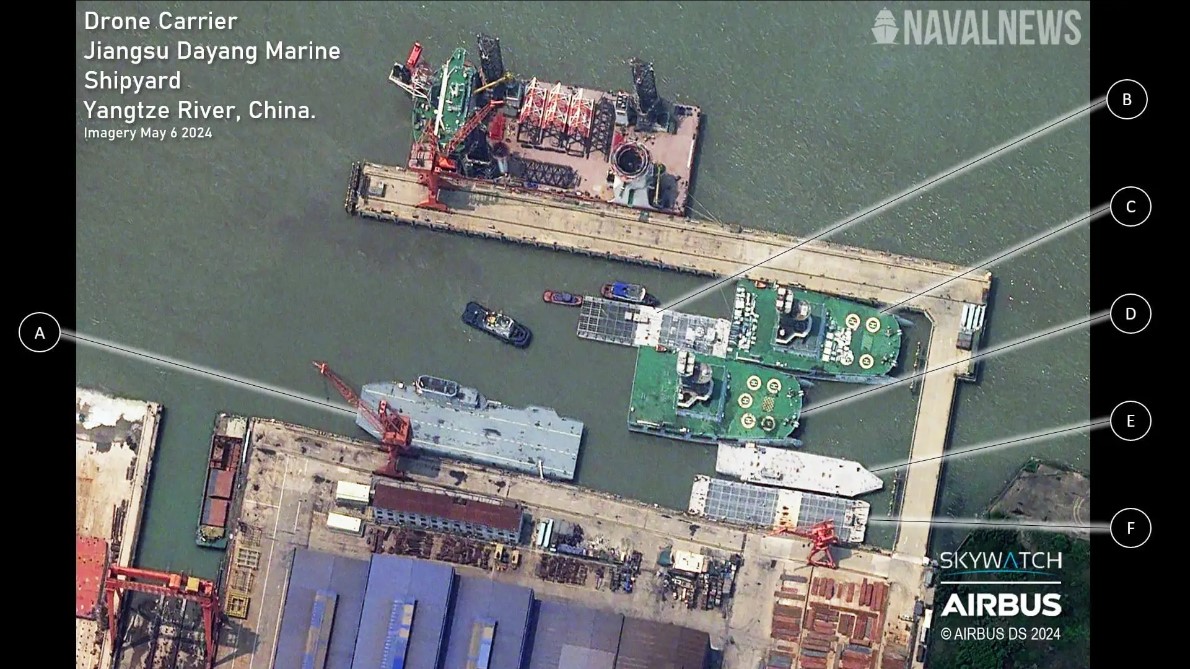
World
China China's covert construction of the world's first fixed-wing drone carrier, unveiled through satellite imagery, challenges conventional naval warfare with its compact design and pioneering role in unmanned aerial operations.In a revelation that has captured the attention of naval experts worldwide, China has quietly unveiled its latest maritime endeavor: the world's first dedicated fixed-wing drone carrier. The clandestine construction of this groundbreaking vessel, launched in December 2022 but shrouded in secrecy until recently, has sparked intrigue and speculation within military circles. As satellite imagery exposes its existence, questions abound regarding its purpose, capabilities, and implications for naval warfare.Hidden away in a shipyard on the Yangtze River, far from the bustling maritime hubs of Shanghai, China's fourth aircraft carrier has emerged as a testament to the nation's formidable naval ambitions. Unlike its predecessors, this carrier represents a departure from convention, signaling a paradigm shift in naval strategy. Naval News, in collaboration with esteemed analyst J. Michael Dahm, has embarked on a meticulous analysis to unravel the mysteries surrounding this enigmatic vessel.At first glance, the vessel's design deviates markedly from traditional aircraft carriers, boasting a compact form factor with a flight deck approximately one-third the length and half the width of its counterparts in the U.S. Navy and the Chinese People's Liberation Army Navy (PLAN). Unlike its predecessors, which accommodate conventional aircraft, this carrier is purpose-built to serve as a platform for fixed-wing drones—a pioneering concept in naval warfare.The vessel's distinctive features, including a catamaran hull and a low-lying flight deck, underscore its unconventional nature. While catamarans have long been touted for their expansive deck space, their implementation in aircraft carrier design is unprecedented. Satellite imagery reveals a flight deck tailored to accommodate drones with a wingspan of approximately 20 meters, akin to Chinese variants of the Predator drone.Despite its diminutive stature compared to conventional carriers, the vessel's significance lies in its pioneering role as the world's first dedicated drone carrier. Its deployment heralds a new era in naval warfare, where unmanned aerial vehicles (UAVs) assume a central role in reconnaissance, surveillance, and combat operations. By harnessing the capabilities of drones, China aims to augment its maritime capabilities and assert its dominance in contested waters.The vessel's potential roles extend beyond conventional warfare scenarios, prompting speculation regarding its intended purpose. Analysts suggest that it may serve as a high-tech target barge or a simulated enemy vessel, mirroring China's penchant for realistic military training exercises. Alternatively, it could function as an experimental platform for the development and testing of drone operations at sea, paving the way for future innovations in naval technology.The shipyard responsible for its construction, Jiangsu Dayang Marine, boasts a track record of fabricating simulated enemy vessels for the PLAN's training programs. This lends credence to the theory that the carrier may fulfill a role in simulating Western naval assets during military exercises—a testament to China's commitment to enhancing its maritime capabilities through realistic training simulations.However, the vessel's clandestine nature and ambiguous purpose leave room for speculation regarding its origins and objectives. Is it an official PLAN initiative, aimed at bolstering China's naval prowess, or a speculative commercial venture driven by technological innovation? The answer remains elusive, shrouded in secrecy and speculation.As the world grapples with the implications of China's latest maritime endeavor, one thing remains clear: the emergence of the world's first dedicated drone carrier marks a significant milestone in naval warfare. Whether it heralds a new era of unmanned naval operations or serves as a harbinger of future technological advancements, its unveiling underscores China's status as a formidable maritime power with ambitions to reshape the geopolitical landscape.In the annals of naval history, the nameless vessel concealed within the confines of a Yangtze shipyard will undoubtedly occupy a prominent place—a symbol of China's unwavering commitment to innovation and strategic foresight in an ever-evolving geopolitical landscape. As analysts continue to dissect its design and speculate on its purpose, one thing is certain: the era of the drone carrier has dawned, heralding a new chapter in maritime warfare.
Read More → Posted on 2024-05-15 15:28:37
World
Ukraine Russia War Ukraine pulls back troops near Kharkiv villages amidst Russian advances, maneuvering to strategic positions while reinforcing defenses to resist further aggression. Emergency power blackouts lifted as Kyiv mitigates energy crisis caused by Russian shelling.The ongoing conflict between Ukraine and Russia has escalated in the northeastern Kharkiv region, with recent reports of Ukrainian troops pulling back near several villages in response to Russian advances. This move comes as part of Ukraine's strategic efforts to safeguard its forces and prevent further casualties in the face of intensified attacks.The Ukrainian military has acknowledged the challenging situation on the ground, particularly in areas like Lukyantsi and Vovchansk, which have been heavily targeted by Russian forces. In response to enemy fire and ground assaults, Ukrainian units have maneuvered to more advantageous positions, a term often used to denote tactical retreats in military language.These villages, situated close to the border with Russia, have become focal points in the latest offensive. Despite the difficulties, Ukraine's General Staff emphasizes that its forces are steadfast in resisting Russian occupation attempts and preventing them from establishing a stronghold in the region.To reinforce its defenses, Kyiv has swiftly deployed additional troops to the area, aiming to counter Russian efforts to breach their lines. Analysts speculate that Russia's offensive may also be aimed at diverting Ukrainian resources from other critical fronts, such as the Donetsk region.President Volodymyr Zelensky underscored the gravity of the situation, highlighting the challenges faced by Ukrainian forces in Donetsk and Kharkiv regions. The need to bolster defenses and repel Russian advances remains paramount for Ukraine's security.Meanwhile, the recent cold weather compounded by damage to Ukraine's energy infrastructure due to Russian shelling prompted emergency power blackouts in several regions. However, with the situation improving, Kyiv has lifted some of these restrictions to alleviate pressure on the energy system.In conclusion, Ukraine's military response in the Kharkiv region reflects its commitment to safeguarding its territorial integrity and resisting Russian aggression. While challenges persist, the resolve to defend against further encroachments remains unwavering. As the conflict continues, international attention remains focused on the evolving dynamics and the need for a peaceful resolution to the crisis.
Read More → Posted on 2024-05-15 15:16:42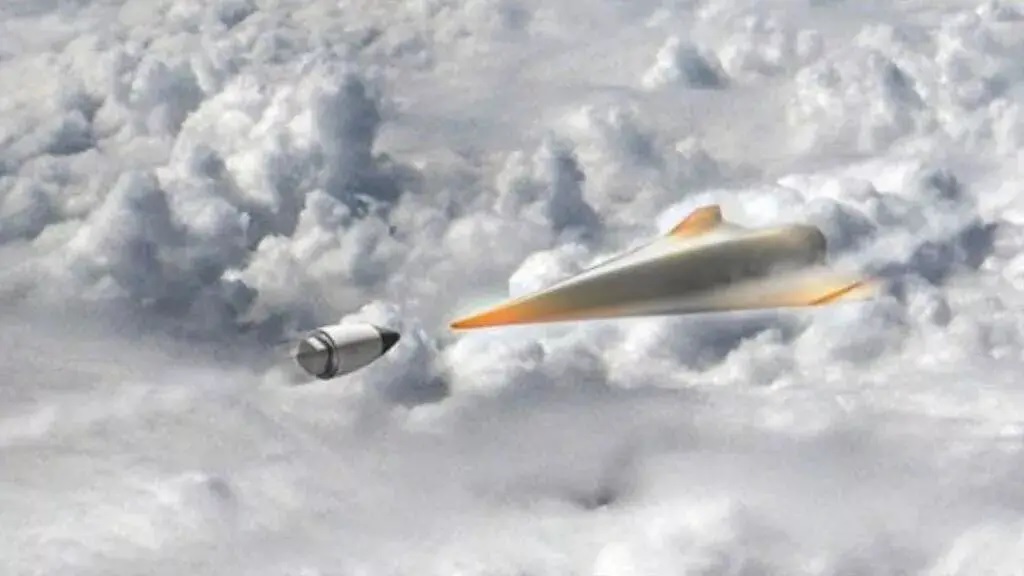
World
U.S ,Japan Japan and the United States join forces to develop interceptors capable of shooting down hypersonic missiles by the 2030s, addressing growing security concerns in the Asia-Pacific region. This collaborative effort underscores the urgency to counter evolving missile technologies and strengthen defense capabilities against potential threats.In a significant move aimed at bolstering defense capabilities against evolving threats, Japan and the United States have entered into a joint agreement to develop interceptors capable of shooting down hypersonic missiles. The contract, signed on Wednesday, underscores the growing concern over the rapid advancements in missile technologies, particularly in the Asia-Pacific region.The plan, with an estimated cost exceeding $3 billion, was initially unveiled in August during a summit involving leaders from Japan, the U.S., and South Korea at Camp David near Washington. This collaborative effort is centered around the development of Glide Phase Interceptors (GPI), designed specifically to counter the threat posed by hypersonic weapons.Hypersonic missiles, known for their unparalleled speed—exceeding five times the speed of sound—and unpredictable flight paths, present a formidable challenge for existing missile defense systems. Their ability to maneuver unpredictably makes interception a daunting task, necessitating the development of specialized interceptors like the GPI.The Japanese Ministry of Defense highlighted the urgency of enhancing interception capabilities in light of the significant advancements witnessed in missile-related technologies, particularly in the vicinity of Japan. The ministry emphasized the critical need to stay ahead of these evolving threats to ensure national security.To support this joint endeavor, the Japanese government has allocated 75 billion yen (approximately $480 million) in its 2024 budget for the development of these interceptors. This investment is part of Japan's broader commitment to strengthening its defense capabilities, reflected in the record defense budget of 7.95 trillion yen approved last year.The decision to ramp up defense spending comes amidst escalating tensions with neighboring countries, notably China and North Korea. Prime Minister Fumio Kishida has reaffirmed Japan's commitment to reaching the NATO standard of allocating two percent of GDP to defense by 2027, signaling a significant shift in defense policy.Japan's constitution, forged in the aftermath of World War II, has historically limited its military capabilities to defensive measures. However, recognizing the evolving security landscape, Japan updated its security and defense policies in 2022, explicitly acknowledging the challenges posed by China's assertive actions in the region.In conclusion, the collaborative effort between Japan and the United States to develop hypersonic missile interceptors underscores the shared commitment to enhancing regional security and stability. With evolving threats necessitating innovative solutions, this partnership represents a crucial step towards safeguarding against emerging security challenges in the Asia-Pacific region.
Read More → Posted on 2024-05-15 14:38:12
World
U.S L3Harris partners with Lockheed Martin to provide propulsion for the US Missile Defense Agency’s Next Generation Interceptor, enhancing homeland security against evolving ballistic missile threats. Scheduled for operational deployment by 2027, the NGI program represents a crucial step in countering emerging threats to US soil.In a significant stride towards bolstering US missile defense capabilities, L3Harris, in collaboration with Lockheed Martin, has embarked on a mission to provide cutting-edge propulsion technology for the US Missile Defense Agency’s Next Generation Interceptor (NGI) program. This joint effort marks a pivotal step in the US Department of Defense's ongoing endeavor to fortify its initial line of defense against long-range ballistic missile threats.Lockheed Martin clinched the contract to assemble the NGI platform in April 2024, triumphing over Northrop Grumman in the process. Anticipated to be operational as early as 2027, the NGI program aims to deliver the first interceptor capable of countering evolving threats to homeland security.Christopher Kubasik, CEO and Chair of L3Harris, expressed confidence in their propulsion technology, citing its longstanding role in powering the nation's missile defense systems. He underscored the team's expertise as the leading provider of propulsion for Missile Defense Agency interceptor programs currently in production.The NGI program has been steadily progressing, with Lockheed Martin achieving all subsystem preliminary design reviews for its NGI model by August 2023. A year prior, the company showcased the future interceptor's radio-based communications system, tested across various challenging environments.The journey towards NGI began in 2021 when Lockheed Martin, alongside Northrop Grumman, secured a $1.6 billion award to kickstart the design process for the NGI procurement’s technology development and risk reduction phase.The Pentagon emphasized the significance of NGI in enhancing homeland defense, stating that the program represents a comprehensive approach to address evolving threats. NGI is poised to remain effective well into the 2030s and beyond, equipped to counter anticipated advancements in missile technology.In summary, the collaboration between L3Harris and Lockheed Martin signifies a crucial milestone in fortifying US missile defense capabilities. With NGI at the forefront, the nation is poised to meet emerging threats head-on, ensuring the safety and security of its citizens for years to come.
Read More → Posted on 2024-05-15 14:33:34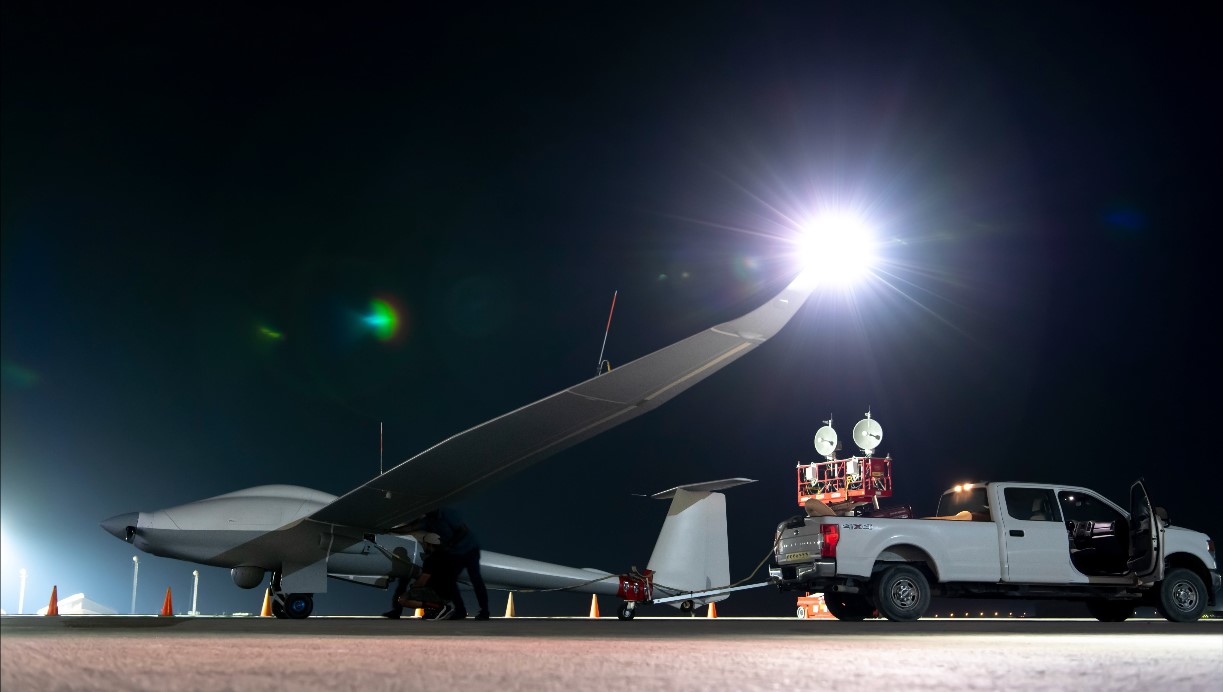
World
U.S The US Air Force has deployed its ULTRA drone in the Middle East for the first time, enhancing its long-endurance surveillance capabilities. The drone, capable of staying airborne for 80 hours, is based at Al Dhafra Air Base in the UAE.The US Air Force has deployed its Unmanned Long-Endurance Tactical Reconnaissance Aircraft (ULTRA) for the first time in the Middle East. The deployment is within the US Central Command area of responsibility. Images showing the drone preparing for a mission were posted on social media but have since been removed.The photos, taken at Al Dhafra Air Base in the United Arab Emirates, revealed the location through the name of a hangar visible in the background. Al Dhafra Air Base is home to the 380th Air Expeditionary Wing and previously housed RQ-4 Global Hawk drones.While the specific mission of the ULTRA drone was not disclosed, it is believed to be related to intelligence, surveillance, and reconnaissance (ISR) operations. About the ULTRA DroneThe ULTRA drone was developed in 2019 by the Air Force Research Laboratory (AFRL) in partnership with Dzyne Technologies Incorporated. Its design is based on a modified manned sports glider to support long-duration surveillance operations. Key features of the ULTRA include:Long wings with wingletsT-tail configurationRetractable undercarriageElectro-optical/infrared sensor turret for 360-degree ISR capabilitiesThe ULTRA can remain airborne for up to 80 hours, making it ideal for extended surveillance missions.The deployment of the ULTRA in the Middle East marks a significant step in enhancing the US Air Force's ISR capabilities in the region.
Read More → Posted on 2024-05-15 14:20:23
World
Pakistan Pakistan successfully launched the Fatah-II guided rocket system, capable of hitting targets up to 400 kilometers with high precision. This advanced system will enhance the reach and lethality of the country's artillery divisions.On Wednesday, Pakistan successfully conducted a training launch of the Fatah-II guided multi-launch rocket system, according to an official statement from the army. This advanced system is capable of hitting targets with high precision up to a range of 400 kilometers.The launch was part of efforts to refine the system's launch drills and procedures. The Fatah-II is equipped with a state-of-the-art navigation system, unique trajectory, and maneuverable features, enabling it to engage targets accurately and overcome missile defense systems.The army has announced that the Fatah-II will be inducted into Pakistan's Artillery Divisions, enhancing the military's capability for precision engagement of deep targets. This induction is expected to significantly upgrade the reach and effectiveness of Pakistan's conventional weaponry.The flight test was attended by senior army officers, scientists, and engineers. President Asif Ali Zardari, Prime Minister Shehbaz Sharif, and senior army officials extended their congratulations to the participating troops and scientists for this achievement.
Read More → Posted on 2024-05-15 14:12:33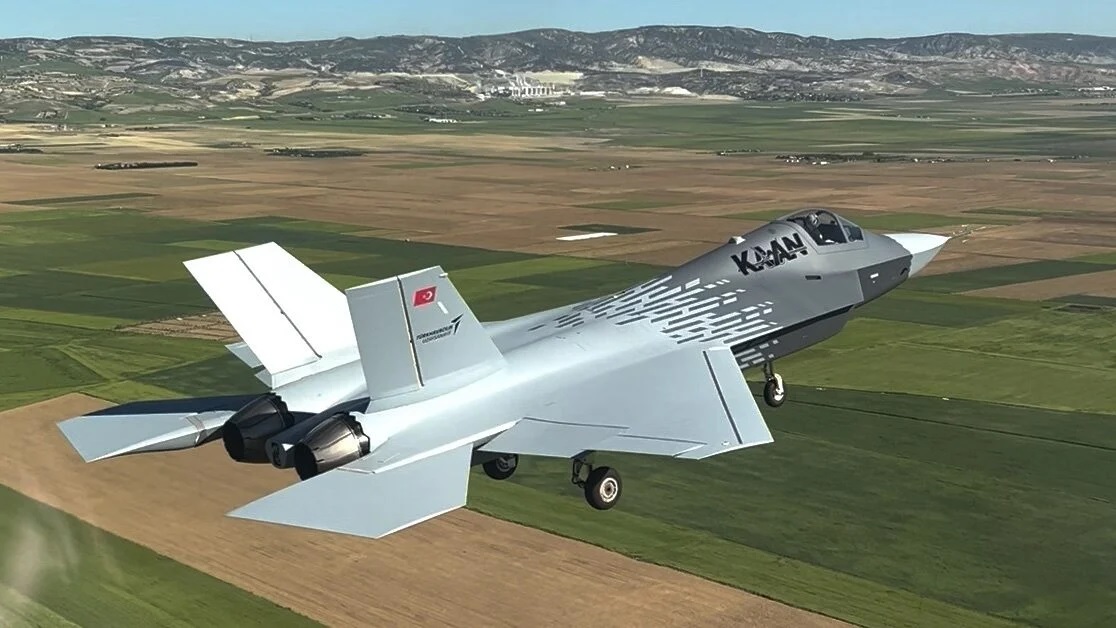
World
Turkey Turkish Aerospace Industries' new KAAN fighter jet, claimed to surpass the US-made F-35, recently completed its second successful flight test. TAI aims to deliver 20 KAAN jets by 2028, with plans for domestic engine production.Turkish Aerospace Industries (TAI) General Manager Temel Kotil has made bold claims about Turkey's new KAAN fighter jet, asserting it outperforms the US-made F-35. This statement followed the aircraft’s second flight test earlier this month at a military base in Ankara.“This aircraft is better than the F-35,” Kotil told Turkiye Newspaper. He highlighted that the F-35 carries six tons of ammunition, while the KAAN can carry ten tons. Additionally, Kotil noted the KAAN's two-engine design compared to the F-35's single engine, which he claims provides more energy and extends radar range.Turkey's development of the KAAN is partly driven by its expulsion from the F-35 program after purchasing a Russian air defense system. Consequently, Turkey initiated the KAAN program to develop its own combat aircraft.TAI aims to deliver 20 KAAN jets by 2028, with "many more" expected between 2030 and 2033. The Turkish Air Force plans to incorporate hundreds of KAAN aircraft into its fleet. By 2028, TAI also hopes to manufacture engines domestically for these jets.The KAAN, equipped with advanced weaponry, is designed for air-to-air combat and precision supersonic strikes.On May 6, a TAI test pilot flew a KAAN prototype to 10,000 feet for over 14 minutes, marking its second flight since its maiden flight on February 21. An F-16 jet acted as a safety chase during this test.With these successful flights, the KAAN program is progressing towards full-rate production and deployment. Haluk Gorgun, a Turkish Defence Industries official, congratulated all contributors to the project, especially the TAI engineers, pilots, and technical teams.
Read More → Posted on 2024-05-15 14:09:57
World
Ukraine Ukraine joins CFBLNet, enhancing global defense cooperation through interoperability initiatives and collaborative training with 39 Mission partners.In a significant move towards bolstering international defense collaboration, Ukraine has recently become a Guest Mission partner in the Combined Federated Battle Labs Network (CFBLNet). This partnership opens doors for Ukraine to engage in various interoperability and training activities, fostering closer ties with CFBLNet's member nations.CFBLNet stands as a secure global infrastructure dedicated to research, development, and assessment in the realm of Command, Control, Communications, Computers, Intelligence, Surveillance, and Reconnaissance (C4ISR). With 39 Mission partners including NATO nations, Austria, Australia, New Zealand, Switzerland, the NATO organization, European Union EEAS, and now Ukraine, CFBLNet facilitates cooperation on a wide scale.The essence of CFBLNet lies in promoting Coalition/Combined capabilities among its participants. Through shared expertise, collaborative efforts, and training opportunities, member nations strive for interoperability improvements. Ukraine's inclusion not only acknowledges its commitment to interoperability but also highlights its readiness to deepen engagements with international partners.As expressed by Kateryna Chernohorenko, Deputy Minister of Defence of Ukraine, the expansion of cooperation with NATO signifies Ukraine's dedication to enhancing interoperability. The proven performance of Ukrainian systems during joint exercises underscores their reliability and effectiveness in collaborative efforts.Currently encompassing over 400 recognized sites across 26 nations and NATO, CFBLNet operates through a partnership between the Combined Communications Electronics Board (CCEB), NATO, and the United States of America. The operational core for European nations, NATO Nations, and NATO organizations is managed by the NATO Communications and Information Agency (NCIA).Ukraine's integration into CFBLNet marks a significant milestone in global defense cooperation. Through shared resources, mutual training initiatives, and collaborative research, CFBLNet continues to serve as a vital platform for enhancing defense capabilities and fostering international partnerships.
Read More → Posted on 2024-05-15 05:01:01
World
Pakistan Pakistan allocates PKR 23 billion to PoK following violent protests demanding economic reforms. The aid includes subsidised electricity tariffs and fixed wheat flour prices to ease residents' financial burdens.Prime Minister Shehbaz Sharif has authorized the immediate allocation of PKR 23 billion to Pakistan-occupied Jammu and Kashmir (PoK) in response to recent clashes and protests in the region. This decision comes amid rising tensions, with the Jammu Kashmir Joint Awami Action Committee (JAAC) leading demonstrations demanding fair electricity pricing, subsidised wheat flour, and an end to elite privileges.On May 9 and 10, police arrested around 70 activists to prevent a planned long march by the JAAC, which led to violent clashes in Dadyal and a widespread "shutter-down strike." The unrest continued in the following days, with confrontations between protesters and law enforcement in Muzaffarabad, resulting in casualties and injuries. Despite a brief period of calm, tensions flared again, leading to renewed protests and clashes.Efforts to negotiate a resolution between the JAAC and PoK authorities have so far failed, worsening the situation. Both President Asif Ali Zardari and PM Shehbaz Sharif have pledged to address the protesters' grievances, calling for dialogue and restraint. As a precaution, government offices and educational institutions have remained closed.Prime Minister Sharif convened a special meeting in Islamabad with PoK PM Chaudhry Anwarul Haq, local ministers, and key political figures to assess the situation. The allocation of funds was met with appreciation from PoK leaders, who acknowledged the Prime Minister's swift response.At a press conference, PoK PM Chaudhry Anwarul Haq praised the aid package, attributing the unrest to alleged interference by India. He noted that 100 policemen were injured and a sub-inspector was killed during the protests, highlighting the severity of the clashes.Haq also disclosed the allocation of PKR 10 billion from the Social Protection Fund to the PoK Bank to address critical financial needs. Key provisions of the aid package include subsidised electricity tariffs and fixed prices for wheat flour, aimed at easing the financial burden on residents. Haq assured that these measures would be implemented promptly and become a permanent fixture in the region's budget.He emphasized the collaborative effort among coalition parties and their shared commitment to regional development and prosperity. Haq also confirmed financial assistance for the family of the slain sub-inspector and announced approved tariff structures for domestic and commercial users in PoK.
Read More → Posted on 2024-05-15 04:47:28Search
Top Trending in 24 Hours
-
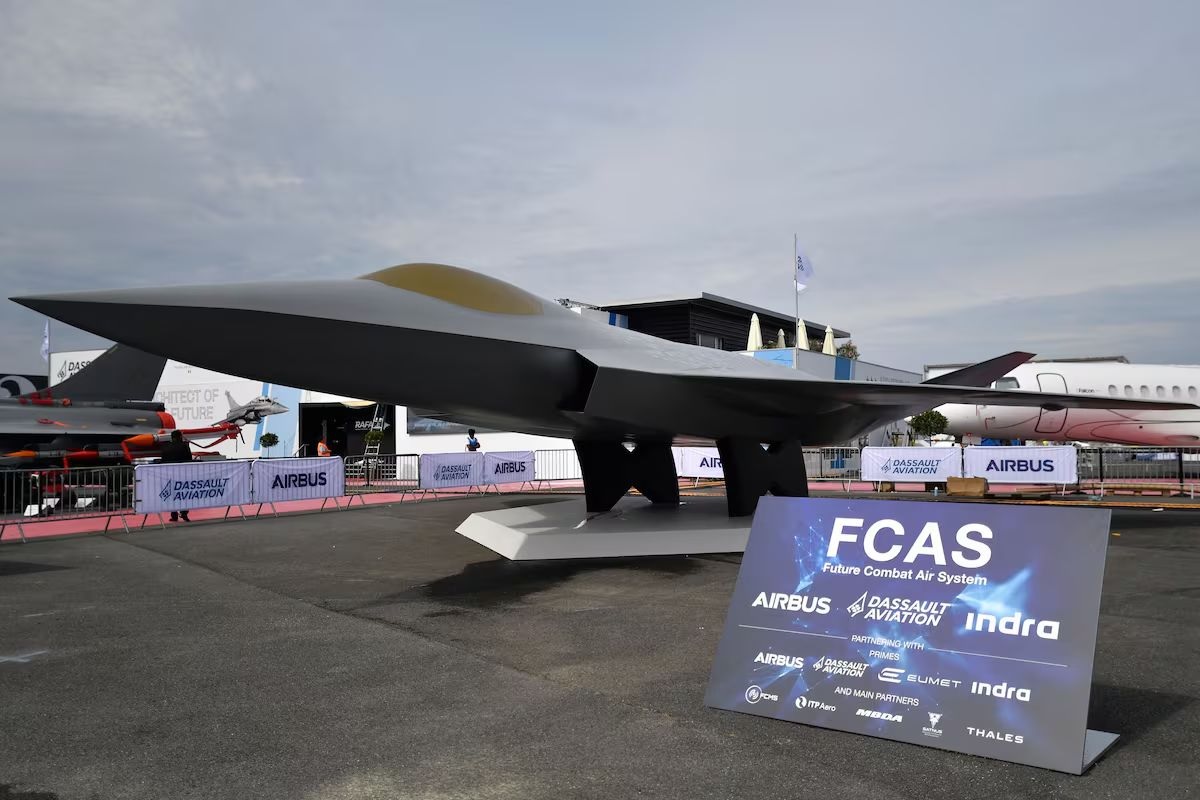 Germany and France End Joint Next-Generation Fighter Development Under FCAS Program
-
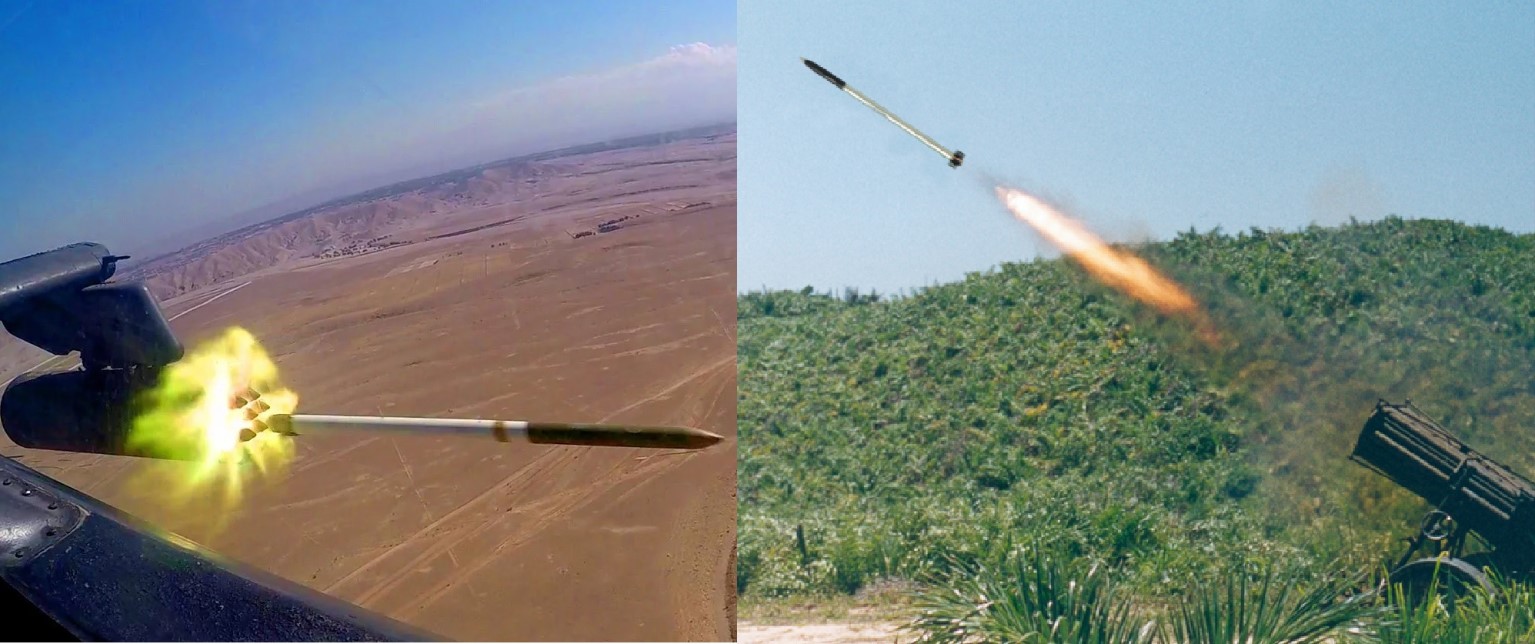 U.S. Army Awards iRocket Up to $150M Contract to Turn Hydra-70 Rockets Into Drone Interceptors
-
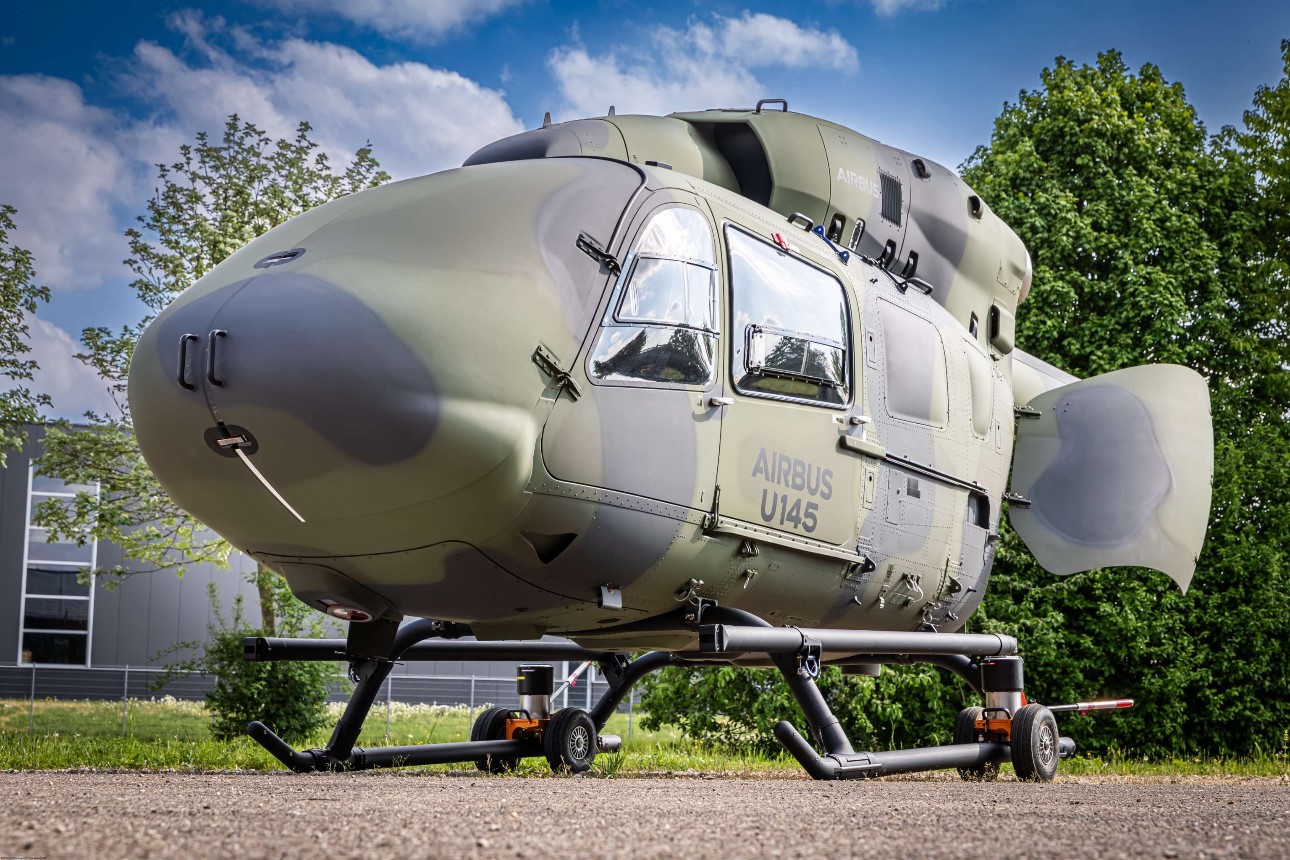 Airbus launches U145 uncrewed helicopter with AI-powered autonomous flight capabilities
-
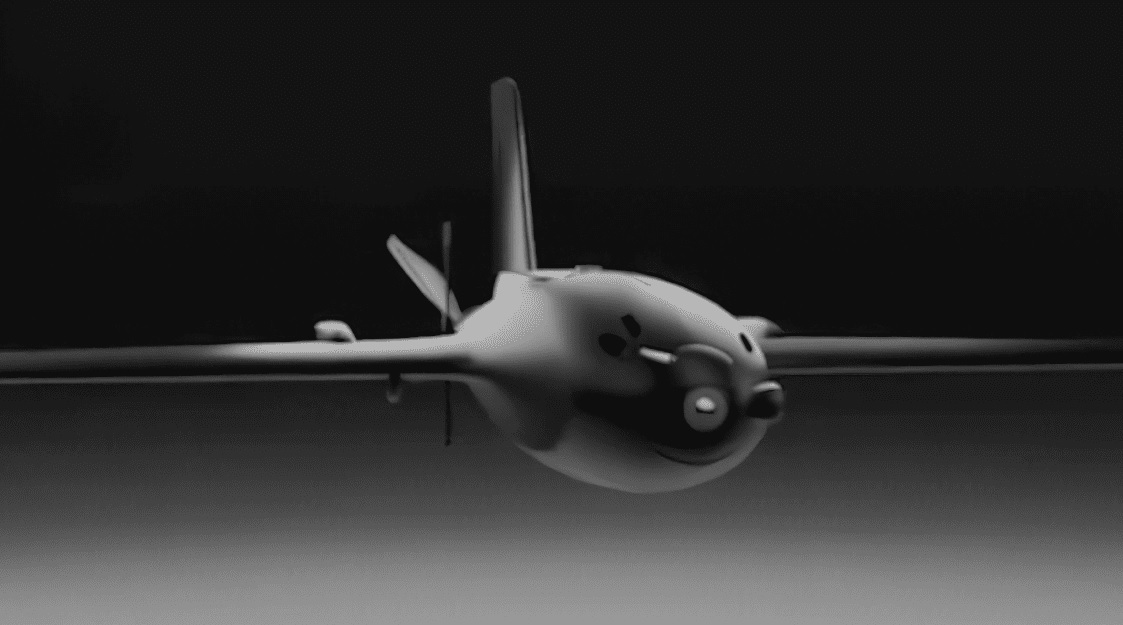 Ukraine Deploys AI-Powered Air Defense System That Automates 95% of Shahed Drone Interceptions
-
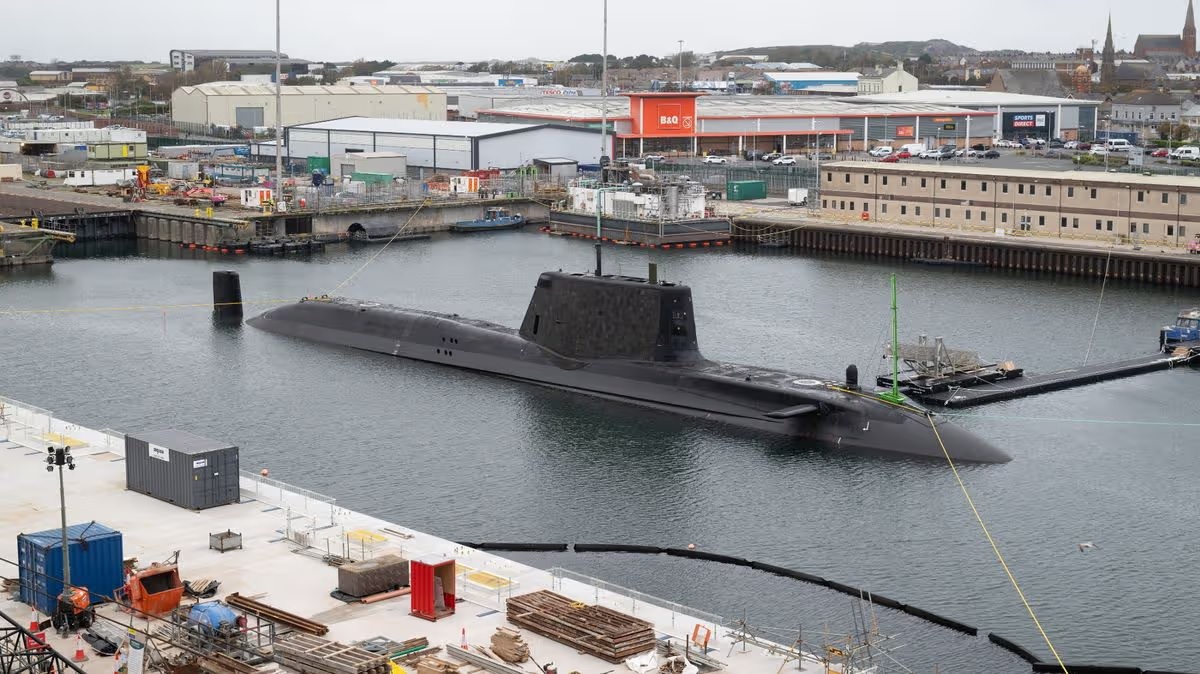 UK Left Without Active Attack Submarines as Entire Astute-Class Fleet Remains Stuck in Port
-
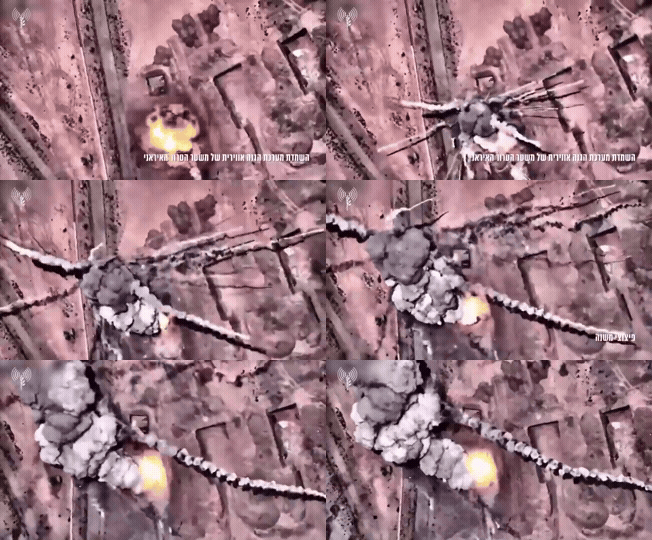 Israel Releases Strike Footage of Airstrikes on Iranian Air Defense Systems Near Tehran
-
 UK Armed Force Set to Trial CRENIC Electronic Warfare System Against IED and Drone Threats in 2027
-
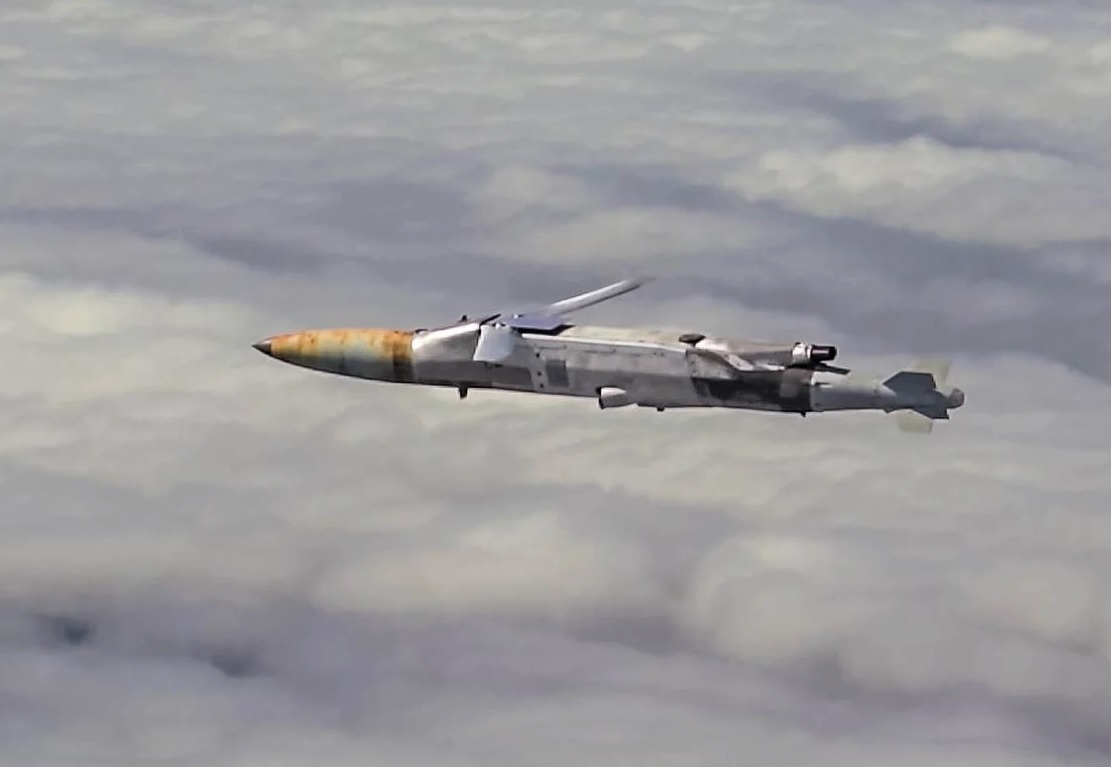 U.S. State Department Approves $106 Million JDAM Precision-Guided Munition Sale to South Korea
Top Trending in 4 Days
-
 Iran Releases Footage of Qader Missile and Shahid Danaye Drone Launches Toward Two U.S. Navy Destroyers
-
 First Satellite of Russia's Rassvet Broadband Constellation Reenters Atmosphere After Less Than Three Months in Orbit
-
 Trump Administration Weighs Purchase of Chagos Islands to Secure Diego Garcia Base
-
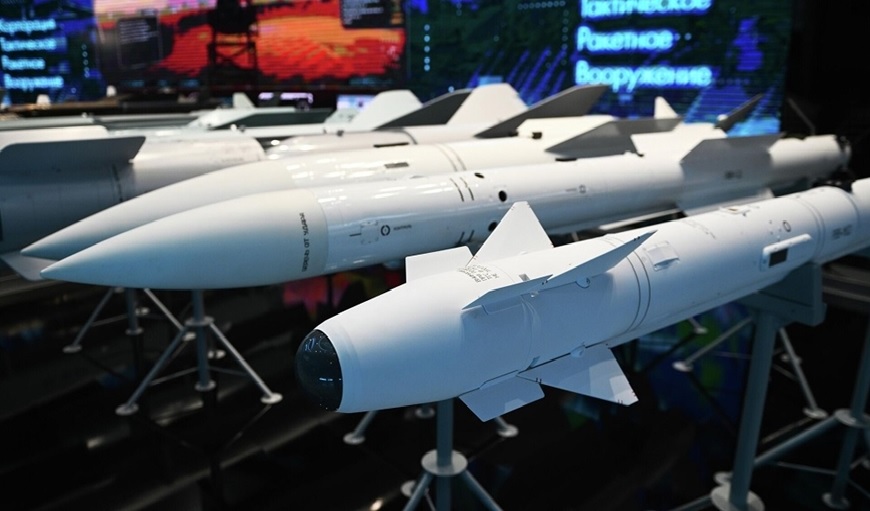 Leaked Contracts Reveal Russia Supplying Air-to-Air and Strike Missiles to Iran for Su-35 Fighter Fleet Through 2027
-
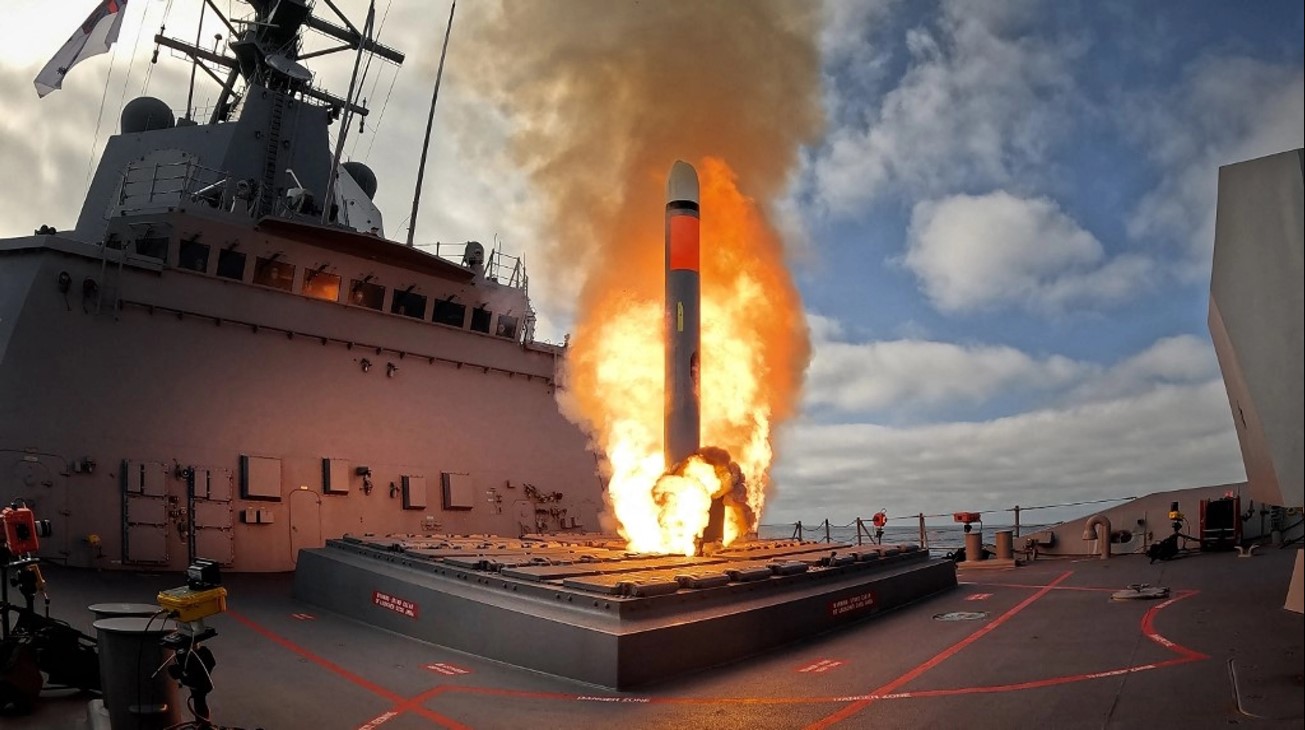 US Pentagon Expected to Cancel Tomahawk Missile Deal with Germany, Citing Russia Concerns
-
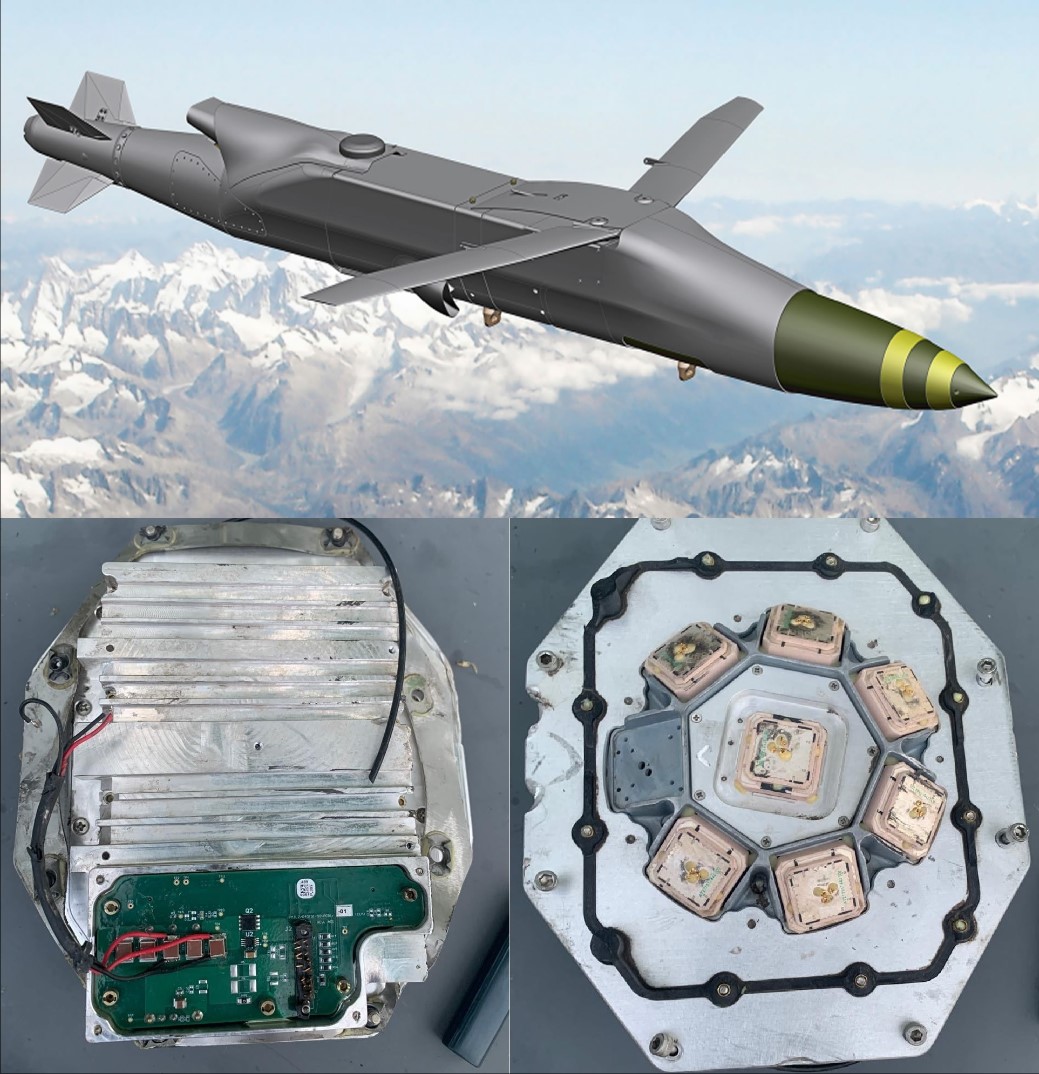 Missile Debris in Ukraine Suggests First Operational Use of U.S.-Made ERAM Cruise Missiles
-
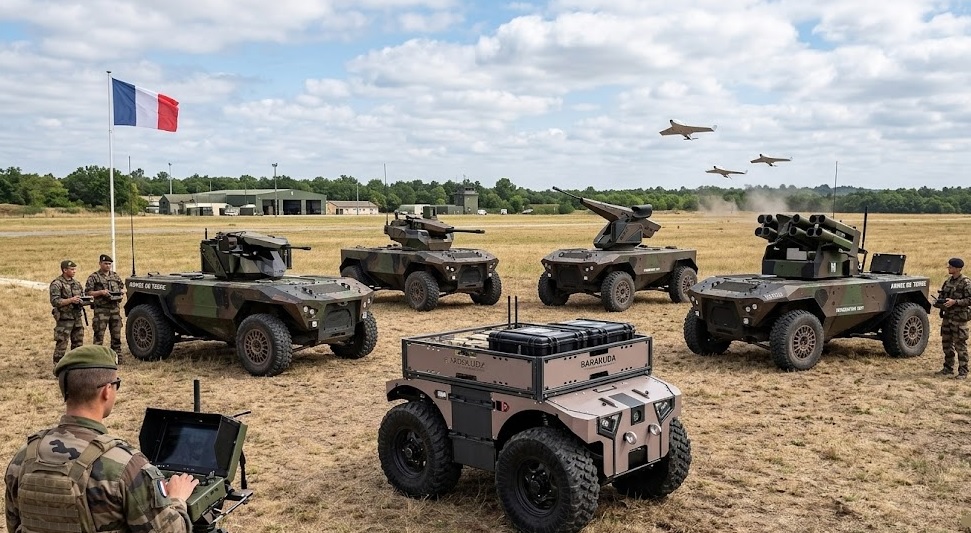 France Integrates New Unmanned Ground Vehicle Family for Modern Combat Operations
-
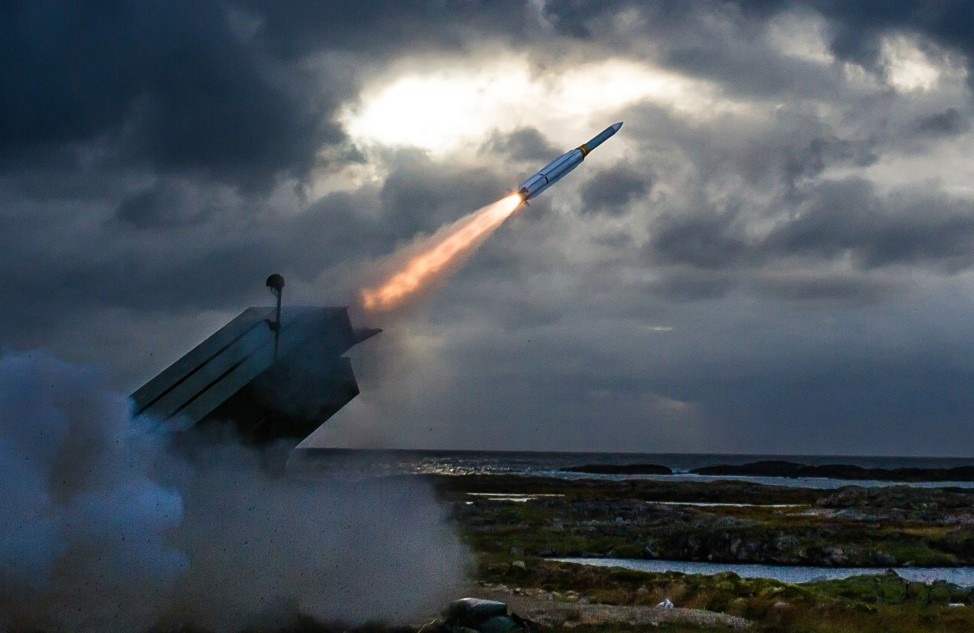 Taiwan Marine Corps Seeks NASAMS Air Defense Systems to Protect Naval Bases and Coastal Areas