
World
Pentagon expresses concern over Russian satellite launch near US satellite, amid escalating tensions over space weaponization. Kremlin reaffirms commitment to international law.The Pentagon has raised alarms over a recent Russian satellite launch, claiming it may be a counter-space weapon capable of targeting other satellites. On May 16, Russia launched this satellite into low Earth orbit, placing it in close proximity to a US government satellite, according to Pentagon spokesman Air Force Major General Pat Ryder.During a press briefing, Ryder emphasized that the United States is closely monitoring the situation and is prepared to protect its assets in space. "We have a responsibility to be ready to protect and defend the domain, the space domain, and ensure continuous and uninterrupted support to the Joint and Combined Force," he stated.Kremlin spokesman Dmitry Peskov declined to comment directly on the Pentagon's allegations but reiterated Russia's stance on adhering to international law. Peskov pointed out that Russia has consistently advocated for the banning of weapons in space, although these initiatives have been rejected by other countries, including the US.Earlier this week, tensions between the US and Russia escalated when Moscow accused Washington of seeking to militarize space. This accusation followed the rejection of a Russian non-proliferation resolution at the United Nations, which called for the prevention of weapon placement in outer space. Russian Foreign Ministry spokeswoman Maria Zakharova claimed that the US's true priorities involve turning space into a battleground.The exchange of accusations over space weaponization has led to rival resolutions at the UN. Last month, Russia vetoed a US initiative aimed at non-proliferation, while Russia's own proposal failed to pass, receiving only seven votes in favor. US envoy Robert Wood criticized Russia's proposal as a distraction, accusing Moscow of "diplomatic gaslighting."Wood highlighted that this recent launch follows previous Russian activities suspected of involving counter-space systems, specifically in 2019 and 2022. The White House had previously warned in February about Russia developing anti-satellite weapons, which lawmakers deemed a serious threat to national security.Despite these rising tensions, space has remained a rare area of cooperation between the two nations. Both countries continue to transport each other’s crew members to the International Space Station (ISS), where their astronauts work together.This development brings renewed attention to the 1967 Outer Space Treaty, which prohibits the deployment of nuclear weapons or any other weapons of mass destruction in space. The treaty aims to prevent the militarization of space, a principle that both countries have historically supported but now seem to be challenging.
Read More → Posted on 2024-05-22 16:18:15
World
MBDA enhances Italian air defence capabilities through CAMM-ER upgrades, strengthening command-and-control systems and extending missile range for increased security.MBDA, a global leader in advanced weapon systems, has amended its contract with OCCAR (the Organisation for Joint Armament Co-operation) to upgrade the Italian Army and Air Force's air defence systems, specifically the Grifo and MAADS (Medium Advanced Air Defence System). This amendment focuses on increasing the capabilities of the systems based on the CAMM-ER missile.Key UpgradesThe contract includes the development of a new multi-role and multi-purpose Fire Control Unit (FCU) by MBDA. This unit will significantly enhance the command-and-control capabilities of the Grifo system used by the Italian Army. These improvements have been designed over the past year to strengthen the operational capabilities of the Italian Armed Forces. The contract also covers the operational validation and production of the new FCU.About CAMM-ERThe CAMM-ER (Common Anti-air Modular Missile-Extended Range) is an extended-range missile from the CAMM family, developed in collaboration between the UK and Italy. This missile family is designed for both land and naval air defence, and can be easily integrated with a variety of radar and command and control (C2) systems to form an Enhanced Modular Air Defence Solution (EMADS).Equipped with a state-of-the-art active seeker and a new motor designed by AVIO, CAMM-ER offers an extended range. It successfully completed qualification last year and is set to replace the Aspide missile in the Italian Air Force's SPADA system and the Italian Army's Skyguard system.Integration and ExportCAMM-ER is also a key component of the Albatros NG, the new generation naval-based air defence (NBAD) system. This system has been sold internationally and enhances the naval surface-to-air capabilities of fleets.Industrial ImpactThis agreement will further boost MBDA’s industrial capabilities in Italy, particularly at the Fusaro site near Naples. The site has already seen significant growth due to recent contracts for CAMM-ER and Aster missiles. These developments support MBDA’s technological and industrial expansion, ensuring continued advancements in defence technology.ConclusionMBDA's contract amendment with OCCAR to enhance Italy's air defence systems underscores the company's commitment to providing cutting-edge technology to its customers. The improvements to the Grifo and MAADS systems, along with the successful integration of CAMM-ER, highlight the ongoing evolution and strengthening of Italy's defence capabilities.
Read More → Posted on 2024-05-22 16:07:01
World
PGZ Stocznia Wojenna and Rohde & Schwarz join forces to equip Miecznik frigates with cutting-edge communication and electronic warfare systems, enhancing Poland's naval capabilities.PGZ Stocznia Wojenna shipyard has signed two significant contracts with the technology company Rohde & Schwarz to equip the new Miecznik frigates with cutting-edge communication and radioelectronic warfare systems.Advanced Communication SystemsThe first contract involves the delivery of advanced external radio communication equipment. Rohde & Schwarz will supply high-frequency (HF), very high frequency (VHF), and ultra-high frequency (UHF) radios, receivers, and antenna field elements. These components will be integrated into the Integrated Communications System (IcommS) developed by PGZ Stocznia Wojenna. IcommS has already demonstrated its reliability and effectiveness on the Kormoran-class mine destroyers.The Polish-developed IcommS will enable the Miecznik frigates to securely and efficiently exchange information in tactical channels. It includes audio end terminals and the MMHS Hermes military text message management system, reflecting several years of development by the shipyard’s Electronics and Armament Centre. This ensures robust and secure communication capabilities essential for naval operations.Electronic Warfare SystemsThe second contract focuses on providing a sophisticated electronic warfare system (RESM/CESM). Rohde & Schwarz will equip the Miecznik frigates with their latest electronic warfare systems, which have been successfully deployed on the German Navy’s F-125 frigates and are set to be featured on the upcoming F-126 frigates. These systems will enhance the frigates' capabilities to detect, intercept, identify, and analyze radar and radio communication signals, offering a significant tactical advantage in electronic warfare scenarios.Strategic Partnership and TrainingIn addition to these contracts, PGZ Stocznia Wojenna and Rohde & Schwarz have established a strategic relationship that includes the creation of an Electronic Warfare and SIGINT Academy at the PGZ Stocznia Wojenna shipyard. This facility, equipped with Rohde & Schwarz’s software simulator, will become Poland’s premier international engineering and training base for RESM/CESM, COMINT, and ELINT systems. The academy aims to enhance the skills and knowledge of Polish Navy personnel, ensuring they are well-prepared to operate and maintain advanced electronic warfare equipment.ConclusionThese contracts mark a significant advancement in the capabilities of the Miecznik frigates, equipping them with state-of-the-art communication and electronic warfare systems. The collaboration between PGZ Stocznia Wojenna and Rohde & Schwarz not only enhances the operational readiness of the Polish Navy but also establishes a foundation for ongoing technological and tactical development in naval warfare systems.
Read More → Posted on 2024-05-22 15:53:50
World
At least 85 people have died in El-Fasher's Southern Hospital since fighting resumed in Sudan on May 10, with the hospital struggling to cope amid severe shortages. The conflict between the Sudanese military and paramilitary forces has left nearly nine million people displaced and decimated medical facilities nationwide.At least 85 people have died at Southern Hospital in El-Fasher, Darfur, since fighting reignited between Sudan's warring factions on May 10, according to Doctors Without Borders. Claire Nicolet, head of the charity’s Sudan emergency program, reported that on Monday alone, nine of the 60 casualties received at the hospital succumbed to their injuries.Since the conflict resumed, the hospital has treated 707 casualties, of which 85 have died. For over a year, Sudan has been embroiled in a brutal conflict between the regular military, led by army chief Abdel Fattah al-Burhan, and the paramilitary Rapid Support Forces (RSF), commanded by his former deputy Mohamed Hamdan Daglo.El-Fasher remains the only state capital in Darfur not under RSF control and serves as a critical humanitarian hub in a region facing severe food shortages. Despite repeated pleas from international organizations like the United Nations to spare the city, intense battles have continued. Eyewitnesses have reported heavy artillery shelling, gunfire, and army air strikes.Residents, trapped by the violence, often cannot reach medical facilities. Southern Hospital, the only operational medical facility in El-Fasher, is overwhelmed. With only one surgeon available, the hospital is under immense strain. The war has closed over 70 percent of medical facilities nationwide, leaving the remaining ones overstretched.Doctors Without Borders warned that Southern Hospital has only about ten days of supplies left. Nicolet urged the warring factions to provide safe access for humanitarian aid to replenish stocks.The ongoing conflict in Sudan has resulted in tens of thousands of deaths, including up to 15,000 in a single town in West Darfur, according to UN experts. The violence has also displaced nearly nine million people. By the end of April, North Darfur alone hosted over half a million newly displaced individuals within the past year, as per the latest UN figures.The dire situation in El-Fasher highlights the urgent need for a humanitarian corridor and international intervention to prevent further loss of life and alleviate the suffering of the people in Darfur.
Read More → Posted on 2024-05-22 15:36:51
World
A Turkish drone aiding in the search for Iran's President Raisi's downed helicopter sparked debate by tracing the Turkish flag during its return flight. The maneuver was seen by some as a goodwill gesture and by others as an insensitive publicity stunt.A Turkish drone deployed to aid in the search for Iran's President Raisi's downed helicopter sparked debate after its return flight path traced the Turkish flag. While some saw it as a sign of goodwill, others questioned the timing and called it a nationalistic stunt.Search and ControversyAt Iran's request, Turkey sent its advanced Akıncı drone to help locate the wreckage of President Raisi's helicopter. The drone's technology undoubtedly played a key role in the search. However, upon returning to Turkey, the Akıncı's flight path drew a star and crescent – the symbols of the Turkish flag – visible on flight tracking websites like FlightRadar24. This maneuver ignited a firestorm of debate.Helping Neighbor or Self-Promotion?Supporters of the move viewed it as a showcase of Turkish technological prowess and a gesture of solidarity with a regional neighbor during a crisis. The collaboration between Turkey and Iran, with the deployment of a night vision helicopter alongside the drone, was seen as a positive step for regional cooperation.Overshadowing the Mission?However, critics argued that the flag maneuver overshadowed the humanitarian aspect of the mission. They saw it as a disrespectful and insensitive nationalistic display, particularly given the tragic circumstances. The elaborate flight path was labeled a "cheap marketing gimmick" that undermined the seriousness of the situation.Social Media DividedThe incident divided public opinion online. Some praised Turkey's swift action and the drone's capabilities. Conversely, others found the flag display insensitive and disrespectful.
Read More → Posted on 2024-05-21 16:11:17
World
Wave Motion secures $1.6 million to advance its jet gun technology for the US Army, promising compactness and versatility in tactical indirect fire capabilities.Wave Motion, an American startup pioneering cutting-edge weaponry, has announced a significant boost in funding to further develop the US Army's next tactical indirect fire capability. With an additional $1.6 million injection, the company aims to advance its innovative jet gun technology in collaboration with the service's DEVCOM Armaments Center.What sets Wave Motion's jet gun apart is its revolutionary design. Unlike conventional rockets or cannons, this weapon utilizes a jet of supersonic gas to propel projectiles towards their targets at remarkable speeds. This unique approach allows for a staggering 90 percent reduction in size compared to traditional systems.The key to this compactness lies in the absence of a physical barrel surrounding the projectile. Instead, the payload is positioned in front of the nozzle, where it receives a powerful force that rapidly accelerates it towards its destination. By under-expanding the jet, Wave Motion ensures a sustained stream of supersonic gas, maximizing efficiency.Wave Motion initially received $1.3 million in funding in 2022 to kickstart the development of their barrel-less launcher technology. Winning the US Army's xTech Pacific competition the following year provided a significant boost, enabling the company to accelerate the prototyping and testing of their weapon.During trials, the jet gun showcased impressive versatility, demonstrating the ability to launch various projectiles without being limited to a specific caliber. This adaptability is crucial, particularly in logistically challenging environments where access to a diverse range of ammunition may be limited.Moreover, the jet gun boasts a 50-percent reduction in weight compared to existing indirect fire capabilities. This lighter footprint enhances mobility and logistical efficiency, allowing for the transportation of more guns simultaneously.Wave Motion's continued innovation in the realm of military technology signifies a significant step forward in enhancing the US Army's tactical capabilities. With the latest funding injection, the company is poised to further refine its jet gun technology, paving the way for more effective and agile military operations in the future.In summary, Wave Motion's jet gun represents a paradigm shift in indirect fire weaponry, offering compactness, versatility, and enhanced mobility without compromising on firepower. As the partnership between Wave Motion and the US Army continues to evolve, the potential for transformative advancements in military technology grows ever brighter.
Read More → Posted on 2024-05-21 15:46:24
World
GM Defense and Mistral Inc. collaborate to upgrade the Light Tactical Utility Vehicle (LTUV) with a cutting-edge loitering munition system, enhancing agility and lethality for military operations. The integration of the UVision Hero 120 drone offers precision targeting and adaptability, setting a new standard in military technology.GM Defense has partnered with Maryland-based Mistral Inc. to upgrade the Light Tactical Utility Vehicle (LTUV) with a cutting-edge loitering munition system. The LTUV, built on the Chevrolet Colorado ZR2 Bison pickup truck, incorporates various commercial off-the-shelf components to enhance its off-road capabilities. Additionally, the LTUV includes the "Chevrolet Performance" upgrade, initially developed to modernize car parts for race teams, ensuring robust performance in challenging conditions.Mistral Inc. will integrate the UVision Hero 120, a kamikaze drone designed to target enemy assets while keeping soldiers out of direct harm. The Hero 120 loitering munition weighs 14.5 kilograms (32 pounds) and features a 4.5-kilogram (10-pound) warhead. It boasts a flight endurance of up to 60 minutes, a range of 60 kilometers (37 miles), a maximum operational ceiling of 3,000 feet (914 meters), and can operate in temperatures as low as -28 degrees Celsius (-18.4 Fahrenheit).John Johnson, VP of Business Development at GM Defense, highlighted the increasing demand for light tactical wheeled vehicles that offer agility, speed, and lethality. He stated, "Our collaboration with Mistral demonstrates the versatility of our utility concept vehicle and its ability to enhance the tactical capabilities of warfighters."The LTUV will support sustained operations in challenging environments, backed by GM Defense’s extensive global supply chain for maintenance. The vehicle's rear cargo bed can be configured for various missions, including logistics, command and control, electronic warfare, and counter-unmanned aircraft systems. Furthermore, the platform can carry the Hero 120’s Expeditionary Multi-Canister Launcher, enabling rapid and effective multiple firings.Yoav Banai, VP at Mistral, remarked, "This integration sets a new standard in military technology, providing the US Army and allied forces with an unparalleled combination of mobility, precision, and adaptability. Our collaboration with GM Defense reflects our commitment to advancing military capabilities and addressing evolving battlefield challenges."The partnership between GM Defense and Mistral Inc. underscores the strategic importance of integrating advanced technologies to meet modern military needs. The enhanced LTUV with the Hero 120 loitering munition system is poised to offer significant tactical advantages to the US Army and allied forces.
Read More → Posted on 2024-05-21 15:28:53
World
The European Union approves using profits from frozen Russian assets to annually generate 3 billion euros ($3.3 billion) to aid Ukraine's defense against Russia's invasion, allocating 90% for weapons purchases and 10% for reconstruction efforts. This decision follows months of legal discussions and comes amid advocacy for a comprehensive plan from the United States and Britain at the upcoming G7 meetings.On Tuesday, the European Union formally approved a plan to use profits from frozen Russian central bank assets to support Ukraine. This initiative aims to generate approximately 3 billion euros ($3.3 billion) annually to aid Ukraine in its defense against Russia's invasion.Belgium, which currently holds the EU's rotating presidency, announced the decision on social media. The EU has frozen around 200 billion euros of Russian central bank assets within the bloc as part of sanctions against Russia for its military actions in Ukraine starting February 2022. About 90 percent of these funds are held by Euroclear, an international deposit organization based in Belgium.Under the approved EU scheme, 90 percent of the interest generated from these frozen assets will be allocated to a central fund for purchasing weapons for Ukraine. The remaining 10 percent will be used for Ukraine's reconstruction efforts.This decision follows months of legal discussions within the EU and comes as the United States and Britain advocate for a more comprehensive plan at the upcoming G7 meetings. The proposal from Washington and London involves issuing a $50 billion G7 loan to Ukraine, backed by future profits from frozen Russian assets held globally. If implemented, this G7 plan would likely replace the current EU scheme.G7 foreign ministers will discuss the proposal in Italy this week, and a final decision could be reached by leaders at a summit next month.This move to secure additional funding for Ukraine comes at a critical time. Ukrainian forces are facing significant challenges on the front lines, and there is growing concern about future support from the United States, especially if former President Donald Trump returns to office.The EU's commitment to using these funds for Ukraine's military and reconstruction efforts underscores its continued support for Kyiv amid ongoing conflict with Russia.
Read More → Posted on 2024-05-21 15:16:41
World
The US Army tested the Dronebuster counter-UAS in Poland to improve readiness against drone threats, combining hands-on and classroom training. This handheld device disrupts enemy drones with electronic signals, enhancing operational security.The US Army recently tested the Dronebuster counter-unmanned aerial system (c-UAS) in Boleslawiec, Poland, to enhance European theater operations. The Dronebuster is a handheld device that disrupts enemy drones by firing electronic signals to disable them.The trial lasted for two days, combining classroom sessions with hands-on demonstrations. This event marked the initial deployment of the Dronebuster for the 1st Cavalry Division Main Command Post Operational Detachment personnel from the Texas Army National Guard. This division was among the first to receive the Dronebuster in 2023.Training sessions were conducted by the Headquarters and Headquarters Battalion Air and Missile Defense Systems Integrators and c-UAS Mobile Training Specialists. Brien Conner, a c-UAS Mobile Trainer, emphasized the importance of preparing units for the evolving drone threat on the battlefield. "The drone threat has completely changed. If the units are not preparing for that, we don’t want them to be caught off-guard," Conner explained.Similar training was also conducted at Fort Cavazos, Texas, following the Dronebuster’s initial deployment. Chief Warrant Officer 4 Benjamin Richards, an Air and Missile Integrator, organized both the Polish and Texas tests. Richards highlighted the importance of early training to ensure soldiers are familiar with the equipment and capable of mitigating drone threats effectively.The Dronebuster, developed by Flex Force, can operate for 1 to 3 hours in jamming mode and more than 10 hours in detection mode, depending on the variant. The device weighs between 1.9 to 2.8 kilograms (4.2 to 6.2 pounds) and is powered by NATO-standard batteries, making it suitable for both military and civilian use. Basic operation training for the Dronebuster takes less than five minutes, making it accessible for troops with little to no prior experience.Flex Force subsidiary Radio Hill Technologies (RHT) has been instrumental in the development and distribution of the Dronebuster. By February 2022, RHT had delivered its 1,000th Dronebuster, just three years after merging with Flex Force. The US Air Force was one of the early adopters, signing a contract in 2017 for 100 units. By the end of that year, 200 units had been delivered to the Pentagon and NATO partners.In addition to the trials in Poland, the Dronebuster has been used in various military exercises, including Eager Lion 2024 in Jordan. This multilateral exercise involved 33 nations and aimed to enhance military expertise and interoperability among partner nations. The Dronebuster’s role in these exercises underscores its growing importance in countering the increasing threat posed by drones on the modern battlefield.By integrating the Dronebuster into their operations, the US Army is taking significant steps to improve their readiness and capabilities in dealing with drone threats. As drone technology continues to evolve, so too must the strategies and tools used to counter them. The Dronebuster represents a crucial component in this ongoing effort to maintain operational security and effectiveness in the face of new challenges.
Read More → Posted on 2024-05-21 15:08:18
World
The tragic helicopter crash that killed Iranian President Ebrahim Raisi, Foreign Minister Hossein Amir-Abdollahian, and seven other officials has plunged Iran into mourning and raised questions about the crash's causes amid challenging flying conditions.In a tragic incident on Sunday, Iranian President Ebrahim Raisi, Foreign Minister Hossein Amir-Abdollahian, and seven other officials were killed in a helicopter crash in East Azerbaijan province. The helicopter was returning from a visit to Azerbaijan, where President Raisi had been inaugurating a dam near the Azerbaijan border.Retired Indian Air Force Group Captain Mahesh Upasani discussed the challenges faced by the helicopter, highlighting the complex factors that could have contributed to the crash. Upasani emphasized that the inquiry team will investigate potential human error, technical malfunctions, adverse weather conditions, and even the possibility of foul play. However, determining the exact cause at this early stage would be speculative.The helicopter crash occurred in a mountainous region with dense forests and foggy weather, creating treacherous flying conditions. According to Upasani, the area’s rapidly changing weather can significantly reduce visibility, making it difficult for pilots to navigate. Despite the advanced equipment typically used in aircraft transporting senior dignitaries, such adverse conditions can still lead to accidents.Iranian state media confirmed that all nine people on board the helicopter perished in the crash. The bodies were transported to Tabriz city, where funeral arrangements are being made. Supreme Leader Ayatollah Ali Khamenei has declared five days of national mourning, expressing profound sorrow over the loss of President Raisi and his companions. He described Raisi as a dedicated and tireless servant of the nation.Following Raisi’s death, Vice President Mohammad Mokhber has assumed the responsibilities of managing the executive branch. According to Iran’s constitution, a new president must be elected within 50 days. Additionally, Ali Bagheri Kani, who has been serving as the deputy foreign minister since September 2021, has been appointed as the acting foreign minister.The crash has led to a large-scale investigation to determine the cause. Early reports from Iranian authorities suggested bad weather as a probable factor. The helicopter had taken off from a location with favorable weather conditions, but it encountered severe weather en route. The area’s mountainous terrain and dense forests, combined with rain and fog, created dangerous flying conditions that likely contributed to the crash.The international community has expressed condolences and solidarity with Iran during this difficult time. The incident highlights the inherent risks of air travel, even with advanced technology and experienced pilots. As the investigation continues, more details will emerge to provide a clearer understanding of the factors that led to this tragic accident.In summary, the sudden death of President Ebrahim Raisi and other top officials is a significant loss for Iran. The nation mourns their passing while looking ahead to the challenging process of electing new leadership and understanding the circumstances that led to this devastating helicopter crash.
Read More → Posted on 2024-05-21 15:03:34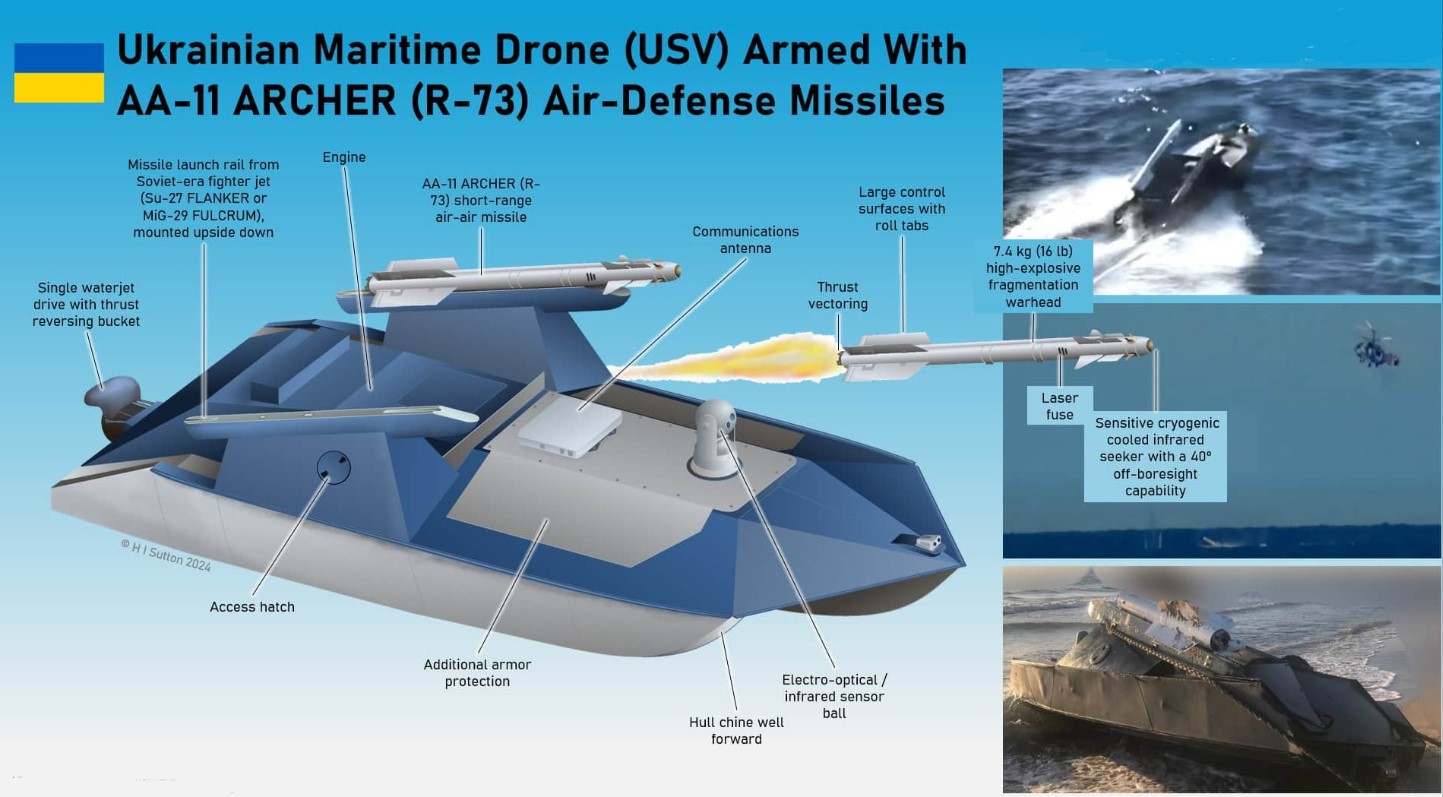
World
Ukraine's new armed maritime drones, equipped with air defense missiles, are changing the game in Black Sea naval combat, posing a significant threat to Russian aircraft and reshaping tactical dynamics.The ongoing conflict in Ukraine has showcased the pivotal role of unmanned surface vessels (USVs), particularly in naval combat within the Black Sea. These uncrewed vessels, equipped with cutting-edge technology, have been at the forefront of Ukraine's military strategy, challenging conventional warfare norms. Recent developments have seen the introduction of a groundbreaking addition to Ukraine's maritime arsenal: USVs armed with air defense missiles.Until now, Ukraine's USVs faced a significant vulnerability to aerial threats, particularly from helicopters armed with machine guns. However, the integration of air defense missiles onto these unmanned vessels has shifted the balance of power, making Russian pilots think twice before engaging them.This innovative maritime drone represents a global first in its operational deployment. Unlike previous iterations, this new USV boasts a wider hull design, allowing for the installation of two air-to-air missiles side-by-side.The missiles in question are R-73 air-to-air missiles, repurposed from existing military systems. The R-73, also known as the AA-11 Archer, is a Soviet-era short-range missile renowned for its agility and advanced seeker capabilities. While its range is somewhat limited compared to air-launched counterparts, with a reach of around 15 km (9 miles), its effectiveness in engaging aerial targets remains formidable.The introduction of air defense capabilities to Ukraine's USVs has significant implications for naval warfare dynamics in the region. These armed drones now possess a degree of self-protection, enabling them to fend off Russian helicopters and fighter jets effectively. Incorporating one or two of these "FrankenSAM" USVs into larger fleets of conventional USVs can significantly hinder Russian attempts to disrupt Ukrainian maritime operations.Moreover, the armed USVs open up new tactical possibilities, including the potential to ambush Russian aircraft operating from Crimean air bases. By positioning themselves along the Crimean coast, these drones can target unsuspecting aircraft during take-off or landing, potentially disrupting enemy operations.The emergence of Ukraine's armed maritime drones underscores the transformative impact of unmanned technology on modern warfare. Manufacturers worldwide are taking note of these advancements, with proposals for air defense-equipped USVs gaining renewed attention. As the conflict in Ukraine continues to evolve, the strategic significance of unmanned systems in naval operations is only set to grow.In conclusion, Ukraine's deployment of armed maritime drones represents a paradigm shift in naval warfare, offering a potent response to aerial threats and reshaping the dynamics of conflict in the Black Sea region.
Read More → Posted on 2024-05-21 09:14:02
World
The U.S. Army successfully demonstrated its new Autonomous Mobile Launcher (AML) at Yuma Proving Ground, showcasing advanced autonomous capabilities and enhanced long-range precision firepower. This innovation aligns with the Army Modernization Strategy, aiming to integrate robotics and autonomy to boost operational effectiveness.The U.S. Army recently showcased a significant advancement in military technology with the successful launch of three Reduced Range Practice Rockets (RRPR) during a demonstration at Yuma Proving Ground. This event highlighted the capabilities of the Army’s new Autonomous Mobile Launcher (AML) prototype, emphasizing its potential to enhance long-range precision fires.Key Features of the AML PrototypeOver two weeks leading up to the demonstration, the team fired six RRPRs, thoroughly testing the system’s capabilities. The AML prototype demonstrated various mobility modes, including teleoperations, waypoint navigation, and convoy operations. These modes allow the launcher to move independently from a concealed position to a firing point, adjust its direction as needed, and receive fire control commands from a remote operator.Collaboration and FeedbackThe demonstration was led by the DEVCOM Aviation & Missile Center (AvMC) team, in collaboration with the Ground Vehicle Systems Center (GVSC). Field Artillery Soldiers from the Tennessee National Guard conducted the operations, while experts from DEVCOM AvMC and GVSC collected valuable feedback to refine future designs.Lucas Hunter, AML project manager for DEVCOM AvMC, remarked, "The AML team has shown that remote, autonomous technologies can deliver Long-Range Precision Fires. This could boost firepower without significant changes to force structure or increased risk to Soldiers."Maj. Michael S. Lowry, executive officer of the 1-181st Field Artillery battalion, praised the event, saying, "Our Soldiers and the Tennessee National Guard are grateful for the opportunity to provide feedback on the AML program. Seeing its development from inception to operation in a tactical environment is a unique experience."Strategic ImpactThe AML concept aligns with the Army Modernization Strategy, which aims to integrate robotics and autonomy to enhance operational effectiveness. The autonomous, unmanned, highly mobile launcher, capable of being transported via C-130 aircraft, offers the potential to increase firepower by adding more launcher platforms and tripling the magazine depth, all without increasing personnel.Brig. Gen. Rory Crooks, director of the Long Range Precision Fires Cross-Functional Team, stated, "We are integrating humans and machines into formations to optimize the strengths of both. This allows humans to utilize terrain effectively while machines handle the execution, reducing risk."Future ProspectsThe successful live fire demonstration at Yuma Proving Ground validates the integration of autonomous technology into a modified High Mobility Artillery Rocket System (HIMARS) launcher. This achievement sets the stage for the AML’s participation in Valiant Shield 2024, a major military exercise.With the AML program set to transition to the Long Range Precision Fires Cross-Functional Team and their ASA (ALT) partners in Fiscal Year 2025, this demonstration underscores the Army’s commitment to advancing warfighter capabilities through innovative technologies and partnerships with industry.The integration of autonomous systems like the AML represents a significant step forward in military technology, promising enhanced capabilities and increased safety for Soldiers.
Read More → Posted on 2024-05-21 08:48:26
World
Babcock's Remora Vehicle Submarine Integration System unveiled at YIDEX 2024 promises to revolutionize Korean submarine capabilities with seamless AUV handling and operational flexibility.The Yi Sun-shin Defense Industry Exhibition (YIDEX) 2024 showcased a pivotal moment for South Korea's defense landscape, as it transitioned from a domestic affair to an international stage. With participation from over 60 domestic and 10 international defense companies, including industry giants like Hanwha and Babcock, the event marked the largest gathering in its history.Amidst this global interest, the Republic of Korea (ROK) Navy faces unique challenges, particularly in recruiting new sailors due to declining birth rates. To address this, the Navy is accelerating its adoption of unmanned systems under the Navy Sea GHOST concept, not only to bolster manpower but also to enhance its overall capabilities.At the recent exhibition, Babcock Korea, known for its contributions to the ROK Navy's KSS-III program, unveiled the innovative Remora Vehicle Submarine Integration System. Designed to augment Korean submarines, this system facilitates the seamless handling of extra-large Autonomous Underwater Vehicles (AUVs), enhancing operational flexibility.Inspired by the marine creature known as the suckerfish or Remora, which attaches itself to larger marine animals, the Remora system can be mounted on existing submarines without compromising their performance. It offers multiple installation options to minimize interference with other submarine systems and ensures flexibility in AUV operations.Key features of the Remora system include a low-profile shape for stealthy deployment and retrieval, an umbilical connection for rapid charging and data transfer during docking, and the ability to deploy and retrieve AUVs without interrupting the mother ship's maneuvers. Moreover, it facilitates dry transfer of divers and seals to the AUV, further enhancing operational efficiency.Babcock highlighted the benefits of operating large-scale, submarine-deployable AUVs, which can be globally deployed from shipping containers or large cargo planes like the C-17 through air drops, while transporting crews and payloads. Although initially developed for the Royal Navy, the Remora system's flexibility and compatibility make it suitable for integration with various AUVs, including those planned for use by the ROK Navy.In essence, the Remora Vehicle Submarine Integration System represents a significant leap forward in enhancing Korean submarine capabilities, offering unparalleled flexibility, stealth, and operational efficiency. As the ROK Navy embraces unmanned systems to address evolving challenges, collaborations with innovative partners like Babcock are poised to reshape the future of maritime defense.
Read More → Posted on 2024-05-20 16:00:56
World
Lockheed Martin achieves a milestone by successfully testing the PAC-3 MSE interceptor from the ( Vertical launching system ) MK-70 containerized launch platform, enhancing U.S. missile defense capabilities against advanced threats. This test showcases the versatility and effectiveness of Lockheed Martin's Integrated Air and Missile Defense systems in countering diverse airborne and missile-based threats.Lockheed Martin, in collaboration with multiple Department of Defense Services and Components, has successfully launched a Patriot Advanced Capability (PAC-3) Missile Segment Enhancement (MSE) interceptor from an MK-70 containerized launch platform. The test marked a significant milestone as it was the first time the PAC-3 MSE was deployed in this configuration to intercept a live cruise missile target.The test utilized the Virtualized Aegis Weapon System, demonstrating the enhanced capabilities of Lockheed Martin's Integrated Air and Missile Defense (IAMD) systems. Tom Copeman, vice president of Strategy and Naval Programs at Lockheed Martin, emphasized the company's dedication to advancing integrated technology to address evolving threats and protect service members.The PAC-3 MSE interceptor is renowned for its Hit-to-Kill technology, which is effective against a variety of advanced threats, including tactical ballistic missiles, cruise missiles, hypersonic missiles, and aircraft. This recent test highlights Lockheed Martin's progress in providing enhanced IAMD capabilities to the U.S. military, ensuring defense against complex and simultaneous threats from air, surface, and missile attacks.Lockheed Martin has been actively developing and showcasing the navalized version of the PAC-3 MSE, which can be integrated with the U.S. Navy's Aegis Weapon System. The company presented the Mk.41 configuration of the PAC-3 MSE at the Surface Navy Association 2023 and Sea Air Space 2023 events. The navalized concept aims to expand the missile's defensive capabilities, with growing production lines and integration tests, including the Navy Integrated Fires Terminal Defense study completed last year.The vertical launch system for the PAC-3 MSE canister is designed to fit across all Mk.41 systems, and the ground-based Mk.70 system used in the recent test has already been deployed by both the U.S. Army and Navy. This flexibility enhances the operational capabilities of the U.S. military, allowing for a more robust and adaptable defense system.Overall, Lockheed Martin's successful test of the PAC-3 MSE from the MK-70 platform demonstrates a significant advancement in missile defense technology, ensuring that U.S. forces are well-equipped to handle the sophisticated threats of modern warfare.
Read More → Posted on 2024-05-20 15:56:00
World
Lithuania contributes six AMBER 1800 radar systems to Ukraine's air defense, bolstering detection capabilities against missile and air threats amid ongoing conflict. This initiative, part of a broader German-led effort, underscores NATO's collaborative commitment to supporting Ukraine's security.Lithuania will provide six AMBER 1800 radar systems to Ukraine as part of the German-led Immediate Action on Air Defense initiative. This initiative aims to quickly strengthen Ukraine's air defense by sourcing available systems from NATO and non-NATO countries.The German Ministry of Defense stated, "Lithuania is participating in the Immediate Action on Air Defense initiative, launched by the Ministry of Defense and the Foreign Office. This initiative is aimed at strengthening Ukraine’s air defense. The associated sale of six AMBER 1800 radar systems is Lithuania’s contribution to saving lives in Ukraine."Capabilities of the AMBER 1800 Radar SystemThe AMBER 1800 is a ground-based, very high frequency-band radar system developed by Altimus-Tech. It is designed for automatic air target detection and can be deployed on prepared sites. Key features include:Automatic Tracking: The radar can automatically track air targets within specific airspace areas and provide real-time information on angle and range.Enhanced Detection: It has a greater detection range for smaller and low-contrast targets, such as cruise missiles and stealth aircraft.Data Display: The system displays videos, plots, and tracks, enhancing situational awareness.Strategic ImportanceUkraine has faced significant threats from missile and air strikes, making the enhancement of its air defense systems critical. The AMBER 1800 radar systems will contribute to Ukraine’s ability to detect and respond to these threats more effectively.Broader ContextThe Immediate Action on Air Defense initiative underscores the urgency and collaborative effort required to bolster Ukraine's defense capabilities amid ongoing conflict. By tapping into available resources quickly, the initiative aims to provide a rapid response compared to traditional procurement processes, which can be time-consuming.Lithuania’s contribution reflects a broader commitment among NATO allies and partners to support Ukraine. Other nations participating in this initiative include Germany, which is leading the effort, and potentially other NATO members who can provide similar support.ConclusionLithuania’s delivery of the AMBER 1800 radar systems is a significant step in enhancing Ukraine’s air defense. These advanced radar systems will improve the country’s ability to detect and respond to air threats, ultimately aiming to save lives and maintain security in the region.
Read More → Posted on 2024-05-20 15:39:52Search
Top Trending in 24 Hours
-
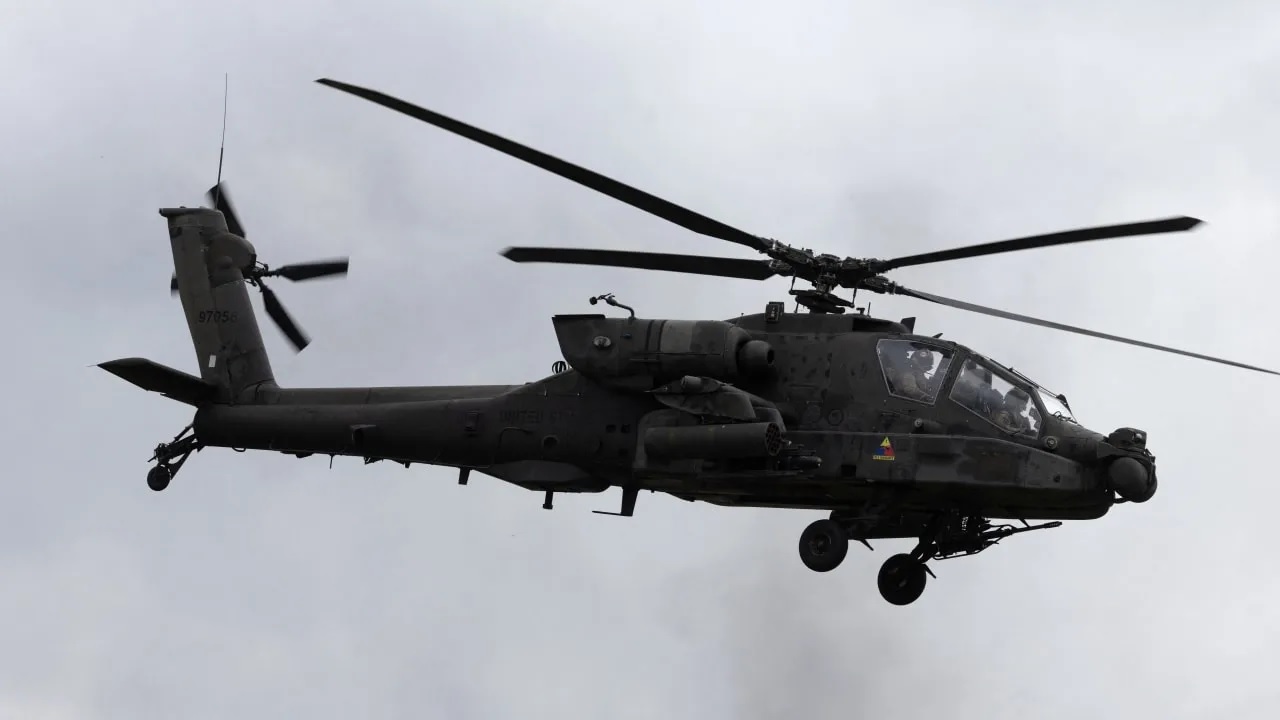 US Army Apache Helicopter Crashes Near Strait of Hormuz; Crew Rescued Safely
-
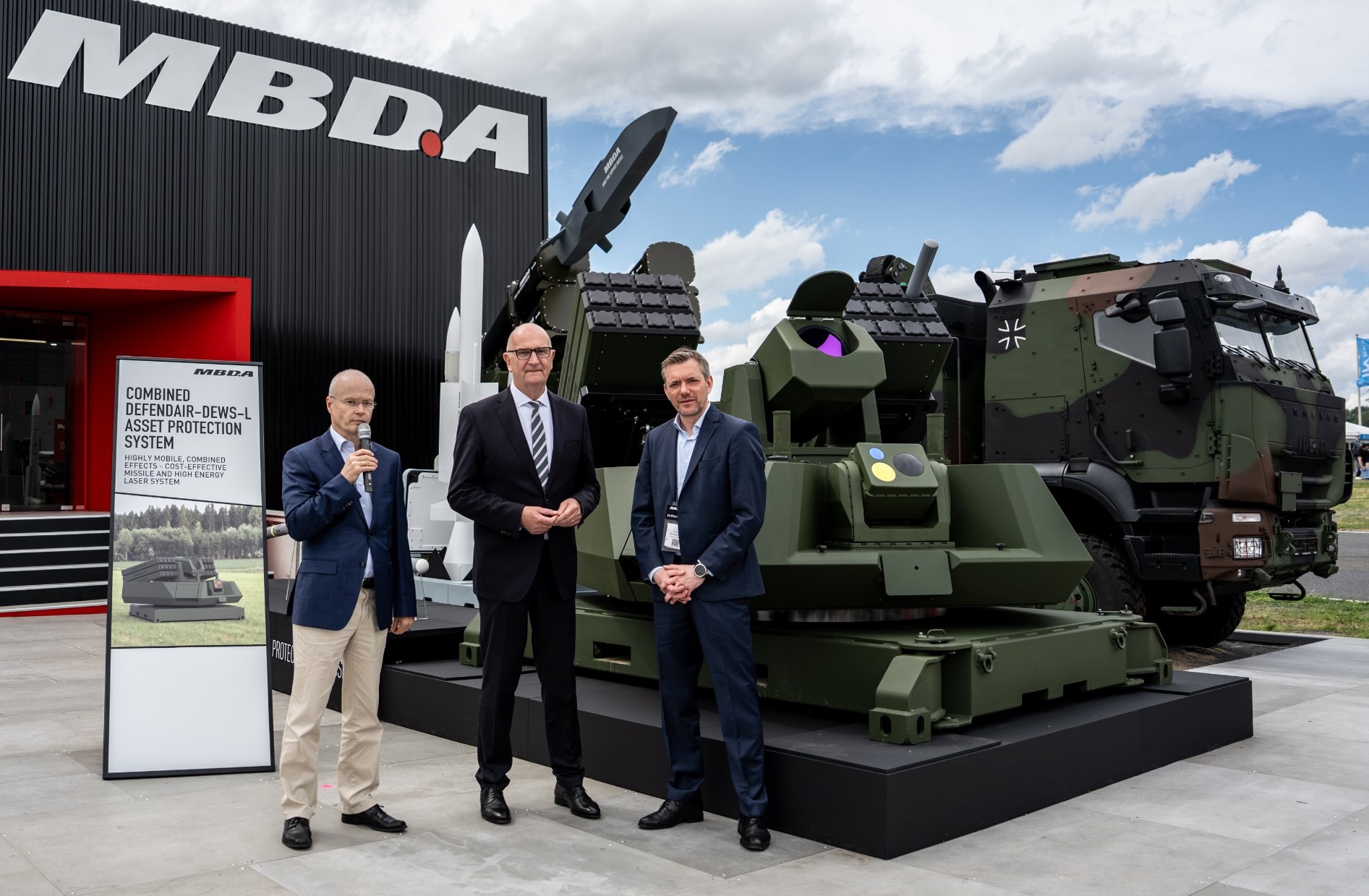 MBDA Unveils Hybrid DefendAir–DEWS-L Counter-Drone System Combining 24 DefendAir Missiles and Laser Weapon on Single Turret
-
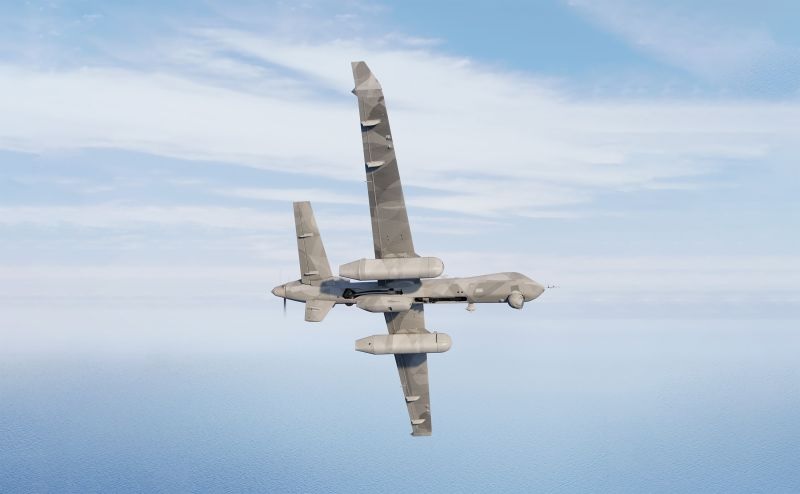 Japan Considers Equipping MQ-9B Drones with AESA Early Warning Radar for Pacific Monitoring
-
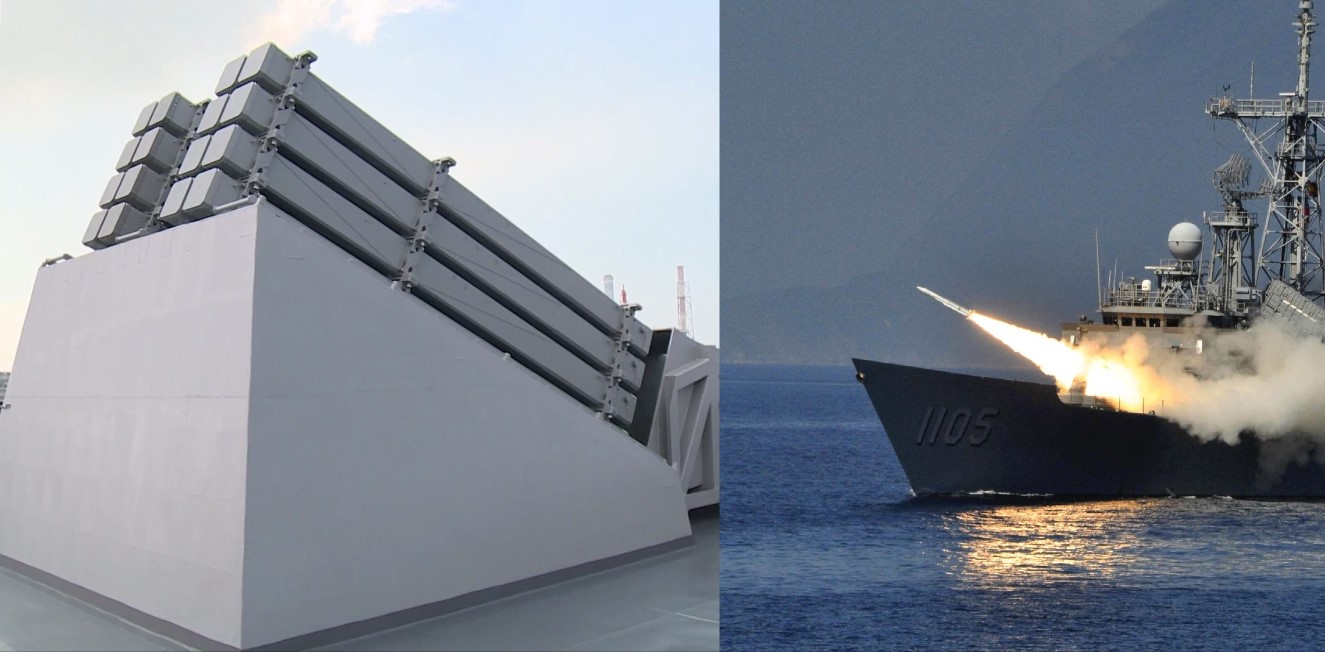 Taiwan Plans Production of Up to 1,376 Sea Sword II Missiles for Major Naval Air Defense Upgrade
-
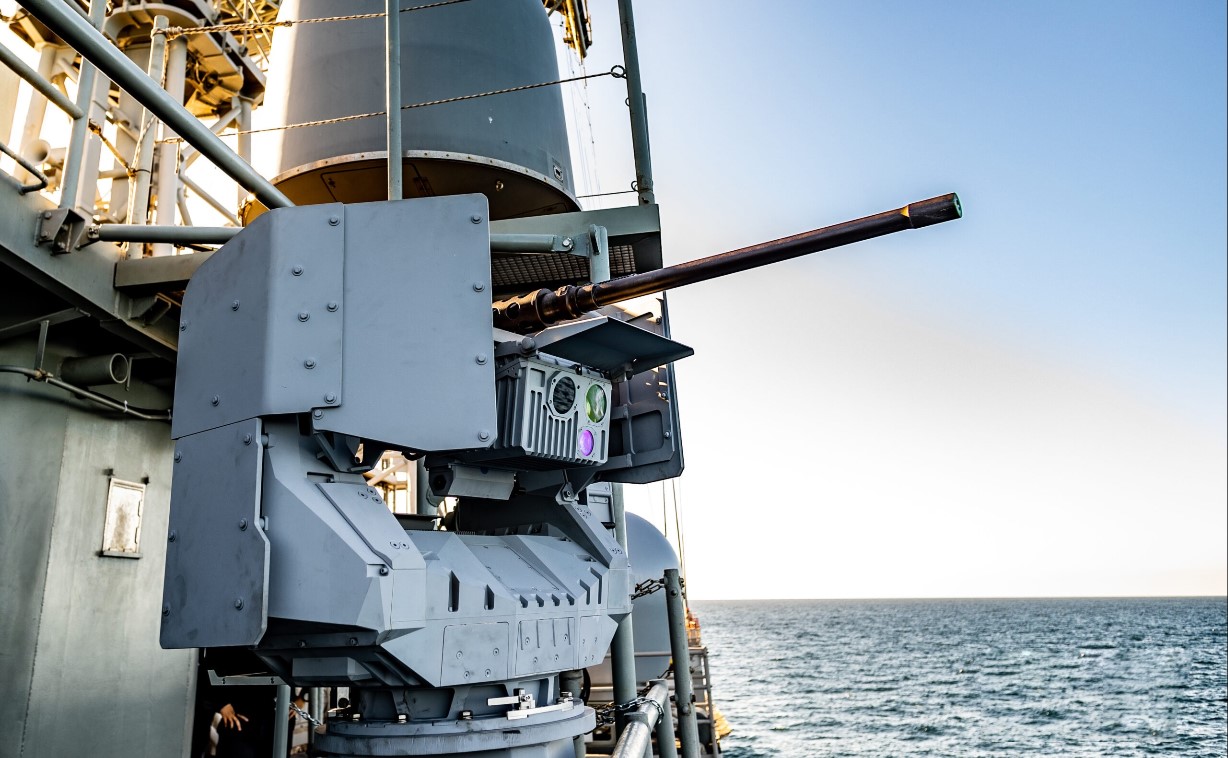 Portuguese Navy Orders 47 SENTINEL Remote Weapon Stations from Spain’s EM&E Group
-
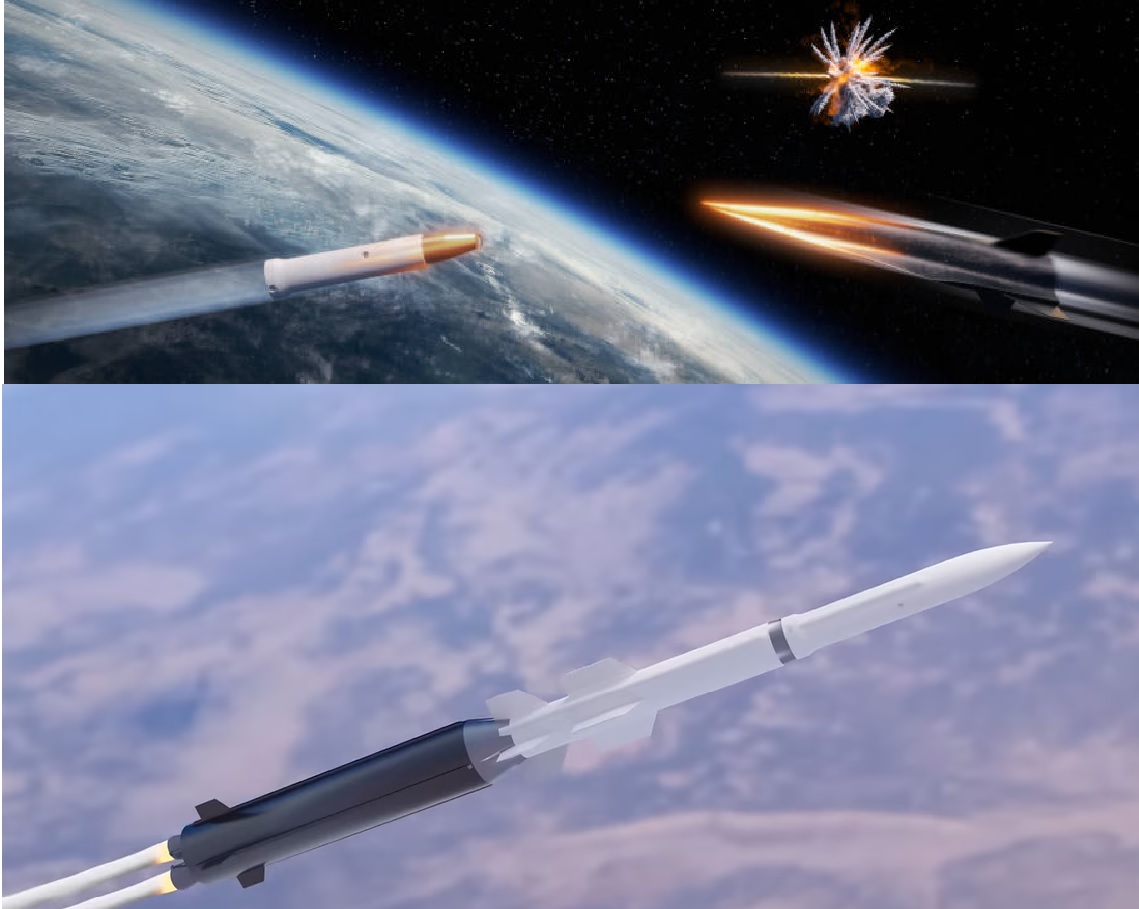 MBDA Develops AQUILA Interceptor to Counter Hypersonic and Maneuvering Missile Threats
-
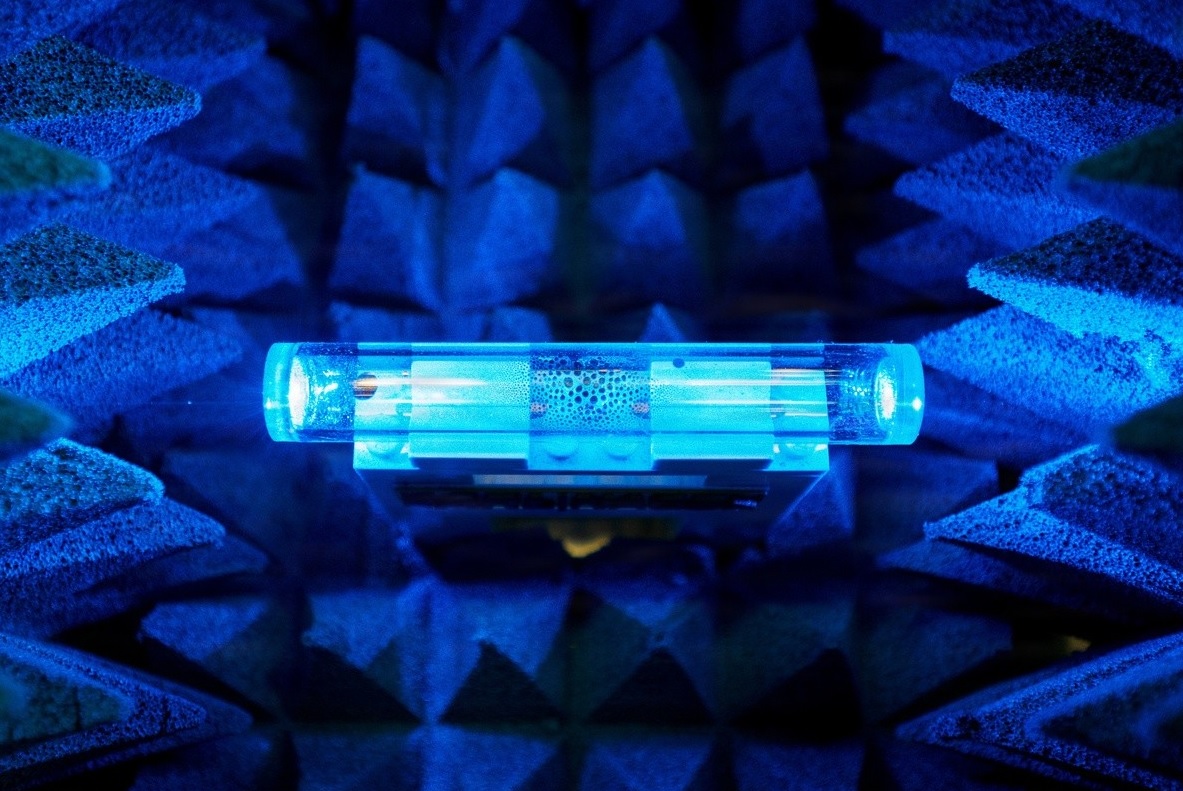 U.S. Army Successfully Demonstrates Quantum Sensor That Can Precisely Locate Radio Signals in 3D
-
 Boeing Completes First Flight Tests of KC-46A Refueling Vision System Ahead of 2027 Fleet Retrofit
Top Trending in 4 Days
-
 Trump Administration Weighs Purchase of Chagos Islands to Secure Diego Garcia Base
-
 Missile Debris in Ukraine Suggests First Operational Use of U.S.-Made ERAM Cruise Missiles
-
 First Satellite of Russia's Rassvet Broadband Constellation Reenters Atmosphere After Less Than Three Months in Orbit
-
 Germany and France End Joint Next-Generation Fighter Development Under FCAS Program
-
 Taiwan Marine Corps Seeks NASAMS Air Defense Systems to Protect Naval Bases and Coastal Areas
-
 British Army Tests Autonomous Ghost and Bolt Drones Near Russian Border During NATO Exercise in Finland
-
 Cuba Distributes Weapons to Civilians Amid Growing Tensions with the United States
-
 Battlefield-Tested Ukrainian Obriy 1.3 Drone Detector Seen During U.S. Army Training Exercise