
World
Iranian President Ebrahim Raisi has died in a helicopter crash near the Azerbaijan border, along with several high-ranking officials. First Vice President Mohammad Mokhber is expected to assume the role of interim president.Tehran, May 20, 2024 – Iranian President Ebrahim Raisi has been confirmed dead following a helicopter crash near Iran's border with Azerbaijan. The tragedy occurred as Raisi was returning home after inaugurating a dam with Azerbaijan President Ilham Aliyev.The helicopter, a US-made Bell 212, crashed approximately 30 minutes after takeoff from Azerbaijan. The crash was attributed to heavy clouds and dense fog, according to Iranian media reports. Those accompanying Raisi included Foreign Minister Hossein Amirabdollahian, imam Seyyed Mohammad-Ali Al-Hashem, the governor of East Azerbaijan province, and other high-ranking state officials. All were confirmed dead after an hours-long search-and-rescue operation, which was hampered by thick fog and freezing temperatures.Rescue teams, assisted by the European Union and Turkey, struggled to reach the crash site due to challenging weather conditions. They arrived 12 hours later to find the helicopter completely burnt, with debris scattered across the mountainous region.Iran's first Vice President, Mohammad Mokhber, is expected to take over as the interim president. Mokhber, born on September 1, 1955, has a close relationship with Supreme Leader Ali Khamenei and became the first vice president in 2021 after Raisi's election.The Iranian government issued a statement assuring that the country will continue to operate without disruption despite the president's death. The tragedy has sparked reactions worldwide. Indian Prime Minister Narendra Modi expressed his deep sadness and shock over Raisi's demise. Oil prices have also surged due to political uncertainty in Iran, a major oil producer.Hamas, the Palestinian Islamist group, mourned Raisi's death, highlighting his support for the Palestinian cause during recent conflicts with Israel.Article 131 of Iran's Constitution stipulates that the first vice president becomes the acting president upon the president's death, pending confirmation by the supreme leader. As such, Mohammad Mokhber is poised to step into the role of acting president.Ebrahim Raisi, who served as Iran's Chief Justice before becoming president, was known for his conservative stance and close ties with Supreme Leader Khamenei. His death marks a significant moment for Iran, potentially impacting both domestic politics and international relations.The nation now looks to its leadership to navigate through this period of uncertainty and maintain stability amidst the loss of its president.
Read More → Posted on 2024-05-20 09:02:32
World
Iran's President Ebrahim Raisi and Foreign Minister Hossein Amirabdollahian were involved in a helicopter accident in East Azerbaijan province, with rescue efforts underway amidst challenging weather conditions. The incident occurred during their return from an event with Azerbaijan's President Ilham Aliyev, highlighting concerns over Iran's aging helicopter fleet.On Sunday, a helicopter carrying Iran's President Ebrahim Raisi and Foreign Minister Hossein Amirabdollahian made a hard landing in East Azerbaijan province. The incident occurred near Jolfa, a city bordering Azerbaijan, about 600 kilometers northwest of Tehran, according to Iranian state television.Rescue teams are on the scene, trying to locate the helicopter and ensure the safety of those on board. Reports indicate that two other helicopters in the convoy landed safely, while the third experienced difficulties.President Raisi, 63, a former judiciary chief and a close ally of Supreme Leader Ayatollah Ali Khamenei, was returning from an event where he and Azerbaijan’s President Ilham Aliyev inaugurated a dam on the Aras River. The dam is the third collaborative project between Iran and Azerbaijan on this river.Iran’s Interior Minister Ahmad Vahidi confirmed the hard landing and stated that bad weather conditions had complicated rescue efforts. Drone units have been deployed to assist in the search and rescue operation.The Iranian Red Crescent Society is involved in the rescue operations, facing challenges due to the difficult weather conditions. So far, there have been no updates on the exact condition of President Raisi, Foreign Minister Amirabdollahian, East Azerbaijan Governor Malek Rahmati, and the other passengers.The helicopter fleet in Iran has struggled with maintenance issues due to international sanctions, which have made it difficult to obtain parts. This fleet largely consists of aircraft dating back to before the 1979 Islamic Revolution.Further information will be provided as rescue operations continue and more details become available.
Read More → Posted on 2024-05-19 15:30:49
World
Indonesia's submarine project with PT PAL and Naval Group advances, integrating advanced technologies for enhanced naval capabilities and potential collaborations with India.Indonesia is advancing its naval capabilities with a significant investment in submarine technology. The state-owned shipbuilder PT PAL Indonesia, located in Surabaya, East Java, has begun preparations for constructing the Scorpène Evolved submarines. This $2.16 billion project, supported by the French company Naval Group, is expected to deliver submarines to the Indonesian Navy (TNI AL) within eight years.Facility Upgrades and TrainingTo facilitate this project, PT PAL is upgrading its submarine production facilities. This includes building a new torpedo and electronic workshop and an office dedicated to its submarine division. Furthermore, PT PAL has contracted Norway-based Syncrolift AS to provide a $15 million ship lift and transfer system, which will be 100 meters long and capable of lifting 6,000 tonnes. This system will support both the construction and maintenance of submarines.Indonesian engineers involved in the Scorpène Evolved project will receive training, certification, and supervision from the Naval Group and other relevant entities, ensuring they are well-prepared for the task ahead.Advanced Technologies and CapabilitiesDuring the Future Submarine International Seminar & Showcase held in Jakarta, Naval Group highlighted the integration of Unmanned Underwater Vehicles (UUVs) with the Scorpène Evolved. These UUVs can perform various missions, including special forces support and intelligence, surveillance, and reconnaissance (ISR). MBDA presented its SM39 B2 Mod 2 Exocet missile, which can be launched from the Scorpène’s torpedo tubes, indicating potential future capabilities for Indonesia’s submarine fleet.Admiral Muhammad Ali, Chief of Staff of the Indonesian Navy, emphasized the importance of lithium-ion batteries (LIBs) in the new submarines. These batteries will allow the submarines to remain submerged for extended periods, enhancing their stealth capabilities. Admiral Ali also outlined plans to build more submarine bases and procure additional submarines, aiming for a fleet of at least 12 full-size submarines to patrol Indonesia’s vast maritime territory.Financing and Future AcquisitionsThe Indonesian Ministry of Finance is currently arranging the loan agreement to finance the submarine project. Meanwhile, the Indonesian Ministry of Defence has proposed acquiring four more submarines, with two expected between 2025 and 2029 and another two between 2035 and 2039. France, Germany, Italy, and Turkey are the main contenders for supplying these additional submarines.Potential Indian CollaborationIndian companies, particularly Mazagon Dock Shipbuilders Limited, have shown interest in joining PT PAL’s Scorpène project. India has experience with local production of Scorpène-class submarines, which could be beneficial for the Indonesian project. This collaboration could also help India maintain its expertise in submarine construction and gain experience with the latest Scorpène variant.ConclusionIndonesia’s partnership with Naval Group and the upgrades at PT PAL’s facilities signify a significant step in enhancing the country’s naval capabilities. The integration of advanced technologies and potential collaborations with other countries underscore Indonesia’s commitment to modernizing its submarine fleet and securing its maritime interests.
Read More → Posted on 2024-05-19 15:17:57
World
Leonardo Canada Electronics has introduced SkyTender, a C-UAS Planning and Assessment Tool designed to optimize counter-drone operations in complex RF environments. This innovative tool simulates C-UAS effectiveness, aiding pre-mission planning and sensor deployment for maximum operational efficiency.Leonardo Canada Electronics (LCE) has introduced SkyTender, an advanced C-UAS (counter-uncrewed air system) Planning and Assessment Tool at AOC Europe 2024, the premier electronic warfare conference. This innovative tool marks a significant advancement in simulation technology, tailored to meet the growing needs for effective C-UAS solutions in challenging and crowded radio frequency (RF) environments.SkyTender leverages Leonardo’s extensive expertise in electronic warfare, built over a century, and LCE’s 30+ years of experience in electronic warfare simulation. This tool enables users to simulate the effectiveness of C-UAS operations before actual deployment, supporting pre-acquisition evaluation, pre-mission planning, and efficient setup of ground-based air defense systems. By optimizing sensor deployment and placement, SkyTender ensures maximum effectiveness against uncrewed air systems.Key features of SkyTender include:Comprehensive Simulation Capabilities: SkyTender can evaluate spectral environments and topography, simulate threats, sensors, and platforms, and integrate cyber, electromagnetic, and kinetic effects. This allows operators to optimize the detection, tracking, and identification functions of their C-UAS solutions.Multi-Domain Application: The tool is designed for use in various operational domains, ensuring readiness and effectiveness across all RF environments.User-Friendly Interface: SkyTender provides an intuitive interface for defining operational environments and accessing pre-configured scenarios and library assets.Training and Support: Comprehensive training and support services are available, ensuring that defense and security personnel can effectively use the tool.SkyTender complements Leonardo’s existing C-UAS capabilities, which include modular and scalable systems protecting airspaces, installations, and personnel from rogue drones. Leonardo's C-UAS systems, like the Falcon Shield, are already in use by the Canadian and UK Armed Forces, providing critical asset protection and national security. Additionally, the ACUS-Enhanced C-UAS system is currently contracted with the Italian Armed Forces.Leonardo’s new tool is a response to the increasing use of drones in modern warfare and security operations. The ability to simulate and optimize C-UAS operations before deployment is crucial for maintaining an edge in electronic warfare and ensuring the protection of critical infrastructures.SkyTender is now available to armed forces and security organizations worldwide, enhancing their capabilities to counter the evolving threats posed by uncrewed air systems.
Read More → Posted on 2024-05-19 14:57:17
World
An Israeli airstrike killed 27 in central Gaza, mainly women and children, as fighting with Hamas intensified. Israeli leaders are debating Gaza's future governance amid internal and international pressure.Deir al-Balah, Gaza Strip (May 19, AP) — An Israeli airstrike killed 27 people in central Gaza on Sunday, most of them women and children, as intense fighting with Hamas continued in the north. The conflict, now in its eighth month, has sparked internal debate among Israeli leaders over the future governance of Gaza.Prime Minister Benjamin Netanyahu is under pressure from War Cabinet members, including political rival Benny Gantz, who has threatened to leave the government if a plan for Gaza’s postwar administration is not established by June 8. Gantz supports an international administration to govern Gaza, which contrasts with Netanyahu's stance of maintaining Israeli security control and partnering with local Palestinians unaffiliated with Hamas or the Palestinian Authority (PA).US National Security Adviser Jake Sullivan is scheduled to meet with Netanyahu and other Israeli leaders to discuss a US plan for Saudi Arabia to recognize Israel and support the PA in governing Gaza in exchange for a pathway to Palestinian statehood. However, Netanyahu opposes Palestinian statehood and has rejected such proposals.Gantz has expressed support for normalizing ties with Saudi Arabia and other Arab countries but insists that no external force should impose a Palestinian state on Israel. His potential withdrawal from the government would not collapse Netanyahu's coalition but would increase his reliance on far-right allies who advocate for extreme measures such as the "voluntary emigration" of Palestinians from Gaza and full military occupation.Ongoing Conflict and Humanitarian CrisisThe conflict has intensified, particularly in northern Gaza, where Hamas militants have regrouped. Israeli airstrikes in Nuseirat, a densely populated refugee camp, resulted in 27 deaths, including 10 women and seven children. The bodies were taken to Al-Aqsa Martyrs Hospital in Deir al-Balah. Additional strikes in Nuseirat and Deir al-Balah killed several others, including a senior Hamas police officer.In northern Gaza, heavy fighting and airstrikes have caused significant destruction and loss of life. The World Food Programme reports a famine in the region, exacerbating the humanitarian crisis. The Civil Defence reported strikes near Kamal Adwan Hospital in Beit Lahiya, killing at least 10 people. Rescue efforts have been hampered by ongoing violence, with hundreds of bodies recovered and many homes destroyed.Background and Current SituationThe current conflict began after Hamas launched an attack on southern Israel on October 7, killing around 1,200 people and abducting approximately 250. Since then, over 35,000 Palestinians have died, and 80% of Gaza's 2.3 million residents have been displaced, according to Gaza's Health Ministry.Netanyahu has faced domestic criticism for his handling of the war, with accusations of prolonging the conflict and rejecting ceasefire deals. Polls suggest that Gantz, a centrist, could potentially succeed Netanyahu if early elections were held, exposing Netanyahu to longstanding corruption charges.The US has expressed growing frustration with Israel’s conduct and the humanitarian crisis in Gaza. Recently, the Biden administration delayed a shipment of 3,500 bombs and restricted offensive weapons for a full-scale invasion of Rafah due to humanitarian concerns. However, after Israel's limited operation in Rafah, the US announced it would proceed with a $1 billion arms sale to Israel.As the conflict rages on, the international community continues to call for measures to alleviate the humanitarian crisis and find a sustainable solution for Gaza’s future governance.
Read More → Posted on 2024-05-19 14:51:06
World
Israeli forces recovered the body of Ron Benjamin from Gaza, a day after retrieving three other hostages' remains, all killed by Hamas on October 7. The operations reflect ongoing efforts amid the intense conflict.Israeli military forces retrieved the body of Ron Benjamin, a 53-year-old Israeli citizen, from the Gaza Strip on Saturday. This recovery follows the retrieval of the bodies of three other hostages the previous day, as reported by The Times of Israel.Ron Benjamin was abducted by Hamas militants on October 7 during an attack near Mefalsim, close to the Gaza border. According to IDF Spokesman Rear Admiral Daniel Hagari, Benjamin was killed by Hamas on the same day of his abduction. His body was found and recovered in an overnight operation conducted by the IDF.Benjamin's last known communication was a voice message to one of his daughters at 7:30 am on October 7. He had been on a group bike ride near Kibbutz Beeri but decided to return home to Rehovot after hearing sirens signaling the attack. He had also spoken with his wife, Ayelet, that morning.On Friday, the IDF had already recovered the bodies of three other hostages—Itzhak Gelerenter, Amit Buskila, and Shani Louk. These individuals were at the Supernova music festival near Re’im when the Hamas-led attack commenced on October 7. They fled to the Mefalsim area but were killed by Hamas terrorists, and their bodies were subsequently taken to Gaza.Gelerenter and Buskila had previously been presumed alive until the recovery operation, while Louk's death had been confirmed in late October after a fragment of her skull was identified. She had been widely known due to footage showing her abduction by Hamas.The recent operations to recover the hostages' bodies have been part of the ongoing conflict between Israeli forces and Hamas, which has seen intense fighting and significant casualties on both sides. The recovery missions are carried out in collaboration with Israel's internal security service, Shin Bet.These developments highlight the ongoing efforts of the IDF to retrieve all hostages and remains held by Hamas in Gaza amidst the volatile and dangerous environment of the region.
Read More → Posted on 2024-05-19 14:43:12
World
USVRON Three established to lead unmanned surface vessel operations, enhancing Navy's capabilities for future maritime challenges.The U.S. Navy has established a new command, USVRON Three, to oversee a fleet of small, unmanned surface vessels (sUSVs) known as Global Autonomous Reconnaissance Craft (GARC). During a recent ceremony, Capt. Derek Rader took command of the newly formed squadron.Capt. Rader highlighted the critical role of sailors in integrating these unmanned systems into the Navy. “Our Sailors are the essential key for integration of unmanned surface vessels in the Navy and joint construct,” Rader said. He emphasized that this integration will be achieved through fleet testing and doctrine development by current operators, who are crucial to maximizing the potential of these new technologies.The GARCs, manufactured by the Maritime Applied Physics Corporation, are 16-foot USVs designed for research, testing, and operations. These vessels will enhance the Navy’s warfighting capabilities by providing additional capacity and flexibility. They can operate with carrier strike groups, surface action groups, or independently, offering commanders more options for tactical and strategic missions.Vice Adm. Brendan McLane, Commander of Naval Surface Forces U.S. Pacific Fleet, delivered the keynote speech at the ceremony. “With challenging obstacles to overcome, we have put the right team in place at USVRON Three,” McLane said. He expressed confidence in the 400 talented warfighters assigned to integrate and experiment with these unmanned systems.USVRON Three will also incorporate a new rating, the robotics warfare (RW) specialist, into their teams. This rating, announced in February by the Chief of Naval Operations, is designed to support Robotic Autonomous System (RAS) operations and maintenance. RW specialists will be experts in computer vision, mission autonomy, navigation autonomy, data systems, artificial intelligence, and machine learning on RAS platforms.USVRON Three will report to Surface Development Group (SURFDEVGRU) One, led by Commodore Shea Thompson. Thompson emphasized the opportunity to shape the future of unmanned surface vessel capabilities. “There are currently no boundaries, and we have an incredible opportunity to determine what right looks like within our sphere of influence,” Thompson said.The mission of USVRON Three is to develop formidable unmanned platforms for maritime operations. The squadron will play a key role in building the foundational knowledge needed to operate and maintain sUSVs and will lead the development of tactics, techniques, and procedures (TTPs) for their use and sustainment. The squadron’s motto is “Victory Through Ferocity.”SURFDEVGRU 1 oversees the maintenance, training, and manning of unmanned surface vessels, Zumwalt-class guided missile destroyers, and the future USS Lyndon B. Johnson (DDG 1002). The broader mission of the Commander of Naval Surface Forces Pacific (CNSP) is to man, train, and equip the Surface Force, providing fleet commanders with the credible naval power needed to control the sea and project power ashore.This new initiative underscores the Navy’s commitment to integrating advanced unmanned systems into its operations, enhancing its capabilities and preparing for future maritime challenges.
Read More → Posted on 2024-05-19 04:13:07
World
Slovakia announces plans to acquire over 100 main battle tanks for two new battalions, enhancing defensive capabilities and aligning with NATO standards.The Ministry of Defence of the Slovak Republic has announced plans to purchase more than 100 main battle tanks to form and equip two new tank battalions within the land forces. This development was disclosed by officials at the Future Armoured Vehicles Central & Eastern Europe conference, held on May 13-14 in Prague, Czech Republic.By 2030, the Slovak Armed Forces will be operating 45 main battle tanks as part of the 14 Tank Battalion, which is a unit of the 2 Mechanized Brigade. Currently, this battalion includes 30 Soviet-era T-72 tanks. Although there were considerations to upgrade these T-72 tanks, Captain Jakub Murcek from the Modernization Department of the Slovak Ministry of Defence has confirmed that they will not undergo modernization.In addition to the T-72s, Slovakia has recently integrated 15 Leopard 2A4 tanks into its land forces. These tanks were provided by the German defence company Rheinmetall under the "Ringtausch" initiative, which aims to compensate countries that have donated military equipment to Ukraine. Captain Murcek stated that the Leopard 2A4 tanks will be fully integrated by the end of 2024.During the conference, Captain Murcek revealed that the structure of the Slovak land forces will undergo significant reorganization in the coming years. The Ministry of Defence plans to form two new tank battalions, each equipped with 52 newly procured main battle tanks. While the specific type of tanks to be purchased has not yet been decided, the Ministry is currently evaluating offers from various manufacturers. An agreement for the acquisition of these tanks is expected to be signed either this year or in 2025.This procurement plan is part of Slovakia’s broader strategy to modernize its military capabilities and enhance its defensive readiness. The new tanks are expected to provide the Slovak Armed Forces with improved firepower, mobility, and protection, aligning with NATO standards and strengthening Slovakia's position within the alliance.The move comes amidst a broader trend in Central and Eastern Europe, where countries are investing in modernizing their military equipment in response to evolving security challenges in the region.
Read More → Posted on 2024-05-19 04:00:14
World
The United States conducts a subcritical nuclear test in Nevada, gathering essential data for nuclear warhead safety and effectiveness without nuclear explosions. This test marks the third under President Joe Biden's administration, aligning with international non-proliferation standards.The United States conducted a subcritical nuclear test at the Nevada National Security Site earlier this week, as confirmed by the US Department of Energy's National Nuclear Security Administration (NNSA). This experiment, the first in the Nimble series, was carried out at the Principal Underground Laboratory for Subcritical Experimentation (PULSE) facility, in collaboration with the Lawrence Livermore National Laboratory.This test, the third under President Joe Biden's administration, took place on Tuesday. According to the NNSA, the objective was to gather essential data to ensure the safety and effectiveness of the country's nuclear warheads without involving nuclear explosions. Subcritical tests allow scientists to study nuclear materials and warhead components under conditions that do not produce a nuclear chain reaction.The United States has maintained a moratorium on tests involving nuclear explosions since 1992, opting instead for subcritical tests to comply with international standards. The NNSA emphasized that the latest experiment, along with all previous subcritical experiments, adheres to the zero-yield standard of the Comprehensive Nuclear Test Ban Treaty (CTBT). This means no actual nuclear explosions occur, thus aligning with global non-proliferation efforts.The most recent subcritical test before this took place in September 2021. Deputy Administrator for Defense Programs, Marvin Adams, highlighted the importance of these tests, stating, "We plan to increase the frequency of these subcritical experiments so we can continue to gather important data on nuclear weapons materials, with no technical need for a return to underground nuclear explosive testing."Subcritical tests are crucial for the NNSA as they provide valuable insights into the behavior of nuclear materials under various conditions, ensuring the reliability and safety of the US nuclear arsenal. This approach enables the US to maintain its defense capabilities while adhering to international non-proliferation norms.
Read More → Posted on 2024-05-19 03:56:27
World
The Sea Spider: A compact, agile Anti-Torpedo Torpedo designed to swiftly intercept and destroy underwater threats, ensuring naval vessels remain safe and secure.The ocean depths hold a constant threat to naval vessels: torpedoes. These fast, stealthy weapons can cripple or destroy a ship in a single hit. To counter this danger, Atlas Elektronik developed the Sea Spider, a revolutionary Anti-Torpedo Torpedo (ATT) designed to be an effective and affordable shield against underwater attacks.What is the Sea Spider?The Sea Spider is the world's first dedicated ATT. Unlike traditional torpedoes with multi-purpose roles, the Sea Spider is built from the ground up for a singular mission: destroying incoming torpedoes. This focus allows it to excel in several key areas:Unmatched Maneuverability: Its compact size (1.94 meters long, 210 millimeters diameter) and non-standard design prioritizes agility. This enables the Sea Spider to outmaneuver even the most advanced enemy torpedoes.Rapid Response: Utilizing a solid rocket propellant, the Sea Spider boasts exceptional speed, allowing it to quickly close the distance and engage incoming threats.Shallow Water Prowess: Unlike some torpedoes hampered by shallow water environments, the Sea Spider maintains optimal performance due to its low self-noise propulsion system.Advanced Defense System Integration: The Sea Spider functions seamlessly within a larger torpedo defense system, receiving targeting data and launch commands for a coordinated response.Technical SpecificationsLength: 1.94 metersDiameter: 210 millimetersWeight: 107 kilogramsPropulsion: Solid rocket propellantGuidance: Advanced solid-state microprocessor with C&G logic (countermeasures against wake-homing torpedoes and salvos)Sonar: High-frequency sonar for effective detection in deep and shallow watersKey FeaturesHard-Kill Defense: The Sea Spider directly engages and destroys incoming torpedoes, offering a more definitive solution compared to decoy or jamming techniques.Versatility: Unaffected by the attacking torpedo's guidance or propulsion system, the Sea Spider can counter a wide range of threats.Affordability: Designed with cost-effectiveness in mind, the Sea Spider provides a practical solution for navies seeking to bolster their defenses.Safety Measures: The Sea Spider is equipped with self-neutralization features, eliminating risks to friendly vessels in case of malfunction.Development and TestingThe Sea Spider has undergone rigorous testing to validate its capabilities. In 2019, Atlas Elektronik collaborated with the German Bundeswehr for a successful series of sea trials, demonstrating the system's "sensor to shooter" functionality. Further tests throughout 2023 confirmed its effectiveness against maneuvering targets.A significant development occurred in 2019 with the partnership between Atlas Elektronik Canada and Magellan Aerospace Corporation. This collaboration focuses on the design and development of the Sea Spider's underwater rocket motor and warhead sections, with an initial phase expected to conclude in 2023. Full deployment is anticipated for the second half of this decade.The Future of Naval DefenseThe Sea Spider represents a significant leap forward in naval defense. Its innovative design and targeted functionality offer a robust countermeasure against the growing threat of torpedo attacks. As the system progresses towards full deployment, navies worldwide will have a powerful tool to safeguard their vessels and ensure safer seas.
Read More → Posted on 2024-05-18 16:16:29
World
China's development of floating nuclear reactors in the South China Sea raises environmental and security concerns, intensifying regional tensions and disputes over maritime territory. Analysts warn of potential radiation risks and increased militarization in the area.The United States military has issued a warning about China's ongoing development of floating nuclear reactors in the South China Sea. This move is part of China's effort to strengthen its claims over the disputed maritime territory. Analysts have expressed concerns about the environmental risks and the potential for increased regional tensions.Floating Nuclear ReactorsThese reactors, described in Chinese media as small power plants on ships, are designed to act as mobile "power banks" at sea. They would supply power to stationary facilities and other ships. Despite a temporary suspension of the project last year due to safety and effectiveness concerns, U.S. officials, including outgoing Indo-Pacific Command commander Admiral John Aquilino, report that China has resumed the project to power disputed islands.Regional Reactions and ConcernsPhilippine National Security Council Assistant Director General Jonathan Malaya has voiced concerns, highlighting that these reactors could power Chinese military bases on artificial islands within the Philippines' exclusive economic zone. Malaya stressed that this would further militarize the disputed areas, posing a threat to national security. Beijing's claim over nearly the entire South China Sea is contested by Brunei, Indonesia, Malaysia, the Philippines, Taiwan, and Vietnam. To bolster these claims, China has constructed artificial islands with airport runways.Environmental and Security RisksAnalysts warn that the deployment of floating nuclear reactors would not only strengthen China's military presence but also provide a pretext for extending its reach under the guise of environmental protection. Song Yanhui, director of the International Law Society of the Republic of China, Taiwan, pointed out that China could use the threat of radioactive pollution to justify driving away other ships and aircraft from a larger area.Environmental risks are significant. Pankaj Jha from India's Jindal Global University noted China's inexperience with floating reactors, which could lead to radiation leaks. Such an event would contaminate surrounding waters and affect local fishermen, making the islands uninhabitable.Potential Military TargetsIn the event of conflict, these reactors could become military targets. Richard Fisher of the International Assessment and Strategy Center suggested that protected floating reactors could also power future energy weapons, such as laser or microwave weapons, increasing China's defensive and offensive capabilities.Historical and International ContextChina is not the first to consider floating nuclear reactors. The U.S. proposed the concept in the 1970s but did not pursue it due to safety concerns. Russia successfully launched the Akademik Lomonosov in 2020, which now operates in the Arctic Circle.The International Atomic Energy Agency (IAEA) has expressed concerns about floating reactors, especially regarding safety when they cross international borders or operate in international waters. The IAEA is working on developing guidelines to ensure their safe operation.ConclusionChina's development of floating nuclear reactors in the South China Sea presents significant environmental and security challenges. The international community, including neighboring countries and global organizations like the IAEA, will need to closely monitor and address these developments to mitigate potential risks and ensure regional stability.
Read More → Posted on 2024-05-18 15:54:55
World
A German PATRIOT unit joined a Finnish brigade for Exercise Mallet Strike 24-1, enhancing NATO's interoperability and defense capabilities. The exercise involves live firing and electronic warfare drills, preparing participants for joint defense operations. A German PATRIOT firing unit has joined a Finnish brigade for Exercise Mallet Strike 24-1, marking a significant step in NATO's collaborative training efforts. The exercise aims to enhance tactics, techniques, procedures, and Command and Control structures among participating forces.Lieutenant Colonel Christoph Schmaler, Commander of the German PATRIOT detachment, detailed the deployment: "We successfully conducted a combined sea and road move from Germany to Finland, deploying 50 vehicles and 40 trailers over 1,500 kilometers to an assembly area in the Lohtaja Military Training Area. We are running system and connectivity tests with our equipment to ensure we can communicate with our Finnish colleagues. Over the weekend, we will move to the firing positions and start operating under Finnish Command. We are looking forward to being the first NATO Ally to participate in this Finnish exercise, which has been conducted since 1952."Colonel Mano-Mikael Nokelainen, the Finnish Inspector of the Ground Base Air Defence Forces, emphasized the importance of the exercise: "We conduct this exercise twice a year in the spring and the fall, incorporating live firing and live flying drills. Our participants from all services, now including our Ally Germany, will collaborate to repel simulated enemy air attacks, including in an electronic warfare environment. This exercise prepares all GBAD operators across the chain of command for their wartime mission of defense."The German PATRIOT unit, consisting of 120 personnel, will integrate fully into Exercise Mallet Strike alongside up to 1,700 Finnish Defence Forces participants. Embedded in the NATO Integrated Air and Missile Defence System via the Finnish Control and Reporting Centre, the German unit will contribute to the Recognised Air Picture and practice engagement operations against drones and aircraft within a joint combined Missile Engagement Zone.This collaboration between Finnish and German Ground-Based Air Defence (GBAD) forces demonstrates NATO’s commitment to cohesion and interoperability. Combined exercises like Mallet Strike are crucial for enhancing cooperation and ensuring effective deterrence and defense among Allied forces.Exercise Mallet Strike 24-1 is a testament to the strategic partnership within NATO, fostering robust defense capabilities and preparedness. The integration of the German PATRIOT unit into this long-standing Finnish exercise highlights the ongoing efforts to strengthen military ties and operational effectiveness among NATO Allies.
Read More → Posted on 2024-05-18 15:48:52
World
Poland is investing $2.5 billion in the Shield-East project to fortify its borders with Russia and Belarus. This initiative aims to enhance national security and ensure an impenetrable eastern frontier.Poland is investing around $2.5 billion to enhance security and deterrence along its borders with Russia and Belarus, Prime Minister Donald Tusk announced on Saturday. The investment is part of the Shield-East project, which aims to build substantial military fortifications.As a NATO and European Union member on the eastern flank, Poland has a significant role in ensuring Europe's security. "We have taken the decision to invest into our safety and first of all, into a safe eastern border, some 10 billion zlotys ($2.5 billion)," Tusk stated.The Shield-East project involves constructing a fortified border system that includes terrain modifications and environmental measures to prevent any potential enemy infiltration. Tusk emphasized, "We are opening a great project of the construction of a safe border, including a system of fortifications and of the shaping of terrain, (of) environmental decisions that will make this border impenetrable by a potential enemy."Speaking to Polish troops in Krakow during a ceremony marking the 80th anniversary of the allied victory at the Battle of Monte Cassino in World War II, Tusk highlighted the importance of the project. "We have begun these works, to make Poland's border a safe one in times of peace, and impenetrable for an enemy in times of war," he added.Previously, Poland's right-wing government built a $400 million wall on the border with Belarus to stop a significant influx of migrants that started in 2021. However, the current pro-EU government believes that the border security needs further strengthening.Poland remains a strong ally of Ukraine in its defense against Russia's invasion, reflecting its commitment to regional security and stability.
Read More → Posted on 2024-05-18 15:24:40
World
The NIOM, Italy's new hydro-oceanographic ship, boasts green technologies and advanced scientific capabilities to support mapping and monitoring efforts, replacing aging vessels in the Navy's fleet. Scheduled for delivery in 2026, it will navigate the Mediterranean and Arctic, equipped for diverse surveys and environmental assessments.Fincantieri, in collaboration with the Italian Ministry of Defense and the New Ships Outfitting Centre of the Italian Navy, recently marked a significant milestone with the attendance of a ceremony for the unveiling of a new hydro-oceanographic ship. This vessel, named NIOM, is tailored for mapping and scientific monitoring tasks, as well as supporting initiatives of the Italian Navy Hydrographic Institute.Crafted with a keen focus on environmental sustainability, the NIOM integrates various technologies to reduce emissions and optimize fuel consumption. Its diesel-electric propulsion system, coupled with hull form optimization, minimizes resistance, while the use of eco-friendly materials further enhances its green credentials.With its diverse scientific capabilities, the NIOM emerges as a pivotal asset in advancing the United Nations' sustainable development objectives at sea. Its construction, undertaken at the Riva Trigoso-Muggiano integrated shipyard, stems from a €284 million contract awarded to Fincantieri via a competitive EU tender. The agreement encompasses integrated logistics support and temporary services for six years, extendable up to ten years.Scheduled for delivery in 2026, the NIOM is designed to navigate both the Mediterranean and emerging Arctic frontiers. Boasting dimensions of approximately 110 meters in length and 20 meters in beam, it will weigh around 6,100 tonnes at full load. Equipped with advanced scientific instrumentation, the ship is primed to conduct a wide array of surveys, including bathymetric, topographical, and geodetic assessments, alongside magnetic anomalies surveys and Rapid Environmental Assessment operations.Notably, the NIOM will house autonomous underwater vehicles capable of delving to depths exceeding 3,000 meters, complemented by surface and air unmanned platforms. Its Integrated Full Electric Propulsion (IFEP) plan and IMO DP2 dynamic positioning system ensure efficient and precise maneuverability, while an innovative underwater operational center positions it as a pivotal node in future underwater operative networks envisioned by the Italian Navy.Moreover, the vessel features a spacious flight deck for helicopter operations, alongside provisions for at-sea refueling and replenishment. Accommodations onboard cater to a total of 140 individuals, including crew and scientific personnel, with medical facilities meeting NATO Role 1 standards.In essence, the NIOM represents a cutting-edge addition to the Navy's hydrographic service, embodying a blend of technological innovation and environmental stewardship. Its commissioning heralds a new era in maritime research and exploration, bolstering Italy's commitment to safeguarding the seas for generations to come.
Read More → Posted on 2024-05-18 05:36:21
World
Bittium secures EUR 3.5 million order from Finnish Defence Forces for modern Tough SDR radios, replacing analogue equipment with advanced software-defined technology.Bittium, a leading provider of communication solutions, has secured a significant purchase order from the Finnish Defence Forces. This purchase, which is part of a previously signed agreement, entails the delivery of tactical Bittium Tough SDR handheld and vehicular radios. Valued at approximately EUR 3.5 million, the radios are scheduled for delivery throughout 2024.The acquisition marks a strategic shift for the Finnish Defence Forces, as it involves replacing their existing stock of analogue tactical radios with state-of-the-art software-defined radios (SDRs). These modern radios offer broadband tactical communications, enhancing performance and connectivity for the Finnish military.One of the key advantages of the Tough SDR radios is their compatibility with the Bittium Tactical Wireless IP Network (TAC WIN) system, already in use by the Finnish Defence Forces. This compatibility ensures seamless integration and interoperability, facilitating efficient communication across different branches of the military.The Tough SDR product family comprises handheld radios for dismounted soldiers and vehicular radios for vehicle installations. These radios play a crucial role in enhancing situational awareness, enabling real-time information sharing, and improving the overall effectiveness of tactical operations.Moreover, the radios offer a wide range of frequency bands, contributing to combat survivability. They support multiple waveforms simultaneously, enhancing compatibility and enabling operations on various levels and missions. Additionally, compatibility with the NATO standardized ESSOR High Data Rate Waveform ensures interoperability with troops from different nations.Furthermore, ongoing software development ensures that the radios remain up-to-date and capable of delivering optimal performance throughout their lifecycle. This aspect underscores Bittium's commitment to providing cutting-edge solutions to its customers.In conclusion, the purchase order from the Finnish Defence Forces reaffirms Bittium's position as a trusted partner in delivering advanced communication solutions to military organizations. The deployment of Tough SDR radios is poised to enhance the operational capabilities of the Finnish military, enabling them to adapt to evolving threats and challenges effectively.
Read More → Posted on 2024-05-18 05:31:58Search
Top Trending in 24 Hours
-
 Switzerland Considers European SAMP/T Air Defense System as U.S. Patriot Deliveries Slip to 2034
-
 Cyprus Accuses Turkey of Radio Interference and F-16 Shadowing of EU Ministers’ Flights to Cyprus
-
 US Army Apache Helicopter Crashes Near Strait of Hormuz; Crew Rescued Safely
-
 Japan Considers Equipping MQ-9B Drones with AESA Early Warning Radar for Pacific Monitoring
-
 Taiwan Plans Production of Up to 1,376 Sea Sword II Missiles for Major Naval Air Defense Upgrade
-
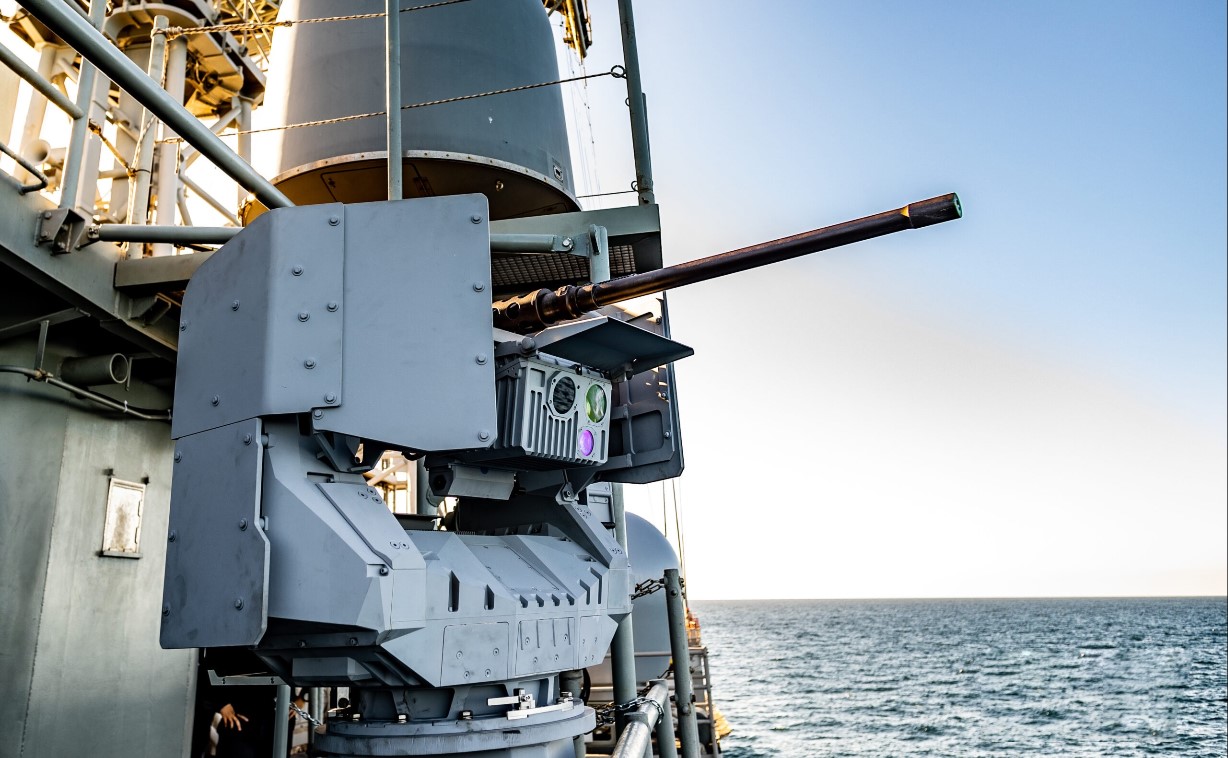 Portuguese Navy Orders 47 SENTINEL Remote Weapon Stations from Spain’s EM&E Group
-
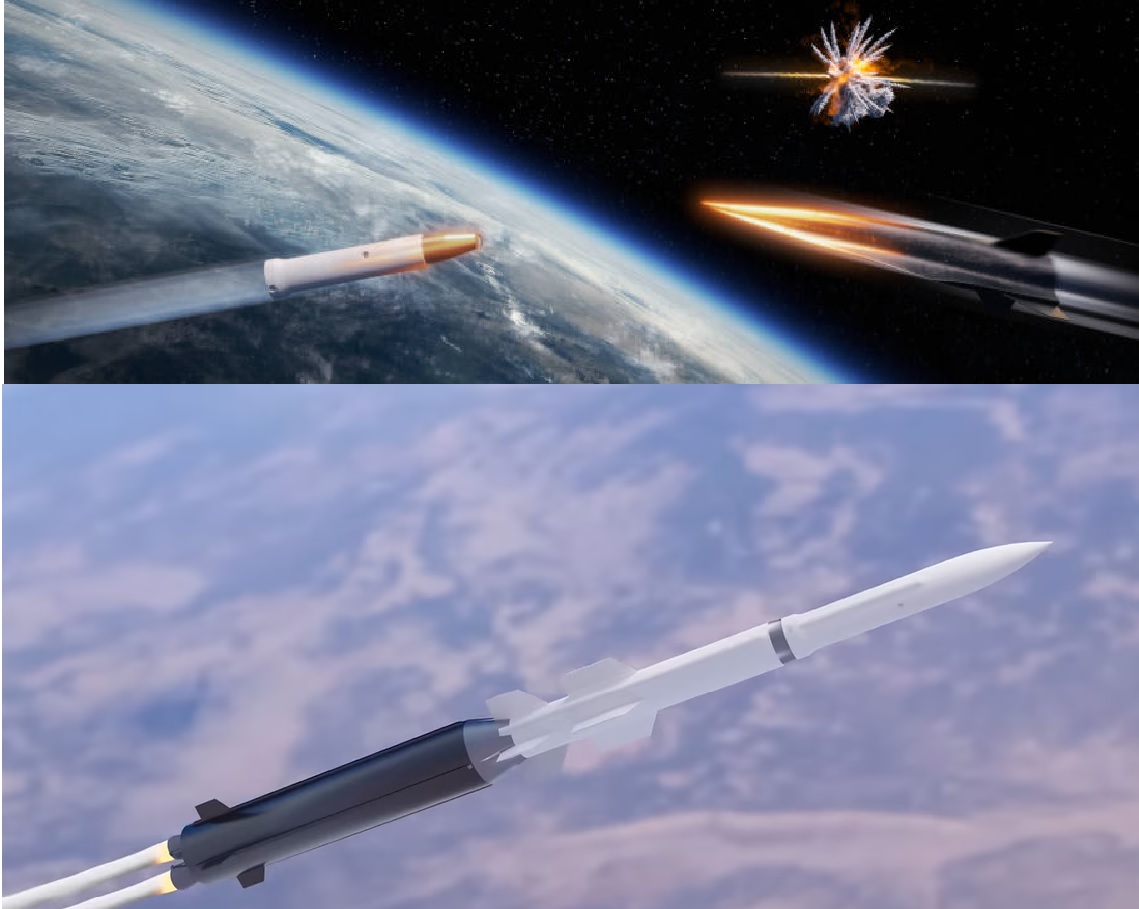 MBDA Develops AQUILA Interceptor to Counter Hypersonic and Maneuvering Missile Threats
-
 Boeing Completes First Flight Tests of KC-46A Refueling Vision System Ahead of 2027 Fleet Retrofit
Top Trending in 4 Days
-
 Trump Administration Weighs Purchase of Chagos Islands to Secure Diego Garcia Base
-
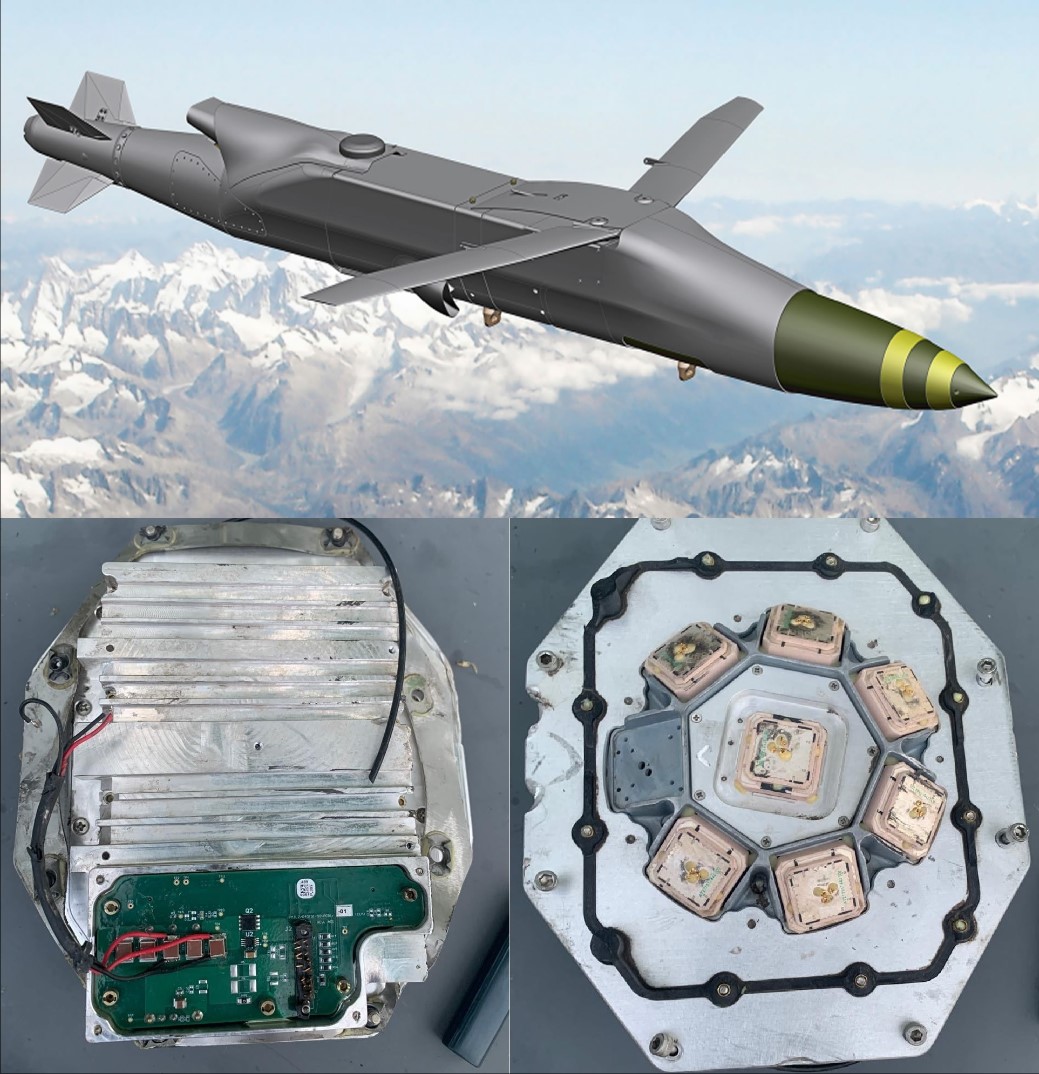 Missile Debris in Ukraine Suggests First Operational Use of U.S.-Made ERAM Cruise Missiles
-
 First Satellite of Russia's Rassvet Broadband Constellation Reenters Atmosphere After Less Than Three Months in Orbit
-
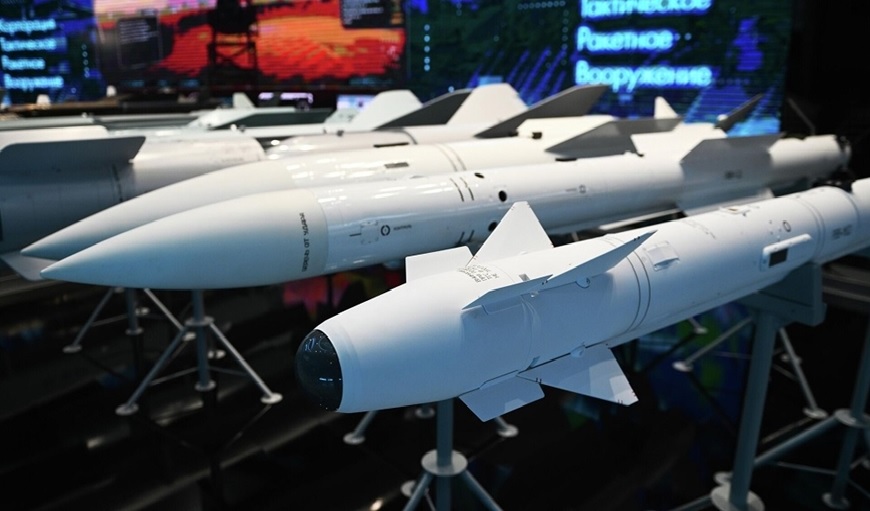 Leaked Contracts Reveal Russia Supplying Air-to-Air and Strike Missiles to Iran for Su-35 Fighter Fleet Through 2027
-
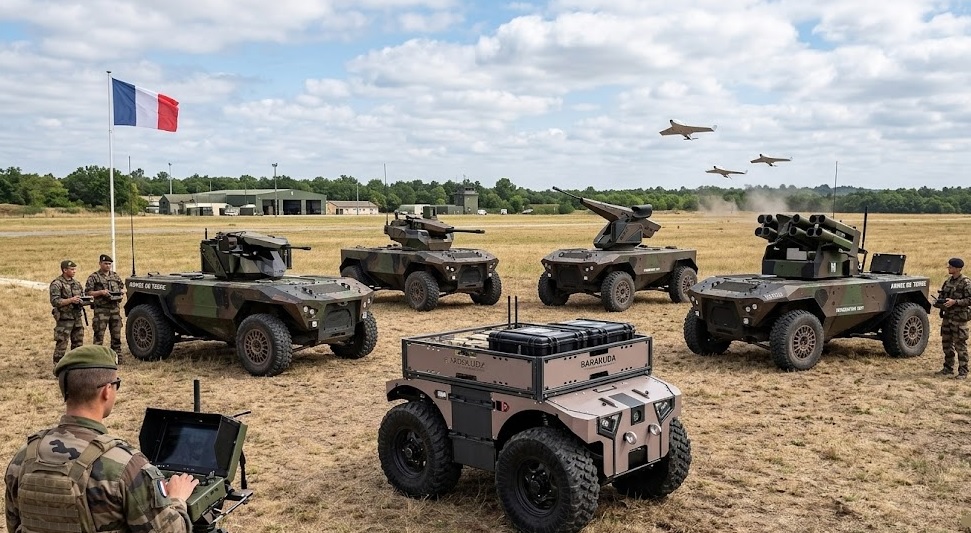 France Integrates New Unmanned Ground Vehicle Family for Modern Combat Operations
-
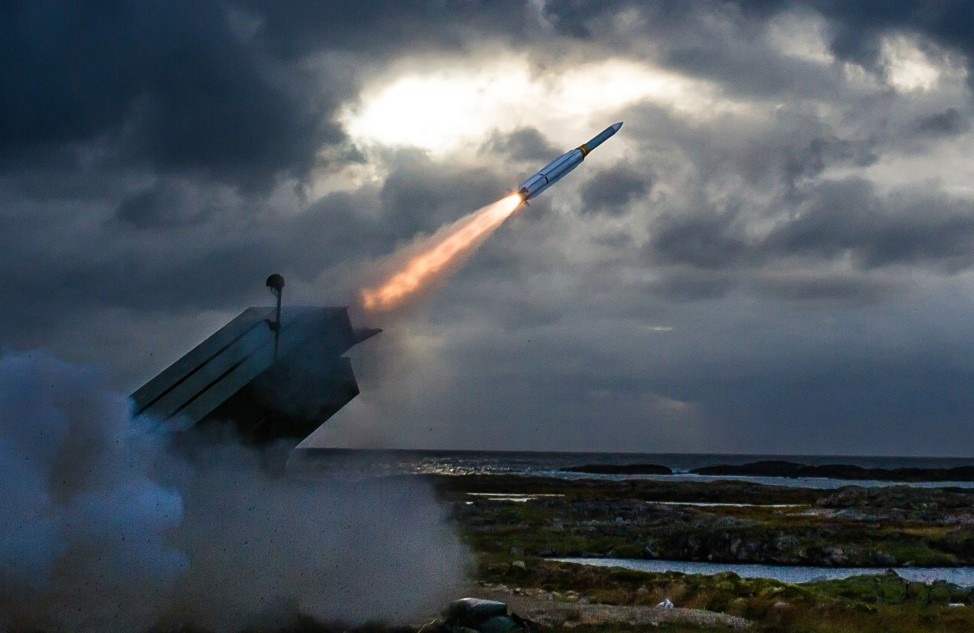 Taiwan Marine Corps Seeks NASAMS Air Defense Systems to Protect Naval Bases and Coastal Areas
-
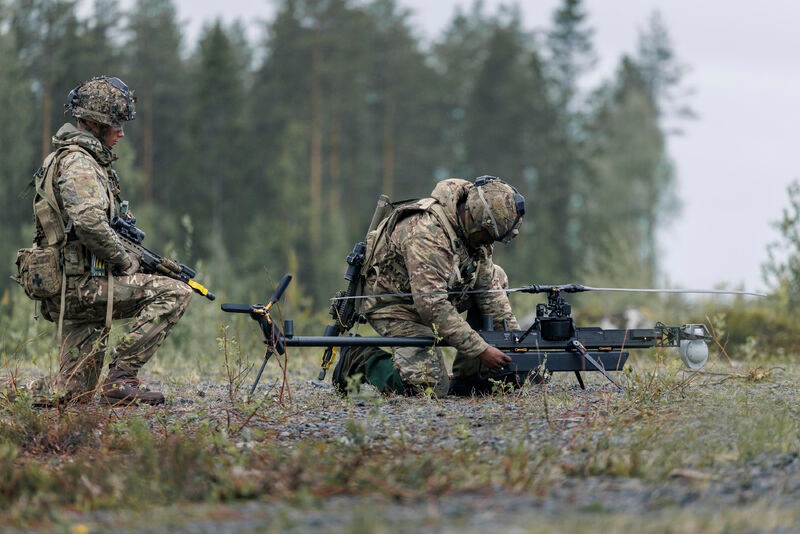 British Army Tests Autonomous Ghost and Bolt Drones Near Russian Border During NATO Exercise in Finland
-
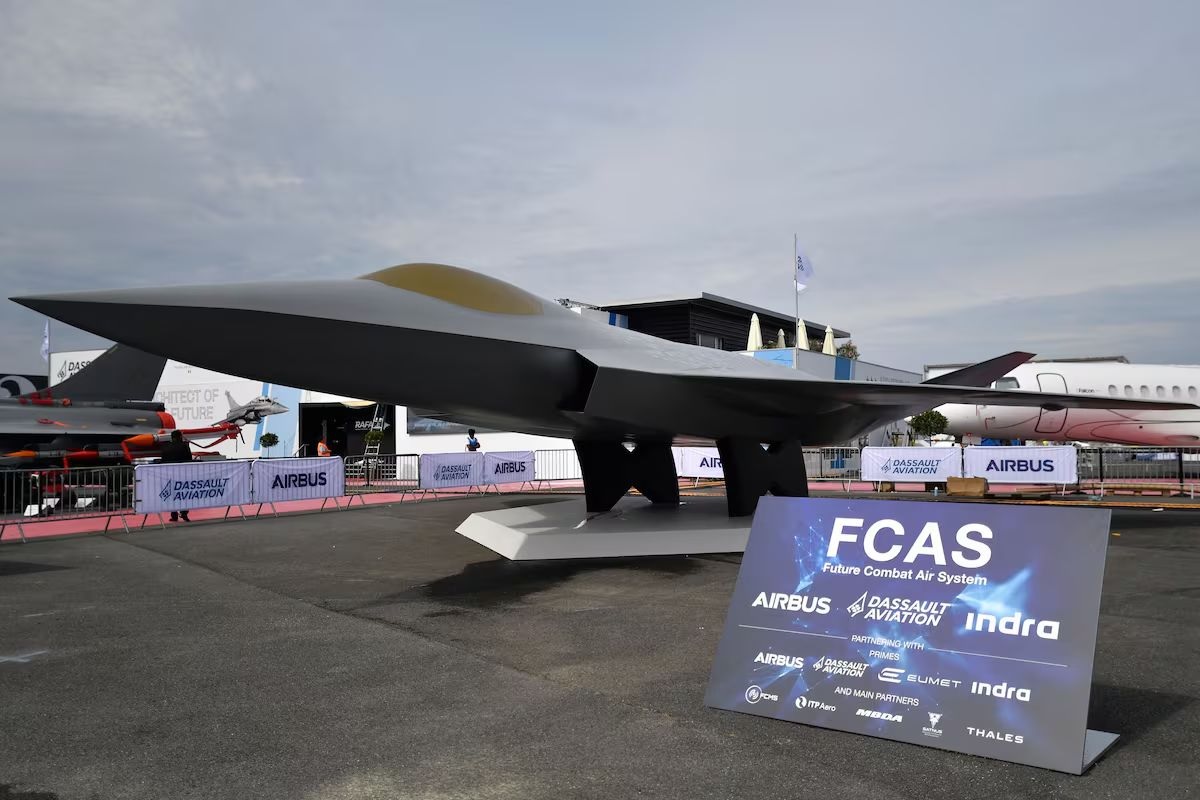 Germany and France End Joint Next-Generation Fighter Development Under FCAS Program