World
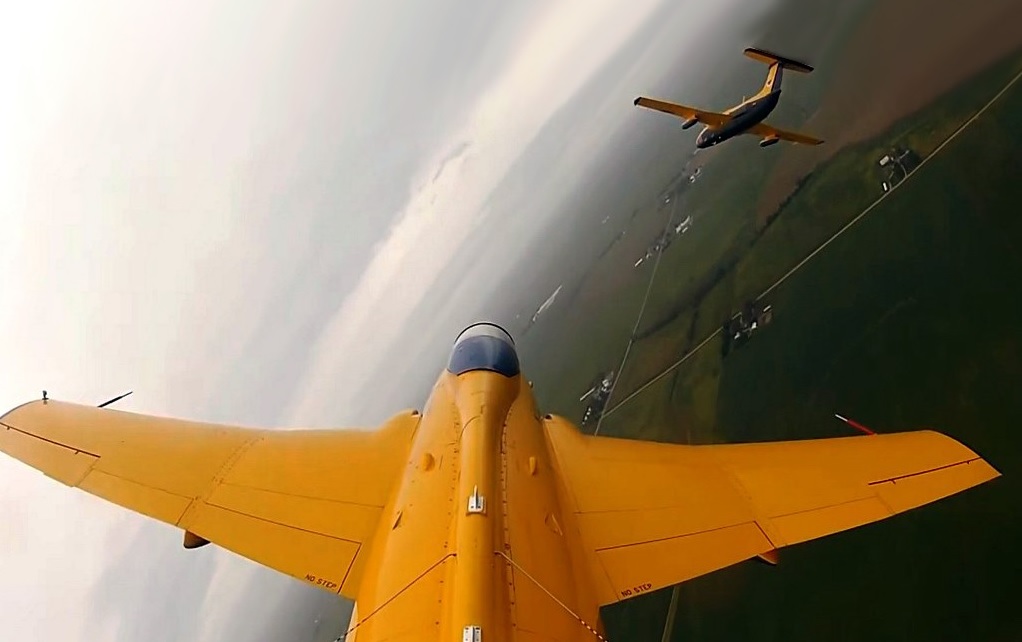
Lockheed Martin's Skunk Works successfully tested an AI agent integrated into an L-29 Delfin aircraft, showcasing its potential to manage air-to-air combat scenarios.Lockheed Martin’s advanced projects division, known as Skunk Works, recently showcased a significant advancement in integrating artificial intelligence (AI) into air combat operations. The demonstration involved an AI agent controlling an L-29 Delfin aircraft, engaging in tactical exercises against a virtual adversary.AI Integration in Tactical EnvironmentThe AI agent was responsible for managing the aircraft’s heading, speed, and altitude. This allowed the Delfin to engage in both offensive and defensive maneuvers during the test flights. The primary goal was to evaluate the AI’s performance in various air combat scenarios, including standard head-to-head fights, off-aspect encounters, missile support, and missile defeat. Skunk Works reported that the AI agent exhibited intentional and decisive actions during these exercises, indicating a successful transfer of learned behaviors from simulations to real-world operations.Performance and ResultsEach test flight consisted of eight test cases to comprehensively assess the AI’s capabilities. The Skunk Works team was encouraged by the results, noting that the AI performed even better in live flights than in simulations. This successful demonstration is expected to strengthen the potential of AI in real-world combat scenarios, providing a foundation for future advancements in autonomous air combat technology.Broader Initiative and Future PlansThis demonstration is part of a broader initiative by Skunk Works to rapidly develop and test AI-driven autonomy for air-to-air missions. The live flight tests are crucial for evaluating operationally relevant AI capabilities. According to Tom Schnell, a professor at the Iowa Technology Institute (ITI), which partnered in the demonstration, the integration of separate components into the L-29 to showcase new capabilities was particularly thrilling.Moving forward, Skunk Works plans to conduct additional flight tests throughout the year, involving more aircraft and complex air battle scenarios. These tests aim to further refine and validate the AI's capabilities in various operational conditions.Background and Previous TestsPrior to this demonstration, the US Air Force conducted tests with an AI-operated F-16 fighter aircraft, with Secretary Frank Kendall on board. These efforts are part of a larger movement within the military to explore and implement AI technologies in combat roles, aiming to enhance the effectiveness and efficiency of air operations.In summary, Lockheed Martin's Skunk Works has made a significant leap in demonstrating how AI can be effectively integrated into air combat missions. The positive results from these tests pave the way for further developments in AI-driven autonomy, potentially transforming the future of aerial warfare.
Read More → Posted on 2024-06-06 15:30:44
World
US President Joe Biden hints at using military force to defend Taiwan against potential Chinese invasion, while emphasizing continued support for Taiwan’s self-defense capabilities.In a recent interview with Time magazine, President Joe Biden indicated that the United States might use military force to defend Taiwan if China attempts to invade. Biden emphasized a distinction between ground deployment and other forms of military intervention, such as air and naval power. He stressed the US's commitment to supplying Taiwan with defense capabilities and consulting with regional allies.Biden's statements come amid escalating tensions between the US and China over Taiwan. The US has maintained unofficial relations with Taiwan and provides arms to support its self-defense. This stance is part of a broader strategy to counter China's regional ambitions and ensure stability in the Indo-Pacific.CIA Director William Burns noted that Chinese President Xi Jinping has instructed the Chinese military to be ready for an invasion of Taiwan by 2027. This aligns with recent aggressive maneuvers by China, including military drills around Taiwan in response to the inauguration of Taiwan's new president, Lai Ching-te, who Beijing views as a separatist.Biden also criticized China's economic policies and its Belt and Road Initiative, describing the latter as ineffective. He highlighted the importance of strengthening alliances with Europe and Asia and fostering relations with developing countries to maintain US global leadership.In line with this strategy, a trilateral meeting in Singapore involving US, Japanese, and South Korean defense officials reaffirmed the importance of regional peace and a peaceful resolution to cross-strait issues. The US continues to express concerns over China's military activities near Taiwan, as seen in recent discussions between US Secretary of Defense Lloyd J. Austin and his Chinese counterpart, Dong Jun.Further, the US House Appropriations Committee has introduced a bill to provide $500 million in military financing for Taiwan, along with up to $2 billion in loans and loan guarantees to enhance Taiwan’s defense capabilities. This legislative move underscores the US's commitment to deterring aggression across the Taiwan Strait.As tensions persist, the US's position remains clear: supporting Taiwan's defense while seeking peaceful solutions to maintain regional stability.
Read More → Posted on 2024-06-06 15:26:15
World
Israel Aerospace Industries' WIND DEMON missile offers advanced air-to-surface capabilities with precision, adaptability, and affordability for modern warfare needs.Israel Aerospace Industries (IAI) has introduced the WIND DEMON, a cutting-edge air-to-surface cruise missile designed for modern warfare. This missile combines advanced technology with affordability, making it a versatile and powerful tool for military forces.Innovative Capabilities and DesignThe WIND DEMON is the latest advancement from IAI, built on years of experience in missile and loitering munition development. It represents a significant leap forward in air-to-surface missile technology, offering a modular design that enhances adaptability and operational effectiveness across various warfare domains.Launch and RangeThe missile can be launched from various airborne platforms, including helicopters and patrol aircraft. Once fired, it follows a preset mission plan to engage moving or stationary targets at distances exceeding 200 kilometers. This standoff capability allows for strategic engagement from a safe distance, minimizing risk to the launch platform.Precision and VersatilityEquipped with state-of-the-art electro-optic and laser homing seekers, the WIND DEMON ensures precise target detection, discrimination, and classification, regardless of day or night conditions. Its warhead, weighing over 20 kilograms, can be customized for different effects, such as blast, fragmentation, and penetration, making it adaptable to various mission requirements.Stealth and SurvivabilityThe missile's low flight profile enhances its survivability by reducing the chance of detection and interception. Additionally, its advanced navigation suite is immune to disruptions, ensuring reliable mission execution. Operational FlexibilityOne of the standout features of the WIND DEMON is its dual operational mode: it can function as a 'fire-and-forget' missile or with 'man-in-the-loop' control. This flexibility allows operators to adjust tactics in real-time, making it a versatile weapon in dynamic combat environments. Enhanced connectivity features support real-time video transmission and person-in-the-loop control, further increasing its operational effectiveness.Market Demand and AffordabilityAccording to Guy Barlev, EVP and General Manager of the Systems Missiles & Space Group at IAI, there is a growing demand for cost-effective, mass-deployable systems. The WIND DEMON meets this demand by offering high-end capabilities at a price point that allows for large-scale procurement, making it a practical choice for military forces worldwide.ConclusionThe WIND DEMON missile by IAI represents a significant advancement in air-to-surface missile technology. Its combination of affordability, adaptability, and advanced capabilities makes it a formidable asset in modern warfare, capable of meeting the evolving needs of military operations.
Read More → Posted on 2024-06-06 14:41:01
World
Germany is set to purchase 20 more Eurofighter jets from Airbus to enhance its defense capabilities, as announced by Chancellor Scholz at the Berlin Air Show.Germany is set to purchase an additional 20 Eurofighter jets from Airbus, Chancellor Olaf Scholz announced at the International Air Show in Berlin. The new order, scheduled before the 2025 general elections, follows a previous order of 38 jets in 2020 aimed at replacing the aging Tornado aircraft fleet.Chancellor Scholz emphasized the country's commitment to the Eurofighter program, not just for national defense but also in terms of potential exports. He highlighted the importance of maintaining production capabilities at Airbus's Eurofighter factory in Manching, Bavaria.This decision aligns with Germany’s increased defense spending in response to Russia's invasion of Ukraine. Chancellor Scholz has announced a 100-billion-euro ($109 billion) special budget to bolster military stocks. Furthermore, Germany aims to meet NATO’s defense spending target of two percent of GDP starting in 2024, addressing previous criticisms from allies regarding its defense expenditures.
Read More → Posted on 2024-06-05 16:19:10
World
Israel is gearing up for a significant military operation along its border with Lebanon as clashes with Hezbollah intensify, following near-daily exchanges of fire over the past eight months.Prime Minister Benjamin Netanyahu announced on Wednesday that Israel is preparing for a major military operation along its northern border with Lebanon. This comes after months of increasing clashes between Israeli troops and Hezbollah fighters, a group backed by Iran and allied with Hamas.The past week has seen a notable escalation, with Israel carrying out deeper strikes into Lebanese territory. Netanyahu, during a visit to the border area, emphasized Israel's readiness to ensure the security of its northern region. "We are prepared for a very intense operation in the north. One way or another, we will restore security to the north," he said.In response, Hezbollah reported several attacks on Israeli positions, including a guided missile strike on an Iron Dome missile defense platform in the Ramot Naftali barracks. This marks a significant development in the ongoing conflict, highlighting the increasing intensity and range of Hezbollah's attacks.In recent weeks, Israel has intensified its targeting of Hezbollah fighters and associated militants, hitting individuals traveling by car and motorbike within Lebanon. This heightened activity aligns with the calls from Netanyahu’s far-right coalition partners for stronger action to secure northern Israel.National Security Minister Itamar Ben Gvir and Finance Minister Bezalel Smotrich have been vocal in their demands for decisive military action. Ben Gvir, in a recent Telegram post, stated, "They burn us here, all Hezbollah strongholds should also burn and be destroyed. WAR!" Similarly, Smotrich called for extending the security buffer from the Israeli Galilee into southern Lebanon, advocating for a ground invasion and occupation to push Hezbollah forces north of the Litani River, about 20 miles from the border.The ongoing violence, which began in early October, has resulted in significant casualties. An AFP tally reports at least 455 deaths in Lebanon, mostly fighters but including 88 civilians. On the Israeli side, at least 14 soldiers and 11 civilians have been killed according to the Israeli army.The situation remains highly volatile, with the potential for further escalation as both sides prepare for what could be a prolonged and intense confrontation. The international community continues to watch closely, with concerns about the broader implications for regional stability.
Read More → Posted on 2024-06-05 16:01:52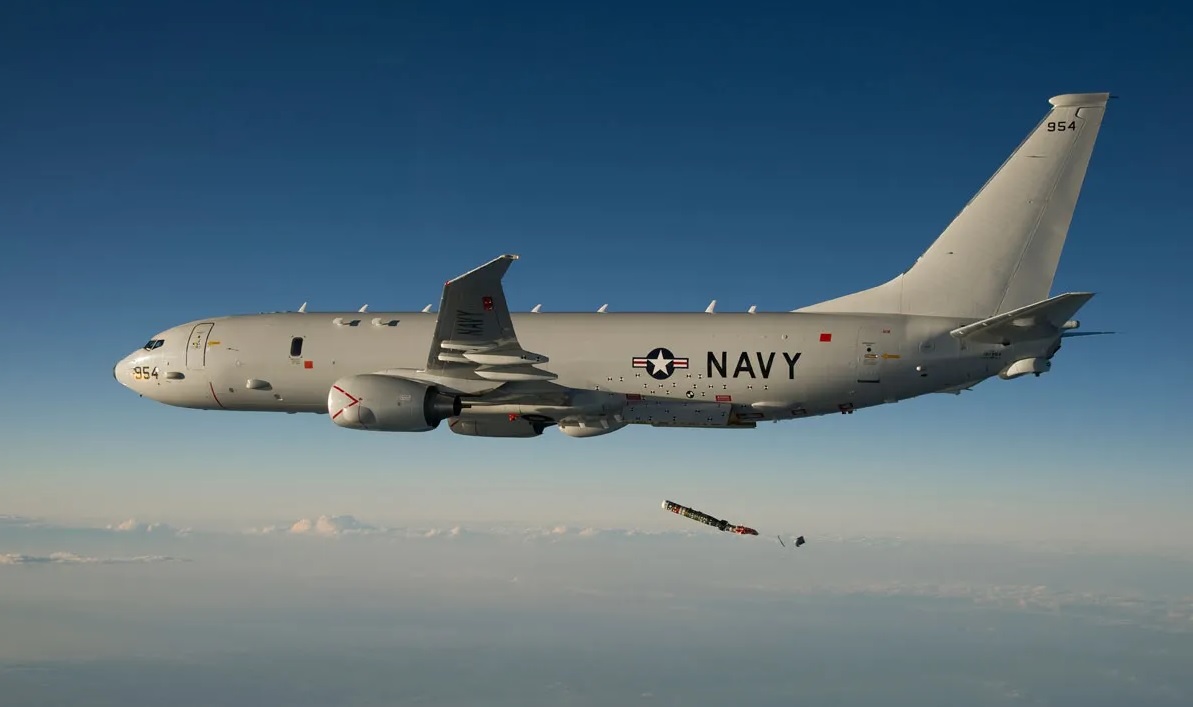
World
BAE Systems has been awarded a $95 million contract by the U.S. Navy to develop advanced countermeasure pods to protect P-8A Poseidon aircraft from missile threats.BAE Systems has been awarded a $95 million contract by the U.S. Navy to provide advanced countermeasure pods for the P-8A Poseidon Multi-Mission Maritime Aircraft. These electronic warfare (EW) pods are designed to detect and counter incoming missile threats, enhancing the aircraft’s safety and operational capabilities in hostile environments.Don Davidson, director of Advanced Compact Electronic Warfare Solutions at BAE Systems, emphasized the importance of this collaboration with the U.S. Navy. "We quickly prototyped a very capable system using proven technology to defend against air-to-air and surface-to-air guided threats," Davidson said.The survivability pod developed by BAE Systems offers early threat detection and effective countermeasures. Its flexible, open architecture design ensures easy modernization and compatibility with future threat detection and decoy technologies. This adaptability allows the system to be rapidly updated and integrated with third-party electronic warfare techniques.This engineering and manufacturing development (EMD) contract follows a previous rapid-response contract awarded in 2021, where BAE Systems successfully demonstrated a prototype system. The demonstration involved designing, building, and testing a pod, showcasing strong collaboration between the military and industry. The success of these initial tests led to the current EMD contract.The P-8A self-protection pod is part of BAE Systems’ broader Intrepid Shield initiative, which uses the full electromagnetic spectrum to detect, exploit, and counter advanced threats. This pod can also be adapted for use with other high-value airborne assets, extending its protective capabilities to various aircraft operating in contested environments.The P-8A Poseidon, developed by Boeing, is primarily used for anti-submarine warfare, anti-surface warfare, and intelligence, surveillance, and reconnaissance missions. Enhancing its defense capabilities with BAE Systems’ countermeasure pods will significantly improve the aircraft's survivability in high-threat areas, ensuring mission success and crew safety.BAE Systems' commitment to innovation and rapid prototyping demonstrates its ability to meet the urgent needs of the U.S. Navy and other international customers, providing robust defense solutions for critical airborne assets.
Read More → Posted on 2024-06-05 15:58:15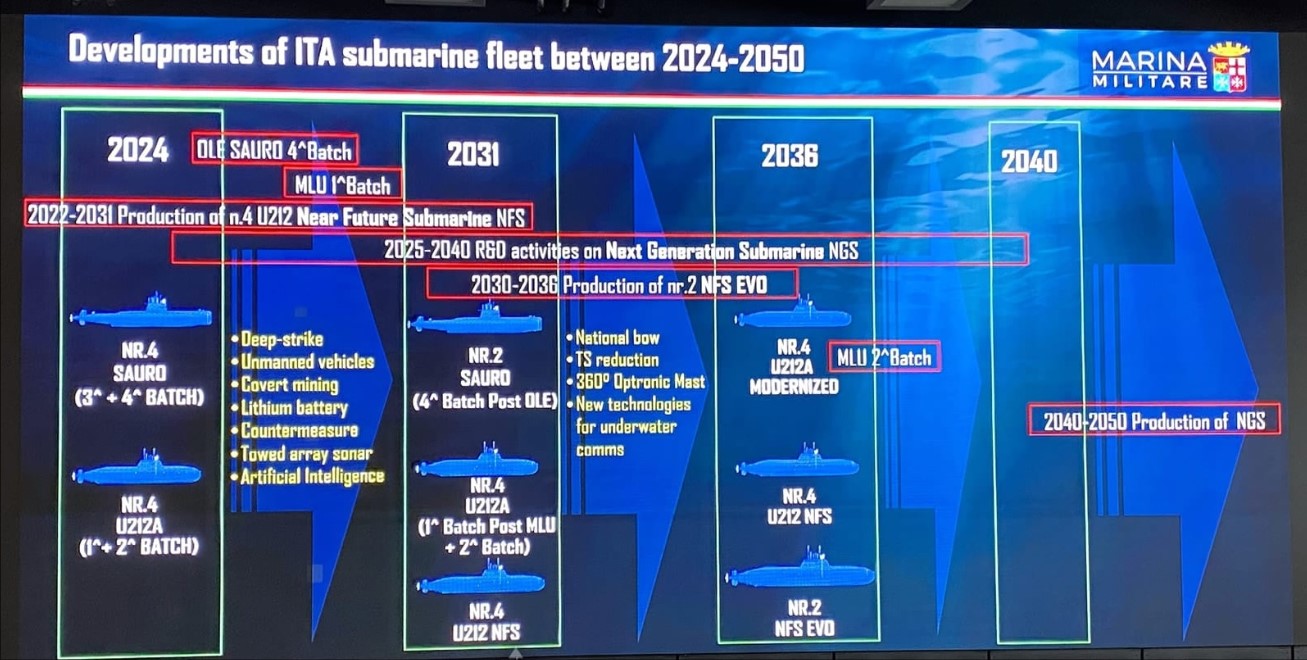
World
Italy is set to enhance its naval capabilities by developing the U212 NFS EVO, an advanced variant of the U212 submarine. This new submarine will feature cutting-edge stealth, propulsion, and weapon systems, significantly boosting Italy's underwater warfare strength. The U212 NFS EVO underscores Italy's commitment to maritime defense and NATO interoperability.Italy is set to significantly bolster its naval capabilities with the development and introduction of the U212 Near Future Submarine (NFS) EVO, an advanced variant of the already formidable U212 submarine class. This ambitious move underscores Italy's commitment to maintaining a cutting-edge maritime defense posture in the increasingly complex strategic environment of the Mediterranean and beyond.Historical Context and Strategic ImperativesThe Italian Navy, or Marina Militare, has long recognized the importance of a robust submarine fleet. Submarines are critical assets for both deterrence and active defense, offering unmatched stealth, endurance, and striking power. The existing U212A submarines, jointly developed with Germany, have been a cornerstone of Italy's underwater capabilities. However, evolving threats and technological advancements necessitate continual upgrades and expansions.The decision to develop the U212 NFS EVO comes as part of Italy's broader defense modernization efforts, driven by a need to counter new types of threats, including anti-access/area denial (A2/AD) strategies employed by potential adversaries, and to maintain interoperability with NATO allies.The U212 NFS EVO: Technological InnovationsThe U212 NFS EVO represents a significant leap forward in submarine technology. While details are still emerging, several key advancements are anticipated:1. Enhanced Stealth and Survivability: Building on the already low acoustic signature of the U212A, the EVO variant is expected to incorporate next-generation anechoic coatings, improved hydrodynamics, and quieter propulsion systems. These enhancements will make the submarine even harder to detect, ensuring its survivability in hostile environments.2. Advanced Propulsion Systems: The U212 NFS EVO will likely feature a more advanced Air-Independent Propulsion (AIP) system, possibly utilizing new fuel cell technologies to extend underwater endurance without surfacing. This capability is crucial for covert operations and extended deployments.3. Improved Sensors and Communication: Cutting-edge sonar and electronic warfare systems will enhance the U212 NFS EVO's ability to detect and track enemy vessels while remaining undetected. Upgraded communication systems will ensure secure and reliable links to other naval assets and command centers, facilitating coordinated operations.4. Weapon Systems: The submarine is expected to be equipped with a versatile array of weaponry, including advanced torpedoes and possibly cruise missiles. The integration of these systems will provide Italy with a powerful tool for both offensive and defensive operations.5. Automation and Human-Machine Integration: Modern submarines increasingly rely on automation to reduce crew workload and enhance operational efficiency. The U212 NFS EVO will likely incorporate sophisticated automation systems, allowing for a smaller crew and greater focus on mission-critical tasks.Strategic Implications for Italy and NATOThe introduction of the U212 NFS EVO will have far-reaching implications for Italy's strategic posture and its role within NATO. The Mediterranean region is a critical maritime domain, with significant commercial and military traffic. The presence of advanced submarines like the U212 NFS EVO will enhance Italy's ability to safeguard its maritime interests, monitor strategic chokepoints, and contribute to collective security efforts.For NATO, Italy's enhanced submarine capabilities will bolster the alliance's overall deterrence and defense posture. The U212 NFS EVO's advanced features will complement the capabilities of other NATO member states, ensuring seamless interoperability in joint operations and strengthening the collective ability to counter emerging threats.Economic and Industrial ImpactThe development of the U212 NFS EVO also promises significant economic and industrial benefits for Italy. The project will involve substantial investment in domestic shipbuilding and defense industries, creating high-tech jobs and stimulating innovation. Italian companies involved in the development and production of the submarine will gain valuable experience and expertise, potentially leading to further opportunities in the global defense market.ConclusionItaly's decision to increase its submarine force with the development of the U212 NFS EVO is a strategic move that reflects the changing dynamics of maritime security. The U212 NFS EVO, with its advanced technological features, will significantly enhance Italy's underwater warfare capabilities, ensuring that the Marina Militare remains a formidable force in the Mediterranean and beyond. This initiative not only strengthens Italy's national defense but also reinforces its role as a key player in NATO's collective security framework. As the U212 NFS EVO project progresses, it will undoubtedly serve as a benchmark for future submarine developments and a testament to Italy's commitment to maintaining maritime superiority.
Read More → Posted on 2024-06-05 15:53:38
World
The US and South Korea carried out their first precision-guided bombing drill in seven years, deploying a B-1B bomber in a show of force against North Korea amid escalating tensions on the Korean Peninsula.The United States deployed a B-1B bomber over the Korean Peninsula on Wednesday for its first precision-guided bombing drill with South Korea in seven years, according to the South Korean Defense Ministry. This exercise marks a significant show of force against North Korea as tensions continue to rise over recent provocations.This joint drill comes on the heels of North Korea launching balloons filled with waste materials into South Korea. The exercise, which included advanced U.S. and South Korean fighter jets alongside the B-1B bomber, aimed to underscore the United States' security commitment to South Korea and bolster the allies' joint defense posture.During the drill, the B-1B bomber dropped Joint Direct Attack Munitions (JDAM), guided bombs designed to convert conventional bombs into precision-guided weapons using GPS technology. This marks the first such bombing exercise by a U.S. bomber in the region since 2017. South Korean fighter jets also conducted live-fire exercises to showcase their readiness to respond to North Korean provocations.The B-1B bomber, capable of carrying a large payload of conventional weapons, has been a point of contention for North Korea, which views its deployment as a sign of U.S. hostility. In the past, North Korea has responded to the presence of such powerful U.S. aircraft with missile tests.Recently, North Korea has escalated its activities, including the failed launch of a rocket intended to place a second spy satellite into orbit, violating U.N. resolutions. Additionally, North Korea has conducted test-firings of nuclear-capable weapons and allegedly interfered with GPS signals in South Korea.In response to North Korea's balloon launches, South Korea has promised severe retaliatory measures and suspended a 2018 inter-Korean military agreement aimed at reducing border tensions. This suspension permits South Korea to resume military activities, such as live-fire drills and propaganda broadcasts via loudspeakers, which could provoke further actions from North Korea.Since 2022, North Korea has significantly increased its missile testing efforts, aiming to build a larger nuclear arsenal and gain leverage in future negotiations with the United States. Diplomatic efforts for nuclear disarmament between Pyongyang and Washington have been stalled since 2019.This latest bombing drill highlights the ongoing volatility on the Korean Peninsula and underscores the persistent challenges in achieving lasting peace and stability in the region.
Read More → Posted on 2024-06-05 15:33:14
World
Leidos announces successful completion of critical reviews for the US Air Force’s Mayhem hypersonic missile program, marking progress in advancing high-speed air-breathing technology.Leidos has reported two significant achievements in the development of the US Air Force’s Mayhem hypersonic missile program. The program has successfully passed the conceptual design review and system requirements review, crucial steps that allow it to advance to the next phase.The reviews confirmed that the designs and technologies planned for the high-speed Mayhem system are feasible. To achieve these milestones, Leidos collaborated with experts in hypersonics and several academic and defense organizations. Key partners include Kratos, Calspan Corporation from New York, Draper from Massachusetts, and the University of Michigan.In 2022, Leidos received a $334 million contract to support the Air Force Research Laboratory (AFRL) in developing the Mayhem air-breathing system. The missile will utilize a scramjet engine to achieve speeds greater than Mach 5 and cover long distances. The program aims to create a large-class missile that exceeds current air-breathing systems in range and payload capacity. A digital engineering environment is also being used to facilitate future development.Once operational, the Mayhem missile will enhance the US military’s capabilities in intelligence, surveillance, reconnaissance, and other missions. Despite facing temporary funding issues, the program continues to progress, driven by a commitment to innovation and collaboration.
Read More → Posted on 2024-06-05 15:25:11
World
The US Air Force has chosen Anduril, Leidos Dynetics, Zone 5 Technologies, and Integrated Solutions for Systems to develop modular drone prototypes for testing various payloads, with flight demonstrations expected later this year.The US Air Force has selected four defense companies—Anduril, Leidos Dynetics, Zone 5 Technologies, and Integrated Solutions for Systems—to develop prototypes for a modular drone under the Enterprise Test Vehicle (ETV) project. These firms were chosen from over 100 vendors who submitted proposals, reflecting their innovative approaches and technological capabilities.The goal of the ETV project is to create an unmanned aerial vehicle (UAV) that can be rapidly produced at a low cost while supporting the testing of various payloads, including sensors and other military technologies. The modular drone must meet specific performance criteria, such as a minimum range of 500 nautical miles (926 kilometers) and a speed of 100 knots (185 kilometers/115 miles per hour). Additionally, it should be capable of delivering kinetic payloads, according to the project's requirements.Andrew Hunter, the US Air Force's assistant secretary for acquisition, highlighted the significance of this initiative, stating, "The ETV presents an opportunity to leverage promising ideas from industry to create and refine affordable designs for test capabilities that can be produced on a relevant timeline."The selected companies will use commercial and dual-use technologies to develop their prototypes. The UAVs should be able to support future testing needs, accommodate new capabilities through an open systems architecture, and be launched in various ways, including from the back of a cargo aircraft.The timeline for this project is ambitious, with the prototypes expected to be ready for flight demonstrations later this year. At least one promising prototype will be selected for further development, marking a significant step in advancing UAV technology for military applications.In addition to the core requirements, the Air Force emphasizes the importance of flexibility and future-proofing in the drone's design. The ability to integrate new technologies as they emerge ensures that the UAVs remain relevant and capable in dynamic operational environments.This initiative is part of a broader effort by the US Air Force to enhance its capabilities through innovation and collaboration with industry leaders. By focusing on modularity and affordability, the ETV project aims to deliver cutting-edge UAV technology that meets current and future defense needs.The selected companies bring a range of expertise to the project. For example, Anduril is known for its advanced AI and autonomous systems, Leidos Dynetics for its defense and aerospace engineering, Zone 5 Technologies for innovative UAV solutions, and Integrated Solutions for Systems for its systems integration capabilities. Their combined strengths will contribute to the development of a versatile and effective modular drone system.As the prototypes move toward flight demonstrations, the Air Force will evaluate their performance, adaptability, and cost-effectiveness to determine the best path forward for this critical technology. The successful deployment of these drones could significantly enhance the Air Force's operational capabilities and provide a robust platform for testing future technologies.
Read More → Posted on 2024-06-05 06:45:49
World
Japan's defense acquisition organization signs an agreement with France and Germany to advance railgun technology amid growing geopolitical tensions.Japan’s defense acquisition organization has entered into a cooperation agreement with France and Germany to accelerate the development of railgun technology. This collaboration, outlined in the "Implementation Guidelines for Railgun Technology Cooperation," aims to respond to the increasing geopolitical tensions in Europe and East Asia.Japan's Railgun DevelopmentJapan has been working on railgun technology since 2016. Last year, the country tested its first railgun designed to counter hypersonic weapons. In 2022, Japan allocated 6.5 billion yen (approximately $56 million) to further develop this weapon, targeting deployment by the end of this decade.France and Germany's RoleFrance and Germany are leading the four-nation PILUM railgun project. This initiative focuses on developing an electromagnetic railgun capable of launching hypervelocity projectiles at speeds over 11,000 kilometers per hour (6,700 miles per hour) and reaching distances up to 200 kilometers (124 miles). The collaboration with Japan is expected to bring valuable insights and advancements to both projects.Insights from the US NavyEarlier this year, Japanese defense officials visited the United States to learn from the US Navy's experience with railgun technology. The US military had initiated two railgun projects but canceled them due to financial and feasibility issues. One of these projects, led by BAE Systems, successfully developed a 32-megajoule railgun in a laboratory setting before its termination in 2021.The Technology Behind RailgunsRailguns use electromagnetic forces to propel projectiles at extremely high speeds, reaching up to Mach seven. This high velocity allows for the interception of targets more effectively than conventional munitions. However, railguns face significant technical challenges, such as the need for high operating power and susceptibility to overheating. The extreme forces involved can also cause the railgun to self-destruct over time.Future ProspectsExperts believe that if the technical issues of railguns can be resolved, the technology could have wide-ranging applications, including missile defense and precision strikes. The cost per shot of a railgun is significantly lower than that of traditional missiles, which could provide a strategic advantage in future conflicts.Mark Lewis of the National Defense Industrial Association’s Emerging Technologies Institute notes that railguns exert extreme electromagnetic forces that impact their own structure, leading to potential self-destruction. Peter W. Singer, a strategist at the New America think tank, adds that the successful resolution of technical challenges would make railguns a game-changer in military technology due to their speed, range, and cost-efficiency.In conclusion, the cooperation between Japan, France, and Germany represents a significant step forward in the development of railgun technology. This partnership aims to overcome current challenges and harness the potential of railguns for future defense applications.
Read More → Posted on 2024-06-05 06:29:30
World
Iraq has requested eight M-SAM-II air and missile defense batteries from South Korea, valued at $2.56 billion, to enhance its air defense capabilities.Iraq has officially requested the M-SAM-II air and ballistic missile defense system from South Korea, aiming to acquire eight batteries in a deal valued at $2.56 billion. The request highlights Iraq's urgent need to bolster its air defense capabilities, as reported by Army Recognition, citing sources familiar with the matter.The M-SAM-II system, known as Cheongung-II in South Korea, is designed to defend against hostile aircraft, cruise missiles, and ballistic missiles. It employs advanced "hit-to-kill" technology, where the intercepting missile destroys incoming threats by direct collision. The system's radar can simultaneously detect and track multiple targets, providing a robust defense solution.Key features of the M-SAM-II include:Operational Range: 40 kilometers (25 miles)Intercept Altitude: Up to 15 kilometers (9.3 miles)This request comes shortly after Iraq announced its renewed interest in acquiring new air defense systems, with South Korea emerging as a preferred supplier. The move follows a meeting between Iraqi Defense Minister Thabet Al-Abbasi and his South Korean counterpart earlier this year, where military cooperation was a key topic.In March, Iraq revealed it had dispatched military and technical delegations to various countries to evaluate air defense options, including anti-aircraft weapons.Global Interest in M-SAM-IIThe M-SAM-II has become a highly sought-after system in the Middle East. Besides Iraq, Saudi Arabia has shown interest in acquiring M-SAM-II batteries worth $3.2 billion. Additionally, the UAE is in discussions for a potential $3.5 billion deal.South Korea continues to innovate in missile defense, working on the development of the next-generation M-SAM-III and L-SAM-II systems, which promise enhanced capabilities.As Iraq moves forward with its defense procurement plans, the acquisition of the M-SAM-II system from South Korea represents a significant step in modernizing its air defense infrastructure, enhancing its ability to protect against various aerial threats.ConclusionIraq's planned purchase of the M-SAM-II system underscores the nation's commitment to strengthening its defense capabilities. With this acquisition, Iraq aims to ensure better protection against potential air and missile threats, leveraging South Korea's advanced defense technology.
Read More → Posted on 2024-06-05 06:19:13
World
Airbus introduces the "Wingman" stealth fighter drone, designed to support manned jets and enhance operational capabilities while minimizing risks to pilots. This innovation marks a significant step forward in air combat technology.Airbus, a leader in aerospace technology, has introduced its latest innovation in air combat: the "Wingman" stealth fighter drone. This unmanned aerial vehicle (UAV) is designed to work alongside traditional fighter jets, enhancing operational capabilities and reducing risks for human pilots.The Wingman was showcased at the International Aerospace Exhibition (ILA) in Berlin, where Airbus presented a full-scale model. This model highlighted the drone's anticipated features, emphasizing its potential to transform air warfare.Stealth Capabilities:The Wingman is built to evade enemy radar, providing a strategic edge in combat situations. Its sleek, angular design, smooth surfaces, and recessed engine inlets contribute to its stealth features.Advanced Avionics and AI:Equipped with state-of-the-art avionics and artificial intelligence, the Wingman can make autonomous decisions, plan missions, and assess threats in real-time. This advanced technology allows it to perform complex tasks without direct human intervention.Payload Flexibility:The drone's modular design enables it to carry various payloads, from surveillance equipment to precision-guided munitions. This flexibility allows it to adapt to different mission requirements, making it a versatile asset in combat operations.Role in Combat:The Wingman is intended to operate alongside manned fighter jets, acting as a "force multiplier." It extends the reach and capabilities of air fleets, providing pilots with real-time data and support. The drone can also undertake high-risk missions, minimizing the danger to human pilots.Developed with the German Air Force's needs in mind, the Wingman addresses the demand for unmanned aircraft to support manned jets before the Future Combat Air System (FCAS) becomes operational in 2040. According to Airbus CEO Michael Schoellhorn, "Our Wingman concept is the answer... an affordable solution with the performance it needs to maximize the effects and multiply the power of its fighter fleet for the 2030s."The Wingman can perform various roles, including reconnaissance, jamming enemy signals, and engaging targets with precision-guided weapons. While it operates autonomously, human pilots in command fighters retain ultimate mission control, delegating tactical tasks to the drone and enhancing their safety.This development represents a significant advancement in unmanned aerial systems. The unveiling of the Wingman marks a pivotal moment in the evolution of air combat, offering a glimpse into a future where drones play an increasingly vital role alongside manned aircraft.By integrating advanced technology and innovative design, Airbus aims to revolutionize air combat, ensuring that the Wingman will be a critical component of future air fleets.
Read More → Posted on 2024-06-05 06:12:30
World
Western army instructors who train Ukrainian soldiers in the country would have no "immunity" from Russian strikes, the Kremlin said Tuesday, amid reports that France could despatch military trainers to Ukraine.Ukrainian army chief Oleksandr Syrsky said last week that French military instructors would soon arrive in the country, but Kyiv's defence ministry later walked back the claim."Any instructors who are engaged in training the Ukrainian regime do not have any immunity. It does not matter whether they are French or not," Kremlin spokesman Dmitry Peskov told reporters.French President Emmanuel Macron has refused to rule out deploying troops to Ukraine, despite reluctance from other NATO members and furious warnings from Moscow.France does not officially have military personnel assisting or training Ukrainian forces in Ukraine at the moment.Russia has warned against such a step, and previously vowed to destroy any Western military hardware sent to the country.Ukraine's defence minister said Monday it was still in talks with Paris and other allies on the issue of instructors.
Read More → Posted on 2024-06-04 15:18:28
World
Rohde & Schwarz will present its latest airborne solutions for secure communication, drone countermeasures, and advanced air combat systems at the ILA Berlin Air Show 2024.Rohde & Schwarz is set to showcase its latest airborne solutions at the ILA Berlin Air Show 2024, demonstrating its capabilities in ensuring spectrum dominance and supporting multi-domain operations across land, air, and sea. The company's innovative products and systems are designed to meet the needs of armed forces, law enforcement, regulatory authorities, and governmental organizations.Key features of the Rohde & Schwarz exhibit will include:1. Secure Radio Communications: High-end encryption ensures reliable and secure communications across land, air, and sea platforms.2. Air Traffic Control Communications: IP-based voice and data communications provide certified separation of classified and encrypted information, enhancing security and efficiency in air traffic management.3. Drone Detection and Countermeasures: Advanced solutions for detecting and countering unauthorized drones, ensuring airspace security.4. Future Combat Air Systems (FCAS): Cutting-edge developments for networked and interoperable air combat systems within the Air Combat Cloud, supporting future air operations.Among the highlights is the next-generation R&S QPS Walk contactless security scanner. This millimeter-wave technology scanner automatically detects dangerous objects carried in clothing or on the body as people pass through, enhancing security screening efficiency.Rohde & Schwarz’s presence at the ILA Berlin Air Show underscores its role as a trusted partner in providing advanced communication and security solutions. Visitors to their booth will have the opportunity to explore these innovations firsthand.
Read More → Posted on 2024-06-03 16:25:23Search
Top Trending in 24 Hours
-
 Iranian Media Leaks 14-Point U.S.-Iran Peace Framework Amid Ongoing Negotiations
-
 US Plans Significant Reduction of Fighter Jets and Warships for NATO Operations in Europe
-
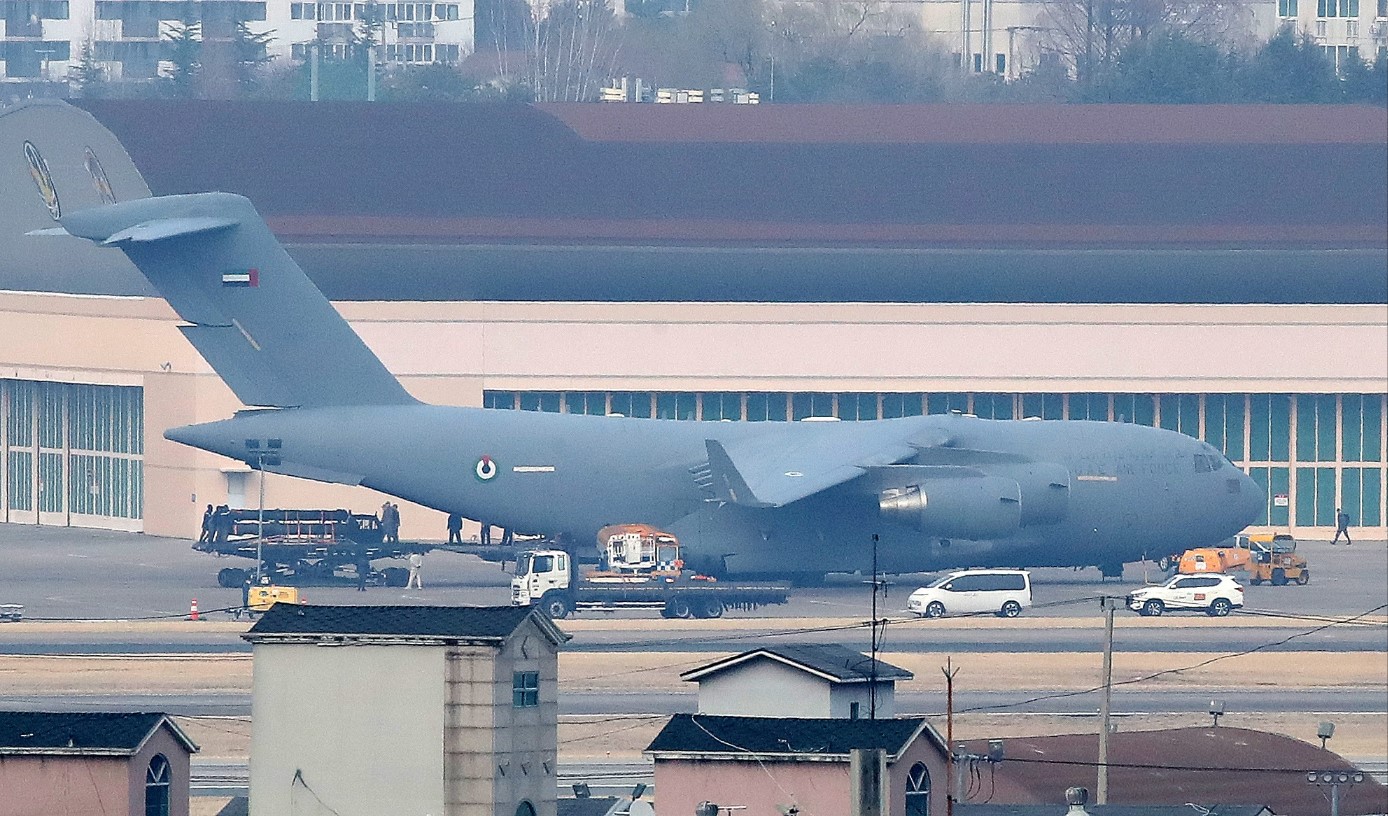 UAE Urgently Airlifts Cheongung-II Missile Defense Battery From South Korea Using Eight C-17 Aircraft
-
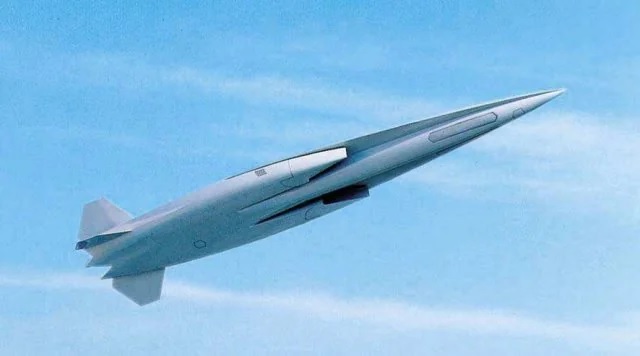 France Awards MBDA Contract to Develop ASN4G Hypersonic Nuclear Missile to Replace ASMPA-R
-
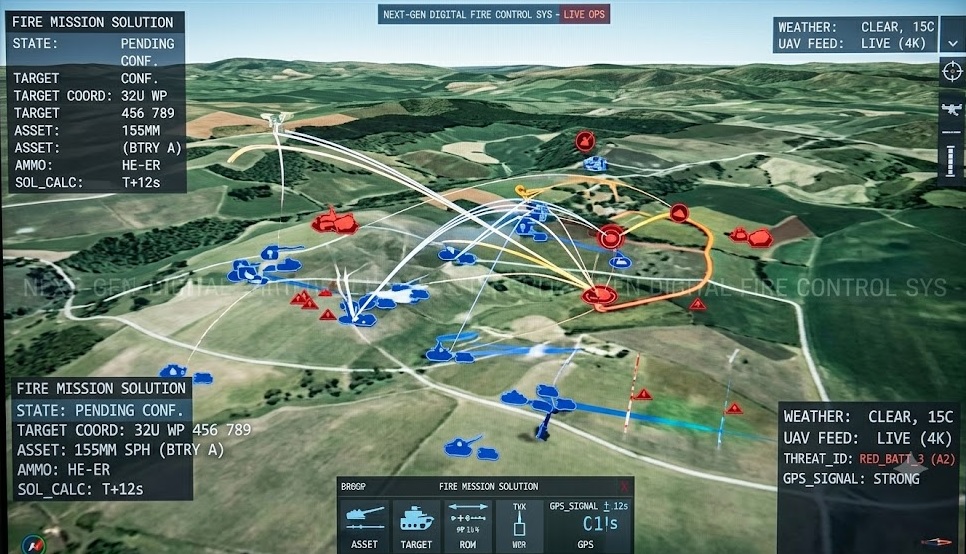 BAE Systems Unveils Next-Generation Digital Indirect Fire Control System at Eurosatory 2026
-
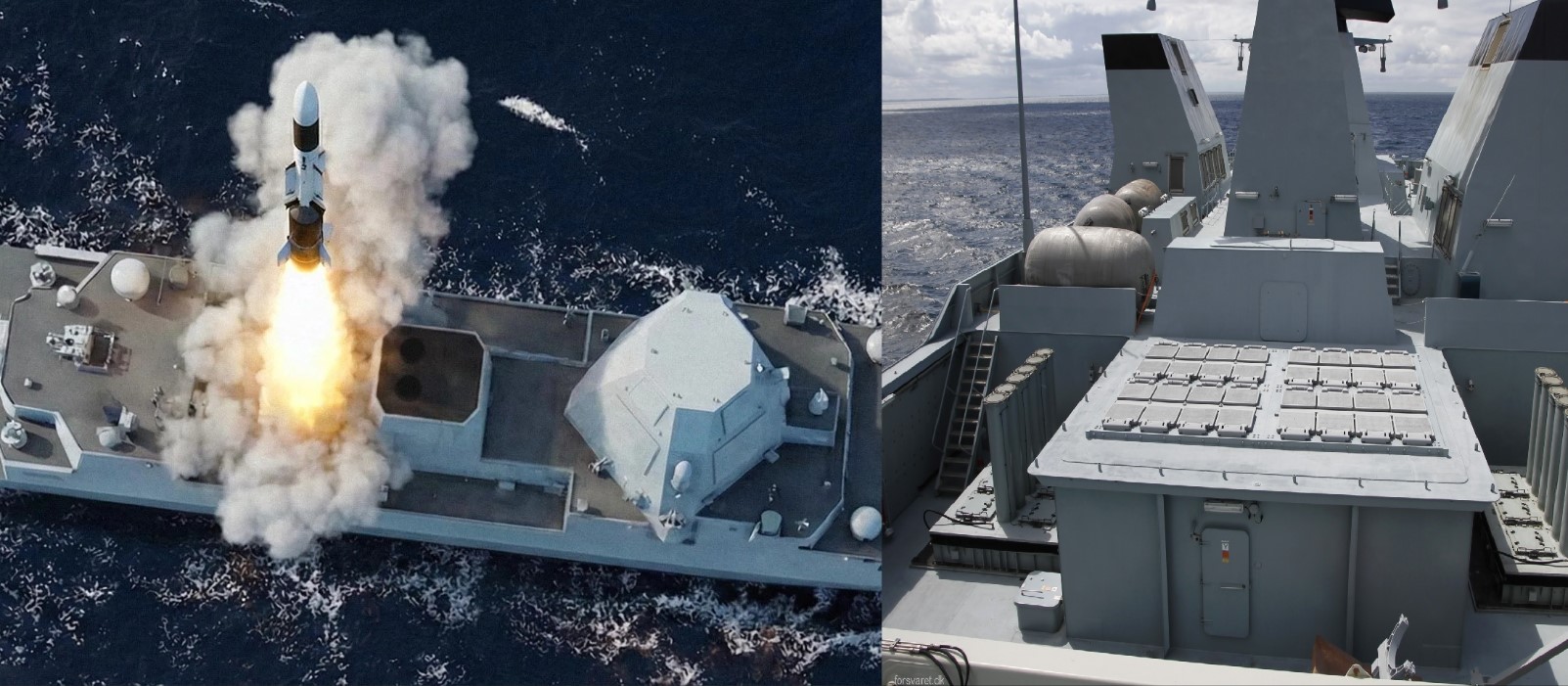 Engineering Challenges Behind the US Navy's Decision to Drop MK41 VLS from Flight I FF(X) Frigates
-
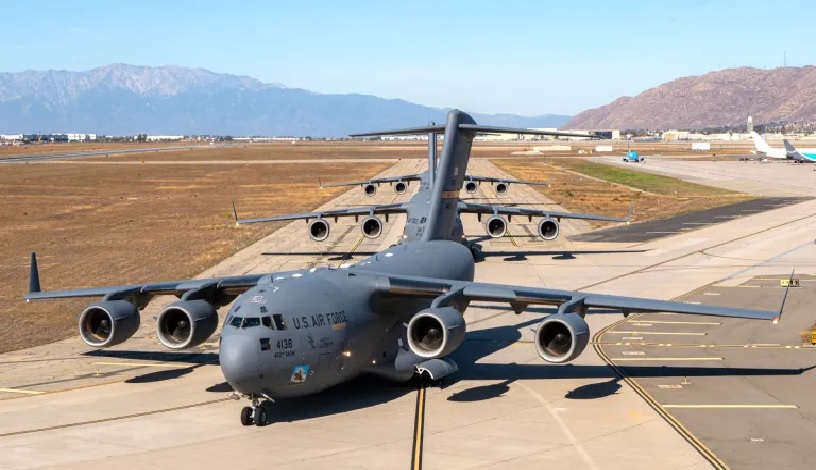 U.S. Air Force Faces Strategic Airlift Shortfall as C-17 Production Restart Remains Uncertain
-
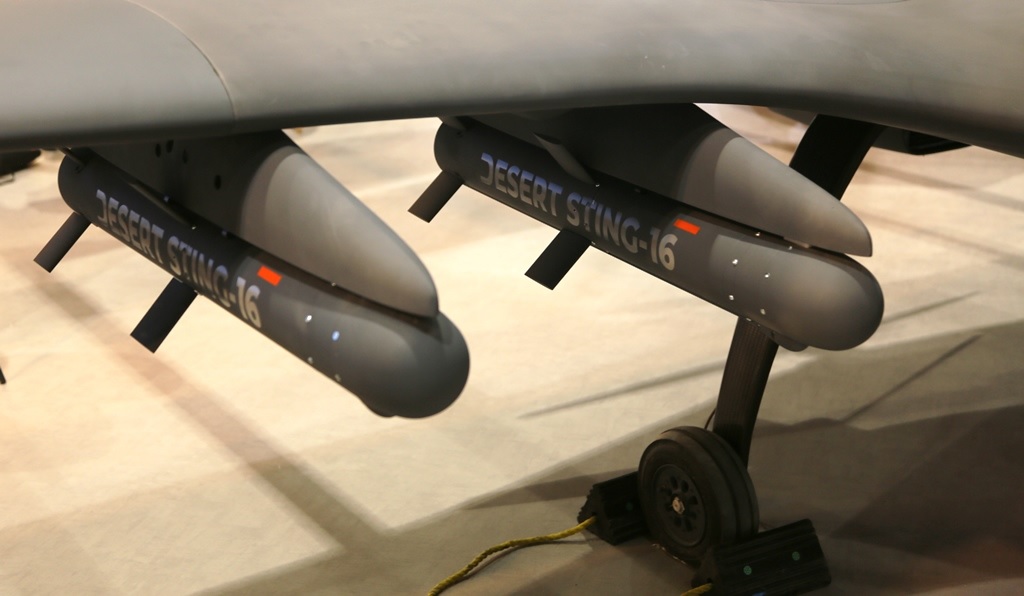 EDGE Integrates Desert Sting 16 Precision-Guided Munition with Bayraktar TB2 UAV
Top Trending in 4 Days
-
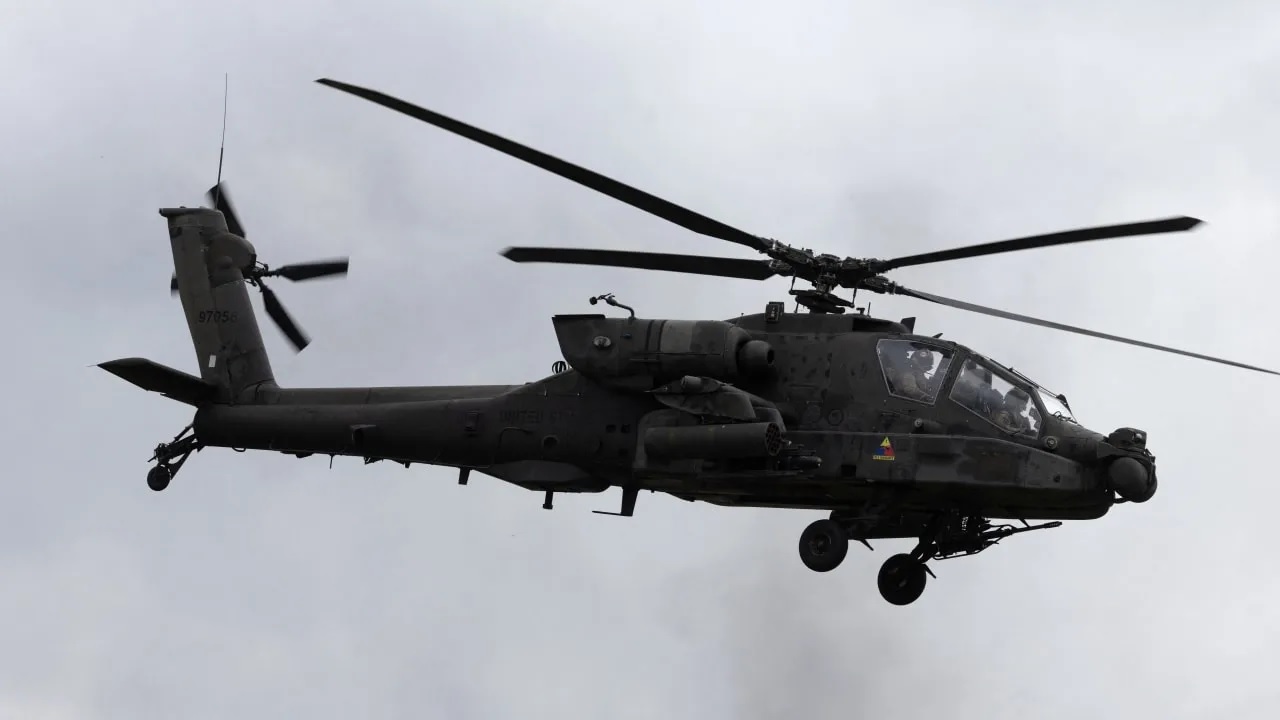 US Army Apache Helicopter Crashes Near Strait of Hormuz; Crew Rescued Safely
-
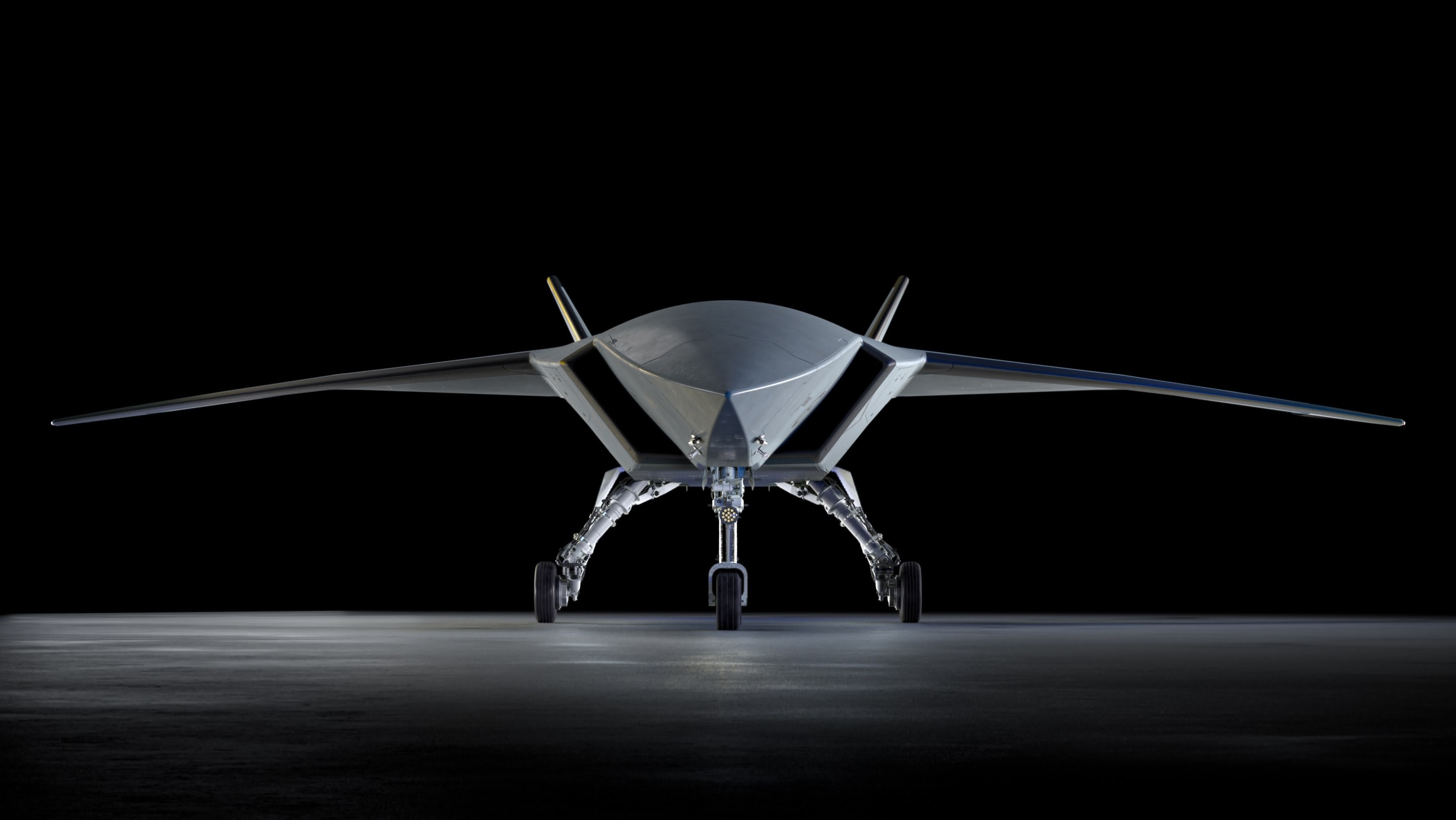 Boeing Introduces New MQ-28 Ghost Bat Upgrades with Increased Range, Payload and Weapons Capacity at ILA Berlin 2026
-
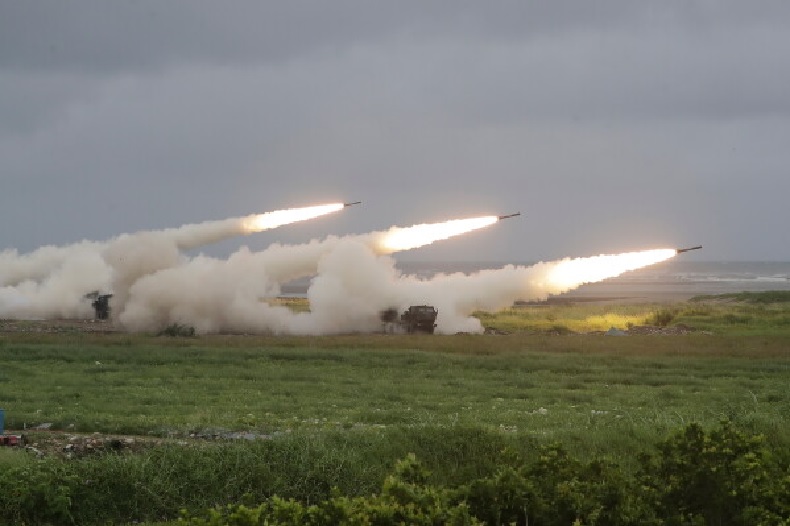 Taiwan Conducts First Live-Fire of HIMARS Rockets From West Coast During Invasion Defense Drill
-
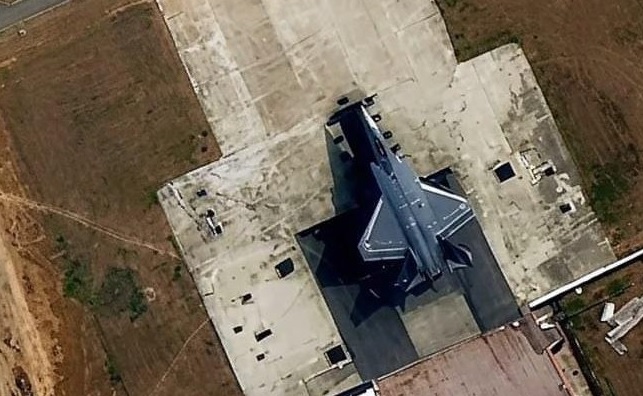 AMCA Airframe Spotted at DRDO’s ORANGE Facility for Radar Cross-Section Testing
-
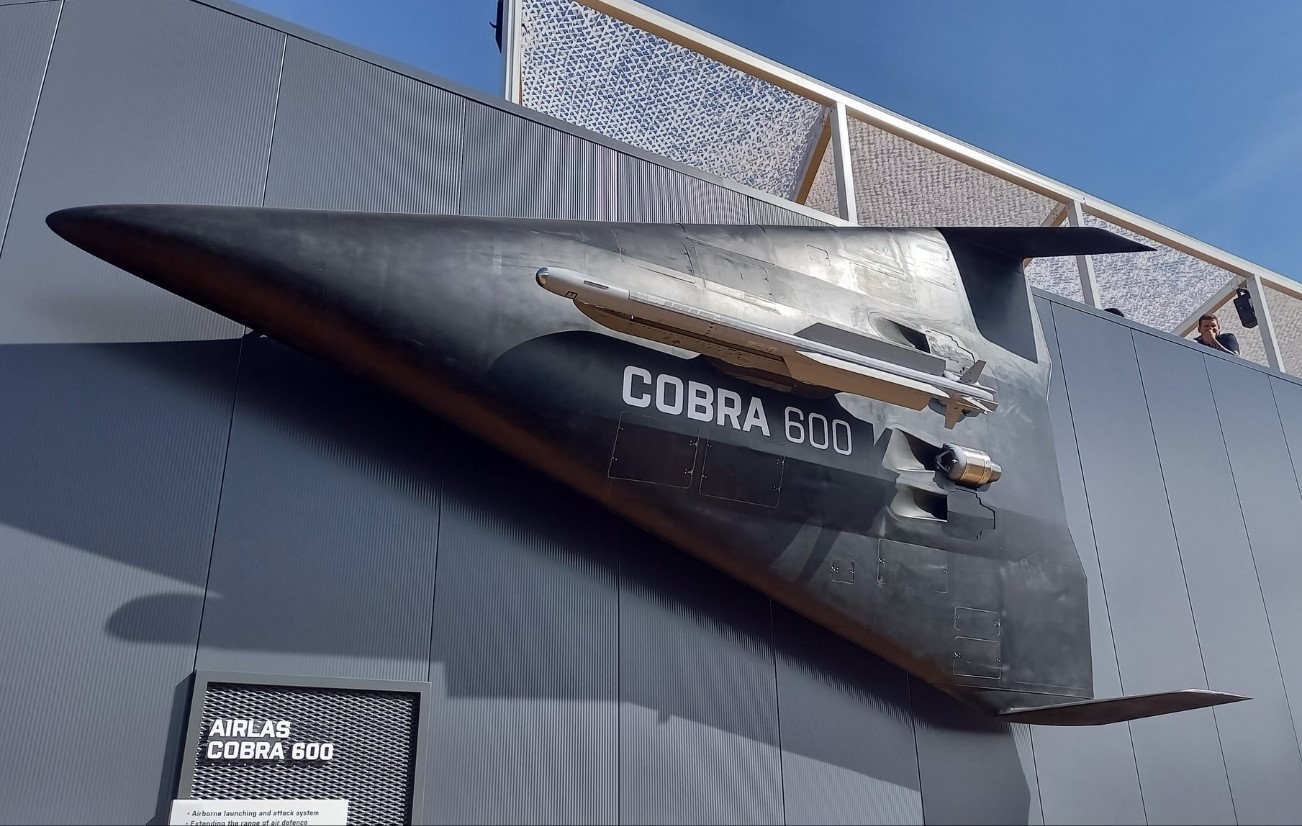 Diehl Defence Unveils IRIS-T Armed Cobra 600 Air Defense Drone at ILA Berlin 2026
-
 U.S. Army Successfully Demonstrates Quantum Sensor That Can Precisely Locate Radio Signals in 3D
-
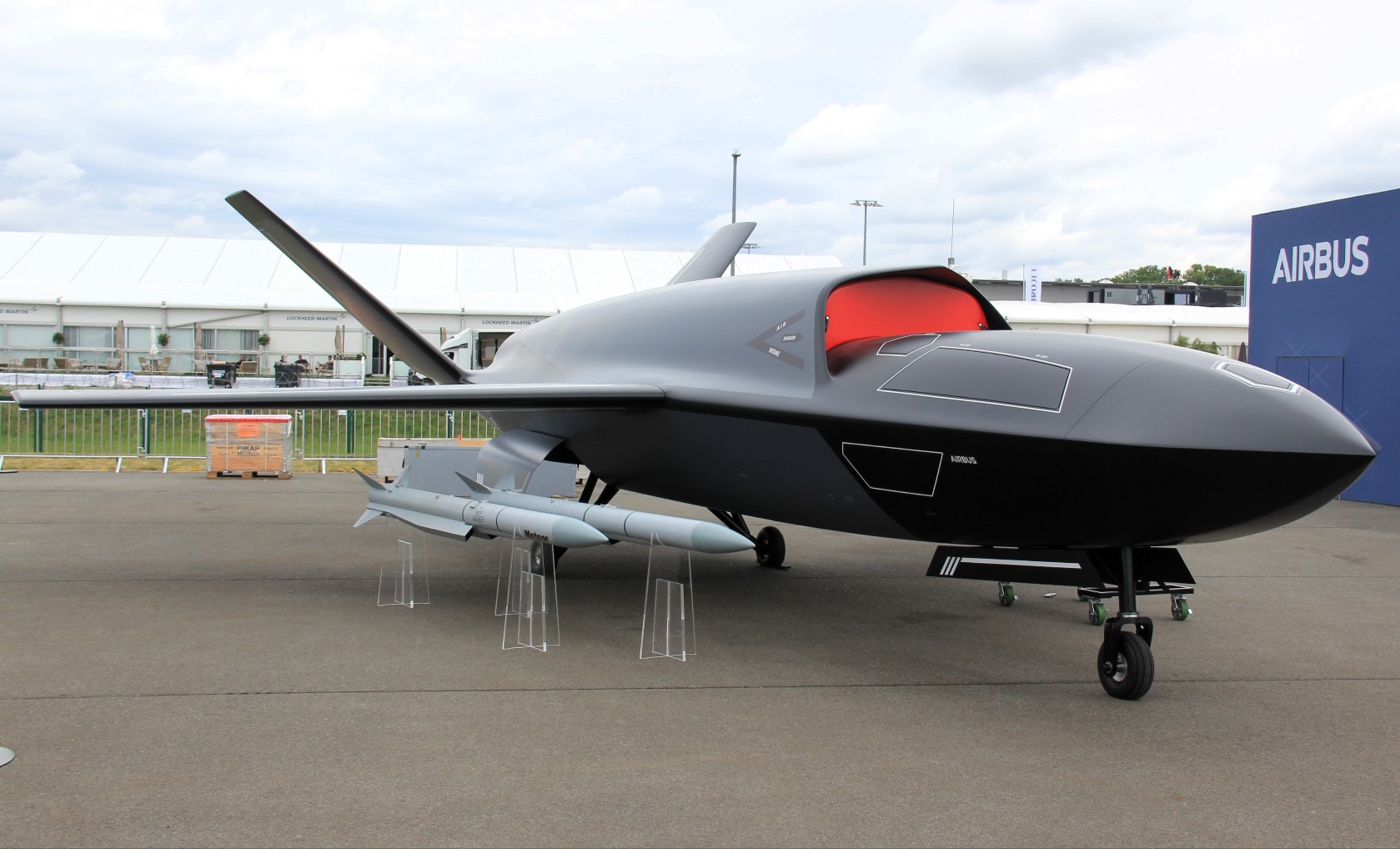 Airbus Unveils U760 Ravenstorm Loyal Wingman Drone at ILA Berlin 2026
-
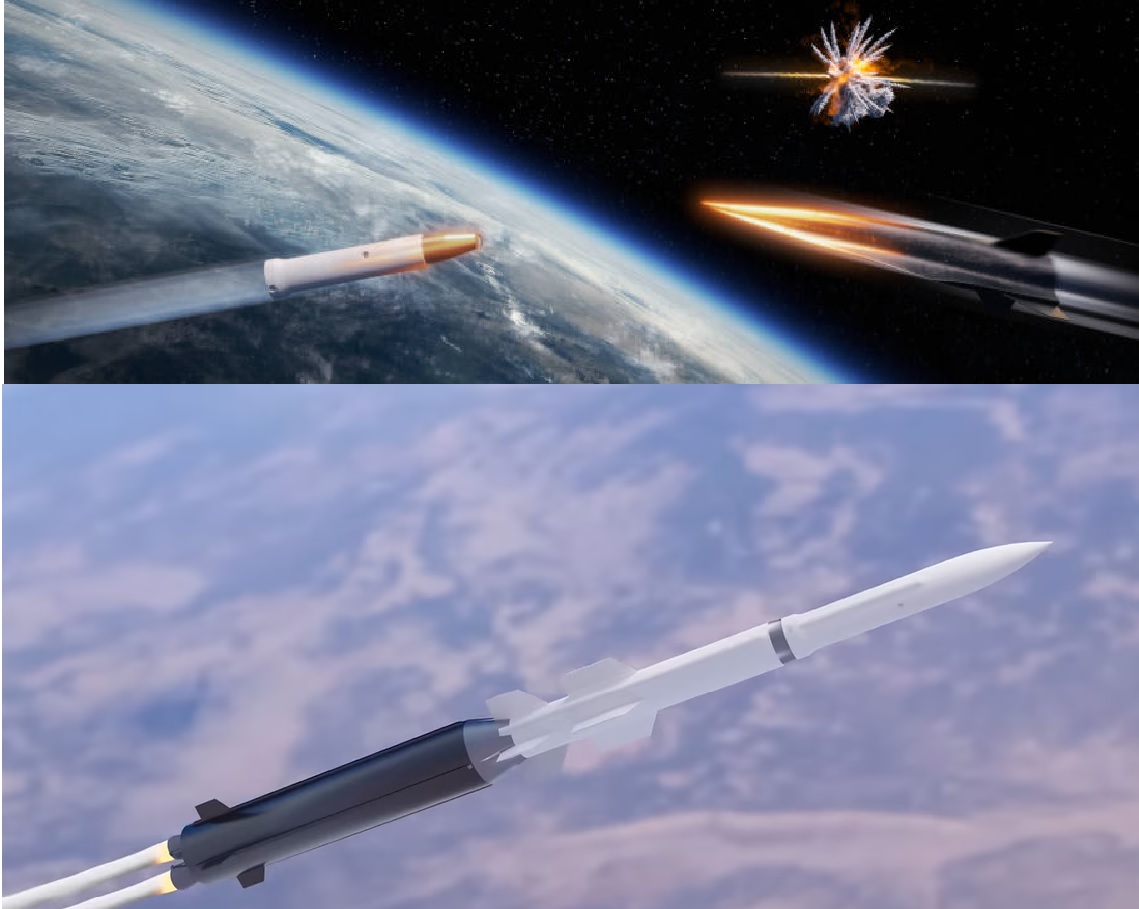 MBDA Develops AQUILA Interceptor to Counter Hypersonic and Maneuvering Missile Threats