
World
The Israel Defense Forces have deployed the Roem/Sigma self-propelled howitzer, a fully automatic 155mm artillery system designed to replace the M109s in the Israeli Artillery Corps.The Israel Defense Forces (IDF) have officially fielded the Roem/Sigma self-propelled howitzer after a series of successful tests. This new artillery system, developed by Elbit Systems, is touted as the world’s first fully automatic artillery and is intended to replace hundreds of M109 howitzers currently in service with the Israeli Artillery Corps.Key Features of Roem/Sigma:Caliber and Mobility: The Roem/Sigma is a 155mm/52 caliber artillery piece mounted on a modified Oshkosh 10×10 military truck chassis. This wheeled system offers greater mobility compared to the tracked M109.Firing Range: The howitzer boasts a firing range of up to 40 kilometers (25 miles), with a European variant capable of reaching up to 80 kilometers (50 miles).Automation: The Roem/Sigma features automatic loading and laying of the gun system, allowing for a high rate of fire at eight rounds per minute.Quick Deployment: It can transition from travel to fire mode in just 60 seconds, enabling rapid response times.Advanced Capabilities:Crew Efficiency: The system is operated by a crew of three, thanks to its high level of automation.Salvo Effect: The Roem/Sigma can fire multiple shells in rapid succession at different trajectories, creating a concentrated salvo effect on the target.Protection: The howitzer includes an armored cabin at the front for protection against blasts and mines.Statements from IDF:Brig. Gen. Yair Natans, the IDF’s chief artillery officer, emphasized the significance of the Roem/Sigma in modern warfare. "We have taken yet another significant step towards integrating the ‘Roem’ into the diverse firepower capabilities wielded by corps commanders to assist maneuvering forces — close and lethal support that eliminates many enemies and protects soldiers in various arenas," Natans stated. He also highlighted that the Roem is part of the broader reinforcement of all ground artillery systems, including rockets, missiles, and remotely piloted aircraft.Conclusion:The introduction of the Roem/Sigma self-propelled howitzer marks a significant upgrade for the Israeli Artillery Corps. With its advanced automation, extended range, and quick deployment capabilities, the Roem/Sigma enhances the IDF's operational effectiveness and provides robust support for maneuvering forces.
Read More → Posted on 2024-06-10 16:18:43
World
Diehl Defence introduces the FEANIX drone, an advanced unmanned aerial system designed to enhance military capabilities and support the European Future Combat Air System program.German defense contractor Diehl Defence has launched its new Light Remote Carrier (LRC) unmanned aerial system, named FEANIX, at an aerospace trade convention in Berlin. The FEANIX drone, weighing approximately 300 kilograms (661 pounds) and measuring less than 4 meters (13 feet) long, is designed for both ground and sea deployment. Its modular design allows for customization based on the user’s payload requirements, integrating various sensors and effectors to suit different operational scenarios.Key Features of FEANIX:Modular Design: FEANIX's modularity allows it to be configured with different payloads, including sensors and both lethal and non-lethal effectors.Swarming and Networking: The drone incorporates advanced swarming and networking capabilities, enhancing its operational effectiveness.Stand-off Capabilities: These capabilities allow the drone to perform tasks from a distance, reducing risks to military personnel.Development and Purpose:Diehl Defence has been investing in self-financed research and development activities for remote carriers in missile systems. The FEANIX drone is part of this effort, aimed at closing an identified capability gap in the armed forces and expanding Diehl's product portfolio with a future-oriented approach.Supporting the European FCAS Program:The FEANIX drone is developed to reduce risks to military crews during airborne missions significantly. It will support the European Future Combat Air System (FCAS) program, which aims to develop a sixth-generation fighter jet, corresponding "wingman" remote carriers, and a modern weapon system. The FCAS program is a collaborative effort involving Germany, France, and Spain, with prime contractors Dassault Aviation, Airbus, and Indra leading the initiative.A model of the French-German-Spanish FCAS aircraft was showcased at the 53rd Paris Air Show in 2019, highlighting the international cooperation in this ambitious project. Test flights for the FCAS program are expected to begin in 2027, with the solutions anticipated to enter service in the 2040s.Current Status and Future Plans:During the Berlin event, Airbus also revealed a full-scale model of its carrier drone offering for the FCAS program. Diehl Defence's FEANIX Project Lead, Alexander Brugger, confirmed that the company is negotiating with the German military to fund and produce the drone. The prototype is planned to be completed at Diehl’s Überlingen facility by 2028.With the introduction of the FEANIX drone, Diehl Defence is taking significant steps to enhance military capabilities and contribute to the future of European defense technology.
Read More → Posted on 2024-06-10 16:01:01
World
Ukraine enhances its frontline defenses against Russian attack drones with new Shatro EW systems, supporting soldiers in trench warfare.Ukraine’s military has recently received new electronic warfare (EW) systems designed to protect soldiers in trench warfare. Known as the Shatro, these systems are specifically engineered to block Russian attack drones, providing vital protection to frontline units.Petro Poroshenko, a prominent Ukrainian politician, showcased the first batch of Shatro 50-1M systems donated by his foundation on his official YouTube channel. He announced the launch of a new program called "trench electronic warfare" aimed at shielding military personnel directly at the frontline. This initiative underscores the commitment to enhancing the safety and operational efficiency of Ukrainian soldiers engaged in intense combat.The Ukrainian Armed Forces are set to receive a total of 48 Shatro EW systems, which will be deployed in the embattled regions of Kharkiv and Donetsk. These regions have seen significant conflict, making the need for advanced defense systems critical.Strengthening Trench DefensesThe introduction of the Shatro EW systems is part of a broader effort to fortify the trenches and other defensive positions used by Ukrainian soldiers. In addition to the Shatro systems, Poroshenko’s foundation has donated 800 first-person-view drones, cargo manipulators, DAF trucks, and TDC backhoe loaders to the military. These donations are intended to aid the Ukrainian Armed Forces in quickly constructing fortifications both at the frontline and in rear positions.Poroshenko emphasized the importance of these contributions, stating, “The program of excavators for fortifications means that we buy all the equipment available on the market to build defense lines more efficiently.”Enhancing Operational CapabilitiesThe Shatro EW systems are expected to enhance the operational capabilities of Ukrainian forces significantly. By obstructing enemy drones, these systems help prevent reconnaissance and direct attacks on Ukrainian positions. This technological edge is crucial as drone warfare becomes increasingly prevalent on the modern battlefield.Moreover, the additional equipment donated by Poroshenko's foundation supports the rapid development of defensive infrastructure, ensuring that Ukrainian forces can maintain and strengthen their positions against ongoing threats. The drones and construction equipment will enable more efficient fortification efforts, providing both immediate and long-term benefits to Ukraine's defensive strategies.ConclusionThe deployment of the Shatro EW systems and other critical equipment represents a significant step in Ukraine's ongoing efforts to defend its territory and protect its soldiers. With continued support and advanced technology, the Ukrainian military is better equipped to face the challenges posed by ongoing conflicts in the region.s
Read More → Posted on 2024-06-10 15:20:43
World
Saab introduces the Compact Radar Module for the Giraffe 1X, enhancing mobility and versatility for rapid operational deployments.At Eurosatory 2024, Saab will showcase its innovative Compact Radar Module designed for the Giraffe 1X radar system. This module combines all essential radar components into a single, compact unit, enhancing mobility and rapid deployment capabilities. With the push of a button, the antenna folds into the module, making it easy to transport and set up in diverse operational environments.The Giraffe 1X radar is renowned for its performance and reliability in various military operations. It boasts a large search volume of up to 75 km, making it suitable for urgent missions where operational infrastructure is limited. The Compact Radar Module builds on these capabilities, offering an all-in-one solution for fast-paced operational needs.Carl-Johan Bergholm, head of Saab’s business area Surveillance, emphasizes the value of this new addition: "The Giraffe 1X Compact Radar Module is designed with mobility and operational urgency in mind. It leverages the proven capabilities of the Giraffe 1X radar, providing customers with flexible deployment options to maximize operational effectiveness."The Giraffe 1X radar is equipped with advanced features, including air defense target data, drone detection for counter-UAS operations, and sense-and-warn capabilities for rockets, artillery, and mortars. Continuous software upgrades ensure the radar system remains effective against emerging threats.This latest development from Saab demonstrates the company’s commitment to enhancing operational capabilities and meeting the evolving needs of modern military forces. The Compact Radar Module is set to be a significant asset for any mission requiring rapid deployment and reliable radar performance.
Read More → Posted on 2024-06-10 15:15:51
World
Russia tests anti-drone nets to catch Ukrainian drones attacking refineries, aiming to detonate them before reaching their targets. These nets offer a new defense layer but may not stop high-speed drones or coordinated attacks.Russia has been showcasing test flights involving anti-drone nets, a new defense mechanism designed to safeguard refineries and oil depots from Ukrainian drone strikes. While the test drone undeniably flies at a slower pace than real-world models, the developers are on the right track. Their goal: to ensnare the drone and trigger its detonation at a safe distance, effectively neutralizing the attack.This development comes after a string of successful drone assaults by Ukraine on critical Russian oil infrastructure. The vulnerability of these refineries prompted a search for countermeasures, and anti-drone nets have emerged as a potential solution.Here's a closer look at this defense system:Physical Barrier: The net acts as a physical obstacle, designed to snag the drone mid-flight. This disrupts its trajectory and prevents it from reaching its target.Detonation at a Distance: Ideally, upon getting caught in the net, the drone's explosive payload would detonate before reaching the intended target. This significantly reduces the potential damage to the refinery. Limitations to Consider:While anti-drone nets offer a layer of protection, they aren't foolproof. Here are some limitations to keep in mind:Drone Speed: The effectiveness of the net relies heavily on the drone's speed. The test video likely used a slower drone than those typically deployed in attacks. High-speed drones might have a higher chance of breaching the net.Multiple Drones: A coordinated attack with multiple drones could overwhelm the net's defensive capabilities. Evolving Technology: As drone technology advances, so too must countermeasures. The developers need to stay ahead of the curve and adapt the nets to handle new threats.Alternative Defense Measures:Anti-drone nets represent one approach to protecting critical infrastructure. Other methods include:Electronic Warfare: Jamming drone control signals can disrupt communication between the operator and the drone, potentially disabling it.Drone Interception: Deploying interceptor drones specifically designed to take down attacking drones is another option.Surface-to-Air Missiles: For high-threat environments, surface-to-air missiles offer a more robust defense, but come with a higher cost.The Future of Drone Defense:The use of drones in warfare is a growing concern, and protecting critical infrastructure from these aerial threats is a top priority. Anti-drone nets offer a promising, though not infallible, solution. Continued development and a multi-layered defense strategy will be crucial in safeguarding refineries and other vital assets.
Read More → Posted on 2024-06-09 16:04:49
World
Aeronautics introduces the Orbiter 2 LM, a new loitering munition UAV offering extended endurance, high-precision targeting, and secure communication for versatile military missions.Aeronautics, a well-known Israeli drone manufacturer, has unveiled the Orbiter 2 LM, a new addition to its line of unmanned aerial vehicles (UAVs). This advanced loitering munition system is designed for long endurance, persistent surveillance, and precision strikes with minimal collateral damage. The Orbiter 2 LM is versatile, making it suitable for a wide range of military missions.The Orbiter 2 LM combines loitering munition capabilities with intelligence, surveillance, and reconnaissance (ISR) functions. It has an impressive endurance of up to two hours, providing flexibility for missions that require rapid adaptation to changing conditions. One of its key features is the ability to operate effectively even in GPS-denied environments, thanks to its advanced, interference-resistant communication systems. These systems are encrypted to ensure secure data transmission and full connectivity with external Command, Control, Communications, Computers, and Intelligence (C4I) systems.The Orbiter 2 LM is part of the Orbiter 2 Sensor-to-Shooter (STS) Mission System, which includes the Orbiter 2 ISR. Both UAVs share a common platform, communication data link, control station, and operational software, enabling seamless integration and mission versatility. The Orbiter 2 ISR excels in gathering intelligence, pinpointing targets, and assessing battle damage, while the Orbiter 2 LM is designed for quick target engagement.This STS system offers a fast sensor-to-shooter mission cycle, enhancing operational flexibility and effectiveness. It also boasts a compact logistics footprint and supports efficient flight training using the Orbiter 2 ISR for various scenarios. Both the Orbiter 2 LM and Orbiter 2 ISR are equipped with high-resolution day and infrared (IR) electro-optical payloads, onboard Automatic Target Recognition (ATR), and Video Motion Detection (VMD), significantly improving their operational capabilities.The Orbiter 2 LM and Orbiter ISR are powered by electricity, resulting in low acoustic, optical, and radar cross-section (RCS) signatures. Their simplicity in operation allows a team of just two personnel to manage the system after a few weeks of training.Dan Slasky, President and CEO of Aeronautics, highlighted the significance of the Orbiter 2 LM in the tactical UAV domain. "Aeronautics has built a strong global reputation for addressing the rising demand for autonomous capabilities on the modern battlefield. The integration of the Orbiter 2 LM into our Sensor-to-Shooter system empowers field forces with accurate intelligence and attack capabilities, ensuring the seamless execution of multiple tasks. Customers using the Orbiter 2 system can now enhance their capabilities with a loitering munition system that easily interfaces with their existing command, control, and communication systems. The Orbiter 2 LM represents a significant advancement in tactical unmanned aerial systems, meeting the evolving needs of modern warfare."In summary, the Orbiter 2 LM by Aeronautics is a state-of-the-art loitering munition system that enhances military operational flexibility, precision, and efficiency, making it a valuable asset in modern combat scenarios.
Read More → Posted on 2024-06-09 15:48:20
World
KNDS has introduced a cutting-edge programmable artillery fuzes system, comprising two fuzes and an inductive fuze setter, at the Future Artillery Conference in Paris.At the recent Future Artillery Conference in Paris, KNDS, a French-German defense company, showcased its innovative programmable artillery fuzes system. This system, currently in advanced development by KNDS Ammo Italy, comprises three main components: the FB375MkII-IM multirole fuze, the FB374 fuze for cargo rounds, and the FB22 Inductive Fuze Setter. These components comply with NATO’s AOP-22 standard, ensuring interoperability with other NATO-compliant systems.Components of the Programmable Artillery Fuzes System1. FB375MkII-IM (FOX) Multirole FuzeFunctionality: The FB375MkII-IM is designed for 105 mm and 155 mm artillery projectiles and offers four programmable modes: Height of Burst (HoB), Point Detonation Super Quick (PD SQ), Point Detonation Delay (PD D), and Time.Height of Burst Mode: Can be set to three different heights, pre-programmed based on customer requirements. The proximity sensor activates in the last three seconds of the round's flight to avoid enemy jamming.Point Detonation Modes: PD SQ ensures detonation within 250 microseconds upon impact, while PD D allows for a programmable delay of up to 60 milliseconds in 1-millisecond increments.Time Mode: Offers a delay of up to 199.9 seconds, adjustable in 0.1-second steps, aligned with NATO AOP-22 standards.Testing and Qualification: The FOX was tested on various ammunition types, including the 105mm M1 and M107, and 155mm LU107 and LU211 rounds. Most tests were conducted using the Caesar 155/52 mm truck-mounted artillery system. The FOX meets insensitive munition (IM) standards, with KNDS Ammo Italy producing IM explosives for various applications.2. FB374 Fuze for Cargo RoundsDesign and Usage: Built for cargo, illuminating, and smoke ammunition in 105 and 155 mm calibres, the FB374 retains the Time and PD SQ modes. This fuze is more compact and tailored for specific round types, maintaining the same programming parameters as the FOX.3. FB22 Inductive Fuze SetterDesign and Functionality: Weighing less than 1.5 kg, the FB22 is a durable, hand-held device made from aluminum. It features a rubber waterproof keypad for manual data entry and an electric interface for automatic programming from the fire control system.Battery Life: The device offers an impressive battery life of 8 years or 10,000 programming cycles. It is expected to complete qualification by late 2024, with the entire KNDS system available to customers by 2025.Advantages of the SystemThe KNDS programmable fuzes system offers several benefits, including enhanced precision and flexibility in artillery operations. By allowing the fuze to be programmed for specific targets and conditions, the system maximizes the effectiveness of each round. Additionally, compliance with NATO standards ensures interoperability with other systems, providing versatility in multinational operations.Future ProspectsAs the defense industry advances, systems like KNDS's programmable artillery fuzes will play a crucial role in modern warfare. The ability to precisely control detonation timing and conditions enhances the operational capabilities of artillery units, making them more effective and adaptable in various combat scenarios.
Read More → Posted on 2024-06-09 15:45:20
World
Ukrainian drones have reportedly damaged a Russian Su-57 Felon fighter jet at an airbase near Akhtubinsk, marking a potential first combat loss for the advanced aircraft.A significant incident has occurred involving the Russian Su-57 Felon fighter jet, one of the most advanced aircraft in Russia’s military arsenal. Reports indicate that Ukrainian suicide drones attacked the airbase near Akhtubinsk on June 8, 2024, resulting in serious damage to the Su-57. This event could potentially mark the first combat loss of the Su-57 in history.The drone attack was confirmed by Fighterbomber, a Telegram channel connected to the Russian Air Force. According to the channel, three drones reached the airbase, and one of them inflicted serious damage on the Su-57. The extent of the damage is still being assessed to determine if the aircraft can be repaired.Another Russian Telegram channel, Russian Military Informant, criticized the lack of proper protective hangars for such valuable and advanced aircraft. The channel highlighted the irony of the situation, noting that the cost of a proper hangar would have been less than the expense of repairing or replacing a damaged fifth-generation fighter jet.The Su-57 Felon is a twin-engine, single-seat aircraft designed to perform multiple missions, including air superiority and ground attack. Despite claims of its stealth capabilities, there has been skepticism from Western analysts regarding the extent of these features.The Ukrainian GUR defense intelligence agency also confirmed the attack, sharing satellite images showing the damage. The GUR did not specify the exact method of the attack but noted that the aircraft was parked at the Akhtubinsk airfield, approximately 589 kilometers (366 miles) from the front lines in Ukraine.This incident underscores the ongoing conflict between Ukraine and Russia, which has seen regular strikes deep into each other’s territories using missiles and drones. Ukraine, in particular, has been focusing on developing long-range drones to compensate for its relatively smaller arsenal of missiles compared to Russia.The damaged Su-57 represents a significant blow to the Russian Air Force, given the aircraft's advanced technology and capabilities. The Su-57 program has faced several challenges, including development delays and a crash in 2019, with serial production only beginning in 2022.If the damage to the Su-57 is deemed irreparable, this event will mark a notable milestone in the history of the aircraft and the ongoing conflict, highlighting the vulnerabilities of even the most advanced military equipment in modern warfare.
Read More → Posted on 2024-06-09 15:40:13
World
GA-ASI's new 200-horsepower heavy fuel engine, HFE 2.0, successfully passed a 2,500-hour durability test, showcasing its enhanced reliability and suitability for military UAS applications.On May 16, 2024, General Atomics Aeronautical Systems, Inc. (GA-ASI) successfully completed durability testing for its new 200-horsepower heavy fuel engine, known as HFE 2.0, at their El Mirage, California flight facility. This engine, featuring a GA-ASI-designed gearbox and dual brushless generators from General Atomics Electromagnetic Systems (GA-EMS), is engineered to last 2,500 hours between scheduled overhauls, significantly extending maintenance-free operational periods.The final durability test simulated the full 2,500-hour lifespan of the engine, replicating the most strenuous conditions it might encounter in real-world operations. This included 1,250 full power take-offs and climbs to high cruising altitudes, as well as over 200 hours of cruising under maximum generator load. GA-ASI President David R. Alexander praised the Internal Research and Development team for their innovation and technical expertise, stating that the HFE 2.0 engine is now the premier heavy fuel engine in aviation. This development addresses the challenge of diminishing manufacturing sources for aviation heavy fuel engines and components.The U.S. Army is considering the HFE 2.0 to replace the current 180-horsepower engine in GA-ASI’s Gray Eagle Extended Range (GE ER) Unmanned Aircraft System (UAS). The HFE 2.0 is also a key component of the Gray Eagle 25M (GE 25M) UAS, designed for future Multi-Domain Operations (MDO) missions. Developed in collaboration with General Atomics Europe and propulsion technology innovator Cosworth, the HFE 2.0 boasts increased horsepower, durability, and reliability. The dual brushless generators, designed by GA-EMS, enhance field maintenance efficiency and provide over 50 percent more electrical power for new payloads and mission capabilities while maintaining the same Size, Weight, and Power (SWaP) as the existing generators.Final 150-hour qualification testing is set to be completed by September, with certification from the U.S. Army to follow.
Read More → Posted on 2024-06-09 15:28:17
World
Canadian officials, including Public Safety Minister Dominic LeBlanc and MP Chandra Arya, condemn Khalistani supporters for promoting violence through posters of Indira Gandhi's assassination, urging law enforcement to take action.Recent incidents involving Khalistani supporters in Canada have drawn significant criticism from Canadian officials. Posters depicting the assassination of former Indian Prime Minister Indira Gandhi, with graphic images showing bullet holes and her Sikh bodyguards holding guns, have been put up, causing outrage among Canadian leaders and the Indian community.Canadian Public Safety Minister Dominic LeBlanc strongly emphasized that promoting violence is never acceptable in Canada. His statement came in response to these provocative posters, which many see as an attempt to incite fear and violence.Chandra Arya, an Indian-origin Canadian Member of Parliament, echoed these concerns. Arya highlighted that the posters are not just provocative but are a deliberate attempt to instill fear among Hindu-Canadians. He recalled similar incidents from a few years ago, including a controversial float in Brampton and threats made by Gurpatwant Singh Pannu of Sikhs for Justice, urging Hindus to leave Canada. In a post shared on X (formerly Twitter), Arya stressed the severity of the situation. He pointed out that such displays could potentially lead to real violence if left unchecked. The depiction of Indira Gandhi with a prominent bindi on her forehead, according to Arya, is a clear signal targeting Hindu-Canadians.Arya called on Canadian law enforcement agencies to take immediate action against these acts. He warned that the use of imagery involving guns and violence could escalate if not addressed promptly.The controversy comes amid a backdrop of strained relations between India and Canada, partly due to increasing incidents of Khalistani extremism in Canada. Just last month, during the Nagar Kirtan Parade organized by the Ontario Gurudwara Committee, some participants chanted anti-India slogans, further souring the bilateral ties.The Ministry of External Affairs of India has condemned these incidents, stating that the glorification of violence has no place in a civilized society. Indian officials have urged Canada to take a firmer stance against such activities to prevent further deterioration of relations.In summary, the actions of Khalistani supporters in Canada, particularly their use of violent imagery and rhetoric, have been met with strong condemnation from Canadian officials. Both LeBlanc and Arya have called for swift action to prevent any escalation of violence and to protect the peace and security of all communities in Canada.
Read More → Posted on 2024-06-09 15:23:41
World
Former US Defense official Elbridge Colby warns of a possible sudden attack by China on Taiwan, urging strengthened military readiness.In a recent interview with Japan's Yomiuri Shimbun, Elbridge Colby, a former US Deputy Assistant Secretary of Defense for Strategy and Force Development, cautioned that China might launch an attack on Taiwan with little warning. He believes Chinese President Xi Jinping has given up on the idea of peaceful unification with Taiwan.Colby, who served under former President Donald Trump and is considered a potential candidate for a national security position if Trump is re-elected, stressed the importance of bolstering military capabilities to respond quickly to any Chinese aggression. He emphasized that such a conflict could involve not only the US but also its allies in the Asia-Pacific region, including Japan, Australia, and the Philippines.Colby’s assessment aligns with the view that Asia has become the primary theater for strategic competition, overshadowing Europe. He advised the US to shift its focus from supporting Ukraine to enhancing its defense posture in Asia. While he believes Europe can handle the threat from Russia more independently, he sees Asia as needing stronger US support to counter China.In response to Colby’s warnings, China’s Minister of National Defence, Admiral Dong Jun, criticized external forces for encouraging Taiwan’s independence and warned of severe consequences for anyone attempting to separate Taiwan from China. He accused these forces of undermining the one-China principle and escalating tensions by selling arms to Taiwan.The situation has been further inflamed by recent military activities. Following the inauguration of Taiwan's Vice President Lai Ching-te, China conducted two days of military drills around Taiwan. These actions were described as punishment for what Beijing called "separatist acts" in Lai's speech, where he urged China to cease its intimidation tactics.As tensions continue to rise, the international community remains watchful of any signs of conflict, understanding that the stakes involve not only regional stability but also the broader geopolitical balance of power.
Read More → Posted on 2024-06-09 15:18:39
World
The Lynx Skyranger 30, revealed by Rheinmetall at Eurosatory 2024, combines a robust infantry fighting vehicle with a cutting-edge air defence system, addressing modern aerial threats with precision and flexibility.At this year’s Eurosatory exhibition, German defence company Rheinmetall introduced a significant advancement in mobile air defence: the Lynx Skyranger 30. This system, mounted on the versatile Lynx infantry fighting vehicle, aims to provide modern armed forces with a superior capability to counter contemporary aerial threats.The Lynx Skyranger 30 is designed to handle highly agile aerial targets, including drones and other airborne threats. It integrates advanced active search and passive tracking sensors, enabling it to operate autonomously with both gun and missile capabilities. The system is tailored to respond to various threat scenarios, such as loitering, pop-up, and dive attacks, ensuring comprehensive defence coverage.Key features of the Lynx Skyranger 30 include:High-Performance Weaponry: The system is equipped with a 30mm automatic cannon and supports surface-to-air missiles like the Mistral, Stinger, and Chiron. This hybrid turret configuration enhances its ability to engage multiple target types effectively.Enhanced Mobility and Survivability: Mounted on the Lynx vehicle, the Skyranger 30 benefits from the proven mobility and survivability of this platform, making it suitable for diverse operational environments.Advanced Sensor Suite: The integration of cutting-edge sensors allows for precise detection and engagement of targets, ensuring the system remains highly effective against evolving aerial threats.In December 2023, Rheinmetall secured a EUR 30 million agreement with Hungary to develop the Lynx Skyranger 30 further. This contract focuses on integrating the Lynx chassis with the Skyranger 30 turret, highlighting the system's potential for customization and adaptation to different military needs. Additionally, the Skyranger 30 turret has already been contracted by Germany and Austria, demonstrating its growing acceptance and deployment in European defence forces.Rheinmetall’s introduction of the Lynx Skyranger 30 at Eurosatory 2024 underscores the company’s commitment to enhancing air defence capabilities. This system's blend of firepower, flexibility, and advanced technology positions it as a crucial asset in modern military operations, addressing the increasing threat posed by drones and other aerial platforms.
Read More → Posted on 2024-06-09 14:43:07
World
Israel successfully rescues hostages from Gaza, showcasing their resolve against terrorism. Read on for a comprehensive overview of the operation and its significance.In a recent operation, Israeli Prime Minister Benjamin Netanyahu declared Israel's unwavering stance against terrorism. Israeli troops rescued four hostages who were held by militants in the Gaza Strip, affirming the nation's commitment to safeguarding its citizens.The hostages, identified as Noa Argamani, Almog Meir Jan, Andrey Kozlov, and Shlomi Ziv, were abducted by Hamas militants during the Nova music festival on October 7. The rescue operation, conducted by Israel's security forces, demonstrated the country's steadfast dedication to protecting its people.Following the successful rescue, Prime Minister Netanyahu emphasized that Israel does not yield to terrorism. He reiterated the nation's determination to fulfill its mission of bringing all hostages, both living and deceased, back home.The hostages, upon their release, were taken to the hospital and reported to be in good medical condition. One of the rescued individuals, Noa Argamani, expressed her excitement at returning home after a prolonged period of captivity. Netanyahu assured her that Israel had never wavered in its efforts to secure their freedom.The October 7 attack, orchestrated by militants, resulted in the abduction of 251 hostages, with 116 still held in Palestinian territory. Tragically, 41 hostages are confirmed to have lost their lives during the ordeal.In response to the attack, Israel endured significant casualties, with 1,194 people, primarily civilians, losing their lives. The ensuing conflict saw Israel launching retaliatory measures, including airstrikes and a ground offensive on Gaza, resulting in further casualties.The rescue operation signifies a triumph for Israel in its ongoing battle against terrorism. It underscores the nation's resilience and commitment to safeguarding its citizens' safety and security.As Israel continues to navigate the complexities of the region, the successful rescue serves as a beacon of hope and resilience amidst ongoing challenges. It reaffirms Israel's unwavering determination to combat terrorism and protect its people at all costs.
Read More → Posted on 2024-06-08 16:28:18
World
Discover the modular advancements and next-generation capabilities of the LAV 6.0, the backbone of the Canadian Army's combat vehicle fleet.General Dynamics Land Systems (GDLS) recently showcased the latest advancements in military vehicle technology with their LAV 6.0 technology demonstrator at CANSEC 2024. This vehicle represents cutting-edge Canadian innovation and serves as the core combat vehicle for the Canadian Army. Since its international operational debut in 2017 during Operation REASSURANCE in Latvia, the LAV 6.0 has continually evolved to meet modern military needs.Key Features of the LAV 6.01. Advanced Armament: The LAV 6.0 is equipped with a 30mm turret featuring anti-tank capabilities and integrated precision fire systems. This firepower upgrade is crucial for modern combat scenarios.2. Digital Architecture: The vehicle boasts a foundational digital architecture with scalable hardware and software, ensuring it can adapt to next-generation technologies. This includes embedded cyber resilience to protect against digital threats.3. Enhanced Mobility and Protection: The LAV 6.0 features an upgraded suspension system and a powerful 450-horsepower engine. Its double-V™ hull design provides superior blast protection, and energy-attenuating seating enhances crew safety. Improved ingress and egress also contribute to operational efficiency.4. Situational Awareness: The vehicle's fully digital electronic architecture increases electrical generation and situational awareness. Upgraded turret human factors and sight systems improve the overall combat effectiveness.Modular Capabilities and VariantsThe LAV 6.0's modular design allows for easy integration of new technologies and mission-specific configurations. GDLS-Canada has introduced the LAV 6.0 Combat Support Vehicle (CSV), which offers additional mission flexibility while maintaining the protection and commonality of the base LAV 6.0.Historical Context and Future PlansThe LAV 6.0, also known as the LAV VI, is the fourth generation in the Light Armored Vehicle series, built on the legacy of the LAV III. The first units were delivered in 2013, with full operational deployment starting in 2016. The Canadian Army plans to replace all its LAV II and LAV III variants with the LAV 6.0, acquiring it in two main variants: a fighting vehicle with a 25mm cannon and an Armored Combat Support Vehicle (ACSV).ConclusionThe LAV 6.0 continues to set the standard for modern combat vehicles, combining advanced weaponry, robust protection, and modular design to meet the evolving needs of military operations. As technology advances, the LAV 6.0 is well-positioned to remain the backbone of the Canadian Army's vehicle fleet, showcasing the innovation and capability of General Dynamics Land Systems.
Read More → Posted on 2024-06-08 15:57:39
World
Rheinmetall presents advanced defence solutions at Canada’s leading defence industry event, featuring cutting-edge Mission Master vehicles, unique simulation tools, and new collaboration projects.Rheinmetall is making a significant impression at Canada’s foremost defence industry event by showcasing an array of their latest technologies. This marks the first time all three variants of the Mission Master vehicle—SP, XT, and the new CXT—are being displayed together. Visitors have the opportunity to explore the distinct capabilities of each vehicle.Mission Master Vehicle Variants1. Mission Master SP: This compact Uncrewed Ground System (UGS) is equipped with a low-signature electric motor and has amphibious capabilities, making it ideal for silent operations.2. Mission Master XT and CXT: Both larger vehicles are designed to handle diverse terrains including ice, snow, sand, and rocky landscapes. They feature advanced amphibious capabilities, allowing them to float and swim while carrying a full payload of up to 1000 kg. The XT is diesel-powered, while the slightly smaller CXT utilizes hybrid propulsion for quieter transport of heavy payloads.3. AI-Powered Navigation: All Mission Master vehicles are equipped with an AI-powered navigation system that is agnostic, enabling it to drive almost any military or commercial vehicle. This system is demonstrated with the light tactical MRZR-D4 vehicle from Polaris, showcasing the versatility of Rheinmetall’s PATH autonomy kit.Additional Technologies and CollaborationsHardware-in-the-Loop Simulator: Attendees can test the Mission Master vehicles in a realistic virtual environment.MSU-GP 200T Air Start Unit: The only turbine-powered ASU on the market, known for its compact and lightweight design. It is reliable and versatile, performing well in extreme weather and transportable by air and sea.Solar?Shield Fabric: This patented fabric, designed by Defence Research and Development Canada, reduces solar heat load and manages multispectral signatures. It has been selected for the Australian Defence Force’s new Redback IFV.High Mobility Engineer Excavator (CHER Project): Rheinmetall is collaborating with JCB to provide the Canadian Armed Forces with advanced heavy support equipment.Voyager Vehicle (DAME Project): In partnership with UTV International, Rheinmetall aims to offer a high mobility vehicle platform suitable for various terrains and seasons in Canada’s North and Arctic regions.Rheinmetall’s commitment to innovation and collaboration is evident as they continue to support the Canadian Armed Forces with dependable and sustainable solutions. The event also highlights Rheinmetall’s recent recognition with the Progressive Aboriginal Relations Level 2 Committed certification from the Canadian Council of Aboriginal Business, underlining their dedication to inclusivity and partnerships within Canada.ConclusionRheinmetall’s comprehensive display at this key defence industry event offers a unique opportunity to explore their advanced technologies and collaborations, reinforcing their role as a leader in defence solutions.
Read More → Posted on 2024-06-08 15:47:01Search
Top Trending in 24 Hours
-
 Iranian Media Leaks 14-Point U.S.-Iran Peace Framework Amid Ongoing Negotiations
-
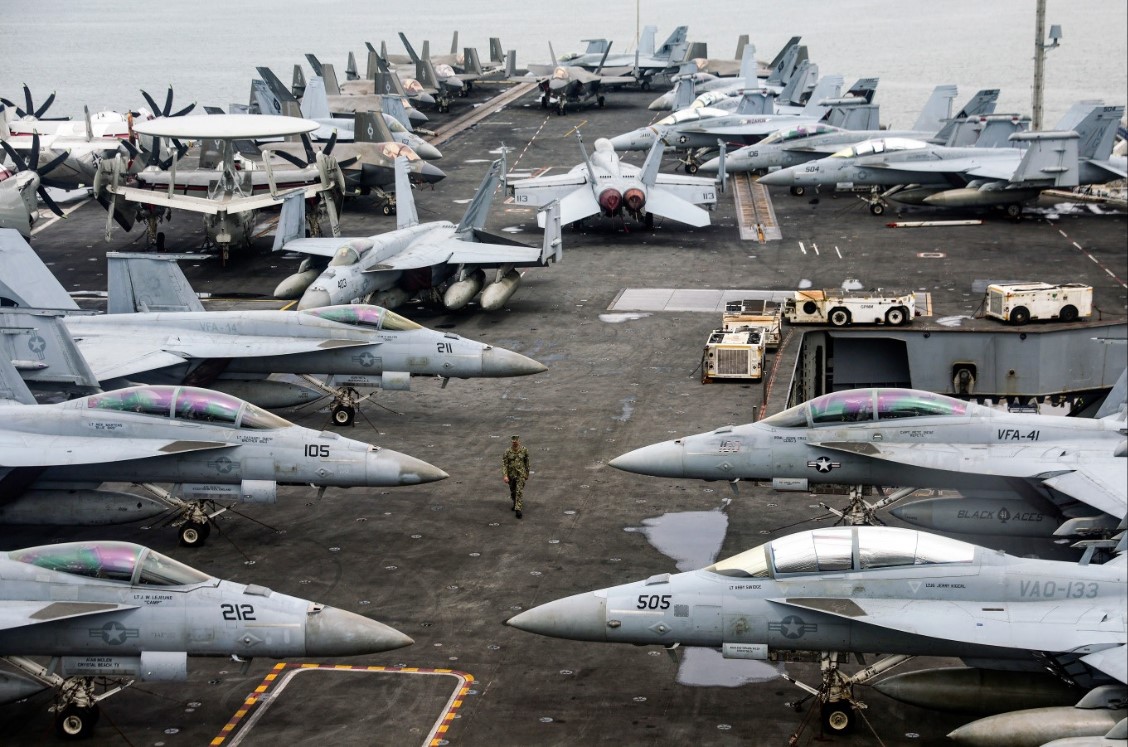 US Plans Significant Reduction of Fighter Jets and Warships for NATO Operations in Europe
-
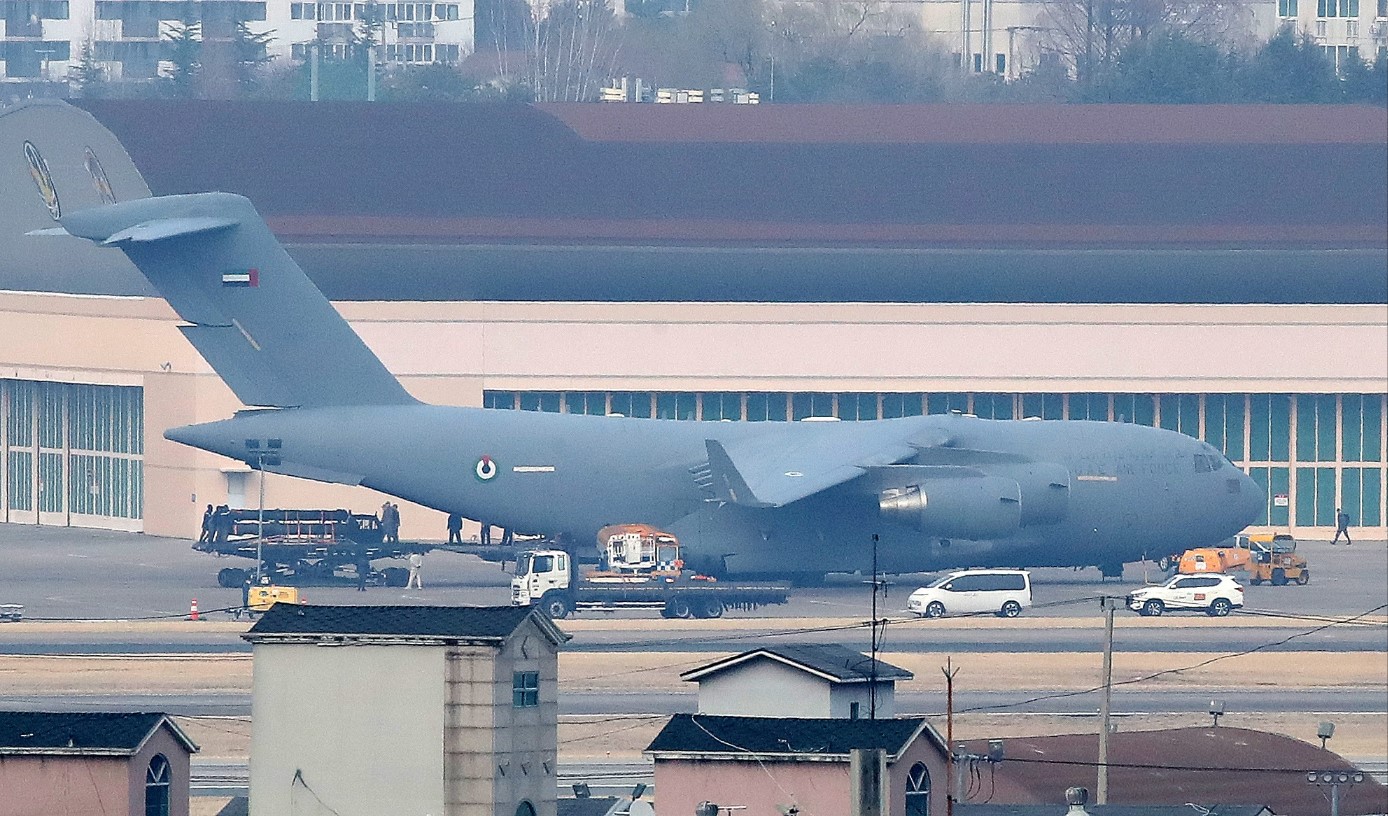 UAE Urgently Airlifts Cheongung-II Missile Defense Battery From South Korea Using Eight C-17 Aircraft
-
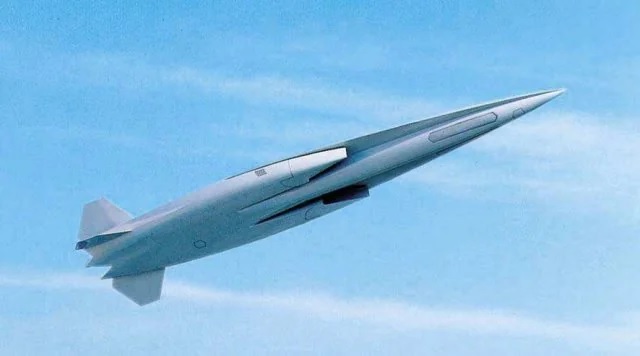 France Awards MBDA Contract to Develop ASN4G Hypersonic Nuclear Missile to Replace ASMPA-R
-
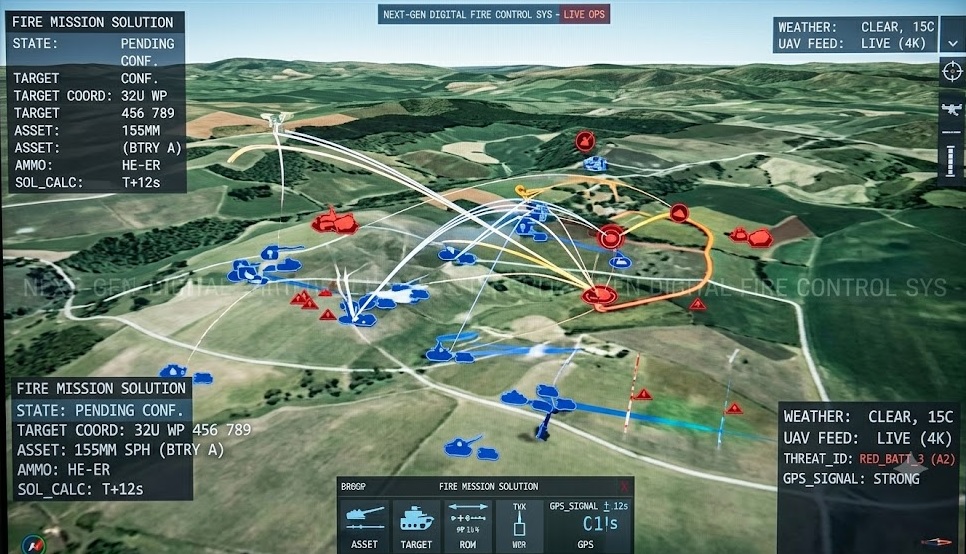 BAE Systems Unveils Next-Generation Digital Indirect Fire Control System at Eurosatory 2026
-
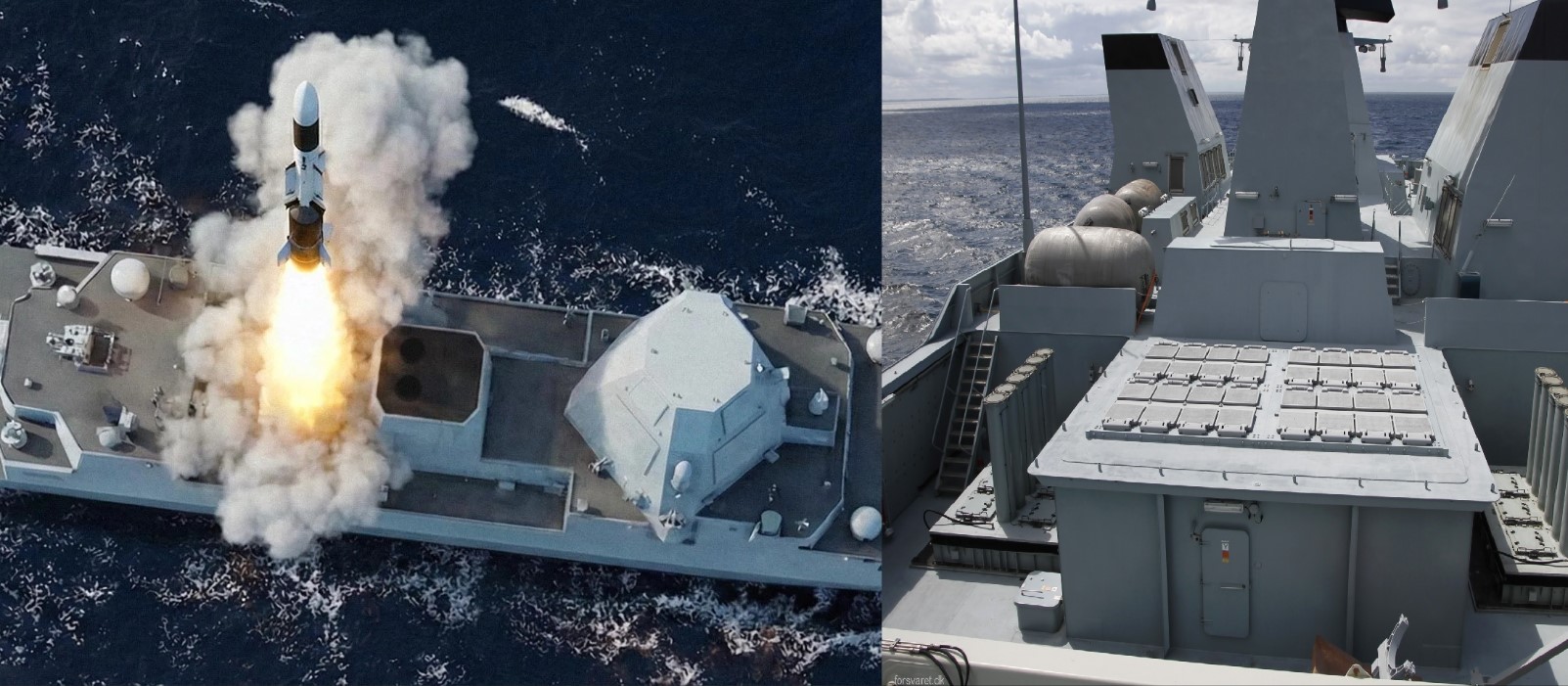 Engineering Challenges Behind the US Navy's Decision to Drop MK41 VLS from Flight I FF(X) Frigates
-
 U.S. Air Force Faces Strategic Airlift Shortfall as C-17 Production Restart Remains Uncertain
-
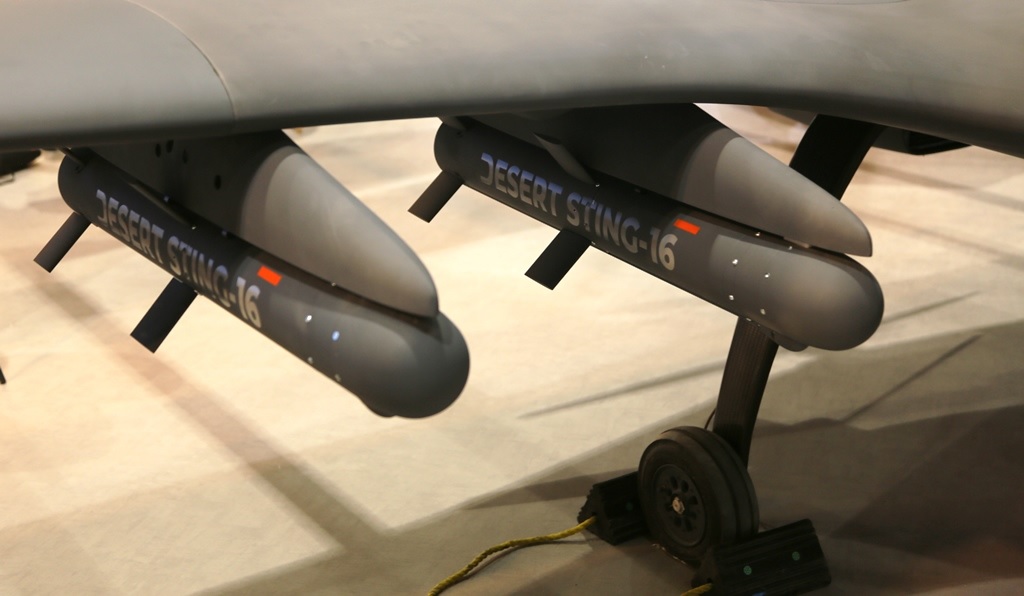 EDGE Integrates Desert Sting 16 Precision-Guided Munition with Bayraktar TB2 UAV
Top Trending in 4 Days
-
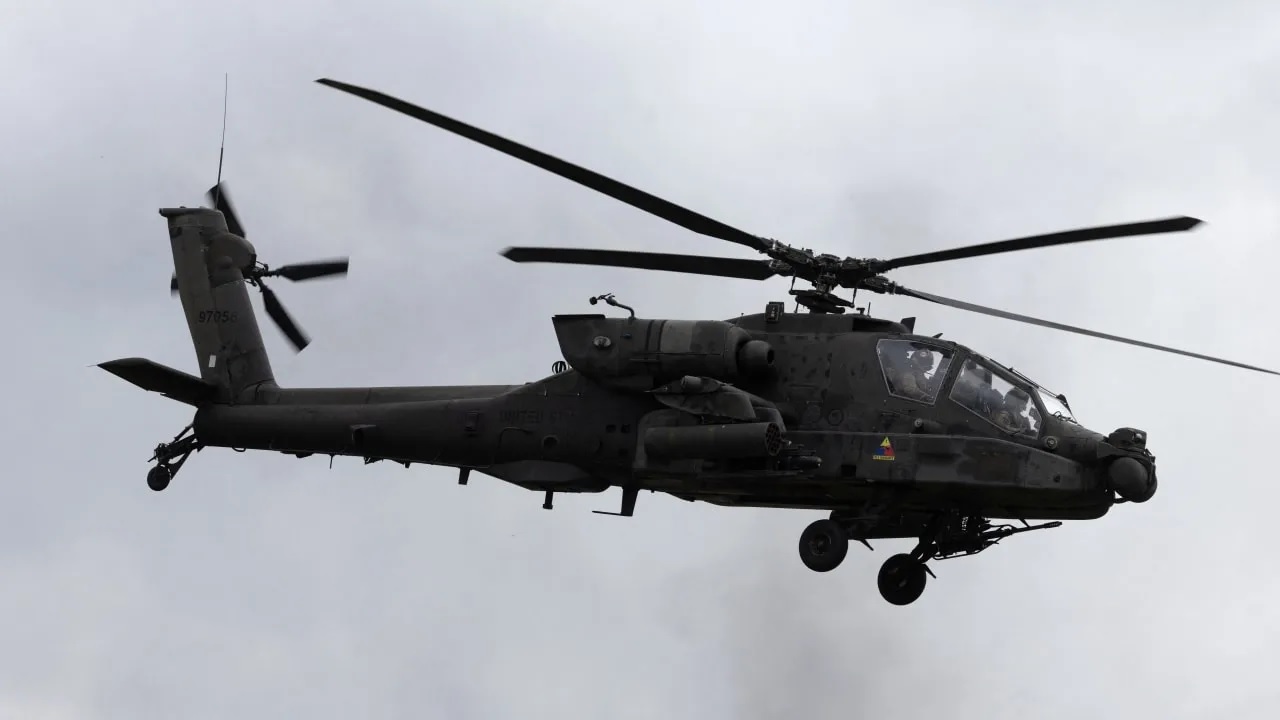 US Army Apache Helicopter Crashes Near Strait of Hormuz; Crew Rescued Safely
-
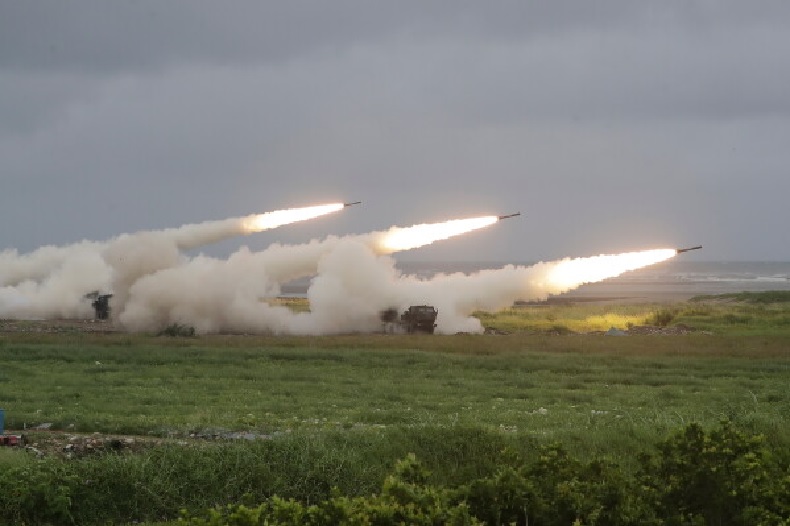 Taiwan Conducts First Live-Fire of HIMARS Rockets From West Coast During Invasion Defense Drill
-
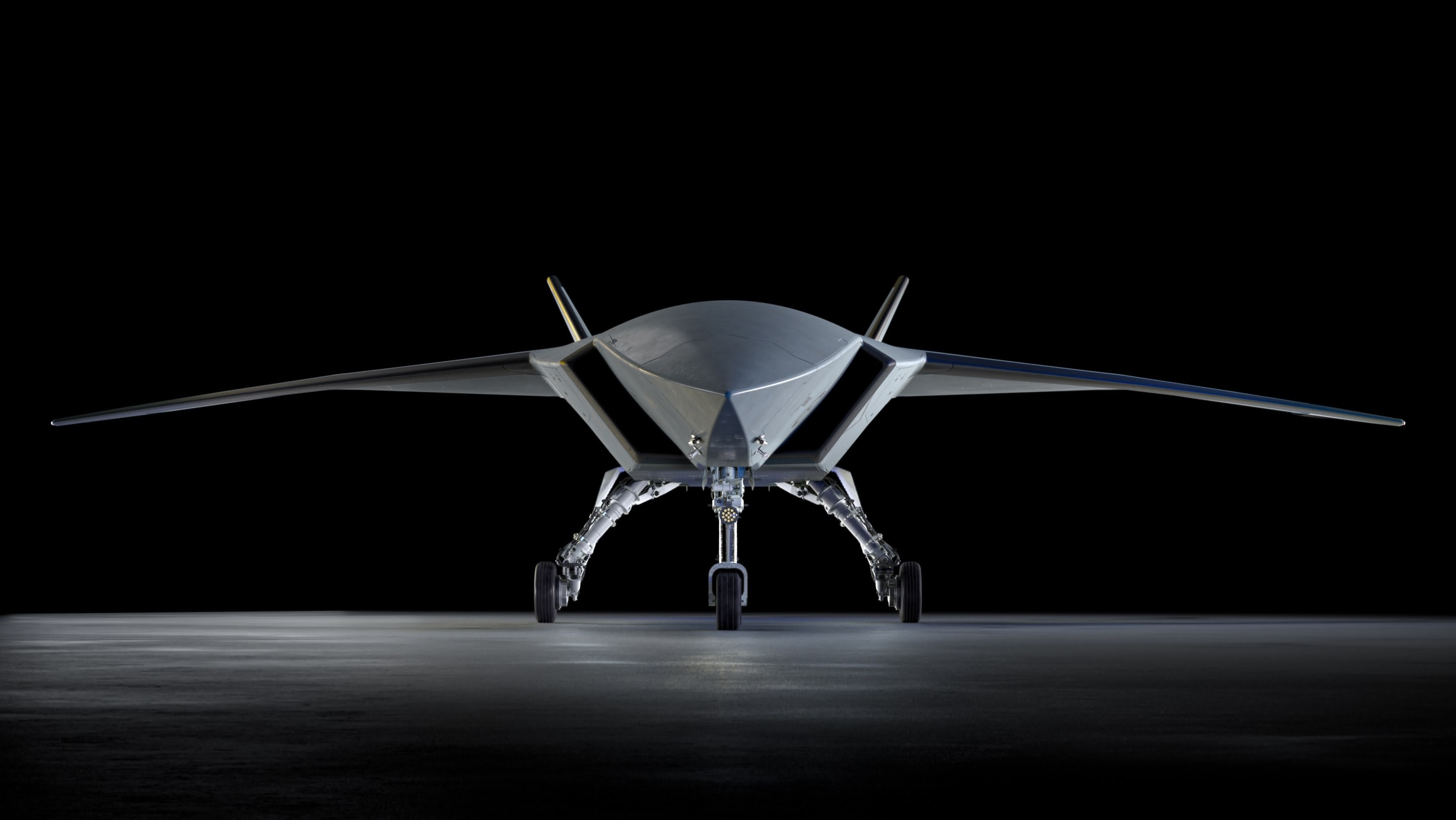 Boeing Introduces New MQ-28 Ghost Bat Upgrades with Increased Range, Payload and Weapons Capacity at ILA Berlin 2026
-
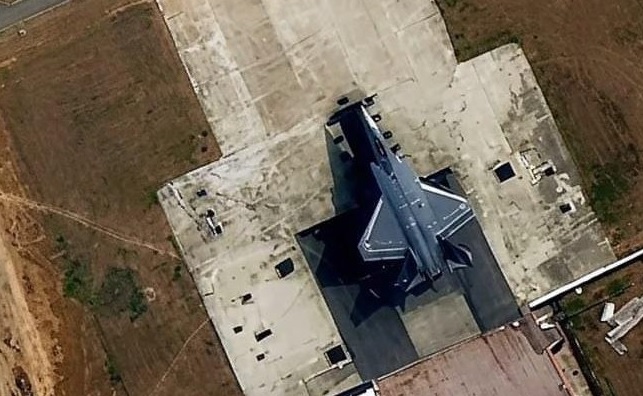 AMCA Airframe Spotted at DRDO’s ORANGE Facility for Radar Cross-Section Testing
-
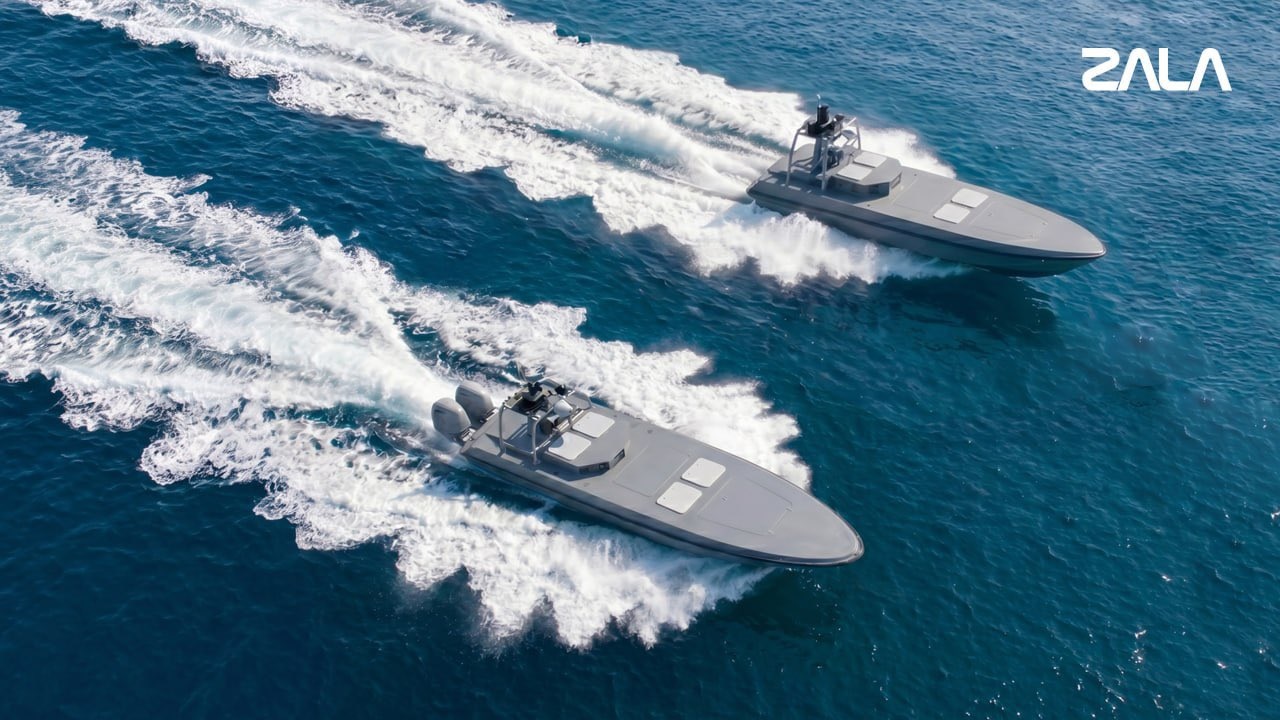 Russian Defense Firm ZALA Unveils KAMA Unmanned Surface Vessel Family at FLOT-2026 Naval Exhibition
-
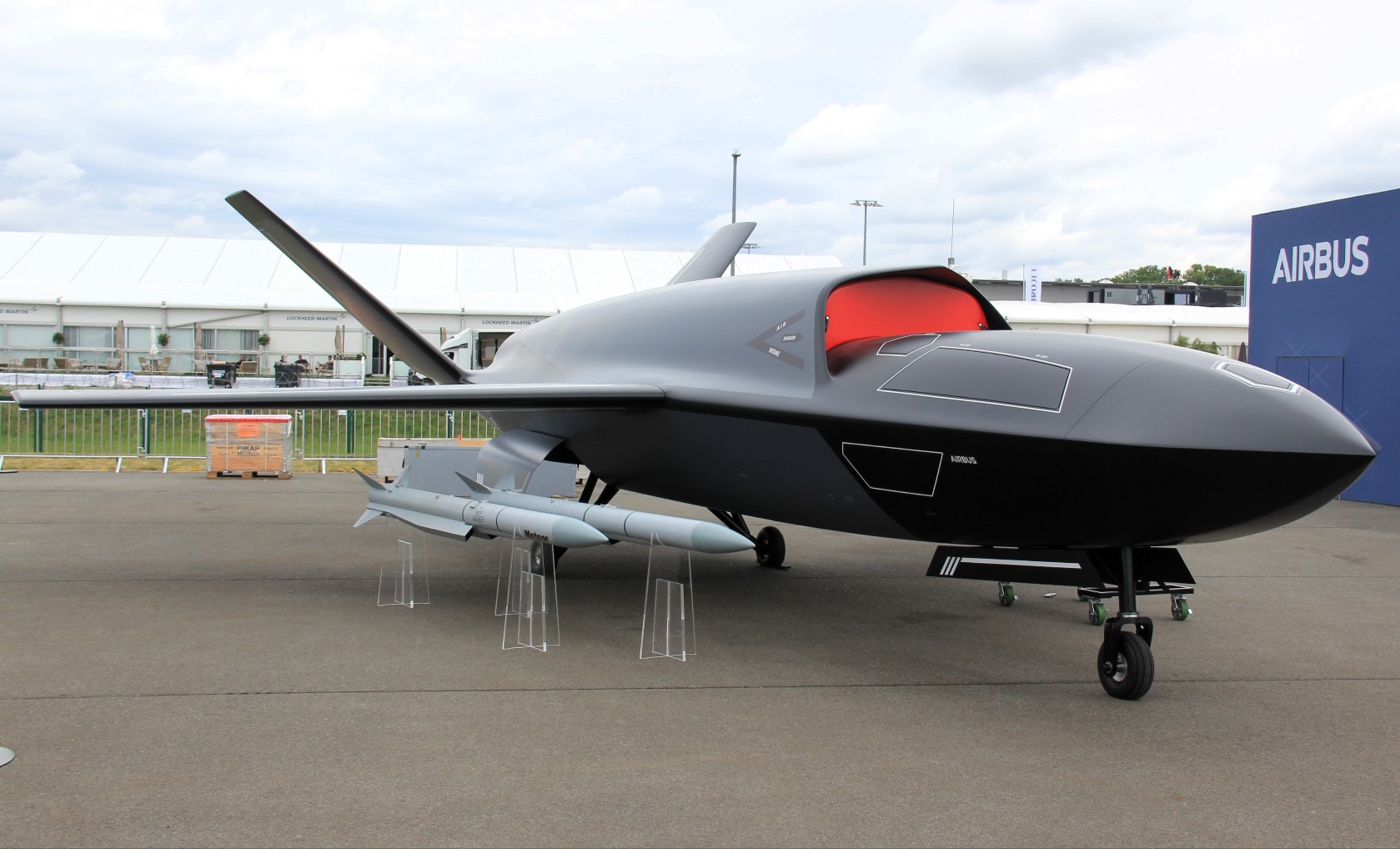 Airbus Unveils U760 Ravenstorm Loyal Wingman Drone at ILA Berlin 2026
-
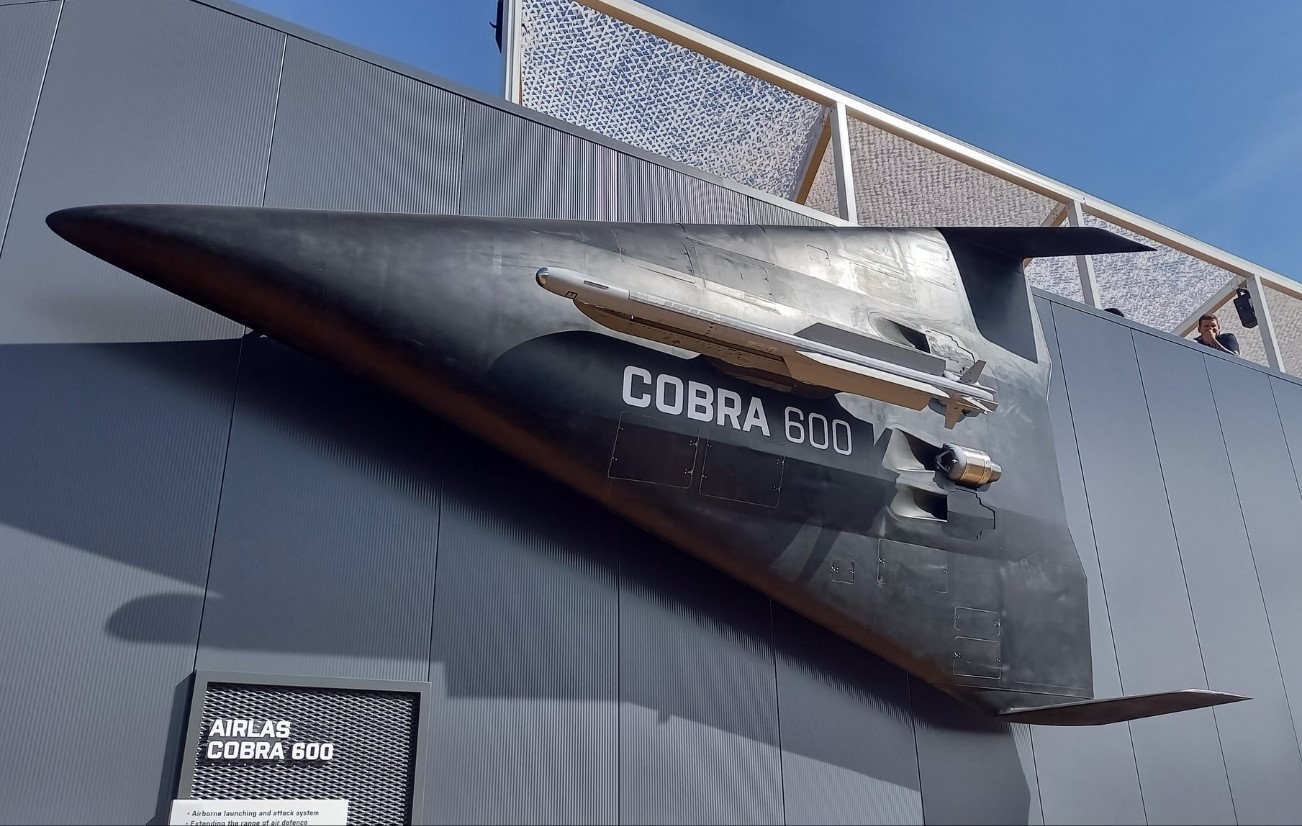 Diehl Defence Unveils IRIS-T Armed Cobra 600 Air Defense Drone at ILA Berlin 2026
-
 U.S. Army Successfully Demonstrates Quantum Sensor That Can Precisely Locate Radio Signals in 3D