World
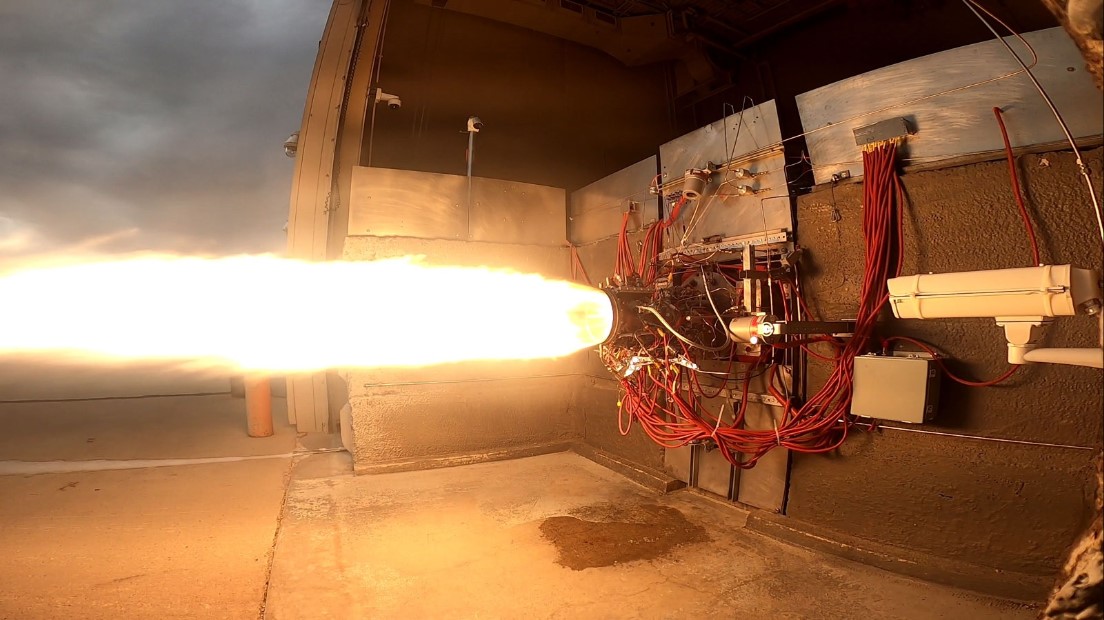
Ursa Major's Draper engine passes hot-fire test, enhancing U.S. hypersonic defense with improved maneuverability and reliability.Ursa Major, a top rocket propulsion company, has successfully completed a hot-fire test of its Draper engine. The Draper engine is designed to provide better performance and reliability for advanced aerospace applications.The Draper engine, funded by the U.S. Air Force Research Laboratory (AFRL), combines the storable features of a solid rocket motor with the high performance and flexibility of a liquid engine. This unique combination allows it to better simulate hypersonic threats, addressing a critical gap in America's hypersonics capabilities.Traditionally, missile defense systems have used solid rocket motors, which lack the ability to change thrust in real-time. This limitation makes them less effective against complex and unpredictable hypersonic weapons. In contrast, liquid rocket engines, like the Draper, offer active throttle control and a broader range of thrust options. This provides the maneuverability and flexibility essential for effective hypersonic defense.The development of the Draper engine involved extensive research and collaboration with industry experts to ensure it meets the highest standards of efficiency and reliability. This makes it suitable for a variety of missions, from deploying small satellites to supporting larger interplanetary ventures.Ursa Major's success with the Draper engine represents a significant advancement in rocket propulsion technology, enhancing the United States' capabilities in both defense and space exploration.
Read More → Posted on 2024-06-03 16:20:15
World
The new Russian 2S43 "Malva" self-propelled howitzer, mounted on an 8x8 wheeled chassis, has been spotted in combat for the first time, providing enhanced mobility and firepower.The Russian Armed Forces have introduced the new 2S43 “Malva” self-propelled howitzer into active service. Reports from the Militarnyi news agency and OSINTua telegram channel indicate that the artillery system was detected in the Belgorod region by a Ukrainian long-range reconnaissance drone.The 2S43 “Malva,” part of the “Nabrosok” R&D program, is mounted on an 8x8 wheeled chassis produced by the Bryansk Automobile Plant. This platform improves maneuverability compared to traditional tracked vehicles, offers an extended service life, and reduces operating costs. The howitzer, designated as 2A64, features a 152mm rifled barrel with a length of 47 calibers, the same as the 2S19 “Msta-S” self-propelled howitzer.One of the standout features of the “Malva” is its capability to perform multiple rounds simultaneous impact (MRSI) fire missions, where several projectiles can strike a target simultaneously. This is facilitated by an advanced onboard equipment suite that automates ammunition handling and fire control. Additionally, an autonomous power unit provides electricity while the system is in position, enhancing its operational effectiveness.The wheeled design allows the “Malva” to be rapidly deployed and redeployed. It can travel up to 800 kilometers on public roads without refueling, thanks to its full-wheel drive and powerful diesel engine, which also enables it to traverse challenging off-road terrain. This mobility is further complemented by the system's compatibility with the Il-76 transport aircraft, allowing for quick strategic repositioning.The introduction of the 2S43 “Malva” follows a three-year state testing cycle that concluded in July 2023. The first batch was delivered to the Russian army in October 2023 and has since been deployed with the 9th Artillery Brigade. This new addition to Russia's artillery capabilities is expected to enhance the effectiveness and flexibility of their long-range artillery operations.In summary, the 2S43 “Malva” self-propelled howitzer represents a significant advancement in Russian artillery, combining powerful firepower with enhanced mobility and automated systems for improved operational efficiency on the battlefield.
Read More → Posted on 2024-06-03 16:13:52
World
The Netherlands has completed a covert four-month training program for 300 Ukrainian marines, enhancing their amphibious, trench, and urban warfare skills in partnership with international allies.The Netherlands has successfully completed a four-month training program for 300 Ukrainian marines. This secretive initiative aimed to bolster Ukraine's military capabilities amidst ongoing conflict in the region.Amphibious and Combat TrainingThe program, which remained undisclosed until its conclusion due to security concerns, provided Ukrainian marines with intensive amphibious training. Dutch Marine Corps specialists led the training, imparting crucial skills for operations involving Ukraine's extensive river systems and coastlines. Additionally, the training included lessons on trench warfare and urban combat, ensuring that the marines are well-prepared for various combat scenarios.International CollaborationThis effort was not undertaken by the Netherlands alone. Military trainers from Norway, Sweden, the UK, and the US also contributed to the project, underscoring the collaborative international support for Ukraine. The Netherlands Defence Minister, Kajsa Ollongren, emphasized the importance of sharing such expertise with Ukrainian forces, highlighting the strategic value of the training.Training Seasoned VeteransA notable aspect of the program was the inclusion of seasoned Ukrainian veterans, many of whom had previously fought on the front lines. This experience allowed the training to be tailored to real-world conditions, enhancing its effectiveness. Dutch Armed Forces Commander Onno Eichelsheim praised the participants for their dedication and the practical combat knowledge they brought to the training.Broader Impact on European SecurityThe Dutch government stressed that this training not only strengthens Ukraine’s military but also contributes to the security of Europe. Commander Eichelsheim noted the high motivation levels on both sides, as the training directly impacts the combat effectiveness of Ukrainian forces. This initiative is part of a broader effort to support Ukraine, demonstrating ongoing international commitment to Ukrainian sovereignty and European security.Continued Support for UkraineThe Netherlands has been proactive in supporting Ukraine since the onset of the conflict. In May, the Dutch government announced the provision of parts and munitions for Patriot air and missile defense systems. Additionally, the Netherlands is prepared to send F-16 Fighting Falcon jets to Kyiv if needed. Alongside these efforts, a British-led multinational training consortium, including Dutch participation, has trained over 17,000 Ukrainian recruits, further bolstering Ukraine's defense capabilities.ConclusionThe completion of this training program signifies a robust international commitment to supporting Ukraine in its struggle. By enhancing the capabilities of Ukrainian marines, the Netherlands and its allies are contributing to both the immediate defense needs of Ukraine and the broader stability of Europe.
Read More → Posted on 2024-06-03 16:09:18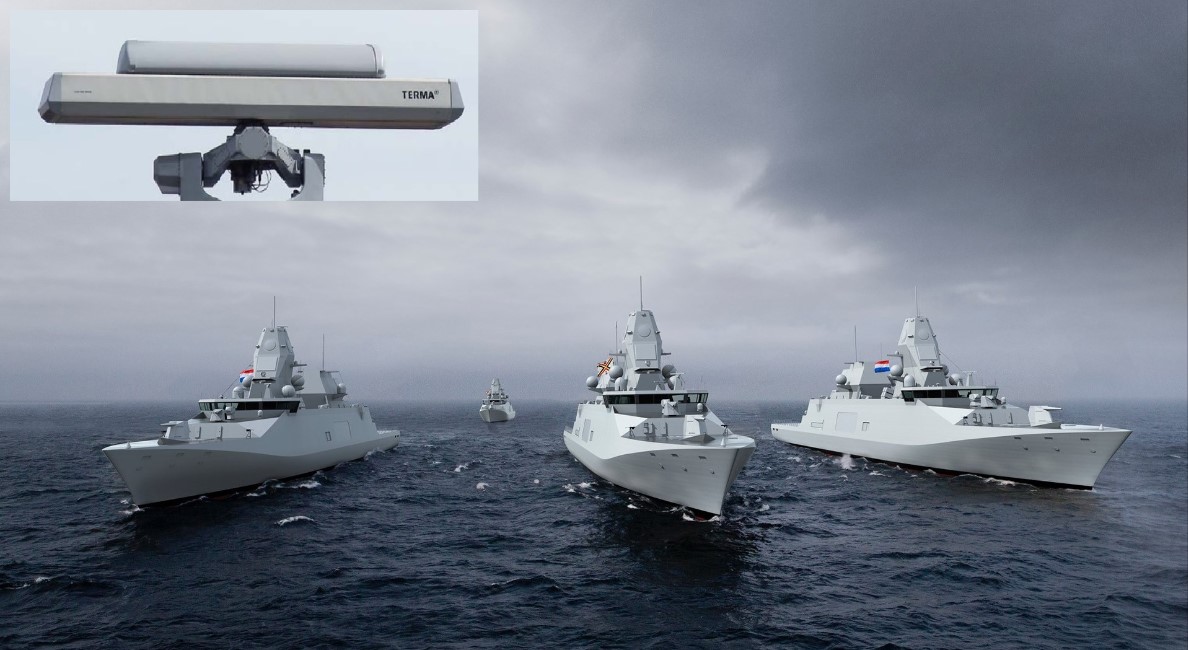
World
Terma secures a contract to provide SCANTER 6002 naval surveillance radars for the Belgian and Dutch Navies' new ASW frigates, enhancing maritime security.Terma, a global leader in radar systems, has secured a major contract to supply four SCANTER 6002 naval surveillance radars. These radars will be installed on two Belgian and two Netherlands Navy Anti-Submarine Warfare (ASW) frigates.This contract highlights Terma's reputation as a reliable provider of advanced radar technology designed to enhance maritime security and surveillance.Damen Naval, responsible for building the frigates, is the main contractor for this project with the Netherlands Ministry of Defense (NL MOD/NAVY). They will oversee the integration of the SCANTER 6002 radars onto the vessels. RH Marine, acting as the system integrator, will collaborate with Terma to ensure the radar systems are seamlessly integrated and operate at peak performance.The SCANTER 6002 radar is approved by the International Maritime Organization (IMO) and is well-known for its advanced features and high performance. It uses X-band technology and has multi-frequency capabilities, along with advanced small target detection algorithms. These features make the radar highly effective even in bad weather, providing reliable and accurate naval surveillance.Martin Jentsch, Sales Director of Naval Sales at Terma, expressed the company’s pride in being chosen to supply these radars. He stated, "These radars are the result of our continuous dedication to innovation and excellence in maritime surveillance technology. We are confident that our collaboration with Damen Naval and RH Marine will ensure the successful integration and deployment of these radar systems, thereby enhancing the operational capabilities of the frigates and strengthening maritime security in the region."Terma’s SCANTER 6002 radars are recognized globally as top-tier naval surveillance radars, known for their performance, reliability, and versatility across various maritime applications.Damen Naval is a prominent Dutch shipbuilding company known for constructing advanced naval vessels. The company has a long history of delivering high-quality ships to navies around the world, including the Royal Netherlands Navy.RH Marine specializes in electrical and automation systems for ships. They have extensive experience in system integration, ensuring that all electronic and control systems on a vessel work together seamlessly.Terma is a Danish company that provides high-tech solutions for defense, aerospace, and security. Their radar systems are used worldwide by various navies, airports, and coastal surveillance systems. The SCANTER 6002 radar, in particular, is designed to provide excellent situational awareness and target detection in maritime environments.This contract not only reinforces Terma’s position in the global maritime surveillance market but also underscores the strong cooperation between the Belgian and Dutch navies and their commitment to maintaining robust and advanced defense capabilities.
Read More → Posted on 2024-06-03 15:54:49
World
The Australian Army is set to deploy the "Owl," a new electric-powered kamikaze drone capable of traveling 200 kilometers and carrying precision warheads. Developed by Innovaero and Insitu Pacific, it enhances the ADF's tactical capabilities.The Australian Army is set to introduce a new electric-powered kamikaze drone named the "Owl" before the end of this year. This advanced loitering munition has been in development for over two years and is currently being trialed by a special operations unit within the Australian Defence Force (ADF).Capabilities of the OwlThe Owl drone, developed by Kardinya-based firm Innovaero in collaboration with Boeing subsidiary Insitu Pacific, boasts impressive capabilities:Range and Endurance: It can travel up to 200 kilometers (124 miles) and can stay airborne for 30 minutes without needing to recharge.Payload: The drone carries seven kilograms (15 pounds) of anti-armor and fragmentation warheads, making it suitable for precision targeting of both stationary and moving targets.Development and FundingThe development of the Owl has been supported by more than 5.3 million Australian dollars (approximately $3.5 million) in funding since May 2022. However, defense industry insiders have highlighted funding issues that have caused delays in various innovation programs. These delays are often attributed to the prioritization of larger, more expensive, and long-term projects like ships and aircraft over smaller, more immediate capabilities.A source within the defense industry noted, “The services have so little funding that they can’t cover these small programs and meet their longer-term needs for ships and aircraft. There seems to have been a decision made that the priority is the big, expensive, and long term projects.”Significance of the Owl DroneThe introduction of the Owl drone represents a significant step forward for the ADF in terms of modernizing its capabilities with advanced, unmanned systems. Electric-powered loitering munitions like the Owl offer several advantages, including reduced acoustic and thermal signatures, making them harder to detect and counter. Additionally, the ability to carry significant payloads for precision strikes enhances the operational flexibility of the ADF, particularly in special operations and other tactical scenarios.Broader ContextGlobally, the use of loitering munitions, often referred to as "kamikaze drones" or "suicide drones," is becoming more prevalent in modern military arsenals. These drones are designed to loiter in an area for an extended period, locate targets, and then execute precision strikes. Countries like the United States, Israel, and Turkey have already integrated similar systems into their military operations, reflecting a broader trend towards the use of advanced unmanned aerial vehicles (UAVs) in warfare.Future ProspectsWith the planned induction of the Owl, the Australian Army is aligning itself with this global trend, aiming to enhance its operational capabilities and maintain a technological edge. As funding and development issues are addressed, it is expected that more such innovative systems will be introduced, further strengthening Australia's defense posture.The deployment of the Owl is a testament to the collaborative efforts of local and international defense companies in advancing military technology and ensuring that the Australian Defence Force remains equipped to handle contemporary and future challenges.
Read More → Posted on 2024-06-03 15:43:32
World
The Rafah border crossing between Gaza and Egypt remains closed as Egypt demands Israel relinquish control to Palestinian authorities, highlighting ongoing regional tensions and humanitarian concerns.The Rafah border crossing, crucial for aid deliveries into Gaza from Egypt, remains inoperative unless Israel relinquishes control and hands it back to Palestinian authorities, stated Egyptian Foreign Minister Sameh Shoukry on Monday. During a press conference with his Spanish counterpart in Madrid, Shoukry emphasized that the Rafah crossing cannot function effectively without Palestinian administration. The crossing serves as a vital link to the outside world for Gaza's 2.3 million residents, who are largely cut off due to the ongoing Israeli blockade.Last month, Israel seized control of Gaza's entire border with Egypt, including the Rafah crossing, during its offensive against Hamas in Rafah. This action has intensified the already critical humanitarian situation in Gaza.Shoukry highlighted the importance of the 1979 Egyptian-Israeli peace treaty, calling it a cornerstone for regional security and stability. He urged all parties to act responsibly to uphold this treaty.The situation has been further strained by the recent death of an Egyptian soldier in a cross-border exchange of fire. Egyptian security sources reported that Israeli forces, while pursuing Palestinian militants, crossed a boundary line, leading to the fatal incident.Despite the tensions, a meeting on Sunday involving U.S., Egyptian, and Israeli officials was described as positive, although no agreement was reached on reopening the crossing. Egyptian delegates suggested they might accept European monitors to oversee the border's operation by Palestinian authorities if the Palestinians agreed to resume management of the crossing.Israeli Defence Minister Yoav Gallant stated that Israeli forces are focused on destroying tunnels between Gaza and Egypt, which they believe Hamas uses for smuggling weapons and possibly for escape routes. However, Egypt has denied the existence of such tunnels.The blockade of Gaza, jointly upheld by Egypt and Israel since Hamas took control in 2007, has significantly affected Gaza's population. Shoukry urged both Hamas and Israel to accept a ceasefire proposal presented by U.S. President Joe Biden, noting that Hamas's initial response was positive. He indicated that they are awaiting Israel's reply.An aide to Israeli Prime Minister Benjamin Netanyahu mentioned that Israel had accepted the framework for ending the Gaza conflict but acknowledged that it requires further refinement.The situation at the Rafah crossing remains a critical issue as international efforts continue to negotiate a resolution that would allow humanitarian aid to flow into Gaza and alleviate the suffering of its residents.
Read More → Posted on 2024-06-03 15:37:11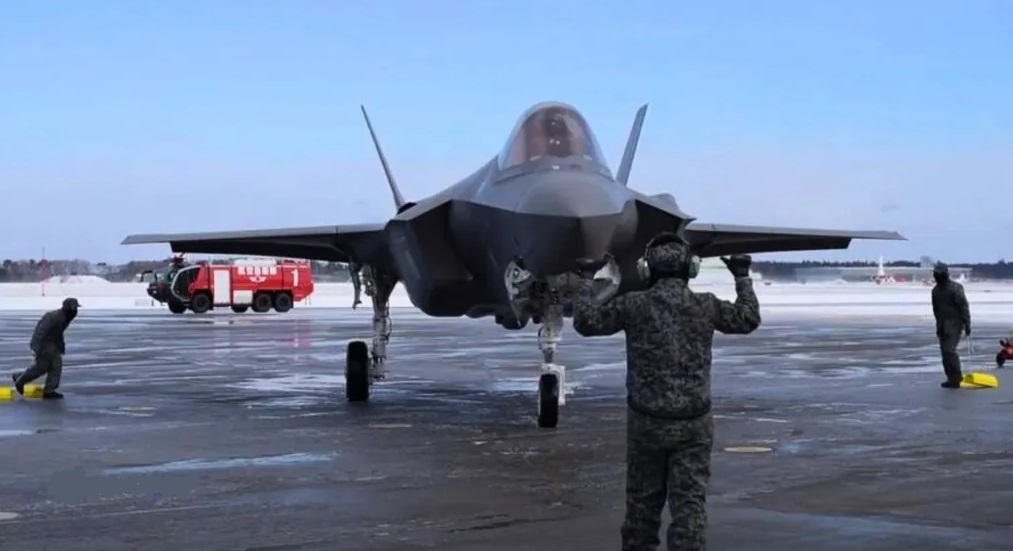
World
Two Japanese F-35A stealth fighters made emergency landings at Aomori Airport due to a mechanical issue. No injuries or damage were reported.On Monday, two Japanese F-35A stealth fighter jets made emergency landings at Aomori Airport in northern Japan. The jets, which were on a training flight from Misawa Air Base, requested emergency landings after one of the aircraft experienced an unspecified mechanical issue. Both jets landed safely, and there were no injuries or damage reported.The runway at Aomori Airport was closed for about 20 minutes to accommodate the emergency landings. Operations at the airport returned to normal shortly after. Japan's Air Self Defence Force (JASDF) did not provide further details regarding the cause of the mechanical problem.Recent Incidents in Japan's Military TrainingThis incident is part of a troubling pattern of recent problems during flight training by Japan's military. In April, two SH-60K Seahawk helicopters from the Japanese navy collided during a nighttime anti-submarine warfare training drill in the Pacific south of Tokyo. This crash resulted in the death of one crew member and left seven others missing.In another incident last month, a C-2 transport aircraft carrying eight people made an emergency landing at a commercial airport in central Japan. The emergency was triggered by a cockpit window that had slid open during a training flight. Fortunately, this incident did not result in any injuries or damage.Background on the F-35AThe F-35A is a cutting-edge stealth fighter jet designed for a variety of missions, including air superiority and ground attack. Japan has been integrating the F-35A into its defense forces as part of its efforts to modernize its military capabilities. The F-35A’s advanced technology includes stealth features, sensor fusion, and network-enabled operations, making it a critical component of Japan's defense strategy.Addressing the Pattern of IncidentsThese recent incidents have highlighted the challenges faced by Japan's Self Defence Forces in maintaining and operating advanced military hardware. Ensuring the safety and reliability of these operations is crucial, particularly given the strategic importance of these assets in the region.Efforts to address these issues might include increased training, more rigorous maintenance checks, and perhaps an evaluation of the current operational protocols to prevent similar occurrences in the future. The JASDF, alongside other branches of Japan's Self Defence Forces, will likely review these incidents to improve safety and operational effectiveness.ConclusionThe emergency landings of the F-35A jets in Aomori are a reminder of the complexities involved in operating advanced military aircraft. While no injuries or damage occurred, the incident underscores the need for continuous vigilance and improvement in military training and maintenance practices.
Read More → Posted on 2024-06-03 15:24:23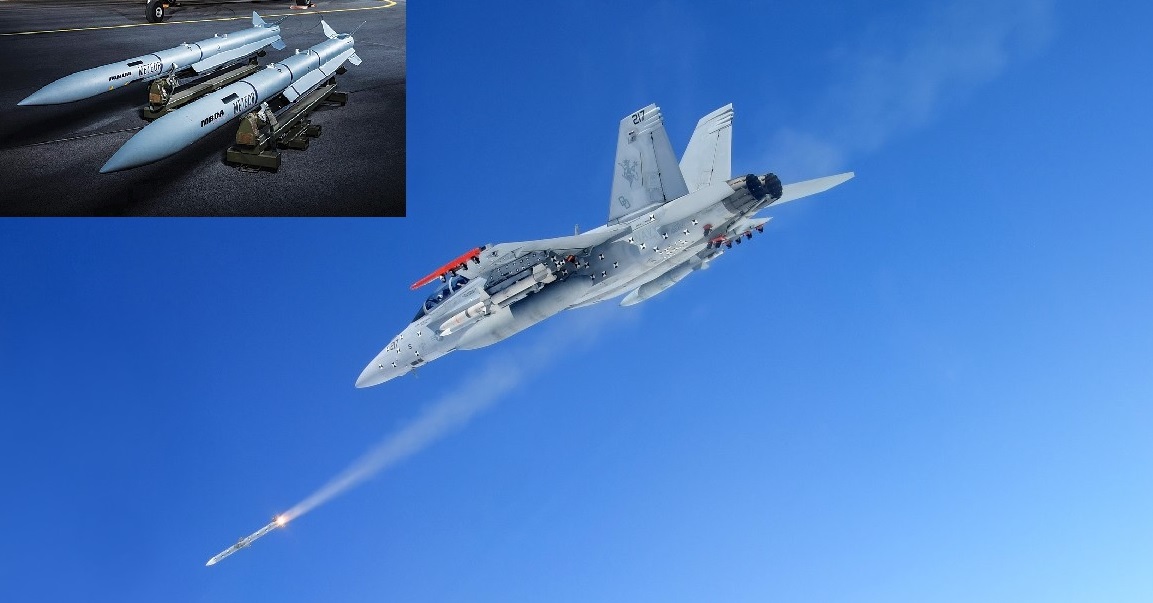
World
The dogfight isn't the only game in town for air combat anymore. Modern aerial warfare extends far beyond the visual range, thanks to Beyond-Visual-Range Air-to-Air Missiles (BVR) and their shorter-range counterparts. But how exactly do these missiles lock onto their targets? Let's break down the steps involved for both BVR and Short-Range Missiles.BVR AAMs (e.g., AIM-120 AMRAAM, R-77):1. Target Detection and Tracking: The launching aircraft's radar system detects and tracks the target aircraft. This involves emitting radar waves and analyzing the reflected energy to determine the target's position, speed, and direction.2. Lock-on and Data Sharing: The pilot locks onto the target with the radar, which continuously paints the target with radar energy. This lock provides the missile's guidance system with target information. Additionally, data like target location and predicted future position may be shared with the missile's onboard computer before launch.3. Launch and Initial Guidance: The BVR AAM is launched. In the initial phase, the missile relies on data from the launching aircraft or an external source (like an Airborne Warning and Control System - AWACS) for guidance. This allows the launching aircraft to break radar lock and maneuver freely.4. Active Seeker Activation: Once within a certain range (determined by the missile's seeker capabilities), the missile's active radar seeker turns on. This seeker emits its own radar waves and homes in on the reflected energy from the target, achieving autonomous guidance.5. Terminal Homing and Engagement: The missile's seeker refines the target's position and adjusts its course for interception. The missile maneuvers based on the seeker data until it impacts the target.Short-Range AAMs (e.g., AIM-9 Sidewinder, R-73):1. Visual or Radar Acquisition: The pilot visually identifies the target or acquires it through the aircraft's radar. Short-range missiles often have simpler targeting systems compared to BVR missiles.2. Lock-on and Launch: The pilot locks onto the target using the aircraft's radar or an infrared seeker (heat-seeking) in the missile itself. The missile relies on this continuous lock for guidance.3. Active Tracking and Engagement: The missile homes in on the target using the locked-on signal from the radar or the heat signature detected by the infrared seeker. The missile maneuvers aggressively to close the distance and engage the target in a dogfight scenario.Key Differences:Lock-on Reliance: BVR AAMs can achieve launch and initial guidance without continuous lock from the launching aircraft. Short-range missiles require a lock throughout the flight for guidance.Seeker Technology: BVR AAMs use active radar seekers that become operational mid-flight. Short-range missiles can use radar or infrared seekers, both requiring continuous lock-on.Engagement Range: BVR AAMs are designed for long-range engagements beyond visual range. Short-range missiles are effective at much closer distances, often within visual range.Overall, BVR AAMs offer greater launch flexibility and standoff capability, while short-range missiles prioritize agility and fast target acquisition for close-quarters combat.
Read More → Posted on 2024-06-03 08:42:53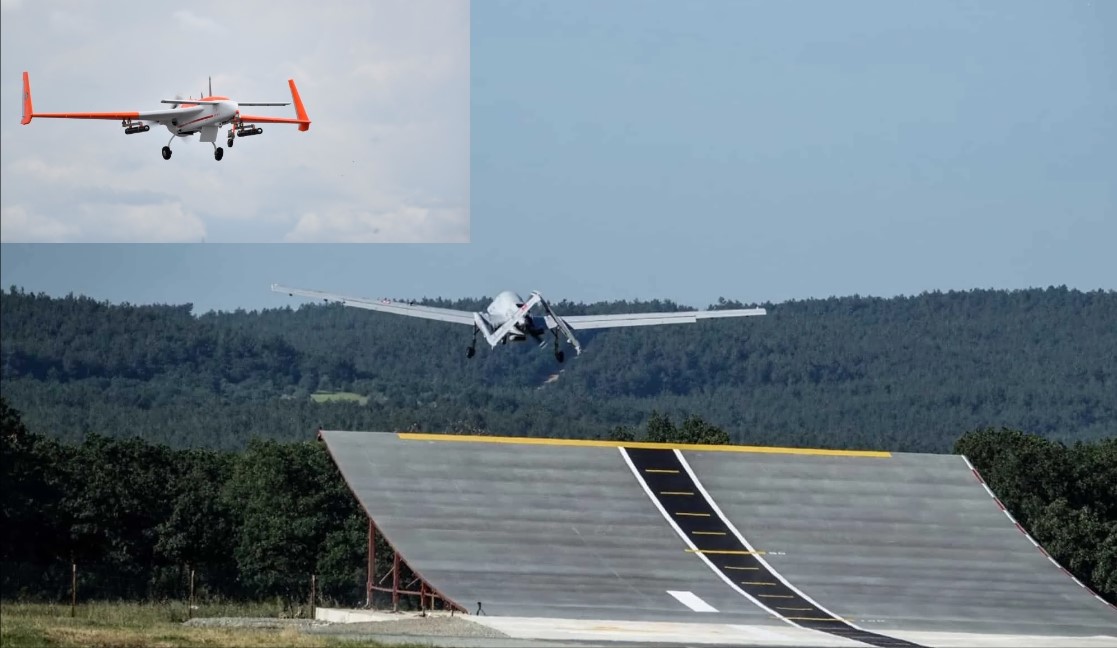
World
Turkey's successful ski-jump test of the Bayraktar TB3 UAV highlights potential upgrades for India's Archer UAV to enhance its carrier-based operations.The recent successful ski-jump test of Turkey's Bayraktar TB3 unmanned combat aerial vehicle (UCAV) has sparked discussions about the potential for similar operations with India's Archer UAV. Both drones belong to the Medium-Altitude Long-Endurance (MALE) class, which is used for reconnaissance and surveillance in military operations.Bayraktar TB3: Pioneering Carrier-Based Drone OperationsTurkey's achievement with the Bayraktar TB3 demonstrates the feasibility of launching medium-sized drones from aircraft carriers equipped with a Short Take-Off But Arrested Recovery (STOBAR) system. This method uses a ski-jump ramp for takeoff, suitable for carriers without powerful catapultsneeded for conventional launches. During its recent test, the Bayraktar TB3 successfully completed four takeoffs from a 12-degree inclined ramp, simulating the deck of Turkey's first aircraft carrier, the TCG Anadolu.The Bayraktar TB3, developed by Baykar, features foldable wings and is designed for short-runway operations. It builds on the success of its predecessor, the Bayraktar TB2, which has been effectively used in conflicts in Azerbaijan, Libya, and Ukraine. The TB3 offers enhanced capabilities, including increased flight duration, higher operational altitudes, and a greater weapons payload.In addition to the TB3, Baykar is also developing the Kızılelma, an unmanned fighter jet, which is expected to operate from the TCG Anadolu. The Kızılelma will provide higher speed and carrying capacity, marking a significant advancement in Turkey's unmanned aerial capabilities. Baykar has secured export deals with 34 countries for its various drone models, underscoring its role as a leading Turkish defense exporter.India's Archer UAV: Potential for Naval IntegrationIndia's Archer UAV, developed by the Aeronautical Development Establishment (ADE), shares several similarities with the Bayraktar TB3 in terms of size and functionality. However, the current variant of the Archer, which is powered by a 16-horsepower piston engine, would not be sufficient for carrier takeoffs. To enable carrier-based operations, an upgrade to a more powerful turbodiesel engine is necessary.The Archer UAV can currently achieve an operational altitude of 20,000 feet, with a design ceiling of 22,000 feet. For optimal performance on Indian Navy carriers, the Archer may need to reach altitudes exceeding 25,000 feet. This would require further modifications to the engine and possibly the airframe.Path Forward for India's Archer UAVTurkey's advancements with the Bayraktar TB3 highlight potential avenues for India to enhance its Archer UAV for naval operations. Upgrading the Archer's engine and refining its airframe design are crucial steps toward enabling carrier-based deployments. Successfully integrating the Archer into Indian Navy operations could significantly enhance its aerial surveillance and reconnaissance capabilities.In conclusion, the successful ski-jump test of Turkey's Bayraktar TB3 has opened up new possibilities for India's Archer UAV. By learning from Turkey's experience and making necessary upgrades, India can potentially deploy the Archer on its aircraft carriers, boosting its military capabilities in the process.
Read More → Posted on 2024-06-03 07:11:44
World
Dr. Helen Mary Roberts becomes the first Christian woman to achieve the rank of brigadier in the Pakistan Army, marking a historic milestone for minority communities in the country.Dr. Helen Mary Roberts, serving in the Pakistan Army Medical Corps, has made history by becoming the first woman from the Christian minority community to be promoted to the rank of brigadier in Pakistan. This significant achievement was reported by The News on Sunday, following the recent promotions approved by the Selection Board.Prime Minister Shehbaz Sharif extended his congratulations to Brigadier Helen, expressing pride in her accomplishment and recognizing the contributions of thousands of hardworking women from minority communities serving the country. He stated, "I myself and the nation congratulate Brig Helen Mary Roberts on getting the honour of being the first female from a minority to be promoted as Brigadier in the Pakistan Army."Brigadier Dr. Helen is a senior pathologist with 26 years of dedicated service in the Pakistan Army. Her promotion not only highlights her personal achievements but also underscores the evolving inclusivity within Pakistan's military institutions.During a Christmas celebration at Christ Church in Rawalpindi last year, Pakistan Army Chief General Asim Munir praised the contributions of minority communities to the nation's development. His comments reflect a broader recognition of the diverse groups that play crucial roles in Pakistan's progress.According to data from the Pakistan Bureau of Statistics in 2021, Muslims constitute 96.47% of the population, followed by Hindus at 2.14%, Christians at 1.27%, Ahmadi Muslims at 0.09%, and others at 0.02%. Dr. Helen’s promotion is a significant step towards greater representation and acknowledgment of minority communities in the country.Dr. Helen’s historic promotion serves as an inspiration and a reminder of the valuable contributions of minority communities to Pakistan. Her achievement is celebrated by many as a positive sign of progress and inclusivity within the nation.
Read More → Posted on 2024-06-02 15:49:38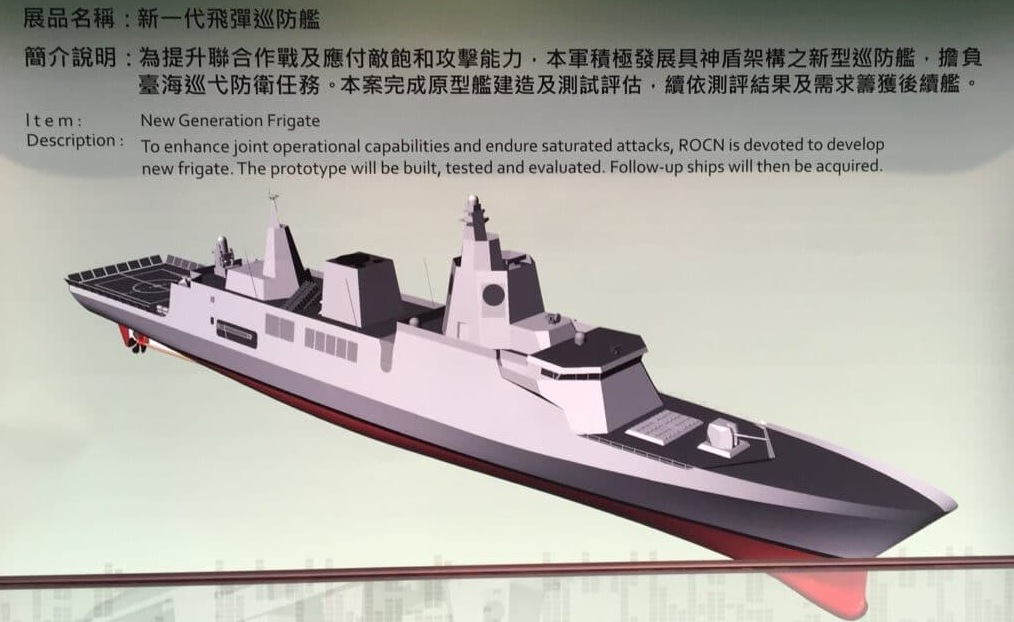
World
Taiwan's New Generation Frigate project faces significant challenges due to changing requirements and technical limitations.On May 25, 2024, local media outlet LTN reported that Taiwan's New Generation Frigate would have a displacement of 6,000 tons, significantly larger than initially planned. This information came from a high-level government official, who noted that the frigate would feature the U.S.-made AN/SPY-7 active phased radar.The official also highlighted an overly optimistic initial expectation from the Republic of China (ROC) Navy. They had hoped to develop a 4,500-ton ship with capabilities comparable to the 6,000-ton ships of other nations. Another local media source, UP MEDIA, quoted an anonymous insider stating that a 4,500-ton vessel could not accommodate all the necessary weapon systems and equipment for modern warfare.The New Generation Frigate was part of a 12-item force-building plan revealed by the ROC Navy in 2016. During the TADTE 2017 defense exhibition, a scale model of the frigate was displayed, emphasizing its role in enhancing joint operational capabilities and withstanding intense attacks. The Mandarin description mentioned that the ship would be developed with an "Aegis structure," though this term was not used in the English description.The term "Aegis" remains ambiguous regarding Taiwan's naval plans. In a 2018 parliamentary session, a deputy head of the National Chung-Shan Institute of Science and Technology (NCSIST) clarified that an "Aegis ship" refers to a warship with an electronically scanned array (ESA). However, it is unclear if the U.S. will sell the complete Aegis Combat System to Taiwan.Initially, the plan aimed to create a 4,500-ton vessel with passive ESA radar systems. NCSIST had developed a land-based passive ESA radar system, but the ROC Navy later requested an active ESA system. This requirement could not be met within the 4,500-ton limit, leading to the decision to increase the ship's displacement to 6,000 tons.The Control Yuan, Taiwan's ombudsman, investigated and criticized the Ministry of National Defense (MND) and ROC Navy Command in December 2023. They found that frequent changes in project requirements caused significant delays and complications.The New Generation Frigate project exemplifies the challenges of modern military development, where evolving requirements and technical constraints often necessitate substantial adjustments. Taiwan's efforts to enhance its naval capabilities continue amid these difficulties, highlighting the complex nature of defense planning and execution.
Read More → Posted on 2024-06-02 15:39:47
World
Chinese Defence Minister warns against Taiwan independence, calls for US cooperation; tensions persist amid diplomatic efforts.Chinese Defence Minister Dong Jun issued a stern warning about Taiwan independence at the Shangri-La Dialogue in Singapore, declaring that China’s military is prepared to act decisively to prevent any moves towards Taiwan’s independence. At the same time, he emphasized the importance of increased communication and cooperation between China and the United States.During the annual security forum, which gathers defence officials worldwide and reflects the state of US-China relations, Dong highlighted the necessity of dialogue. “We have always been open to exchanges and cooperation, but this requires both sides to meet each other halfway,” Dong stated, underlining the need for more interactions between the two militaries due to existing differences.High-Level Meetings and CommunicationDong's remarks came after his meeting with US Defense Secretary Lloyd Austin. The one-hour discussion, the first substantive face-to-face talks in 18 months between the defence chiefs, occurred in the backdrop of recent military tensions. Both sides showed a willingness to stabilize relations, with Austin announcing the resumption of telephone conversations between US and Chinese military commanders "in the coming months."Taiwan TensionsDong’s comments also followed China’s military drills around Taiwan and threats of war after President Lai Ching-te's inauguration, whom Beijing labels a "dangerous separatist." Reiterating China's stance, Dong said, "The Chinese People's Liberation Army has always been an indestructible and powerful force in defence of the unification of the motherland, and it will act resolutely and forcefully at all times to curb the independence of Taiwan."Recent Diplomatic EffortsThe Biden administration has increased efforts to ease tensions with China. Secretary of State Antony Blinken visited Beijing and Shanghai last month, marking a step towards improved diplomatic relations. A key focus of these efforts is resuming military-to-military dialogue to prevent conflicts from escalating.In 2022, China cut military communications with the US in response to then-House Speaker Nancy Pelosi’s visit to Taiwan. Tensions were further heightened by an incident involving an alleged Chinese spy balloon over US airspace, and a meeting between Taiwan's then-president Tsai Ing-wen and current House Speaker Kevin McCarthy. Additionally, China's frustration grew over the US's deepening defence ties in the Asia-Pacific region, especially with the Philippines, and the regular deployment of American military assets in the Taiwan Strait and South China Sea, which Beijing perceives as containment efforts.Moving ForwardDespite these challenges, both nations are taking steps to manage their rivalry responsibly. Following a summit between President Joe Biden and Chinese leader Xi Jinping in November, they agreed to restart high-level military talks. These discussions are expected to cover military operations near Taiwan, Japan, and the South China Sea, aiming to reduce the risk of conflict.In summary, while China maintains a firm stance against Taiwan’s independence, it also seeks more robust communication channels with the United States to manage their complex relationship. The recent high-level meetings and planned resumption of military dialogue indicate a cautious but hopeful approach towards easing bilateral tensions.
Read More → Posted on 2024-06-02 15:15:33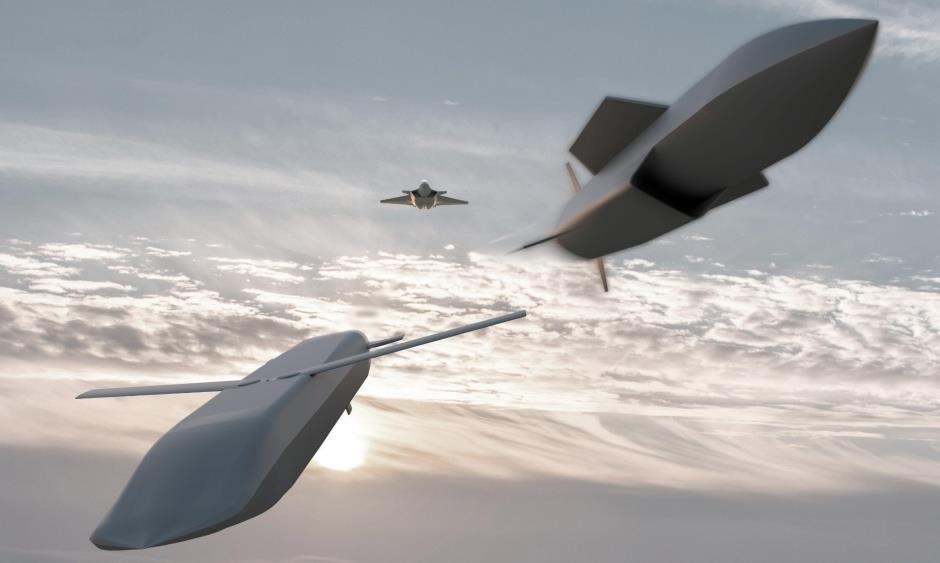
World
MBDA will introduce the RCM², a versatile weapon system for kinetic and electromagnetic operations, at ILA Berlin 2024. The system enhances mission success in contested environments with its adaptable and loitering capabilities.MBDA, a leading European defense company, is set to unveil its latest innovation, the RCM² (Remote Carrier Multidomain Multirole Effector) weapon system, at the ILA Berlin Air Show 2024. The event, which will take place from June 5 to June 9, marks the first public presentation of the RCM².Key Features of the RCM²Developed in Germany, the RCM² is designed to enhance mission success in contested environments. It is versatile, capable of handling both kinetic (physical) and electromagnetic operations, making it suitable for a wide range of military missions. Key features include:Adaptability: The RCM² can be used for both short and long-range engagements.Loitering Capability: The system can remain airborne for extended periods, allowing for continuous monitoring and rapid response.GPS-Denied Operation: The RCM² can operate effectively in environments where GPS signals are unavailable or jammed.Interactive Command Transfer: Networked operators can seamlessly transfer command of the system, ensuring flexibility and coordination.Multi-Domain Launch and Control: The RCM² can be launched from various platforms and controlled across different domains, supporting joint force operations.Real-Time Data: It performs sensor-based reconnaissance and provides real-time situational data, crucial for modern military operations.Collaboration and DevelopmentThe RCM² is part of the Next Generation Weapon System within the Future Combat Air System (FCAS) program. MBDA collaborates with the Spanish company SATNUS to drive technological advancements in remote carriers. This partnership aims to develop cutting-edge capabilities that enhance the effectiveness of future military operations.MBDA at ILA 2024At ILA 2024, MBDA will showcase around 50 high-tech systems through models, product demonstrations, and virtual reality displays. These exhibits will highlight the company's broad range of defense solutions and technological innovations.MBDA's subsidiaries, Bayern-Chemie and TDW, along with the joint venture COMLOG, will also participate in the event. They will present their latest advancements and contributions to the defense sector.About MBDAMBDA is a prominent European multinational defense group with over 15,000 employees. The company specializes in developing and producing complex weapon systems, ensuring the defense capabilities of France, Germany, Italy, Spain, the United Kingdom, and allied countries. MBDA is jointly owned by Airbus (37.5%), BAE Systems (37.5%), and Leonardo (25%).The introduction of the RCM² at ILA Berlin 2024 underscores MBDA's commitment to innovation and its role in advancing modern defense technology. The system's advanced capabilities are expected to significantly enhance the effectiveness and flexibility of military operations in various environments.
Read More → Posted on 2024-06-02 15:11:13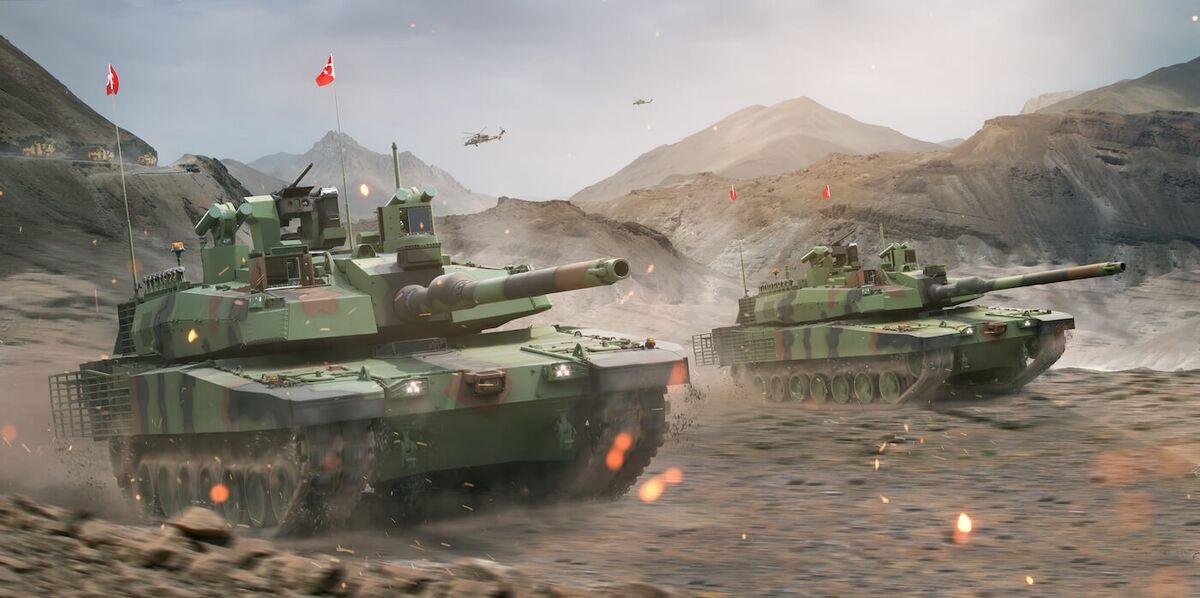
World
Türkiye has started serial production of the Altay MBT, enhancing its military strength with advanced, domestically produced technology. This milestone aims to meet the modern requirements of the Turkish Land Forces and attract international interest.Türkiye has officially started the serial production of the Altay main battle tank (MBT) following a contract finalized on May 29, 2024. This contract marks a major milestone for Türkiye's defense industry, demonstrating the country's commitment to strengthening its military capabilities with domestically produced technology.The Turkish Defence Industry Agency (SSB) announced the contract, which covers several critical components. These include the establishment of a production line for the Altay MBT, the development and supply of subsystems, and the sourcing of a domestic powerpack—comprising the engine and transmission system. This step is expected to enhance Türkiye's self-reliance in defense manufacturing and reduce dependence on foreign technology.Key Features of the Altay MBTThe Altay MBT is designed to meet the modern requirements of the Turkish Land Forces. It incorporates the latest advancements in military technology, including:120 mm Smoothbore Gun: This main armament ensures superior firepower.Advanced Fire Control Systems: These systems enhance targeting accuracy and efficiency.Composite Armor: Provides enhanced protection against various threats.Mobility: The tank is engineered for high mobility in diverse combat scenarios.The powerpack solution is a notable aspect of the contract. Developing and producing the engine and transmission system domestically will significantly boost the tank's performance and operational readiness.Production and International InterestThe serial production will begin with setting up a dedicated production line. Initially, the focus will be on producing a specific number of units to meet the immediate needs of the Turkish Land Forces. Over time, production is expected to scale up, potentially leading to exports to international partners.Haluk Görgün, President of the SSB, highlighted the global interest in the Altay project. Negotiations with several international partners are ongoing, indicating the tank's potential as a significant addition to global defense arsenals.Enhancing Türkiye's Defense CapabilitiesThe production of the Altay MBT is part of Türkiye’s broader efforts to modernize its military. By investing in advanced technology and enhancing domestic production capabilities, Türkiye aims to strengthen its defense infrastructure and improve operational readiness.The Altay MBT project is expected to pave the way for further advancements in Türkiye’s defense industry. The expertise gained from this project will likely contribute to the development and production of more advanced military platforms in the future. This project demonstrates Türkiye’s growing capabilities in defense technology and its commitment to maintaining a robust and independent defense sector.Future ProspectsAs Türkiye continues to develop and produce the Altay MBT, it is positioning itself as a significant player in the global defense industry. The tank's advanced features and domestic production capability are set to enhance Türkiye's military strength and provide a competitive edge in international defense markets.The success of the Altay MBT will not only bolster Türkiye’s defense capabilities but also contribute to the country's economic growth through potential defense exports. This project underscores Türkiye’s dedication to building a self-sufficient and technologically advanced defense industry.
Read More → Posted on 2024-06-02 14:55:03
World
Missing journalist Ahmed Farhad Shah is confirmed to be in police custody in Pakistan-Occupied Kashmir, raising questions about jurisdiction and legal practices.In a startling development, the Pakistani government has acknowledged that missing Kashmiri poet and journalist Ahmed Farhad Shah is currently detained by police in Pakistan-Occupied Kashmir (PoK). This admission came during a session at the Islamabad High Court (IHC) on Friday.Farhad, who disappeared two weeks ago from his home in Rawalpindi, was found to have two police cases against him in PoK. The government's lawyer informed IHC Judge Mohsin Akhter Kiani that Farhad is on "foreign land" and thus cannot be presented in court since PoK does not fall under Pakistan's direct jurisdiction.Legal Proceedings and Family StrugglesFarhad's lawyer, Imaan Mazaari, highlighted that the Additional Attorney General confirmed Farhad’s presence in PoK, claiming that this area operates with its own separate legal and judicial systems. Farhad’s family, seeking his return, has faced numerous challenges. They were initially misled about his location, being directed to different police stations in PoK without success. During earlier hearings, Judge Kiani had criticized Pakistan’s intelligence agencies for their alleged involvement in forced disappearances. Farhad’s case has brought renewed attention to these practices, with many questioning the transparency and accountability of the country’s security institutions.Analyst's Critique and Family's PlightSenior political analyst Hamid Mir has openly criticized the intelligence agencies, suggesting that the law is being manipulated to protect institutional interests. Mir pointed out discrepancies in the information provided to Farhad's family and the court, indicating potential misconduct by officials.Mazaari also expressed grave concerns about Farhad’s health, noting that he appeared significantly weakened and unable to speak fluently during a recent family visit. She emphasized the urgent need for medical attention and called for an end to what she termed an "open and blatant abuse of the law."Broader Implications and Public ResponseThis case has broader implications for the ongoing debate over Kashmir. Mir's comments on the involvement of Pakistan Rangers in PoK during anti-inflation protests have further fueled discussions about the region's autonomy and the reach of Pakistani law enforcement.Farhad’s case has not only highlighted the personal plight of his family but also the systemic issues within Pakistan's handling of detainees and jurisdictional boundaries in PoK. The acknowledgment of PoK as a "foreign land" by Pakistani officials adds another layer of complexity to the already sensitive Kashmir issue.ConclusionThe Islamabad High Court continues to scrutinize the circumstances surrounding Farhad's detention. His family and supporters are calling for his immediate release and return. This case underscores the urgent need for transparency and accountability within Pakistan’s legal and intelligence frameworks, especially concerning matters involving cross-jurisdictional detentions.For further updates on Ahmed Farhad Shah’s case, monitoring the proceedings at the Islamabad High Court and statements from his legal team will be crucial. The international community's reaction to this case might also influence the handling and resolution of such issues in the future.
Read More → Posted on 2024-06-02 14:42:09Search
Top Trending in 24 Hours
-
 Iranian Media Leaks 14-Point U.S.-Iran Peace Framework Amid Ongoing Negotiations
-
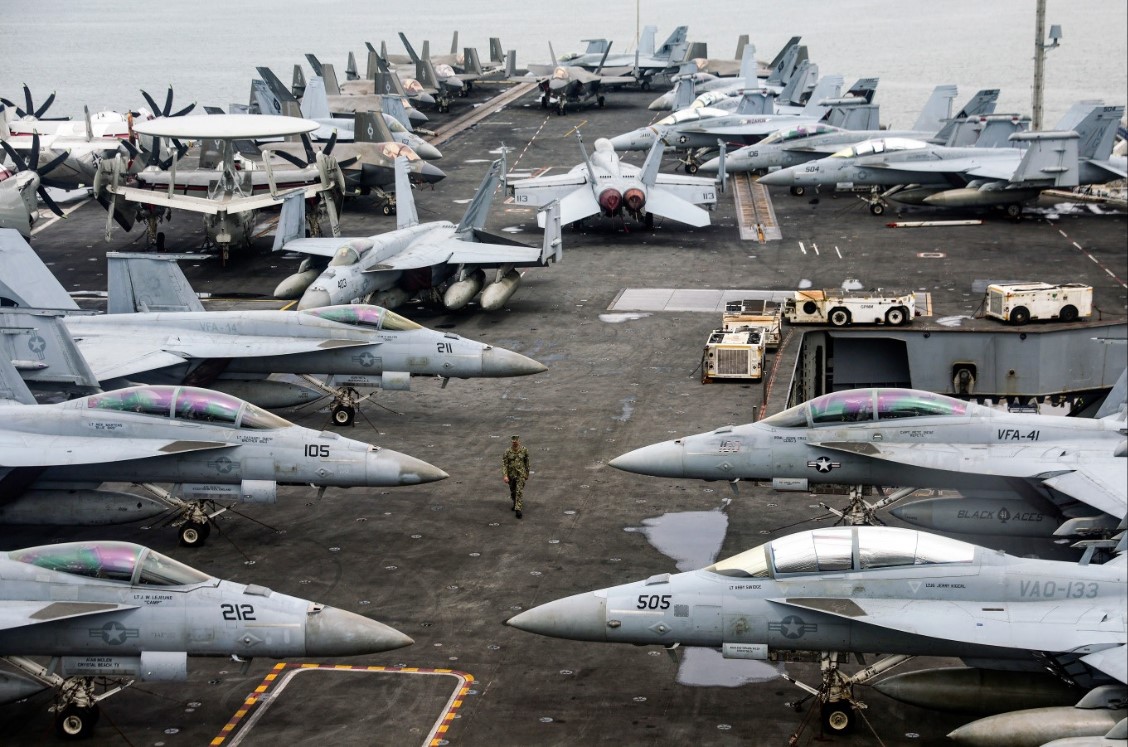 US Plans Significant Reduction of Fighter Jets and Warships for NATO Operations in Europe
-
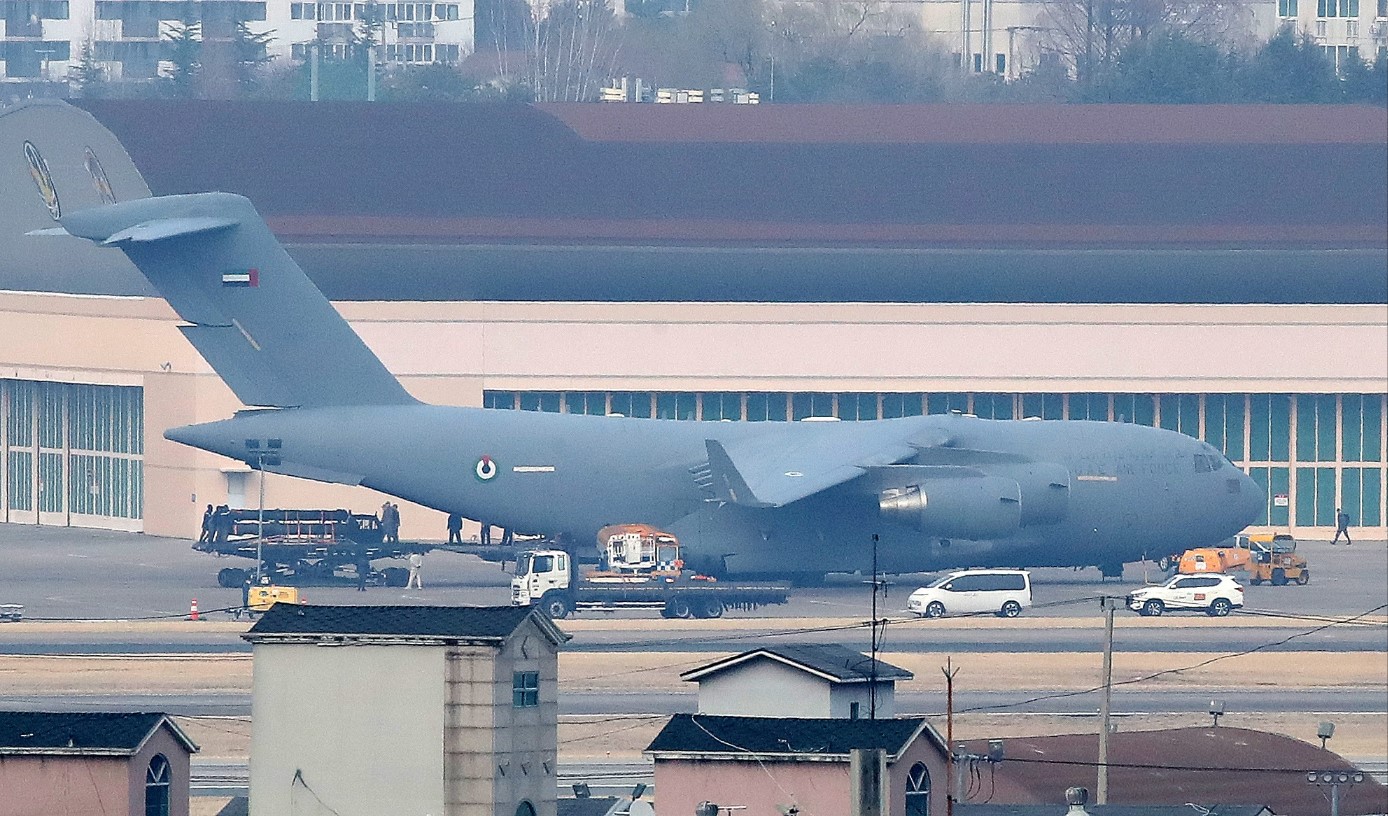 UAE Urgently Airlifts Cheongung-II Missile Defense Battery From South Korea Using Eight C-17 Aircraft
-
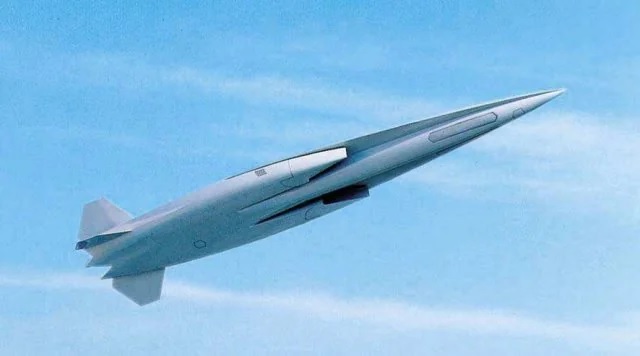 France Awards MBDA Contract to Develop ASN4G Hypersonic Nuclear Missile to Replace ASMPA-R
-
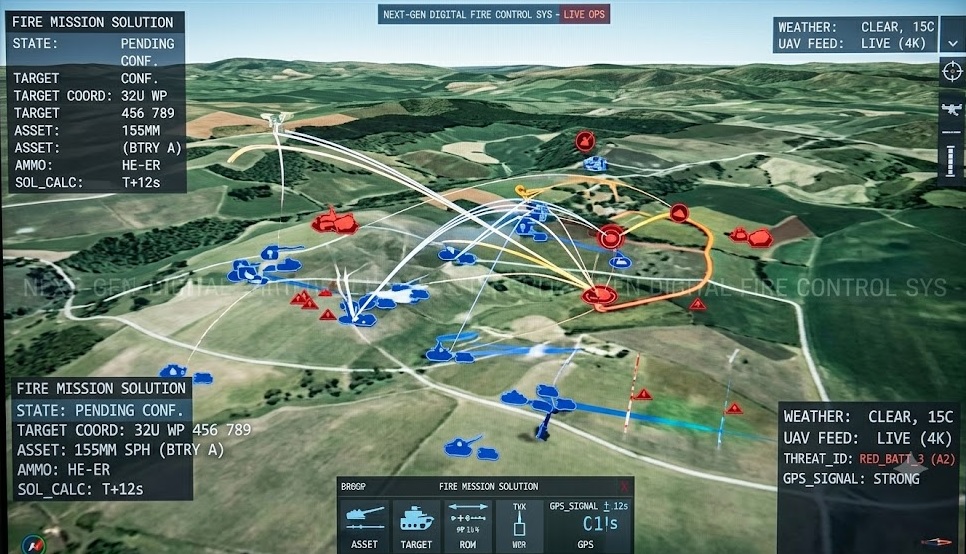 BAE Systems Unveils Next-Generation Digital Indirect Fire Control System at Eurosatory 2026
-
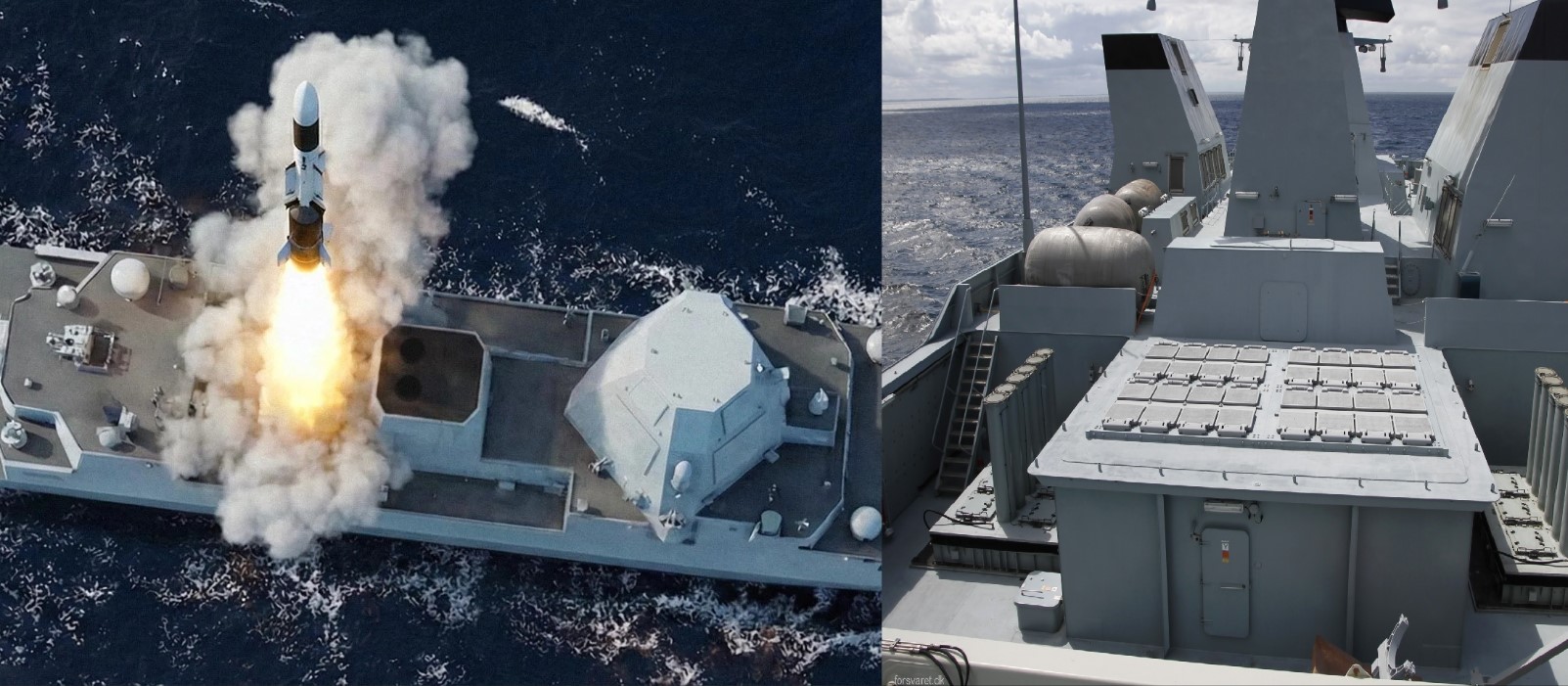 Engineering Challenges Behind the US Navy's Decision to Drop MK41 VLS from Flight I FF(X) Frigates
-
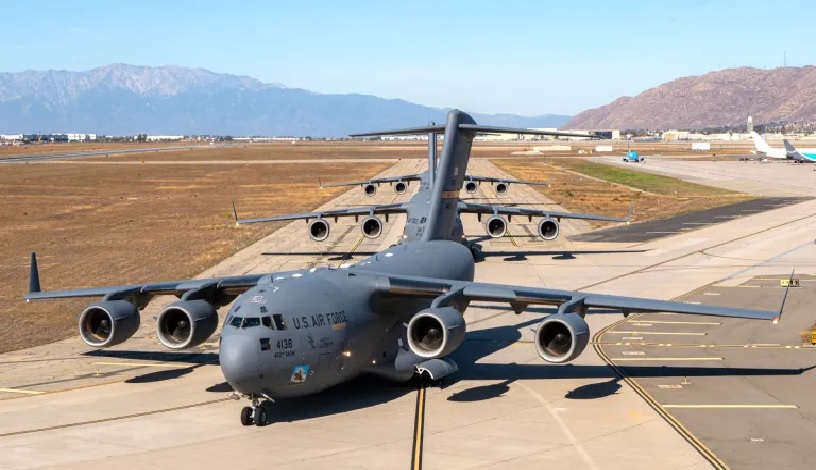 U.S. Air Force Faces Strategic Airlift Shortfall as C-17 Production Restart Remains Uncertain
-
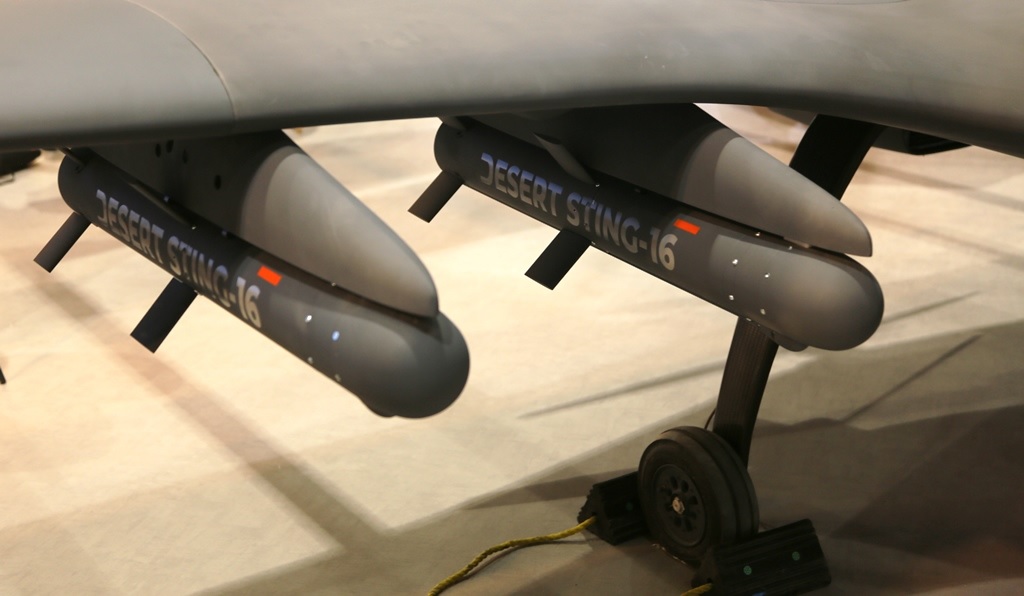 EDGE Integrates Desert Sting 16 Precision-Guided Munition with Bayraktar TB2 UAV
Top Trending in 4 Days
-
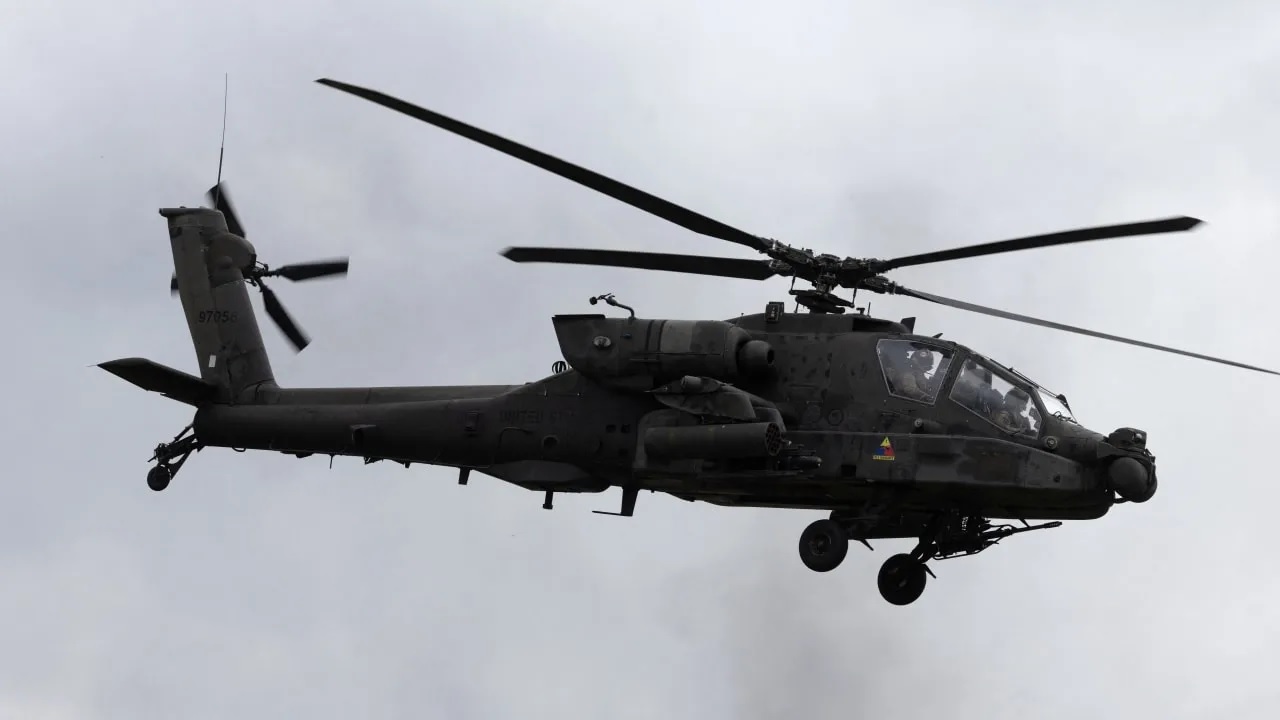 US Army Apache Helicopter Crashes Near Strait of Hormuz; Crew Rescued Safely
-
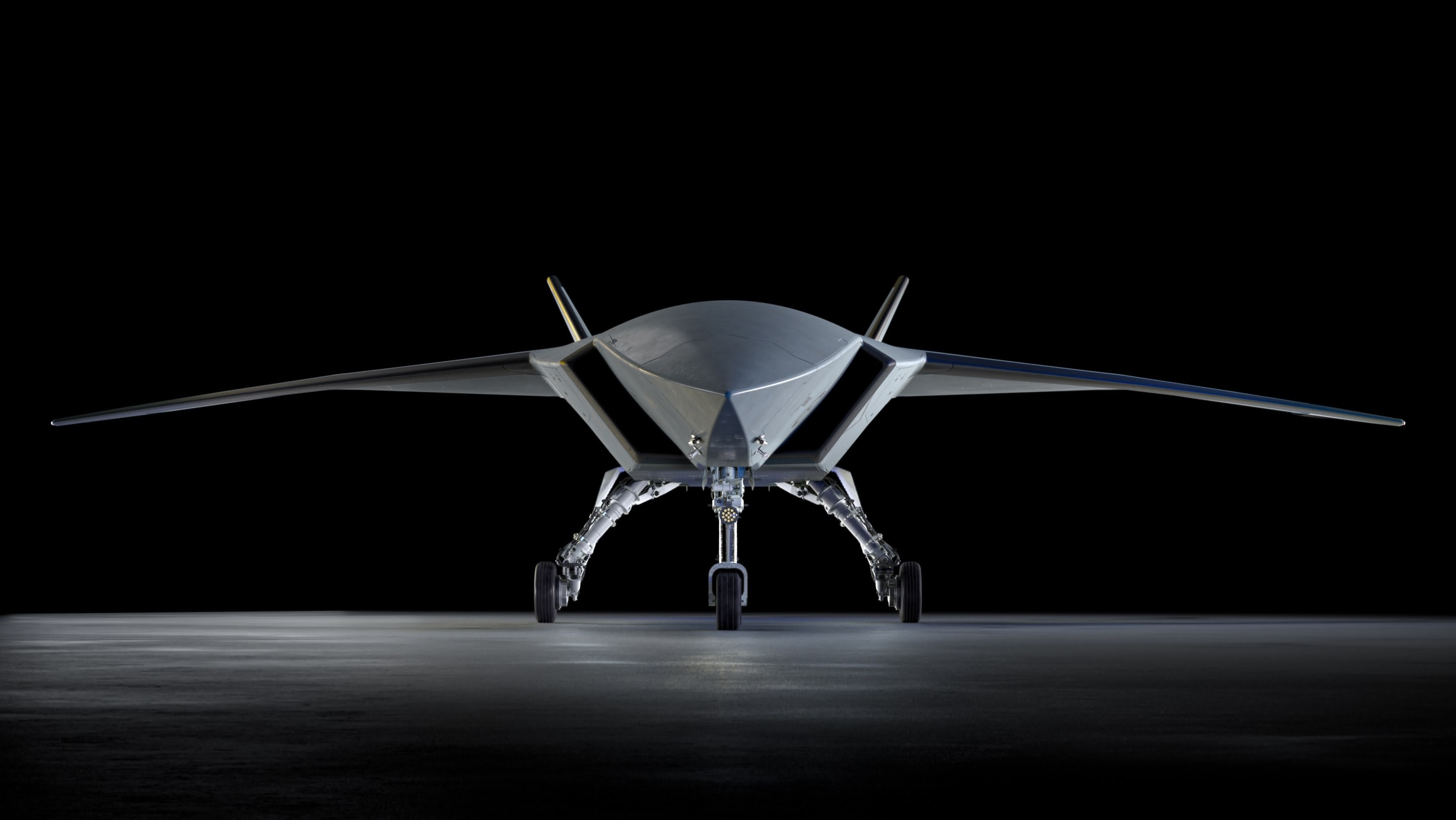 Boeing Introduces New MQ-28 Ghost Bat Upgrades with Increased Range, Payload and Weapons Capacity at ILA Berlin 2026
-
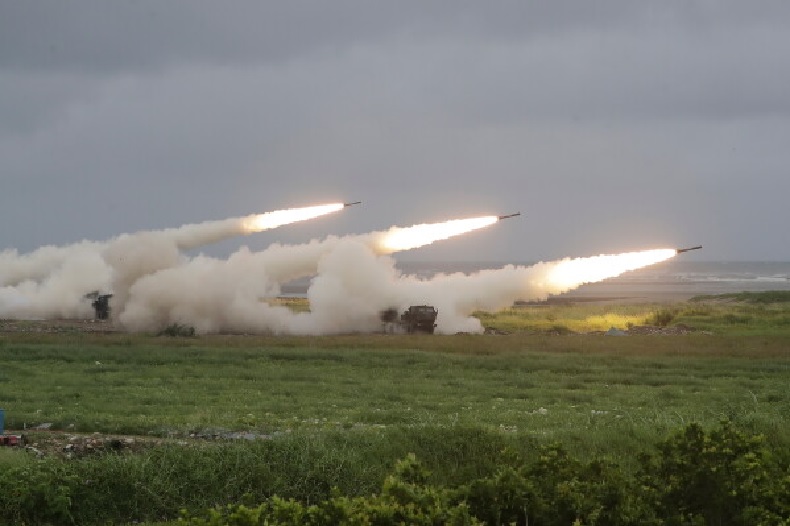 Taiwan Conducts First Live-Fire of HIMARS Rockets From West Coast During Invasion Defense Drill
-
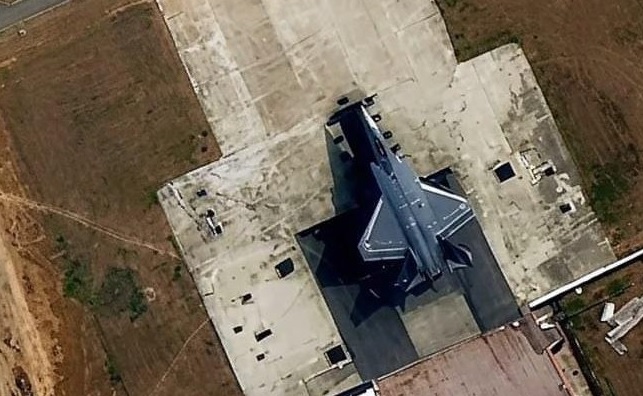 AMCA Airframe Spotted at DRDO’s ORANGE Facility for Radar Cross-Section Testing
-
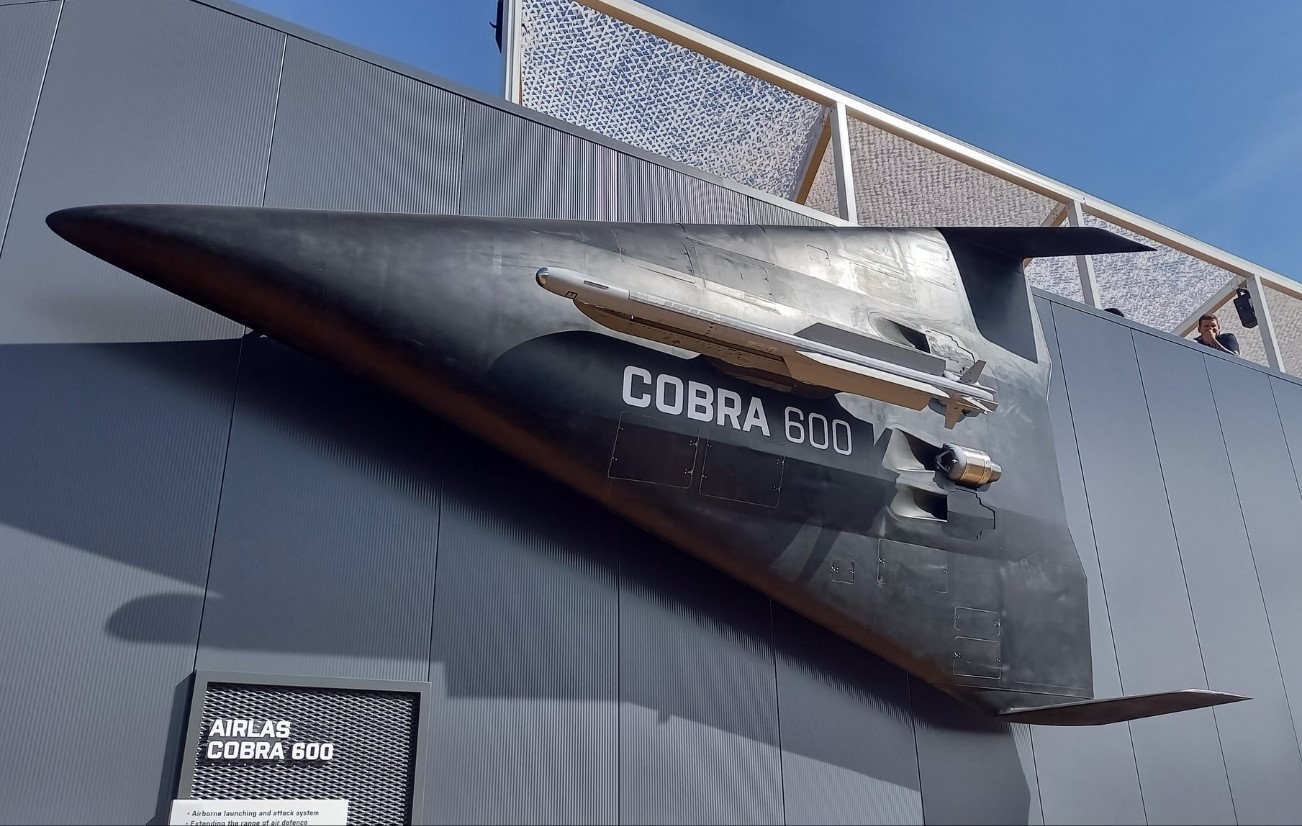 Diehl Defence Unveils IRIS-T Armed Cobra 600 Air Defense Drone at ILA Berlin 2026
-
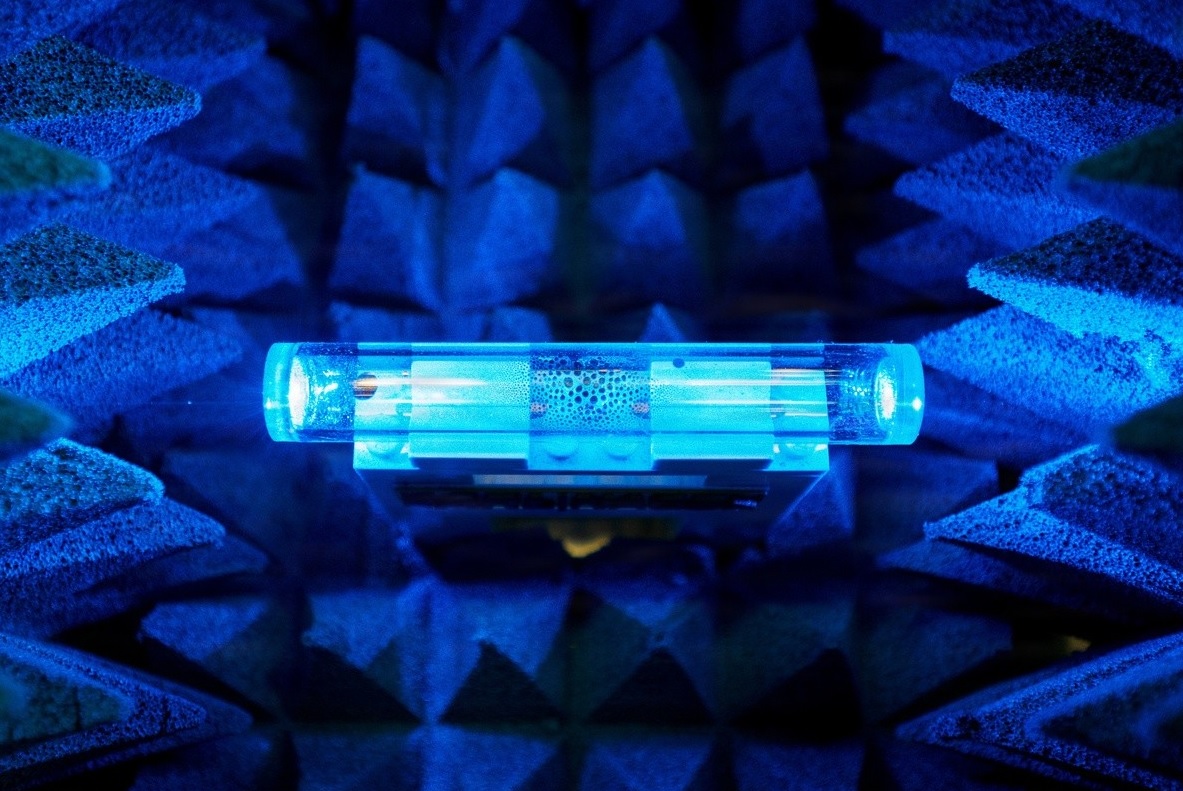 U.S. Army Successfully Demonstrates Quantum Sensor That Can Precisely Locate Radio Signals in 3D
-
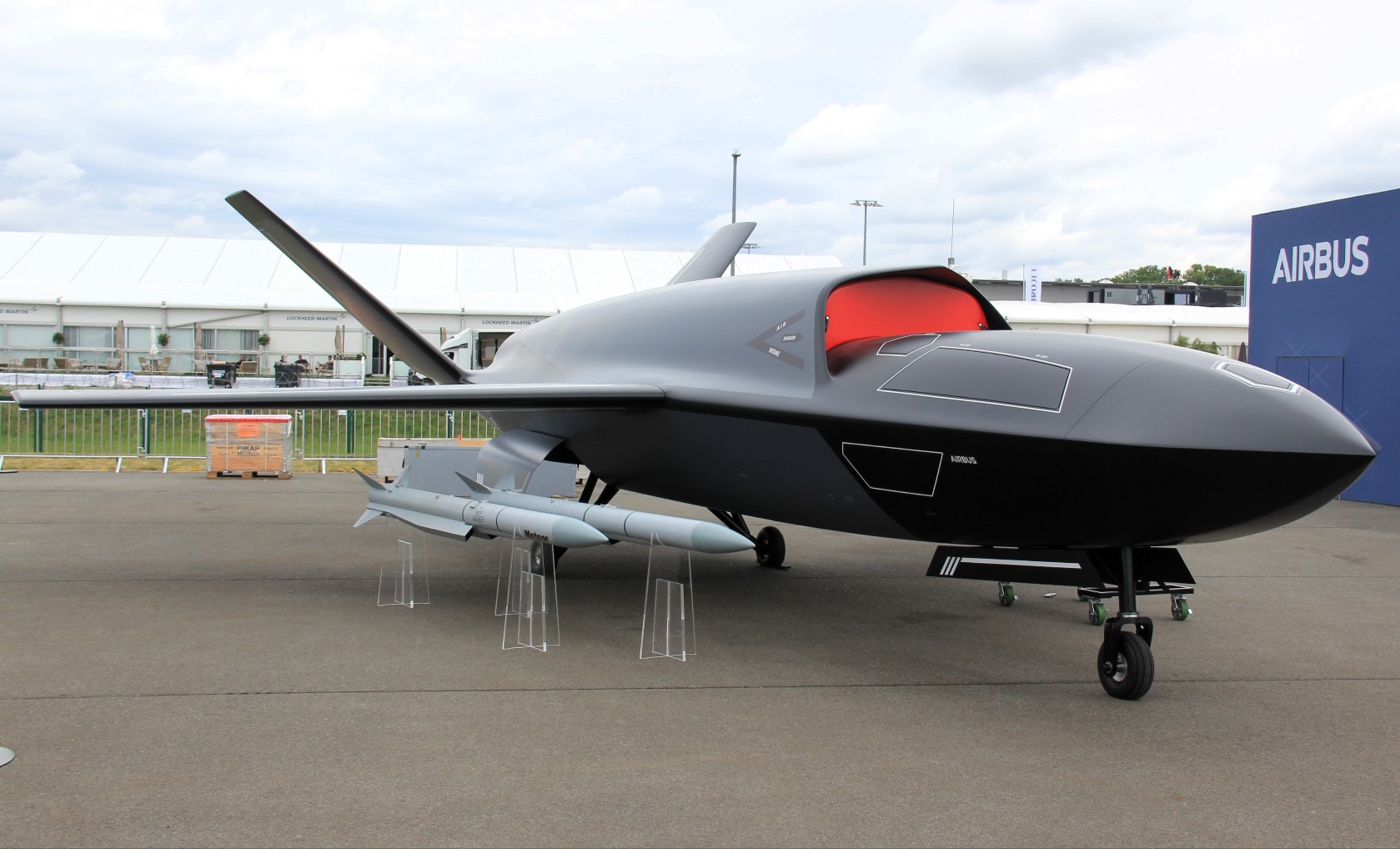 Airbus Unveils U760 Ravenstorm Loyal Wingman Drone at ILA Berlin 2026
-
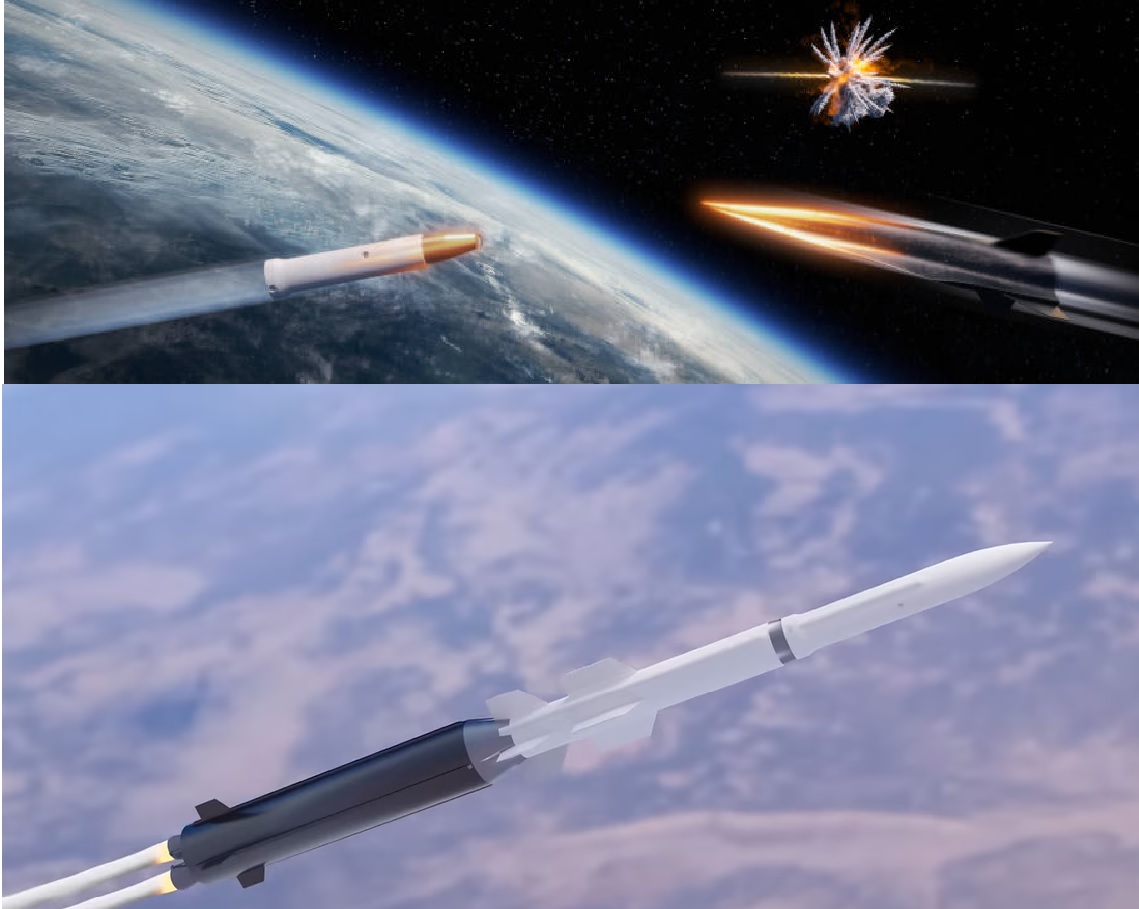 MBDA Develops AQUILA Interceptor to Counter Hypersonic and Maneuvering Missile Threats