
World
The U.S. Air Force releases first official flight images of the B-21 Raider stealth bomber, highlighting its advanced design and strategic capabilities. This next-generation bomber aims to replace current models and enhance America's defense posture.The United States Air Force has released the first official images of the B-21 Raider nuclear bomber in flight. These photos, taken by the B-21 Combined Test Force, show the bomber in its hangar, landing with its wheels down, and flying in the air. This marks a significant moment as previous images taken by the public near Edwards Air Force Base in California were not authorized.The B-21 Raider, developed by Northrop Grumman, is a long-range, stealthy strategic bomber designed to replace the B-1, B-2, and B-52 bombers currently in service. Despite its large size, with a wingspan of 132 feet (40 meters) and an empty weight of 70,000 pounds (31,751 kilograms), the B-21 maintains a low profile for enhanced stealth capabilities.The released images provide new insights into the aircraft's design. They reveal its sharp nose, the stealthy trailing edges of its flying wing fuselage, and the radar-deflecting design of the undercarriage covers. Additionally, a red-painted pitot tube, used for gathering flight data during testing, is visible. The images also show engine air inlets and an open hatch on the upper surface, which may be an intake for an auxiliary engine.The B-21 Raider is designed to work alongside and eventually replace the current bombers in the airborne leg of America's nuclear triad. It boasts a stealth design and high-speed capabilities, allowing it to penetrate enemy airspace and deliver both nuclear and conventional payloads. The Air Force aims to have the B-21 enter service by the middle of the decade, with a minimum production goal of 100 aircraft.Air Force Service Acquisition Executive Andrew Hunter testified before the Senate, stating, "We are in the flight test program, and it is proceeding well. The program is doing what flight test programs are designed to do, which is helping us learn about the unique characteristics of this platform in a very effective way."The B-21 Raider is expected to incorporate advanced stealth technologies, which include improvements over its predecessors, the B-2 Spirit. Its design minimizes radar, infrared, acoustic, and electromagnetic signatures, making it difficult for adversaries to detect and target.The aircraft is anticipated to feature open-systems architecture, allowing for easier integration of new technologies over time. This adaptability will ensure that the B-21 remains capable against evolving threats. Furthermore, the Raider is designed with a dual-capable role, meaning it can deliver both nuclear and conventional weapons.The B-21 program emphasizes affordability, with the goal of reducing both procurement and sustainment costs. Northrop Grumman has focused on using mature and reliable technologies to mitigate risks and control costs.As the B-21 Raider progresses through its testing phases, its successful integration into the Air Force's fleet will mark a significant advancement in maintaining the United States' strategic bomber capabilities. The new bomber is set to play a crucial role in national defense, ensuring the country's ability to project power globally and deter potential adversaries.For further information, the US Air Force and Northrop Grumman continue to provide updates on the B-21 Raider's development and testing progress, highlighting the importance of this next-generation bomber in securing America's future defense strategy.
Read More → Posted on 2024-05-26 15:48:49
World
The Hellenic Navy unveils ambitious plans to modernize its surface fleet by 2030, including new acquisitions, upgrades, and domestic production, to enhance operational capability and address long-standing gaps. These comprehensive efforts aim to build a more standardized, capable, and efficient naval force for Greece.On May 23, 2024, at the CNE 2024 Navy Leaders Conference, Commodore Panagiotis Karavas, Deputy Director of the Armaments Directorate for the Hellenic Navy (HN), detailed ambitious plans for modernizing the Hellenic Navy's surface fleet. The goal is to upgrade and standardize the fleet by 2030, addressing long-standing gaps and enhancing operational capability.Key Challenges and Strategic ObjectivesCommodore Karavas highlighted the primary challenge: the absence of a comprehensive modernization plan for the Navy's larger ships, particularly frigates. To remedy this, the Hellenic Navy aims to:Maximize commonalities across the fleet to simplify maintenance.Enhance availability and operational readiness.Standardize ship types to reduce costs.The HN's strategy includes purchasing new ships from abroad, upgrading existing vessels, and building new ships domestically.Six Key Modernization ProjectsThe Commodore outlined six major projects for fleet renewal:1. FDI Frigates: The FDI (Frégate de Défense et d'Intervention) program is progressing well. The lead ship, Kimon (F601), is under construction. These frigates, at 4,550 tons, are significantly larger than their predecessors.The frigates will be equipped with ASTER 30 surface-to-air missiles (SAMs) and EXOCET MM40 Block 3C guided missiles.Contracts are divided into construction, missile acquisition, and follow-on support.2. New Corvettes:Greece plans to acquire 3+1 new corvettes and is considering designs from Naval Group, Fincantieri, and Damen.At least two corvettes will be constructed in Greek shipyards.The HN is refining its requirements based on recent operational experiences and regional conflicts.3. Constellation-class Frigates:The HN aims to co-produce Constellation-class frigates in Greece, potentially for other customers as well.This project involves developing a Foreign Military Sales (FMS) planning case to upgrade Greek shipyard capabilities.4. Hydra-class Modernization:The four Hydra-class frigates will undergo a mid-life upgrade (MLU) to extend their service life by 15 years.The upgrade includes new equipment and systems to address obsolescence.The program is expected to take up to four years per ship once contracts are signed.5. Fast Attack Craft (FAC):The Roussen-class FACs will receive a mid-life upgrade to enhance their operational capability.Plans are in place to procure up to nine new FACs to replace aging Combattante IIIA and IIIB FACs.6. Patrol Boats:An ongoing FMS case includes the upgrade of four Island-class coastal patrol vessels.Additional plans involve acquiring three Protector-class and two more Island-class patrol boats.All vessels will receive modern equipment, including new weapon systems and sensors.Special Operations Craft (SOC)The Hellenic Navy has developed the Agenor SOC, an 18-meter boat designed and built in Greece to meet special operations needs. There are plans to adapt the Agenor design into an unmanned surface vehicle (USV).ConclusionThe Hellenic Navy's comprehensive modernization plan aims to significantly enhance its capabilities by 2030. Through a mix of international partnerships, domestic production, and upgrades, the HN is set to build a more standardized, capable, and efficient fleet to meet current and future operational demands.
Read More → Posted on 2024-05-26 15:06:49
World
Ukrainian President Zelenskyy urges global leaders to join the upcoming Peace Summit on June 15 to address Russia's aggression and foster international cooperation for peace. Over eighty countries are set to participate, marking a crucial opportunity to confront the ongoing conflict and its broader implications.Ukrainian President Volodymyr Zelenskyy has issued a call to world leaders to participate in the Global Peace Summit set to begin on June 15. In a post on social media platform X, Zelenskyy emphasized the urgent need for international cooperation to confront Russia's aggressive actions."Russia is led by individuals who normalize the destruction of lives and the division of nations," Zelenskyy stated. He argued that no single nation can halt such conflicts alone and stressed the importance of global leadership and collaboration in achieving peace.Zelenskyy highlighted Ukraine's extensive experience with Russian misinformation, stressing that this underscores the need for a unified global response. "The Global Peace Summit, prepared in collaboration with Switzerland, aims to bring together leaders who Russia cannot deceive," he added. Over eighty countries have confirmed their attendance at the summit.In his appeal, Zelenskyy specifically called on prominent world leaders, including U.S. President Joe Biden and Chinese President Xi Jinping, to demonstrate their commitment to peace by participating in the summit. "Your leadership is crucial for advancing real peace, not merely a temporary ceasefire," he urged.Currently in Kharkiv, a city near the Russian border, Zelenskyy reported that the city, home to over a million people, faces constant shelling from Russian forces, primarily using S-300 missiles. "Every district and street in Kharkiv has suffered from this relentless bombardment," he said, describing the ongoing devastation.Zelenskyy also highlighted broader regional threats posed by Russia, including its occupation of a nuclear power plant and use of hunger as a weapon. He warned that Russia's actions threaten not only Ukraine but also neighboring countries.The Ukrainian President concluded by urging global leaders to support the Peace Summit with their personal leadership and participation. "The combined efforts of the international community are the best guarantee that all commitments will be fulfilled," he asserted.The summit aims to foster genuine peace and ensure the upholding of international laws and norms. As the date approaches, the world watches to see how leaders will respond to Zelenskyy's call for unity and action against aggression.
Read More → Posted on 2024-05-26 14:58:22
World
US experts predict that China's recent Joint Sword-2024A military exercise near Taiwan indicates Beijing's intention to regularly conduct large-scale drills around the island. This move aims to signal displeasure and punish Taiwan and the United States.Following China's recent Joint Sword-2024A military exercise near Taiwan, US experts suggest that Beijing plans to make large-scale military drills around the island a regular occurrence. This analysis, reported by Focus Taiwan, comes from the Center for Strategic and International Studies (CSIS), a Washington-based think tank.Bonny Lin, head of the CSIS China Power Project, and fellow researcher Brian Hart analyzed the two-day Joint Sword-2024A exercise, which began three days after Taiwanese President Lai Ching-te's inauguration. This exercise marks the third large-scale military drill China has conducted around Taiwan in recent years.The experts noted that these military drills, linked with law enforcement operations, reveal China's multifaceted approach to Taiwan. They believe China will continue to use such activities to express its displeasure and to punish Taiwan and the United States.The CSIS analysts pointed out that some experts from Taiwan, the US, and China argue that China's frequent military drills may have diminishing returns in advancing Beijing's interests regarding Taiwan. However, the latest exercise was a direct response to President Lai's inauguration speech, in which he asserted that Taiwan and the People's Republic of China are not subordinate to each other.Lin and Hart emphasized that the Joint Sword-2024A exercise demonstrates China's readiness to use the People's Liberation Army (PLA) and the China Coast Guard (CCG) to signal significant displeasure and attract international attention. They expect this trend to continue.Background and ImplicationsChina's increasing military activity around Taiwan has raised concerns about regional stability. The Joint Sword-2024A exercise is part of a broader pattern of Chinese military operations in the region, reflecting Beijing's stance on Taiwan.Taiwan, officially known as the Republic of China (ROC), operates as a separate entity with its own government and constitution. However, Beijing views Taiwan as a breakaway province and has vowed to reunify it with the mainland, by force if necessary.The United States, while not formally recognizing Taiwan as a separate country, maintains unofficial relations with Taipei and supports Taiwan's self-defense capabilities. This support includes arms sales and military training, which Beijing views as provocative.China's Military StrategyChina's strategy involves not only traditional military maneuvers but also integrating the CCG into its operations. The CCG's involvement in blockades and law enforcement activities around Taiwan highlights China's use of both military and non-military means to exert pressure on the island.The CSIS analysis underscores the importance of understanding China's comprehensive approach to Taiwan, which combines military exercises with law enforcement and diplomatic measures.Future OutlookAs China continues to assert its influence in the region, Taiwan and its allies, including the US, must navigate a complex geopolitical landscape. Regular Chinese military drills near Taiwan will likely remain a key feature of this dynamic, requiring ongoing vigilance and strategic responses from Taiwan and its partners.This situation underscores the delicate balance of power in the Taiwan Strait and the broader Asia-Pacific region, with significant implications for international security and stability.China's military buildup and strategic positioning around Taiwan are part of its broader regional ambitions. The PLA's modernization efforts include enhancing its naval, air, and missile capabilities to potentially conduct a blockade or amphibious assault on Taiwan.Taiwan, for its part, continues to strengthen its defense capabilities, investing in advanced weaponry and military training. The island nation also seeks to bolster its international support network, engaging in diplomacy with key allies and partners to counter China's pressure.The US plays a crucial role in this dynamic, providing military aid and support to Taiwan while navigating its complex relationship with China. This triangular relationship between China, Taiwan, and the US will continue to shape the geopolitical landscape in the years to come.
Read More → Posted on 2024-05-26 14:46:29
World
Italy's Navy launches the FREMM frigate "Emilio Bianchi," marking a key milestone in its naval fleet renewal. The vessel, featuring advanced ASW and ASuW capabilities, will be delivered in summer 2025.The Italian Navy recently celebrated the launch of the FREMM frigate "Emilio Bianchi" at the Muggiano shipyard in La Spezia. The ceremony was attended by numerous dignitaries, including Chief of Staff of the Navy Admiral Enrico Credendino, President of Fincantieri General Claudio Graziano, and General Director of the Fincantieri Military Ships Division Dario Deste. Mrs. Maria Elisabetta Bianchi, daughter of Gold Medal for Military Valor Emilio Bianchi, served as the godmother of the launch.The event also saw participation from the President of the Regional Council Gianmarco Medusei, Director of the Joint Organization for Armaments Cooperation (OCCAR) Joachim Sucker, and various civil and military authorities. Following its launch, the "Emilio Bianchi" will undergo outfitting activities at the Muggiano shipyard and is scheduled for delivery in the summer of 2025.The "Emilio Bianchi" is a multi-mission European frigate (FREMM) known for its high operational flexibility. The ship measures 144 meters in length, 19.7 meters in width, and has a full load displacement of approximately 6,700 tons. It can reach speeds exceeding 27 knots and accommodate around 200 personnel. Like other FREMMs, it is designed to operate in various tactical situations.FREMM is a significant joint initiative developed by European defense industries, reflecting the cutting-edge of Italian and European naval defense technology. The program aims to renew the Italian Navy's fleet, replacing older units such as the “Lupo” and “Maestrale” classes built by Fincantieri in the 1970s and 1980s.The FREMM program has seen the successful delivery of several vessels: "Carlo Bergamini" (2012), "Virginio Fasan" (2013), "Carlo Margottini" (2014), "Carabiniere" (2015), "Alpino" (2016), "Luigi Rizzo" (2017), "Federico Martinengo" (2018), and "Antonio Marceglia" (2019). The "Spartaco Schergat," launched in November 2023, is currently in the final preparation phase with delivery expected in April 2025.The final two FREMMs, "Spartaco Schergat" (F 598) and "Emilio Bianchi" (F 589), feature a new anti-submarine warfare (ASW) and anti-surface warfare (ASuW) hybrid configuration. This new setup is designed to enhance the Italian Navy’s ASW capabilities. The steel cutting ceremonies for these ships were held in February 2021 and October 2021, respectively. The "Spartaco Schergat" is expected to start sea trials in the second quarter of 2024, with delivery slated for the second quarter of 2025.The addition of these hybrid-configured FREMMs will increase the Italian Navy’s ASW escort fleet from four to six ships. This expansion sets the stage for the development of the new FREMM EVO (Evolved) platforms. The Italian Ministry of Defense’s multi-year defense planning document (DPP 2023-2025) includes plans for at least two of these advanced ships.The FREMM program is based on an Inter-Governmental Agreement (IGA) signed between India and the former Soviet Union in November 1988, supplemented by a later agreement in 1998. The Kudankulam Nuclear Power Plant (KKNPP), which employs VVER-1000 type reactors, is an example of the collaboration between Russia and India. The Proryv project aims to revolutionize nuclear energy by creating a closed nuclear fuel cycle, significantly reducing radioactive waste.India aims to expand its nuclear power capacity to 63,000 MW by 2032 from the current 6,780 MW. Collaborations with international partners, such as Russia, are crucial in achieving this goal. The continued development and expansion of nuclear energy projects like Kudankulam are vital for India’s energy future, providing a reliable and clean source of power to meet the country’s growing energy needs.These developments highlight the growing strategic partnership between Italy and its international partners, emphasizing the importance of advanced technology and cooperation in enhancing national defense and energy security.
Read More → Posted on 2024-05-25 16:05:18
World
Russian forces reportedly capture Estonian-made THeMIS unmanned ground vehicle in Ukraine, raising concerns over potential data exploitation and technological competition.Two years after a Russian defense think tank announced a reward for capturing an Estonian-made unmanned ground vehicle (UGV) in Ukraine, Russian forces appear to have seized one of the robots. Analysts and social media photos suggest that Russian forces have captured a THeMIS vehicle, produced by Estonia-based Milrem Robotics.Earlier this month, Russian Telegram channels shared images of a damaged THeMIS model. The photos appear to confirm the capture, with a visible Ukrainian flag on the vehicle. Milrem Robotics, owned by United Arab Emirates investors, declined to comment but acknowledged awareness of the images.The THeMIS UGV, provided to Ukraine for demining and cargo transport missions, is not considered highly sensitive technology. However, Federico Borsari of the Center for European Policy Analysis noted that Russia could benefit from studying the vehicle's design, sensors, and communications-encryption technologies.In 2022, the Moscow-based Center for Analysis of Strategies and Technologies (CAST) offered a one million ruble reward (about $11,000) for the capture of a THeMIS robot. In February 2024, the reward was increased to two million rubles (nearly $22,000).The captured vehicle poses potential risks if it contains encrypted data or stored information. Russia could exploit this information to breach Ukrainian secure communications or track Ukrainian operators.Milrem Robotics announced in January 2024 that it had supplied 15 THeMIS units to Ukraine. On May 23, the company revealed plans to increase production capacity fivefold, aiming to produce 500 units annually at a new facility in Tallinn, Estonia. This expansion is in response to growing demand from governments seeking more robotic vehicles after successful testing.The capture of the THeMIS vehicle underscores the ongoing technological competition in the Ukraine conflict and the strategic value of unmanned systems on the battlefield. While the specific impact of this capture remains to be seen, it highlights the importance of securing advanced military technology and the potential consequences of its loss.
Read More → Posted on 2024-05-25 11:22:32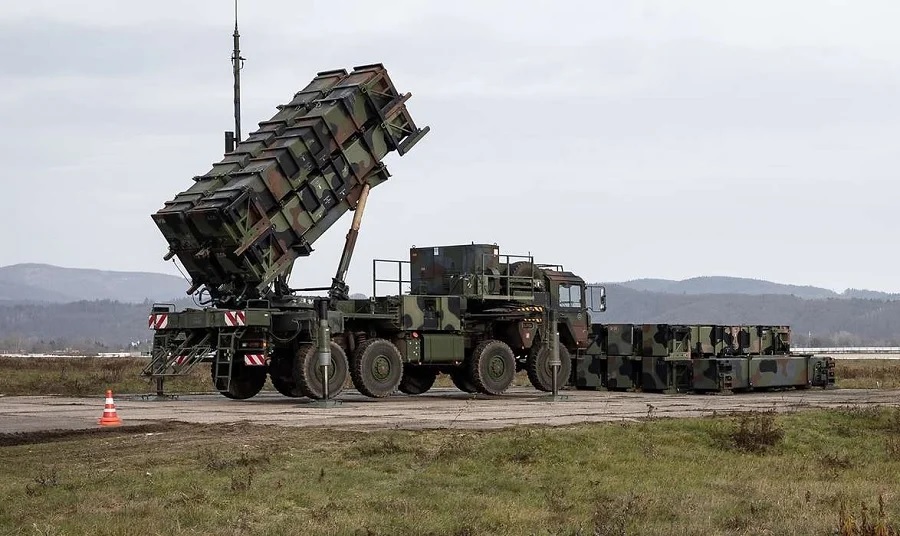
World
Finland and Germany conclude successful joint air defence exercise 'Mallet Strike,' enhancing interoperability and showcasing defence capabilities.Finland and Germany have concluded a ten-day joint military exercise named "Mallet Strike," which involved nearly 1,500 Finnish soldiers and a 250-strong German PATRIOT firing unit. This exercise marks the first time Finland and Germany have trained together in surface-based air defence since Finland joined NATO in April.The primary objective of Mallet Strike was to enhance interoperability and integration between the German PATRIOT unit and the Finnish NASAMS (National Advanced Surface to Air Missile System). To achieve this, the German unit operated under the command of the Finnish Army, which improved the effectiveness of their joint training and the coordination of communications structures and command chains.Colonel Mano-Mikael Nokelainen, the Finnish Inspector of the Ground Based Air Defence Forces, emphasized the importance of this exercise for showcasing Finland's national defence strategies, including their air defence systems, conscript training, and overall military capabilities. "We wanted to show our national solution of defending our country, our air defence systems, conscripts, the way we train and fight, and what we can bring to NATO," said Nokelainen. "I hope and believe our German friends learned something from us – we definitely learned from them."Mallet Strike also aimed to achieve common and individual exercise goals, covering various elements of air operations such as reconnaissance, electronic warfare, and defence against airborne threats. These operations utilized surface-based and maritime systems to simulate realistic defence scenarios.Colonel Alexander Zoklits, Commodore of the German Surface-to-Air Missile Wing 1, expressed pride in the collaborative effort with Finnish forces. "I am so proud that together with our Finnish Allies, we made a decisive contribution by participating in this exercise to advance interoperability and deepen integration between our PATRIOT and Finnish ground-based air defence systems," he said. "In doing so, we are making an important contribution to strengthening NATO’s integrated air defence, providing credible deterrence and increasing the Alliance’s defence capability."Interoperability is crucial for NATO operations, allowing Allied forces to work together coherently, effectively, and efficiently to achieve tactical, operational, and strategic objectives. This high level of coordination is essential for NATO Integrated Air and Missile Defence missions, ensuring that member countries can respond quickly and effectively to any threats.The German PATRIOT system (Phased Array Tracking Radar to Intercept on Target) is a sophisticated surface-to-air missile system designed to counter threats from tactical ballistic missiles, cruise missiles, and advanced aircraft. The Finnish NASAMS is a medium-range air defence system that provides robust protection against aerial threats and has been integrated into Finland's defence strategy.Finland's entry into NATO has significantly boosted the Alliance's northern European defence capabilities. The inclusion of Finland's advanced military systems and well-trained personnel enhances NATO's ability to respond to potential threats in the region.The success of Mallet Strike highlights the importance of joint military exercises in strengthening the defence capabilities of NATO members. These exercises not only improve technical interoperability but also build mutual trust and understanding among allied forces, contributing to a more robust and unified defence strategy.
Read More → Posted on 2024-05-25 11:14:54
World
US Defence Secretary Lloyd Austin and China's Defence Minister Dong Jun will meet in Singapore during the Shangri-La Dialogue to discuss regional security and strengthen military communication. This follows their first high-level virtual talks last month amid ongoing tensions in the Indo-Pacific.US Defence Secretary Lloyd Austin is set to meet China's Defence Minister Dong Jun next week in Singapore. This face-to-face meeting, announced by the Pentagon on Friday, will take place on the sidelines of the Shangri-La Dialogue, a high-level defence summit in the Asia-Pacific region.The meeting follows their first video call last month, marking the first high-level military contact between the two nations in over two years. Their virtual talks in April covered critical topics such as defence relations, regional and global security issues, the South China Sea, Russia's war against Ukraine, North Korea's provocations, the Taiwan Strait, and US-China defence relations.The Pentagon did not provide specific details about the upcoming meeting but highlighted that Austin’s trip to Singapore and Cambodia aims to strengthen US relationships with allies and partners, supporting a shared vision for regional peace, stability, and deterrence.Austin will also deliver plenary remarks during the three-day Shangri-La Dialogue, starting on May 31. The forum will feature ministers and government officials from over 50 countries.In a related update, Austin is scheduled to undergo a medical procedure for bladder issues on Friday evening. The Pentagon clarified that this procedure is not related to his previous cancer diagnosis.Military communication between the US and China resumed following a meeting between President Xi Jinping and President Joe Biden in San Francisco in November. Despite this, tensions remain, with the US deepening ties with several of China's neighbors.Earlier this month, the US formed a strategic coalition called “Squad” to counter China's influence in the Indo-Pacific region. On May 2, Austin met with his counterparts from Australia, Japan, and the Philippines in Hawaii. They discussed conducting more maritime exercises and extending greater security assistance to the Philippines.The first “Squad” defence ministers meeting also took place during the Shangri-La Dialogue in June 2023. Last month, the four nations conducted joint maritime patrols amid ongoing tensions between Manila and Beijing over territorial claims in the South China Sea.The US, Japan, and Australia are also collaborating on a new air missile defence network. This trilateral cooperation was further discussed during a meeting between US President Joe Biden, Japanese Prime Minister Fumio Kishida, and Philippine President Ferdinand Marcos Jr. at the White House on April 12. The US reaffirmed its defence commitments to its allies amid increasing pressure from China in the contentious region.China claims over 80 percent of the South China Sea, which overlaps with claims by Brunei, Indonesia, Malaysia, the Philippines, Taiwan, and Vietnam. Recent months have seen several naval confrontations between Chinese and Philippine forces near disputed areas such as Scarborough Shoal.To counterbalance China's influence in the Indo-Pacific, the US leads several alliances and cooperation blocs, including the Quad (with Australia, India, and Japan) and AUKUS (a defence pact among Australia, the UK, and the US).This high-level meeting between Austin and Dong underscores the ongoing strategic maneuvers in the region and the importance of dialogue in addressing complex security issues.
Read More → Posted on 2024-05-25 04:30:11
World
Conflicting reports emerge as Ukrainian forces secure control in Kharkiv region amidst ongoing clashes with Russian troops. Situation remains fluid as both sides engage in combat operations.On Friday, President Volodymyr Zelenskiy announced that Ukrainian forces had gained "combat control" over areas in the northern Kharkiv region, where Russian troops had previously staged an incursion. Zelenskiy made this statement during his nightly video address following a meeting with military and regional officials in Kharkiv, Ukraine's second-largest city."Our soldiers have now managed to take combat control of the border area where the Russian occupiers entered," Zelenskiy said. This statement seems to contrast with claims made by Russian officials.Viktor Vodolatskiy, a member of Russia's State Duma, told the Tass news agency that Russian forces controlled more than half of Vovchansk, a town located 5 km (three miles) inside the Ukrainian border. He also mentioned that once Vovchansk was secured, Russian forces planned to target Sloviansk, Kramatorsk, and Pokrovsk in Ukraine's eastern Donetsk region.Neither side's battlefield accounts could be independently verified by Reuters.Earlier this month, Russian forces entered border areas of the Kharkiv region, and Russia's Defence Ministry claimed control over approximately 12 settlements. In response, Zelenskiy and other Ukrainian officials have reported successes in "stabilizing" these areas.The Ukrainian military's General Staff reported that the situation in Vovchansk remains "tense but controlled by the defense forces." The General Staff also noted that Russian forces launched airstrikes on Vovchansk, with eight guided bombs hitting the town. Additionally, attacks were reported on at least two other settlements north of Kharkiv.A late-night report from the General Staff indicated that Ukrainian forces had repelled 10 Russian attacks around Vovchansk. The report also mentioned that Russian forces had achieved "partial success" near Kupiansk, further east in the Kharkiv region, and in the Pokrovsk sector in the Donetsk region, where heavy fighting continues.Ukrainian military bloggers reported that Ukrainian troops were holding their ground around Vovchansk. They noted that Russian forces were relying more on distant firing rather than direct infantry assaults, resulting in limited accuracy.The conflict in the Kharkiv region is part of the broader struggle in Ukraine, which has seen significant battles in both the eastern and southern parts of the country. The Kharkiv region, bordering Russia, has been a focal point of military actions since the beginning of the conflict.In recent months, Ukrainian forces have been making efforts to regain and stabilize territories previously occupied by Russian forces. This includes not only direct military engagements but also addressing the humanitarian needs of affected civilians in these areas.The ongoing conflict has led to extensive destruction and displacement, with both sides experiencing significant casualties. International organizations continue to call for a peaceful resolution and emphasize the need for humanitarian aid to support those impacted by the war.The situation remains fluid, with both Ukrainian and Russian forces continuing to engage in combat operations across various fronts in Ukraine. The international community closely monitors these developments, seeking ways to mediate and provide support to alleviate the suffering caused by the conflict.
Read More → Posted on 2024-05-25 04:20:59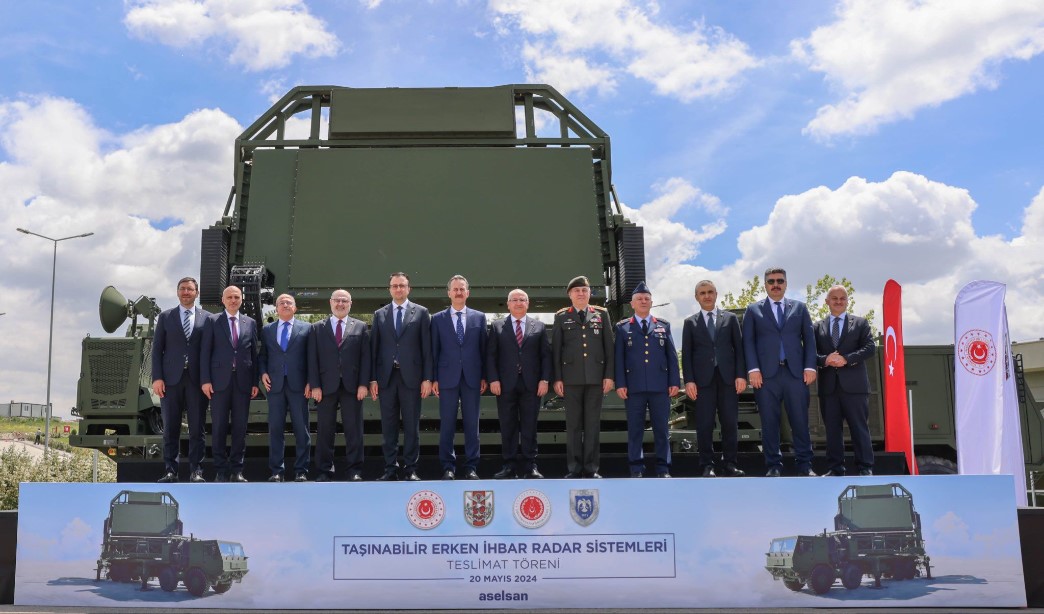
World
Aselsan delivers ALP-300G Radar System to Turkish Armed Forces, enhancing Turkey's defense capabilities with advanced aerial reconnaissance and surveillance.Aselsan has delivered its latest innovation, the ALP-300G Portable Early Warning Radar System, to the Turkish Armed Forces at its Gölbaşı facility in Ankara. This radar system is now the longest-range radar in Turkey, reflecting the country's ongoing efforts to enhance its military capabilities, especially in aerial reconnaissance, border surveillance, air defense, search and rescue, fire control, tracking, and weapon detection.Haluk Görgün, Turkish Defence Industries Secretary, highlighted the significance of the ALP-300G, stating it surpasses major radar systems used by countries such as Italy, France, and the United States in terms of resolution, range, and accuracy. "The ALP-300G we delivered today surpasses all of these in terms of resolution, range, and accuracy," Görgün stated.Development and CapabilitiesThe ALP-300G, originally named the ERALP Early Warning Radar System, was first announced in 2022 during an Aselsan radar workshop. This workshop showcased advancements in electronic warfare and radar system projects, emphasizing Turkey's commitment to technological progress in defense.The ALP-300G is notable for its impressive technical capabilities. It can handle nearly 500 separate communications and process data at the rate of 81 DVDs per second. This system can be mounted on an 8×8 tactical wheeled platform and is designed for rapid deployment, with setup possible in just 30 minutes. The radar system connects via a radio link and features over 4,000 transmit-receive modules, ensuring continuous communication even if some modules fail.Strategic ImportanceThis radar system is part of Turkey's broader strategy to develop indigenous military technology and reduce dependence on foreign defense systems. The ALP-300G's advanced capabilities make it a critical asset for Turkey's national defense, enhancing its ability to detect and respond to threats more effectively.Future ProspectsAselsan continues to innovate in the field of radar and electronic warfare systems, with the ALP-300G representing the pinnacle of their current radar technology. The company is likely to continue its focus on developing advanced defense technologies to support Turkey's strategic objectives.Aselsan, a leading defense electronics company in Turkey, has been at the forefront of developing sophisticated defense systems. The company's efforts are part of Turkey's broader goals to enhance its defense industry and achieve greater self-sufficiency in military technology. The introduction of the ALP-300G aligns with these objectives, providing the Turkish Armed Forces with cutting-edge tools to maintain national security.The development of the ALP-300G also reflects the global trend of advancing radar technology to address increasingly complex security challenges. As other countries continue to enhance their defense capabilities, Turkey's investment in systems like the ALP-300G ensures it remains competitive in this critical area.In summary, the delivery of the ALP-300G Portable Early Warning Radar System marks a significant milestone for Turkey's defense industry, showcasing Aselsan's ability to develop world-class military technology. This radar system is expected to play a crucial role in strengthening Turkey's defense capabilities and supporting its strategic interests.
Read More → Posted on 2024-05-25 04:13:49
World
Delay in optronic mast delivery impacts Taiwan's Hai Kun submarine project, highlighting challenges in modernizing military capabilities amid regional tensions.On May 4, 2024, Taiwanese media outlet LTN reported that U.S. defense company L3 Harris had not yet delivered the optronic masts for Taiwan's Hai Kun submarine. The delivery, initially scheduled for January 2024, was delayed, impacting the submarine's timeline. The first-in-class Hai Kun submarine was launched in late February 2024.The Harbor Acceptance Test (HAT) for the Hai Kun was expected to be completed by the end of April 2024. An anonymous source quoted by LTN noted that Admiral Tang Hua, head of Taiwan's navy, was very cautious and dedicated to the indigenous submarine project. Admiral Tang emphasized that the Hai Kun must pass all tests and be approved step-by-step, asserting that the navy would not accept the submarine if it failed to complete and qualify all HAT and subsequent Sea Acceptance Test (SAT) items.There were rumors about the resignation of Admiral (ret.) Huang Shu-kuang, the National Security Council's (NSC) ‘submarine tsar’. This resignation could have negatively impacted the production of follow-on submarines. However, Admiral Huang clarified that his resignation was due to national security concerns and aimed to halt political disputes that could harm the nation's defense capabilities. The transition team for Taiwan's 16th president and vice president later confirmed that Admiral Huang would remain as an advisor to the NSC.On May 17, LTN quoted an anonymous military source stating that, after a four-month delay, one set of optronic masts for the Hai Kun had arrived in Taiwan, with the second set expected to arrive a week later. With this delivery, all systems for the Hai Kun were in place. The submarine was scheduled to begin its Sea Acceptance Test at the end of May, following the installation and testing of the optronic masts and batteries. Admiral Huang will lead the Indigenous Defense Submarine program team and oversee critical SAT items, including firing training torpedoes and examining combat systems performance. CSBC chairman Cheng Wen-lon will also be aboard to witness the SAT items.Taiwan’s Current Submarine ForceAside from the advanced yet-to-be-delivered Hai Kun, Taiwan’s navy (ROC Navy) currently operates four submarines:ROCS Hai Shih (Sea Lion), SS-791 and ROCS Hai Pao (Seal), SS-792 : These World War II vintage submarines were transferred from the U.S. in the 1970s. Both underwent Greater Underwater Propulsion Power Program (GUPPY) conversions and are unofficially referred to as Guppy class in Taiwan. They remain operational and reportedly capable of combat.Chien Lung-class (Hai Lung-class or Sea Dragon class): This class includes ROCS Hai Lung (Sea Dragon), SS-793 and ROCS Hai Hu (Sea Tiger), SS-794, purchased from the Netherlands in the 1980s. They are equipped with AEG SUT 264 heavyweight torpedoes produced under license from Indonesia in the 1980s, Harpoon missiles purchased from the U.S. in 2008, and MK-48 torpedoes acquired from the U.S. in 2017.The Hai Kun project is part of Taiwan's broader strategy to modernize its military capabilities amid increasing regional tensions. The Indigenous Defense Submarine program aims to enhance Taiwan's defense and deterrence capabilities, ensuring the country can defend itself against potential threats.The delay in delivering key components such as the optronic masts has highlighted challenges in the complex process of developing and deploying advanced military technologies. However, the successful installation and testing of these components will be crucial for the Hai Kun to meet its operational requirements.As Taiwan continues to enhance its naval capabilities, the Hai Kun and subsequent indigenous submarines will play a vital role in safeguarding the nation's maritime interests and maintaining regional stability.
Read More → Posted on 2024-05-24 16:12:29
World
MBDA signs contract with Romanian Navy for Marte ER missile integration, bolstering Romania's anti-surface warfare capabilities and enhancing national security.MBDA has signed a contract with the Romanian Navy to supply the Marte ER missile system, enhancing Romania’s anti-surface warfare capabilities. This agreement signifies a significant step in the collaboration between MBDA and the Romanian Armed Forces.Under this contract, MBDA will partner with IAR Brasov and Airbus, among other collaborators, to integrate the Marte ER missile system fully into the Romanian Navy's mission systems. The Marte ER, part of the versatile Marte family of missiles, is already deployed on various platforms by the Italian Armed Forces and other international customers.The Marte ER missile represents the latest advancement in the Marte missile family. It is engineered to operate effectively in all weather conditions and can engage targets at distances exceeding 100 kilometers. The missile boasts a flexible mission profile, supporting automatic and manual waypoints, salvo firing, and precise attacks on land coordinates. It is also equipped with sophisticated countermeasures to overcome ships' defensive systems.MBDA is a leading multinational European defense group specializing in complex weapon systems. With over 15,000 employees, MBDA plays a crucial role in ensuring national security for France, Germany, Italy, Spain, the UK, and their allies. The company is jointly owned by Airbus (37.5%), BAE Systems (37.5%), and Leonardo (25%).The integration of the Marte ER missile will provide the Romanian Navy with advanced capabilities to protect Romania’s sovereign interests. This development is part of Romania's broader efforts to modernize its military forces and enhance national security.MBDA’s partnership with Romania reflects its commitment to international cooperation and innovation in defense technology. The company’s expertise spans the full range of operational requirements for land, sea, and air forces.The Marte ER missile system is designed to offer high performance and reliability, with features such as:Long Range: Capable of striking targets over 100 kilometers away.All-Weather Operation: Effective performance in various weather conditions.Advanced Countermeasures: Equipped to counter both hard and soft-kill defenses.Flexible Mission Profiles: Supports various firing modes and target engagements.The ongoing construction and integration efforts for the Marte ER in Romania are part of a broader trend in Europe to enhance defense capabilities through advanced technology and international partnerships. This initiative will not only strengthen Romania’s defense posture but also contribute to the stability and security of the region.
Read More → Posted on 2024-05-24 16:04:35
World
Ukrainian drones destroy critical Russian missile early warning radar near Glubokiy, impacting Russia's defense capabilities and escalating tensions.On May 22, Ukrainian drones targeted and destroyed a Russian missile early warning radar system, the Voronezh-DM, near the village of Glubokiy in the Krasnodar region. The strike resulted in significant damage to the radar’s phased array antenna systems and two buildings on the grounds of military unit 41003, which houses the 818th Independent Radiotechnical Center.The Voronezh-DM radar, operational since late 2016, is a critical component of Russia’s missile early warning network. This radar can detect ballistic and hypersonic targets up to 6,000 kilometers away, providing essential data on missile launches to enhance the response capabilities of the Russian Armed Forces. The destruction of this radar represents a strategic loss for Russia, affecting its ability to detect and respond to missile threats.Images circulating online, particularly via Telegram, show the aftermath of the attack, with visible damage to the radar site. The radar system, located in the Krasnodar Territory, is one of several such systems deployed across Russia to ensure comprehensive missile detection coverage.The Voronezh-DM radar is part of Russia’s network designed to detect and track missile launches, providing early warning to command centers. The loss of this radar not only hampers Russia’s missile detection abilities but also impacts the broader security infrastructure of the country.Background on the Voronezh-DM RadarThe Voronezh-DM radar is a high-frequency early warning radar system developed by Russia. It is designed to track missiles and space objects, providing early warning of potential threats. The radar's phased array antenna allows it to monitor a wide area and detect objects at great distances.The Voronezh-DM radar system is part of Russia's efforts to modernize its missile early warning network, replacing older systems with more advanced technology. The radar in Krasnodar is one of several stations across the country, including locations in Kaliningrad, Irkutsk, and Krasnoyarsk. These systems are vital for Russia's national defense, offering real-time data on missile launches that could threaten the country.The Ukrainian strike on the Voronezh-DM radar highlights the ongoing conflict between Ukraine and Russia, demonstrating Ukraine’s capability to target strategic military assets within Russian territory. This incident also underscores the evolving nature of modern warfare, where unmanned aerial vehicles (drones) play a significant role in military operations.Implications of the Radar's DestructionThe destruction of the Voronezh-DM radar could have several implications:1. Reduced Detection Capability: Russia’s ability to detect incoming missiles in the affected region will be diminished, potentially leaving a gap in its early warning network.2. Strategic Vulnerability: The loss of this radar makes Russia more vulnerable to missile attacks in the Krasnodar region and surrounding areas.3. Operational Challenges: Rebuilding or replacing the radar system will require time and resources, during which Russia’s missile detection capabilities will be compromised.4. Escalation of Conflict: The successful strike by Ukrainian forces may lead to further escalations in the conflict, with potential retaliatory actions from Russia.The attack on the Voronezh-DM radar near Glubokiy is a significant event in the ongoing conflict between Ukraine and Russia, illustrating the strategic use of drone technology in modern warfare and its impact on national security infrastructure.
Read More → Posted on 2024-05-24 15:58:18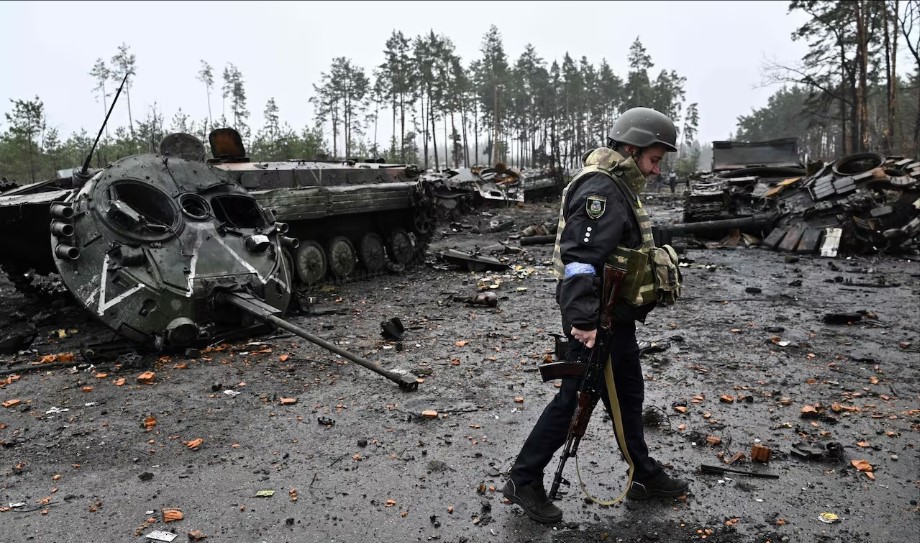
World
Ukraine offers additional leave to troops for destroying Russian military equipment, aiming to boost morale and provide much-needed relief amid ongoing conflict.The Ukrainian government has introduced a new measure to boost morale among its frontline troops by offering additional leave for soldiers who successfully destroy Russian military equipment. This initiative aims to motivate Ukrainian soldiers by rewarding their battlefield achievements with time off.Under the new policy, Ukrainian soldiers will receive five days of leave if they neutralize a Russian warplane or warship. The destruction of enemy anti-air defense systems and armored vehicles will earn soldiers four and three days of leave, respectively. Shorter vacations will be granted for destroying other types of military equipment, such as Iran-supplied Shahed drones.This measure is a significant step for Ukraine, which has not previously offered such incentives to its troops for battlefield successes against Russia. In contrast, Russia has been providing substantial bonuses to its soldiers for destroying Western-supplied weapons in Ukraine. For example, the Russian government announced in June 2023 that it would give 100,000 rubles (approximately $1,200) to soldiers who destroy an enemy tank and 50,000 rubles ($600) for neutralizing an armored vehicle. Additionally, Russian soldiers are reportedly offered 57,000 rubles ($679) for every kilometer of ground gained in the conflict.The introduction of additional leave for Ukrainian soldiers comes at a time when many troops are facing severe exhaustion after more than two years of continuous warfare. Frontline soldiers have frequently expressed the need for breaks from the intense fighting. One Ukrainian soldier described a 20-hour firefight, highlighting the relentless nature of the combat and the urgent need for rest.This new incentive program is expected to provide much-needed relief to Ukrainian soldiers and could potentially improve their performance and morale on the battlefield. The initiative also underscores the Ukrainian government's recognition of the sacrifices made by its troops and its commitment to supporting them in their fight against Russian aggression.Ukraine's decision to offer leave as an incentive is part of a broader strategy to enhance the well-being and effectiveness of its military personnel. The ongoing conflict has put tremendous strain on Ukrainian soldiers, many of whom have been serving on the front lines with limited breaks. Providing additional leave not only rewards their bravery and efforts but also helps to mitigate the psychological and physical toll of prolonged combat.The Ukrainian military's new policy aligns with practices seen in other armed forces worldwide, where incentives and rewards are used to boost morale and encourage exceptional performance. As the conflict continues, Ukraine's focus on supporting its troops through such measures will be crucial in sustaining their resilience and determination.By introducing this leave incentive program, Ukraine aims to ensure that its soldiers remain motivated and capable of continuing their defense efforts against Russian military advances. This move highlights the importance of acknowledging and addressing the human element in military operations, particularly in a prolonged and grueling conflict.
Read More → Posted on 2024-05-24 15:51:58
World
The United States has significantly increased its investment in electronic warfare (EW) capabilities, spending approximately $5 billion this year to enhance its defense systems. This effort underscores the nation's commitment to maintaining a technological edge over global adversaries like China and Russia.The United States has spent approximately $5 billion this year to enhance its electronic warfare (EW) capabilities, according to a report by Army Technology. This information is based on market data from GlobalData, a British data analytics and consulting firm.The data highlights that the US has significantly increased its EW expenditure, accounting for 45 percent of global spending between 2021 and 2023. In comparison, Russia and China had much lower shares, with 14 and 13 percent respectively during the same period.Washington has prioritized investments in air-based EW systems over land, sea, and space-based systems. By 2033, the US is expected to allocate $7.5 billion to EW capabilities, representing 47 percent of the projected total EW expenditure among the world’s top nine investors.Challenges from China and RussiaDespite the US being the largest investor in EW systems, its lead is expected to face challenges from China and Russia. The market report predicts that Russia and China's combined EW spending will increase from an estimated $2.5 billion in 2024 to $5.1 billion by 2033.China has announced a major military overhaul focusing on "intelligentized" warfare, integrating electronic, space, cyber, and psychological warfare capabilities. Russia has also stepped up its EW activities, including alleged jamming of civilian and military flights across NATO’s eastern flank.US Electronic Warfare InitiativesElectronic warfare involves using the electromagnetic spectrum to detect enemies, protect assets, and disrupt adversaries' radio frequency signals. The US has undertaken several initiatives to bolster its EW capabilities. In December 2023, Lockheed Martin tested an EW system for the US Navy that can be mounted on a helicopter. Additionally, the US Army deployed an artificial intelligence-enabled EW capability called the Advanced Dynamic Spectrum Reconnaissance, designed to detect and evade enemy jamming attempts.Additional InformationThe US Department of Defense has recognized the growing importance of EW in modern warfare, leading to increased investments in research and development. The Pentagon's 2024 budget includes significant allocations for advanced EW systems to maintain a technological edge over potential adversaries.The Electronic Warfare Program Office, under the Department of Defense, coordinates efforts across various branches of the military to develop and integrate EW capabilities. This includes collaborations with defense contractors like Lockheed Martin, Northrop Grumman, and Raytheon, which are developing next-generation EW systems to address emerging threats.The US is also working on improving its EW training programs to ensure that personnel are well-equipped to operate advanced EW systems. The Joint Electronic Warfare Center, located at Lackland Air Force Base in Texas, plays a crucial role in training and developing EW strategies for the US military.As global tensions rise and technological advancements continue, the importance of electronic warfare in maintaining national security cannot be overstated. The US's ongoing investments in EW capabilities aim to ensure that it remains at the forefront of this critical area of defense.
Read More → Posted on 2024-05-24 14:58:40Search
Top Trending in 24 Hours
-
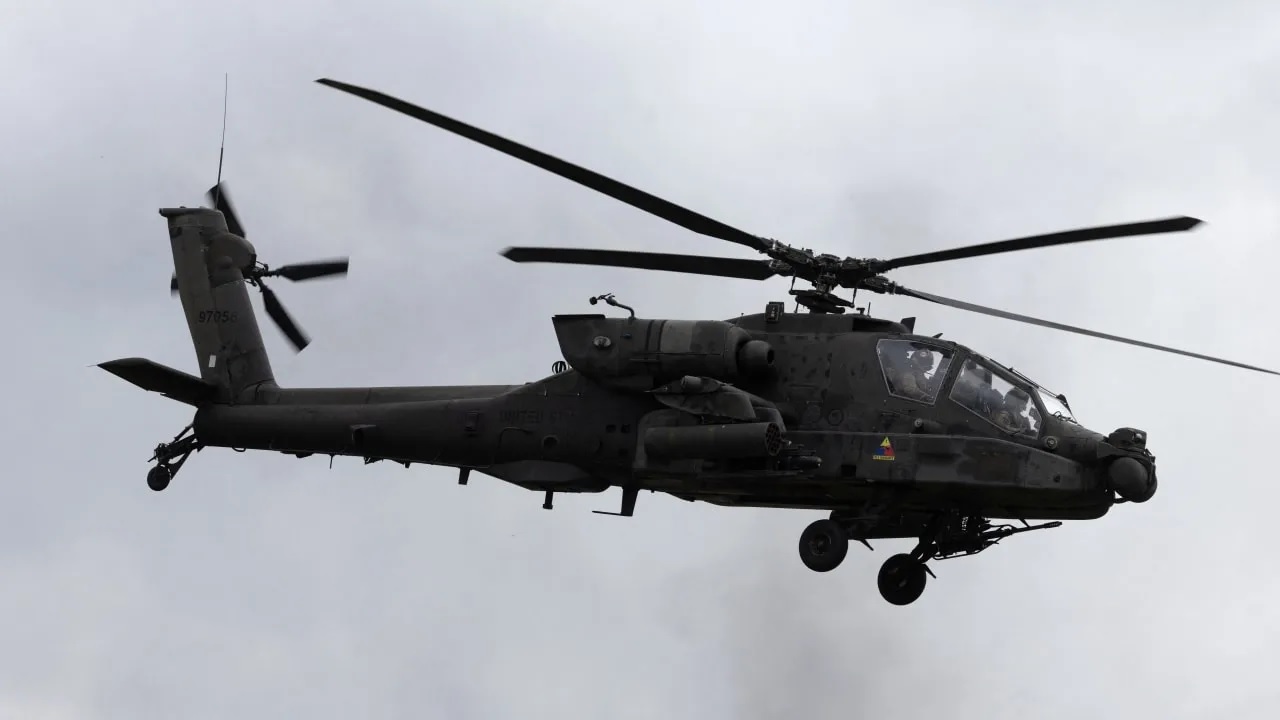 US Army Apache Helicopter Crashes Near Strait of Hormuz; Crew Rescued Safely
-
 MBDA Unveils Hybrid DefendAir–DEWS-L Counter-Drone System Combining 24 DefendAir Missiles and Laser Weapon on Single Turret
-
 Japan Considers Equipping MQ-9B Drones with AESA Early Warning Radar for Pacific Monitoring
-
 Taiwan Plans Production of Up to 1,376 Sea Sword II Missiles for Major Naval Air Defense Upgrade
-
 Portuguese Navy Orders 47 SENTINEL Remote Weapon Stations from Spain’s EM&E Group
-
 MBDA Develops AQUILA Interceptor to Counter Hypersonic and Maneuvering Missile Threats
-
 U.S. Army Successfully Demonstrates Quantum Sensor That Can Precisely Locate Radio Signals in 3D
-
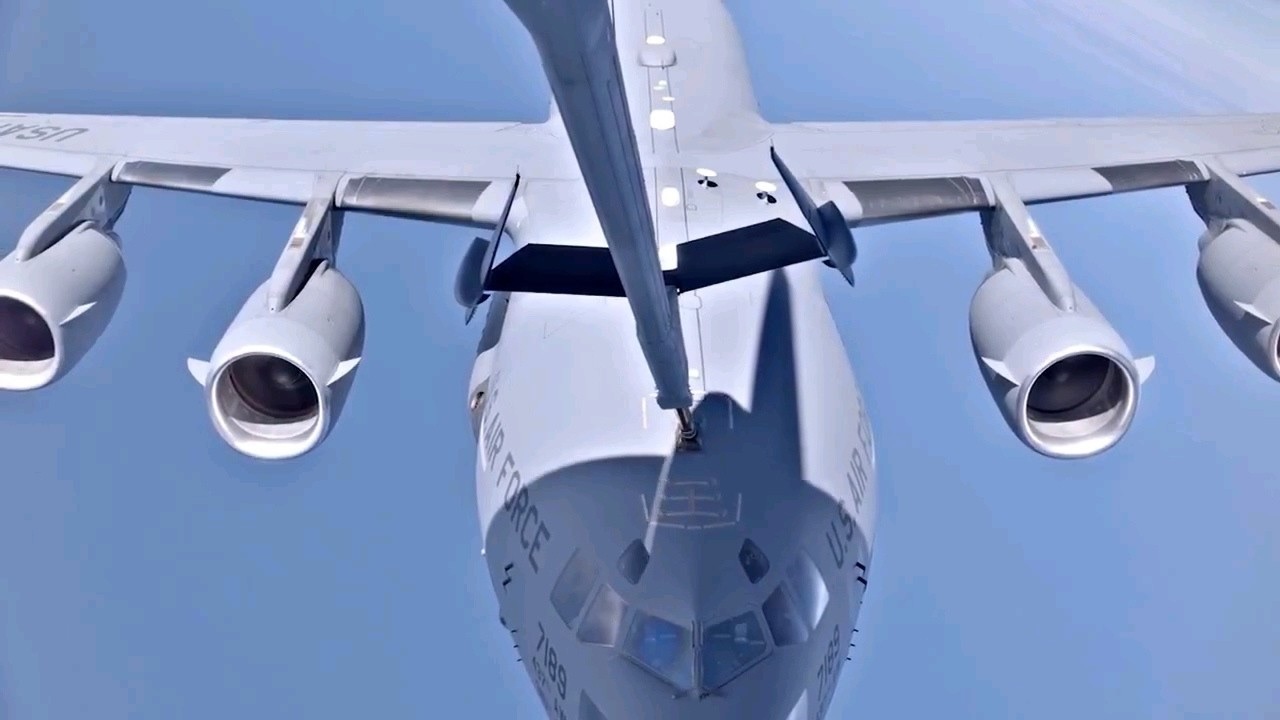 Boeing Completes First Flight Tests of KC-46A Refueling Vision System Ahead of 2027 Fleet Retrofit
Top Trending in 4 Days
-
 Trump Administration Weighs Purchase of Chagos Islands to Secure Diego Garcia Base
-
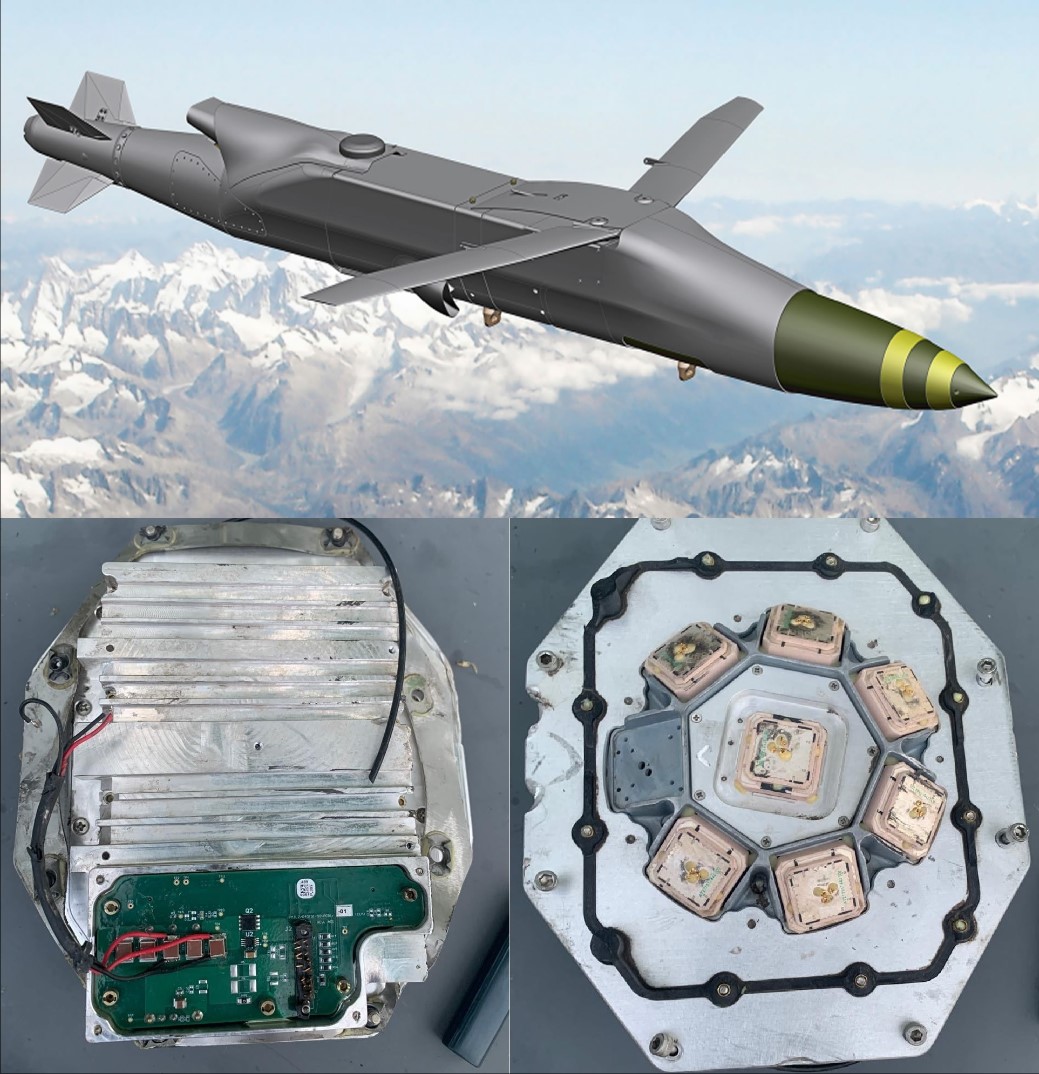 Missile Debris in Ukraine Suggests First Operational Use of U.S.-Made ERAM Cruise Missiles
-
 First Satellite of Russia's Rassvet Broadband Constellation Reenters Atmosphere After Less Than Three Months in Orbit
-
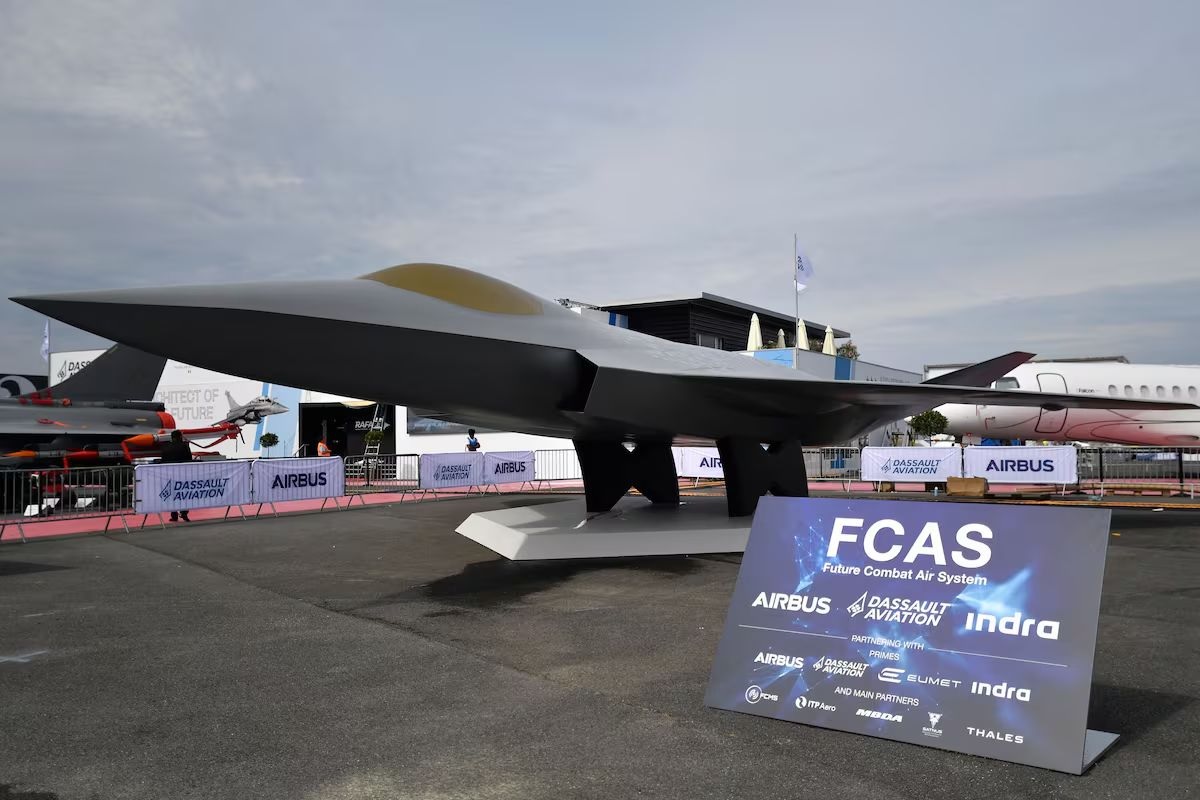 Germany and France End Joint Next-Generation Fighter Development Under FCAS Program
-
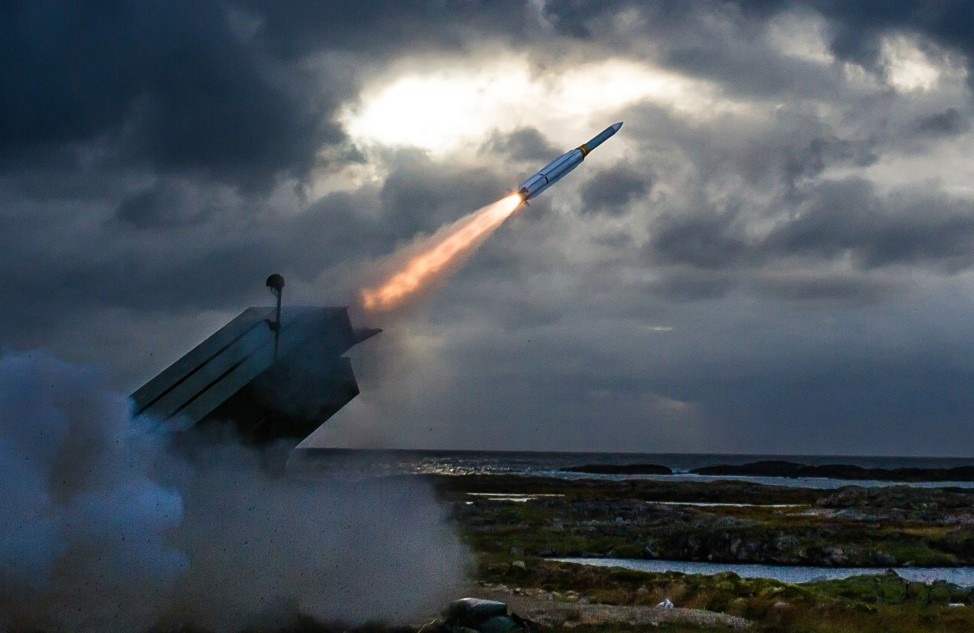 Taiwan Marine Corps Seeks NASAMS Air Defense Systems to Protect Naval Bases and Coastal Areas
-
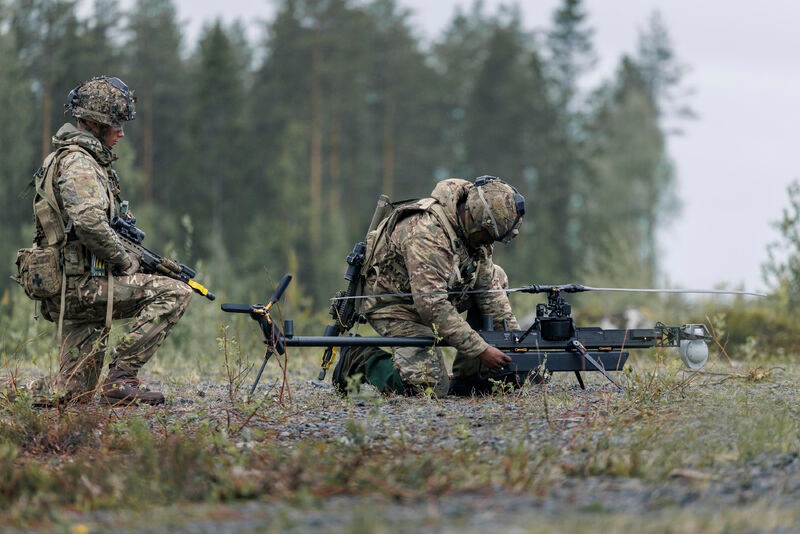 British Army Tests Autonomous Ghost and Bolt Drones Near Russian Border During NATO Exercise in Finland
-
 Cuba Distributes Weapons to Civilians Amid Growing Tensions with the United States
-
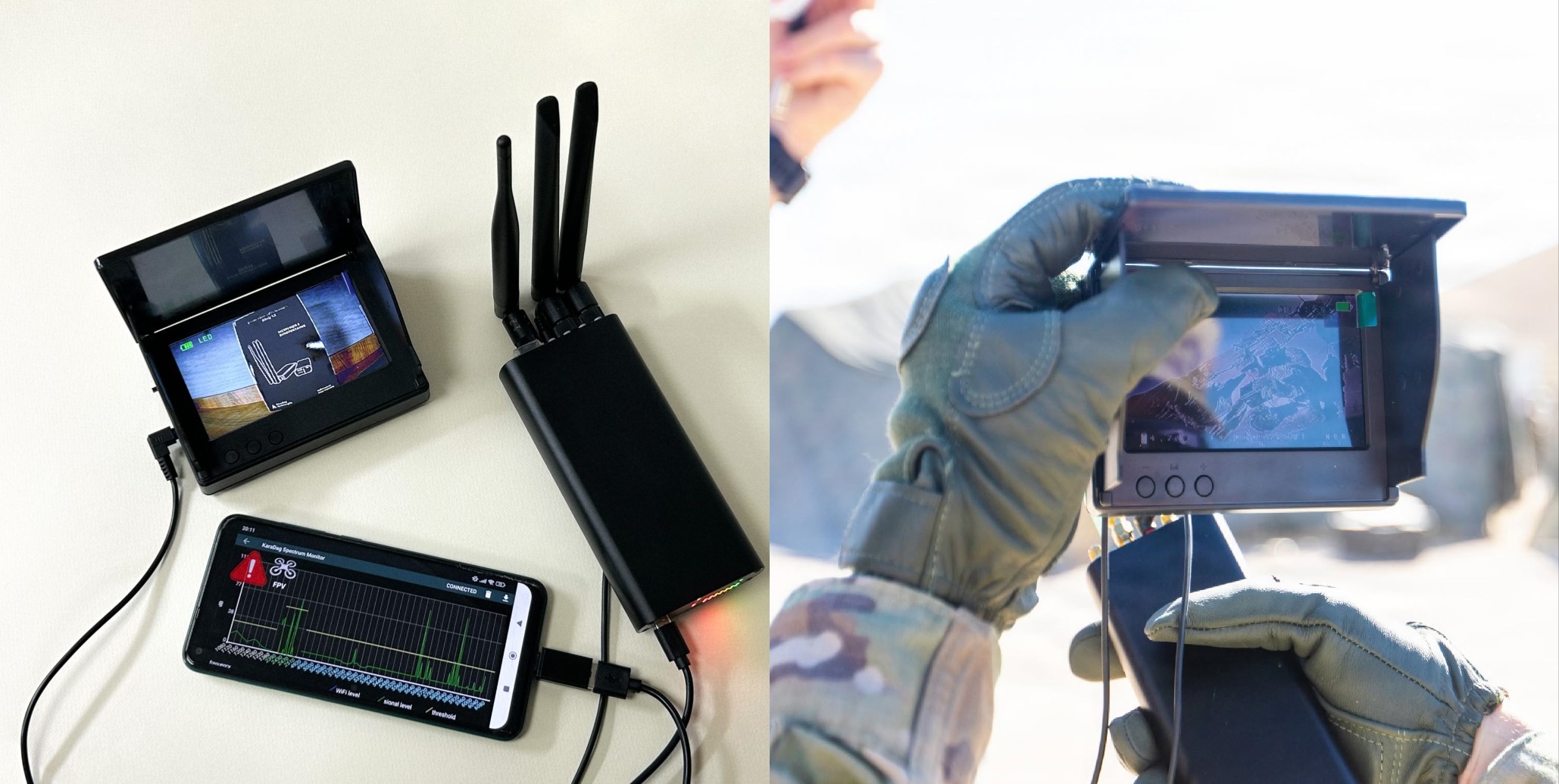 Battlefield-Tested Ukrainian Obriy 1.3 Drone Detector Seen During U.S. Army Training Exercise