
World
Pakistan's government has announced a nearly 15% increase in its defence budget for 2024-25, allocating Rs 2,122 billion, while striving to secure a new IMF loan to address external financial liabilities.On Wednesday, Pakistan unveiled its budget for the fiscal year 2024-25, highlighting a substantial 14.98% increase in defence spending. Finance Minister Muhammad Aurangzeb presented the budget in the National Assembly, the lower house of parliament. This budget marks the first for the coalition government of Pakistan Muslim League (Nawaz) (PML-N) and Pakistan Peoples Party (PPP), which took office following the February 8 general elections.The defence budget has been set at Rs 2,122 billion, up from Rs 1,804 billion allocated for the previous year, and Rs 1,523 billion the year before that. This increase comes at a time when Pakistan is making strenuous efforts to secure a fresh loan from the International Monetary Fund (IMF) to meet its external liabilities.Aurangzeb also announced a target GDP growth rate of 3.6% for the next fiscal year, slightly above the 3.5% target set for the current year, which saw only 2.38% actual growth. The total volume of the budget for the coming year is Rs 18,877 billion.Key Budget AllocationsDefence Spending: Rs 2,122 billionDebt Payments: Rs 9,700 billion, making it the largest single expense.Public Sector Development Programme (PSDP): Rs 1,500 billion at the federal level, with a combined provincial and federal PSDP of Rs 3,797 billion.Economic Goals and ChallengesThe government has set an inflation target of 12% and aims to keep the budget deficit at 6.9% of GDP. The tax collection target is ambitious, set at Rs 12,970 billion, which is 38% higher than the previous year. Non-tax revenue is expected to reach Rs 3,587 billion, up from Rs 2,963 billion.To address the ongoing economic crisis, the government plans to privatize loss-making state-owned enterprises and outsource various airports. These measures are intended to streamline operations and reduce financial burdens on the state.Development FocusThe budget emphasizes development in several critical areas:Agriculture: Transforming the agriculture sector to enhance productivity.Information Technology: Promoting IT to boost exports and support industrial growth.Business and Industry: Supporting business development to create jobs and stimulate economic activity.Social Sector: Prioritizing social development and governance reforms to improve living standards and attract private investment.Opposition and Future DebatesDuring the budget presentation, opposition lawmakers from Pakistan Tehreek-e-Insaf (PTI) protested, alleging that the government came to power through electoral fraud. Despite these protests, the budget session was adjourned and a general debate is scheduled to start on June 20, with the budget expected to be passed on June 28.IMF and Fiscal PoliciesThe new budget incorporates several IMF pre-conditions, particularly regarding revenue targets, highlighting the government's commitment to securing an IMF bailout package. Without this support, experts agree that Pakistan would struggle to meet its external financial obligations.The budget preparation took into account both domestic and international economic challenges. It aims to provide a pro-people, business-friendly framework that promotes fiscal consolidation, economic stabilization, and growth. The government plans to enhance tax collection efficiency, broaden the tax base, and implement policies that foster economic prosperity and social development.ConclusionPakistan's 2024-25 budget reflects the government's efforts to balance increased defence spending with economic development and fiscal responsibility. By setting ambitious revenue targets and focusing on critical sectors like agriculture, IT, and business, the government aims to navigate the current economic challenges and lay the groundwork for future growth.
Read More → Posted on 2024-06-13 15:53:08
World
Israel Aerospace Industries introduces the AIR LORA missile, boosting the operational strength of P-8I maritime patrol aircraft with advanced air-to-ground targeting.Israel Aerospace Industries (IAI) is advancing its strategic efforts by equipping P-8I maritime patrol aircraft (MPA) with its latest weapon, the AIR LORA air-to-ground missile. This development underscores IAI's confidence in the AIR LORA’s performance and its potential to significantly enhance the operational capabilities of P-8I operators.The AIR LORA missile is marketed as a transformative technology in air-to-ground missile systems. Designed to engage high-value and well-protected targets, it boasts exceptional accuracy and long-range capabilities. This enables P-8I operators to strike targets from a considerable distance, thereby reducing risks to the aircraft and minimizing collateral damage.A notable feature of the AIR LORA is its versatility. It offers selectable warheads, allowing users to choose between blast fragmentation for area targets or deep penetration for heavily fortified structures. This flexibility ensures the missile is suitable for a wide range of mission requirements.IAI emphasizes the missile’s ease of integration with various aircraft, including the P-8I. The AIR LORA can function as a standalone system or be integrated with existing avionics, facilitating rapid deployment and enhancing operational readiness. This adaptability ensures that the missile can be swiftly incorporated into the P-8I fleet without extensive modifications.The missile’s survivability in complex environments is another key advantage. Equipped with an advanced navigation system, supersonic speed, and high attack angles, the AIR LORA is difficult to intercept. Its fire-and-forget capability and autonomous operation simplify the pilot's workload, making it an efficient and user-friendly weapon.The Indian Navy, being one of the largest operators of the P-8I globally, is a primary target for IAI’s marketing initiatives. Integrating the AIR LORA into their P-8I fleet could significantly enhance their offensive capabilities, providing a strategic edge in maritime operations.IAI’s move to outfit P-8I aircraft with the AIR LORA missile represents a significant step forward in military technology, promising to improve the effectiveness and safety of maritime patrol missions.
Read More → Posted on 2024-06-13 15:36:07
World
Canada begins delivering 50 Armored Combat Support Vehicles to Ukraine, part of a larger support effort against Russian aggression, including training and air defense investments.Canada has started delivering the first four out of 50 Armored Combat Support Vehicles (ACSVs) to Ukraine, supporting its defense against Russia. These vehicles, developed by General Dynamics Land Systems (GDLS), are part of a significant pledge by Canadian Prime Minister Justin Trudeau in 2023. The initiative also includes investments in high-priority air defense capabilities for Ukraine.The first batch of ACSVs, worth 650 million Canadian dollars ($472.8 million), will be used to train Ukrainian troops in wounded personnel evacuation operations this summer. Notably, ten of these vehicles are in the ambulance variant.The production of future ACSVs for Ukraine is ongoing at the GDLS facility in London, Ontario. Further deliveries are planned over the next three years. GDLS Canada’s Vice President and General Manager, Jason Alejandro Monahan, expressed pride in supporting the donation, highlighting the role of these vehicles in sustaining a cross-Canada supply chain involving over 600 suppliers and supporting thousands of middle-class jobs.This delivery marks Canada’s second batch of ACSVs to Ukraine since the Russian invasion in 2022. So far, Ukraine has received 39 Armored Combat Vehicles (ACVs) from Canada. This includes training provided by more than 300 Canadian Armed Forces servicemen under Operation Unifier, Canada’s commitment to training Ukrainian troops through 2026.Operation Unifier, which started in 2015, has already trained over 41,000 Ukrainian Armed Forces members. In 2022, around 225 Canadian Army soldiers were deployed to join British, Dutch, and New Zealand counterparts to prepare Ukrainian personnel. Additionally, 40 Canadian combat engineers were sent to Poland to train Ukrainian sappers on explosives, mining, reconnaissance, and associated countermeasures.Alongside this military aid to Ukraine, Canada is also engaged in a program with GDLS to supply the Canadian Army with its own fleet of ACSVs. This approximately 2-billion Canadian dollar ($1.45 billion) program involves an order of up to 360 vehicles, including variants for troop/cargo, ambulance, electronic warfare, engineering, command post, maintenance and recovery, and mobile repair teams. These new vehicles will replace the army’s aging M113 Tracked Light Armoured Vehicle and Light Armored Vehicle II (Bison) fleets. The Canadian Army officially received its first ACSV unit in October 2023, with deliveries expected to continue until 2025.
Read More → Posted on 2024-06-13 15:27:11
World
BAE Systems is set to present the upgraded CV90MkIV at Eurosatory, featuring a new turret, with upcoming deliveries to Slovakia and the Czech Republic, highlighting its advanced battlefield capabilities.BAE Systems is preparing to showcase the latest iteration of its Combat Vehicle 90 (CV90) series, the CV90MkIV, at the Eurosatory defense exhibition. This model features a new turret and is soon to be delivered to Slovakia and the Czech Republic, in collaboration with their defense industries.The CV90MkIV is the newest development in the CV90 family, renowned for its exceptional mobility and survivability over the past twenty years. This latest version brings advanced technological capabilities and adaptability to modern battlefields. According to Tommy Gustafsson-Rask, Managing Director of BAE Systems Hägglunds, the CV90MkIV provides crews and soldiers with enhanced mobility, protection, lethality, and improved combat awareness, making it highly relevant for today’s military operations.Key Features of the CV90MkIV:Enhanced Mobility and Protection: The CV90MkIV is designed to offer superior mobility and protection, crucial for modern combat scenarios.Advanced Weapon Systems: The new turret allows for integration of a variety of weapon systems, enhancing its all-target capability.Combat-Proven: The CV90 series has been used effectively in conflicts in Afghanistan and Ukraine, demonstrating its reliability and effectiveness in combat.Wide Adoption: With 1,700 vehicles ordered across 17 different variants, the CV90 has been chosen by 10 European nations, including eight NATO members.BAE Systems Hägglunds has experienced significant demand for the CV90, securing contracts for multiple upgrade programs and the development of new vehicles. The company has heavily invested in its facilities in Örnsköldsvik, Sweden, and established strong partnerships with local industries in various markets to ensure a secure and efficient supply chain.The CV90 family, particularly the Infantry Fighting Vehicle (IFV) variant, forms the cornerstone of this vehicle series. Agile and powerful, it offers comprehensive protection to soldiers and is highly effective in the 23-38-tonne weight class. The CV90 has logged over eight million kilometers, underscoring its durability and reliability in various operational environments.As BAE Systems prepares to unveil the CV90MkIV at Eurosatory, it marks a significant milestone in the evolution of combat vehicles, promising enhanced capabilities and performance for European defense forces.
Read More → Posted on 2024-06-13 15:14:34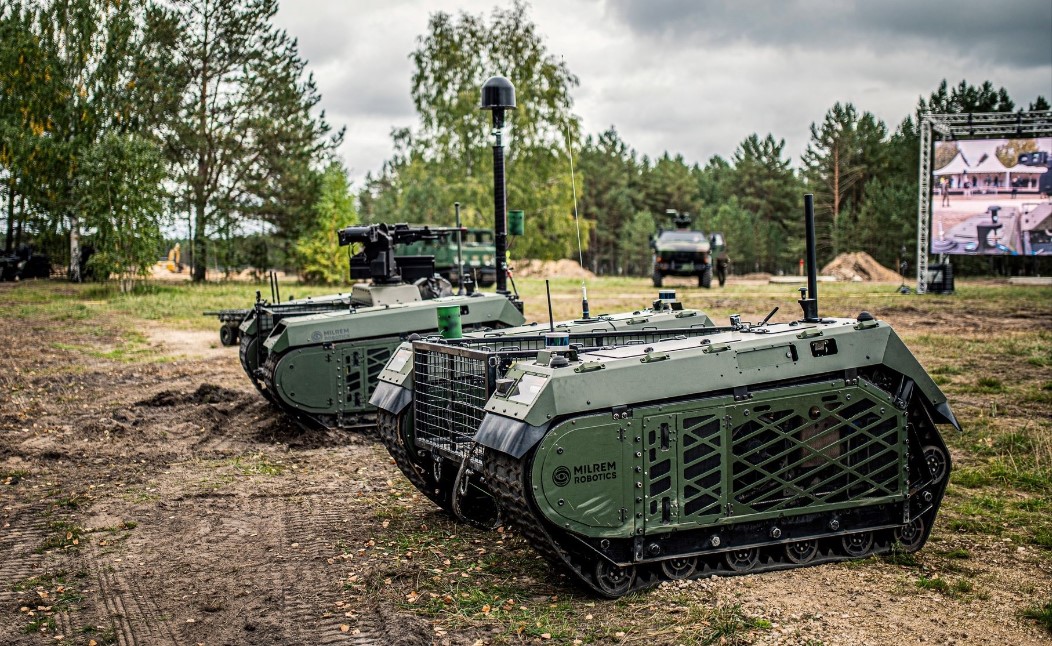
World
Milrem Robotics and AEC Skyline have integrated Starlink SATCOM into the THeMIS UGV, enabling remote control over vast distances and enhancing battlefield safety and efficiency.Milrem Robotics, a leader in robotics and autonomous systems, has partnered with AEC Skyline, a supplier of advanced data solutions, to integrate Starlink satellite communications into the THeMIS Unmanned Ground Vehicle (UGV). This integration enables the UGV to be controlled from thousands of kilometers away, significantly enhancing the safety and efficiency of military operations.The THeMIS UGV, equipped with this new communication system, can now be deployed in combat zones while operators remain at a secure distance. This development is particularly critical for modern warfare, where minimizing human presence in dangerous areas is a priority.The enhanced Beyond Line of Sight (BLOS) capability will be showcased at Eurosatory 2024, an international defense and security exhibition in Paris, France, from June 17 to 21. The THeMIS Cargo CASEVAC variant, which is currently supporting Ukrainian soldiers in their conflict with Russia, has been equipped with this advanced communication system. Additionally, Ukrainian forces are using THeMIS vehicles for route clearance operations.By leveraging satellite connectivity, the THeMIS UGV can transmit data, receive commands, and relay vital information in real-time, regardless of its location. This ensures continuous and reliable communication between the UGV and its operators, enhancing situational awareness and operational effectiveness.“This marks a significant milestone in military robotics, providing unmatched capabilities for remote operation and situational awareness,” said Raul Rikk, Capability Development Director at Milrem Robotics. “With satellite communications, operators can control the robot from a safe distance, reducing the risks of direct human involvement in combat zones.”Stef Have, CEO of AEC Skyline, expressed pride in the partnership and the integration of their critical data solutions into Milrem Robotics' UGVs. “Since 2021, our collaboration has deepened, and I’m proud of our division's role in integrating this SATCOM capability into our partner’s UGVs,” he said.About Milrem Robotics:Milrem Robotics is an industry leader in robotics and autonomous systems, with offices in Estonia, Finland, Sweden, the Netherlands, and the US. The company is known for its THeMIS and Multiscope UGVs, the Type-X Robotic Combat Vehicle, and MIFIK intelligent autonomous functionalities. They have also completed the European Defence Industrial Development Programme (EDIDP) project iMUGS, focusing on developing hybrid manned-unmanned systems.About AEC Skyline:AEC Skyline, based in the Netherlands, specializes in systems integration and Manned-Unmanned Teaming (MUMT). They offer a wide range of C4ISR & Cyber services and products, including advanced datalinks, tactical radios, LTE, and SATCOM solutions. Additionally, they provide specialist contract air services, including close air support, electronic warfare, and adversary air training, along with ISR, target towing, and testing services.
Read More → Posted on 2024-06-12 16:24:24
World
Poland completes the acquisition of two Saab 340AEW aircraft from Sweden, enhancing its early warning and command capabilities.Poland has strengthened its national defense by receiving the second Saab 340AEW aircraft from Sweden. This marks the completion of a significant contract aimed at enhancing Poland's early warning and command functions. The Polish Armament Agency announced this milestone, fulfilling a contract signed in July 2023 worth approximately EUR 52 million. This acquisition underscores Poland’s commitment to modernizing its defense infrastructure amid evolving regional security challenges.The Saab 340AEW, a Swedish airborne early warning and control (AEW&C) platform, is a crucial addition to Poland’s defense system. These aircraft are designed to provide advanced surveillance capabilities essential for the early detection and tracking of potential threats. By integrating these aircraft into its defense network, Poland aims to significantly improve its situational awareness and command efficacy.The Saab 340AEW is equipped with the PS-890 AESA radar system, part of the Erieye family. This radar can track multiple targets, including ships, planes, and missiles, at ranges up to 400 kilometers (250 miles). Operating at an altitude of 6,100 meters (20,000 feet), the radar can scan a 120-degree arc on either side of the aircraft, though it has limited coverage directly behind and in front of the plane. These advanced capabilities are expected to play a vital role in Poland’s defense strategy over the next decade.Poland plans to keep these aircraft operational for about ten years, during which it will procure new aircraft of a similar class. This forward-thinking approach ensures that Poland’s early warning and command capabilities will continue to evolve, maintaining a robust defense posture.The PS-890 radar offers significant advantages over traditional radar systems. Unlike the circular radar used in AWACS planes like the E-3 Sentry, the non-movable PS-890 radar reduces drag, enhancing the aircraft’s operational efficiency. This system can simultaneously track various targets, contributing to a comprehensive surveillance network essential for national security.Poland's acquisition of the Saab 340AEW aircraft demonstrates strategic foresight in addressing modern security challenges. As these aircraft are integrated into the national defense framework, they will complement existing systems and provide a layered defense approach. This investment in advanced early warning systems reflects Poland’s dedication to maintaining a state-of-the-art defense capability.
Read More → Posted on 2024-06-12 16:22:04
World
BAE Systems introduces NavStorm-M, a robust anti-jamming and GPS receiver for military applications, ensuring precise navigation for artillery, missiles, and unmanned systems.At the Joint Navigation Conference in Cincinnati, BAE Systems launched the NavStorm™-M, a cutting-edge integrated anti-jamming and GPS receiver. This new product is designed for use in artillery, bombs, missiles, and unmanned systems, offering robust, precise navigation capabilities even in the most challenging environments.Key Features of NavStorm-M:Gun-Hardened Design: NavStorm-M is built to withstand the extreme conditions faced by military hardware, making it ideal for use in high-impact scenarios such as artillery and bombs.Advanced Anti-Jamming: The receiver employs sophisticated beamforming technology to resist jamming attempts, ensuring continuous, reliable GPS signals.Anti-Spoofing Measures: NavStorm-M is equipped with features to detect and counter GPS spoofing, enhancing the security and reliability of navigation data.Layered Protection Approach: The device integrates multiple layers of protection, including resiliency and software assurance, to provide robust and dependable performance.M-Code GPS Technology: This next-generation Assured-Positioning, Navigation, and Timing (A-PNT) device supports M-Code, offering enhanced security and accuracy for military operations.Doug Lloyd, Director of Weapon Systems for GPS at BAE Systems, stated, “With NavStorm-M, we offer advanced, cost-effective solutions tailored to the specific needs of our clients. Our extensive portfolio enables us to meet a range of size, weight, power, and cost (SWaP-C) requirements effectively.”Meeting Modern Military Needs:NavStorm-M is designed to meet the stringent SWaP-C requirements of modern military systems. It is suitable for unmanned aircraft systems, loitering munitions, hypersonic platforms, and other advanced weaponry. The receiver can function as a standalone GPS navigation system or integrate seamlessly with an inertial navigation system for enhanced accuracy.Global Reach and Manufacturing Excellence:BAE Systems has a history of delivering high-quality GPS solutions. The company has supplied Selective Availability Anti-Spoofing Module (SAASM) products to over 45 countries and is actively delivering M-Code GPS receivers to the U.S. armed forces and allied nations through the Foreign Military Sales program. The production of NavStorm-M will be carried out at BAE Systems’ state-of-the-art 278,000-square-foot engineering and manufacturing center in Cedar Rapids, Iowa.Conclusion:NavStorm-M represents a significant advancement in military GPS technology, providing reliable, jam-resistant, and secure navigation solutions for a variety of military applications. This new offering from BAE Systems ensures that warfighters have the tools they need for successful mission completion in increasingly complex and contested environments.
Read More → Posted on 2024-06-12 15:18:20
World
Ukraine hits three Russian missile systems in Crimea, causing significant damage to air defense capabilities amid ongoing conflict.Ukraine's military announced successful strikes on three Russian surface-to-air missile systems in Russian-occupied Crimea overnight. This marks the second reported attack on air defenses in the region this week.The Ukrainian general staff confirmed that the strikes targeted an S-300 system and two advanced S-400 systems located near Belbek and Sevastopol. They reported that the attacks resulted in the destruction of two radars associated with the S-300 and S-400 complexes, while the status of the third radar is still being assessed. The general staff added that munitions at all three sites detonated due to the strikes.In contrast, the Russian-installed governor of Sevastopol stated that air defenses had repelled the missile attack and that no damage had occurred. Local social media channels, however, were abuzz with reports of explosions across the Black Sea peninsula. Reuters noted that it could not independently verify these reports.Earlier this week, on Monday, Ukraine reported hitting three air defense systems near Yevpatoriya and Chornomorske in Crimea, also damaging radars. These attacks are part of a broader strategy by Ukraine to target Russian military assets in the region, significantly impacting Moscow's naval capabilities in the Black Sea.Since Russia's full-scale invasion began over two years ago, Ukraine has executed multiple air and naval strikes on Russian targets in Crimea. These actions have caused substantial damage to Russia's Black Sea fleet and other military assets.Russia annexed Crimea from Ukraine in 2014, integrating it into Russian territory. Kyiv has repeatedly asserted its commitment to reclaiming Crimea and other territories currently under Russian control.As the conflict continues, both sides are intensifying their efforts, with Ukraine's recent strikes demonstrating its ongoing resolve to weaken Russian defenses and reclaim occupied territories.
Read More → Posted on 2024-06-12 15:04:43
World
Chinese analysts assert that China's advanced drone capabilities can effectively counter the US military's 'hellscape' strategy in the Taiwan Strait, highlighting the growing importance of AI and drone technology in modern warfare.In response to the US military's strategy to turn the Taiwan Strait into an “unmanned hellscape” using advanced drone technology, Chinese analysts emphasize that China's own drone capabilities are more than capable of countering such measures. This development underscores the critical role of AI and drone technology in contemporary military strategies.US Strategy in the Taiwan StraitAdmiral Samuel Paparo, head of the US Indo-Pacific Command, recently outlined a plan designed to thwart potential Chinese aggression towards Taiwan. This strategy, disclosed during an interview at the Shangri-La Dialogue in Singapore, involves deploying thousands of unmanned submarines, surface ships, and aerial drones to create a hostile environment for any invading forces. The objective is to buy time and disrupt any large-scale attack by the People's Liberation Army (PLA).Paparo's statements reflect an intensified stance by the US, moving towards what some analysts call “strategic clarity” in its defense of Taiwan. This shift is significant, given the longstanding US policy of strategic ambiguity regarding Taiwan's defense.China’s Response: Advanced Drone CapabilitiesChinese military experts argue that the PLA is well-prepared to counter the US's drone swarms with their own advanced unmanned systems. Fu Qianshao, a mainland military analyst, notes that China’s drone production capacity is the largest in the world, enabling it to deploy a vast number of drones to match or exceed the US’s efforts. "China has rapidly developed its military and civilian drone technologies, making us a formidable opponent in this arena," Fu stated. He highlighted that the PLA’s drones are equipped with advanced AI applications, which can effectively counter US unmanned systems through swarm tactics and other sophisticated measures.Strategic ImplicationsThe PLA has been incorporating AI and autonomous systems into its military strategy, reflecting trends observed in the Ukraine conflict, where drone warfare has played a significant role. The Pentagon’s recent initiatives, such as the Replicator program aiming to deploy thousands of drones in the Indo-Pacific region, explicitly target China's military capabilities.However, Chinese analysts remain confident that the PLA can neutralize these threats. Song Zhongping, another military adviser, points out that the PLA’s capabilities include not only large-scale drone deployment but also advanced countermeasures such as electromagnetic interference and emerging interception technologies.Broader ContextThis development comes amid heightened tensions between China and the US over Taiwan. Beijing views Taiwan as a breakaway province and has not ruled out the use of force to achieve reunification. Conversely, the US, while not officially recognizing Taiwan as an independent state, opposes any unilateral change to the status quo and has signaled its readiness to defend the island.The use of drone swarms and AI in military strategy highlights a broader trend in modern warfare, where technological advancements are increasingly shaping tactical and strategic decisions. Both China and the US are investing heavily in these technologies, preparing for potential future conflicts where unmanned systems could play a pivotal role.In conclusion, as the US and China continue to develop and deploy advanced drone technologies, the Taiwan Strait remains a focal point of potential military confrontation. Analysts on both sides recognize the transformative impact of AI and unmanned systems, making the race for technological superiority more crucial than ever.
Read More → Posted on 2024-06-12 14:50:23
World
A Russian Su-34 fighter-bomber crashed in North Ossetia during a training flight, resulting in the deaths of both crew members. Preliminary investigations point to a technical malfunction.On June 11, a Russian Air Force Su-34 Fullback fighter-bomber crashed in the mountainous region of North Ossetia-Alania, resulting in the deaths of both crew members. The incident was confirmed by the Russian Ministry of Defense and reported by the TASS news agency.The Ministry of Defense stated, "An Su-34 aircraft of the Russian Aerospace Forces crashed in a mountainous area of the Republic of North Ossetia-Alania during a routine training flight. The aircraft crashed in an uninhabited area, causing no ground damage. Both pilots on board were killed."Preliminary investigations suggest that a technical malfunction was the likely cause of the crash. A commission from the Aerospace Forces has been dispatched to the crash site to conduct a thorough investigation.Ilya Tumanov, a well-known figure in the Russian military aviation community and administrator of the 'Fighterbomber' channel, added that the Su-34 was on a transfer flight to another airbase when it crashed.The Su-34, known by its NATO reporting name "Fullback," is a twin-seat, twin-engine fighter-bomber designed for tactical bombing and ground attack missions. It is a derivative of the Su-27 Flanker, optimized for strike missions while retaining some air-to-air capabilities. The aircraft is known for its versatility, capable of carrying a wide array of weaponry, including air-to-air and air-to-surface missiles, as well as anti-ship and anti-radiation missiles.The Su-34 is equipped with a 30 mm GSh-301 cannon with 180 rounds and has ten underwing and under-fuselage hardpoints that can carry a diverse range of weapons. These include guided and free-fall bombs and various missiles such as the R-77, R-73, Kh-55, Kh-59, Kh-59M, Kh-25, Kh-29, Kh-31, Kh-35, Kh-41 Moskit, and P-800 Oniks.Despite its robust capabilities, the Su-34 is not immune to technical failures. This incident underscores the inherent risks associated with military aviation, even during routine training flights.The crash of the Su-34 in North Ossetia is a significant loss for the Russian Aerospace Forces, and the investigation will aim to identify the precise cause to prevent future occurrences. The loss of the two pilots is a tragic reminder of the dangers faced by military personnel in the course of their duties.
Read More → Posted on 2024-06-11 16:13:07
World
Rheinmetall introduces the LUNA NG, a versatile and advanced uncrewed aircraft system (UAS) designed for real-time surveillance and operational flexibility, at ILA Berlin 2024.At ILA Berlin 2024, Rheinmetall is presenting a comprehensive range of airspace protection solutions, underscoring its dedication to safeguarding both military and civilian airspaces. A highlight of Rheinmetall’s exhibit is the LUNA NG, an advanced uncrewed aircraft system (UAS) engineered for real-time airborne surveillance, detection, and tracking.The LUNA NG features a robust yet ultra-light fuselage made of carbon fiber reinforced plastic (CFRP). This construction grants it an impressive flight time of over 12 hours and a data link range of more than 100 kilometers, expandable to approximately 500 kilometers with optional SatCom equipment. This extended range allows it to cover a spatial area exceeding 30,000 square kilometers.One of the primary advantages of the LUNA NG is its operational flexibility. It can be launched from almost any location using a rope hoist catapult and lands autonomously via differential GPS in a net or by parachute. The system’s high level of automation ensures safe and reliable operations with minimal training for operators. The compact ground station, designed for rapid deployment, can fit into small vehicles or cabins and be easily transported by helicopter.The LUNA NG supports a payload capacity of 30 kilograms distributed across two compartments, making it a multi-sensor platform capable of various missions. These range from reconnaissance and command capabilities to tactical applications involving active assets. Additionally, an optional vertical take-off and landing (VTOL) kit reduces its operational footprint, enabling flexible deployments on land and at sea.Key Features of the LUNA NG:Modular Payloads: The system can be equipped with various payloads, including electro-optical (EO), infrared (IR), acoustic sensors, spectrum analyzers, LTE network communications relays, and more.Advanced Communication: Features LTE network and command post connections, tactical SatCom intelligence, IMEI tracking, and AI-supported data evaluation.Versatile Operations: Includes sensor-to-shooter capabilities, electronic support measures (ESM) integration, and connectivity for various mission types.Reliable Performance: Powered by a low-noise, two-stroke twin-cylinder fuel-injected engine, it can reach a service ceiling of up to 5,000 meters and perform in various weather conditions. The ability to glide without the engine and restart mid-flight enhances its reliability, even in radio shadow areas using a relay drone.Rheinmetall’s LUNA NG stands out as a cost-efficient, modular system designed for rapid deployment and ease of use. It represents a significant advancement in airspace security, offering robust surveillance and reconnaissance capabilities. This system exemplifies Rheinmetall’s commitment to providing tailored protection solutions for diverse airspace security needs.
Read More → Posted on 2024-06-11 16:01:22
World
The U.S. Department of State has approved the sale of AIM-120C-8 AMRAAM missiles to Denmark for $215.5 million, enhancing Danish air defense capabilities and NATO interoperability.The U.S. Department of State has approved Denmark's acquisition of AIM-120C-8 AMRAAM air-to-air missiles, a significant enhancement to the country's air defense capabilities. This sale, part of the Foreign Military Sales (FMS) program, was announced by the Defense Security Cooperation Agency (DSCA) on June 7.The contract, which could reach up to USD 215.5 million, includes the purchase of 85 AMRAAM missiles and three AMRAAM guidance sections. Additionally, Denmark will procure various related equipment and support services. This includes spare AMRAAM control sections, containers, munitions support, spare parts, consumables, accessories, repair and return support, weapons software, transportation support, classified publications, technical documentation, and U.S. Government and contractor engineering, technical, and logistics support services.The AIM-120 Advanced Medium-Range Air-to-Air Missile (AMRAAM) is a modern, beyond-visual-range missile designed for all-weather, day-and-night operations. Manufactured by RTX (formerly Raytheon Technologies), the AIM-120C-8 is one of the latest versions, featuring improved capabilities over its predecessors.According to the DSCA, this sale will significantly enhance Denmark's ability to meet current and future threats, ensuring it possesses state-of-the-art air-to-air munitions. This move is expected to advance Denmark’s interoperability with U.S. Joint Forces and other NATO allies, strengthening regional defense collaborations. Denmark already maintains AMRAAM missiles in its arsenal and is well-prepared to integrate the new batch into its defense systems.The approval underscores the strong defense ties between the United States and Denmark and reflects a broader strategy to bolster NATO allies' defense capabilities amid evolving global security challenges.Denmark’s acquisition of these advanced missiles aligns with its ongoing efforts to modernize its military forces and enhance its defense readiness. The AMRAAM missiles will provide the Danish Air Force with improved accuracy and reliability in air combat scenarios, thereby increasing its defensive and offensive capabilities.In addition to strengthening Denmark's military capacity, the deal also represents a significant transaction for RTX, highlighting the ongoing demand for advanced U.S. military technology among allied nations.
Read More → Posted on 2024-06-11 15:54:21
World
The EuroPULS rocket artillery system, developed by KNDS and Elbit Systems, offers a flexible and scalable solution for modern military needs, featuring multi-platform compatibility and a wide range of ammunition options.At the Future Artillery Conference in Paris, rocket launchers took center stage, highlighting their importance in providing long-range fire support. One significant development discussed was the EuroPULS rocket artillery system, a collaboration between KNDS and Elbit Systems, formalized at DSEI 2023 in London.Development and CooperationThe EuroPULS project began in 2022, with the formal agreement signed in 2023. This partnership leverages KNDS's expertise as a systems integrator and Elbit Systems' advanced technology. The goal is to create a modular, scalable system capable of firing a wide range of ammunition from various platforms.Flexibility and ModularityTraditional MLRS (Multiple Launch Rocket Systems) often require proprietary ammunition, but the EuroPULS system is designed for flexibility. It can fire rockets and missiles from different manufacturers, which is crucial in adapting to mission requirements and potential ammunition shortages. The system features two launcher pods, allowing different types of ammunition to be loaded simultaneously.Key ComponentsElbit Systems provides the rocket launcher based on its PULS™ (Precise & Universal Launching System), while KNDS integrates the system. A critical element is the Fire Control System (FCS), derived from Elbit's technology and the RCH155 howitzer’s system by KNDS. This FCS is designed to integrate new ammunition easily while adhering to European safety standards and is ITAR-free.Ammunition CompatibilityThe EuroPULS can use a variety of munitions, including:Accular 122 and 160 mm rockets: Ranges of 35 km and 40 km respectively.Elbit/Diehl Extra rockets: 150 km range.Predator Hawk rockets: 300 km range.SkyStriker loitering munition: Up to 100 km range.Ground Launched Small Diameter Bomb (GLSDB): 150 km range.Kongsberg Naval Strike Missile (NSM): Over 250 km range.MBDA Joint Fire Support Missile (JFSM) and 3SM Tyrfing: Up to 500 km range.The system can integrate with other platforms, such as Rheinmetall HX trucks or BAE Systems tracked platforms, and is currently being built on an Iveco Trakker GTF3 8×8 chassis for the German configuration.German ConfigurationIn its German configuration, the EuroPULS will be mounted on an Iveco Trakker GTF3 8×8 chassis. This configuration features:A six-cylinder turbocharged engine with 500 hp, allowing a top speed of 90 km/h and a range of over 750 km.A protected cabin for three soldiers, with optional metal shutters to protect the windshield during firing.An onboard crane for autonomous reloading of launcher pods.Prototyping and AvailabilityKNDS is currently constructing a prototype of the EuroPULS in the German configuration, expected to be ready by Q3 2024 with testing to begin by the end of the year. Depending on orders, the EuroPULS is projected to be available by 2027.The EuroPULS system represents a significant advancement in rocket artillery, offering unparalleled flexibility and adaptability for modern military operations. Its ability to integrate various munitions and platforms ensures it will be a key asset for armies worldwide.
Read More → Posted on 2024-06-11 15:38:02
World
HENSOLDT, a leading European defense technology company, presents innovative sensor systems for threat detection and protection at EUROSATORY 2024 in Paris.HENSOLDT, renowned for its expertise in active and passive threat detection, is set to exhibit an array of advanced sensor solutions at EUROSATORY 2024 in Paris. These systems are designed to enhance reconnaissance, surveillance, and security, improving operational effectiveness for various defense platforms.MUSS 2.0: Next-Generation Vehicle ProtectionHENSOLDT will introduce the MUSS 2.0 (Multifunctional Self-Protection System), a significant upgrade from its predecessor integrated into over 350 PUMA infantry fighting vehicles. MUSS 2.0 offers advanced active protection for medium-weight armored vehicles, self-propelled guns, artillery vehicles, infantry fighting vehicles, and main battle tanks, ensuring superior self-protection capabilities.TRML-4D: Cutting-Edge Ground-Based Air Defense RadarThe TRML-4D, part of HENSOLDT's C-Band ground-based air defense radar family, features state-of-the-art AESA (Active Electronically Scanned Array) radar technology. It can detect, track, and classify up to 1,500 air targets, including small, fast, low-flying, and maneuvering cruise missiles and aircraft, within a 250 km radius and up to 30 km altitude. This system ensures rapid and accurate threat detection and tracking, vital for effective weapon assignment.ARGOSIA: Advanced Surveillance and Intelligence SystemHENSOLDT will also showcase ARGOSIA, a modular and multi-console system for air surveillance and intelligence missions. ARGOSIA integrates the Mission Management System software, advanced digital cartography, sensor-fusion algorithms, and decision-support tools. It caters to defense, maritime, and overland surveillance, law enforcement, search and rescue, as well as imagery intelligence (IMINT) and signals intelligence (SIGINT) missions.AMPS: Flexible Airborne Missile ProtectionThe Airborne Missile Protection System (AMPS) is another highlight at HENSOLDT's exhibit. This sensor suite provides comprehensive self-protection for helicopters and airplanes against infrared, laser, and radar-guided missiles. AMPS combines various warning sensors, countermeasures, and avionics equipment to safeguard platforms and their crews from multiple threats.Commitment to SustainabilityHENSOLDT emphasizes its dedication to sustainability alongside safety. The company aims to minimize emissions, conserve resources, and uphold responsible corporate governance, reflecting its commitment to a sustainable future.About HENSOLDTHENSOLDT, headquartered in Taufkirchen near Munich, is a prominent player in the European defense industry, offering complete sensor solutions for defense and security. The company integrates platform-independent, networked solutions and advances defense electronics and optronics through data fusion, artificial intelligence, and cybersecurity. In 2023, HENSOLDT reported a turnover of 1.85 billion euros and employs around 8,000 people following its acquisition of ESG GmbH. HENSOLDT is listed on the Frankfurt Stock Exchange in the MDAX.
Read More → Posted on 2024-06-11 15:19:49
World
Leonardo DRS has secured a contract to provide Quantum Cascade Lasers (QCL) for US military aircraft, enhancing their defense capabilities against modern threats.Leonardo DRS, a leading defense contractor, has won a significant contract to supply its Quantum Cascade Laser (QCL) technology for the US military's aircraft. This advanced laser technology is a crucial component of the fifth-generation Common Infrared Countermeasure (CIRCM) system, designed to enhance the survivability of military aircraft by defending against incoming anti-aircraft missiles.The QCL technology offers a lightweight and robust structure with multi-color optical beams, making it a versatile solution for various tactical applications. This includes protection for rotary wing, tiltrotor, and small fixed-wing aircraft. One of the standout features of the QCL is its ability to track and neutralize threats continuously, providing unlimited rounds of defense against missile attacks.Dr. Timothy Day, Senior Vice President and General Manager of DRS Daylight Solutions, highlighted the importance of this technology: “We are proud to continue to provide this critical technology to ensure the survivability of our flight crews from surface-to-air missile threats. Our groundbreaking quantum cascade laser technology represents the ultimate choice for aircraft survivability.”The CIRCM system, developed by Northrop Grumman, has been integrated into approximately 1,500 aircraft across 80 different types. In May, Northrop Grumman delivered the 500th CIRCM shipset to the US Army under a contract signed in 2021. The company also received a $147 million order for 336 additional CIRCM systems, marking the fourth annual procurement under a $959 million full-rate production contract expected to conclude by April 2026. The CIRCM achieved its initial operational capability in February 2023, enhancing the defense capabilities of over 1,500 US Army aircraft.Northrop Grumman's CIRCM system has proven effective against advanced threats, thanks to its modular open systems approach, which ensures flexibility for future upgrades. Bob Gough, Vice President of Navigation, Targeting, and Survivability at Northrop Grumman, emphasized the system's reliability: “Northrop Grumman and our partners have demonstrated the mature production capacity to deliver and support the US Army’s mission with this life-saving technology today, and for years to come.”
Read More → Posted on 2024-06-11 15:14:47Search
Top Trending in 24 Hours
-
 Iranian Media Leaks 14-Point U.S.-Iran Peace Framework Amid Ongoing Negotiations
-
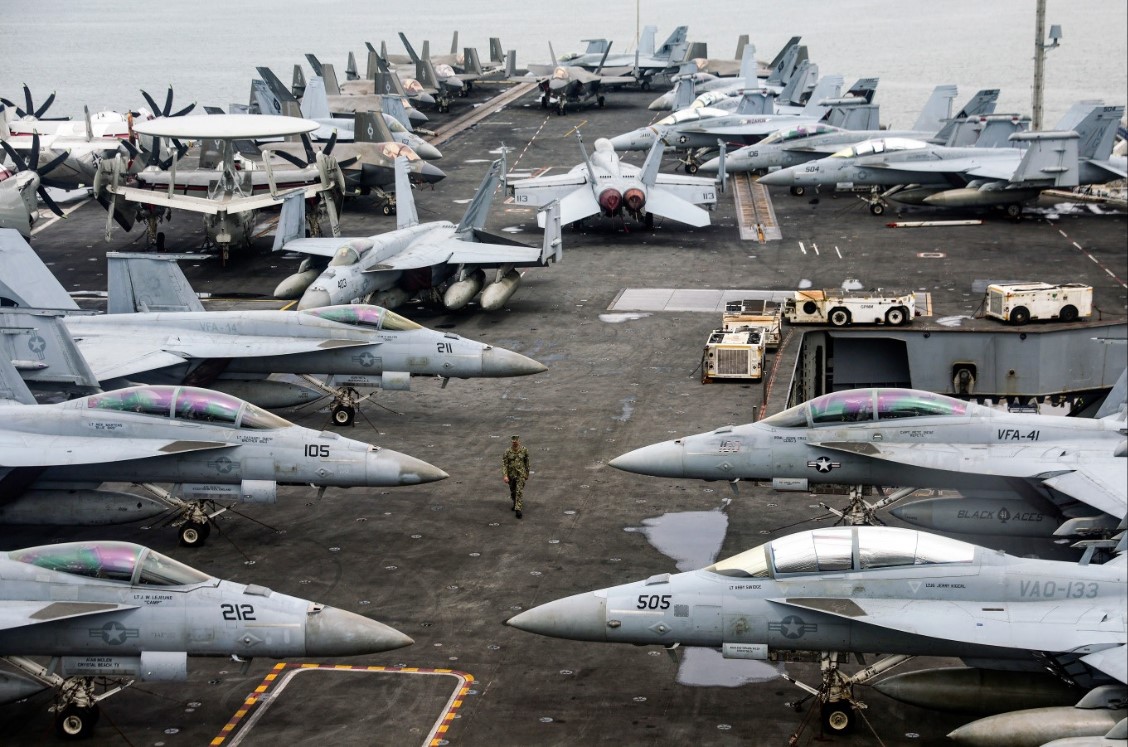 US Plans Significant Reduction of Fighter Jets and Warships for NATO Operations in Europe
-
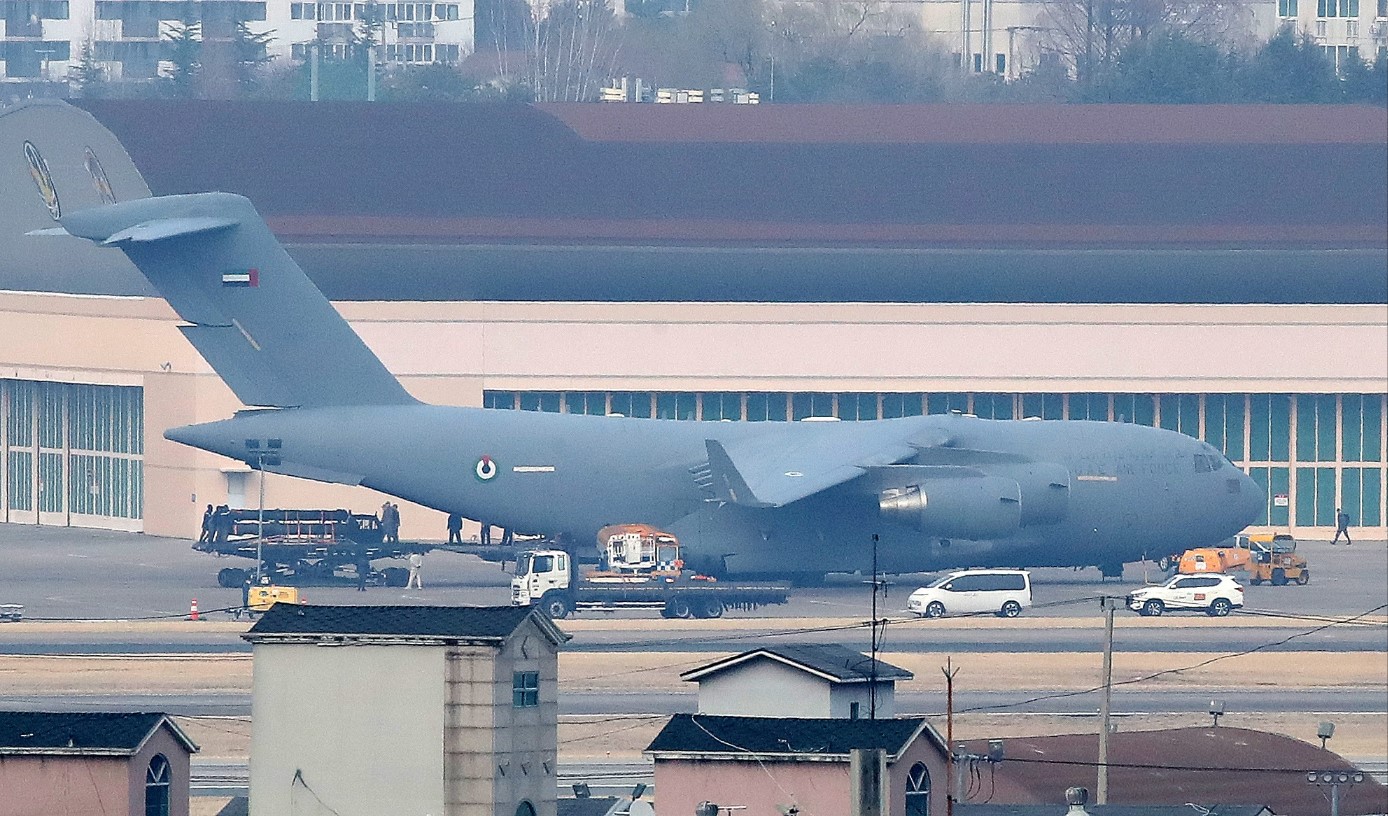 UAE Urgently Airlifts Cheongung-II Missile Defense Battery From South Korea Using Eight C-17 Aircraft
-
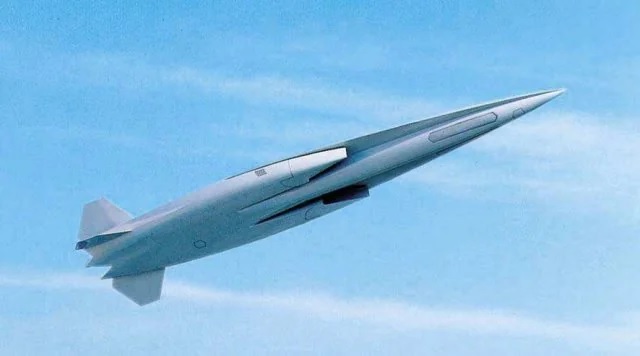 France Awards MBDA Contract to Develop ASN4G Hypersonic Nuclear Missile to Replace ASMPA-R
-
 U.S. Air Force Faces Strategic Airlift Shortfall as C-17 Production Restart Remains Uncertain
-
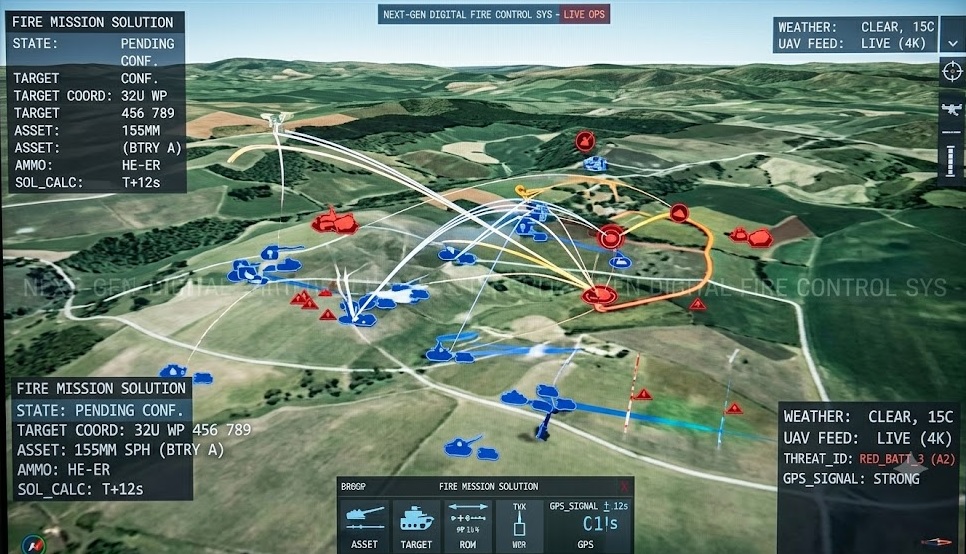 BAE Systems Unveils Next-Generation Digital Indirect Fire Control System at Eurosatory 2026
-
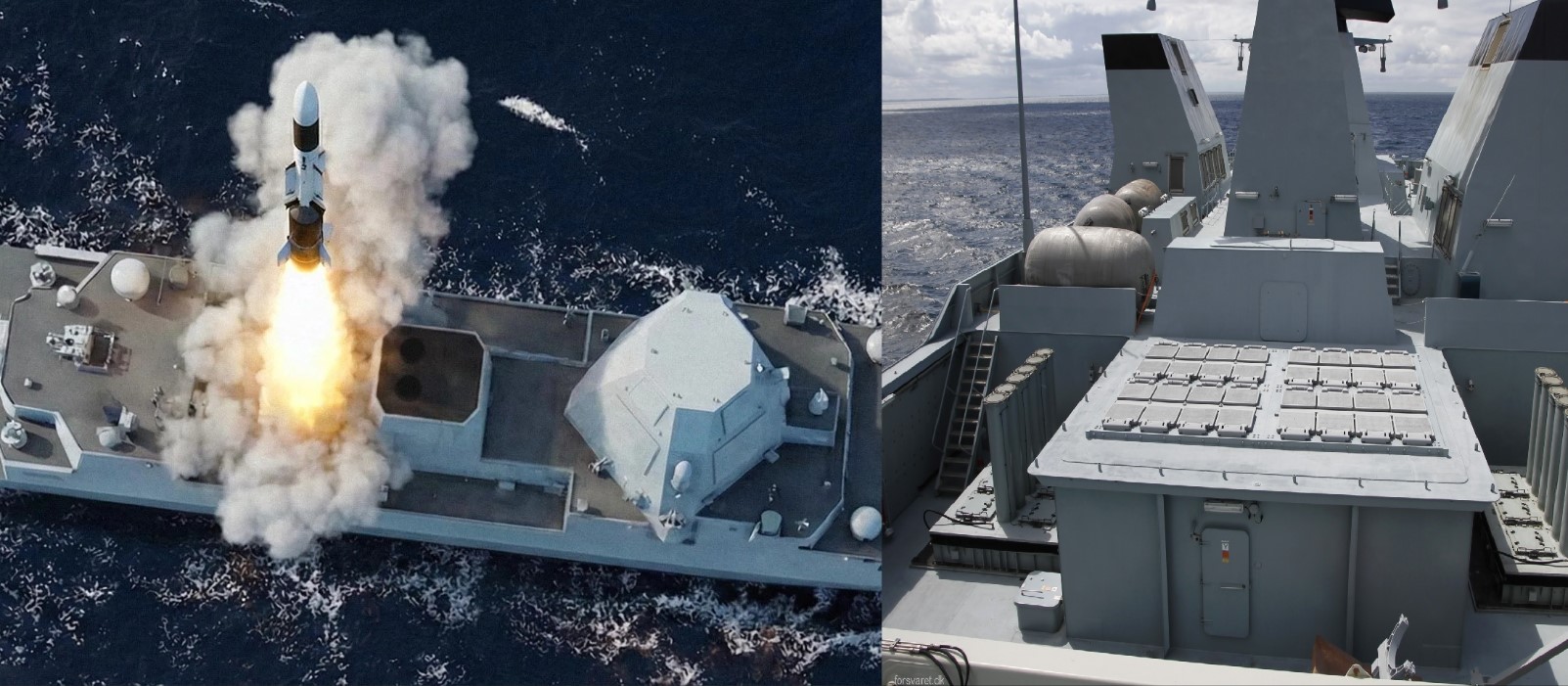 Engineering Challenges Behind the US Navy's Decision to Drop MK41 VLS from Flight I FF(X) Frigates
-
 NATO Commander Says Russia Not Seeking Conflict With Alliance Despite U.S. Force Reductions
Top Trending in 4 Days
-
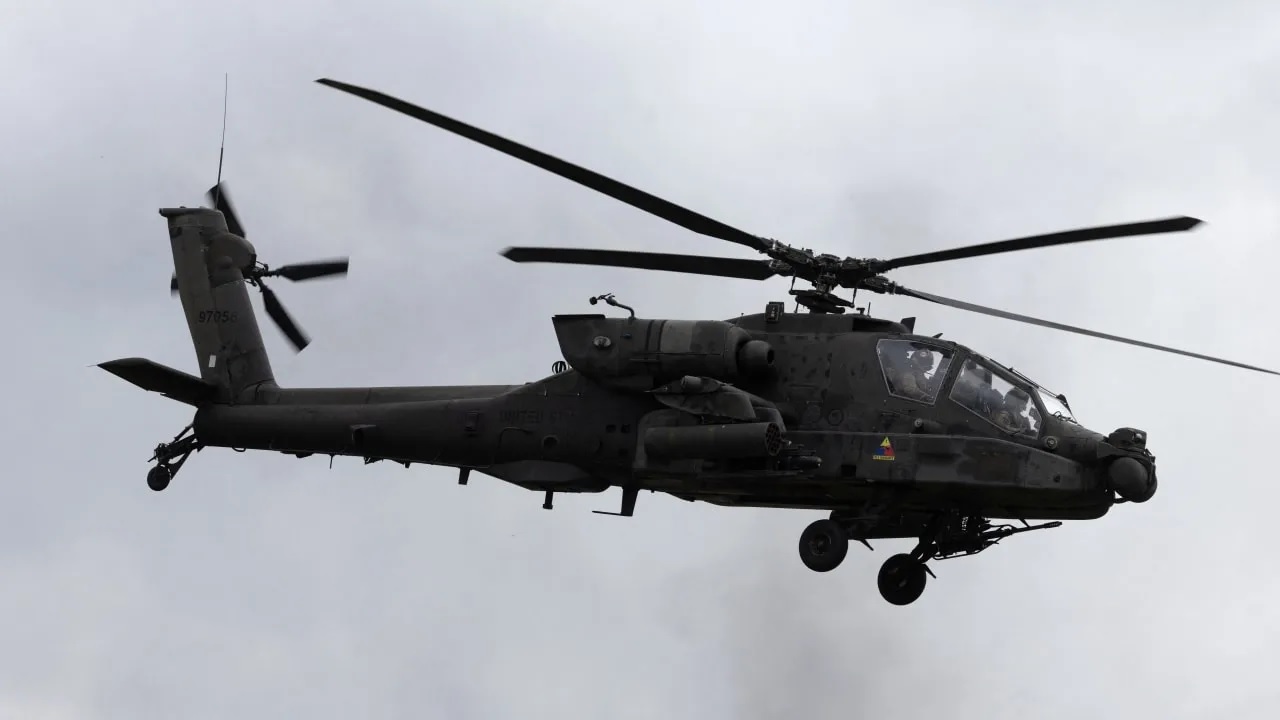 US Army Apache Helicopter Crashes Near Strait of Hormuz; Crew Rescued Safely
-
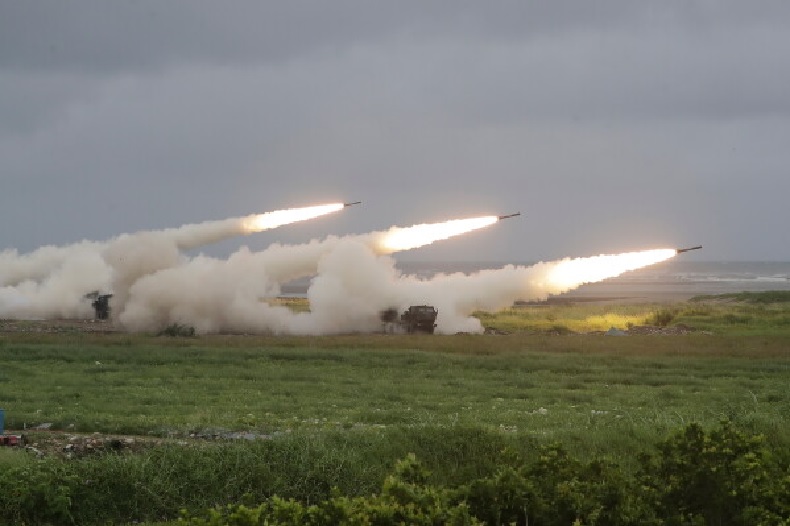 Taiwan Conducts First Live-Fire of HIMARS Rockets From West Coast During Invasion Defense Drill
-
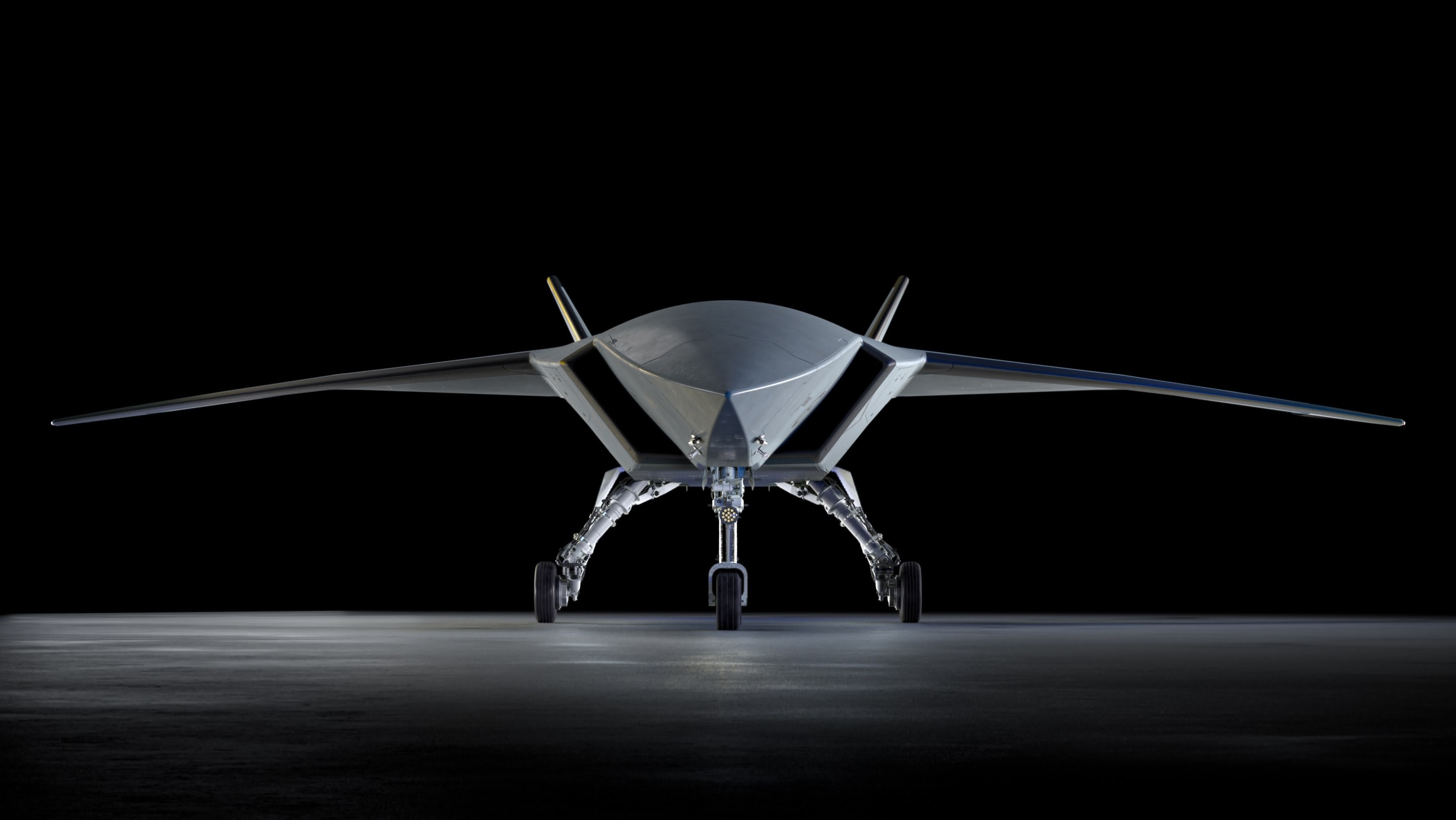 Boeing Introduces New MQ-28 Ghost Bat Upgrades with Increased Range, Payload and Weapons Capacity at ILA Berlin 2026
-
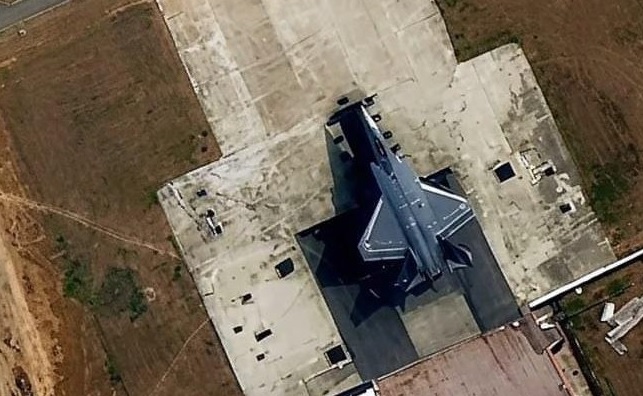 AMCA Airframe Spotted at DRDO’s ORANGE Facility for Radar Cross-Section Testing
-
 Russian Defense Firm ZALA Unveils KAMA Unmanned Surface Vessel Family at FLOT-2026 Naval Exhibition
-
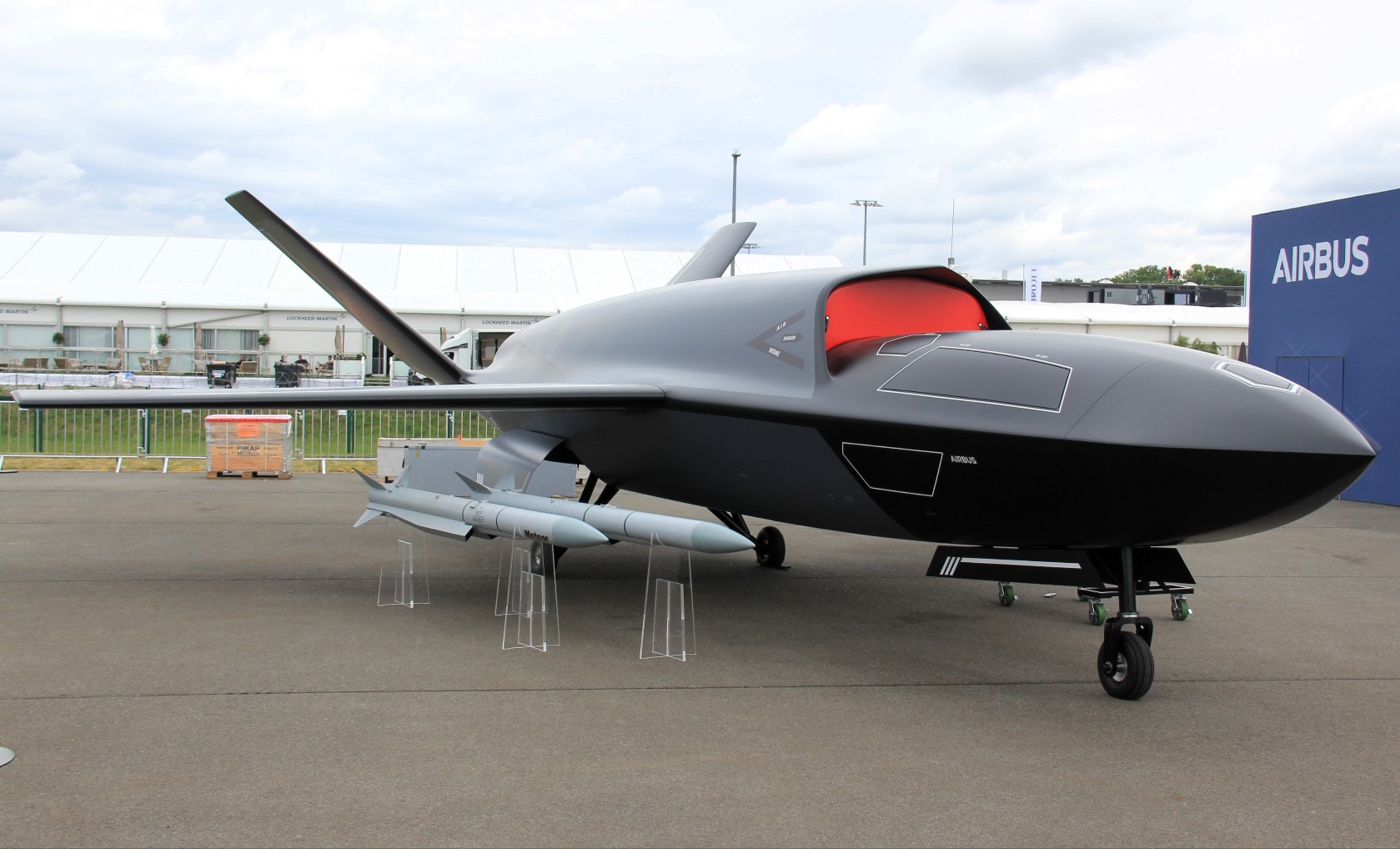 Airbus Unveils U760 Ravenstorm Loyal Wingman Drone at ILA Berlin 2026
-
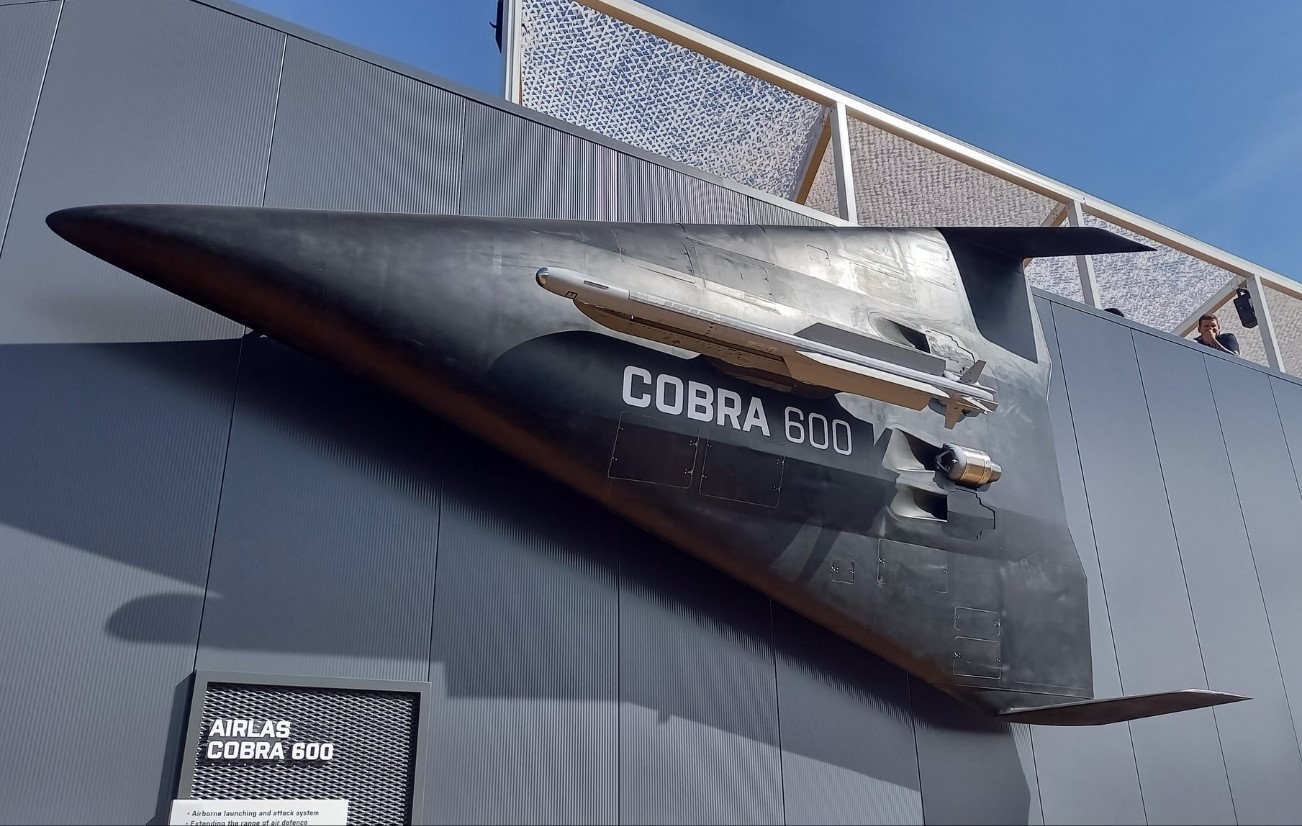 Diehl Defence Unveils IRIS-T Armed Cobra 600 Air Defense Drone at ILA Berlin 2026
-
 U.S. Army Successfully Demonstrates Quantum Sensor That Can Precisely Locate Radio Signals in 3D