
World
Redwire Corporation secures a contract to develop a cutting-edge spacecraft for DARPA’s Otter program, aimed at advancing "air-breathing" electric engines for satellites in low-Earth orbit. Powered by advanced technology, SabreSat promises extended operational life and enhanced mission capabilities.Redwire Corporation, a Florida-based leader in space infrastructure, has been awarded a contract by DARPA to develop an unmanned spacecraft for the Otter program. This initiative aims to advance "air-breathing" electric engine technology, which will enable satellites to operate efficiently in very low-Earth orbit (VLEO) by harnessing ambient, low-density air.The spacecraft, known as SabreSat, weighs 400 kilograms (881 pounds) and is designed for complex missions including intelligence, surveillance, reconnaissance, communications, navigation, and Earth science. It can carry payloads measuring up to 100 x 10 x 40 centimeters (39 x 3.9 x 15.7 inches) and weighing approximately 200 kilograms (440 pounds). Powered by an advanced alternator pulley generating up to 5,000 watts, SabreSat operates at altitudes exceeding 150 kilometers (93 miles) and boasts an operational lifespan of up to seven years.Redwire will leverage its proprietary digital engineering tools, specifically the Digitally Engineered Mission Systems & Integration (DEMSI) platform, tailored for VLEO environments. These tools allow for precise modeling that factors in variables like weather conditions, atmospheric drag, and corrosion resistance.The Otter program, in collaboration with Phase Four, a California-based propulsion systems provider, focuses on developing electric propulsion systems capable of functioning in VLEO altitudes ranging from 90 to 450 kilometers (55 to 279 miles). This technology is crucial for enhancing national security missions in the increasingly important VLEO domain.
Read More → Posted on 2024-06-18 16:15:36
World
A Russian soldier details the heavy losses in Kharkiv, revealing brutal tactics and severe casualties suffered by his unit amid Ukrainian artillery and drone strikes.In the ongoing conflict in Kharkiv, a Russian soldier, Anton Andreev, shared harrowing details about his unit's ordeal, highlighting the severe losses suffered by Russian troops. Andreev, a member of Moscow's 1009th regiment, reported that half of his 100-strong unit was wiped out within the first night of fighting in Vovchansk. By the end of the engagement, only 12 soldiers remained, with many falling victim to Ukrainian artillery and drone strikes.The intensity of the battle has escalated significantly since last month when Russian forces quickly captured approximately 99 square miles of territory, catching Ukrainian defenses off guard. Andreev’s account underscores the brutal reality of these operations, where Russian troops were often sent into battle under dire conditions, with commanders pushing them forward despite heavy casualties. "We are sent under machine guns, under drones in daylight, like meat. And commanders just shout ‘forward and forward,’” he lamented in a video message verified by The Guardian.This revelation aligns with earlier reports from Ukrainian forces, who described the Russian military's tactics as large-scale "meat assaults," where soldiers are used in mass attacks with little regard for their safety. These tactics have reportedly led to significant casualties, with Ukrainian forces using their artillery and drones effectively to counter the Russian advances.As the conflict continues, the situation remains fluid, with both sides experiencing heavy losses. The stark reality faced by Russian soldiers like Andreev paints a grim picture of the ongoing battles, emphasizing the harsh conditions and strategic missteps that have characterized this phase of the conflict.
Read More → Posted on 2024-06-18 16:06:31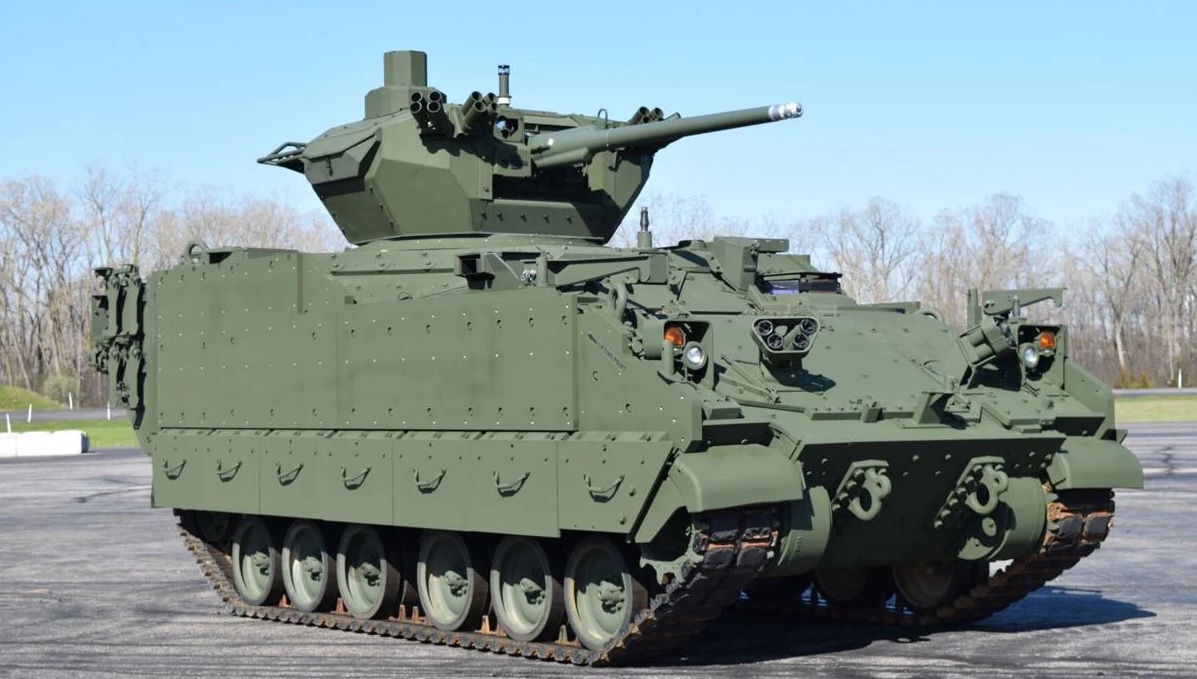
World
BAE Systems showcases its fourth AMPV prototype at Eurosatory, featuring a common top plate that highlights the vehicle’s modularity and adaptability for international military needs.BAE Systems is showcasing its fourth Armored Multi-Purpose Vehicle (AMPV) prototype at the Eurosatory defense exhibition. This latest prototype, equipped with a common top plate, highlights the vehicle's modularity and future-proof design. The common top plate, also known as the External Mission Equipment Package (ExMEP), allows the AMPV to integrate various capabilities and equipment packages, making it adaptable for different international military needs.The featured prototype at Eurosatory includes Oshkosh Defense's Medium Caliber Weapon System (MCWS), a 30mm weapon system set for deployment with the U.S. Army’s Stryker Brigade Combat Teams. The AMPV's ExMEP is versatile enough to support more than 30 different turret systems, ensuring that the vehicle can be customized to meet diverse operational requirements.Bill Sheehy, AMPV program director for BAE Systems, emphasized the importance of this capability for U.S. allies and NATO partners. "The adaptability of the AMPV design means we can quickly and efficiently integrate new capabilities, proving the platform's future-proofed design," he said.BAE Systems has previously demonstrated the AMPV's versatility by integrating a Counter-Unmanned Aircraft System (C-UAS) prototype in November 2023 and delivering a 120mm unmanned Turreted Mortar capability to the U.S. Army in January 2024. In March 2024, the AMPV NxT prototype, featuring a 30mm turret, was showcased at the AUSA Global Force event. All these prototypes utilized the common top plate, underscoring the platform’s modularity.The U.S. Army recently awarded BAE Systems a $754 million contract to continue manufacturing the AMPV Family of Vehicles (FoV), ensuring full-rate production through February 2027. This follows an initial $797 million contract awarded in August 2023. The five AMPV variants currently in production offer enhanced survivability and performance compared to the older M113 FoV, making the AMPV a low-risk, cost-effective solution for modern military needs.The AMPV’s modular chassis and commonality make it a versatile and reliable platform ready to support troops in various combat scenarios. BAE Systems is committed to discussing how quickly and effectively the AMPV can be adapted for different roles with allied nations.
Read More → Posted on 2024-06-18 15:25:14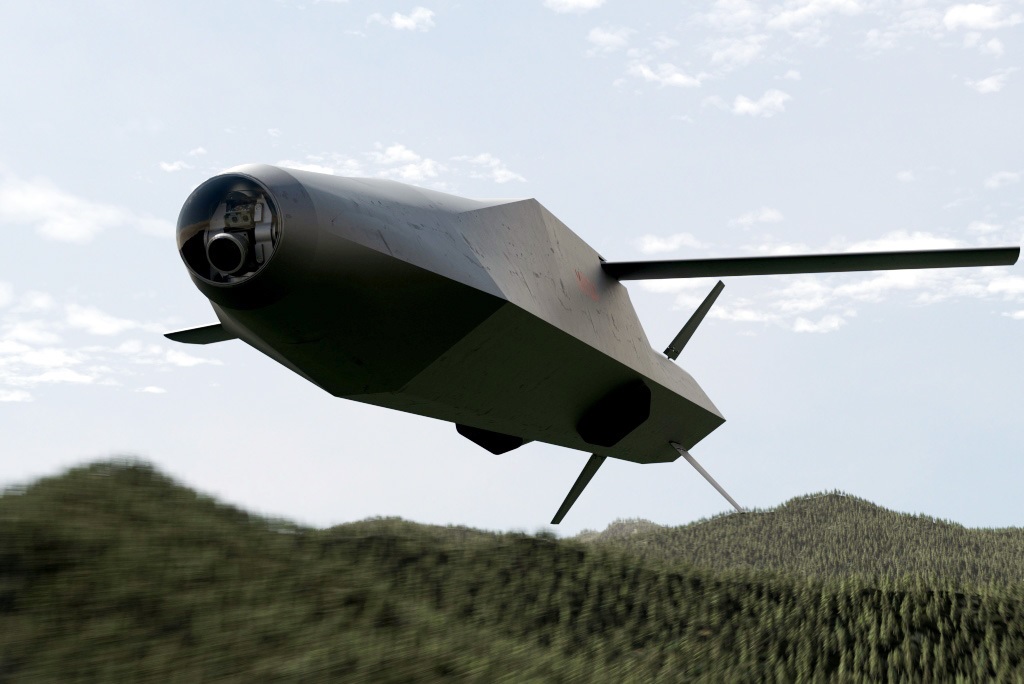
World
MBDA has launched the Land Cruise Missile (LCM) system, a ground-launched deep precision strike capability, expanding Europe's sovereign defense solutions.MBDA has introduced its new Land Cruise Missile (LCM) system, a ground-launched solution designed to enhance deep precision strike capabilities in response to modern strategic battlefield requirements. This system leverages MBDA’s extensive experience and technological advancements, drawing from the combat-proven Naval Cruise Missile (NCM) used by the French Navy on frigates and submarines.The LCM system represents a significant development in European defense, providing a fully sovereign solution for long-range, ground-launched cruise missile operations. This system, developed, produced, and assembled entirely in Europe, allows its operators to join an exclusive group of nations capable of conducting deep precision strikes from land, sea, and underwater platforms.Key Features and CapabilitiesPrecision and Range: The LCM offers metric precision at extended ranges, ensuring highly accurate targeting. This capability is crucial for engaging high-value targets with minimal collateral damage.Survivability: The LCM is designed to penetrate enemy integrated air defense systems effectively. It features a reduced radar cross-section and terrain-following capabilities, enhancing its survivability in hostile environments.Lethality: The missile is capable of delivering high lethality against various targets, making it a formidable tool for disabling key enemy assets.Synchronized Time-on-Target (STOT): Demonstrated by the French Navy, this capability allows for precise, simultaneous strikes from multiple platforms, such as a frigate and a submarine, ensuring maximum impact on target.Strategic AdvantagesThe LCM system aims to deter adversaries by maintaining a constant and immediate threat against their critical assets. This capability supports strategic deterrence and can influence adversarial behavior by imposing significant risks.Comprehensive Integrated SystemThe LCM system includes a complete mission planning suite and ground launchers mounted on specialized land platforms. This integration ensures flexibility, survivability, and responsiveness for ground forces in high-intensity operational contexts.ConclusionMBDA’s Land Cruise Missile system extends its deep precision strike portfolio, ensuring that European forces are equipped with state-of-the-art capabilities for modern warfare. By building on the success of the Naval Cruise Missile, the LCM system provides a robust solution for ground-launched operations, enhancing the strategic and tactical options available to military planners.
Read More → Posted on 2024-06-18 15:22:12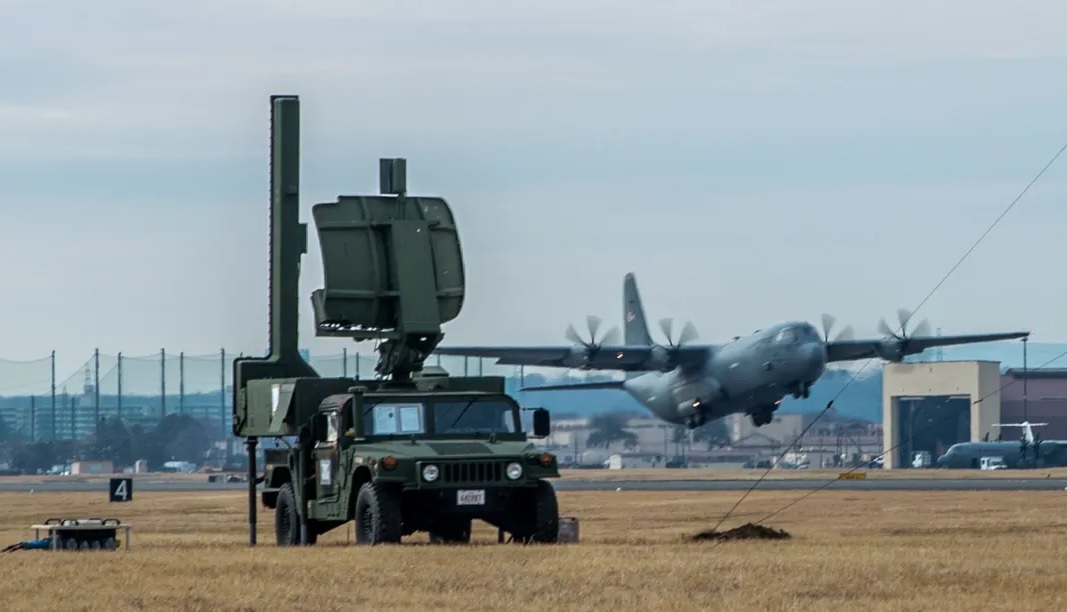
World
The French DGA has chosen Collins Aerospace's ATNAVICS for the Armée de Terre, joining the U.S. military in using this advanced mobile air traffic control system for rapid deployment and precision landing capabilities.The French Direction Générale de l'Armement (DGA) has selected Collins Aerospace’s vehicle-mounted Air Traffic Navigation, Integration, and Coordination System (ATNAVICS) to enhance the tactical control, approach, and landing capabilities of the French Army (Armée de Terre). The announcement was made at Eurosatory during a signing ceremony with representatives from both parties.ATNAVICS is designed to provide rapid deployment of air traffic services, enabling troops and equipment to be quickly deployed to remote locations or used in humanitarian missions under severe conditions. The system is compact, lightweight, and highly mobile, making it ideal for field operations.Dr. Bruce Brown, Vice President of Business Development Mission Systems at Collins Aerospace, highlighted the benefits: "The selection by the DGA of our mobile air traffic control systems will provide French forces with expeditionary air traffic management capabilities. Our mission-proven system is designed to provide field operations with on-demand surveillance, precision landing, and identification friend-or-foe capabilities."ATNAVICS stands out as the only fully autonomous and complete mobile Ground Controlled Approach system that complies with International Civil Aviation Organization standards. It has been rigorously tested for battlefield operation and survivability, boasting over two decades of service with the U.S. military. With 54 systems currently in operation, ATNAVICS continues to receive upgrades and enhancements to maintain its cutting-edge functionality.Colonel Aurélie from the Direction Générale de l’Armement expressed optimism about the new capabilities: "We look forward to receiving this new capability, which will enable our forces to quickly open up theaters of operation. The system can be deployed in less than an hour using a single military transport aircraft."This acquisition aligns France with the U.S. Army, U.S. Marine Corps, and U.S. Air Force, who have successfully utilized ATNAVICS for rapid ground control approach deployment. The system’s portability and efficiency ensure that French forces will have a reliable air traffic control solution in various operational scenarios.ATNAVICS' proven track record and continuous enhancements make it a robust choice for modern military operations, ensuring operational readiness and flexibility for the French Army.
Read More → Posted on 2024-06-18 14:54:28
World
Conservative MP Marco Longhi's election leaflet has sparked controversy for its comments on Kashmir, drawing criticism for divisive rhetoric.On July 17th, an election leaflet from Conservative Party MP Marco Longhi went viral, causing widespread controversy on social media. The leaflet was criticized for its inflammatory language about the Kashmir issue and its potential to incite religious and ethnic tensions. In the leaflet, Longhi addressed the Muslim community in his Dudley constituency, urging them to vote for him so he could raise the Kashmir "Azadi" issue in the UK Parliament. He specifically mentioned the re-election of India's Bharatiya Janata Party (BJP), suggesting that this would lead to "tougher times for the people of Kashmir." Longhi claimed that Indian Prime Minister Narendra Modi intended to push for full statehood for Kashmir, which he argued would strip Kashmiris of their sovereign rights and special status.Longhi also highlighted his own efforts since being elected as an MP in 2019, asserting that he has been vocal about the "Indian Government's atrocities towards the people of Kashmir." He mentioned his participation in several Kashmir-related events and his condemnation of India's actions in the region.A particularly controversial part of the leaflet was Longhi's targeting of his Labour Party opponent, Sonia Kumar. He emphasized her surname, implying that she would not represent the interests of the Kashmiri community. The leaflet read, "Do you want someone who has consistently been supportive of Kashmiris or someone called Sonia Kumar who no one has ever heard of?"Labour Party candidate Rajesh Agrawal condemned Longhi's leaflet, calling it a "shameful attempt to divide communities." He urged Prime Minister Rishi Sunak to withdraw support for Longhi’s campaign and to apologize for the divisive rhetoric. Agrawal stressed that such politics were offensive to both Muslim and Hindu communities and called for zero tolerance for such divisive tactics.In defense of his leaflet, Longhi claimed he was merely representing the concerns of his Kashmiri constituents. He argued that Dudley has a diverse population with many residents concerned about the situation in Kashmir. Longhi framed the leaflet as part of political campaigning, asserting that he was highlighting his track record and differentiating himself from his opponent.Sonia Kumar has not publicly responded to the leaflet. The controversy surrounding Longhi's comments has sparked a broader debate about the role of ethnicity and religion in political campaigning and the potential for such rhetoric to divide communities.The incident underscores the sensitivity and complexity of the Kashmir issue, both within the UK and internationally. It also raises questions about the responsibilities of politicians to foster unity and avoid inflammatory language that could incite division.
Read More → Posted on 2024-06-18 14:45:09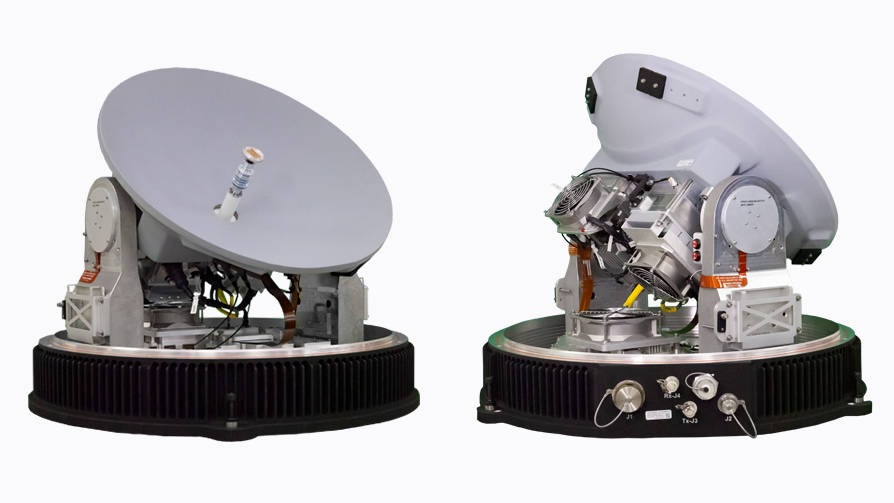
World
Ovzon's new P20 and P30 mobile satellite terminals offer enhanced performance and mobility for land, maritime, and airborne applications, with a focus on resilience and cost-effectiveness.Ovzon has unveiled two new mobile satellite terminals, the P20 and P30, designed for land, maritime, and airborne applications. These terminals are ruggedized, parabolic broadband On-The-Move (OTM) units that enhance Ovzon's SATCOM-as-a-Service offerings. Key Features and BenefitsThe Ovzon P20 is incredibly lightweight and offers superior performance and mobility, making it ideal for unmanned systems and Intelligence, Surveillance, and Reconnaissance (ISR) platforms. The Ovzon P30, while maintaining high performance, has a smaller footprint compared to existing models, making it a versatile choice for various applications.Performance and ResiliencyBoth the P20 and P30 terminals are developed with a focus on performance, mobility, and resiliency. Customers can expect robust integration options and improved overall lifecycle costs without compromising on performance. These terminals are designed to operate on Ovzon’s SATCOM-as-a-Service solutions, including Ovzon Hero and Ovzon Pegasus. Future-Proof TechnologyThese terminals will also support future enhancements through the Ovzon Orion services, delivered by Ovzon 3 and the Ovzon On-Board-Processor. Features such as autonomous operation, VL-SNR (Very Low Signal-to-Noise Ratio), and true-mesh capabilities, akin to the Ovzon T7 On-The-Pause terminal, will be integrated.Company VisionPer Norén, CEO of Ovzon, stated, “Ovzon delivers world-leading SATCOM-as-a-Service for customers' critical missions. Our focus is on providing the highest performance, mobility, and resiliency. We are committed to innovation and staying ahead of customer demand with cutting-edge technology. The P20 and P30 terminals exemplify our continuous efforts to offer smarter capabilities for diverse applications.”
Read More → Posted on 2024-06-17 15:23:49
World
The US has sanctioned Tsav 9, a far-right Israeli group obstructing humanitarian aid to Gaza, to address escalating violence and support humanitarian efforts in the region.Who is Tsav 9 ?Tsav 9 is a far-right Israeli group that emerged in January. Its name comes from "Tzav-8," an emergency call-up order for Israeli military reservists. The group includes Israeli settlers, army reservists, and families affected by Hamas's attacks on October 7. Tsav 9 opposes humanitarian aid to Gaza, claiming it benefits Hamas. Since its inception, Tsav 9 has violently disrupted aid shipments, blockading roads, vandalizing trucks, and attacking convoys at the Kerem Shalom crossing, leading to injuries among drivers and Israeli Defense Forces (IDF) soldiers.Reasons for SanctionsThe US sanctions aim to address Tsav 9’s obstruction of humanitarian aid to Gaza. The group’s actions have worsened the humanitarian crisis by preventing essential supplies from reaching those in need. US National Security Adviser Jake Sullivan condemned the attacks as "utterly unacceptable." The sanctions are part of a broader executive order by President Joe Biden targeting violence and instability in the West Bank. The sanctions freeze any assets Tsav 9 holds under US jurisdiction and prohibit Americans from engaging in transactions with the group.Domestic and International ResponsesThe international community, including the US, has condemned Tsav 9's actions. Aaron Forsberg from the State Department emphasized the US’s commitment to holding perpetrators accountable. However, within Israel, responses are mixed. Some segments of Israeli society, particularly far-right groups and families affected by Hamas, support Tsav 9's actions. This support contrasts sharply with condemnation from other Israelis who believe the group's activities exacerbate the humanitarian crisis.Criticism of Israeli AuthoritiesIsraeli authorities have faced criticism for their response to Tsav 9. Videos and reports show Israeli security forces standing by as Tsav 9 activists attacked aid trucks. Although four individuals were arrested following a violent attack on May 13, no indictments have been filed. Critics argue that the lack of intervention and accountability from Israeli military and police forces emboldens extremist groups like Tsav 9.Impact of American SanctionsThe sanctions against Tsav 9 mark a significant step in international efforts to curb settler and extremist violence in the West Bank. By targeting Tsav 9, the US aims to financially isolate the group and deter similar activities. The sanctions underscore the importance of supporting humanitarian aid efforts and promoting stability in the region. They also highlight the need for stronger measures from the Israeli government and security forces to address extremist violence.Broader ImplicationsThese sanctions send a strong message that the international community will not tolerate actions that worsen humanitarian crises. They call for greater accountability and urge all stakeholders to work towards a peaceful resolution in the region. By targeting Tsav 9, the US hopes to alleviate the humanitarian crisis in Gaza and support efforts to bring stability and peace to the area.In summary, the US sanctions on Tsav 9 are a critical move to address extremist violence and support humanitarian efforts in Gaza. This action highlights the need for accountability and the importance of international cooperation in promoting peace and stability in the region.
Read More → Posted on 2024-06-17 15:12:30
World
Russian President Vladimir Putin announces nearly 700,000 Russian troops are fighting in Ukraine, reflecting a significant increase in troop deployment since December 2022. Russian President Vladimir Putin announced on Friday that almost 700,000 Russian soldiers are currently engaged in military operations in Ukraine. This statement was made during a televised meeting with decorated participants from the ongoing conflict, which Russia refers to as a "special military operation."In his end-of-year press conference in December 2022, Putin reported that 617,000 troops were involved in combat operations, with 244,000 of them having been mobilized. The new figure indicates a significant increase in the number of Russian troops deployed in Ukraine.This rise in troop numbers comes after Russia launched a major ground assault in the northeastern Kharkiv region in May 2024. Despite this offensive, Moscow rarely discusses its losses in the conflict. The last official figure provided by Russia was in September 2022, when it reported 5,937 soldiers killed in combat. However, independent analyses and Western intelligence assessments estimate Russian casualties to be in the tens of thousands.The substantial manpower advantage that Russia holds over Ukraine is evident on the battlefield. Ukrainian President Volodymyr Zelensky has acknowledged challenges with staffing and morale among Ukrainian forces, who are often outgunned and outnumbered. To address these issues, Ukraine has lowered the draft age and implemented stricter penalties for draft evasion. Zelensky emphasized the need to reinforce reserves, noting that many brigades remain understaffed. In February 2024, Zelensky reported that approximately 31,000 Ukrainian soldiers had been killed in the first two years of the conflict. This figure underscores the severe human cost of the ongoing war.The situation remains dire as both sides continue to suffer heavy casualties. The international community watches closely as the conflict evolves, with hopes for a resolution that can bring peace to the region.
Read More → Posted on 2024-06-17 14:52:57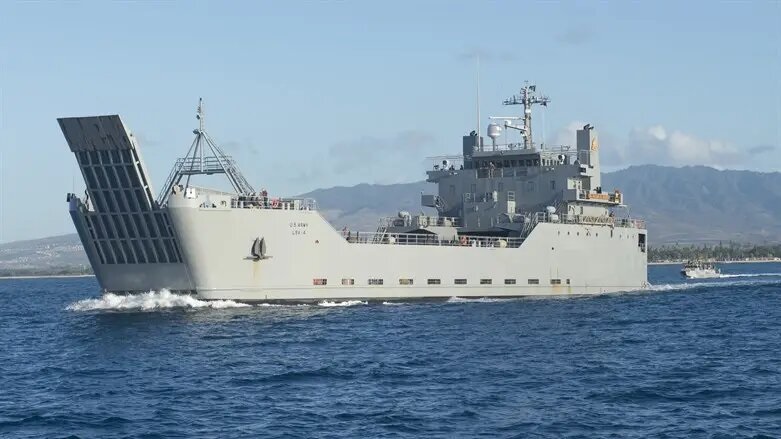
World
The INS Komemiyut, a new landing craft, joins the Israeli Navy, strengthening maritime security and operational capabilities. The Israeli Navy has welcomed the INS Komemiyut, the latest addition to its fleet. This landing craft, known as an LSV (Landing Ship, Vehicle), arrived from Pascagoula, USA, and docked at the Israeli Navy Base in Haifa. It is the second vessel of its kind acquired from the United States within the last eight months.The vessel’s arrival was marked by a significant event. As it entered Israeli territorial waters, it was escorted by Israeli Navy ships in a "missing" formation, honoring soldiers who lost their lives in the "Swords of Iron" conflict.Vice Admiral David Sa'ar Salama, Chief of the Israeli Navy, emphasized the strategic importance of the INS Komemiyut. "Today, as the IDF continues intense operations across various sectors, our naval forces have received a vessel that holds strategic significance for Israel. We salute our fallen comrades who dedicated their lives to the security of our nation."Addressing the crew of the INS Komemiyut, Vice Adm Salama acknowledged their long journey and the beginning of their crucial role. "Today, you have completed a voyage of thousands of miles. This marks the start of your mission. Your future endeavors will enhance inter-service cooperation, broaden our operational range, and bolster Israel's security."The INS Komemiyut is expected to play a pivotal role in enhancing the capabilities of the Israeli Navy. It will support various military operations, including amphibious assaults, logistical support, and rapid deployment of troops and vehicles. This addition strengthens Israel’s maritime security, ensuring the nation’s defense readiness in the face of ongoing regional threats.With the inclusion of the INS Komemiyut, the Israeli Navy continues to modernize its fleet, ensuring that it remains prepared to address current and future challenges. This development signifies a step forward in maintaining the security and operational effectiveness of Israel’s maritime forces.
Read More → Posted on 2024-06-17 09:16:41
World
China’s AI commander, confined to a lab, mimics human command in virtual war games, offering insights into AI’s military potential and risks.China has introduced an advanced AI commander, strictly confined to a laboratory at the Joint Operations College of the National Defence University in Shijiazhuang, Hebei province. This AI mirrors human commanders in experience, thought patterns, personality, and even flaws. Developed to aid in large-scale computer war games involving all branches of the People’s Liberation Army (PLA), this AI commander has been granted supreme command authority in virtual wars.This innovative project, led by senior engineer Jia Chenxing, was publicly revealed in a May publication in the peer-reviewed Chinese journal *Common Control & Simulation*. The research emphasizes both the potential and risks of AI in military applications, presenting a "viable" solution to the increasing complexities of modern warfare.In China, military command is strictly under the Central Military Commission of the Communist Party of China, adhering to the principle that "The Party commands the gun." While AI technology is advancing in making independent decisions, ultimate command authority remains human. Forward-deployed units like drones and robotic dogs have more autonomy, but the central command is firmly in human hands.Testing operational plans for potential conflicts, such as those involving Taiwan and the South China Sea, is a crucial task for scientists. These plans are evaluated through simulations to understand the chaos of battle better. The limited number of senior PLA commanders makes it difficult for them to participate in numerous war simulations, prompting the need for the AI commander.The AI commander can substitute for human commanders in large-scale virtual battles, making independent decisions within the lab environment. This role is unprecedented in military research, as the highest-level decision-making entity for overall operations, unlike the supportive role of AI in the US military.Different PLA commanders have varying combat styles. For instance, General Peng Dehuai favored swift, unexpected strikes, while General Lin Biao preferred meticulous, risk-averse strategies. The AI commander is initially designed to reflect a seasoned strategist with sound judgment, calmness, and quick planning abilities. However, its personality can be adjusted as needed.Under pressure, humans often struggle to make fully rational decisions quickly. The AI commander, relying on empirical knowledge and recalling similar scenarios, formulates viable plans efficiently. To simulate human forgetfulness, the AI's decision-making knowledge base has a size limit, forcing it to discard some information when the limit is reached.The AI commander allows the PLA to conduct numerous "human-out-of-the-loop" simulations, identifying new threats, crafting plans, and making optimal decisions without human intervention. This approach offers advantages such as high efficiency and support for repeated experimentation.Globally, countries are racing to develop AI military applications, with China and the United States at the forefront. Despite the advancements, there are shared concerns about the risks posed by unchecked AI development in military contexts. Senior officials from China, the United States, and Russia are negotiating regulations to prevent AI from controlling nuclear weapons, aiming to mitigate the potential threats of AI militarization.This breakthrough demonstrates China's commitment to integrating advanced AI into military strategies, balancing technological potential with necessary safeguards.
Read More → Posted on 2024-06-16 16:11:44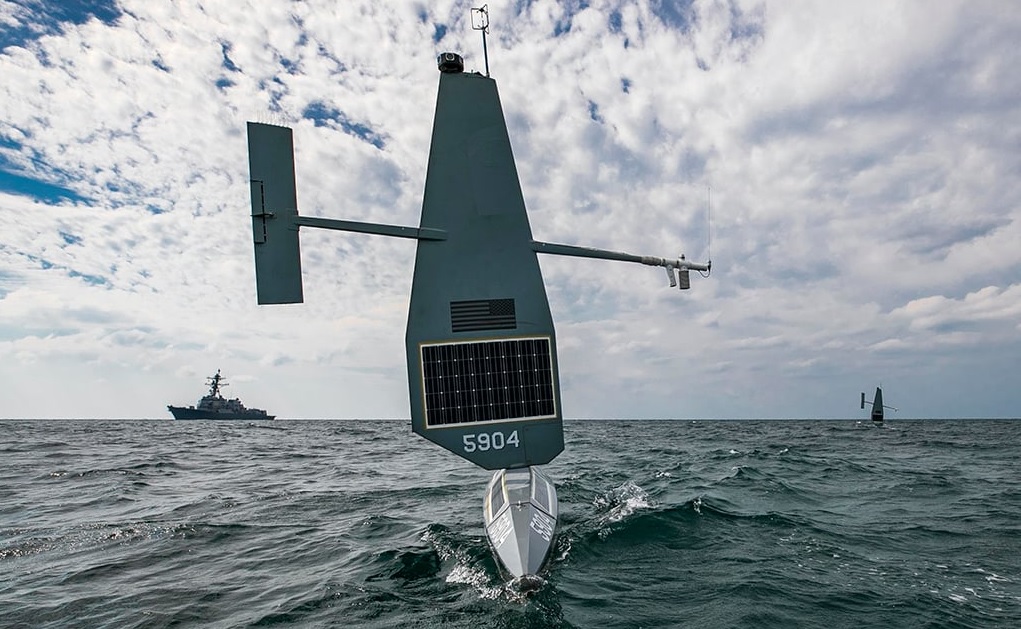
World
The U.S. Navy's 'Hellscape' envisions a future battlefield teeming with unmanned systems to counter potential threats in the Indo-Pacific region, focusing on advanced technologies and strategic implementations.In August 2023, Admiral John Aquilino, the former commander of the U.S. Indo-Pacific Command (INDOPACOM), introduced a groundbreaking concept at the Emerging Technologies for Defense Conference and Exhibition: the 'Hellscape'. This term describes a futuristic battlefield where tens of thousands of unmanned ships, aircraft, and submarines operate cohesively to engage numerous targets across the vast expanse of the West Pacific. This article breaks down the concept of 'Hellscape', exploring its components, potential implementation in conflict scenarios, and the technologies driving this vision.The Foundation of 'Hellscape'The 'Hellscape' concept is deeply rooted in the Department of Defense’s initiative to rapidly procure and deploy unmanned systems. Drawing lessons from the ongoing War in Ukraine, where unmanned warfare has seen significant advancements, the U.S. aims to leverage these technologies for future conflicts. Deputy Defense Secretary Kathleen Hicks announced the Department’s Replicator initiative at the same conference in 2023, underscoring the drive to develop and integrate these unmanned systems. 'Hellscape' and 'Replicator' are closely intertwined, with many capabilities developed under Replicator intended for application in the 'Hellscape' vision.Components of 'Hellscape'The 'Hellscape' battlefield will feature a wide array of unmanned systems across all domains. Key components include:1. High-Altitude Long Endurance (HALE) UAVs: The MQ-4C Triton maritime patrol aircraft is a prime example of HALE UAVs that will play a crucial role in persistent surveillance and reconnaissance over vast areas.2. Unmanned Surface Vessels (USVs): One-way attack USVs like the Muskie M18 developed by MARTAC will be integral in engaging enemy targets. These vessels can be deployed en masse to overwhelm adversary defenses.3. Loitering Munitions and One-Way Attack Drones: The AeroVironment Switchblade 600 and UVision Hero-120 are notable examples of loitering munitions designed to hover over battlefields before striking targets. The U.S. Marine Corps has been particularly focused on integrating these systems, highlighting their potential in future conflicts.4. Project Overmatch: This U.S. Navy initiative aims to integrate various unmanned systems into a cohesive network, part of the broader Department of Defense Joint All-Domain Command and Control (JADC2) effort. Project Overmatch will ensure seamless information flow, creating a unified operational picture.5. Maritime Power Solutions: Companies like Ocean Power Technologies (OPT) are developing power generation solutions, such as the PB3 PowerBuoy, to sustain unmanned systems. These buoys can recharge USVs and UUVs, extending their operational duration.Implementation in a Conflict ScenarioThe 'Hellscape' concept is designed as an asymmetric strategy to delay and disrupt enemy forces, particularly in scenarios like a potential invasion of Taiwan. Here's how it could unfold:1. Pre-Conflict Deployment: In the days and weeks leading up to a potential conflict, the U.S. and its allies would likely detect signs of an impending invasion. This would trigger the rapid deployment of unmanned systems to the theater. UAVs, USVs, and UUVs can be transported quickly via air and sea, using standard shipping containers and large transport aircraft.2. Initial Engagement: As conflict breaks out, thousands of unmanned systems would be launched from various platforms, including submarines, surface ships, aircraft, and land-based vehicles. These systems would form a vast network, sharing real-time intelligence and targeting data.3. Asymmetric Warfare: The primary goal of 'Hellscape' is to delay the enemy's advance, creating a window for U.S. and allied forces to establish necessary logistics and forward-based operations. Unmanned systems would engage enemy fleets, focusing on depleting their defensive capabilities. For example, one-way attack drones would target surface-to-air missile systems, while submarines deploy UUVs for underwater reconnaissance.4. Sustained Operations: Unmanned systems equipped with intelligence-gathering capabilities would provide continuous battlefield awareness. This includes filling gaps in satellite coverage and maintaining surveillance in GPS-denied environments. Drones like the Saildrone Surveyor SD-3000 and Textron’s Aerosonde UAV would play crucial roles in this aspect.Real-World Examples and DevelopmentsSeveral real-world examples and ongoing developments highlight the practical implementation of the 'Hellscape' concept:Marine Littoral Regiments (MLRs): These specialized units are designed to operate in contested maritime environments, leveraging unmanned systems for surveillance and strike missions.Army Multi-Domain Task Forces (MDTFs): These units integrate land, air, and cyber capabilities, including unmanned systems, to execute complex operations.Navy Carrier Strike Groups (CSGs): These groups, equipped with a mix of manned and unmanned platforms, will be critical in maintaining sea control and power projection.Pre-Positioned Assets: The U.S. Navy has already deployed MQ-9 Reaper UAVs in the Philippines and conducted USV deployments in the Pacific. These assets can be quickly mobilized in response to emerging threats.Submarine-Launched UUVs: The U.S. Navy has successfully tested the launch of unmanned underwater vehicles from Virginia-class fast-attack submarines. These UUVs can perform extended-range reconnaissance and other critical missions.Challenges and ConsiderationsWhile the 'Hellscape' concept offers numerous advantages, it also presents several challenges and considerations:1. Logistics and Sustainment: Maintaining a large fleet of unmanned systems in a contested environment requires robust logistics and sustainment capabilities. Solutions like the PB3 PowerBuoy are essential, but further innovations will be needed.2. Cybersecurity: The interconnected nature of unmanned systems makes them vulnerable to cyberattacks. Ensuring robust cybersecurity measures will be crucial to maintaining the integrity of the 'Hellscape' network.3. Interoperability: Integrating diverse unmanned systems from different branches of the military and allied forces requires seamless interoperability. Project Overmatch and JADC2 efforts are steps in the right direction, but continuous improvement is necessary.4. Legal and Ethical Concerns: The use of autonomous and semi-autonomous systems raises legal and ethical questions, particularly regarding the rules of engagement and accountability for actions taken by unmanned systems.The Future of 'Hellscape'The 'Hellscape' concept represents a significant shift in military strategy, emphasizing the use of unmanned systems to create an asymmetric battlefield. While the exact details of its implementation remain classified, the ongoing developments and real-world examples provide a glimpse into its potential. As technology continues to advance, the U.S. Navy and its partners will likely refine and expand this concept, ensuring that 'Hellscape' becomes a reality in future conflicts.In conclusion, the 'Hellscape' envisioned by the U.S. Navy and INDOPACOM is a forward-looking approach to modern warfare, leveraging unmanned systems to create a complex, dynamic battlefield. By integrating advanced technologies and focusing on rapid deployment and networked operations, 'Hellscape' aims to provide a decisive edge in potential conflicts, particularly in the Indo-Pacific region. As these systems continue to evolve, they will play an increasingly critical role in shaping the future of military operations.
Read More → Posted on 2024-06-16 16:08:17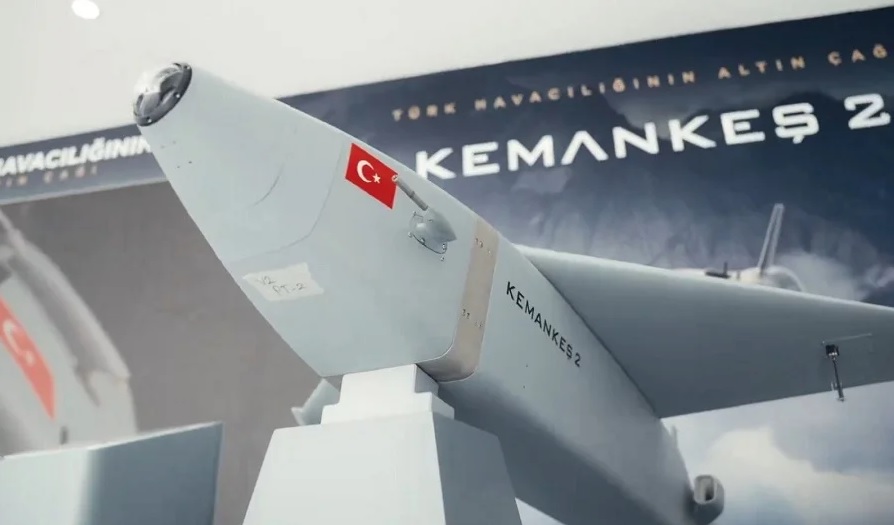
World
Turkish defense company Baykar Technologies has successfully tested the KEMANKEŞ 2 mini intelligent cruise missile, demonstrating its advanced capabilities and engineering.Baykar Technologies, a prominent Turkish defense and aerospace company, has made significant progress in developing the KEMANKEŞ 2 mini intelligent cruise missile. The company recently completed a successful second test of the new weapon system and released footage showcasing the missile's advanced capabilities.The KEMANKEŞ 2 is designed as a small unmanned aerial vehicle powered by a jet engine. It boasts a range of 200 kilometers and an endurance of up to one hour. This advanced missile leverages artificial intelligence to target high-risk and strategic objectives within enemy territory. Equipped with an optical guidance system, it can detect and engage targets under challenging weather conditions, both day and night. The missile transmits real-time video feed from its camera to a ground control station, ensuring precise targeting. Moreover, the system is resistant to electronic jamming, enhancing its reliability in contested environments.Baykar Technologies emphasized that the KEMANKEŞ 2 has been entirely developed by Turkish enterprises, underscoring the country's growing self-sufficiency in advanced defense technologies. This development aligns with Turkey's strategic goals to bolster its defense capabilities with indigenous solutions.The first version of the intelligent mini cruise missile, KEMANKEŞ 1, was unveiled to the public during the Teknofest exhibition held at Atatürk Airport between April and May 2023. On June 14, 2023, the KEMANKEŞ 1 successfully completed its first test, launched from a Bayraktar TB2 drone.The recent successful test of the KEMANKEŞ 2, where it was launched from a moving vehicle, further demonstrates the missile's versatility and advanced engineering. This milestone marks a significant step forward for Baykar Technologies and Turkey's defense industry as a whole. As Turkey continues to advance its defense technology capabilities, the development of the KEMANKEŞ 2 stands as a testament to the country's commitment to innovation and self-reliance in defense.
Read More → Posted on 2024-06-16 15:26:14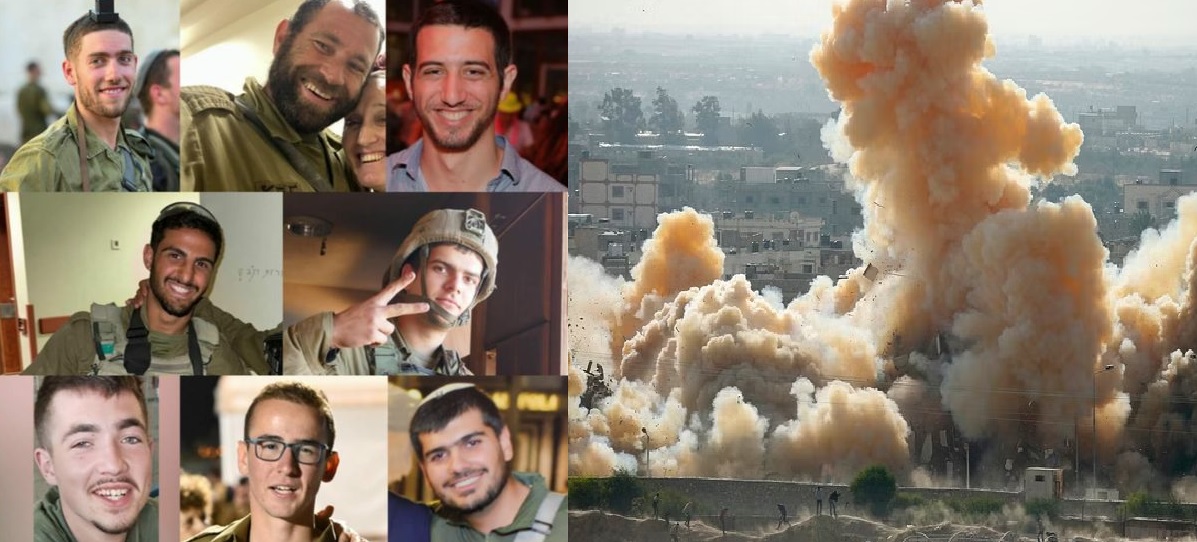
World
Eight Israeli soldiers, including Cpt Wassem Mahmoud, lost their lives in a devastating blast in Rafah, Gaza. The incident marks the deadliest for the IDF in the Strip since January.A devastating explosion in Rafah, southern Gaza, has resulted in the deaths of eight Israeli soldiers, marking the deadliest incident for the Israel Defense Forces (IDF) in the region since January. The blast occurred early this morning around 5 am, as a convoy was moving through the Tel Sultan neighborhood following an overnight offensive against Hamas.Among the fallen is Captain Wassem Mahmoud, 23, a deputy company commander in the Combat Engineering Corps' 601st Battalion from Beit Jann. The names of the other seven soldiers have not yet been released, pending notification of their families.The soldiers were traveling in a Namer armored combat engineering vehicle (CEV) when the explosion took place. The Namer CEV, which was positioned as the fifth or sixth vehicle in the convoy, was hit by a powerful blast. It is currently unclear whether the explosion was caused by a pre-planted bomb or if Hamas operatives placed an explosive device on the vehicle. Investigators are also examining the possibility that explosives stored outside the CEV might have amplified the blast's impact.Initial findings from an IDF investigation indicate that there was no exchange of gunfire during the incident, and the vehicle was in motion at the time of the explosion. The IDF is continuing to investigate the circumstances surrounding this tragic event, underscoring the ongoing dangers faced by military personnel in volatile regions.This tragic incident brings the total number of IDF casualties during the ongoing ground offensive against Hamas and operations along the Gaza border to 307. This figure includes a police officer who was killed during a recent hostage rescue operation and a civilian Defense Ministry contractor who also lost his life in the conflict.The deadliest incident before today's explosion occurred in January when 21 soldiers were killed in a blast triggered by Hamas RPG fire, leading to the collapse of two buildings.The Times of Israel has reported that the IDF is working diligently to understand the full details of today's devastating loss and to ensure the safety of its personnel operating in the area.The continuing conflict in Gaza highlights the severe risks and challenges faced by military forces engaged in combat operations, emphasizing the need for ongoing vigilance and enhanced safety measures.
Read More → Posted on 2024-06-16 15:07:26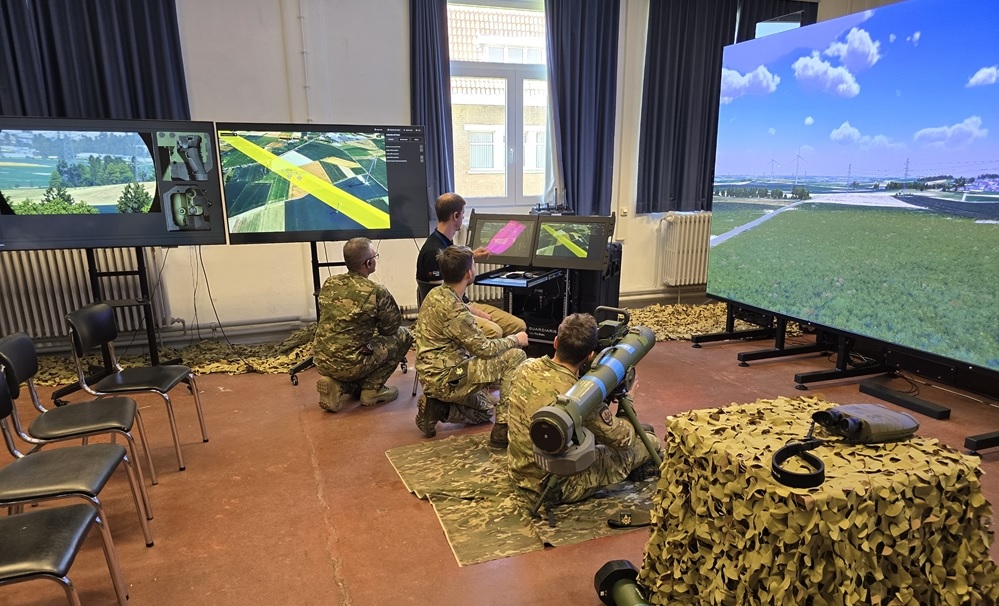
World
Slovenian tech company Guardiaris collaborates with the Ministry of Defence and Slovenian Armed Forces to develop a versatile Trainer Upgrade Kit for advanced military training systems.Slovenian technology company Guardiaris has announced a significant achievement in its collaboration with the Ministry of Defence Republic of Slovenia and the Slovenian Armed Forces. They have developed a Trainer Upgrade Kit compatible with the Trainer Spike LR system, a sophisticated solution designed to enhance military training capabilities.This development was presented at the recent Spike Users’ Club Meeting in Belgium, where the Slovenian Armed Forces showcased a demonstration exercise. This exercise highlighted their ability to conduct simultaneous training for multiple units across different locations, including Ljubljana and two sites in Belgium. This innovative method allows for greater flexibility and scalability in training operations, meeting diverse training environment needs effectively.The Trainer Upgrade Kit is highly adaptable, supporting various tactical configurations across multiple simulator types. It can be used with a range of vehicles, from 4×4 to 8×8, and Main Battle Tanks (MBTs). Additionally, it is compatible with remote weapon stations, forward observers, small arms, and other anti-armor simulators. This versatility provides the Ministry of Defence Republic of Slovenia (MORS) and the Slovenian Armed Forces (SAF) with unprecedented adaptability in their training exercises.The key features of the Trainer Upgrade Kit include:Multi-Mission Tactical Configurations: The kit supports a wide array of tactical setups, making it suitable for diverse training scenarios.Compatibility: It works with various types of simulators, including those for vehicles, weapon stations, and small arms.Geographical Flexibility: The kit allows for simultaneous training across different locations, enhancing coordination and efficiency.Scalability: The system is scalable, accommodating the needs of both small and large training operations.This joint development project underscores the commitment of Guardiaris, MORS, and SAF to advancing military training technologies. By leveraging this innovative Trainer Upgrade Kit, they aim to improve the preparedness and effectiveness of their forces, ensuring they are ready to meet modern defense challenges.The collaboration between Guardiaris and the Slovenian defense sector highlights the importance of technological innovation in military training. As training needs evolve, solutions like the Trainer Upgrade Kit will play a crucial role in maintaining high standards of readiness and operational capability for armed forces.In summary, the Trainer Upgrade Kit by Guardiaris represents a major step forward in military training technology, offering unparalleled flexibility, adaptability, and efficiency for the Slovenian Armed Forces.
Read More → Posted on 2024-06-16 15:02:06Search
Top Trending in 24 Hours
-
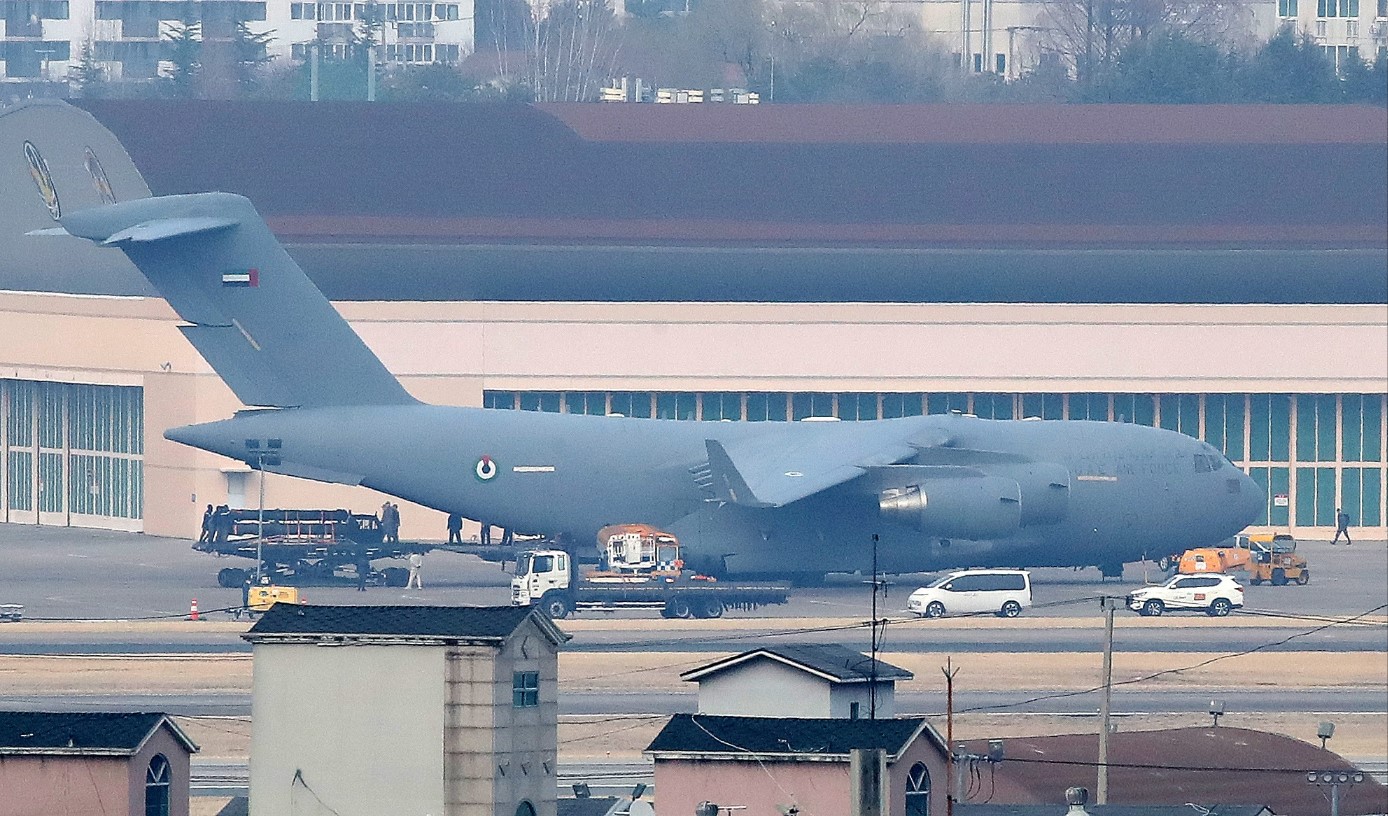 UAE Urgently Airlifts Cheongung-II Missile Defense Battery From South Korea Using Eight C-17 Aircraft
-
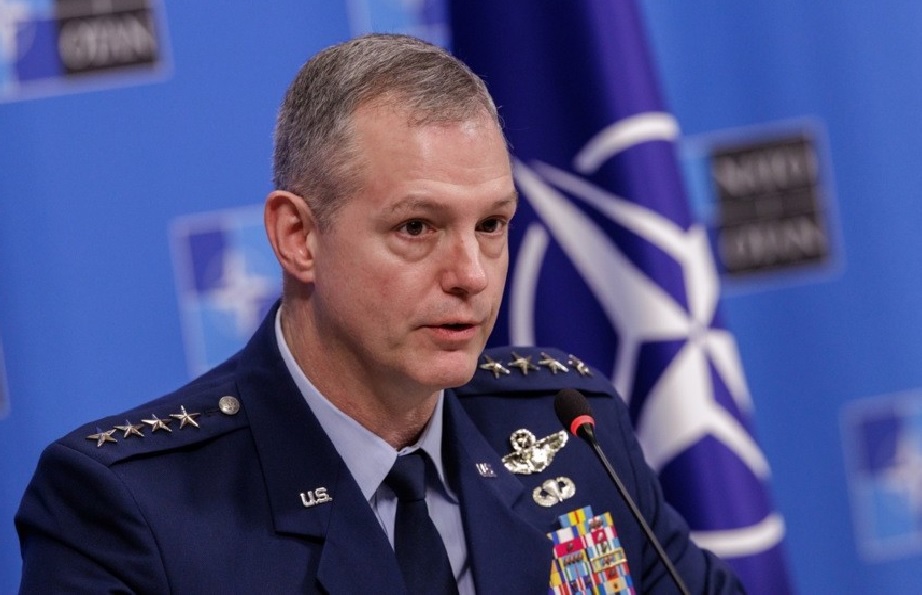 NATO Commander Says Russia Not Seeking Conflict With Alliance Despite U.S. Force Reductions
-
 U.S. Space Force Awards $437.7 Million Contracts for First PTS-G Swarm 1 Anti-Jam Satellites
-
 U.S. Air Force Faces Strategic Airlift Shortfall as C-17 Production Restart Remains Uncertain
-
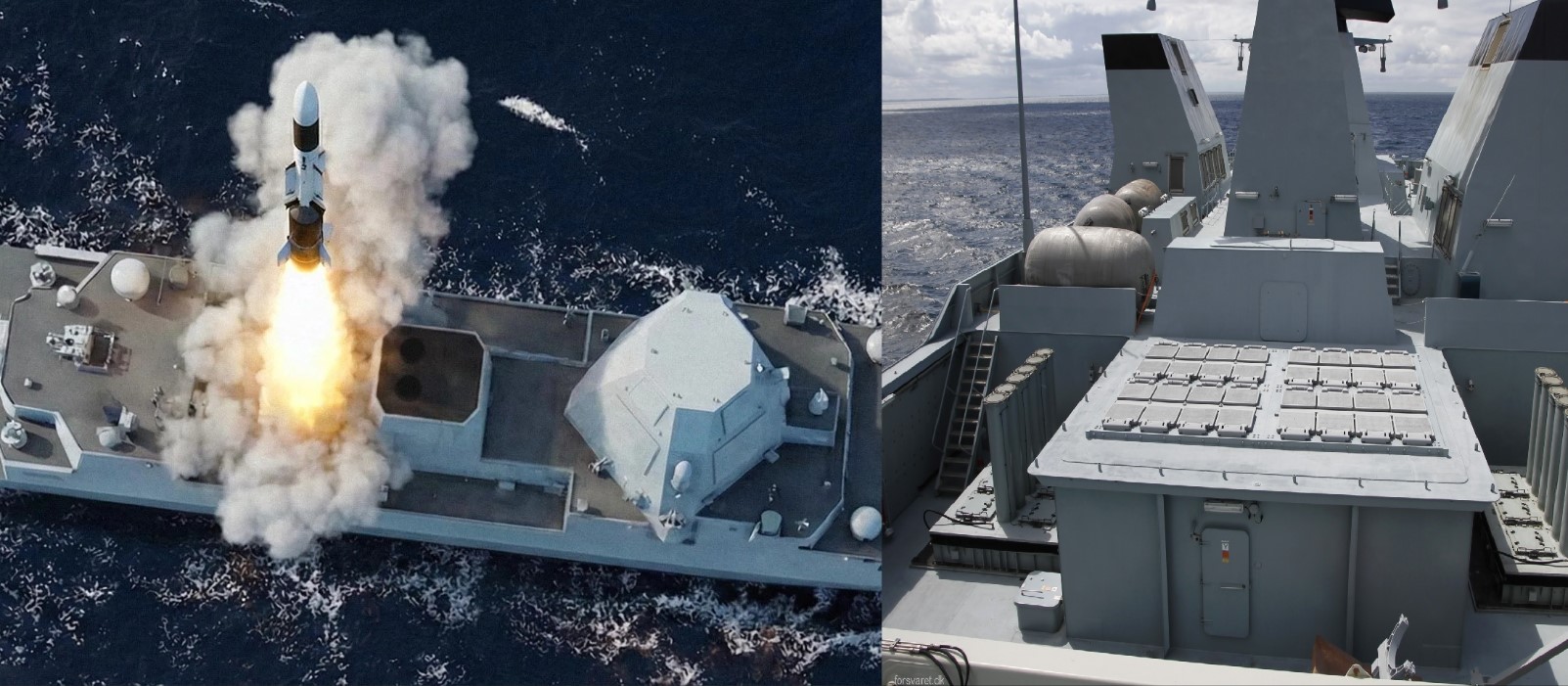 Engineering Challenges Behind the US Navy's Decision to Drop MK41 VLS from Flight I FF(X) Frigates
-
 Russia Unveils AI-Powered Counter-Drone System for Maritime and Coastal Defense at Fleet 2026
-
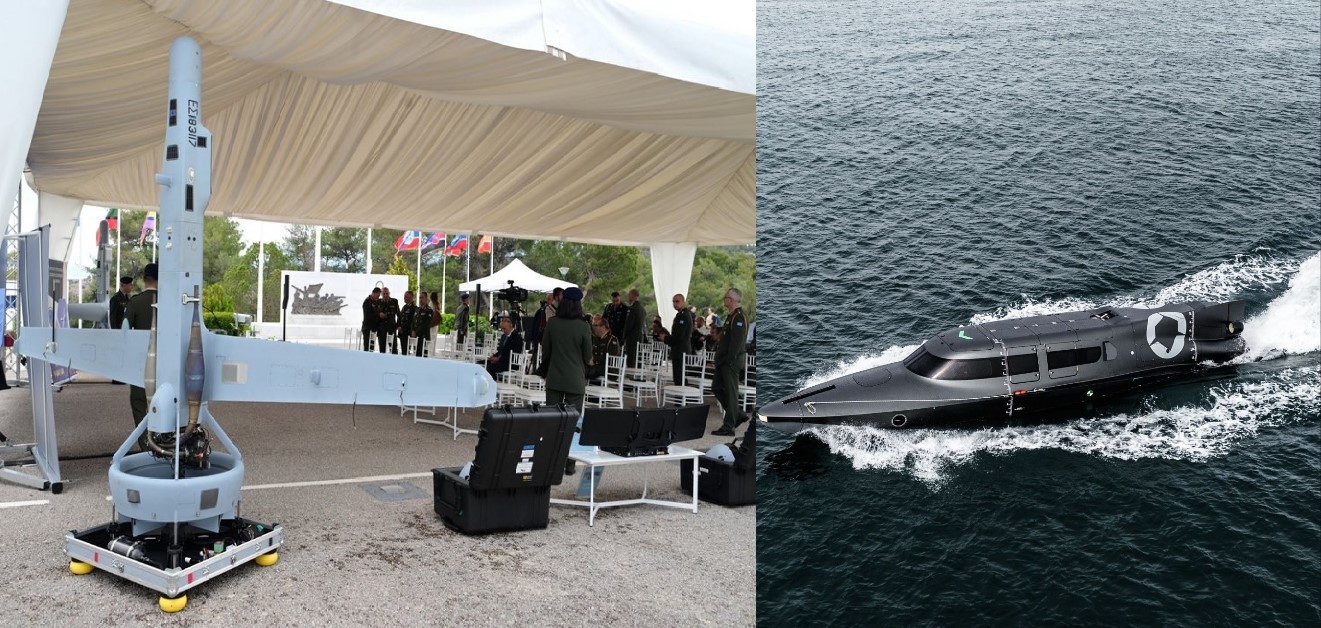 Greek Parliament Approves €1.2 Billion Defense Package Including VICTA Submersibles, V-BAT Drones, C-390 Airlifters, and Frigate Upgrades
-
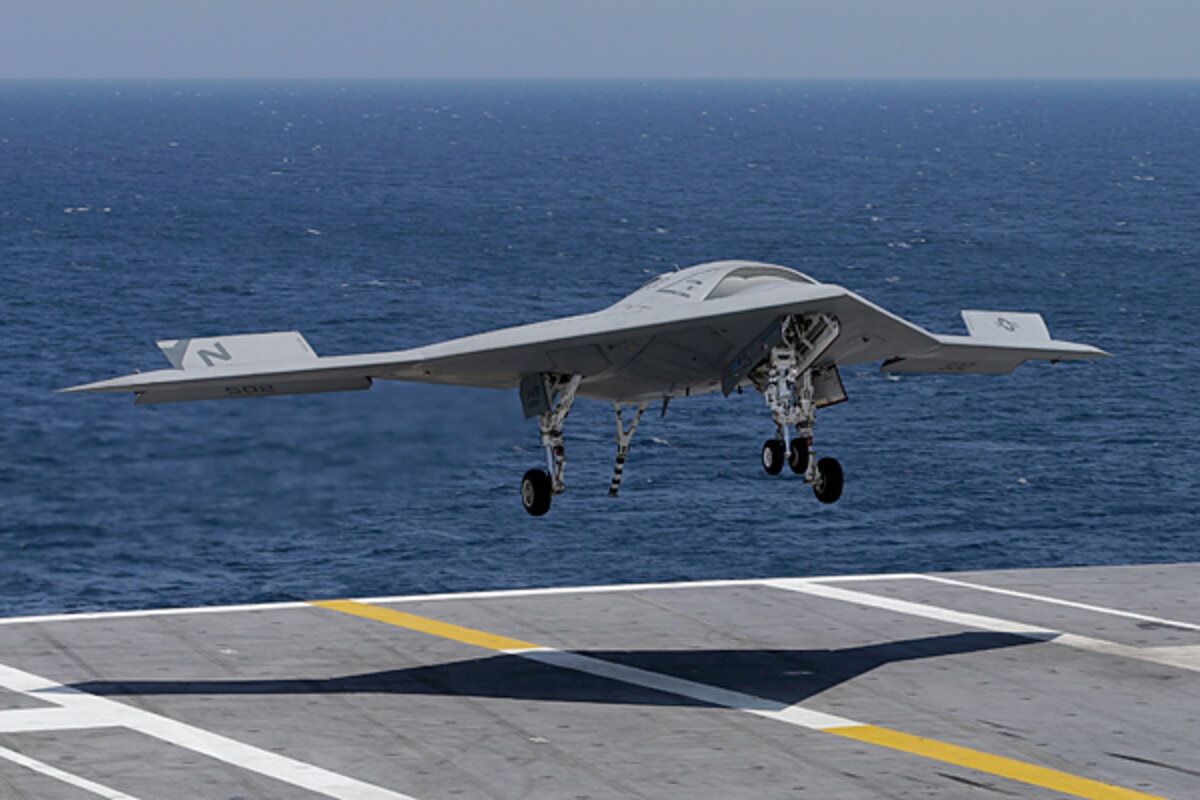 France Launches Search for Carrier-Capable Combat Drones Under New CCA Program
Top Trending in 4 Days
-
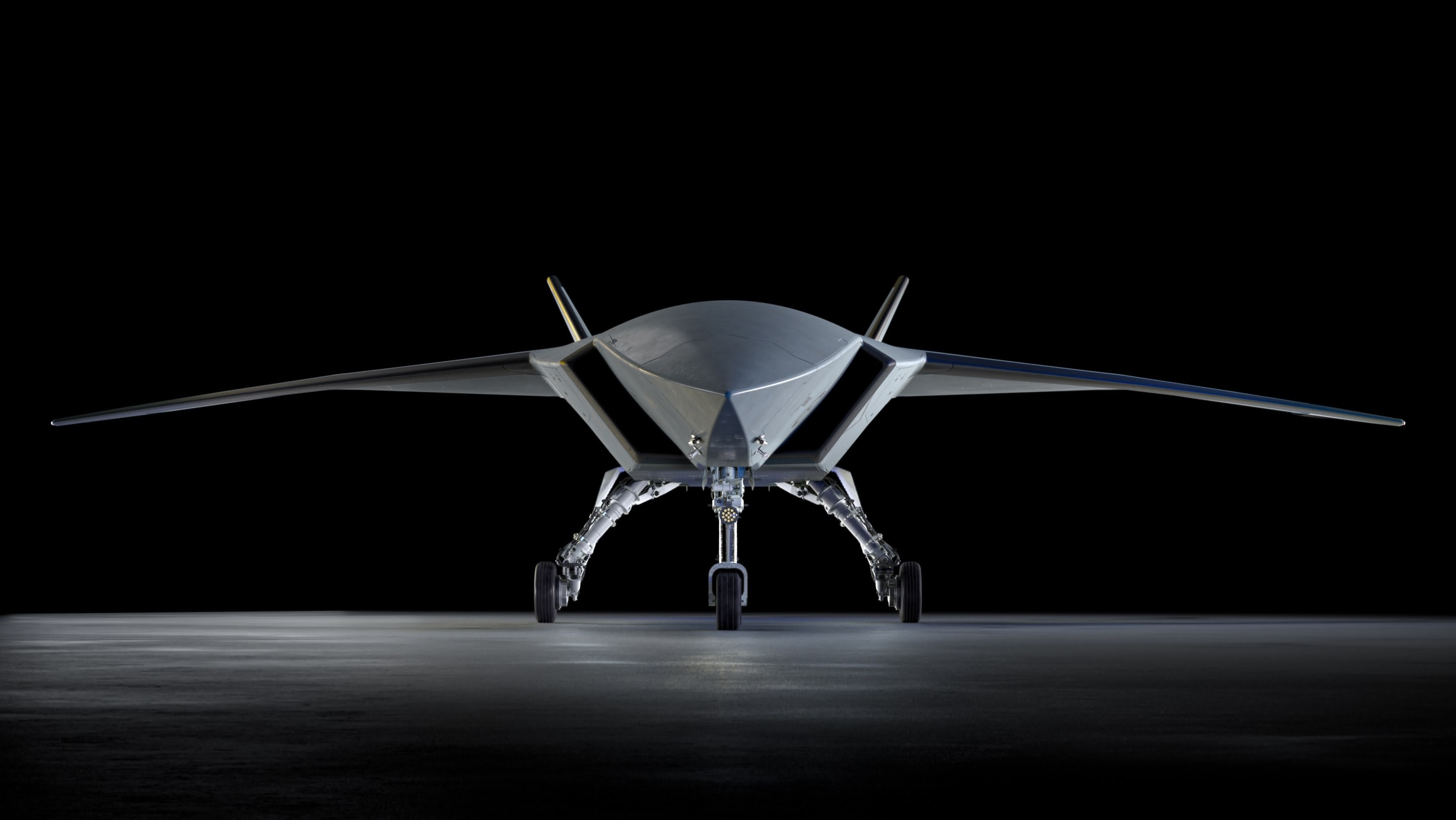 Boeing Introduces New MQ-28 Ghost Bat Upgrades with Increased Range, Payload and Weapons Capacity at ILA Berlin 2026
-
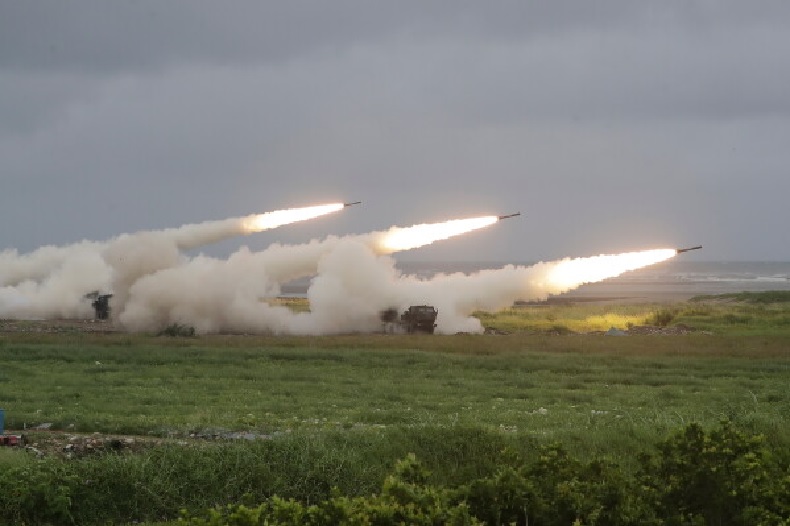 Taiwan Conducts First Live-Fire of HIMARS Rockets From West Coast During Invasion Defense Drill
-
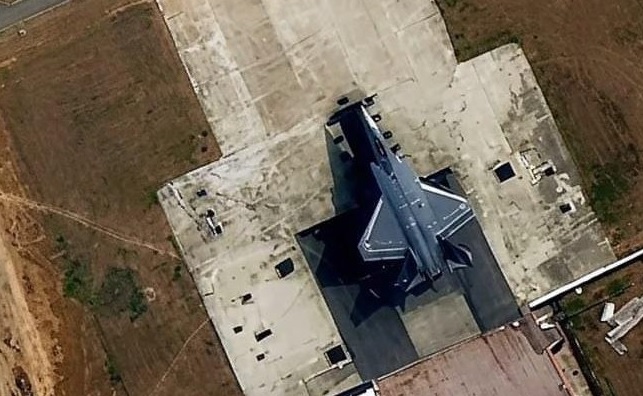 AMCA Airframe Spotted at DRDO’s ORANGE Facility for Radar Cross-Section Testing
-
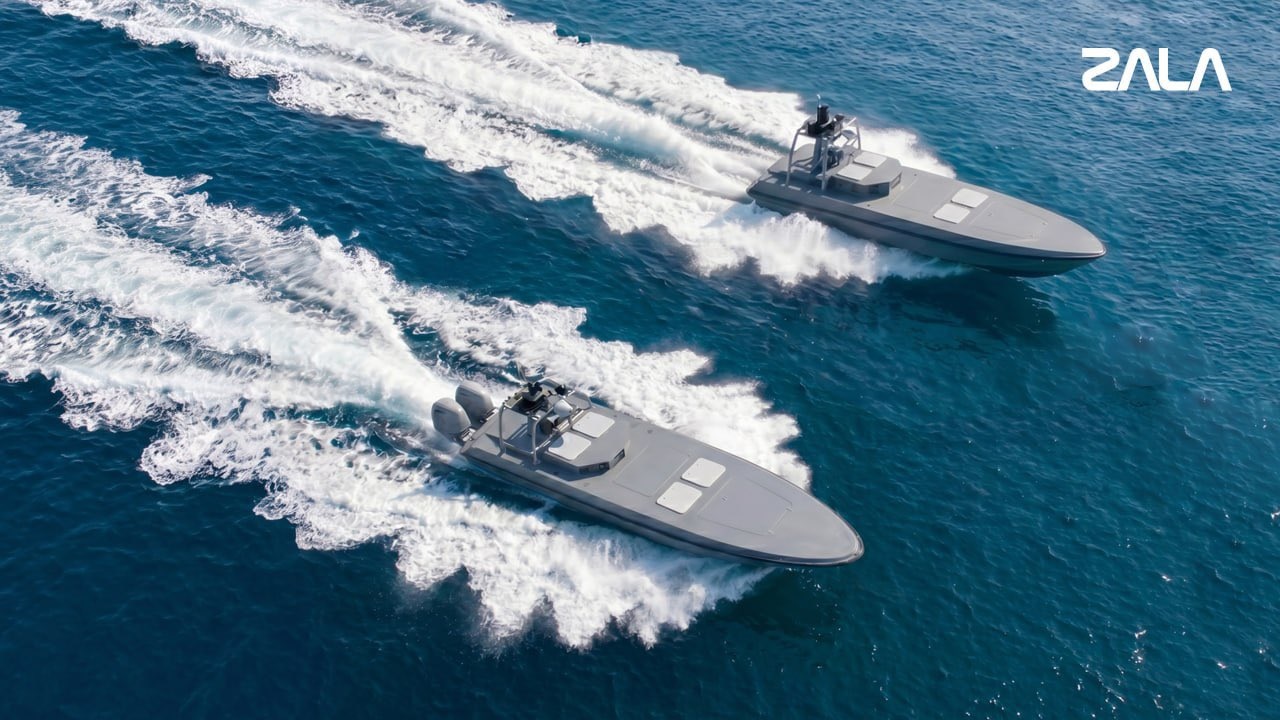 Russian Defense Firm ZALA Unveils KAMA Unmanned Surface Vessel Family at FLOT-2026 Naval Exhibition
-
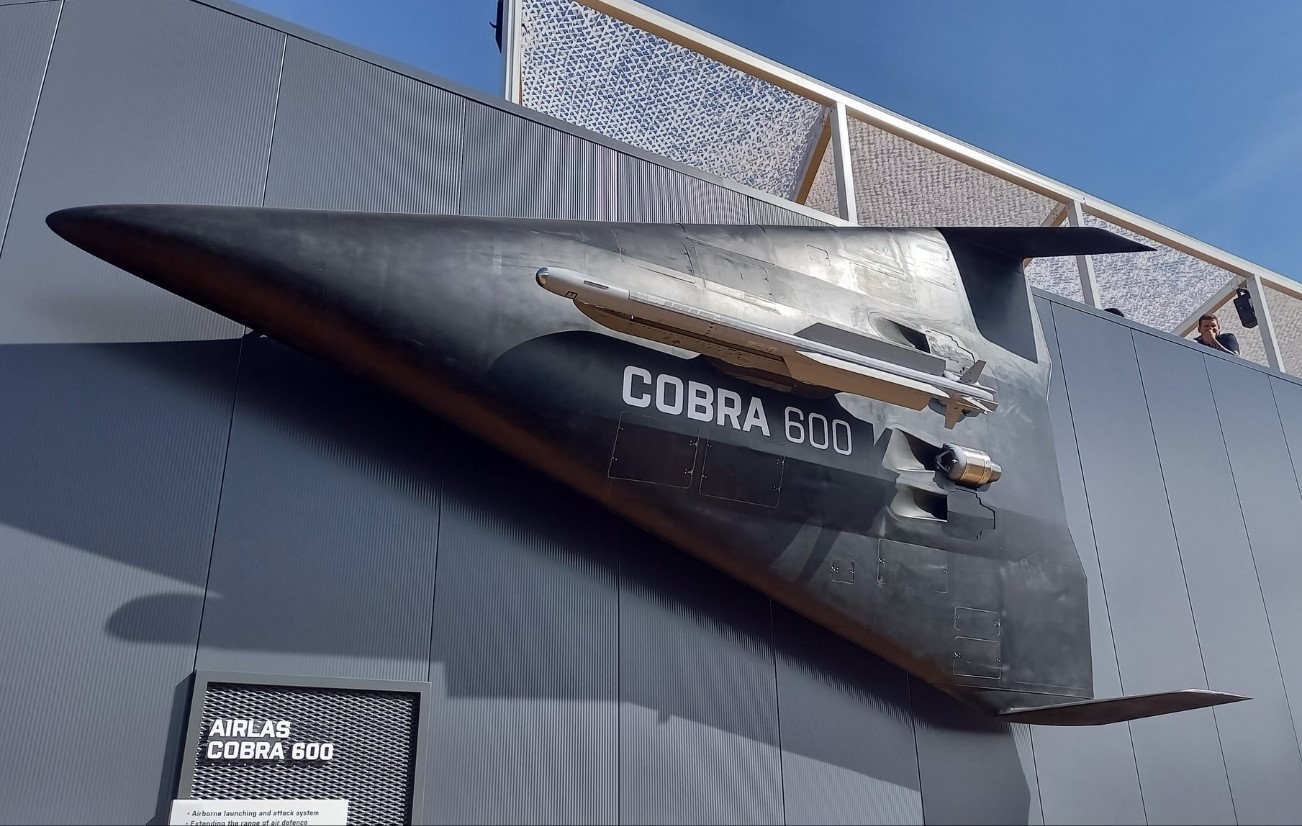 Diehl Defence Unveils IRIS-T Armed Cobra 600 Air Defense Drone at ILA Berlin 2026
-
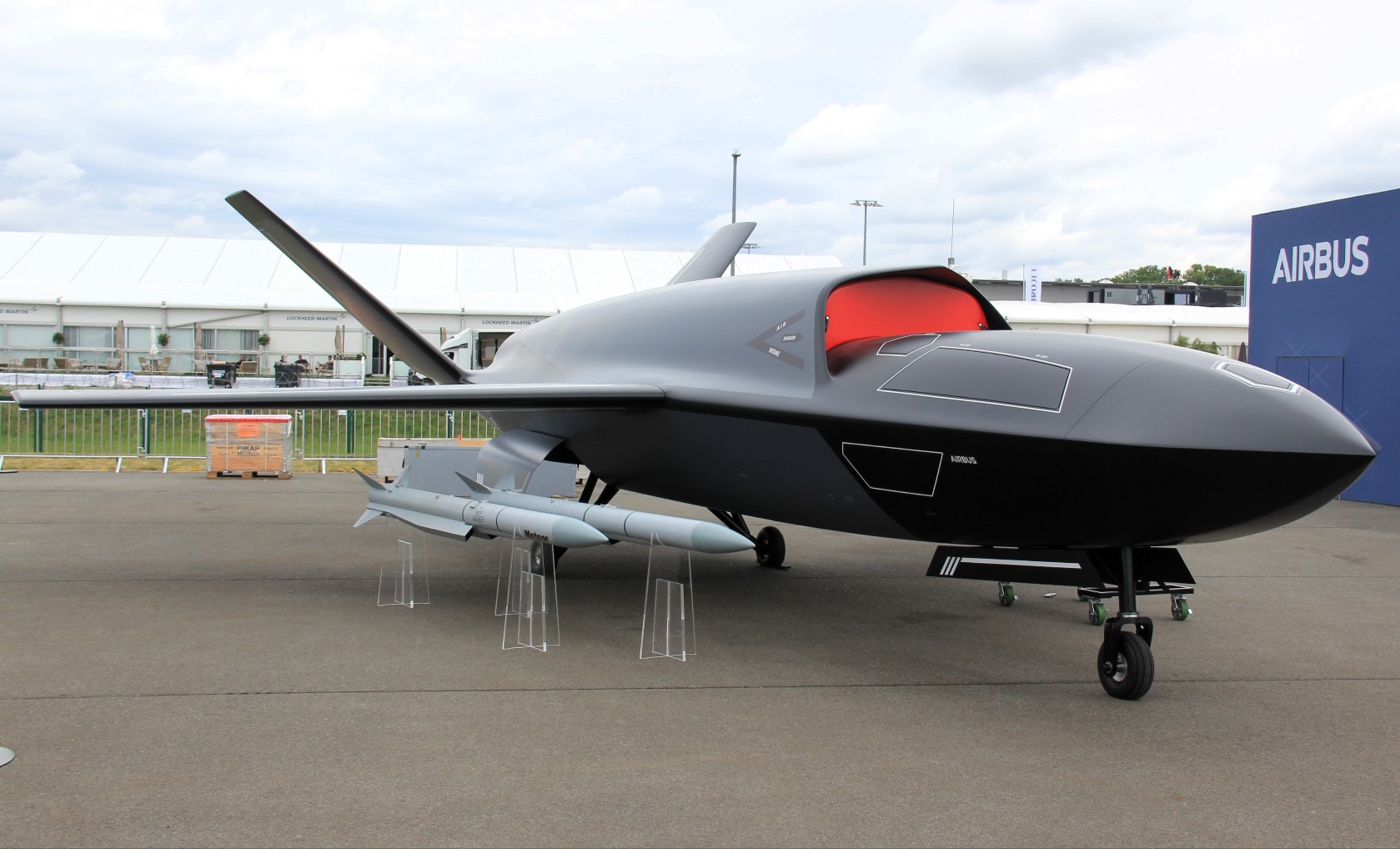 Airbus Unveils U760 Ravenstorm Loyal Wingman Drone at ILA Berlin 2026
-
 U.S. Army Successfully Demonstrates Quantum Sensor That Can Precisely Locate Radio Signals in 3D
-
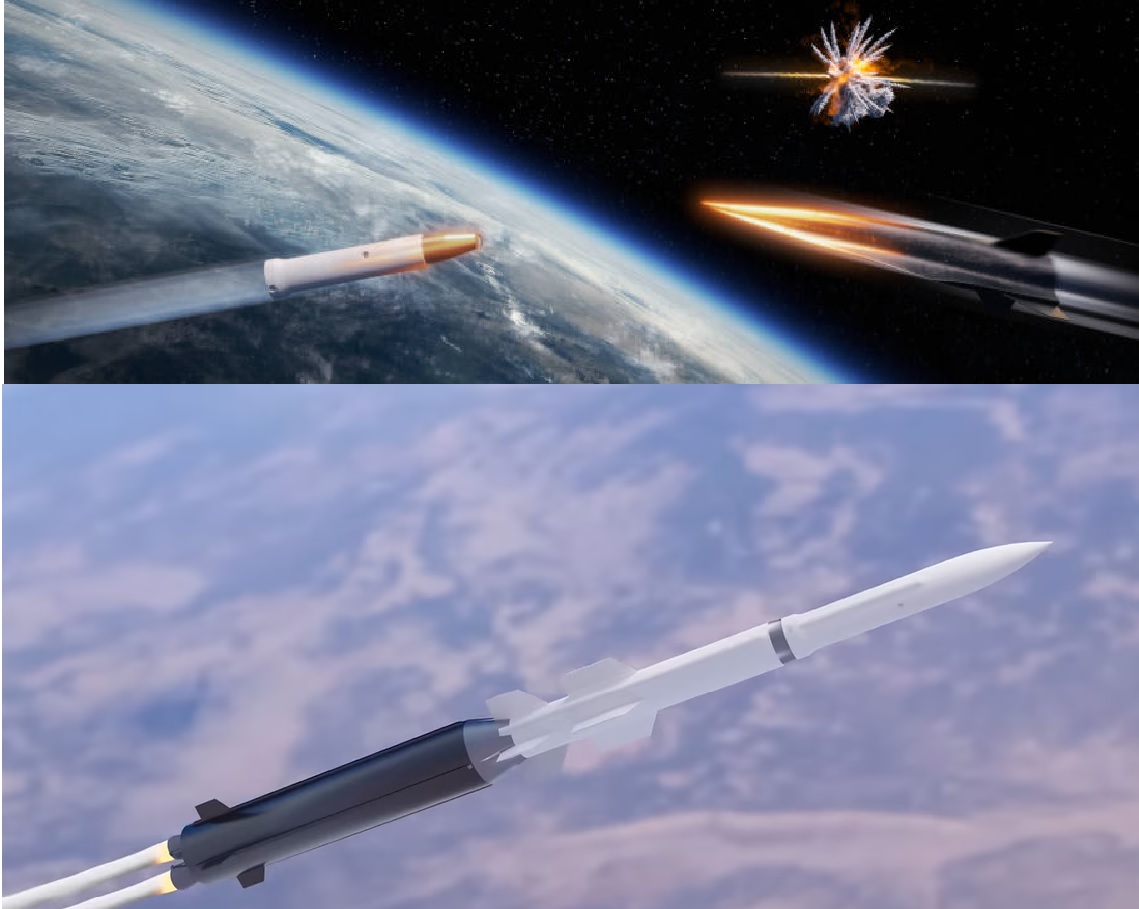 MBDA Develops AQUILA Interceptor to Counter Hypersonic and Maneuvering Missile Threats