
World
Pakistan's federal budget for 2024-25 has sparked criticism for excluding any funding for the welfare of religious minority communities, raising concerns about the government's commitment to inclusivity.Pakistan's newly released federal budget for 2024-25 has completely excluded any financial support for the welfare of religious minority communities, a stark contrast to the previous year’s allocation of 100 million Pakistani rupees (approximately $350,000 USD). This decision has been met with disappointment and concern from minority leaders and human rights advocates.Budget Priorities and ConcernsThe 2024-25 budget, totaling 18.87 trillion rupees ($68 billion USD), significantly increases defense spending by 17% compared to the previous year. However, the budget has drawn criticism for its complete omission of funds dedicated to the welfare of religious minorities, including Christians, Hindus, Sikhs, and others, who constitute less than 5% of Pakistan's population.Although the budget includes an increased allocation of 1,861 million rupees for the Ministry of Religious Affairs and Interfaith Harmony, this is primarily for covering the expenses of Hajj pilgrims. The lack of targeted funds for minority welfare has raised serious questions about the government's commitment to inclusivity and equal treatment of all its citizens.Impact on Minority CommunitiesLeaders from minority communities have highlighted the potential negative impacts of this decision, particularly on vulnerable groups such as students who depend on scholarships and financial aid for their education and religious activities. The absence of government support could further exacerbate existing challenges faced by religious minorities, such as limited access to education and employment opportunities.Historical Context and AdvocacyPakistan's history of dealing with minority affairs has been complex, with the establishment and dismantling of ministries dedicated to minority issues reflecting this contentious relationship. Despite constitutional guarantees of equal rights for all citizens, religious minorities in Pakistan continue to face significant discrimination and marginalization.Minority leaders and human rights organizations are urging the government to reconsider and reinstate funding for minority welfare. They argue that such support is essential for promoting social cohesion, protecting the rights of minorities, and ensuring their full participation in society.Educational DisparitiesOpen-source data reveals that the literacy rate among religious minorities in Pakistan is considerably lower than the national average. For instance, only 34% of Christians are literate, and even fewer pursue higher education. This disparity highlights the urgent need for targeted educational initiatives and financial support within minority communities.Call to ActionAdvocates are calling on the Pakistani government to address this issue by reinstating funding for religious minority welfare in the federal budget. They emphasize that such measures are crucial not only for the well-being of minority communities but also for the broader goal of fostering an inclusive and equitable society.By reinstating these funds, the government can demonstrate a genuine commitment to upholding the rights and dignity of all its citizens, regardless of their religious affiliation.
Read More → Posted on 2024-06-15 15:26:29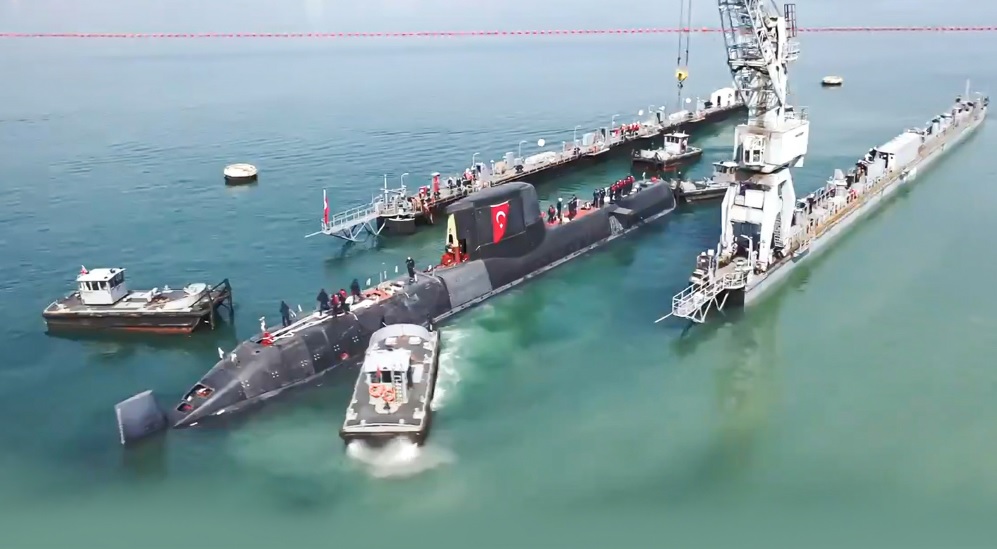
World
The Turkish Navy's Muratreis submarine has been launched, marking progress in Turkey's ambitious New Type Submarine Project.Turkey's naval capabilities have taken a significant step forward with the launch of the Muratreis, the third submarine in the Reis-class fleet. This event occurred at the Gölcük Shipyard Command, part of the broader New Type Submarine Project (YTDP), a €2.06 billion initiative by the Turkish Defense Industry Agency (SSB) in collaboration with ThyssenKrupp Marine Systems (TKMS). The project aims to build six state-of-the-art submarines.The first submarine, TCG Piri Reis, was laid down in 2015 and launched in December 2019. After beginning sea trials in December 2022, it is expected to enter service in 2023. Each following submarine will be commissioned annually until 2027.Reis-class submarines are based on the German Type 214 model. They measure 68.35 meters in length, have a beam of 6.3 meters, and a submerged displacement of approximately 2,050 tons. These submarines are built in two large hangars at the Submarine Production Plant in Gölcük Naval Shipyard. Block A handles welding and hull assembly, while Block B focuses on assembly and outfitting, accommodating three boats simultaneously.A key feature of these submarines is their advanced air-independent propulsion (AIP) systems, which use polymer electrolyte membrane (PEM) fuel cells. This technology allows them to remain submerged for up to three weeks without surfacing, enhancing stealth and operational endurance. Traditionally, AIP systems supplement diesel engines used for surface propulsion.Reis-class submarines are equipped with an array of weaponry, including heavyweight torpedoes, anti-ship missiles, and mines. Their design supports various missions, such as anti-surface and anti-submarine warfare, intelligence gathering, surveillance, reconnaissance, and special operations. They will also feature indigenous Turkish weapons, including AKYA heavy torpedoes and ATMACA anti-ship missiles.The Muratreis' launch underscores Turkey's commitment to enhancing its naval strength and technological capabilities. This project not only aims to bolster Turkey's maritime defense but also signifies the country's growing expertise in advanced submarine construction and military technology.The completion of these submarines will significantly enhance the Turkish Navy's operational reach and effectiveness, ensuring they are well-equipped to handle various maritime threats and missions.
Read More → Posted on 2024-06-15 15:22:26
World
BAE Systems' Beowulf, a highly capable all-terrain vehicle, is set to debut at Eurosatory 2024 in the configuration chosen for the U.S. Army's Cold Weather All-Terrain Vehicle (CATV) program.BAE Systems will showcase its hyper-mobile all-terrain vehicle, Beowulf, at Eurosatory 2024. This vehicle has been selected for the U.S. Army’s Cold Weather All-Terrain Vehicle (CATV) program. Beowulf is designed to operate in extremely challenging environments, including the Arctic, deserts, and jungles. It combines advanced technology with proven reliability, making it a top choice for various demanding missions.Beowulf is an amphibious dual-body vehicle, boasting superior tactical mobility. It uses battle-proven driveline technologies from the BvS10 family of vehicles, known for their durability and reliability. This heritage ensures Beowulf can deliver exceptional performance and high system availability in any terrain.The vehicle’s modern design focuses on operational effectiveness and soldier comfort. It is suitable for a wide range of missions such as search and rescue, defense support to civilian authorities, homeland defense, and disaster relief. The Beowulf's flexible and configurable design can support military operations, training missions, humanitarian aid, firefighting, and rescue operations.Tommy Gustafsson-Rask, managing director of BAE Systems Hägglunds, emphasized the vehicle’s capabilities: “Beowulf is a highly capable vehicle with exceptional performance in extremely challenging terrains such as the Arctic, desert, and jungle environments, from sea level to extreme altitude. We are proud to provide soldiers with this solution.”The Beowulf leverages commercial automotive technologies to enhance crew comfort and reduce maintenance needs. Its flexible cabin and intuitive user interface make it ideal for operations where the BvS10's survivability and weaponry are not required. This adaptability ensures the vehicle can meet the demands of both military and civilian applications.Selected by the U.S. Army in 2022, Beowulf replaces older platforms for Arctic operations. It provides a modernized ground platform solution for extended operations and force projection in harsh environments.In summary, BAE Systems' Beowulf is a versatile, reliable, and highly capable all-terrain vehicle designed to support a wide range of missions in the most challenging environments on earth.
Read More → Posted on 2024-06-15 15:15:06
World
The Philippines is building its first BrahMos anti-ship missile base at Naval Station Leovigildo Gantioqui in Zambales, aiming to enhance its defense capabilities amid regional tensions with China.The Philippines is making significant strides in its defense modernization with the construction of its first BrahMos anti-ship missile base at Naval Station Leovigildo Gantioqui in Zambales. Situated strategically to face the South China Sea, this development marks a critical step for the country amid ongoing territorial disputes with China.In 2022, the Philippines procured three BrahMos missile batteries and technical support for the Philippine Marine Corps Coastal Defense Regiment through a $375 million deal with India. This purchase represents the first international sale of India's supersonic cruise missile system and has reportedly sparked interest from other Southeast Asian countries, such as Vietnam and Indonesia.Construction of the BrahMos base began shortly after the deal was finalized. The facilities, though smaller due to reduced missile capacity, are modeled after operational Indian BrahMos bases. The site includes a high-bay facility for maintenance and testing, a sheltered magazine bunker for missile storage, and plans suggest a garage for missile launchers will be added soon.Located in Western Luzon, the base allows the Philippines to target areas within 290-300 kilometers, including the contested Scarborough Shoal, occupied by China since 2012. The mobile nature of the BrahMos system enhances its flexibility, enabling relocation to different firing positions to evade counterstrikes.Other potential deployment sites include Camp Cape Bojeador in Ilocos Norte, covering the Luzon Strait, and islands such as Lubang and Calayan, which overlook key maritime access points.The procurement of BrahMos missiles was strongly supported by former Defense Secretary Delfin Lorenzana as a crucial deterrent against threats to Philippine sovereignty, particularly in the West Philippine Sea. The Philippine Army has also shown interest in acquiring BrahMos systems for coastal defense missions in the future.To improve operational capabilities with this advanced missile system, the Philippines has engaged in joint exercises with the United States. These drills focus on integrating networks for target identification and executing strikes using a combination of aircraft, artillery, and missiles.The establishment of this missile base is a significant move in the Philippines' ongoing efforts to enhance its national defense and assert its territorial claims in the region. As construction progresses, the base is expected to play a pivotal role in the country's strategic defense infrastructure.
Read More → Posted on 2024-06-15 15:04:11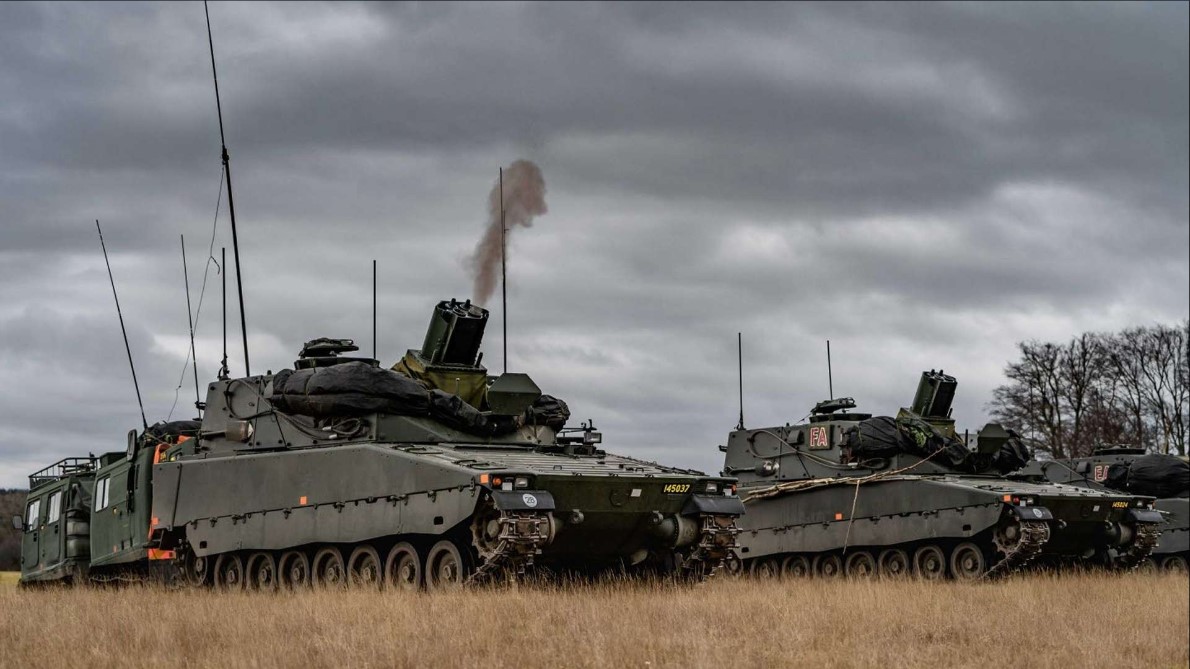
World
The Dutch Ministry of Defense has announced the acquisition of advanced 120mm mortar systems based on the CV90 infantry fighting vehicle, provided by Swedish manufacturer BAE Hägglunds. These new systems will replace the older 81mm mortars, offering enhanced range, rate of fire, and protection for soldiers.The Dutch Ministry of Defense has announced plans to enhance its fire support capabilities by acquiring 120mm mortar systems mounted on CV90 infantry fighting vehicles. This acquisition, from the Swedish defense manufacturer BAE Hägglunds, aims to modernize the Dutch Army’s artillery capabilities and is expected to be fully implemented by 2028.The new 120mm mortars will replace the current 81mm systems, significantly increasing operational range and effectiveness. While the existing 81mm mortars have a maximum range of about 6 kilometers, the new 120mm mortars will extend this to between 7 and 12 kilometers. Additionally, the new mortars will offer a higher rate of fire, enhancing battlefield responsiveness.One of the key advantages of the new systems is their integration with modern command, control, communications, and intelligence (C4I) technologies. These advancements will include GPS-guided munitions, greatly improving the accuracy and effectiveness of mortar fire. The integration of C4I technologies ensures that the Dutch Army can maintain superior coordination and precision in combat scenarios.Unlike the older mortars, which are transported in smaller Fennek reconnaissance vehicles and require manual setup, the new 120mm systems will be mounted on the robust CV90 chassis. This design choice provides enhanced armor protection for soldiers and eliminates the need for dismounting to operate the weapons. The CV90 chassis also offers more space for personnel, ammunition, and equipment, improving overall operational efficiency and safety.Currently, the majority of the Dutch Army’s CV90s are undergoing a midlife upgrade (MLU) to extend their operational lifespan. As part of this initiative, approximately 15 CV90s from the logistical reserve, which were not initially scheduled for MLU, will receive new turrets housing the dual-barrel mortar system. These vehicles will be upgraded to meet MLU standards by 2028, aligning with the deployment timeline of the new mortar systems.This development is part of a broader strategy to enhance the Dutch Army’s fire support capabilities, ensuring they remain effective in modern combat situations. By adopting the CV90 120mm mortar system, the Netherlands follows the lead of Sweden, another NATO member, which has already integrated this advanced system into its forces.In summary, the acquisition of the 120mm mortar systems marks a significant step forward in the modernization of the Dutch military. The improved range, rate of fire, and integration of advanced technologies will provide a substantial boost to the operational effectiveness and safety of Dutch forces in future combat operations.
Read More → Posted on 2024-06-14 16:02:15
World
Chinese researchers have developed a new ferroelectric material promising nearly infinite lifespan for storage chips, potentially revolutionizing data centers and applications in extreme environments.Chinese scientists have announced a groundbreaking development in the field of storage technology: a new type of ferroelectric material that could extend the lifespan of storage chips to nearly infinite levels. This advancement could significantly reduce data center costs and find applications in deep-sea exploration and aerospace.Ferroelectric materials, known for their low power consumption and fast, lossless read/write capabilities, are essential in making storage chips. These materials rapidly switch states under an electric field, a process called polarization, which remains stable even after the field is removed. This characteristic makes them ideal for use in storage technology, sensors, and energy-harvesting devices.However, traditional ferroelectric materials, such as lead zirconate titanate (PZT), suffer from ferroelectric fatigue. This fatigue, caused by defects in the materials, leads to performance degradation and eventual failure. When charges flow during storage and read processes, these defects move and accumulate, eventually blocking the polarization process and causing device failure.A team led by Professor Zhong Zhicheng from the Ningbo Institute of Materials Technology and Engineering, part of the Chinese Academy of Sciences (CAS), along with Professor Liu Fucai from the University of Electronic Science and Technology of China and Professor Li Wenwu from Fudan University, set out to tackle this issue. Their research, published in the peer-reviewed journal Science on June 7, focused on improving the material's structure to prevent fatigue.Using AI-assisted atomic-level simulations, the team discovered that two-dimensional sliding ferroelectric materials shift as a whole during charge transfer under an electric field. This prevents the movement and accumulation of charged defects, thus avoiding fatigue. The result was a nanometre-thick two-dimensional layered material called 3R-MoS2.Laboratory tests showed that 3R-MoS2 exhibited zero performance degradation after millions of cycles, indicating that storage devices made from this new material have no read/write limitations. In contrast, traditional ferroelectric materials like PZT allow for only tens of thousands of read/write cycles before failing.The potential applications of this new material are vast. Storage chips made from 3R-MoS2 would be extremely durable, making them suitable for extreme environments such as aerospace and deep-sea exploration. Additionally, the material's tiny size could significantly increase storage density in large-scale applications like data centers.This development comes in the context of ongoing technological advancements in China, particularly following the US sanctions on Chinese tech firms. In 2022, China’s leading memory chip producer, Yangtze Memory Technologies Co, was placed on the US government trade blacklist, prompting China to invest heavily in developing new technologies to replace restricted equipment. As a result, China has achieved mass production of storage chips, breaking the monopoly previously held by foreign manufacturers and dramatically reducing the price of storage chips by up to 90% over the past year.In related research, the Massachusetts Institute of Technology (MIT) and Cornell University have also explored the potential of multilayered materials for storage chips, focusing on boron nitride. Their findings, also published in Science on June 7, suggest that multilayered materials could offer significant advancements in storage technology.The Chinese team's breakthrough with 3R-MoS2 marks a significant step forward in the field of storage technology, potentially reshaping the future of data storage and high-tech applications.
Read More → Posted on 2024-06-14 15:58:14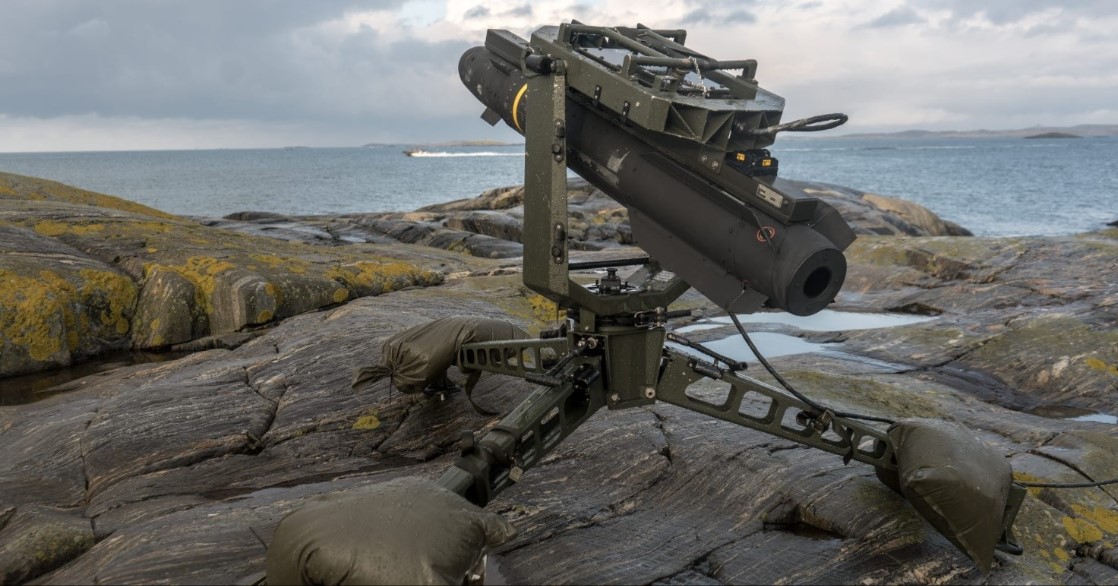
World
Sweden is modernizing its coastal defense with the RBS 18 anti-ship missile, enhancing the capabilities of its CB 90 combat boats.The Swedish Navy is taking significant steps to modernize its coastal defense capabilities. A key part of this initiative is the introduction of a new surface-to-surface anti-ship missile, designated RBS 18, set to replace the current man-portable Hellfire-missile system. This new missile will be integrated into the CB 90 combat boats, a staple in the Swedish Navy’s fleet.Modernizing the CB 90 Combat BoatThe CB 90 combat boats, known for their speed and agility, are just under 16 meters in length and 4 meters in width. Despite their size, these boats need to accommodate the RBS 18 missiles, posing a challenge given the limited space. This small size often restricts the types of weapons that can be mounted on such vessels. For instance, MBDA’s MARTE MK2/N, a medium-range lightweight anti-ship missile system, requires a minimum vessel length of 25 meters. However, the CB 90’s specifications do fit within the weight limits for a twin-launcher system, indicating that the Swedish Navy is aiming for a substantial anti-ship weapon rather than a modified anti-tank missile.The Amfbat 2030 ProgramThe RBS 18 missile procurement is part of the broader Amfbat 2030 program, which aims to enhance the capabilities of the Swedish marine battalions. This program focuses on increasing lethality and mobility for littoral units, enabling them to engage from their vessels without needing to disembark. To support this, the program includes acquiring new sensors, vessels, and weapons.One significant contract already placed under this program is for shipboard mortars, providing indirect fire-support capability. Additionally, tenders for short and very-short-range air defense missiles and eight anti-aircraft guns for the CB 90 are also underway. These anti-aircraft guns, reportedly in caliber 30 × 173 mm, are becoming increasingly popular for vehicle mounts due to their effectiveness.Financial Investment and Future PlansThe scale of these tenders is notable, with the anti-ship missile deal valued at approximately 268 million euros and the air defense guns at around 166 million euros. Interestingly, the decision to base these tenders on the current CB 90 combat boats is somewhat surprising. Despite the CB 90HSM being the most modern variant, the original hull design might face challenges regarding space and stability when equipped with larger weapons. This concern has already influenced the decision to procure a new vessel for the recently acquired mortar turrets.Looking AheadThe future of the CB 90 combat boats and their role in Sweden’s coastal defense remains to be seen. Whether the new systems, including the RBS 18 missiles, will be mounted on a modified version of the CB 90 or an entirely new vessel is still under consideration. This modernization effort underscores Sweden's commitment to enhancing its coastal defense capabilities in the face of evolving maritime threats.
Read More → Posted on 2024-06-14 15:38:22
World
The US military has grounded its fleet of V-22 Osprey aircraft until mid-2025 due to ongoing safety concerns following a series of fatal crashes. Efforts to address mechanical issues and improve safety measures are underway.The US military has grounded nearly 400 V-22 Osprey aircraft across all branches until at least mid-2025. This decision follows a series of crashes that resulted in the deaths of 20 service members over the past two years. The grounding was announced by US Naval Air Systems Command (NAVAIR) chief Vice Adm. Carl Chebi during a House oversight hearing.The primary issue behind the grounding is the persistent clutch failure that caused a fatal crash in June 2022 in California. NAVAIR is conducting comprehensive safety and performance assessments, which are expected to take another six to nine months to complete. Vice Adm. Chebi emphasized the importance of addressing all safety concerns before allowing the Ospreys to resume unrestricted flight operations.Since the V-22 Osprey's induction in 2007, the aircraft has been involved in several accidents, resulting in 64 deaths and 93 injuries among service members. The most alarming period occurred between March 2022 and November 2023, with four fatal crashes, including one off the coast of Japan that killed eight American soldiers. This incident led to the grounding of V-22 fleets in both the US and Japan for investigations.In March, the US military permitted the Ospreys to fly again but only under a "limited envelope," restricting missions to within 30 minutes of a suitable airfield. Despite these precautions, the decision to extend the restricted flight status underscores the severity of the safety issues.The House Committee on Oversight and Accountability initiated a separate investigation into the V-22 program in December 2023, expressing frustrations over the lack of access to safety records. Rep. Stephen Lynch of Massachusetts warned that another accident could lead to the termination of the V-22 program, citing the repeated fatalities as unacceptable.The V-22 Osprey, a tiltrotor aircraft capable of vertical takeoff and landing, has been a critical asset for the US military. Its unique design allows it to perform various missions, including troop transport, medevac, and cargo lift. However, the ongoing safety concerns and mechanical issues have overshadowed its operational capabilities.As the US military continues to address these problems, the future of the V-22 program remains uncertain. The extended grounding period aims to ensure the safety of service members and restore confidence in the aircraft's reliability. Until all safety issues are resolved, the V-22 Ospreys will remain grounded, and their return to full flight status will depend on the successful implementation of necessary improvements.
Read More → Posted on 2024-06-14 15:27:53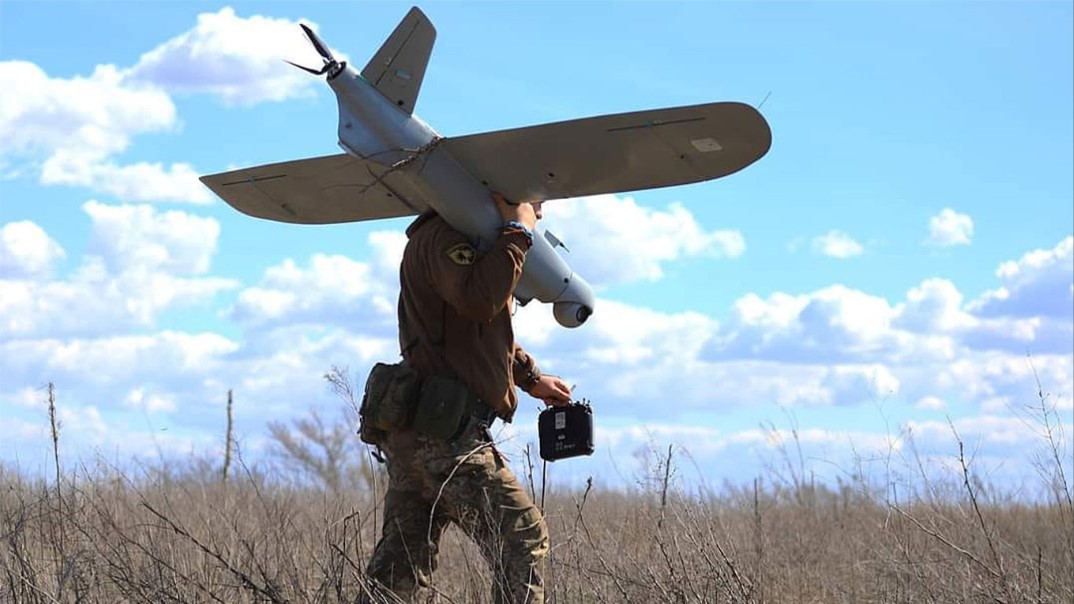
World
Russia intercepts 87 Ukrainian drones, preventing major damage but causing power cuts in several regions.Russia announced on Friday that it had intercepted 87 Ukrainian drones overnight. Among these, 70 targeted the Rostov region, home to the headquarters of Russia's military operations against Ukraine. The Russian defense ministry described the attempted drone attacks as a "terrorist attack" orchestrated by Kyiv, claiming it was successfully thwarted.In addition to the 70 drones intercepted over Rostov, the defense ministry reported downing six drones each over the Kursk and Voronezh regions, and two each over the Volgograd and Belgorod regions, which border Ukraine.Rostov's regional governor, Vasily Golubev, confirmed that there were no human casualties from the attacks. However, the drone strikes did cause power outages in various areas. In Voronezh, falling debris slightly damaged a fuel reservoir, as reported by regional governor Aleksander Gusev.The attacks underscore the ongoing tensions and conflict between Russia and Ukraine, with both sides frequently engaging in drone warfare. Such incidents have become more common, affecting both military and civilian infrastructure.The downing of these drones by Russian air defenses highlights the continuous effort by Russia to protect its regions from aerial threats amid the ongoing conflict with Ukraine. As the situation evolves, both sides remain vigilant, with further drone attacks and interceptions likely to continue.For more detailed coverage and updates on the conflict, please refer to reliable news sources and official statements from regional authorities.
Read More → Posted on 2024-06-14 15:11:05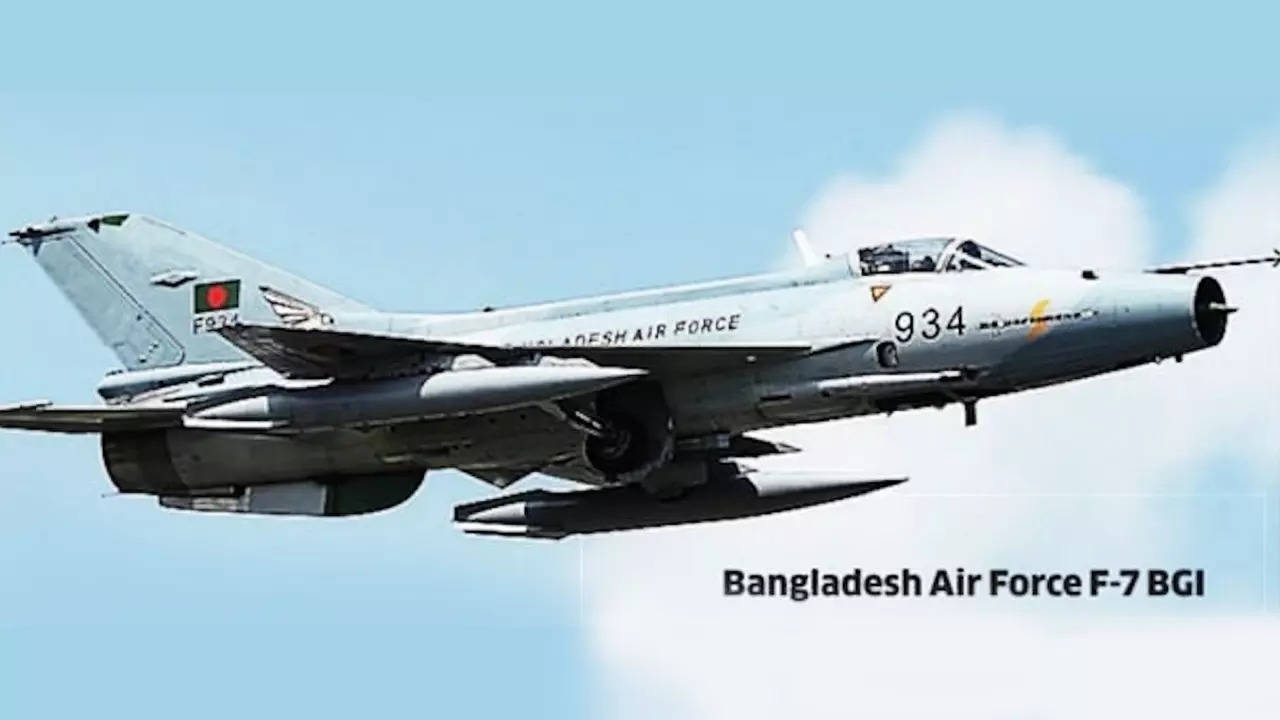
World
Bangladesh has formally complained to China about defective components and technical issues in its imported military hardware, including problems with aircraft, tanks, and naval vessels.Bangladesh, a long-time purchaser of Chinese military equipment, has formally lodged complaints with Beijing regarding defective components and technical issues affecting its imported defense systems. These issues have raised significant concerns within the Bangladesh military, encompassing various branches including the Navy, Air Force, and Army.The Bangladesh Navy has reported multiple defects in Chinese-made corvettes, patrol crafts, and onshore patrol vehicles, citing manufacturing flaws and technical difficulties. This extends to two recently acquired Chinese frigates, which experienced numerous issues shortly after their arrival. Chinese companies demanded additional payments to fix these defects, further complicating the situation.Similarly, the Bangladesh Air Force has encountered significant problems with its Chinese-made F-7 fighter jets and short-range air defense systems. Additionally, the K-8W aircraft, another product of Chinese manufacturing, has faced challenges with ammunition firing. The airborne interception radars and fighter aircraft radars supplied by China have also failed to meet accuracy standards.The Bangladesh Army is not immune to these difficulties. The Main Battle Tanks (MBT 2000) imported from China's North Industries Corporation (NORINCO) have suffered from a lack of necessary parts for repair and maintenance, hampering their operational readiness.These issues are not new for Bangladesh. A decade ago, the country purchased two refurbished Ming-class submarines from China, only to later discover that they were obsolete. Additionally, the Bangladesh Navy had to deal with problems related to the C704 missile system on the warship 'BNS Nirmul', with the supplying company, China Vanguard Industry Co. Ltd. (CVIC), only agreeing to an upgrade at an extra cost.In a move reflecting broader dissatisfaction, Bangladesh decided to replace 36 out of 45 Chinese-made Multi Launch Rocket System (MLRS) units with Turkish-made alternatives. This decision highlights the ongoing challenges and reliability issues with Chinese military equipment.Bangladesh is not the only country facing such problems. Myanmar, among others, has also reported issues with Chinese fighter jets. Experts on the Chinese defense industry argue that China lacks the expertise to produce highly sophisticated military equipment and often relies on outdated technology copied from the West.Despite these issues, many developing countries continue to purchase Chinese weapons due to their lower cost compared to Western alternatives. China conducts its arms sales through state-run export organizations such as the Aviation Industry Corporation of China (AVIC), NORINCO, and CVIC.These ongoing problems with Chinese military hardware are prompting Bangladesh to reconsider its defense procurement strategies, potentially seeking more reliable alternatives to ensure the effectiveness and safety of its military forces.
Read More → Posted on 2024-06-14 15:03:47
World
The end of the US-Saudi petrodollar deal allows Saudi Arabia to sell oil in various currencies, potentially diminishing the US dollar's global dominance.The US-Saudi Arabia petrodollar agreement, a cornerstone of global finance for the past 80 years, has officially ended. Established on June 8, 1974, this deal allowed Saudi Arabia to trade its crude oil exclusively in US dollars in exchange for military support from the United States. The expiration of this deal on June 9, 2024, marks a significant shift in international economic dynamics.What Are Petrodollars?Petrodollars refer to US dollars earned by oil-exporting countries from the sale of crude oil. Though not a separate currency, the term highlights the economic power of oil sales conducted in US dollars. The concept of petrodollars emerged in the early 1970s and has been a critical factor in global economics and geopolitics.Historical ContextThe roots of the petrodollar system can be traced back to the Bretton Woods Agreement of 1944, which established the US dollar as the world’s primary reserve currency, pegged to gold. This system brought stability to the international monetary system post-World War II. However, in 1971, US President Richard Nixon ended the dollar's convertibility to gold, leading to floating exchange rates and increased currency volatility.The early 1970s also saw the Organization of Petroleum Exporting Countries (OPEC) imposing an oil embargo in response to US support for Israel during the Yom Kippur War. This embargo caused oil prices to soar. To stabilize the situation, the US struck a deal with Saudi Arabia and other OPEC nations, agreeing that oil would be traded exclusively in US dollars. In return, the US provided military protection and economic support, solidifying the petrodollar system.The 1974 US-Saudi Petrodollar DealDuring the 1974 oil crisis, the US and Saudi Arabia reached a pivotal agreement. The US committed to purchasing oil from Saudi Arabia and providing military aid and equipment. In exchange, Saudi Arabia agreed to invest its petrodollar revenues back into the US economy. This deal ensured a reliable oil supply for the US and financial stability for Saudi Arabia, creating a mutually beneficial relationship.What Happens Now?With the expiration of this deal, Saudi Arabia is now free to sell oil in multiple currencies, including the yuan, euros, rubles, and yen. Additionally, Saudi Arabia is exploring the possibility of accepting digital currencies like Bitcoin for oil transactions. This shift could accelerate the trend of using alternative currencies in international trade, potentially weakening the US dollar's global dominance.The decline in demand for the US dollar may lead to higher inflation, increased interest rates, and a weaker bond market in the United States. These changes reflect a significant transformation in the global financial landscape, signaling the end of an era dominated by the petrodollar system.Broader ImplicationsThe expiration of the US-Saudi petrodollar deal opens the door for a more diversified and multipolar global financial system. Countries that have been reliant on the US dollar for oil transactions may now have the opportunity to engage in trade using their own currencies or alternative global currencies. This could lead to a more balanced distribution of economic power and influence across the globe.In summary, the end of the US-Saudi petrodollar deal marks a pivotal moment in global finance. As Saudi Arabia begins to trade oil in various currencies, the implications for the US dollar's dominance and the broader international economic system are profound. This shift may pave the way for a new era in global trade and finance, characterized by greater currency diversity and reduced dependency on the US dollar.
Read More → Posted on 2024-06-14 07:03:37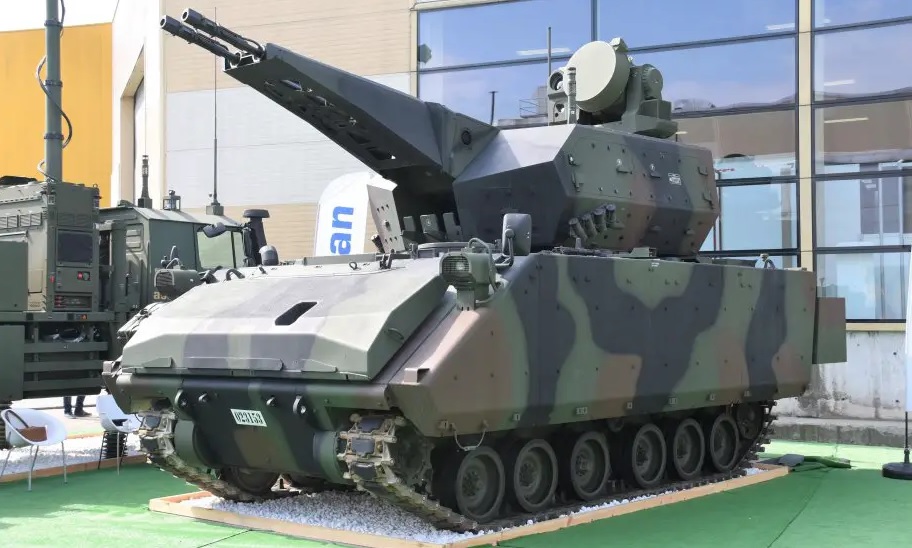
World
ASELSAN will present its KORKUT Air Defence Gun System on an 8x8 vehicle at Eurosatory 2024, demonstrating advanced, adaptable air defense capabilities. KORKUT features a twin barrel 35 mm turret, air burst ammunition, and automatic target tracking for comprehensive protection.ASELSAN, Türkiye’s leading defense company, will present its latest solutions and extensive product range at Eurosatory 2024 from 17-21 June. A notable highlight will be the KORKUT Air Defence Gun System, showcased on an 8x8 vehicle for the first time internationally.ASELSAN is renowned for its expertise in air defense, offering advanced, integrated solutions to meet the demands of modern warfare. The KORKUT system, already part of the Turkish Armed Forces’ inventory in a tracked vehicle configuration, demonstrates remarkable adaptability. It can be configured for stationary use, or integrated on tracked or 8x8 vehicles, ensuring effective performance in diverse environments and challenging terrains.The KORKUT system is designed to protect mobile units and mechanized troops with its stabilized, unmanned gun turret capable of firing on the move. It features the ATOM 35 mm Airburst Ammunition, also developed by ASELSAN, to counter a variety of threats including helicopters, aircraft, cruise missiles, air-to-ground missiles, and unmanned aerial vehicles (UAVs).Key features of the KORKUT Air Defence Gun System include:Twin Barrel 35 mm Gun Turret: Capable of firing at a rate of 2 x 550 rounds per minute.Air Burst Ammunition: Effective against fixed-wing and rotary-wing aircraft, cruise missiles, air-to-ground missiles, and UAVs.Automatic Linkless Ammunition Feed Mechanism (ALAFM): Allows loading two different types of ammunition simultaneously and switching between them in less than 15 seconds.Stabilized Gun Turret: Enables target tracking and firing on the move.Automatic Target Tracking: Utilizes an integrated tracking platform with radar and electro-optical (E/O) sensors.Additionally, the KORKUT Command and Control Vehicle enhances operational effectiveness with:3D Search Radar: For comprehensive target acquisition and tracking.Advanced Threat Evaluation: Implements sophisticated weapon assignment algorithms.Integrated IFF System: Ensures identification of friend or foe.Coordinated Operations: Facilitates collaboration with higher echelon command and control units.The showcase at Eurosatory 2024 underscores ASELSAN's commitment to delivering advanced air defense solutions that adapt to evolving operational needs, enhancing the capabilities of defense forces worldwide.
Read More → Posted on 2024-06-13 16:23:08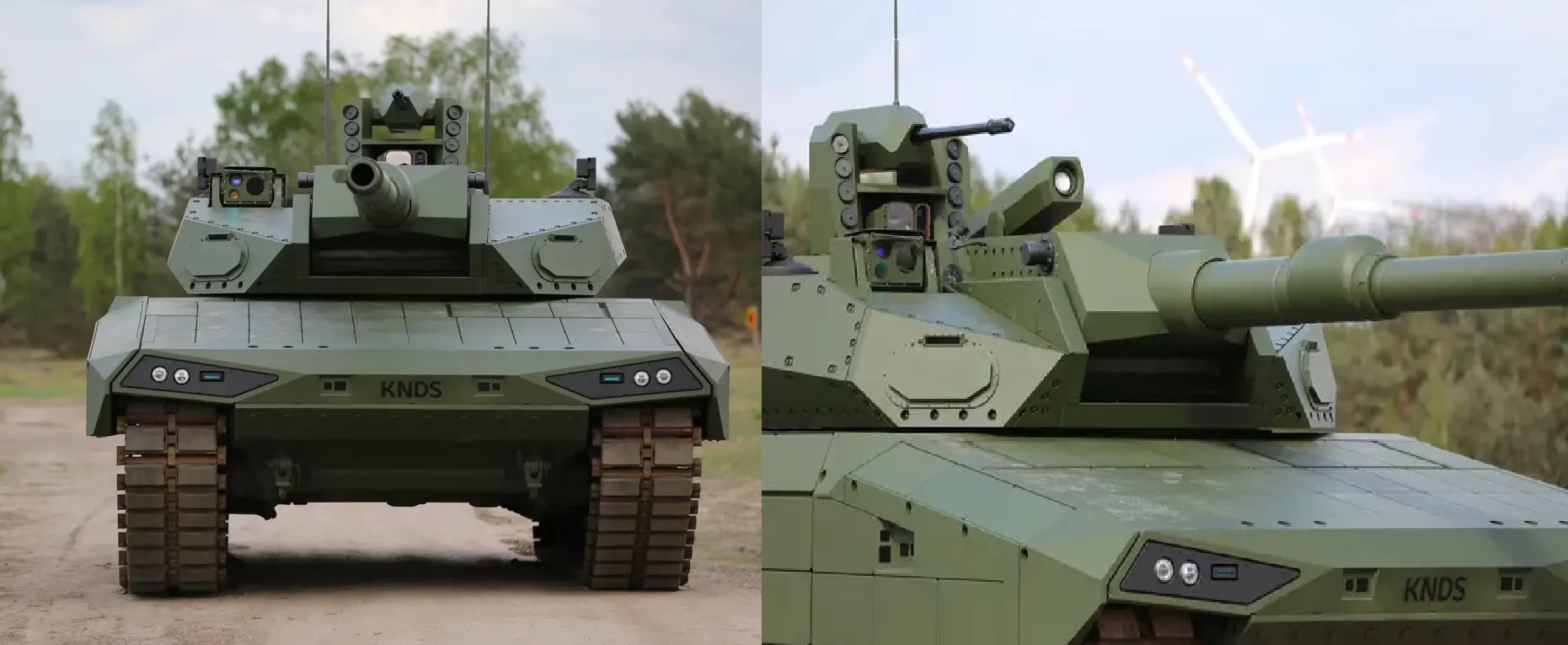
World
The Leopard 2 A-RC 3.0, developed by KNDS, features an unmanned turret and advanced protection systems, enhancing crew safety and combat effectiveness in modern armored warfare.KNDS (KMW + NEXTER Defense Systems) has introduced the Leopard 2 A-RC 3.0, an advanced variant of the Leopard 2 tank featuring an unmanned turret. This significant innovation enhances capabilities and crew protection, reflecting a pivotal evolution in armored combat vehicles.Key Features and InnovationsThe Leopard 2 A-RC 3.0 stands out due to its unmanned turret, a design that redefines tank operation and crew safety. The turret's unmanned nature allows the crew to be relocated to a heavily protected compartment, reducing onboard personnel to three. This compartment offers maximum protection, significantly improving crew survivability in hostile environments.Armor and Protection:The tank is equipped with reactive armor and has the potential for an integrated active protection system, enhancing its defensive capabilities against various threats.Firepower:The turret supports 120mm, 130mm, or 140mm guns, making it versatile for different combat scenarios. An automatic loading mechanism enables the firing of three shots in just 10 seconds.The exact ammunition capacity is undisclosed but exceeds the standard load of the traditional Leopard 2.It can be outfitted with a remote weapon system, including a 30x113mm gun and a mortar for deploying smoke screens.The system can integrate anti-tank missiles and drones, extending combat capabilities beyond conventional engagements.A guided missile system allows for engaging targets beyond line of sight while moving.A remote-controlled 30mm weapon system enhances its ability to counter near-field and aerial threats.Design and Dimensions:The turret's low-profile design minimizes visibility, making the tank a more elusive target.Dimensions: 7.95 meters in length (11.17 meters including the gun), 3.73 meters in width, and 2.4 meters in height (2.84 meters with the periscope).Ground clearance is 500 millimeters, combining robust protection with impressive mobility.Performance:Powered by a 1500-horsepower engine, the tank can reach speeds of up to 65 kilometers per hour.Maximum road range is 460 kilometers, ensuring swift navigation across diverse terrains.Weight varies around 60 tons, depending on the configuration.Strategic SignificanceThe Leopard 2 A-RC 3.0 is not just an interim solution before the Main Ground Combat System (MGCS) but also a technological precursor to it. It maintains full backward compatibility, allowing current Leopard 2 variants to be upgraded to this new standard. This modular approach ensures the tank can be customized to meet specific customer needs.Development ContextThe unveiling of the Leopard 2 A-RC 3.0 follows a breakthrough agreement between Germany and France to develop the MGCS, intended to replace both the Leopard 2 and the French Leclerc. KNDS, alongside Rheinmetall, will lead this ambitious project, with Nexter manufacturing 50% of the systems, while the remaining half is shared between the two German contractors.
Read More → Posted on 2024-06-13 16:15:58
World
Hezbollah launched a major coordinated attack on Israeli military sites, including rocket and drone strikes, in retaliation for the killing of a senior commander by Israel. This escalation marks the largest drone offensive by Hezbollah in the ongoing conflict.Hezbollah, the Lebanon-based militant group, significantly escalated hostilities along Lebanon's southern border by launching a series of coordinated attacks on Israeli military sites. This marked the second consecutive day of intensified conflict, prompted by the killing of a senior Hezbollah commander in an Israeli airstrike.Details of the AttackOn Thursday, Hezbollah announced it had targeted nine Israeli military sites with rockets and weaponized drones. This large-scale attack involved volleys of Katyusha and Falaq rockets fired at six locations and the launch of drones at three significant targets: Israel's northern command headquarters, an intelligence headquarters, and a military barracks.According to Al-Manar television, Hezbollah fired more than 100 rockets simultaneously, marking a significant escalation in their military activities. A security source informed Reuters that the drone attack included at least 30 drones, the largest such offensive by Hezbollah in the ongoing conflict, which has been active for eight months.Background and RetaliationThe escalation followed an Israeli strike on Tuesday that killed a senior Hezbollah field commander. In response, Hezbollah carried out at least eight attacks on Wednesday. The group's statement emphasized that Thursday's operations were a direct retaliation for the commander's death.Since the outbreak of the Gaza war in October, Hezbollah and Israel have exchanged fire intermittently. However, the killing of the Hezbollah commander triggered a notable increase in hostilities over the past two days.Broader ContextHezbollah, backed by Iran, has long been involved in regional conflicts and has a history of hostilities with Israel. The group's increased use of drones and coordinated rocket attacks signifies a shift in its military strategy, aiming to leverage advanced technology for more impactful strikes. Israel's northern command, the intelligence headquarters, and military barracks targeted in the drone attacks are critical to the country's defense infrastructure. Hezbollah's capability to conduct such large-scale drone offensives indicates a significant enhancement in its operational capacity.ImplicationsThe latest attacks underscore the volatile and escalating nature of the conflict between Hezbollah and Israel. This increase in hostilities poses a substantial risk to regional stability and could lead to further military engagements.ConclusionThe recent escalation by Hezbollah highlights the ongoing and intensifying conflict with Israel. With advanced weaponry and coordinated attacks, the group continues to challenge Israeli military operations, raising concerns over broader regional implications.
Read More → Posted on 2024-06-13 16:10:41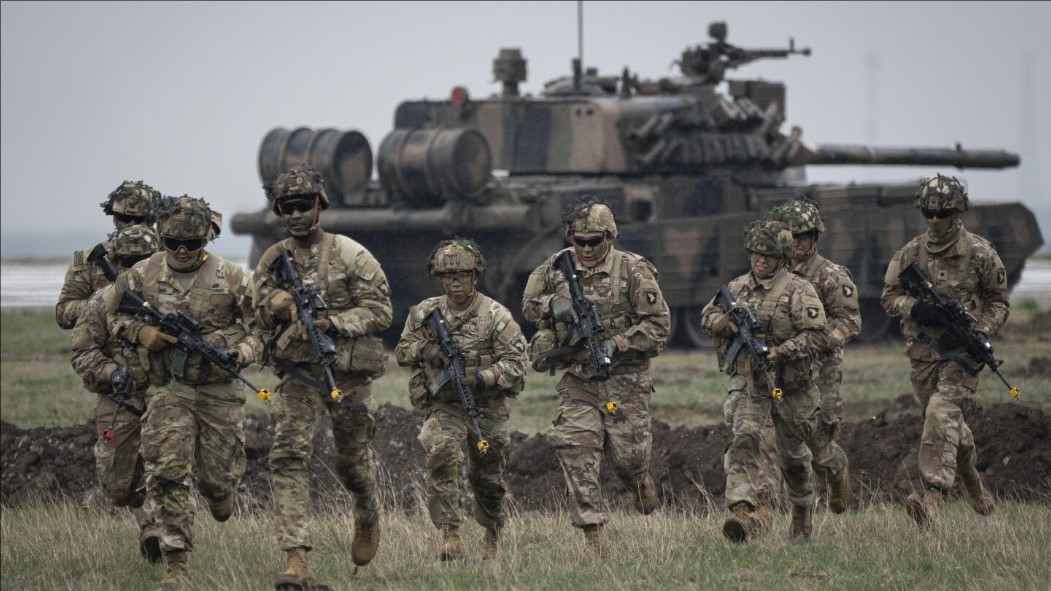
World
NATO has surpassed its target of placing 300,000 troops on high-readiness, a measure taken in response to the threat from Russia. However, the alliance still faces significant equipment shortages that need to be addressed.NATO has surpassed its goal of placing 300,000 troops on high-readiness in response to the ongoing threat from Russia, according to a senior alliance official. This significant milestone comes after NATO leaders, prompted by Russia's invasion of Ukraine in 2022, committed to dramatically increasing the number of forces that can be deployed within 30 days.The official, speaking anonymously, confirmed that member countries' troop contributions have comfortably exceeded the set target. "The offers on the table from allies comfortably exceed the 300,000 that we set," the official stated. "These are forces which allies have said to us, 'They are available to you as of now at that level of readiness.'"This increase in high-readiness troops is part of a broader effort to modernize NATO's defensive strategies and ensure a robust response capability in the event of a Russian attack. The plans, agreed upon at a NATO summit last year, define the specific roles and responsibilities of each member country in the event of an invasion.Despite the successful increase in troop readiness, NATO faces significant challenges in meeting its equipment needs. The alliance has identified shortages in critical weaponry, including air defenses and longer-range missiles. "There are capability gaps," the official acknowledged. "There are things that we don't have enough of as an alliance at the moment, and we need to tackle."To address these shortfalls, NATO is focusing on enhancing its military capabilities and ensuring that its forces are well-equipped to execute the new defensive plans. This includes increasing investments in modern weaponry and improving coordination among member states to fill existing gaps.
Read More → Posted on 2024-06-13 15:56:18Search
Top Trending in 24 Hours
-
 Iranian Media Leaks 14-Point U.S.-Iran Peace Framework Amid Ongoing Negotiations
-
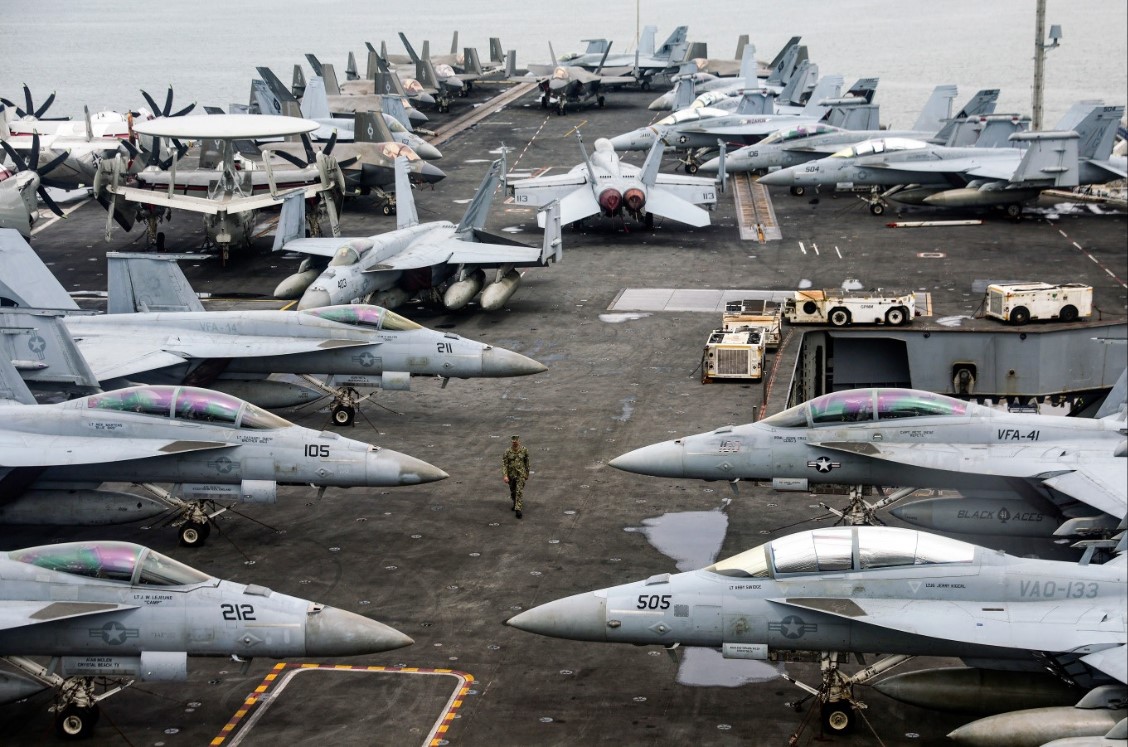 US Plans Significant Reduction of Fighter Jets and Warships for NATO Operations in Europe
-
 UAE Urgently Airlifts Cheongung-II Missile Defense Battery From South Korea Using Eight C-17 Aircraft
-
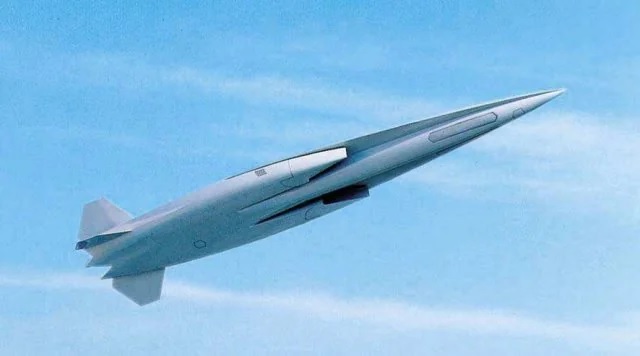 France Awards MBDA Contract to Develop ASN4G Hypersonic Nuclear Missile to Replace ASMPA-R
-
 BAE Systems Unveils Next-Generation Digital Indirect Fire Control System at Eurosatory 2026
-
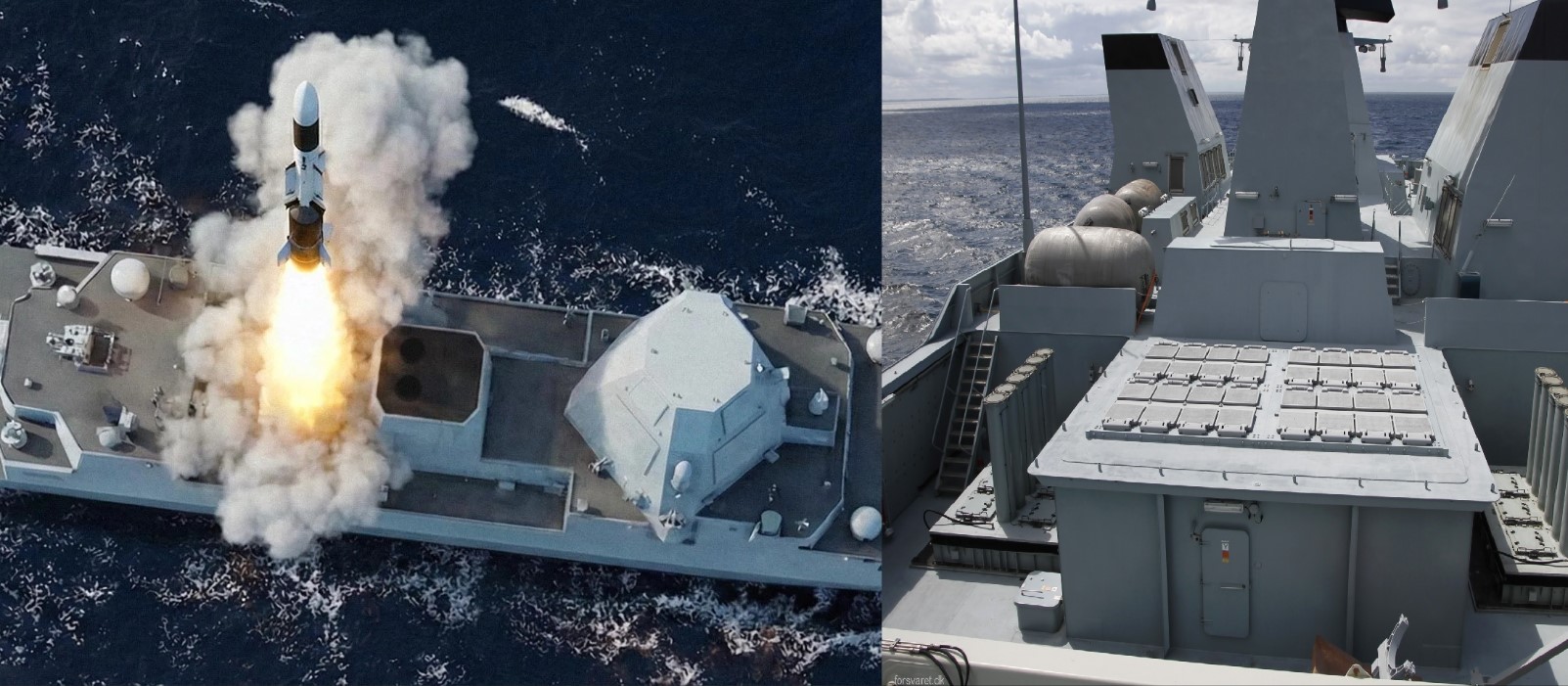 Engineering Challenges Behind the US Navy's Decision to Drop MK41 VLS from Flight I FF(X) Frigates
-
 U.S. Air Force Faces Strategic Airlift Shortfall as C-17 Production Restart Remains Uncertain
-
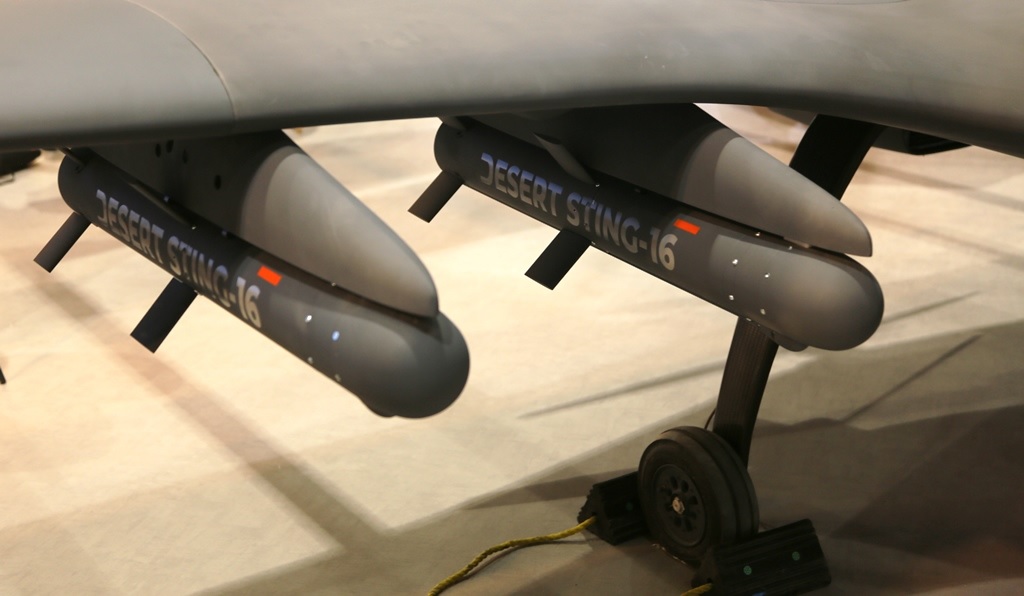 EDGE Integrates Desert Sting 16 Precision-Guided Munition with Bayraktar TB2 UAV
Top Trending in 4 Days
-
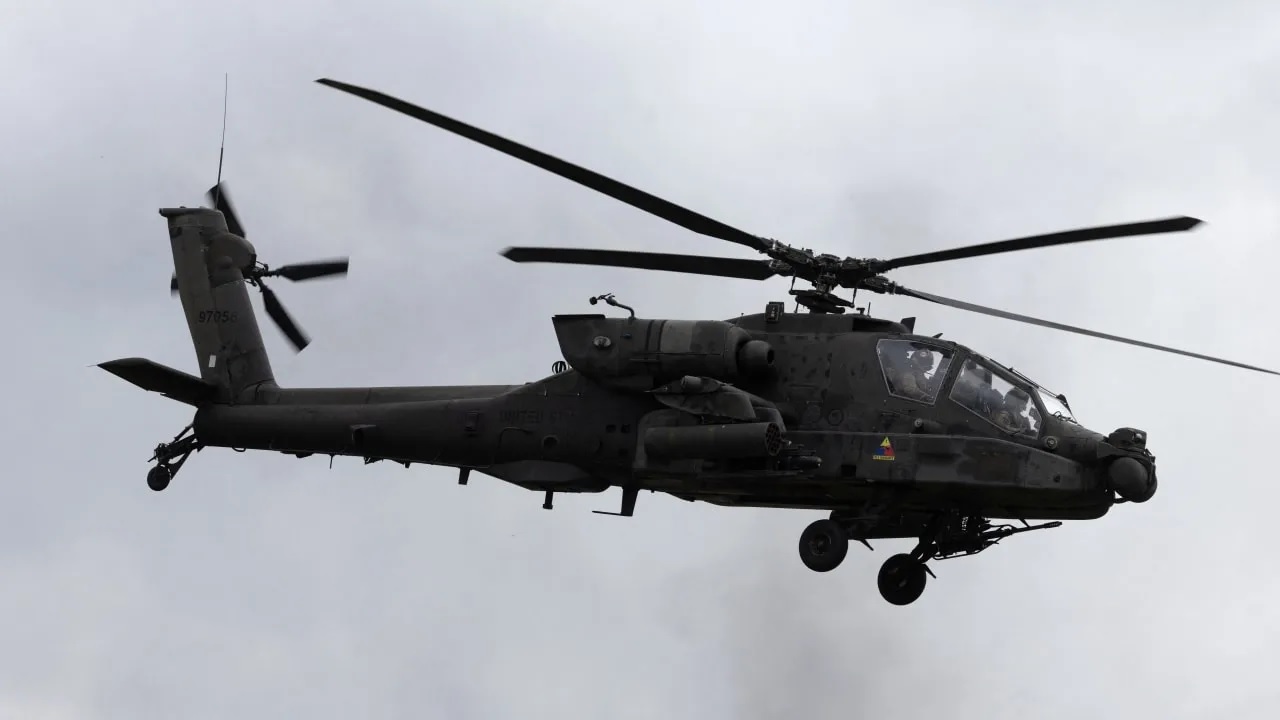 US Army Apache Helicopter Crashes Near Strait of Hormuz; Crew Rescued Safely
-
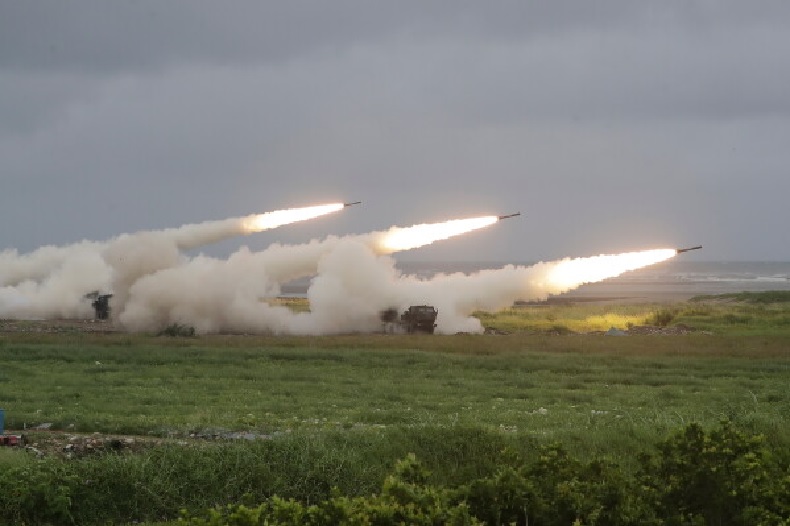 Taiwan Conducts First Live-Fire of HIMARS Rockets From West Coast During Invasion Defense Drill
-
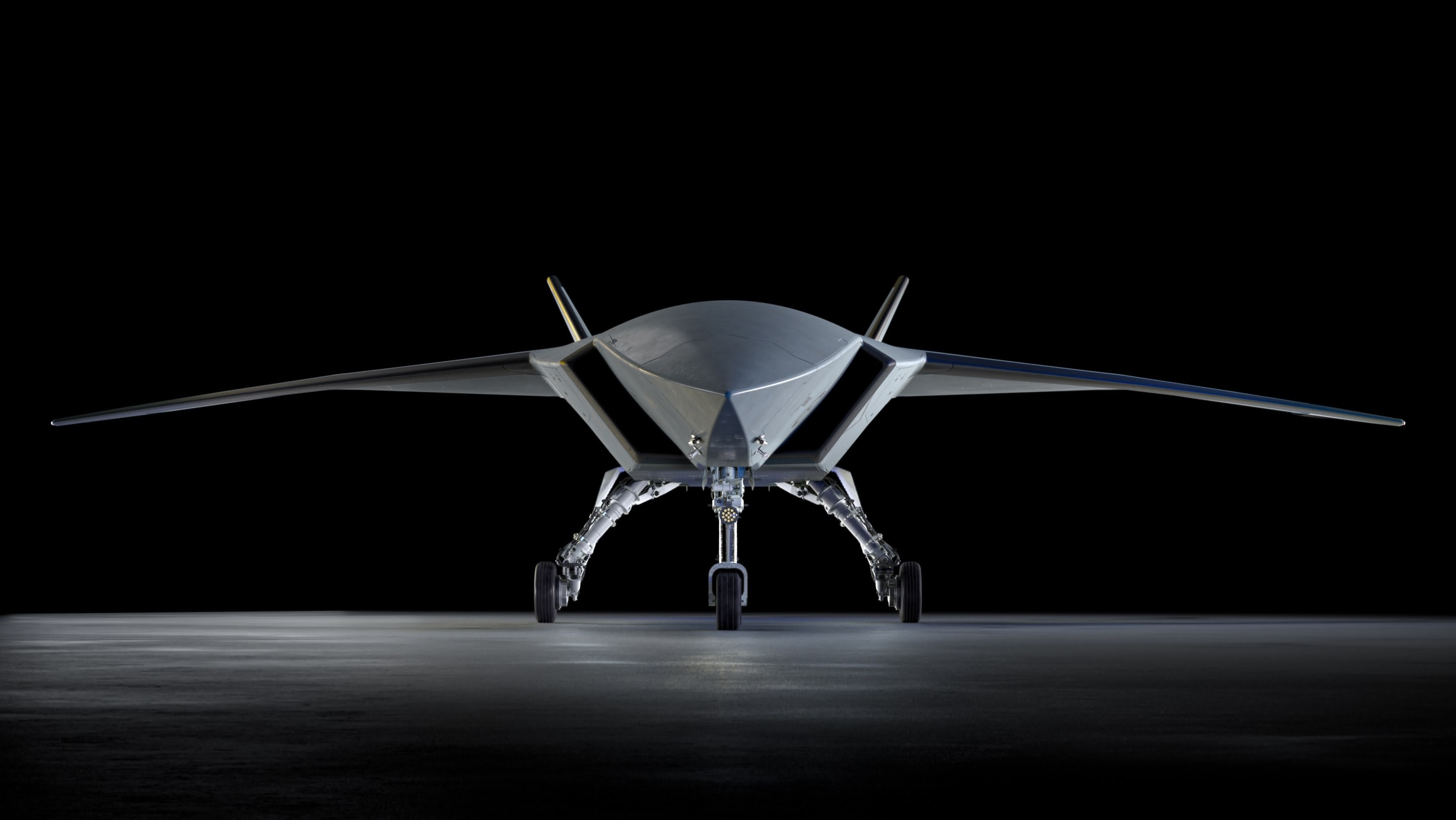 Boeing Introduces New MQ-28 Ghost Bat Upgrades with Increased Range, Payload and Weapons Capacity at ILA Berlin 2026
-
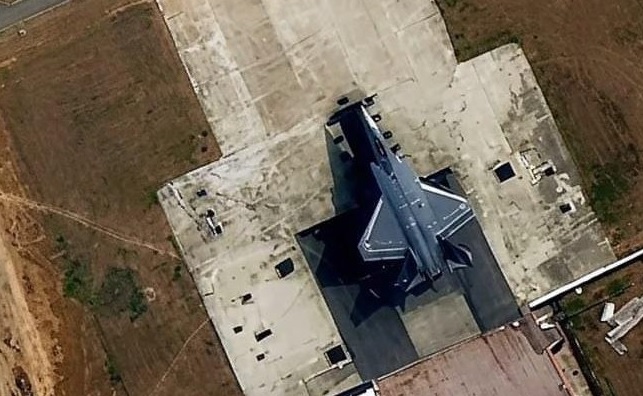 AMCA Airframe Spotted at DRDO’s ORANGE Facility for Radar Cross-Section Testing
-
 Russian Defense Firm ZALA Unveils KAMA Unmanned Surface Vessel Family at FLOT-2026 Naval Exhibition
-
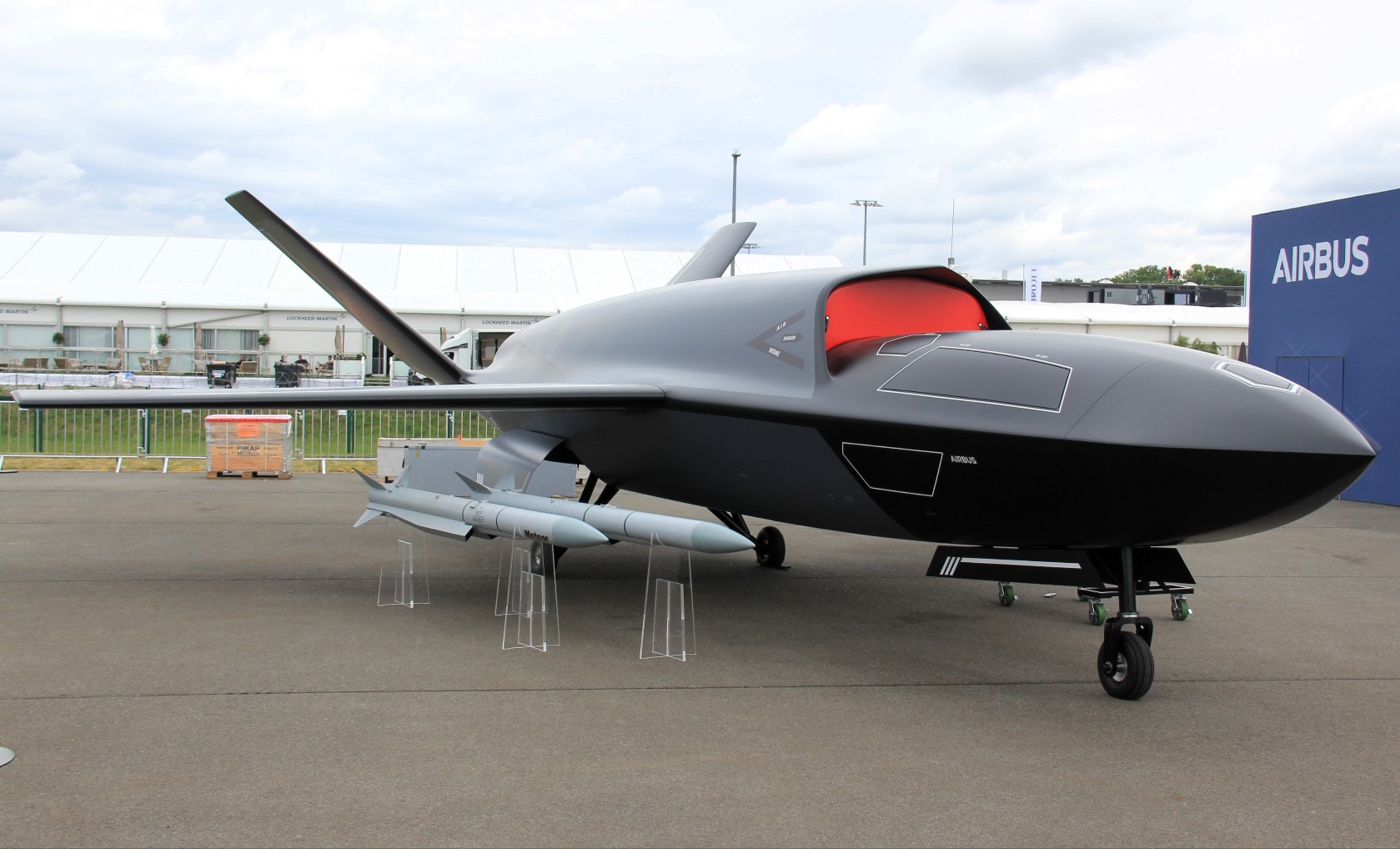 Airbus Unveils U760 Ravenstorm Loyal Wingman Drone at ILA Berlin 2026
-
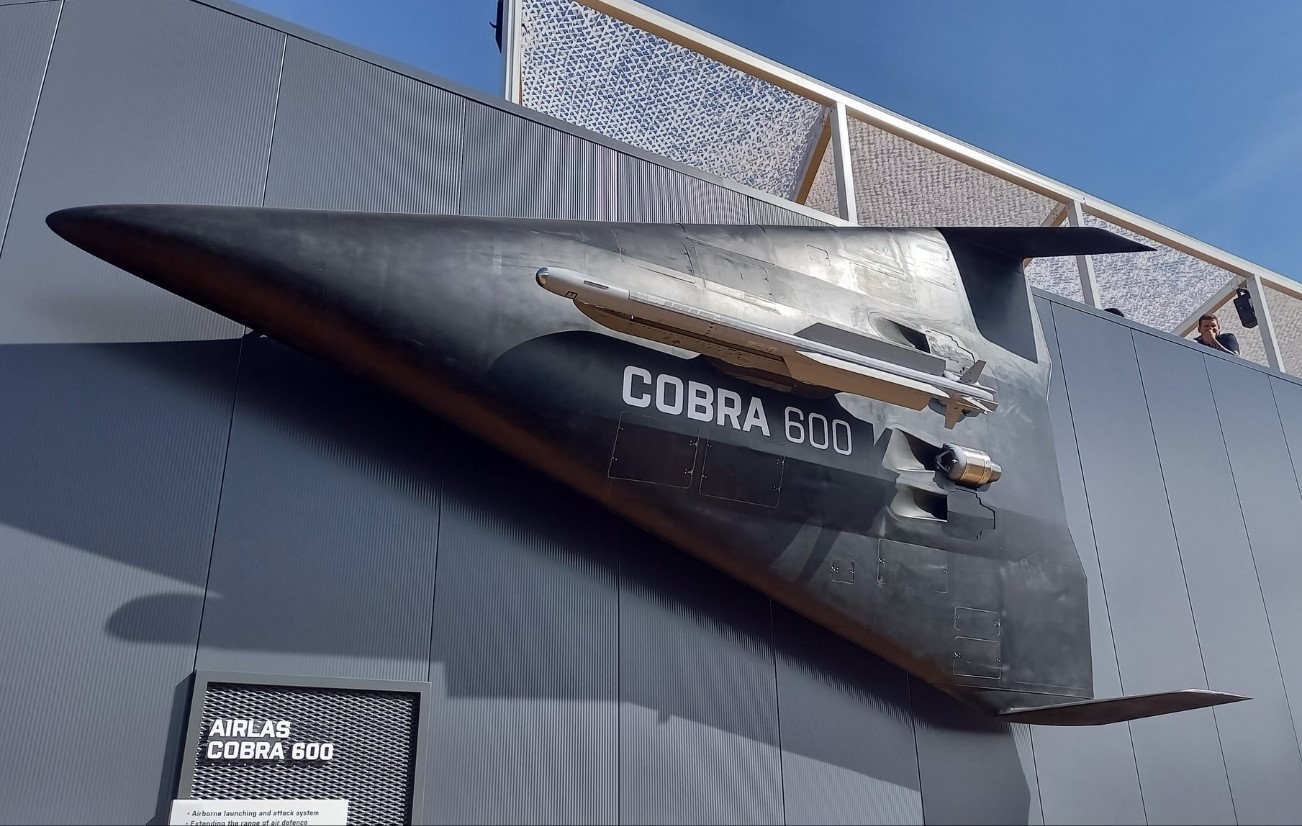 Diehl Defence Unveils IRIS-T Armed Cobra 600 Air Defense Drone at ILA Berlin 2026
-
 U.S. Army Successfully Demonstrates Quantum Sensor That Can Precisely Locate Radio Signals in 3D