
World
Overnight air strikes between Russia and Ukraine have resulted in multiple casualties and significant damage, marking an escalation in the ongoing conflict. Both sides have reported fatalities and injuries, with extensive damage to infrastructure.In Kyiv, a Russian missile assault killed two people and caused extensive damage to residential buildings and other facilities. Mykola Oleshchuk, Ukraine's Air Force Commander, stated that Ukrainian air defense systems managed to destroy two of the three missiles targeting the region. However, the third missile caused considerable destruction. Ruslan Kravchenko, head of Kyiv's regional administration, reported on Telegram that two people were injured by falling debris, though they did not require hospitalization. The assault damaged six multi-story residential buildings, over 20 private houses, a gas station, and a pharmacy.In a retaliatory strike, Ukrainian forces targeted aerial drone facilities in Krasnodar, Southern Russia. Satellite images confirmed the destruction of storage depots and control points for drones in the area.Russian officials reported casualties from Ukrainian attacks as well. In Sevastopol, a missile attack killed three people, including two children, and injured about 100 others with shrapnel wounds. The Russian Defense Ministry claimed that air defense systems shot down four of the five US-supplied ATACMS missiles used in the attack, with the fifth missile's ammo detonating mid-flight.In another incident, a Ukrainian drone strike on the Russian town of Graivoron in the Belgorod district killed one person and injured three, as confirmed by Governor Vyacheslav Gladkov. Additionally, 30 drones were reportedly destroyed over Russia's western Bryansk region, which borders Ukraine, according to Governor Alexander Bogomaz. No damage was recorded from this incident.These exchanges of air strikes underscore the persistent and intensifying conflict between Russia and Ukraine, with both sides suffering losses and infrastructure damage. The international community continues to monitor the situation closely, hoping for a de-escalation of hostilities.
Read More → Posted on 2024-06-24 15:19:02
World
Newly Unsealed Video Shows Saudi Intelligence Agent Filming Washington Landmarks Before 9/11 AttacksA recently unsealed 25-year-old video has emerged, featuring a man identified by the FBI as a Saudi intelligence agent filming prominent locations in Washington, D.C., just three months before Al-Qaida's 9/11 attacks. The footage, recorded in the summer of 1999, was revealed in a court action by families of 9/11 victims, who assert that the Saudi government was complicit in the attacks. The video, obtained by CBS and aired on their "60 Minutes" program, has reignited discussions about Saudi Arabia's alleged involvement in the event, claims the Saudi rulers have consistently denied.The Content of the VideoIn the video, Omar al-Bayoumi, the man identified as the Saudi intelligence agent, provides commentary about various locations in Washington, D.C., including the Washington Monument and the entry points and security arrangements of the US Capitol building. At one point, he refers to a “plan,” which has raised suspicions about his intentions. The US Capitol was believed to be a target on 9/11, with one hijacked plane crashing in Pennsylvania after passengers intervened.Background and DiscoveryThe footage was initially discovered by UK investigators in Bayoumi’s apartment shortly after the 9/11 attacks in 2001. At the time, Bayoumi was a PhD student at Aston University in Birmingham. Alongside the video, investigators found an address book containing contact details of Saudi government officials. Scotland Yard handed over the footage to the FBI.Bayoumi’s Controversial ConnectionsBayoumi’s role has been controversial due to his connections with two of the 9/11 hijackers, Nawaf al-Hazmi and Khalid al-Mihdhar. An FBI report declassified in March 2022 suggested there was a “50/50 chance [Bayoumi] had advanced knowledge the 9/11 attacks were to occur” due to his relationship with the hijackers. Another FBI report, declassified in 2021, indicated that Bayoumi provided significant assistance to the hijackers after their arrival in the US and had communications with a key logistics facilitator for Osama bin Laden.Saudi Arabia’s DenialsSaudi authorities have long denied any involvement in the 9/11 attacks and claim Bayoumi was not their agent. Lawyers representing the Saudi government have sought to dismiss the families’ lawsuit, with oral arguments expected this summer.Details from the VideoThe video is of somewhat grainy quality and was filmed over several days. Bayoumi begins the video in Arabic, greeting his audience and mentioning various landmarks, including the Washington Monument and the proximity of the airport. At one point, he comments on the cars outside an unidentified building, referencing a “plan.” The FBI claims Bayoumi was accompanied by two Saudi diplomats with ties to al-Qaida while filming.Official ReportsThe official 9/11 Commission report, published in 2004, primarily blamed intelligence failures by the CIA and FBI for the attacks. The report stated there was no credible evidence that Bayoumi believed in violent extremism or knowingly aided extremist groups. Additionally, the report mentioned that Khalid Sheikh Mohammed, the mastermind behind the attacks, claimed under interrogation that he did not know Bayoumi.Ongoing Legal BattleThe unsealed video has added fuel to the ongoing legal battle between 9/11 victims' families and the Saudi government. The families seek to hold Saudi Arabia accountable for the attacks, while Saudi authorities maintain their innocence. The case's outcome could have significant implications for US-Saudi relations and the broader understanding of the events leading up to 9/11.
Read More → Posted on 2024-06-23 15:49:06
World
The federal government of Pakistan has sanctioned the deployment of the paramilitary Frontier Constabulary (FC) in Pakistan-occupied Kashmir (PoK) following significant protests in the region last month. These protests, driven by inflation and high electricity prices, resulted in several fatalities and numerous injuries.Context and BackgroundThe protests were organized by the Jammu Kashmir Joint Awami Action Committee (JAAC) and saw widespread participation from traders. Demonstrators demanded electricity at the cost of hydropower generation, subsidized wheat flour, and an end to elite privileges. The unrest led to a law and order crisis, prompting the PoK government to initially call in the Pakistan Rangers to stabilize the situation.Deployment DetailsAccording to Geo News, the deployment of the Frontier Constabulary, consisting of six platoons, will last for three months. The FC's responsibilities will include:Ensuring security for key infrastructure projects like Neelum-Jhelum, Mangla, and Gulpur hydropower projects.Assisting local police forces in maintaining law and order.The decision to deploy the FC was made after a meeting between Chaudhry Anwarul Haq, the 'prime minister' of PoK, and Pakistan's Interior Minister Mohsin Naqvi. The meeting focused on the region’s security situation, political dynamics, and the upcoming fiscal budget.Recent Unrest and Government ResponseThe protests in mid-May were marked by intense violence, resulting in the deaths of multiple individuals, including a policeman, and leaving dozens injured. The demonstrators were particularly incensed by the disparity between the cost of electricity produced in PoK and the rates charged to local residents, alongside broader economic grievances.In response to these issues and the escalating violence, the federal government decided to deploy the Frontier Constabulary to restore order and ensure the safety of critical infrastructure.Broader Anti-Terrorism MeasuresThis deployment occurs in the context of Pakistan's renewed efforts to combat terrorism. On Saturday, Pakistan announced Operation Azm-i-Istehkam, a major new anti-terrorism operation. The decision, part of the National Action Plan (NAP), underscores the government's commitment to eradicating militancy and maintaining national security.
Read More → Posted on 2024-06-23 15:08:09
World
A Russian Ka-29 helicopter was shot down over Crimea, killing four crew members. The incident highlights the challenges of new Ukrainian tactics involving simultaneous UAV and USV attacks.A Russian Ka-29 naval combat helicopter was shot down over occupied Crimea, resulting in the deaths of all four crew members. Russian sources claim the incident occurred during a large-scale Ukrainian attack, employing a new strategy involving simultaneous assaults with unmanned aerial vehicles (UAVs) and uncrewed surface vessels (USVs).According to Russian, the coordinated attacks overwhelmed their defenses. "They [the Ukrainians] used a new tactic. Simultaneous attacks with USVs and UAVs. To repel the boat attack, aircraft need to be launched, and to counter UAVs, airborne targets need to be destroyed. But these actions do not work well together for us," stated Russian sources.Further complicating the situation, the Russians disclosed that their own Pantsir-S1 air defense system mistakenly shot down the Ka-29 helicopter. This friendly fire incident highlights the challenges and confusion that arise during complex, multi-faceted engagements.The Ka-29, known by its NATO designation Helix-B, is an assault transport helicopter designed for both troop transport and combat. It can accommodate two pilots and up to 16 troops and is equipped with four suspension points for carrying rockets, guns, bombs, and anti-tank missiles. The helicopter has been in service since the 1980s, with over 60 units produced.In recent times, Russian forces have increasingly relied on the Ka-29 to intercept kamikaze USVs, which pose a growing threat to their warships. The incident underscores the escalating tensions and the evolving tactics in the ongoing conflict between Russia and Ukraine.
Read More → Posted on 2024-06-22 16:02:43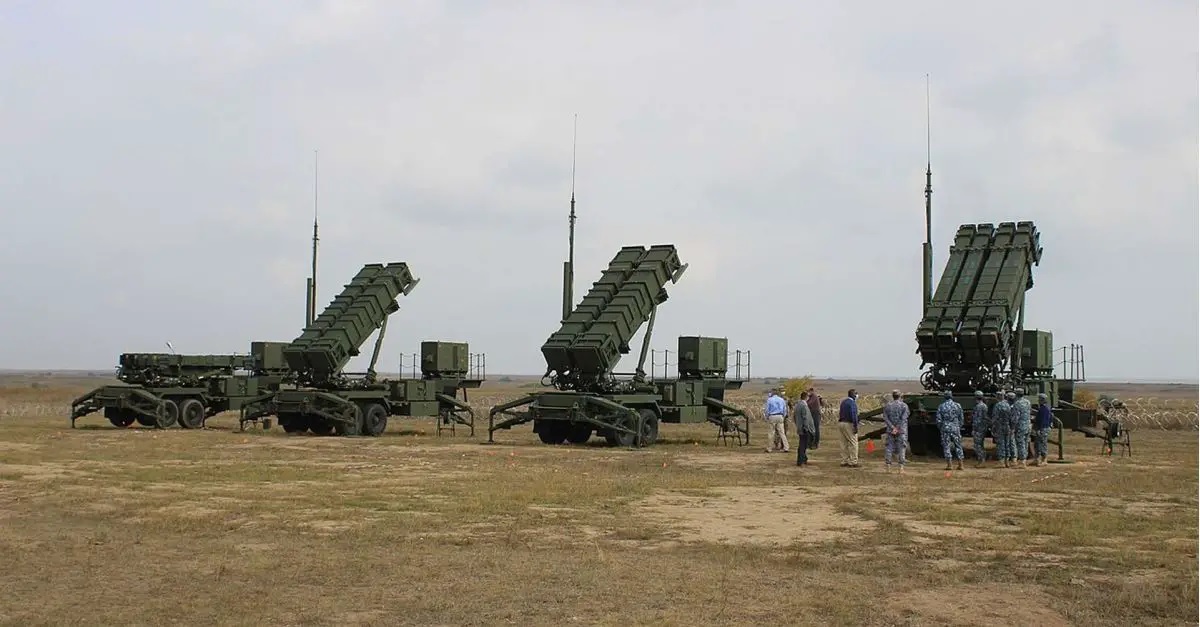
World
Romania will donate a PATRIOT air defense system to Ukraine to help counter Russian attacks on civilian areas and infrastructure. This move is part of a coordinated effort with NATO allies to support Kyiv.Romania has announced its decision to donate a PATRIOT air defense system to Ukraine. This move aims to assist Kyiv in its ongoing conflict with Russia, where Moscow's forces continue to target civilian areas and critical energy infrastructure.The decision was announced after a meeting of Romania’s Supreme Council of National Defence in Bucharest, chaired by President Klaus Iohannis. It was made in coordination with Romania’s allies and depends on Romania obtaining a similar or equivalent air defense system to replace the one being donated. Romania possesses several U.S.-made PATRIOT systems, and the one to be sent to Ukraine is part of this inventory.“The decision was based on an in-depth technical evaluation by the Romanian authorities, with all necessary measures taken to eliminate any potential vulnerabilities for Romania,” stated the office of President Iohannis. “At the same time, discussions with allies will continue to ensure our country’s air defense remains robust.”This donation is part of a broader international effort to bolster Ukraine's defenses. The U.S. has previously donated a PATRIOT air and missile defense system to Ukraine and approved sending another earlier this month. Other NATO allies, such as Germany, have also provided air defense systems to Ukraine. U.S. officials have consistently encouraged allied nations to contribute air defense systems to Ukraine. However, some Eastern European countries have been hesitant to part with their advanced systems due to security concerns.Romania's decision underscores the increasing support for Ukraine among NATO allies, despite the complexities of ensuring each contributing country maintains its own security. The ongoing conflict has seen numerous attacks on Ukraine's infrastructure, making air defense systems crucial for protecting both civilian lives and essential services.
Read More → Posted on 2024-06-22 15:44:24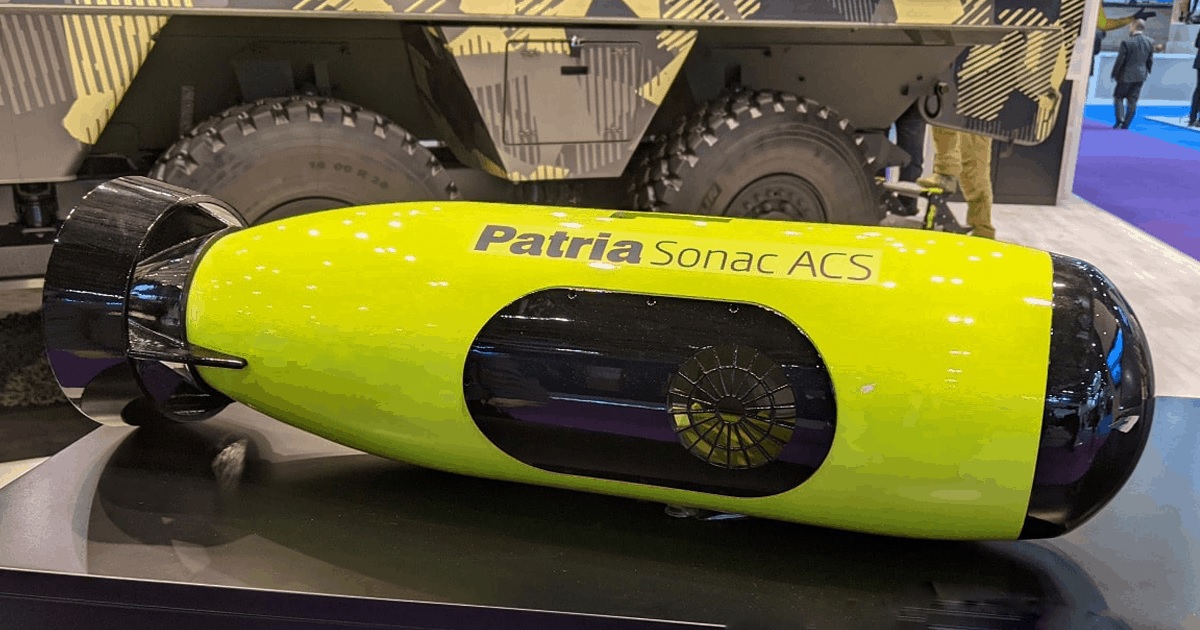
World
Patria's new SONAC ACS, showcased at Eurosatory 2024, offers advanced acoustic mine sweeping technology, capable of simulating any ship's sound to neutralize modern and legacy mines.At the Eurosatory 2024 exhibition in Paris, Finnish defense company Patria introduced its latest innovation in mine sweeping technology, the SONAC ACS. This advanced system is designed to tackle the challenges posed by modern influence mines through sophisticated acoustic technology.The SONAC ACS (Acoustic Countermeasure System) is an advanced solution capable of simulating the sound of any ship, offering exceptional performance in three key modes: Mine Setting Mode (MSM), Target Simulation Mode (TSM), and Mine Jamming Mode (MJM). This flexibility makes it a highly effective tool for sweeping both legacy and modern sea mines equipped with advanced acoustic triggering mechanisms.Key Features of Patria SONAC ACS:1. Versatile Acoustic Simulation: The SONAC ACS can simulate the acoustic signature of any vessel. It achieves this by transmitting recorded acoustic waveforms with high sound pressure across a broad frequency range, from infra- to ultrasonic bands.2. Multiple Units for Enhanced Performance: The system's effectiveness can be amplified by deploying multiple SONAC ACS units, increasing the intensity and spatial diversity of the underwater sound field.3. Real-Time Operation: The operator can select the desired acoustic signal from a preloaded signature library or create a custom signal as needed. This real-time operation is facilitated by a user-friendly interface that simplifies control and monitoring of the system.4. Wide Frequency Band: The system produces high sound pressure over a wide frequency band, making it capable of simulating any ship. This capability is particularly useful in TSM, where accurate acoustic waveform transmission is crucial.Operational Use and Interface:The SONAC ACS is designed for straightforward real-time operation. During a mission, the operator selects the desired acoustic signal from the system's extensive signature library or creates a custom signal for specific needs. The interface is designed to be user-friendly, allowing easy control and monitoring of the system's status and settings during sweeping operations.Additional Details:Patria's SONAC ACS is poised to enhance naval mine countermeasure capabilities significantly. Its ability to effectively neutralize both traditional and modern mines ensures it meets the evolving demands of naval defense. The system's advanced acoustic technology represents a leap forward in mine sweeping efficiency and operational ease.
Read More → Posted on 2024-06-22 15:26:12
World
Ukraine faces severe energy infrastructure damage from repeated Russian attacks, prompting calls for increased Western military aid to prevent a winter crisis.On Saturday, Ukraine reported a significant overnight attack by Russia on its energy infrastructure in the country's western and southern regions. The Ukrainian energy ministry confirmed that equipment at Ukrenergo facilities in the Zaporizhzhia and Lviv regions was damaged, resulting in injuries to two employees in Zaporizhzhia who were subsequently hospitalized.This latest incident marks the eighth large-scale, combined assault on energy infrastructure in the past three months. More than two years into the Russian invasion, these targeted missile and drone strikes have severely impacted Ukraine's electricity generation capacity. Consequently, Kyiv has had to impose blackouts and import energy supplies from the European Union.Earlier in the week, Ukrainian authorities reported damage to energy infrastructure, including a power station, during another major overnight attack that left seven employees wounded. DTEK, Ukraine's largest private energy company, indicated that the strikes caused "serious damage" to one of its plants.President Volodymyr Zelensky revealed that Russian attacks have destroyed half of Ukraine's energy capacity. He emphasized the urgent need for all hospitals and schools in Ukraine to be equipped with solar panels to mitigate the impact of these attacks. "We are doing everything to ensure that Russian attempts to blackmail us on heat and electricity fail," Zelensky stated.DTEK CEO Maxim Timchenko warned of a severe crisis this winter if Ukraine's Western allies do not provide the necessary military aid to protect the energy network. Zelensky has consistently called for more air-defense systems from Ukraine's allies to safeguard the country's critical infrastructure.In response, the US National Security Council spokesman John Kirby announced that Washington would prioritize delivering anti-air missiles to Kyiv, ahead of other countries awaiting similar shipments. Zelensky expressed his gratitude on social media, stating, "These additional air defense capabilities will protect Ukrainian cities and civilians."
Read More → Posted on 2024-06-22 15:22:53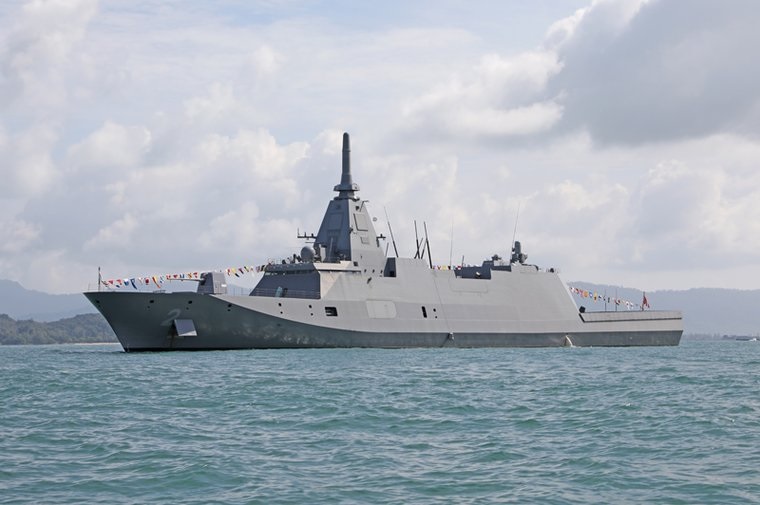
World
Japan's JMSDF has launched the Agano, the sixth Mogami-class frigate, featuring advanced multi-mission capabilities and high automation. Plans include acquiring new, improved frigates with enhanced weaponry and anti-submarine capabilities by 2028.The Japan Maritime Self-Defense Force (JMSDF) has recently introduced the Agano, designated with the pennant number FFM-6. This vessel marks the sixth addition to the Mogami-class frigates, also known as FFM, representing the next generation of multi-mission frigates for the JMSDF. The Agano is set to be stationed at the Maizuru Naval Base.Naming and LaunchThe Agano is named after the Agano River, located in the Hokuriku region of Honshu, Japan. This river is also known as the Aga River or the Ōkawa River in Fukushima. This naming tradition continues for all ships in the Mogami-class, each named after well-known rivers in Japan. The Agano was launched by Mitsubishi Heavy Industries (MHI) in Nagasaki in December 2022.Specifications and CapabilitiesThe Mogami-class frigates, including the Agano, are designed with advanced multi-mission capabilities. The vessels have a full load displacement of approximately 5,500 tons, a length of 132.5 meters, and a beam of 16.3 meters. They are capable of achieving speeds in excess of 30 knots. With a relatively small crew of about 90 sailors, these frigates feature a high level of automation.The FFM will be equipped with an array of weapons and systems:BAE Systems Mk.45 mod.4 5-inch naval gun systemJapan Steel Works 12.7mm Remote Weapon SystemMk.41 Vertical Launching System (VLS)Raytheon SeaRAMMHI Type 17 anti-ship missilesMitsubishi Electric OPY-2 multifunction radarMitsubishi Electric OAX-3 EO/IR sensorsHitachi OQQ-11 anti-mine sonarNEC OQQ-25 anti-submarine sonar (VDS/TASS)Unmanned Underwater Vehicles (UUV) such as the OZZ-5 by MHIUnmanned Surface Vehicles (USV) for mine countermeasuresSea mines for offensive mine warfareFuture DevelopmentsInitially, the JMSDF planned to build 22 Mogami-class frigates to strengthen Japan's naval forces. However, the plan has been revised to procure 12 frigates by the fiscal year 2023, with a new class of 12 improved FFMs to be acquired between 2024 and 2028. These new frigates will incorporate enhancements based on the Mogami-class design, including longer-range missiles, enhanced anti-submarine capabilities, and improved operational versatility.The new-class FFM will feature an upgraded version of the Type 12 Surface-to-Surface Missile (SSM) and a new ship-to-air guided missile, referred to as A-SAM. These upgrades will provide better anti-aircraft and search capabilities, aligning the new frigates closer to the specifications of a missile frigate (FFG).International InterestThe Mogami-class frigates have garnered international attention, with Australia listing them as one of four candidates for their next frigate procurement. The other contenders include Germany’s Meko A-200, South Korea’s Daegu-class FFX Batch II and III, and Spain’s Navantia ALFA3000. Admiral Sakai Ryo, chief of staff of the JMSDF, acknowledged this interest, highlighting the trust and high evaluation of Japanese naval equipment.
Read More → Posted on 2024-06-22 15:20:15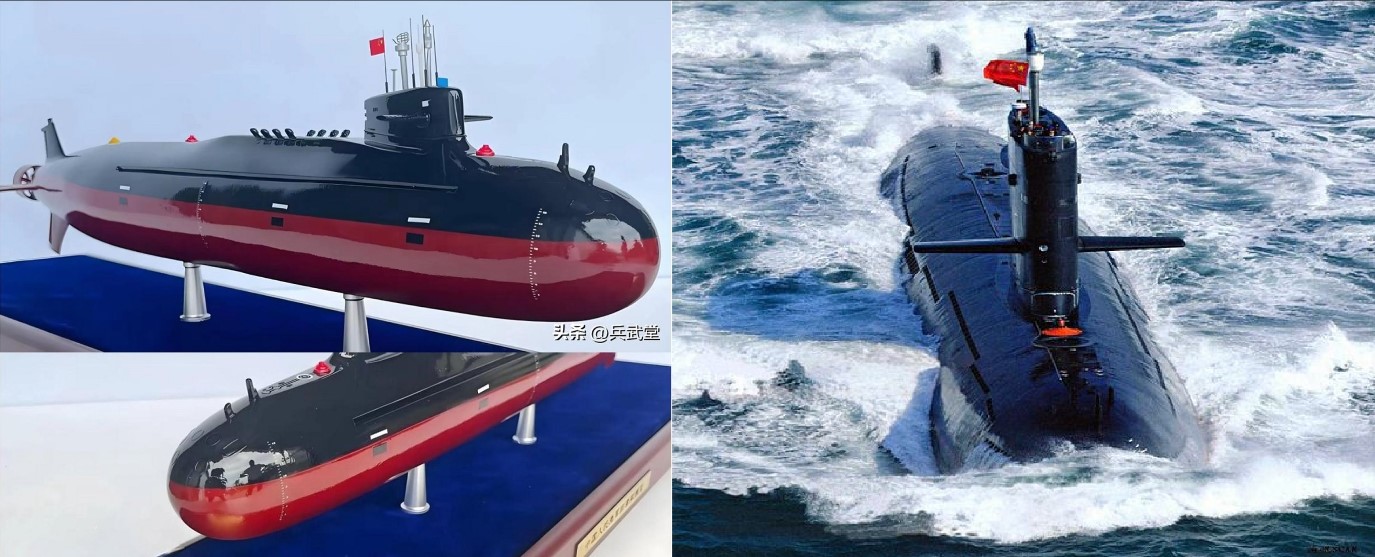
World
China's new Type 093B nuclear submarine, equipped with long-range missile capabilities, marks a major step in naval modernization, potentially shifting regional power dynamics.China's state-owned shipbuilding company, CSSC China Shipbuilding Group, has introduced a new model of its nuclear submarine, the Type 093B. This 6,200-ton submarine features several advanced technologies, such as a teardrop-shaped hull for better hydrodynamics, a pump-jet propulsion system for quieter operation, and an 18-unit vertical launch system (VLS) that can launch various long-range missiles.The VLS of the Type 093B can hold multiple types of missiles, including the new submarine-launched version of the YJ-21. This missile reportedly has a range of up to 2,500 kilometers, enhancing the submarine's strike capabilities and raising concerns among neighboring countries.The design of the Type 093B focuses on stealth and underwater performance. It is equipped with an integrated sonar system and an optical-electronic mast, which improve its ability to detect and engage targets.This new submarine is a significant milestone in China's efforts to modernize its navy. The Type 093B, with its ability to conduct long-range patrols and engage in anti-ship warfare, could change the strategic balance in the region and have important implications for maritime security.Defense experts have noted that the Type 093B could be a game-changer for China's naval power. Its long-range missile capabilities and advanced design align with China's goal of extending its military reach beyond its immediate coastline.The Pentagon's latest report on China's military power has acknowledged the Type 093B, describing it as a guided-missile nuclear-powered submarine (SSGN). While the model reveals some aspects of the submarine, many details are still unclear. The exact configuration of the VLS and the specific types of missiles it will carry are still topics of speculation. Additionally, the timeline for the submarine's deployment and its full operational capabilities have not been confirmed.In summary, the Type 093B represents a significant advancement in China's naval capabilities. As more information becomes available, the true impact of this new submarine on regional and global security will become clearer.
Read More → Posted on 2024-06-22 15:13:30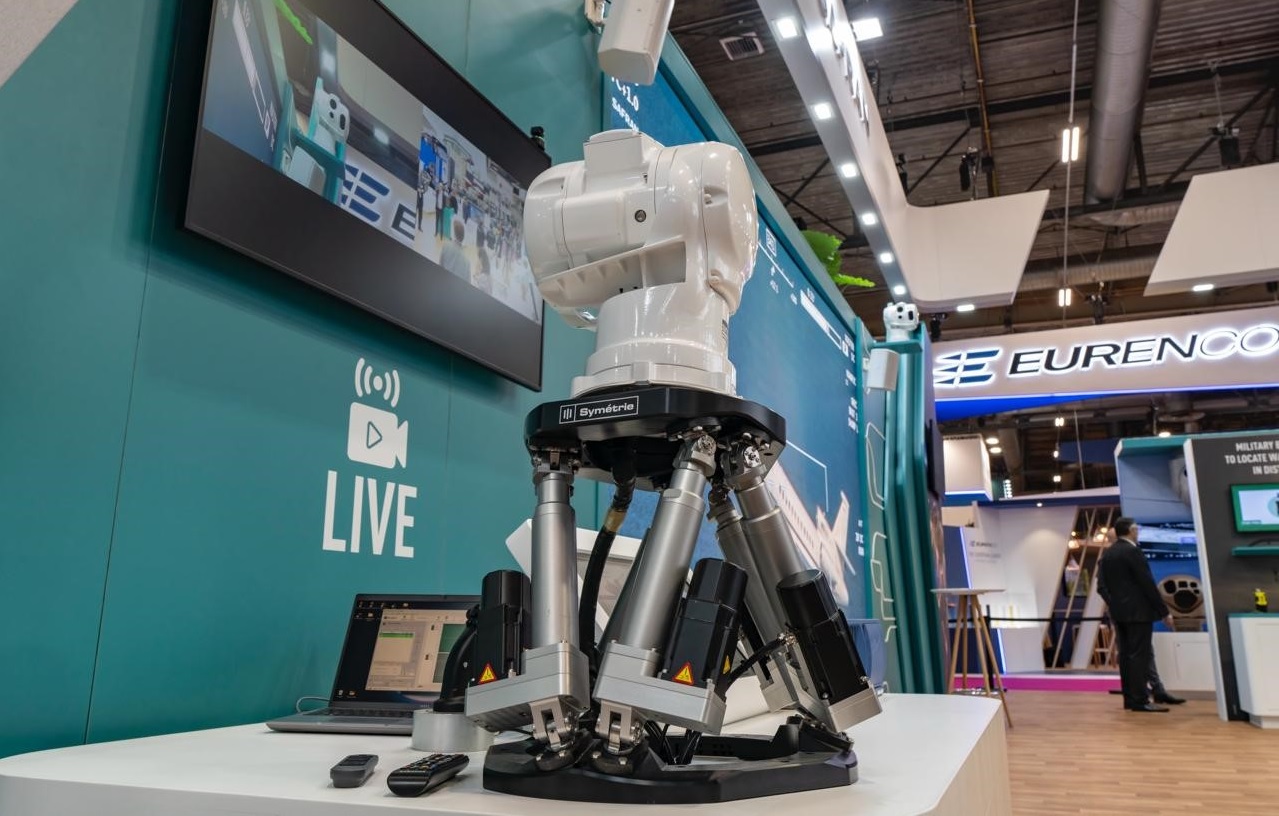
Safran Electronics & Defense Develops High-Speed Laser Optical Communication System for Military Use
World
Safran Electronics & Defense is developing a high-speed, secure laser optical communication system for military use, offering significant advantages over traditional radio communication.Safran Electronics & Defense is creating a cutting-edge solution for transmitting and receiving optical communications via laser technology. This development will allow armed forces to exchange information at high speeds without the risk of jamming or interception, leveraging the company's expertise in inertial navigation, optronics, and communications.The laser optical communication system consists of terminals capable of sending and receiving data encoded in a laser beam. One terminal transmits the data, while the other receives and converts it into digital information. This system will enable users to share messages, images, and videos over distances of tens of kilometers, or even further with relay satellites. Laser optical links provide several advantages over traditional radio communication, such as enhanced discretion and resistance to interference. Additionally, they offer high throughput, with speeds ranging from 5 Gb/s to 50 Gb/s. This is especially beneficial as the volume of data increases and data-intensive AI applications become more common.A significant challenge for optical communication systems is maintaining a stable direct line of sight between two terminals, especially under variable conditions like heavy swell at sea. Safran Electronics & Defense has tackled this issue by leveraging its expertise in mobile platform-mounted optronic sights and satellite communication solutions.Alexandre Ziegler, Executive Vice President of Safran Electronics & Defense's Defense Global Business Unit, stated, "We are one of the few companies worldwide capable of developing this technology at scale for military use. We have complete control over all the necessary technological components, and our teams deeply understand military requirements and technical issues across land, sea, air, and space."Safran's innovation represents a significant step forward in secure military communications, providing a robust and efficient solution for modern defense needs.
Read More → Posted on 2024-06-22 15:05:28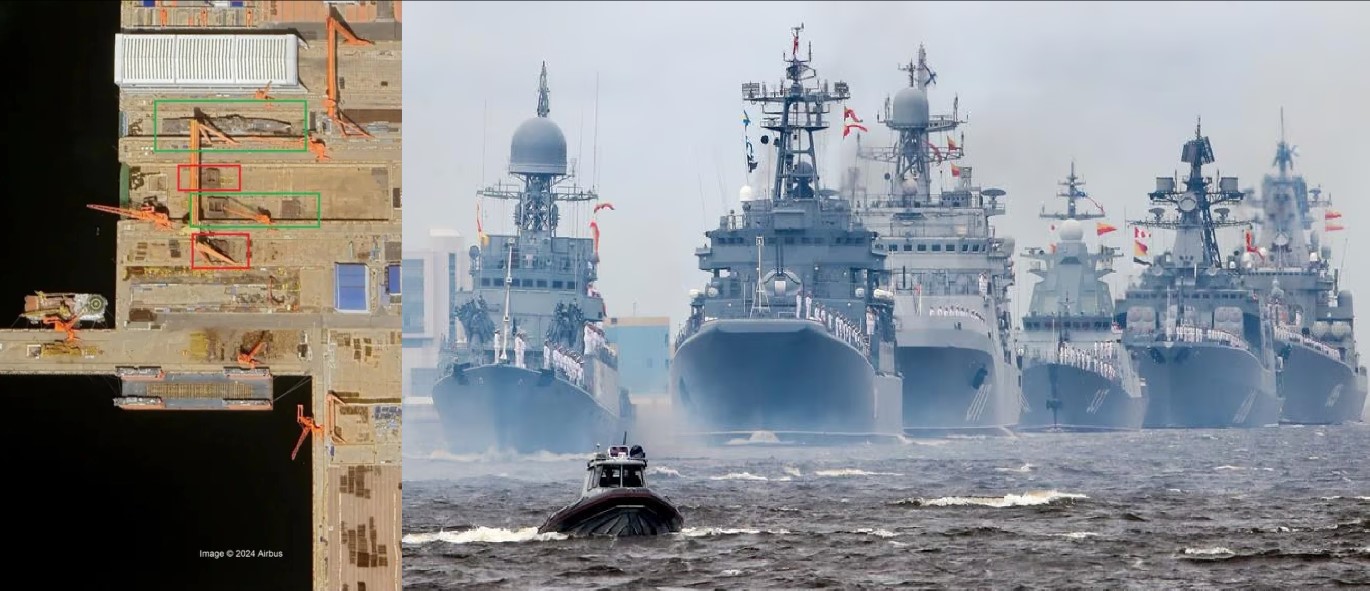
World
China's robust shipbuilding capabilities may enable it to match the US in a military conflict, thanks to rapid production and repair rates, strategic positioning, and advanced naval technology.China's rapid naval expansion and robust shipbuilding capabilities have positioned the People's Liberation Army (PLA) to potentially match the United States in a military conflict, according to analysts. Raymond Kuo, director of the Rand Corporation’s Taiwan Initiative, emphasized that China's shipbuilding industry, alongside those of Japan and South Korea, is among the largest in the world. This allows China to produce completed naval hulls more quickly than the US, giving it a strategic edge in reconstituting combat losses.While US naval ships are generally more complex and have greater displacement, China’s faster production rate of naval ships means it can repair or replace damaged vessels more swiftly. This capability is particularly advantageous in conflicts near China's shores, such as over Taiwan or in the South China Sea.A recent analysis of satellite imagery by Naval News revealed that China has launched its 10th Type 055 destroyer, the country's most advanced warship designed to escort aircraft carriers. Since the first Type 055 was commissioned in 2020, eight ships are already in service, with the ninth launched late last year. The same shipyard has also launched five Type 052 destroyers and carried out modernization work on the Liaoning, China’s first aircraft carrier.A report from the Centre for Strategic and International Studies (CSIS) highlighted that China’s massive shipbuilding industry would provide a strategic advantage in a prolonged conflict. In contrast, the US faces significant maintenance backlogs and would struggle to quickly construct or repair warships in a major conflict.The timing of China’s naval advancements coincides with increased US efforts to develop a drone strategy aimed at countering a potential Chinese attack on Taiwan. Admiral Samuel Paparo, commander of the US Indo-Pacific Command, outlined plans for a large, lethal drone force to create a “hellscape” in the Taiwan Strait, buying time for the US to defend the island.However, Collin Koh from the S. Rajaratnam School of International Studies noted that the US would need to neutralize China's ability to project force on Taiwan and sustain a war. This would involve destroying Chinese shipyards and investing in long-range precision-guided munitions, such as cruise missiles.Malcolm Davis, a senior analyst at the Australian Strategic Policy Institute, pointed out that the US would need to reverse its declining shipbuilding capability to effectively counter China. The US Naval Institute reported that the US has just seven shipyards capable of building large warships, compared to over 20 in China.China's Type 055 destroyer, also known as a missile cruiser, is a testament to its advanced naval capabilities. The ship measures 180 meters in length, has a beam of 20 meters, and a displacement of around 13,000 tonnes. It features 112 vertical launch system cells for housing and firing missiles, including the HHQ-9 long-range surface-to-air missiles and the YJ-18 anti-ship missiles. In 2022, footage showed a Type 055 test-firing China’s latest hypersonic anti-ship missile, the YJ-21.Despite China's advancements, questions remain about the sustainability of its naval fleet given the country's current economic issues. Nonetheless, the import and indigenization of foreign technology have matured Chinese shipyards, enabling the PLA Navy to deploy advanced destroyers with greater regularity.
Read More → Posted on 2024-06-21 15:29:36
World
The AW249 'Fenice' is a next-generation exploration and escort helicopter developed by Leonardo in collaboration with the Italian Ministry of Defence, designed for advanced multi-domain operations and set to replace the AW129 fleet.The AW249, officially designated as the AH-249A NEES (Nuovo Elicottero da Esplorazione e Scorta) and also known as the 'Fenice', made its international debut at Eurosatory in Paris from June 17-21. This next-generation exploration and escort helicopter is a result of collaboration between the Italian Ministry of Defence and Leonardo. It is the only Western clean-sheet combat helicopter design, developed to meet the evolving operational requirements for the next 30+ years.Advanced Features and CapabilitiesThe AW249 boasts an open architecture that allows for significant growth and adaptability to meet market demands. Its high performance includes impressive speed, range, power margin, payload capacity, and maneuverability in various conditions. This helicopter is designed for full integration and interoperability in modern multi-domain battlefields encompassing air, land, sea, space, and cyber environments.Lorenzo Mariani, Co-General Manager of Leonardo, emphasized the AW249’s advanced features like digital integration, strong AI usage, and cyber protection. Gian Piero Cutillo, Managing Director of Leonardo Helicopters, highlighted the AW249’s advanced technologies and mission capabilities, thanks to collaboration with the Italian Army.The AW249 includes a sophisticated human-machine interface with large area displays, touch screen, and gesture recognition devices in its tandem-seating cockpit. A Leonardo-developed Battle Management System enhances mission effectiveness by providing rapid access to critical information via advanced connectivity and multiple sensors.Mission VersatilityThis helicopter is capable of performing various missions such as aerial escort, close air support, close combat attack, and air interdiction. It can also act as an information acquisition element within a C4 system, leveraging surveillance systems for territory scanning and unit identification. The AW249’s crewed-uncrewed teaming capabilities are a significant advantage in modern warfare scenarios.Armament and SurvivabilityThe AW249 is equipped with a flexible weapon system that includes 70mm rockets, air-to-air infrared guided missiles, air-to-ground radio frequency or fiber optic guided missiles, and a 20mm 3-barrel Gatling gun. Its survivability features include an Integrated Defensive Aids Suite (IDAS), armored seats, ballistic-tolerant fuel tanks, and crashworthiness. Enhanced situational awareness is provided by advanced navigation and sensor-fusion technology.Development and Future ProspectsThe AW249 is in development to replace the Italian Army’s aging AW129 fleet, with a maximum take-off weight of 8.3 tons. A prototype made its maiden flight in summer 2022, and four prototypes have been built since. Two prototypes are currently involved in performance, system integration, and payload testing, with two more to start testing soon. Production contracts are anticipated shortly, with deliveries to the Italian Army expected to begin in 2027. The AW249 is also available for export, promising a modern,
Read More → Posted on 2024-06-21 15:21:20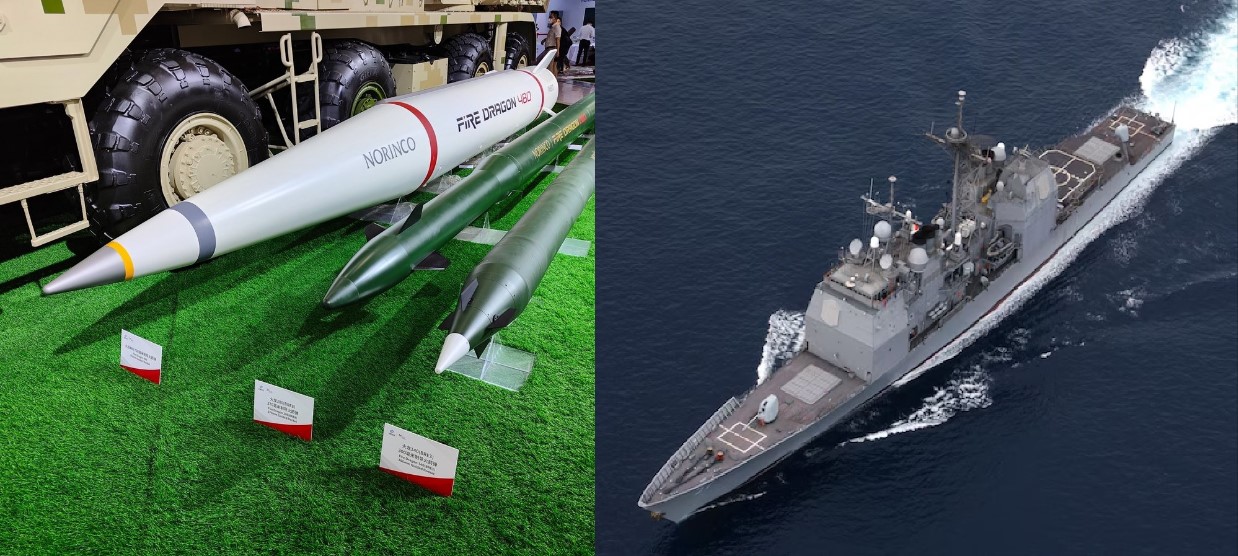
World
A Chinese simulation suggests the Fire Dragon 480 missile could threaten US Navy cruisers, highlighting the need for advanced defensive technologies amid evolving naval warfare.A recent computer simulation by the Chinese People's Liberation Army (PLA) has sparked a significant discussion about the potential vulnerability of US Navy warships to the Chinese Fire Dragon 480 tactical ballistic missile. The simulation suggests that this missile, designed for export and produced by the Norinco Group, could potentially sink a US Navy Ticonderoga-class cruiser when used in combination with drone swarms.The Fire Dragon 480 is equipped with precision guidance and a powerful warhead. While its official range is stated as 290 kilometers, the simulation indicated it could reach targets beyond 500 kilometers. In the simulated scenario, Fire Dragon 480 missiles, along with drone swarms that overwhelmed the cruiser's defenses, proved highly effective against the Ticonderoga-class cruiser.This simulation has raised concerns within defense circles about the perceived invincibility of US naval power. However, experts caution against drawing definitive conclusions from a simulation alone. Real-world factors such as electronic warfare, countermeasures, and the unpredictable nature of combat could significantly alter the outcome.The US Navy is currently phasing out its Ticonderoga-class cruisers, but the simulation results underscore the evolving nature of naval warfare and the potential threat posed by advanced missile systems like the Fire Dragon 480. This highlights the need for continued investment in defensive technologies and tactics to protect naval assets effectively.The Ticonderoga-class cruisers, which entered service in the early 1980s, are equipped with the Aegis Combat System, designed to protect against missile threats. However, advancements in missile technology, such as the Fire Dragon 480, show that even the most advanced defense systems can be challenged. The PLA's use of drone swarms in the simulation is a strategic move to saturate and overwhelm the ship's defenses, demonstrating a multi-faceted approach to modern warfare.As tensions in regions such as the South China Sea continue to rise, this simulation serves as a reminder of the complexities and challenges of modern warfare. It emphasizes the importance of ongoing research, development, and preparedness to maintain a strategic advantage in an ever-changing global landscape.The results from this simulation could influence future naval strategies and defense investments, pushing the US and other nations to develop more advanced countermeasures against evolving missile threats. The development of new electronic warfare techniques, improved missile defense systems, and innovative combat strategies will be crucial in addressing these emerging threats.
Read More → Posted on 2024-06-21 15:17:12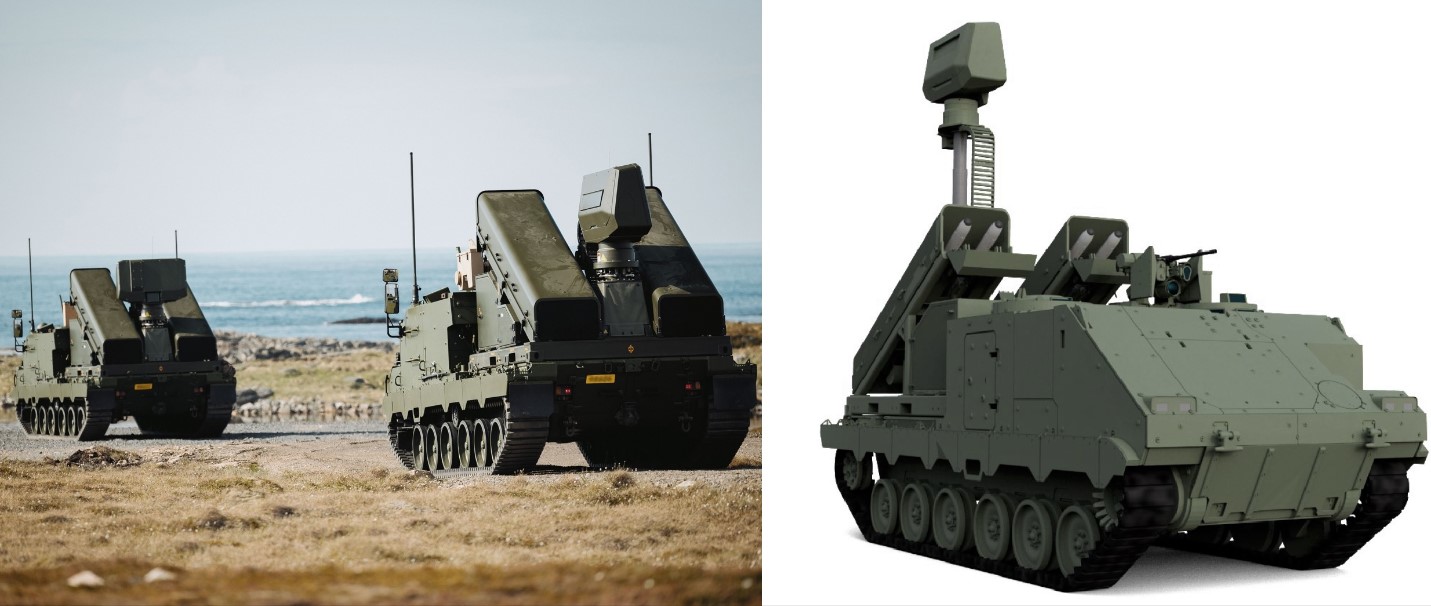
World
Kongsberg Defence & Aerospace's NOMADS is a highly mobile air defense system designed to protect against drones, cruise missiles, and aircraft, offering rapid deployment and integration with NATO defenses.Kongsberg Defence & Aerospace has introduced the National Maneuver Air Defence System (NOMADS), a highly mobile, ground-based air defense system tailored for maneuvering army units. This system is specifically designed to address threats encountered in modern conflicts, drawing significant lessons from the ongoing war in Ukraine.Key Features and CapabilitiesNOMADS offers robust protection against a variety of airborne threats, including drones, cruise missiles, and both fixed and rotating-wing aircraft. Kjetil Reiten Myhra, Executive Vice President of Defence Systems at Kongsberg, emphasized that the system provides unique protection against small, short-range targets like those seen in Ukraine.One of the standout features of NOMADS is its ability to rapidly move over rough terrain and deploy swiftly, ensuring that army units can maintain their defensive capabilities even while on the move.Technical SpecificationsThe core of NOMADS is a Short Range Air Defense (SHORAD) module mounted on an armored vehicle. This vehicle-agnostic module integrates key command and control functions from the medium-range NASAMS system. It includes a passive seeker missile and an Active Electronically Scanned Array (AESA) radar.Additional features include:A radar system equipped with identification friend or foe (IFF) capabilities.A remote weapon station for self-protection.Full integration into NATO Integrated Air & Missile Defence systems.Adaptability for any NATO-compatible ground-based air defense mission.Development and TestingThe NOMADS system has been developed specifically for the Norwegian Army and has already undergone delivery and testing. Its networked nature ensures it can be seamlessly integrated into existing NATO defense infrastructures, providing a versatile and reliable option for ground-based air defense.Strategic ImportanceThe development of NOMADS is a direct response to the evolving nature of modern warfare, where drones and other unmanned systems play a significant role. The ability to quickly adapt and respond to these threats is crucial for maintaining the effectiveness and safety of military operations.By offering a system that combines mobility, rapid deployment, and advanced defensive capabilities, Kongsberg Defence & Aerospace is positioning NOMADS as a critical asset for NATO and its member countries, enhancing their collective defensive measures against contemporary threats.ConclusionKongsberg Defence & Aerospace’s NOMADS represents a significant advancement in ground-based air defense technology. With its mobility, rapid deployment capabilities, and integration with NATO defense systems, NOMADS is well-suited to address the dynamic and evolving threats faced by modern military forces.
Read More → Posted on 2024-06-21 15:04:38
World
The SAMP/T NG is a state-of-the-art air defense system offering long-range threat engagement and autonomous ballistic missile defense, developed through French-Italian collaboration. It features multi-layer capabilities and NATO compatibility for comprehensive protection.The SAMP/T NG is a cutting-edge air defense system originally designed to manage the ASTER family of missiles, specifically the ASTER 30 B1 and ASTER 30 B1NT. Developed through a close collaboration between France and Italy, this system marks a significant advancement in air defense technology, offering both long-range air threat engagement and autonomous defense against ballistic missiles.Key Features and CapabilitiesLong-Range Air Defense and Ballistic Missile Protection:The SAMP/T NG system is built to handle air threats at long distances, providing robust protection against a wide range of airborne dangers. Its autonomous capabilities also enable it to effectively counter ballistic missile threats.Multi-Range and Multi-Layer Defense: The system incorporates various layers of defense, including Short Range Air Defence (SHORAD) Vertical Launchers. This allows the SAMP/T NG to protect itself against diverse air threats, such as manned aircraft, drones, and tactical ballistic missiles (TBMs).Scalability and Integration:Designed for flexibility, the SAMP/T NG can counter saturating and combined attacks. It is the only European system capable of integrating multiple effectors within a comprehensive NATO operative Air-Breathing Threat (ABT) and Tactical Ballistic Missile (TBM) defense chain.Advanced Technological ArchitectureOpen Architecture and Module of Engagement New Generation (ME NG):The SAMP/T NG's open architecture allows it to incorporate a variety of multifunction firing radars, including the Thales Ground Fire and Leonardo Kronos Grand Mobile High Power. This adaptability extends to the management of different launchers, supporting up to six ASTER launchers with eight ready-to-fire missiles, which can be a combination of ASTER 30 B1 and B1NT missiles. The system can also support up to six SHORAD launchers, such as VL MICA and CAMM-ER launchers, and manage Very Short Range Air Defence (V-SHORAD) assets.NATO Compatibility and Command Integration:The SAMP/T NG is fully compatible with NATO’s Tactical Control Chain and can seamlessly connect with upper-layer Command and Control centers. This enhances its strategic and operational utility, making it a vital component of integrated defense systems.Collaboration and DevelopmentThe development of the SAMP/T NG is a testament to the strong partnership between France and Italy. This collaboration has resulted in a system that not only enhances national defense capabilities but also contributes to the collective security of NATO allies.Future ProspectsThe SAMP/T NG continues to evolve, incorporating the latest technological advancements to meet emerging threats. Its scalable and flexible design ensures it remains at the forefront of air defense systems, capable of adapting to new challenges in the ever-changing landscape of global security.SummaryThe SAMP/T NG is a versatile and powerful air defense system capable of long-range threat engagement and ballistic missile defense. Developed through Franco-Italian cooperation, it integrates advanced technology and is fully compatible with NATO systems, providing comprehensive protection against a wide range of air threats.
Read More → Posted on 2024-06-21 14:58:49Search
Top Trending in 24 Hours
-
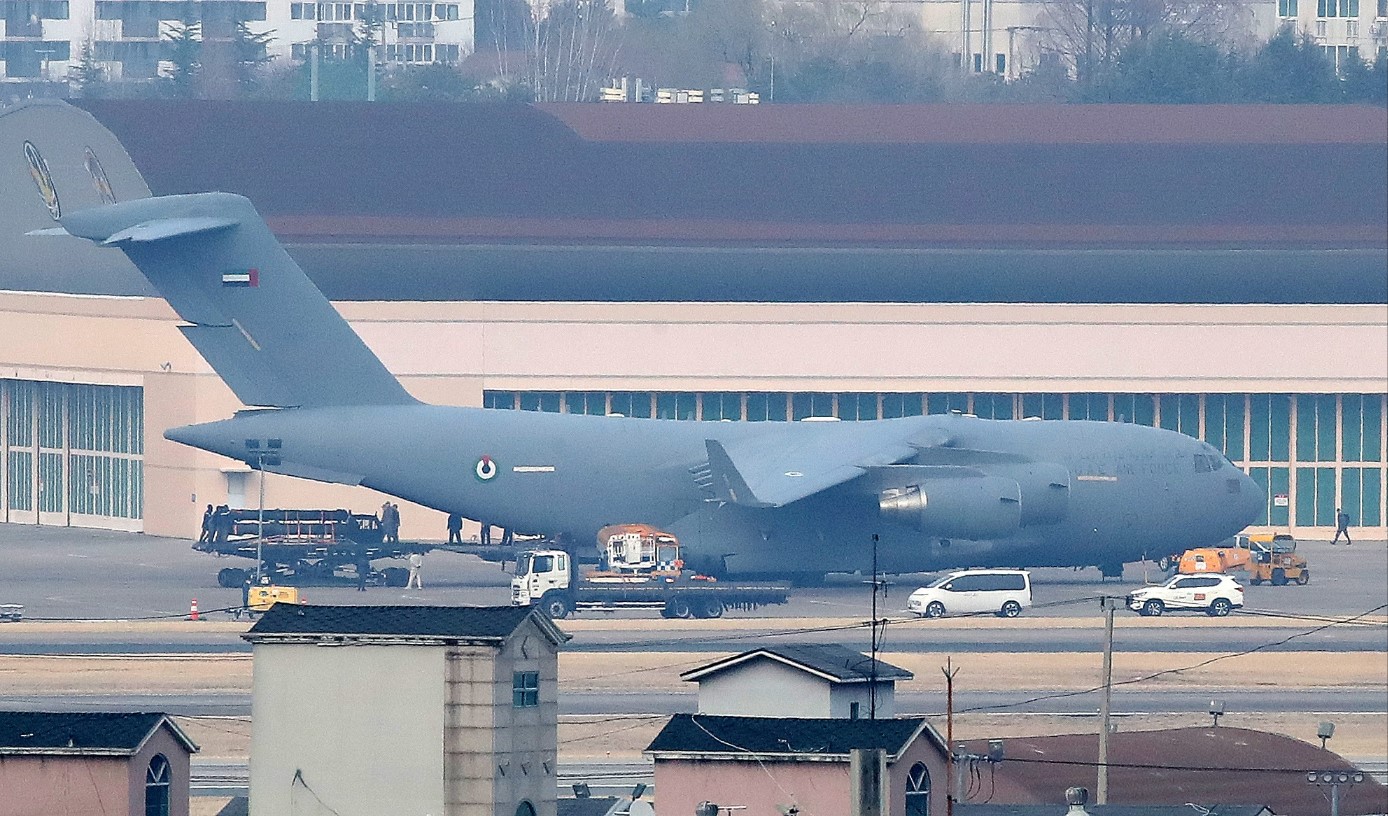 UAE Urgently Airlifts Cheongung-II Missile Defense Battery From South Korea Using Eight C-17 Aircraft
-
 NATO Commander Says Russia Not Seeking Conflict With Alliance Despite U.S. Force Reductions
-
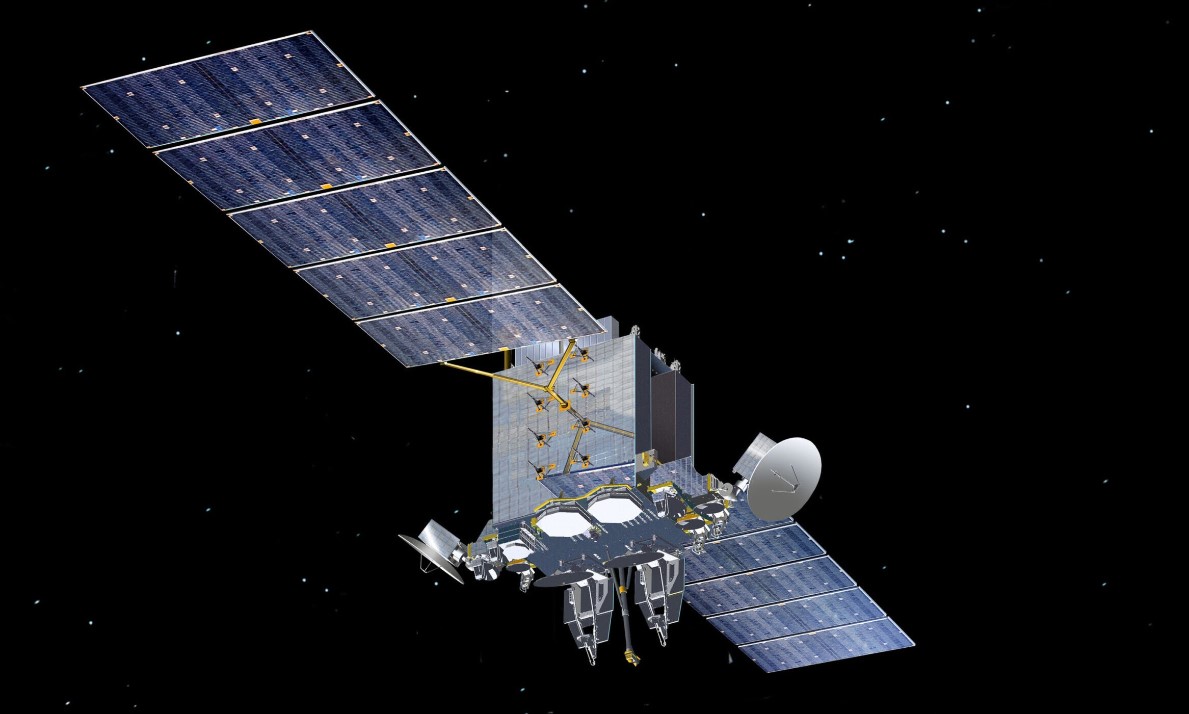 U.S. Space Force Awards $437.7 Million Contracts for First PTS-G Swarm 1 Anti-Jam Satellites
-
 U.S. Air Force Faces Strategic Airlift Shortfall as C-17 Production Restart Remains Uncertain
-
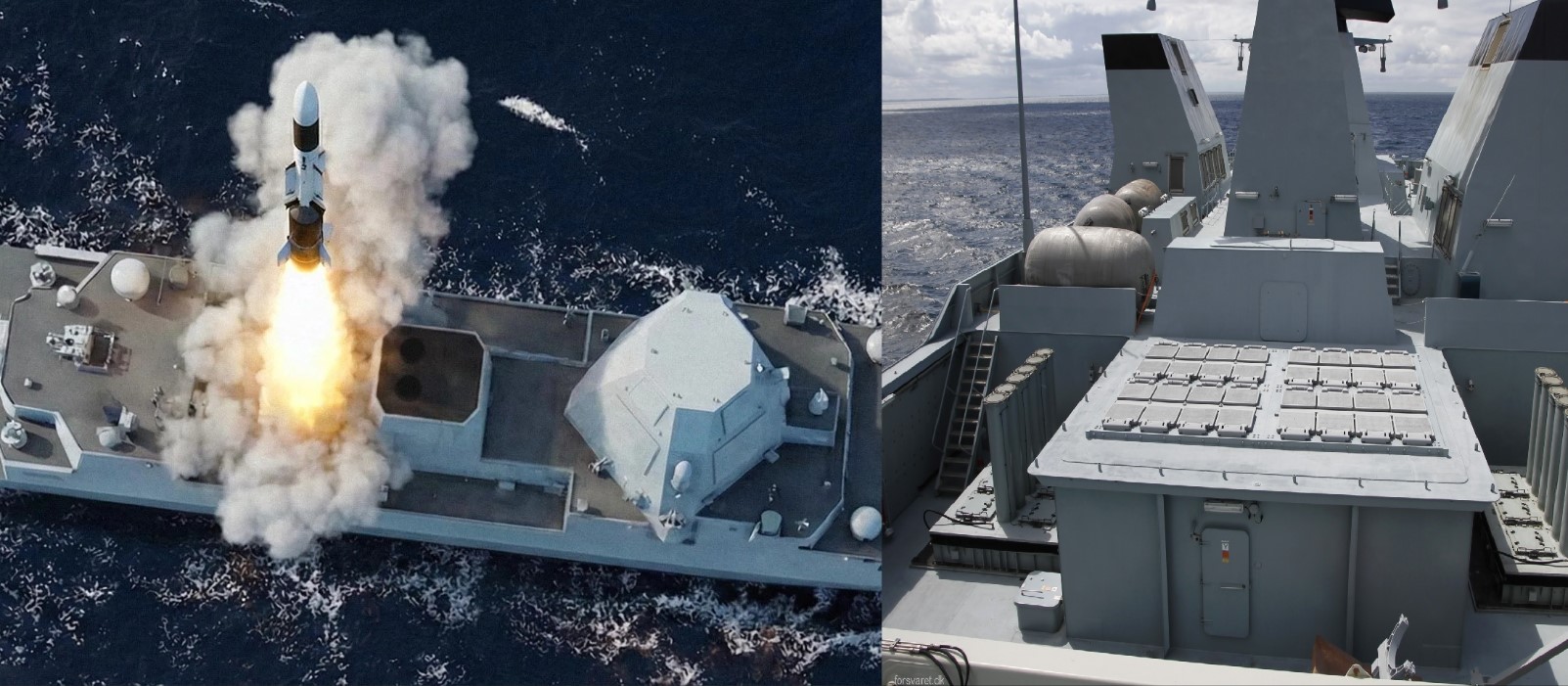 Engineering Challenges Behind the US Navy's Decision to Drop MK41 VLS from Flight I FF(X) Frigates
-
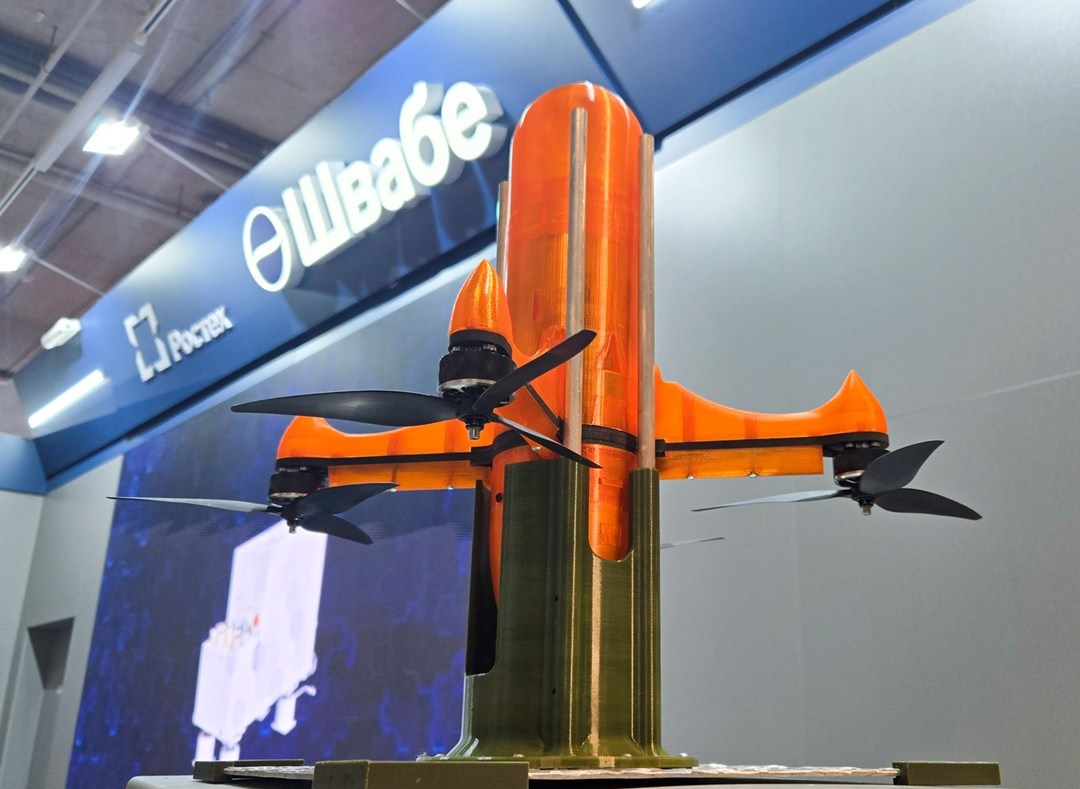 Russia Unveils AI-Powered Counter-Drone System for Maritime and Coastal Defense at Fleet 2026
-
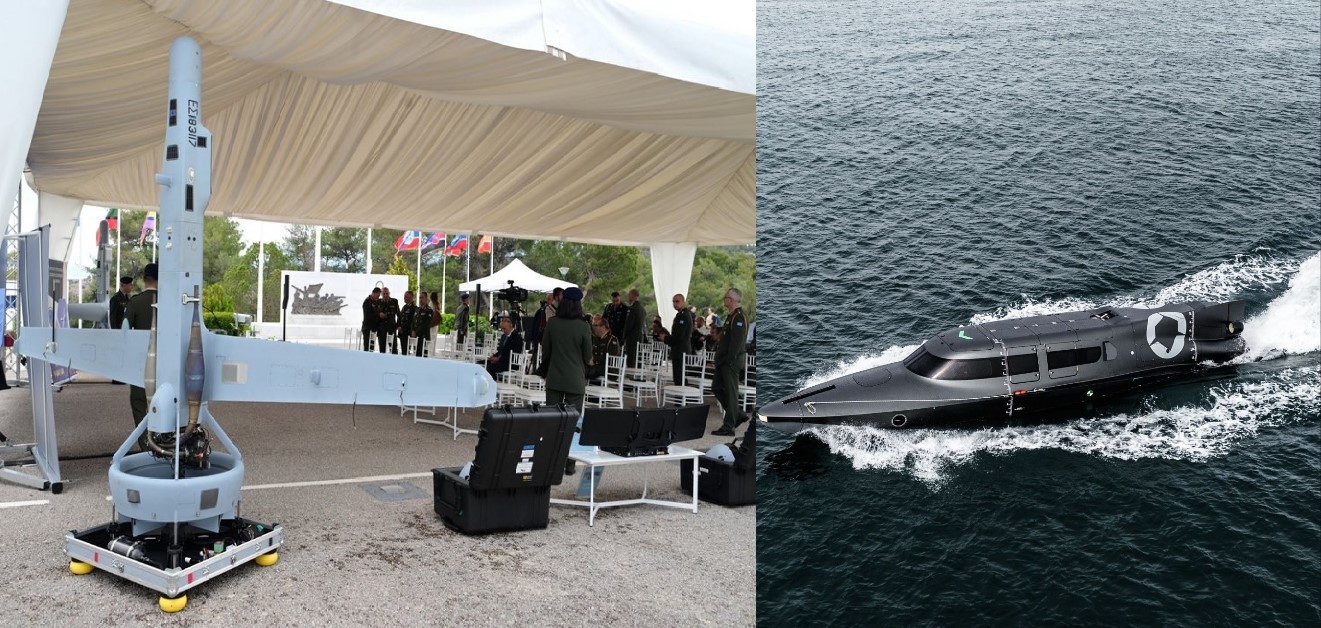 Greek Parliament Approves €1.2 Billion Defense Package Including VICTA Submersibles, V-BAT Drones, C-390 Airlifters, and Frigate Upgrades
-
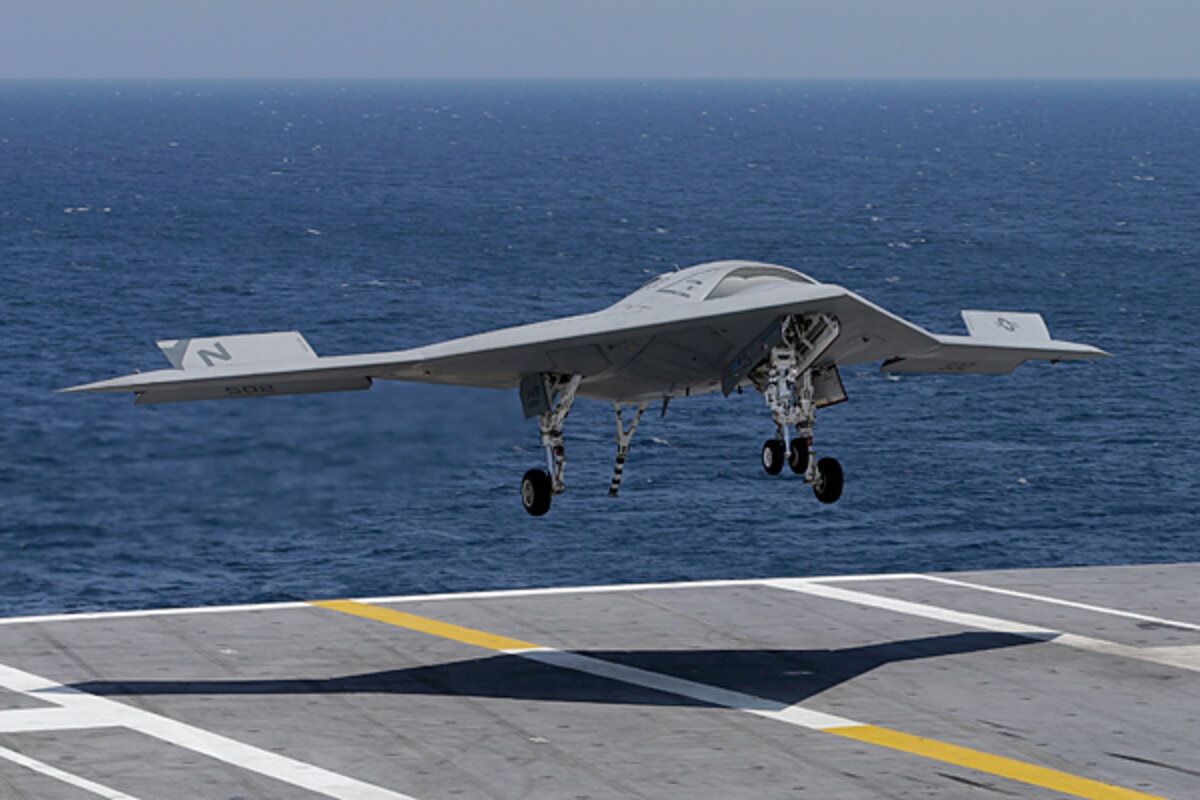 France Launches Search for Carrier-Capable Combat Drones Under New CCA Program
Top Trending in 4 Days
-
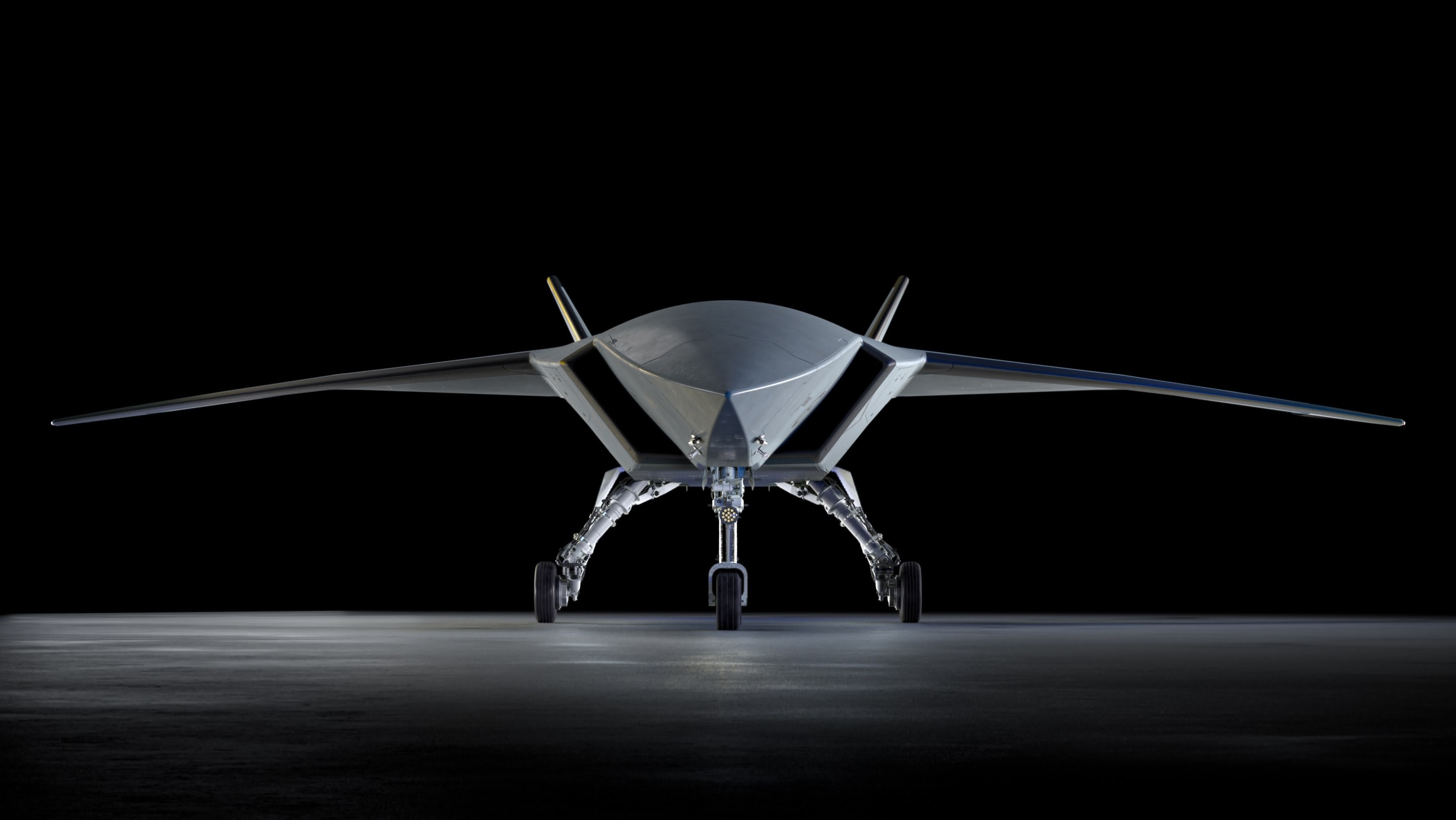 Boeing Introduces New MQ-28 Ghost Bat Upgrades with Increased Range, Payload and Weapons Capacity at ILA Berlin 2026
-
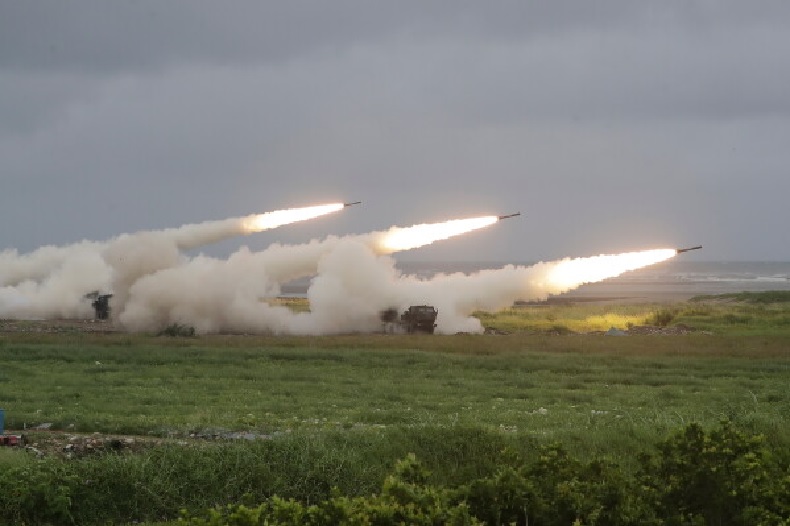 Taiwan Conducts First Live-Fire of HIMARS Rockets From West Coast During Invasion Defense Drill
-
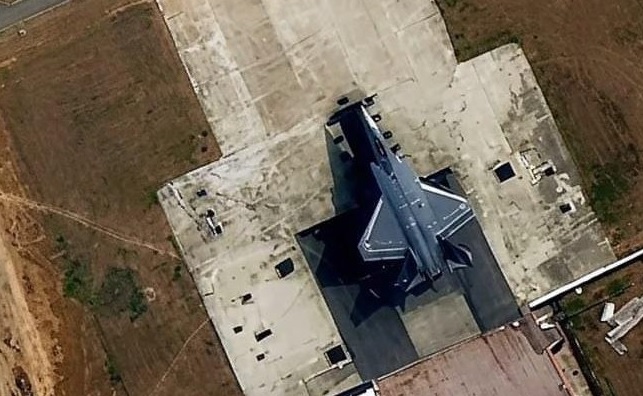 AMCA Airframe Spotted at DRDO’s ORANGE Facility for Radar Cross-Section Testing
-
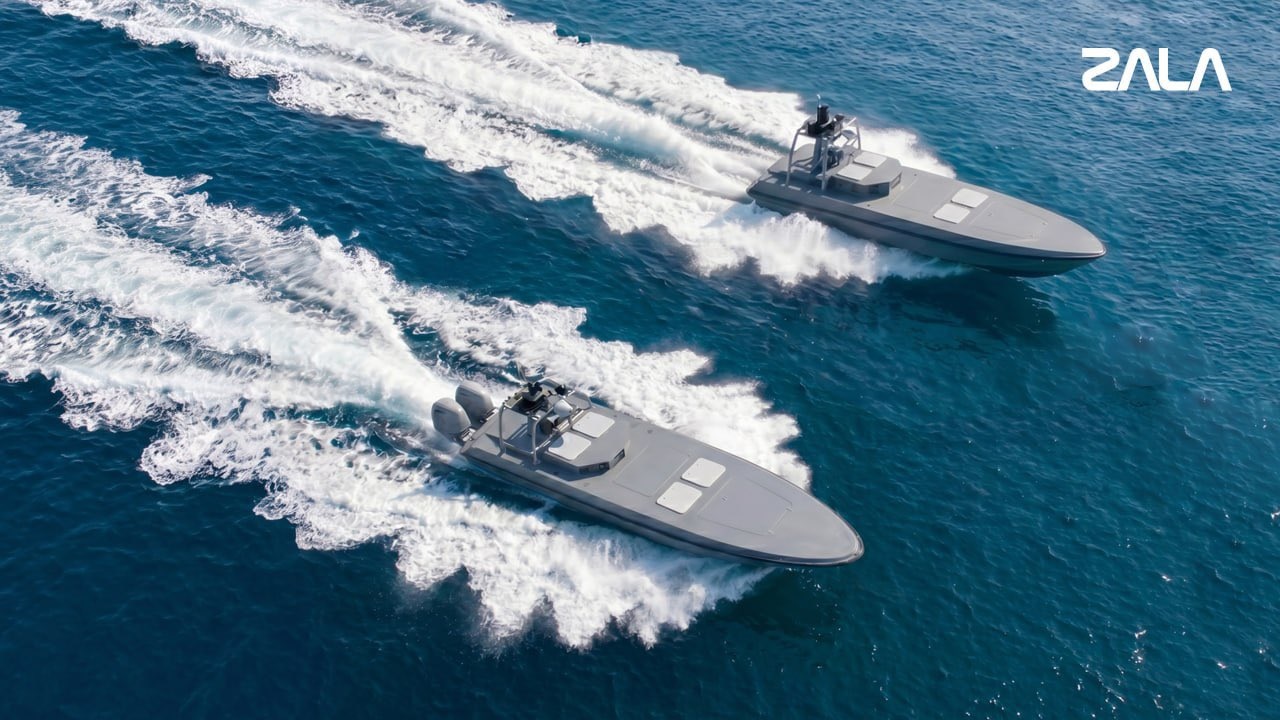 Russian Defense Firm ZALA Unveils KAMA Unmanned Surface Vessel Family at FLOT-2026 Naval Exhibition
-
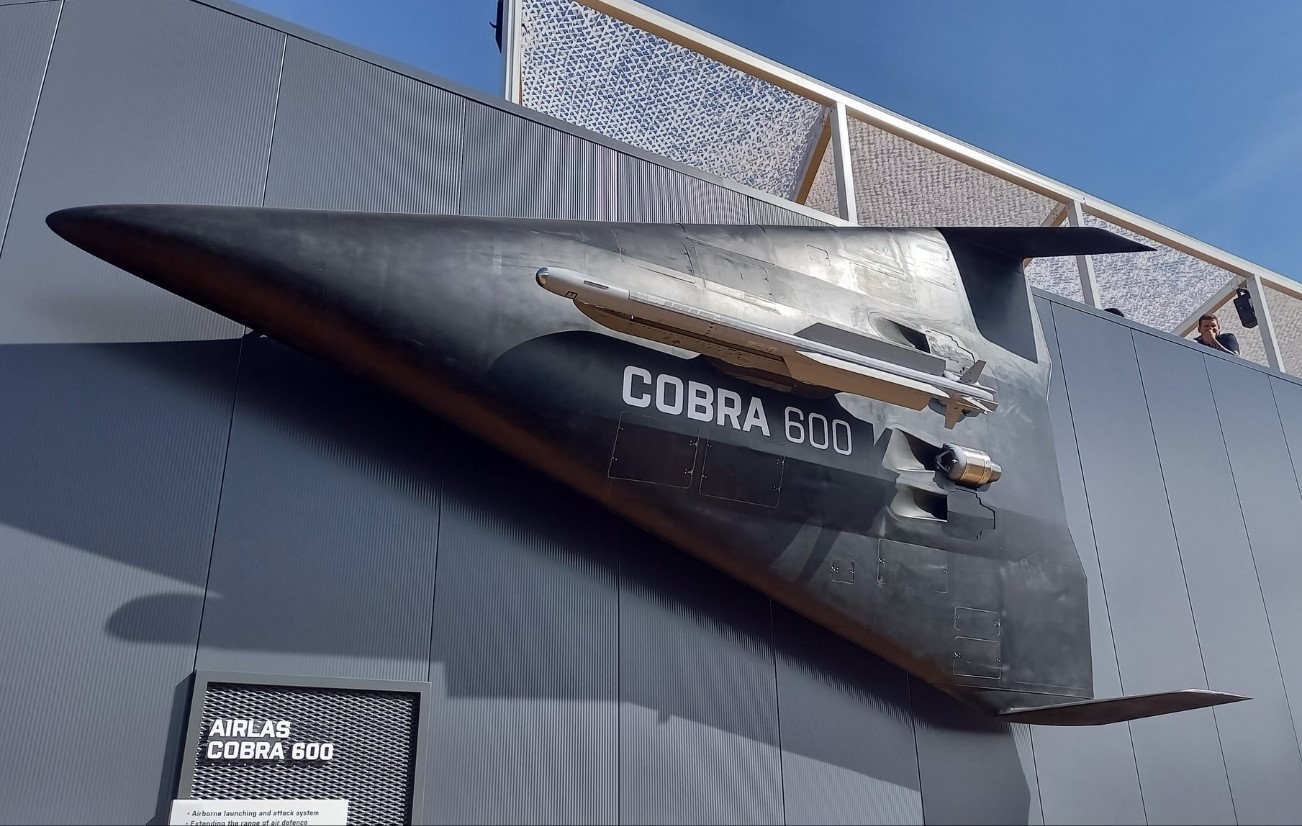 Diehl Defence Unveils IRIS-T Armed Cobra 600 Air Defense Drone at ILA Berlin 2026
-
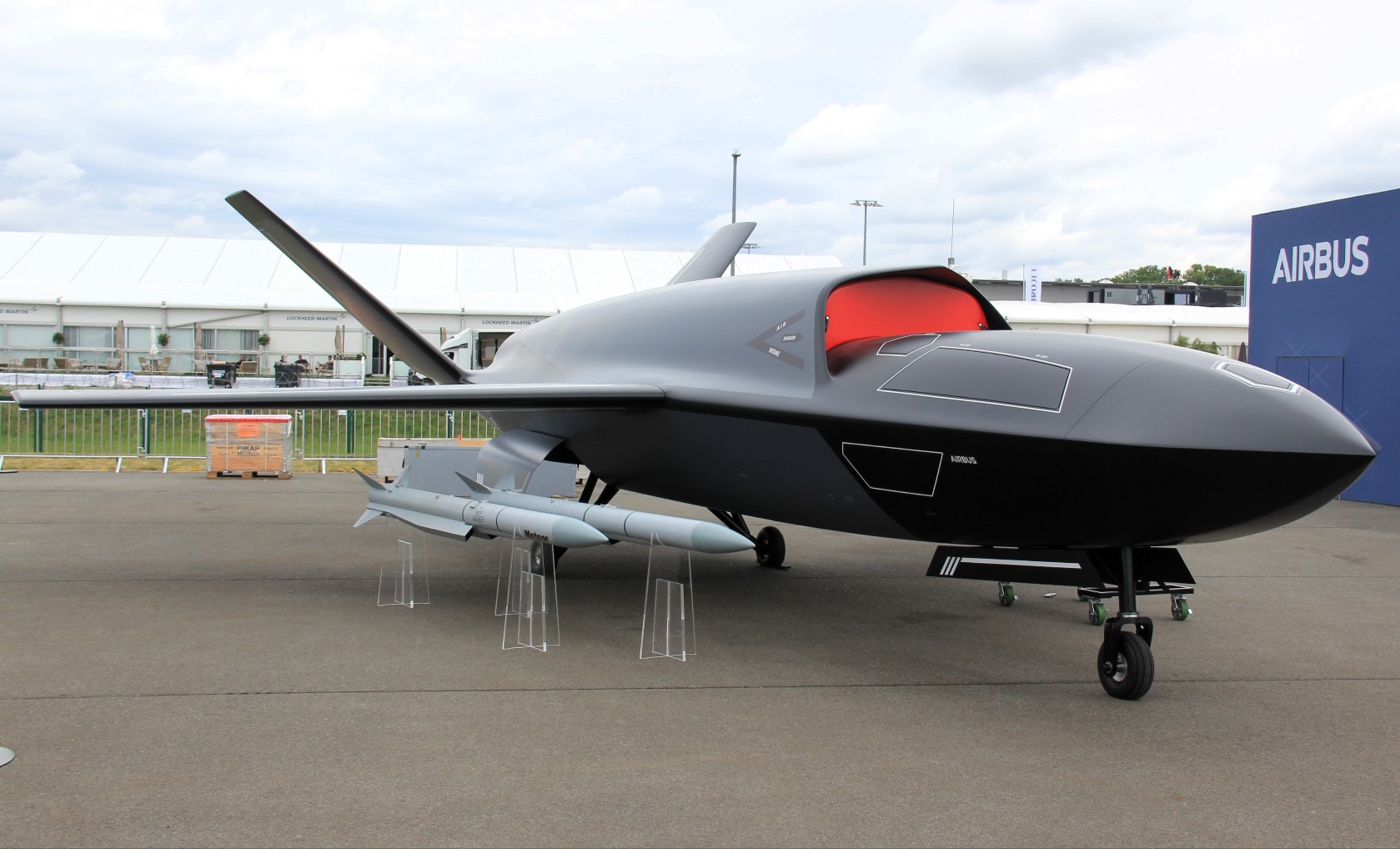 Airbus Unveils U760 Ravenstorm Loyal Wingman Drone at ILA Berlin 2026
-
 U.S. Army Successfully Demonstrates Quantum Sensor That Can Precisely Locate Radio Signals in 3D
-
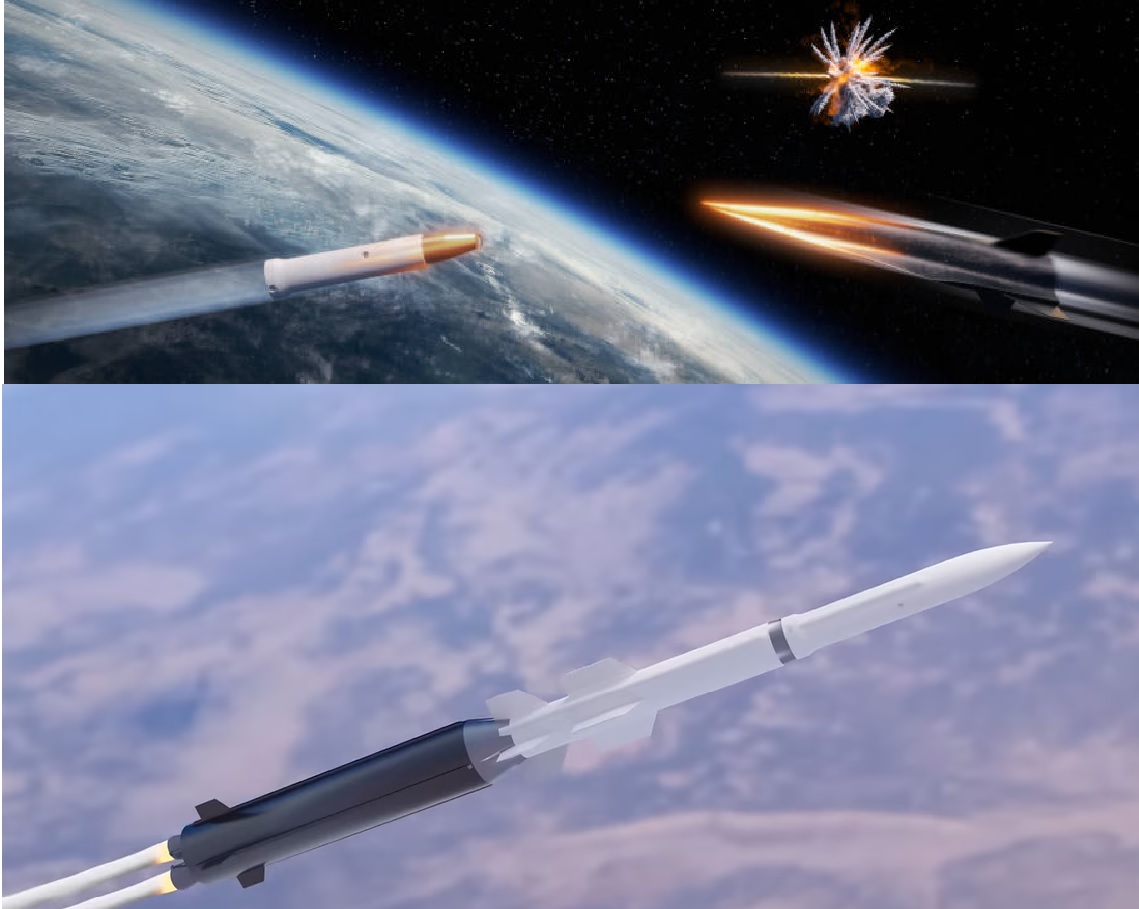 MBDA Develops AQUILA Interceptor to Counter Hypersonic and Maneuvering Missile Threats