
World
Airbus has once again pushed the boundaries of aviation technology, announcing a groundbreaking achievement for its A330 multi-role tanker aircraft. In a world first, the aircraft successfully completed an automatic air-to-air refueling mission at night, a feat that marks a significant milestone in aviation history.Prior to this achievement, the A330 tanker had only performed aerial refueling during daytime conditions. This nighttime operation involved more than 500 contacts with receiver aircraft conducted between May and June of this year. Out of these, 150 refueling operations were carried out under night conditions, demonstrating the tanker’s enhanced capability in various illumination environments.The historic tests were performed using an A330 aircraft from the Singapore Air Force, with Portuguese F-16s and Singaporean F-16 and F-15SG fighters acting as receiver aircraft. To ensure a thorough evaluation of the system’s efficiency, these contacts were executed under different night illumination conditions and various receiver external configurations.Developed in 2007, the A330 MRTT (Multi Role Tanker Transport) is the military adaptation of the civilian A330-200. This aircraft is powered by two General Electric engines, enabling it to reach a maximum speed of 912 kilometers per hour (567 miles per hour). It boasts a maximum fuel capacity of 111 tons, a critical feature that supports its 97-percent air-to-air refueling success rate.Enhancements for nighttime refueling included the integration of new A3R night operation algorithms and advanced camera systems to improve its vision capabilities. These advancements have enabled the A330 MRTT to become the first tanker certified for automatic air-to-air refueling, as announced by Airbus in July 2022.The significance of this achievement cannot be overstated. The ability to perform automatic refueling operations at night not only increases the operational flexibility of military forces but also enhances the safety and efficiency of such missions. This development is expected to have far-reaching implications for military aviation, paving the way for more versatile and reliable aerial refueling capabilities.In summary, Airbus’s A330 tanker has set a new benchmark in the aviation industry by successfully completing the world’s first automatic nighttime air-to-air refueling mission. This technological leap forward highlights Airbus's commitment to innovation and its pivotal role in advancing military aviation capabilities.
Read More → Posted on 2024-07-25 16:51:05
World
Greece has taken a significant step in modernizing its air force by signing a deal to procure 20 Lockheed Martin F-35 Lightning II aircraft. This agreement, formalized through a Letter of Offer and Acceptance (LOA) under a U.S. government Foreign Military Sale, also includes an option for Greece to acquire an additional 20 jets in the future. This move aligns Greece with a growing number of NATO countries that are integrating this advanced fighter jet into their military arsenals.The F-35 Lightning II, known for its stealth, advanced avionics, and superior combat capabilities, represents a transformative addition to the Hellenic Air Force. Air Force Lt. Gen. Mike Schmidt, the director and program executive officer of the F-35 Joint Program Office, expressed his enthusiasm about Greece joining the F-35 enterprise. He highlighted the exceptional capabilities that the F-35 will bring to the Hellenic Air Force, enhancing interoperability among NATO allies and strengthening overall combat effectiveness.Bridget Lauderdale, Lockheed Martin’s vice president and general manager of the F-35 program, echoed these sentiments. She noted that Greece has been a valued partner for decades, and this acquisition marks a continuation of that strong relationship. The F-35 is seen as a crucial asset for bolstering Greece’s sovereignty and operational capabilities, making it a pivotal element in the nation’s defense strategy.The F-35 is rapidly becoming the standard fighter jet for NATO, praised for its unparalleled interoperability with allied forces. This capability is a significant strategic advantage for the U.S. and its allies, ensuring superiority in the air for decades to come. By the 2030s, it is expected that more than 600 F-35s will be operational across over 10 European countries, including two full U.S. F-35 squadrons stationed at Royal Air Force Lakenheath in the UK.Mara Motherway, Lockheed Martin’s vice president of Strategy and Business Development, emphasized the growing presence of the F-35 across Europe as a testament to alliance-based deterrence. This widespread adoption is laying the groundwork for NATO and allied nations’ next-generation air power capability.The presence of the F-35 in Greece is expected to play a crucial role in deterring threats and disrupting adversaries' plans. Its advanced features and operational capabilities will significantly contribute to regional stability and the protection of allied airspace. As modern warfare evolves, the connectivity and advanced systems of the F-35 make it a vital component of the joint force, ensuring Greece and its allies remain secure and prepared for any challenges.Currently, the F-35 operates from 32 bases worldwide, with 10 nations having these jets stationed on home soil. Nearly 1,000 F-35 aircraft are operational globally, amassing over 860,000 flight hours. This widespread adoption and operational success underscore the F-35’s pivotal role in modern air combat and defense strategies.Greece’s acquisition of the F-35 Lightning II jets marks a significant advancement in its military capabilities and a reaffirmation of its commitment to NATO’s collective defense strategy. This move not only enhances Greece's air power but also strengthens the interoperability and strategic cohesion of the NATO alliance.
Read More → Posted on 2024-07-25 16:46:45
World
Israel Aerospace Industries (IAI) recently introduced a groundbreaking addition to its arsenal: the ‘Wind Demon’ air-to-surface cruise missile. This state-of-the-art weapon was unveiled at the prestigious Farnborough International Airshow 2024, marking a significant leap in Israel's defense capabilities.The Wind Demon, a marvel of modern military technology, weighs in at 140 kilograms (308 pounds) and boasts impressive versatility. It can be launched from various aerial platforms, including attack helicopters and fighter aircraft. One of its standout features is its long-range capability, allowing it to engage both mobile and stationary targets more than 200 kilometers (124 miles) away.Designed to fly at extremely low altitudes, the Wind Demon significantly reduces the risk of detection and interception by enemy air defenses. This makes it a formidable tool in Israel’s defense strategy, enhancing its ability to carry out precise and undetectable strikes.The missile leverages IAI's extensive experience in missile and loitering munition development, incorporating cutting-edge technology for superior performance. It is equipped with laser-homing seekers and advanced electro-optics, ensuring precise target identification both day and night. The Wind Demon’s remarkable accuracy is highlighted by its circular error probability of just one meter (3.3 feet), making it one of the most precise missiles in its class.In addition to its precision, the Wind Demon features various speed profiles, enabling it to adapt to different mission requirements. Whether a rapid response is needed or a more discreet approach is preferred, the missile can adjust accordingly to suit the terrain and operational demands.A notable aspect of the Wind Demon is its cost-efficiency. IAI has positioned this missile as a reliable and affordable solution for modern warfare. While the exact unit price remains undisclosed, company vice president Guy Bar Lev emphasized the missile’s "uniquely low cost-per-hit ratio," making it an economically viable option for sustained military operations.This latest development from IAI reflects the changing nature of warfare, where precision, versatility, and affordability are paramount. The Wind Demon is set to enhance Israel’s defense capabilities, providing a sophisticated tool to address evolving security challenges effectively.As the world watches the ongoing advancements in military technology, the introduction of the Wind Demon underscores Israel’s commitment to maintaining a strategic edge in defense innovation. This missile is not just a testament to IAI’s engineering prowess but also a crucial asset in Israel’s national security arsenal.
Read More → Posted on 2024-07-25 16:26:24
World
In a bid to reinforce its dwindling military ranks amidst the ongoing conflict in Ukraine, Russia has unveiled a lucrative financial incentive aimed at attracting new recruits. The Moscow city government is offering a substantial first-year compensation package of 5.2 million roubles (approximately Rs 50,00,000) to contract soldiers. This sum, which is more than five times the national average wage, reflects the urgency and desperation driving Russia’s current recruitment efforts.The conflict in Ukraine has taken a severe toll on Russian forces, with high casualty rates and significant losses in both personnel and equipment. Reports indicate that tens of thousands of Russian soldiers have been killed or wounded since the invasion began. In light of these grim statistics, President Vladimir Putin has ordered an increase of 170,000 military personnel, underscoring the escalating need for more soldiers.Despite the generous financial package that includes bonuses, salaries, and various benefits, Moscow has struggled to meet its recruitment goals. The capital lags behind other regions in the proportion of its population volunteering for military service. This struggle is set against the backdrop of a previous mobilization campaign that claimed to have successfully enlisted 300,000 personnel, which was subsequently suspended.Economists have expressed concerns about the broader economic implications of these hefty payments. They warn that such substantial compensation could lead to wage inflation across other sectors, potentially destabilizing the already strained Russian economy. The offer's attractiveness, despite its generosity, is diminished by the harsh realities of the front lines, where the risk of severe injury or death is a constant.The recruitment drive has extended beyond Russia’s borders, with reports of foreign fighters being enlisted to bolster the ranks. Social media platforms are rife with graphic footage and firsthand accounts of the brutal conflict, starkly illustrating the human cost on both sides.The Kremlin’s intensified efforts to attract new soldiers highlight the immense challenges it faces in sustaining its military campaign. The conflict continues to inflict profound suffering, with no clear resolution in sight. The financial incentives, while substantial, may not be sufficient to overcome the grim realities of the war and the heavy toll it exacts on those who serve.
Read More → Posted on 2024-07-25 16:23:23
World
Kratos Defense & Security Solutions has taken a significant step forward in military aviation technology with the introduction of a new low-cost engine, the GEK800. This innovative engine, developed in collaboration with GE Aerospace, is designed to power both cruise missiles and the U.S. Air Force’s futuristic Collaborative Combat Aircraft (CCA).The GEK800 engine stands out for its impressive performance and adaptability. It can generate up to 3,000 pounds (1,360 kilograms) of thrust, making it an ideal candidate for cruise missiles. However, its design also allows for scalability, a crucial feature for meeting the diverse and evolving requirements of the CCA program. GE Aerospace President Amy Gowder emphasized the engine's flexible architecture, stating, “As we see the requirements firm up, we’ll decide how high to scale or not. Certainly, there’s a lot of requirements that have not been disclosed on CCA due to the classified nature.”Kratos has announced that the development phase of the GEK800 is complete, and the engine is now undergoing a series of rigorous tests. These tests are critical to ensuring that the engine meets the high standards required for military applications. According to Kratos CEO Eric DeMarco, the engine is "just about ready to go," and they are already in discussions with potential customers about its deployment. DeMarco added, “We understand what the first platforms will be, what the first systems will be, and we understand the competitive landscape from pricing and performance.”One of the most appealing aspects of the GEK800 is its cost-effectiveness. Although the exact price has not been disclosed, Amy Gowder highlighted that the engine is designed to meet defense customers' growing demand for affordable solutions without compromising on performance. This focus on cost efficiency is particularly relevant in the current global defense landscape, where budget constraints and the need for advanced technology are constant challenges.In addition to its suitability for cruise missiles and the CCA program, the GEK800 engine is also versatile enough to power drones and loitering munitions. These capabilities make it a valuable asset in modern warfare, where unmanned systems are increasingly playing a pivotal role.The next major milestone for the GEK800 will be its altitude testing, scheduled for next year. This testing will further validate the engine's performance and reliability under various conditions, paving the way for its integration into military platforms.Kratos's unveiling of the GEK800 engine marks a significant advancement in military propulsion technology. With its blend of high performance, scalability, and cost-effectiveness, the GEK800 is poised to play a crucial role in future defense systems, addressing the needs of both current and emerging military missions.
Read More → Posted on 2024-07-25 16:19:35
World
In a devastating incident at Tribhuvan International Airport (TIA) in Kathmandu, a Saurya Airline CRJ7 plane crashed, resulting in the tragic loss of 18 lives. The sole survivor of this heartbreaking accident is the pilot, 37-year-old Manish Shakya, who is currently receiving medical treatment.The aircraft, identified as 9N-AME, took off from Kathmandu at 11:11 AM local time, destined for Pokhara for maintenance. Shortly after takeoff, the plane veered right and crashed on the east side of the runway. Eyewitnesses reported seeing smoke billowing from the crash site as emergency services, including firefighters, Nepal Police, and the Nepali Army, rushed to the scene to control the fire and begin rescue operations.Tribhuvan International Airport authorities confirmed the recovery of 18 bodies from the site, with Shakya being the only person found alive amidst the wreckage. He was promptly transported to KMC Hospital in Sinamangal for urgent medical care.This flight was not carrying any passengers, only technical staff of Saurya Airlines, as it was on a maintenance-related journey to Pokhara. The crash has deeply affected the airline community, as all the victims were staff members dedicated to ensuring the safety and operation of the aircraft.Following the crash, TIA has been temporarily closed, causing significant disruptions to both domestic and international flights. Many domestic flights have been halted, and international flights have been diverted to other airports until further notice. The closure is expected to remain in effect until the rescue operations are fully completed.This incident has cast a shadow over Nepal’s aviation sector, with authorities and the airline conducting thorough investigations to determine the cause of the crash. The nation mourns the loss of those who perished and prays for the recovery of the brave pilot who survived this tragic event.
Read More → Posted on 2024-07-25 16:16:11
World
In response to the growing threat posed by Russian and Chinese activities in the Arctic, the United States has unveiled a comprehensive Arctic Strategy for 2024. The strategy aims to bolster America's presence in the icy northern region, emphasizing expanded surveillance, intelligence capabilities, and stronger cooperation with allies.Expanding Surveillance and IntelligenceThe new strategy highlights the need for advanced surveillance and intelligence capabilities in the Arctic. The US plans to deploy more ground-based sensors, space-based sensors, and long-range radar to monitor activities by adversaries. The frigid temperatures of the Arctic present unique challenges, but the US military aims to adapt technologies used elsewhere in the world to the harsh environment of the far north.Deputy Defence Secretary Kathleen Hicks emphasized the importance of readiness in the Arctic, stating, "Ensuring that our troops have the training, the gear, and the operating procedures for the unique Arctic environment may be the difference between mission success and failure."Addressing Climate Change ImpactClimate change is melting Arctic ice, previously acting as a natural barrier against adversaries. This has opened new pathways for Russia and China to exploit the region's resources and strategic positions. The strategy recognizes the need to invest in infrastructure to support Arctic operations, noting that much of the legacy Cold War-era infrastructure has deteriorated due to the harsh environment and lack of investment.Strengthening AlliancesA significant advantage for the new Arctic strategy is the accession of Sweden and Finland to NATO. With their inclusion, every Arctic nation, except Russia, is now part of the Western alliance. The US has praised the capabilities of Swedish and Finnish forces in the Arctic and plans for increased joint exercises and cooperation to counter Russian and Chinese activities.Russian and Chinese ActivitiesThe strategy outlines concerns over increased Russian and Chinese cooperation in the Arctic. Deputy Assistant Secretary of Defence for the Arctic, Iris Ferguson, highlighted recent joint naval patrols by Russia and China near Alaska's Aleutian Islands as a notable development. This cooperation is viewed with caution, as it could indicate a growing strategic partnership between the two nations in the region.China has declared itself a "near-Arctic state" and has been actively investing in the region, including in Russian energy projects. This has raised concerns about China's intentions and its potential military implications. The Pentagon expects the Russian-Chinese military relationship to evolve, with increasing levels of Chinese military research and operations in the Arctic.Challenges AheadWhile the strategy addresses the immediate threats and outlines a path for enhanced US presence and capabilities in the Arctic, the challenges remain significant. The Arctic is warming faster than any other region on the planet, opening up new sea routes and access to untapped resources. This has attracted interest from various nations, making the Arctic a focal point of geopolitical competition.The United States sees China as a potentially destabilizing force, with its economic and military power challenging the established order. The Pentagon considers China its "pacing challenge" for the foreseeable future, including in the Arctic.In summary, the 2024 Arctic Strategy reflects the US's commitment to countering Russian and Chinese expansion in the region, ensuring a robust presence, and safeguarding its interests in the rapidly changing Arctic environment.
Read More → Posted on 2024-07-25 16:11:49
World
At the Farnborough International Airshow 2024, MBDA introduced a groundbreaking addition to its Sky Warden counter-drone system. This latest advancement, developed in collaboration with Fortem Technologies, highlights an innovative effector concept that promises to redefine the landscape of drone defense.The new effector integrates Fortem's cutting-edge DroneHunter technology with MBDA's Sky Warden modular system. This combination leverages artificial intelligence to enhance the system's ability to detect, identify, and classify various aerial threats. The concept is designed to counter a broad spectrum of adversarial drones, including tactical and reconnaissance drones, as well as loitering munitions.A key feature of this new integration is a ground-launched anti-air munition that MBDA has demonstrated. This munition is capable of targeting and neutralizing enemy drones and other aerial threats with impressive efficiency. The system's flexibility allows for the rapid addition of a warhead to the drone, providing an effective and cost-efficient method for defeating aerial threats.MBDA's CEO, Éric Béranger, emphasized the system's adaptability. "Our flagship Sky Warden system is designed to evolve as swiftly as the drone threats we face. Recent trials have shown its effectiveness and lethality," Béranger stated. The Sky Warden’s modular design ensures that it can be quickly updated to keep pace with emerging threats.Fortem Technologies' CEO, Jon Gruen, expressed enthusiasm about the collaboration. "We are honored to contribute our expertise to this advanced solution, which combines the speed and agility of Fortem's technology with MBDA's innovative approach. This partnership ensures that our customers receive a robust and cost-effective defense solution," Gruen said.The new effector concept showcased at Farnborough underscores the ongoing evolution in counter-drone technologies, highlighting a crucial step in staying ahead of increasingly sophisticated aerial threats.
Read More → Posted on 2024-07-24 16:17:15
World
In a significant move to bolster global air defense capabilities, BAE Systems Bofors has joined forces with UK-based Chess Dynamics to develop the fire control element for the cutting-edge Tridon Mk2 air defense system. This collaboration, unveiled in June, promises to enhance the effectiveness of countering diverse threats, including drones, aircraft, cruise missiles, and armored vehicles.The Tridon Mk2 is built around the robust Bofors 40-millimeter anti-aircraft artillery gun, known for its versatility and efficiency. This self-propelled, remotely-controlled gun boasts an impressive effective range of 12 kilometers (7.4 miles) and can be mounted on various platforms, making it a flexible solution for modern defense needs.Central to the Tridon Mk2’s capabilities is its advanced fire control system, developed by Chess Dynamics. The system is based on the Hawkeye Air Defence system, a proven technology in both land and maritime domains. The Mk2 fire control system provides an integrated solution for all types of ballistic effectors, ensuring precise targeting and tracking.The fire control system features a high-definition thermal imager, daylight TV sensors, and a high-performance laser range finder, all co-mounted on a dynamic direct-drive positioner. This sophisticated setup allows for accurate 3-D coordinates of both air and surface targets, feeding critical data to gun control or combat systems. The in-built tracker ensures that the system maintains a lock on targets even under challenging conditions.David Tuddenham, Managing Director of Chess Dynamics, expressed pride in the partnership with BAE Systems Bofors, highlighting the project’s significance and the longstanding collaboration between the two companies. “Our Electro-Optic Fire Control pedigree in both the Land and Maritime domains delivers class-leading GBAD (ground-based air defense) technology and capabilities for BAE Systems Bofors and the Tridon Mk2 end users,” Tuddenham said.The partnership between BAE Systems Bofors and Chess Dynamics is set to bring advanced air defense solutions to the forefront, leveraging decades of expertise and innovation. The Tridon Mk2, with its state-of-the-art fire control system, represents a significant advancement in the realm of air defense, offering enhanced protection against a wide range of modern threats.This collaboration underscores the importance of international partnerships in developing cutting-edge defense technologies and highlights the continuous evolution of air defense systems to meet emerging challenges. With the Tridon Mk2, BAE Systems and Chess Dynamics are poised to set new standards in the field, ensuring robust and reliable defense capabilities for nations worldwide.
Read More → Posted on 2024-07-24 16:12:34
World
In a significant boost to the UK's defence capabilities, Thales has secured a substantial GBP 176 million contract to supply the British Armed Forces with Lightweight Multirole Missiles (LMM). This move aims to enhance the short-range air defence capabilities of both the British Army and the Royal Navy, providing them with versatile and precision weaponry suited for various modern combat scenarios.The Lightweight Multirole Missile, weighing 13kg, is renowned for its precision and effectiveness against a range of threats including drones, helicopters, aircraft, and small, fast maritime targets. These missiles will be integrated into the British Army’s Stormer combat vehicles and deployed through the Royal Navy’s Martlet maritime anti-surface missile system from Wildcat helicopters.The contract not only strengthens the UK’s defence capabilities but also supports 135 jobs at Thales’ site in Belfast, Northern Ireland. Furthermore, it stimulates economic growth by engaging small and medium enterprises (SMEs) and the local supply chain. This deal follows a recent £69 million contract placed earlier this year to secure the supply chain for key components in missile manufacturing, highlighting the increasing global demand for air defence capabilities driven by the ongoing conflict in Ukraine.Andy Start, CEO of Defence Equipment & Support (DE&S), emphasized the missile’s versatility, noting its effectiveness during UK military operations and by Ukrainian allies: "As we have seen during UK military operations and when used by our Ukrainian allies, LMM is a versatile and valuable missile in a variety of battlespaces. Now more than ever, we need to ensure UK Armed Forces and our allies are fully equipped to defeat the evolving global threats we face. This order with Thales UK is a key element of that collective effort.”In response to the heightened demand for air defence systems, Thales’ production in Belfast has doubled. Hundreds of LMMs have already been supplied to Ukraine, aiding their defence against the Russian invasion that began in February 2022. The initial operating capability for the Martlet system was demonstrated in 2021 during the Royal Navy’s Carrier Strike Group deployment in the Bay of Bengal. Since then, Martlet has been integral to operations such as Operation Prosperity Guardian in the Red Sea.Alex Cresswell, CEO of Thales UK, expressed his commitment to this partnership: "Today’s contract announcement reflects the enduring partnership between the UK MOD and Thales for the provision of lightweight weapons. I look forward to continuing to work closely together with the MoD to deliver the capabilities our Armed Forces need, and to make industry more resilient to deal with increasing demand.”This contract is a critical element of the UK’s ongoing efforts to maintain a robust and adaptable defence posture, ensuring that the British Armed Forces are well-equipped to handle the evolving global threats. The increased production and deployment of the LMM are clear indicators of the UK's commitment to bolstering its defence capabilities and supporting its allies in the face of ongoing global conflicts.
Read More → Posted on 2024-07-24 16:01:35
World
Boeing is setting its sights on a bold new mission for its F-15EX Eagle II fighter jet. The aerospace giant is considering transforming this next-generation aircraft into a formidable electronic attack (EA) platform, akin to the capabilities of the EA-18G Growler. This potential conversion could revolutionize the role of the F-15EX in modern aerial warfare.Rob Novotny, a Boeing official, recently shared with Breaking Defense that internal discussions are underway to determine the feasibility of this ambitious project. The F-15EX already boasts significant electronic warfare (EW) capabilities, thanks to its Eagle Passive Active Warning Survivability System (EPAWSS). However, the proposed enhancements would extend its reach and effectiveness in the electromagnetic spectrum.Currently, the F-15EX is renowned for its impressive missile payload and support role alongside F-35 aircraft, providing additional firepower. Although it lacks the stealth features of some newer fighters, it compensates with speed, range, and payload capacity. Powered by two F110 engines, the F-15EX can travel up to 1,200 nautical miles at speeds reaching Mach 2.5, making it a formidable force in the skies.The envisioned transformation would equip the F-15EX with advanced jamming pods and other long-range electronic attack capabilities. These upgrades would enhance its stealth, enabling it to penetrate enemy airspace and operate undetected. Novotny hopes these new capabilities will allow the F-15EX to "go to a place where the enemy doesn’t want it to go" and function effectively within hostile environments.Boeing is already eyeing potential customers within NATO for this enhanced version of the F-15EX. Novotny emphasized that modern aerial combat necessitates dominance over the electromagnetic spectrum, and the upgraded F-15EX could lead the charge in this critical area for the next decade or more.This initiative highlights Boeing's commitment to pushing the boundaries of military aviation technology. As the F-15EX evolves, it could redefine electronic warfare strategies and solidify its place as a versatile and indispensable asset in modern air forces.
Read More → Posted on 2024-07-24 15:44:31
World
In an admirable display of international solidarity, Indonesia is gearing up to send hospital ships to Gaza once more, continuing its longstanding commitment to global peacekeeping and humanitarian efforts. This renewed endeavor was notably mentioned by Prabowo Subianto, Indonesia's Minister of Defence and President-elect, during the Shangri-La Dialogue in Singapore on June 1, 2024. Prabowo's statement emphasized Indonesia's readiness to deploy a significant peacekeeping force under a United Nations mandate to help stabilize the Gaza Strip.In addition to military peacekeepers, Indonesia plans to provide medical evacuation and treatment for up to a thousand wounded Palestinians. This ambitious plan underscores the country's dedication to offering substantial aid in crisis zones. As part of the peacekeeping force, the Indonesian National Armed Forces (TNI) Commander, General Agus Subiyanto, outlined a brigade-sized unit, two helicopters, and two hospital ships.One of these hospital ships, KRI Dr. Wahidin Sudirohusodo (991), has recently undergone a transformation to ensure compliance with international regulations. On July 18, PT PAL, Indonesia's state-owned shipbuilder, revealed that the ship had been repainted white in accordance with the Geneva Convention. This repainting is part of a thorough technical inspection to confirm the vessel's readiness for its crucial mission. KRI Dr. Wahidin, launched in January 2021, is the first Indonesian Navy hospital ship constructed domestically, reflecting Indonesia's growing naval capabilities.Indonesia's experience in deploying hospital ships isn't new. Earlier this year, KRI Dr. Radjiman Wedyodiningrat (992) was sent on a humanitarian mission to Gaza, carrying 242 tonnes of aid and a medical team. However, due to restrictions from Egyptian authorities, the ship was only able to stay at Al Arish Port, transferring the aid to the Egyptian Red Crescent for delivery to Gaza. The voyage was fraught with challenges, including potential threats from the Gulf of Aden and the Red Sea, necessitating a security detail of 36 naval special forces personnel.The Indonesian Navy (TNI AL) operates two other hospital ships, KRI Dr. Soeharso (990) and KRI Dr. Radjiman Wedyodiningrat (992), both critical assets in the nation's humanitarian and peacekeeping missions. These ships not only symbolize Indonesia's commitment to international peace but also highlight the logistical capabilities of the Indonesian navy.In light of these developments, the potential deployment of hospital ships like KRI Dr. Wahidin and KRI Dr. Radjiman to Gaza or nearby regions demonstrates Indonesia's evolving role in global security and humanitarian efforts. This initiative is not just about providing medical aid; it's about showcasing Indonesia's readiness to respond to international crises and contribute meaningfully to global peacekeeping.As Indonesia navigates the dual pressures of international commitments and domestic needs, the country's naval forces are being bolstered. On July 2, TNI AL Chief of Staff Admiral Muhammad Ali announced plans to procure more Landing Platform Docks (LPDs) and Landing Ship Tanks (LSTs) to enhance the navy's sealift capacity. These developments, including the future inclusion of Landing Helicopter Docks (LHDs), reflect Indonesia's strategic vision for a versatile and capable naval fleet.Indonesia's proactive stance in preparing and deploying hospital ships to Gaza is a testament to its unwavering commitment to humanitarian aid and international peacekeeping. As the nation continues to develop its naval capabilities, its role on the global stage is set to become even more prominent, reflecting a harmonious blend of compassion and strategic foresight.
Read More → Posted on 2024-07-23 16:20:21
World
BAE Systems has taken a significant step forward in the development of its Tempest next-generation fighter aircraft, unveiling a new concept model with an "evolved design." This cutting-edge aircraft is part of the Global Combat Aircraft Programme (GCAP), a collaborative effort involving the UK, Italy, and Japan aimed at creating one of the world's most advanced combat jets.The new Tempest design features a larger wingspan compared to previous models, which enhances aerodynamics and overall performance. This improvement is crucial for the aircraft's intended role, which demands superior maneuverability and efficiency. Additionally, the redesigned model offers increased internal capacity, allowing it to carry more fuel and a heavier weapons load, making it more versatile for long-range missions and robust combat operations.BAE Systems official Herman Claesen highlighted the significant advancements embodied in the new Tempest model. "We need to go far, we need to carry lots of stuff, and we need to do it in a low observable/stealthy configuration," he stated, underscoring the aircraft's enhanced capabilities.The GCAP, launched in 2022, aims to develop a sixth-generation fighter jet that will support both manned and unmanned operations, akin to the US Collaborative Combat Aircraft. The program's ambitious goals include creating a highly adaptable, interoperable, and connected aircraft, equipped with intelligent weapons systems, a software-driven interactive cockpit, and advanced integrated sensors and radars capable of processing vastly more data than current technologies.This advanced technology suite is expected to make the Tempest one of the most capable and sophisticated fighter jets ever built. The GCAP has already secured two billion pounds ($2.6 billion) in initial funding, though the overall cost of the program is anticipated to be significantly higher. Once completed, the Tempest will replace the aging fleets of British and Italian Eurofighter Typhoons and Japanese F-2s.However, the future of the GCAP is not without challenges. The UK government's recent order for a comprehensive defense review has raised concerns about potential funding reallocations. Armed Forces Minister Luke Pollard acknowledged the importance of the GCAP but cautioned that the program's funding could be at risk if the review prioritizes projects addressing more immediate threats. Despite these concerns, the Tempest is not expected to enter service until after 2035, providing ample time for further development and adjustments.BAE Systems' collaboration with Italy's Leonardo and Japan's Mitsubishi Heavy Industries on the Tempest underscores the international nature of the GCAP and the shared commitment to advancing military aviation technology. As the program progresses, the Tempest is set to become a flagship of aerial combat innovation, offering unprecedented capabilities and setting new standards for future fighter jets.
Read More → Posted on 2024-07-23 16:12:47
World
Raytheon has made a significant stride in military technology with the successful initial fire test of its High-Energy Laser Weapon System (HELWS) for the British Army. This groundbreaking demonstration marks a pivotal moment in the UK Ministry of Defence’s Land Laser Directed Energy Weapon (LDEW) Demonstrator program, aimed at developing advanced capabilities to counter modern unmanned aerial systems.The historic test took place at the Defence Science and Technology Laboratory (Dstl) range in Porton Down, England. During the event, the HELWS was mounted on a British Army Wolfhound armored tactical support vehicle. This integration is a key component of the LDEW program, which seeks to provide the British Army with cutting-edge, vehicle-mounted laser weapons.In a remarkable display of precision and power, the HELWS was activated at full power, successfully neutralizing targets at distances exceeding 1,000 meters (3,280 feet). This achievement demonstrates the weapon's potential to offer a precise, powerful, and cost-effective solution for defeating aerial threats, thereby enhancing the protection of military forces.A photo from the event shows a British Army Wolfhound armored vehicle equipped with the portable Laser Directed Energy Weapon, symbolizing the fusion of advanced technology with military hardware. This visual encapsulates the innovative leap forward represented by the successful test.The UK Ministry of Defence lauded the achievement, stating, “This high-powered firing is a significant step towards ensuring the UK Armed Forces can exploit this potentially game-changing capability at pace so they have the edge against both current and future threats.” The emphasis on the weapon's precision and power highlights its strategic value in modern warfare.James Gray, Raytheon UK’s Managing Director, expressed optimism about the future applications of the HELWS, noting, “In successfully firing the first laser weapon integrated on a land vehicle in the UK, DSTL has proven that the Raytheon high-energy laser weapon system can track, engage, and defeat targets whilst mounted on a vehicle. We now look forward to the British Army experimenting with the weapon over the coming months and proving that the technology is battlefield ready.”The data collected from this initial test will be instrumental in further exploring the potential applications of future LDEW systems against a broader range of threats. The UK Ministry of Defence has announced that additional tests are planned later this year to evaluate the HELWS's capabilities in real-world drone warfare scenarios, ensuring the technology meets the rigorous demands of the battlefield.Raytheon's successful test of the HELWS aboard a British Army vehicle not only showcases the potential of directed energy weapons but also underscores the collaborative effort between defense technology developers and military forces to maintain a technological edge in modern warfare. This milestone is a promising indicator of the transformative impact that laser weapons could have on the future of military engagements.
Read More → Posted on 2024-07-23 15:45:08
World
GE Aerospace has recently concluded its study on the NATO Next Generation Rotorcraft Capability (NGRC) powerplant concept, a significant step towards revolutionizing the medium-lift helicopter sector. The study, awarded by the NATO Support and Procurement Agency (NSPA) in December 2023, aimed to explore various powerplant solutions for the future rotorcraft, encompassing advanced gas turbines, hybrid electric systems, hydrogen fuel cells, and hydrogen combustion engines.The comprehensive analysis conducted by GE Aerospace, in collaboration with its Defense & Systems organization and Avio Aero, evaluated multiple engine and airframe combinations to determine their suitability for NATO missions. The study assessed several factors, including unit costs, operational expenses, life cycle costs, speed, payload, and range, to ensure that the proposed solutions align with NATO’s strategic objectives.John Martin, GE Aerospace's Director of Turboshaft Advanced Programs, emphasized the significance of the study, stating, “Our study provides valuable insights into the capabilities of various power plant options, bringing us closer to realizing the future of NATO’s next-generation, multi-capable helicopter.”The NGRC project, initiated in 2020 by France, Germany, Greece, Italy, and the UK, aims to replace the existing fleet of medium-lift helicopters, which are expected to be phased out between 2035 and 2040. The new rotorcraft is anticipated to feature a weight range of 10 to 17 tons and possess the ability to integrate with unmanned platforms. It will be designed to carry its own weapons, cost no more than 35 million euros ($38.2 million), and have a cost-per-flight hour capped at 10,000 euros ($10,920). Additionally, the helicopter should have an availability rate exceeding 75 percent, an unrefueled flight range of up to 1,650 kilometers (1,025 miles), a cruise speed of 220 knots (253 miles/407 kilometers per hour), and a lifting capacity of over 4,000 kilograms (8,800 pounds), with space for up to 16 fully equipped troops.The study’s findings will guide the NGRC partner nations as they advance with the program, with three of the five NGRC concept studies open to industry involvement. Lockheed Martin has been awarded the contract for the open systems architecture study, while the integrated platform study contract is still pending. The remaining two studies are being conducted internally without industry participation.As the NGRC initiative progresses, GE Aerospace’s insights will play a crucial role in shaping the future of medium-lift rotorcraft, aiming to deliver a next-generation helicopter that meets the evolving needs of NATO’s operational requirements.
Read More → Posted on 2024-07-22 16:36:33Search
Top Trending in 24 Hours
-
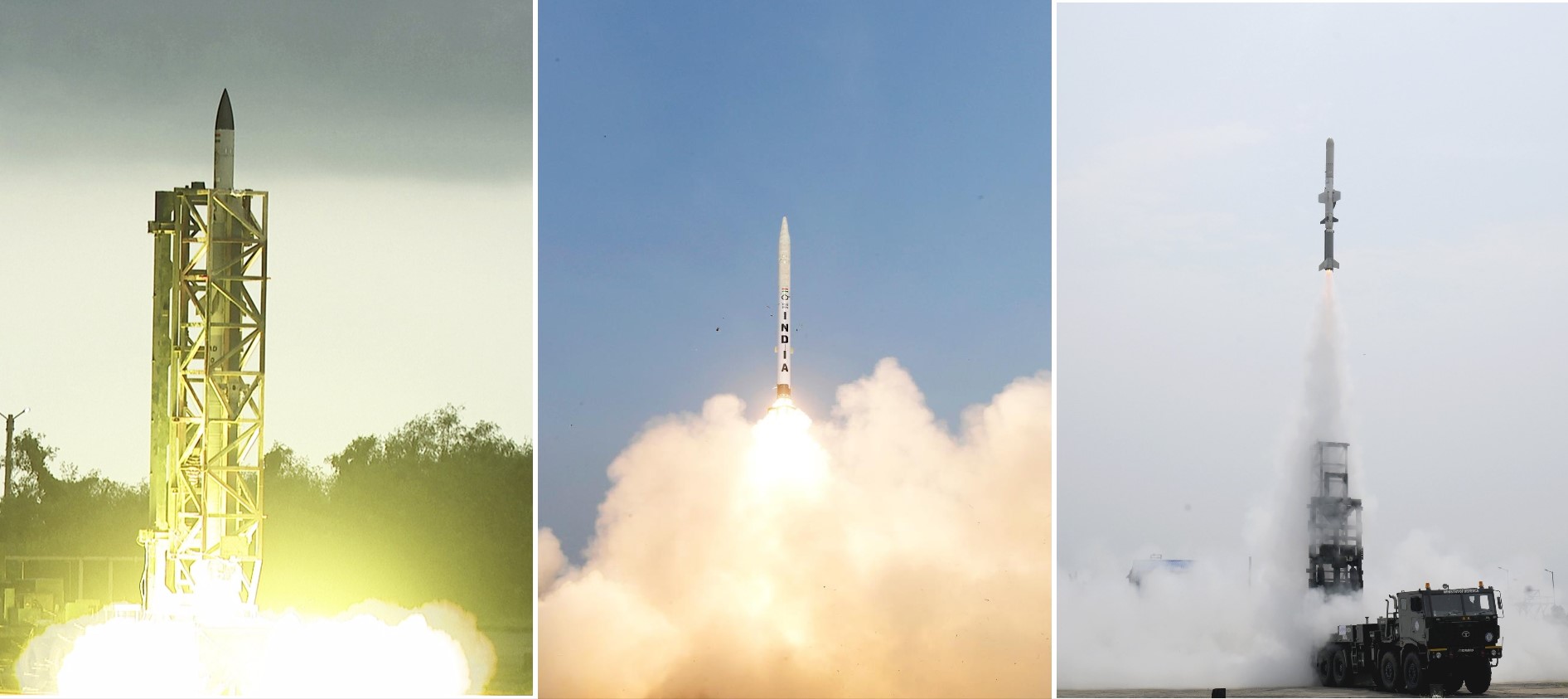 India Successfully Conducts AD-1, AD-2 Interceptor Tests and Maiden NASM-MR Flight Trial
-
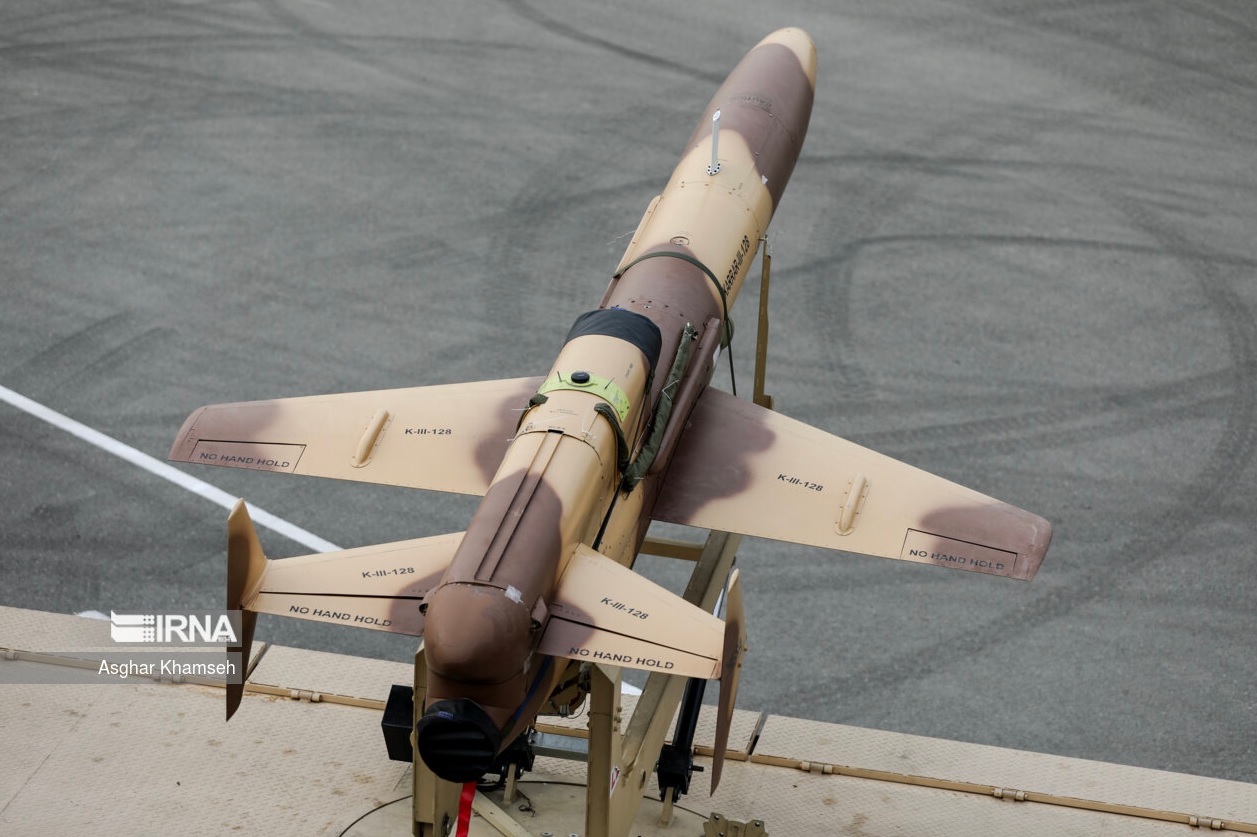 Russia Launches 1,400 Jet-Powered Drones in 2026 as Strike Tactics Evolve to Challenge Ukraine's Air Defenses
-
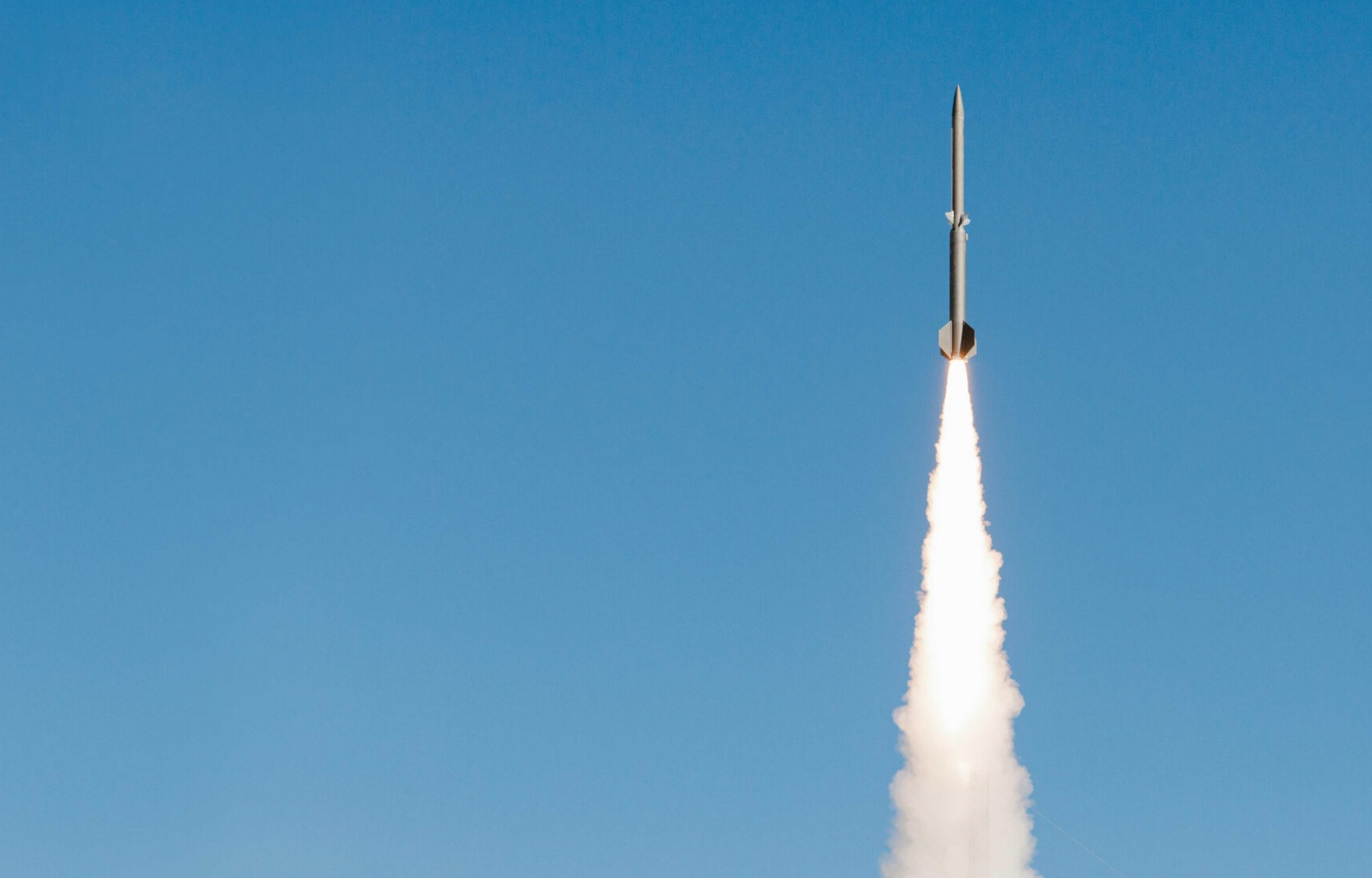 U.S Navy Orders 50 Blackbeard Hypersonic Missiles in New $23.4 Million Contract
-
 UAE Denies Reports of Releasing Up to $20 Billion in Funds to Iran Amid Regional De-Escalation Efforts
-
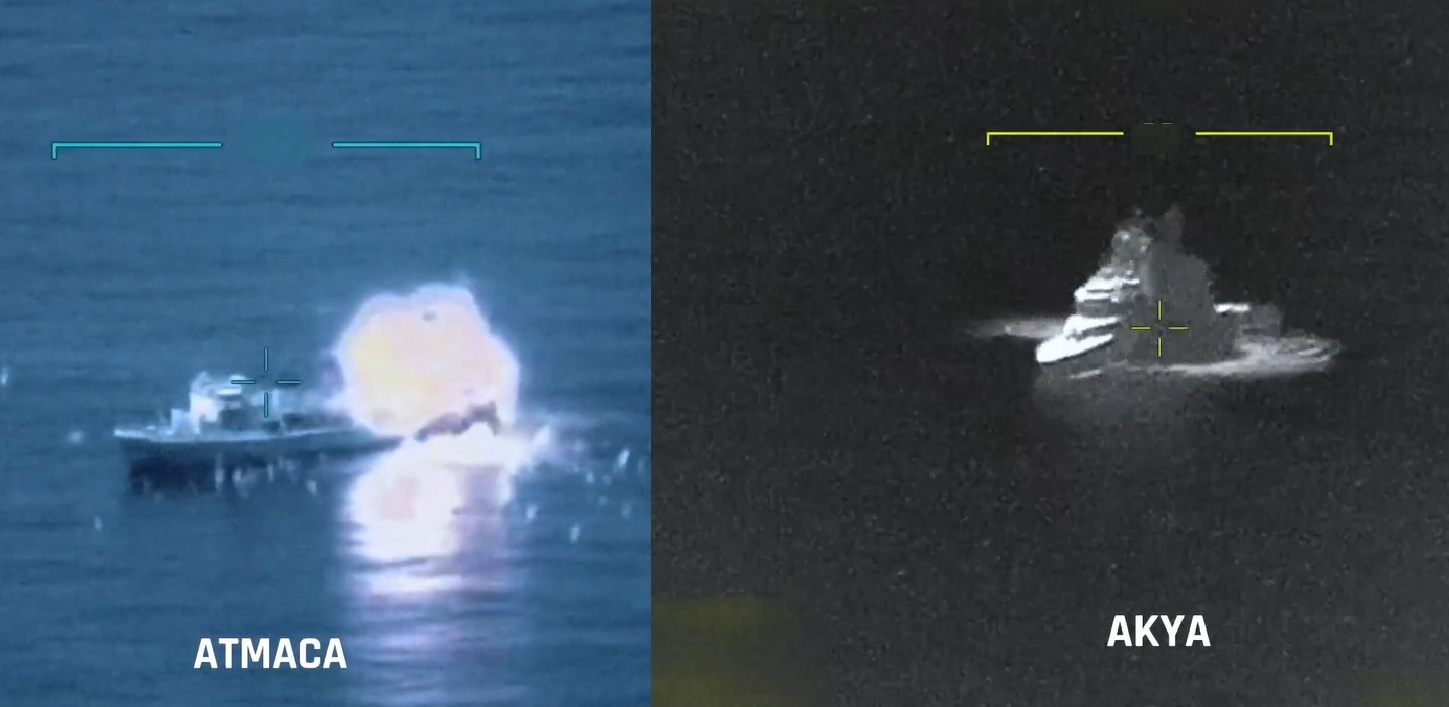 Turkey Navy Successfully Tests AKYA Torpedo and ATMACA Missile During Major Denizkurdu-II Naval Exercise
-
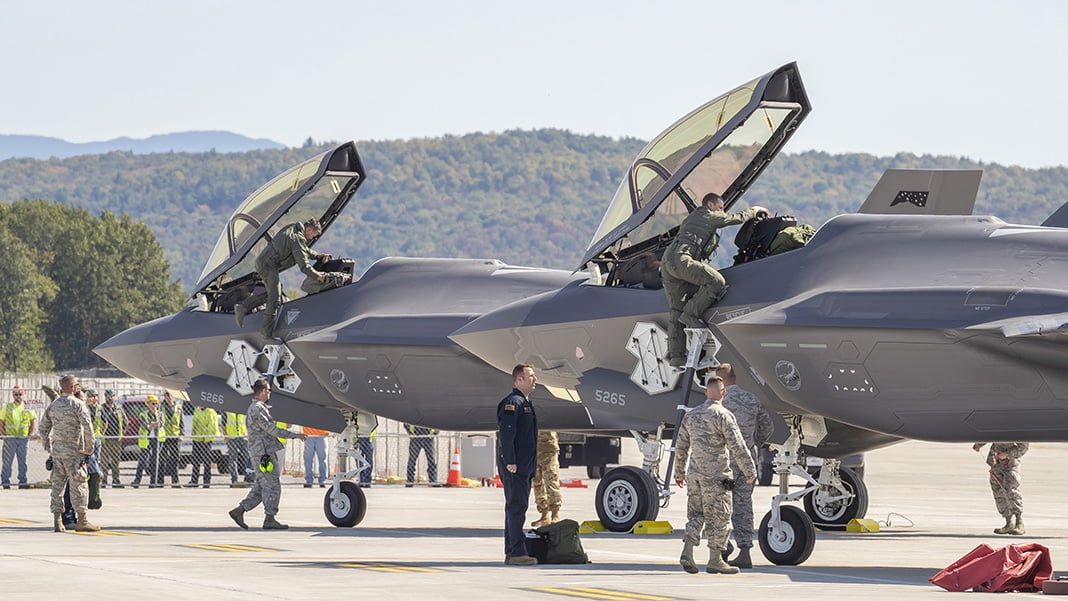 F-35 Fleet Readiness Falls to 25% Amid Parts Shortages and Software Delays: GAO Report
-
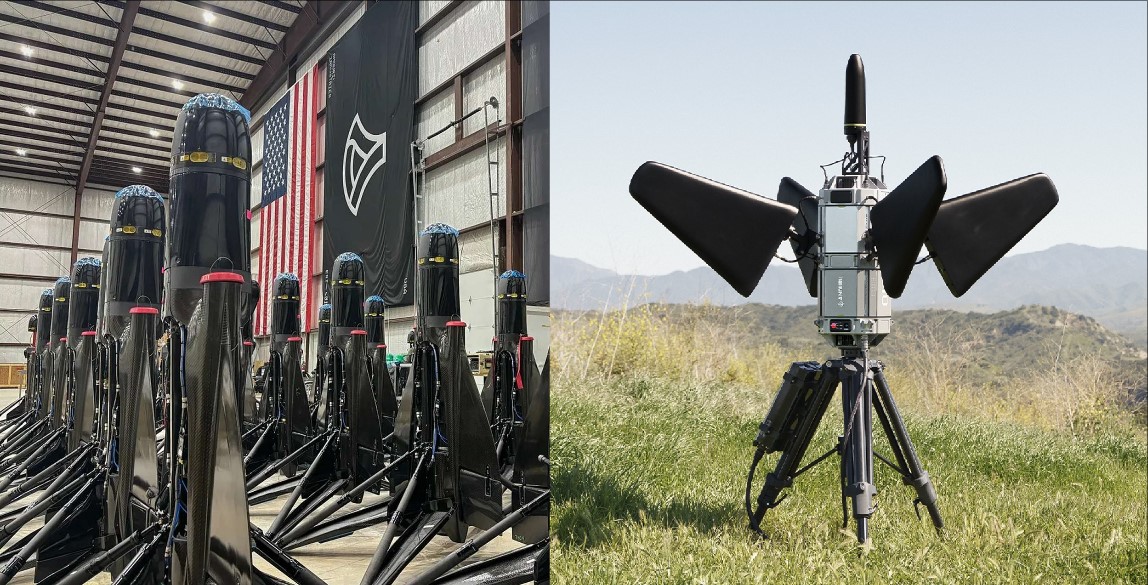 U.S. Approves $1.98 Billion Sale of Anduril AI-Powered Counter-Drone Systems to Kuwait
-
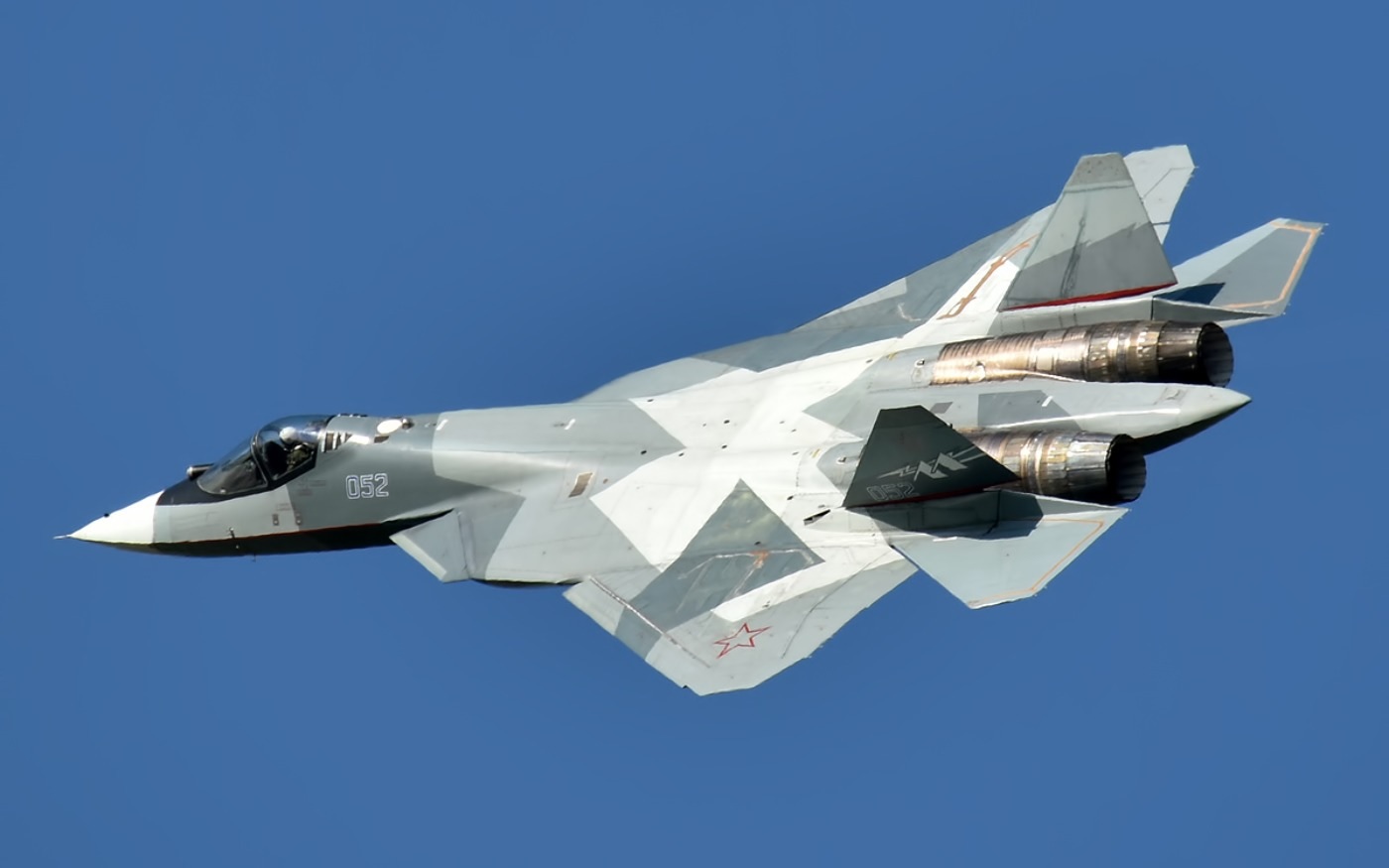 Russian Analysts Debate Su-57 Capabilities After Putin Calls Fighter Superior to F-35
Top Trending in 4 Days
-
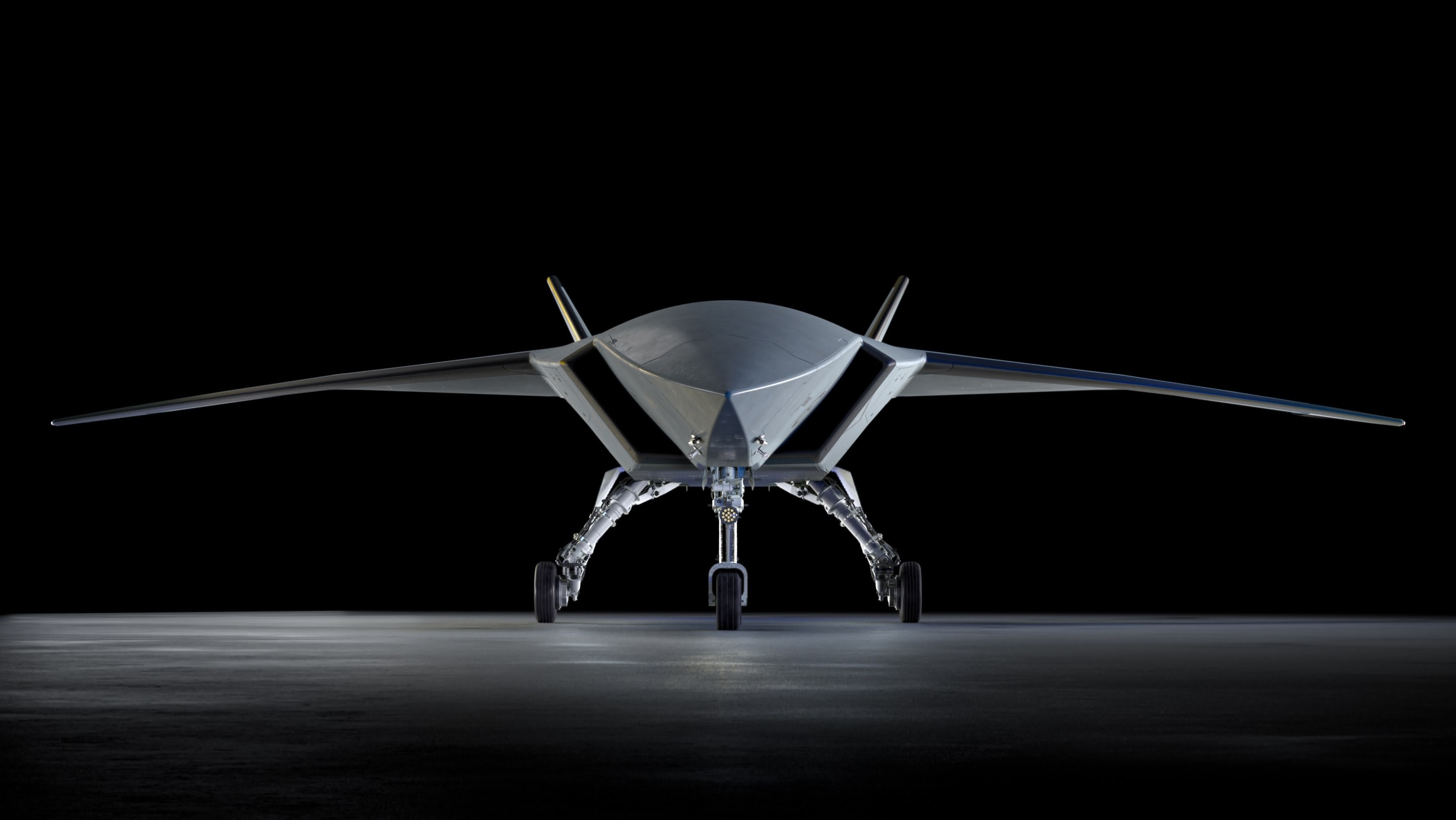 Boeing Introduces New MQ-28 Ghost Bat Upgrades with Increased Range, Payload and Weapons Capacity at ILA Berlin 2026
-
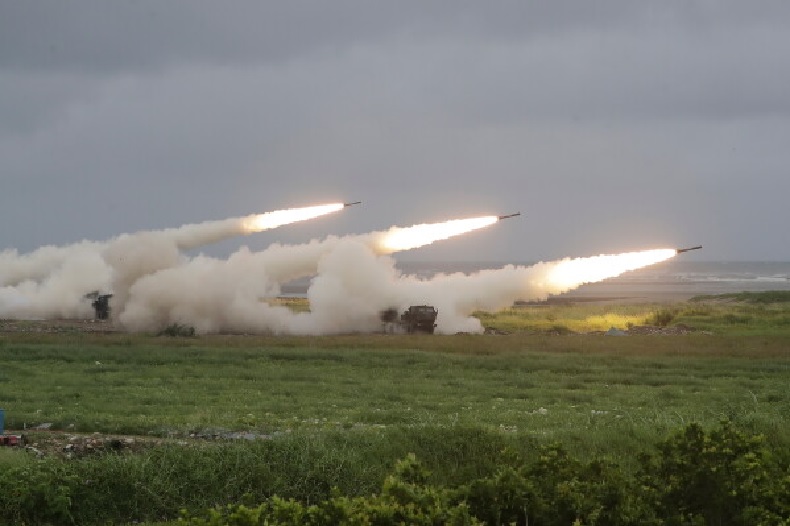 Taiwan Conducts First Live-Fire of HIMARS Rockets From West Coast During Invasion Defense Drill
-
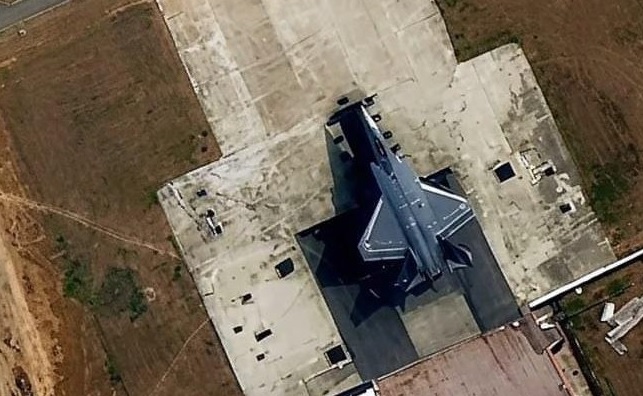 AMCA Airframe Spotted at DRDO’s ORANGE Facility for Radar Cross-Section Testing
-
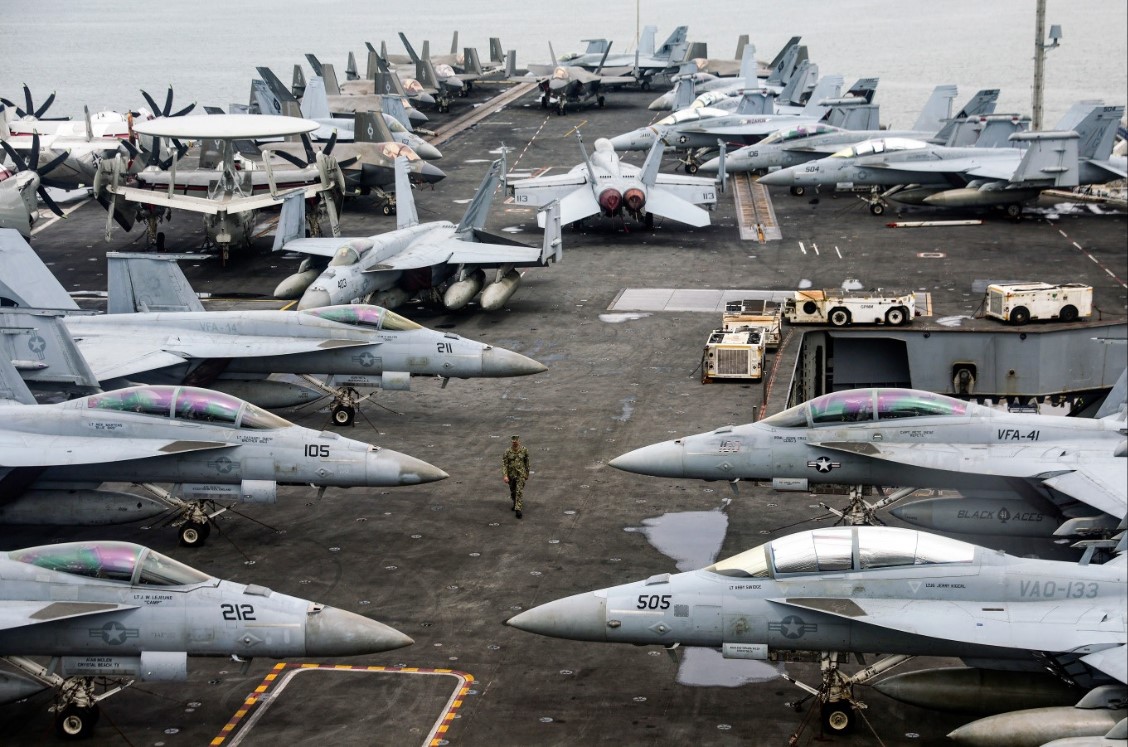 US Plans Significant Reduction of Fighter Jets and Warships for NATO Operations in Europe
-
 Iranian Media Leaks 14-Point U.S.-Iran Peace Framework Amid Ongoing Negotiations
-
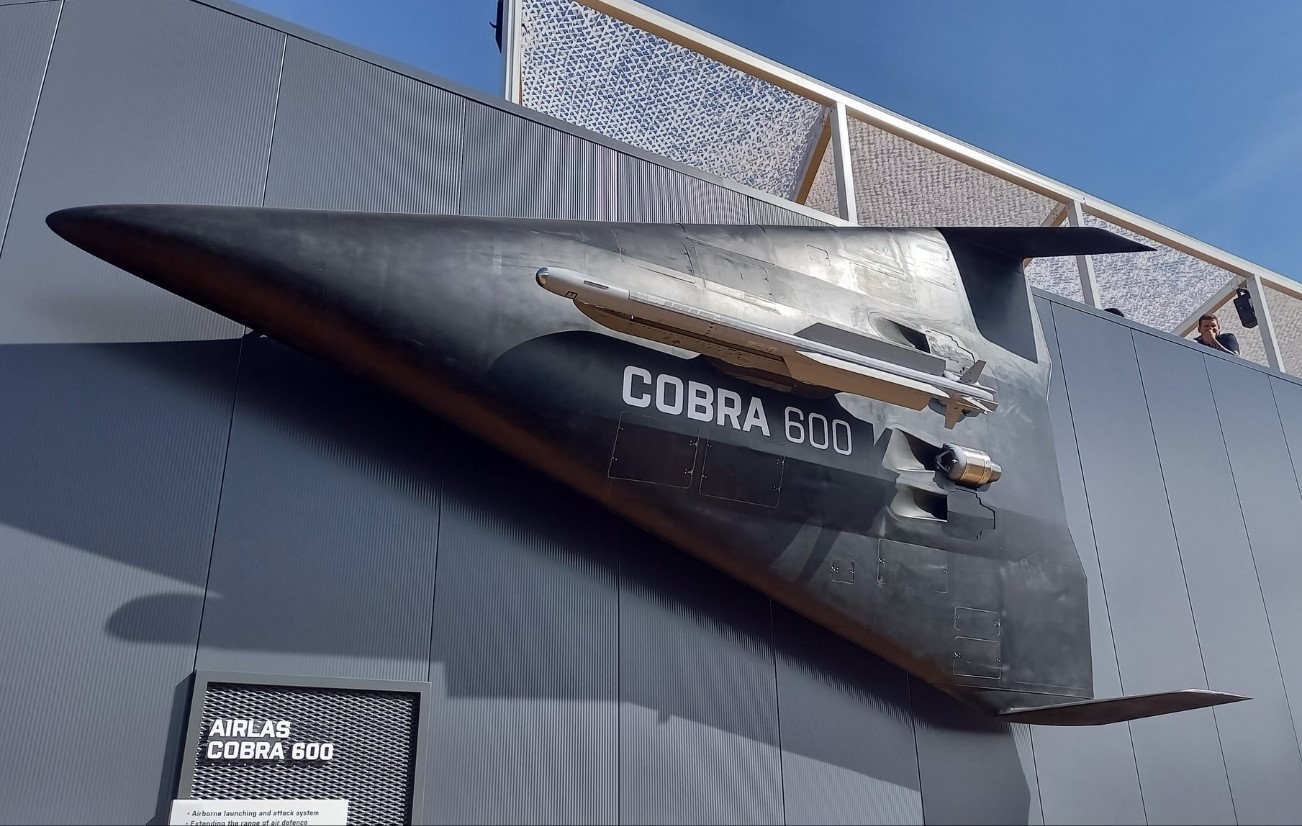 Diehl Defence Unveils IRIS-T Armed Cobra 600 Air Defense Drone at ILA Berlin 2026
-
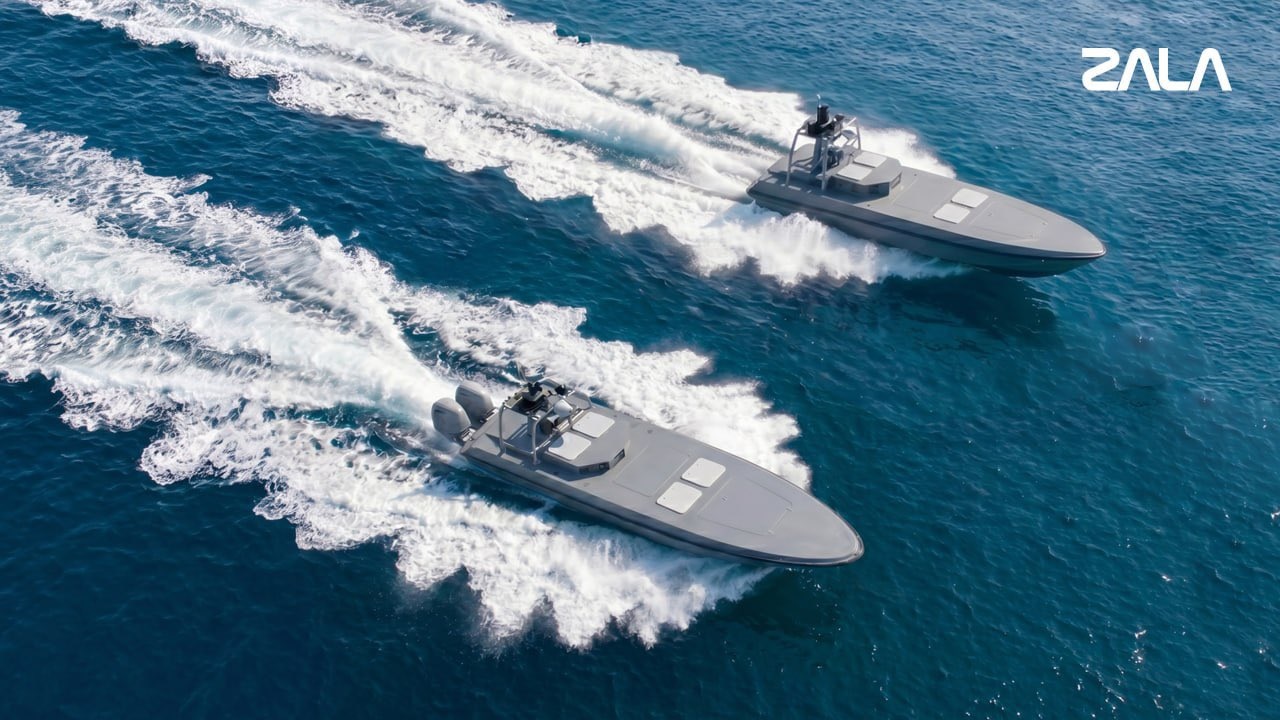 Russian Defense Firm ZALA Unveils KAMA Unmanned Surface Vessel Family at FLOT-2026 Naval Exhibition
-
 U.S Aircraft Carrier USS Theodore Roosevelt Departs San Diego for Major RIMPAC 2026 Naval Exercise