World
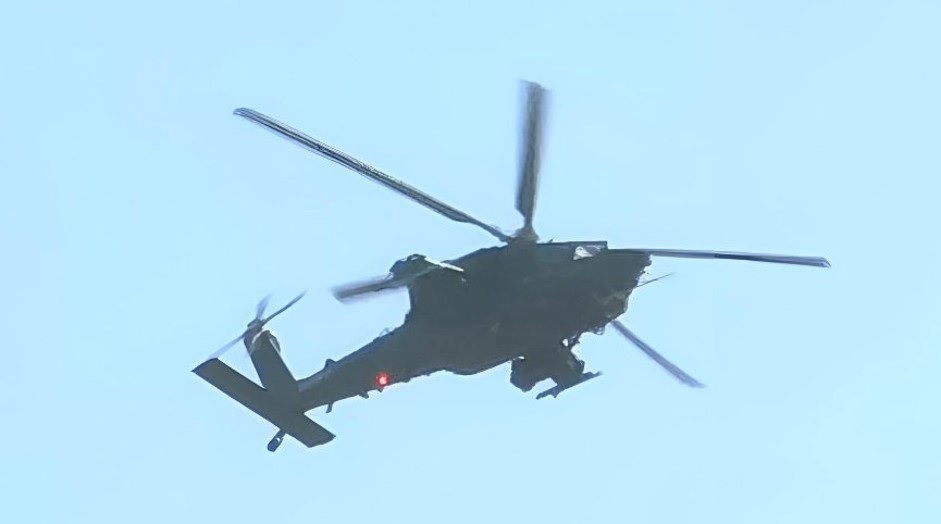
A recent sighting in China has stirred considerable interest in military circles, as the armed variant of the Z-20 helicopter, sometimes referred to as the Z-20W, was observed with the 76th Group Army, also known as the 76th Army Aviation Brigade, Western Theater Command. This development suggests that the People’s Liberation Army (PLA) may have officially inducted this assault version of the Z-20 helicopter into its arsenal.In a recently published image, the Harbin Z-20 was seen equipped with high-mounted stub wings designed to carry weapons. The photograph showcased two Z-20 helicopters at an airfield, with one aircraft notably outfitted with these stub wings, each featuring two possible underwing hardpoints. This configuration indicates a significant enhancement in the helicopter's armament capabilities.The Z-20W variant appears to have been in development for several years. Back in December 2020, a similarly configured Z-20 was spotted undergoing flight testing. That version was armed with four KD-9 or possibly KD-10 anti-tank guided missiles and one rocket pod under each wing stub. However, it lacked an electro-optical/infrared (EO/IR) pod in the nose, a feature that could be vital for targeting and reconnaissance.The Z-20 itself is a versatile utility platform, and the development of an armed variant seems like a natural progression. The armed configuration can provide escort capabilities for the base version during armed assault missions, significantly boosting the overall combat effectiveness of the PLA’s aviation units. This aligns with the PLA’s strategic objectives, providing a robust platform capable of performing a variety of mission profiles, from troop transport to close air support and armed reconnaissance. Deng Jinghui, the chief designer of the helicopter, mentioned in a 2022 interview with China Central Television that the Z-20 could receive further upgrades, including potential aerial refueling capabilities. This would greatly extend the operational range and flexibility of the Z-20, solidifying its role in the PLA’s strategic and tactical operations.The introduction of the Z-20W armed variant reflects China's ongoing efforts to modernize its military and enhance its operational capabilities. As the PLA continues to expand its reach and refine its strategic assets, the Z-20W represents a significant step forward in bolstering its aviation capabilities.
Read More → Posted on 2024-07-28 15:41:57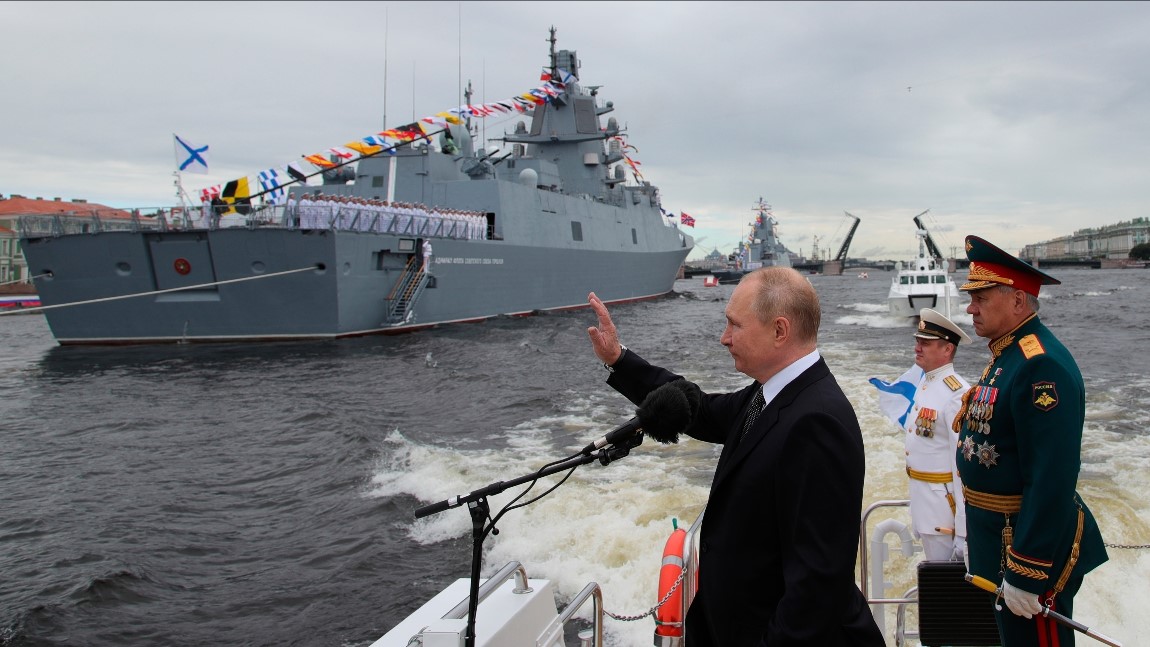
World
In a significant gesture of maritime camaraderie, Russian President Vladimir Putin greeted the Indian Navy personnel aboard the Indian Naval Ship (INS) Tabar as it took part in Russia's Navy Day celebrations. This event, reported by Russia-based RT, underscores the deepening naval cooperation between Russia and India.President Putin oversaw the Main Naval Parade on the Neva River in St. Petersburg, a grand event that has become a tradition since 2017 to honor the glorious victories and contributions of the Russian Navy in defending the Fatherland. The parade featured an impressive array of naval hardware, including 20 surface ships, four sailing vessels, a submarine, and various gunboats.Among the Russian vessels participating were the Project 22800 Karakurt-class missile corvette Odintsovo, Project 20380 missile corvette Boiky, Project 12700 coastal minesweeper Alexander Obukhov, Project 21631 missile corvettes Grad, Naro-Fominsk, Grad Sviyazhsk, and Serpukhov, the Project 23550 icebreaking patrol ship Ivan Papanin, and the Project 636.3 Varshavyanka-class submarine Mozhaisk.Foreign naval participation included the Indian Navy's frigate Tabar, the Algerian Navy's training ship Soummam, and the Chinese guided missile destroyer Jiaozuo. The event culminated with nearly 2,500 troops marching in foot columns on Senate Square in St. Petersburg, showcasing the strength and solidarity of the participating navies.INS Tabar's arrival in St. Petersburg was marked by a warm welcome ceremony, highlighting the ship's role in strengthening maritime cooperation between India and Russia. This visit aligns with India's policy of "Vasudhaiva Kutumbakam" or "the world is one family," emphasizing global unity and cooperation.In a post on X, the Indian Navy spokesperson highlighted the significance of the event, stating, "#INSTabar, arrived at St Petersburg, Russia to a warm welcome ceremony by the #RuFN. The ship's visit to Russia includes participation in 328th #RussianNavyDay celebration, professional interactions & conduct of PASSEX b/n both navies."INS Tabar, a stealth frigate built in Russia for the Indian Navy, boasts a versatile range of weapons and sensors, making it one of the early stealth frigates in the Indian fleet. It is part of the Indian Navy's Western Fleet, based in Mumbai under the Western Naval Command, and plays a crucial role in enhancing India's maritime capabilities.The participation of INS Tabar in Russia's Navy Day celebrations is a testament to the enduring naval ties and strategic partnership between the two nations, reflecting their mutual commitment to maintaining peace and security in the maritime domain.
Read More → Posted on 2024-07-28 15:31:07
World
A rocket attack launched by Iran-backed Hezbollah has devastated the Israeli-occupied town of Majdal Shams, resulting in the deaths of 12 people, including children and teenagers aged between 10 and 20. The rocket struck a soccer field near a playground on Saturday evening, leaving behind a scene of destruction and chaos.The impact of the rocket not only claimed 12 lives but also injured at least 19 individuals to varying degrees. Six people were seriously injured, three sustained moderate injuries, and ten others suffered minor injuries, including some who experienced anxiety attacks. Emergency responders from Magen David Adom (MDA) and the Israel Defense Forces (IDF) quickly transported the wounded to hospitals using ambulances and helicopters.The MDA, Israel's national emergency medical service, responded swiftly to the crisis. Senior medic Idan Avshalom described the harrowing scene, stating, "We arrived at the soccer field and saw destruction and items on fire. Victims were lying on the grass, and the scenes were difficult. We immediately began triaging the injured. Some of the injured were taken to local clinics, and our teams were directed to those clinics as well."In the wake of the attack, the MDA provided about 100 doses and blood components to hospitals and issued a public appeal for blood donations. This call for help underscores the dire need for medical supplies in the aftermath of such a tragic event.According to IDF intelligence and operational systems, the rocket was launched from an area north of the village of Chebaa in southern Lebanon, a known Hezbollah stronghold. This incident has prompted a high-level response from Israeli military and emergency services. Lt.-Gen. Herzi Halevi, Chief of the General Staff, along with other senior military officials, are conducting a situational assessment of the incident. Major-General Ori Gordin, Northern Command's Commanding Officer, has also visited Majdal Shams to oversee the response efforts.Following the attack, sirens blared across Majdal Shams and the Northern Galilee region at 6:18 pm, alerting residents to the danger. The Israel Police have reported multiple scenes of shrapnel impact in the north of the Golan Heights, highlighting the widespread nature of the attack.This tragic event has not only taken lives and caused injuries but also left a community in shock and mourning. As the investigation continues and the situation develops, the resilience and response of emergency services and the military will be crucial in addressing the aftermath and preventing further incidents.
Read More → Posted on 2024-07-28 15:11:20
World
The European Union (EU) has taken a significant and controversial step in its ongoing support for Ukraine by transferring €1.5 billion ($1.62 billion) of frozen Russian assets. This action marks a historic moment as it is the first time that funds from immobilized Russian assets have been repurposed in such a manner.The decision to redirect these funds was made possible after the EU adopted a series of legal acts in May, specifically designed to facilitate the use of net profits from frozen Russian assets for Ukraine's benefit. This move underscores the EU's commitment to supporting Ukraine amidst its ongoing conflict with Russia.In a statement issued on Friday, the EU detailed the allocation of these funds. A significant portion, €1.4 billion, will be channeled through the European Peace Facility. This fund is designated to finance the acquisition of critical military equipment for Ukraine, including air defense systems and artillery ammunition. Josep Borrell, the EU's High Representative for Foreign Affairs, emphasized the importance of this support, noting that it aims to strengthen Ukraine's defensive capabilities.European Commission President Ursula von der Leyen echoed this sentiment, stating, "There is no better symbol or use for the Kremlin's money than to make Ukraine and all of Europe a safer place to live." Her words highlight the broader geopolitical implications of this financial maneuver, positioning it as not only a support measure for Ukraine but also as a step towards enhancing security across Europe.However, the Kremlin has strongly condemned the EU's decision. Kremlin spokesman Dmitry Peskov labeled the transfer as illegal and hinted at potential retaliatory actions. "This is certainly a reason for thoughtful actions in response to such illegal decisions that are being implemented by the European Union," Peskov stated, signaling that Russia will not let this move go unanswered.The transfer of these funds and the subsequent reactions illustrate the deepening divide between Russia and the European Union. The EU's decision to utilize frozen Russian assets in support of Ukraine is a bold statement of its stance in the conflict, while Russia's condemnation reflects its continued opposition to international support for Ukraine.This move by the EU is set against the backdrop of ongoing international efforts to support Ukraine. It reflects a broader strategy of economic and military assistance designed to bolster Ukraine's resilience and defensive capabilities. The use of frozen assets also raises complex legal and ethical questions about the redistribution of wealth in the context of international conflict.As this situation continues to unfold, it is clear that the EU's support for Ukraine remains steadfast, even as it faces criticism and potential retaliatory measures from Russia. The transfer of €1.5 billion of frozen Russian assets marks a significant escalation in the EU's involvement in the Ukraine conflict, with far-reaching implications for the future of European-Russian relations.
Read More → Posted on 2024-07-28 15:09:09
World
Zen Technologies, a prominent player in defence training and anti-drone technology, has recently introduced a suite of advanced AI-powered products, marking a significant leap in the defence technology sector. Partnering with its subsidiary AI Turing Technologies, Zen Technologies is set to enhance global defence capabilities with its latest innovations.At the heart of this new product lineup is the Prahasta robot, an advanced quadruped designed to revolutionize mission planning and threat assessment. Equipped with LiDAR technology and cutting-edge reinforcement learning algorithms, Prahasta can create detailed 3D terrain maps in real-time. This feature is pivotal for accurate navigation and strategic mission planning. Capable of carrying various calibre weapons, including 9mm, 5.56mm, and 7.62mm, Prahasta is positioned as a crucial asset for high-stakes operations, potentially saving lives in critical situations.Complementing the Prahasta is the Hawkeye anti-drone system camera. This state-of-the-art AI camera boasts multiple sensor modules, enabling it to track drones over a range of up to 15 km in any weather condition. The Hawkeye’s long-range detection capability ensures continuous surveillance and enhances security against aerial threats.Zen Technologies has also unveiled the Barbarik-URCWS, claimed to be the world’s lightest remote-controlled weapon station. This innovative system supports precise targeting with calibres ranging from 5.56mm to 7.62mm and is designed for both ground and naval applications. The Barbarik-URCWS has recently demonstrated its capabilities in trials conducted at Infantry School Mhow and Armoured School Ahmednagar, showcasing its effectiveness in real-world conditions.The final addition to this impressive lineup is the Sthir Stab 640, a stabilised sight designed for use in armoured vehicles, infantry combat vehicles (ICVs), and boats. Featuring a fibre optic gyro-stabilized system, the Sthir Stab 640 offers exceptional situational awareness with its automatic search and tracking capabilities. It can be integrated with various weapon mounts, including 7.62mm, 12.7mm, 20mm, and 30mm calibres.Ashok Atluri, Chairman and Managing Director of Zen Technologies, highlighted the impact of these innovations, stating, “We believe that the launch of these products will raise awareness about the necessity of integrating advanced robotics into combat and reconnaissance missions.” He emphasized that these self-funded advancements will expand Zen’s technology offerings to both existing and new clients.With these groundbreaking products, Zen Technologies is setting a new standard in autonomous defence operations, optimizing mission planning, enhancing navigation, and improving combat effectiveness while prioritizing personnel safety.
Read More → Posted on 2024-07-27 15:20:30
World
Horizon Technologies, a UK-based leader in intelligence, surveillance, and reconnaissance (ISR) solutions, has recently announced a significant contract valued at GBP 3.7 million. This contract involves the delivery of their advanced BlackFish airborne signals intelligence (SIGINT) systems to a government customer in the Middle East. This development marks another milestone in Horizon Technologies' growing influence in the global defense and intelligence market.The BlackFish technology is pivotal to Horizon’s Multi-Domain Amber ISR Network Products. This technology is designed to geolocate and monitor L-band emitters, such as SatPhones, providing critical intelligence capabilities. The versatility of Horizon’s ISR technology allows it to be deployed across various platforms, including manned aircraft (both rotary and fixed wing), unmanned aerial vehicles (UAVs), ships, terrestrial ground stations (AmberPersistent), and even in space on Low Earth Orbit (LEO) Amber SIGINT satellites.Each deployment domain offers distinct advantages tailored to the needs of both government and non-government customers. Aircraft and naval solutions provide rapid response capabilities with man-in-the-loop crews, UAV payloads are ideal for long-duration missions, the Amber space-based constellation offers extensive global coverage, and the ground-based AmberPersistent ensures continuous ISR coverage over vast strategic regions. Notably, the AmberPersistent system is already operational with a member of the Five Eyes intelligence alliance, underscoring its reliability and effectiveness.John Beckner, CEO of Horizon Technologies, expressed his enthusiasm about the expanding reach of their cutting-edge products. He highlighted the importance of their support from the UK Space Agency, which is facilitating the launch of the Amber-2 (Phoenix Mission) satellite slated for early 2025. This upcoming satellite, along with complementary AmberPersistent stations, is expected to enhance 24/7 SIGINT collection capabilities for multiple customers.Beckner also emphasized the impressive performance of Horizon’s products in conflict zones like Ukraine and the Middle East. The ability of their sophisticated airborne SIGINT systems to deliver real-time data has proven invaluable to NATO and allied forces. Additionally, in the maritime domain, Horizon Technologies provides unique RF signatures of commercial vessels, enabling the tracking of "dark vessels" that avoid using Automatic Identification Systems (AIS).Beyond the extensive range of solutions, Horizon Technologies offers flexible commercial options to their clients. Customers can choose from purchasing hardware, including ISR space-based payloads and complete turn-key ISR satellite constellations, to subscribing to worldwide ISR data services. This adaptability ensures that clients receive tailored solutions to meet their specific intelligence needs.The GBP 3.7 million contract for BlackFish systems signifies Horizon Technologies’ ongoing commitment to advancing ISR capabilities and delivering state-of-the-art intelligence solutions to a global clientele. As they continue to innovate and expand their product offerings, Horizon Technologies remains at the forefront of the ISR industry, providing critical intelligence support to enhance security and operational effectiveness worldwide.
Read More → Posted on 2024-07-27 14:55:42
World
In a groundbreaking trial, the US Air Force’s ULTRA reconnaissance drone demonstrated its endurance by flying non-stop for three days. This significant achievement took place at the Dugway Proving Ground in Utah, highlighting the drone's potential as a game-changer in military surveillance and reconnaissance.Developed in 2019, the ULTRA drone is an innovative aerial platform designed to offer extended flight times and advanced intelligence-gathering capabilities. With a wingspan exceeding 80 feet (24 meters), this glider-like drone is capable of remaining airborne for up to 80 hours. The recent test, which lasted 72 hours, showcased its capacity to meet and possibly exceed these expectations.The ULTRA is equipped with an electro-optical/infrared sensor that provides 360-degree intelligence, surveillance, and reconnaissance (ISR) capabilities. This sensor suite allows the drone to deliver comprehensive situational awareness, making it an invaluable asset for military operations. Its ability to gather and relay real-time data over extended periods significantly enhances the effectiveness of missions, particularly in remote or hostile environments.One of the most compelling features of the ULTRA drone is its cost-effectiveness. Short for Unmanned Long-Endurance Tactical Reconnaissance Aircraft, the ULTRA leverages commercial-off-the-shelf technologies. This approach not only reduces the initial acquisition costs but also ensures that maintenance and operational expenses are kept to a minimum. By utilizing existing manufacturing and supply chains, the drone avoids the high costs associated with custom-built military systems.The drone's design also allows it to operate at lower altitudes compared to other high-end reconnaissance platforms. This capability eliminates the need for expensive, larger optics typically required for high-altitude operations. As a result, the ULTRA provides a more economical option for military customers, delivering high-performance ISR capabilities without the associated high costs.Earlier this year, the US Air Force deployed the ULTRA drone for the first time in the Middle East during an undisclosed mission. While details of the mission remain classified, this deployment underscores the strategic value of the ULTRA in real-world operations. Its ability to operate for extended periods without requiring refueling or maintenance makes it particularly suited for prolonged surveillance missions in challenging environments.The successful three-day flight trial at Dugway Proving Ground is a testament to the ULTRA drone's capabilities and reliability. This achievement is expected to further solidify its reputation as a revolutionary aerial system, offering unprecedented endurance and operational efficiency. As the US Air Force continues to explore and expand the capabilities of the ULTRA, it is poised to become a pivotal tool in modern military strategy, providing a versatile and cost-effective solution for long-endurance reconnaissance missions.
Read More → Posted on 2024-07-27 14:50:04
World
Karachi, Pakistan's bustling port city, has been ranked as the second-riskiest city for tourists, according to a report released by Forbes Adviser on July 11. The city scored a daunting 93.12 out of 100 on the risk scale, placing it just behind Caracas, Venezuela, which tops the list with a perfect score of 100. Yangon, Myanmar, followed closely in third place with a score of 91.67.This alarming ranking was based on seven key metrics, including personal security, which encompasses crime, violence, terrorist threats, natural disasters, and economic vulnerabilities. Karachi's high score reflects significant concerns in these areas, making it a city where caution is paramount for travelers.The U.S. State Department has also weighed in, giving Karachi a level 3 travel advisory, urging travelers to reconsider their plans due to safety concerns. This rating is a stark reminder of the potential dangers that lurk in the city, ranging from criminal activities to the threat of terrorist attacks.Infrastructure security is another critical area where Karachi fares poorly, ranking fourth-highest in risk. The city's infrastructure challenges, including inadequate public services and poor quality of urban amenities, further compound the difficulties faced by both residents and visitors.This isn't the first time Karachi has been spotlighted for its precarious living conditions. Back in 2017, the Economist Intelligence Unit listed Karachi among the least safe cities globally. The city was also ranked among the top five least livable urban centers in the world by the research and analysis division of the Economist Group, reflecting ongoing struggles with safety and livability.Recent events have only underscored these rankings. On Thursday, a violent altercation between two groups in Karachi's Defence Nishat Commercial area resulted in five fatalities and multiple injuries. The exchange of gunfire was a grim reminder of the volatile security situation in the city, with eyewitnesses reporting several injured and damaged vehicles at the scene.Despite its rich history and cultural significance, Karachi's reputation as a risky destination poses a significant challenge for tourism. The city's allure is marred by these safety concerns, which deter many potential visitors. For those who do venture into Karachi, staying informed and exercising heightened caution is essential.As Karachi grapples with these issues, the local and national authorities face the pressing task of addressing the factors contributing to its high-risk status. Enhancing security measures, improving infrastructure, and fostering economic stability are crucial steps toward making Karachi a safer and more attractive destination for tourists and residents alike.In summary, while Karachi holds a unique charm and potential for visitors, its current ranking as the second-riskiest city for tourists serves as a stark warning. Those planning to visit must weigh the risks carefully and stay vigilant to navigate the city's complexities safely.
Read More → Posted on 2024-07-27 14:44:47
World
In an event that added a dramatic twist to the hours leading up to President Joe Biden's first address from the Oval Office, US and Canadian fighter jets intercepted Russian and Chinese military aircraft in international airspace near Alaska. The North American Aerospace Defense Command (NORAD) reported this significant military engagement, which occurred off the coast of Alaska.On July 24, NORAD detected and intercepted two Russian Tu-95 "Bear" bombers and two Chinese H-6 bombers operating within the Alaska Air Defense Identification Zone (ADIZ). The ADIZ is a region where air traffic is monitored by the military to give extra time to respond to potential threats. NORAD's fighter jets from both the United States and Canada were promptly deployed to track and intercept the aircraft, ensuring they remained under constant surveillance.Despite the high-profile nature of the interception, NORAD confirmed that the Russian and Chinese bombers stayed in international airspace throughout the incident, refraining from breaching American or Canadian sovereign airspace. This kind of intercept, where Russian aircraft are contacted visually or electronically by US or Canadian planes, is not uncommon in the region. These operations are part of routine measures to maintain airspace security and demonstrate the readiness of NORAD forces."This Russian and PRC activity in the Alaska ADIZ is not seen as a threat, and NORAD will continue to monitor competitor activity near North America and meet presence with presence," stated the agency. This statement underscored that, while the presence of these foreign military aircraft was noteworthy, it did not pose a direct threat to North American security.The timing of the interception has sparked speculation about its potential significance, as it occurred just hours before President Biden was scheduled to address the nation. Some have questioned whether the military activity was related to the President's speech or if it was purely coincidental. However, no clear connection has been established, and it remains uncertain if the events were linked in any meaningful way.In the broader context, these interceptions highlight the ongoing geopolitical tensions and the strategic maneuvers between major world powers. The interception of Russian and Chinese bombers near Alaska serves as a reminder of the complex and often tense interactions in international airspace. While NORAD's actions ensured that the situation remained under control, such incidents are a stark reminder of the vigilant watch maintained over North America's skies.
Read More → Posted on 2024-07-26 16:32:32
World
Lockheed Martin has taken a significant step in expanding its global supply chain by enlisting three Spanish firms to supply key components for the AN/SPY-7(V)2 radar system. This radar will be integrated into the F-110 frigates being developed for the Spanish Navy. The move underscores Lockheed Martin’s commitment to enhancing its production capacity while fostering international collaboration.The three Spanish companies involved in this initiative are Indra, Escribano Mechanical and Engineering, and Integral de Conexión y Montajes (ICM). These firms will contribute critical components for the SPY-7 radar, which is a crucial part of the advanced defense systems being installed on the F-110 frigates. This collaboration not only strengthens Lockheed Martin’s supply chain but also supports local industries in Spain, boosting economic growth and technological advancement in the region.The F-110 frigates, which are scheduled to start entering service from 2028, will feature the SPY-7 radar as part of their defense systems. This radar system will enhance the frigates' capabilities with advanced tracking and targeting features, crucial for modern naval operations. The frigates are being built by Navantia, Spain's state-owned shipbuilding company, and will be equipped with the Scomba combat system, a Spanish adaptation of the American Aegis system.In a statement, Amr Hussein, Lockheed Martin’s vice president of multi-domain combat solutions, emphasized the strategic importance of this collaboration. He highlighted that integrating Spanish industry into the radar production process not only diversifies the supply chain but also increases production capacity, thereby reinforcing global defense capabilities.The partnership with Spanish firms also marks an extension of Lockheed Martin's long-standing collaboration with Navantia. Earlier this year, Lockheed and Navantia renewed their naval combat systems partnership for an additional three years, continuing a 27-year history of joint efforts in advancing naval defense technology.This development reflects a broader trend in the defense industry towards international cooperation and supply chain diversification, aimed at delivering cutting-edge technology while supporting local economies and industries around the world.
Read More → Posted on 2024-07-26 16:06:57
World
In a significant stride towards bolstering Hungary's military capabilities, Rheinmetall handed over the first KF41 Lynx infantry fighting vehicle (IFV) produced domestically at a ceremony on July 24, 2024. The event, held at the Zalaegerszeg site, marked a pivotal moment for the Hungarian armed forces and their ongoing modernization efforts. Defence Minister Kristóf Szalay-Bobrovniczky represented the Hungarian government, while Rheinmetall's Dr. Björn Bernhard and Paul Walf extended a warm welcome to the guests.The KF41 Lynx, known for its adaptability and advanced technology, signifies Hungary's commitment to strengthening its defense infrastructure. The initial vehicle from Hungarian production was completed back in December 2023. Following a series of rigorous functional inspections and quality checks, it has now been formally handed over to the military, marking the beginning of a new era in Hungary's defense capabilities.Rheinmetall's Zalaegerszeg facility, which opened in August 2023, is renowned as the world's most advanced center for the production of tracked armored vehicles, particularly the innovative Lynx. This state-of-the-art site spans approximately 33 hectares and is part of the ZALAZone industrial complex. It features a well-equipped test center, including a firing tunnel, and is set to create around 300 highly qualified jobs, contributing significantly to the local economy.Defence Minister Szalay-Bobrovniczky emphasized the strategic importance of this partnership, stating, "Peace requires strength, and in this regard, we have gained real and serious strength with Rheinmetall. This strategic partnership enriches Hungary and strengthens our future, building something that will remain for the next generations."Dr. Björn Bernhard highlighted Rheinmetall's dedication to supporting Hungary's armed forces through the Lynx project. He expressed gratitude for the opportunity to create local added value and transfer technology to Hungary, noting that this model could be replicated in other countries interested in similar collaborations.This handover is part of a broader initiative, the "Zrínyi 2026" program, under which the Hungarian Ministry of Defence has commissioned Rheinmetall to supply combat vehicles and associated services worth over €2 billion. The program includes the delivery of 209 Lynx KF41s in various configurations, such as IFV, command post vehicle, armored reconnaissance vehicle, fire control vehicle, mortar carrier, medical vehicle, and driving school vehicle. Additionally, a Lynx air defense tank with a Skyranger 30 turret is under development, following a contract placed in December 2023.During the first phase of production, Hungary is set to receive 46 German-made Lynx IFVs by the end of 2025, with the first vehicle already delivered in October 2022. The production of the remaining vehicles commenced at the end of 2023, under the joint venture Rheinmetall Hungary Zrt., where Rheinmetall holds a 51% stake and the Hungarian government 49%.The KF41 Lynx's modular design allows it to meet specific national requirements, featuring scalable armament, various layers of protection, and upgradeable systems. This flexibility ensures that the vehicle can adapt to new roles swiftly, enhancing its operational effectiveness.Rheinmetall's continued investment in the Zalaegerszeg site aims to increase production capacity further, solidifying Hungary's position as a key player in the defense industry. This partnership not only strengthens Hungary's defense but also promotes innovation and economic development, ensuring long-term benefits for the country.
Read More → Posted on 2024-07-26 16:01:24
World
The recent joint air force exercise between the United Arab Emirates (UAE) and China, dubbed Falcon Shield, held in Xinjiang province, has set off alarm bells in Western capitals. This marks the second iteration of the exercise, highlighting a growing military collaboration that has significant geopolitical implications.At the heart of the concern is the potential for China to gain access to Western military technology through these drills. Satellite imagery from the International Institute for Strategic Studies (IISS) revealed that multiple UAE Mirage 2000-9 fighter bombers were deployed at Hotan Airport in Xinjiang. These aircraft, also used by the Taiwanese air force, were stationed apart from Chinese aircraft, yet the close proximity raises the specter of China gleaning critical information about Western fighter jets' capabilities and performance.The Mirage 2000-9 is a key asset for the UAE and is known for its advanced avionics and combat systems. For China, the opportunity to observe these aircraft in action, even indirectly, presents a valuable intelligence windfall. The People's Liberation Army Air Force (PLAAF) could gain insights into the Mirage 2000's performance, which would be particularly useful for dissimilar air combat training and for improving their own technology.China, as the host nation, has the means to observe the UAE’s systems closely. The PLAAF's airborne early warning aircraft can monitor the exercise, testing their radar's ability to detect the Mirage 2000. Furthermore, the exercise offers a chance for China to evaluate its own fighter radar, electro-optical systems, and missile seekers against a sophisticated opponent in a controlled environment.The growing defense relationship between the UAE and China extends beyond these exercises. The UAE Air Force already operates Chinese-made Wing Loong II unmanned aerial vehicles (UAVs) and is exploring the acquisition of the L-15A trainer aircraft. Such purchases often require Chinese technical support, further entrenching the UAE-China defense partnership.This deepening military cooperation comes amid broader strategic shifts. The UAE's decision to work with Huawei for its 5G network infrastructure has already strained relations with the United States, affecting discussions about the UAE's potential purchase of F-35 fighter jets from Lockheed Martin. Washington is wary of the security implications of close UAE-China ties, particularly regarding technology transfer and intelligence leaks.The Falcon Shield exercise underscores a larger pattern of China's expanding influence in the Middle East. For the UAE, a closer relationship with China offers economic and strategic benefits, diversifying its alliances beyond traditional Western partners. However, for the West, this burgeoning partnership signals a potential realignment that could reshape regional dynamics and global power structures.As China and the UAE continue to strengthen their defense ties, Western nations will be closely monitoring the implications. The possibility of China accessing advanced Western military technology through its engagements with the UAE remains a pressing concern, adding another layer of complexity to the already intricate web of international relations.
Read More → Posted on 2024-07-26 15:47:09
World
Australia is reconsidering equipping its MQ-28 Ghost Bat drones with lethal payloads to bolster combat missions, contrary to earlier reports that suggested a shift away from arming these drones. Defense industry minister Pat Conroy recently clarified that while the primary focus remains on installing intelligence, surveillance, and reconnaissance (ISR) payloads, the potential for adding combat capabilities has not been dismissed.“We are initially concentrating on ISR capability, but we have not ruled out it having combat capability,” Conroy stated. “We are investigating the payload implications.”The MQ-28 Ghost Bat, developed by Boeing, is designed as a "loyal wingman" to complement and extend the reach of Australia's most valuable combat aircraft, including Joint Strike Fighters and Super Hornets. This versatile drone can fly at subsonic speeds and cover distances exceeding 2,000 nautical miles (3,704 kilometers), making it a critical asset in modern warfare.A spokesperson from Boeing expressed support for the potential upgrade, noting that the Ghost Bat is a flexible platform adaptable to various missions and payloads. This adaptability allows the drone to meet evolving military needs and incorporate future systems.Earlier in the week, local media had reported that plans to arm the Ghost Bat with lethal payloads were abandoned following Boeing's elimination from America's Collaborative Combat Aircraft program. The report suggested a strategic pivot towards ISR roles, perceived to involve fewer operational hurdles since ISR payloads do not require complex "rules of engagement."However, Conroy's recent statements and Boeing's stance indicate that the Australian defense ministry is still considering all options. The decision to potentially integrate lethal payloads reflects an ongoing assessment of how best to utilize the Ghost Bat's capabilities in alignment with national defense strategies.The MQ-28 Ghost Bat represents a significant advancement in drone technology, offering both ISR and potential combat functionalities. As Australia continues to evaluate its defense needs, the future of the Ghost Bat remains a subject of keen interest and strategic planning.
Read More → Posted on 2024-07-26 15:42:37
World
Israel faces a significant challenge. The brutal attacks by Hamas on October 7 resulted in over 1,000 deaths, with many civilians taken hostage and hidden in Gaza's hospitals and schools. This tactic of using civilians as shields has been effective since the 1990s, and Western militaries have yet to find a countermeasure.Reflecting on past experiences, such as the Battle of Mogadishu in 1993, where civilians were used to shield armed fighters, the need for advanced non-lethal weapons becomes evident. The U.S. Marine Corps, after learning from the Somalia conflict, initiated the development of non-lethal weapons. As the director of the Experimental Unit (X Unit), the task of exploring these options became crucial, especially when tasked with evacuating UN forces from Somalia under the leadership of General Tony Zinni. This effort led to the discovery and testing of several experimental systems. Although none proved decisive, psychological warfare techniques were successfully employed to portray these weapons as exotic and dangerous, aiding in the relatively bloodless success of Operation United Shield.In the years following Somalia, the Marine Corps continued to advocate for more effective non-lethal weapons, leading to the establishment of the Joint Non-Lethal Weapons Directorate (JNLWD) at Quantico, Virginia. This initiative produced the Active Denial System (ADS), a directed energy weapon that induces a sensation of searing heat without causing physical harm, designed to control crowds and deter advances.Despite its potential, the ADS has not been deployed in military operations due to the nature of conflicts in Afghanistan and Iraq. However, ongoing efforts within the X Unit focused on using non-lethal weapons in urban combat scenarios where civilians and fighters are intermixed. One promising technology, involving ultrasound, was tested but ultimately deemed insufficient for military use due to its limited incapacitating effects.Looking ahead, the development of a technology that can incapacitate individuals within buildings, allowing for the separation of fighters from non-combatants, remains a priority. A variation of the ADS system, capable of inducing heat prostration, holds promise, though current prototypes require large, immobile power sources. Miniaturizing this technology is a technical challenge that needs to be overcome.The future of urban combat, whether in Gaza or other conflict zones, will likely necessitate the use of advanced non-lethal weapons. By investing in and developing these technologies, both Israel and the U.S. can enhance their capabilities to address the complex and ethically challenging nature of modern urban warfare.
Read More → Posted on 2024-07-26 15:32:55
World
At the Farnborough International Air Show, Teledyne FLIR Defense, a division of Teledyne Technologies Incorporated, showcased its latest innovation: the UltraFORCE 380-HDc imaging system. This new long-range airborne surveillance solution is notably not subject to International Traffic in Arms Regulations (ITAR), significantly simplifying the process of shipping and deploying the system to customers outside the United States.The UltraFORCE 380-HDc stands out with its superior high-definition multi-spectral imaging capabilities packed into a compact and low-profile design. This imaging system boasts full 1080p resolution across its visual, thermal, low-light, and shortwave infrared (SWIR) cameras. Such high-resolution imaging makes the 380-HDc an ideal choice for various missions, including airborne reconnaissance, patrol, and search and rescue operations.One of the standout features of the UltraFORCE 380-HDc is its advanced laser rangefinder and pointer. This feature allows users to discreetly highlight targets or points of interest and coordinate operations with observers equipped with night vision goggles or similar devices. Additionally, the system’s intelligent, automated operation enhances tracking capabilities, continuously indicating the size, location, speed, and distance of multiple targets.Kety Frachey, senior director for airborne systems-Europe at Teledyne FLIR Defense, highlighted the system’s strengths: “The new UltraFORCE 380-HDc is a powerful long-range imaging system in a small package. With 380-HDc, we’ve brought together the most vital capabilities military and law enforcement users worldwide require to execute their missions in a smaller SWaP-C form.”Weighing only 30 kg (65 lbs) and featuring a low 14.6” height profile, the UltraFORCE 380-HDc gimbal is designed to maximize ground clearance in rotary aircraft without compromising on capability and performance. This system offers two- to four-times greater magnification compared to other products in its class, enhancing its operational effectiveness.The UltraFORCE 380-HDc will be available globally starting in the fourth quarter. It will be fully supported by Teledyne FLIR’s Surveillance Service Centre in West Malling, Kent, ensuring it meets UK and EU localized content requirements. Additionally, the system can be configured with the company’s 380X upgraded imaging capabilities, which include multi-tile video management, a touchscreen interface, and a de-scintillation filter that mitigates atmospheric effects such as fog and smoke.By not being bound by ITAR restrictions, the UltraFORCE 380-HDc offers greater flexibility and accessibility to international customers, making it a significant addition to Teledyne FLIR Defense’s product lineup. This innovative imaging system is set to redefine long-range airborne surveillance with its blend of high performance, compact design, and ease of deployment.
Read More → Posted on 2024-07-25 16:58:49Search
Top Trending in 24 Hours
-
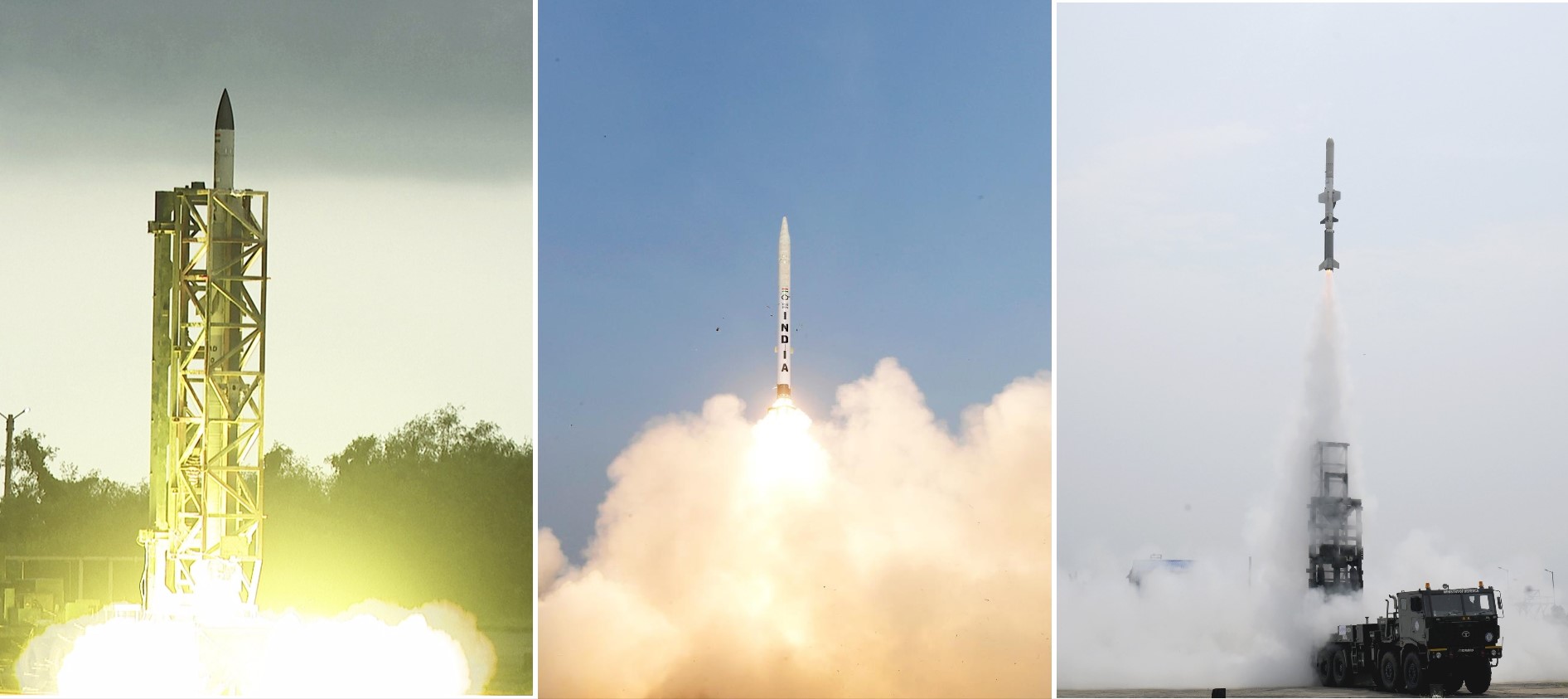 India Successfully Conducts AD-1, AD-2 Interceptor Tests and Maiden NASM-MR Flight Trial
-
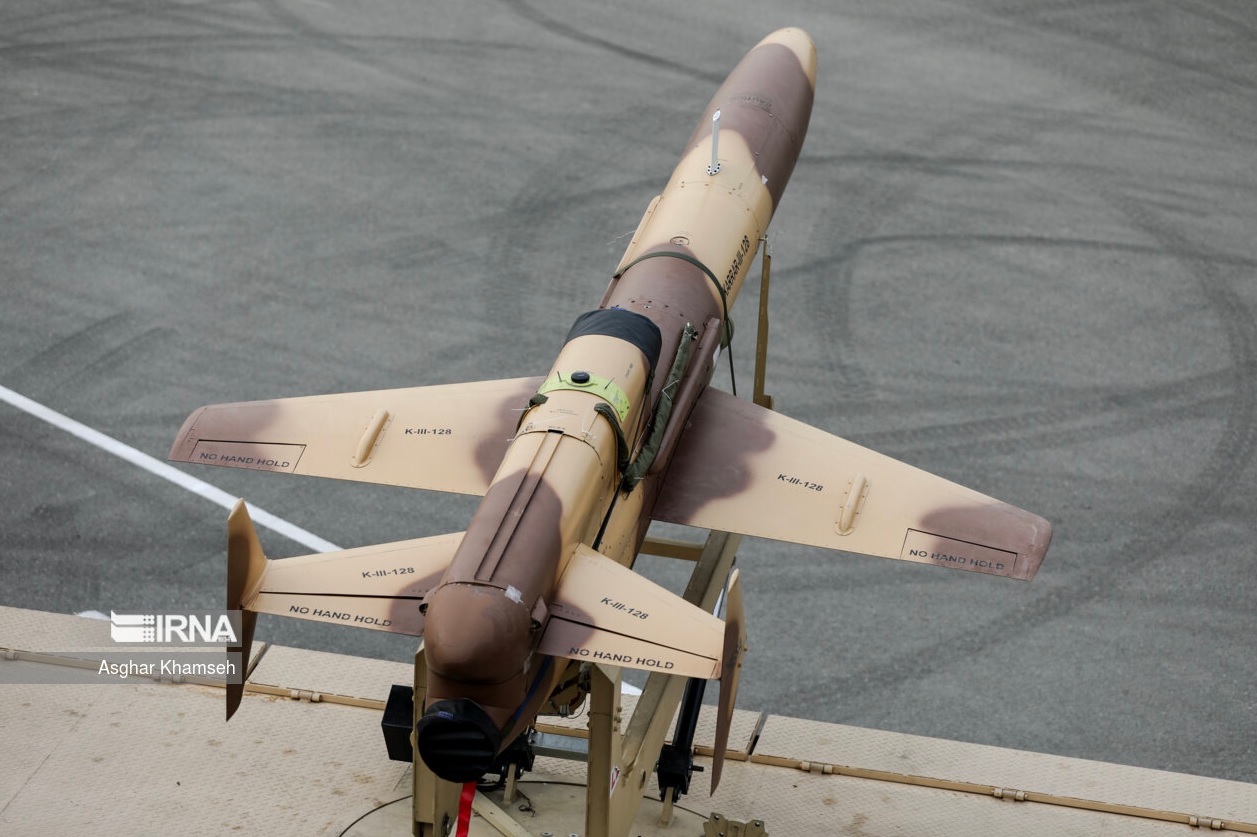 Russia Launches 1,400 Jet-Powered Drones in 2026 as Strike Tactics Evolve to Challenge Ukraine's Air Defenses
-
 U.S Navy Orders 50 Blackbeard Hypersonic Missiles in New $23.4 Million Contract
-
 UAE Denies Reports of Releasing Up to $20 Billion in Funds to Iran Amid Regional De-Escalation Efforts
-
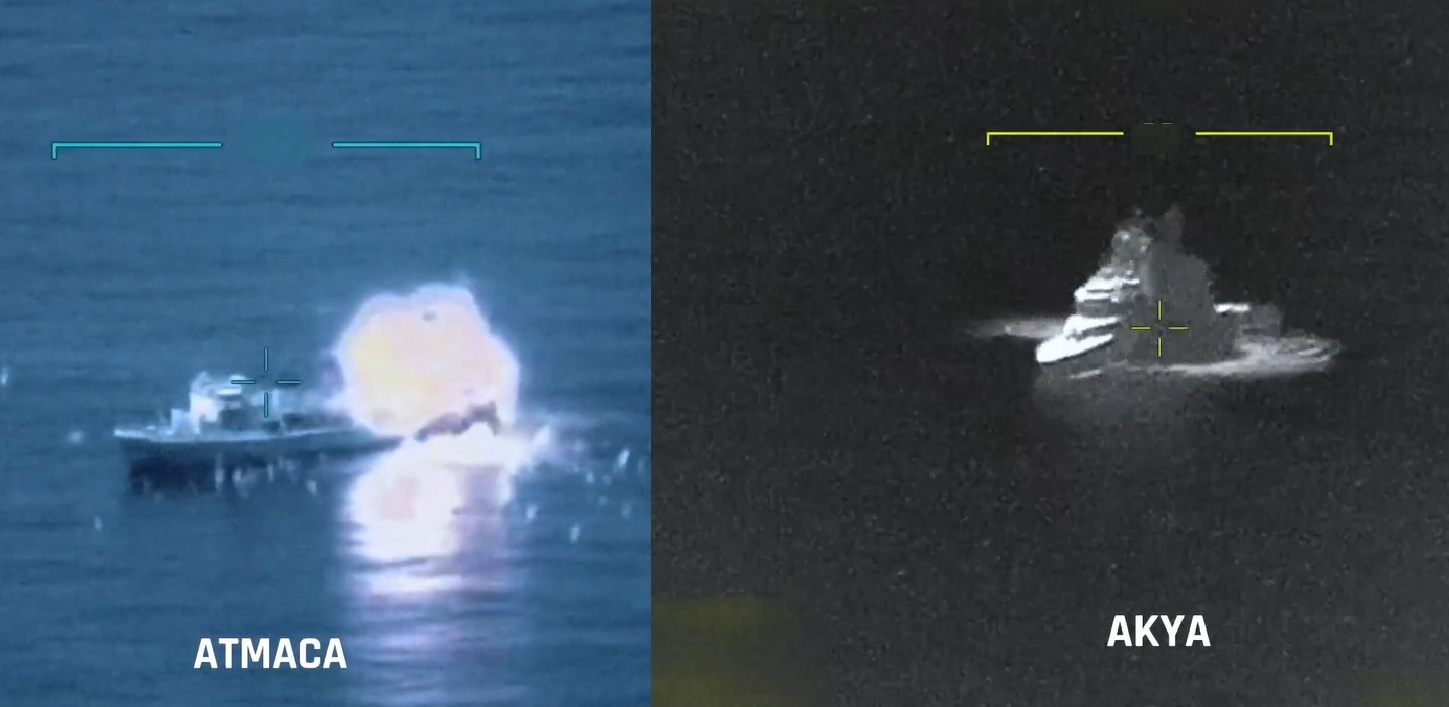 Turkey Navy Successfully Tests AKYA Torpedo and ATMACA Missile During Major Denizkurdu-II Naval Exercise
-
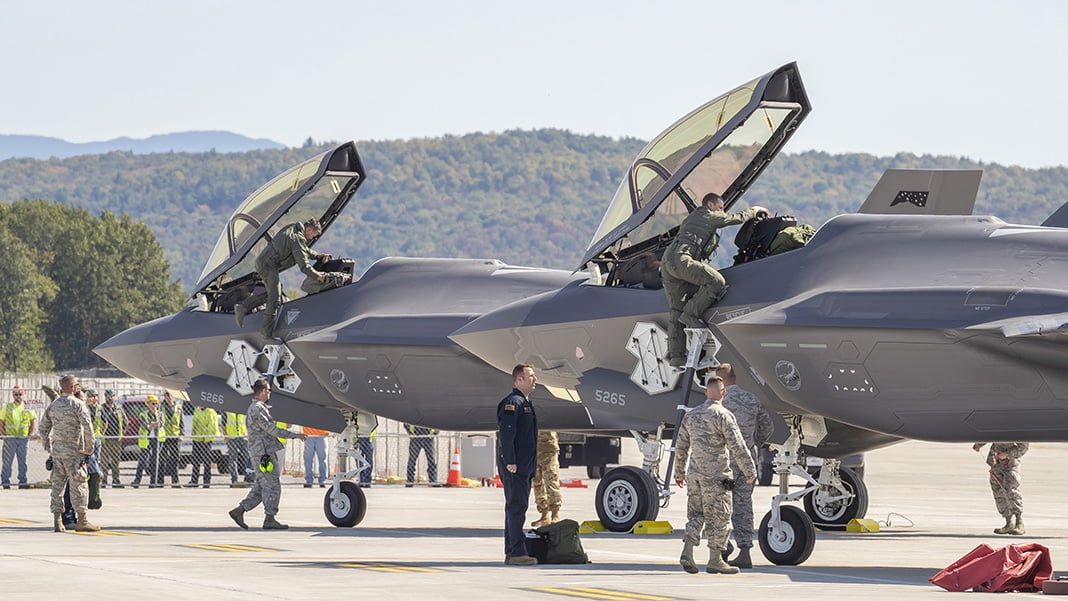 F-35 Fleet Readiness Falls to 25% Amid Parts Shortages and Software Delays: GAO Report
-
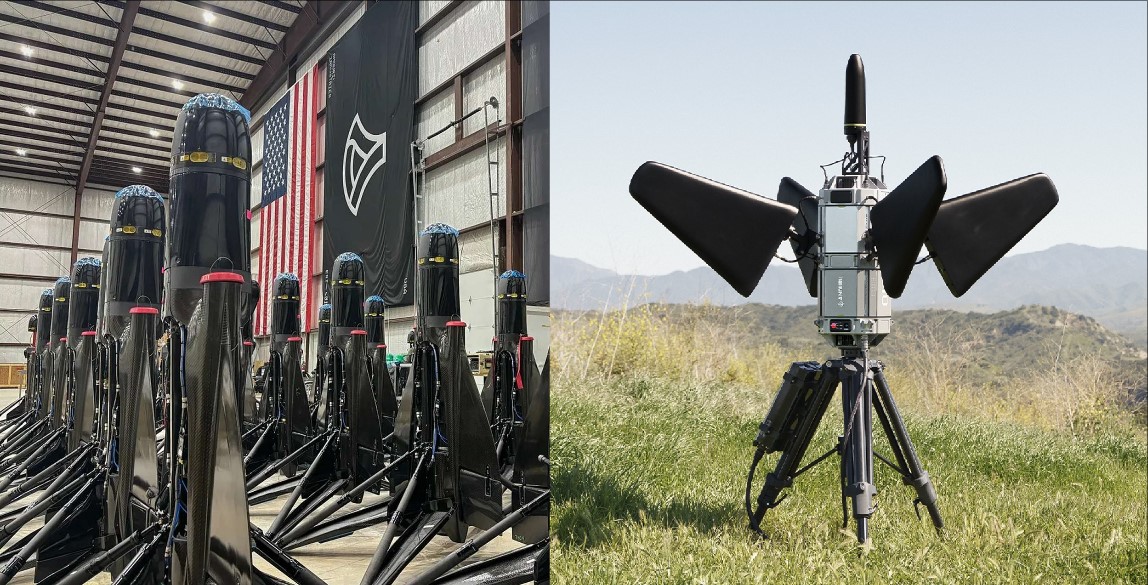 U.S. Approves $1.98 Billion Sale of Anduril AI-Powered Counter-Drone Systems to Kuwait
-
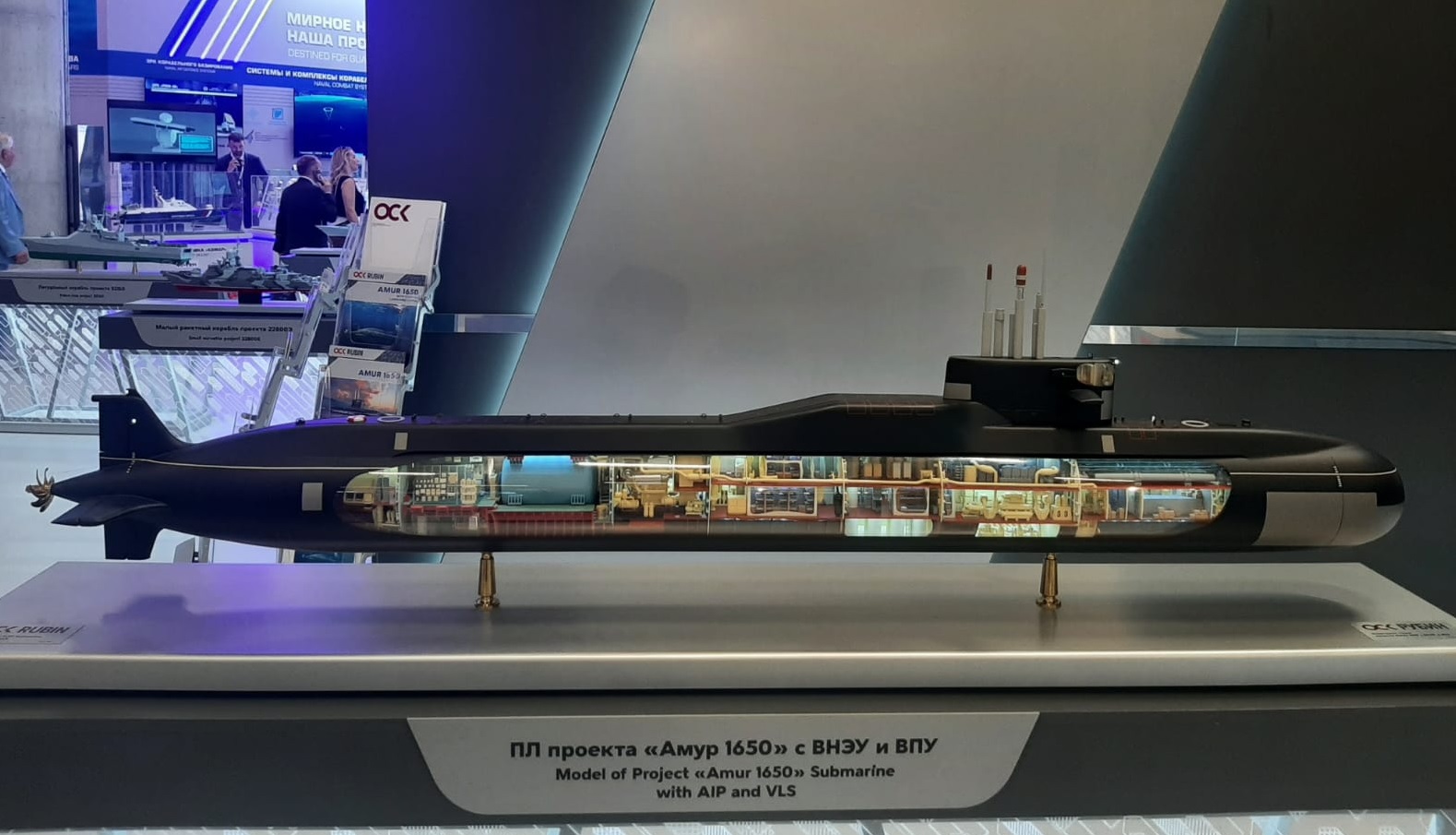 Russia Unveils Amur-1650 AIP Submarine Equipped with BrahMos Vertical Launch System at Fleet-2026
Top Trending in 4 Days
-
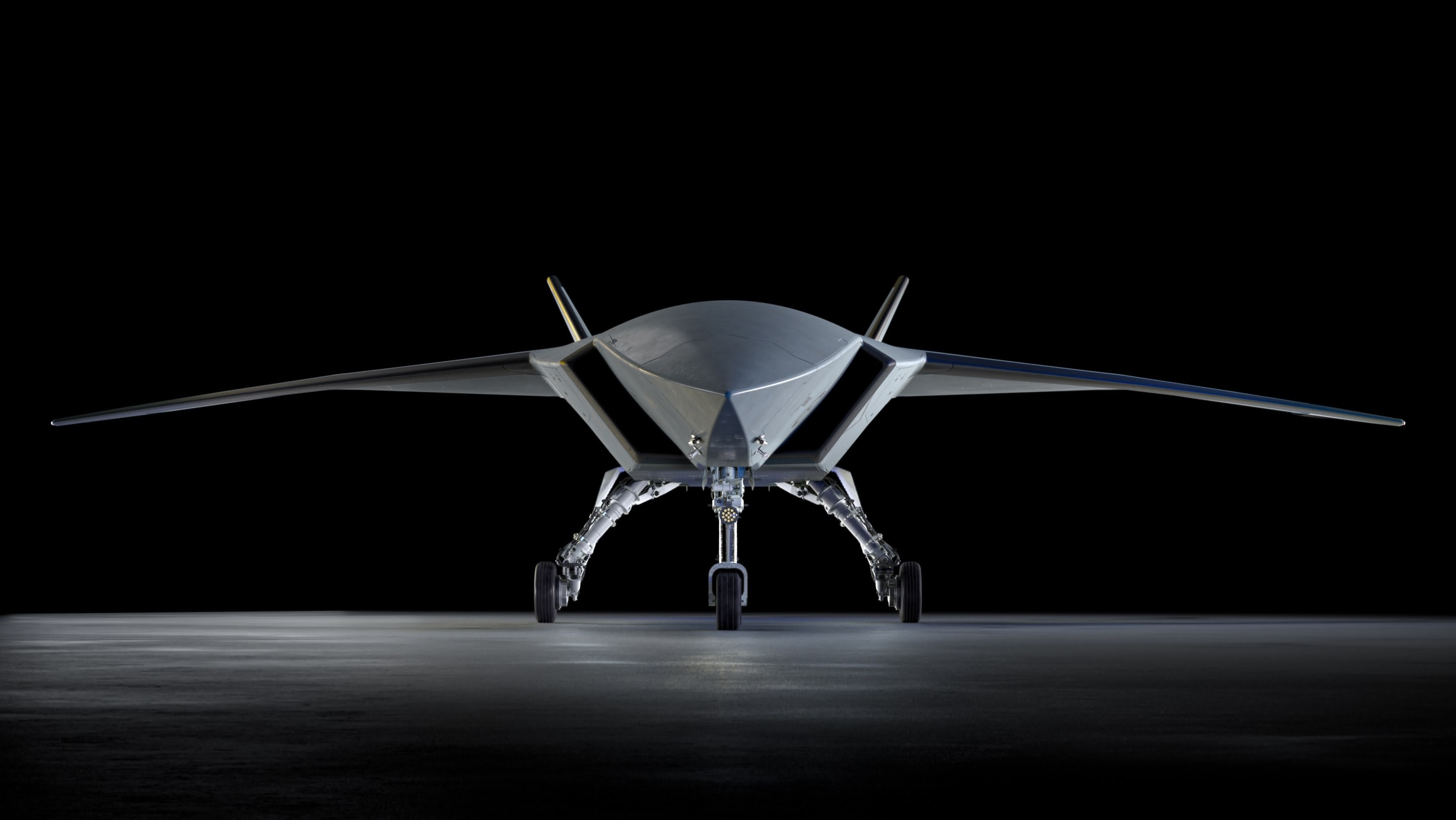 Boeing Introduces New MQ-28 Ghost Bat Upgrades with Increased Range, Payload and Weapons Capacity at ILA Berlin 2026
-
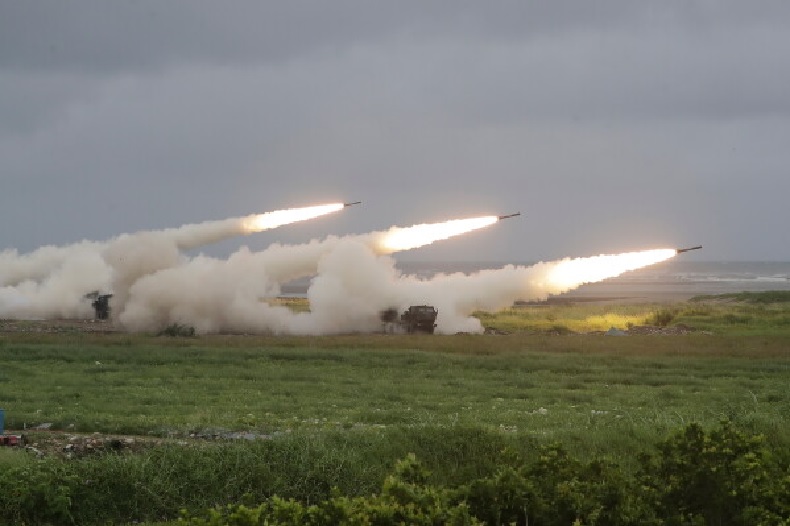 Taiwan Conducts First Live-Fire of HIMARS Rockets From West Coast During Invasion Defense Drill
-
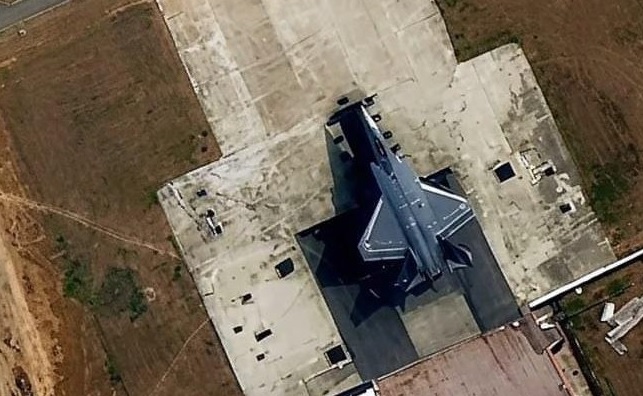 AMCA Airframe Spotted at DRDO’s ORANGE Facility for Radar Cross-Section Testing
-
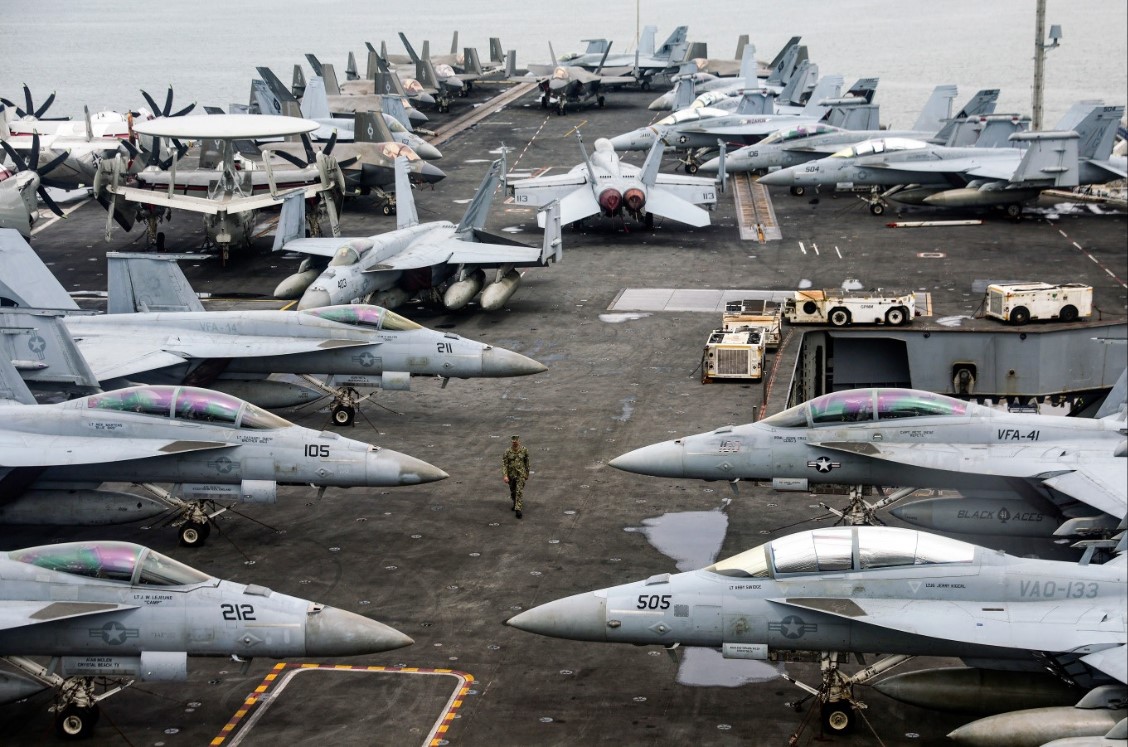 US Plans Significant Reduction of Fighter Jets and Warships for NATO Operations in Europe
-
 Iranian Media Leaks 14-Point U.S.-Iran Peace Framework Amid Ongoing Negotiations
-
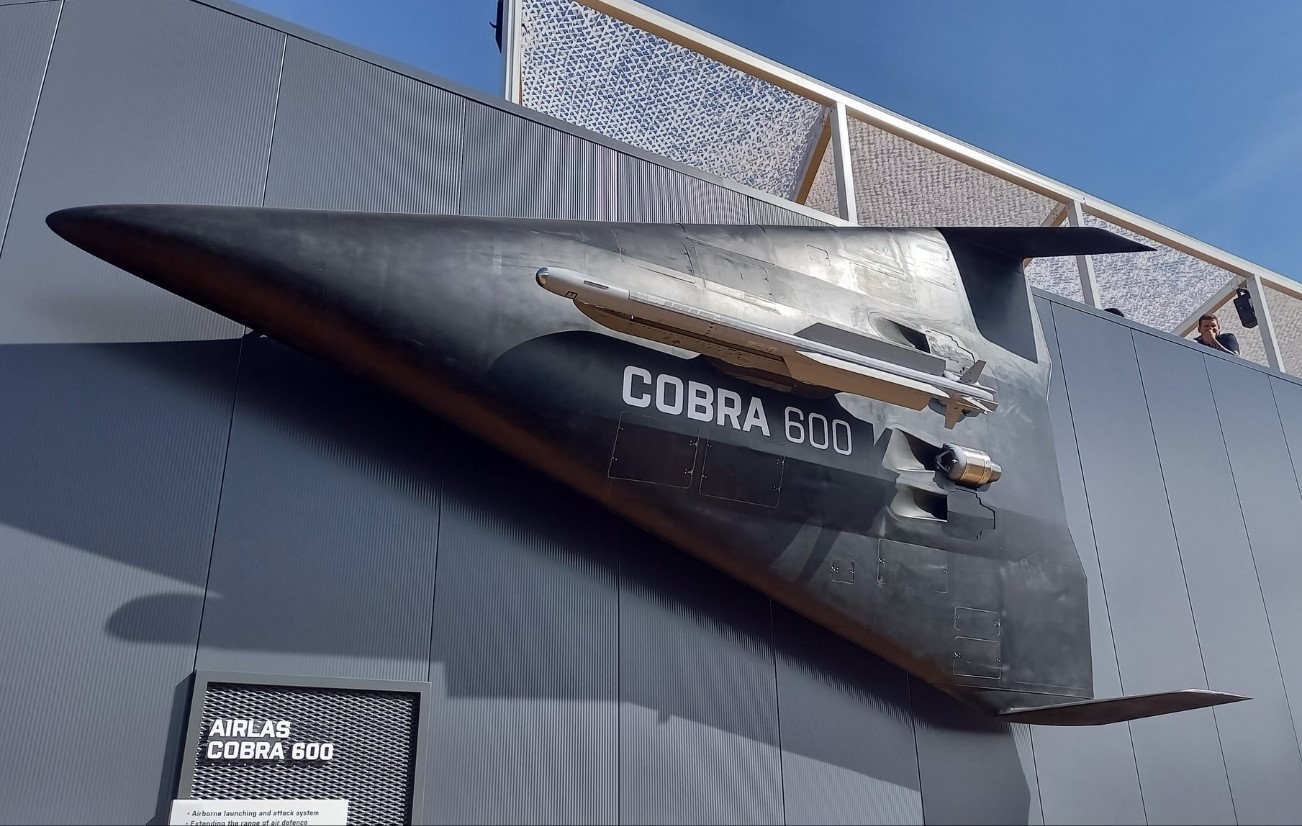 Diehl Defence Unveils IRIS-T Armed Cobra 600 Air Defense Drone at ILA Berlin 2026
-
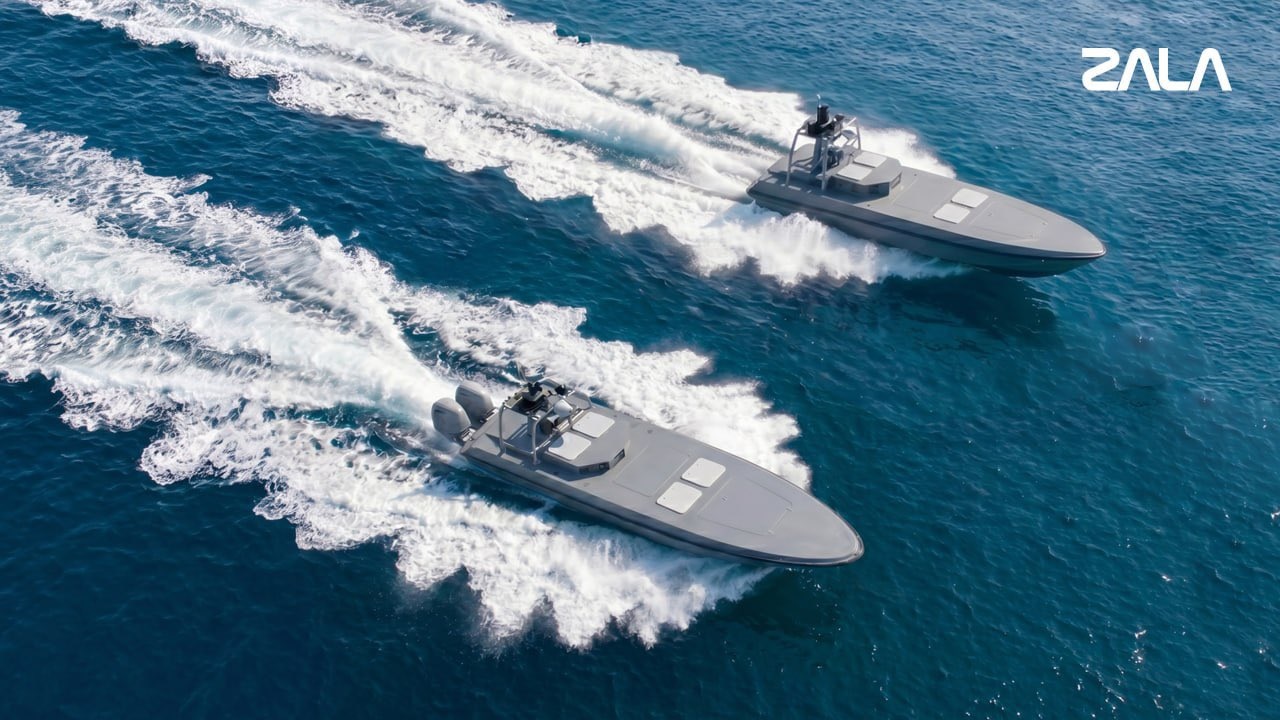 Russian Defense Firm ZALA Unveils KAMA Unmanned Surface Vessel Family at FLOT-2026 Naval Exhibition
-
 U.S Aircraft Carrier USS Theodore Roosevelt Departs San Diego for Major RIMPAC 2026 Naval Exercise