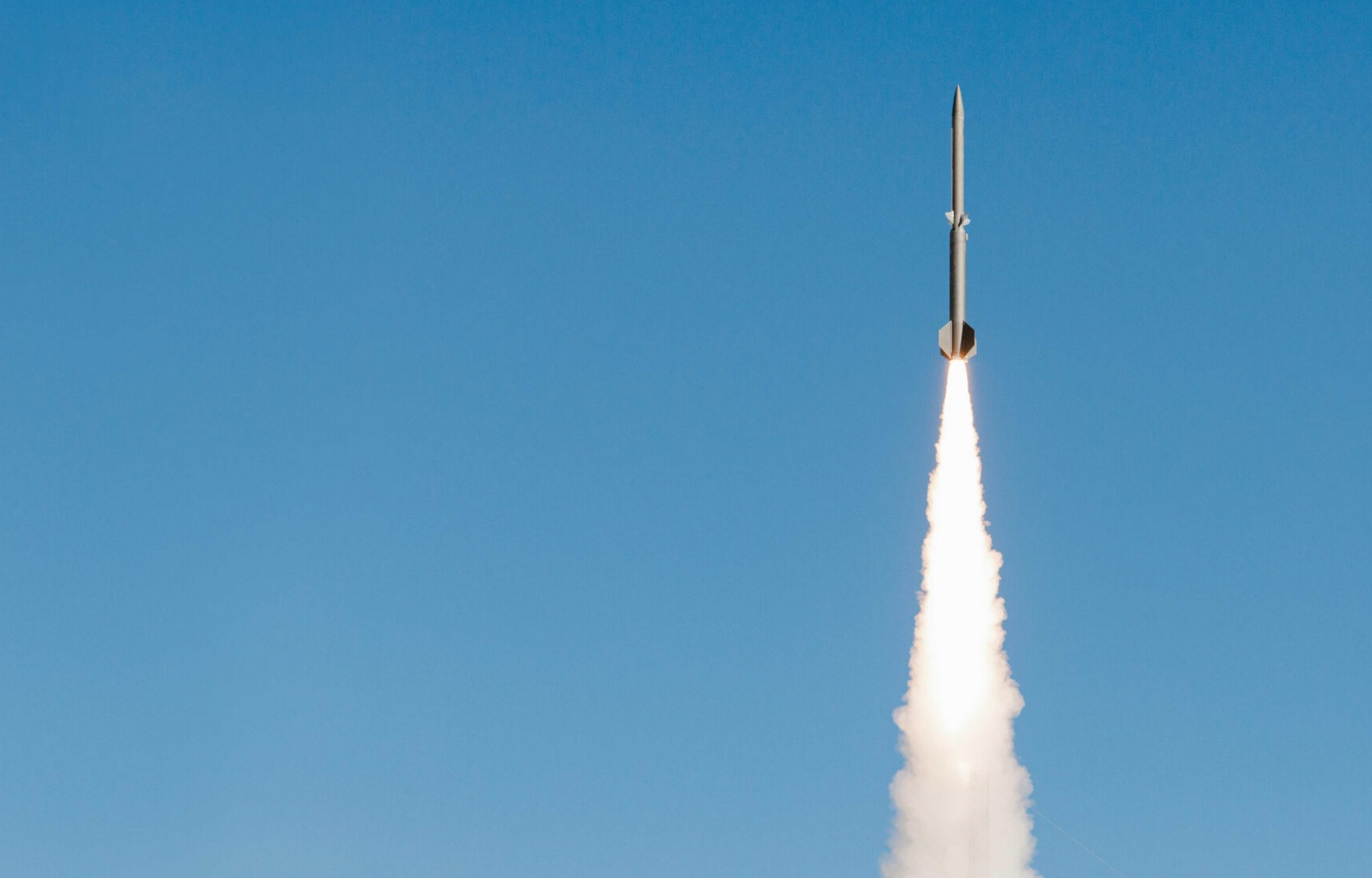
China has made headlines with its recent intercontinental ballistic missile (ICBM) test, conducted over the vast expanse of the Pacific Ocean. The missile was launched by the People’s Liberation Army (PLA)’s Rocket Force, sending a dummy warhead into the high seas of the Pacific. This significant display of military capability was reported by China’s Global Times and confirmed by the country’s Ministry of Defense.
The Chinese Defense Ministry explained that this missile launch was part of their routine annual training program, emphasizing that it was "not aimed at any specific country or target." They reassured the international community that relevant nations were notified beforehand about the test, an attempt to keep tensions at bay. According to the Ministry, the primary goal of this test was to evaluate the performance of the weaponry and assess the effectiveness of military training. The results were considered a success, achieving the intended goals.
This test marks the first time since 1989 that China has conducted an atmospheric test of an ICBM. Historically, China’s first ICBM test was carried out in May 1980. After that, China shifted the majority of its nuclear weapons tests underground, making this recent atmospheric test a rare event. While underground tests have been China's preferred method, this return to atmospheric testing raises questions about its strategic intent and future military development.
The global context of missile tests adds further complexity to this event. North Korea, for instance, recently conducted multiple short-range ballistic missile tests aimed at the Sea of Japan, keeping the region on edge. The timing of China’s ICBM test follows a similar path of power projection.
Interestingly, the United States has also been active in the region. In April, during a joint exercise with the Philippines, the U.S. deployed its Mid-Range Capability (Typhon) missile system. This followed the U.S. suspension of the 1987 Intermediate-Range Nuclear Forces (INF) Treaty with Russia in 2019. The INF Treaty had originally banned land-based missiles with ranges between 500 km and 5,500 km, but the U.S. accused Russia of violating the treaty by secretly testing such missiles. With the treaty no longer in place, the global landscape of missile development and testing has become increasingly volatile, with China’s latest move adding to the shifting dynamics.
China's advancements in missile technology, especially ICBMs, are often perceived as a demonstration of its expanding strategic reach. These missiles are capable of traveling vast distances and carrying nuclear warheads, placing distant targets within range. While China insists that this test was not a direct response to any nation, such tests inevitably send a signal to the global community about the nation’s growing military prowess.
The implications of this test stretch far beyond China’s borders, especially in the current geopolitical climate, where missile technology and military capabilities are closely monitored by all major powers. As China continues to modernize its military, including its missile systems, the world will be watching closely, especially with heightened tensions in the Indo-Pacific region.
China’s ICBM test, though framed as routine, is a reminder of the shifting balance of power in global military capabilities, and it reinforces the country's role as a dominant force in missile technology and strategic deterrence.
——— End of Article ———