World
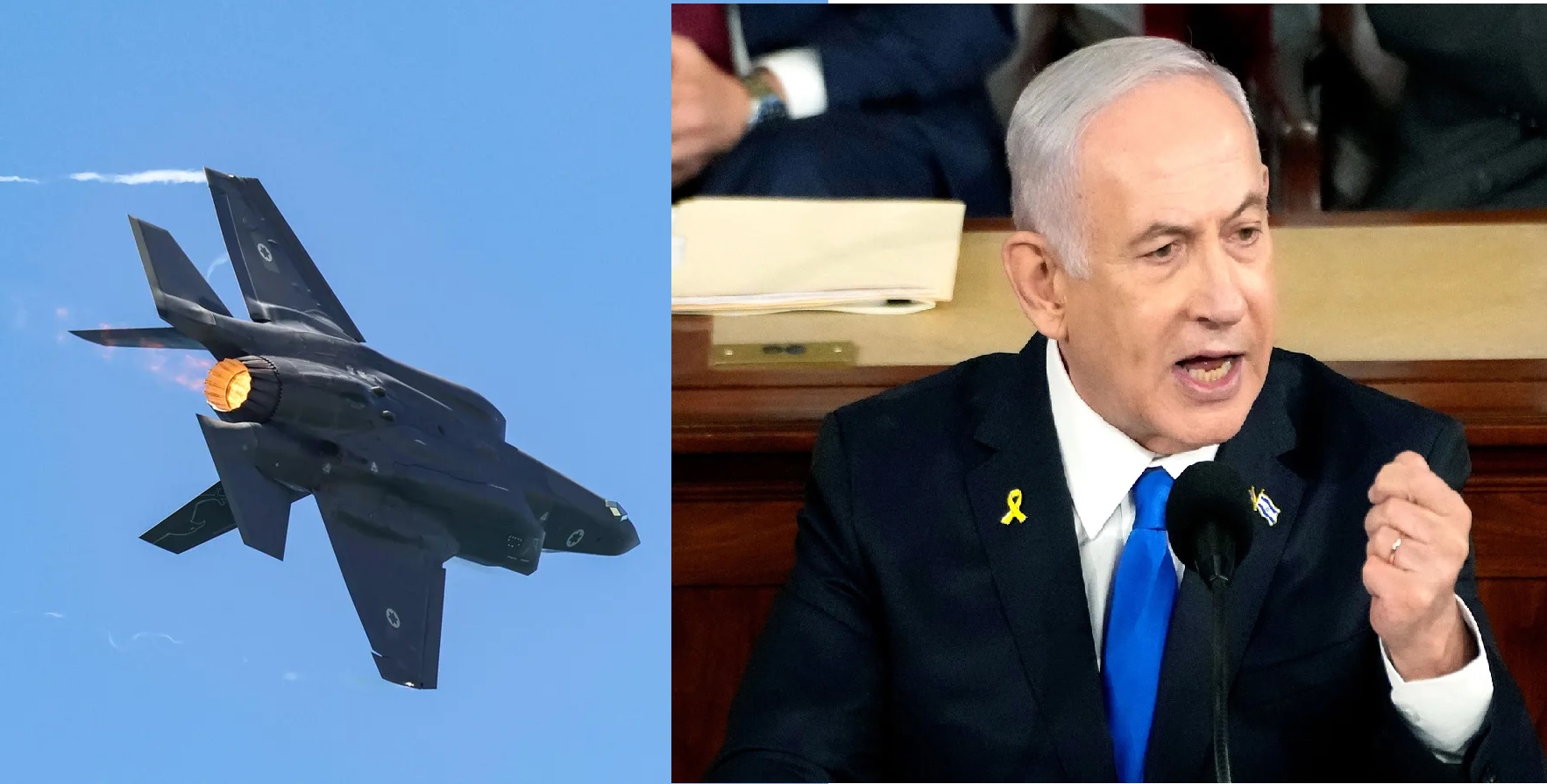
In a development sending ripples through the Middle East and the U.S. defense establishment, Saudi Arabia has reportedly requested American approval to purchase 48 F-35 stealth fighters, the most advanced combat aircraft in service today. The proposal, now under consideration by former President Donald Trump, has triggered deep concerns across Israel, the Pentagon, and U.S. policy circles. A Deal Far Bigger Than a Standard Arms Sale At first glance, the request looks like a conventional defense agreement. But the sale of the F-35, the most advanced stealth fighter in the world, is anything but routine. Israel currently remains the only Middle Eastern state operating the F-35, specifically the F-35I “Adir”, equipped with classified Israeli avionics, electronic warfare suites, and cyber systems. These upgrades enhance the jet’s combat performance and survivability and are developed jointly with American defense manufacturers. Why Israel Is Alarmed Should the U.S. agree to the Saudi request, Riyadh would not just receive American technology — it would inevitably gain systems derived from Israeli innovation, embedded deep within the aircraft’s architecture. That’s the heart of the problem. Saudi Arabia maintains close strategic ties with both China and Russia, even cooperating with Beijing on ballistic missile production and with Moscow on oil coordination through OPEC+. Intelligence services warn that any sensitive technology transferred to Riyadh could eventually be accessed by Moscow or Beijing through espionage, joint programs, or intelligence-sharing arrangements. For Israel, this poses a direct threat to its Qualitative Military Edge (QME) — a principle enshrined in U.S. law that guarantees Israel retains superior military capability over its regional neighbors. Losing exclusivity over the world’s most advanced fighter jet would erode the foundation of Israel’s deterrence strategy. American Concerns: Technology Leakage and Strategic Risk In Washington, the sale is viewed as a major security gamble. The F-35 is considered the crown jewel of American airpower, containing some of the most sensitive stealth coatings, mission systems, and sensor fusion software ever exported. U.S. officials fear that transferring this capability to a nation involved in active cooperation with Beijing on ballistic missile production and with Moscow through OPEC+ energy coordination could open doors for espionage, reverse engineering, or intelligence-sharing. Any compromise of F-35 technology would significantly erode America’s long-term technological dominance. Saudi Arabia’s Motive: Deterrence and Prestige Riyadh’s push for the F-35 reflects a combination of strategic and political drivers: Growing threat perception from Iran’s missile and drone arsenal Desire to modernize beyond F-15 and Eurofighter Typhoon fleets Ambition to become the region’s leading airpower Concern over fluctuating U.S. security commitments Possession of fifth-generation stealth fighters would dramatically elevate Saudi Arabia’s military standing. The Trump Factor Former President Trump, known for strengthening ties with Gulf states and backing major arms deals, is now weighing the Saudi request. His decision will have to account for: Potential risk to U.S. secrets Staunch Israeli objections The regional military balance America’s strategic competition with China and Russia At present, there is no indication of an imminent decision. A High-Stakes Choice With Global Consequences This moment forces Washington to confront a fundamental question: Should the world’s most advanced fighter jet — built on both American and Israeli innovation — be transferred to a state with strategic ties to U.S. rivals? Analysts warn that the consequences could extend far beyond the Middle East. Even limited access by Russia or China to F-35 components, software, or stealth materials could accelerate their own military aviation programs and undermine decades of Western superiority. This is not merely an arms sale.It is a pivotal test of how the U.S. safeguards the backbone of its air dominance and the foundation of Israel’s deterrence. As one intelligence official put it: “Any administration considering this deal should think very, very hard.”
Read More → Posted on 2025-11-17 10:31:35
World
Relations between the People’s Republic of China (PRC) and Japan have taken a sharp turn toward confrontation after Beijing issued unusually explicit warnings that if Tokyo intervenes in what Beijing calls its “reunification” with Taiwan, it may destroy Japanese military targets. The statement marks one of the most serious verbal escalations between the two neighbours in decades. Why China Said This — What Provoked Beijing According to analysts, Beijing’s sudden escalatory tone was triggered by a combination of political signals, military activities, and public statements from Tokyo: Japanese leaders, including Prime Minister Sanae Takaichi, recently repeated that a Chinese attack on Taiwan could create a “survival-threatening situation” for Japan — a legal trigger for collective self-defence with the United States. Japan has expanded military cooperation with the U.S. around Taiwan, including new radar, missile-defence sites, and strengthened Self-Defense Force deployments in Okinawa and the Ryukyu Islands, all within striking distance of Taiwan. Tokyo publicly warned that peace in the Taiwan Strait is “critical” to Japan’s security, which China interpreted as a direct challenge to its One-China principle. China also reacted strongly to Japan’s recent statements criticizing Chinese coast-guard operations near the Senkaku/Diaoyu Islands, calling them evidence of Japan’s “reviving militarism.” Beijing viewed these moves as signs that Japan is preparing to act as a frontline partner of the U.S. in any Taiwan contingency — prompting China to issue a message intended to deter Japanese involvement. China’s Warning: “Destroy All Military Targets” China’s foreign and defence ministries issued a joint warning this week stating that any Japanese military involvement in Taiwan — defined by Beijing as a domestic matter — would constitute an act of aggression. According to state media and official statements, Japan would “bear the consequences” and face “crushing defeat” if it acts as a frontline in China’s reunification agenda. In one press briefing, a Chinese defence spokesperson warned that Japan’s decision-makers would “pay the heavy price” if Tokyo attempted to deploy its forces in a Taiwan contingency. Beijing also went further by advising Chinese citizens against travelling to Japan, citing “significant risks” to their safety — thereby signalling the dispute may spill over into travel, economic and people-to-people exchanges. Japan’s Response: Caution, Diplomacy & Strategic Ambiguity Tokyo, for its part, has sought to defuse the rhetoric while reaffirming its core policy of peace, security and regional stability. On Nov. 7, Japan’s Prime Minister Sanae Takaichi told parliament that a Chinese attack on Taiwan could amount to a “survival-threatening situation” for Japan and might trigger collective self-defence measures. In response to China’s remarks, Japan summoned China’s ambassador to lodge a protest over what Tokyo called “extremely inappropriate” language by a Chinese consul-general. Japanese officials emphasise, however, that Tokyo remains committed to the 1972 Japan-China Joint Communiqué and has not reversed its official position on Taiwan — which is to support peaceful resolution, while maintaining strategic ambiguity. Chief Cabinet Secretary Minoru Kihara said Tokyo hoped for a return to dialogue and urged Beijing to take “appropriate measures” so as not to damage broad-based relations. International Reaction: Concern, Caution and Strategic Implications The escalation in rhetoric has drawn attention from the wider Indo-Pacific and beyond. Analysts note the dispute adds another layer of complexity to the strategic competition between China, Japan and the United States in the region. Japan’s annual defence white paper had earlier described China’s military expansion as its most significant strategic challenge. The United States and other regional partners have not yet issued a unified public response specifically to the “destroy all military targets” rhetoric, but ongoing U.S.–Japan defence cooperation suggests growing concern about China’s long-term intentions. Observers caution that the situation risks rapid escalation if miscalculation occurs. Even a relatively small Japanese step toward supporting Taiwan—such as logistic assistance or intelligence sharing—could provoke stronger Chinese counter-measures, including economic pressure, military posturing around Japan’s islands or sanctions targeting Japanese interests.
Read More → Posted on 2025-11-16 17:38:44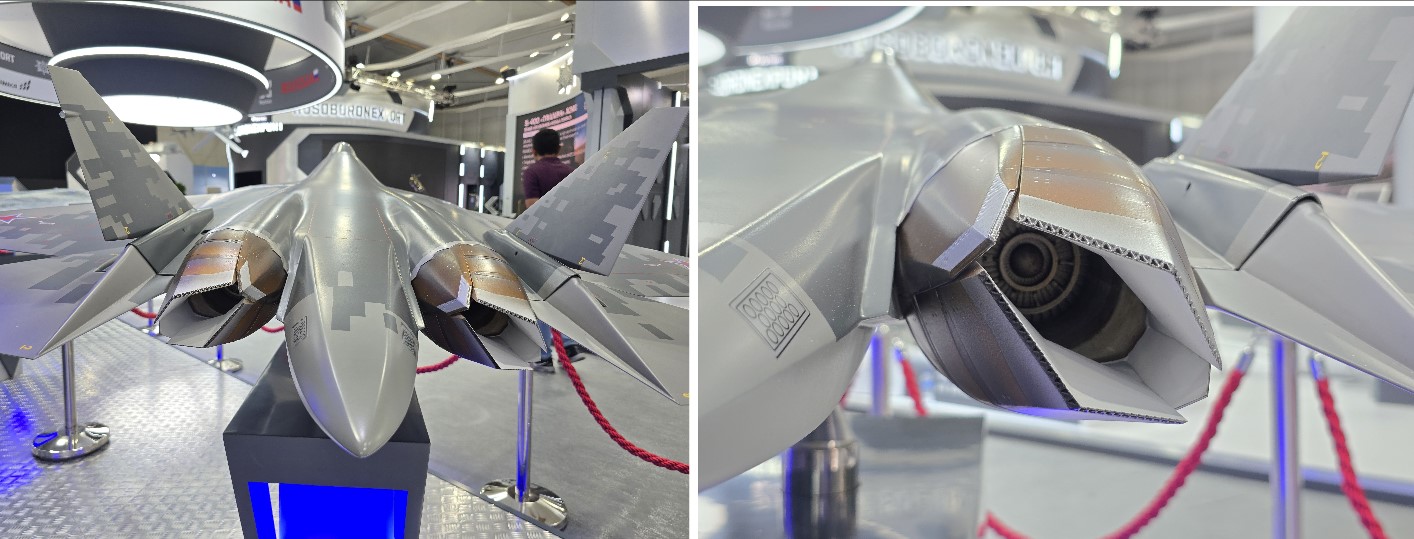
World
Russia has unveiled the Su-57E export variant fitted with rectangular 2D thrust-vectoring nozzles, marking a major upgrade in its stealth, propulsion, and export configuration. The fighter’s debut at the Dubai Airshow 2025 — its first public appearance in the Middle East — has intensified speculation over whether India will be offered the low-RCS variant it has long demanded. A New Nozzle Design Signals a Shift in Russia’s Export Strategy Touching down at Dubai World Central in full export trim, the Su-57E immediately drew attention for its new rectangular 2D TVC nozzles, replacing the earlier circular 3D units. The redesigned nozzles significantly reduce radar cross-section, lower infrared signature, and improve stealth shaping at the aircraft’s rear — a known concern for foreign clients. Russian officials privately acknowledge that the nozzle redesign was driven partly by export requirements, with India being one of the nations that insisted on improved rear-aspect signature management. Aggressive Flight Displays Highlight Supermaneuverability During daily demonstrations, test pilot Sergei Bogdan put the Su-57E through high-angle-of-attack turns, post-stall manoeuvres, rapid climbs, and controlled flat spins. The rectangular nozzles maintained the fighter’s hallmark supermaneuverability, showing refined low-speed control and high stability during post-stall flight. Russia emphasized that the Su-57E provides a combination of stealth and agility, reflecting a design philosophy distinct from the F-35. Stealth Features and Sensor Suite Underscore Multirole Capability Officials from Rosoboronexport and Sukhoi highlighted the jet’s blended wing-body design, internal weapons bays, serpentine intake ducts, and radar-absorbent coatings, all contributing to its reduced observability. The aircraft integrates the N036 Byelka AESA radar, advanced IRST, long-range datalinks, and a robust electronic warfare suite, enabling both air-superiority and precision-strike missions while operating in contested environments. Russia Positions the Su-57E Against Global Competitors Moscow is marketing the Su-57E as an alternative to the F-35, China’s J-20, and the developing KF-21. Unlike Western systems, Russia stresses sovereign use rights, weapons integration freedom, and the absence of political restrictions. Despite this, analysts remain cautious about Russia’s production capacity, long-term sustainment, and supply chain resilience under sanctions. Russian officials confirmed that while current export units use the AL-41F1 engines, future batches are expected to receive the more advanced Izdeliye 30. India’s Big Question: Will It Get the Low-RCS Su-57 Variant? India’s objections during the now-paused FGFA programme focused on the rear-aspect RCS, engine signature, and the depth of available technology transfer. The introduction of rectangular 2D nozzles directly addresses one of India’s core demands. With the AMCA program progressing, India may still seek an interim or complementary fifth-generation solution — and Russia’s upgraded Su-57E appears tailored to re-open that dialogue. Whether Moscow is willing to provide the exact low-observable configuration India wants remains an unresolved but significant question. A Debut with Broader Geopolitical Implications The Su-57E’s appearance in Dubai is more than a flight demonstration — it is a strategic signal. With the Middle East emerging as a competitive fighter marketplace, Russia aims to secure relevance despite sanctions and industrial strain. The jet’s performance in desert conditions is being watched closely by potential buyers and Western analysts assessing Russia’s evolving fifth-generation capability. The revamped Su-57E, equipped with rectangular 2D TVC nozzles, marks Russia’s strongest export push yet for a true stealth-capable fifth-generation fighter. As Moscow courts Gulf customers and eyes renewed interest from India, the question now is whether this enhanced low-RCS configuration will translate into real export orders — and whether New Delhi will reconsider its stance.
Read More → Posted on 2025-11-16 17:08:49
World
A fresh wave of media reports and unverified leaks has thrown Pakistan’s military establishment into controversy once again, after claims surfaced that top Pakistan Army generals secretly met US officials in Qatar to negotiate the deployment of Pakistani troops to Gaza — in exchange for money. According to these reports, Pakistan initially demanded $10,000 per soldier, while the US and Israel allegedly countered with $100. After tough bargaining, a supposed “compromise rate” of $500 per soldier for 10,000 troops was reportedly agreed upon. None of the governments involved have confirmed the story, but the allegation mirrors a long, documented pattern of Pakistan sending soldiers abroad in exchange for financial compensation, fueling further criticism. Why Pakistan Soldiers for Gaza? The alleged discussion aligns with Washington’s push for a Muslim-country–led stabilisation force in Gaza once major combat subsides. The US has repeatedly insisted there will be no American boots on the ground, preferring instead to rely on regional militaries to police Gaza, secure key zones, and neutralise remaining militant elements. For the US and Israel, Pakistan is often viewed as: A large, battle-experienced army A Muslim-majority force that gives political “cover” to a Western plan A military known to participate in foreign deployments if the price is right The latest reports claim Pakistan was approached because of its history of rented troop deployments, particularly in the Middle East, where Pakistani soldiers have long been stationed in Saudi Arabia and other Gulf states for security duties. History Suggests Pakistan Sells Its Soldiers — Critics Say While the current Qatar story remains unverified, analysts argue it is consistent with Pakistan’s long-standing pattern of deploying forces abroad for financial and political gain. Black September, 1970: Pakistan’s Darkest Chapter During the 1970 Black September crisis in Jordan, Pakistani soldiers under then-Brigadier Zia-ul-Haq helped the Jordanian monarchy crush Palestinian factions. Historical accounts accuse Pakistani-led units of participating in operations that killed thousands of Palestinians, with estimates often cited as high as 20,000–25,000.For critics today, Gaza would not be the first time Pakistan’s military was accused of turning its guns on other Muslims at the request — and reward — of foreign powers. Troops for Hire in the Gulf Pakistan has kept thousands of troops stationed in Saudi Arabia for decades, protecting royal palaces, training Saudi forces, and guarding sensitive sites. These deployments have consistently brought Pakistan billions of dollars in aid, loans, oil concessions, and military contracts. This history is frequently cited by critics to argue that Pakistan’s military leadership is driven not by ideology or strategic necessity, but by financial incentives. “Richest Generals in the World”: The Money Question The allegation that Pakistan bargained over soldier fees for Gaza reignites a familiar criticism:Pakistan’s generals are among the richest military officers globally, presiding over vast business empires, real-estate networks, and foreign assets while Pakistan itself struggles with poverty and financial collapse. Opposition politicians and analysts argue that: Pakistan’s military elite prioritises foreign deals that personally enrich their institution Public welfare, national security, and citizens’ interests come far below the generals’ financial motives Every international mission becomes another opportunity for the military to earn money, not honour The alleged Gaza troop negotiation, they say, fits this pattern “perfectly.” Inside the Reported Qatar Meeting Media claims suggest the following narrative: US officials met senior Pakistan Army leaders in Qatar, seeking troop contributions for a Gaza stabilisation force. Pakistan reportedly demanded $10,000 per soldier — an amount critics called “absurdly high” and reflective of military greed. The US and Israel allegedly rejected the demand, offering $100 per soldier. After “hard bargaining,” a supposed $500 per soldier settlement for 10,000 Pakistani troops was “informally agreed.” Talks were described as “intense,” with both sides aware that Pakistan’s cooperation required substantial financial incentives. Again, these details come from media leaks, unnamed sources, and regional commentary, not official statements. Why the Claims Sound Believable to Critics Even though the reports remain unverified, analysts argue that the story resonates because it aligns with Pakistan’s long-standing behaviour. Pakistan’s economy is in deep crisis, and many believe the military establishment is increasingly desperate for foreign money. The Pakistan Army has a well-known history of sending troops abroad in exchange for payment, and critics say its generals have repeatedly shown a willingness to pursue secret military diplomacy whenever a lucrative offer emerges. Historically, Pakistan has often served foreign interests — from fighting America’s wars in Afghanistan to providing security to Saudi Arabia — usually in return for aid, cash, or political rewards. Because of this pattern, many commentators insist the question is not whether Pakistan negotiated troop prices, but how much they were offered this time. A Blow to Pakistan’s Image — Whether True or Not The media storm has already dealt a heavy blow to Pakistan’s reputation. Regional analysts accuse Islamabad of exploiting the Gaza tragedy for profit and betraying the Palestinian cause. The idea that the army may treat Pakistani soldiers as export commodities, available for sale to foreign powers, has drawn sharp criticism. Some Middle Eastern commentators argue that, if the claims are accurate, Pakistan would once again be turning its guns on fellow Muslims, echoing its actions during the 1970 Black September crisis in Jordan. Within Pakistan, opposition voices claim the episode confirms a long-standing truth: Pakistan’s generals care more about money and foreign deals than about the country’s own citizens. No Official Confirmation — But Massive Embarrassment Pakistan’s government has not confirmed any troop deployment plan, nor addressed the allegations of price negotiations. The military has remained silent, and the United States has declined to specify which nations it is approaching for a Gaza stabilisation force. Regardless of official silence, the damage is significant. The perception that Pakistan’s military may be ready to sell its soldiers to the highest bidder, especially in a conflict involving Palestinians, has sparked widespread criticism. The controversy has revived painful historical memories and strengthened the belief that Pakistan’s military leadership values profit and foreign approval over principle, dignity, or national interest.
Read More → Posted on 2025-11-16 16:20:56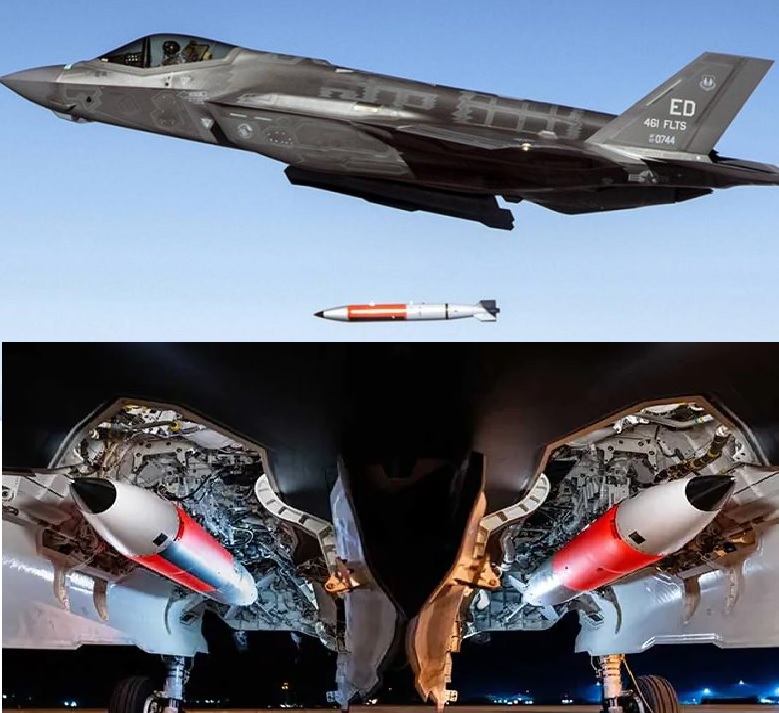
World
The United States has completed a major series of stockpile flight tests for its upgraded B61-12 nuclear gravity bomb, validating the weapon’s compatibility with the stealth F-35A and marking a significant milestone in the country’s nuclear modernization program. The announcement was made by the US Department of Energy’s Sandia National Laboratories following the successful trials at the Tonopah Test Range in Nevada. Three Days of Critical Testing According to Sandia, the tests were conducted from August 19 to 21, with operational support from Hill Air Force Base in Utah. During the trials, inert B61-12 units were released from the F-35A, demonstrating the complete end-to-end functioning of the aircraft, its aircrew, and the weapon system under realistic mission conditions. These were the only B61-12 stockpile flight tests using joint test assemblies on the F-35 platform this year, according to the National Nuclear Security Administration (NNSA). Officials stated that the exercises were intended to evaluate the weapon’s operational readiness, ensuring it performs as expected when carried, released, and guided under combat-representative environments. A Cornerstone of U.S. Nuclear Modernization The B61-12, a modernized variant of the decades-old B61 bomb family, recently completed a multiyear life extension program (LEP) in late 2024. The initiative aims to extend the bomb’s operational service life by at least 20 additional years. The LEP includes: Replacement of ageing components Updated encryption and use-control algorithms Improved safety and arming mechanisms Enhanced compatibility with future aircraft such as the B-21 Raider Sandia officials noted that the LEP addresses all known age-related concerns in the U.S. B61 stockpile, ensuring the weapon remains safe, secure, and reliable well into the 2040s and beyond. Full-scale production of the refurbished B61-12 began in May 2025, with manufacturing expected to conclude in 2026. “Capstone Accomplishment” After Unprecedented Testing Pace Jeffrey Boyd, Sandia’s surveillance lead for the B61-12 and B61-13, praised the achievement, calling it: “the capstone accomplishment of a tremendous amount of planning and effort by those involved across Sandia and many partner agencies.” He added that this marks the highest number of B61-12 surveillance flight tests conducted within a single year, and likely the most for any future year as well — underscoring the intensity of the current evaluation cycle. First-Ever Thermal Preconditioning Trial A notable highlight of the test series was the first-ever thermal preconditioning of a B61-12 joint test assembly carried on an F-35A. The process exposed the weapon to extreme environmental conditions before flight, ensuring it could withstand temperature stresses likely to be encountered during real-world nuclear deployments. Sandia says this thermal testing is crucial to certifying the bomb for global operations, especially in regions with high-temperature fluctuations or extended alert postures. Strengthening Dual-Capable Aircraft Operations The successful release tests confirm the F-35A’s readiness as a dual-capable aircraft, enabling it to carry out both conventional strike and nuclear delivery missions for NATO and U.S. forces. The combination of stealth, advanced sensors, and compatibility with the B61-12 is expected to provide the Pentagon with a more survivable and precise low-yield nuclear option, enhancing deterrence posture in contested airspace. A Legacy Weapon Redesigned for the Future Originally introduced in 1968, the B61 remains one of the longest-serving components of the U.S. nuclear arsenal. The B61-12 variant replaces several older versions, offering: A guided tail-kit for improved accuracy Reduced overall number of variants in the stockpile Enhanced reliability and controlled low-yield strike capability With the F-35A now validated as a carrier, the U.S. nuclear enterprise moves a step closer to completing one of its most important modernization efforts.
Read More → Posted on 2025-11-16 14:49:22
World
London/Washington — The BBC is reportedly preparing for a possible $1–$5 billion lawsuit from U.S. President Donald Trump, who claims the broadcaster spread false and damaging reports about him. If the lawsuit goes ahead, it could become one of the biggest legal battles ever faced by the BBC — and British taxpayers may end up paying the cost. Why Trump Plans to Sue People close to the situation say President Trump believes the BBC repeatedly reported wrong, unfair, and biased information about him over the years. His team says BBC coverage of the 2016, 2020, and 2024 U.S. elections, along with documentaries and commentary shows, made him look bad in ways they argue were not true. Trump’s lawyers claim this hurt his reputation worldwide, and they believe U.K. defamation laws — which are stricter than those in the U.S. — give him a strong case. Trump’s Previous Legal Wins This possible lawsuit comes after Trump recently won several major settlements from American tech and media companies. He has already received: $25 million from YouTube and Meta $10 million from X (formerly Twitter) $16 million from CBS and ABC These settlements are not public in detail, but they have encouraged Trump to take on even bigger targets — and the BBC is next on the list. Why British Taxpayers Are Worried Because the BBC is funded mostly by the TV licence fee, the money collected from people across the U.K., any large payout or long legal fight would be supported by the public. Some British lawmakers warn that a multi-billion-dollar lawsuit could cause the BBC to cut services or even need government help. Online, many people joke — or worry — that U.K. households might end up “helping to pay for the Trump Presidential Library.” Experts Split on Whether Trump Can Win Legal experts disagree over whether Trump has a strong case. Some say he might win because U.K. defamation laws demand very careful and accurate reporting from broadcasters. If the BBC made mistakes, that could be used against them. Others argue the BBC has the right to report on the actions of a sitting U.S. President and that much of its coverage falls under fair journalism. Either way, a lawsuit of this size would be historic. So far, the BBC has not commented. However, inside the organization, senior editors and lawyers are reportedly reviewing past reporting to prepare for what could be a long and expensive legal fight. President Trump is expected to decide soon whether to officially file the lawsuit. If he does, the case would likely go to London’s High Court, drawing worldwide attention. For now, the BBC is waiting for Trump’s next move — and the U.K. public is watching closely, knowing they may play an unexpected role in a major international legal battle.
Read More → Posted on 2025-11-16 14:21:18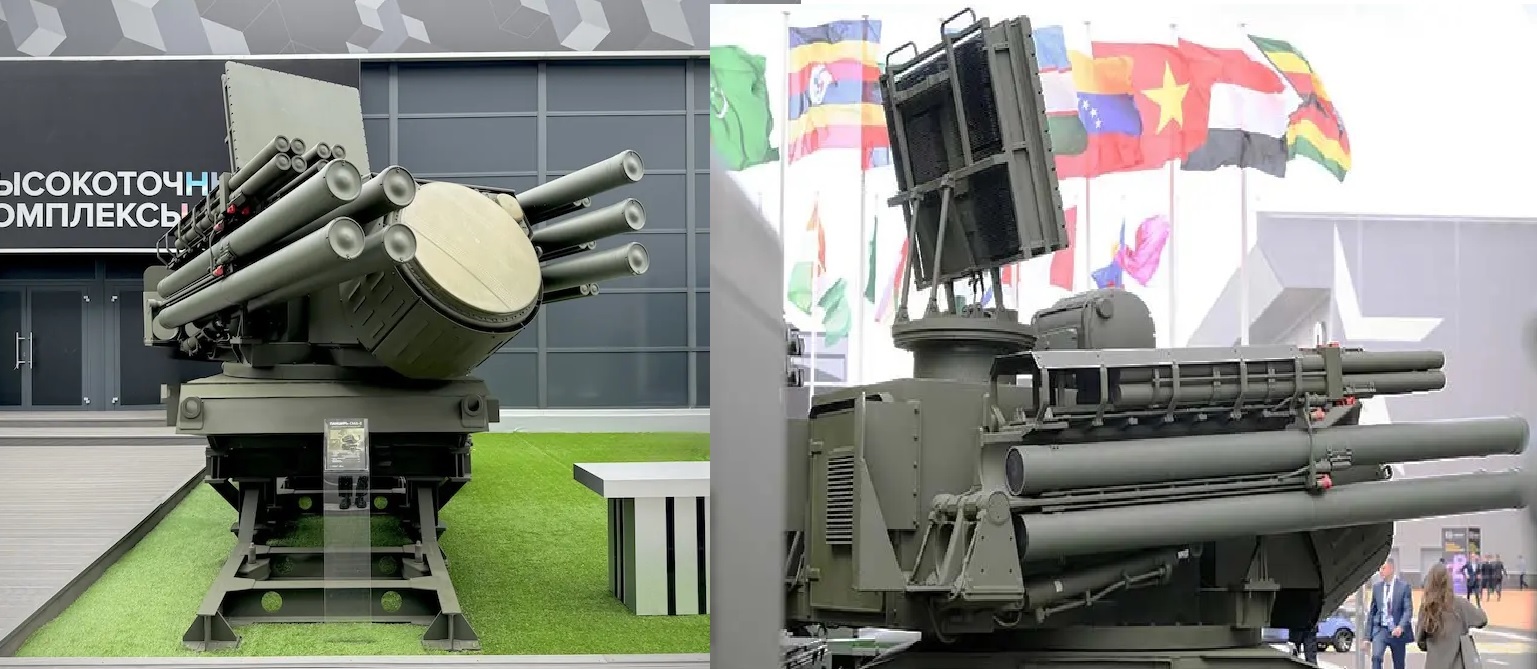
World
Russia’s Rostec State Corporation is set to make one of its most extensive air-defence presentations in years at the Dubai Airshow 2025, showcasing a new generation of counter-UAV and short-range defence systems tailored for modern battlefield threats. Among the highlights will be the new Pantsir-SMD-E, a modular surface-to-air missile system designed specifically to counter mass drone incursions and precision-guided threats. Pantsir-SMD-E: A New Modular Shield Against UAV Swarms The Pantsir-SMD-E, developed by Rostec’s High-Precision Systems, represents a major evolution of the Pantsir family, shifting its focus to defending industrial, administrative and critical infrastructure sites from small, fast, low-flying threats—especially unmanned aerial vehicles. Rostec confirmed that the system can be mounted on building rooftops, ground platforms, or mobile installations, giving operators wide deployment flexibility. Its upgraded launcher supports either: Up to 48 miniature short-range guided missiles, optimised for small UAVs and swarm attacksor 12 standard Pantsir missiles, for engaging aircraft, cruise missiles and larger UAVs. Bekhan Ozdoev, Industrial Director of Rostec’s Weapons Cluster, said the system has already generated “significant foreign interest” after its first outing at IDEX 2025 in Abu Dhabi.“The threat of large-scale UAV attacks is now recognized worldwide,” Ozdoev noted. “The new modular Pantsir system provides a flexible rooftop-deployable solution, and the increased ammunition load of 48 missiles allows reliable protection of industrial, social and transport infrastructure.” Key Specifications – Pantsir-SMD-E (Export Model) Max target type: UAVs, aircraft, helicopters, cruise missiles Launcher capacity: 48 mini-missiles or 12 standard missiles Mini-missile range: Approx. 5–7 km (export, estimated) Standard missile range: Approx. 20+ km (export class) Elevation coverage: 0° to 85° Deployment: Rooftop, mobile vehicle, fixed ground Role: Defence of critical energy sites, government buildings, industrial zones, airfields Compact Short-Range Radar Debuts in the Middle East For the first time in the region, Rostec will unveil its compact short-range airspace surveillance radar aimed at detecting small UAVs and light aircraft—platforms often too small or slow for legacy radars. The radar weighs only 45 kg, can be installed on mobile vehicles, and is designed for rapid deployment. Short-Range Surveillance Radar – Specifications Weight: 45 kg Detection range: 7.5 km+ for medium-sized UAVs Mobility: Vehicle-transportable, compact tripod setup Target set: UAVs, small aircraft Role: Perimeter security, mobile anti-drone operations Rostec said the system is intended for operators needing lightweight, highly mobile counter-UAV monitoring capability. New Airspace Control System for Low-Altitude Threats The corporation will also present a new airspace control system capable of detecting and tracking drones, cruise missiles and other low-observation targets. The system specializes in identifying low-altitude and low-speed threats—profiles typical of improvised drones, loitering munitions and slow-flying reconnaissance craft. Airspace Control System – Key Features Monitoring of low-altitude, low-speed objects Detects both UAVs and cruise missiles Multi-sensor integration capability Real-time tracking of small and low-signature targets Verba MANPADS and Dzhigit Launcher to be Showcased Another centrepiece of Russia’s display will be the Verba short-range MANPADS, designed to engage aircraft, helicopters, UAVs and cruise missiles even amid intense optical jamming. Verba MANPADS – Specifications Target engagement range: Up to 6 km Ceiling: Up to 4.5 km Guidance: Tri-band infrared seeker resistant to flares and optical interference Targets: UAVs, cruise missiles, helicopters, low-flying aircraft To support the Verba, Rostec will also display the Dzhigit twin-launch system, which allows simultaneous or rapid-sequence firing of two missiles from a stabilized mount. Dzhigit Launcher – Features Setup time: 3 minutes Compatible with: Verba and Igla MANPADS Deployment modes: Fixed site, vehicle-mounted, or man-portable (disassembled) Fire mode: Dual fire-and-forget missile launch Russia’s Largest Presence Yet at Dubai Airshow The Dubai Airshow 2025, taking place 17–21 November, will host Russia’s extensive 1,000-square-metre pavilion organized by Rosoboronexport. Major Russian defence enterprises—including United Aircraft Corporation, Russian Helicopters, United Engine Corporation, High-Precision Systems, and KRET—will present export models, new upgrades and air-defence innovations tailored for the Middle East and Asia. Rostec officials say the 2025 lineup reflects the rapid global demand shift toward counter-UAV, short-range defence, and smart layered air-defence networks—domains increasingly shaped by the rise of drone warfare in Ukraine, the Middle East and Africa. As UAV threats evolve, the systems being introduced at Dubai underscore how Russia aims to secure a competitive foothold in the expanding global anti-drone defence market.
Read More → Posted on 2025-11-16 14:10:02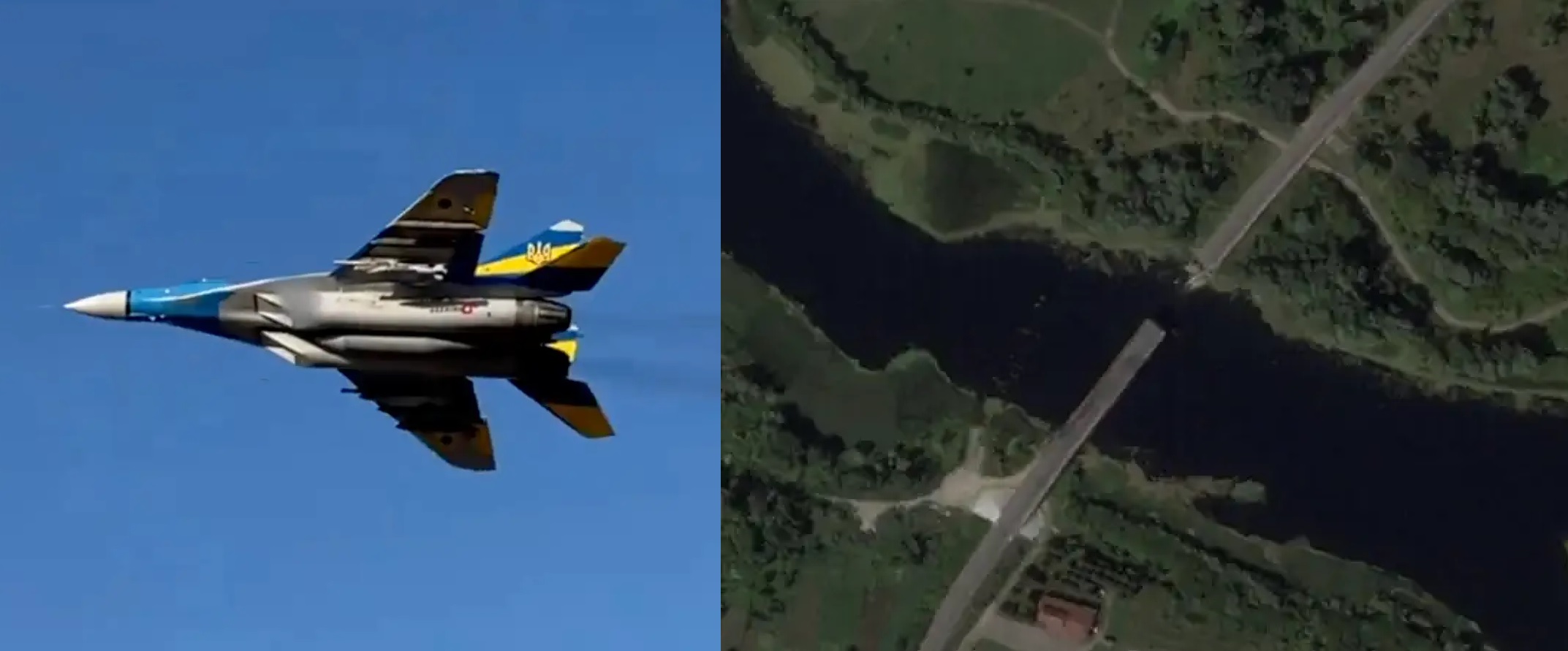
World
A Ukrainian Air Force MiG-29 has destroyed a critical Russian logistics crossing near Kamianske in occupied Zaporizhzhia, using two US-supplied GBU-62 guided bombs fitted with JDAM-ER kits, newly released footage from 16 November confirms. The strike, analysed by the Soniashnyk military blog run by Ukrainian Air Force personnel, demolished a key bridge pillar, severing what Ukrainian analysts say was the only high-quality asphalt road sustaining Russian forces in that part of the front. The attack underscores how hybrid MiG-29/JDAM-ER loadouts are enabling Ukraine to systematically degrade Russian rear infrastructure from long standoff ranges without entering heavily defended airspace. Precision Strike Footage Confirms Deepening Ukrainian Strategy According to Soniashnyk, the targeted bridge near Kamianske had become a vital artery for Russian movements of ammunition, fuel, engineers and reinforcements. By collapsing the crossing, Ukraine forced Russian units to reroute supplies, complicating efforts to support offensives pushing near Stepove, Lobkove and the northern edge of the former Kakhovka reservoir. The footage captured the GBU-62 guiding precisely into the bridge pier — a strike Ukrainian analysts describe as part of a broader campaign to destroy fixed infrastructure and stretch Russian logistics across the south. The ability to hit deep targets with metre-level accuracy highlights a new phase in Ukrainian airpower built around blending Soviet-era fighters with Western precision munitions. MiG-29: From Soviet Dogfighter to Hybrid Precision Platform Originally designed in the 1970s to counter Western fighters such as the F-16 and F/A-18, the MiG-29 was never intended for precision strike missions. But Ukraine’s wartime modifications have transformed the Cold War–era jet into a versatile multirole platform. Since 2022, Ukrainian engineers have progressively adapted the Fulcrum to carry Western weapons, including the AGM-88 HARM. For JDAM-ER integration, technicians designed a custom pylon with an extended nose housing a GPS antenna and interface electronics. This system compensates for the lack of a NATO-standard data bus, enabling the aircraft to communicate precise coordinates to the weapon at release. What began as an experimental adaptation has now become routine: MiG-29s armed with AGM-88, GBU-62 JDAM-ER and other Western systems are regularly seen operating over Zaporizhzhia and even in cross-border missions into Russia’s Kursk region. GBU-62 JDAM-ER: A Cost-Efficient Long-Range Glide Weapon The GBU-62 is a 500-lb class guided bomb built around the JDAM-ER kit, which pairs a GPS/INS guidance tail section with a folding wing kit that extends range to 70–80 km when dropped from altitude. This allows a MiG-29 to strike bridges, depots and command nodes deep in Russian-held territory without flying into dense air-defence networks. JDAM kits, introduced by the United States, were created to convert unguided bombs into precision weapons. The ER wing kit — developed by Boeing and Australia — triples range at a relatively low cost. Australia later transferred its surplus stocks to Ukraine, complementing US deliveries. For Ukraine, JDAM-ER offers significant advantages: a full bomb typically costs only tens of thousands of dollars, far cheaper than cruise missiles like Tomahawk, which exceed US$1 million. Operational Impact: Russian Forces Forced to Reroute The destroyed bridge near Kamianske supported Russian forces advancing toward Stepove, Lobkove, and the former Kakhovka reservoir. With this crossing eliminated, Russian units are now forced to divert resupply along inferior dirt or gravel roads, sharply increasing travel times for fuel and ammunition. The loss has also compelled Russian troops to deploy additional engineers, bridging units and enhanced air-defence coverage along hastily selected alternatives. These substitute routes are often more exposed and unpredictable, making them easier for Ukrainian reconnaissance to monitor and target. Ukrainian officers say these pressures combine to create cumulative strain on Russian logistics, slowing operational tempo and complicating Moscow’s ability to sustain offensive momentum across the Zaporizhzhia front. Russia’s Own Glide-Bomb Effort and the Contrast With Ukraine Russia continues to employ its UMPK glide-bomb kits — low-cost attachments that convert FAB-series bombs into guided glide weapons launched from Su-34s and other aircraft. While Russian UMPKs are cheaper and produced in large numbers, they are typically used for wide-area destruction: urban districts, frontline trenches and fortified positions. Ukraine’s JDAM-ER stock, by contrast, is used sparingly and deliberately against high-value infrastructure, where a single hit can have outsize strategic impact. The Zaporizhzhia bridge collapse vividly illustrates how such precision strikes can disrupt entire supply corridors. A Signal of a Larger Transformation The Zaporizhzhia strike marks a deeper evolution in Ukraine’s wartime aviation. Soviet-era fighters are now consistently carrying Western precision munitions, granting Kyiv capabilities once thought impossible for legacy airframes. This has expanded Ukraine’s long-range standoff strike reach across multiple sectors and enabled hybrid loadouts capable of hitting strategic targets with high precision. The result is a form of cost-efficient precision warfare that allows Ukraine to stretch limited resources while delivering significant disruption to Russian logistics and command networks. With a sustained supply of JDAM-ER kits, Ukrainian crews continue to refine tactics and increase operational tempo. As more kits arrive, hybrid MiG-29/JDAM-ER strikes will likely intensify, hitting bridges, depots and infrastructure across occupied regions — and increasingly, inside Russia itself. A New Era of Airpower Adaptation By collapsing the Kamianske bridge, the Ukrainian MiG-29 armed with GBU-62 JDAM-ER glide bombs has demonstrated how effectively legacy aircraft can be adapted for modern precision warfare. Beyond the tactical victory, the strike signals a broader shift: Ukraine is transforming its Cold War fleet into a precision strike force capable of shaping battlefield outcomes far behind the front line. As these hybrid capabilities expand, Russian commanders must factor in the constant risk of long-range precision attacks on every major crossing, depot and logistics hub within dozens of kilometres of the frontline — a reality that will increasingly influence the strategic balance in the south.
Read More → Posted on 2025-11-16 13:56:52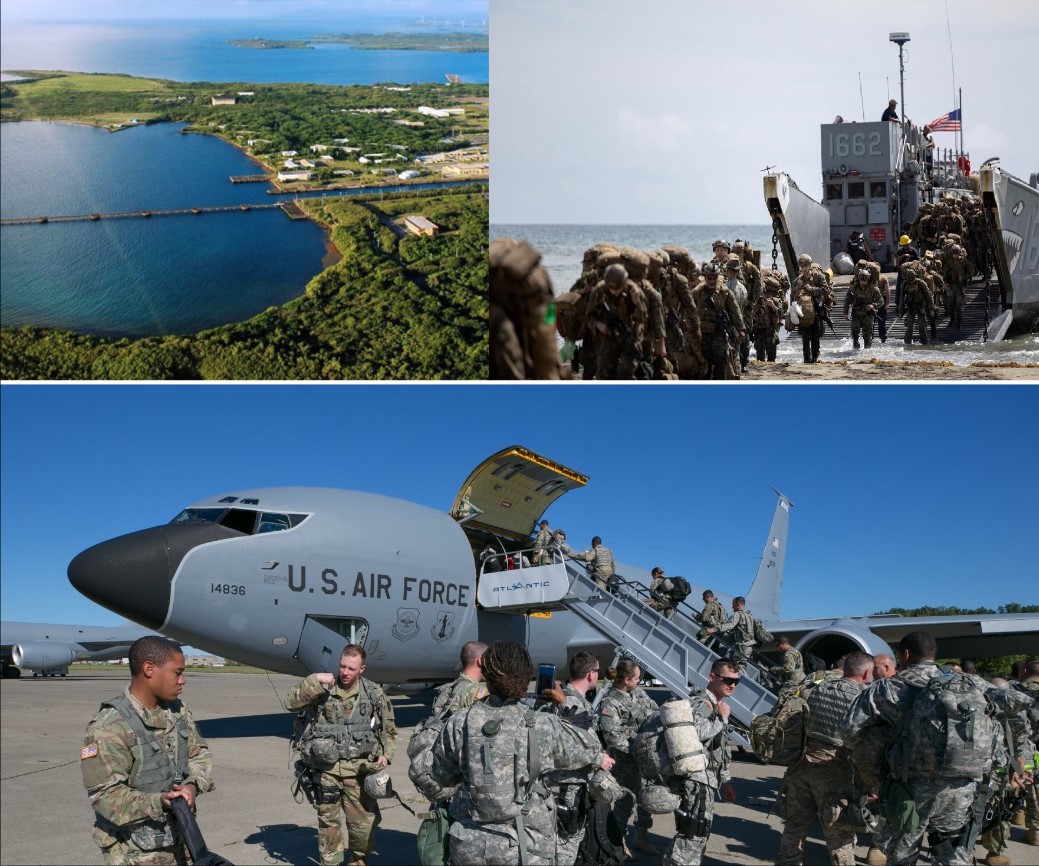
World
The United States has quietly reactivated the former Roosevelt Roads Naval Station in Ceiba, Puerto Rico, restoring a dormant Cold War hub just as Washington positions one of its most formidable air-sea force packages in the Caribbean. Though publicly framed as part of an expanded counter-narcotics campaign, the scale and sophistication of U.S. deployments point to a posture capable of exerting coercive pressure on Venezuela and testing networked maritime strike operations across the region. Roosevelt Roads—closed in 2004 after decades as a strategic hub for sea control, anti-submarine warfare, and regional logistics—has been quietly rebuilt. A CBS News report from the site, supported by recent satellite imagery, confirms renewed U.S. operations at the base and the reactivation of airfield infrastructure once thought permanently abandoned. F-35 Presence Marks a New Regional Capability Since early September, the base has hosted a detachment of ten F-35 Lightning II aircraft, including Marine Corps F-35Bs from VMFA-225. On November 4, an F-35B took off from the adjacent José Aponte de la Torre Airport, captured in U.S. Department of Defense imagery and confirming persistent flight operations. The F-35’s AESA radar, sensor fusion, and electro-optical targeting system allow detection and classification of surface vessels and low-observable aircraft at long range. From Puerto Rico, the jets can cover most of the southern Caribbean without refueling, giving Washington an operational reach that did not exist when the base closed two decades ago. U.S. officials still describe these missions as aimed at drug interdiction, yet the aircraft’s capabilities go far beyond traditional patrols. B-52 Overflight and Carrier Movements Elevate Tensions The U.S. presence expanded further when a B-52 Stratofortress flew directly over the USS Gerald R. Ford, heading south toward the Caribbean. With a range of several thousand kilometers, the B-52 can launch cruise missiles, maritime strike weapons, and stand-off munitions while remaining beyond most regional air defenses. The USS Gerald R. Ford, America’s newest nuclear-powered aircraft carrier, brings a dense air wing and an advanced dual-band radar suite, reinforcing layered defense with E-2D airborne early warning aircraft, F-35C and F/A-18E/F fighters, and long-range interceptor missiles. Together, these forces represent one of the most powerful U.S. naval postures in the Western Hemisphere in years. A Growing U.S. Naval Footprint in the Caribbean The western Atlantic currently hosts four U.S. Navy vessels, including the Ford and three guided missile destroyers. Inside the Caribbean basin, another seven ships operate near or within Venezuelan approaches. These include: Two Ticonderoga-class cruisers An amphibious assault helicopter carrier Two landing platform dock (LPD) ships Destroyers and cruisers equipped with the Aegis combat system carry vertical launch cells (VLS) capable of firing SM-2/SM-6 missiles, ESSMs, and Tomahawk cruise missiles. Together, they generate a protective shield around U.S. high-value assets and enable long-range strikes across the region. The amphibious group—with Marines, helicopters, tilt-rotor aircraft, and landing craft—provides Washington with the ability to conduct littoral operations, reinforce friendly facilities, or exert pressure along the Venezuelan coastline. Live-Fire Operations Add a Combat Testing Dimension Since September, U.S. assets have carried out live-fire engagements against small craft labeled as drug-trafficking boats. At least twenty strikes have been reported, with around eighty fatalities. The operations serve dual purposes: reinforcing the counter-narcotics narrative while simultaneously validating targeting chains, command-and-control (C2) processes, sensor-to-shooter links, and rules of engagement in the same maritime environment that would be used in a crisis involving Venezuela. These engagements function as a testbed for distributed maritime operations, kill-web integration, and EMCON-enabled ship tactics, where cruisers and destroyers minimize emissions while relying on off-board sensor cues. A Networked Battlespace Emerges The U.S. posture increasingly resembles a networked maritime strike grid: Carrier-based fighters and land-based F-35s share a common operational picture (COP). Maritime patrol aircraft, such as P-8A Poseidons, feed real-time data to both air and naval units. Space-based ISR platforms provide targeting updates and electromagnetic mapping. Amphibious forces offer flexible projection options from sea to shore. This level of integration allows Washington to hold Venezuelan naval, air, and coastal infrastructure at risk with minimal warning. Washington’s Political Messaging vs. Strategic Reality Publicly, the Biden administration frames the deployment as a necessary response to cartel activity, drug trafficking routes, and the Maduro government’s alleged ties to criminal networks. But behind closed doors, the presence of senior officials—ranging from the vice president to the secretaries of defense and state—signals that military options are being considered alongside existing sanctions and diplomatic measures. Internal U.S. crisis meetings, combined with the growing U.S. footprint in Venezuela’s immediate maritime environment, indicate that Washington views Venezuela as a live contingency, not merely a policing mission. For Caracas, images of U.S. jets and warships operating near its coastline strengthen the government’s narrative of an imminent invasion threat, a tool useful for internal consolidation and political messaging. Regional and Global Implications The reactivation of Roosevelt Roads is more than a bilateral issue—it affects security architecture across the Caribbean and beyond. Latin American states must weigh the value of increased U.S. protection against the risk of geopolitical escalation in their neighborhood. Russia and China, both active partners of Venezuela, may use the situation to deepen military cooperation, test U.S. reactions, or deploy advisers and ISR platforms. Navies worldwide are studying the unfolding crisis, particularly the U.S. emphasis on interoperable data links, logistics resilience, and air-sea integration—now central pillars of modern force design. For the United States, the revived Puerto Rican base and the assembled fleet together represent the largest and most complex regional posture in two decades, marking a decisive return to forward basing and power projection in the southern approaches to the Atlantic.
Read More → Posted on 2025-11-15 17:54:30
World
In a significant setback for Europe’s financial strategy on the Ukraine war, a bold new scheme by the European Commission (EC) to turn frozen Russian state assets into a multi-billion-euro lifeline for Kyiv has run into strong resistance from Belgium, which holds the vast majority of those funds. Belgium’s reluctance has brought the proposal — a loan backed by Russian assets rather than direct confiscation — to a grinding halt, raising fresh questions about the EU’s legal authority and political will to tap the frozen money. What’s the matter? The proposal and the stumbling block In essence, the European Commission, backed by several member states, proposed structuring a €140 billion loan to Ukraine, using the frozen assets of the Bank of Russia and other Russian state-linked holdings as financial backing. The idea is that Ukraine would receive this loan, repayable only if Russia compensates Ukraine for the war-related damage — thereby turning the frozen assets into a form of reparations collateral. However, Belgium has balked at this approach. The assets are largely held via the Belgian-based clearing house Euroclear Bank. Belgium’s government and the institution itself have flagged legal risks, especially the possibility of Russia suing and imposing liabilities, as well as financial risk for Belgian taxpayers if something goes wrong. At the summit of EU leaders on 23 October 2025 the member states asked the Commission to present other options but failed to agree on the asset-backed loan. How much are the frozen Russian assets—especially in Belgium? According to multiple estimates, the total frozen Russian state assets run to at least US $300 billion (≈ €275 billion) globally. Specifically for Belgium/Euroclear: Euroclear manages around €200 billion in frozen Russian assets. Another article suggests Belgium holds two-thirds of Russian state assets worldwide and 86 % of such funds in the EU and gives a figure of about €183 billion in Belgium. While precise breakdowns are opaque, it is clear Belgium holds the lion’s share of the EU’s frozen Russian state assets. Why Belgium is resisting—and what happens next Belgium’s opposition is driven by several factors: Legal uncertainty: Frozen sovereign assets of a foreign central bank are typically protected by immunities and long-standing international law norms. Belgium fears that unlocking or using these assets in a way that resembles confiscation would expose Euroclear (and indirectly Belgium) to lawsuits from Russia. Financial liability: Belgium fears bearing disproportionate risk — since the assets are held largely in Belgium, any retaliation or legal judgment would hit Belgium hardest. As quoted: “I am not able, and I do not want, to fork out €140 billion” if something goes wrong. Precedent and systemic risk: Belgian officials argue that if sovereign assets deposited in Belgium are seized or redirected, confidence in the Belgian-based Euroclear system may collapse, leading to capital flight and damage to Belgium’s status as a financial hub. What happens next? The European Commission has been asked to present alternative mechanisms by the December 2025 summit. Among them are: using only the interest (already being done) rather than the principal of the frozen assets; a broad multilateral guarantee structure so risk is shared; and possibly a more gradual “collateral” model rather than outright asset transfer. Unless Belgium (and possibly other sceptical member states) is assured of full legal cover and burden-sharing, a full deal remains elusive. Implications for Ukraine, the EU and Russia For Ukraine: The failure to unlock a large loan backed by frozen assets means a crucial financing route remains blocked. Ukraine faces looming budget and defence funding needs for 2026-27 which some estimates put at around US $153 billion. For the EU: The episode exposes a fault-line in European financial solidarity and collective risk-taking. If one country holding the bulk of the asset says “no”, a unified mechanism stalls. It raises questions about the EU’s ability to convert frozen assets into war-time funding, and about the legal robustness of such mechanisms. For Russia: The Kremlin has warned legal consequences for Belgium if asset use is perceived as confiscation. Russia’s ability to retaliate — for example by freezing Western assets held in Russia — remains a latent threat, giving added weight to Belgium’s caution.
Read More → Posted on 2025-11-15 17:43:19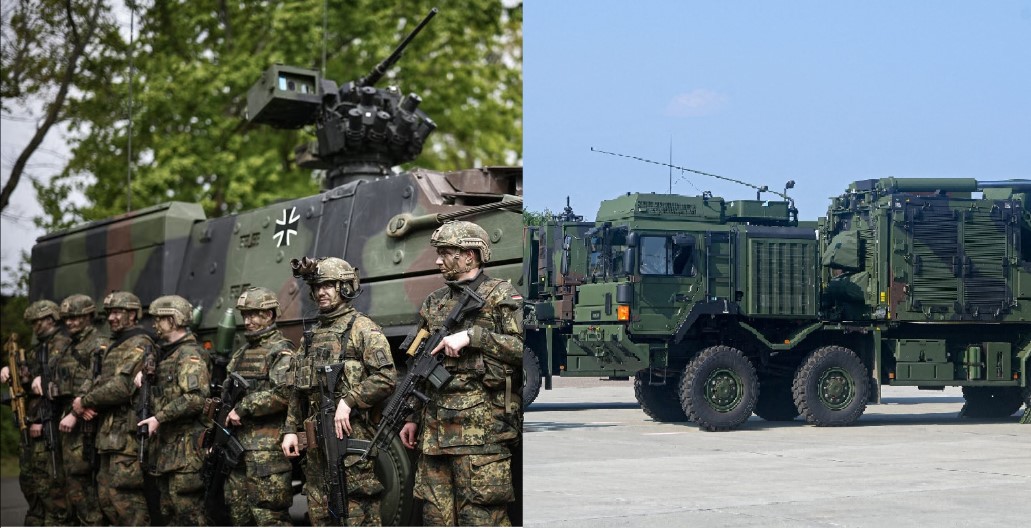
World
The budget committee of Germany’s federal parliament (Bundestag) has approved an additional allocation of €3.85 billion from the special defence fund to bolster several major procurement projects for the Bundeswehr. The funding, aimed at enhancing operational capabilities and accelerating ongoing modernisation efforts, addresses key areas of air defence, aviation, soldier equipment and camouflage technology. Helicopters: Additional 20 H-145M Light Attack Aircraft One of the largest items in the new package is €1.1 billion for the procurement of an additional 20 Airbus H145M light attack helicopters configured as H-145M. Under a 2023 framework agreement, Germany had secured delivery of up to 82 H145M helicopters, of which 62 have already been ordered. The new tranche will raise the total to 82 units, with deliveries scheduled between 2027 and 2029. Currently, the Bundeswehr operates approximately 15 H145M LUH SOF special-operations configured helicopters. The procurement reflects a shift to expand attack and reconnaissance rotary-wing capacity and sustains the industrial line at Airbus’s Donauwörth facility. Air Defence Missiles: Further IRIS-T SLM Systems Another key allocation is €1 billion aimed at acquiring additional units of the IRIS-T SLM (Surface Launched Medium-range) missile system, produced by Diehl Defence. The system is central to Germany’s layered ground-based air-defence architecture. The Bundeswehr currently operates one IRIS-T SLM fire-unit, which achieved initial operational capability in 2024. In 2023 a contract was awarded for six fire-units and 216 missiles. The new funding will enable expansion of launcher elements, radar and command components, strengthening Germany’s commitment to modern air-defence readiness. Camouflage Equipment: Multispectral Nets and Stationary Systems The procurement package also includes €580 million for a framework agreement with Sioen Defence to acquire stationary multispectral camouflage equipment. This gear is designed to reduce detection by drones and satellites, strengthening the protection of forward-deployed and stationary positions. The German Army plans to order hundreds of thousands of modern multispectral camouflage nets, signaling an awareness of emerging aerial-surveillance threats and remote targeting. Eurofighter Aerodynamic Kit: P4E Modifications Another major item is €600 million committed to the first development phase of the P4E Aerodynamic Modification Kit for the Eurofighter Typhoon multirole combat aircraft. This upgrade programme targets improved manoeuvrability and performance enhancements. Germany currently operates one of the largest Eurofighter fleets in Europe, making the P4E kit a strategic step in long-term fleet modernisation. Night-Vision Goggles: Up to 100,000 Sets from Theon The budget package also earmarks a high three-digit million euro sum — approximately €570 million — for the procurement of up to 100,000 night-vision goggles from Theon Sensors. This is intended to equip dismounted soldiers with enhanced night-vision capability. Earlier programmes equipped the Bundeswehr with about 66,000 night-vision sets, and the new order represents a significant ramp-up in soldier-optics readiness. Strategic Context and Implications The €3.85 billion allocation reflects Germany’s accelerating defence procurement tempo in response to shifting threat perceptions, especially regarding Europe’s eastern flank. Officials cite lessons from the Ukraine conflict, emerging drone and cruise-missile threats, and domestic readiness concerns. The Zeitenwende policy continues to channel large-scale investments into modernisation. The package spans aviation, air defence, camouflage, and soldier systems — balancing platform modernisation with force-protection enhancements. However, delivery schedules indicate that full operational impact will unfold gradually over the decade.
Read More → Posted on 2025-11-15 16:29:11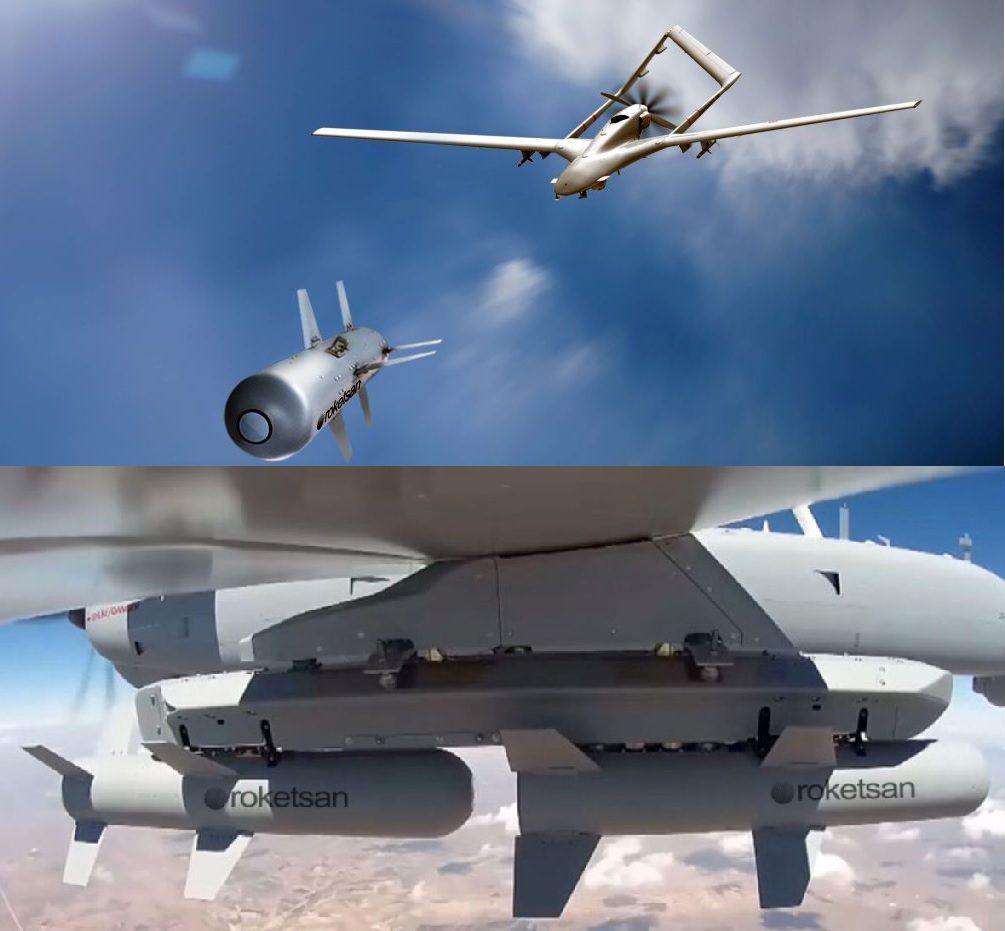
World
Türkiye’s expanding unmanned naval aviation program recorded a major milestone on 15 November 2025, when the Bayraktar TB3 unmanned combat aerial vehicle, flying under the designation PT-1R, executed a triple live-firing of Roketsan’s MAM-L TV/IIR smart munitions, scoring three consecutive direct hits on a designated ground target.The salvo was launched in quick succession, confirming “bull’s-eye” accuracy for the full load-out. A Bayraktar TB2 orbiting overhead documented the engagement, reinforcing the maturing concept of cooperative drone formations for maritime and littoral strike operations. The demonstration, carried out after a series of carrier-deck trials aboard the amphibious assault ship TCG Anadolu, represents a decisive step from experimentation toward a deployable naval strike architecture across Türkiye’s “Blue Homeland” maritime doctrine. Carrier-Capable UCAV Moves into Operational Profile Baykar noted that the TB3 PT-1R flew a mission profile replicating carrier-based launch and recovery, validating its integration with sea-based aviation procedures. The UCAV released three MAM-L TV/IIR munitions in a tight strike window, showcasing the system’s ability to employ salvo tactics, sustain guidance lock, and maintain aerodynamic stability under operational conditions. The achievement highlights the TB3’s rapid evolution since its maiden flight in October 2023. It has already completed: Ski-jump take-off tests Full-deck operations aboard TCG Anadolu (2024) Live-fires with MAM-T and UAV-122 supersonic missile (2025)This latest engagement places the TB3 at the center of Türkiye's ambition to field the world's first naval UCAV carrier wing. TB3: Carrier-Capable UCAV for Sea Control The Bayraktar TB3 is built from the TB2 lineage but redesigned for naval operations with folding wings, reinforced landing gear, and a propulsion system tailored for maritime humidity and corrosive salt conditions. With a maximum take-off weight of around 1,450 kg and six hardpoints supporting a 280-kg payload, the TB3 stands as the backbone of Türkiye’s emerging UCAV carrier wing. Its pairing with MAM-L mirrors the doctrinal role of systems like the MQ-9 Reaper, but with the advantage of being navalized from inception, unlike Western STOL/UAV carrier experiments such as the MQ-9B STOL and Mojave. Roketsan’s MAM-L: Precision Munition for Shipborne UAV Strike The test featured the TV/IIR variant of the MAM-L, which enhances target tracking and engagement reliability in cluttered or low-visibility environments—conditions typical of littoral warfare. MAM-L (TV/IIR) – Weapon Specifications Weight: ~22 kg Length: 0.95 m Guidance: Imaging Infrared (IIR) TV seeker Two-way data link Inertial + GNSS navigation Range: Up to 15 km, extendable in updated variants Warhead Options: Anti-armor Thermobaric Multi-purpose blast fragmentation Target Set: Armored vehicles, radar sites, fortifications, soft-skin assetsThe TV/IIR guidance gives the TB3 greater autonomy, improved target discrimination, and increased resilience against weather, smoke, or laser-disruption compared to the semi-active laser (SAL) variant. TB2 as Overwatch: The Rise of Drone–Drone Cooperation The Bayraktar TB2, long considered the backbone of Türkiye’s UAV fleet, played a defining role—not merely as a recording platform but as a sensor node, reinforcing the emerging model of multi-UAV strike packages.In earlier trials, TB2s provided laser designation for TB3 weapons.In this test, the TB2 acted as: Overwatch platform ISR relay Target confirmation and battle-damage assessment node This dual-drone cooperation forms the basis of a distributed “sensor–shooter web”, enabling multi-platform target acquisition, persistent surveillance, and precise engagement without any manned asset in the strike loop. Strategic Implications for Naval Power Launching MAM-L munitions from a shipborne Bayraktar TB3 increases Türkiye’s ability to conduct maritime operations over a wider area. This capability extends the strike range of naval units into contested zones and allows for continuous surveillance and precision engagement at lower operational cost compared to manned aircraft. It also reduces the need to use crewed platforms for routine interdiction tasks in the Mediterranean, Aegean, and Black Sea. Within the Mavi Vatan (Blue Homeland) framework, TCG Anadolu and its TB3–Kızılelma unmanned air wing are intended to support sea control, safeguard offshore installations, and assist in a variety of maritime missions. The integration of the TB3 into naval operations provides Türkiye with additional options for conducting ISR and strike activities from the sea. Export Momentum and Global Naval Interest The TB3’s growing international profile—underscored by the agreement to supply and co-produce 60 TB3s with Indonesia—signals a broader appeal among middle powers seeking high-end naval aviation without investing in traditional aircraft carriers. Global navies are observing Türkiye’s progress closely. As US and UK forces test UAV deck operations with MQ-9 derivatives, the TB3’s combat-proven maritime integration places Türkiye at the forefront of drone-centric naval doctrine. A Defining Moment for UCAV-Based Sea Control The triple MAM-L TV/IIR strike, combined with TB2 overwatch and the broader deck-test campaign aboard TCG Anadolu, confirms that Türkiye’s unmanned naval aviation has entered a new operational phase.No longer an experiment, the TB3–MAM-L system has evolved into a coherent, deployable, shipborne strike capability. The 15 November test stands not as a single achievement but as the consolidation of: Airframe engineering Precision-guided weapon development Carrier integration Cooperative drone tactics Strategic maritime planning With this, Türkiye positions the Bayraktar TB3 as a benchmark platform for navies seeking agile, survivable, and cost-effective unmanned sea-control capabilities.
Read More → Posted on 2025-11-15 15:21:55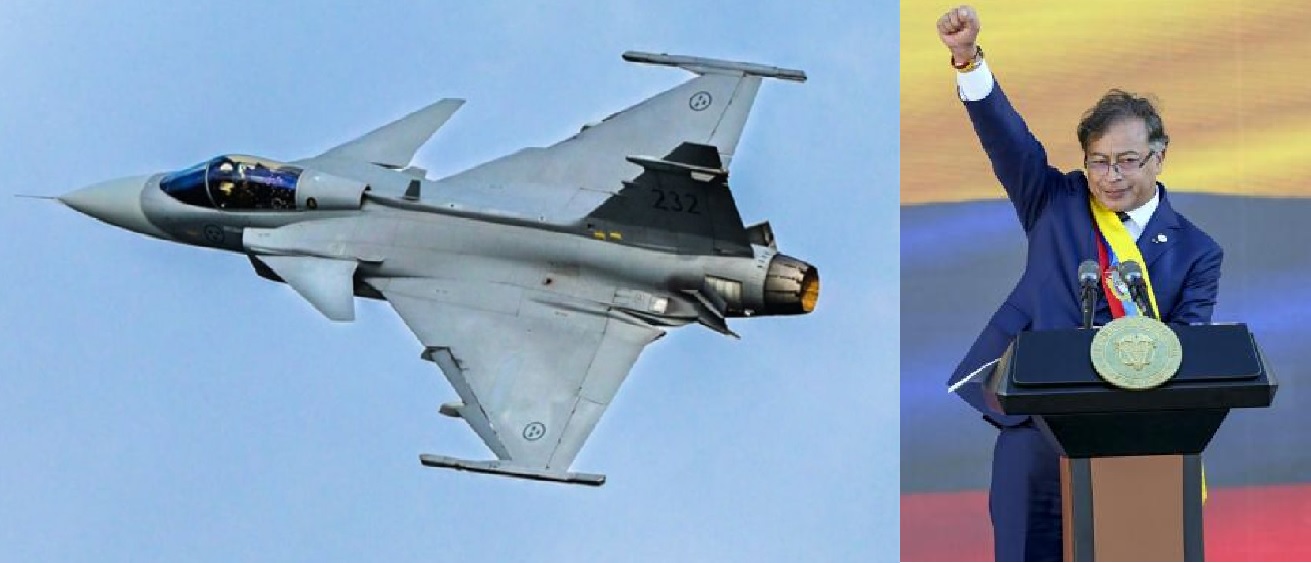
World
Colombia has formally signed a $3.6 billion contract with Swedish defense manufacturer Saab for the acquisition of 17 Gripen E/F fighter jets, marking one of the country’s most significant military modernization steps in decades. The deal, confirmed on Friday by President Gustavo Petro, includes 15 single-seat Gripen E aircraft and 2 dual-seat Gripen F trainers, with deliveries scheduled between 2026 and 2032. The contract finalizes a decision first signaled in April, when the Petro administration announced its intention to procure Swedish fighters but withheld details on quantity and pricing. With this deal, Colombia becomes the newest member of the global Gripen operator family. A Strategic Shift: Why the Gripen Won The agreement concludes a competitive procurement process that included strong bids from U.S. and French manufacturers. Washington had aggressively backed an F-16 package that included up to 24 aircraft—a mix of donated second-hand Block 50/52 jets and brand-new Block 70 fighters—for a reported $4.2 billion. The U.S. pitch emphasized interoperability with Colombia’s already U.S.-centric air fleet, including C-130 transport aircraft and UH-60 Black Hawk helicopters. But in the end, Bogotá opted for brand-new Gripen E/Fs, rejecting what Petro described as “second- or third-hand weaponry.” His administration stressed transparency, sovereignty, and long-term operational value over political pressure. Petro Defends the Purchase Amid Diplomatic Tension The fighter jet deal has stirred geopolitical debate, particularly following President Petro’s public remarks earlier this month. In a pointed message referencing a report by El Tiempo, Petro alleged that: U.S. entities had been tailing his family, and Washington was angered by Colombia’s decision to reject second-hand F-16s in favor of Sweden’s brand-new Gripens. He emphasized that Colombian law fully authorizes the purchase, adding:“We are sovereign; we’re not obliged to purchase second- or third-hand weaponry for our public forces.” Petro urged Sweden and Saab to respond publicly to what he described as undue interference:“I believe the Kingdom of Sweden must speak out, and the firm Saab, about this attack on our freedom and sovereignty.” The comments highlight the sensitive geopolitical landscape surrounding Latin American defense acquisitions, especially at a time of rising global tensions. Saab Welcomes Colombia Into the Gripen Community Saab executives and Swedish officials celebrated the agreement as both a strategic and symbolic milestone. Micael Johansson, President and CEO of Saab, said:“I am honored that Colombia has chosen Gripen E/F to enhance its air defence capabilities… This marks the beginning of a strong and long-term partnership.” Sweden’s Minister for International Development Cooperation and Foreign Trade, Benjamin Dousa, noted that the sale is among Sweden’s largest export deals ever, strengthening the nation’s economy and global security footprint. Defense Minister Pål Jonson added:“In Gripen, Colombia is getting one of the world’s most advanced combat aircraft. I look forward to deepening our defence policy cooperation.” Foreign Minister Maria Malmer Stenergard emphasized the “excellent long-standing relations” between both countries and expressed confidence in continued cooperation. What the Deal Includes The €3.1 billion package covers a complete operational ecosystem: 15 Gripen E fighters 2 Gripen F two-seat trainers Advanced weapons systems Ground support equipment Pilot and technician training Long-term service and sustainment The Gripen E/F platform features cutting-edge avionics, AESA radar, advanced electronic warfare systems, and competitive lifecycle costs—key factors behind its growing popularity. A Modern Air Force for a New Security Era President Petro underscored the strategic necessity of acquiring modern fighters, stating the jets will deter “aggression against Colombia, wherever it may come from” in a “geopolitically messy world.” Colombia’s aging Kfir fleet has long been criticized for high maintenance costs and limited combat viability. The transition to Gripen represents a transformative modernization of the Colombian Air Force. A Landmark Deal With Global Ramifications Colombia’s decision carries implications far beyond its borders. It reinforces Saab’s expanding presence in Latin America, strengthens Sweden’s defense industry, and reflects shifting dynamics in U.S. influence over regional defense procurement. With the first aircraft set to arrive in 2026, Colombia is preparing to enter a new era of airpower, one defined by advanced technology, strategic autonomy, and a renewed commitment to national defense.
Read More → Posted on 2025-11-15 15:02:59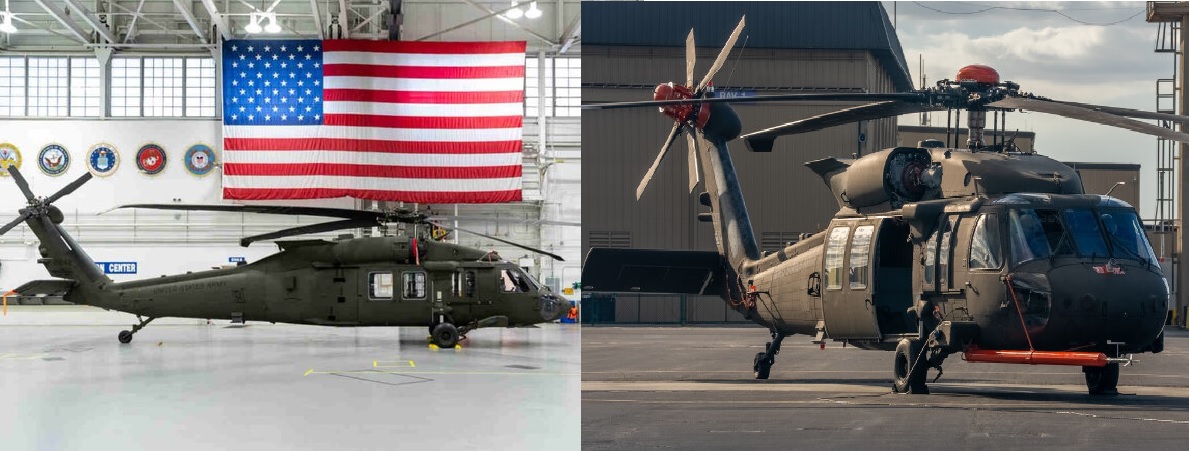
World
WASHINGTON — U.S. Army Secretary Dan Driscoll has raised concerns about long-standing military procurement practices after the Army identified a basic component on the Sikorsky UH-60 Black Hawk helicopter that costs $47,000 under current vendor rules, despite being inexpensive to produce. The part in question is a small screen control knob that cannot be purchased or repaired separately. Under the existing contract, the Army must buy the entire screen assembly, even though internal engineers estimate the knob could be made for roughly $15 in-house. Army units reportedly replace about four knobs per month, creating an estimated $188,000 monthly expense for an issue officials believe could be handled at a fraction of the cost. Secretary Driscoll said the Army is now reviewing how such situations developed and how to prevent them. He stated that contractors will be expected to provide more flexibility in future agreements, including repair rights and access to technical data, so individual components can be serviced or manufactured when practical. The Pentagon has also directed the Army to examine similar cases across other equipment lines. The matter reflects concerns raised by the Government Accountability Office (GAO), which has documented multiple instances where the military was required to purchase complete assemblies because contractors did not offer individual parts or repair options. GAO reports note that these restrictions can increase sustainment costs and delay maintenance schedules. Members of Congress are also taking interest. Senator Elizabeth Warren and several lawmakers are working to include right-to-repair provisions in the upcoming defense authorization bill. These proposals would require contractors to provide necessary maintenance data and reduce dependence on sole-source arrangements that limit cost transparency. Defense companies have not publicly commented on the Black Hawk case. Industry analysts say contractors often cite certification requirements, proprietary designs, and safety standards as reasons for restricting individual component sales. Government officials say they are evaluating where those constraints are necessary and where they can be adjusted. Secretary Driscoll emphasized that the goal is to ensure the Army can maintain its equipment efficiently and responsibly. The review process is underway, and additional cases may be assessed as the Pentagon reconsiders how future contracts should be structured.
Read More → Posted on 2025-11-15 13:45:10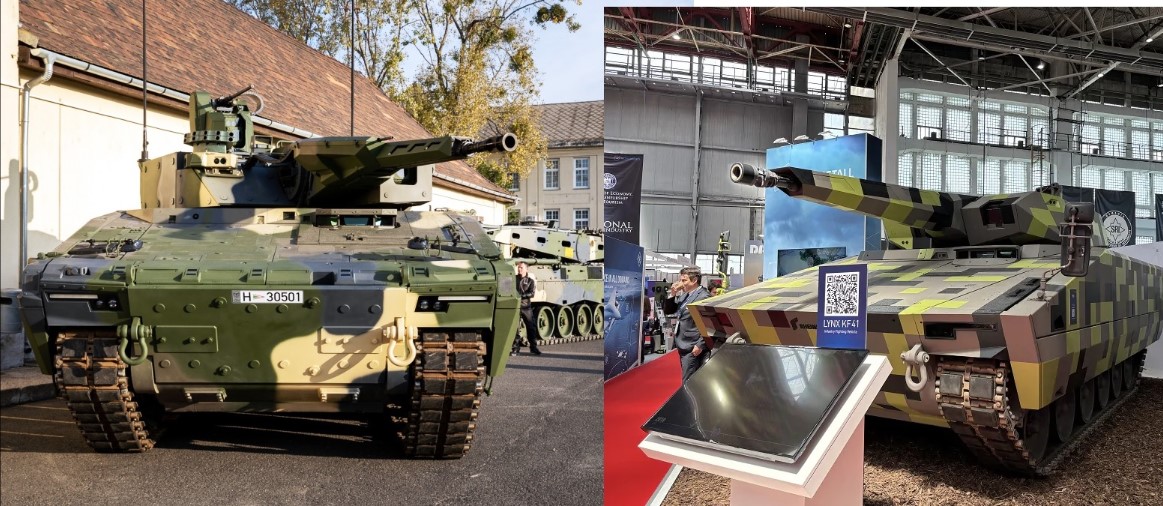
World
Romania has officially confirmed the acquisition of 298 Lynx infantry fighting vehicles (IFVs) from Germany’s Rheinmetall, marking one of the most significant defence procurements in the country’s modern history. According to Euronews Romania, the package includes 46 specialist variants built on the same chassis, while a substantial portion of the production will take place inside Romania. The agreement underscores Bucharest’s commitment to revitalising its land forces amid increasing regional security concerns. Replacing Ageing Soviet-Era MLI-84 Fleet The contract concludes a multi-year effort to replace Romania’s ageing MLI-84 and MLI-84M Jderul platforms — armoured vehicles based on Soviet-era designs that have long surpassed their operational life. The modernisation initiative began formally in July 2025, initially setting a requirement of 246 IFVs with a projected cost of €2.55 billion, along with options for an additional 52 vehicles. The final confirmed figure of 298 suggests Romania has opted to exercise nearly all available options. High-Level Dialogue Between Bucharest and Düsseldorf The decision followed a pivotal visit to Bucharest by Rheinmetall CEO Armin Papperger, who held discussions with Prime Minister Ilie Bolojan, Economy Minister Radu Miruță, and Defence Minister Ionuț Moșteanu.“This is a very important day for Romania and the national defence industry,” Prime Minister Bolojan affirmed. Economy Minister Miruță emphasised the industrial benefits:“We are talking about a project in which most of the production will take place in Romania,” he noted, highlighting the strengthening of the country’s defence manufacturing capabilities. A Growing Romania–Rheinmetall Partnership The Lynx IFV acquisition builds on an expanding defence collaboration between Romania and the German manufacturer. Prior agreements include joint production of medium-calibre ammunition and plans for a propellant plant. Euronews has called the Lynx deal “the main joint project” between the Romanian state and Rheinmetall. The Lynx KF41: Romania’s New Armoured Backbone The KF41 Lynx is Rheinmetall’s latest-generation tracked IFV, offering modular architecture, advanced armour protection, digital battlefield systems, and high mobility. The platform supports a 30mm or 35mm autocannon, anti-tank missiles, active protection systems, and upgraded sensor suites. Romania’s 46 specialist variants are expected to include command, recovery, medevac, and engineering support vehicles. Analysts highlight several advantages: Modern battlefield survivability Full NATO-standard digital integration Domestic assembly and maintenance potential Long-term industrial cooperation Intense Competition at BSDA 2024 The procurement battle peaked at the Black Sea Defence & Aerospace Exhibition (BSDA) 2024 in Bucharest. Romania’s evaluation included leading international contenders such as: BAE Systems’ CV90 Mk IV Hanwha’s AS21 Redback GDELS’ ASCOD 2 Poland’s Borsuk Türkiye’s Tulpar The Lynx ultimately prevailed due to its design maturity, modular configuration, and strong industrial partnerships offered to Romania. Romania’s Broader Defence Modernisation Push The Lynx IFV deal forms part of Romania’s wider effort to modernise its armed forces, alongside recent acquisitions of F-16 fighters, Patriot air defence systems, HIMARS launchers, and ongoing planning for F-35 procurement. As tensions remain elevated in Eastern Europe, Romania is accelerating its transition toward a fully modern, NATO-interoperable military. With nearly 300 Lynx IFVs set to enter production — many built on Romanian soil — the country is preparing for one of the most significant upgrades to its ground forces since the Cold War.
Read More → Posted on 2025-11-15 13:12:04Search
Top Trending in 24 Hours
-
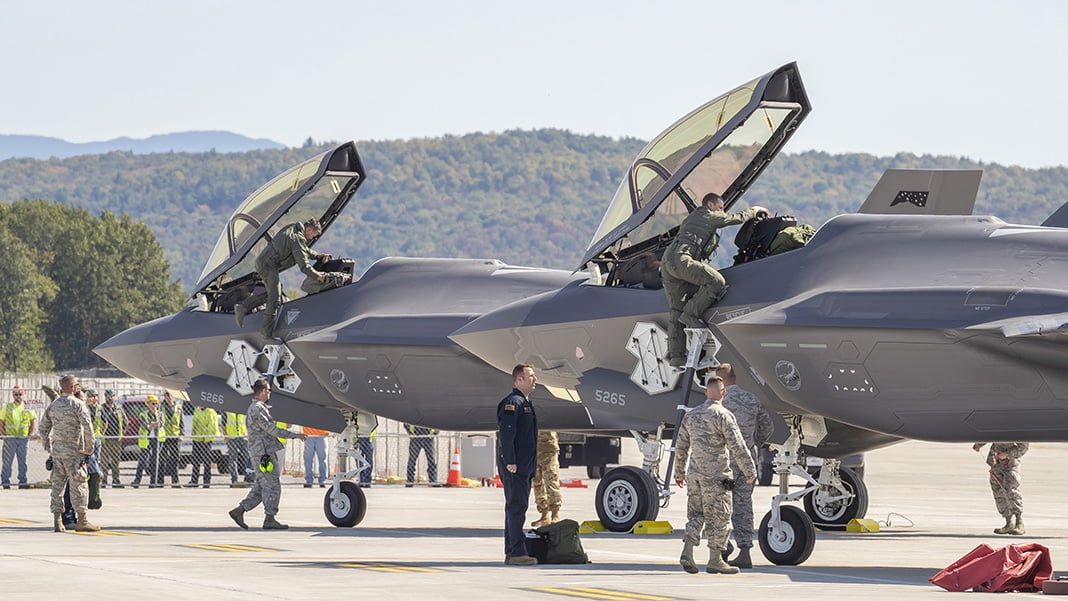 F-35 Fleet Readiness Falls to 25% Amid Parts Shortages and Software Delays: GAO Report
-
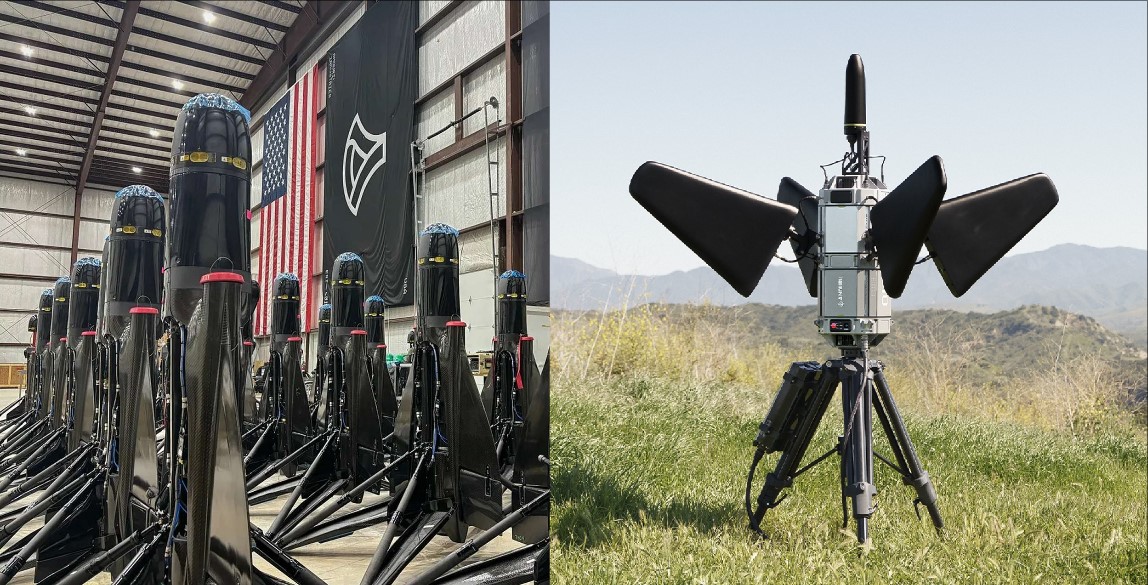 U.S. Approves $1.98 Billion Sale of Anduril AI-Powered Counter-Drone Systems to Kuwait
-
 U.S Navy Orders 50 Blackbeard Hypersonic Missiles in New $23.4 Million Contract
-
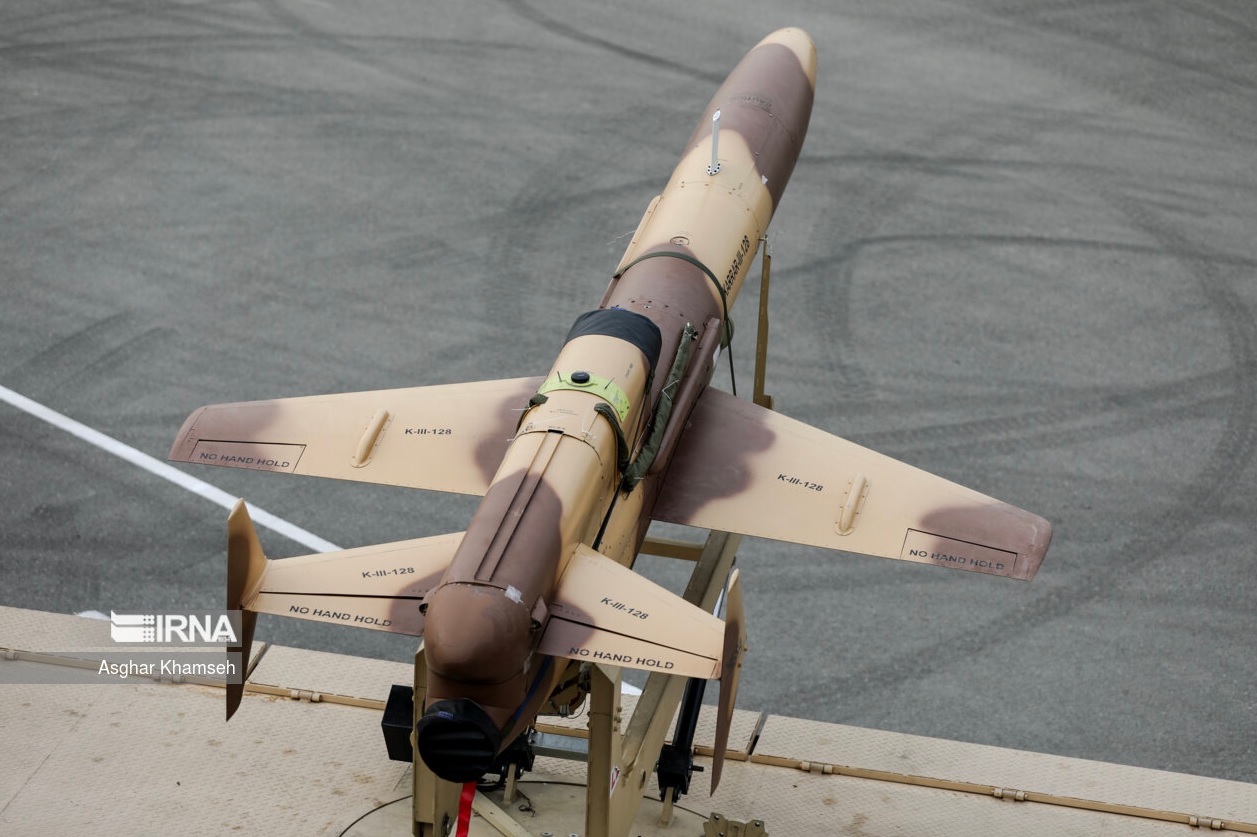 Russia Launches 1,400 Jet-Powered Drones in 2026 as Strike Tactics Evolve to Challenge Ukraine's Air Defenses
-
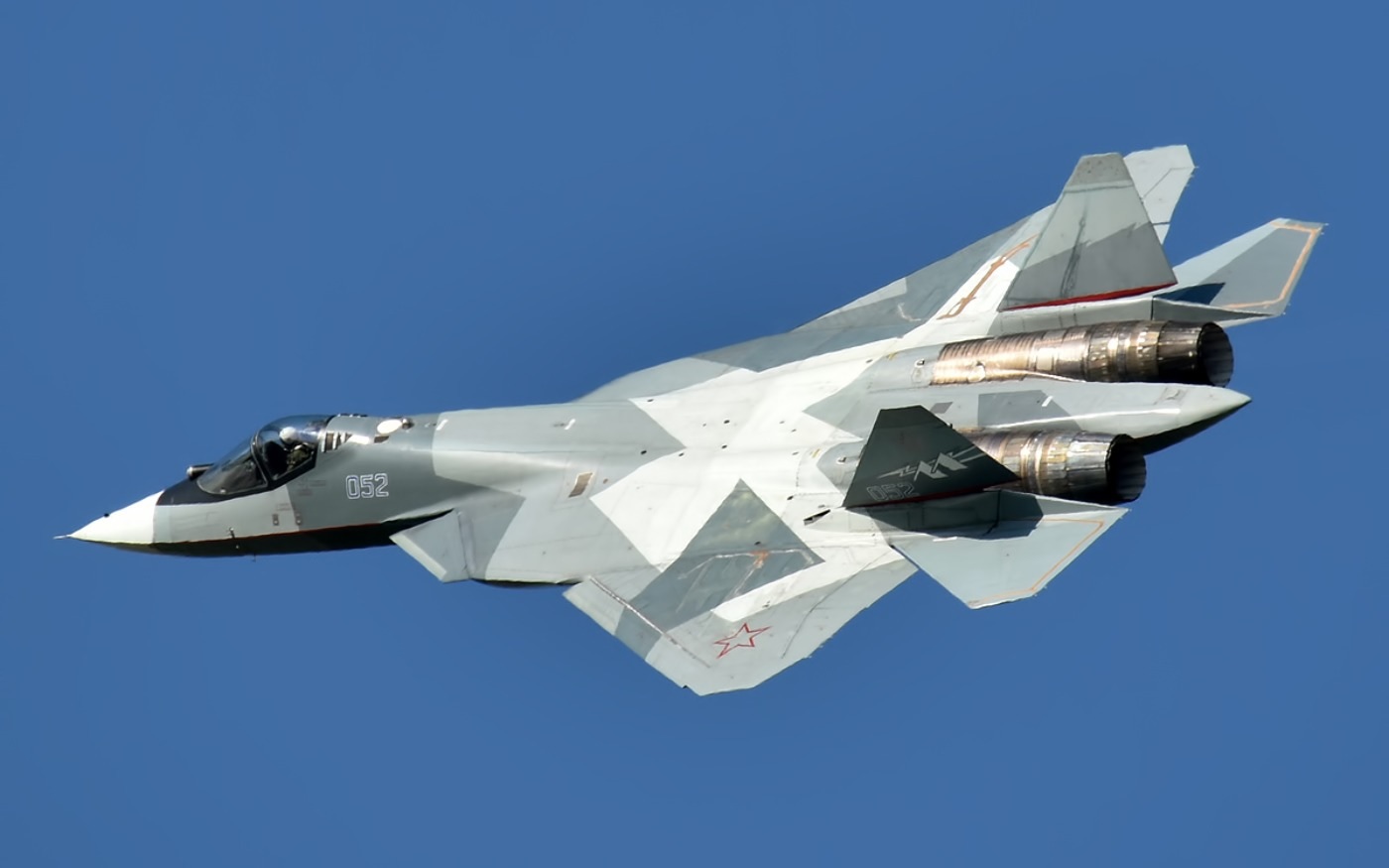 Russian Analysts Debate Su-57 Capabilities After Putin Calls Fighter Superior to F-35
-
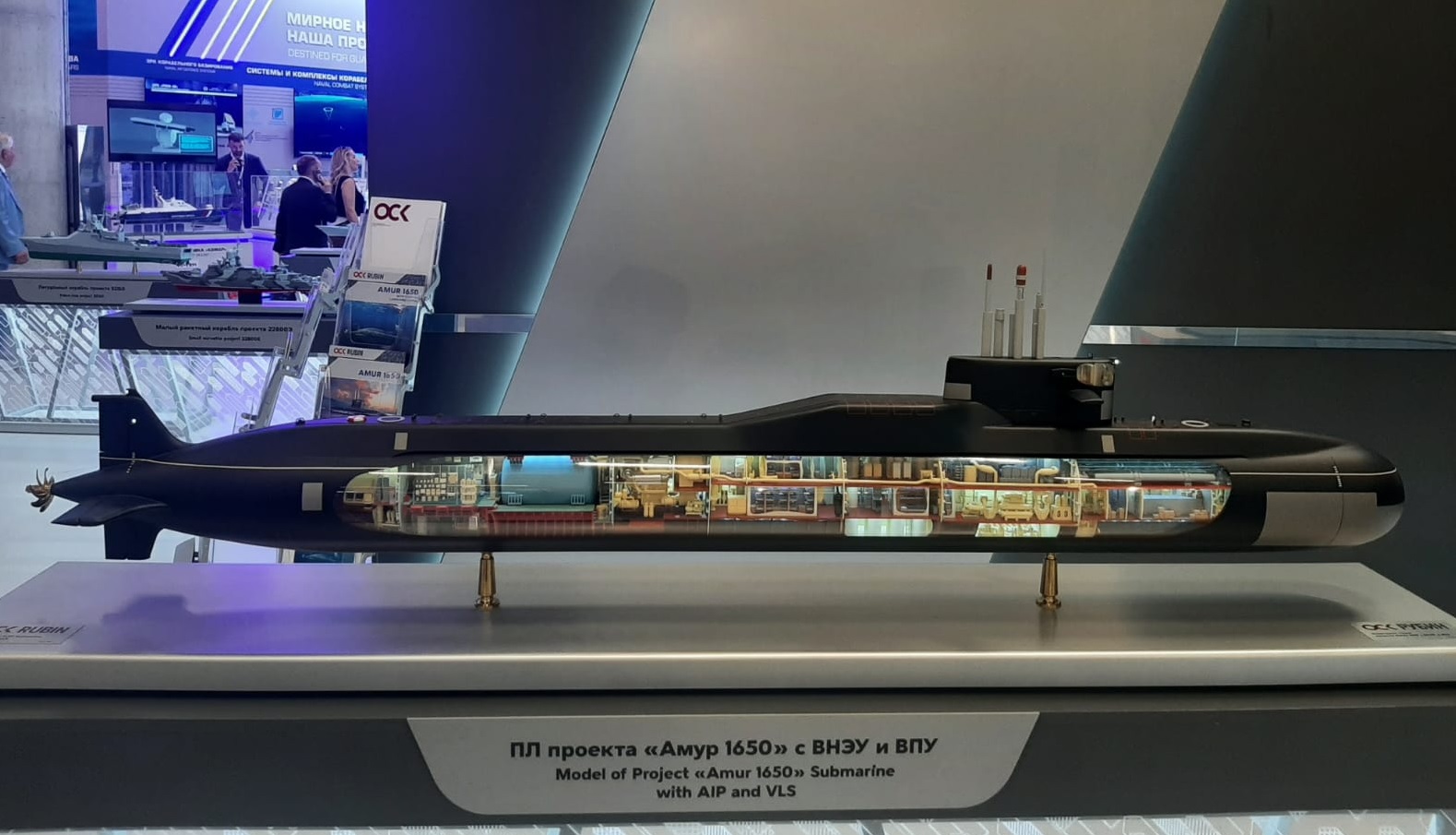 Russia Unveils Amur-1650 AIP Submarine Equipped with BrahMos Vertical Launch System at Fleet-2026
-
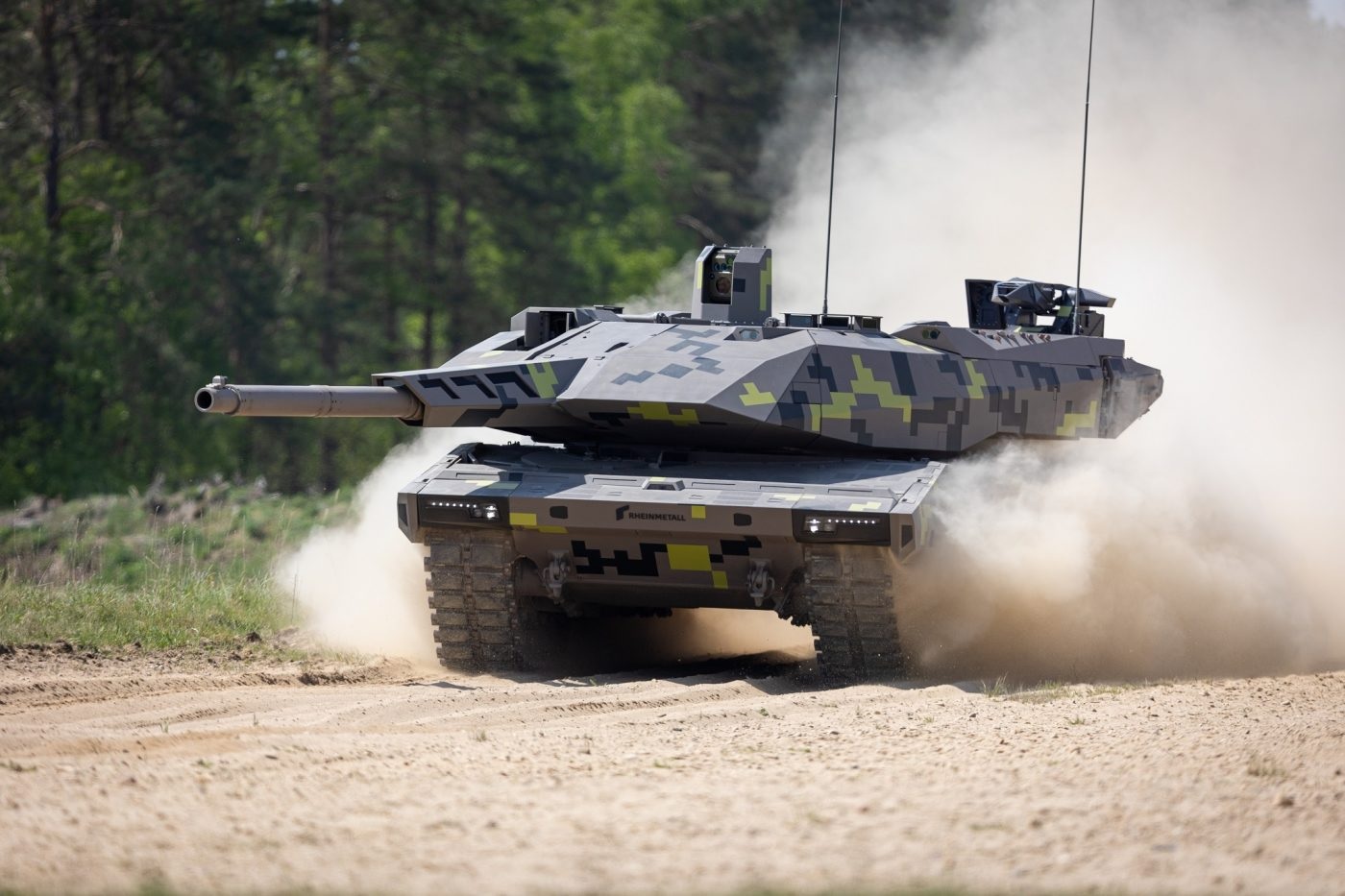 France Considers Reduced Role or Exit from Franco-German MGCS Tank Project
-
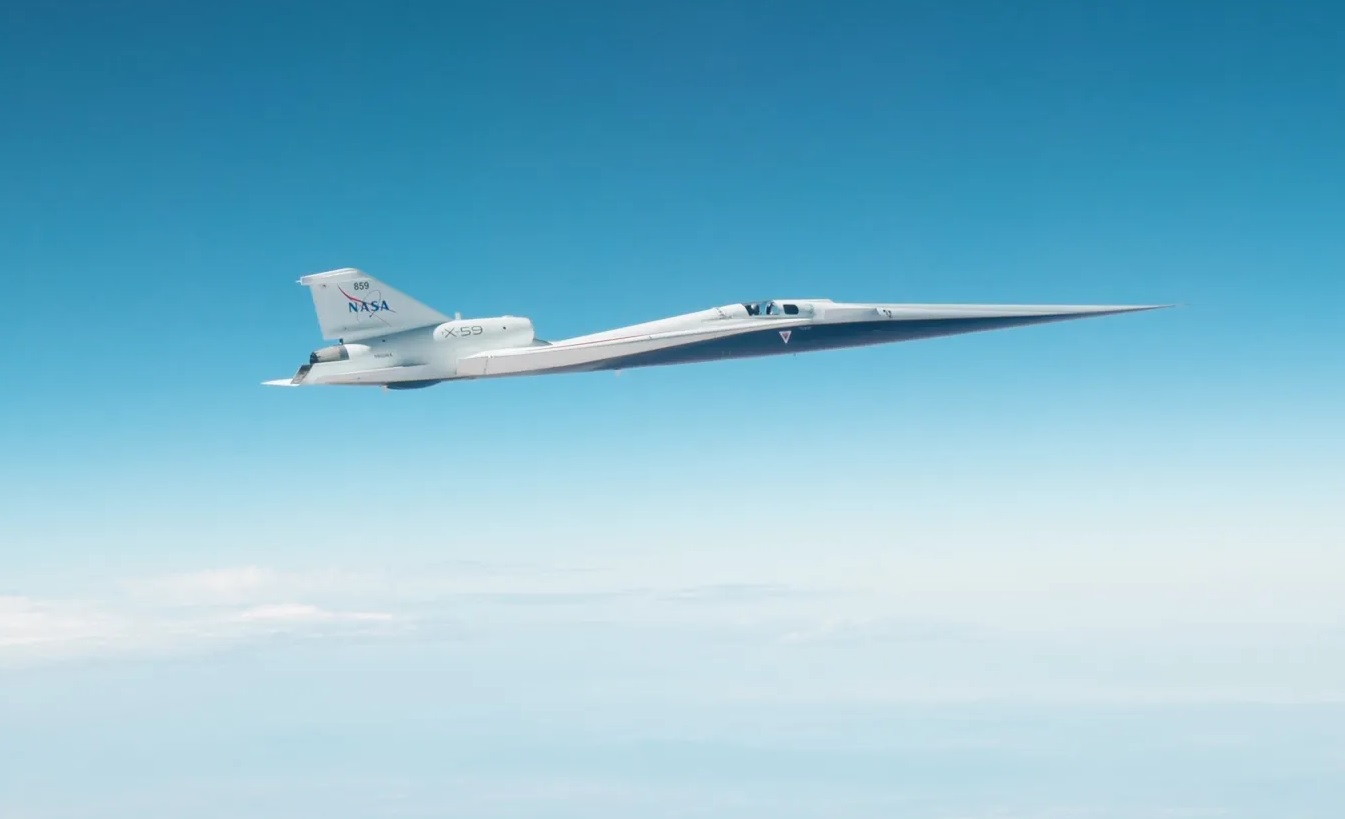 NASA X-59 Achieves Planned Mission Conditions with Mach 1.4 Flight at 55,000 Feet
Top Trending in 4 Days
-
 Iranian Media Leaks 14-Point U.S.-Iran Peace Framework Amid Ongoing Negotiations
-
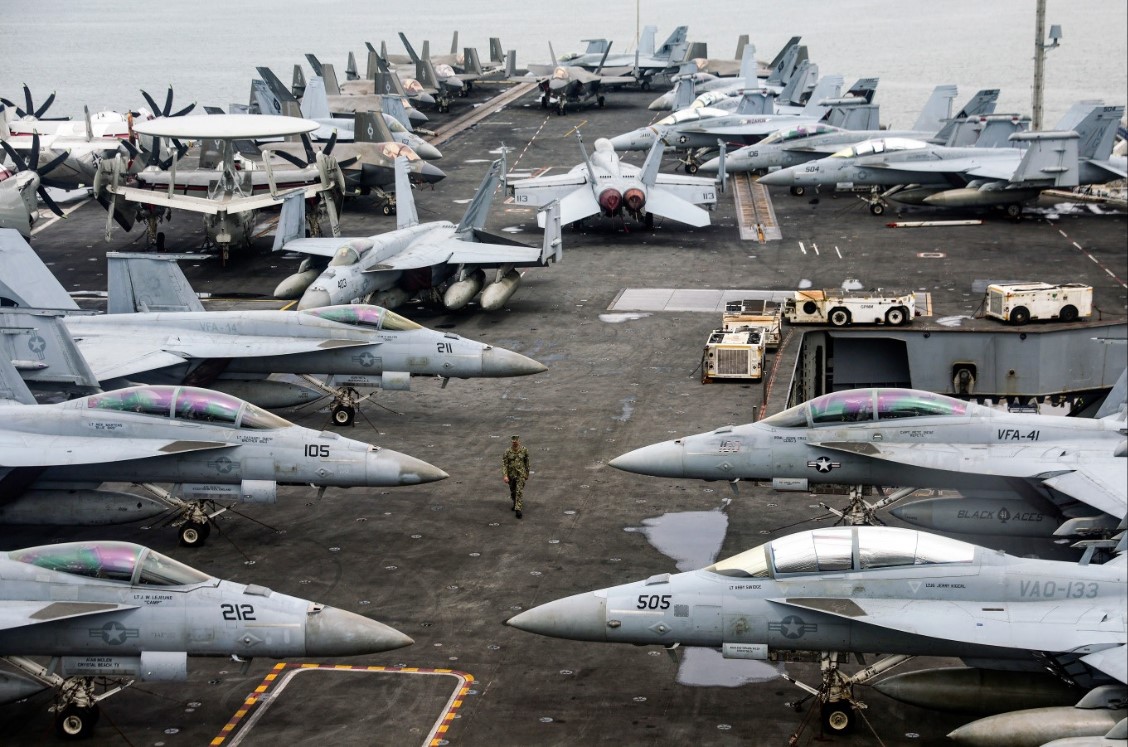 US Plans Significant Reduction of Fighter Jets and Warships for NATO Operations in Europe
-
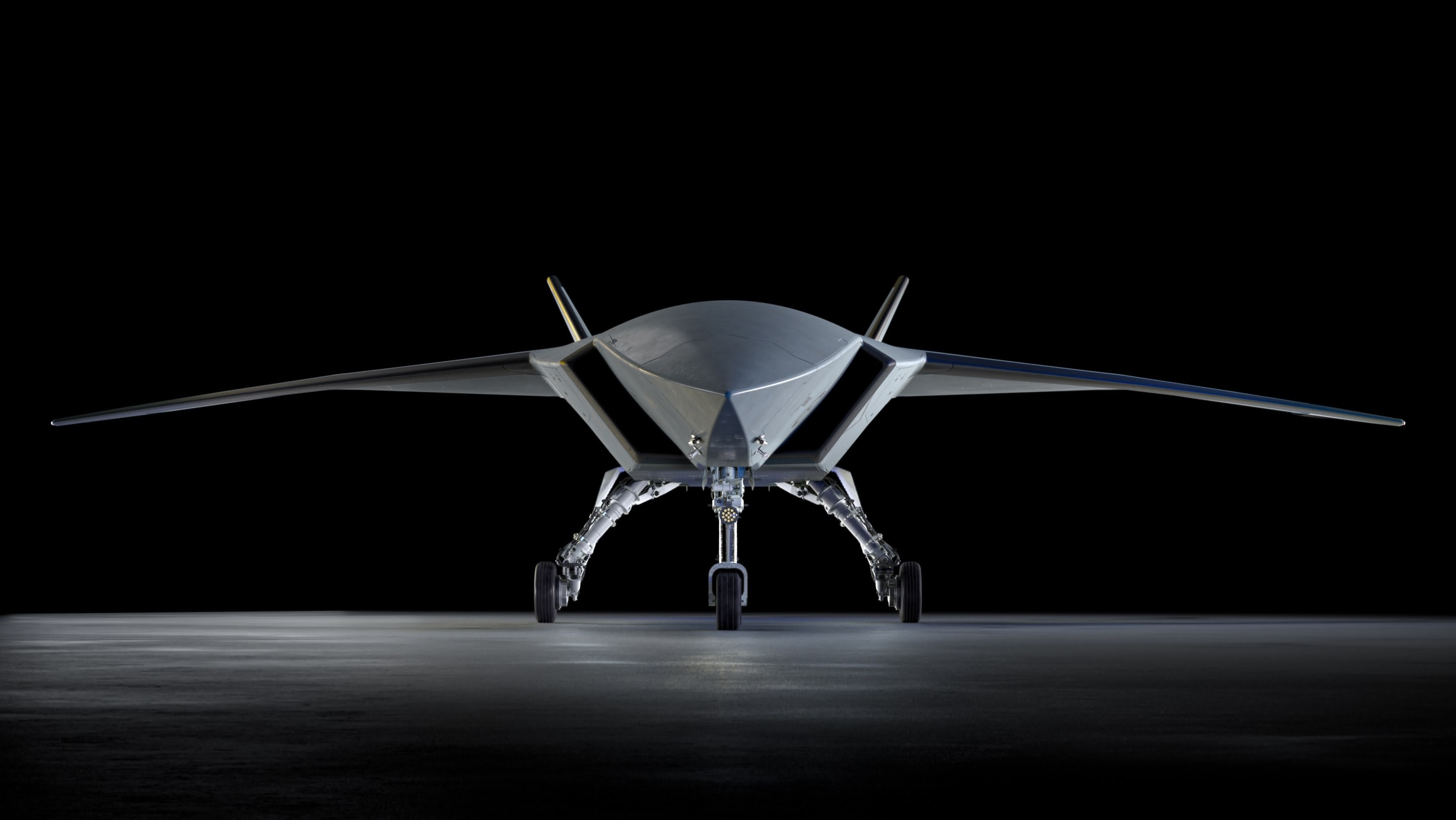 Boeing Introduces New MQ-28 Ghost Bat Upgrades with Increased Range, Payload and Weapons Capacity at ILA Berlin 2026
-
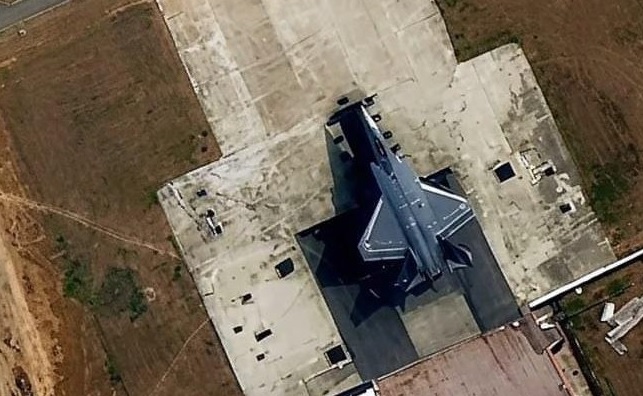 AMCA Airframe Spotted at DRDO’s ORANGE Facility for Radar Cross-Section Testing
-
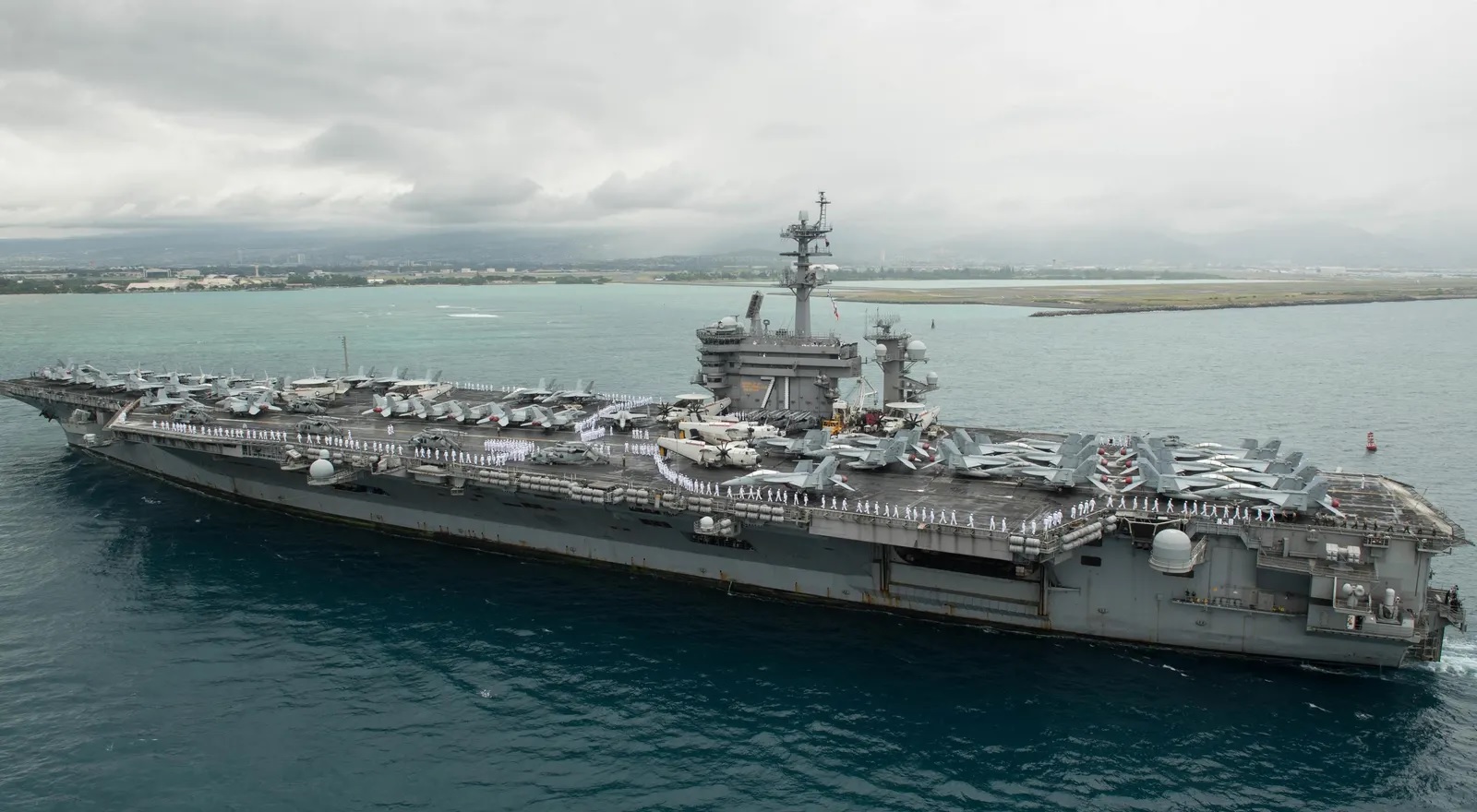 U.S Aircraft Carrier USS Theodore Roosevelt Departs San Diego for Major RIMPAC 2026 Naval Exercise
-
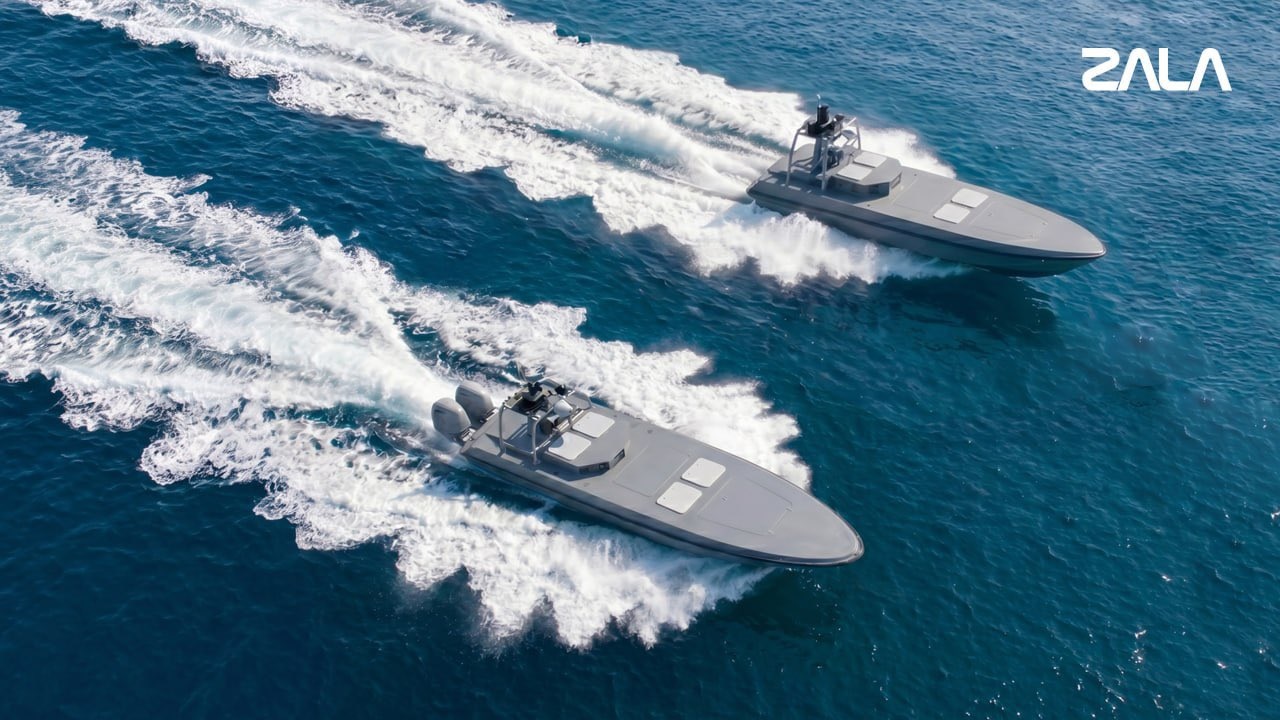 Russian Defense Firm ZALA Unveils KAMA Unmanned Surface Vessel Family at FLOT-2026 Naval Exhibition
-
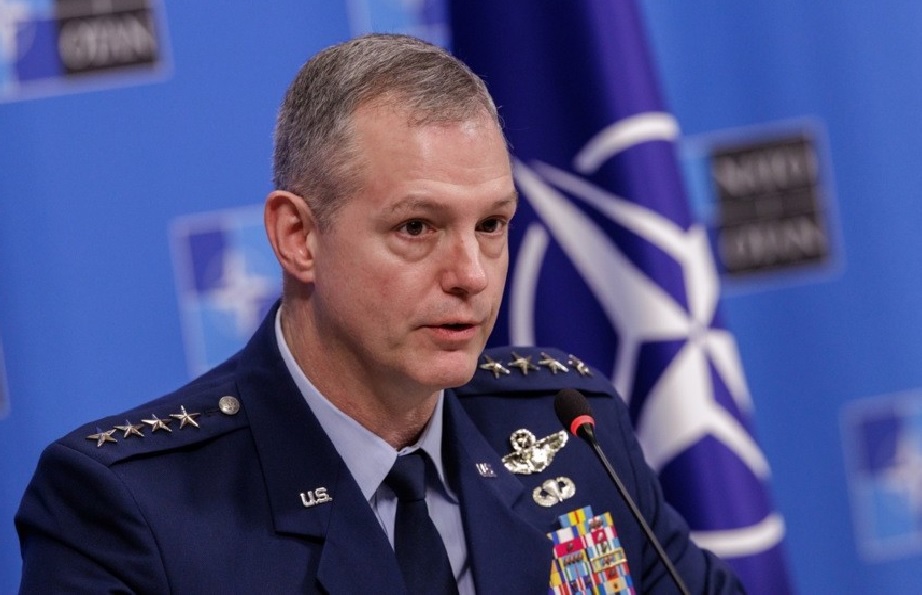 NATO Commander Says Russia Not Seeking Conflict With Alliance Despite U.S. Force Reductions
-
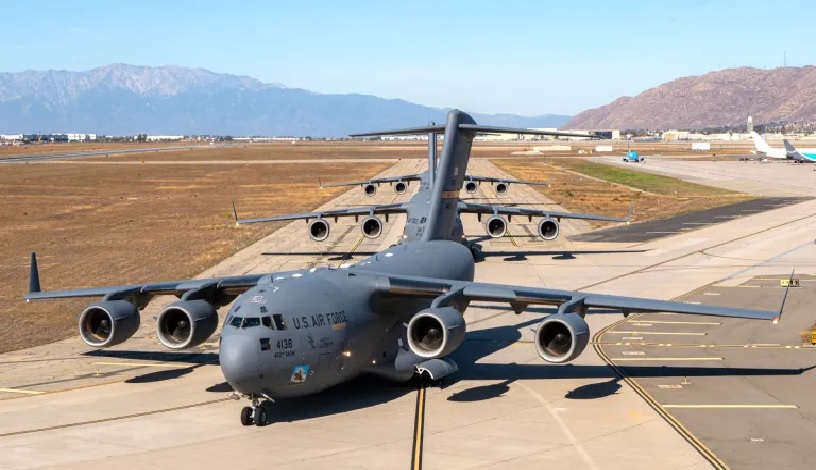 U.S. Air Force Faces Strategic Airlift Shortfall as C-17 Production Restart Remains Uncertain