World
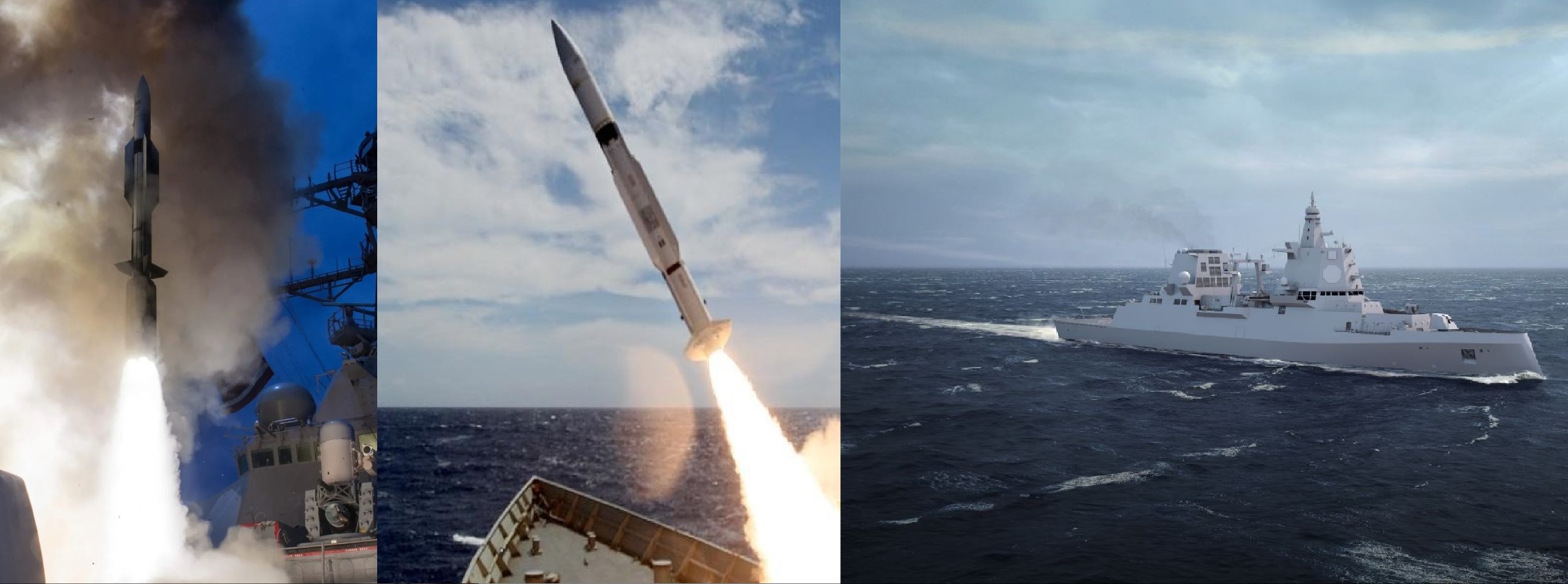
The U.S. State Department has approved a significant Foreign Military Sales (FMS) case to Germany for Standard Missile 6 (SM-6) Block I and Standard Missile 2 (SM-2) Block IIIC, with an estimated value of 3.5 billion USD. The decision underscores Washington’s growing emphasis on bolstering European naval air and missile defense capacity as security concerns intensify around the Baltic Sea and North Atlantic regions. According to the Defense Security Cooperation Agency (DSCA), the missiles are destined for Germany’s upcoming F127 air and missile defense frigates, a class that will place Germany among the world’s most capable maritime missile-defense operators. A Comprehensive Missile Package for the F127 Program The approved package is one of the most extensive missile procurement efforts in German naval history. It includes 173 SM-6 Block I interceptors and 577 SM-2 Block IIIC missiles, forming the backbone of the F127’s long- and medium-range engagement capability. Beyond the missiles themselves, the sale covers a wide array of essential support systems. The package provides MK 21 and MK 13 Vertical Launch System (VLS) transport, storage and launch canisters into which the SM-6 Block I and SM-2 Block IIIC missiles will be integrated. It includes MK 21 Mod 3 VLS canisters and MK 13 Mod 1 VLS canisters, ensuring compatibility with Germany’s expanding inventory of Mk 41 vertical launch cells. The sale further incorporates missile and support test equipment, component parts, and the full spectrum of engineering, integration, and test (EI&T) materiel required for missile production and acceptance. To ensure long-term operational readiness, the package also contains specialized test and handling equipment, detailed technical publication data, and training support for German crews. The United States will provide government and contractor-based engineering, technical and logistics services, complemented by related analytical studies and full product life-cycle sustainment. These elements collectively ensure that the German Navy can operate and maintain its new Standard Missile inventory for decades. SM-6: Germany Gains a High-End Long-Range Interceptor Central to the acquisition is the SM-6 Block I, officially designated the RIM-174 Standard Extended Range Active Missile. Combining a proven Standard Missile airframe with an active radar seeker derived from the AIM-120 AMRAAM, the SM-6 gives Germany a transformative capability. With a range publicly estimated beyond 200 kilometers and speeds near Mach 3.5, it offers engagements against aircraft, complex cruise missile threats and certain ballistic missile trajectories in their terminal phase. The missile’s active seeker allows autonomous terminal guidance, minimizing the need for continuous illumination and enabling effective operations during electronic warfare or low-emission EMCON conditions. In addition to its defensive role, the SM-6 also possesses anti-ship and land-attack potential, providing German frigates with deeper operational flexibility and offensive reach when required. SM-2 Block IIIC: A Modernized Medium-Range Shield The SM-2 Block IIIC represents the newest generation of Standard Medium Range Missiles. By incorporating an active RF seeker derived from SM-6 technology, it replaces the legacy semi-active guidance method and significantly boosts survivability in jamming-heavy environments. With an estimated engagement envelope between 100 and 160 kilometers, the missile delivers a dependable medium-range defense layer designed to counter sea-skimming missiles, fast jets and saturation attacks. Enhanced thrust-vector control and refinements to its control surfaces improve its agility immediately after vertical launch—an important advantage for ships operating in rough seas, especially in the challenging waters of Northern Europe. F127: Germany Enters the Aegis-Capable Tier The F127 program marks Germany’s transition into the elite group of navies operating Aegis-capable combatants. Each frigate, roughly 160 meters long and close to 10,000 tonnes in displacement, will operate the Aegis Weapon System paired with the advanced AN/SPY-6(V)1 AESA radar. Two 32-cell Mk 41 vertical launch modules will house the new Standard Missile inventory, while a German-built combat management system will integrate national sensors, electronic warfare suites and communications architecture into the broader Aegis ecosystem. With the adoption of SPY-6 and the Standard Missile family, Germany becomes fully interoperable with U.S. destroyers and other Aegis-equipped navies such as Japan, Australia, Norway and Spain. Reinforcing NATO’s Maritime Air and Missile Defense The infusion of SM-6 and SM-2 Block IIIC into the German fleet will significantly expand NATO’s Integrated Air and Missile Defense (IAMD) presence in Europe’s northern maritime domain. The F127 frigates will contribute real-time data through alliance networks to enhance the Recognised Maritime Picture (RMP) and Common Operational Picture (COP). Their presence will strengthen convoy protection, shield critical sea lines of communication and improve deterrence posture in contested waters. For the United States, the sale maintains production momentum for the Standard Missile series and deepens transatlantic industrial cooperation. For NATO, it increases the number of European ships capable of performing high-end missile defense tasks—an area where capability gaps have long existed. Germany Expands Its Air and Missile Defense Ambition The missile purchase reflects Germany’s wider reorientation toward robust air and missile defense, complementing efforts such as the European Sky Shield Initiative (ESSI) and broader naval modernization priorities. Over the next decade, Germany will shift from being dependent on allied coverage to becoming a leading contributor to Europe’s northern maritime defense architecture. With the introduction of the F127 frigates and their powerful SM-6 and SM-2 Block IIIC inventory, the German Navy will assume a decisive role in safeguarding NATO forces, deterring regional threats and securing the wider Baltic and North Atlantic theaters.
Read More → Posted on 2025-11-15 12:48:04
World
Japan’s Prime Minister Sanae Takaichi has revealed that a China state-backed hacking unit, STORM-0940, carried out a widespread cyber intrusion by embedding malicious firmware inside TP-Link routers across the country. According to Japanese security officials, more than 16,000 home and enterprise routers were secretly hijacked, enabling Beijing-linked operators to silently siphon data, reroute traffic, and build proxy networks for future espionage operations. The incident marks one of Japan’s most intrusive foreign cyber breaches to date, prompting the Takaichi administration to issue a nationwide advisory on replacing vulnerable hardware and tightening telecom regulations. How the Firmware Attack Worked Investigators say STORM-0940 gained access through supply-chain vulnerabilities, allowing them to modify TP-Link firmware before it reached consumers. Once activated, the malicious code granted long-term, stealth access that allowed hackers to: Monitor internet traffic Redirect devices into botnets Conduct lateral attacks on connected networks Enable persistent backdoors resistant to factory resets Cyber analysts warn that the attack was specifically engineered for state-level espionage, not financial crime. Growing Concerns Over Chinese Tech Influence The breach has reignited global concerns about the security risks posed by Chinese-made electronics, routers, smartphones, chips, and network devices. Japan’s Ministry of Internal Affairs stated that Chinese state-backed cyber units are increasingly leveraging commercial hardware to infiltrate foreign networks—exploiting supply chains that Beijing can influence through domestic laws and corporate control. Experts point to China’s 2017 National Intelligence Law, which compels companies to assist state security agencies, as the core structural threat. This legal framework allows Chinese authorities to demand cooperation from telecom, semiconductor, cloud-service, and hardware manufacturers—often without disclosure. Why Countries Are Moving to Restrict Chinese Electronics In recent years, the U.S., U.K., Australia, India, and several EU nations have introduced bans or restrictions on Chinese-origin telecom equipment. Japan’s latest revelation will intensify these efforts. Governments argue that reliance on such hardware creates several national-security risks: Built-In Espionage PathwaysRouters, chips, and processors can contain hidden or dormant code. Firmware-level breaches—like the STORM-0940 incident—enable full-spectrum surveillance over even encrypted traffic. Supply-Chain ManipulationWhen devices are manufactured or final-tested inside China, state agencies can tamper with firmware without detection. Long-Term VulnerabilityRemote-update systems can be hijacked to push malicious patches months or years after deployment. Critical Infrastructure ExposureChinese-made chips and network hardware inside power grids, telecom towers, banks, and government systems create strategic weaknesses that adversaries can exploit. Japan’s Response and Global Security Implications Prime Minister Takaichi has ordered an emergency audit of foreign-manufactured network devices used in government offices, telecom sectors, and critical infrastructure. The cabinet is also considering new procurement policies favoring domestic and allied-nation technology. Cybersecurity officials warn that the TP-Link infiltration is likely only one of many undiscovered operations, noting that China is expanding technical espionage through mass-produced consumer hardware. The revelation strengthens calls for countries to reduce dependency on Chinese electronics, telecom equipment, and semiconductor components, arguing that national security cannot rely on technology vulnerable to foreign manipulation.
Read More → Posted on 2025-11-15 12:22:53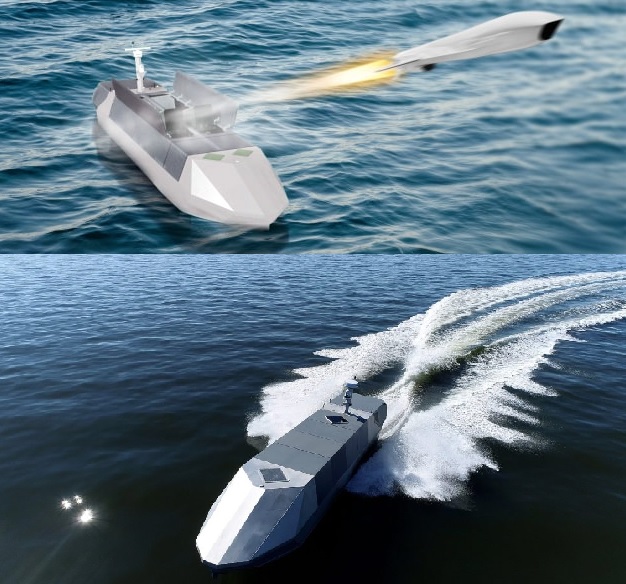
World
At the Indo Pacific 2025 International Maritime Exposition in Sydney, Leidos Australia and Kongsberg Defence & Aerospace signed a Memorandum of Understanding (MoU) aimed at exploring the integration of the Naval Strike Missile (NSM) onto Leidos’s Sea Archer and Long Bow unmanned surface vessels.The agreement marks a significant step toward enabling an autonomous, long-range maritime strike capability for the Royal Australian Navy (RAN). A New Vision for Distributed Maritime Strike The proof-of-concept presented by both companies shows how pairing the NSM with the Sea Archer and Long Bow could broaden Australia’s anti-ship options. The unmanned platforms, designed for high-risk missions and rapid deployment, are seen as a future force multiplier that could operate alongside Australia’s manned fleet. Leidos Australia Chief Executive Paul Chase described the agreement as a crucial move for Australia’s future strike capabilities, noting:“This MOU represents a significant step forward in exploring a mission-ready, sovereign maritime strike capability for Australia.” Building on an Expanding Missile Ecosystem Australia is no stranger to the Naval Strike Missile. The system entered service with the Royal Australian Navy in 2024, replacing the aging Harpoon across several platforms. The NSM is already operational—or being integrated—on: Anzac-class frigates Hobart-class air warfare destroyers The upcoming Hunter-class frigates Bringing the NSM to unmanned vessels would mark a major evolution. Instead of relying solely on large manned ships, Australia could disperse its strike capability across numerous autonomous craft, complicating enemy targeting and extending coverage deep into contested waters. Sea Archer and Longbow: The New Strike Carriers Leidos’s Sea Archer USV has been under testing with the U.S. Marine Corps, demonstrating high-speed, long-endurance, AI-enabled operations. Built in Australia, the vessel features: 40-knot top speed 1,500-nautical-mile range Over 900 kg payload capacity A battle management system supported by onboard AI Its larger counterpart, Longbow, expands these limits with: 3,000 kg payload capacity Up to 2,750 nautical miles of range Both are part of Leidos’s push toward a scalable family of unmanned vessels capable of reconnaissance, logistics, strike missions, and electronic warfare. If integrated with NSM launchers, these platforms could operate as autonomous hunter-killers, scout-and-launch units, or dispersed strike nodes feeding into a networked Australian maritime force. NSM: A Compact, Lethal Maritime Weapon Kongsberg’s Naval Strike Missile is considered one of the most capable subsonic anti-ship missiles in service today. With stealth shaping, autonomous target recognition, and the ability to fly sea-skimming profiles, it is designed to penetrate layered defenses and strike ships or coastal targets with high precision. Weighing 407 kg and measuring just under four meters, the missile is compact enough to fit onto a variety of platforms—including USVs. Already chosen by 14 nations, including the United States, United Kingdom, Poland, Norway, and Canada, the NSM has rapidly become a NATO standard for anti-ship operations. Last year, the Royal Australian Navy successfully launched an NSM from HMAS Sydney, demonstrating its readiness to expand its strike reach. Toward a Distributed, Autonomous Strike Force For Australia, this MoU is more than a technical study—it is a glimpse into the navy’s future operating concept. As tensions in the Indo-Pacific continue to rise, defense planners are increasingly turning to distributed maritime operations to reduce vulnerability and increase resilience. Arming unmanned vessels with long-range precision weapons could allow Australia to: Saturate dangerous waters with autonomous strike nodes Disperse firepower across hundreds of kilometers Conduct high-risk missions without exposing sailors Rapidly scale missile capacity during crises If adopted, the Sea Archer and Longbow could eventually operate in swarms, patrolling choke points, escorting convoys, or shadowing adversary fleets with persistent sensors and ready-to-fire weapons. Australia would join the small but growing group of nations preparing to field missile-armed maritime drones, marking one of the most significant shifts in naval warfare since the introduction of the cruise missile. The MoU signed in Sydney is only the first step—but it signals a future where Australian waters may be guarded not only by frigates and destroyers, but by silent, fast, AI-driven vessels armed with some of the world’s deadliest anti-ship missiles.
Read More → Posted on 2025-11-14 17:37:00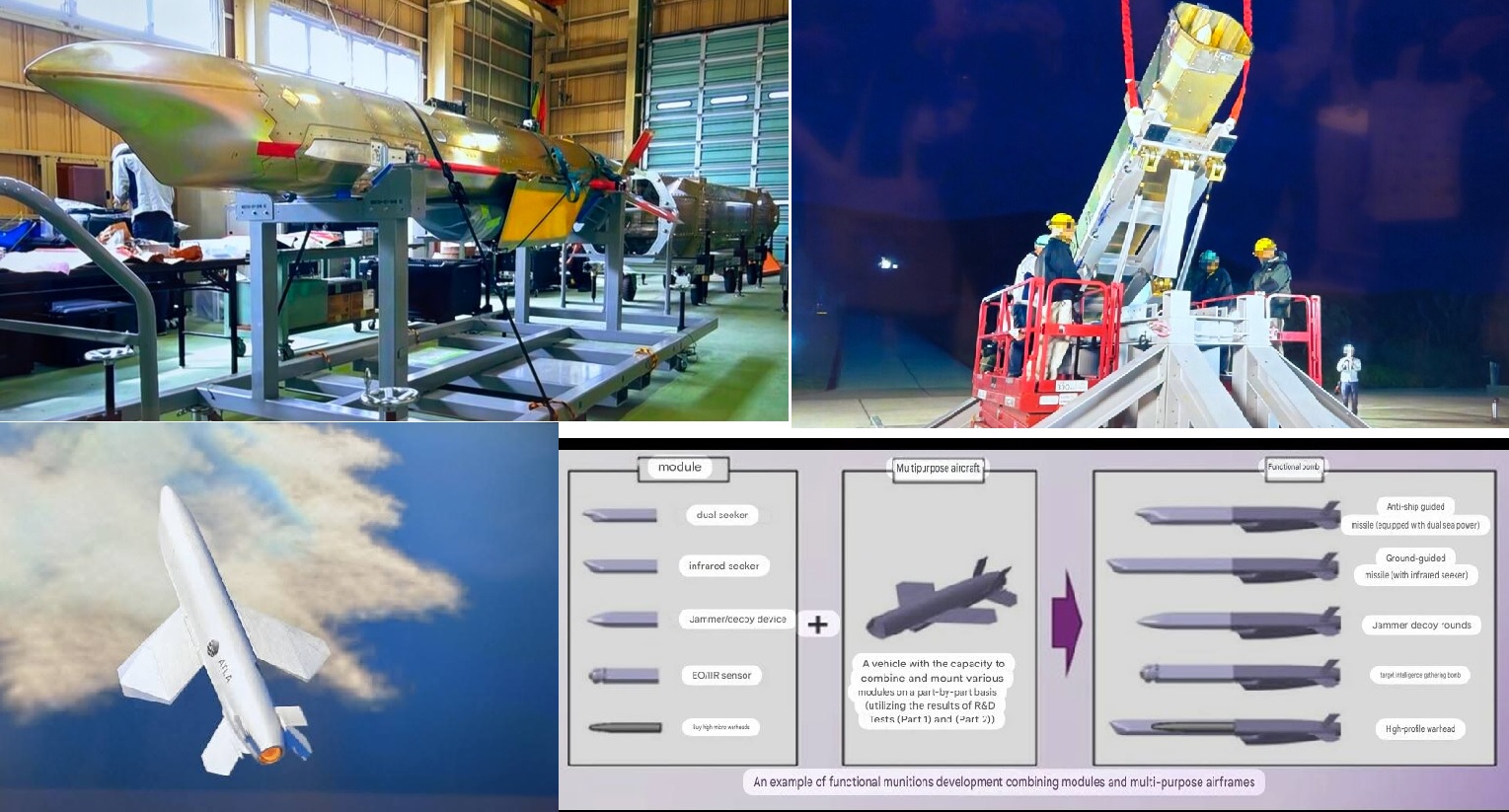
World
Tokyo — Japan has disclosed new details of its next-generation long-range anti-ship missile, marking a significant step in efforts to strengthen national defense and protect remote island territories. The program, developed by the Acquisition, Technology & Logistics Agency (ATLA), introduces a compact, low-observable missile design built for extended-range maritime strike operations. First Prototype Powered by XKJ301-1 Turbojet ATLA confirmed that the first prototype, now in development for fiscal year 2025, is equipped with the XKJ301-1 turbojet engine. The variant will serve as a dedicated test platform for propulsion, guidance systems, seeker technology, and aerodynamic evaluation. Engineers describe the prototype as the foundation of a broader missile family, one intended to exceed the performance of Japan’s upgraded Type 12 surface-to-ship missile and provide greater operational reach. Low-Observable Airframe With Modular Internal Bays The new missile uses low-observable (LO) shaping, incorporating blended surfaces and angled structures that reduce radar detection.ATLA’s development documents highlight a key innovation: internal modular bays designed to house mission-specific payloads, seekers, control units, and warheads. This modular system supports an “open architecture” approach, allowing rapid integration of new technologies without redesigning the entire missile. Officials say this will enable Japan to upgrade sensors, countermeasures, and propulsion components at high speed as threats evolve. Multi-Role Modular Munitions Concept An official ATLA illustration shows how the missile’s modular design allows multiple configurations.On the left, several swappable modules appear, including a dual seeker, infrared seeker, jammer/decoy device, EO/IR sensor, and high-power warhead. At the center of the diagram is a common multi-purpose airframe, while the right side shows how it can be assembled into different operational variants. These include an anti-ship missile equipped with a dual seeker, a ground-guided missile using an infrared seeker, jammer decoy rounds, a reconnaissance/intelligence-gathering bomb, and a strike variant fitted with a heavy warhead. ATLA says this flexibility forms the core of its future munitions ecosystem, enabling Japan to deploy anti-ship, electronic-warfare, and reconnaissance weapons using a unified design. 2027 Phase to Introduce Two Advanced Airframes A follow-on development phase scheduled for 2027 will expand testing with two new airframes, designated Type A and Type B. These will evaluate advanced sensor suites, including upgraded electro-optical/infrared seekers and a high-speed data-link designed for real-time targeting. The new airframes will also test improved flight control surfaces, strengthened composite structures, and stealth-optimized designs intended to boost survivability against modern air-defense networks. Strategic Role in Japan’s Defense Shift Although ATLA has not disclosed the missile’s maximum range, its efficient turbojet and enlarged fuselage strongly indicate a longer reach than current Japanese surface-launched systems. The missile is expected to support long-range island defense, maritime interdiction missions, and distributed strike operations across contested waters. Japan’s move toward indigenous precision-strike capabilities reflects a broader shift in defense strategy. With increasing Chinese military activity near Japan’s southwest islands and tightening security conditions in the Taiwan Strait, Tokyo is expanding its portfolio of long-range, high-survivability weapons. ATLA says the new missile is set to become a key component of Japan’s next-generation integrated strike network, operating alongside hypersonic glide vehicles, extended-range cruise missiles, and air-launched standoff platforms.
Read More → Posted on 2025-11-14 16:28:42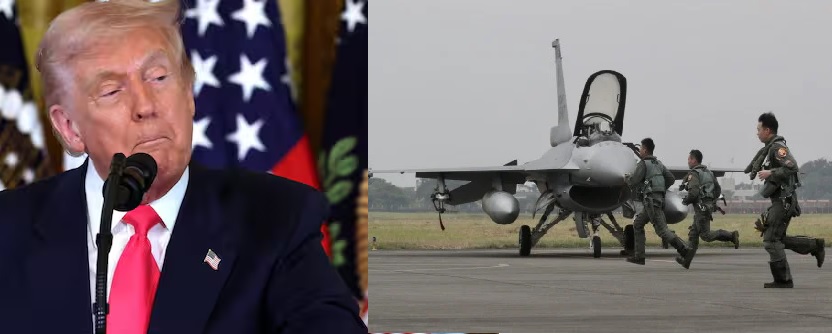
World
Washington/Taipei — The United States has approved a potential $330 million sale of aircraft spare and repair parts to Taiwan, marking the first such transaction since President Donald Trump took office. The Pentagon announced the decision late Thursday, emphasizing that the package is essential for maintaining the island’s fleet readiness amid rising tensions with China. The approval, issued through the Defense Security Cooperation Agency (DSCA), includes components and repair materials for Taiwan’s F-16 fighter jets, C-130 transport aircraft, F-5E/F fighters, and various other U.S.-origin platforms. The package covers items such as structural components, avionics parts, flight-control equipment, engine spares, ground-support tools, and logistics support services. Package Designed to Boost Taiwan’s Combat Readiness In its statement, the Pentagon said the proposed sale “will improve the recipient's capability to meet current and future threats by maintaining the operational readiness of the recipient's fleet of F-16, C-130, and other aircraft.” The items fall under a Foreign Military Sales (FMS) request submitted by Taipei to address maintenance shortfalls and extend the service life of key aircraft. Taiwan operates one of the world’s largest fleets of F-16A/B fighters, alongside C-130H transports and a smaller number of F-5 fighters used for training and air defense. Ensuring a steady supply of U.S. spare parts has become increasingly important as Chinese military pressure intensifies around the island. Beijing Likely to Protest Arms Decision The deal is expected to draw a sharp reaction from Beijing, which considers Taiwan a breakaway province and has not ruled out taking the island by force. China routinely objects to U.S. arms sales to Taipei, claiming they violate the “One China” principle. Taiwan strongly rejects Beijing’s sovereignty claims, insisting that only Taiwan’s 23 million people have the right to decide the island’s future. Taipei has welcomed the U.S. decision as a sign of continuing American support. Comes Amid Trump–Xi Diplomacy and Taiwan Concerns The announcement follows a recent meeting between President Trump and Chinese President Xi Jinping in South Korea, where both leaders attempted to make progress toward a broader trade agreement. Ahead of the talks, some Taiwanese officials expressed concern that Washington might compromise security commitments to secure economic concessions from China. Trump later said that Xi assured him China would not invade Taiwan while he remained in office — a claim that surprised many analysts. The newly approved sale is viewed in Taipei as a sign Washington remains committed to its security role in the Taiwan Strait despite ongoing trade negotiations. U.S. Maintains Unofficial but Crucial Ties With Taiwan Although the United States formally recognizes Beijing under the “One China” policy, it maintains robust unofficial relations with Taiwan under the Taiwan Relations Act (TRA), which requires Washington to provide Taipei with defensive weapons and ensure the island retains a self-defense capability. The U.S. remains Taiwan’s primary arms supplier, having delivered fighters, missiles, surveillance systems, and naval equipment for decades. Analysts say the latest sale, though modest, is strategically important because spare parts directly improve aircraft availability. Next Steps Congress has 30 days to review the transaction, but lawmakers generally support Taiwan-related sales. Once approved, the package will be delivered over multiple years. For Taipei, the decision reinforces its long-term defense partnership with Washington — one that remains pivotal as China expands military operations around the island.
Read More → Posted on 2025-11-14 16:08:57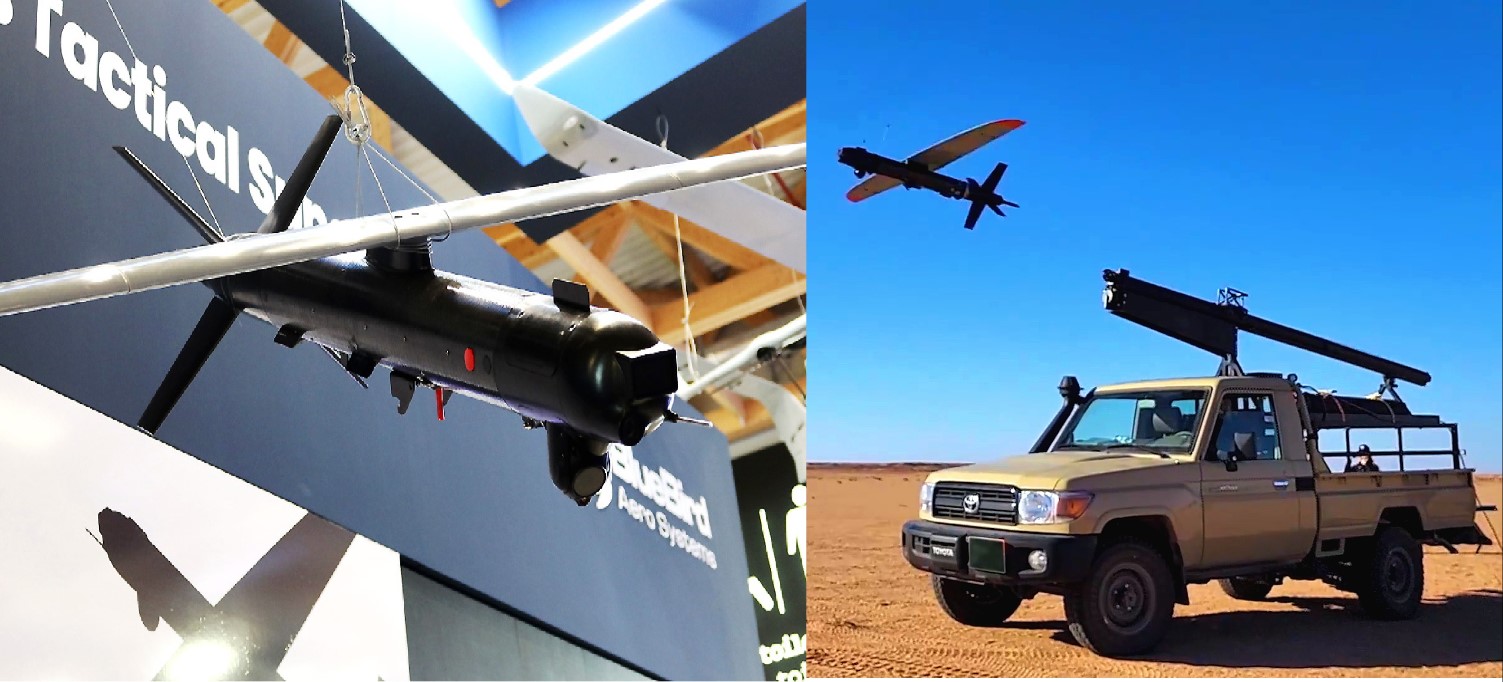
World
In a major breakthrough for regional defense manufacturing, Israel Aerospace Industries (IAI) subsidiary BlueBird Aero Systems has officially opened a state-of-the-art production facility in Morocco dedicated to manufacturing its SpyX loitering munitions. The development positions Morocco as the first country in the Middle East and North Africa — after Israel — to produce this class of kamikaze drones. The new factory, located in Benslimane in the Casablanca-Settat region, serves as both a production hub and a long-term sustainment center. Local Moroccan media report that the initiative includes a comprehensive technology-transfer program designed to train and certify Moroccan engineers in assembly, maintenance, and systems support. The move aligns with Rabat’s strategy to localize advanced defense technologies and gradually reduce dependency on foreign suppliers. A Strategic Drone With Tactical Punch BlueBird’s SpyX is a lightweight, precision-guided loitering munition designed for front-line ground forces and special operations units. Built for silent flight and high maneuverability, the system offers both reconnaissance and strike capabilities in a compact package. Key Specifications of SpyX: Range: Up to 50 km Endurance: Up to 90 minutes Maximum Speed: 250 km/h (155 mph) Warhead: 2.5 kg (high-explosive fragmentation or anti-armor variants) Operational Mode: Autonomous or operator-directed Launch Method: Portable, tube-launched system Guidance: Electro-optical/infrared sensors with automatic target tracking Target Set: Tanks, armored vehicles, artillery positions, command posts, troop concentrations, and high-value tactical assets Designed to be deployed rapidly by small units, SpyX gives forces the ability to identify, track, and neutralize targets with minimal collateral damage. The drone’s autonomy suite allows it to loiter above battlefields, select targets, and perform last-millisecond terminal adjustments for maximum accuracy. Morocco successfully tested the SpyX in March 2024, marking the final step before green-lighting full-scale local production. Defense Industry Expansion Gains Momentum The Benslimane facility is emerging as a cornerstone of Morocco’s accelerated push into advanced defense manufacturing, part of a broader modernization plan driven by growing regional competition and long-term security concerns. Defense sources said the BlueBird project complements several other major industrial partnerships: A drone-production hub with Turkey’s Baykar, maker of the TB2 and Akinci UCAVs. A joint venture with Tata Advanced Systems Maroc to develop and assemble Indian-designed UAV platforms. A significant expansion of U.S. support assets, including sustainment for M1A1 Abrams main battle tanks. These initiatives reflect Rabat’s ambition to build a regional defense-production network, supplying its own armed forces while potentially positioning Morocco as a future exporter of unmanned systems and precision weapons. Rising Budget, Rising Ambitions Morocco’s defense budget is set to rise to $15.7 billion in 2026, marking one of the steepest increases in the kingdom’s history. Officials say the investment underscores three goals: Bolstering national defense amid geopolitical tensions in the Western Sahara and increasing competition with Algeria. Enhancing technological independence by reducing reliance on foreign suppliers. Building a diversified local defense ecosystem capable of supporting ground, air and unmanned warfare platforms. A Turning Point for Regional Defense Dynamics With the unveiling of the SpyX production line, Morocco becomes the first Arab and African nation to manufacture an Israeli-designed loitering munition — a powerful symbol of deepening military cooperation between Rabat and Jerusalem since diplomatic ties were restored in 2020. Defense analysts predict the development will shift strategic balances in North Africa, giving Morocco access to advanced precision-strike capabilities while expanding Israel’s defense presence on the continent. For now, the Benslimane plant stands as a testament to Morocco’s emerging role as a rising defense-industrial power, equipped with cutting-edge drone technology, global partnerships, and an increasingly assertive military modernization agenda.
Read More → Posted on 2025-11-14 16:00:25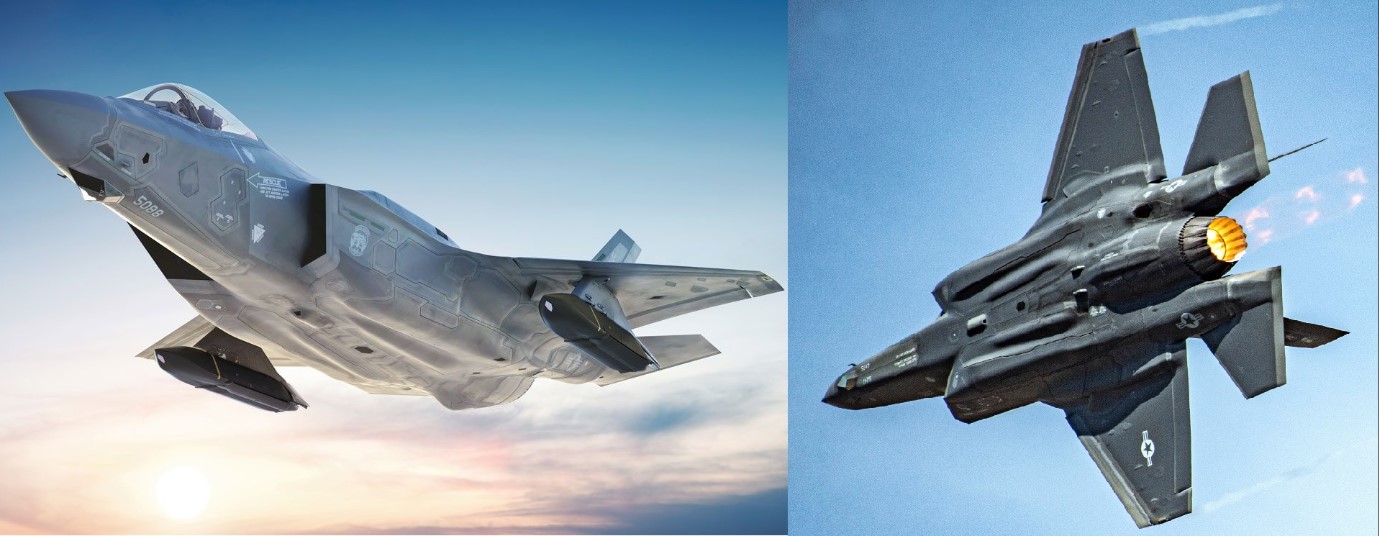
World
Washington — A proposed U.S. sale of F-35 fighter jets to Saudi Arabia has advanced through a key Pentagon review, but senior American officials and intelligence agencies are warning that the kingdom’s expanding security and technology partnerships with China could put the aircraft’s most sensitive systems at risk. Saudi Arabia has requested up to 48 F-35A fighters, a multibillion-dollar package that would make the kingdom the second Arab state—after the UAE—to operate the world’s most advanced stealth jet. The request, quietly greenlit at an initial technical stage earlier this month, now moves toward a political showdown in Congress, where lawmakers must weigh Middle East dynamics, technology protection and the U.S. commitment to Israel’s military superiority. A Deal Moving Forward—But With Major Strings Attached U.S. defense officials say the Saudi file has reached the same milestone the UAE achieved in 2020, when its own bid passed a Pentagon technical assessment. The package reportedly includes the aircraft, training, simulators, long-term sustainment, weapons integration and access to the global F-35 logistics network—an ecosystem that tightly controls mission-data libraries, software loads and encrypted communications. But it is the aircraft’s core technology—stealth materials, electronic-warfare architecture, sensor fusion algorithms and the secure Multifunction Advanced Datalink (MADL)—that has triggered intense concern inside U.S. intelligence circles. The China Factor According to reporting on a classified Defense Intelligence Agency (DIA) assessment, officials do not believe Riyadh would deliberately hand an intact F-35 to Chinese personnel. Instead, the risk is seen as incremental and systemic: technology leakage through embedded Chinese technicians, cloud-service providers, digital infrastructure contracts or joint manufacturing ventures that form part of Saudi Arabia’s Vision 2030. These are precisely the pathways that DIA analysts fear Beijing could use to glean insights into the F-35’s electronic architecture—data that could benefit China’s J-20 and J-35 stealth-fighter programs and improve long-range missiles such as the PL-15 and PL-17. Expanding Sino-Saudi Ties Deepen U.S. Anxiety China is one of Riyadh’s largest energy customers, and President Xi Jinping’s high-profile 2022 visit yielded 34 agreements worth an estimated $30 billion, covering cloud computing, digital services, infrastructure and logistics. A major cloud-services partnership with Huawei was central to that package, directly echoing issues that previously derailed the UAE’s own F-35 negotiation. In Abu Dhabi, U.S. officials feared Huawei-run 5G networks near planned F-35 operating bases could be exploited for silent data harvesting. The UAE ultimately froze the deal in 2021 amid those American demands for network segregation and intrusive inspection rights. U.S. intelligence has since cited a separate case involving a UAE-based AI firm whose cooperation with Huawei allegedly helped China enhance the range and target-discrimination algorithms of the PL-15/PL-17 missile family. The incident is being used in Washington as a cautionary example of how commercial technological partnerships can bleed into military advantage. Vision 2030 Raises the Stakes Saudi Arabia’s Vision 2030 seeks to localize 50% of defense spending, including missile manufacturing, UAV assembly lines and advanced munitions plants—many of which involve foreign technology partners, including Chinese firms. If the F-35 deal proceeds, U.S. officials are preparing a strict set of conditions such as: banning Chinese telecommunications equipment from any area linked to F-35 bases, depots or networks; segregating cloud services and data centers from Chinese-linked operators; continuous end-use monitoring by U.S. personnel; restrictions on where Saudi F-35s may be based and maintained; potential prohibitions on mixed-nationality workforces in maintenance zones. Officials who worked on the UAE case say the Saudi requirements may be even more onerous given the scale of China’s footprint and the sensitivity of Vision 2030 industrial corridors. The Practical Barriers to Tech Leakage Despite U.S. fears, American officials also acknowledge that the F-35 cannot easily be handed over or reverse-engineered. The aircraft depends on encrypted U.S. software, mission-data files and a global maintenance infrastructure. Any unauthorized modification would trigger system lockouts, degrade combat readiness and could leave Saudi Arabia with grounded aircraft. Export agreements and the threat of sanctions provide added leverage. Still, the Pentagon’s protective instinct has only hardened since the UAE episode. Officials point to the F-35 as the “crown jewel” of U.S. airpower—an asset Washington is willing to withhold even from close partners if data-security guarantees fall short. Israel’s Concerns Loom Over the Debate Another major hurdle is Israel’s Qualitative Military Edge (QME), enshrined in U.S. law. Israel operates several squadrons of uniquely configured F-35I Adir jets, featuring custom avionics and weapons. Israeli leaders have privately expressed discomfort with the idea of a large Saudi F-35 fleet—even one with downgraded export features—at a time when Riyadh is expanding military and industrial ties with Beijing. With Congress already skeptical of Saudi Arabia over Yemen, human-rights concerns and the Khashoggi killing, the new intelligence assessment on China is likely to give lawmakers additional political ammunition to delay, condition or block the sale. A Deal That Could Reshape U.S.–Saudi Relations The F-35 request comes as Washington and Riyadh pursue a broader strategic framework involving security guarantees, civil nuclear cooperation and potential normalization with Israel. For Saudi Arabia, securing the F-35 is symbolically tied to this wider realignment. But for the U.S., the question is whether the kingdom can—or will—curb China’s growing influence enough to protect the most sensitive fighter aircraft ever exported. In the weeks ahead, the debate in Washington is expected to intensify, with the F-35 at the center of a larger, unresolved question: Can the United States maintain its technological edge while courting partners whose strategic doors are increasingly open to China?
Read More → Posted on 2025-11-14 15:51:17
World
China has dispatched its first Type 076 amphibious assault ship, the Sichuan (Hull 51), for initial sea trials from the Hudong Zhonghua shipyard in Shanghai, only days after commissioning the nation’s newest aircraft carrier, Fujian. The back-to-back debuts of two next-generation capital ships underscore the accelerating expansion of the People’s Liberation Army Navy (PLAN) and its move toward integrating amphibious lift, carrier aviation, and unmanned combat mass into a single operational system. Sichuan Begins Testing in Yangtze Estuary The 40,000-ton Type 076, widely described by Chinese media as the world’s first “drone carrier”, departed the shipyard to begin propulsion, electrical load, and seakeeping tests in the Yangtze River estuary. Early phases will verify the performance of the newly designed integrated electric propulsion system, a critical component required to power the ship’s headline feature—the Electromagnetic Aircraft Launch System (EMALS)—before aviation trials begin later in the same waters used for the Type 075 program. High-resolution imagery released by Chinese outlets shows the vessel maneuvering under its own power, marking a significant milestone for the PLAN’s most ambitious amphibious ship yet. A Hybrid Amphibious–Carrier Platform The Type 076’s design positions it between China’s Type 075 landing helicopter docks and its full-sized aircraft carriers. Open-source assessments place the ship at around 260 meters in length, with a broad, straight flight deck approximately 50 meters wide—dimensions approaching those of the U.S. Navy’s Wasp- and America-class amphibious assault ships. A distinctive twin-island configuration separates navigation functions from aviation and combat operations. Compared with the earlier Type 075, the deck area appears extended to accommodate more intense aircraft and drone launch cycles. Beneath the deck, the ship retains its amphibious core, including a well deck for landing craft and armored vehicles. Internal spaces are believed to support brigade-level troop deployments, although no official figures have been released. First Amphibious Ship Equipped With EMALS The standout feature of the Type 076 is the installation of an Electromagnetic Aircraft Launch System (EMALS)—a first for any amphibious assault ship worldwide. Imagery published in Chinese state media confirms the presence of at least one long catapult trench, estimated at roughly 130 meters in length. The integration of EMALS requires exceptionally stable electrical output, which explains why initial trials emphasize power generation and distribution. If validated, this technology would allow the ship to launch heavier unmanned aircraft and potentially even crewed fixed-wing aircraft, dramatically expanding its operational envelope beyond traditional helicopter operations. Drone-Centric Air Wing Expected Chinese defense outlets consistently refer to the Type 076 as a dedicated drone platform, and sources linked to the defense industry highlight several systems expected to form its air wing: GJ-11 Sharp Sword stealth UCAVs Long-endurance reconnaissance UAVs Rotary-wing unmanned systems for ISR, targeting, and resupply Standard shipborne helicopters for troop lift, ASW, and SAR If EMALS tests are successful, analysts say the ship could support limited operations of the J-35 stealth carrier fighter, adding air-defense and strike options to its mission set. Early imagery shows the vessel outfitted with HHQ-10 short-range missile launchers and Type 1130 CIWS, forming a layered defensive suite intended to counter cruise missiles and low-flying threats. Strategic Implications for Taiwan and the First Island Chain With Sichuan now at sea, military planners in the region are reassessing the operational impact of a vessel that merges amphibious warfare, carrier aviation and unmanned mass. In a Taiwan contingency, the Type 076 could serve as a forward aviation and drone operations hub, launching UCAVs to probe air defenses, conducting persistent ISR missions and coordinating long-range strikes while remaining beyond the densest missile engagement zones. The ship’s amphibious capacity allows it to deploy marines and armored vehicles once an operational window opens, while its air assets provide cover, reconnaissance and strike support. Across the first island chain, the vessel could function as a mobile command-and-control node, integrating data from drones, satellites and surface combatants to enhance the PLAN’s maritime situational awareness and targeting networks. Peacetime Roles and Regional Influence Outside high-end conflict, the Type 076 gives Beijing a highly flexible platform for South China Sea patrols, humanitarian missions, non-combatant evacuations and grey-zone operations around disputed features. Its ability to embark varied mixes of marines, helicopters and UAVs makes it suitable for both crisis response and coercive presence missions. For China’s defense industry, Sichuan also demonstrates growing expertise in integrated electric propulsion, large composite structures and high-energy electromagnetic systems—capabilities that will support future carrier and surface combatant programs. A New Chapter in PLAN Expansion As Sichuan proceeds through its first trial phase and prepares for more advanced aviation tests later this year, analysts say the ship represents not just a new hull, but a new concept in Chinese maritime power. By blending amphibious lift, EMALS-enabled aviation and drone mass on a single platform, the Type 076 signals a shift in how the PLAN intends to project force in the coming decade. With full operational capability expected around 2026, Sichuan’s entry into service is likely to reshape naval calculations across East Asia—adding a new dimension to China’s growing ability to conduct sustained maritime operations near Taiwan and throughout the Indo-Pacific.
Read More → Posted on 2025-11-14 15:34:02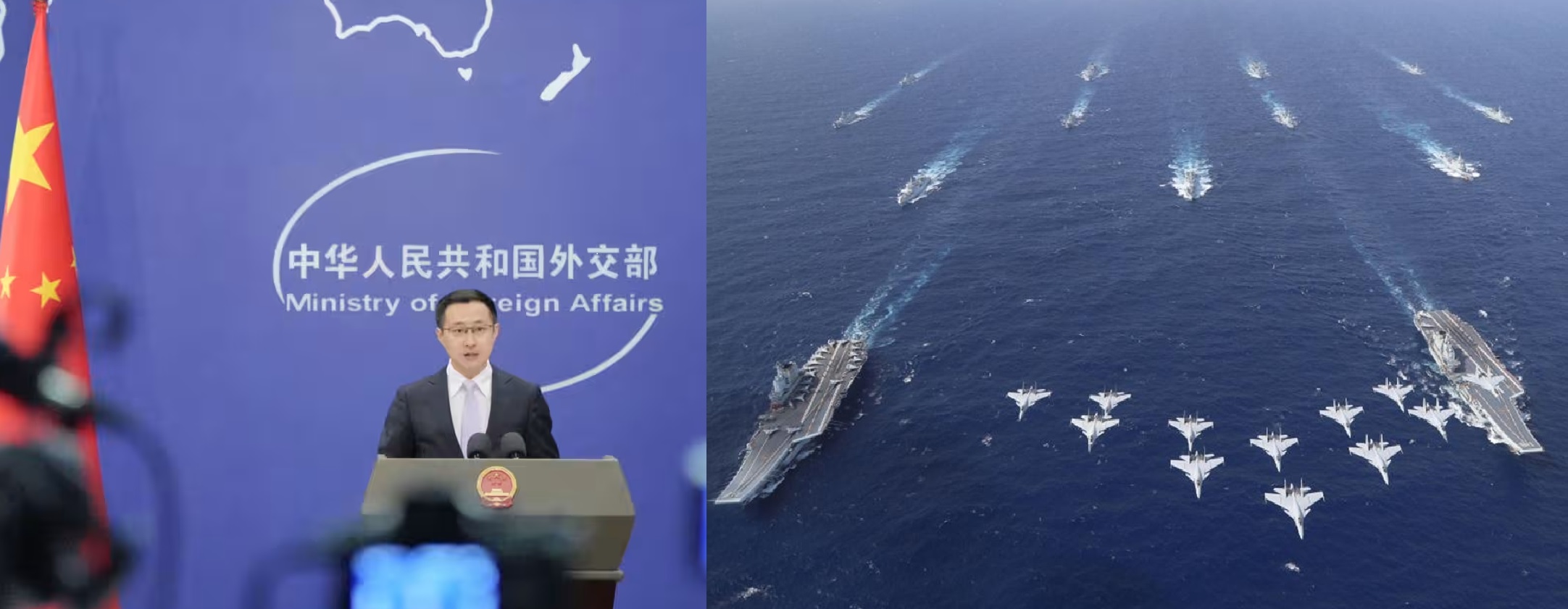
World
A sharp diplomatic clash erupted this week after the Chinese Foreign Ministry delivered an unusually stern warning to Japan, declaring that any Japanese military involvement in a Taiwan Strait conflict would be met with a “decisive” Chinese response. Foreign Ministry spokesperson Lin Jian stated that if Japan “intervenes militarily in the Taiwan Strait situation… China will strike back decisively.” He further cautioned Tokyo “not to play with fire on the Taiwan question, for those who play with fire will perish by it.” The remarks, delivered during a regular ministry briefing, underscore Beijing’s anger over recent statements by Japanese political leaders regarding Taiwan’s security. What Triggered the Tensions The confrontation intensified after Japanese Prime Minister Sanae Takaichi described a potential Chinese attack on Taiwan as a “survival-threatening situation” for Japan. Under Japan’s security laws, such a designation could allow the country to deploy the Self-Defense Forces in support of Taiwan or U.S. operations in the region. Tokyo has become increasingly vocal about the risks posed by Chinese military activities near Taiwan and around Japan’s southwestern islands. Beijing, however, views any such commentary as interference in what it considers an internal Chinese matter. Following the remarks, China formally summoned Japan’s ambassador in Beijing and lodged a strong protest, calling Takaichi’s words “dangerous,” “provocative,” and a violation of the one-China principle. Japan’s Response Japan’s Foreign Ministry expressed regret over the tone of China’s statements and insisted that Japanese officials had a right to comment on threats that may impact national security. Foreign Minister Toshimitsu Motegi noted that China’s warning was “inappropriate” and said Japan would firmly communicate its position to Beijing. However, Tokyo did not retract the Prime Minister’s earlier comments, signaling it will not soften its stance on the Taiwan issue. Japanese officials emphasized that regional stability and freedom of navigation remain key national interests and that any escalation in the Taiwan Strait would directly affect Japan’s security environment. Growing Strategic Tension The exchange reflects deepening distrust between the region’s two largest powers. China has increased military pressure on Taiwan through air and naval activity, while Japan has strengthened defense cooperation with the United States, expanded missile defenses, and reinforced troop presence on the Ryukyu island chain. Beijing perceives these moves as signs that Japan may play a more active role if a conflict breaks out. Tokyo, meanwhile, views China’s military buildup and assertiveness as its greatest strategic challenge. What Happens Next? Diplomats warn that rhetoric from both sides risks miscalculation. China’s latest threat is among its strongest directed at Japan in years, signaling a willingness to respond militarily if Tokyo enters a Taiwan conflict. Japan, bound closely to U.S. strategy in the Indo-Pacific, is unlikely to stop discussing Taiwan’s security situation — especially as it directly affects Japanese territory and sea lanes. As both sides harden their positions, the Taiwan Strait continues to sit at the center of what analysts describe as the most volatile flashpoint in Asia.
Read More → Posted on 2025-11-14 13:20:01
World
Ukrainian electronic-warfare specialists claim they have discovered an unconventional method to interfere with Russia’s Kinzhal aeroballistic missiles — by embedding a Ukrainian patriotic song into a spoofed navigation signal transmitted toward the incoming weapon. Members of the Night Watch EW group say they used Lima-type electronic warfare systems to disrupt the guidance of around ten Kinzhal missiles in the last two weeks, replacing the missile’s satellite-correction channel with a signal encoded with the well-known patriotic track “Batko Nash Bandera.” Song as a Weapon The Kinzhal, one of Russia’s most advanced hypersonic weapons, relies on a combination of inertial navigation and satellite-based course correction. Ukrainian specialists found that by overpowering the missile’s satellite receiver with a stronger, fabricated data stream, the missile can be forced off-course. The Lima EW system allows operators to insert a digital waveform containing the patriotic song. Though the missile does not “hear” the song, the musical data becomes a structured signal that the missile wrongly interprets as navigation information. Night Watch operators say the song was chosen partly for symbolism — but technically, any continuous modulated signal could serve the same purpose. The patriotic track simply “adds character to the operation,” one operator joked. How the Interference Works Ukrainian sources describe a three-stage electronic attack: Digital Choke The Lima system first saturates the missile’s navigation channel with electronic noise, lowering the accuracy of its satellite updates. Spoofed Signal Injection Next, a fake navigation signal — stronger than the real satellite feed — is transmitted toward the missile. This spoofed stream carries the digital signature of the “Batko Nash Bandera” song.The missile’s receiver locks onto this stronger signal, mistaking the musical waveform for valid positioning data. Navigation System Breakdown Finally, the corrupted data causes repeated computational errors inside the missile’s guidance computer. In several cases, this has led to course deviations, forcing the missile to miss its intended target area. Cyber elements are also involved: the Lima system exploits weaknesses in the missile’s filtering algorithms, which are not designed to handle structured false signals disguised as navigation data. Technical Meaning and Implications Military experts say the breakthrough has significant implications for modern warfare. The Kinzhal is one of Russia’s most high-profile strategic weapons, often presented as “impossible to intercept.”But Ukraine’s success demonstrates that even advanced missiles remain vulnerable to electronic manipulation. Key Technical Takeaways Spoofing works because the missile’s receiver prioritizes stronger signals, even if they are fake. The digital waveform of a song can destabilize the missile’s synchronization cycles. When the navigation processor fails to interpret the corrupted data, the missile’s accuracy collapses. Analysts note that disrupting a hypersonic missile mid-flight using EW — not a traditional interceptor — represents a major shift in how modern air defense can be conducted. Growing Role of Electronic Warfare The Night Watch unit has been experimenting with Lima systems for months. Their success against the Kinzhal indicates that Ukraine is rapidly expanding its ability to hack, spoof, and destabilize Russian precision-guided munitions. Ukrainian officials say the method will now be tested against other missile types, including cruise missiles that rely heavily on satellite correction. Russia has not publicly commented on the reported disruptions.
Read More → Posted on 2025-11-14 13:05:45
World
The United States has officially emerged from the record-setting 43-day federal government shutdown after President Donald Trump signed a bipartisan funding bill late Tuesday night, ending the longest shutdown in U.S. history. Shutdown Ends After 43 Days The shutdown—triggered on October 1 after Congress failed to pass budget legislation—paralyzed major portions of the federal workforce, stalled public services, and generated nationwide uncertainty. With the President's signature, federal agencies are now resuming full operations. Massive Borrowing During Shutdown Despite the government being partially closed, U.S. federal borrowing continued at full pace. Economic analysts estimate that during the shutdown, the United States added about $619 billion in new debt, averaging $14.4 billion per day. Though unofficial, these figures circulated widely among financial observers and underscore a stark reality: even when the government shuts down, national debt keeps rising. Human and Economic Costs The shutdown furloughed nearly 900,000 federal employees, while more than 2 million essential workers worked without pay. It caused disruptions nationwide, including: Air travel delays due to staffing shortages Food-aid interruptions affecting low-income families Delayed economic reports, including inflation and jobs data Suspended federal services across multiple departments Economists estimate that the shutdown led to $10–$12 billion in permanent economic damage, lost economic output that the U.S. will never fully recover. What the Funding Bill Includes The reopening bill provides: Full-year funding for agencies like Veterans Affairs and Agriculture Temporary funding for other departments until January 30, 2026 Back pay guarantees for all affected federal workers Reimbursement programs for states that covered shutdown-related expenses However, the core disagreement over Affordable Care Act (ACA) subsidies remains unresolved. Political Fallout Polls show widespread public frustration, with both parties blamed for the prolonged standoff. However, Republicans and President Trump faced heightened criticism due to their negotiating stance. The political impact is expected to extend into upcoming legislative battles, particularly over long-term budgets and the future of health-insurance subsidies. A Shutdown With a High Price Though operations have restarted, the shutdown highlights a troubling paradox: the U.S. government accumulated hundreds of billions in debt even while large parts were closed. The estimated $619 billion debt surge during the shutdown places renewed pressure on Congress to address America’s structural deficit and prevent a repeat of this costly crisis. If you want, I can also rewrite this with more bold emphasis, add sub-headlines, or create a shorter breaking-news version.
Read More → Posted on 2025-11-14 12:37:23
World
Russia has reportedly destroyed a Raven ground-based air-defense system, one of the newest and most improvised British weapons supplied to Ukraine. The system, developed rapidly by the United Kingdom specifically for Ukrainian requirements, had been hailed as a potential “game-changer” due to its mobility and ability to counter low-flying cruise missiles and drones. According to defense sources, 13 Raven units have been officially delivered to Ukraine. Kyiv has acknowledged that at least one system has been lost, following Russian strikes targeting mobile short-range air defenses operating near the front. Imagery circulating on social media in recent days shows what appears to be a burning British-made Raven launcher, though independent verification remains difficult. A Hybrid System Designed for Speed and Survivability The Raven is an unusual creation in modern warfare — a hybrid system built by combining an aircraft missile with a battlefield transport vehicle. Engineers adapted the AIM-132 ASRAAM, a short-range air-to-air missile, for ground launch and mounted it on the rugged Supacat HMT 600 6×6 high-mobility truck. Each Raven carries two ASRAAM missiles on launch rails originally designed for British fighter jets. A mast-mounted infrared and electro-optical sensor suite enables operators to detect, track, and engage hostile aerial targets without relying on radar — a feature intended to reduce vulnerability to Russian electronic attacks and anti-radiation missiles. British officials have described Raven as a rapid-development battlefield innovation, created in just a few months to fill Ukraine’s critical short-range air-defense gap. Proven in Combat Before Its Destruction Despite its short combat career, the Raven had already demonstrated significant battlefield effectiveness. Ukrainian air-defense units had credited the system with shooting down at least two Russian cruise missiles — a Kh-59 and a long-range Kh-101 — in addition to intercepting drones and loitering munitions. These engagements highlighted Raven’s unique strength: the ability to launch high-speed infrared missiles without waiting for lengthy radar lock-ons. Ukrainian crews had also praised the system’s “shoot-and-scoot” nature, reporting that the Supacat chassis allowed them to relocate within seconds to avoid counter-strikes — a necessity in a battlespace saturated with Russian Lancet loitering munitions. Capabilities and Specifications While many technical details remain classified, open-source information provides a clear picture of Raven’s primary capabilities: Key Specifications Missile: AIM-132 ASRAAM Speed: Over Mach 3 Seeker: Imaging infrared, with lock-on-after-launch capability Estimated ground-launch range: 10–15 km Warhead: Approx. 10 kg blast-fragmentation Vehicle: Supacat HMT 600 high-mobility truck Role: Short-range air defense against drones, cruise missiles, helicopters, and low-flying aircraft The combination of speed, infrared guidance, and mobility made Raven particularly useful against fast, low-flying missile threats that often evade larger systems such as Patriot or S-300 batteries. Russian Pressure on Western Systems The destruction of the Raven system comes amid a broader Russian campaign to target newly delivered Western air defenses.U.S. Senator Marco Rubio recently remarked that Russia is destroying some Western-supplied systems “just a week after installation,” referencing the scale of Russian drone and missile saturation attacks and the vulnerability of lightly armored mobile platforms. Rubio simultaneously criticized European hesitation to deliver long-range strike options to Ukraine, noting the irony that some nations oppose transferring weapons such as Tomahawk cruise missiles — which he described as “nuclear-capable” — even while Kyiv urgently needs more defensive systems to protect its cities. A Limited but Symbolic Loss The confirmed loss of a Raven system underscores both its importance and its vulnerability. With only 13 units supplied, each destroyed launcher represents a significant reduction in Ukraine’s already overstretched air-defense network. Still, Kyiv insists that the system has already proven its worth. Even a single interception of a cruise missile — capable of leveling entire residential blocks — is viewed as justification for deploying these small, mobile platforms despite the inherent risks. For the United Kingdom, the battlefield performance of Raven demonstrates the value of rapid innovation. For Ukraine, it represents both a success and a reminder that every air-defense asset is now a frontline priority in a war where missiles, not tanks, increasingly dictate strategic outcomes.
Read More → Posted on 2025-11-13 17:07:19
World
Washington, D.C. — The United States has finally ended its longest government shutdown ever, lasting 40 days, after Congress passed a new funding deal on Wednesday. The shutdown had stopped food assistance, delayed salaries of hundreds of thousands of federal workers, and caused problems at airports across the country. The House of Representatives approved the deal by a vote of 222–209, and President Donald Trump is expected to sign it into law, allowing the government to fully reopen. A Nation on Pause The shutdown, triggered by a clash over federal health insurance subsidies and broader budget priorities, left major government operations severely weakened. Budget analysts estimate the 40-day stoppage cost the U.S. economy $9–12 billion in lost output—driven by furloughs, delayed contracts, weakened consumer spending, and widespread bureaucratic paralysis. Nearly 850,000 federal employees either worked without pay or were furloughed as a result. “It feels like I just lived through a Seinfeld episode,” said Rep. David Schweikert, Republican of Arizona. “We spent 40 days on this and I still don't know what the plotline was. I thought this would be a 48-hour tantrum. Instead, rage became policy.” Deal Secures Temporary Funding, Few Long-Term Guarantees The package extends government operations through January 30, offering Congress only a brief window to negotiate deeper fiscal agreements. The measure continues the government's trajectory of adding about $1.8 trillion a year to the nation’s $38 trillion federal debt. The fight over healthcare subsidies—the original spark for the shutdown—remains unresolved. Though the Senate agreed to a December vote on extending the expiring subsidies, House Speaker Mike Johnson offered no such commitment. In her emotional farewell address, outgoing Democratic Representative Mikie Sherrill, recently elected New Jersey governor, warned her colleagues: “Do not let this body become a ceremonial red stamp for an administration that takes food away from children and rips away healthcare. To the country: don’t give up the ship.” Political Fallout With No Clear Winner Even after weeks of political warfare, neither party emerged victorious. A Reuters/Ipsos poll shows 50% of Americans blame Republicans, while 47% blame Democrats, highlighting a sharply split electorate. The shutdown’s end coincides with the House’s return from a long recess, while a renewed controversy looms over the release of unclassified Jeffrey Epstein documents. Newly sworn-in Representative Adelita Grijalva delivered the final signature necessary to force a House vote on releasing the files—an effort resisted by both Speaker Johnson and former President Trump. Legal Protections Added for Senators Hidden within the funding package is a provision enabling eight Republican senators to sue the Justice Department for up to $500,000 over alleged privacy violations connected to the January 6, 2021 investigation. The law retroactively makes it illegal, in most cases, to obtain a senator’s phone records without disclosure and guarantees compensation for those affected. A Costly Standoff With Lasting Ripples Though the shutdown has officially ended, its economic, political, and administrative consequences will linger. Agencies must now untangle weeks of backlogged work, federal employees await restored pay, and the country heads toward yet another funding deadline with no clear long-term plan. Economists warn that repeated shutdowns weaken global confidence in U.S. governance and create long-term inefficiencies that far outweigh the political leverage gained. For now, Washington has paused the crisis—but only temporarily.
Read More → Posted on 2025-11-13 16:40:26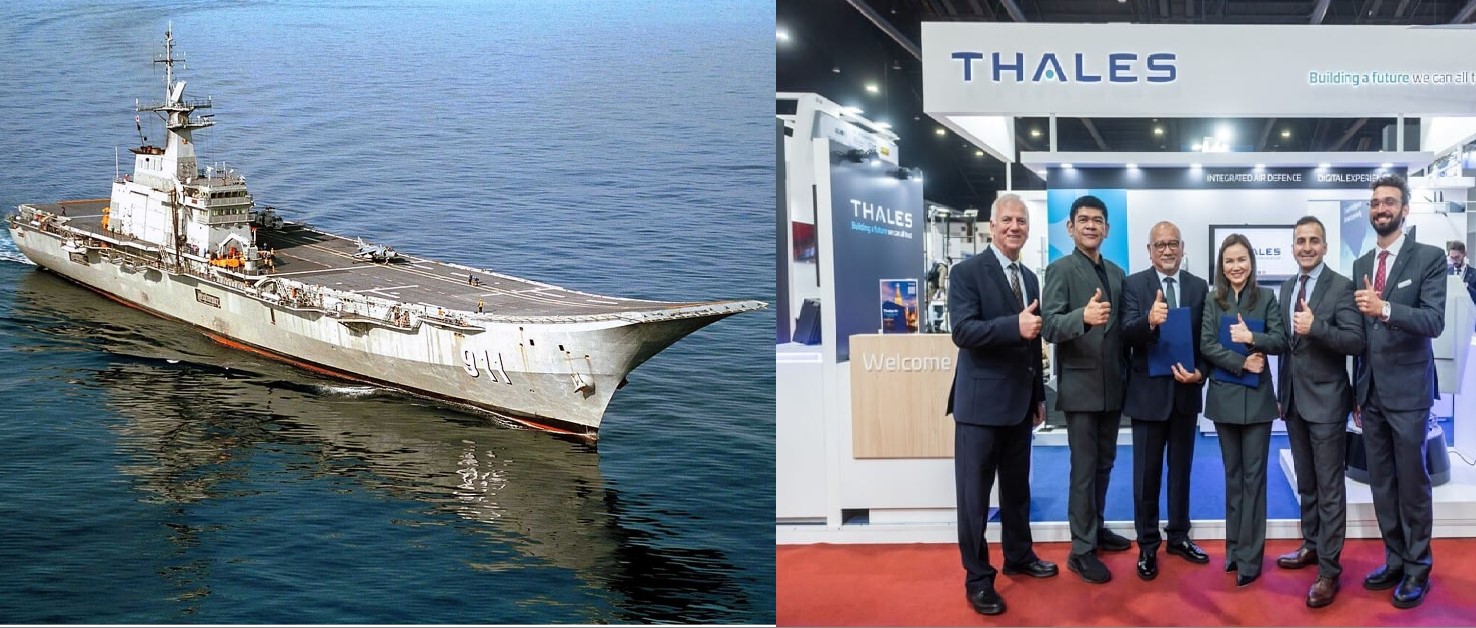
World
The first day of the Defense & Security 2025 exhibition in Bangkok opened with the usual mix of military hardware, trade delegations, and camera flashes. But a quieter moment — tucked inside the polished, blue-lit Thales booth — carried far more strategic weight for Thailand. Here, representatives of Thales, Universal Communication Systems Co. Ltd. (UCS), and the Royal Thai Navy (RTN) signed a contract that will fundamentally reshape the future of the country’s only aircraft carrier, HTMS Chakri Naruebet. With that signature, the 28-year-old flagship began its long-awaited journey toward a full modernization of its Integrated Platform Management System (IPMS) — the central system that keeps the ship’s engines, power, and vital machinery alive. A Carrier Built With Ambition, Now Confronting Age When the Chakri Naruebet first sailed out of Spain’s Bazán/Navantia shipyard in 1997, she embodied Thailand’s maritime ambitions. At 182.6 meters in length and displacing nearly 11,486 tonnes at full load, she was conceived as a compact but capable light aircraft carrier — at that time operating AV-8S Matador V/STOL jets from her sleek ski-jump deck. But as the years passed, budgets shifted, aircraft were retired, and modernization needs grew. The carrier continued to serve — primarily as a helicopter platform for S-70B Seahawks and MH-60S Knighthawks, and for disaster relief operations — yet the ship’s internal systems aged out of sync with modern naval demands. Deep within her hull, outdated consoles and older control processors managed everything from propulsion to damage control. The current IPMS, upgraded once nearly a decade ago, could no longer meet operational expectations. The Royal Thai Navy knew that without replacing it, the carrier’s future would remain uncertain. A New Digital Heart: What the Upgrade Truly Means Thales’ newly signed contract isn’t just an upgrade — it is a complete replacement of the ship’s internal management architecture. The new IPMS will serve as the ship’s central digital nervous system, overseeing: Propulsion control Electrical distribution Mechanical systems Auxiliary machinery Fire and flood detection Ventilation and fuel systems Damage control and emergency automation With real-time monitoring, intelligent alarm systems, and deeper automation, the ship’s engineering crew will work through a clean, unified, modern interface capable of predicting failures, reducing workload, and enhancing safety. Thales will provide all critical hardware and software, while UCS will manage local installation, integration, and long-term sustainment, ensuring Thailand gains the technical capability to maintain the system independently. Built Across Continents, Delivered in Thailand The modernization effort spans two nations. In Istanbul, Türkiye, Thales engineering teams will develop and test the software.Once complete, the new equipment will be shipped to Thailand, where UCS technicians will carefully install it inside the carrier — a delicate process involving cable routing, console replacement, and system alignment. If all remains on schedule, the project will be completed within 15 months, enabling full operational capability by early 2027. A Partnership Strengthened Thales and the RTN share more than five decades of cooperation. Over 80 percent of the Navy’s vessels carry Thales systems — from radars and sonars to combat management systems and mine-hunting sensors. But this marks the first time the RTN has entrusted Thales with the carrier’s platform management. Following the signing, Nicolas Bernardin, Thales’ Country Director in Thailand, emphasized the importance of the moment: “Modernising the flagship vessel of the Royal Thai Navy is no easy task… The IPMS will enhance the operational capability of this significant platform and marks a new chapter of partnership between Thales and UCS.” The Carrier Behind the Upgrade: Full Technical Profile Understanding the significance of this upgrade means understanding the vessel itself — a ship whose longevity depends entirely on the machinery the IPMS controls. HTMS Chakri Naruebet, CVH 911 Builder: Bazán/Izar (now Navantia), Spain Keel Laid: 1993 Commissioned: 1997 Role: Offshore patrol helicopter carrier / light aircraft carrier Displacement: Approx. 11,486 tonnes (full load) Length: 182.6 meters (599 ft) Beam: 30.5 meters (100 ft) Flight Deck: 174.6 m × 27.5 m (ski-jump equipped) Propulsion: Combined Diesel or Gas (CODOG) system 2× GE LM2500 gas turbines 2× Bazán-MTU 16V 1163 TB83 diesel engines Two shafts Maximum Speed: ~26 knots (48 km/h) Range: 10,000 nautical miles at 12 knots Crew: Approximately 600+ including air wing Air Wing Capacity: Up to 14 helicopters, typically S-70B or MH-60S Primary Missions: Maritime surveillance, SAR operations, HADR relief, naval training, regional engagement These specifications reveal the scale and complexity of the vessel — and why a modern, fully integrated IPMS is essential. With thousands of sensors, pumps, valves, engines, and electrical circuits distributed throughout the hull, the carrier cannot function safely without a reliable and modern control network. Keeping the Flagship Alive for a New Decade The Chakri Naruebet has seen limited deployments in the past due to budget and maintenance challenges. Yet the ship remains a powerful symbol of national resolve and a versatile platform for both military and humanitarian missions. By installing a new IPMS, the RTN ensures: Extended service life into the 2030s Higher operational reliability Improved safety and emergency response Lower maintenance costs Enhanced engineering situational awareness The upgrade revitalizes not only the ship’s systems but its role in Thailand’s maritime strategy. The signing ceremony at Defense & Security 2025 may have been quiet, but its impact is profound. Over the next 15 months, the carrier will undergo a transformation deep inside its hull, emerging with a modernized, resilient, data-driven engineering core. When HTMS Chakri Naruebet sails again with her renewed IPMS, she will not simply have been preserved — she will have been reborn, ready to serve Thailand into the next decade with renewed strength and reliability.
Read More → Posted on 2025-11-13 16:27:31
World
The German government is set to dramatically increase its military and defense assistance to Ukraine, raising total support to more than €11.5 billion in 2026. The move underscores Berlin’s determination to remain one of Kyiv’s strongest European backers as Russia’s full-scale invasion nears its fourth year. According to senior officials, the additional €3 billion will be directed toward strengthening Ukraine’s combat capabilities, including artillery systems, drones, armored vehicles, and the replacement of two Patriot air defense systems already supplied to Kyiv. The plan will be reviewed by the Bundestag’s Budget Committee on Thursday, when lawmakers meet to finalize Germany’s 2026 federal budget. If approved, the increase will push Germany’s total defense and stabilization support for Ukraine next year to record levels — marking one of the largest military aid packages from any European country. Germany’s Total Aid to Ukraine So Far Since the start of Russia’s full-scale invasion in February 2022, Germany has become the second-largest global donor to Ukraine, after the United States. Total German aid (2022–2025): Over €40 billion, combining military, humanitarian, and financial support. Military aid alone: Around €28 billion in commitments, including €17 billion in direct deliveries and €11 billion in future contracts and procurement programs. Humanitarian & economic aid: About €12 billion, covering refugee support, infrastructure repair, and energy security. In terms of military assistance, Germany has supplied some of the most advanced Western weapons systems currently in Ukrainian service — often serving as a model for other NATO nations to follow. Germany’s Military Aid Package: What Has Been Delivered Germany’s military support to Ukraine includes a wide range of modern Western weaponry, armored vehicles, and air defense systems, many of which have played a central role in protecting Ukrainian cities and bolstering front-line forces. Key systems and weapons provided include: Leopard 2A6 Main Battle Tanks (18 units delivered) Marder Infantry Fighting Vehicles (60+) Gepard Self-Propelled Anti-Aircraft Guns (50+) IRIS-T SLM/SLS Air Defense Systems (five systems delivered and more in production) Patriot Air Defense Batteries (two delivered, replacements now planned) Panzerhaubitze 2000 Self-Propelled Howitzers (over 20 units) Bridge-laying and recovery vehicles, ammunition trucks, and engineering systems Reconnaissance and attack drones, plus ongoing drone development and training support Millions of rounds of ammunition, including 155 mm shells Winter uniforms, medical kits, and logistics vehicles for sustained operations These contributions have made Germany a key pillar of Europe’s collective defense effort for Ukraine. According to the Kiel Institute for the World Economy, Germany’s aid commitments now account for roughly one-fifth of total EU and NATO support. Strategic Significance The new €11.5 billion allocation will not only replenish the weapons already transferred to Kyiv but also fund new procurement for 2026–2027. A portion will go toward industrial replenishment, ensuring that German defense companies such as Rheinmetall, Krauss-Maffei Wegmann, and Diehl Defence can sustain deliveries without depleting Bundeswehr stockpiles. The budget increase is part of Berlin’s long-term “Zeitenwende” (turning point) strategy — a historic shift in German defense and foreign policy announced after the 2022 invasion. Under this doctrine, Germany has committed to strengthening its armed forces, boosting NATO contributions, and ensuring that Ukraine remains capable of defending its sovereignty. Defense Minister Boris Pistorius described the increase as “a sign of reliability and leadership.” He emphasized that “Ukraine’s defense is Europe’s defense — our security depends on their resilience.” Political and Financial Context Germany’s federal government, led by Chancellor Friedrich Merz, is under pressure to balance domestic fiscal discipline with growing defense obligations. The proposed increase for Ukraine aid comes amid budget negotiations constrained by constitutional debt limits. Still, the government insists that continued support is essential. Finance Ministry officials argue that failing to assist Ukraine would “endanger European stability and invite further aggression.” The Bundestag’s Budget Committee is expected to approve the draft before the end of the week, after which the measure will move to a full parliamentary vote in December. Ukraine’s Response Ukrainian officials have welcomed Germany’s planned increase, calling it a “lifeline” for maintaining air defense and mobility on the front. Kyiv has specifically requested additional Patriot systems, ammunition, and armored mobility vehicles to prepare for intensified Russian attacks during winter. If finalized, Germany’s €11.5 billion package will make it the largest European defense contributor to Ukraine in 2026, ahead of the UK, France, and Poland. As the war drags on, Berlin’s continued leadership sends a powerful message — both to Kyiv and to Moscow — that Europe remains committed to Ukraine’s defense for the long haul. Germany’s expanded package marks not just another budget decision, but a defining moment in Europe’s response to one of the most consequential conflicts of the 21st century.
Read More → Posted on 2025-11-13 16:02:18Search
Top Trending in 24 Hours
-
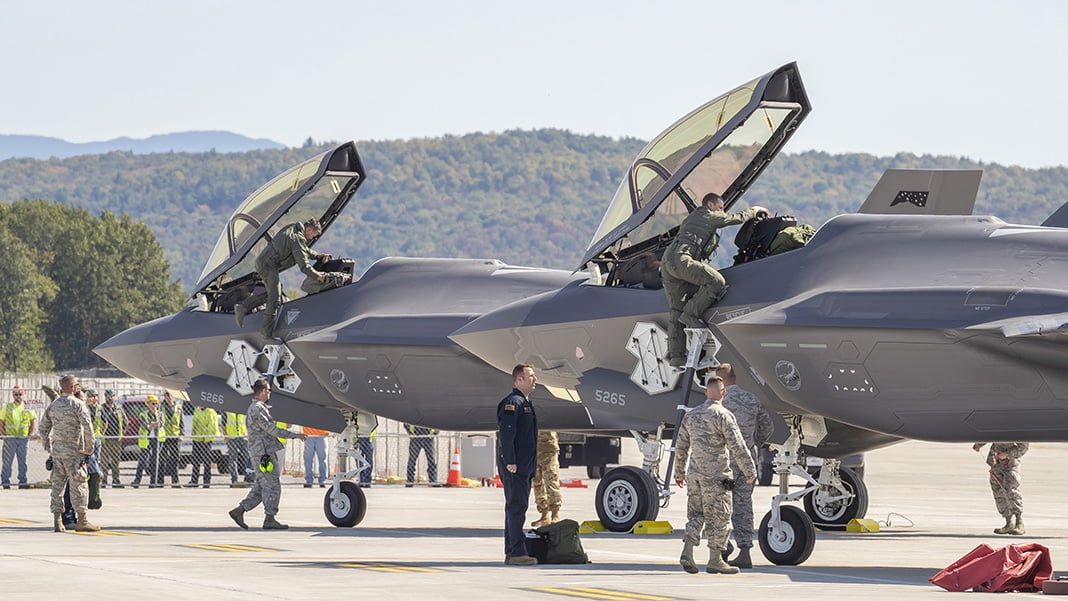 F-35 Fleet Readiness Falls to 25% Amid Parts Shortages and Software Delays: GAO Report
-
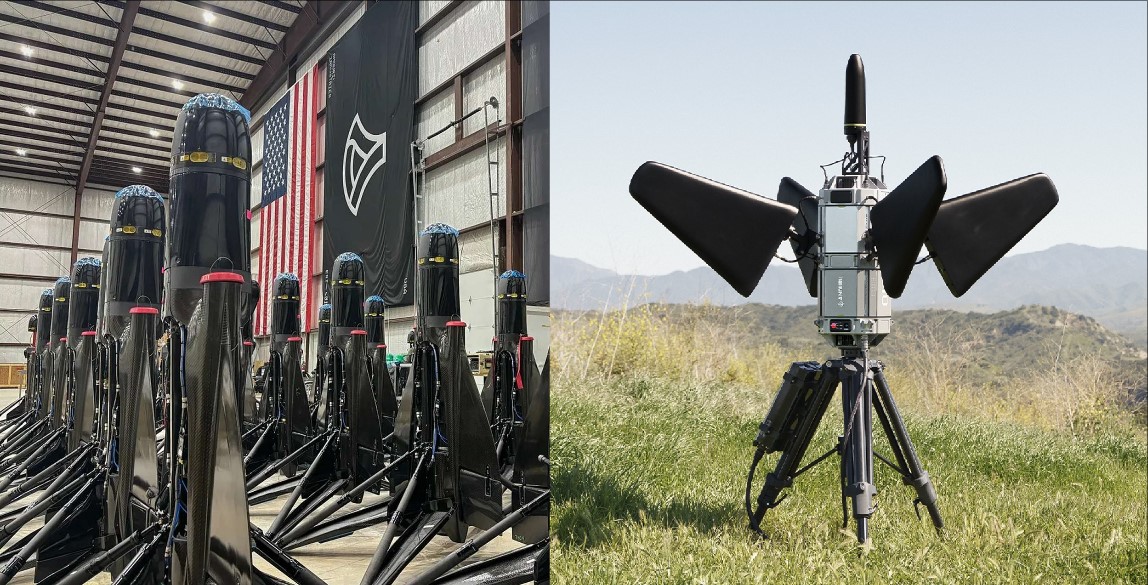 U.S. Approves $1.98 Billion Sale of Anduril AI-Powered Counter-Drone Systems to Kuwait
-
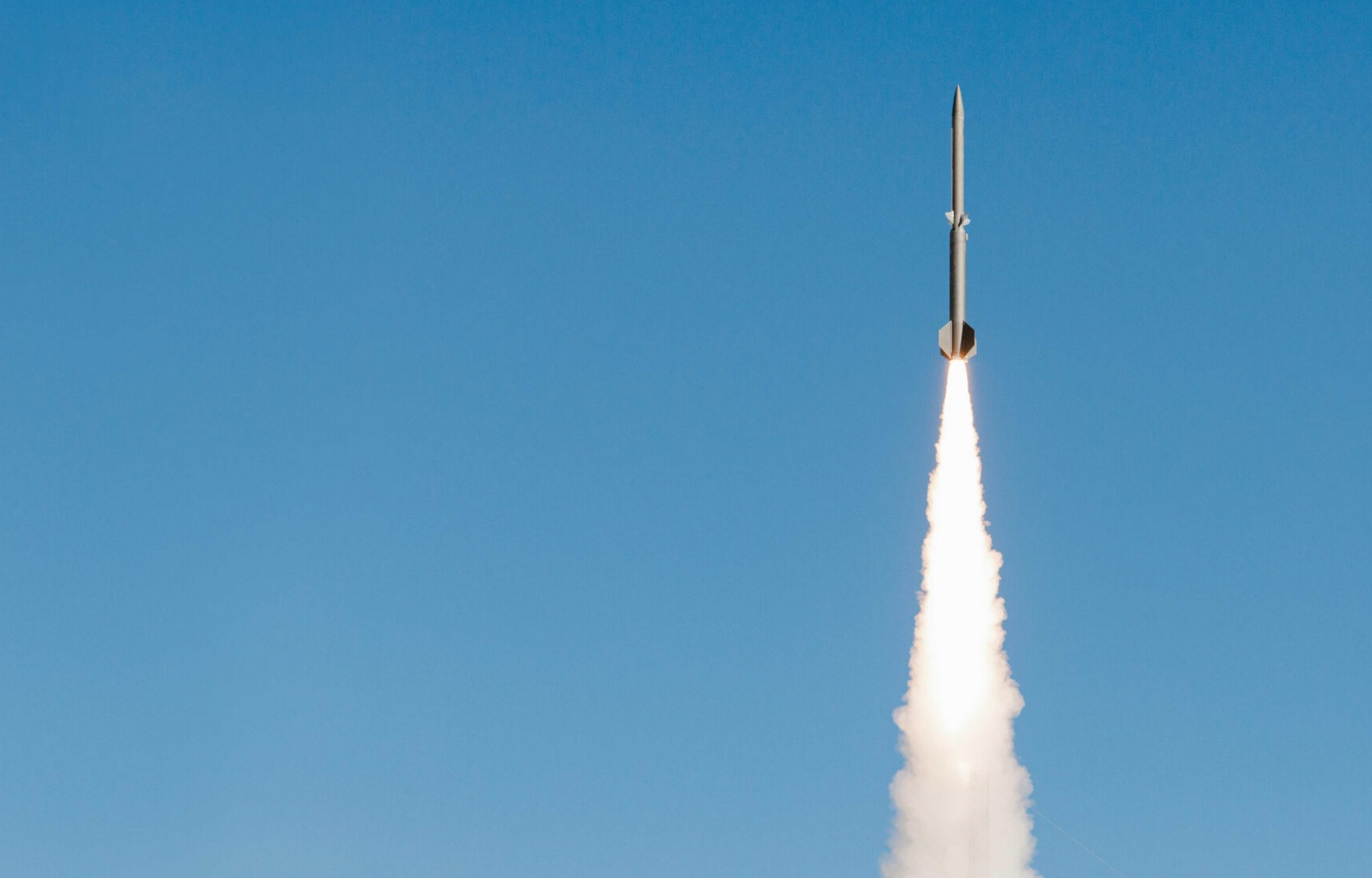 U.S Navy Orders 50 Blackbeard Hypersonic Missiles in New $23.4 Million Contract
-
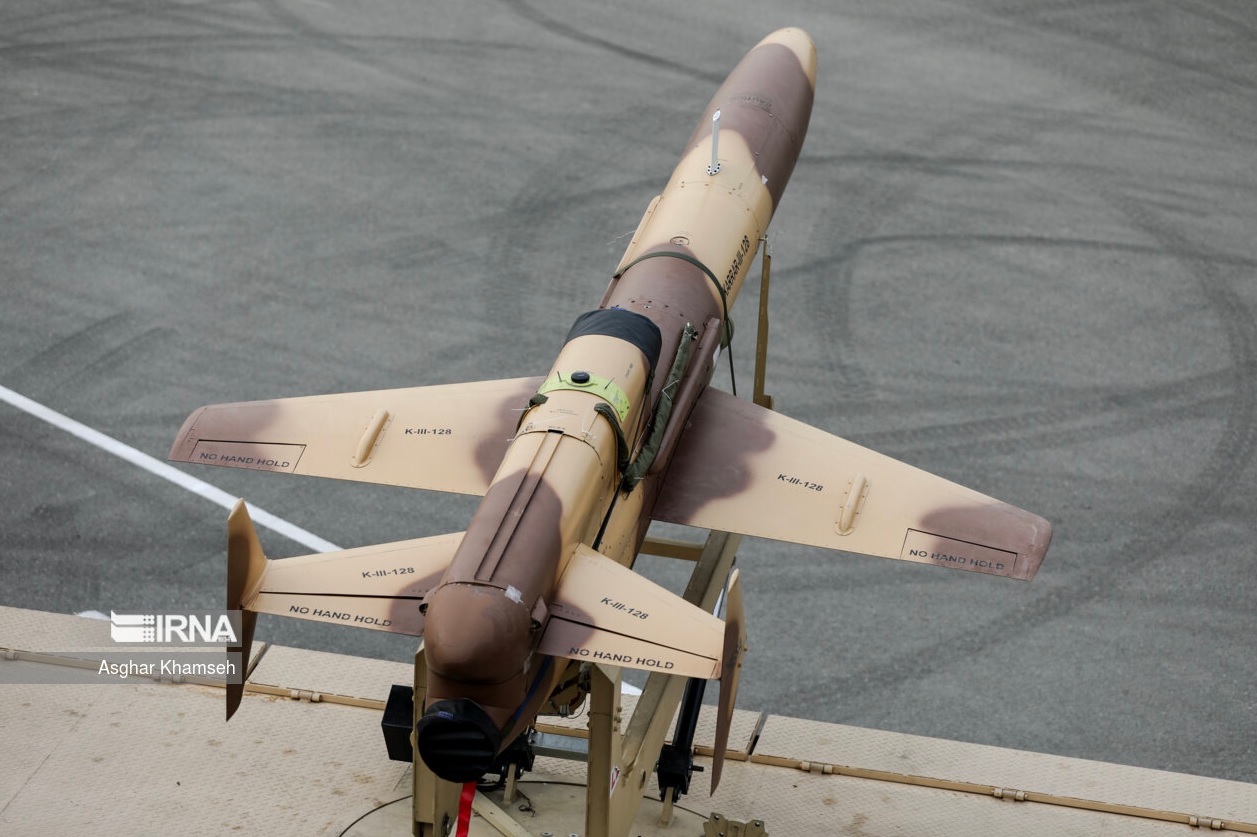 Russia Launches 1,400 Jet-Powered Drones in 2026 as Strike Tactics Evolve to Challenge Ukraine's Air Defenses
-
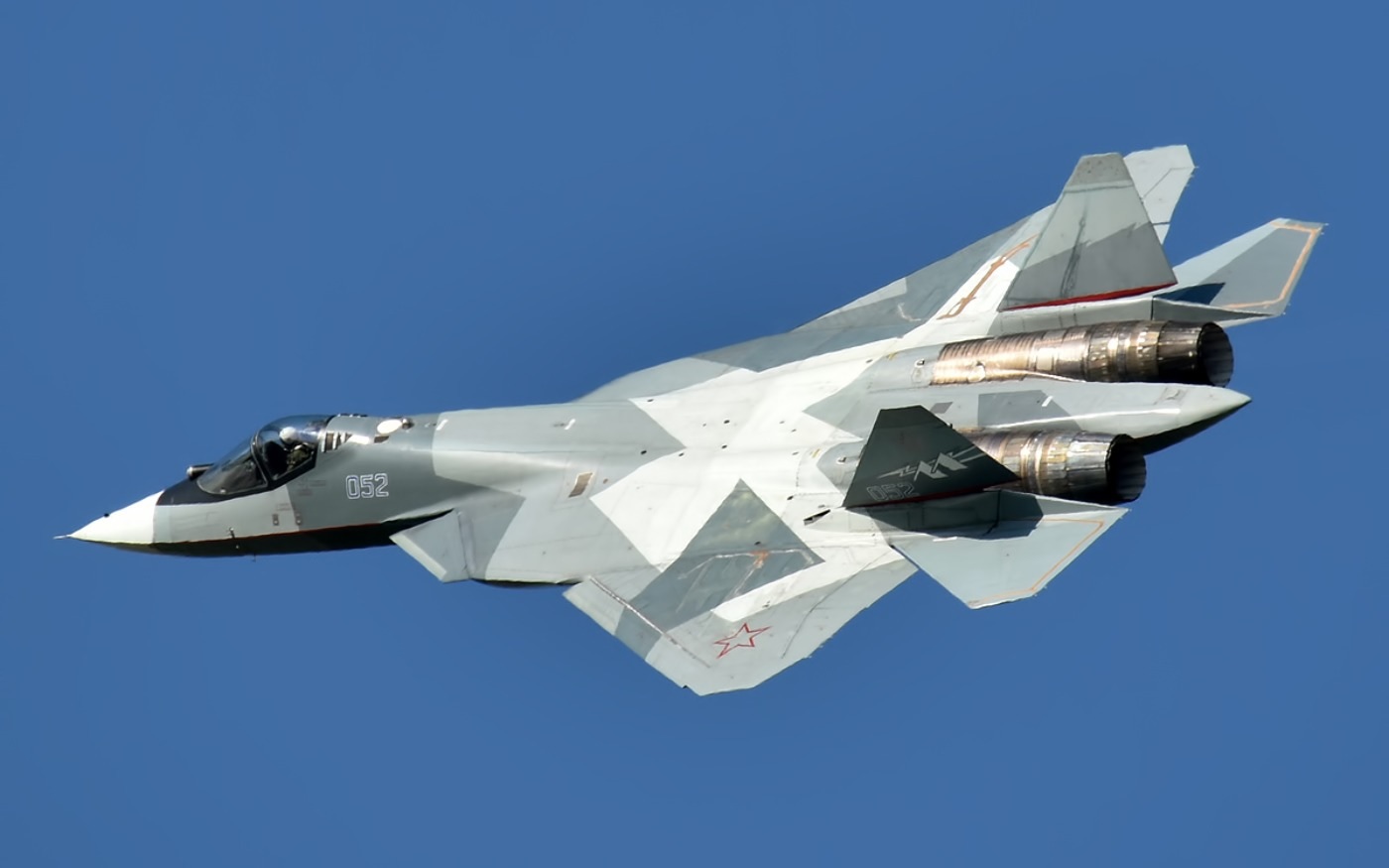 Russian Analysts Debate Su-57 Capabilities After Putin Calls Fighter Superior to F-35
-
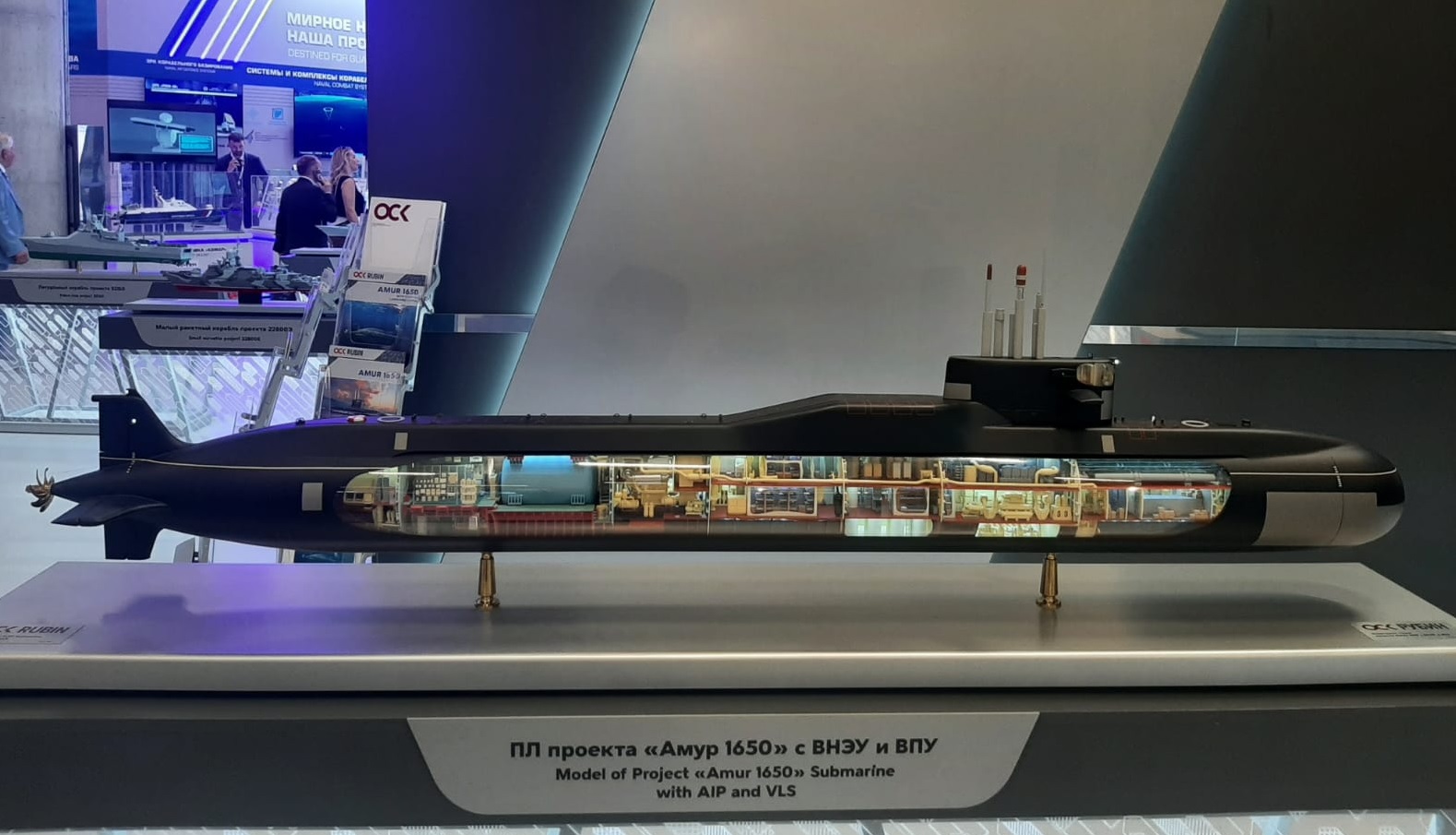 Russia Unveils Amur-1650 AIP Submarine Equipped with BrahMos Vertical Launch System at Fleet-2026
-
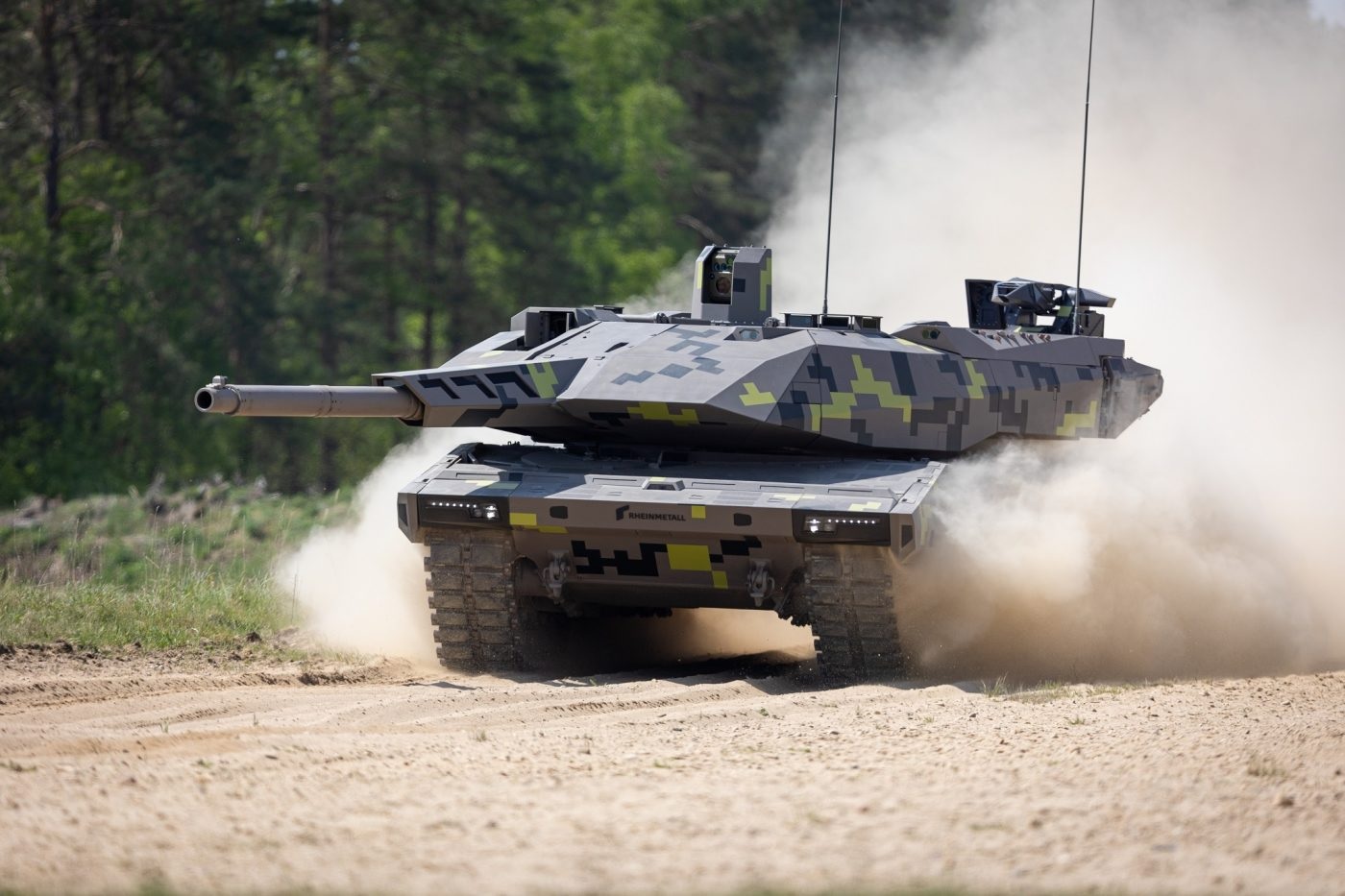 France Considers Reduced Role or Exit from Franco-German MGCS Tank Project
-
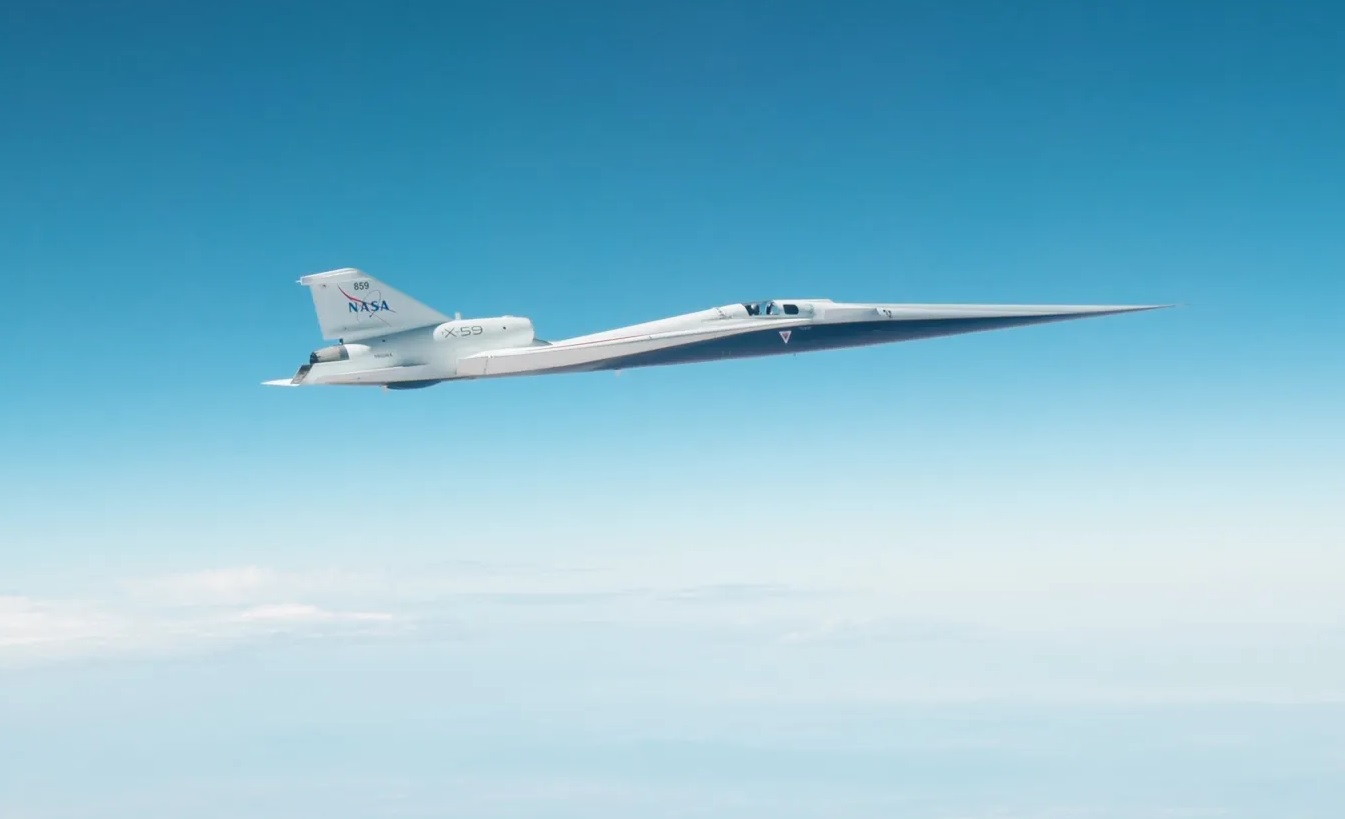 NASA X-59 Achieves Planned Mission Conditions with Mach 1.4 Flight at 55,000 Feet
Top Trending in 4 Days
-
 Iranian Media Leaks 14-Point U.S.-Iran Peace Framework Amid Ongoing Negotiations
-
 US Plans Significant Reduction of Fighter Jets and Warships for NATO Operations in Europe
-
 Boeing Introduces New MQ-28 Ghost Bat Upgrades with Increased Range, Payload and Weapons Capacity at ILA Berlin 2026
-
 AMCA Airframe Spotted at DRDO’s ORANGE Facility for Radar Cross-Section Testing
-
 U.S Aircraft Carrier USS Theodore Roosevelt Departs San Diego for Major RIMPAC 2026 Naval Exercise
-
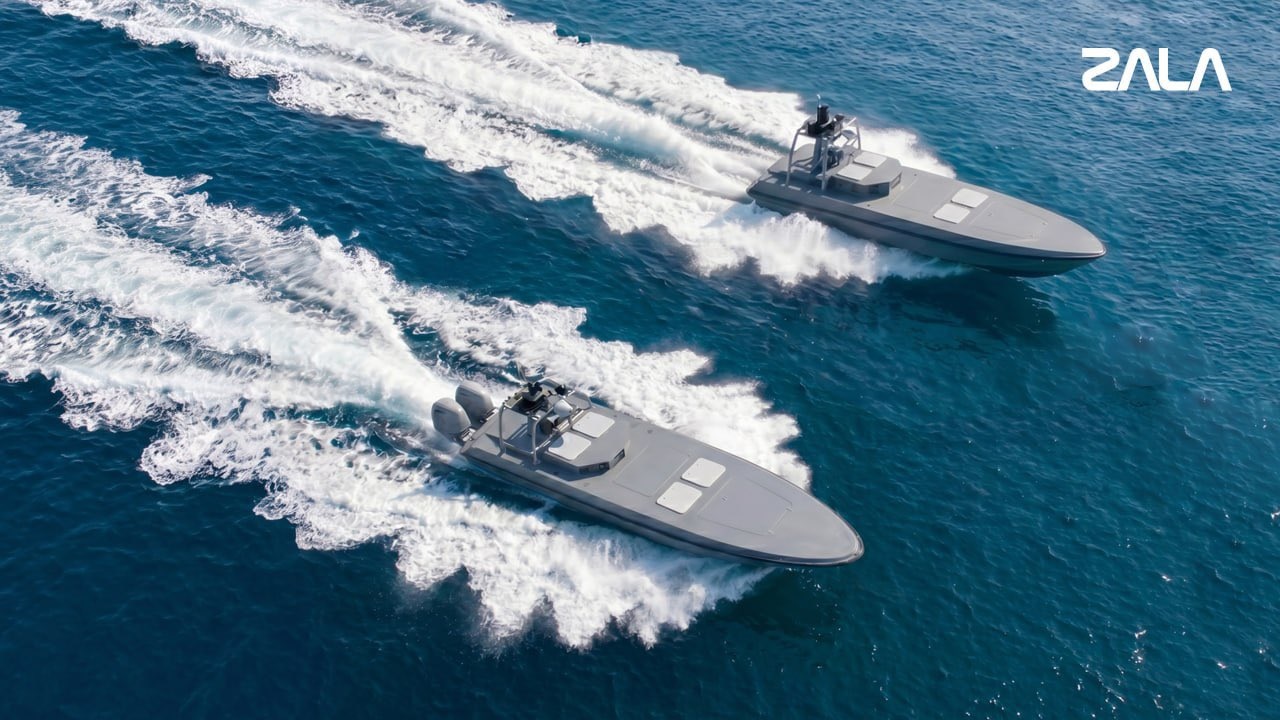 Russian Defense Firm ZALA Unveils KAMA Unmanned Surface Vessel Family at FLOT-2026 Naval Exhibition
-
 NATO Commander Says Russia Not Seeking Conflict With Alliance Despite U.S. Force Reductions
-
 U.S. Air Force Faces Strategic Airlift Shortfall as C-17 Production Restart Remains Uncertain