World
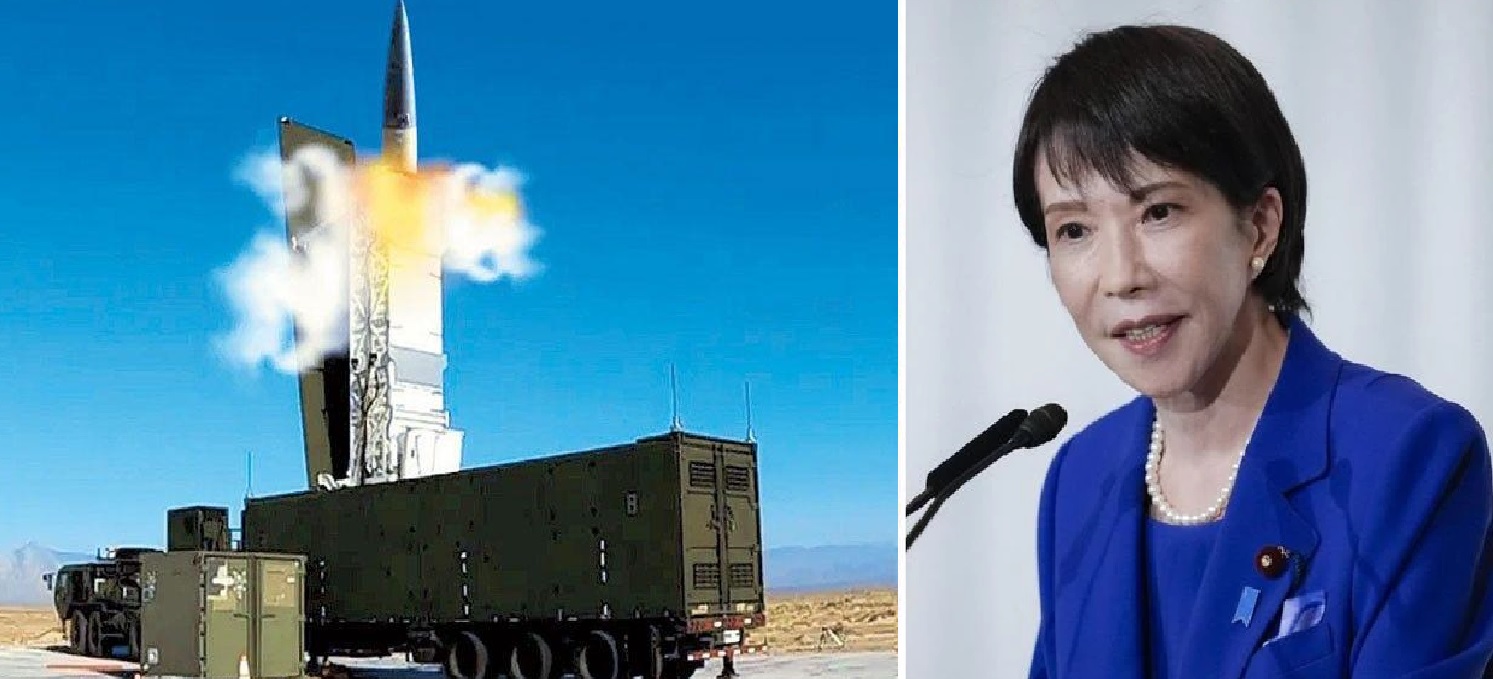
The United States has withdrawn its Typhon Mid-Range Capability (MRC) missile system from Japan, Japanese media confirmed on Monday, ending a deployment that had triggered sharp diplomatic tension with China and stirred domestic unease inside Japan. The system, capable of launching Tomahawk land-attack cruise missiles and SM-6 air-defence missiles, had been positioned at the US Marine Corps Air Station Iwakuni in Yamaguchi Prefecture since September for the US-Japan “Resolute Dragon 2025” joint exercise. Although Tokyo had said the deployment was strictly temporary and would be removed “within around a week” after the conclusion of the exercise on September 25, the launcher remained in place for nearly seven weeks longer — remaining at the base until at least November 10, according to civic groups protesting in Yamaguchi and neighboring Hiroshima. By Monday, the Japanese Defence Ministry confirmed to local authorities that the system had been fully removed. However, officials offered no explanation for the long delay, leaving analysts questioning whether the extended stay was strategic, accidental, or politically constrained. A System Capable of Striking Beijing The Typhon system’s deployment was highly sensitive due to its range of up to 1,800 km, placing Beijing, Shanghai, and large stretches of eastern China well within potential strike distance.It was the first-ever deployment of this system on Japanese soil — a fact that drew immediate protests from both China and Russia. The United States had framed the deployment as an opportunity to test “rapid wartime transitions,” part of a broader plan to strengthen deterrence in the Indo-Pacific. However, the system’s extended stay — well beyond the exercise timeline — raised local fears that the deployment might become quasi-permanent, prompting civic petitions demanding its removal. Diplomatic Storm Over Taiwan Comments The withdrawal coincided with a dramatic deterioration in China–Japan relations sparked by recent remarks from Japanese Prime Minister Sanae Takaichi. Last week, Takaichi described a Taiwan Strait crisis involving the use of force as a “survival-threatening situation” for Japan — language that implies Japan could join the United States in military action should Beijing move against Taiwan. China reacted fiercely, accusing Takaichi of: “Seriously damaging bilateral ties” “Challenging the post-war international order” Beijing then issued a travel warning for Japan, cancelled multiple cultural and exchange programs, and lodged repeated diplomatic protests. Additional retaliatory steps are expected, as Tokyo has refused to retract Takaichi’s comments. Given this backdrop of escalating hostility, analysts say Washington and Tokyo likely saw the Typhon launcher as an unnecessarily provocative signal at a moment when both governments were trying to manage the fallout. US-Japan Defense Pact: What Security Washington Provides Tokyo The developments also shed light on the role of the US-Japan Security Treaty, the foundation of Tokyo’s national defense since 1960. Key Security Guarantees under the US-Japan Defense Pact 1. Mutual Defense ObligationsThe treaty commits the United States to defend Japan if the country is attacked. Unlike many alliances, this includes attacks on Japanese-administered territories, including the Senkaku Islands. 2. Forward Deployment of US ForcesJapan hosts roughly 50,000 US troops, the largest overseas concentration of American forces in the world. The bases provide: A rapid-response force against regional threats Intelligence, surveillance and reconnaissance (ISR) coverage Nuclear and conventional deterrence through US naval and air assets 3. Access to Advanced US Military TechnologyThe US assists Japan with: Ballistic missile defense (Aegis, Patriot PAC-3, SM-3) Fighter integration (F-35A/B) Advanced missile systems like Tomahawks (Japan will begin receiving these soon) Joint cyber and space defense projects 4. Joint Operations and PlanningTokyo and Washington cooperate on: Taiwan contingency planning Maritime security in the East China Sea Integrated air and missile defense Joint training to ensure interoperability between forces These guarantees form the backbone of Japan’s security — but they also create strategic dependence. The Typhon withdrawal has revived debate in Tokyo about whether Japan can continue relying so heavily on Washington as the strategic environment worsens. Why the US Pulled the System — Key Factors 1. Escalating China–Japan Diplomatic Tensions With Beijing already responding harshly to Takaichi’s Taiwan remarks, the presence of a US missile system capable of hitting mainland China risked turning a diplomatic dispute into a full-scale strategic crisis.The withdrawal likely served as a de-escalation gesture. 2. The Deployment Was Always Officially “Temporary” Japan had repeatedly said Typhon would be removed within a week of the exercise’s end. Its extended presence risked appearing dishonest or strategically ambiguous. Removing it allowed the US and Japan to return to the original temporary deployment narrative. 3. Local Political Pressure Inside Japan Civic groups in Yamaguchi and Hiroshima petitioned for the removal, warning that hosting a strike-capable US system could turn the region into a target during any conflict involving China. 4. Avoiding Accidental Escalation With China At a time when the US already has a Typhon system deployed in the Philippines, keeping additional systems in Japan may have risked reinforcing China’s claims that the US is building an “island-chain offensive network.” 5. Strategic Flexibility for Future Deployments The US is experimenting with mobile and rotational basing of mid-range missiles across the Indo-Pacific. Removing Typhon from Japan does not reduce capability — it simply repositions it for future use. Regional Fallout: South Korea Also Steps Back In a separate development, South Korea informed Japan that it would withdraw from a planned search-and-rescue exercise involving the Japanese Maritime Self-Defense Force.This follows Tokyo’s cancellation of aerial refuelling assistance for South Korean Air Force aircraft — a decision triggered by Seoul conducting training flights near the disputed Dokdo/Takeshima islets. The sudden chill between Seoul and Tokyo adds another layer of tension to an already strained regional environment. Wider Strategic Stakes Despite the withdrawal of the Typhon system, tensions across the Indo-Pacific remain high. Washington is steadily expanding its rotational missile deployments in the Philippines, strengthening its ability to respond around Taiwan and the South China Sea. At the same time, Japan is moving ahead with the purchase of Tomahawk cruise missiles and developing its own long-range strike capabilities, marking one of the most significant shifts in its post-war defence policy. Meanwhile, China has intensified military patrols, diplomatic warnings, and pressure campaigns, accusing both Japan and the United States of “external interference” in the Taiwan issue. These parallel moves underline a region growing more militarized, more unpredictable, and increasingly defined by the rivalry between the three major powers. This Withdrawal May Push Japan Toward Building Its Own Military Power Defense experts say the episode highlights a long-term strategic dilemma for Tokyo:Japan relies on US firepower, but the timing, location, and political risk of these deployments remain Washington’s decision — not Japan’s. This dependence, combined with rising threats from China, North Korea, and Russia, is likely to accelerate Japan’s ongoing military transformation. Possible Shifts in Japan’s Security Policy 1. Greater Emphasis on Indigenous Strike CapabilityJapan is already acquiring 400 Tomahawk cruise missiles, developing the Type-12 standoff missile, and investing in hypersonic systems.The Typhon episode may reinforce Tokyo’s desire to have domestic, permanently stationed long-range strike options that it controls fully. 2. Reduced Reliance on US Rotational DeploymentsJapan may increasingly prefer Japanese-owned missile systems on Japanese soil, rather than US systems that can be politically withdrawn or relocated. 3. Acceleration of Defense SpendingTokyo already plans to raise defense spending to 2% of GDP, one of the fastest increases in its post-war history. Events like this could drive calls for even greater investment. 4. Stronger Push for Constitutional DebateConservatives may use the incident to argue that Japan needs a more normal military, less constrained by Article 9 restrictions and less dependent on US strategic decisions. Conclusion The US withdrawal of the Typhon missile system from Japan marks more than the end of a temporary military deployment — it has become a symbol of the shifting power balance in East Asia. The move: Reflects the dangerous spike in China–Japan tensions, Highlights the delicate nature of US-Japan alliance management, and Reinforces growing calls in Tokyo for a more independent, self-reliant military posture. As geopolitical competition intensifies across the Indo-Pacific, Japan may emerge from this episode more determined than ever to strengthen its own military power, reduce strategic dependence on Washington, and prepare for a future where regional conflict is no longer unthinkable.
Read More → Posted on 2025-11-18 14:37:56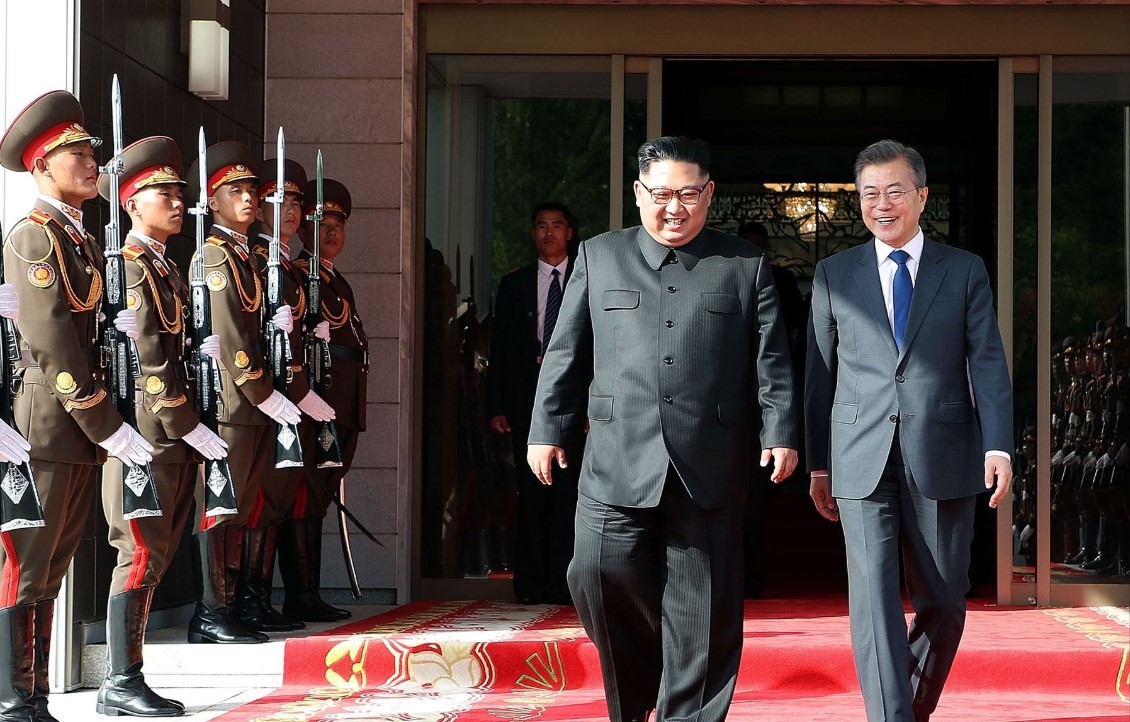
World
South Korea has formally proposed military talks with North Korea to clarify the rivals’ disputed border line and reduce spiraling tensions, after repeated incursions by North Korean soldiers triggered concern over the possibility of an unintended armed confrontation. Rising Concern Over Border Violations South Korea’s Joint Chiefs of Staff (JCS) disclosed that its forces have fired multiple warning shots in recent months to repel North Korean troops that crossed the Military Demarcation Line (MDL)—the de facto land border inside the Demilitarized Zone (DMZ). According to Seoul, North Korean troops have been spotted repeatedly breaching the MDL since Pyongyang began large-scale construction works last year to reinforce its forward defensive positions. These activities reportedly include new trenches, concrete barriers, and expanded guard posts. North Korea has denied the accusations, claiming its soldiers have not crossed the line and warning of “unpredictable countermeasures” if Seoul continues issuing statements it calls provocations. South Korea Calls for Dialogue to Prevent a Clash On Monday, Kim Hong-Cheol, South Korea’s Deputy Minister for National Defense Policy, announced that Seoul is offering military talks aimed at preventing unintended armed incidents and reducing tensions. He noted that some of the recent border crossings may not have been deliberate, pointing out that many MDL markers installed after the 1950-53 Korean War have been lost due to weather, terrain changes, and lack of maintenance over decades. “Our offer is to avoid accidental clashes and maintain stability along one of the world’s most sensitive borders,” Kim said. Despite the proposal, officials in Seoul admitted that Pyongyang may ignore the outreach, as the North has refused dialogue with both South Korea and the United States since 2019. Frozen Diplomacy Since Collapse of Trump–Kim Talks North Korea has largely shut down communication channels since the breakdown of high-stakes nuclear negotiations between Kim Jong Un and former U.S. President Donald Trump. Trump has publicly stated that he remains open to another meeting, yet Kim insists that the U.S. must abandon its demand for North Korean denuclearization before any summit can resume — a condition the U.S. is unlikely to accept. South Korean analysts believe Seoul’s proposal aligns with efforts by President Lee Jae-Myung’s liberal administration to restore communication channels. But Pyongyang has criticized such attempts. In August, Kim Yo Jong, the influential sister of Kim Jong Un, described Seoul’s outreach as a “sinister intention” designed to blame North Korea for deteriorating relations. North Korea’s Hardening Stance The current security climate is further strained by North Korea’s unparalleled shift in policy last year, when Kim Jong Un: Abandoned peaceful reunification as a national objective Ordered the rewriting of the constitution to designate South Korea as a “permanent primary enemy” Accelerated construction of anti-tank barriers, minefields, and fortified positions South Korea’s military reports that Pyongyang has since planted additional mines and expanded its combat infrastructure along the frontier, signaling a long-term escalation strategy. One of the World’s Most Dangerous Borders The DMZ is a 248-km-long and 4-km-wide buffer zone that remains one of the most militarized frontiers on Earth. Key features include: Approximately 2 million landmines lining the area Dense clusters of barbed-wire fences and tank traps Tens of thousands of combat-ready troops stationed on both sides Constant surveillance from guard towers and remote sensors The Korean War ended in an armistice, not a peace treaty — meaning the two Koreas remain technically at war. What Comes Next? Experts say South Korea’s proposal is a test of North Korea’s intentions. Acceptance could signal a rare opening for military risk-reduction mechanisms. Rejection, however, may solidify concerns that Pyongyang is preparing for a more confrontational posture. Regional security watchers warn that any miscalculation along the fragile MDL — even a patrol stepping a few meters off course — could rapidly escalate into military exchange. For now, the ball lies in Pyongyang’s court, and Seoul continues to monitor the DMZ for further incursions.
Read More → Posted on 2025-11-18 14:17:12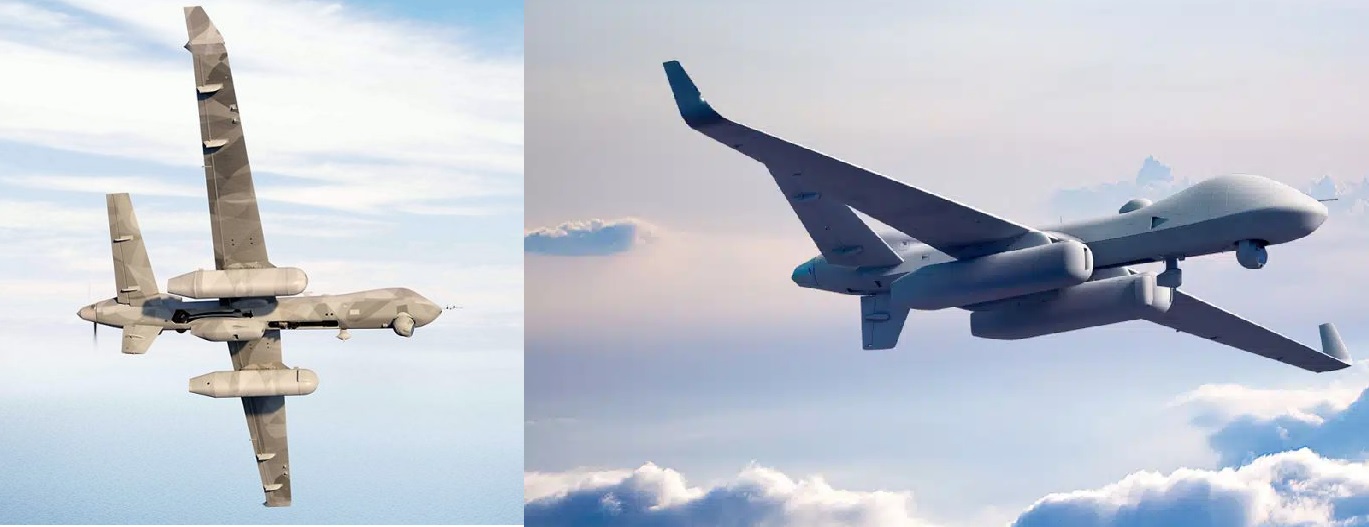
World
General Atomics Aeronautical Systems, Inc. (GA-ASI) and Sweden’s Saab are set to conduct a landmark demonstration showcasing an Airborne Early Warning & Control (AEW&C)–equipped MQ-9B, marking the first time a long-endurance Remotely Piloted Aircraft (RPA) will field a fully capable AEW system. The demo will take place at GA-ASI’s Desert Horizon flight operations facility in Southern California, with an MQ-9B fitted with Saab’s advanced AEW sensors. The event is expected to highlight a transformative capability: persistent, cost-efficient early-warning surveillance from an unmanned platform that can remain airborne far longer than manned aircraft. A New AEW Frontier GA-ASI has long promoted the MQ-9B series—SkyGuardian, SeaGuardian, the UK-specific Protector, and the in-development MQ-9B STOL—as the world’s most capable medium-altitude, long-endurance (MALE) unmanned aircraft. By integrating Saab’s proven AEW&C technology, the companies are attempting to push the platform into missions traditionally reserved for large aircraft such as the E-2D Hawkeye or Saab’s own GlobalEye. Saab is widely regarded as a global leader in airborne early warning systems. Its sensors provide long-range detection, robust tracking performance, and strong electronic surveillance capabilities. Combining these with the MQ-9B’s 40-hour endurance and broad satellite-communication (SATCOM) reach creates a new category of persistent airborne radar coverage. Why This Matters In many regions, AEW aircraft are scarce or financially out of reach. Naval carriers, for example, rely on short-range airborne coverage or expensive dedicated aircraft. By contrast, an MQ-9B equipped with AEW sensors can operate from small airfields or ships, offering: Persistent wide-area air surveillance Detection of cruise missiles, hostile drones, and low-observable threats Long-range tracking of fighter jets, bombers, and tactical munitions Reduced operating costs compared to manned AEW platforms “Adding AEW&C to the MQ-9B brings a critical new capability to our platform,” said GA-ASI President David R. Alexander. “Our goal is to provide operators with a persistent early-warning solution—one that defends against advanced cruise missiles as well as emerging drone swarms.” Because the MQ-9B is unmanned, aircrews face no risk, and the aircraft’s operational availability is the highest of any military aircraft class. It can also be rapidly deployed to forward bases, something heavier AEW aircraft cannot do. What the AEW-Equipped MQ-9B Can Do According to GA-ASI and Saab, the upgraded MQ-9B will support a broad set of missions: Long-Range Early Detection & Warning The AEW suite enables detection of aerial threats hundreds of kilometers away—providing nations without dedicated AWACS fleets access to strategic early-warning coverage. Simultaneous Multi-Target Tracking The system can track fighters, bombers, drones, and missiles at the same time, feeding data to ground or ship-based command networks. Flexible Combat System Integration The MQ-9B’s SATCOM and line-of-sight datalinks allow integration with NATO-standard and other modern combat systems, improving interoperability during joint operations. Maritime Surveillance and Fleet Protection For navies, the platform offers AEW coverage for carrier groups or maritime task forces at a fraction of the cost of manned aircraft. When paired with the SeaGuardian version, it complements anti-submarine and surface-search missions. Strategic Impact Analysts say this demo could reshape how small and mid-sized militaries approach AEW capability. Instead of relying solely on expensive, high-maintenance AWACS fleets, nations could deploy persistent unmanned AEW layers—especially useful for: Island nations Navies lacking dedicated AEW aircraft Border surveillance missions Air-defense early detection grids Counter-drone and counter-missile operations If successful, the demonstration would confirm that AEW functions no longer require a large airframe; endurance and sensor performance can instead be delivered by an unmanned aircraft operating around the clock. With increasing concern over cruise-missile saturation attacks, drone swarms, and low-altitude penetration tactics, the GA-ASI–Saab partnership aims to fill a rapidly growing gap in air defense. As the first demonstration approaches, the MQ-9B stands on the verge of gaining a new identity—not just as a surveillance drone, but as a persistent airborne early-warning platform capable of supporting both land and maritime forces. The results of the Southern California demo will likely influence procurement decisions across Europe, Asia, and the Indo-Pacific, where demand is rising for affordable but sophisticated early-warning solutions.
Read More → Posted on 2025-11-18 13:34:08
World
On 17 November 2025, Spain’s state-owned shipbuilder Navantia announced the successful floating of the submarine S-82 Narciso Monturiol, the second vessel in the S-80 class (also referred to as S-80 Plus) series being built for the Spanish Navy under a national submarine modernisation programme. The S-80 class is part of a multi-billion-euro Spanish defence acquisition deal intended to deliver four new-generation conventional submarines to replace the aging S-70 fleet. Float-out and upcoming trials According to the press release issued by Navantia, the S-82 submarine was carefully manoeuvred from its construction berth into the water using a floating dock over several hours. This operation required a series of critical checks and tasks both inside and outside the hull to ensure that the transition to floating status was achieved safely and securely. Once afloat, the submarine will enter into harbour trials, where key systems—such as fuel loading, battery charging, and propulsion tests while moored—will be verified. After these harbour-based milestones are completed, the vessel will move on to sea trials, including navigation and diving tests, ahead of final delivery to the Spanish Navy. Programme scope, industrial role, and the national deal The S-80 programme is Spain’s largest-ever submarine development effort, structured as a long-term contract between the Spanish Ministry of Defence and Navantia. The deal covers the design, construction, integration, testing, and delivery of four advanced conventional (non-nuclear) submarines: S-81, S-82, S-83, and S-84. Navantia also holds the role of Technical Design Authority, making this the first time Spain has independently designed and built a full-scale submarine class. With the S-82 now afloat, the release of the first submarine (S-81) and the ongoing construction of the remaining units underline Spain’s strategic goal of maintaining a sovereign submarine-building capability. Specifications of the S-80 class The S-80 class subs represent a modern conventional submarine design with a number of advanced features. Key specifications include: Overall length: approximately 81 m Hull diameter: about 7.30 m Submerged displacement: around 2,965 t Endurance: capable of remaining submerged for 50–60 days Maximum submerged speed: in excess of 19 knots Crew accommodation: around 32 crew members plus additional capacity for special forces Further technological features include an integrated platform control system, low acoustic and magnetic signatures, and a design approaching the endurance and stealth characteristics of nuclear-powered submarines, despite being conventionally powered. Significance and outlook The floating of the Narciso Monturiol (S-82) is a visible demonstration of the programme advancing into its next phase. Harbour trials will now test critical safety and operational systems in a controlled environment, followed by sea trials that will push the submarine into its full mission envelope—navigation, diving, endurance, and weapons/sensor integration. Once delivered, S-82 will join S-81 in providing the Spanish Navy with enhanced submarine capability in the sub-surface domain. From an industrial perspective, the event reinforces Navantia’s position as a submarine builder and design authority, strengthening Spain’s ambitions to remain a competitive player in global defence markets. The national submarine procurement deal also ensures long-term employment, technological growth, and export prospects. In the coming months, attention will focus on how smoothly the harbour trials proceed and how the subsequent sea trials perform against schedule and technical benchmarks. The successful commissioning of S-82 will set the tone for the remaining two units in the class and determine whether the programme meets its timetable and performance goals.
Read More → Posted on 2025-11-18 13:23:02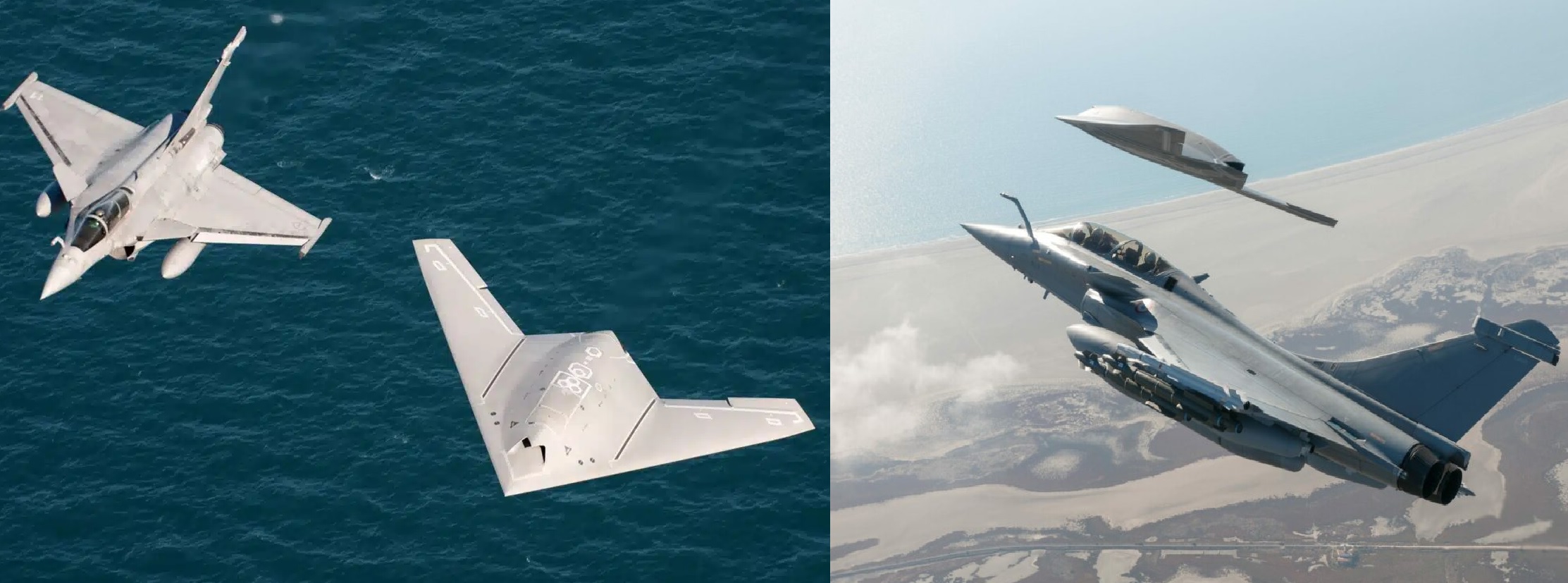
World
The United Arab Emirates and France are edging closer to a landmark defence partnership that could reshape the future of manned–unmanned air combat in the Gulf. As of 18 November 2025, senior officials from both countries remain in detailed negotiations over a joint role for Abu Dhabi in the Dassault Rafale F5 fighter jet and its associated loyal wingman combat drone, one of Europe’s most ambitious next-generation airpower projects. According to new intelligence assessments and defence-industry reporting, the talks go far beyond aircraft purchases. The UAE is seeking to become a co-financer and industrial development partner, giving it a direct stake in the Rafale F5 ecosystem and a place inside the decision-making architecture of future European air combat technology. Four Decades of Franco-Emirati Airpower Cooperation This negotiation rests on a forty-year relationship built around France’s Mirage and Rafale platforms. The partnership reached its peak in December 2021, when Abu Dhabi ordered 80 Rafale F4 fighters in a record €17-billion contract—the largest export deal in Rafale history. The first Emirati Rafale was officially inaugurated in early 2025, described by the UAE Ministry of Defence as a symbol of a “deep strategic partnership” with Paris. That foundation has now opened the door for cooperation on the Rafale’s next major evolution: the F5 standard, seen by French officials as a generational leap forward. Rafale F5: France’s New Combat Node for the 2030s French defence documents describe the Rafale F5 as a powerful transformation of the current F4.2 variant now entering service. Rather than simply a multirole fighter, the F5 will be a networked combat command node, designed for operations alongside unmanned systems and built to survive in dense air-defense environments. Former French armed forces minister Sébastien Lecornu has called the F5 upgrade “a revolution,” especially for long-range strike and nuclear deterrence missions. The fighter is expected to deploy the next-generation ASN4G hypersonic missile and operate at the center of France’s future “combat cloud.” Industry disclosures show that Rafale F5 will carry an evolved RBE2 XG AESA radar, enhanced SPECTRA electronic-warfare systems, hardened high-bandwidth datalinks, and conformal fuel tanks blended along the upper fuselage. These tanks will extend range, free up weapon hardpoints, and slightly reduce the aircraft’s radar signature. The upgraded platform is expected to function as a first-night-of-the-war asset, capable of breaking into heavily defended airspace. The Loyal Wingman: A Stealth UCAV to Fly Beside Rafale The defining element of the Rafale F5 standard is the loyal wingman unmanned combat aerial vehicle, formally launched by Paris in 2024. Drawing heavily on the technology from the nEUROn stealth demonstrator, this new UCAV will feature low-observable shaping, an internal weapons bay, autonomous mission systems, and deep data-fusion with the crewed aircraft. Operational concepts envision several wingmen flying ahead of the Rafale as remote sensors, jammers, and strike platforms, with the human pilot acting as a mission commander rather than a direct drone operator. The system is expected to reach operational maturity after 2033. Why the UAE Wants In: Threat Environment and Industrial Ambition For the UAE Air Force & Air Defence, the Rafale-wingman pairing is tailored to future Gulf combat needs. Iran’s expanding Bavar-373 air-defense network, longer-range surface-to-air missiles, and growing ballistic capability threaten regional airbases and force costly, high-risk manned sorties. Loyal wingman drones would allow the UAE to create combat mass, conduct stand-off probing of Iranian systems, saturate radar networks, and limit exposure of its valuable Rafale fleet. The architecture also aligns with the UAE’s well-established doctrine of precision strike, long-range surveillance, and network-centric warfare. But Abu Dhabi’s interest is also industrial. The UAE has rapidly developed its own defence sector, led by EDGE Group, which is already producing systems such as the Reach-S MALE UAV and the Garmoosha rotary-wing drone. Emirati planners want the Rafale F5 and loyal wingman to integrate into, and strengthen, this domestic ecosystem. Sources underline that the UAE wants co-production rights, workshare on airframe structures and mission systems, and a role in building elements of the UCAV’s ground-control and data-link architecture—not merely a finished product delivered to its airbases. French Boundaries: Sovereignty and Sensitive Technologies Paris has signaled openness to deeper Emirati involvement, consistent with Dassault’s philosophy of “sovereignty for customer nations.” However, France has set firm red lines. Technologies tied to nuclear deterrence, core radar and electronic-warfare source codes, and key sensor/datalink architectures will remain strictly under French control. Any co-production model is expected to mirror past French export practices: industrial access for partners, but no compromise on strategic and classified technology. A Partnership Still Taking Shape France is only beginning to field the F4.2 standard while ramping up design work on the F5. Current estimates place the F5’s entry into service in the early 2030s, with the loyal wingman following around 2033. As of late 2025, Abu Dhabi remains actively involved in shaping the project’s early stages. Senior-level meetings between the UAE Air Force leadership, French Air and Space Force officials, and Dassault have focused particularly on the drone program and manned-unmanned teaming concepts. What remains unresolved are the financial structure, the scope of UAE technology transfer, and whether Paris will formalize a multinational “Club Rafale” model—potentially giving the UAE a long-term seat at the table as the Rafale family evolves beyond 2035. A Future-Defining Decision for Gulf Airpower Should the deal move forward, the UAE would become the first country outside Europe to help shape the Rafale F5 and its loyal wingman—placing Abu Dhabi at the leading edge of the global shift toward collaborative combat aircraft. The partnership would also deepen France’s strategic footprint in the Gulf, reinforcing one of the most stable defence relationships in the region. For now, negotiations continue. But the stakes are clear: the Rafale F5 program could redefine not only European airpower, but the future balance of power in the Gulf.
Read More → Posted on 2025-11-18 12:03:24
World
A government plane carrying the Democratic Republic of the Congo’s Minister of Mines crashed during landing at Kolwezi Airport in Lualaba Province on Monday, 17 November 2025, at around 1:20 p.m. local time. Despite the dramatic incident, all passengers and crew members evacuated safely, according to early official reports. The aircraft, identified by local media as an Embraer ERJ-145, had departed from Kinshasa earlier in the day. As it approached Kolwezi, the plane reportedly skidded off the runway, veered into the surrounding strip, and caught fire shortly after stopping. Airport firefighters and emergency personnel responded within minutes, helping everyone exit before flames spread through the cabin. Approximately 20 people were on board, including Mines Minister Louis Watum Kabamba, advisers, and members of his security detail. No serious injuries were reported, although most of the luggage and documents inside the aircraft were destroyed in the fire. Initial indications point to a possible technical failure involving the landing gear or tires, which may have caused the aircraft to lose control during touchdown. The Ministry of Transport has opened a full investigation to determine the exact cause, and aviation specialists are already examining the remains of the aircraft. The minister and his delegation were en route to Kolwezi to visit the site of a recent mining disaster that killed dozens of people in the province. The team was scheduled to assess the situation, meet local authorities, and oversee immediate response measures. In a brief statement released after the crash, the minister’s office described the event as “a frightening incident” but confirmed that “the minister is safe and continuing with his duties as planned.” The crash has renewed questions about aircraft maintenance standards and safety oversight in the country, especially for planes used by senior government officials. Further updates will be provided as investigators release additional findings.
Read More → Posted on 2025-11-17 17:51:52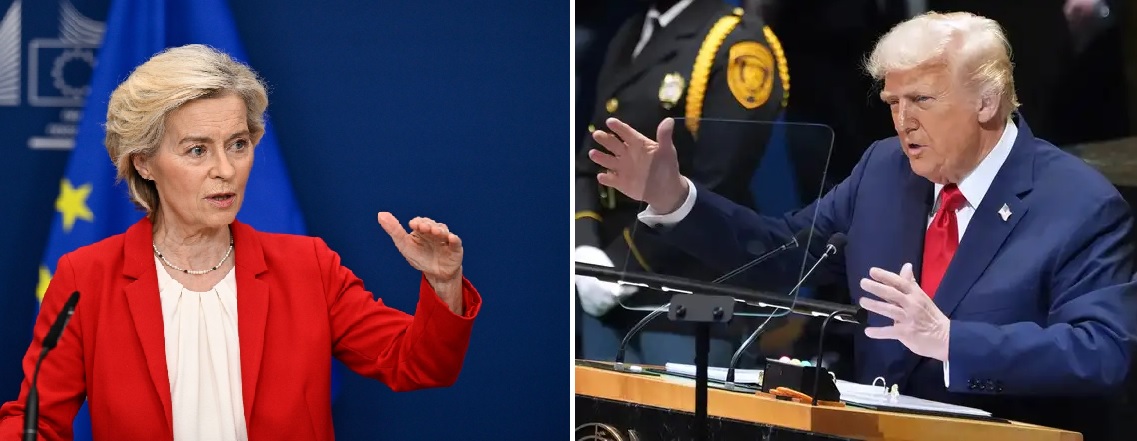
World
Former President Donald Trump has sharply rejected the European Union’s new Migration and Asylum Pact, using recent speeches and interviews to attack it as a threat to national sovereignty and a model he says the United States must “never follow.” While the EU Migration Pact is an internal European law that does not bind the U.S., Trump’s stance adds fresh political pressure on both sides of the Atlantic at a time when migration is already a central election issue in Europe and America. What Is The EU Migration Pact? The EU Migration and Asylum Pact is a wide-ranging package of 10 new laws agreed by EU governments and the European Parliament in 2023–2024. It aims to create a common system for handling people who arrive without permission at the EU’s external borders. Under the pact: All irregular arrivals will face screening, including checks on identity, health and security, with biometric data such as fingerprints and facial images recorded in the Eurodac database. People will be directed either into an asylum procedure or into fast-track return procedures if their claims are judged weak or clearly unfounded. Responsibility for asylum claims will still lie first with the country of first entry, but a new “mandatory solidarity mechanism” will allow other EU states to relocate migrants or instead pay money or send staff to help front-line countries. The pact will be phased in, with key measures expected to apply from 2026 after a transition period that began in mid-2024. Supporters in Europe say the package is meant to reduce chaos at borders, speed up decisions, and share responsibilities more fairly among the 27 member states. Critics from both the right and the left argue that it either does not go far enough to stop irregular migration or that it risks eroding human rights by expanding detention and speeding deportations. Why Trump Says He Rejects The Pact Trump presents the EU Migration Pact as a warning for the United States, not as an agreement Washington might join. In his view, it shows what he calls the “globalist” approach to borders that he has opposed since his first term. His rejection is rooted in several familiar themes from his earlier migration policies. 1. Sovereignty and control over borders Trump has long argued that international or multilateral deals on migration weaken a country’s sovereign right to decide who enters. During his first presidency, the U.S. withdrew from the UN Global Compact for Safe, Orderly and Regular Migration, with the administration saying it “undermined U.S. sovereignty” and clashed with American immigration laws. In the same language today, Trump portrays the EU pact as proof that “Brussels” is taking decisions away from national governments and forcing them to accept migrants or pay penalties. He claims this kind of burden-sharing could be a model that “open-border Democrats” want for the U.S.—a claim his critics say is misleading because the pact applies only inside the EU. 2. Fear that the pact is too “soft” on irregular migration From the right-wing side of European politics, many argue the pact is still not strict enough, particularly on returns and detention. Leaders in Poland, Hungary and other countries have attacked the relocation and solidarity rules, and some governments are already exploring opt-outs or partial exemptions. Trump aligns himself with this criticism. He points to the fact that in the EU, only about 20% of people with final return orders are actually deported, and he argues that, instead of solidarity, Europe needs much tougher deportation systems, including offshore processing centres—ideas that are also being debated inside the EU itself. 3. Domestic politics and campaign messaging For Trump, migration is also a campaign weapon. In a charged political environment, attacking Europe’s pact lets him: Rally his base by warning that Democrats and European leaders are part of the same “elite” that favors migration and weak borders. Contrast his hard line on the U.S.–Mexico border with what he calls “European chaos.” Use rising far-right sentiment in Europe as proof that ordinary people everywhere are rejecting “open-border” policies. European analysts say his recent UN speech and other remarks about migration have included false or exaggerated claims about numbers and crime, but they also warn that this rhetoric can still influence European debates and strengthen anti-migration parties. Impact On The European Union Even though the EU Migration Pact was negotiated without any formal U.S. role, Trump’s rejection and rhetoric can still affect European politics in several ways. Pressure on already-divided member states The pact passed only after years of difficult negotiations, and opposition has not disappeared. Some governments and parties argue it goes too far on solidarity, others say it goes too far on detention and returns. Far-right and nationalist parties often cite Trump’s hard line as a model for Europe. As the EU begins to implement the pact before it becomes fully operational in 2026, Trump’s attacks may: Help Eurosceptic and anti-migration parties mobilize voters against governments that support the deal. Encourage more member states to look for exemptions, delays, or alternative arrangements, including deals with third countries for offshore processing or “return hubs.” Strains in transatlantic relations EU officials have tried to frame the pact as a balanced compromise that combines border control with human rights protections, and they are sensitive to claims that Europe is either too weak or too harsh. When Trump publicly attacks the pact, it risks: Undermining trust between Brussels and Washington on sensitive issues like resettlement, readmission agreements with countries of origin, and joint naval or border operations. Making it harder for the EU to present itself as a norm-setter on asylum and human rights if it is seen as following, or fighting with, Trump-style policies. At the same time, some European leaders quietly use Trump’s criticism to defend the pact at home, arguing that if both far-right and human-rights groups dislike it, it might actually be a centrist compromise. Impact On The United States Trump’s rejection of the EU Migration Pact does not change U.S. law, but it shapes the political debate and some aspects of foreign policy. 1. Domestic migration debate By pointing to Europe, Trump tries to create a simple contrast: a “Europe of crisis” versus a “strong U.S. border” under his approach. This can: Push U.S. debate further toward deterrence, walls, and mass deportations, echoing the toughest ideas now circulating in both the U.S. and parts of the EU. Reduce space for compromise immigration reforms in Congress, because any attempt at broader deals or regional cooperation can be attacked as “an EU-style pact.” 2. Cooperation with Europe on migration and security The U.S. and EU need each other on border security, counter-smuggling, and deals with transit countries in North Africa, the Balkans and beyond. Europe is currently tightening its own tools, from digital border systems like the Entry/Exit System to new return mechanisms. If Trump continues to attack the EU approach as weak or dangerous, it could: Make European leaders more cautious about sharing information or strategies, worried that cooperation might be politicized in U.S. domestic debates. Push some EU states to seek new partners for migration deals, including African or Middle Eastern countries, rather than closely aligning with U.S. strategy. 3. The wider message to the world Finally, Trump’s rejection of the EU Migration Pact sends a signal to other regions. It suggests that two of the world’s major democratic blocs—the European Union and the United States—are moving on parallel but politically conflicting paths on migration governance. While the EU experiments with a complex mix of shared responsibility, faster procedures and stronger deportations, Trump promotes a simpler message of “fortress borders” and minimal multilateral commitments. That gap risks making it harder to build global frameworks on migration, such as the UN compacts that Washington previously stepped away from. Looking Ahead The EU Migration Pact is only beginning to move from paper to practice, with key parts scheduled to take effect around 2026. European governments are still writing the rules, building facilities, and training staff. Irregular crossings into the EU actually fell in 2024, but routes and pressures are shifting, and the political temperature remains high. Trump’s loud rejection of the pact will not stop Europe from implementing it, but it will shape the narrative—in both Brussels and Washington—about what “successful” migration policy looks like. For now, the EU is betting on shared rules and managed solidarity, while Trump is betting that voters on both continents will prefer hard borders and national go-it-alone strategies. How those two visions play out will help decide not just the future of migration policy, but also the health of transatlantic relations in the years to come.
Read More → Posted on 2025-11-17 17:46:54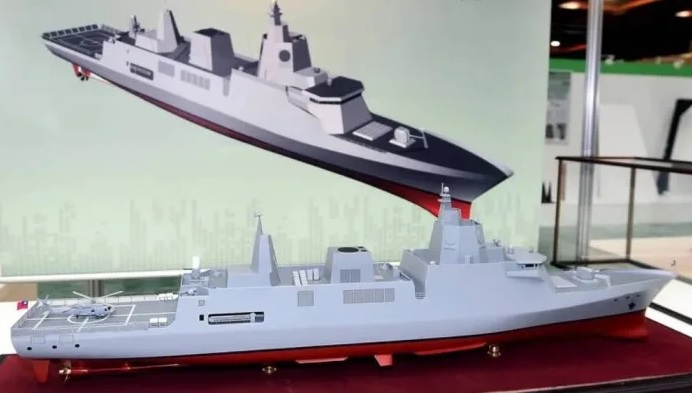
World
Taiwan has quietly taken a major step in rebuilding its naval strength. After years of uncertainty, delays, and shifting priorities, the Republic of China (ROC) Navy has resumed work on its long-awaited next-generation frigate, a program once considered frozen but now revived with new funding, new urgency, and a new strategic purpose. A Program Brought Back to Life In late October, a small but important detail appeared in Taiwan’s 2026 defense budget: NT$142.03 million (US$4.4 million) set aside for the “design and evaluation” of a 6,000-ton combat vessel. For defense watchers, this was the first confirmation that the next-generation frigate—once shelved due to technological roadblocks—had finally returned. Soon after, the ROC Navy posted a public call for proposals, signaling that the program was officially moving again. Engineers, naval architects, and defense companies are now preparing to submit designs for what could become Taiwan’s most advanced warship. The Original Vision and the Long Pause When the Navy unveiled its 12-item modernization plan in 2016, the next-generation frigate was one of its most ambitious projects. The goal was to build a 4,500-ton vessel equipped with a modern electronically scanned array radar—a leap forward in Taiwan’s maritime air-defense capability. The ROC Navy turned to the nation’s top weapons developer, the National Chung-Shan Institute of Science and Technology (NCSIST). But ambition soon met reality. The Navy wanted not just an ESA radar, but a compact AESA radar, the same class of technology used on the world’s most advanced destroyers and stealth fighters. Developing an AESA radar that could fit the size limits of a 4,500-ton frigate proved too difficult. The program stalled. Requirements changed. Meetings stretched on. And slowly, the project faded into silence. To fill the gap, the Navy shifted attention toward smaller 2,500-ton “Tier-2” frigates, quicker to build and desperately needed to maintain the fleet. But the big ship—the one meant to lead Taiwan’s future surface fleet—never disappeared. It simply waited. A Bigger Ship With Bigger Aspirations Now reborn as a 6,000-ton vessel, the next-generation frigate appears to be evolving into something far more capable than what the Navy first imagined. According to reporting from Taiwan’s UPMedia, the new ship may be designed to carry Mk 41 vertical launch systems, opening the door to a striking possibility: the launch of Taiwan’s Hsiung Feng IIE (HF-2E) land-attack cruise missile. This would give Taiwan something its navy has never had—long-range strike capability from the sea. A ship armed with land-attack missiles would fundamentally change Taiwan’s maritime posture, transforming the Navy from a force focused on defense into one capable of deterrence far from its shores. Modifying the Fleet for Long-Range Strike The plan doesn’t end with the new frigate. The Navy is reportedly modifying the Keelung-class destroyers—once part of the U.S. Navy’s Kidd-class—to: Install HF-2E launch systems on the rear deck Integrate new fire-control consoles Prepare for pre-programmed land-attack strikes Taiwan already has experience adapting missiles to the Mk 41 VLS, having tested its Hai Kung III air-defense missile with the system. Engineers believe that the same approach can be used to integrate the HF-2E, giving Taiwan a consistent launch platform across its surface fleet. In other words, the new frigate is not just a ship—it's the centerpiece of a broader transformation. Why Taiwan Needs New Warships Now On paper, Taiwan has 25 major surface combatants. In practice, many of these ships are old—some very old. The Chi Yang-class frigates, originally American Knox-class ships built in the late 1960s and early 1970s, are more than 50 years old. They run on steam turbines, an obsolete technology, and their air defense systems are limited. Even the newer ships—the Kang Ding and Cheng Kung classes—date back to the 1990s and early 2000s. Fifteen of Taiwan’s warships are more than two decades old. In a region being transformed by China’s rapidly expanding navy, time is not on Taipei’s side. The next-generation frigate is meant to replace the aging fleet with something far more capable: a ship with modern radars, modern missiles, and the ability to survive and fight in an increasingly hostile environment. A New Strategic Role Beyond replacing old hulls, the new frigate fits into Taiwan’s wider defense strategy: “resolute defense, multi-domain deterrence.” China’s naval activities near Taiwan have surged. PLA destroyers and frigates regularly sail close to the island. Chinese carriers are operating more frequently in the western Pacific. And Beijing’s missile arsenal continues to grow. Taiwan’s response is clear: Build ships that can detect threats earlier, shoot down incoming missiles, and potentially strike back at distant military targets if necessary. The next-generation frigate may become the ship that ties these objectives together. What Comes Next With funding in place, the Navy will now enter a yearlong design and evaluation phase. Domestic shipbuilders will compete for the contract. NCSIST will continue work on the AESA radar. Engineers will refine combat system integration. If all goes smoothly, the first hull could be laid down before 2028, and the ship could enter service early in the next decade—just as Taiwan’s oldest frigates reach the end of their lives. A Ship for a New Era The revival of the next-generation frigate program marks more than the return of a delayed project. It signals Taiwan’s determination to modernize its navy—quietly, steadily, and with a clear understanding of the strategic environment it faces. After years of waiting, the ROC Navy’s future flagship is finally moving from concept back toward reality.
Read More → Posted on 2025-11-17 17:33:31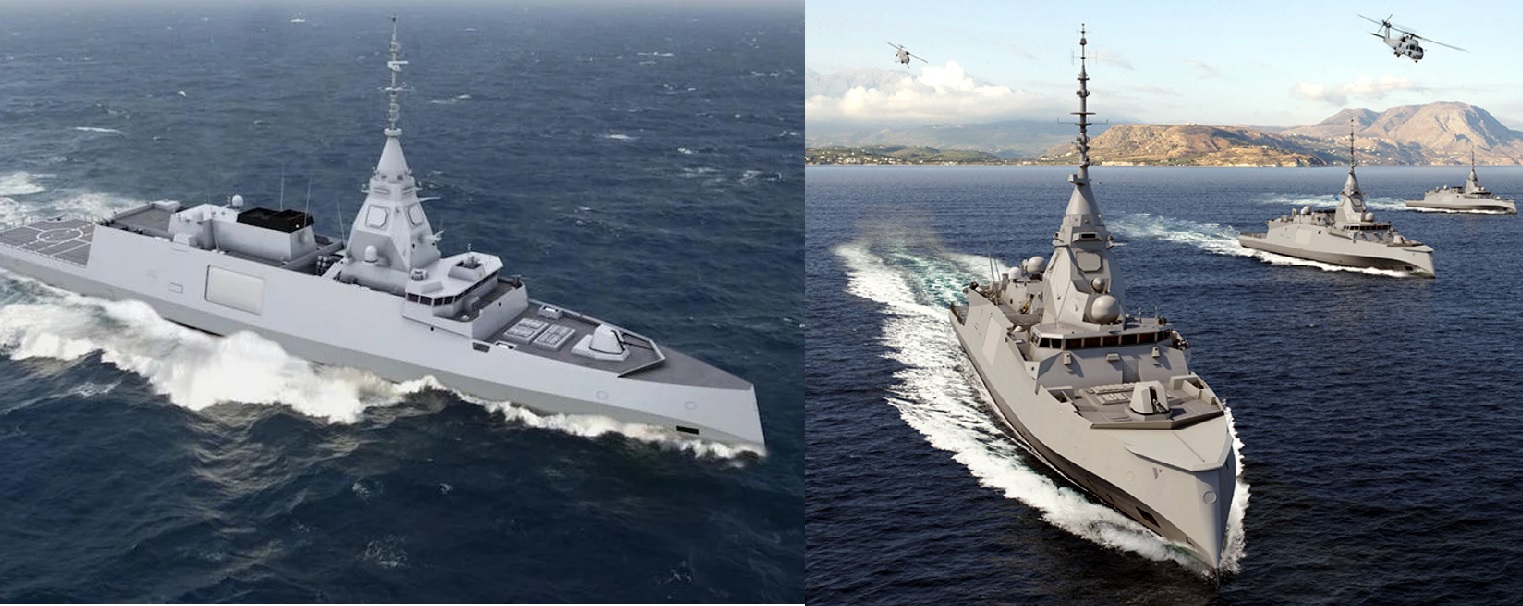
World
Greece has officially signed a contract for a fourth FDI HN frigate, completing a program that will shape the Hellenic Navy’s main fighting fleet for the next 30 years. The deal, announced by Naval Group on November 17, turns a long-standing option into a confirmed order. It also comes at a key moment, as the first ship in the series — HS Kimon — is nearly ready for delivery after finishing advanced sea trials. This decision is an important step in Greece’s wider military upgrade and shows Athens’ determination to keep a strong, modern naval presence in the Aegean and eastern Mediterranean, especially as regional tensions continue to rise. Turning an Option Into Strategy The FDI program began under the 2021 Franco-Greek Strategic Partnership, when Athens selected three frigates with an option for a fourth, collectively valued at around €3 billion. Contracts signed in 2022 set delivery timelines for two ships in 2025 and a third in 2026. By exercising the final option now, Greece ensures consistent capability across the entire Kimon-class fleet and secures long-term support arrangements with France. Officials say the fourth frigate maintains fleet cohesion and guarantees operational availability at a time when maritime activity in the region is rising sharply. A Compact Frigate With Heavyweight Capabilities Despite a displacement of about 4,500 tons, the FDI HN brings a high-end combat suite typically associated with larger destroyers. The ship features: 32 Aster 30 long-range air-defense missiles in Sylver A50 VLS Thales Sea Fire AESA radar with 360-degree surveillance and ballistic-threat tracking 21-cell RAM launcher for point defense 8 Exocet MM40 Block 3C anti-ship missiles MU90 lightweight torpedoes and CANTO anti-torpedo decoys Fully digital SETIS 3.0 combat system Powered by a 32 MW CODAD plant, the ship reaches 27 knots, has a 5,000-nautical-mile endurance, and operates with a reduced core crew of about 125 sailors thanks to its high level of automation. Below the waterline, the combination of the Kingklip Mk2 hull sonar and CAPTAS-4 Compact towed array gives the frigate an advanced anti-submarine profile rarely seen in vessels of this size. Strategic Value in a Crowded Maritime Arena With the fourth FDI added, the Hellenic Navy will be able to keep two ships continuously deployed — one in the Aegean and another in the eastern Mediterranean or operating with NATO maritime groups. Each frigate offers its own air-defense “bubble,” long-range strike capability, and deep ASW reach, enabling Greece to form flexible surface action groups for escort, deterrence, and crisis-response missions. The timing is significant. Greece faces a more assertive Turkish naval posture, with Ankara investing in TF-2000 destroyers, I-class frigates, Reis-class submarines, and a growing arsenal of indigenous anti-ship and cruise missiles. These trends continue to influence long-running sovereignty disputes and frequent maritime and airspace confrontations. Athens has responded with a €25-billion, 12-year modernization plan, combining naval upgrades with new air and missile defenses under the Achilles Shield architecture. FDIs are designed to operate as networked nodes alongside Rafale fighters, upgraded F-16Vs, and future F-35A aircraft, sharing targeting data and coordinating intercepts or strike operations. Industrial Cooperation Expands Inside Greece Beyond operational capability, the program is reshaping Greece’s defense industrial base. Naval Group’s Hellenic Industrial Participation initiative now includes over 120 contracts with more than 70 Greek companies. Local partners are contributing to UAV integration, counter-UAS systems, HVAC and propulsion support, underwater inspection, and other subsystems essential for long-term sustainment. Key partnerships include: ALTUS LSA – UAV integration HAI – Centaur counter-UAS systems FARAD, MELITA, Petros Petropoulos – mechanical and propulsion components DIVING STATUS – underwater hull inspection These industrial ties are expected to deepen as the fourth hull enters production. A Fleet Built for the Late 2020s and Beyond The addition of the fourth FDI is part of a broader effort to shape a balanced, layered naval force. Greece is simultaneously upgrading its Hydra-class MEKO 200 frigates and evaluating the acquisition of second-hand Italian FREMMs, creating overlapping tiers of capability from high-end air defense to maritime security operations. By the late 2020s, the Hellenic Navy aims to field a networked fleet built around the FDI HN — a ship designed to see farther, react faster, and survive better than those it replaces. The new contract does more than simply increase fleet numbers. It locks in qualitative maritime superiority for Greece at a time when geopolitical competition in the eastern Mediterranean is accelerating, ensuring the country can project stability and deterrence across one of the world’s most closely watched waterways.
Read More → Posted on 2025-11-17 16:14:49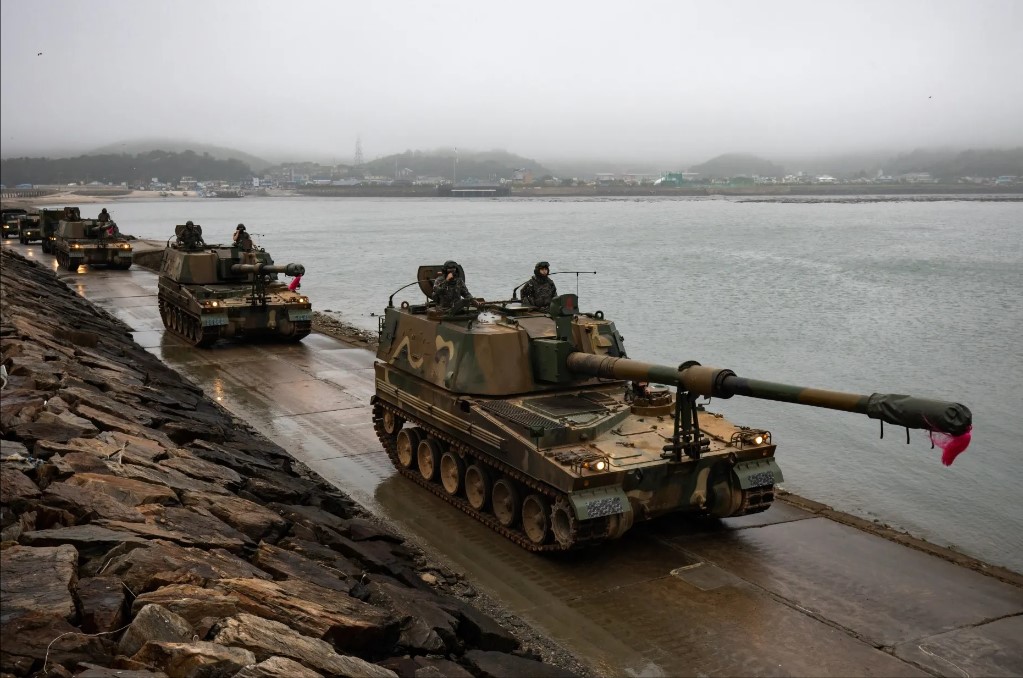
World
South Korea’s Hanwha Aerospace has delivered another batch of 21 K9A1 self-propelled howitzers to Poland, the Polish Ministry of National Defence confirmed this week. The shipment pushes the total number of K9 guns in Polish service past 200, marking a major milestone in one of Europe’s largest ongoing artillery modernization programmes. A Contract Built for Speed and Scale The new delivery is part of an executive contract signed in August 2022, a landmark agreement worth 2.4 billion dollars for 212 K9A1 howitzers scheduled for handover between 2022 and 2026. The deal was initiated under Poland’s accelerated defence procurement drive following Russia’s invasion of Ukraine, prioritizing fast-track delivery of advanced fire-support systems. Hanwha’s rapid production, paired with Poland’s urgent requirement to replenish artillery lost in transfers to Ukraine, has made the K9A1 a central component of Warsaw’s short-term capability reinforcement plan. A Second Deal, and a Bigger Vision By the end of 2023, the momentum was undeniable. Poland returned to the negotiating table and sealed a second, even larger agreement — this time worth 2.6 billion dollars. This new contract included: Six more K9A1s, And 146 K9PLs, a variant custom-built for Poland with Polish electronics, Polish communications gear, and Polish support systems. The K9PL wasn’t just another purchase. It was a sign of where Poland wanted to go: toward domestic production, local expertise, and eventually an artillery fleet that could be sustained without relying on foreign workshops. A Framework for the Future: 672 Guns Behind the signed contracts lies an even broader vision. In July 2022, Poland and Hanwha agreed on a framework for up to 672 K9 howitzers — enough to radically transform the firepower of the Polish Armed Forces. Nothing on that scale has been attempted in Europe since the Cold War ended. But there is a condition:Poland wants technology transfer, and not in small doses. Warsaw wants its own factories assembling, maintaining, and eventually producing the K9 family. A senior defence official put it bluntly:“If Hanwha can build the future of Polish artillery inside Poland, then we will buy more. If not, we will look elsewhere.” Negotiations are ongoing. Replacing the Old, Reinforcing the New The arrival of more than 200 K9A1s has already started to reshape Poland’s artillery structure. The new guns are expected to: Replace the remaining Soviet-era 2S1 Gvozdikas, Strengthen brigades that have given up equipment to Ukraine, And serve alongside the domestically produced KRAB howitzer, which itself uses a Korean chassis. The KRAB production line, stretched thin after large donations to Ukraine, cannot meet Poland’s short-term needs alone — making the K9A1 a crucial reinforcement. Why Poland Chose the K9 Poland’s decision to move forward with the K9 family of self-propelled howitzers stemmed from the platform’s clear battlefield advantages. The K9A1 fires 155mm NATO-standard ammunition, giving Polish artillery units full compatibility with allied supply chains. Its high mobility allows crews to fire and relocate in under a minute, a critical capability in modern warfare where counter-battery radars can pinpoint positions within seconds. The system’s range of more than 48 kilometres, especially when paired with advanced precision-guided rounds, gives Poland the ability to strike deep and respond rapidly to emerging threats. Beyond its technical strengths, the K9 has built a strong reputation worldwide, proving itself in multiple militaries and harsh operational conditions. For Poland, which is expanding and reequipping its artillery at a pace unmatched in Europe, the K9 offered something vital: a modern, combat-ready system that could be delivered immediately, not years down the line. This combination of performance, reliability, and rapid availability made it the obvious choice for a country racing to strengthen its firepower. Toward Europe’s Most Powerful Artillery Force As the latest shipment rolled off the transport ship, Polish crews moved with practiced efficiency, preparing each howitzer for integration into service. The scene has become almost routine now — the clank of metal on metal, instructions echoing across the port, and the flags of Poland and South Korea fluttering together in the wind. Yet beneath that familiar rhythm lies something far more significant. With every arrival, Poland is doing more than simply adding new artillery pieces to its arsenal. It is rebuilding its deterrence, reshaping its defence industry, and positioning itself as one of NATO’s central pillars of firepower. Each K9 that arrives strengthens not only Poland’s immediate military capabilities but also its long-term strategic identity. And with the possibility of hundreds more K9 systems still to be ordered under the broader framework agreement, Poland is steadily forging a future in which its firepower, its industrial base, and its partnerships stand stronger than at any time in its modern history.
Read More → Posted on 2025-11-17 15:58:37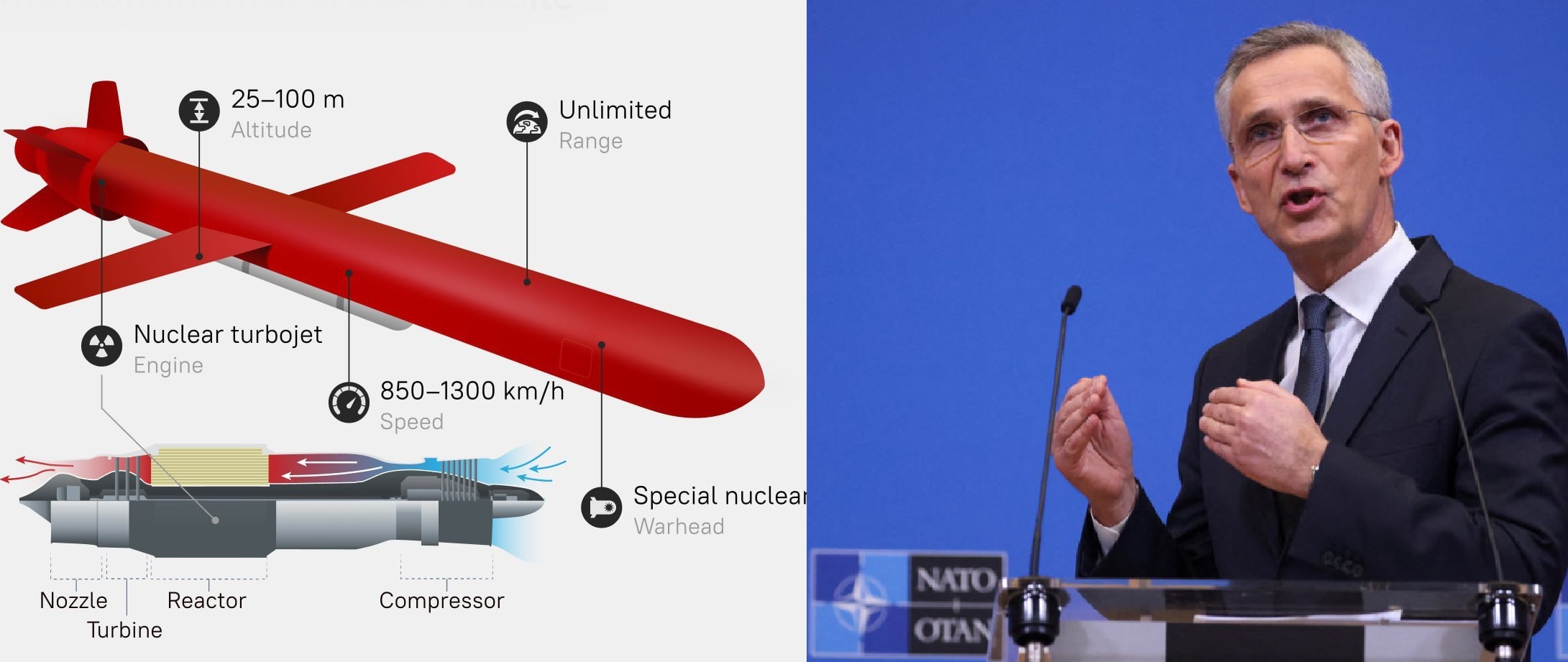
World
Fresh concerns about European security have intensified after Israeli military experts warned that if a war erupted between Russia and NATO, the alliance would have “no chance” against Moscow’s expanding portfolio of advanced strategic weapons. Their assessment gained momentum following reports that Russia’s highly secretive 9M730 Burevestnik—designated by NATO as the SSC-X-9 “Skyfall”—has recently completed one of its most ambitious tests to date. According to intelligence assessments, the missile conducted a 15-hour continuous flight, covering approximately 14,000 kilometers, an unprecedented demonstration of endurance for a nuclear-powered cruise missile. Its range is theoretically unlimited, with Russian engineers claiming the system could remain airborne for months, waiting for the optimal moment to strike. Burevestnik: A Missile Built to Evade NATO The Burevestnik stands out as one of the most ambitious weapons in Russia’s arsenal—a nuclear-powered, low-altitude, nuclear-armed cruise missile designed to bypass traditional air and missile defenses. Its miniature nuclear reactor allows it to maneuver unpredictably, approach targets from unconventional directions, and exploit gaps in radar coverage across the Arctic, Atlantic, and European airspace. Israeli defense analysts argue that NATO’s missile-defense architecture—optimized for ballistic threats and conventional cruise missiles—has no reliable counter to a weapon capable of unlimited-range flight, extended loitering, and near-random routing. “This system removes the concept of a secure rear area,” an Israeli expert noted. “If operational, it undermines NATO’s assumptions about reinforcement, basing, and strategic depth.” Oreshnik Deployment Adds to Strategic Tensions Compounding NATO’s concerns, Belarus has announced plans to deploy the Oreshnik hypersonic medium-range missile in December, according to spokesperson Natalia Eismont, speaking on behalf of President Aliaksandr Lukashenka. Belarus claims the deployment is a direct response to what it calls Western escalation in the region. The Oreshnik’s introduction places another hypersonic system close to NATO borders, reinforcing Russia and Belarus’s integrated military posture and giving Moscow additional strike options in Central and Eastern Europe. Western officials view the deployment as part of a coordinated effort to expand pressure on NATO’s eastern flank, especially at a time when NATO’s air- and missile-defense networks are already stretched. Poseidon: Another Unconventional Threat Looming According to internal NATO assessments, the alliance is increasingly concerned about Russia’s Poseidon nuclear-powered submarine drone—another unconventional system expected to reach operational capability by 2030. Poseidon, a massive autonomous underwater vehicle, is believed to have exceptional endurance and global range, enabling it to target strategic locations such as: Naval bases Major ports and harbors Coastal cities The system is designed to deliver a high-yield nuclear warhead, theoretically capable of generating radioactive tsunamis and devastating coastal infrastructure across the U.S. East Coast, the Pacific, the UK, and France. NATO’s internal report describes Poseidon as a major future threat due to its survivability, stealth, and destructive potential. The Rapid-Strike Scenario Worries Analysts Taken together—the Burevestnik, the Oreshnik deployment, and the looming Poseidon drone—Israeli experts argue that NATO faces a qualitatively new challenge. In a full-scale conflict, Russia could combine: Hypersonic missiles Nuclear-powered cruise missiles Underwater strategic drones Traditional ballistic and cruise-missile systems These weapons, they warn, could disable NATO command hubs, ports, runways, air bases, and reinforcement corridors in the opening phase of a conflict. If systems like Burevestnik can remain airborne for weeks or months, NATO must consider the possibility of persistent airborne nuclear threats, a scenario not factored into Cold War-era planning. Safety Doubts and Operational Questions Remain Despite the concern surrounding Russia’s advanced weapons, Western intelligence officials stress that many of these systems—particularly Burevestnik—have experienced technical setbacks, including failed tests and a deadly reactor accident in 2019. Analysts caution that the number of deployable Burevestnik missiles may remain small due to the system’s complexity, safety risks, and logistical demands. They also emphasize that NATO retains overwhelming advantages in economic strength, conventional forces, and nuclear strike capability. NATO’s Official Response: Confidence Mixed With Caution Publicly, NATO leaders maintain confidence in the alliance’s deterrent posture. They underscore that NATO’s collective nuclear forces remain fully capable of devastating retaliation, and its conventional forces are technologically superior to Russia’s. Privately, however, NATO planners acknowledge that the Burevestnik test, Belarus’s Oreshnik deployment, and Russia’s progress on Poseidon collectively introduce new layers of strategic uncertainty. The alliance is now reviewing aspects of: Early-warning architecture Integrated air and missile defense Transatlantic reinforcement planning Arctic and North Atlantic security A New Era of Strategic Competition Russia’s continued testing and deployment of unconventional systems—ranging from nuclear-powered cruise missiles to hypersonic weapons and autonomous underwater drones—signals a shift in global military dynamics. Whether these systems exist in significant numbers or remain limited prototypes, their development forces NATO to adapt to a new era in which deterrence, early warning, and crisis management must account for weapons that break traditional patterns. The Burevestnik missile—NATO’s SSC-X-9 “Skyfall”—may not make Russia invincible, but its successful flights mark a significant escalation in the strategic competition shaping the future of European and global security.
Read More → Posted on 2025-11-17 14:18:09
World
Germany and France are rethinking their huge €100bn Future Combat Air System (FCAS) project, and both countries are now considering dropping the joint next-generation fighter jet. Instead, they may focus mainly on the “combat cloud”, a shared digital network that will connect aircraft, drones and ground systems. The change comes after years of arguments between Airbus (Germany/Spain) and Dassault Aviation (France). The two companies cannot agree on who controls the design, who does what, and who gets access to which technologies for the new fighter jet. Because of this, the aircraft part of FCAS has barely moved forward. France wants Dassault to have full design authority, saying it has the experience needed to build such a jet. Germany wants Airbus to have a bigger role, arguing that a shared European project must be shared fairly. After years of tension, both sides remain stuck. Because of this deadlock, Germany is now looking at other options, including working with countries in the GCAP fighter programme (UK, Italy, Japan). Some German officials say the country may even need a different future fighter if FCAS does not deliver. Meanwhile, Dassault says France can build its own next-generation fighter if the partnership fails — and Paris has already started small national studies for a possible “Plan B”. With the joint fighter in trouble, Germany and France are turning their attention to the combat cloud, the digital system that will allow European aircraft and drones to share information instantly on the battlefield. This part of FCAS is still progressing and is seen as easier to achieve than the aircraft. The decision is important for Europe’s defense industry. FCAS was meant to support thousands of jobs and keep Europe at the top level in stealth technology, AI, future engines, and advanced sensors. If the fighter project collapses, Europe may end up with different aircraft in different countries, making operations more complex and more expensive — and increasing reliance on U.S. jets like the F-35. France and Germany also have different military needs. France wants a jet able to carry its nuclear weapons and operate from an aircraft carrier. Germany is more focused on NATO operations and replacing its Eurofighters. These differences make it harder to agree on one shared jet. A final decision on the future of FCAS is expected by the end of 2025. The project may continue only as a combat cloud programme, or each country may choose its own fighter, or — though unlikely — they may still find a political compromise. For now, the dream of a single joint European next-generation fighter looks increasingly uncertain.
Read More → Posted on 2025-11-17 13:11:47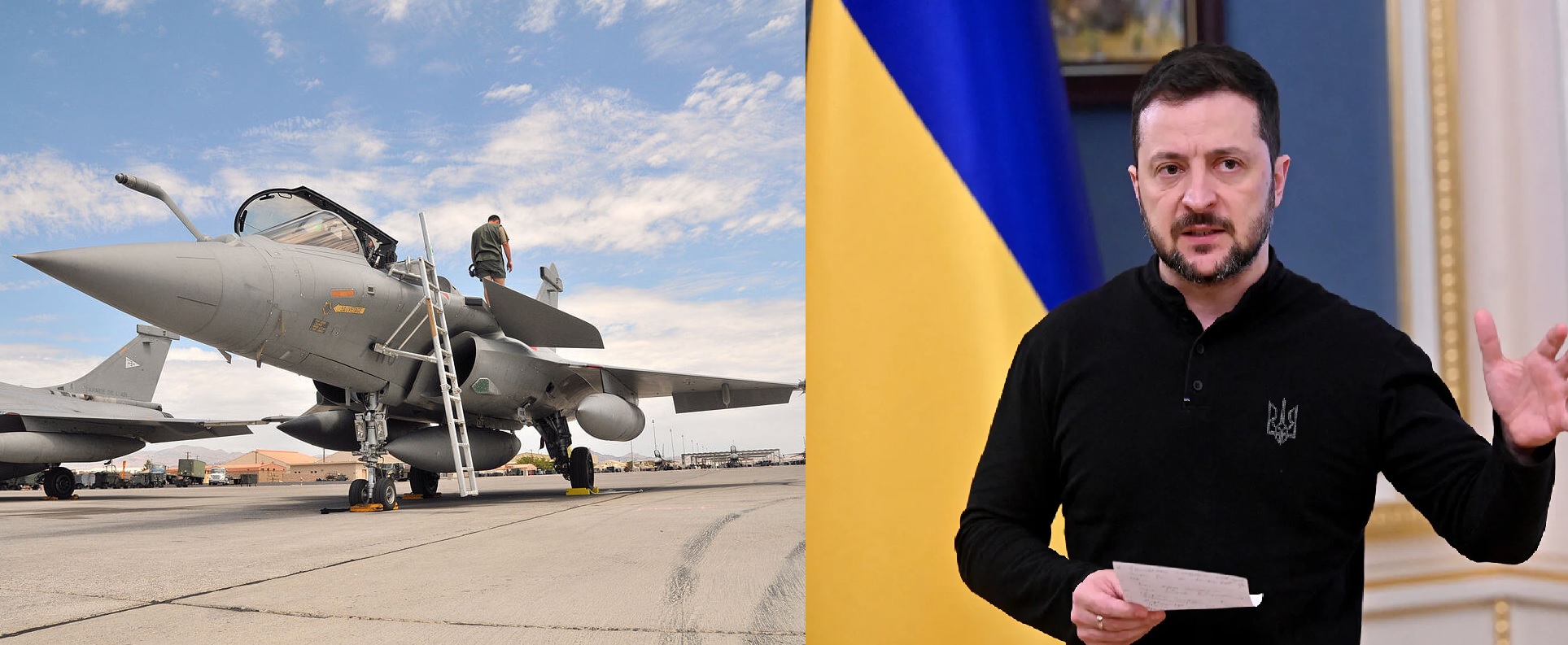
World
In one of the most consequential defense agreements since the war began, Ukraine and France have formalized a plan for Kyiv to acquire 100 Dassault Rafale multirole fighters, marking a historic leap in Ukraine’s long-term air power transformation. The agreement was sealed on November 17, 2025, during President Volodymyr Zelensky’s visit to Villacoublay Air Base near Paris, where he and President Emmanuel Macron signed a letter of intent in front of a Rafale aircraft and the national flags of both countries. The French presidency confirmed the 100-aircraft target, while avoiding details on whether deliveries will draw from existing French stocks or rely entirely on new production. The deal forms the core of a wider 10-year strategic framework aimed at strengthening Ukraine’s aviation, missile defense, and long-term defense-industrial cooperation. A Strategic Partnership Anchored in Long-Term Support President Zelensky called the agreement “historic”, stressing that the Rafale will significantly bolster Ukraine’s air-defense, combat aviation, and deterrence posture as Russia continues high-intensity missile and drone attacks. Months of technical negotiations among Dassault Aviation, MBDA, Thales, and the defense ministries of both nations shaped the final structure of the deal. The framework extends beyond fighters, incorporating enhanced cooperation on SAMP/T air-defense systems, Aster 30 interceptors, and future European-Ukrainian technology exchanges. French officials emphasized that the objective is to ensure Ukraine can “acquire the systems it needs to respond to Russian aggression.” Production, however, remains a critical variable. France faces mounting commitments to major export customers such as India, Egypt, Indonesia, and Croatia, even as Dassault plans to expand output from three aircraft per month in 2025 to four per month by 2029. Additional manufacturing relief will come from Tata Advanced Systems Limited in India, which will begin producing Rafale fuselages from 2028, marking the program’s first international production line. Why the Rafale Matters for Ukraine’s Future Air Force Kyiv’s long-term modernization plan envisions a Western-standard fleet of roughly 250 fighter aircraft, combining F-16s, Gripens, and Rafales. Within this structure, the Rafale is viewed as the heavy multirole backbone, capable of long-range strike missions, air superiority, deep interdiction, and networked joint operations. The aircraft’s advanced SPECTRA electronic warfare suite, low-observable shaping, and compatibility with NATO weapons and data links make it uniquely suited for Ukraine’s future needs. While not fully stealth, the Rafale’s reduced radar cross-section and digital flight-control algorithms give it superior survivability in contested airspace. For Ukraine, the Rafale represents not only a combat capability but a gateway to full NATO interoperability. Airframe and Performance Length: 15.27 m Wingspan: 10.90 m Max takeoff weight: 24.5 tons Engines: 2× Snecma M88-2 Top speed: Mach 1.8 Supercruise: Mach 1.4 Range: 1,850 km (internal fuel), >3,700 km with tanks Combat radius: 1,000–1,400 km Service ceiling: 15,240 m Training, Maintenance, and Interoperability Challenges Integrating the Rafale will require sweeping upgrades to Ukraine’s military infrastructure. Conversion training for Rafale pilots typically takes 10–12 months, with extensive simulator and systems instruction. Pilots currently undergoing F-16 and Mirage training in Europe are expected to form the first cohort for Rafale transition. Meanwhile, Ukraine must build new maintenance hangars, digital avionics support facilities, and NATO-compatible weapons storage and testing centers. Western munitions—such as Meteor, MICA NG, SCALP-EG, and AASM Hammer—require dedicated handling systems not currently available in Ukraine. Despite these challenges, the Rafale is seen as a platform that will anchor Ukraine’s multi-decade modernization and increase its ability to conduct joint operations alongside NATO air forces. Financial Realities and Industrial Cooperation Financing the program remains the most complex hurdle. Ukraine’s defense budget—strained by wartime spending—will likely rely on French export credits, EU security funding, phased payment schedules, and industrial participation mechanisms. Paris, grappling with its own budget pressures, is expected to structure deliveries over several years, tied to production cycles and shared maintenance initiatives. For France, the agreement consolidates its role as a central European defense partner for Kyiv, building on earlier deliveries of Caesar howitzers, Mirage 2000-5F fighters, and Aster 30 missiles. A Defining Turning Point for Ukraine’s Air Power The planned acquisition of 100 Rafale fighters marks one of Ukraine’s most significant military modernization steps since independence. Beyond battlefield effects, it signals a long-term strategic realignment between Kyiv and Paris, one with serious implications for Europe’s defense architecture. Although final delivery schedules and financing details are still being negotiated, the message is clear: France and Ukraine are building a durable, multi-decade defense partnership. The Rafale deal positions Ukraine to field one of the most advanced air forces in Europe—and reshapes the balance of air power across the entire region.
Read More → Posted on 2025-11-17 12:38:35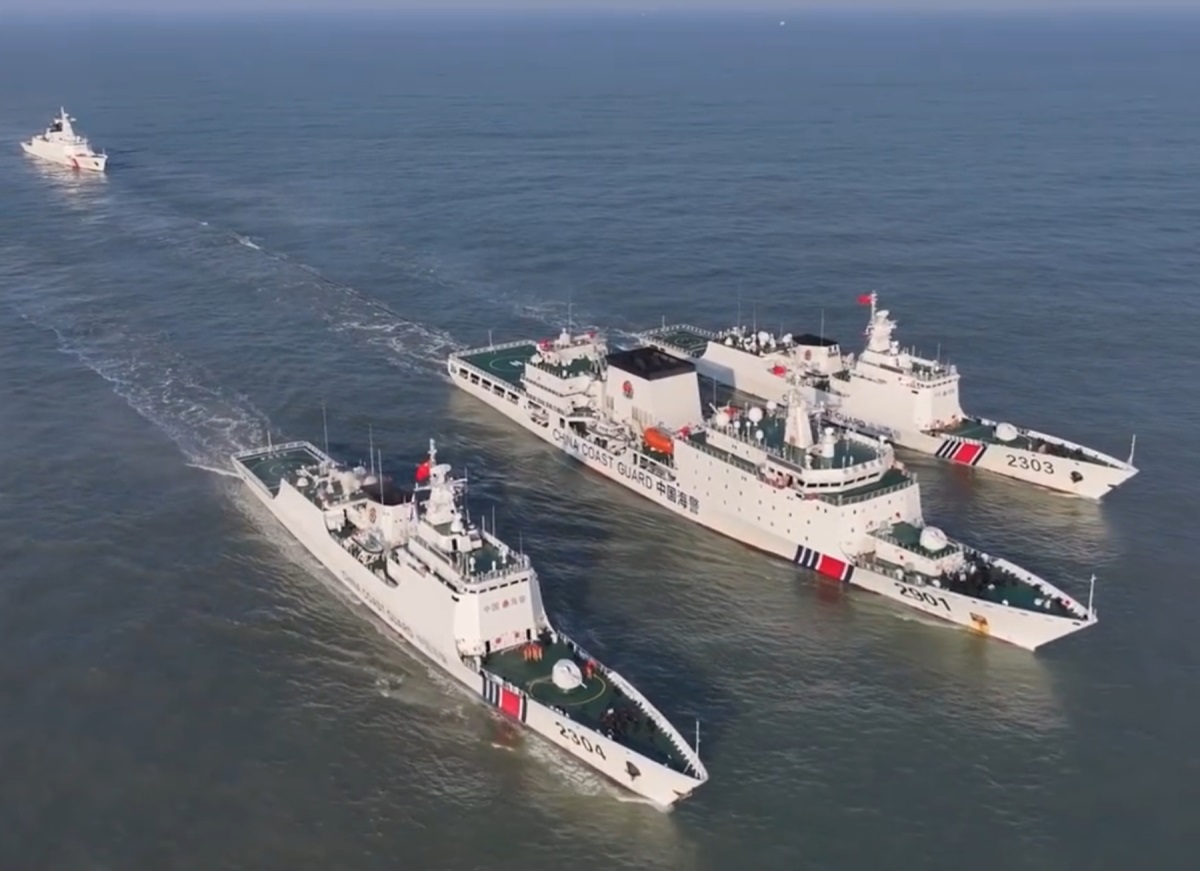
World
Chinese military and coast guard ships entered Japan’s territorial waters near the Senkaku Islands on Sunday morning, marking one of the most serious confrontations this year. The incident unfolded amid rapidly deteriorating China–Japan relations, following Japanese Prime Minister Sanae Takaichi’s recent remarks suggesting the possible use of force in a Taiwan conflict. The Incident According to the Japan Coast Guard,On Sunday morning four armed China Coast Guard vessels, equipped with deck-mounted machine guns, sailed into the 12-nautical-mile territorial waters surrounding the Senkaku Islands at about 10:15 a.m. The ships remained in the area for nearly two hours despite warnings from Japanese authorities before moving south. Beijing described the action as a “rights enforcement mission” within what it considers China’s own Diaoyu Islands, asserting it was safeguarding maritime rights and national sovereignty. Context of Rising Tensions Relations between the two Asian powers have worsened sharply since Prime Minister Takaichi warned earlier this month that Japan may take military action if China attempts to forcibly change the status of Taiwan.China condemned the remarks as interference in internal affairs, summoning the Japanese ambassador and warning of “serious consequences.” Following the diplomatic clash, China issued safety advisories to its citizens in Japan, citing “security risks,” while major Chinese airlines offered free ticket changes or refunds for travel to Japan. Japan, in turn, lodged a formal diplomatic protest over the territorial waters intrusion, calling the move a clear violation of sovereignty. Strategic Implications The Senkaku/Diaoyu islands sit at a critical junction in the East China Sea, roughly 110 km from Taiwan. Japan maintains the islands are an “inherent part of its territory,” while China claims historic rights over them. Sunday’s incursion — involving armed coast guard vessels — is seen by analysts as a notable escalation in China’s maritime posture. Experts warn that such confrontations raise the risk of unintentional clashes, especially with the U.S.–Japan security alliance watching developments closely. Diplomatic Repercussions Japan summoned China’s ambassador in Tokyo for an immediate protest. In response, Beijing summoned the Japanese ambassador, warning that any Japanese intervention regarding Taiwan would be “doomed to fail.” Tokyo is now studying options to boost surveillance and military readiness across its southwestern island chain, while China has signaled it may increase patrols around the disputed waters. The economic fallout is also drawing attention, with China’s travel warning potentially affecting Japan’s tourism industry — which relies heavily on millions of Chinese visitors annually. Both nations remain firmly entrenched in their positions, with no sign of de-escalation. Analysts believe the coming days may see more Chinese patrols near the Senkaku Islands, while Japan could reinforce its maritime and air defense presence. Without meaningful dialogue, the East China Sea may become the next major flashpoint in Asia’s shifting strategic landscape.
Read More → Posted on 2025-11-17 11:20:56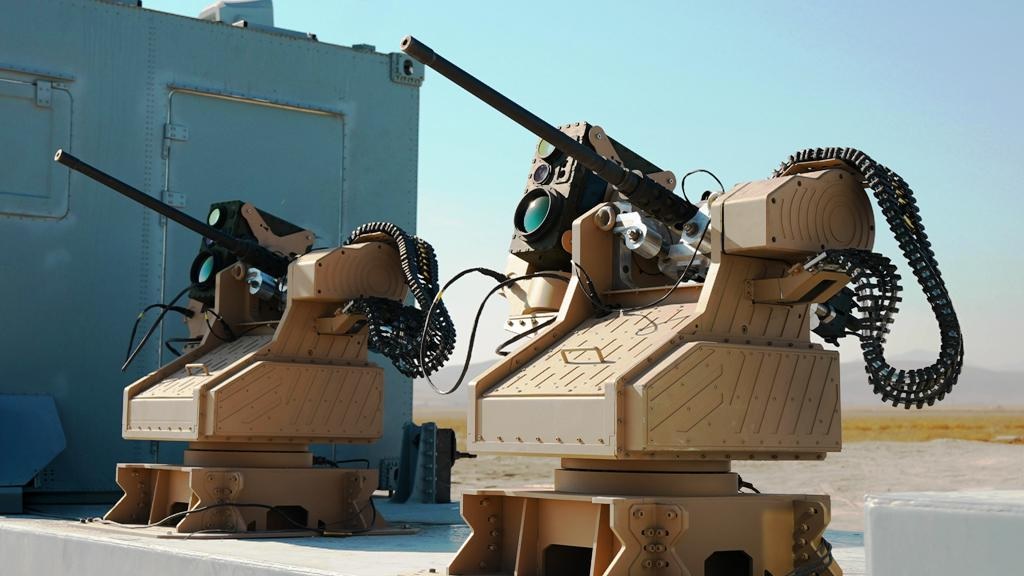
World
Türkiye has confirmed the operational performance of its new Tolga short-range air defense system after a series of live-fire trials successfully intercepted multiple unmanned aerial targets on 16 November 2025. The achievement marks a major milestone in Türkiye’s evolving “Steel Dome” layered defense architecture and comes at a time when drone warfare is accelerating globally. Tolga Demonstrates Full Operational Capability According to Anadolu Ajansı and state defense manufacturer MKE, the Tolga system was put through a demanding sequence of live-fire engagements simulating real-world battlefield conditions. Designed to counter drones, loitering munitions, and low-altitude precision weapons, Tolga integrates surveillance, electronic warfare, and kinetic interceptors into a unified defensive structure. During the validation campaign, the system successfully neutralized all assigned unmanned targets, transitioning the program from development status to an operationally deployable capability. The tests reflect lessons drawn from the Russia-Ukraine conflict, where small, inexpensive drones have repeatedly threatened armored units, supply depots, and command nodes. Türkiye’s response is a rapid modernization drive to counter this category of threats with indigenous technologies. A Modular, Multi-Layered Defense Solution At its core, Tolga is designed as a modular close-air-defense ecosystem, merging sensors, effectors, and command functions into a single architecture. Key components include: Dedicated command-and-control unit Search and tracking radar Electro-optical tracking systems Electronic jammers for soft-kill defense 35 mm, 20 mm, and dual 12.7 mm guns, all equipped with specialized anti-drone ammunition The system detects small aerial targets at distances of up to 10 km, classifies them through surveillance and electronic warfare tools, and tracks them continuously using radar fused with electro-optics. Once Tolga identifies a threat’s profile and trajectory, it selects the optimum soft-kill or hard-kill response. Electronic jamming offers the first layer of defense, while kinetic fire — especially the 35 mm Airburst Ammunition — forms the last line against drones maneuvering at close range. Performance in Live Trials: 100% Success Across All Scenarios Development of Tolga began under MKE’s indigenous engineering program, with early displays at IDEF 2025 drawing international attention. The system later entered an accelerated test cycle at the Ministry of National Defense’s Karapınar Test and Evaluation Center in Konya. During the first full-scale live-fire campaign: Tolga recorded a 100% interception success rate Trials covered eight engagement scenarios Targets included micro-UAVs, tactical drones, and cruise-missile-like profiles Most interceptions occurred in the first short burst, demonstrating high accuracy and low ammunition use MKE officials confirmed that serial production infrastructure — including specialized ammunition lines — is fully prepared, enabling rapid delivery to the Turkish Armed Forces and potential export clients. Flexible Deployment Across Land, Sea, and Static Roles A major advantage of Tolga is its deployment versatility. Its architecture allows installation: As a fixed point-defense system for bases and infrastructure On wheeled or tracked vehicles for mobile ground force protection On naval vessels to shield fleets and coastal assets The system can operate in manual, semi-autonomous, or fully autonomous modes, making it suitable for different operational doctrines and threat environments. Tolga’s ammunition families — 35 mm for engagements up to ~3 km, 20 mm for mid-range defense, and 12.7 mm guns for close-in protection — further expand its adaptability. Strategic Role in Türkiye’s ‘Steel Dome’ Defense Network Tolga forms the lower tier of Türkiye’s emerging Steel Dome concept, which combines multiple air defense layers to counter everything from micro-drones to ballistic threats. The system fills a critical gap between point-defense guns and higher-altitude surface-to-air missile systems. Its introduction reflects Türkiye’s drive toward self-reliance in counter-UAS and short-range air defense technologies, reinforced by the global demand for reliable anti-drone systems. Growing Export Potential and Regional Implications By developing a fully indigenous, test-proven system, Türkiye positions itself as a major supplier in the rapidly expanding global counter-UAS market. With drone use rising in the Middle East, Caucasus, North Africa, and Asia, Tolga is expected to draw strong interest from countries seeking modern defenses against low-cost aerial threats. A series of international demonstrations is already planned, signaling Ankara’s ambition to expand its influence through defense partnerships and technology exports. A New Pillar in Modern Drone Warfare The successful debut of the Tolga short-range air defense system highlights how swiftly Türkiye’s defense sector is adapting to modern conflict. By integrating radar, electro-optics, electronic warfare, and advanced airburst ammunition into one cohesive platform, Tolga strengthens Türkiye’s resilience at a pivotal moment. As drone warfare continues to reshape global battlefields, Tolga offers not only enhanced national protection but also a competitive, export-ready solution that may influence global counter-UAS strategies in the years ahead.
Read More → Posted on 2025-11-17 11:04:01Search
Top Trending in 24 Hours
-
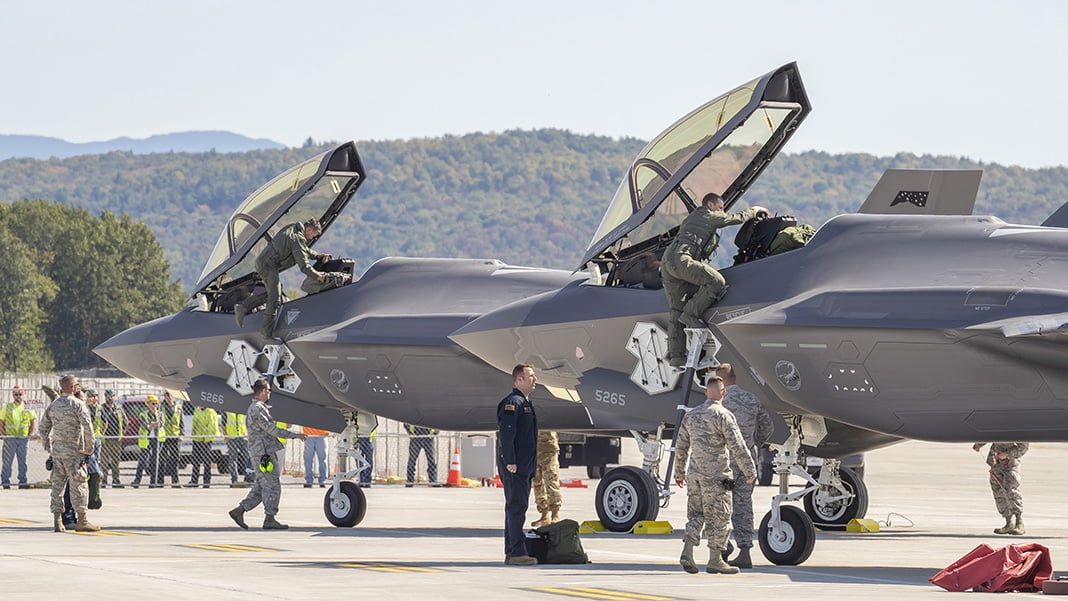 F-35 Fleet Readiness Falls to 25% Amid Parts Shortages and Software Delays: GAO Report
-
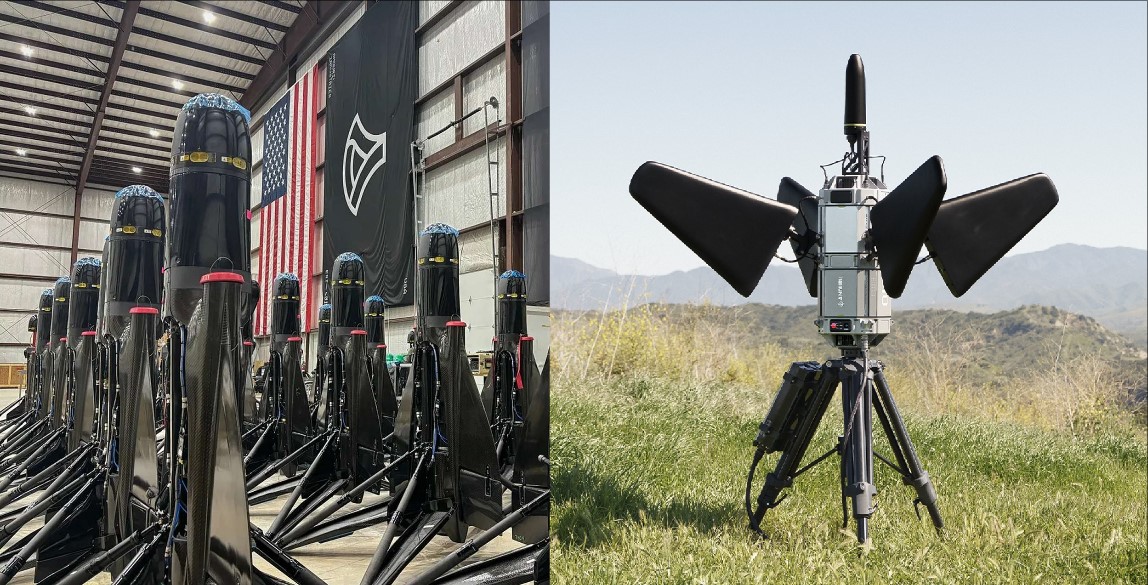 U.S. Approves $1.98 Billion Sale of Anduril AI-Powered Counter-Drone Systems to Kuwait
-
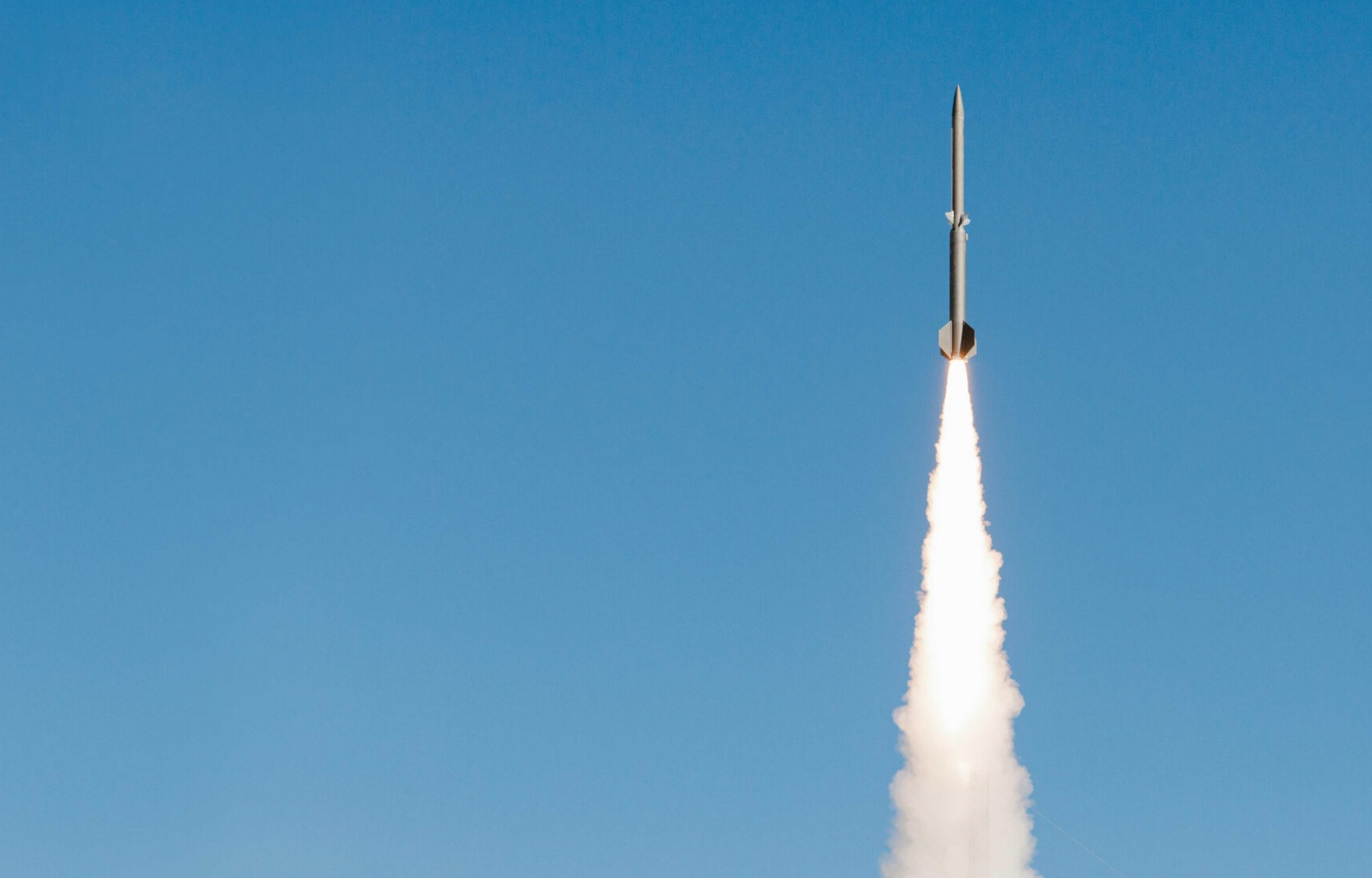 U.S Navy Orders 50 Blackbeard Hypersonic Missiles in New $23.4 Million Contract
-
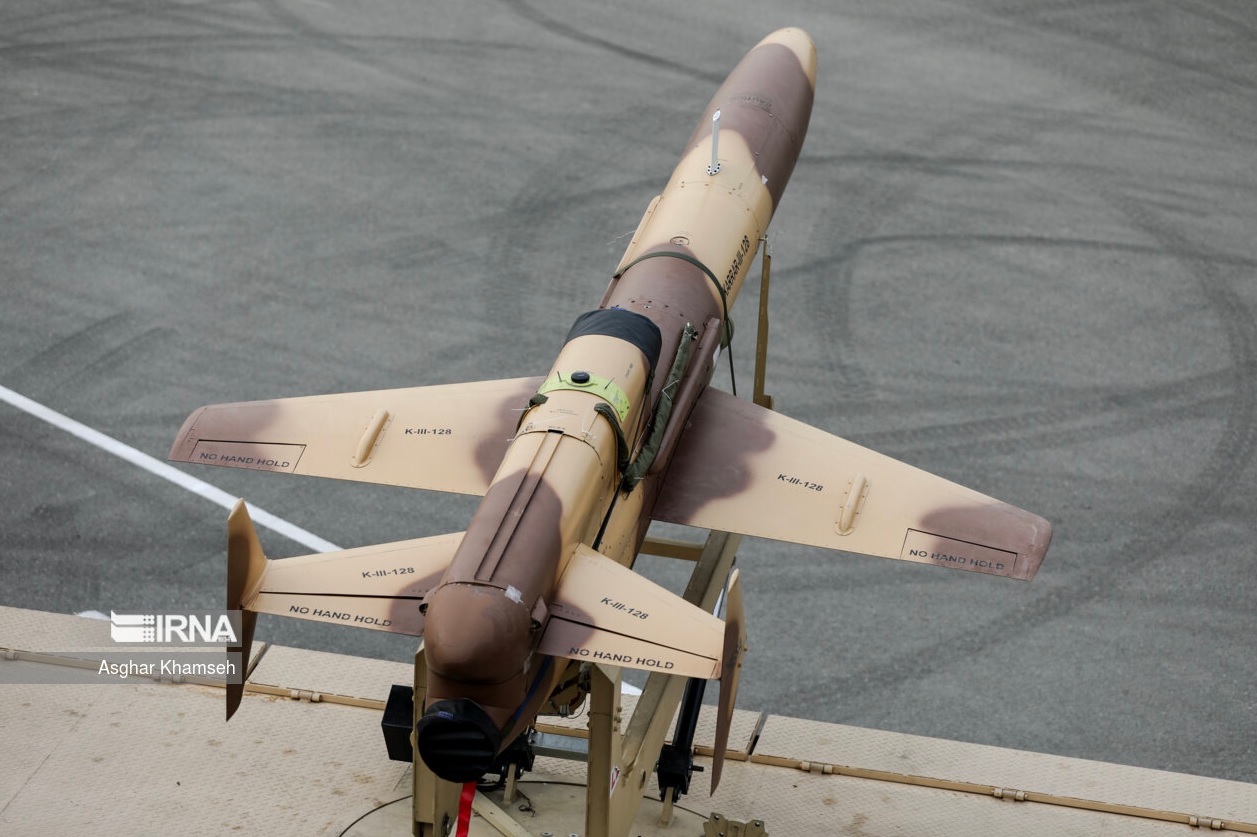 Russia Launches 1,400 Jet-Powered Drones in 2026 as Strike Tactics Evolve to Challenge Ukraine's Air Defenses
-
 Russian Analysts Debate Su-57 Capabilities After Putin Calls Fighter Superior to F-35
-
 Russia Unveils Amur-1650 AIP Submarine Equipped with BrahMos Vertical Launch System at Fleet-2026
-
 NASA X-59 Achieves Planned Mission Conditions with Mach 1.4 Flight at 55,000 Feet
-
 France Considers Reduced Role or Exit from Franco-German MGCS Tank Project
Top Trending in 4 Days
-
 Iranian Media Leaks 14-Point U.S.-Iran Peace Framework Amid Ongoing Negotiations
-
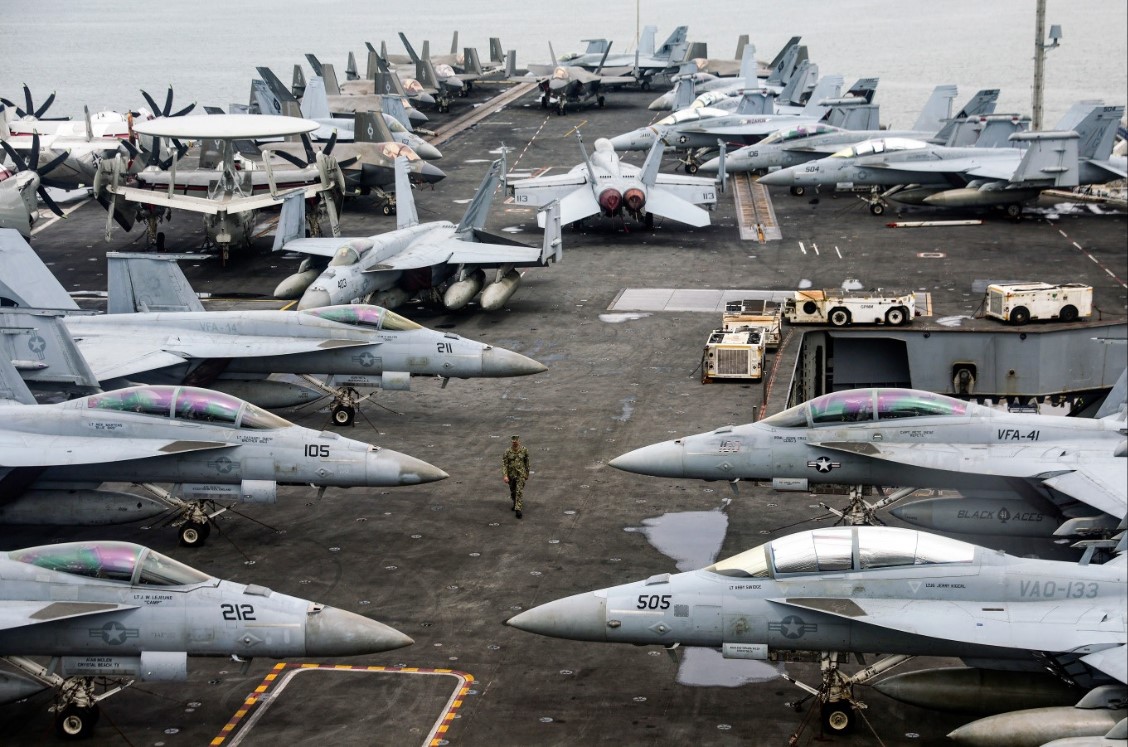 US Plans Significant Reduction of Fighter Jets and Warships for NATO Operations in Europe
-
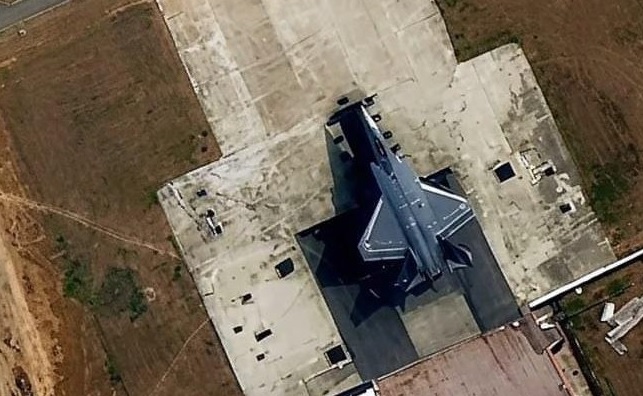 AMCA Airframe Spotted at DRDO’s ORANGE Facility for Radar Cross-Section Testing
-
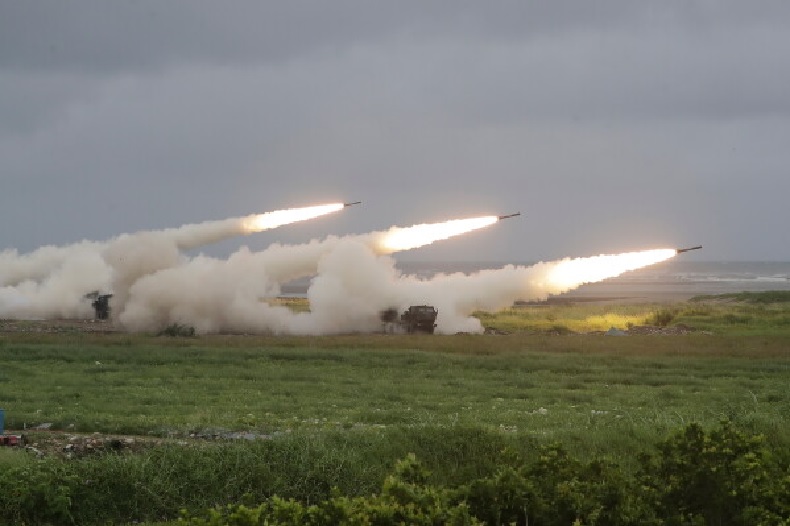 Taiwan Conducts First Live-Fire of HIMARS Rockets From West Coast During Invasion Defense Drill
-
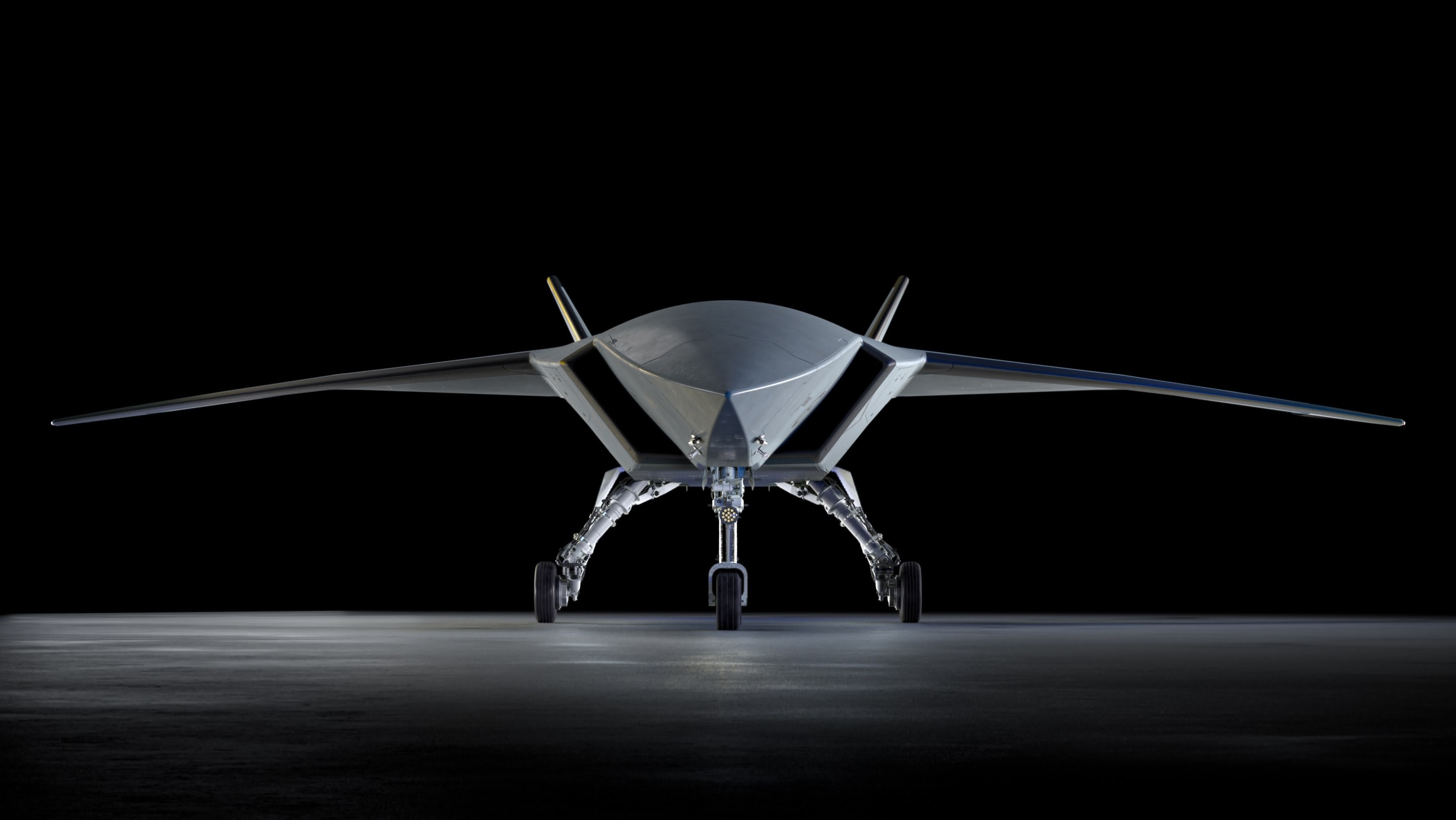 Boeing Introduces New MQ-28 Ghost Bat Upgrades with Increased Range, Payload and Weapons Capacity at ILA Berlin 2026
-
 Diehl Defence Unveils IRIS-T Armed Cobra 600 Air Defense Drone at ILA Berlin 2026
-
 Russian Defense Firm ZALA Unveils KAMA Unmanned Surface Vessel Family at FLOT-2026 Naval Exhibition
-
 U.S Aircraft Carrier USS Theodore Roosevelt Departs San Diego for Major RIMPAC 2026 Naval Exercise