World
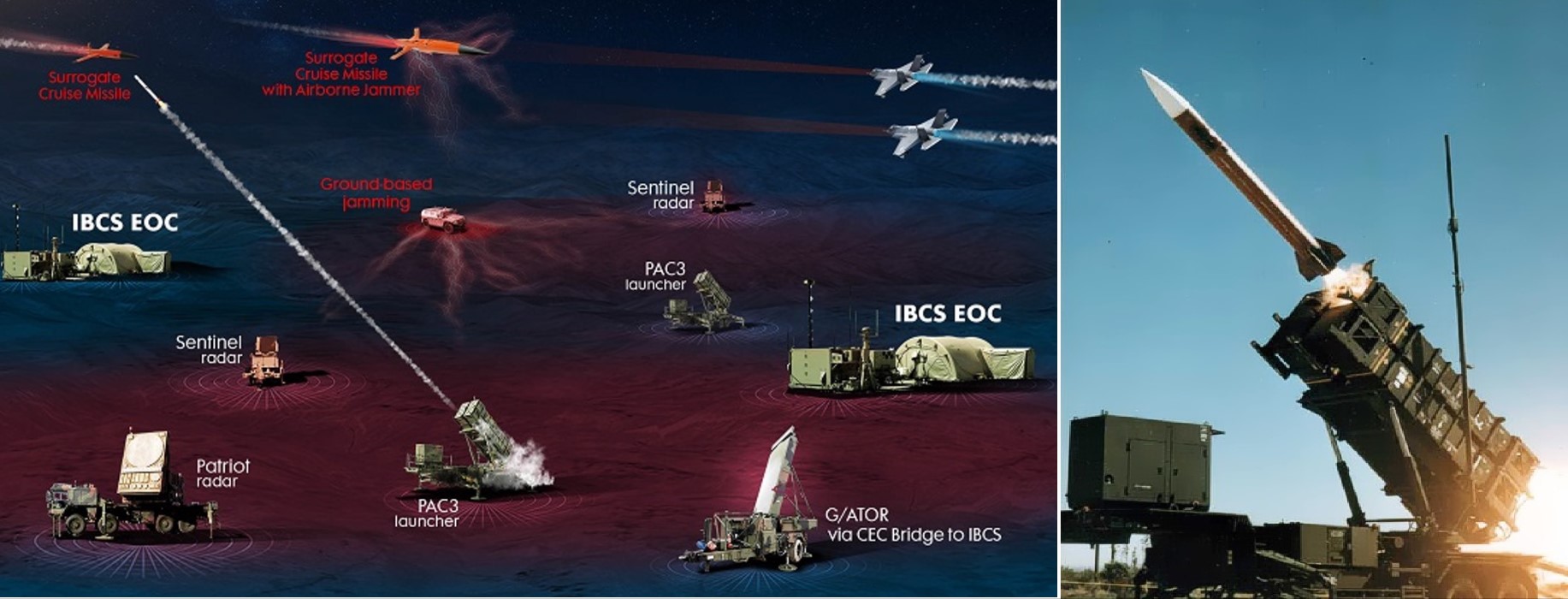
Poland has announced that its capital has achieved full coverage under an integrated air and missile defense architecture based on U.S.-made Patriot Systems and the Integrated Battle Command System (IBCS), making Warsaw the first city globally protected by a fully operational Patriot-IBCS configuration. The development follows the declaration of Full Operational Readiness for Poland’s first Patriot Division and represents a significant stage in the country’s ongoing Defense Modernization Program. A Fully Networked Shield Over The Capital Polish defense authorities confirmed that the Patriot batteries deployed around Warsaw are fully integrated with Advanced Radar Assets and the Integrated Battle Command System, a U.S.-developed Command-And-Control Network designed to link sensors, launchers, and command centers into a single operational framework. The system enables real-time data sharing and coordinated engagements across multiple air defense components. Defense Minister Władysław Kosiniak-Kamysz said the system allows Poland to intercept Ballistic Missiles, Cruise Missiles, and engage Hostile Aircraft. He noted that the integrated configuration improves the armed forces’ ability to manage Complex Aerial Threats through centralized command and control. A Global First, Even By U.S. Standards The U.S. Ambassador To Poland stated that Warsaw is the first city worldwide protected by a fully operational Patriot Architecture combined with a Unified IBCS Command Center. According to the ambassador, a city-wide deployment of this scale has not yet been fielded in the United States, reflecting the advanced level of integration achieved in Poland. Poland is the First Country After The United States to receive access to IBCS, which is regarded as a key component of future NATO Air And Missile Defense. The system allows different air defense assets to operate within a shared operational picture, improving interoperability among allied forces. The Cost And Scale Of Poland’s Investment Poland’s progress toward full Patriot-IBCS Coverage follows several major procurement agreements. In 2018, Warsaw signed a contract valued at approximately $4.75 Billion for Patriot systems under the Wisła Air Defense Program. This effort expanded in February 2024, when Poland concluded a separate $2.5 Billion Agreement for the acquisition of IBCS Software, Command Infrastructure, and Long-Term Support, enabling nationwide integration of air defense assets. The scope of Poland’s air defense plans was further highlighted when the U.S. State Department approved a Possible $15 Billion Sale of an Integrated Air And Missile Defense (IAMD) Battle Command Package. The proposed package includes 48 Patriot Launch Stations, 644 Patriot Advanced Capability-3 Missile Segment Enhanced (PAC-3 MSE) Interceptor Missiles, as well as Network Links, Sensors, Spare Parts, Support Equipment, and Technical Assistance. The approval does not represent a finalized contract but authorizes potential future sales. Nationwide Expansion And Future Integration Poland plans to expand its Patriot force structure in the coming years. Between 2027 And 2029, the country is scheduled to receive Six Additional Patriot Batteries, bringing the total to Eight Batteries deployed across multiple regions. All batteries are expected to operate within the IBCS Network, allowing coordinated air defense operations nationwide. Defense officials have also confirmed plans to integrate the IBCS network with F-35 Lightning II Fighter Jets and the Narew Short-Range Air Defense System, creating a layered air defense structure covering different ranges and threat types. Strategic Implications With Warsaw now covered by a fully operational Patriot-IBCS System, Poland has expanded its role within NATO’s Integrated Air And Missile Defense Framework. The deployment strengthens protection of key national infrastructure and enhances interoperability with allied forces. As regional security conditions continue to evolve, the system forms a central element of Poland’s long-term Defense Capability Development and cooperation with the United States.
Read More → Posted on 2025-12-23 14:21:00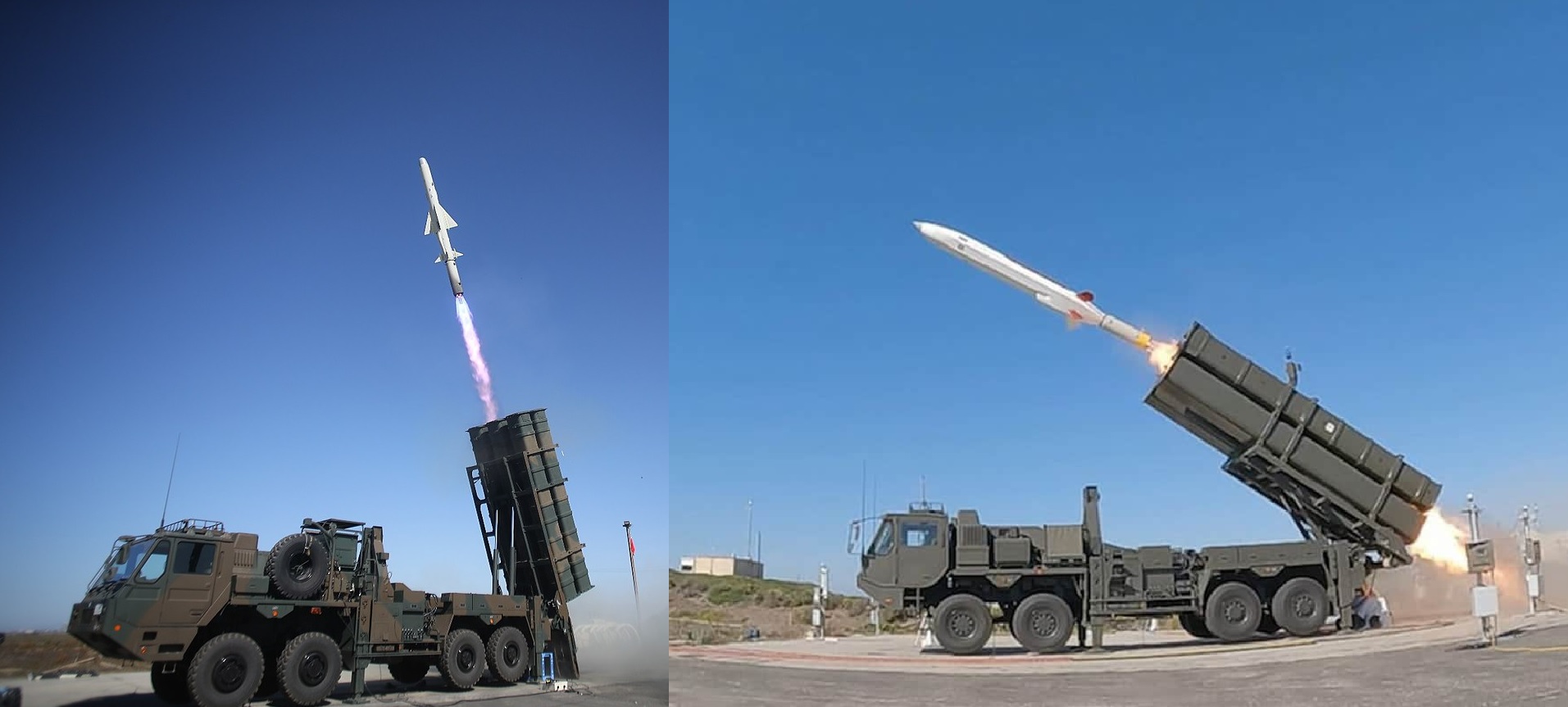
World
Japan has reached a significant milestone in its long-range strike modernization program, as the Acquisition, Technology & Logistics Agency (ATLA) announced on December 19 that development of the land-based variant of the Improved Type 12 Surface-to-Ship Missile has been successfully completed. The announcement reflects Japan’s accelerating efforts to strengthen its stand-off strike and deterrence capabilities amid a deteriorating regional security environment. The Improved Type 12 missile is a deeply modernized evolution of the original Type 12 anti-ship missile, incorporating a dramatically extended range, enhanced survivability, and improved guidance and targeting systems. Widely assessed as belonging to the 1,000-kilometer-class, the missile is intended to enable the Japan Ground Self-Defense Force (JGSDF) to strike hostile naval forces from well beyond the reach of previous-generation systems while operating from mobile land-based launchers. Overseas Testing Driven by Domestic Range Constraints Despite Japan’s growing ambition to field longer-range indigenous missiles, testing such weapons at home remains a significant challenge. The country’s geography and the limited size of existing missile ranges make full-distance live firing impractical. As a result, ATLA has been compelled to conduct key development trials overseas until a suitable domestic alternative becomes available. As previously reported by defense observers, Japan plans to address this limitation by establishing a new long-range missile test area near the waters surrounding Minamitori-shima, its easternmost island. Once operational, the facility is expected to provide Japan with an unprecedented ability to test long-range missiles domestically, reducing reliance on foreign ranges. Live Firings Conducted on the U.S. West Coast To validate the Improved Type 12 under realistic operational conditions, ATLA carried out an extensive series of live firings in the United States. Between October 8 and November 27, Japanese teams launched seven Improved Type 12 missiles from an operationally representative land-based launcher at the Point Mugu Sea Range in Southern California. The Point Mugu range, one of the largest and most instrumented test complexes in the world, enabled Japan to conduct end-to-end evaluations of the missile’s flight profile, guidance performance, and overall reliability across a variety of test environments. ATLA photographs released with the announcement showed the missile being fired from a JGSDF-style mobile launcher, highlighting its readiness for frontline deployment. Ground Forces to Receive First Operational Missiles With development now complete, Japan is moving rapidly toward operational fielding. The 5th Surface-to-Ship Missile Regiment at Camp Kengun in Kumamoto Prefecture is scheduled to receive the first batch of operational land-based Improved Type 12 missiles next year. Subsequent deployments will follow to the 8th SSMR in Oita Prefecture and the 7th SSMR in Okinawa Prefecture, regions that play a central role in Japan’s southwestern defense posture. These units are expected to form a key element of Japan’s island defense strategy, providing long-range anti-ship coverage and complicating any adversary’s naval operations in surrounding waters. Air and Sea Variants Move Toward Service The Improved Type 12 program is not limited to land forces. For the Air Self-Defense Force, the air-launched variant is scheduled to enter service in FY2027, with the first batch integrated onto Mitsubishi F-2 fighter aircraft stationed at Hyakuri Air Base. This will significantly expand the F-2’s maritime strike reach, enabling aircraft to launch from well outside contested airspace. At sea, the Maritime Self-Defense Force is also preparing to field the missile. The JS Teruzuki, an Akizuki-class general-purpose destroyer, will become the first Japanese warship equipped with the sea-based Improved Type 12 following a scheduled upgrade in FY2027. The integration reflects a broader push to enhance the long-range strike options available to Japan’s surface fleet. Parallel Cruise Missile Integration Continues Alongside its domestic missile programs, Japan is also advancing the integration of foreign long-range weapons. The JS Chokai, a Kongo-class guided missile destroyer, is slated to complete integration of the U.S.-made Tomahawk cruise missile next year. A live firing test is planned for the summer at Point Mugu, marking another key step in Japan’s expanding strike capabilities. A Cornerstone of Japan’s Deterrence Shift The completion of the land-based Improved Type 12 marks a major turning point in Japan’s defense policy. Together with air- and sea-launched variants and the parallel introduction of the Tomahawk cruise missile, the system represents a key pillar of Japan’s evolving multi-domain, long-range deterrence architecture, aimed at strengthening national defense and regional stability.
Read More → Posted on 2025-12-23 13:48:33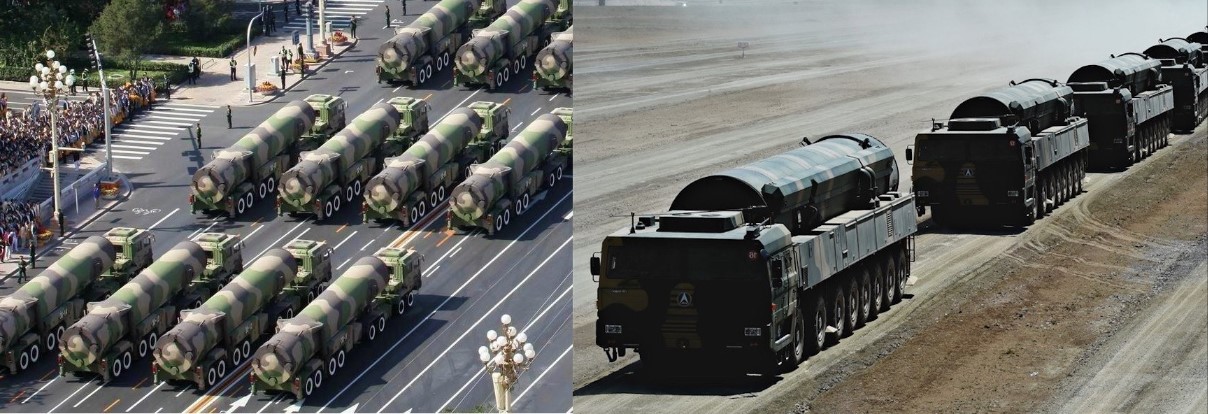
World
A draft Pentagon assessment cited by Reuters concludes that China has likely loaded more than 100 intercontinental ballistic missiles (ICBMs) into newly built missile silos across three large fields in northern China, near the border with Mongolia. The finding points to a major acceleration in Beijing’s nuclear modernization and a shift toward a more ready and survivable strategic deterrent as great-power competition intensifies. Silo Fields Signal Higher Readiness U.S. defense analysts say the silo complexes, first identified through satellite imagery in 2021, are now assessed to be operational. Earlier assessments suggested some silos might remain empty or be used as part of a deception strategy. The latest draft report, however, indicates that a significant number have been loaded with missiles, signaling a move toward higher operational readiness. The silo fields are located in remote desert regions, providing both concealment and physical protection. By dispersing missiles across dozens of hardened launch sites, China increases the difficulty for any adversary attempting to neutralize its nuclear forces in a first strike, thereby reinforcing its second-strike capability. DF-31 Missiles at the Core of the Deployment The Pentagon assessment says the silos are believed to house primarily DF-31 intercontinental ballistic missiles. The DF-31 is a solid-fueled ICBM with an estimated range of 7,200 to 8,000 kilometers, placing much of the continental United States within reach when launched from northern China. Solid-fuel propulsion allows for faster launch readiness compared with older liquid-fueled systems, reducing vulnerability during crises. The missile is generally assessed to carry a single nuclear warhead, though improved variants feature greater accuracy and penetration aids designed to counter missile defense systems. While the DF-31 was originally developed as a road-mobile system, placing it in fixed silos provides an additional layer of survivability by combining mobility-based design with reinforced infrastructure. Broader Nuclear Expansion Underway U.S. officials say the silo deployments are part of a wider expansion and diversification of China’s strategic nuclear forces. Alongside silo-based missiles, Beijing continues to invest in road-mobile ICBMs, ballistic missile submarines, and long-range bombers, moving toward a more complete nuclear triad. This evolution marks a departure from China’s long-standing posture of minimum deterrence. Pentagon estimates now project that China could possess more than 1,000 nuclear warheads by 2030, a dramatic increase from earlier estimates of a few hundred warheads. Arms Control and Strategic Stability The draft report also assesses that China is not interested in arms control talks in the near term. U.S. officials warn that the rapid growth of China’s nuclear forces, combined with the absence of formal dialogue, increases the risk of miscalculation and strategic instability. Chinese officials have repeatedly rejected U.S. assessments, arguing that China’s nuclear forces are purely defensive and maintained at the lowest level necessary for national security. Beijing has accused Washington of exaggerating the China nuclear threat to justify its own military expansion and alliance-building efforts. Global Implications The Pentagon’s findings suggest that nuclear weapons are once again becoming central to global security planning. As China fills new silo fields with DF-31 missiles and accelerates its buildup, analysts say the strategic balance is shifting in ways that could reshape arms control, deterrence, and international stability for years to come.
Read More → Posted on 2025-12-23 13:10:06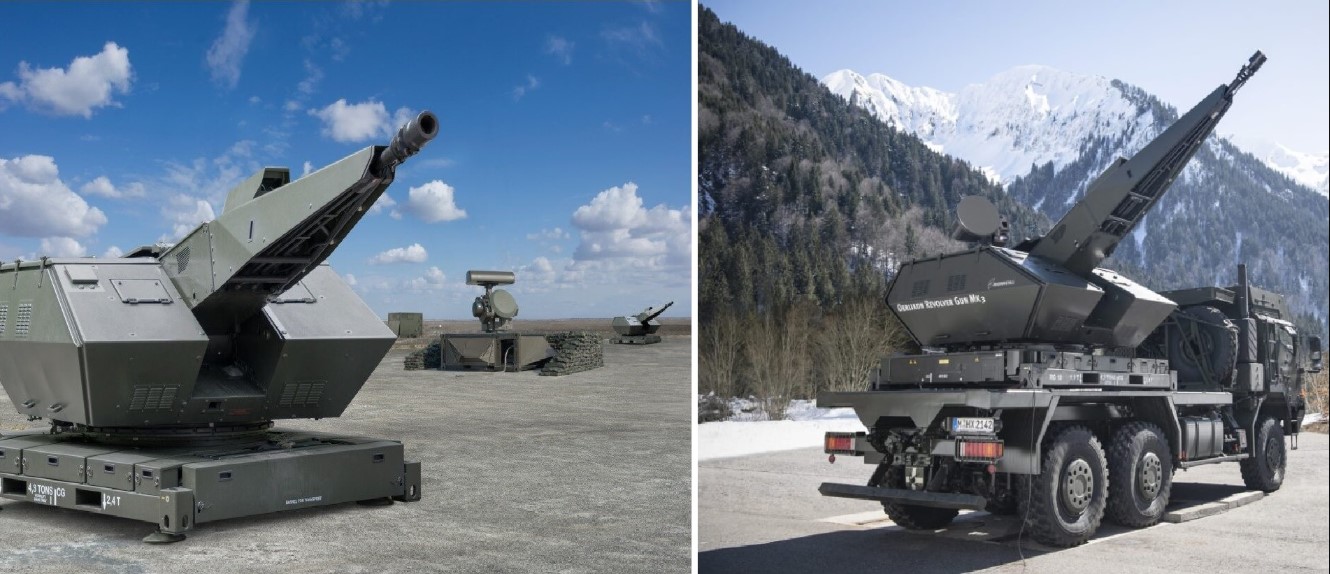
World
Rheinmetall has completed the handover of the first Skynex air defence system to the Italian Army, marking a major milestone in Italy’s short-range air defence modernisation. The transfer, carried out on 18 December 2025 at the Comando Artiglieria Controaeri base in Sabaudia, introduces a new capability to defend against air threats at close and very close range. Enhancing Short-Range Air Defence Capability The Skynex system is designed to counter emerging aerial threats, with a particular focus on unmanned aerial vehicles (UAVs). The growing prominence of drones in modern conflicts, including urban warfare, has highlighted gaps in traditional air defence structures. Rheinmetall positions Skynex as a rapid-response, cannon-based solution capable of engaging small, fast and low-flying targets in complex operational environments. The company states that the system is optimised for scenarios in which missile-based air defence may be less effective or economically unsustainable, offering a combination of operational resilience, high availability and cost efficiency. Contract Background And Programme Scope The handover follows a January 2025 order placed by Rheinmetall Italia S.p.A. for an initial Skynex system valued at €73 million. The contract includes options for three additional systems, potentially raising the total programme value to €204 million. Italy has become the first NATO member state to introduce the Skynex air defence system. Rheinmetall has described the order as a strategic reference programme, supporting its objective of establishing Skynex as a new international standard for cannon-based air defence. System Configuration And Firepower At the core of Skynex is the 35mm Revolver Gun Mk3, a high-performance weapon developed for short-range air defence missions. The gun delivers a firing rate of up to 1,000 rounds per minute and an effective range of up to four kilometres, enabling the engagement of a wide spectrum of aerial threats. A key element of the system is its use of programmable AHEAD (Advanced Hit Efficiency And Destruction) ammunition, which releases a precisely calculated cloud of sub-projectiles in front of the target. This significantly increases the probability of kill against small and manoeuvrable targets and remains resistant to electronic countermeasures, a critical advantage in electronically contested environments. Sensors, Radar And Networked Integration The Skynex architecture separates airspace surveillance from effectors, allowing for a flexible and scalable system design. In the Italian configuration, the system is paired with Rheinmetall’s XTAR 3D radar, capable of monitoring airspace at distances of up to 50 kilometres. The radar provides early warning and target tracking, with data fed into a centralised command-and-control network. Skynex’s modular, open architecture enables the integration of multiple sensors, effectors and existing air defence assets into a single networked framework, supporting future growth and interoperability with allied forces. Outlook With the first Skynex system now formally delivered, the Italian Army is expected to begin integration, testing and training activities ahead of operational deployment. For Rheinmetall, the delivery underscores its ambition to position Skynex as a globally relevant solution at a time when the protection of forces and critical infrastructure from low-altitude air threats has become an increasingly urgent defence priority.
Read More → Posted on 2025-12-23 12:57:56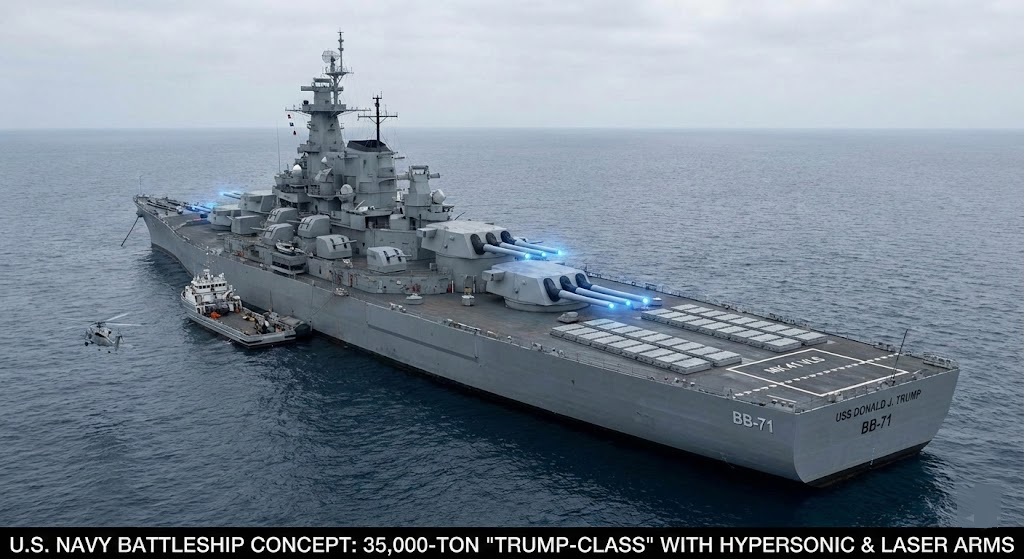
World
The United States Navy has announced plans for a new class of guided-missile battleships, marking a major shift in surface warfare doctrine and reviving a designation absent from frontline fleets for decades. The proposal was unveiled on December 22, 2025, following a statement by U.S. President Donald Trump, and positions the Trump-class battleship as the centerpiece of a broader naval buildup described as the “Golden Fleet.” According to Pentagon disclosures, the first ship of the class, the future USS Defiant (BBG-1), is now in the early design phase, with construction of the lead vessel targeted for the early 2030s. Despite the historic name, the Navy’s concept bears little resemblance to the heavily armored gun platforms of the 20th century. Instead, the Trump class is envisioned as a missile-heavy, highly survivable large surface combatant designed to operate inside a saturated anti-ship missile environment, while also serving as a forward fleet command node. Strategic Rationale Navy officials describe the program as a response to the realities of peer-level naval conflict. In such scenarios, aircraft carriers may be forced to operate at extended stand-off ranges, while existing destroyers and cruisers risk exhausting their missile magazines within the first days of combat. The Trump-class battleship is intended to offset this vulnerability by combining deep missile capacity, layered defenses, and command-and-control authority into a single platform capable of sustained high-intensity operations. Official planning outlines an initial build of two ships, followed by an eventual objective of 20 to 25 hulls. The class is framed not as a replacement for escorts, but as a “magazine and presence multiplier,” able to remain combat-effective long after smaller surface combatants have expended their weapons. Size, Propulsion, and Crew Concept designs place the Trump class in the 30,000- to 40,000-ton displacement range, making it one of the largest surface combatants proposed since the Cold War. USS Defiant is depicted at roughly 35,000 tons, exceeding 840 feet in length and approaching 880 feet overall. Beam is estimated between 105 and 115 feet, with a draft of 24 to 30 feet. Propulsion is described as a combined gas turbine and diesel system, delivering speeds in excess of 30 knots while generating substantial electrical power margins to support advanced sensors and weapons. Crew size is projected at 650 to 850 personnel, reflecting both the ship’s scale and its role as a command flagship rather than a conventional escort. Missile-Centric Main Battery The Trump class is defined primarily by its missile armament. Navy statements explicitly link the ship to Conventional Prompt Strike (CPS) hypersonic weapons and to the Surface-Launched Cruise Missile–Nuclear (SLCM-N), signaling the integration of both long-range conventional and nuclear-capable strike options on a surface combatant. Concept material indicates a Mk 41 Vertical Launch System installation of approximately 128 cells, supplemented by a dedicated 12-cell battery for hypersonic missiles. This configuration would allow a single ship to deploy a mixed load of Tomahawk land-attack missiles, SM-2 and SM-6 interceptors for area air defense and surface strike, potential SM-3 missiles for ballistic missile defense, and hypersonic weapons for time-sensitive or heavily defended targets. Navy messaging consistently highlights magazine depth and long-range strike as the class’s defining attributes. Guns, Lasers, and Layered Engagement While missiles dominate the design, the Trump class also incorporates advanced gun systems and directed-energy weapons as part of a layered engagement strategy. The Golden Fleet concept references a 32-megajoule electromagnetic railgun firing hypervelocity projectiles, paired with two 5-inch naval guns capable of employing similar ammunition. These systems are intended to provide lower-cost engagement options against drones, fast attack craft, and select missile threats. Directed-energy weapons feature prominently, with options cited for either two 300-kilowatt or two 600-kilowatt class lasers. These would complement kinetic close-in systems and provide sustained defensive fire limited primarily by power generation and thermal management. Analysts note, however, that both railguns and high-power lasers remain technically challenging, and early ships are expected to rely on mature systems, with advanced weapons introduced through spiral upgrades. Integrated Air and Missile Defense Survivability is central to the Trump-class concept. The Navy assigns the ship a formal Integrated Air and Missile Defense (IAMD) role, describing it as capable of operating within a carrier strike group or commanding an independent surface action group. Concept imagery depicts an Aegis-derived combat system architecture, positioning the battleship as a high-value air defense node. Close-in defenses shown include Rolling Airframe Missile (RAM) launchers, multiple 30-millimeter guns positioned fore and aft, and at least two 20-millimeter class systems to counter threats that penetrate the outer defensive layers. Dedicated counter-unmanned systems modules further emphasize protection against drone swarms in both littoral and open-ocean environments. Aviation and Command Role The Trump-class design includes a large flight deck and hangar capable of supporting a tilt-rotor aircraft such as the V-22. This aviation capability is intended to extend the ship’s scouting radius, enable rapid personnel and logistics movement, and support special operations or maritime interdiction missions without immediate reliance on carrier aviation. From a command perspective, the larger hull enables greater redundancy in power distribution, expanded damage-control margins, and increased space for C4ISR systems. Within the Navy’s distributed maritime operations framework, the battleship is positioned as a forward command hub, coordinating manned and unmanned platforms while sustaining decision-making authority under fire. Program Outlook and Strategic Impact Official statements indicate that the Navy would lead development in partnership with the defense industrial base. The Trump class is described as replacing the planned DDG(X) destroyer, with its intended capabilities folded into the larger hull. This approach suggests a focus on proven systems, such as the Mk 41 launcher, while incorporating emerging technologies through incremental modernization. If built as proposed, the Trump-class battleship would occupy a displacement and missile-capacity category unmatched among Western navies. By concentrating long-range strike, air and missile defense, and fleet command functions into a small number of heavily defended flagships, the program would represent a significant evolution in U.S. surface combat power, aimed at sustaining sea control and power projection well into the 2030s and beyond.
Read More → Posted on 2025-12-23 12:36:42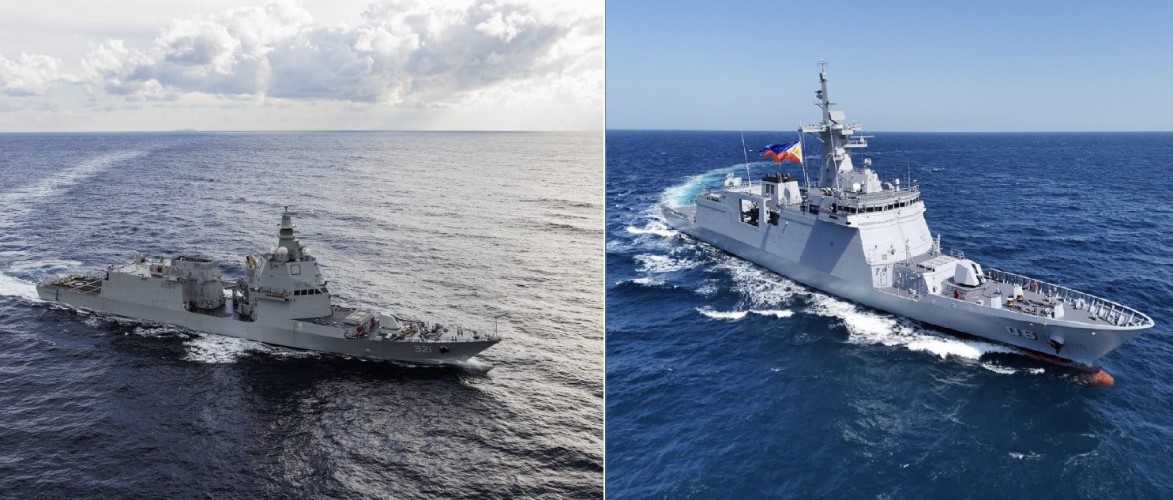
World
The Philippines has taken a decisive step in strengthening its maritime strike and air-defense capabilities after the Department of National Defense (DND) formally issued a Notice of Award to South Korean shipbuilder HD Hyundai Heavy Industries for the acquisition of two advanced guided-missile frigates, officials confirmed on December 22, 2025. The contract, valued at approximately ₱34 billion (about $585 million), follows the release of critical modernization funds by the Department of Budget and Management, clearing the final financial hurdle for the long-planned procurement. Defense officials described the acquisition as “inventory-based,” signaling a deliberate repeat order intended to reduce costs, shorten crew training timelines, and simplify long-term maintenance and logistics across the fleet. The award further consolidates the role of HD Hyundai Heavy Industries as the central shipbuilding partner of the Philippine Navy, reflecting Manila’s strategy of building a standardized, interoperable surface combatant force rather than a mix of disparate designs. Standardizing the Modern Philippine Fleet Over the past five years, HD HHI has delivered four major warships to the Philippines, including the Jose Rizal-class frigates and the more capable Miguel Malvar-class vessels. The Navy’s current flagships, BRP Miguel Malvar (FFG-06) and BRP Diego Silang (FFG-07), both displacing around 3,200 tons, represent the most advanced surface combatants ever operated by Manila. Diego Silang was commissioned into active service on December 2, 2025, at Subic Bay, entering the fleet just months after its sister ship. The close succession underscored the Navy’s push to accelerate capability development amid growing regional security pressures. Defense sources say the newly awarded frigates will be based on HD HHI’s HDF-3200 design, effectively matching the Malvar-class configuration. By ordering near-identical ships, the Navy aims to minimize operational “teething issues,” allow crews to rotate seamlessly between hulls, and ensure commonality of spare parts, weapons, and software. Firepower and Sensors for High-Threat Waters While the base ship contract stands at ₱34 billion, the total project cost is expected to rise to around ₱42 billion once weapons, sensors, and support systems are fully integrated. The frigates are designed for high-intensity naval warfare, with a focus on air defense, anti-surface strikes, and submarine detection—capabilities seen as essential for operations in the West Philippine Sea. Based on existing Malvar-class specifications, the ships will be armed with a 76mm Super Rapid main gun, a 16-cell vertical launching system for VL MICA surface-to-air missiles, and eight C-STAR anti-ship missiles capable of engaging enemy vessels at long range. For close-in defense, the frigates carry the Gökdeniz 35mm close-in weapon system, designed to counter incoming missiles and aircraft. Anti-submarine warfare is provided by two triple torpedo launchers, complemented by a towed array sonar, while situational awareness is enhanced through an advanced AESA multi-function radar, giving the ships a significant leap in detection and tracking capability compared with older Philippine Navy platforms. A Cornerstone of the ‘Re-Horizon 3’ Strategy The frigate acquisition is a key element of the Philippines’ “Re-Horizon 3” defense modernization phase, a ₱2-trillion, ten-year program aimed at shifting the Armed Forces of the Philippines from an internal security focus to external territorial defense. The Navy, long constrained by aging platforms, is a primary beneficiary of the plan. The timing of the award is notable. It comes amid sustained tensions in the South China Sea and follows increased international security cooperation, including new U.S. legislative measures supporting Philippine defense capacity. Officials say this broader strategic environment has encouraged Manila to commit to long-term, capital-intensive naval programs. Looking Toward 2029 and Beyond The two new frigates are scheduled for delivery in 2029, further expanding a surface fleet that is steadily transforming in size and capability. In parallel, HD HHI is constructing six Offshore Patrol Vessels (OPVs) for the Philippine Navy, with the first—the future BRP Rajah Sulayman—set for delivery in January 2026. By the end of the decade, the partnership between Manila and the South Korean shipbuilder is expected to have produced a total of 12 modern warships, marking one of the most comprehensive naval renewal efforts in Southeast Asia. For Philippine defense planners, the latest frigate award is more than a procurement milestone—it is a clear signal that the country intends to field a credible, modern, and standardized surface fleet capable of protecting its maritime interests in an increasingly contested regional environment.
Read More → Posted on 2025-12-22 17:12:00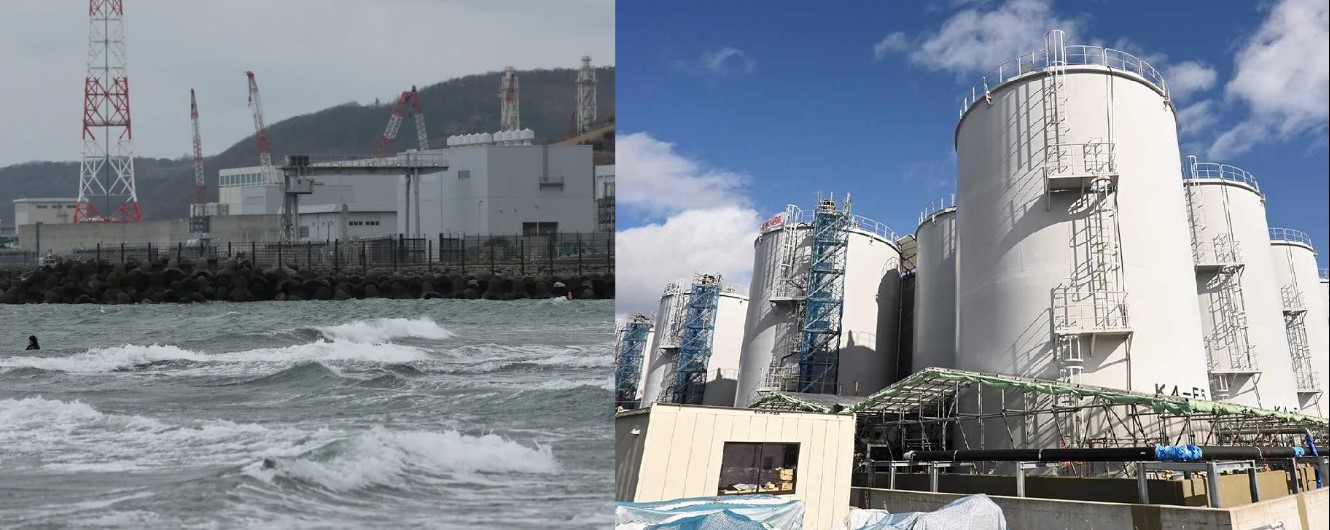
World
Japanese authorities have granted final approval to restart the Kashiwazaki-Kariwa Nuclear Power Plant, marking a pivotal shift in the country’s long-running and deeply contested nuclear energy policy. The decision signals a decisive change in Japan’s energy strategy, nearly 15 years after the catastrophic Fukushima nuclear disaster brought the nation’s nuclear industry to a near standstill. Located on the Sea of Japan coast in Niigata Prefecture, around 220 kilometers northwest of Tokyo, Kashiwazaki-Kariwa is the largest nuclear power station in the world by capacity. The restart follows years of safety inspections, regulatory scrutiny, and political debate, culminating in a decisive vote by the Niigata prefectural assembly—a critical requirement given the strong authority local governments hold over nuclear operations. Why the Plant Was Closed Kashiwazaki-Kariwa was shut down in the aftermath of the 2011 Fukushima disaster, even though it was not directly damaged by the tsunami. The catastrophe at Fukushima Daiichi Nuclear Power Plant fundamentally altered Japan’s approach to nuclear power. A massive undersea earthquake, measuring between magnitude 9.0 and 9.1—the strongest ever recorded in Japan—triggered a devastating tsunami that overwhelmed coastal defenses. Flooding disabled backup generators and cooling systems, leading to reactor meltdowns, hydrogen explosions, and large-scale radioactive releases. The disaster forced mass evacuations and shattered public trust in nuclear safety. In response, Japan shut down all 54 nuclear reactors nationwide, including Kashiwazaki-Kariwa, while regulators introduced the world’s strictest nuclear safety standards. These new rules required higher tsunami barriers, multiple power backups, reinforced cooling systems, and comprehensive emergency planning. TEPCO Under Scrutiny The restart carries added significance because the plant is operated by Tokyo Electric Power Company (TEPCO), the same utility that managed Fukushima Daiichi in 2011. TEPCO has faced intense criticism over safety culture and crisis response, and Kashiwazaki-Kariwa itself experienced additional delays after regulators uncovered security lapses, including failures in access control systems. Only after extensive corrective measures did Japan’s Nuclear Regulation Authority lift its operational ban, clearing the final hurdle for political approval. Energy Security and Economic Pressure Since Fukushima, Japan has cautiously restarted 14 of the 33 reactors deemed operable. Before 2011, nuclear power supplied about 30 percent of the country’s electricity. Today, Japan relies heavily on imported fossil fuels, with coal, oil, and gas accounting for 60–70 percent of power generation. This dependence has proven costly. Japan spent an estimated $68 billion on fossil fuel imports last year, placing strain on the economy and exposing it to global energy price volatility. Government officials argue that restarting large nuclear plants is essential to stabilize electricity costs and strengthen energy security. Rising Demand from Data Centers The approval also comes as Japan faces surging electricity demand, driven in part by the rapid expansion of data centers that support artificial intelligence and digital infrastructure. These facilities require constant, high-volume power, making nuclear energy an attractive option. At the same time, Japan has pledged to achieve net-zero carbon emissions by 2050. As the world’s fifth-largest carbon dioxide emitter, the country views nuclear power as a critical tool for meeting climate targets while maintaining industrial competitiveness. Public Caution Persists Despite the decision, public skepticism remains strong, particularly in Niigata, where residents continue to raise concerns about evacuation readiness, aging reactors, and radioactive waste management in a seismically active nation. Officials have stressed that the restart will proceed gradually and cautiously, with ongoing safety drills, monitoring, and local oversight. For Japan, the revival of Kashiwazaki-Kariwa represents more than the restart of a power plant. It is a critical test of whether the country can balance the painful legacy of Fukushima, the demands of energy security, and the urgency of climate action in an increasingly electrified future.
Read More → Posted on 2025-12-22 17:00:14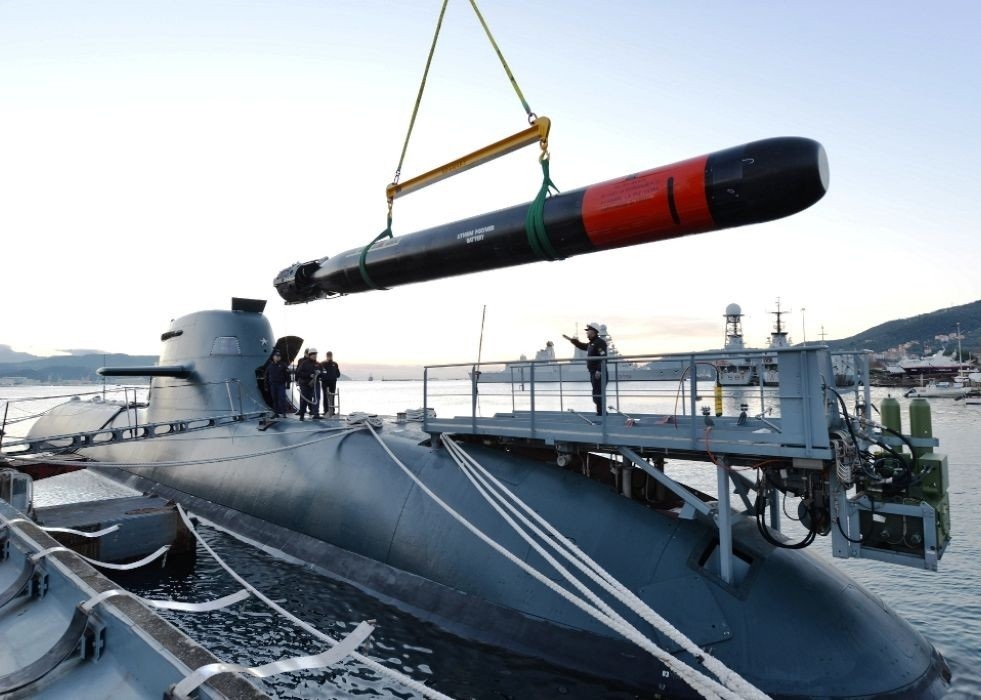
World
Thyssenkrupp Marine Systems (TKMS) has secured the largest torpedo order in its corporate history after signing a framework agreement for the delivery of DM2A5 heavyweight torpedoes and associated equipment for the 212CD class submarines. The agreement represents a major milestone for Germany’s and Norway’s next-generation undersea warfare capabilities and further strengthens European defense cooperation. Contract And Procurement Framework The framework agreement was signed in Koblenz with the Federal Office of Bundeswehr Equipment, Information Technology and In-Service Support (BAAINBw), the German Armed Forces’ central procurement authority. The contract covers the development, production, and delivery of the DM2A5 heavyweight torpedoes, specifically configured for integration with the 212CD submarine platform. In line with standard practice for high-sensitivity defense programs, the contracting parties agreed not to disclose the contract value or the volume of torpedoes ordered. Michael Ozegowski, Executive Vice President of the ATLAS ELEKTRONIK segment, described the agreement as a strategic success for TKMS, emphasizing that it confirms the company’s leading role in advanced underwater technology. He noted that the DM2A5 torpedoes will significantly enhance the operational effectiveness of the 212CD class and make a direct contribution to the security of Germany and its partner nations. DM2A5 Heavyweight Torpedo Capabilities The DM2A5 heavyweight torpedo has been developed on the basis of Software Defined Defense (SDD), enabling a high level of operational flexibility and rapid adaptation to emerging threats through software updates rather than hardware changes. The system features a modular, battery-based electric propulsion unit, designed to deliver high speed and long range while maintaining a low acoustic signature. Its advanced digital sonar allows effective deployment in complex and cluttered maritime environments, including multi-target engagement scenarios. A key feature of the DM2A5 is its fiber-optic guidance link to the launching submarine, which enables high data transmission rates, precise navigation, and real-time control throughout the engagement, enhancing both accuracy and survivability. 212CD Submarine Program Overview The torpedo contract is closely linked to the expanding 212CD submarine program, a joint German-Norwegian initiative aimed at modernizing both nations’ submarine fleets. The program is widely viewed as a flagship example of European defense collaboration, combining shared development, industrial cooperation, and long-term interoperability. In December 2024, the German federal government approved the procurement of four additional submarines, increasing the German Navy’s order from the original two boats to six submarines. Norway has since exercised options for two additional units, bringing the total number of 212CD submarines on order to 12, the program’s planned maximum. International Outlook And Future Expansion Beyond Germany and Norway, the 212CD program continues to attract international interest. TKMS has confirmed that a potential next phase could involve Canada, where up to 12 submarines may be procured under an ongoing competitive bidding process. TKMS, working alongside its German and Norwegian partners, is positioning the 212CD as a mature, export-ready platform suited to allied naval requirements. Strategic Significance With the signing of the DM2A5 torpedo framework agreement, TKMS has reinforced both the industrial foundation and the combat credibility of the 212CD program. The record order highlights the continued relevance of heavyweight torpedoes in modern naval warfare and reflects a broader shift toward software-driven, adaptable undersea weapon systems as European navies prepare for increasingly complex maritime security challenges.
Read More → Posted on 2025-12-22 16:06:05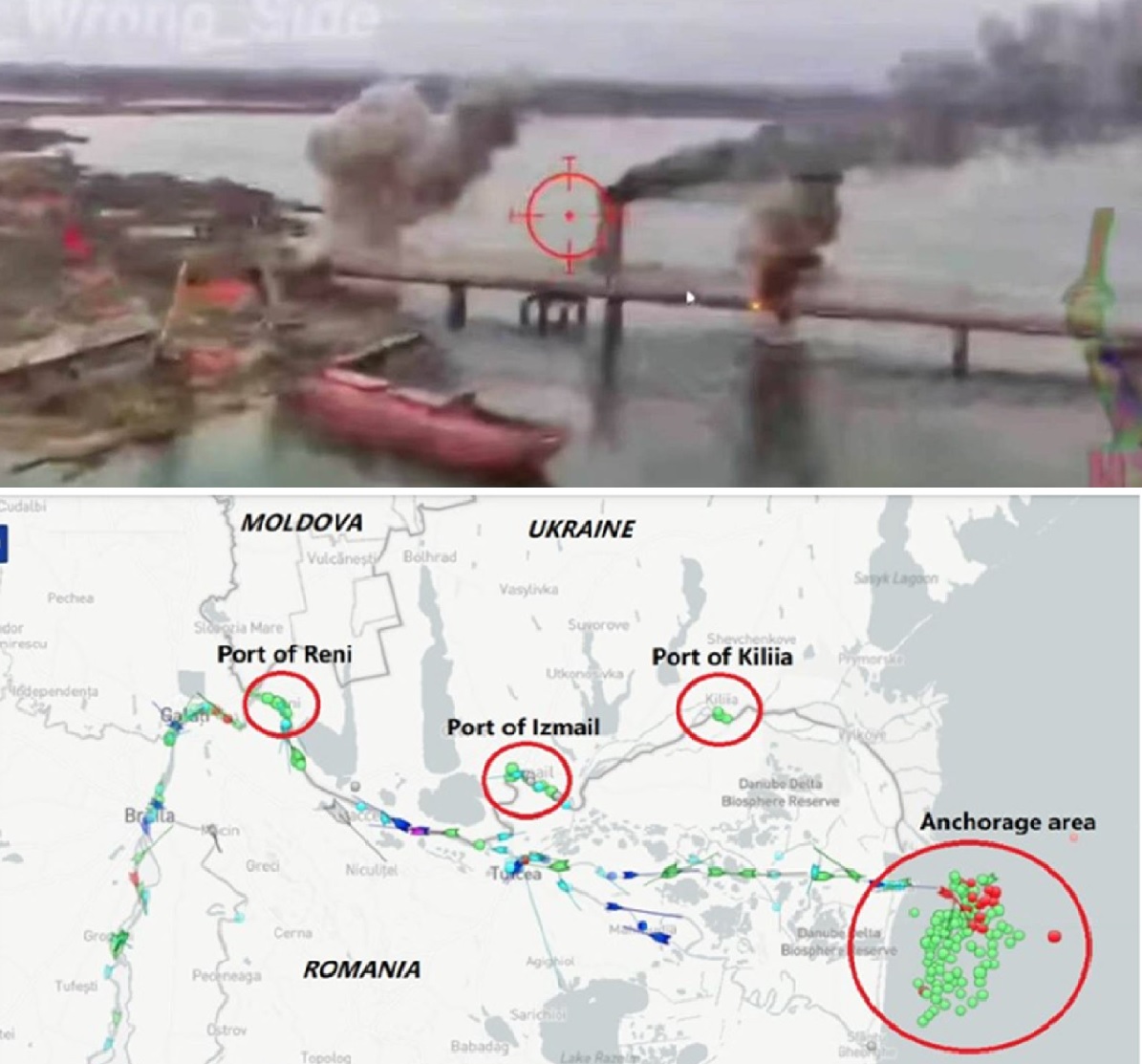
World
A Russian strike on a bridge near the settlement of Mayaki has drawn renewed attention to a critical vulnerability in Ukraine’s wartime economy: the heavy dependence of its fuel supply on a narrow logistics corridor feeding the Danube port of Izmail. Industry assessments indicate that roughly 60 percent of Ukraine’s fuel imports pass through Izmail, meaning that disruption to a single transport node can ripple rapidly across the national market. The damage to the bridge, which connects Danube port facilities with inland road networks, did not merely slow traffic. It underscored how concentrated Ukraine’s fuel import system has become since the loss or degradation of Black Sea routes. Analysts say the strike illustrates how a limited number of precision attacks could significantly impair fuel flows without directly hitting ports or storage depots. Izmail’s Central Role in Wartime Imports Since 2022, Ukraine has redirected much of its fuel trade through Danube ports, with Izmail emerging as the dominant hub. Diesel, gasoline, and liquefied petroleum gas arrive by barge and tanker along the river, are unloaded at port terminals, and then moved by road tankers to western fuel bases before being distributed nationwide. This configuration has allowed Ukraine to sustain supplies under wartime constraints, but it has also created a structural chokepoint. The Mayaki bridge sits on one of the main arteries linking Izmail to the rest of the country. Logistics experts note that its temporary loss immediately complicates deliveries, forcing detours, queues, and delays that cascade through the system. Prices Rise as Logistics Tighten Market reaction was swift. Dmytro Levushkin, representing Prime Logistics, warned that even a short disruption could trigger immediate price increases. According to his assessment, wholesale prices at western fuel bases could rise by at least two hryvnias per liter, with retail prices following as supplies tighten. Beyond pricing, operators report a growing shortage of available fuel tankers. Vehicles are spending more time idle or rerouted, reducing effective transport capacity. Industry sources say gas stations in eastern and southern regions are likely to feel the impact first, with phased shortages possible if deliveries remain disrupted. Limited and Risky Alternatives Emergency workarounds have included the use of temporary pontoon crossings and alternative road routes. However, such measures are widely seen as stopgaps. Pontoon bridges cannot handle the same traffic volumes as permanent structures and are themselves vulnerable to further strikes. Rerouting fuel through Romania or Moldova offers another option, but one that comes with significant logistical drawbacks. Longer distances, border formalities, and limited tanker availability slow deliveries and raise costs. Analysts stress that these routes can supplement Izmail but cannot replace its throughput at scale. The Deeper Constraint: Manpower Behind the visible infrastructure damage lies a more persistent problem: a severe shortage of qualified fuel tanker drivers. Many experienced drivers have been mobilized into the armed forces, leaving logistics companies without sufficient personnel to operate existing fleets. This labor deficit means that even if infrastructure is repaired quickly, distribution may remain constrained. Fuel can reach depots, but moving it onward to retail stations is increasingly difficult. Industry participants describe this shortage as the system’s most stubborn bottleneck, one that cannot be resolved quickly through engineering fixes alone. A Test for Economic Resilience Fuel traders are bracing for what they describe as a week of intense market volatility, marked by uneven supply and nervous pricing. While Ukraine has repeatedly demonstrated an ability to reconfigure logistics under fire, each adjustment has come at higher cost and with thinner margins for error. The strike on the Mayaki bridge signals a shift toward targeting economic pressure points rather than symbolic infrastructure. For Ukraine, it reinforces the urgency of diversifying import routes, decentralizing fuel storage, and addressing chronic labor shortages in logistics. As repairs continue and contingency plans are activated, the episode stands as a reminder that in a prolonged conflict, the stability of everyday infrastructure can be as strategically decisive as events on the front line.
Read More → Posted on 2025-12-22 15:48:07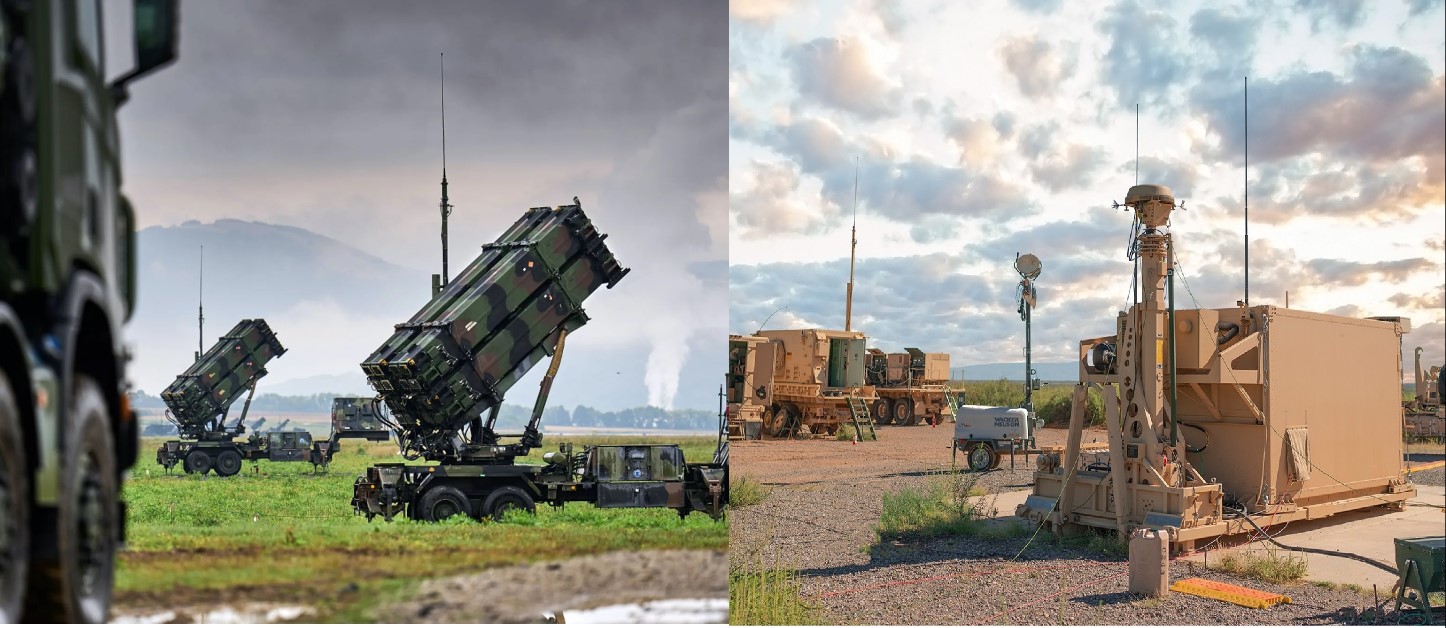
World
Taiwan and the United States are holding discussions on a significant expansion of the island’s Patriot air and missile defense architecture, including the potential procurement of a fourth MIM-104 Patriot air defense system, up to 500 PAC-3 Missile Segment Enhancement (MSE) interceptors, and the Integrated Battle Command System (IBCS), according to sources familiar with the matter. If finalized, the talks would represent one of the most ambitious air-defense upgrades Taiwan has pursued in recent years, highlighting Taipei’s determination to counter an increasingly complex aerial threat environment as Chinese military pressure around the island continues to grow. Focus on Integration And Situational Awareness At the heart of the discussions is the possible introduction of the Integrated Battle Command System (IBCS), a next-generation command-and-control network developed for the U.S. Army. Unlike traditional air-defense configurations—where each missile battery largely operates within its own radar and fire-control envelope—IBCS enables real-time data fusion from multiple sensors into a single, coherent operational picture. Defense officials say this capability would markedly improve situational awareness against air targets, including fighter aircraft, drones, cruise missiles, and ballistic missiles. By allowing commanders to assign the most effective interceptor from any connected launcher, the system is designed to shorten reaction times and increase interception success during large-scale or coordinated attacks. Fourth Patriot System Under Consideration In parallel, the talks include the possible acquisition of an additional MIM-104 Patriot, which would raise Taiwan’s total Patriot inventory to four operational systems. Military planners view the move as a response to concerns that existing deployments could be stretched during sustained missile salvos. The discussions also cover a substantial expansion of interceptor stocks, with as many as 500 units of the PAC-3 MSE under consideration. The PAC-3 MSE offers extended range, improved maneuverability, and enhanced lethality, making it particularly effective against high-speed ballistic missile threats and certain advanced cruise missiles. Built on Years of Patriot Procurement The proposed deal builds on a long history of Patriot-related purchases and upgrades by Taiwan. In 2010, Washington approved a major arms package that included 114 PAC-3 interceptors, forming the backbone of Taiwan’s modern Patriot force. More recently, the focus has shifted toward sustainment and modernization. In 2022, the U.S. approved two Patriot support packages totaling nearly $195 million, covering maintenance, spare parts, system improvements, and training to ensure Taiwan’s existing batteries remain combat-ready. Taiwan also placed an order in 2021 for PAC-3 MSE missiles, with deliveries scheduled for 2025 and 2026, according to official statements. The latest discussions would significantly expand that order, signaling a desire for deeper missile stockpiles capable of supporting prolonged defensive operations. Strategic Context And Budget Debate The talks come amid deliberations in Taipei over a large supplementary defense budget aimed at accelerating the acquisition of air defense, precision-strike, and asymmetric capabilities. While Taiwan’s defense ministry has declined to comment on specific items under negotiation, officials have repeatedly stressed the need for better integration of sensors, command networks, and interceptors. From Washington’s perspective, the potential sale aligns with a broader push to promote networked air-defense architectures among partners. Incorporating IBCS would also bring Taiwan’s defenses closer to U.S. operational concepts, potentially easing future upgrades and interoperability. Toward a Layered And Networked Shield Taken together, a fourth Patriot system, hundreds of PAC-3 MSE interceptors, and the adoption of IBCS would mark a qualitative shift in Taiwan’s defenses. Analysts note that the emphasis is not merely on increasing missile numbers, but on networking capabilities to ensure every radar, launcher, and interceptor contributes to a layered, integrated defense. As negotiations continue, the emerging picture suggests Taiwan is focused not just on acquiring more weapons, but on building a smarter, more resilient air-defense network suited to an evolving regional security landscape.
Read More → Posted on 2025-12-22 15:32:32
World
Israel has formally warned the Trump administration that a major missile exercise currently underway by Iran’s Islamic Revolutionary Guard Corps (IRGC) could conceal preparations for a sudden military strike against the Jewish state, senior officials and Western intelligence sources said on Monday. The alert comes amid escalating tensions in the Middle East and ahead of a high-stakes meeting scheduled later this month between Israeli Prime Minister Benjamin Netanyahu and U.S. President Donald Trump in Miami. Israeli military leadership, including Chief of Staff Lt. Gen. Eyal Zamir, communicated the concerns directly to the head of U.S. Central Command, Admiral Brad Cooper, emphasizing that recent drills by the IRGC Aerospace Force could serve as cover for a surprise attack rather than being routine training. Though Israeli analysts currently assess the probability of an actual Iranian strike as below 50 per cent, they argue that the risk tolerance in Jerusalem is markedly low following previous conflicts and surprise offensives. Exercise Activity and Unusual Movements The missile drills, reported to have begun in mid-December 2025, involve extensive coordination among Iran’s ballistic missile units, drone squadrons, and air-defense forces. According to Western intelligence assessments, the activity — detected around December 20–21, 2025 — has featured highly synchronized movements and command-and-control signals, along with logistical deployments that extend beyond patterns typical of standard exercises. Western agencies, monitoring the IRGC Aerospace Force — the branch responsible for Iran’s ballistic missile and drone capabilities — have reported unusual aerial and ground activity, including coordinated repositioning of missile launchers, drone units, and air-defense batteries. These anomalies have been described as “beyond normal” for routine drills, prompting heightened surveillance and analysis. Although Iranian officials have not publicly detailed the scope or goals of the drills, state media confirmed that multiple cities — including Tehran, Isfahan, and Mashhad — were part of extensive missile exercise operations on December 22, 2025, framed domestically as defensive measures against regional threats. Tehran insists its weapons programs are strictly for deterrence and sovereignty protection. Intelligence Dossier and Strategic Concerns In preparation for Netanyahu’s upcoming briefing to President Trump, Israeli intelligence has reportedly compiled a comprehensive dossier outlining Tehran’s alleged renewed efforts to rebuild its nuclear and ballistic missile programs, as well as expand support for allied proxy groups across the region — including Hezbollah in Lebanon and various militias in Iraq and Syria. Israeli sources say the document highlights not just the ongoing drills but also unconventional activity detected by Western intelligence that could signal a shift toward offensive posturing. Israeli officials have underscored their concerns that Iran may be using the exercise as strategic cover to reposition or conceal offensive assets, potentially preparing them for rapid deployment if a decision to strike is made. The deep distrust stems partly from precedent events, such as Iran’s missile assault on Israeli territory in June 2025, when Tehran fired hundreds of drones and ballistic missiles in retaliation for Israeli strikes on Iranian facilities. U.S. Response and Regional Implications While U.S. intelligence agencies acknowledge the unusual movements, American officials have so far not seen definitive evidence of an imminent Iranian offensive, according to sources familiar with the assessments. Washington’s position remains centered on caution and close coordination with Israeli defense planners to bolster defensive readiness rather than immediate escalation. The timing of the Israeli warning — just days before Netanyahu’s highly anticipated discussions with President Trump — suggests Jerusalem is seeking not only U.S. military support for bolstering missile defenses but also possible backing for preemptive options should Tehran’s activities evolve into a clear threat. Reports indicate that the Israeli leadership may present a range of potential responses, including coordinated future strikes aimed at degrading Iran’s expanding missile infrastructure. Looking Ahead Analysts caution that while the current exercise may ultimately prove routine, the broader context of sustained tensions — including Iran’s ongoing development of long-range missiles and its complex web of regional alliances — demands vigilant monitoring. Both Israeli and U.S. intelligence communities continue to analyze satellite imagery, signal intercepts, and other classified data as they refine assessments of Tehran’s true intentions. As Netanyahu prepares to present Israel’s case to Trump later this month, the international community watches closely, aware that even misinterpretations of military drills could inadvertently escalate into armed conflict across the Middle East — a region already volatile from years of proxy wars and geopolitical rivalries.
Read More → Posted on 2025-12-22 15:00:10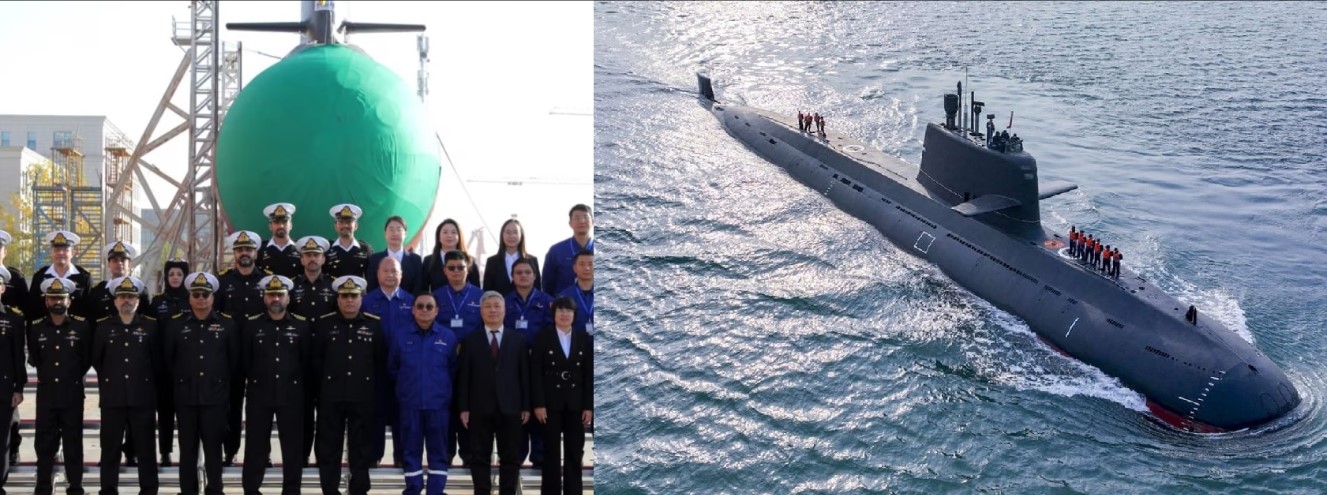
World
The Pakistan Navy on December 17, 2025, announced the launch of its fourth Hangor-class diesel-electric attack submarine, PNS Ghazi, marking the completion of the China-built phase of one of the country’s most significant naval modernization programs. The launch ceremony was held at the Shuangliu Base of Wuchang Shipbuilding Industry Group in Wuhan, located in China’s Hubei Province, and was attended by senior Pakistani naval officers, Chinese shipbuilding officials, and representatives linked to the 2015 bilateral submarine agreement. With PNS Ghazi entering the water, Pakistan confirmed that all four Hangor-class submarines constructed in China have now been launched. Pakistani officials stated that the submarines are currently undergoing harbor acceptance tests and sea trials, moving toward the final stages before handover, with operational induction expected from 2026 onward. Origins of the Hangor-Class Program The Hangor-class submarine project originates from a 2015 Pakistan–China defense agreement covering a total of eight diesel-electric attack submarines. Under the contract, four submarines are being built in China, while the remaining four are to be constructed in Pakistan at Karachi Shipyard and Engineering Works under a transfer-of-technology (ToT) framework. The agreement is designed to strengthen Pakistan’s undersea warfare capability while developing a long-term indigenous submarine construction base. Following the launch of Ghazi, Pakistani officials reiterated that progress on the domestically built Hangor-class submarines is continuing. The first Pakistan-assembled boat, PNS Tasnim, achieved a steel-cutting milestone in December 2021 and a keel-laying ceremony in December 2022, highlighting Pakistan’s gradual shift toward sustained domestic submarine production. Production Timeline and Induction Schedule The sequence of launches in Wuhan reflects a steady production rhythm at the Chinese shipyard. The lead submarine, PNS Hangor, was launched on April 26, 2024, followed by PNS Shushuk on March 15, 2025, PNS Mangro on August 15, 2025, and finally PNS Ghazi on December 17, 2025. Pakistan’s naval leadership has linked this tempo to planned induction timelines, with Chief of Naval Staff Admiral Naveed Ashraf stating that the first batch of Hangor-class submarines is expected to enter operational service in 2026, signaling a near-term transition from trials to commissioning. The submarine program has advanced alongside broader Pakistan–China defense cooperation, including reports of Pakistan’s induction of Chinese-made Z-10ME attack helicopters. Design and Performance Characteristics The Hangor-class comprises diesel-electric attack submarines equipped with air-independent propulsion (AIP), a system intended to extend submerged endurance and reduce reliance on frequent snorkeling. The class is commonly associated with a submerged displacement of around 2,800 tonnes, an overall length of approximately 76 meters, a beam of 8.4 meters, and a draught of about 6.2 meters. Propulsion is believed to be provided by four CSOC CHD620 diesel engines combined with a Stirling-based AIP system. This configuration is reported to allow a maximum speed of around 20 knots, a range of roughly 2,000 nautical miles, an endurance of up to 65 days, and a maximum diving depth of about 300 meters. Weapons, Strike Capability, and Sea Denial Role In terms of armament, the Hangor-class submarines are fitted with six 533-millimeter torpedo tubes located in the bow. These tubes support heavyweight wire-guided torpedoes for anti-submarine warfare (ASW) and anti-surface warfare (ASuW) missions, as well as submarine-launched missiles fired through standard torpedo tubes. Pakistani official statements frequently associate the class with the Babur-3 submarine-launched cruise missile, previously tested by Pakistan and described as nuclear-capable with an estimated range of around 450 kilometers, although operational integration has not been formally confirmed. Beyond strike weapons, the torpedo room configuration also enables the deployment of naval mines, allowing the Hangor-class to conduct sea-denial operations in choke points and littoral approaches. Stealth Strengths and Detectability Limitations While the Hangor-class incorporates features designed to enhance underwater stealth, analysts note that the submarines face inherent detectability constraints. Although AIP reduces snorkeling frequency, the boats still depend on diesel engines for battery recharging, a phase that increases acoustic, infrared, and radar signatures, making the submarine more vulnerable to detection by maritime patrol aircraft, surface combatants, and space-based sensors. The Stirling AIP system, while quieter than conventional diesel operation, produces low-frequency noise and thermal signatures that can be detected by advanced passive sonar systems operated by enemy submarines. In shallow or acoustically complex littoral waters, these signatures may be harder to mask. As conventional submarines, the Hangor-class boats also lack the sustained speed and endurance of nuclear-powered attack submarines, potentially limiting their ability to evade pursuit once detected. Position Within Pakistan’s Submarine Fleet The Hangor-class is intended to complement and expand Pakistan’s existing submarine force, which includes three Agosta-90B AIP submarines and two Agosta-70 diesel-electric submarines. The Agosta-90B fleet has been undergoing a mid-life upgrade program under a 2016 contract with Turkey’s STM, with the first upgraded submarine, PNS Hamza, delivered in 2020. The modernization includes upgrades to the combat management system, sonar suite, electronic warfare system, radar, and periscopes, alongside improvements to supporting shore infrastructure such as the very-low-frequency communications facility PNS Hameed in Sindh Province. Strategic and Symbolic Context The Hangor-class submarine program carries strong strategic and symbolic significance within the context of Pakistan’s rivalry with India and the evolving undersea balance in the Arabian Sea and Indian Ocean region. The name “Hangor” honors PNS Hangor (S131), a Daphné-class submarine remembered for sinking the Indian Navy frigate INS Khukri during the 1971 war. The original submarine is preserved at the Pakistan Maritime Museum in Karachi. Continuing this tradition, the first Pakistan-built Hangor-class submarine will be named Tasnim, after Vice Admiral Ahmad Tasnim, who commanded the original Hangor. As PNS Ghazi and her sister ships move closer to commissioning, the program reflects Pakistan’s effort to combine historical legacy, industrial development, and modern undersea capability, even as stealth and survivability challenges remain central to assessments of the class’s future operational effectiveness.
Read More → Posted on 2025-12-22 14:40:55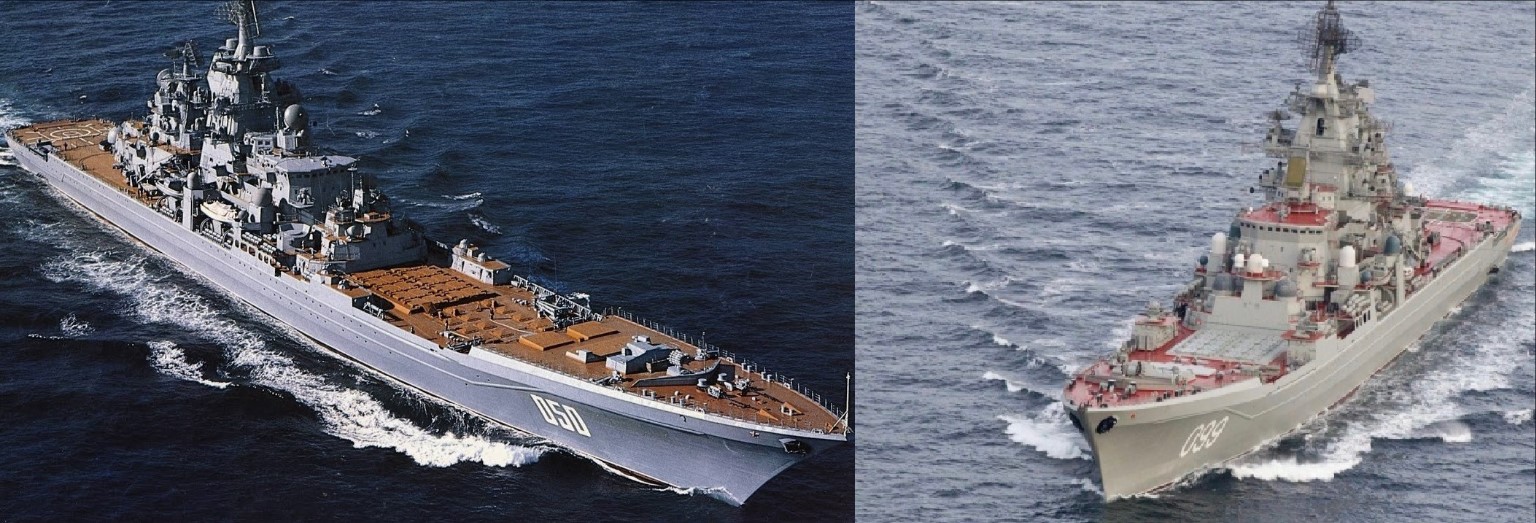
World
After more than two decades out of frontline service, Russia’s nuclear-powered heavy cruiser Admiral Nakhimov is approaching a long-awaited return, marking the most ambitious surface-warship modernization undertaken by Moscow since the end of the Cold War. Originally commissioned in 1988—then under the name Kalinin—the ship was one of the final expressions of Soviet blue-water naval power. It was renamed Admiral Nakhimov in 1992 following the collapse of the Soviet Union. The cruiser was withdrawn from active service in 1999 as Russia’s post-Soviet navy struggled with funding shortfalls and maintenance challenges. What followed was a prolonged period of inactivity before the ship entered a comprehensive modernization program that would redefine its role for the 21st century. Today, Admiral Nakhimov stands as both a symbol of renewed capability and a reflection of the constraints shaping the modern Russian Navy, which now operates only two Kirov-class ships and increasingly prioritizes corvettes and submarines over large surface combatants. From Cold War Giant To Modern Missile Platform The decision to return Admiral Nakhimov to service was formalized in the early 2010s, when Russia committed to salvaging its most powerful remaining cruiser hulls rather than building new ones from scratch. In 2013, a major contract was signed to begin a deep modernization at the Sevmash shipyard, officially designated Project 1144.2M. Unlike a routine refit, the ship underwent a near-total rebuild. Large sections of legacy Soviet-era equipment were removed, and the cruiser was reconstructed around modern electronics, sensors, and digital combat-management systems. The goal was not preservation, but transformation: to turn an aging Cold War platform into a missile-centric surface combatant capable of operating in modern high-threat environments. Missile Capacity On Par With Modern Destroyers At the core of the modernization is a radical overhaul of the ship’s weapons architecture. Admiral Nakhimov is assessed to carry approximately 174–176 vertical launch system (VLS) cells, placing it among the most heavily armed surface warships in the world. Around 80 UKSK universal launch cells are dedicated to strike missiles, including Kalibr land-attack cruise missiles, Oniks supersonic anti-ship missiles, and the Zircon hypersonic missile. An additional 94–96 cells are reserved for air-defense missiles, giving the cruiser a missile load comparable in scale—though not in design philosophy—to China’s Type 055, the U.S. Arleigh Burke-class, and South Korea’s Sejong the Great-class destroyers. This concentration of firepower reflects Russia’s emphasis on long-range strike and deterrence, leveraging missile capability to offset a smaller overall surface fleet. A Layered Air-Defense Shield Air defense forms the backbone of Admiral Nakhimov’s redesigned mission profile. The cruiser is expected to deploy a multi-layered air-defense network, combining long-range Fort-M systems—often associated with S-400-class technology—with medium- and short-range Redut (S-350 Vityaz) missiles. Close-in protection is provided by six to eight Pantsir-M systems, supplemented by AK-630 close-in weapon systems. This configuration is designed to counter threats ranging from aircraft and cruise missiles to drones and sea-skimming targets. In parallel, the ship retains strong anti-submarine warfare (ASW) capability through Paket-NK torpedo systems, reinforcing its role as a heavily protected fleet centerpiece rather than a standalone strike ship. Cost, Delays, And Industrial Reality The modernization of Admiral Nakhimov has been defined by escalating costs and repeated delays. When the main refit contract was signed in 2013, the official value was placed at around 50 billion rubles, with an original target of returning the cruiser to service by 2018. That timeline slipped repeatedly as the scope of work expanded. Independent analysts now estimate the final cost to exceed 100 billion rubles, with some unofficial figures suggesting totals approaching 200 billion rubles. The delays underscore the difficulty of modernizing a nuclear-powered cruiser built in the Soviet era, particularly amid broader challenges facing Russia’s shipbuilding industry. Firepower Versus Fleet Scale Despite its formidable capabilities, Admiral Nakhimov’s operational impact will be shaped by context. Once fully operational, it will be one of only two active Kirov-class cruisers, limiting its ability to influence events across multiple theaters simultaneously. Modern naval warfare increasingly favors numbers, networking, and sustained presence. While Western and Asian navies deploy large fleets of interoperable destroyers, Russia’s surface fleet relies on a smaller number of high-end platforms supported by submarines and coastal forces. In this environment, Admiral Nakhimov is likely to serve primarily as a flagship, deterrent asset, and strategic signal rather than as part of a large surface task force. A Symbol Of Capability, Not A Fleet Model The long journey of Admiral Nakhimov—from commissioning in 1988, through retirement in 1999, to a refit launched in 2013—illustrates the arc of Russian naval power over the past four decades. Its return will restore one of the world’s most heavily armed surface warships to active duty, but it will not herald a new era of cruiser construction. Instead, the ship stands as a prestige platform and a reminder of past ambitions, coexisting with a navy increasingly focused on smaller surface combatants and submarines. Admiral Nakhimov’s re-emergence is thus less a blueprint for the future than a powerful, and costly, statement of what Russia can still bring to sea.
Read More → Posted on 2025-12-22 13:23:56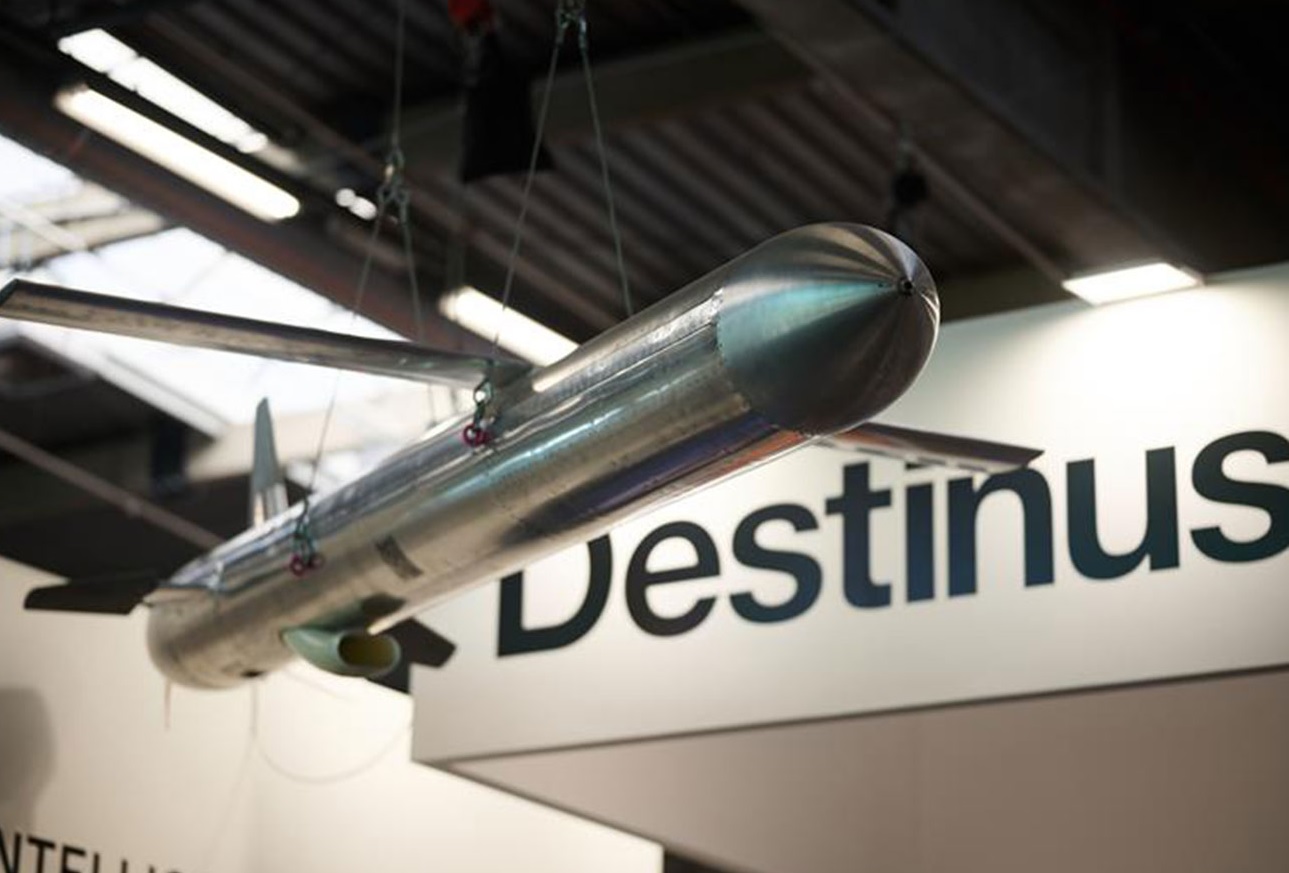
World
European aerospace and defence technology company Destinus has secured a €50 million commercial bank financing facility from Commerzbank, marking its first commercial bank facility and a key step in the company’s industrial growth strategy. The funding is aimed at supporting the next phase of production expansion and infrastructure development across Europe. The facility complements €140 million raised recently through convertible instruments and shareholder loans. Combined with more than €200 million in previously raised equity, the latest financing brings Destinus’ total capital raised to nearly €400 million to date, highlighting growing institutional and investor confidence in the company. Company Profile and Industrial Strategy Headquartered in the Netherlands, Destinus employs around 750 engineers and specialists across multiple European countries. The company focuses on advanced autonomous flight and aerospace systems, combining AI-driven engineering, vertical integration, and large-scale industrial production. This industrial model is designed to shorten development cycles, enable rapid scaling, and support serial manufacturing. Destinus positions itself as a contributor to Europe’s defence technology ecosystem, as governments increasingly prioritise technological sovereignty and domestic industrial capacity. Use of Proceeds and Strategic Objectives The newly secured capital will be used to expand production lines, system integration facilities, and testing infrastructure across Europe. Destinus said the investments will support the delivery of scalable and cost-efficient autonomous systems, while reinforcing European defence readiness and strengthening sovereign industrial capacity across allied nations. The company added that the expansion will enable higher production volumes and improve its ability to meet growing demand from European and allied defence customers. Management Commentary and Institutional Confidence Mikhail Kokorich, founder and chief executive of Destinus, described the financing as a significant milestone. “Securing this facility is an important milestone for Destinus and a strong signal of confidence in Europe’s ability to build high-performance autonomous flight systems at scale,” he said. Kokorich added that the funding reinforces the company’s production roadmap and accelerates the industrialisation of its platforms for European and allied customers. Commerzbank’s participation reflects rising institutional confidence in Destinus’ ability to deliver defence capabilities at meaningful industrial volumes. The transaction also highlights a broader trend of European financial institutions increasing support for domestic aerospace and defence manufacturing to enhance long-term industrial resilience. Advisers and Outlook The financing transactions were advised by Rothschild & Co and CLEAR, which supported Destinus across the various funding instruments. With nearly €400 million raised to date, Destinus enters its next growth phase with a strengthened balance sheet and expanded access to institutional capital. The company said the latest funding provides a stable foundation for scaling production and delivering autonomous systems at industrial scale to European and allied defence customers.
Read More → Posted on 2025-12-22 12:49:27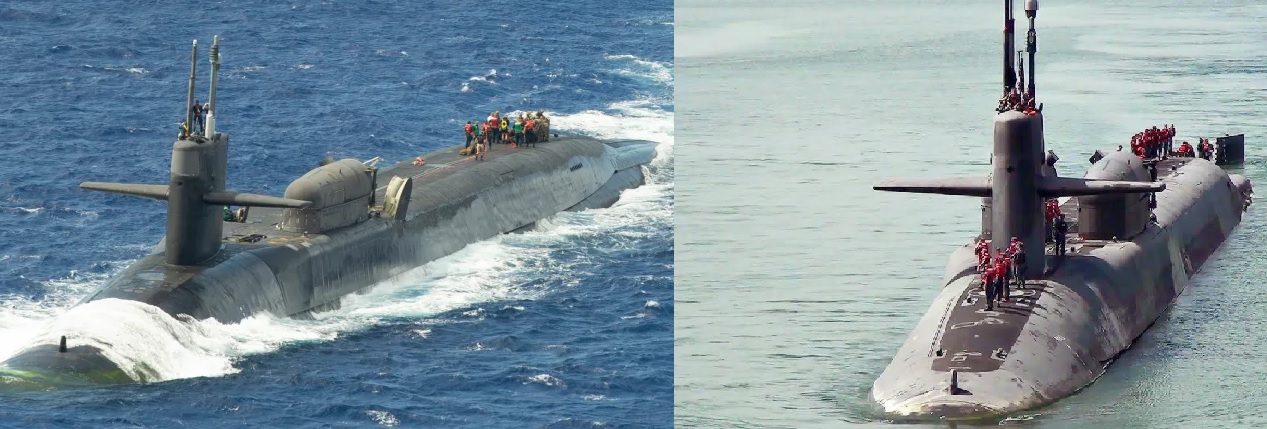
World
The United States Navy is preparing to retire four Ohio-class guided-missile submarines by 2028, a move that will phase out nearly half of the Navy’s undersea Tomahawk cruise-missile strike capacity and significantly reshape how the service delivers conventional firepower from beneath the sea. The submarines—USS Ohio, USS Michigan, USS Florida, and USS Georgia—were originally built as nuclear ballistic-missile submarines during the Cold War before being converted in the 2000s into guided-missile submarines (SSGNs). Each Ohio-class SSGN can carry up to 154 Tomahawk land-attack missiles, giving the four-boat fleet a combined maximum payload of more than 600 missiles and making it the Navy’s most powerful conventional strike asset underwater. Retirement and Capacity Impact As the Ohio-class SSGNs approach the end of their extended service lives, the Navy plans to decommission them later this decade. Their retirement will remove more than half of the Navy’s submarine-based vertical-launch missile capacity, resulting in an immediate reduction in the ability to conduct large-scale, stealthy strike operations from the sea. Unlike attack submarines or surface warships, the Ohio-class boats were designed to concentrate massive missile firepower in a single platform, allowing commanders to deliver massed strikes early in a conflict without relying heavily on surface forces. Virginia Block V as the Successor The Navy plans to replace the Ohio-class strike role with the latest versions of the Virginia-class submarines, beginning with the Block V variant. These submarines are equipped with the Virginia Payload Module (VPM), an added hull section that significantly increases missile capacity through four large payload tubes. A Virginia Block V submarine can carry roughly 40 Tomahawk missiles in its vertical-launch systems—far fewer than an Ohio-class SSGN, but substantially more than earlier Virginia-class boats. The Navy estimates that it will require many Block V submarines operating together to replace the strike capacity lost when the four Ohio-class submarines leave service. Transition Gap and Production Challenges The shift from Ohio-class SSGNs to Virginia Block V submarines is expected to take close to a decade. Submarine construction delays and shipyard capacity constraints mean the Navy is unlikely to field enough Block V boats quickly to fully offset the retiring Ohio-class platforms in the near term. During this transition, the Navy is expected to face a temporary gap in undersea strike capacity, reducing the volume of cruise missiles it can deploy from submarines at any one time. Hypersonic Weapons and Payload Tradeoffs Future payload decisions could further affect missile numbers. The Navy plans to integrate hypersonic weapons into its submarine force, but these larger, space-intensive missiles will occupy more payload volume than Tomahawks, potentially reducing overall missile counts aboard each submarine. Strategic Significance The retirement of the Ohio-class SSGNs marks a major shift in U.S. naval strike power. While Virginia Block V submarines are expected to eventually restore much of the lost capability, the Navy faces a critical transition period marked by reduced undersea missile capacity as it moves from a small number of extremely high-capacity platforms to a more distributed, lower-volume strike force.
Read More → Posted on 2025-12-22 12:34:02Search
Top Trending in 24 Hours
-
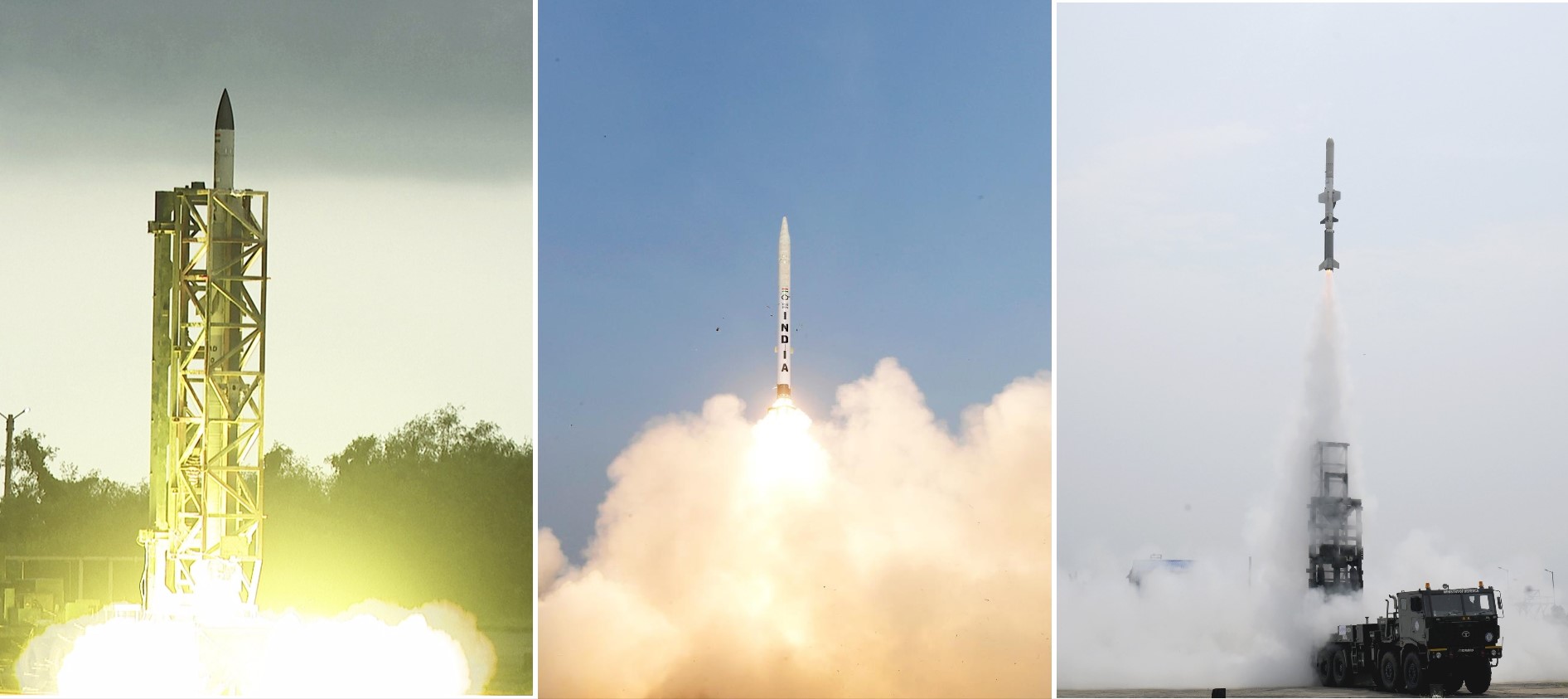 India Successfully Conducts AD-1, AD-2 Interceptor Tests and Maiden NASM-MR Flight Trial
-
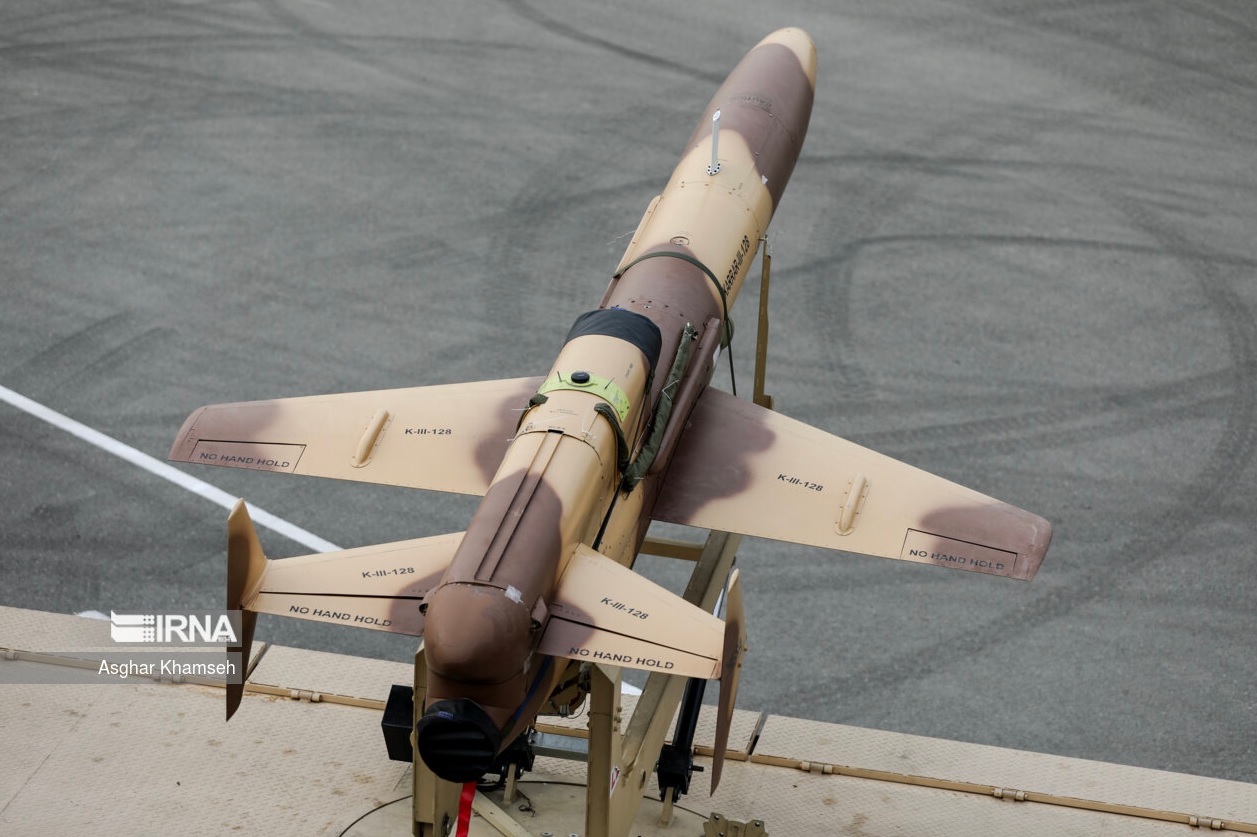 Russia Launches 1,400 Jet-Powered Drones in 2026 as Strike Tactics Evolve to Challenge Ukraine's Air Defenses
-
 U.S Navy Orders 50 Blackbeard Hypersonic Missiles in New $23.4 Million Contract
-
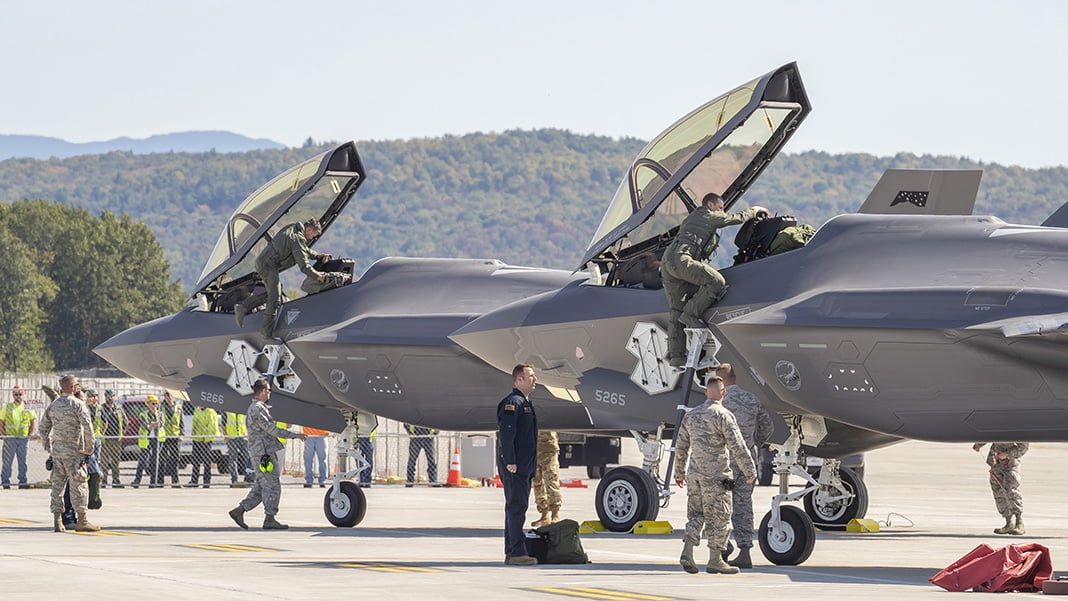 F-35 Fleet Readiness Falls to 25% Amid Parts Shortages and Software Delays: GAO Report
-
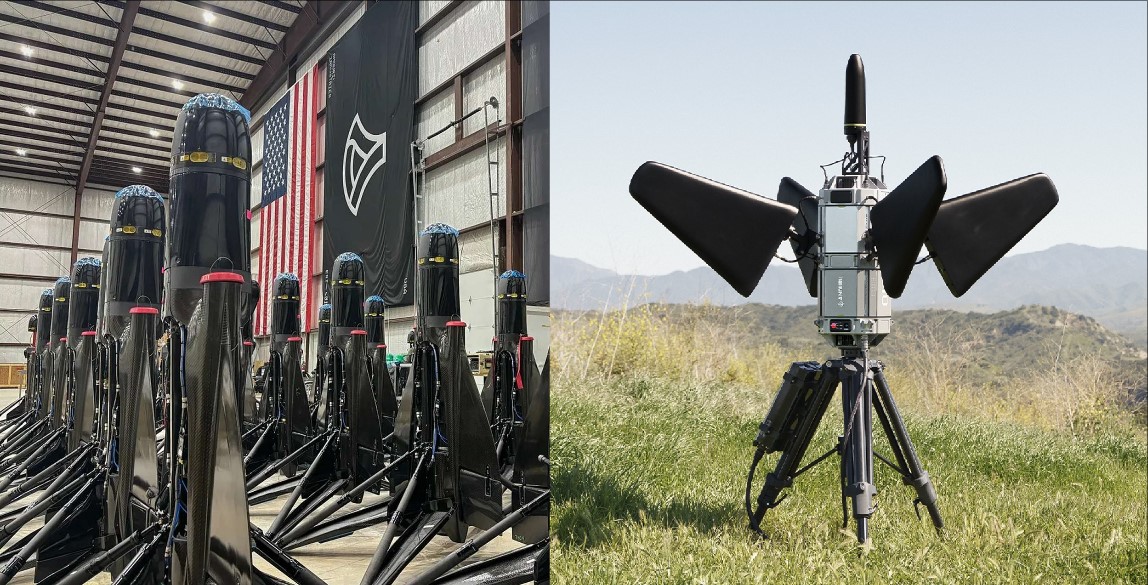 U.S. Approves $1.98 Billion Sale of Anduril AI-Powered Counter-Drone Systems to Kuwait
-
 UAE Denies Reports of Releasing Up to $20 Billion in Funds to Iran Amid Regional De-Escalation Efforts
-
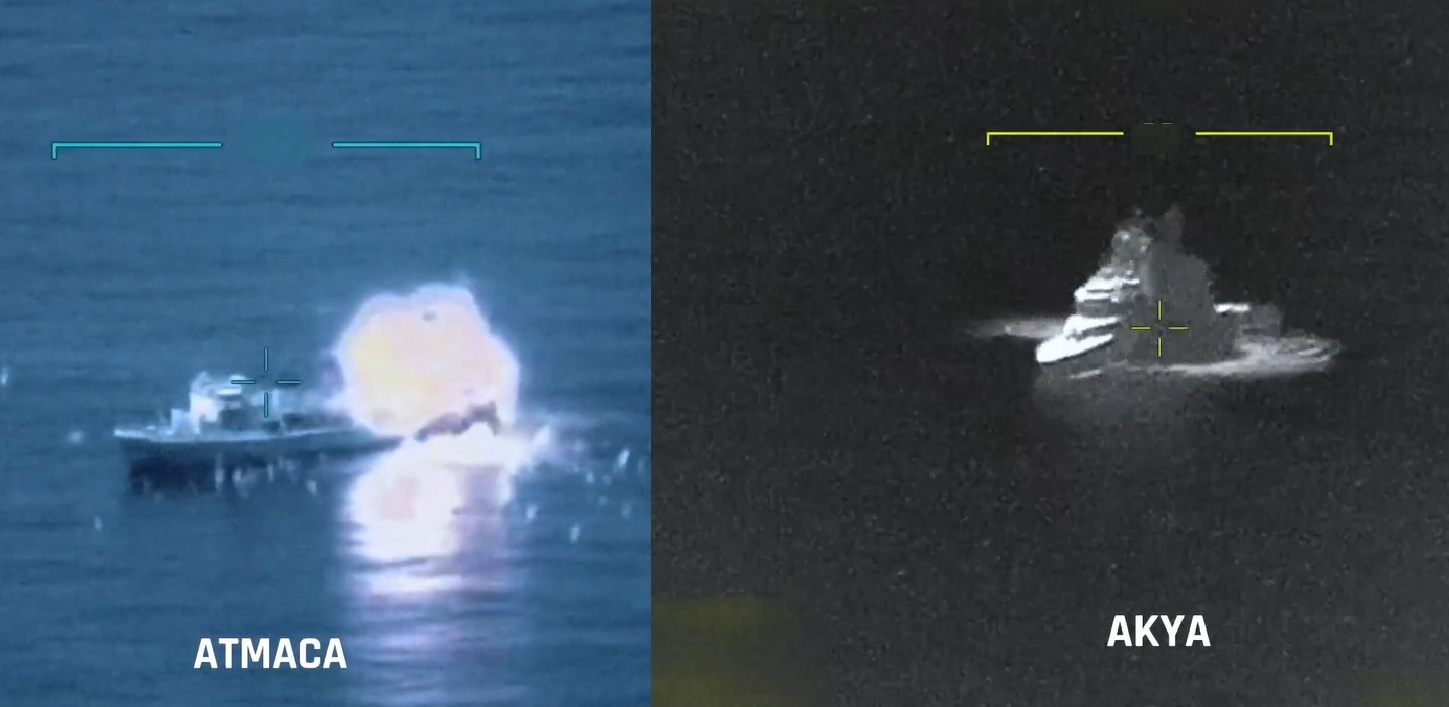 Turkey Navy Successfully Tests AKYA Torpedo and ATMACA Missile During Major Denizkurdu-II Naval Exercise
-
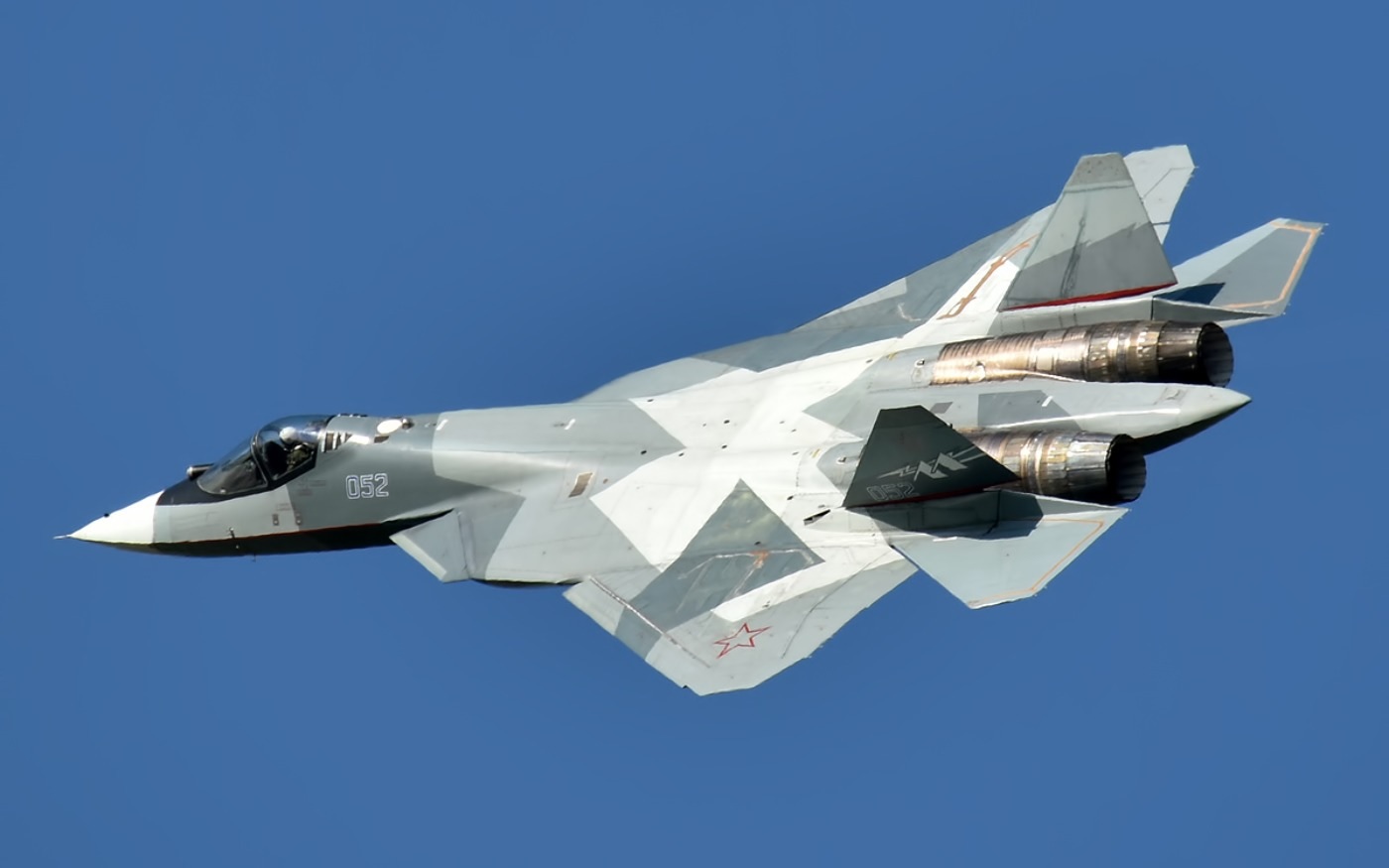 Russian Analysts Debate Su-57 Capabilities After Putin Calls Fighter Superior to F-35
Top Trending in 4 Days
-
 Iranian Media Leaks 14-Point U.S.-Iran Peace Framework Amid Ongoing Negotiations
-
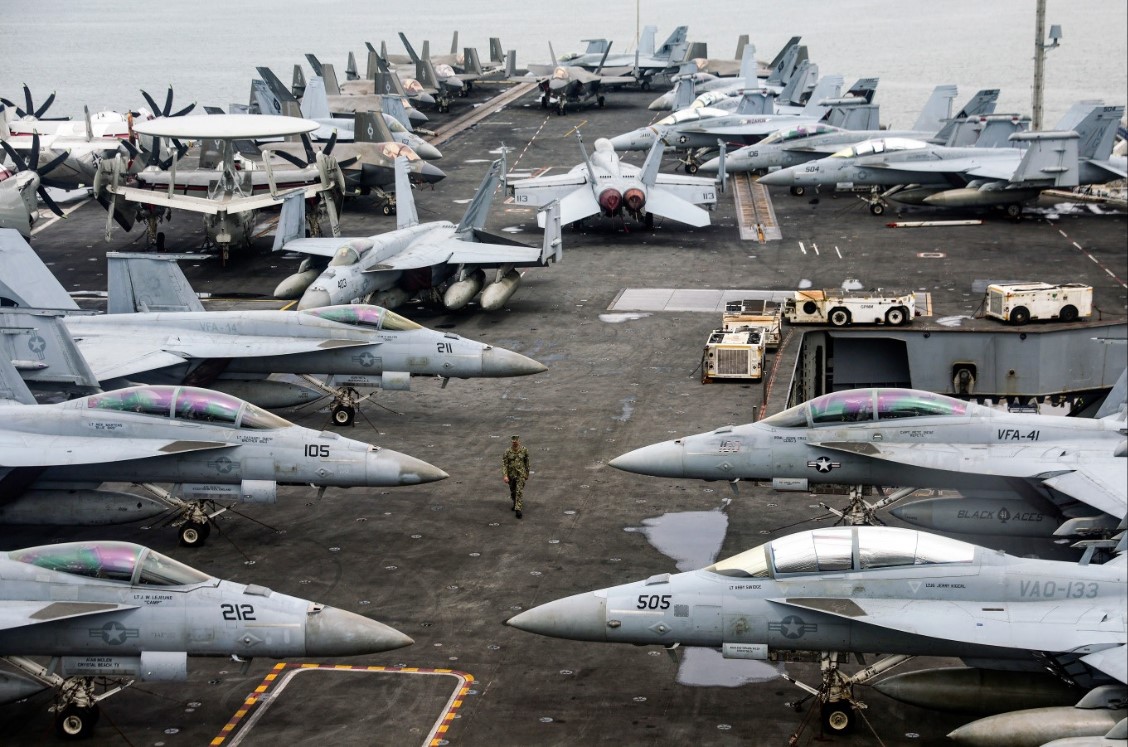 US Plans Significant Reduction of Fighter Jets and Warships for NATO Operations in Europe
-
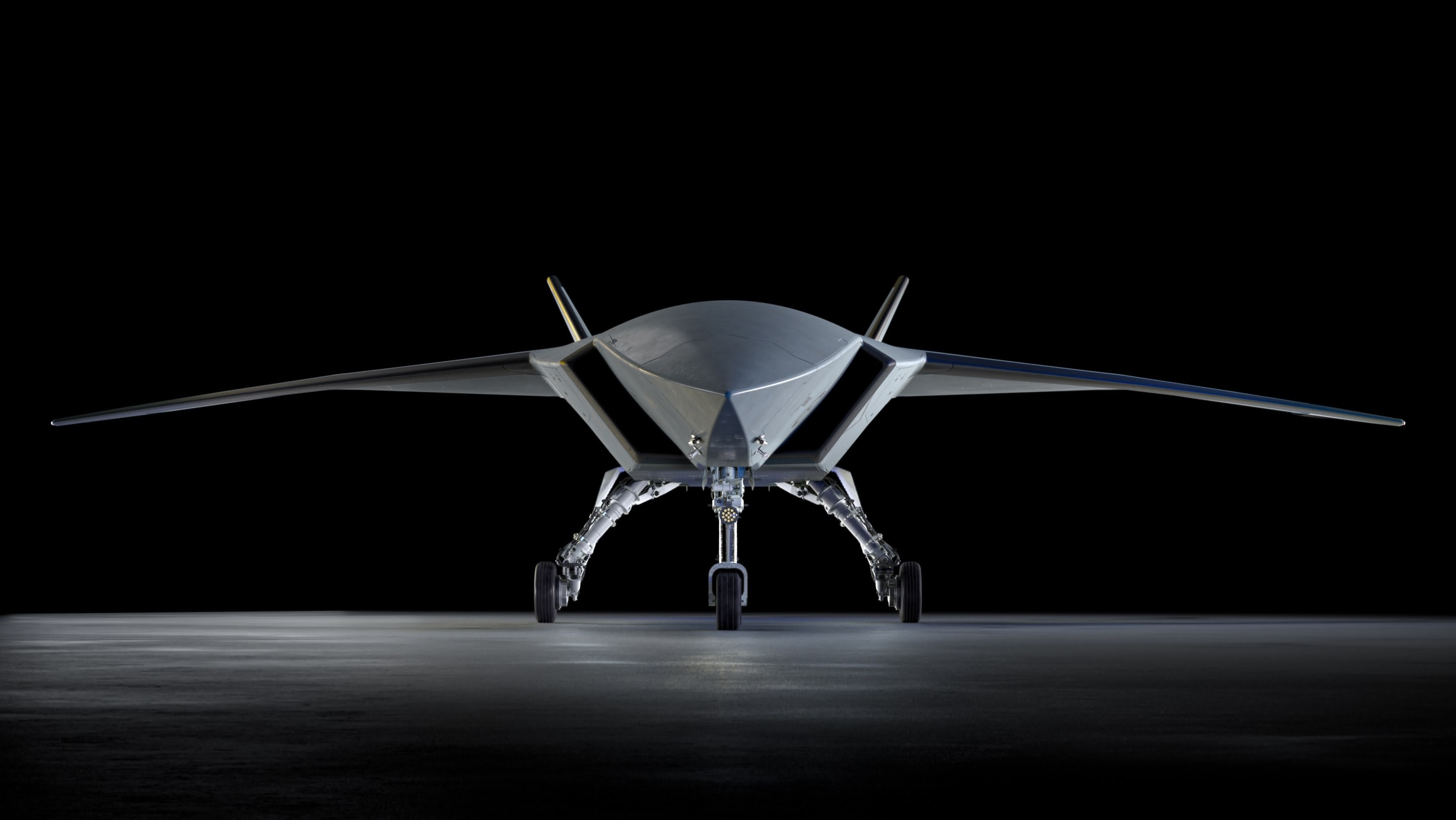 Boeing Introduces New MQ-28 Ghost Bat Upgrades with Increased Range, Payload and Weapons Capacity at ILA Berlin 2026
-
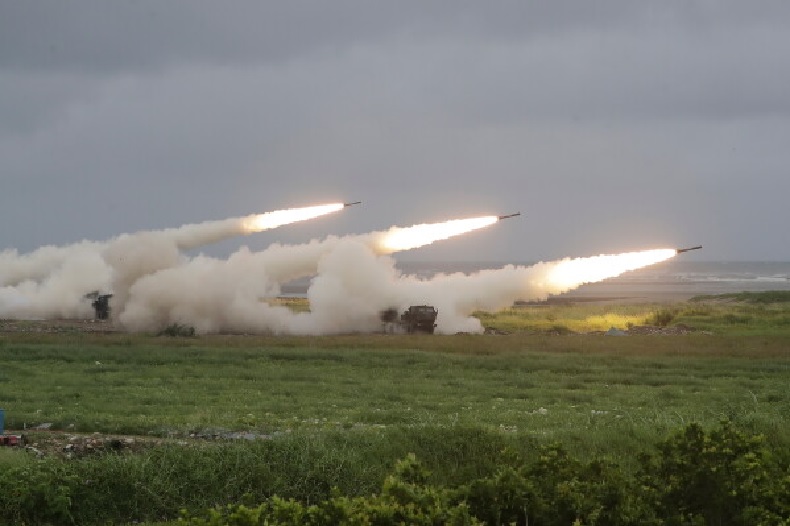 Taiwan Conducts First Live-Fire of HIMARS Rockets From West Coast During Invasion Defense Drill
-
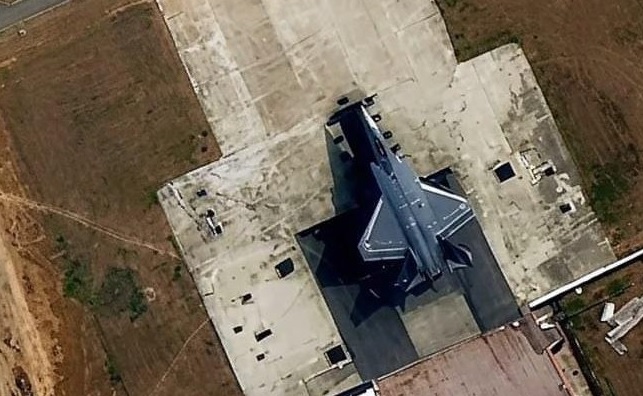 AMCA Airframe Spotted at DRDO’s ORANGE Facility for Radar Cross-Section Testing
-
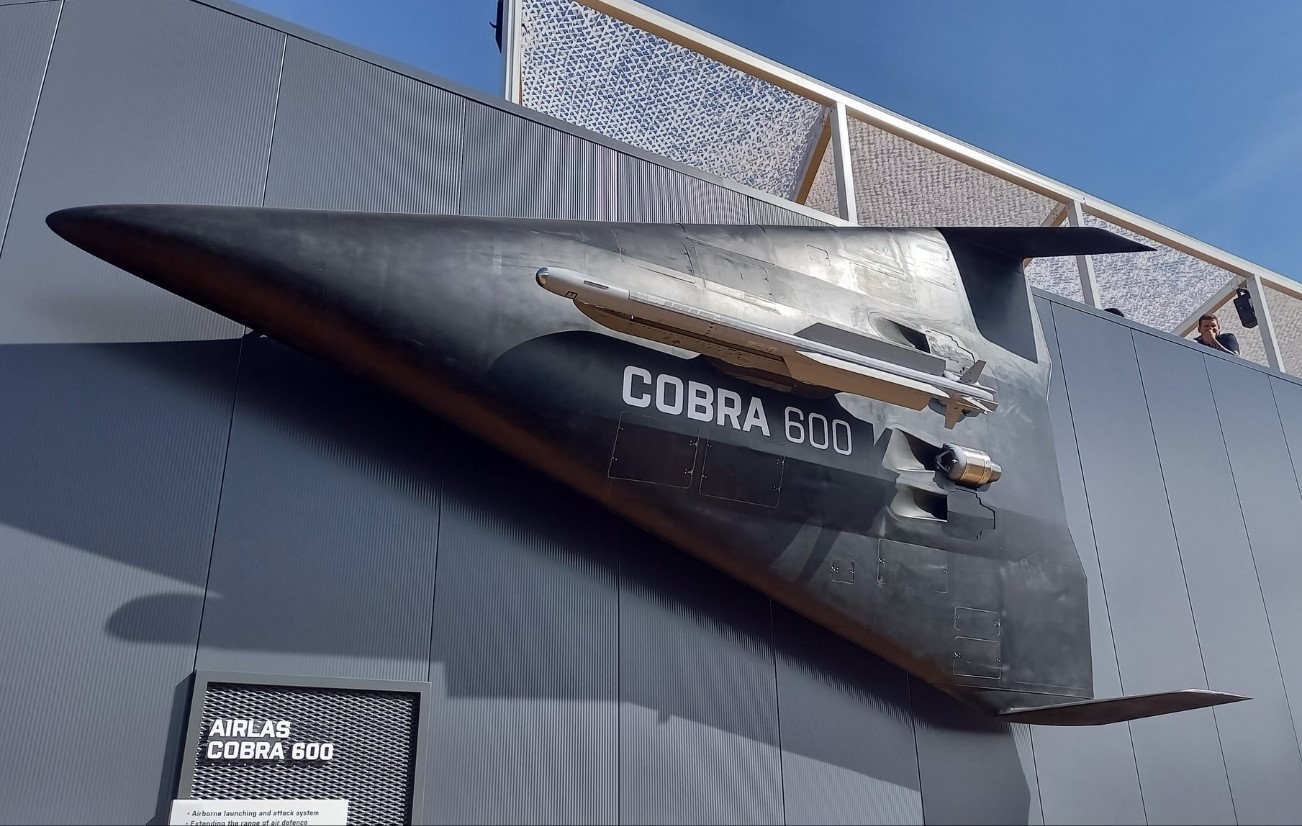 Diehl Defence Unveils IRIS-T Armed Cobra 600 Air Defense Drone at ILA Berlin 2026
-
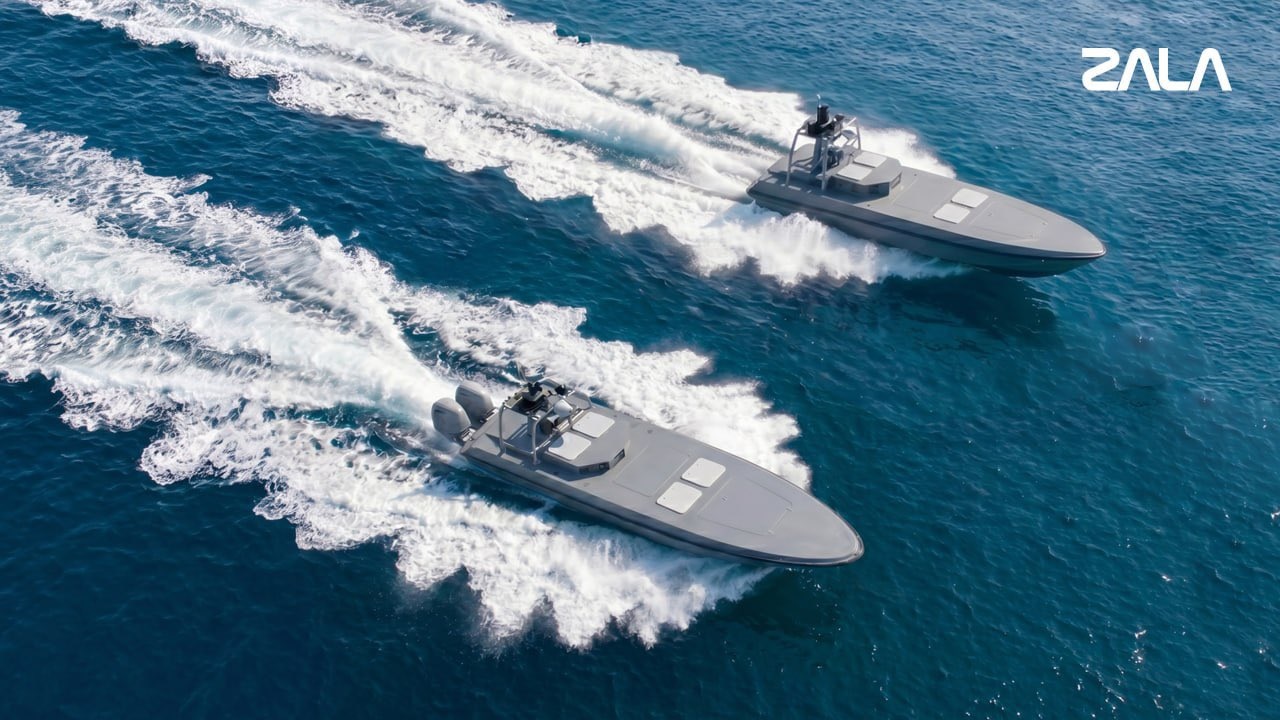 Russian Defense Firm ZALA Unveils KAMA Unmanned Surface Vessel Family at FLOT-2026 Naval Exhibition
-
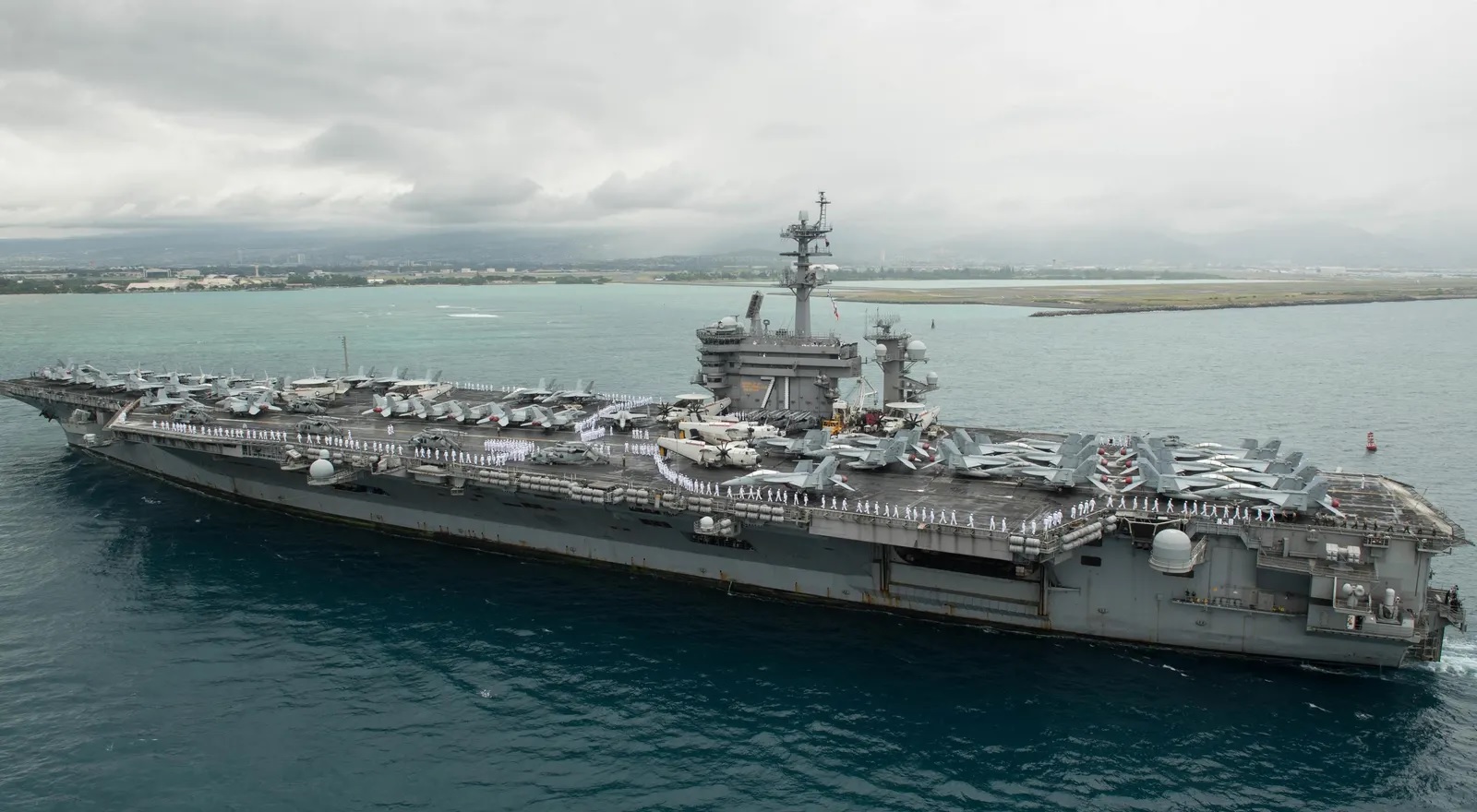 U.S Aircraft Carrier USS Theodore Roosevelt Departs San Diego for Major RIMPAC 2026 Naval Exercise