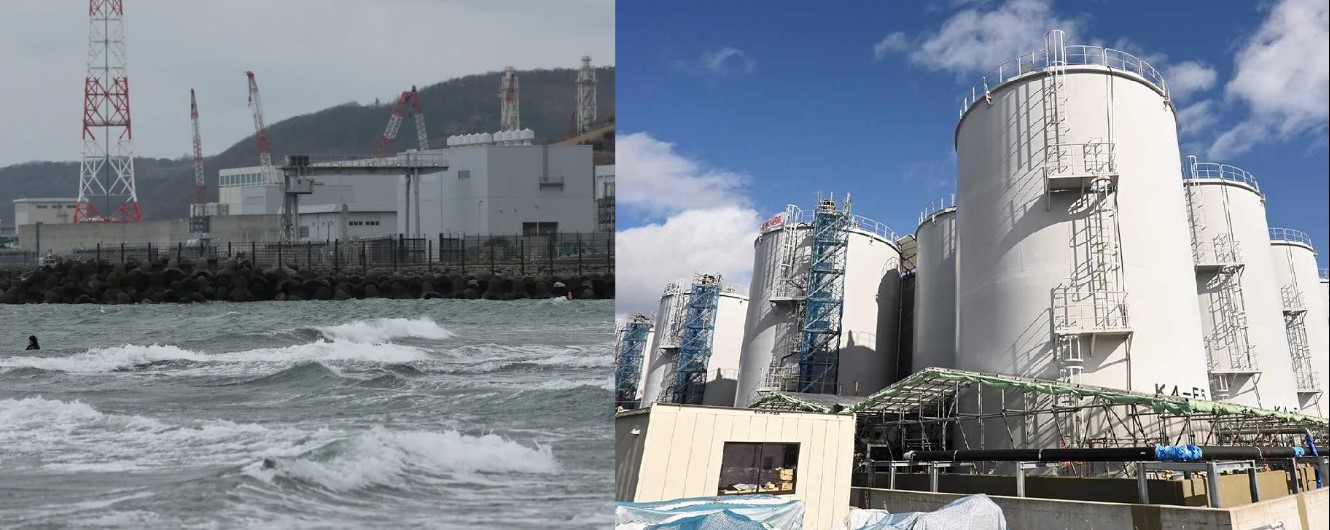
Japanese authorities have granted final approval to restart the Kashiwazaki-Kariwa Nuclear Power Plant, marking a pivotal shift in the country’s long-running and deeply contested nuclear energy policy. The decision signals a decisive change in Japan’s energy strategy, nearly 15 years after the catastrophic Fukushima nuclear disaster brought the nation’s nuclear industry to a near standstill.
Located on the Sea of Japan coast in Niigata Prefecture, around 220 kilometers northwest of Tokyo, Kashiwazaki-Kariwa is the largest nuclear power station in the world by capacity. The restart follows years of safety inspections, regulatory scrutiny, and political debate, culminating in a decisive vote by the Niigata prefectural assembly—a critical requirement given the strong authority local governments hold over nuclear operations.
Why the Plant Was Closed
Kashiwazaki-Kariwa was shut down in the aftermath of the 2011 Fukushima disaster, even though it was not directly damaged by the tsunami. The catastrophe at Fukushima Daiichi Nuclear Power Plant fundamentally altered Japan’s approach to nuclear power.
A massive undersea earthquake, measuring between magnitude 9.0 and 9.1—the strongest ever recorded in Japan—triggered a devastating tsunami that overwhelmed coastal defenses. Flooding disabled backup generators and cooling systems, leading to reactor meltdowns, hydrogen explosions, and large-scale radioactive releases. The disaster forced mass evacuations and shattered public trust in nuclear safety.
In response, Japan shut down all 54 nuclear reactors nationwide, including Kashiwazaki-Kariwa, while regulators introduced the world’s strictest nuclear safety standards. These new rules required higher tsunami barriers, multiple power backups, reinforced cooling systems, and comprehensive emergency planning.
TEPCO Under Scrutiny
The restart carries added significance because the plant is operated by Tokyo Electric Power Company (TEPCO), the same utility that managed Fukushima Daiichi in 2011. TEPCO has faced intense criticism over safety culture and crisis response, and Kashiwazaki-Kariwa itself experienced additional delays after regulators uncovered security lapses, including failures in access control systems.
Only after extensive corrective measures did Japan’s Nuclear Regulation Authority lift its operational ban, clearing the final hurdle for political approval.
Energy Security and Economic Pressure
Since Fukushima, Japan has cautiously restarted 14 of the 33 reactors deemed operable. Before 2011, nuclear power supplied about 30 percent of the country’s electricity. Today, Japan relies heavily on imported fossil fuels, with coal, oil, and gas accounting for 60–70 percent of power generation.
This dependence has proven costly. Japan spent an estimated $68 billion on fossil fuel imports last year, placing strain on the economy and exposing it to global energy price volatility. Government officials argue that restarting large nuclear plants is essential to stabilize electricity costs and strengthen energy security.
Rising Demand from Data Centers
The approval also comes as Japan faces surging electricity demand, driven in part by the rapid expansion of data centers that support artificial intelligence and digital infrastructure. These facilities require constant, high-volume power, making nuclear energy an attractive option.
At the same time, Japan has pledged to achieve net-zero carbon emissions by 2050. As the world’s fifth-largest carbon dioxide emitter, the country views nuclear power as a critical tool for meeting climate targets while maintaining industrial competitiveness.
Public Caution Persists
Despite the decision, public skepticism remains strong, particularly in Niigata, where residents continue to raise concerns about evacuation readiness, aging reactors, and radioactive waste management in a seismically active nation.
Officials have stressed that the restart will proceed gradually and cautiously, with ongoing safety drills, monitoring, and local oversight.
For Japan, the revival of Kashiwazaki-Kariwa represents more than the restart of a power plant. It is a critical test of whether the country can balance the painful legacy of Fukushima, the demands of energy security, and the urgency of climate action in an increasingly electrified future.
——— End of Article ———