U.S
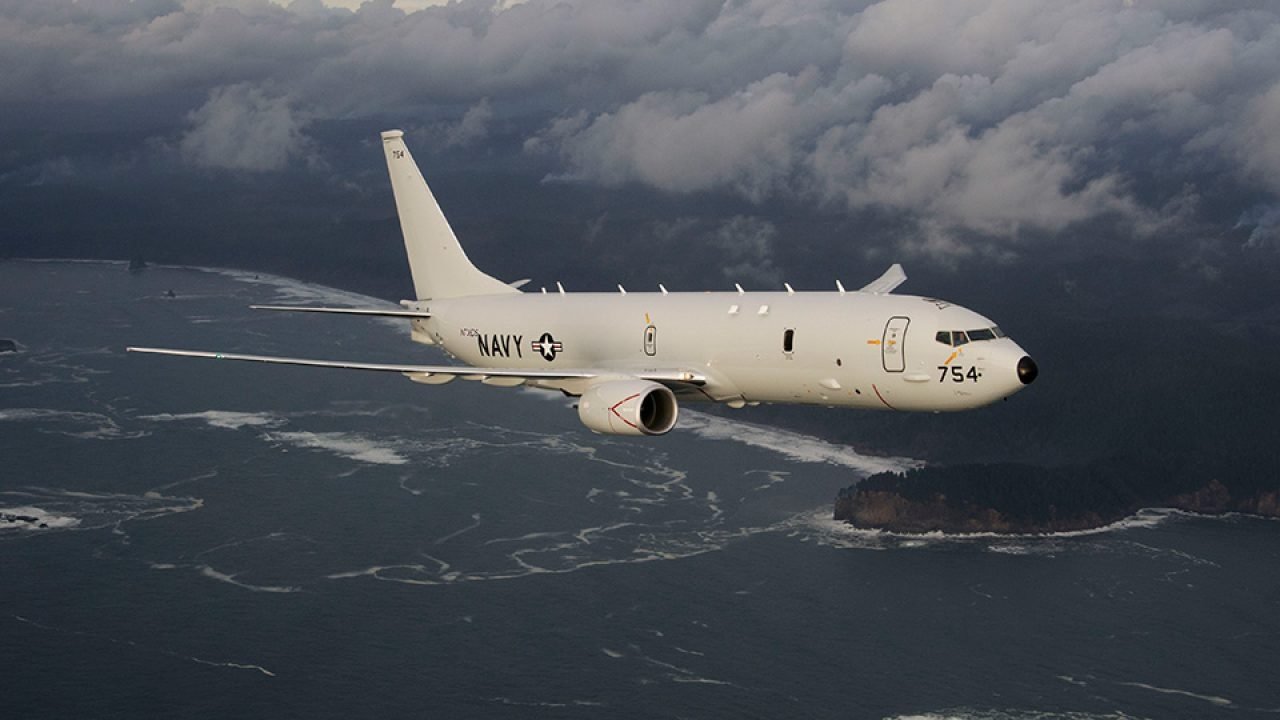
SEATTLE — Boeing has received an $11,381,402 cost-plus-fixed-fee order from the U.S. Department of Defense to develop, test, and deliver updated flight control software for the P-8A Poseidon maritime patrol aircraft. The award, announced in a U.S. Department of Defense contracts notice dated July 31, 2026, supports continued modernization of the aircraft's flight-critical systems. The contract covers the development of updated aircraft-loadable black label software for the Enhanced Digital Flight Control System (EDFCS), which manages the P-8A's autopilot functions. Black label software refers to flight-critical software that has completed the military's highest level of safety certification. The software package will be installed as an operational retrofit on aircraft already in service. Software Update to Correct Six Autopilot Issues According to the contract notice, the updated software will resolve deficiencies identified during software design description, developmental testing, and operational testing of the P-8A autopilot. The corrections are intended to improve the aircraft's automated flight control performance. The update addresses six specific issues: Altitude acquire problems, affecting the aircraft's ability to climb or descend to a selected altitude and maintain it. Autopilot placard speed exceedance, caused by delayed throttle retard, which can allow the aircraft to exceed its maximum certified operating speed. Pitch oscillations during airspeed climbs and descents. Unexpected autopilot mode switching from altitude acquire mode to vertical speed mode after a speed command change. Slow auto-throttle response, reducing how quickly engine power adjusts to pilot commands. Bank limit margin tuning, refining the aircraft's bank angle during automated turns. The Department of Defense stated that these deficiencies were identified through the normal developmental and operational testing process. The contract announcement does not mention any accidents or immediate safety concerns associated with the identified issues. P-8A Poseidon Remains a Key Maritime Patrol Aircraft The P-8A Poseidon is a militarized version of the Boeing 737-800ERX and serves as the U.S. Navy's primary maritime patrol and anti-submarine warfare aircraft. It was developed to replace the aging P-3 Orion fleet. The aircraft is equipped with an open-systems mission computing architecture that integrates radar, acoustic sensors, electronic support measures, and infrared sensors into a single tactical system. Operated by a nine-person crew, the P-8A is designed to detect, track, and engage submarines and surface vessels using torpedoes, anti-ship missiles, and other weapons carried in its internal weapons bay and on external wing pylons. International Fleet Supports Continued Modernization The P-8A is operated by the U.S. Navy, Royal Australian Air Force, Royal Air Force (United Kingdom), and the Royal Norwegian Air Force. Other operators and customers include India (P-8I variant), New Zealand, the Republic of Korea, Germany, and Canada. As the international fleet continues to expand, software updates such as this one help maintain common flight control standards and support ongoing modernization across partner nations. Contract Details All development, testing, and integration work will be performed at Boeing's facilities in Tukwila, Washington, with completion expected by February 2028. The $11,381,402 order is funded by the Royal Australian Air Force, with funding obligated at the time of award. According to the contract notice, none of the funds will expire at the end of the current fiscal year. The order was not competed and was issued by Naval Air Systems Command (NAVAIR) in Patuxent River, Maryland, under a previously awarded basic ordering agreement. The contract provides Boeing with approximately two years to complete development, testing, and formal delivery of the updated flight control software package for the P-8A Poseidon fleet.
Read More → Posted on 2026-08-01 15:11:31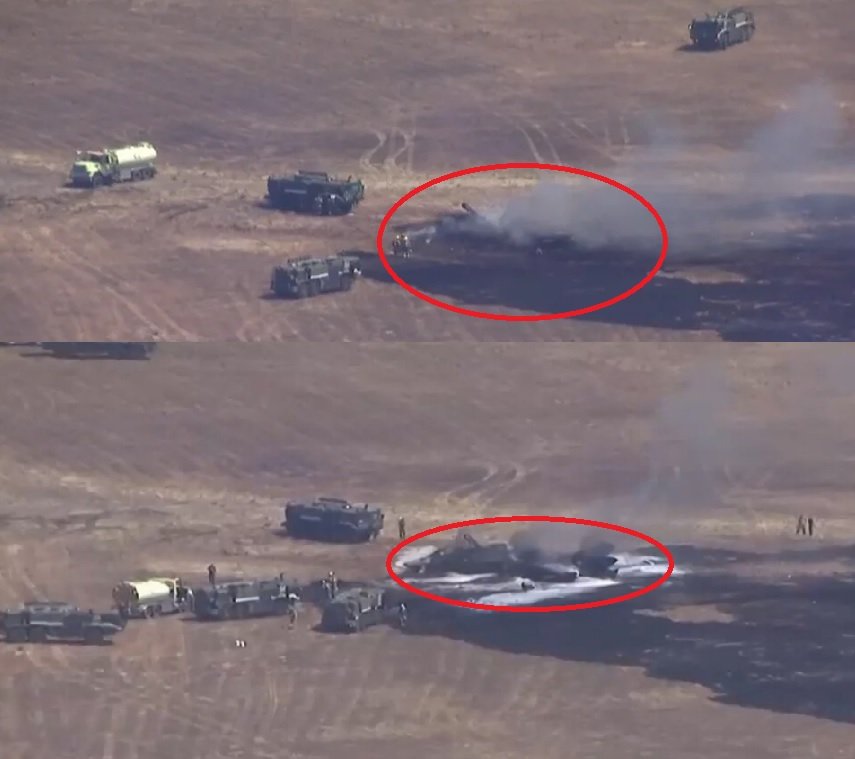
U.S
SAN DIEGO — A U.S. Marine Corps F-35B Lightning II fighter aircraft crashed while approaching the runway at Marine Corps Air Station (MCAS) Miramar on Friday morning, July 31, after the pilot ejected safely before impact. The pilot sustained non-life-threatening injuries and is recovering in stable condition, according to the U.S. Marine Corps. The crash occurred at approximately 10:00 a.m. local time near the runway, just south of Miramar Road near Mitscher Way. According to base air traffic control audio, the aircraft was on a short final approach to the runway when the incident occurred. An eyewitness near the base reported seeing two military aircraft descending toward the runway. The first aircraft landed normally, while the second appeared to slow significantly, almost hovering, before the pilot ejected at an altitude of about 100 feet. The aircraft then crashed into a dirt field, breaking into two large sections across a scorched area roughly the size of a football field. The F-35B was assigned to Marine Aircraft Group 11 (MAG-11), which operates under the 3rd Marine Aircraft Wing headquartered at MCAS Miramar. Officials confirmed the pilot was the aircraft's sole occupant, and no other injuries were reported. Emergency response teams from MCAS Miramar and the San Diego Fire-Rescue Department arrived at the scene shortly after the crash. The impact ignited a vegetation fire that spread across several acres. Firefighters used firefighting foam and white flame retardant to suppress the flames and successfully extinguished the brush fire by early afternoon. In a statement, the 3rd Marine Aircraft Wing confirmed that the pilot's parachute deployed successfully. The pilot was recovered at the crash site and transported to a local medical facility for evaluation and treatment. Military officials have not released the pilot's identity. The Marine Corps has classified the accident as a Class A mishap, the military's highest aviation accident category. The classification is used when an aircraft is destroyed, a fatality occurs, or property damage exceeds $2 million. In this incident, officials confirmed the aircraft was destroyed. Military personnel secured the crash site, and an investigation has been launched to determine the cause of the accident. Officials have not released details about the flight or the circumstances that led to the crash. "Our primary focus remains on supporting emergency teams at the scene, ensuring thorough site security, and conducting an exhaustive review into the circumstances surrounding this aircraft mishap," a base public affairs officer said. The F-35B Lightning II is the short takeoff and vertical landing (STOVL) variant of the F-35 fighter aircraft. The Marine Corps operates the aircraft from amphibious assault ships, expeditionary sites, and conventional airfields. Marine Aircraft Group 11, part of the 3rd Marine Aircraft Wing based at MCAS Miramar in Southern California, provides combat-ready aviation forces and supports the training of Marine and Navy pilots. A single F-35B aircraft costs more than $100 million to produce. The investigation into the crash remains ongoing, and the Marine Corps said additional information will be released as it becomes available.
Read More → Posted on 2026-08-01 14:18:26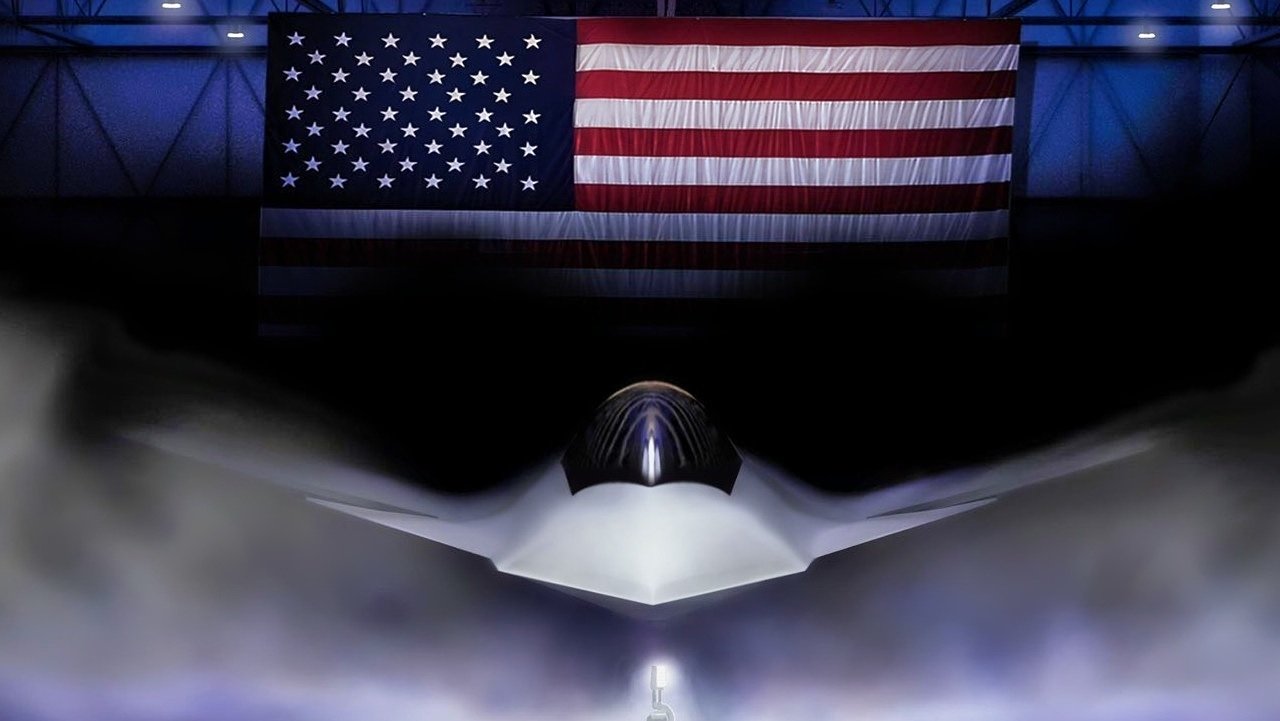
U.S
DAYTON, Ohio — The U.S. Air Force's Boeing F-47 next-generation fighter remains on schedule for its first flight in 2028, according to a senior Air Force official, as the aircraft advances into a key stage of development under the Next Generation Air Dominance (NGAD) program. Speaking at the Life Cycle Industry Days conference in Dayton, Ohio, on Wednesday, Gen. Dale White, director of Critical Major Weapon Systems and the Pentagon's direct reporting portfolio manager for major defense programs, said the F-47 has entered the Engineering and Manufacturing Development (EMD) phase with what he described as "unprecedented maturity." "The F-47 will fly in this administration," White said, referring to the timeline outlined in the fiscal year 2027 budget request. F-47 Enters Engineering and Manufacturing Development The EMD phase focuses on maturing, integrating and testing the aircraft's systems before production. White said the program is benefiting from "extreme teaming" with industry partners. The phase will produce a small number of test aircraft for evaluation, although he did not disclose how many. It also includes priced options for low-rate initial production (LRIP), establishing a path toward future manufacturing. The Boeing F-47 is the crewed fighter component of the Air Force's broader NGAD "family of systems," which also includes Collaborative Combat Aircraft (CCA) designed to operate alongside the fighter during future missions. Air Force officials have said the F-47 features a modular design that allows new technologies to be integrated over time while supporting long-range strike operations in contested environments. Earlier Air Force information states the aircraft is intended to provide air superiority, with a combat radius greater than 1,000 nautical miles and speeds above Mach 2. Air Force Plans to Buy 185 Aircraft The Air Force plans to procure at least 185 F-47 fighters, roughly matching the size of the F-22 Raptor fleet that the new aircraft is intended to replace. President Donald Trump announced Boeing's selection for the program in March 2025, officially moving forward with the NGAD fighter effort. At the time, Trump said: "In terms of all of the attributes of a fighter jet, there's never been anything even close to it, from speed to maneuverability, to what it can have, to payload. America's enemies will never see it coming." More Than $5 Billion Requested for Development The F-47 program received approximately $3.45 billion in fiscal year 2026 funding. The fiscal year 2027 budget request includes more than $5 billion for continued development, representing a 65% increase over the previous year's funding. Budget projections indicate that research and development spending is expected to peak at around $5.25 billion in 2028 before gradually declining in subsequent years. Including previous allocations, total funding for the program is approaching $8.5 billion. Boeing began manufacturing the first F-47 airframe in late 2025. Air Force leaders have previously stated that experimental work on technologies supporting the aircraft had already been underway for several years before the formal development contract was awarded. White's remarks reaffirmed that the 2028 first-flight schedule remains unchanged as the Air Force continues engineering, manufacturing and flight-test preparations for its next-generation air superiority fighter. In addition to the F-47, White oversees a defense portfolio valued at nearly $250 billion, including the B-21 Raider bomber and the Sentinel and Minuteman III strategic missile programs.
Read More → Posted on 2026-08-01 13:30:39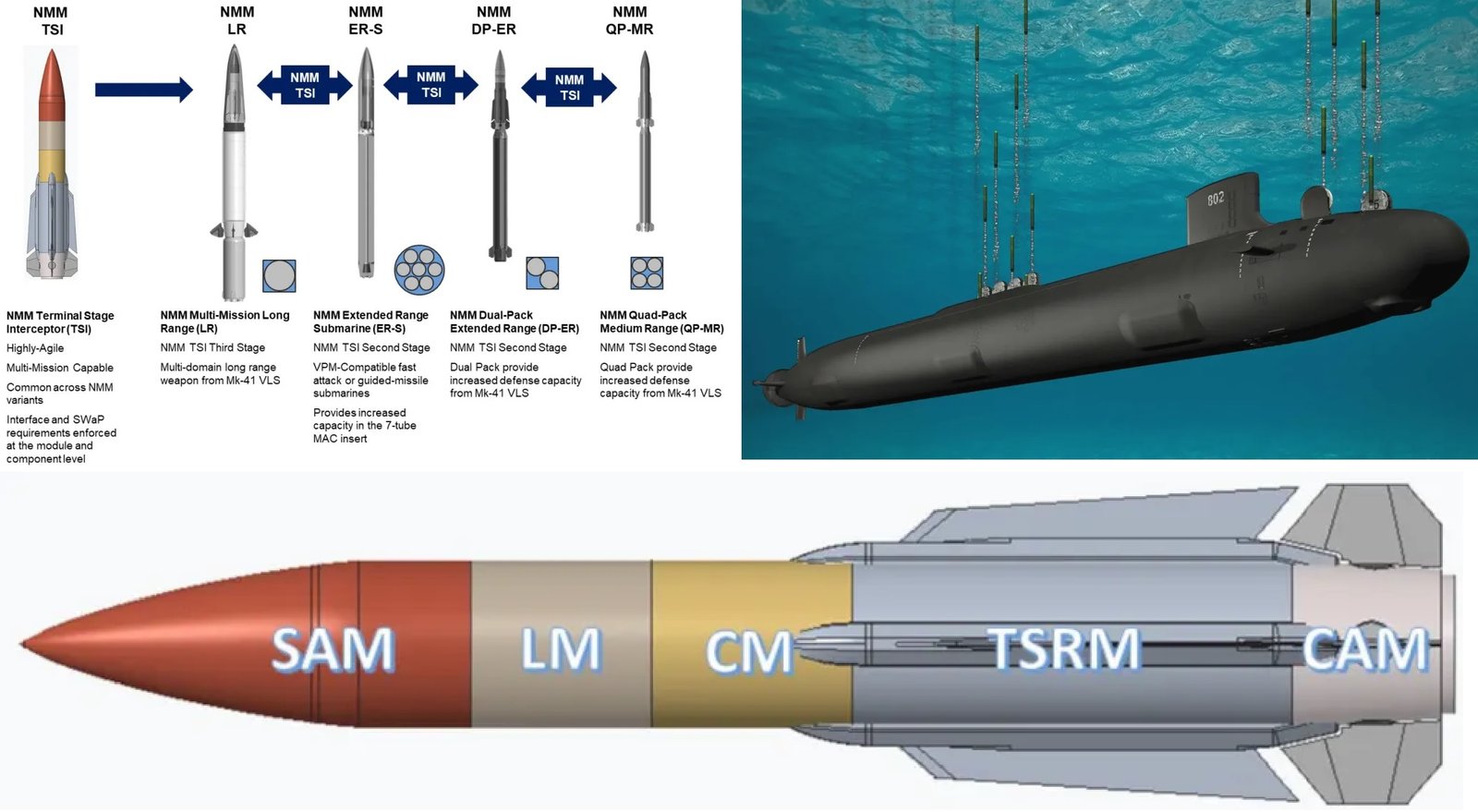
U.S
WASHINGTON — The U.S. Navy has outlined new details of its Naval Modular Missile (NMM) program, a next-generation family of modular surface-to-air interceptors designed to improve fleet air defense, increase missile capacity aboard warships, and introduce a submarine-launched air-defense capability for future attack submarines. The program is built around a common Terminal Stage Interceptor (TSI) that can be combined with different rocket boosters and launch canisters to create multiple missile variants for different missions and platforms. The Navy says the modular approach is intended to simplify production, improve logistics, and provide greater flexibility across the fleet. Information on the program comes from a draft Request for Solutions contracting notice issued by Naval Sea Systems Command (NAVSEA), which was first reported by Aviation Week. NAVSEA also held an industry day earlier this year to gather feedback from potential suppliers. While the effort has existed since at least 2021, only limited information had previously been made public. The U.S. Navy has requested $311 million in its Fiscal Year 2027 budget as a new-start effort to begin NMM development. Budget documents state that the long-term objective is to eventually replace the Navy's existing inventory of Standard missiles with the new modular missile family while providing advanced defensive and offensive capabilities for the U.S. Navy, the Joint Force, allies, and partners. Modular Terminal Stage Interceptor Forms the Core of the Program At the center of the NMM program is the 10-inch diameter Terminal Stage Interceptor (TSI), which serves as a common front-end section for all missile variants. According to NAVSEA contracting documents, the interceptor consists of five modules: Seeker Assembly Module (SAM) Lethality Module (LM) Command Module (CM) Terminal-Stage Rocket Motor (TSRM) Control Actuation Module (CAM) The Navy describes the TSI as a highly agile, multi-mission interceptor built using current technologies. While detailed performance requirements have not been publicly released, the contracting notice indicates the missile is intended to counter advanced aerial threats, including maneuvering supersonic and hypersonic weapons. The Navy has not finalized seeker requirements. However, potential seeker options mentioned in the documents include active radar, imaging infrared, and passive radiofrequency systems. A multi-mode seeker could improve performance against increasingly sophisticated electronic countermeasures. The focus on advanced missile defense reflects operational experience from recent conflicts in the Middle East and observations from the war in Ukraine, as well as the continued development of high-speed anti-ship missiles by countries including China and Russia. Four Missile Variants Planned Using the common TSI, the Navy plans to develop four primary All-Up-Round (AUR) variants for different operational requirements. Long-Range (LR) The Long-Range (LR) variant is intended for launch from the Mk 41 Vertical Launching System (VLS) installed on U.S. Navy surface combatants. The missile uses a 21-inch rocket motor, leveraging existing Navy investments in propulsion technology already associated with the Standard Missile-3 (SM-3) Block IIA and the developing SM-6 Block IB. According to Navy documents, the LR missile is designed to provide multi-mission hypersonic capability, allowing faster engagement of long-range aerial threats and supporting future long-range kill chains. One LR missile will occupy a single Mk 41 VLS cell. Dual-Pack Extended Range (DP-ER) and Quad-Pack Medium Range (QP-MR) To increase the number of interceptors carried aboard surface ships, the Navy also plans two slimmer missile variants: Dual-Pack Extended Range (DP-ER) Quad-Pack Medium Range (QP-MR) These missiles are designed to fit two or four missiles, respectively, into a single Mk 41 VLS cell. Currently, the Evolved Sea Sparrow Missile (ESSM) is the primary Navy surface-to-air interceptor that can be multi-packed into Mk 41 launch cells. Increasing magazine depth would allow warships to conduct more defensive engagements before needing to return to port for reloading. The Navy is also developing methods for reloading vertical launch systems at sea to further improve operational flexibility. Submarine-Launched ER-S Variant One of the most significant elements of the NMM program is the Extended-Range Submarine (ER-S) variant, which is planned for deployment aboard future Block V Virginia-class nuclear-powered attack submarines equipped with the Virginia Payload Module (VPM). The VPM adds four large vertical launch tubes to Block V submarines. Under current plans, the ER-S missiles would be loaded using a seven-cell Multiple All-Up-Round Canister (MAC) adapter previously used on Ohio-class guided-missile submarines. The U.S. Navy does not currently operate a dedicated submarine-launched surface-to-air missile capability. According to program documents, the ER-S missile is expected to provide submarines with localized defense against airborne threats such as anti-submarine warfare aircraft while also expanding their contribution to wider fleet air-defense operations. 【P1】 The submarine currently under construction appears to be USS Arizona (SSN-803), the second Block V Virginia-class attack submarine. 【P2】 is likely the Virginia Payload Module (VPM), a key feature of the Block V variant.USS Arizona will be the first Virginia-class… https://t.co/lNVxk5TZfe pic.twitter.com/oUJLZEMkGd — 笑脸男人 (@lfx160219) July 30, 2026 Submarine multiple all-up-round canister (MAC) evolution:1⃣Ohio-class SSGN: 7-round MAC backfit into each Trident missile tube2⃣Block III Virginia: two VPTs on the bow with 6-round MAC3⃣Block V Virginia (starting w/803): keep Block II VPT, add four 7-round MAC amidships pic.twitter.com/5oAVbKbZEK — 🇺🇸𝗢𝗹𝗱 𝗦𝘂𝗯𝗺𝗮𝗿𝗶𝗻𝗲𝗿⚓️ (@USN_Submariner) August 6, 2024 Potential Role in Networked Air Defense Navy planning documents describe how submarines equipped with ER-S missiles could operate as part of a wider networked air-defense architecture. Using targeting information provided by offboard sensors—including Aegis-equipped surface ships, space-based tracking systems, or aircraft—a submarine could contribute to engagements against airborne threats while remaining integrated into broader fleet operations. The Navy also notes that the LR and ER-S variants are planned to achieve hypersonic speeds, allowing faster engagement of distant threats and potentially improving response against time-sensitive targets. Military planners also recognize operational considerations associated with the submarine-launched concept. Launching a large interceptor generates infrared, radar, and acoustic signatures that could reveal a submarine's position, requiring commanders to balance defensive benefits with stealth requirements. Production Strategy Focuses on Modular Manufacturing A major objective of the NMM program is to improve production capacity and strengthen the defense industrial base. Rather than relying on a single supplier, the Navy's modular open-architecture approach is intended to allow multiple contractors to manufacture TSI components and rocket motors, increasing competition and reducing supply chain constraints. According to contracting documents, the Navy is targeting production of 1,000 TSI interceptors per year within five years of contract award. Budget documents also indicate the Navy plans to use multiple acquisition approaches, including Other Transaction Authorities (OTA), marketplace platforms, and alternatives to traditional Federal Acquisition Regulation (FAR) procurement methods to expand the supplier base. Program Supports Future Fleet Air Defense The Fiscal Year 2027 budget request states that the Naval Modular Missile (NMM) program is intended to address increasingly capable anti-access and area-denial (A2/AD) threats while providing greater magazine capacity and more adaptable missile options across the fleet. If developed as planned, the NMM family would introduce a standardized interceptor architecture for surface ships while adding a new submarine-launched air-defense capability for future Virginia-class submarines equipped with the Virginia Payload Module (VPM), expanding the Navy's options for defending against advanced aerial threats. Source : TWZ
Read More → Posted on 2026-08-01 12:08:45
U.S
ARLINGTON, Va. — RTX subsidiary Pratt & Whitney has received a nearly $1.3 billion undefinitized contract to supply spare parts for the F135 engine, the propulsion system that powers all three variants of the F-35 Lightning II fighter aircraft. The Indefinite Delivery, Indefinite Quantity (IDIQ) contract is intended to fund the initial spare parts requirements for fiscal year 2026. Managed primarily by the U.S. Department of Defense's Naval Air Systems Command, the contract action modification is valued at $1,295,745,898. Under the agreement, Pratt & Whitney will provide deployable spare packages, depot lay-ins, and associated support equipment to support F-35 operations. Supporting Global F-35 Operations The contract will provide both common and depot spare parts for the F-35 global spares pool, along with country-specific spare parts for international operators. According to the company, the contract supports the operational requirements of the U.S. Air Force, U.S. Marine Corps, and U.S. Navy, as well as non-U.S. Department of Defense participants and international F-35 customers. Pratt & Whitney said it has delivered more than 1,500 production F135 engines to operators across 20 allied nations. The company's global F-35 sustainment network currently provides maintenance, logistics, and technical support services for aircraft operating from 42 military bases and 13 ships worldwide. "Ensuring the F135 remains mission-ready is critical to the success of the F-35 enterprise," said Chris Johnson, Vice President of Pratt & Whitney's F135 Program. "This contract will help strengthen our global sustainment network to ensure operators around the world can continue to rely on the F135's unmatched performance," he added. Work to Continue Through 2030 Work under the contract will be carried out at multiple Pratt & Whitney facilities through 2030. The majority of the work will take place in Connecticut, including East Hartford, which will account for 59.6% of the work, and Middletown, which will account for 16.7%. Additional manufacturing and support activities will be conducted in Maine, Texas, Washington, Rhode Island, and California. Pratt & Whitney stated that no funds will be obligated at the time of contract award. Instead, funding will be provided through individual orders issued during the life of the contract. F135 Engine Core Upgrade In addition to supporting current F-35 operations, Pratt & Whitney is continuing work on the F135 Engine Core Upgrade, which has been selected as the official propulsion modernization solution for the F-35 program. The company said the upgrade will use the existing F135 sustainment network and is intended to improve fleet readiness while supporting the long-term operational requirements of F-35 operators around the world.
Read More → Posted on 2026-07-31 13:35:47
U.S
WASHINGTON — The U.S. military has received its first batch of 2,000 F10 first-person view (FPV) strike drones manufactured by Ukrainian company F-Drones, marking the first official export of fully assembled Ukrainian-made combat drones to the United States. F-Drones confirmed the delivery to the Ukrainian defense publication Militarnyi, stating that the shipment represents a significant step for Ukraine's defense industry. According to the company, this is the first time the Ukrainian government has authorized the export of complete, combat-ready domestically produced military drones. Previous approvals issued during the current period of martial law were limited to the export of specific components and technologies rather than finished weapons systems. Ukraine's State Service of Export Control granted the export permit on July 1, 2026, with support from the state-owned enterprise Spetstechnoexport. The drones were manufactured in Ukraine before being delivered to the United States. Acceptance Process and Training The newly delivered F10 drones are currently undergoing the U.S. military's standard acceptance process. Once the hardware successfully completes quality checks, U.S. military personnel will begin training on operating the drones. F-Drones said it has already submitted a separate application to Ukraine's State Service for Export Control seeking approval to provide training services for U.S. personnel. "These units are currently undergoing the acceptance process. Once it is completed, training for U.S. military personnel will begin, covering how to operate our UAVs," the company stated. The company added that the current agreement includes an option for the delivery of up to 1,000 additional F10 drones after the acceptance process is completed. Part of the Pentagon's Drone Dominance Program The delivery is part of the Gauntlet I phase of the Pentagon's Drone Dominance Program, a U.S. Department of Defense initiative aimed at rapidly acquiring more than 200,000 tactical drones by 2027. The program is backed by approximately $1 billion to $1.1 billion in funding and focuses on procuring drones capable of delivering lethal effects in demanding battlefield conditions. F-Drones secured its place in the program together with its U.S. partner, UDD Tech Corp. (Ukrainian Defense Drones Tech Corp.). During the Gauntlet I evaluations held at Fort Benning, Georgia, in February 2026, the F10 drone was tested by U.S. soldiers in field operations and long-range strike scenarios. The system finished sixth among 25 competing platforms and was selected among the top-performing companies to receive prototype procurement contracts. Manufacturing Partnership in the United States To expand cooperation with the U.S. defense sector, UDD Tech Corp. is establishing a manufacturing facility in Holland, Ohio. According to the company, the goal is to gradually shift from importing completed Ukrainian-made drones to manufacturing the systems within the United States. F-Drones Chief Executive Officer Stas Khutor said exports help strengthen Ukraine's defense industry rather than reduce supplies available to its armed forces. "Exports are a tool for scaling up production, attracting investment, advancing technology, raising quality standards, and strengthening international cooperation. It does not mean 'less for the front line'. On the contrary, a stronger industry means stronger Armed Forces," Khutor said. Gauntlet II Evaluations Underway The Drone Dominance Program consists of four competitive Gauntlet phases, with Gauntlet II now underway. F-Drones and UDD Tech Corp. have qualified for the second phase, which will focus on night operations, urban environments, and close-quarters combat. As part of the upcoming evaluations, the company plans to deliver 120 additional F10 drones for use by U.S. military personnel during testing. According to company information, the trials are scheduled for late August 2026 at Camp Grayling, Michigan, where U.S. military operators will independently evaluate the drones across multiple combat mission scenarios. The results of the Gauntlet II evaluations will help determine future procurement decisions. Depending on performance, F-Drones could become eligible for a follow-on agreement covering up to 9,000 additional drones. Expanding International Cooperation Alongside its U.S. partnership, F-Drones is also expanding its presence in Europe. The company recently became a founding member of the Ukraine–EU Drone Alliance, an initiative established to strengthen cooperation between Ukrainian and European drone manufacturers and increase production capacity for unmanned systems. The first shipment of 2,000 F10 FPV drones marks both the beginning of operational deliveries to the U.S. military and the first officially approved export of fully assembled Ukrainian combat drones, reflecting growing defense-industrial cooperation between Ukraine and the United States.
Read More → Posted on 2026-07-31 12:40:38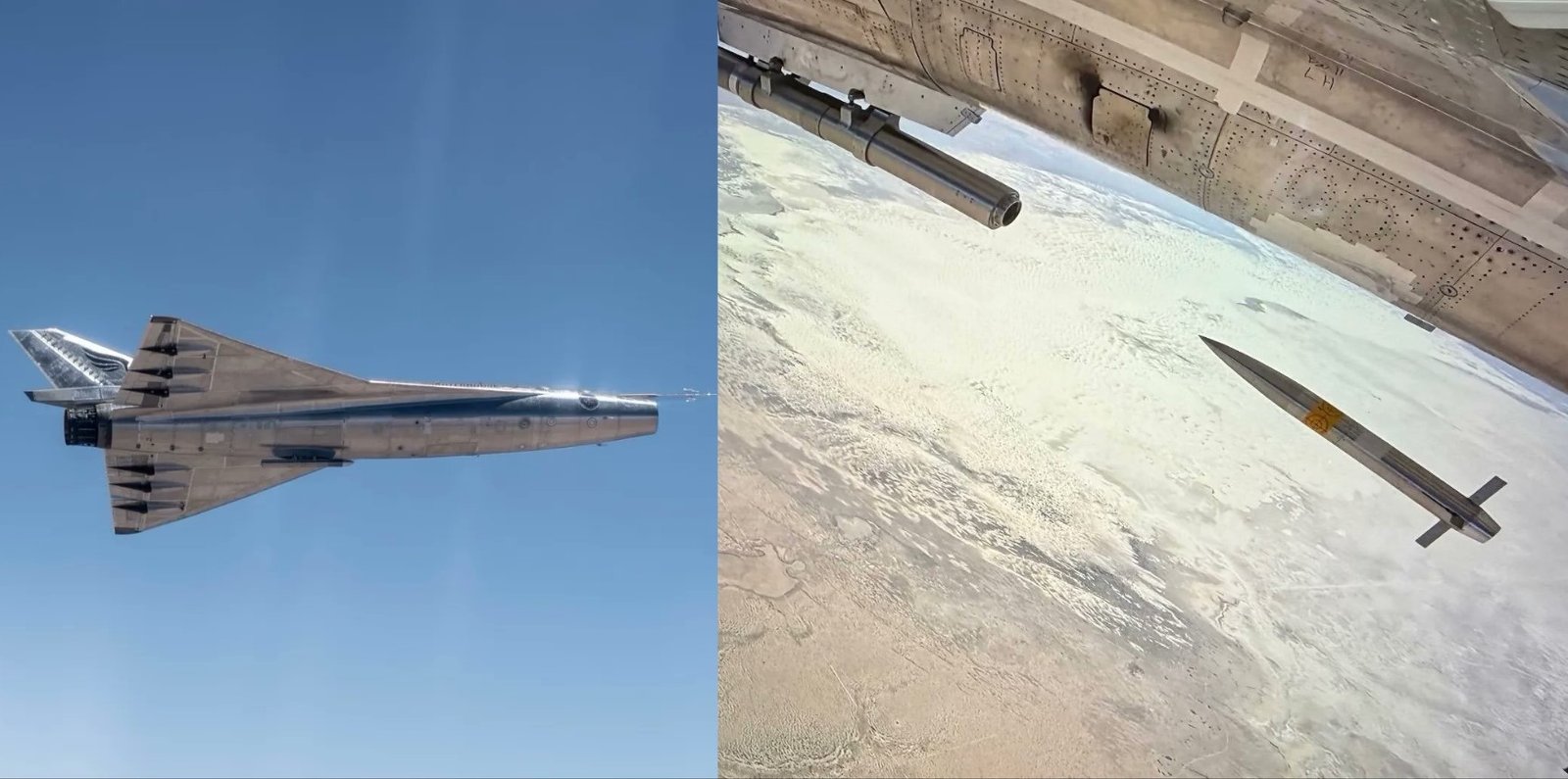
U.S
El Segundo, California — The U.S. Defense Innovation Unit (DIU) and Atlanta-based hypersonic aircraft company Hermeus have successfully completed an unmanned stores separation flight test with the Quarterhorse uncrewed aerial vehicle (UAV), marking another milestone in the Hypersonic and High-Cadence Airborne Testing Capabilities (HyCAT) program. The successful flight demonstrated that the Quarterhorse aircraft can safely release an external payload during flight, an important requirement for military aircraft designed to carry and deploy equipment such as munitions, sensor pods, or electronic warfare systems. Until this capability is validated, an aircraft remains primarily a research and testing platform rather than one capable of operational payload deployment. DIU described the achievement as another important milestone for the HyCAT program, noting that the stores separation test was completed during the program's fifth flight since spring 2026. "Another huge HyCAT milestone, a successful unmanned stores separation flight test with Hermeus. This was only the program's 5th flight since the Spring. Tests like this usually take years. We're moving 4x as fast," DIU stated. Stores Separation Test Validates Safe Payload Release A stores separation test verifies that an external payload can be released safely without striking the aircraft or disrupting its flight. The process is considered a critical certification step for any military aircraft expected to carry external stores. The challenge becomes greater at high subsonic and transonic speeds, where airflow around the aircraft and released object becomes increasingly complex. If a payload does not separate correctly, it could collide with the aircraft or create flight instability. The successful demonstration provides engineers with flight data that can be used to model payload releases at progressively higher speeds as the Quarterhorse flight test program expands. HyCAT Program Aims to Accelerate Hypersonic Testing The HyCAT program was launched by the Defense Innovation Unit in early 2023 to accelerate hypersonic flight testing by working with commercial aerospace companies instead of relying solely on traditional defense acquisition processes. Hypersonic flight testing has historically faced challenges including limited wind tunnel capacity, restricted access to specialized test ranges, and the technical complexity of sustained flight above Mach 5. Through partnerships with private industry and the use of commercial investment alongside government funding, DIU aims to shorten development timelines and generate flight data more rapidly than conventional programs. Quarterhorse Supports Future High-Speed Aircraft Development The aircraft used during the test was Hermeus' Quarterhorse, an uncrewed experimental aircraft developed to mature technologies for future high-speed military aircraft. According to Hermeus, Quarterhorse is powered by its Chimera turbine-based combined-cycle (TBCC) propulsion system, built around a modified General Electric J85 turbojet core. The engine is designed to operate as a conventional turbojet at lower speeds before transitioning to another propulsion mode as the aircraft approaches higher-speed flight, allowing one propulsion system to support multiple flight regimes. Earlier in 2026, Hermeus reported that Quarterhorse reached Mach 1.21, approximately 930 miles per hour (1,497 km/h), during a previous flight. The company plans to expand the aircraft's flight envelope toward Mach 3 by 2027. Expanded DIU-Hermeus Partnership DIU first selected Hermeus for the HyCAT program in November 2023 with a contract valued at $23 million to demonstrate propulsion, thermal management, power generation, and mission-system technologies. In May 2026, the partnership expanded through a $159 million contract modification, increasing the total contract ceiling to $219 million. Under the updated agreement, Hermeus will continue Quarterhorse flight testing throughout 2026 and 2027 while providing flight data to DIU, the U.S. Air Force, and the U.S. Navy. The expanded work includes high-Mach flight demonstrations and high-speed payload release testing to support future military aircraft concepts. Hermeus has stated that Quarterhorse is intended as a technology development platform rather than an operational aircraft. The company plans to apply the knowledge gained from Quarterhorse to its future uncrewed aircraft, Darkhorse. Hermeus describes Darkhorse as a reusable, multi-mission hypersonic uncrewed aircraft intended for strike and reconnaissance missions. The company has said the platform will incorporate propulsion, structural, and thermal management technologies validated through the Quarterhorse flight test program. Defense analysts have also noted that future high-speed uncrewed aircraft could complement programs such as the U.S. Air Force's Collaborative Combat Aircraft initiative or operate independently in strike and electronic attack roles. HyCAT Continues to Expand The HyCAT program has recorded additional progress during 2026. In February, Rocket Lab's HASTE suborbital launch vehicle carried the DART AE hypersonic testbed, developed by Australian company Hypersonix, during the Cassowary Vex mission. The flight exceeded Mach 5 and collected propulsion, trajectory, and vehicle performance data under hypersonic flight conditions. DIU is also advancing the next phase of the program, HyCAT 2, which includes work with California-based NXTRAC to develop guidance, navigation, and control technologies for future hypersonic test vehicles. The latest stores separation demonstration adds another validated capability to the Quarterhorse flight test program and provides additional flight data to support the continued development of future high-speed military aircraft under the HyCAT initiative.
Read More → Posted on 2026-07-31 11:25:39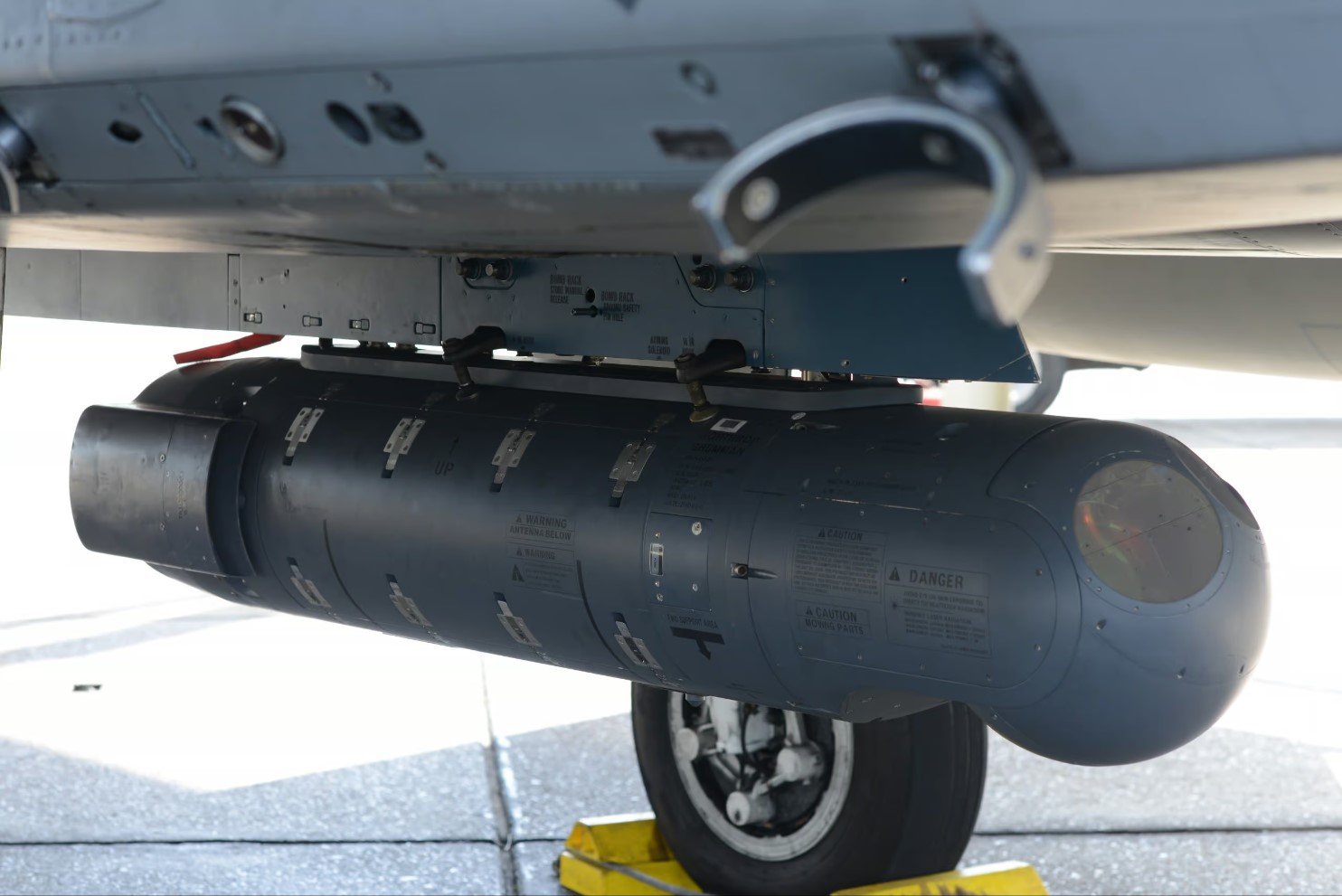
U.S
ROLLING MEADOWS, Ill. — The U.S. military has awarded Northrop Grumman Systems Corp. a multiyear indefinite-delivery/indefinite-quantity (IDIQ) contract with a maximum value of $1.84 billion to continue the production, sustainment, and modernization of the AN/AAQ-28 LITENING Comprehensive Advanced Targeting Pod (CATP). The contract, announced in the U.S. Department of War's contracts list for July 30, 2026, allows the government to place orders under the agreement through Dec. 31, 2035. It covers the production and delivery of new LITENING targeting pods, along with operational support, sustainment, and modifications for systems already in service. An initial obligation of approximately $42.9 million in fiscal 2026 operations and maintenance funds was made at the time of the award. The contract begins immediately, with details of the initial execution phase remaining limited. The firm-fixed-price agreement was awarded through a sole-source acquisition managed by the Precision Attack Contracting Branch at Robins Air Force Base, Georgia, under contract number FA8540-26-D-B001. All manufacturing and engineering work will be carried out at Northrop Grumman's facility in Rolling Meadows, Illinois. Advanced Targeting System The AN/AAQ-28 LITENING is an electro-optical and infrared (EO/IR) targeting pod designed to detect, acquire, identify, and track targets at extended ranges. It provides targeting and surveillance capabilities for a wide range of military missions. The system incorporates a high-resolution forward-looking infrared (FLIR) sensor, a charge-coupled device (CCD) television camera for daytime operations, and a laser designator for guiding precision-guided munitions. The pod weighs 459 pounds (208 kilograms) and measures just over seven feet in length. It is mounted externally on aircraft and features a modular architecture that allows capability upgrades over time without requiring a complete replacement of the system. Operational Service According to Northrop Grumman, more than 900 LITENING targeting pods have been delivered to U.S. forces and international customers. The company states that the systems have achieved operational availability of up to 95 percent. The global LITENING fleet has accumulated more than 3 million flight hours, with a significant share recorded during combat operations. In addition to precision strike missions, the targeting pod supports: Precision targeting Close air support Air superiority missions Intelligence, surveillance, and reconnaissance (ISR) Humanitarian assistance and disaster relief monitoring Compatible Aircraft The LITENING targeting pod is integrated across a range of crewed and uncrewed aircraft, including: A-10 Thunderbolt II AV-8B Harrier II F-15E Strike Eagle F-16 Fighting Falcon F/A-18 Hornet B-52 Stratofortress C-130 Hercules MQ-9 Reaper Its compatibility with multiple aircraft types has contributed to its widespread use across different mission sets involving both manned and unmanned platforms. Industry Partnership Northrop Grumman produces the LITENING targeting pod in partnership with Rafael Advanced Defense Systems of Israel. The company's Rolling Meadows, Illinois, facility serves as a primary production location for the program. The new contract ensures continued production, sustainment, and modernization of the LITENING targeting pod fleet through the end of 2035, supporting the operational readiness of aircraft already equipped with the system while allowing future orders for additional pods under the IDIQ framework.
Read More → Posted on 2026-07-31 10:42:31
U.S
WASHINGTON — The U.S. Department of Defense has awarded California-based Impulse Space a $27.77 million contract modification to supply two additional Mira maneuverable spacecraft for the U.S. Space Force, strengthening the service's space domain awareness capabilities in low Earth orbit (LEO). The award, announced on July 29, 2026, was issued as Modification P00010 to the company's existing Small Business Innovation Research (SBIR) Phase III contract (FA8809-25-C-B001). The modification increases the total contract value from approximately $35.04 million to $62.81 million. At the time of the award, $19.75 million in fiscal year 2025 procurement funds had been obligated. The contract is managed by Space Systems Command at Kirtland Air Force Base, New Mexico. Engineering and production work will be carried out at Impulse Space's facility in Redondo Beach, California, with completion scheduled by March 31, 2030. Supporting Space Domain Awareness Missions The two additional Mira spacecraft will host U.S. government-furnished surveillance payloads designed to support space domain awareness (SDA) missions in low Earth orbit. These payloads will detect, track, identify and assess satellites, orbital debris and other objects operating in space. Space domain awareness is a key mission for the U.S. Space Force, providing information needed to monitor activity in orbit, protect national security space assets and assess potential threats. The spacecraft will enable government sensors to operate from maneuverable platforms that can reposition after launch as mission requirements change. Maneuverable Platform for Changing Orbital Requirements Unlike conventional satellites that generally remain in fixed orbital paths, the Mira spacecraft is designed as a maneuverable orbital transfer vehicle capable of changing orbits during a mission. This allows operators to reposition payloads and sensors to improve observation and coverage when needed. The spacecraft uses an onboard propulsion system together with autonomous guidance software to carry out repeated orbital maneuvers throughout its mission. This flexibility enables government and commercial payloads to be moved between operational orbits after deployment. Transition from Prototype to Operational Capability The latest award was made under the SBIR Phase III program, which is intended for technologies that have already demonstrated military value and are transitioning into operational use rather than research and development. The purchase of two additional Mira spacecraft indicates that the Space Force considers the platform suitable for continued operational missions. The repeat procurement also reflects Impulse Space's growing role as a supplier for national security space programs. Founded in 2021 by propulsion engineer Tom Mueller, Impulse Space focuses on in-space transportation systems. The company has also been selected for the Space Force's National Security Space Launch (NSSL) Phase 3 Lane 1 program, expanding opportunities to support future government space missions. Previous Missions and Space Force Programs Impulse Space has previously flown the Mira platform on multiple missions, including LEO Express flights that demonstrated high-thrust orbital maneuvers and payload operations. An earlier SBIR Phase III contract worth $34.5 million, awarded in 2024, covered two Mira spacecraft for the Space Force's VICTUS SURGO and VICTUS SALO tactically responsive space demonstration missions planned for 2026. The new contract covers only the two spacecraft. Launch services and the government-furnished payloads will be provided separately. Mira Spacecraft Specifications According to Impulse Space, the Mira spacecraft offers capabilities designed for missions requiring orbital mobility and precision. Key specifications include: Propulsion: Proprietary Saiph bipropellant thrusters using nitrous oxide and ethane. Payload Capacity: Up to 300 kilograms (660 pounds). Delta-v Performance: 500–550 meters per second for a 300 kg payload, and up to 900 meters per second for a 100 kg payload. Guidance and Control: Autonomous guidance software, reaction wheels and thrusters. Pointing Accuracy: Better than 10 arcseconds, supporting stable operation of sensitive optical payloads. Expanding Flexible Space Architecture The procurement is part of the Space Force's broader effort to build a more distributed and flexible space architecture by incorporating commercial spacecraft alongside traditional national security satellites. U.S. defense officials have highlighted increased activity by China and Russia involving spacecraft capable of complex maneuvers, close-proximity operations and orbital inspection missions. In response, the Space Force is expanding its ability to monitor the orbital environment using maneuverable platforms that can reposition sensors as operational requirements evolve. With the addition of two more Mira spacecraft, the Space Force continues to expand its use of commercially developed maneuverable vehicles to support persistent space domain awareness operations in low Earth orbit.
Read More → Posted on 2026-07-30 15:25:15
U.S
SAN DIEGO, California — A small autonomous sea drone developed by California-based startup Seasats captured close-range video and collected data on a Chinese People's Liberation Army (PLA) Navy Type 052D guided-missile destroyer in Philippine waters earlier this summer, highlighting the growing role of low-cost unmanned surface vessels in maritime surveillance. According to Seasats, its Lightfish autonomous surface vessel approached the Chinese warship on June 16, approximately 105 kilometers (65 miles) northwest of Luzon Island, within the Philippines' Exclusive Economic Zone (EEZ). The company shared the footage with Reuters, which independently verified its authenticity. Reuters confirmed the vessel as a PLA Navy Type 052D guided-missile destroyer by matching its deck layout, mast, crane, and superstructure with archived imagery. The news agency also verified the location using Seasats' navigation data and confirmed the date through the original file metadata. The incident is believed to be the first publicly reported case of a private U.S. company releasing verified close-range footage of a Chinese warship recorded by one of its autonomous sea drones. Low-Cost Drone Tracks Billion-Dollar Warship The encounter highlights how relatively inexpensive autonomous vessels are increasingly being used for maritime surveillance. The Lightfish drone costs about $240,000, while the Chinese Type 052D guided-missile destroyer is valued at roughly $1 billion. Seasats CEO Mike Flanigan said the company successfully navigated the drone close to the destroyer and recorded extensive video and other data during the mission. The Lightfish is the smallest vessel in Seasats' current lineup. It can be transported in the back of a standard pickup truck, deployed from a small boat or boat ramp, and launched or recovered within minutes by one or two operators. The hybrid-powered vessel is designed for long-duration missions of up to six months and can operate in Sea State 6 conditions with waves reaching 20 feet (6 meters). Equipped for Maritime Surveillance Lightfish drones can carry a range of surveillance and sensing systems, including: Electro-optical cameras Infrared cameras Signals intelligence equipment Electronic warfare payloads Active sonar Passive sonar These systems enable the vessel to collect visual, electronic, and underwater information during extended autonomous missions. By comparison, the Type 052D destroyer is a major surface combatant measuring approximately 156 meters in length, with a full-load displacement of around 7,000 tons and a crew of about 280 personnel. Previous Encounters With Chinese Naval Ships Seasats said this was not its first encounter with Chinese naval vessels. The company stated that its autonomous surface drones have previously operated near Type 052 destroyers, Type 055 destroyers, and Type 056 corvettes during missions over the years. According to the company, the drones' small size and low profile often allow them to operate without being visually detected. However, Seasats noted that both the drones and the naval vessels emit electronic signatures through their radar and other scanning systems. Regional Tensions Continue The encounter occurred against the backdrop of continuing territorial disputes in the South China Sea, where China maintains an extensive maritime presence despite the 2016 Permanent Court of Arbitration ruling that rejected its broad claims over much of the sea. The Armed Forces of the Philippines recently reported monitoring 26 Chinese navy and coast guard vessels operating in key areas of the disputed waters. The Philippine Coast Guard has also reported an increased presence of Chinese maritime forces, including warships, in the area compared with 2024. China and Philippines Respond Asked about the June 16 footage, the Chinese Embassy in Washington said it had no information to provide and was unfamiliar with the incident. Separately, China's Foreign Ministry defended the country's military activities, stating they are conducted in accordance with international law and international practices. Foreign Ministry spokesperson Mao Ning said relevant parties should avoid approaching Chinese naval vessels at close range, warning that such actions could increase the risk of accidental incidents at sea or in the air. The Philippine Embassy said it would continue reminding all parties to avoid actions that could escalate tensions, particularly if found trespassing within the Philippines' Exclusive Economic Zone (EEZ). Company Expands Production Founded six years ago and based in San Diego, California, Seasats has raised more than $40 million in funding. The company has also received more than $100 million in U.S. government contracts, including an $89.2 million U.S. Navy production award and a $24 million award under the Accelerate the Procurement and Fielding of Innovative Technologies program. In addition to the Lightfish, Seasats is preparing to begin production of its larger Quickfish autonomous surface vessel, while a third platform, Heavyfish, remains in the design phase.
Read More → Posted on 2026-07-30 11:33:00
U.S
WASHINGTON — The U.S. Federal Communications Commission (FCC) has adopted new rules blocking the import, marketing, and sale of new foreign-made advanced robotic devices and connected power inverters that are considered national security risks. The decision primarily affects Chinese manufacturers and is part of a broader U.S. effort to strengthen the security of critical technology supply chains. The measures, announced on July 28 and effective immediately, apply only to new device models that have not yet received FCC equipment authorization. Existing models that were previously authorized can continue to be imported, sold, marketed, and used in the United States. Software and security updates for already authorized products will continue to be permitted through at least January 1, 2029. The restrictions do not apply to fixed stationary industrial robotic arms, which are exempt from the new rules. FCC Expands Covered List The FCC updated its Covered List, preventing newly designated products from obtaining the equipment authorization required for sale in the United States. According to the FCC, national security agencies concluded that certain foreign-produced advanced robotic devices and connected power inverters create unacceptable risks to U.S. economic and national security and could threaten critical infrastructure. In a statement, the FCC said these devices could create supply chain vulnerabilities capable of disrupting U.S. economic and national security while also introducing cybersecurity risks. FCC Chairman Brendan Carr said the agency is acting to secure America's critical supply chains and that the FCC will continue working alongside national security agencies to address emerging technology risks. Concerns Over Advanced Robots The new rules define advanced robotic devices as mobile robots, including humanoid robots and quadruped robotic systems, commonly known as robot dogs. According to the FCC, these network-connected robots collect large amounts of data through cameras, sensors, microphones, and other onboard systems. Officials warned that such information could potentially be exploited by malicious actors for surveillance, support foreign intelligence operations, or allow remote control of the robots through cyberattacks. The restrictions are intended to reduce risks associated with connected robotic systems that may become increasingly common in industrial, commercial, research, and consumer environments. Power Inverters Also Included The FCC also added connected power inverters to the Covered List. Power inverters convert direct current (DC) electricity into alternating current (AC) and are widely used in renewable energy systems, battery storage, power grids, and data centers. According to the FCC, the remote connectivity features built into many modern inverters could introduce cybersecurity vulnerabilities if exploited. Officials warned that compromised inverters could potentially be used to disable equipment, collect sensitive data, enable unauthorized remote access, or support cyberattacks targeting critical infrastructure. The agency noted that these risks become increasingly important as inverter-based energy resources continue expanding across the U.S. electricity grid. Conditional Approval Process The updated rules include a process allowing manufacturers to seek Conditional Approval for affected products. For advanced robotic devices, approvals can be granted by the Department of War. For power inverters, approvals may be issued by either the Department of War or the Department of Homeland Security if those agencies determine that specific products or classes of products do not present unacceptable national security risks. Devices receiving Conditional Approval would remain eligible for FCC equipment authorization. Sources familiar with the process indicated that the FCC is expected to exempt many non-Chinese suppliers, consistent with previous actions involving foreign drones and networking equipment. Impact on Chinese Manufacturers China currently dominates much of the global humanoid robotics industry. According to research firm Omdia, approximately 15,000 humanoid robots are expected to ship globally in 2025. Chinese companies Unitree and AGIBOT each shipped more than 5,000 units, while U.S. companies including Tesla and Figure AI shipped significantly fewer during the same period. Reports estimate that China controls around 85% of the global humanoid robot market, while Counterpoint Research estimates that Unitree holds just under one-fifth of the global market. Unitree was recently added to the Pentagon's list of companies alleged to have links to the Chinese military, a designation Beijing rejects. The company also partnered with Nvidia to integrate the company's Blackwell AI chips into future robotic systems. Nvidia has stated that data collected by these robots remains within the United States and that many of Unitree's customers are U.S. academic and research institutions. Tesla CEO Elon Musk has also acknowledged China's manufacturing strength, stating that Chinese companies are likely to become Tesla's largest long-term competitors in the humanoid robot market. Concerns Over the Inverter Market China is also the world's largest manufacturer of power inverters, led by companies including Sungrow Power Supply and Huawei. Chinese manufacturers have expanded their presence in Western markets by offering lower-priced products. The U.S. Department of Defense is already prohibited from purchasing solar photovoltaic cells, modules, or power inverters produced by foreign entities of concern. Officials have also pointed to lessons from the Volt Typhoon cyber campaign disclosed in 2023, in which attackers compromised privately owned routers to help conceal cyber operations targeting U.S. critical infrastructure. Industry and Political Response U.S. Representative John Moolenaar, chairman of the House Select Committee on China, welcomed the FCC's decision, saying it protects the United States and strengthens the country's robotics industry. Treasury Secretary Scott Bessent recently warned that Chinese artificial intelligence companies could face sanctions if they are found to have stolen U.S. intellectual property. Industry analysts, however, said the restrictions are unlikely to significantly slow China's overall robotics development because of its large domestic manufacturing base and access to other export markets. Morgan Stanley projects that the global humanoid robotics market could reach $15 billion by 2030. Morningstar analyst Kangyuxiao Li said the restrictions may shield U.S. developers from price competition but are unlikely to materially affect China's broader robotics industry. Lian Jye Su, chief analyst at Omdia, said the policy could disrupt existing research and development cooperation between U.S. and Chinese technology companies. China Criticizes the Decision The Chinese Embassy in Washington criticized the U.S. action, urging Washington to stop targeting Chinese companies and threatening them with sanctions. The embassy said China would take necessary measures to protect the interests of its businesses. Speaking in Beijing, Chinese Foreign Ministry spokesperson Mao Ning said the United States was overstretching the concept of national security to suppress Chinese companies. She said protectionism would not improve U.S. competitiveness and would instead harm the interests of American businesses and consumers. Mao added that China would take all necessary measures to protect the legitimate rights and interests of Chinese companies. Broader U.S.-China Technology Strategy The latest restrictions are part of broader U.S. efforts to reduce dependence on foreign technology supply chains and strengthen cybersecurity protections for critical infrastructure. The FCC has previously added certain foreign drones, drone components, and networking equipment to its Covered List over national security concerns. The new measures also come ahead of a planned September meeting between U.S. President Donald Trump and Chinese President Xi Jinping, where technology, trade, and national security issues are expected to remain key topics of discussion.
Read More → Posted on 2026-07-29 13:25:56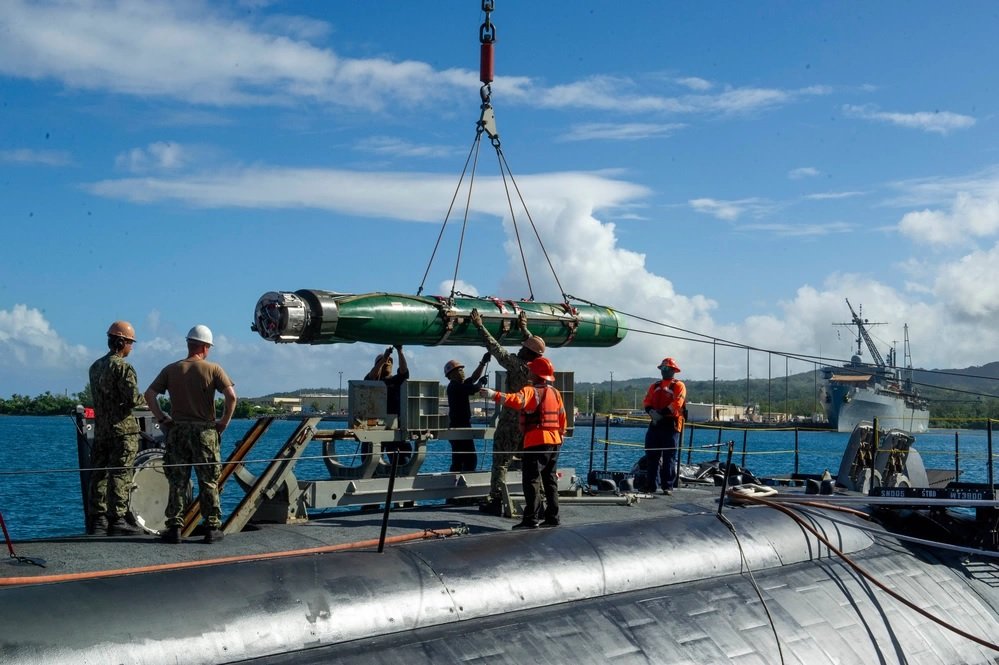
U.S
WASHINGTON — The U.S. Congress has directed the U.S. Navy to conduct a comprehensive review of its torpedo inventory, production capacity, testing infrastructure, and modernization plans under the National Defense Authorization Act (NDAA) for Fiscal Year 2027. The measure is intended to ensure the Navy maintains enough undersea weapons to support operations in two major regional conflicts at the same time. The legislation requires Secretary of the Navy Hung Cao to begin the effort within 90 days after the NDAA becomes law. The review will cover torpedo inventory levels, industrial production, testing systems, supply chain resilience, and future modernization programs. A key requirement of the legislation is the establishment of mandatory inventory floors for every class of U.S. Navy torpedoes and related undersea weapons. These minimum stockpile levels are intended to ensure the Navy maintains sufficient reserves for wartime requirements. The inventory floors will apply to the MK-48 Advanced Capability (ADCAP) heavyweight torpedo, the MK-54 lightweight torpedo, advanced torpedo variants, training and testing rounds, and torpedo countermeasures. The required stockpile levels will be based on Navy assessments of projected torpedo expenditure during a conflict involving two peer or near-peer maritime adversaries. In addition to setting inventory requirements, the NDAA directs the Navy to evaluate the current condition of the U.S. undersea weapons industrial base. The review will identify production bottlenecks affecting key areas, including energetic materials, propulsion systems, acoustic seekers, guidance electronics, specialty metals, undersea weapon integration, manufacturing facilities, and reliance on single-source suppliers. The legislation also requires the Navy to develop a plan to increase production capacity to support both routine peacetime manufacturing and rapid wartime surge production. The plan will examine options such as establishing second-source suppliers for critical components, expanding government-owned and private manufacturing facilities, increasing cooperation between public and private industry, and making greater use of multi-year procurement authority to improve long-term production planning. Congress has also instructed the Navy to strengthen supply chains for sensitive and difficult-to-source components that could become vulnerable during future conflicts. The NDAA further calls for modernization of the Navy's undersea weapons testing infrastructure. Planned improvements include upgrades to target vessels, expansion of undersea test ranges, improvements to digital testing models, and enhanced environmental testing to verify weapon performance in deep-water and Arctic operating conditions. The legislation also directs the Navy to improve resistance to advanced acoustic countermeasures and develop more efficient wartime transportation and logistics methods for undersea weapons. Secretary Cao must submit a comprehensive report within 120 days after the NDAA is enacted. The report will outline the Navy's findings, recommended actions, wartime expenditure estimates, industrial base requirements, production expansion plans, testing improvements, and measures to reduce supply chain risks. Following submission of the report, Secretary Cao is expected to present the findings during congressional hearings, where lawmakers will review production risks, inventory requirements, testing strategies, and investment plans needed to meet future operational demands. The congressional review comes as the Navy continues work on several next-generation undersea warfare programs. Among them is the MK-58 Compact Rapid Attack Weapon (CRAW), developed by Raytheon. The MK-58 is designed for both offensive anti-submarine operations and defensive use as a hard-kill anti-torpedo weapon capable of intercepting incoming torpedoes. According to previously released program information, the weapon uses an electric propulsion system for quiet operation and a stored chemical propulsion system for high-speed intercepts. Its compact size could also allow submarines to carry multiple MK-58 weapons in space typically occupied by a single larger torpedo. The MK-58 was selected over the RAPTOR low-cost heavyweight torpedo. The Navy is also continuing development of improved defensive countermeasures. In February 2026, Ultra Maritime received a contract to develop the next-generation Acoustic Device Countermeasure (ADC) MK6. The system is designed to produce tailored acoustic signatures intended to confuse and divert advanced enemy torpedoes away from U.S. naval vessels. According to the House version of the FY2027 NDAA, the torpedo-related provisions are included in Section 130 under Navy programs. The bill has passed the House of Representatives and, as of late July 2026, remains under consideration.
Read More → Posted on 2026-07-29 12:55:41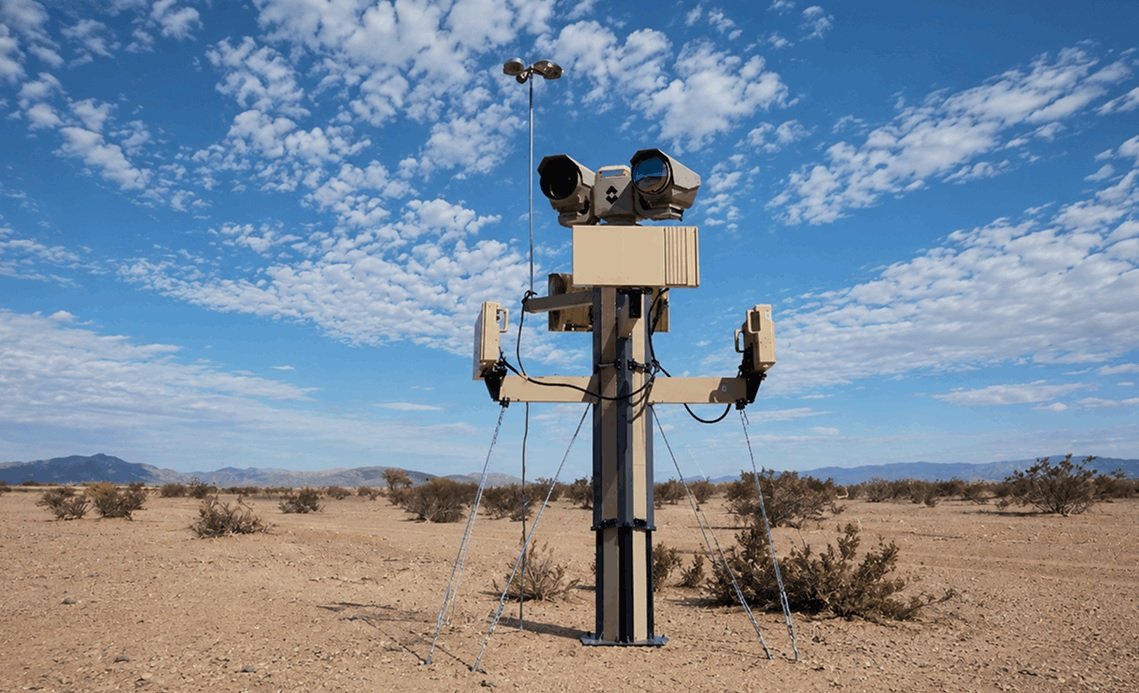
U.S
WASHINGTON — Teledyne FLIR Defense, a division of Teledyne Technologies Incorporated, has received an order from AeroVironment (AV) to supply its Argus XL counter-drone detection platform for the U.S. Air Force's Titan Multi-Sensor (Titan MS) system. The company announced the award on July 29, 2026. The order supports the Pentagon's Domestic Shield Program, which is focused on protecting U.S. military installations and critical infrastructure from the growing threat posed by small unmanned aircraft systems (sUAS) operating within the United States. Part of $500 Million Pentagon Counter-Drone Contract The Argus XL order is part of a broader three-year, $500 million Indefinite Delivery/Indefinite Quantity (IDIQ) sole-source contract awarded by the Pentagon to AeroVironment. The contract supports the Joint Interagency Task Force 401 (JIATF-401) Domestic Shield Program, which is accelerating the deployment of counter-drone capabilities across the U.S. military. Earlier in July 2026, JIATF-401 issued an $80.5 million task order to AeroVironment under the larger contract for the delivery of the Titan Multi-Sensor (Titan MS) system. The initial deployment will strengthen layered air defense for Air Force Global Strike Command, the organization responsible for the nation's bomber fleet and land-based nuclear missile force. JIATF-401 Expanding Counter-Drone Capabilities JIATF-401 was established by the Pentagon to address the increasing threat posed by small, low-cost drones targeting military bases and critical infrastructure. According to the Department of War, the task force had committed more than $600 million by April 2026 to rapidly field counter-drone systems in support of both the Domestic Shield Program and Operation Epic Fury. Brig. Gen. Matt Ross, director of JIATF-401, has previously said the task force's primary objective is to rapidly deliver counter-drone capabilities to military forces operating both within the United States and overseas. Col. Jason Idleman, chief of the Multi-Domain Operations Division at JIATF-401, said the task force continues working to strengthen the military services' ability to protect personnel and installations from evolving drone threats. Titan MS Combines AI and Multiple Sensors The Titan Multi-Sensor (Titan MS) system serves as the central command and sensor-fusion platform within the defense architecture. It combines data from radar, electro-optical cameras, infrared sensors, and radio-frequency detectors into a single operational picture. Using artificial intelligence and machine learning, the system is designed to detect, identify, classify, track and support the defeat of both remotely piloted and fully autonomous unmanned aircraft systems, reducing the need for operators to monitor multiple independent sensor feeds. Argus XL Provides Frontline Drone Detection Teledyne FLIR Defense's Argus XL will serve as the primary detection component within the Titan MS system. The fixed-site, multi-sensor platform combines radar, electro-optical cameras and infrared imaging to detect and track multiple aerial threats during both day and night, including in poor weather conditions. Its thermal imaging capability enables operators to identify drones by their heat signatures in darkness or through heavy cloud cover. The system also integrates with third-party radio-frequency sensors and counter-drone defeat systems capable of jamming, disabling or destroying confirmed threats. According to Teledyne FLIR Defense, Argus XL provides near-hemispherical coverage over protected locations and can detect and track small and micro drones that older radar systems may struggle to distinguish from birds and other airborne objects. Company Executives Highlight Importance of Early Detection Dr. JihFen Lei, President of Teledyne Defense and Aerospace Group and Senior Vice President of Teledyne Technologies, said the company is pleased to support AeroVironment on the program. "We are proud to collaborate with AV to deliver advanced counter-drone technology that enables the U.S. military to detect, classify, track, and respond to increasingly complex unmanned aerial threats," Lei said. He added that Argus XL, Cerberus XL and other Teledyne FLIR Defense counter-UAS systems provide proven, mission-ready capabilities that are integrated into the Titan MS solution. Lei also emphasized the importance of detection in counter-drone operations, stating: "When countering drone threats, operators can't defeat what they can't find." Domestic Shield Focuses on Protecting Military Bases and Critical Infrastructure AeroVironment Chairman, President and Chief Executive Officer Wahid Nawabi said the broader $500 million Domestic Shield program is intended to protect Americans and the critical infrastructure that supports the country's economy and national security. With Teledyne FLIR Defense supplying the Argus XL detection platform and AeroVironment integrating the Titan MS system, the deployment supports the Pentagon's ongoing effort to strengthen layered counter-drone defenses for Air Force Global Strike Command installations and other critical sites under the Domestic Shield Program.
Read More → Posted on 2026-07-29 12:31:47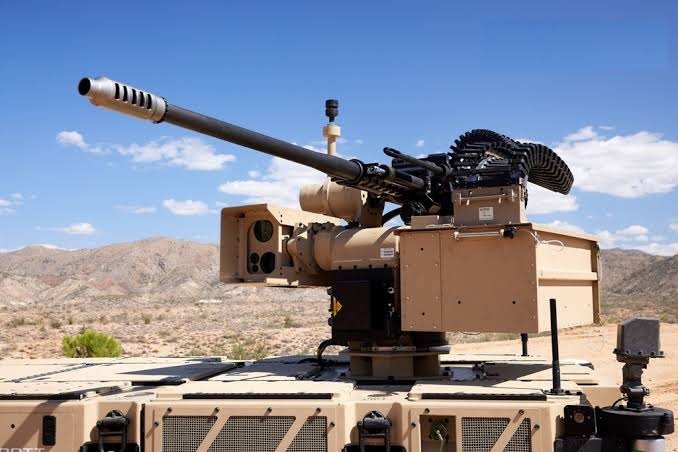
U.S
PLYMOUTH, Minn. — Northrop Grumman is advancing its M230LF Dual Feed Bushmaster Chain Gun and specialized ammunition as militaries seek more effective solutions to counter the growing use of unmanned aerial systems (UAS) on modern battlefields. The company developed the dual-feed configuration to address changing battlefield requirements, where military forces must respond quickly to both aerial drone threats and ground targets. The system allows operators to switch instantly between two different ammunition types without stopping to reload or changing weapons, reducing response time as threats change during combat. According to Northrop Grumman, drones are increasingly being used for intelligence collection, penetrating traditional defenses, and conducting precision attacks. Conventional weapon configurations often required operators to use mixed ammunition belts or separate weapon systems to engage different target types. The M230LF Dual Feed is designed to eliminate that limitation by enabling ammunition selection at the push of a button. "Seeing the emerging needs of the warfighter as C-UAS threats evolve, our team moved with urgency," said Rylan Harris, director of business development for Northrop Grumman armament systems. "We saw where the battlefield was going and built a solution to meet it." Dual-feed design for multiple battlefield threats The M230LF Dual Feed is based on Northrop Grumman's Bushmaster family of chain guns, which evolved from the original M230 cannon used on the AH-64 Apache attack helicopter and its ground-oriented M230LF variant. Its primary feature is a dual-feed mechanism that provides two separate ammunition feed paths. Operators can select the appropriate round immediately without manually changing ammunition belts or replacing the weapon. This enables the same cannon to engage unmanned aircraft overhead and armored or vehicle targets on the ground using different ammunition. Northrop Grumman said the system is intended to improve operational flexibility while simplifying engagement of multiple target types during combat operations. Two ammunition types for different missions The M230LF Dual Feed uses two 30×113 mm ammunition types developed by Northrop Grumman for different operational roles. The XM1211 High Explosive Proximity round was developed with the U.S. Army specifically for counter-unmanned aircraft system (C-UAS) missions. Equipped with a proximity sensor, the round detonates when it detects a target nearby rather than requiring a direct impact. The resulting fragmentation is intended to improve effectiveness against small, fast-moving drones that are difficult to hit directly. Northrop Grumman said the XM1211 has demonstrated effectiveness against unmanned aircraft in real-world applications. If the proximity sensor does not detect a target, the round is designed to self-destruct at maximum range. The second ammunition type, the XM1198 High-Explosive round, is designed to engage armored ground targets and hostile vehicles. "We built this technology because the need is real — and it's ready now to help protect those on the front lines," Harris said. "In the end, defeating drones comes down to reliable capability and the Bushmaster Dual Feed with our proximity ammunition will win the fight." Development and production Northrop Grumman first unveiled the M230LF Dual Feed in October 2024. The company said the system reached Technology Readiness Level (TRL) 6, completed internal live-fire testing, and planned additional demonstrations. The dual-feed cannon maintains a similar weight profile to the existing single-feed M230LF while sharing about 60 percent of its components with the earlier model. According to the company, this commonality is intended to simplify maintenance, reduce logistical requirements, and support existing operators. Northrop Grumman also confirmed it will continue producing the single-feed M230LF for customers who do not require the dual-feed capability. The weapon has an adjustable firing rate of 50 to 200 rounds per minute. The company said the M230LF Dual Feed is suitable for integration on remote weapon stations mounted on 4×4, 6×6, and 8×8 land vehicles, and it has also been demonstrated on systems such as Saab's Trackfire remote weapon station fitted to the CB90 combat boat. Northrop Grumman said the system is intended to provide a kinetic counter-UAS capability against Group 1 and Group 2 unmanned aerial systems while retaining the ability to engage armored ground targets. Expanding manufacturing capacity As global demand for gun-based counter-drone systems continues to grow, Northrop Grumman is expanding production capacity for both the M230LF Dual Feed cannon and its associated ammunition. The company said its investments include manufacturing equipment, production facilities, and tooling to increase output and reduce lead times. "Our advanced ammunition is demonstrating real-world effectiveness against drones, and we're continuing to ramp production on these critically needed rounds to meet escalating global C-UAS threats," Harris said. In December 2025, Northrop Grumman received a U.S. Army contract valued at more than $200 million to produce XM1211 High Explosive Proximity rounds. Production is taking place at company facilities in Minnesota, West Virginia, and Virginia. By combining counter-drone and anti-armor capabilities within a single weapon system, Northrop Grumman is positioning the M230LF Dual Feed Bushmaster Chain Gun as a flexible solution for military forces responding to evolving battlefield threats.
Read More → Posted on 2026-07-28 15:59:09
U.S
Washington, D.C. — The U.S. Department of Defense (DoD) has launched a new initiative to accelerate the development of affordable, mass-produced long-range precision strike weapons as it looks to supplement its inventory of high-cost guided munitions with scalable alternatives. Managed by the Defense Innovation Unit (DIU), the new Ground-Based Affordable Mass (G-BAM) challenge invites defense companies and technology firms to propose mature, low-cost strike systems that can be rapidly tested, certified, and moved into production. The initiative is designed to support sustained military operations by providing commanders with more affordable long-range strike options while preserving high-end precision weapons for priority targets. The announcement comes as recent conflicts and ongoing regional tensions have highlighted the challenges of relying heavily on expensive precision-guided weapons. According to the DIU, future conflicts will require the Joint Force to generate long-range effects at a scale, cost, and pace that current inventories alone cannot support. Focus on Affordable Long-Range Strike Systems The G-BAM program aims to complement existing high-end precision munitions rather than replace them. By fielding lower-cost weapons in larger numbers, the Pentagon intends to expand the range of targets that can be engaged while maintaining sufficient stocks of advanced munitions for missions requiring higher-end capabilities. The effort aligns with the Direct Reporting Portfolio Manager for Unmanned Systems (DRPM-UxS), a recently established office focused on rapidly fielding low-cost autonomous systems at scale. The DoD is seeking systems that can be demonstrated within 60 to 90 days and transitioned into production within 12 to 18 months, reflecting one of the department's fastest acquisition timelines for a long-range strike capability. Technical Requirements The Defense Innovation Unit has outlined several mandatory performance and production requirements for proposed systems. The preferred system should include: Minimum range of 600 nautical miles. Payload capacity of at least 35 pounds, with more than 100 pounds strongly preferred. All-up flyaway cost below $250,000 at production scale. Existing manufacturing capacity or a credible plan to produce more than 100 systems per month. Ground launch capability without proprietary launch infrastructure, with remote, low-signature, and containerized launch methods preferred. In addition, the Pentagon is seeking systems capable of operating in contested environments, including those affected by electronic warfare and GPS disruption. Desired capabilities include automatic target recognition, autonomous terminal guidance, alternative or redundant Position, Navigation and Timing (PNT) technologies for GPS-denied environments, and compatibility with existing targeting, command-and-control, and fires networks. The department has not specified whether the final solution must be a missile or a one-way attack drone. Instead, it is seeking any ground-launched autonomous precision strike system that meets the required operational objectives. Submission and Demonstration Timeline Companies interested in participating must submit either a pitch deck of no more than 15 slides or a white paper of up to five pages by August 5, 2026, at 11:59 p.m. Eastern Time. Each submission must also include a recorded video showing the proposed system operating in a real-world environment. The competition is open to both U.S. and international vendors, and prior combat use is not required, although demonstrated operational performance is considered an advantage. Selected participants will advance to a Phase II flight demonstration scheduled for early November at a government test site. During the event, each team will provide a 30-minute system presentation followed by technical discussions with government and allied experts. Each Phase II participant will receive a $250,000 cash prize and must provide at least three representative inert systems while limiting its demonstration team to no more than eight personnel. The highest-rated proposals may receive up to $5 million to deliver operational test quantities directly to military units. Transition Opportunities Beyond the prize competition, successful participants may become eligible for additional government contracting opportunities. These include Prototype Other Transaction agreements under 10 U.S.C. § 4022, follow-on production contracts, and Army Small Business Innovation Research (SBIR) Direct-to-Phase II awards of up to $2 million for qualifying U.S. small businesses. The Pentagon has allocated up to $250 million for prize execution and follow-on transition activities associated with the G-BAM challenge. The UK Ministry of Defence is also supporting the initiative by contributing expertise related to long-range strike systems. Part of a Broader Pentagon Strategy The G-BAM challenge is one element of the Pentagon's broader effort to develop lower-cost, mass-producible precision strike capabilities. Related initiatives include the Family of Affordable Mass Missiles (FAMM-BAR) program, which is developing methods to launch cruise missiles from standard cargo aircraft, and the Low-Cost Containerized Missiles program, which focuses on reducing the cost of advanced strike weapons. Through these efforts, the Department of Defense aims to expand production capacity, reduce operational costs, and improve the ability to sustain long-duration military operations while reducing dependence on limited inventories of expensive precision-guided munitions. Source : Defensenews.com
Read More → Posted on 2026-07-28 14:41:17Search
Top Trending in 24 Hours
-
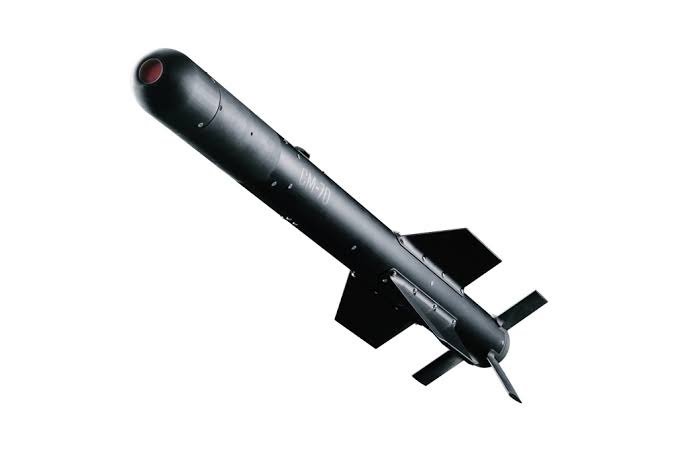 CSG and North Vector Dynamics Sign MoU to Explore European Production of CM-70 Counter-Drone Interceptor
-
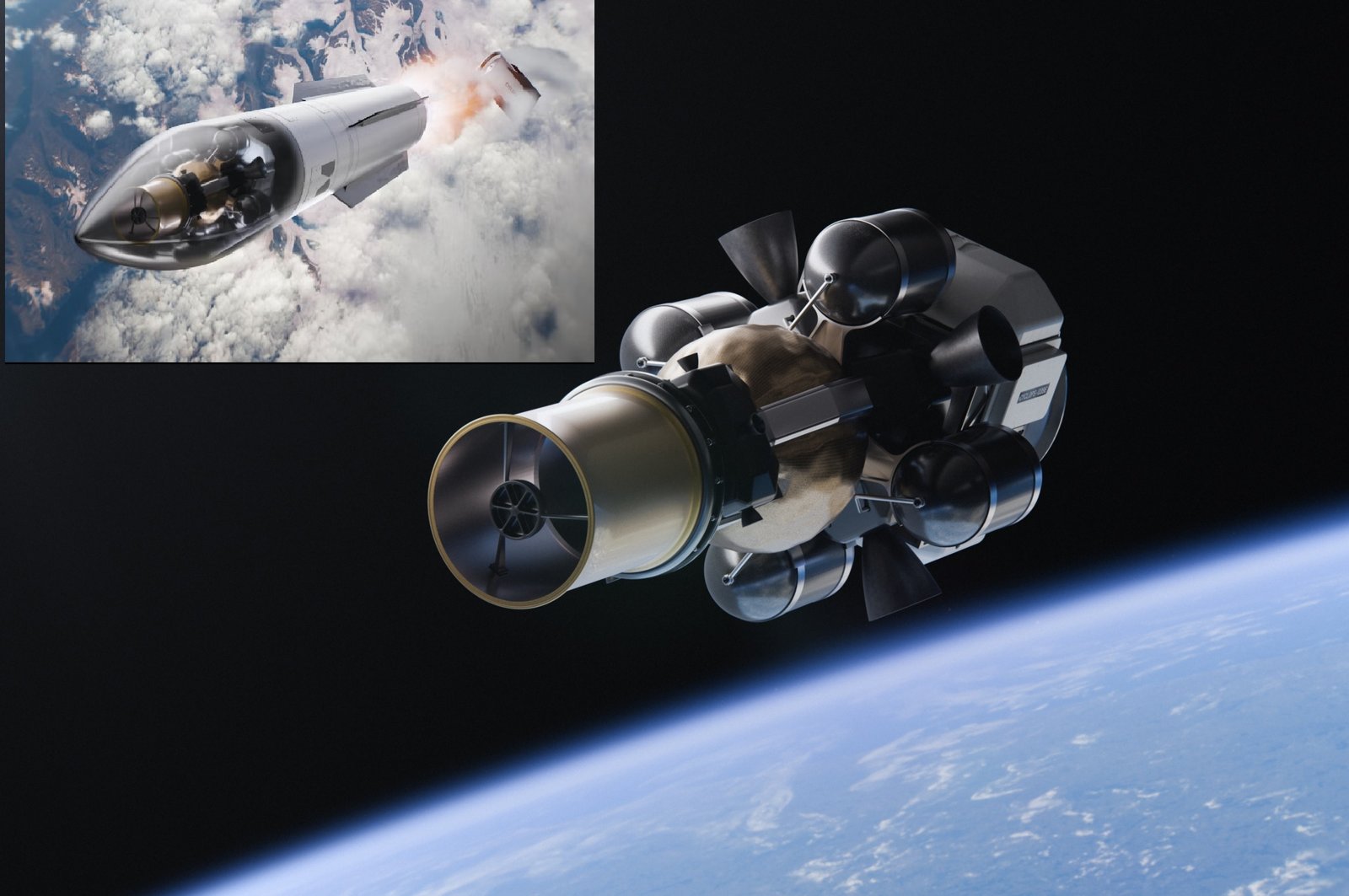 Long Wall Receives $75 Million MDA Award to Complete Cyclops Interceptor Flight Testing
-
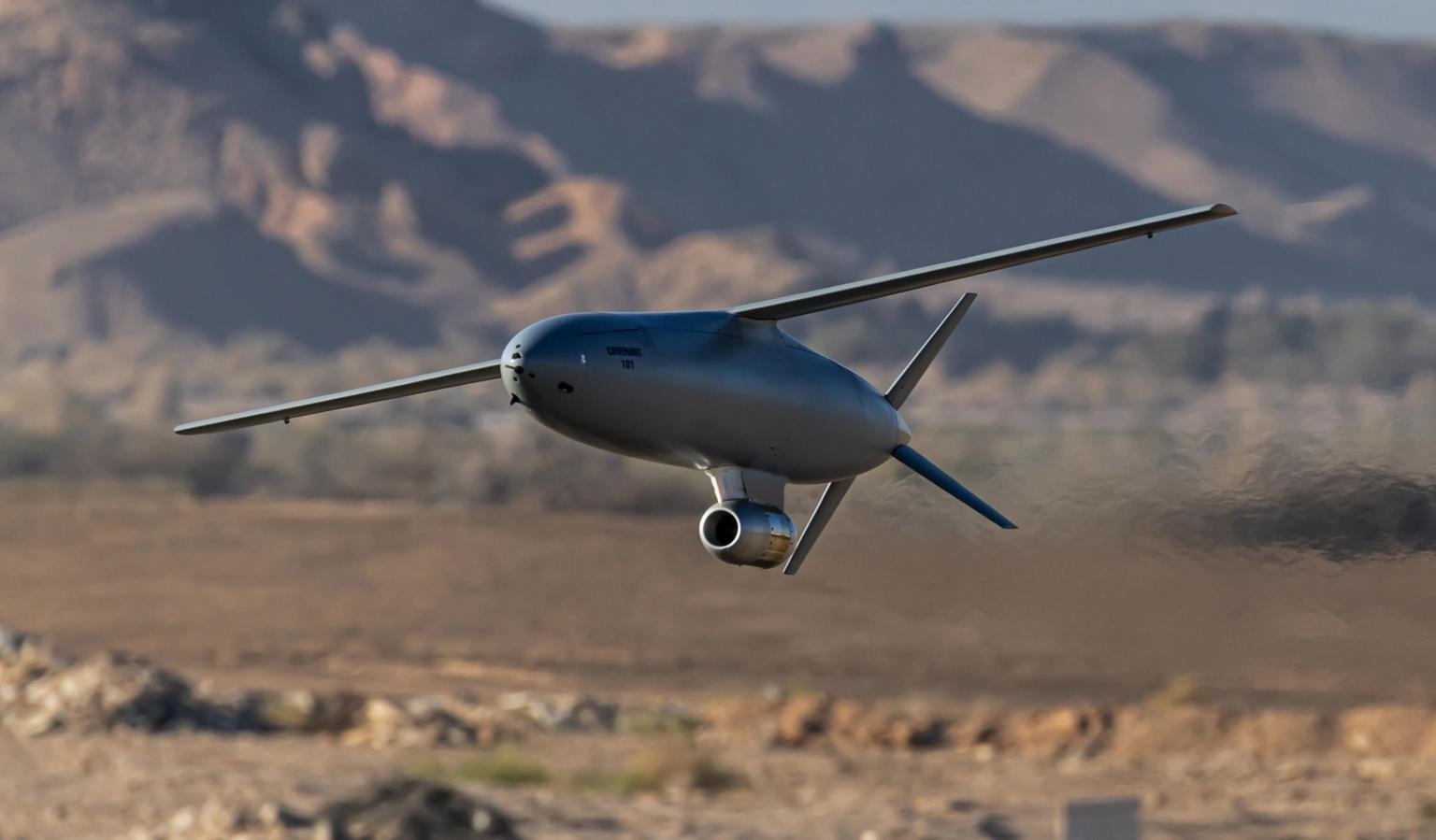 Denmark Acquires Anthem and Joint Strike Missiles in Major Long-Range Defense Overhaul
-
 Russia’s SJ-100 Superjet Flight Control System Enters Final Certification Stage After 1,500 Tests
-
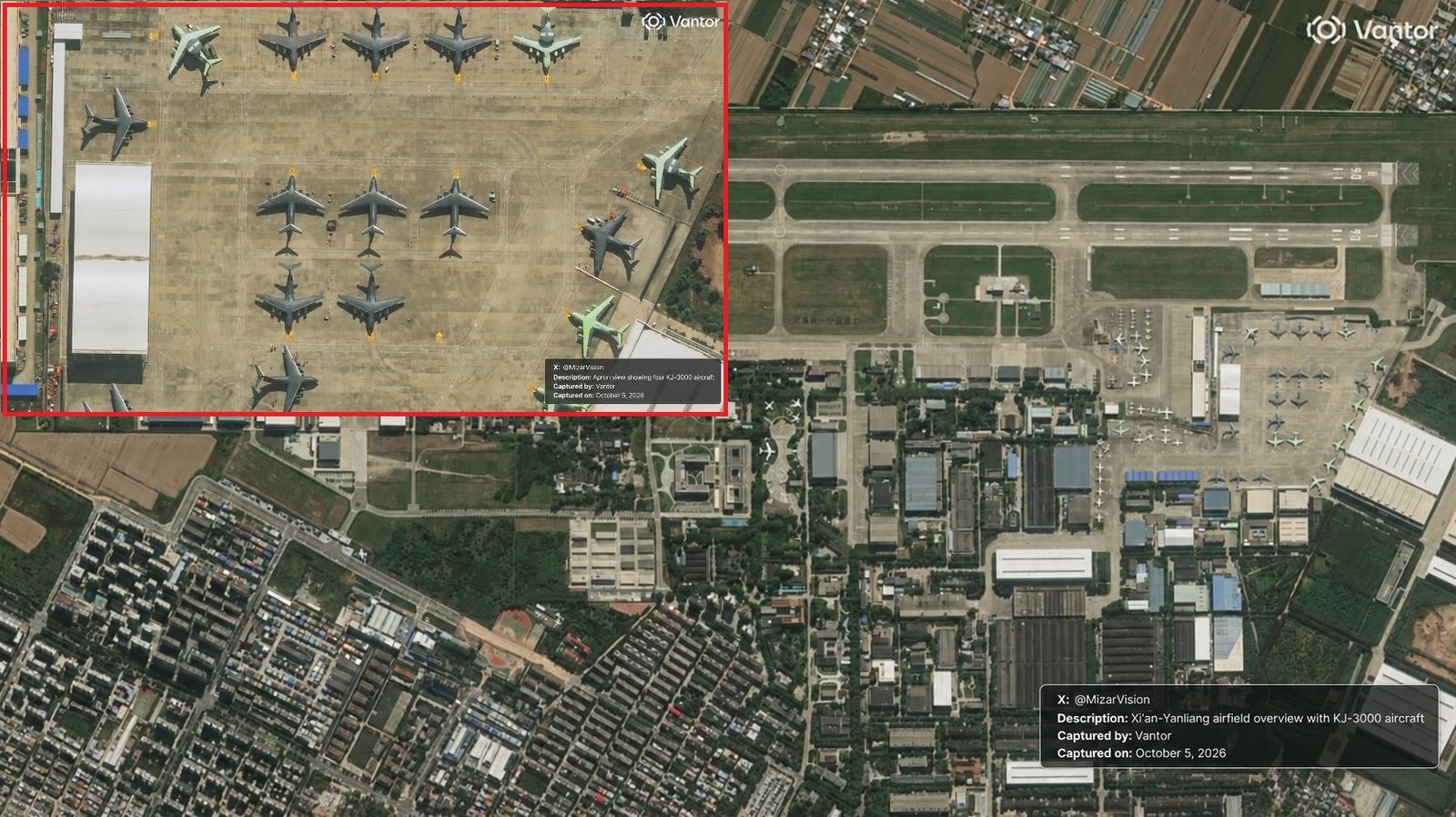 Satellite Images Reveal Four KJ-3000 AEW&C Aircraft at Chinese Aircraft Facility, Hinting at Possible Serial Production
-
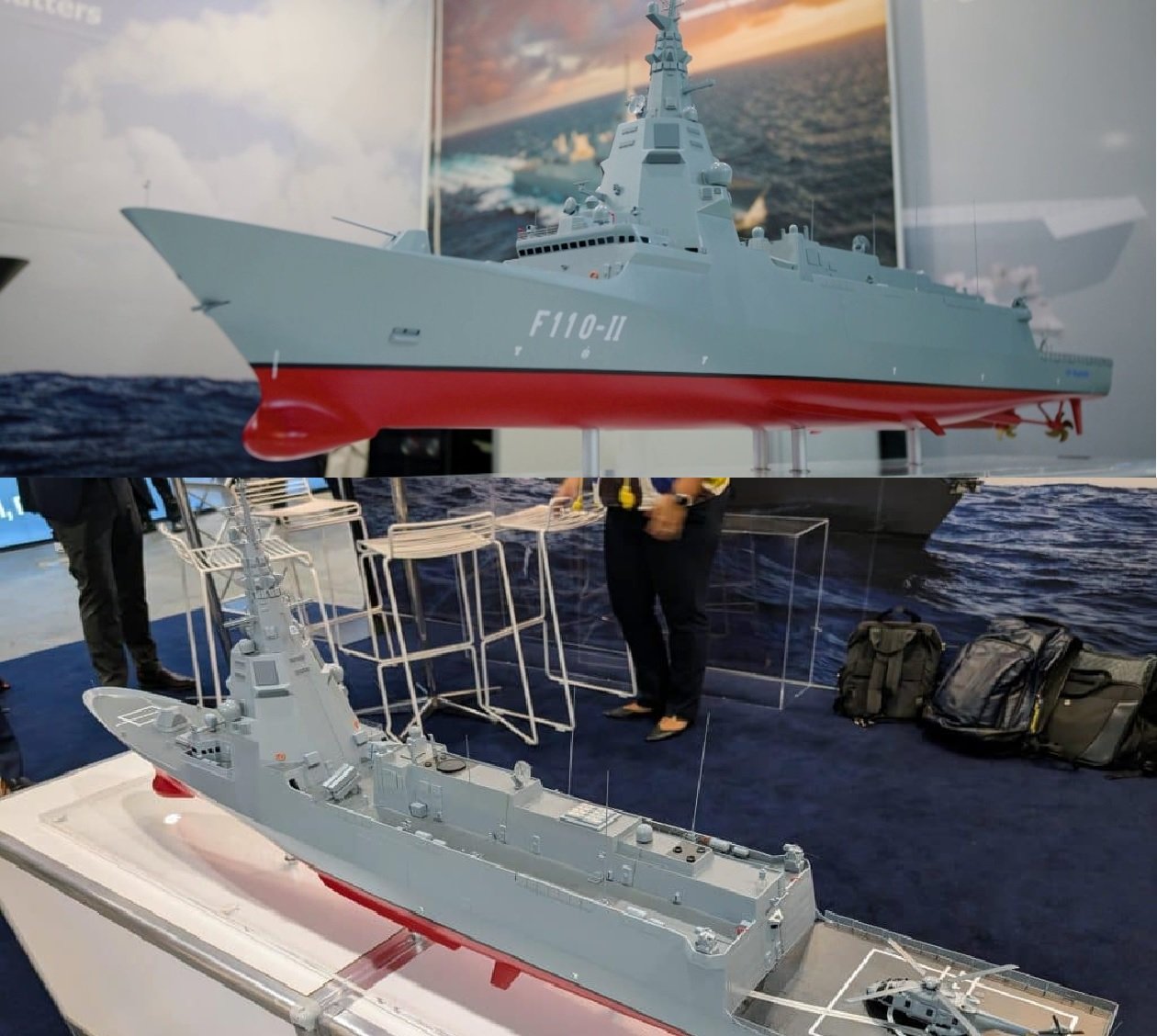 Spanish Navy and Navantia Advance F110 Frigate Design with Enhanced Air and Missile Defence
-
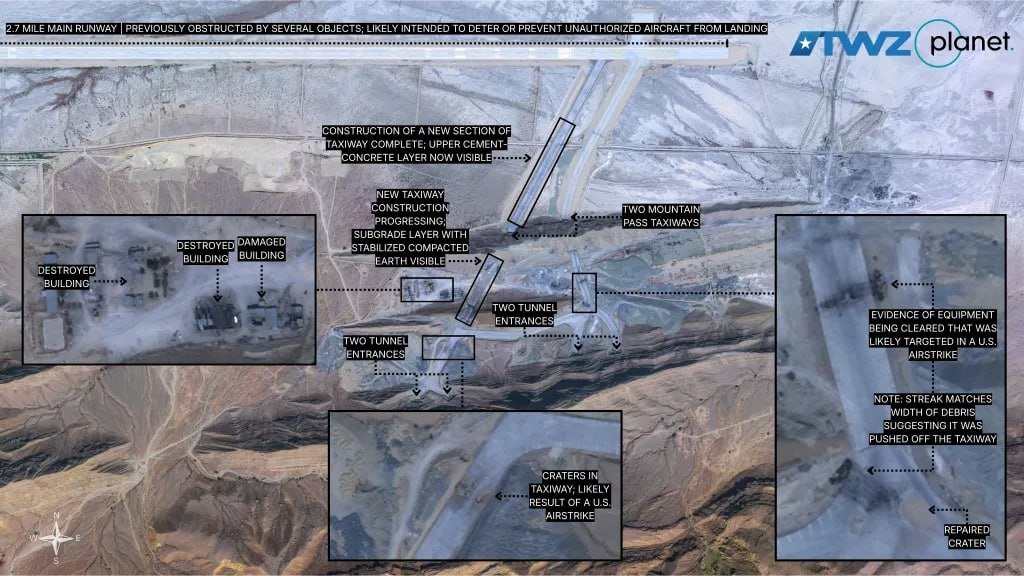 Satellite Images Reveal Iran Continues Restoration of Eagle 44 Underground Airbase After 2026 Strikes
-
 EDGE Group Achieves Full-Rate Production at Automated LAHAB 40mm Ammunition Facility
Top Trending in 4 Days
-
 NASA Sets New Artemis Milestones as SpaceX and Blue Origin Target Moon Landings in 2027–2028
-
 U.S. Air Force Awards HII Subsidiary Enlighten IT $332.8 Million Cyber Defense Contract
-
 Four NASA Volunteers Mark One Year in Simulated Mars Habitat
-
 Australia Unveils Ghost Shark Autonomous Submarine’s Mine, Drone and Logistics Capabilities
-
 L3Harris Opens ‘Arsenal of Freedom’ Rocket Motor Plant in Arkansas to Double Production Capacity
-
 Russia Reportedly Offers Su-35 Fighters and S-400 Air Defence System to Protect Tehran
-
 Unitree Unveils H2-X ‘Kung Fu Legend: Guardian’ Humanoid Robot for Security and Rescue
-
 US to Buy Up to 25,000 APKWS Kits Annually, With Option to Increase to 35,000