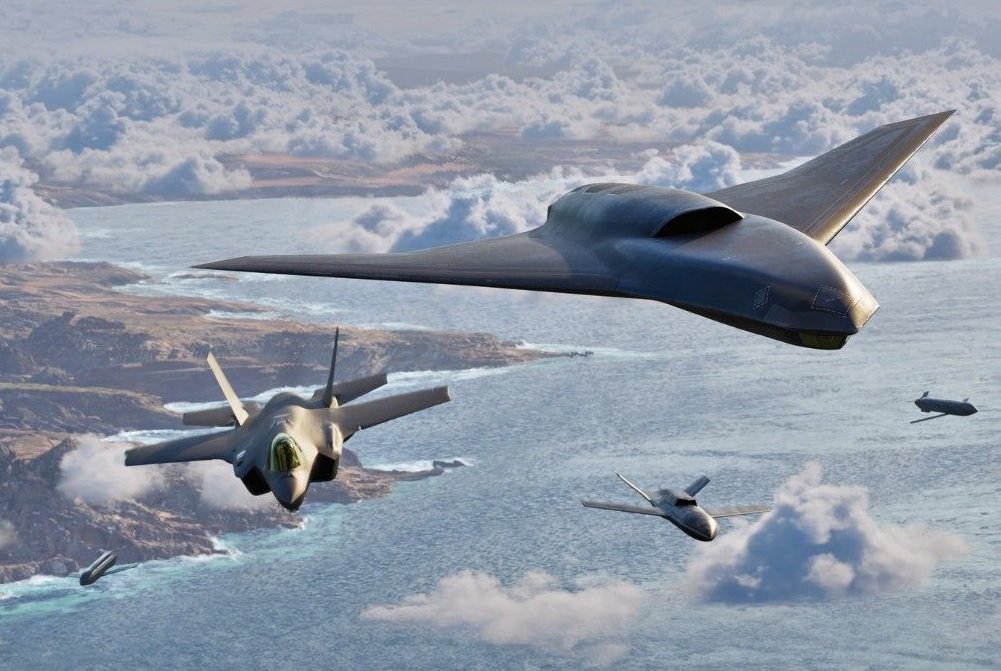
BRUSSELS — Lockheed Martin is advancing its Vectis collaborative combat aircraft (CCA), an uncrewed platform designed to operate independently or alongside crewed fighters such as the F-35 and future next-generation aircraft.
Developed by the company’s Skunk Works division, Vectis was unveiled in September 2025 as a Group 5 survivable and lethal unmanned aircraft for U.S. and allied militaries. Lockheed Martin says the platform is designed around crewed-uncrewed teaming, survivability, autonomy and an adaptable open architecture.
Vectis is designed for precision strikes, intelligence, surveillance and reconnaissance (ISR) targeting, electronic warfare, and offensive and defensive counter-air missions. It can perform these missions independently or in coordination with crewed aircraft, with endurance intended for operations in the Indo-Pacific, Europe and U.S. Central Command areas.
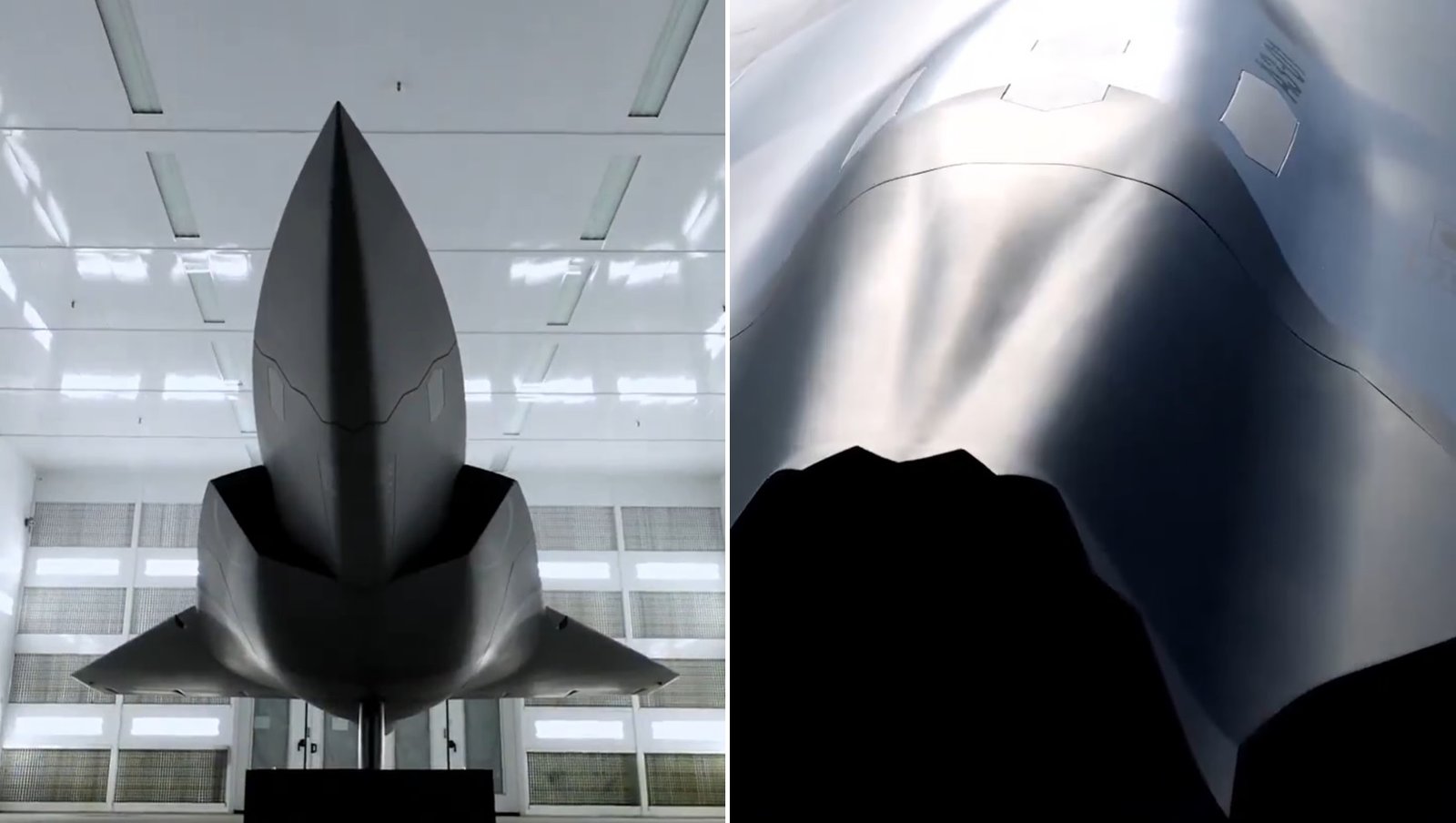
The aircraft uses a tailless lambda-wing design, top-mounted air intake, shovel-like nose and conformal antennas, reflecting its low-observable design approach. Its exact dimensions remain undisclosed, but Lockheed Martin officials have described it as smaller than an F-16 and larger than the company’s Common Multi-Mission Truck platforms. The current design is runway-dependent.
F-35 Integration and Open Architecture
Lockheed Martin has conducted classified simulated operational analyses involving Vectis with the F-35 and F-22. The company says pilots in crewed aircraft will be able to control the drones through wide-area touchscreen displays.
The aircraft incorporates the Multi-Domain Combat System (MDCX) for autonomous control and multi-domain connectivity. Its development also uses Skunk Works’ Agile Drone Framework, emphasizing modularity, open mission systems and government reference architectures. Lockheed Martin says this approach is intended to prevent vendor lock-in and allow payloads and software to be upgraded as requirements change.
Development and Engine
Skunk Works is internally funding the program, with components already ordered and a development team working on the aircraft. Lockheed Martin initially set a goal of designing, building and flying Vectis within two years of its September 2025 unveiling, targeting a first flight in 2027.
The prototype will use a Williams International FJ44-4 turbofan, which produces more than 3,600 pounds of thrust and features a compact twin-spool design. Company officials have said operational analysis does not indicate a requirement for supersonic speed.
Lockheed Martin is using digital engineering and advanced manufacturing methods to pursue an accelerated development schedule and a CCA-level price point.
European Interest
Lockheed Martin displayed a scale model of Vectis at the Brussels European Defence Exhibition (BEDEX) from March 12 to 14, 2026. The company promoted the aircraft to European customers, including the Belgian Air Component, as a potential “loyal wingman” capability.
The company is also discussing the platform with other European countries interested in collaborative combat aircraft. Vectis is intended to complement crewed fifth-generation fighters while retaining the ability to conduct independent missions.
Lockheed Martin Vice President and Skunk Works General Manager O.J. Sanchez said the Vectis concept is based on a highly capable, customizable and affordable agile drone framework designed for the future battlespace.
——— End of Article ———