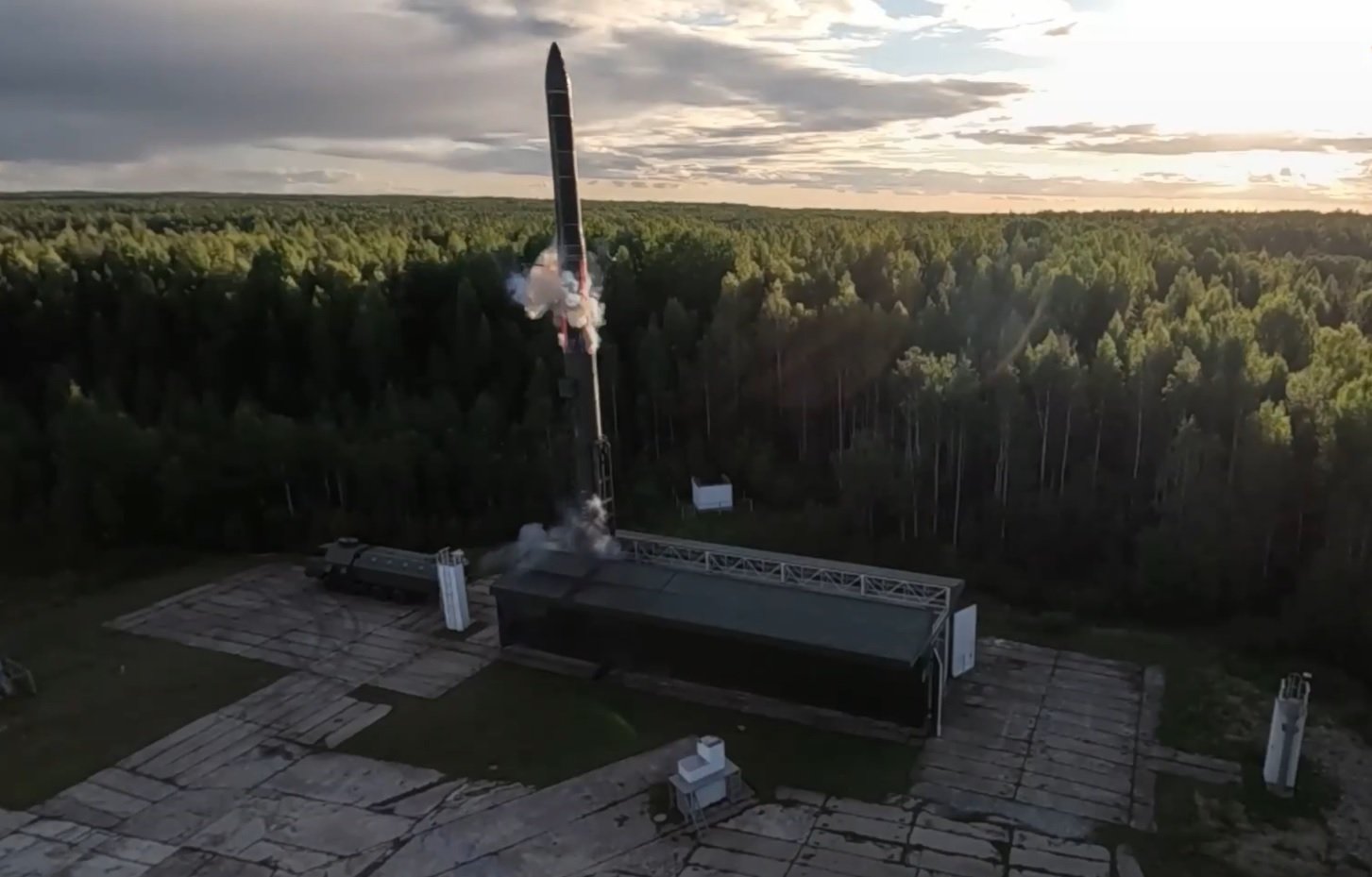
WASHINGTON, — The U.S. Department of Defense has awarded New Mexico-based rocket manufacturer X-Bow Systems a $10,981,581 contract to develop and flight-test a low-cost interceptor for ballistic and hypersonic threats.
The Phase II Small Business Innovation Research (SBIR) award is being issued under the Missile Defense Agency’s (MDA) Rapid Response Small Launcher Technology program and supports its Low-Cost Interceptor (LCI) effort. The original solicitation, issued about a year ago, sought modular interceptor designs that could be rapidly demonstrated against ballistic and hypersonic threats.
The LCI program targets a unit cost of less than $750,000 per interceptor, significantly below the reported cost of existing Patriot and THAAD interceptors. The $10.98 million figure is the development contract value, not the price of one interceptor. X-Bow will design, develop and demonstrate a high-performance solid rocket motor for the system. The contract runs from July 2026 through July 2028, with a prototype flight demonstration planned for late 2027.
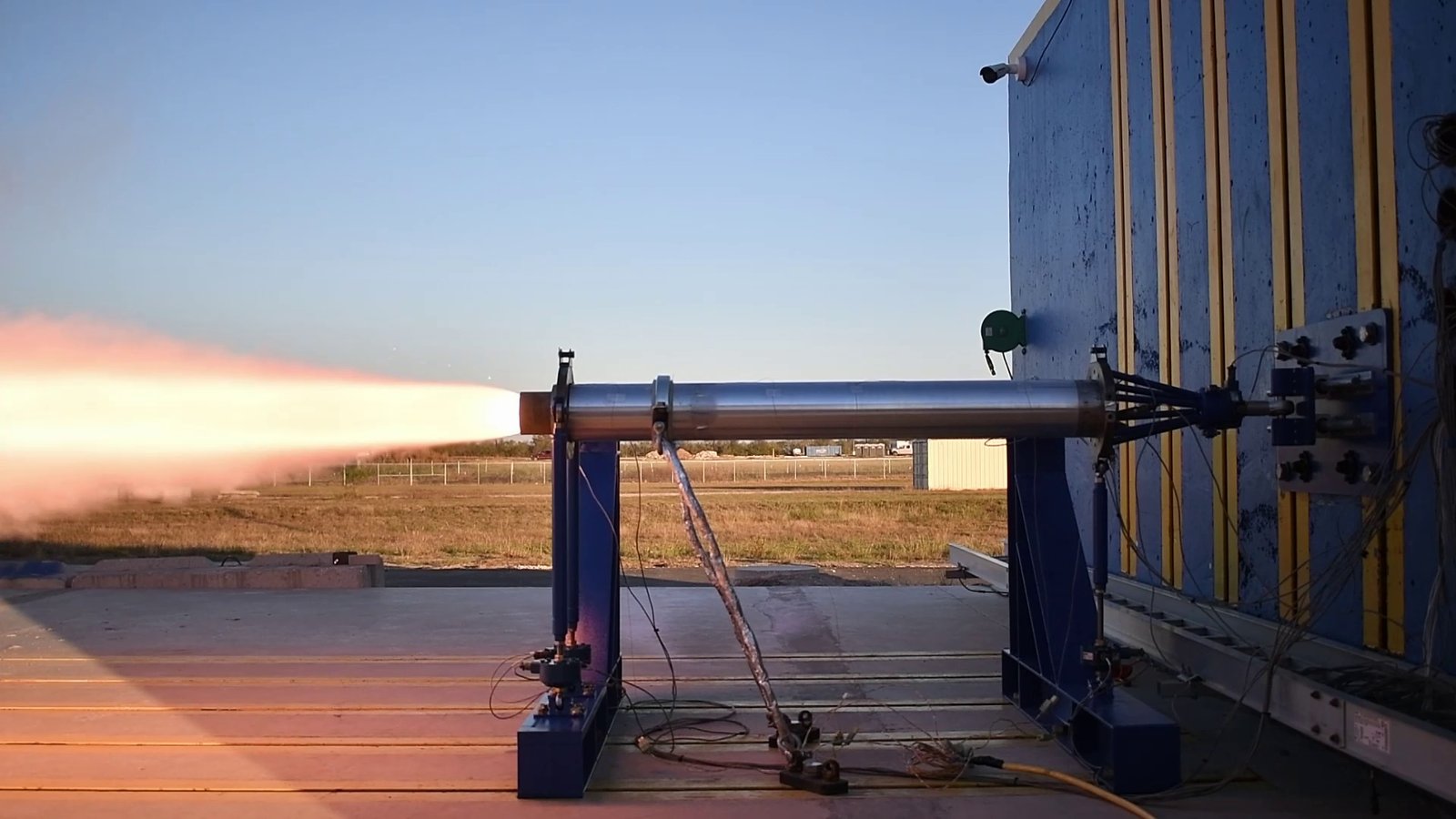
X-Bow manufactures solid rocket motors and propellant in-house using additive manufacturing. The company has already conducted a static test of a sub-scale solid rocket motor design related to the program and will use the funding for further motor development and flight testing.
Expanding the Solid Rocket Motor Industry
The Pentagon said the contract will help address the need to expand the U.S. solid rocket motor (SRM) industrial base, which currently relies on two primary manufacturers, Northrop Grumman and L3Harris’ Aerojet Rocketdyne.
The Patriot missile is produced by Lockheed Martin and Raytheon, while Japan has previously been the only country licensed to manufacture Patriot missiles outside the United States.
X-Bow CEO Jason Hundley said the company's manufacturing technology is intended to provide more affordable interceptors and rocket motors and increase production speed.
MDA Director Lt. Gen. Heath Collins, speaking at the Space and Missile Defense Symposium in Huntsville, Alabama, said the agency is examining propulsion and other expensive interceptor components to identify opportunities to reduce costs.
The effort comes as the U.S. and its allies seek larger interceptor stocks following recent conflicts. Estimates cited in reporting put remaining U.S. stocks at fewer than 1,000 Patriot interceptors and about 250 THAAD rounds. A Patriot replacement costs roughly $3.9 million to $4 million, while a THAAD interceptor costs about $12.7 million.
Other Low-Cost Interceptor Programs
The U.S. Air Force has also sought a counter-air missile costing less than $500,000 that could be produced in the thousands each year.
In Europe, Ukraine and nine European countries — Denmark, France, Germany, Italy, the Netherlands, Norway, Spain, Sweden and the United Kingdom — have launched the FREYJA initiative to develop a European anti-ballistic missile capability. Ukrainian company Fire Point is supplying its FP-7.X interceptor and has estimated a cost below €1 million, or about $700,000. The initiative's earliest target for a successful ballistic-missile interception is mid-2027.
Lockheed Martin has separately introduced the PAC-3 MSE Adapted Capability Effector (ACE), which the company says will cost about $2.5 million per missile, roughly half the price of the current PAC-3 MSE. Production is not expected to begin until mid-2029.
President Donald Trump said in July that Patriot technology would be licensed to Ukraine, but Lockheed Martin and Raytheon have provided limited public information about licensing needed for Ukrainian production.
The new systems remain in development. FREYJA's earliest target is mid-2027, while X-Bow's LCI prototype flight demonstration is planned for late 2027. The X-Bow demonstration will be a development test rather than an operational interceptor.
It is also important to distinguish the LCI from X-Bow's Buckler interceptor. Buckler is a separate, flight-tested system designed to defeat Group 3 drones at supersonic speeds, with X-Bow stating that it is priced at under $100,000 per interceptor. The Buckler price does not apply to the MDA's LCI program.
The LCI program is part of a broader U.S. and allied effort to develop lower-cost missile-defense systems that can be produced in larger quantities while expanding the industrial base for solid rocket motors.
.
——— End of Article ———