
Space & Technology
Technology News ,China :- In a groundbreaking development, China has initiated trial runs for the world largest coal-based ethanol production plant in southeastern China, according to state media. This innovative facility, situated in Huaibei, Anhui province, boasts an impressive annual capacity of 600,000 tonnes and utilizes coal, rather than traditional crops, as the primary raw material for ethanol production.The shift to coal-based ethanol production is poised to alleviate the strain on China food resources while simultaneously reducing its reliance on imported fuel ethanol. Ethanol, a clean and renewable energy source with a density similar to petrol, serves as a valuable petrol additive and basic chemical.The Chinese Academy of Sciences Dalian Institute of Chemical Physics (DICP) emphasizes the significance of this new production route for China food security, energy security, and the chemical industry supply chain. Traditional ethanol production methods often compete with food supplies, making the utilization of low-grade coal—a resource abundantly available in China—an environmentally friendly alternative that could save millions of tonnes of grain annually.The coal-based plant in Huaibei relies on advanced technology jointly developed by DICP and the state-owned Shaanxi Yanchang Petroleum Group. Referred to as DMTE, the innovative technology produces methanol from coke oven gas, a by-product of coke production. This methanol then reacts with other materials to generate ethanol. Remarkably, DMTE technology is versatile enough to enable large-scale ethanol production not only from coal but also from natural gas or gas derived from steel plants.China stands alone as the only country to have deployed this technology on an industrial scale, marking a significant milestone in its commitment to sustainable energy practices.Ethanol, with its clean energy attributes, can be transformed into ethylene or replace ethylene in certain reactions as a chemical feedstock. This dual functionality positions ethanol as both an excellent energy product and a bulk chemical raw material, capable of producing a myriad of related products.Despite a significant demand for fuel ethanol in China, the country faces a considerable shortfall. Last year, it produced around 2.7 million tonnes of fuel ethanol through the fermentation of aged grain. However, a substantial market gap of 10 million tonnes necessitated heavy reliance on imports.The coal-to-ethanol team, led by DICP director Liu Zhongmin, has been at the forefront of environmentally friendly DMTE pathway research since 2010. The team previously designed the world first 100,000-tonne coal-to-ethanol production line in 2017, located in northwestern Shaanxi province. Over the years, they have optimized the reaction process and reduced production costs, achieving international standards in coal-to-ethanol production.With 13 industrial facilities, including two overseas ones, planning to adopt DMTE technology, the total ethanol production capacity is set to reach an impressive 3.95 million tonnes per year, marking a significant leap toward sustainable and domestically sourced fuel production.
Read More → Posted on 2023-12-30 16:01:27
Space & Technology
Space News ,India:- In recent times, India space program, spearheaded by the Indian Space Research Organisation (ISRO), has not only captured the nation imagination but also garnered international respect with remarkable achievements. From a successful lunar landing near the south pole to the upcoming Gaganyaan, India maiden manned space mission, the country is setting the stage for a new era of scientific exploration and technological prowess.The lunar mission, with its groundbreaking technological capabilities, showcased not only a precise touchdown but also the versatility to handle unplanned experiments. Notably, the lander strategic hop from its initial landing point demonstrated a maneuver crucial for potential future lunar missions. The retrieval of the propulsion module from the lunar orbit to Earth underscored another critical aspect of space exploration.S Somanath, the Chairman of ISRO, recently unveiled an ambitious roadmap for India space missions. The plan includes establishing an Indian space station module by 2028 and achieving a crewed lunar landing by 2040. Additionally, upcoming missions like Chandrayaan 4, Mangalyaan 2, a Venus Orbiter Mission, and advancements in technology and launch vehicles aim to enhance payload capacities and scientific outcomes from interplanetary missions.Beyond government-led initiatives, the burgeoning interest in space entrepreneurship in India has resulted in over $250 million in capital raised by space startups in the last three years. Responding to this, the Indian government established the Indian National Space Promotion and Authorisation Centre (IN-SPACe) to bridge the gap between ISRO and non-governmental entities.In a notable shift, the Indian space program, traditionally focused on civilian applications, is now venturing into defense applications. Mission DefSpace, coordinated by Innovations For Defence Excellence (iDEX), encourages indigenous design and development of space technologies to meet defense needs. This initiative serves as a co-investment pathway, fostering research and development within the Indian space industry.Jitendra Singh, the Union Minister overseeing science, technology, atomic energy, and space, envisions India space economy growing to $40 billion by 2040, a substantial leap from the current estimated $8 billion.As India stands at this pivotal juncture, challenges and opportunities abound. One key challenge is empowering the Indian industry to transition from being mere vendors for ISRO to independently building spacecraft and launching vehicles. To compete globally, these startups need anchor-tenant-based support systems, fostering the maturity needed to command intellectual property in space missions.While the Indian space program originated with a focus on civilian applications, its time to renew its charter to include a broader emphasis on interplanetary, robotic, and crewed missions. The government must support the development of futuristic technologies while providing a clear roadmap for industry engagement in routine missions for societal applications.A significant stride in this direction is the Indian industry consortium ownership of the entire realization process of the polar satellite launch vehicle, potentially increasing annual launches from 6-8 to multiples. This shift allows ISRO to concentrate on developing new launch vehicle technologies, including reusability, to reduce mission costs—a challenging task for the Indian industry alone.Proposing a project management role for ISRO and positioning it as an interface between end-users and industry can systematically allow the Indian industry to mature. By involving end-users in funding missions through ISRO contract management, the industry gains access to local demand, positioning itself as a formidable contender for global contracts. This strategic shift would enable ISRO to focus exclusively on high-risk missions such as scientific exploration, interplanetary orbiters, robotics, and crewed missions.In the defense space initiative, a shift towards co-funding R&D at the sub-system level is evident. The defense ministry should reassess space-based services procured internationally and devise a plan to localize them. Initiating the indigenization of small satellites can be a promising start to reduce dependency on foreign sources.The current era is witnessing remarkable achievements by the Indian space program, and now is the opportune moment to build upon this momentum for global prominence.
Read More → Posted on 2023-12-30 15:43:01
Space & Technology
Space News ,India :- Three pioneering space technology companies, Dhruva Space from Hyderabad, Bellatrix Aerospace from Bangalore, and TakeMe2Space (TM2Space), are poised to launch their innovative payloads on the upcoming Polar Satellite Launch Vehicle (PSLV) – C58 XPoSat Mission by the Indian Space Research Organisation (ISRO) next Monday.The payloads are destined for the PSLV Orbital Experimental Module (POEM-3) on the launch vehicle, scheduled to ascend from Sriharikota in Andhra Pradesh at 9:10 AM, according to a report by Moneycontrol.Dhruva Space, headquartered in Hyderabad, is gearing up to introduce its LEAPTD (Launching Expeditions for Aspiring Technologies Technology Demonstrator) to showcase microsatellite subsystems. Simultaneously, Bellatrix Aerospace plans to deploy two payloads, including Rudra 0.3 HPGP, a green monopropellant thruster essential for maintaining satellite orbits over their 10-15 year lifespan, and ARKA 200.This collaborative effort follows their previous joint venture in April 2023 when Bellatrix and Dhruva Space shared space in the POEM module of PSLV-C55 to launch individual payloads. Furthermore, TM2Space, based in Bangalore, will contribute to the mission with the launch of the Radiation Shielding Experiments Module, aimed at assessing the effectiveness of tantalum coating.India, which achieved a historic milestone in 2022 with the inaugural private rocket launch by Skyroot and numerous satellite launches, continues to attract global attention to its growing space sector.In October, Skyroot Aerospace unveiled its indigenously built rocket, Vikram-I, at its new headquarters, marking another significant stride in the country space capabilities.The spacetech sector in India has witnessed remarkable growth, expanding from a single startup in 2014 to a noteworthy count of 189 in 2023. According to Inc42 Indian Spacetech Start-Up Landscape & Market Opportunity Report 2023, the spacetech sector is projected to reach a market size of $77 billion by 2030.Earlier this year, Skyroot secured INR 225 crore (approximately $27.5 million) in a Pre-Series C funding round led by Temasek, propelling its growth through increased investments in infrastructure, technology leadership reinforcement, talent acquisition, and the enhancement of launch frequency and capabilities.Agnikul, another spacetech startup with the distinction of owning the first private launchpad within the ISRO campus, secured INR 200 crore ($26.7 million) in October to expedite the commercialization of its existing technologies.
Read More → Posted on 2023-12-30 05:17:12
Space & Technology
Space News ,India :- In a groundbreaking development reported by the Times of India on December 29, 2023, India space exploration is set to reach new heights as the country nuclear sector takes the reins in powering future space missions through nuclear propulsion.ISRO chairman S Somanath unveiled plans to forge a strategic collaboration with the department of atomic energy, signaling a pivotal moment in India space endeavors. Notably, the successful performance of radioisotope heating units in Chandrayaan-3 propulsion module has sparked considerable excitement within the space community.The intricate workings of a nuclear rocket engine involve harnessing the power of a fission reactor to generate high temperatures. Subsequently, this intense heat is transferred to a liquid propellant, which, upon expansion and exhaust through a nozzle, propels the spacecraft forward. This innovative technology mirrors the principles of chemical rockets, with thermal energy released into a gaseous propellant to create momentum.Collaboration is at the forefront of ISRO strategy, as revealed in a Business Today article from August 14, 2023. The Indian Space Research Organization is joining forces with the Bhabha Atomic Research Centre (BARC) to develop a nuclear-powered engine tailored for deep space missions. Recognizing the limitations of chemical engines for interplanetary travel due to fuel constraints, this collaboration marks a significant step toward overcoming these challenges.Somanath statement gains additional weight in light of global space agencies venturing into the realm of nuclear-powered exploration. The Bharatiya Antariksh Station (Space Station) is set to materialize in two phases, with the first phase scheduled for completion by 2028 and the entire facility expected to be operational by 2035. Emphasizing its international nature, Somanath envisions the space station as a collaborative hub for research spanning interplanetary missions, microgravity studies, space biology, medicine, and more.Delving into ISRO diverse projects, Somanath shed light on the Integrated Lunar Exploration Roadmap. This comprehensive plan includes the establishment of a lunar base habitat at a cost-effective rate compared to other nations. Additionally, the lunar roadmap outlines ambitious missions such as a lunar sample return mission.The integration of nuclear thermal rockets in India space exploration endeavors holds the promise of faster transit times, a crucial factor in minimizing risks for astronauts. As the space community eagerly anticipates these advancements, reducing transit time emerges as a key element in enhancing the efficiency and viability of human space missions, ultimately propelling India into the forefront of space exploration.
Read More → Posted on 2023-12-29 16:54:04
Space & Technology
Space News ,U.S :- In a remarkable feat on December 28, a SpaceX Falcon Heavy rocket successfully propelled the U.S. Space Force X-37B spaceplane into orbit for its seventh mission. The majestic triple-booster Falcon Heavy took off at 8:07 pm Eastern from Launch Complex 39A at NASA Kennedy Space Center in Florida, marking a pivotal moment in space exploration.Designated as USSF-52, this mission became SpaceX 97th launch of the year and the ninth flight for the Falcon Heavy. Originally scheduled for liftoff on December 10, the launch faced delays due to weather conditions. Despite being rescheduled for December 11, technical issues prompted another delay, leading to the Falcon Heavy return to the hangar on December 14. Reports indicate that one or more engines were replaced during this period.Shortly after liftoff, the side boosters of the Falcon Heavy gracefully separated from the center core, with the second stage detaching about four minutes later. In an impressive display of precision, the side boosters made their return to Landing Zones 1 and 2 at Cape Canaveral Space Force Station approximately eight minutes after liftoff, marking the 257th and 258th successful landings of a SpaceX booster. Regrettably, the center core was expended and descended into the Atlantic Ocean. Interestingly, SpaceX concluded the live webcast without revealing any images of the payload.This mission was particularly noteworthy as it marked the first time the X-37B spaceplane was launched aboard a Falcon Heavy rocket. Previously, the X-37B had completed five missions on United Launch Alliance Atlas 5 and one on SpaceX Falcon 9. SpaceX secured a $130 million contract in June 2018 to launch USSF-52.The X-37B, characterized as an autonomous reusable vehicle, has been on space missions since 2010, featuring extended missions that span multiple years. Unlike traditional satellites, the X-37B returns to Earth at the end of each mission, landing on runways either at Kennedy Space Center or Vandenberg Space Force Base in California.The recently launched Operational Test Vehicle 7, part of the X-37B fleet, carried a payload of U.S. military and NASA science experiments. Operated jointly by the Air Force and Space Force, these Boeing-made spacecraft have been pivotal in advancing space exploration.The specifics of USSF-52 target orbit remain classified, though space enthusiasts estimate a highly elliptical, high inclination orbit. The X-37B unique capabilities, including rapid orbit changes, pose challenges for tracking its precise location.The 29-foot-long spaceplane is set to conduct a diverse array of tests, including operations in new orbital regimes, experiments with space domain awareness technologies, and investigations into the radiation effects on materials, courtesy of NASA and the Space Force.Among the payloads, NASA Seeds-2 mission aims to expose plant seeds to harsh radiation environments, while the mission will also deploy FalconSat-8, a small satellite developed by the United States Air Force Academy for scientific experiments.This mission follows the success of the previous X-37B mission, OTV-6, which launched in May 2020 and set a new endurance record, spending an impressive 908 days on orbit before landing in November 2022. The X-37B continues to contribute significantly to scientific research and advancements in space technology.
Read More → Posted on 2023-12-29 15:55:08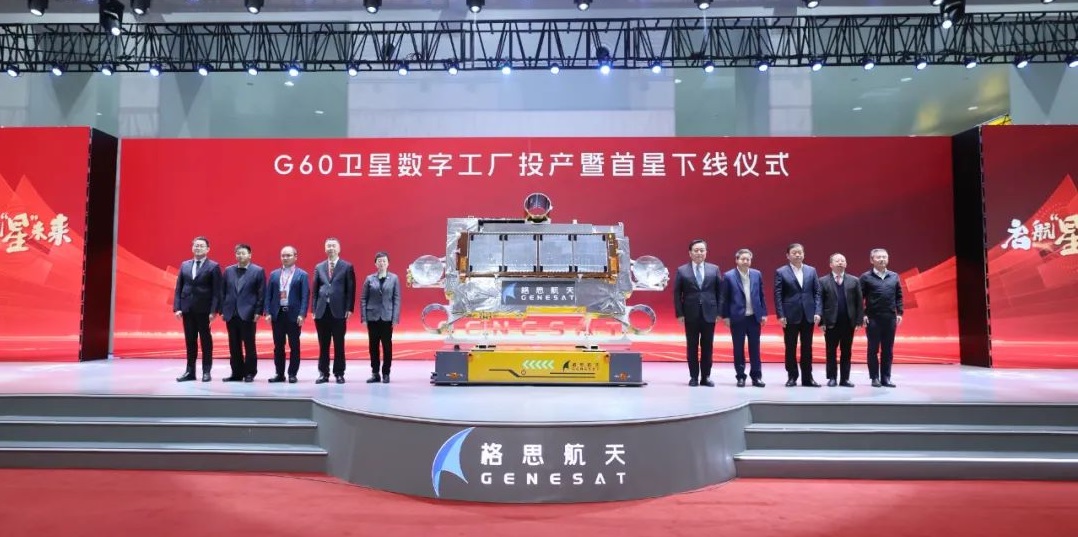
Space & Technology
Space News ,China :- In a significant stride towards global satellite internet dominance, China has unveiled the first satellite for its ambitious G60 Starlink low Earth orbit communications megaconstellation. The breakthrough occurred at the state-of-the-art G60 digital satellite production factory in Shanghai Songjiang District on December 27, marking a pivotal moment in China pursuit of advanced space technology.Managed by Shanghai Gesi Aerospace Technology (Genesat), a state-owned entity formed in 2022 through collaboration between the Chinese Academy of Sciences Innovation Academy for Microsatellites (IAMCAS) and Shanghai Spacecom Satellite Technology, the production facility is gearing up to launch an initial batch of 108 satellites from the G60 Starlink constellation by 2024. The long-term goal is an expansive network comprising around 12,000 satellites.The G60 Starlink project, documented with the International Telecommunication Union (ITU) in April, outlines a strategic plan involving 36 polar orbital planes, each accommodating 36 satellites. This totals a fleet of 1,296 spacecraft, operating across the Ku, Q, and V bands. The satellites are characterized as low-cost, high-throughput, highly-reliable, low-latency, and modularized, aligning with the global trend set by competitors like SpaceX Starlink.Integral to the broader Yangtze River Delta G60 Science and Technology Innovation Corridor, the G60 Starlink initiative aligns with Shanghai government plans to establish a flourishing commercial space ecosystem by 2025. This ecosystem encompasses satellite production, launch vehicles, applications, and infrastructure, with ambitious targets of 50 commercial rockets and 600 commercial satellites annually.The G60 Starlink satellite manufacturing center, operational since this year, boasts a production capacity of 300 satellites annually, coupled with a promised 35% reduction in the cost of each satellite. This breakthrough technology positions China as a formidable player in the evolving landscape of global satellite communications.China foray into megaconstellations, epitomized by the G60 Starlink project, follows the establishment of the China Satellite Network Group in 2021, overseeing the national 13,000 satellite Guowang (SatNet) project. As experimental satellite internet spacecraft are launched under Guowang in 2023, the race is on to determine which megaconstellation will take precedence in alignment with Chinese national policy.In tandem with satellite development, China is addressing the challenge of efficiently launching vast satellite batches into orbit. Options include utilizing the Long March 5B rocket with a Yuanzheng-2 upper stage and leveraging the mass production capabilities of the expendable Long March 8. Simultaneously, new commercial launch pads on Hainan island are set to become operational in 2024, easing launch bottlenecks and streamlining access to space.The emergence of competing communications megaconstellations signifies a potential boon for global internet connectivity, particularly in remote and underserved regions. However, the proliferation of satellite projects in low Earth orbit raises concerns about space traffic management, international coordination, collision avoidance, and the accumulation of orbital space debris. As these projects unfold, the global implications transcend technological advancements, delving into realms of economic activity, global health, national security, surveillance, and geopolitical influence. The world watches with anticipation as China cements its position in the race for enhanced satellite communication capabilities.
Read More → Posted on 2023-12-29 15:51:21
Space & Technology
Space News ,India :- ISRO has recently concluded another phase of testing for its Scramjet engine, marking a significant milestone in the development of air-breathing propulsion technology. In an earlier phase, the engine was tested with Hydrogen as fuel, and the recent tests involved the use of Kerosene (Isroscene) as fuel. This shift to Kerosene is notable for its ability to reduce overall volume, making it more suitable for extended-duration flights.Presently, satellite launch vehicles are typically expendable, designed for one-time use. These vehicles carry both fuel and oxidizer for combustion, resulting in high costs and low efficiency, as they can only transport a small percentage of their lift-off mass to orbit. To address this, there is a global effort to reduce launch costs, and one key focus is on developing next-generation launch vehicles with air-breathing propulsion systems.Approximately 70% of the propellant carried by current launch vehicles consists of oxidizer. Future launch vehicles need a propulsion system that can utilize atmospheric oxygen during flight, significantly reducing the total propellant required to place satellites in orbit. Additionally, making these vehicles reusable could further slash the cost of satellite launches.The concept of a reusable launch vehicle combined with air-breathing propulsion is gaining traction as a promising approach to achieving routine and cost-effective access to space. The development of air-breathing engines, including Ramjet, Scramjet, and Dual Mode Ramjet (DMRJ), is a strategic focus for space agencies worldwide.Ramjets utilize the vehicle forward motion to compress incoming air for combustion without a rotating compressor. They are most efficient at supersonic speeds but start to lose efficiency at hypersonic speeds. Scramjet engines, on the other hand, operate efficiently at hypersonic speeds, allowing supersonic combustion. The Dual Mode Ramjet (DMRJ) is a hybrid engine that transforms from a ramjet to a scramjet over a specific speed range, making it versatile for subsonic and supersonic combustor modes.In a significant achievement for ISRO, the successful flight testing of its Scramjet Engine Technology Demonstrator took place on August 28, 2016. This marked a crucial step towards realizing an Air Breathing Propulsion System. The test involved the use of the Scramjet engine at hypersonic speeds, reaching Mach 6, with the engine designed to use Hydrogen as fuel and atmospheric oxygen as the oxidizer. The testing utilized ISRO Advanced Technology Vehicle (ATV), a two-stage spin-stabilized launcher with identical solid motors. The Scramjet engines were mounted on the second stage, and after reaching the desired conditions for engine start-up, they functioned for about 5 seconds.ISRO successfully tackled various technological challenges during the development of the Scramjet engine, including designing a hypersonic engine air intake, developing a supersonic combustor, creating materials capable of withstanding high temperatures, simulating hypersonic flow with computational tools, ensuring engine performance across a wide range of flight speeds, managing thermal issues, and conducting extensive ground testing.India achievement in demonstrating the flight testing of a Scramjet Engine positions it as the fourth country globally to accomplish this significant milestone.
Read More → Posted on 2023-12-29 15:37:11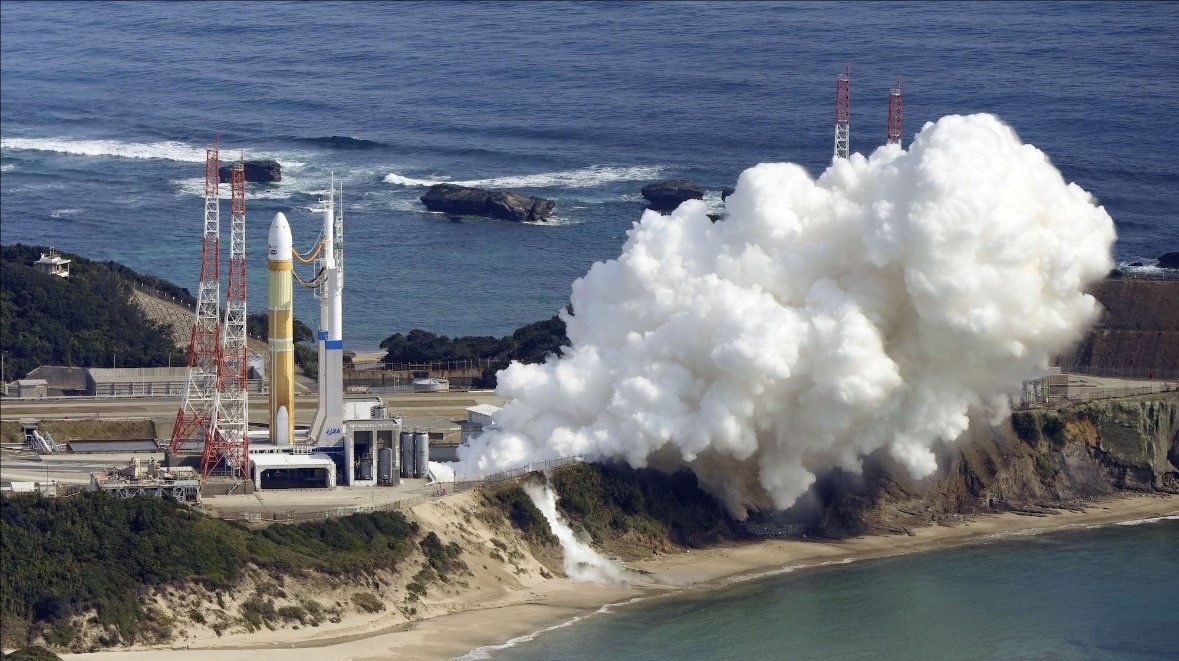
Space & Technology
Space New ,Japan :- Japan space agency, JAXA, is gearing up for the anticipated return to flight of its H3 rocket, marking a significant milestone almost a year after the vehicle initial launch encountered a setback.On December 27, JAXA officially announced that the second attempt to launch the H3 is scheduled for no earlier than February 14 (February 15 Japanese time) from the Tanegashima Space Center. The launch window for this mission, known as H3 Test Flight No. 2 or H3TF2, extends through the end of March.This upcoming launch is poised to be a crucial moment for the H3, as it follows the challenges faced during its inaugural flight on March 7. During that mission, while the first stage performed as expected, the engine in the second stage failed to ignite, prompting the activation of the vehicle flight termination system.Details surrounding the cause of the failure have been limited, with both JAXA and Mitsubishi Heavy Industries (MHI), the prime contractor for the H3, keeping information under wraps. The second stage engine similarity to the one used on the existing H-2A led to a delay in the launch of the H-2A carrying the XRISM X-ray astronomy satellite and SLIM lunar lander from May to September.Iwao Igarashi, MHIs vice president and general manager, revealed at the World Satellite Business Week conference in September that the investigation into the H3 failure had concluded in August. However, he did not disclose the specifics of the findings, stating, "We defined the corrective actions, and some of them applied to the H-2A launch vehicle." He expressed the company commitment to preparing for the H3 return to flight, initially planned for late 2023.A notable change for the second H3 launch is the payload. Following sharp criticism for placing the valuable ALOS-3 Earth observation satellite on the rocket first flight, JAXA has opted for a test payload for the upcoming mission. Named the Vehicle Evaluation Payload-4, this mission will also carry two smallsat secondary payloads – CE-SAT-1E, an Earth imaging spacecraft developed by Canon Electronics, and TIRSAT, a cubesat with an infrared Earth observation instrument built by Japan Space Systems.
Read More → Posted on 2023-12-28 15:25:35
Space & Technology
Space News ,India :- Following the success of Chandrayaan-3, the Indian Space Research Organisation (ISRO) is actively engaged in advancing technologies crucial for the upcoming Chandrayaan-4 mission, aimed at bringing lunar rock samples back to Earth. Scheduled for launch in the latter part of this decade, Chandrayaan-4 will involve intricate in-orbit spacecraft docking, a critical step in ensuring the secure retrieval of lunar samples.One of the key initiatives in this technological pursuit is the Space Docking Experiment, or SPADEX, a mission developed by ISRO to test technologies related to orbital rendezvous, docking, and formation flying. Costing ₹124.47 crore, SPADEX comprises two satellites, the Chaser and the Target, which will simulate docking and separation as a mock drill for the impending Moon mission.SPADEX, a twin spacecraft mission, aims to mature technologies associated with orbital rendezvous, docking, and formation flying, with potential applications in human spaceflight, in-space satellite servicing, and other proximity operations. The Chaser and Target components will autonomously dock and separate in low-Earth orbit, showcasing ISRO advanced capabilities in space navigation and robotics.The groundbreaking technology essential for SPADEX is currently undergoing testing as the mission progresses towards its launch, the date of which is yet to be finalized. This mission, conceived to refine capabilities in orbital rendezvous, docking, and formation flying, is making substantial strides in its development.The SPADEX initiative involves two IMS class satellites, each weighing 200 kg. The Chaser and Target are designed to execute precise orbital maneuvers, representing significant advancements in human spaceflight and in-space satellite servicing. The Polar Satellite Launch Vehicle from the Satish Dhawan Space Centre will carry out the launch, injecting both spacecraft into marginally distinct orbits, a critical aspect of the experimental mission.The primary objectives of SPADEX include demonstrating autonomous rendezvous and docking capabilities, as well as controlling one spacecraft using the Attitude Control System of the other in a docked configuration. Additionally, the mission aims to showcase formation flying techniques and conduct remote robotic arm operations, marking a significant leap forward in space technology.The SPADEX mission, which began with preliminary studies in 2016 and received government approval in 2017, has undergone substantial development, supported by a funding injection of around ₹125 crore. As ISRO continues to push the boundaries of space exploration, SPADEX stands as a testament to India commitment to advancing space capabilities and technology.
Read More → Posted on 2023-12-28 05:02:29
Space & Technology
Technology News ,World :- Scientists have unveiled a groundbreaking method to combat cancer by harnessing the power of molecular jackhammers. Researchers from Rice University, Texas A&M University, and the University of Texas discovered that stimulating aminocyanine molecules with near-infrared light causes them to vibrate in unison, effectively rupturing the membranes of cancer cells.Aminocyanine molecules, commonly employed in bioimaging as synthetic dyes, have proven stability in water and are adept at binding to the exteriors of cells. In a significant advancement over previous cancer-killing molecular machines, such as Feringa-type motors, these molecular jackhammers exhibit mechanical motion over one million times faster and can be activated with near-infrared light instead of visible light, according to chemist James Tour from Rice University.The utilization of near-infrared light is pivotal as it facilitates deeper penetration into the body, potentially allowing the treatment of cancer in bones and organs without resorting to surgery. In experiments on cultured cancer cells, the molecular jackhammer approach achieved an impressive 99 percent success rate in destroying the cells. Furthermore, tests on mice with melanoma tumors resulted in half of the animals becoming cancer-free.The unique structure and chemical properties of aminocyanine molecules enable them to synchronize with the right stimulus, such as near-infrared light. When set in motion, the electrons within these molecules generate plasmons—collectively vibrating entities driving movement across the entire molecule.Chemist Ciceron Ayala-Orozco from Rice University emphasizes the significance of this discovery, highlighting that its the first instance of a molecular plasmon being utilized to excite the entire molecule and produce mechanical action to dismantle cancer cell membranes.The plasmons, equipped with an arm on one side, establish connections between the molecules and cancer cell membranes. The ensuing vibrations then contribute to breaking apart the membranes. While the research is still in its early stages, these initial findings hold great promise.The simplicity of this biomechanical technique also makes it challenging for cancer cells to develop effective defenses. Moving forward, researchers are exploring other types of molecules that can be employed in a similar fashion. In essence, this study represents a groundbreaking approach to cancer treatment, employing mechanical forces at the molecular scale to combat the disease.
Read More → Posted on 2023-12-27 15:56:48
Space & Technology
Space News ,China :- China added two new satellites to its Beidou positioning and navigation system in a recent launch, enhancing the capabilities of the Beidou-3 system. The successful launch involved a Long March 3B rocket with a Yuanzheng-1 upper stage, deploying the satellites into medium Earth orbit (MEO) at 21,532 by 22,193-kilometer orbits inclined by 55 degrees.Developed by the China Academy of Space Technology (CAST) under CASC, these satellites serve as backups, reducing operational risks to the Beidou-3 system, as stated by a CASC announcement. Notably, these are the 57th and 58th Beidou satellites launched to date.Despite the success of the satellite launch, a noteworthy incident occurred during the mission. The booster stages from the Long March 3B rocket were reported to have fallen near inhabited areas in Guangxi, downrange of the Xichang launch site in Sichuan province. Videos on Chinese social media depicted boosters falling within a forested area, with apparent explosions and wreckage near homes.The presence of reddish-brown gas indicative of nitrogen tetroxide and yellowish gas possibly resulting from unsymmetrical dimethylhydrazine (UDMH) fuel mixing with air was observed in the footage. Both the nitrogen tetroxide oxidizer and UDMH fuel pose serious health risks.This incident is not an isolated case, as previous Beidou satellite launches have also witnessed boosters falling near populated areas. China choice of deep inland launch sites, established during the Cold War for strategic reasons, leads to booster stages falling on land rather than in oceans, as seen in U.S. and European launches.While authorities reportedly issue warnings and evacuation notices to mitigate the risks associated with falling debris, the China Aerospace Science and Technology Corporation (CASC) has been experimenting with technologies like grid fins, parafoils, and parachutes to limit drop zones.China orbital launch endeavors in 2023 have set a new national record, with this Beidou launch being the 65th of the year. Despite the absence of launch failures, CASC fell short of its goal of over 60 launches, with commercial space actors contributing 16 launches to the total.The Beidou satellite launch followed other recent missions, including the deployment of Tianmu-1 meteorological satellites and Shiyan-24C experimental satellites. As China continues its space exploration efforts, further launches are anticipated in the closing days of 2023.
Read More → Posted on 2023-12-27 14:53:56
Space & Technology
Technology News , U.S :- In a recent audio session on X, Elon Musk reiterated his stance against the near-term possibility of taking SpaceXs Starlink broadband satellite business public. Despite rumors and speculations, Musk argued that it currently does not make sense to pursue a public offering for Starlink, emphasizing his ease in raising private funding for the venture.This statement aligns with Musk consistent position over the years, where he has repeatedly stated his lack of immediate plans for a Starlink initial public offering (IPO). In a December 21 discussion on X, Musk addressed the matter, stating that going public is not on the horizon until an "extremely stable and predictable revenue stream" is in place. He emphasized the importance of financial stability before considering a public offering.Earlier this year, Musk comments in an online interview added to the speculation surrounding a potential Starlink IPO by the end of the year. However, in the recent conversation with investor Cathie Wood, Musk made it clear that neither SpaceX nor the Starlink business unit is set to go public in the foreseeable future.Highlighting the challenges and pressures faced by publicly traded companies like Tesla, Musk emphasized the stark difference in long-term planning between SpaceX and Tesla. He pointed out the constant pressure on public companies to avoid disappointing shareholders each quarter, which can lead to less efficient operations.SpaceX continues to expand the Starlink constellation, boasting over 5,200 satellites in orbit and reporting more than 2.3 million users in 70 countries. Despite achieving breakeven cash flow, Musk has refrained from disclosing detailed financial information.Musk expressed confidence in raising funds for his ventures, including SpaceX, through private markets. He asserted that he can secure equity or debt funding for almost anything based on his past performance for investors. This financial flexibility aligns with SpaceX overarching goal of generating substantial cash to support Musk vision of human settlement on Mars.When questioned about the necessity of additional markets, such as high-speed point-to-point travel using the Starship vehicle, Musk stated that Starlink alone is sufficient for the company multiplanetary aspirations. The development of Starlink serves as a pivotal element in SpaceX broader strategy to fund ambitious projects and advance the goal of enabling life to become multiplanetary.
Read More → Posted on 2023-12-27 14:32:57
Space & Technology
Space News ,India :- India Aditya-L1 spacecraft is on the verge of a significant milestone as it readies itself for a complex insertion into the halo orbit surrounding Lagrange Point 1 (L1), a gravitational sweet spot between the Earth and the Sun.Having traversed a staggering 15 lakh kilometers through the cold vacuum of space since its launch on September 2, 2023, from Sriharikota, the spacecraft is now approaching the culmination of its journey, expected to reach its destination on January 6, 2024.The insertion into L1 marks a critical phase in the mission, demanding precise navigation and control. Aditya-L1 underwent a series of four Earth-bound orbital maneuvers before being directed into a transfer orbit aimed at L1.This meticulous process involves careful planning to ensure the spacecraft maintains its trajectory and velocity, guaranteeing a successful entry into the halo orbit.The significance of Lagrange Point 1 cannot be overstated. Offering an uninterrupted view of the Sun, it allows Aditya L1 to study the solar atmosphere, magnetic storms, and their effects on Earth environment.The spacecraft is equipped to measure various solar events, including Coronal Mass Ejections (CMEs) and interplanetary magnetic fields, providing crucial data for both India and the global scientific community.To ensure a successful insertion, ISROs team must take multiple precautions. Constant monitoring and adjustment of the spacecraft position and speed are necessary using onboard thrusters to counteract any deviations from the planned path.Furthermore, the spacecraft instruments, such as the Visible Emission Line Coronagraph (VELC) and the Solar Ultraviolet Imaging Telescope (SUIT), must be shielded from the intense radiation and particles emitted by the Sun.The stability of L1, an inherently unstable Lagrange point, poses additional challenges. Stationkeeping maneuvers will be essential to maintain Aditya L1s halo orbit, requiring adjustments of 0.2–4 m/s per year. These maneuvers are vital to counteract gravitational influences from other celestial bodies and the pressure exerted by solar radiation.Approaching its target, the mission team remains vigilant, prepared to tackle the complexities of space travel.The success of this insertion holds pivotal importance not only for ISROs capabilities but also for unlocking new insights into the mysteries of our Sun and its influence on space weather.
Read More → Posted on 2023-12-26 14:59:59
Space & Technology
Space News ,U.S :- In a significant achievement for the SARah reconnaissance system, two reflector satellites were effectively launched on December 24 from the Vandenberg Space Force Base in California, USA. The SpaceX Falcon 9 rocket, taking off from Launchpad SLC-4E at 14:11 CET, seamlessly deployed the two satellites into space within the scheduled 25-minute flight time. The initial signals from both satellites were promptly received, marking the commencement of the Launch and Early Orbit Phase (LEOP).During the LEOP, the SARah satellites undergo a meticulous system-by-system boot-up and functionality check, alongside precise maneuvers to position them in their designated orbits. The successful execution of this phase ensures the operational readiness of the reconnaissance system.Expressing relief and joy, the OHB project manager responsible for SARah conveyed, "It is a wonderful and relieving feeling to know that the two satellites are safely in orbit after all the hard work. The fact that we were able to experience this special moment today is a team effort and became possible thanks to the entire SARah team and the supporting colleagues from OHB."SARah stands as the successor to the SAR-Lupe system, which has served since 2007. OHB System AG, appointed as the prime contractor for SARah, collaborated with Airbus Defence and Space as a subcontractor to develop and construct three radar satellites for the mission. This includes a phased array satellite contributed by Airbus Defence and Space, and two identical reflector satellites, built on the proven technology of SAR-Lupe. This strategic combination harnesses the unique advantages of each satellite type, offering the German Armed Forces an enhanced global reconnaissance capability, irrespective of time of day or weather conditions.The Federal Ministry of Defence (Bundesministerium der Verteidigung, BMVg), represented by the Federal Office of Bundeswehr Equipment, Information Technology, and In-Service Support (Bundesamt für Ausrüstung, Informationstechnik und Nutzung der Bundeswehr, BAAINBw), is the esteemed customer for SARah.OHB System AG, in collaboration with OHB Digital Connect GmbH and Airbus Defence and Space, will be responsible for the ongoing operation of the SARah satellites, marking a pivotal moment in advancing Germany independent and sophisticated reconnaissance capabilities.
Read More → Posted on 2023-12-26 04:46:20
Space & Technology
Technology News , World :- In a groundbreaking leap towards automated aviation, a routine cargo plane recently achieved a significant milestone by completing a 50-mile route sans human presence. The triumph, celebrated by Reliable Robotics, a California-based automation systems company, unfolded as a Cessna 208B Caravan seamlessly took off, navigated its course, and landed – all without a pilot on board.This remarkable 12-minute flight, originating from Hollister Airport in Northern California, saw a human pilot remotely steering the aircraft from a control center located 50 miles away, as per a press release from Reliable Robotics. The innovative flight system empowers the Cessna plane to be remotely operated by a ground-based pilot, offering a safeguard against in-flight control loss while enhancing safety during take-off and landing procedures.As reported by CNN, the pilot communicates with the aircraft through encrypted satellite signals, utilizing an interface akin to those used by air traffic controllers. Contrary to misconceptions, Robert Rose, CEO of Reliable Robotics, emphasized that the process is not akin to a video game, lacking a joystick or real-time video feedback. Instead, the pilot navigates the aircraft through a menu of options, resembling a "choose your own adventure" scenario with buttons facilitating redirection.Crucially, each communication sent during the flight incorporates landing instructions in the event of a communication failure in the future, ensuring an added layer of safety, according to CNN. Rose clarified that while the aircraft exhibits autonomous behavior, it merely follows the last directive given by humans in the absence of ongoing communication.Despite concerns among skeptics about the prospect of automated air control, aviation expert David Soucie reassured that the Reliable Robotics model does not intend to replace human pilots. Developed since 2019, the system may, however, play a pivotal role in addressing the ongoing shortage of pilots faced by airlines. Soucie explained to CNN that the automated flight model still necessitates a certified pilot to operate the plane from the cockpit, highlighting that it is not a standalone solution.In the face of a pilot shortage exacerbated by increased travel demand post-pandemic, the system could potentially alleviate the strain on airlines. While real-life pilots are still indispensable, the automated system enables them to work from a centralized location, reducing layovers and waiting times, as per Rose comments to CNN.Looking ahead, Reliable Robotics is collaborating with the US military to expand the application of this technology to larger aircraft, offering a glimpse into the future possibilities of automated aviation.
Read More → Posted on 2023-12-25 15:58:50Search
Top Trending in 24 Hours
-
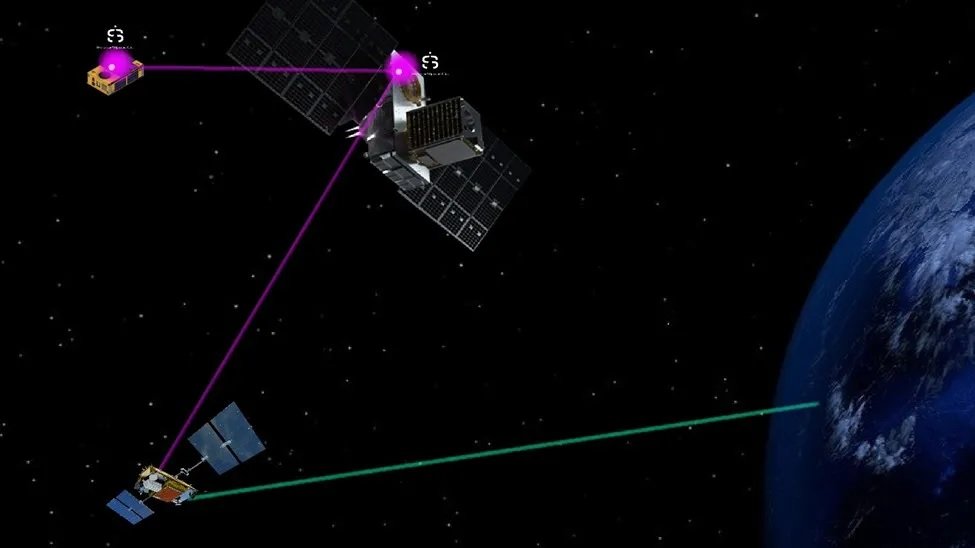 NASA Demonstrates Space-to-Space Wi-Fi Between Two Orbiting Spacecraft
-
 USS Pinckney Becomes First U.S. Navy Destroyer to Begin Phase Two Modernization with Advanced SPY-6 Radar
-
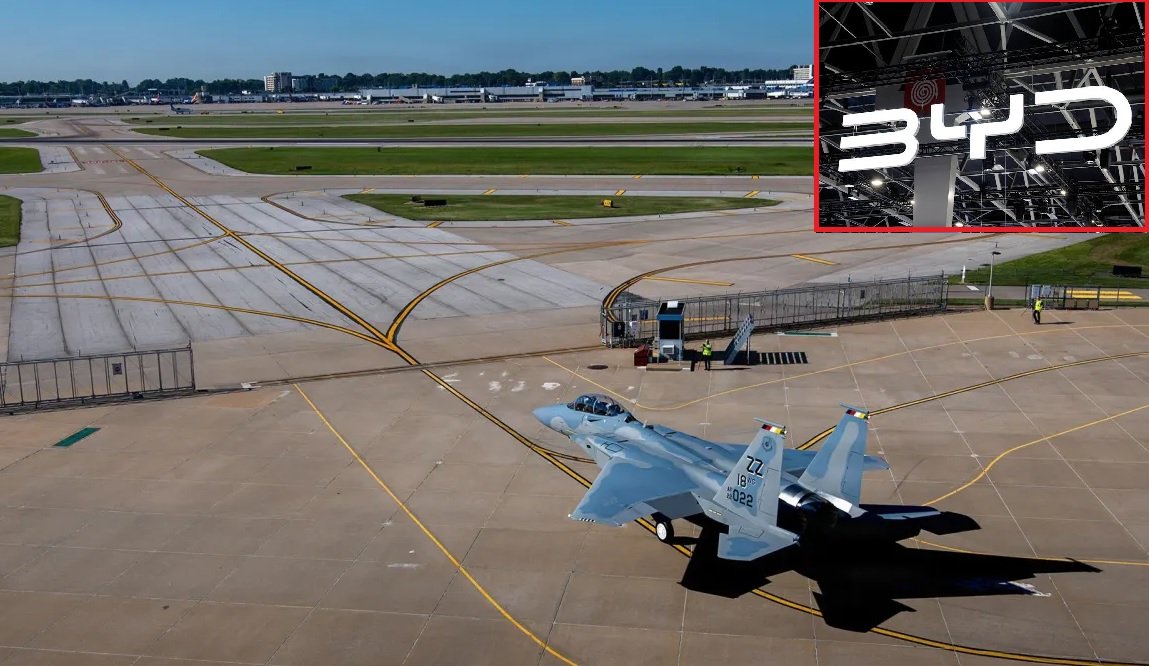 U.S. Military to Ban Chinese Automaker BYD Vehicles from Kadena Air Base in Japan Over Security Concerns
-
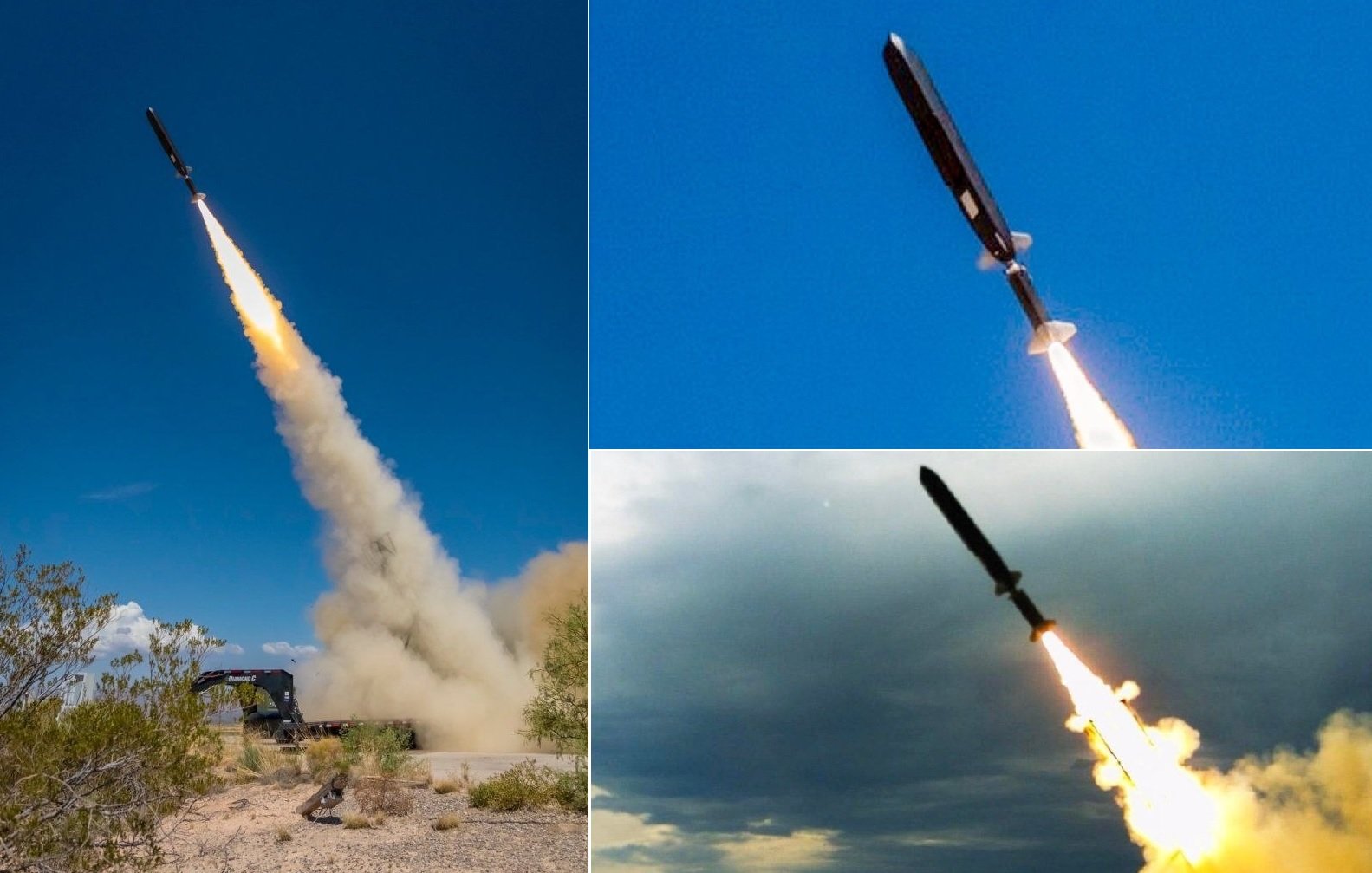 Zone 5 Technologies Demonstrates Ground Launch of Upgraded AGM-188A Rusty Dagger Missile
-
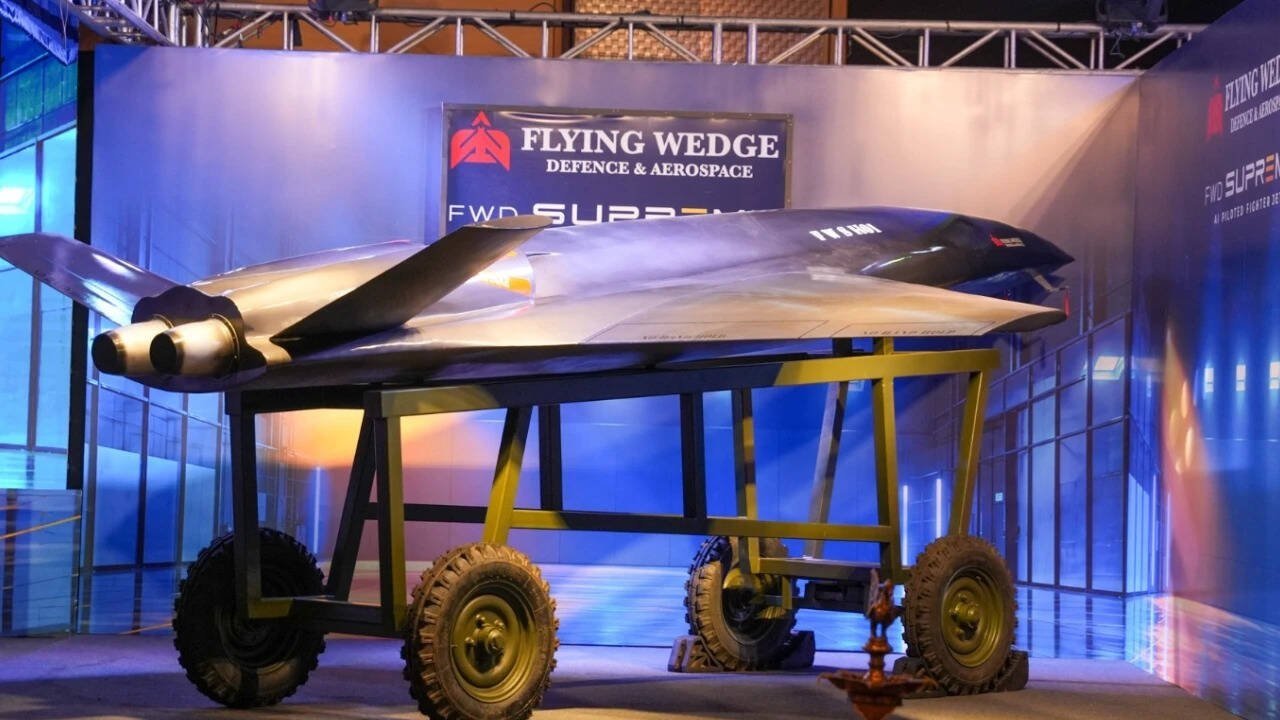 Bengaluru Startup FWDA Unveils FWD Supreme AI-Piloted Loyal Wingman Prototype
-
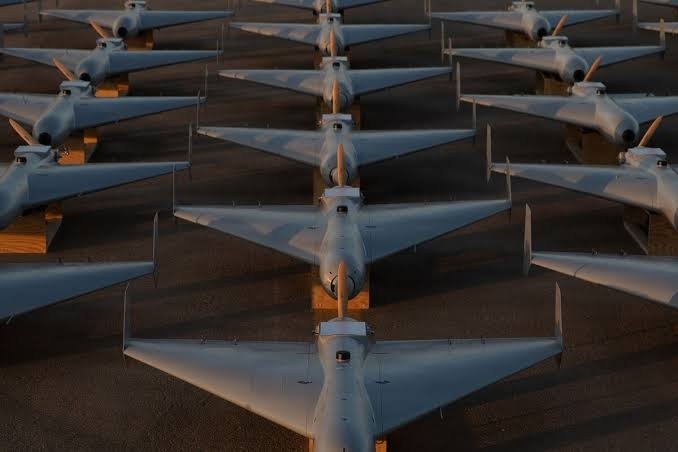 Pentagon Orders 60,000 Kamikaze Drones Under Second Phase of Drone Dominance Program
-
 Russia Launches Project 20380 Corvette Grozny for Pacific Fleet at Amur Shipyard
-
 Israeli Firm Silynxcom Develops AI-Powered Wearable Drone Detection System for Soldiers
Top Trending in 4 Days
-
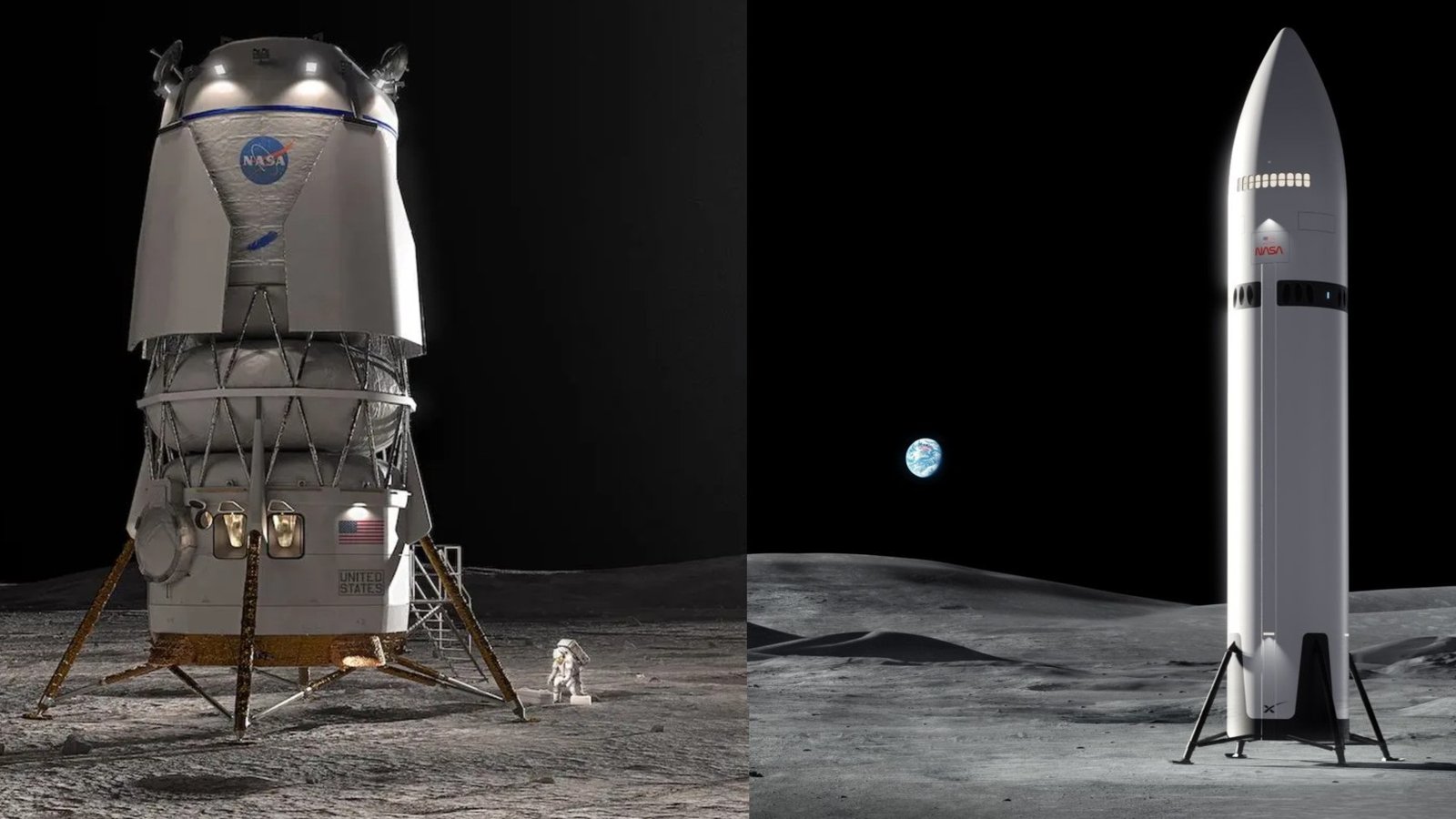 NASA Sets New Artemis Milestones as SpaceX and Blue Origin Target Moon Landings in 2027–2028
-
NASA Demonstrates Space-to-Space Wi-Fi Between Two Orbiting Spacecraft
-
USS Pinckney Becomes First U.S. Navy Destroyer to Begin Phase Two Modernization with Advanced SPY-6 Radar
-
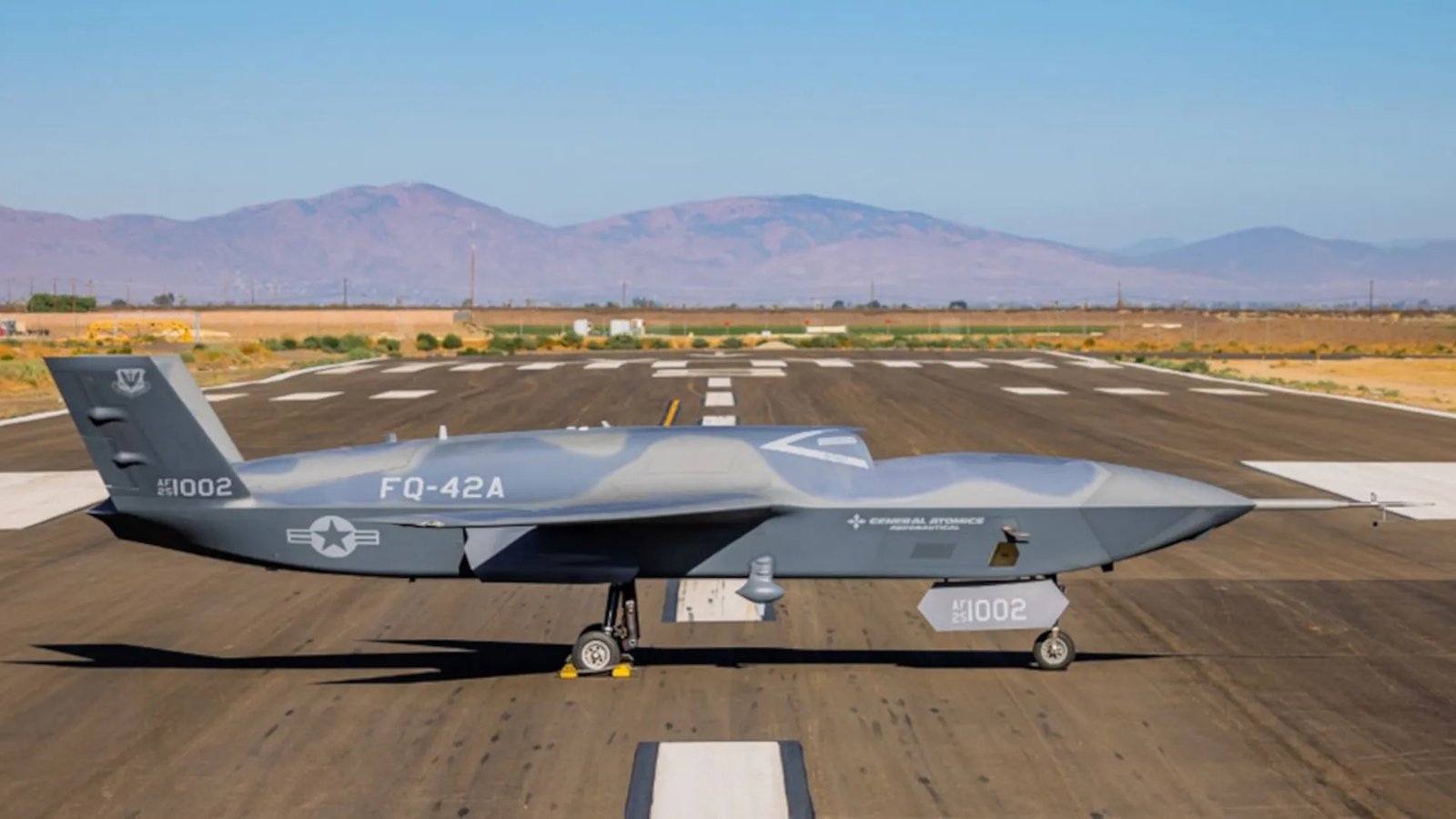 General Atomics Partners With Spirit Defense to Expand FQ-42 Vengeance Production
-
U.S. Military to Ban Chinese Automaker BYD Vehicles from Kadena Air Base in Japan Over Security Concerns
-
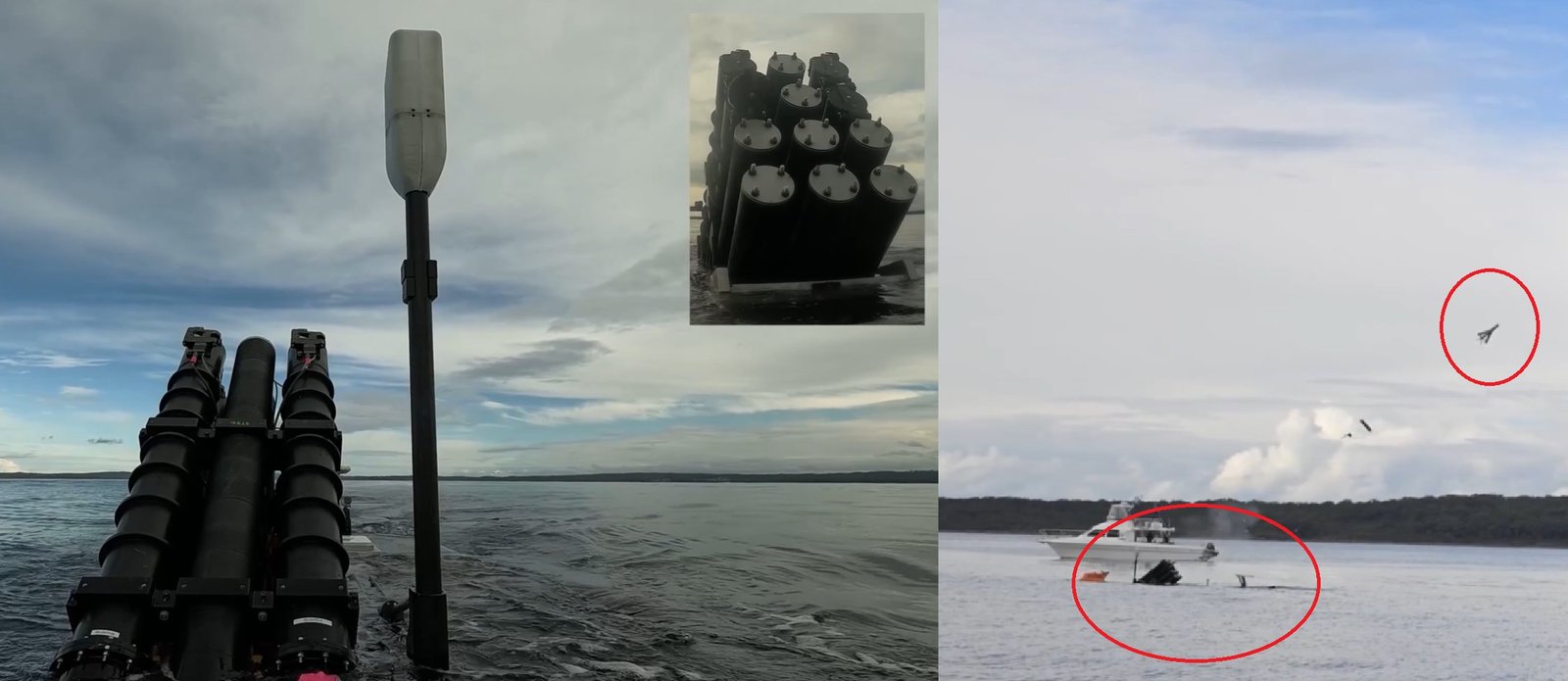 Australia Unveils Ghost Shark Autonomous Submarine’s Mine, Drone and Logistics Capabilities
-
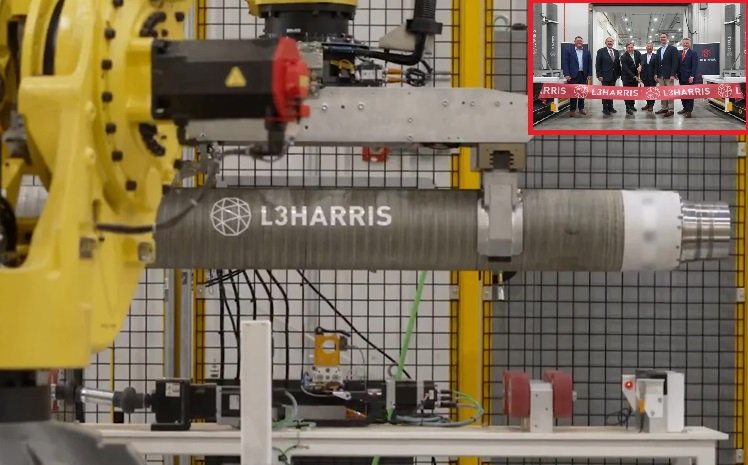 L3Harris Opens ‘Arsenal of Freedom’ Rocket Motor Plant in Arkansas to Double Production Capacity
-
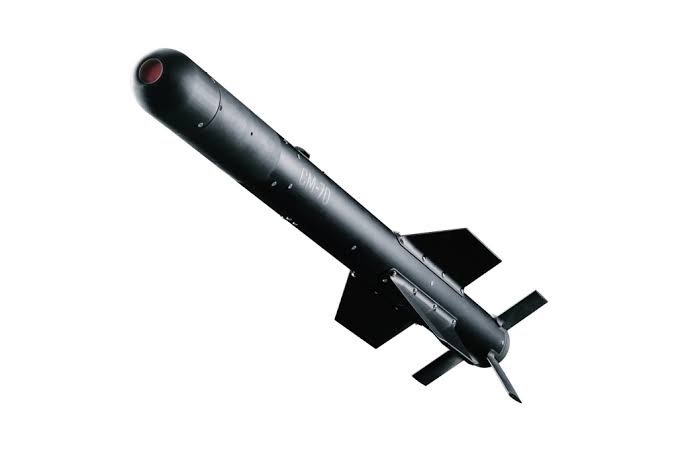 CSG and North Vector Dynamics Sign MoU to Explore European Production of CM-70 Counter-Drone Interceptor