
Space & Technology
Space News ,U.S :- In a significant achievement for the SARah reconnaissance system, two reflector satellites were effectively launched on December 24 from the Vandenberg Space Force Base in California, USA. The SpaceX Falcon 9 rocket, taking off from Launchpad SLC-4E at 14:11 CET, seamlessly deployed the two satellites into space within the scheduled 25-minute flight time. The initial signals from both satellites were promptly received, marking the commencement of the Launch and Early Orbit Phase (LEOP).During the LEOP, the SARah satellites undergo a meticulous system-by-system boot-up and functionality check, alongside precise maneuvers to position them in their designated orbits. The successful execution of this phase ensures the operational readiness of the reconnaissance system.Expressing relief and joy, the OHB project manager responsible for SARah conveyed, "It is a wonderful and relieving feeling to know that the two satellites are safely in orbit after all the hard work. The fact that we were able to experience this special moment today is a team effort and became possible thanks to the entire SARah team and the supporting colleagues from OHB."SARah stands as the successor to the SAR-Lupe system, which has served since 2007. OHB System AG, appointed as the prime contractor for SARah, collaborated with Airbus Defence and Space as a subcontractor to develop and construct three radar satellites for the mission. This includes a phased array satellite contributed by Airbus Defence and Space, and two identical reflector satellites, built on the proven technology of SAR-Lupe. This strategic combination harnesses the unique advantages of each satellite type, offering the German Armed Forces an enhanced global reconnaissance capability, irrespective of time of day or weather conditions.The Federal Ministry of Defence (Bundesministerium der Verteidigung, BMVg), represented by the Federal Office of Bundeswehr Equipment, Information Technology, and In-Service Support (Bundesamt für Ausrüstung, Informationstechnik und Nutzung der Bundeswehr, BAAINBw), is the esteemed customer for SARah.OHB System AG, in collaboration with OHB Digital Connect GmbH and Airbus Defence and Space, will be responsible for the ongoing operation of the SARah satellites, marking a pivotal moment in advancing Germany independent and sophisticated reconnaissance capabilities.
Read More → Posted on 2023-12-26 04:46:20
Space & Technology
Technology News , World :- In a groundbreaking leap towards automated aviation, a routine cargo plane recently achieved a significant milestone by completing a 50-mile route sans human presence. The triumph, celebrated by Reliable Robotics, a California-based automation systems company, unfolded as a Cessna 208B Caravan seamlessly took off, navigated its course, and landed – all without a pilot on board.This remarkable 12-minute flight, originating from Hollister Airport in Northern California, saw a human pilot remotely steering the aircraft from a control center located 50 miles away, as per a press release from Reliable Robotics. The innovative flight system empowers the Cessna plane to be remotely operated by a ground-based pilot, offering a safeguard against in-flight control loss while enhancing safety during take-off and landing procedures.As reported by CNN, the pilot communicates with the aircraft through encrypted satellite signals, utilizing an interface akin to those used by air traffic controllers. Contrary to misconceptions, Robert Rose, CEO of Reliable Robotics, emphasized that the process is not akin to a video game, lacking a joystick or real-time video feedback. Instead, the pilot navigates the aircraft through a menu of options, resembling a "choose your own adventure" scenario with buttons facilitating redirection.Crucially, each communication sent during the flight incorporates landing instructions in the event of a communication failure in the future, ensuring an added layer of safety, according to CNN. Rose clarified that while the aircraft exhibits autonomous behavior, it merely follows the last directive given by humans in the absence of ongoing communication.Despite concerns among skeptics about the prospect of automated air control, aviation expert David Soucie reassured that the Reliable Robotics model does not intend to replace human pilots. Developed since 2019, the system may, however, play a pivotal role in addressing the ongoing shortage of pilots faced by airlines. Soucie explained to CNN that the automated flight model still necessitates a certified pilot to operate the plane from the cockpit, highlighting that it is not a standalone solution.In the face of a pilot shortage exacerbated by increased travel demand post-pandemic, the system could potentially alleviate the strain on airlines. While real-life pilots are still indispensable, the automated system enables them to work from a centralized location, reducing layovers and waiting times, as per Rose comments to CNN.Looking ahead, Reliable Robotics is collaborating with the US military to expand the application of this technology to larger aircraft, offering a glimpse into the future possibilities of automated aviation.
Read More → Posted on 2023-12-25 15:58:50
Space & Technology
Space News Japan :- Japan space agency announced that its lunar explorer, the Smart Lander for Investigating the Moon (SLIM), successfully entered the Moon orbit on Monday. The spacecraft is slated to land on the lunar surface on January 20, marking a significant step in Japan space exploration efforts.Launched in September atop an H2A rocket, SLIM aims to position Japan as the fifth country to achieve a lunar landing, following the former Soviet Union, the United States, China, and India. The mission is part of the escalating global competition in space exploration.Distinguished by its capability for pinpoint landings with unprecedented precision—less than 100 meters from intended targets—SLIM represents a technological advancement over conventional landers, which typically exhibit accuracy within several kilometers. The Japan Aerospace Exploration Agency (JAXA) envisions SLIMs success transitioning from an era of "landing where we can" to "landing where we want" for future Moon missions.JAXA anticipates that a precise landing by SLIM will be crucial for missions requiring pinpoint accuracy on uneven surfaces, such as slopes, during potential searches for water on the Moon. This achievement could redefine the approach to lunar landings, emphasizing targeted precision.In the event of a successful landing, JAXA aims to contribute to unraveling the Moon origins by conducting a composition analysis of rocks believed to be part of its mantle. This scientific endeavor could provide valuable insights into the lunar formation process.Should SLIM miss the January 20 window, JAXA has identified February 16 as the next landing opportunity. The journey of SLIM began on September 7 when it was launched from the Tanegashima Space Center in southwestern Japan. The initial launch, scheduled for May, experienced delays due to a failed liftoff of Japan next-generation H3 rocket in March. Subsequent postponements occurred in August, attributed to adverse weather conditions. The successful entry into the Moon orbit is a positive development for Japan lunar exploration ambitions.
Read More → Posted on 2023-12-25 15:52:30
Space & Technology
Technology News , Europe :- In a groundbreaking initiative, the Port System Authority of the Northern Tyrrhenian Sea and the Livorno Port Company in Italy, alongside exoskeleton designers IUVO and Comau, a subsidiary of Stellantis, have successfully conducted a European pilot project. The project focused on the utilization of MATE-XT and MATE-XB exoskeletons designed by IUVO and Comau, showcasing promising results.The MATE-XT exoskeleton plays a pivotal role in diminishing muscle load on the upper limbs during static or repetitive activities, where workers are required to keep their arms raised for extended periods. Meanwhile, the MATE-XB exoskeleton alleviates muscle effort in the lumbar area when handling heavy loads.Over a span of six months, field tests were conducted with 12 port workers in Livorno, Italy, who wore the MATE exoskeletons during their daily tasks. The study measured and validated the positive effects on both physical well-being and operational efficiency.Tasks such as loading and unloading goods, moving heavy loads along the dock, and securing or unfastening containers on ships can be physically demanding and tiresome. Wearable exoskeletons, like MATE-XT and MATE-XB, emerged as crucial aids in reducing physical stress and mitigating the risk of musculoskeletal diseases over time.To affirm the benefits, IUVO and Comau initially measured the muscle activity of the workers and later gathered feedback through questionnaires on the perceived sensation of fatigue while using the exoskeletons. Remarkably, the workers not only embraced these technological advancements but also acknowledged the positive impact these exoskeletons could have on their activities and overall performance.According to data verified by IUVO and Comau, as well as companies with several years of experience in exoskeleton technology, the MATE-XT upper limb exoskeleton and the MATE-XB lumbar device demonstrated the potential to reduce users effort by up to 30 percent.Duilio Amico, CEO of IUVO and head of wearable technologies at Comau, highlighted the significance of the project, stating, “This study, conducted in collaboration with important institutions such as AdSP MTS and CPL, is one of the first in Europe and in the world that aims to evaluate the effect of exoskeleton technologies for the improvement of ergonomics and safety of workers in the port system.” Amico emphasized the commitment of IUVO and Comau to create an ecosystem promoting the development and adoption of wearable robotics technologies for the well-being of workers.
Read More → Posted on 2023-12-24 14:05:36
Space & Technology
Space News , World : - In a groundbreaking revelation at COP28, NASA and IBM jointly unveiled a cutting-edge Artificial Intelligence (AI) tool, Watsonx.ai, set to revolutionize the way we monitor Earth environmental changes. This sophisticated tool, now available on the open-source AI platform Hugging Space, promises to provide users with invaluable insights into the state of our planet, both past and future.Watsonx.ai is the result of a collaborative effort between IBM and NASA, two giants in the fields of technology and space exploration. The tool is tailored to monitor Earth from space, utilizing satellite imagery to measure and predict environmental changes. What sets Watsonx.ai apart is its simplicity; users need only select a location and a date, and the AI model takes care of the rest, highlighting changes in floodwater, tracking reforestation efforts, and analyzing other relevant factors.How Watsonx.ai WorksThe functionality of Watsonx.ai is underpinned by a robust foundation model, a creation born from being trained on a diverse set of uncategorized data. NASA provides the tool with datasets in the form of satellite images, and IBMs foundation model interprets these visual data points. To enhance the model ability to understand dynamic visual sequences, scientists employed a unique training approach. Blank areas in each image were filled, challenging the model to reconstruct the complete picture. As more images were added, Watsonx.ai became increasingly adept at discerning the interconnectedness of the visual data, paving the way for its application in tasks such as segmenting and categorizing photos.Watsonx.data: A Fit-for-Purpose Data StoreComplementing Watsonx.ai is Watsonx.data, a purpose-built data store optimized for governed data and AI workloads. This innovative data store is engineered to empower enterprises to scale their AI workloads by efficiently leveraging their entire data landscape. Watsonx.data represents a significant stride towards harnessing the full potential of AI by providing a robust foundation for handling diverse data sources.Watsonx.governance: Nurturing Responsible and Transparent AI WorkflowsWatsonx.governance plays a pivotal role in ensuring the responsible and transparent use of AI. This end-to-end toolkit encompasses both data and AI governance, assisting clients in creating workflows that adhere to ethical standards. By offering AI governance capabilities like model management throughout the AI lifecycle, Watsonx.governance contributes to the creation of responsible, transparent, and explainable AI workflows.In conclusion, Watsonx.ai marks a milestone in the fusion of AI technology and Earth monitoring. By simplifying the process of accessing and interpreting complex satellite data, this tool has the potential to drive significant advancements in environmental monitoring and contribute to our collective efforts in building a sustainable future. The combination of Watsonx.ai, Watsonx.data, and Watsonx.governance underscores the commitment of IBM and NASA to harness the power of AI for the betterment of our planet. As we stand on the cusp of a new era in Earth observation, Watsonx.ai emerges as a beacon of hope for informed decision-making and a sustainable tomorrow.
Read More → Posted on 2023-12-24 13:53:17
Space & Technology
Technology News , World :- Law enforcement agencies from 34 countries joined forces in a recent global initiative, Operation HAECHI IV, resulting in the arrest of 3,500 individuals and the confiscation of assets totaling $300 million. The six-month operation, led by Interpol, specifically targeted seven types of cybercrimes, including voice phishing, romance scams, online sextortion, investment fraud, money laundering associated with illegal online gambling, business email compromise fraud, and e-commerce fraud.During the operation, authorities successfully blocked 82,112 suspicious bank accounts, seizing $199 million in hard currency and an additional $101 million in virtual assets. Interpol Global Rapid Intervention of Payments (I-GRIP) played a pivotal role, allowing investigators to freeze associated bank and virtual asset service provider accounts collaboratively.The staggering amount seized during Operation HAECHI IV highlights the alarming growth of transnational organized crime and its impact on global security. Stephen Kavanagh, Interpol executive director of police services, emphasized that the accumulated unlawful wealth poses a serious threat to the economic stability of nations worldwide, representing the savings and hard-earned cash of victims.The operation also uncovered cases involving AI-generated synthetic content, including deep fake technology, used by criminals to deceive, defraud, harass, and extort victims. Investment fraud, business email compromise, and e-commerce fraud constituted 75% of the cases investigated during the operation.In a notable success story, Filipino and Korean authorities collaborated to apprehend a high-profile online gambling criminal in Manila, dismantling the illegal gambling operation he allegedly ran. Interpol issued "purple notices" during the operation, warning about emerging digital investment fraud practices, such as non-fungible token (NFT) scams and the use of AI and deep fake technology to lend credibility to scams.HAECHI IV demonstrated a 200% surge in arrests compared to the previous year, underscoring the persistent challenge of cyber-enabled crime. The international policing effort, involving countries like Argentina, Australia, India, the United States, and others, showcased the effectiveness of collaborative approaches in combating cyber threats.Interpol Kim Dong Kwon praised the success of HAECHI IV, emphasizing the ongoing evolution and expansion of Project HAECHI to stay ahead of contemporary cybercrime trends. The global collaboration aims to deter and punish criminals who exploit technological advancements for illicit gains.
Read More → Posted on 2023-12-23 16:45:17
Space & Technology
Space News ,U.S :- On December 22, the upper stage of a Firefly Aerospace Alpha rocket encountered a glitch, resulting in a Lockheed Martin technology demonstration satellite being placed in an incorrect orbit. The rocket, named "Fly the Lightning," took off from Vandenberg Space Force Base in California at 12:32 p.m. Eastern, following a two-day weather-related postponement from the initially scheduled launch on December 20.Initially, everything seemed to progress according to plan, with the upper stage reportedly reaching a nominal transfer orbit. The next phase involved a second burn of the upper stage, scheduled about 40 minutes later, to circularize the orbit and facilitate payload separation. However, Firefly remained silent about the launch status for several hours.U.S. Space Force tracking data revealed two objects in elliptical orbits of 215 by 523 kilometers, indicating a potential malfunction during the circularization burn. Twelve hours after the launch, Firefly confirmed the malfunction in a statement, stating that the scheduled stage 2 engine relight did not deliver the payload to its intended orbit. The company pledged to collaborate with its customer and government partners to investigate the incident and identify the root cause.The mission payload was a Lockheed Martin-developed and funded small satellite, equipped with an electronically steerable antenna for future broadband satellites. Despite the glitch, Firefly assured that communication with the satellite had been established, and mission operations were underway. Nevertheless, the satellite low perigee suggested a likely reentry within several weeks.This setback follows Firefly successful launch of the Victus Nox responsive space demonstration for the U.S. Space Force three months earlier. In October 2022, another launch saw smallsat payloads reentering days after launch due to an elliptical orbit. Despite this, Firefly claimed success, emphasizing that both stages met requirements.The Alpha rocket faced its first failure in September 2021 when one of its first stage engines shut down shortly after liftoff. Subsequent launches, however, saw the first stages performing as expected. Firefly had ambitious plans for the Alpha, aiming for increased flight rates with at least four missions in 2024 and six in 2025. The company is concurrently working on production facilities capable of building up to 24 Alphas annually.Balancing Alpha commitments, Firefly is also developing the Antares 330, a first stage for Northrop Grumman new Antares rocket version, alongside the MLV launch vehicle. Bill Weber, Firefly CEO, anticipates having the Antares 330 ready for service in mid-2025 and the MLV in late 2025.
Read More → Posted on 2023-12-23 15:01:16
Space & Technology
Space News ,U.S :- Rocket Lab, the prominent space launch provider and satellite manufacturer, has successfully secured a deal exceeding half a billion dollars to construct 18 satellites for a distinguished U.S. government agency. This groundbreaking agreement, revealed in a regulatory filing with the SEC on December 21, involves Rocket Lab National Security undertaking the comprehensive process of designing, manufacturing, delivering, and operating the specified space vehicles. The total value of the contract is an impressive $515 million, although specific details beyond this were not disclosed, as mentioned by a company spokesperson.Indications from reliable sources strongly suggest that the recipient of this ambitious contract is likely the Space Development Agency (SDA). The SDA, operating under the U.S. Space Force, is actively engaged in the creation of a mesh network comprising military satellites in low Earth orbit, known as the Proliferated Warfighter Space Architecture.Director Derek Tournear of the SDA, speaking at a recent conference, affirmed that negotiations were underway for a contract with an undisclosed supplier for the production of 18 satellites. These satellites are intended to augment the U.S. military low Earth orbit constellation, specifically contributing to the Transport Layer Tranche 2 Beta. This particular layer involves the deployment of communications satellites aimed at facilitating beyond line-of-sight connectivity for ground-based military forces.The Transport Layer Tranche 2 Beta, anticipated to consist of 90 satellites, is scheduled for launch in 2026 and 2027. These satellites will carry radios utilizing UHF (Ultra High Frequency) and S-band frequencies, crucial for military and intelligence operations involving voice and low-speed data transmissions.The recently unveiled contract with Rocket Lab encompasses a base amount of $489 million, with additional incentives and options valued at $26 million. The agreement outlines immediate commencement of work, leading to the delivery of the space vehicles for launch in 2027. Furthermore, the contract covers satellite operation until 2030, with an option for extension until 2033.This deal marks a significant milestone for Rocket Lab growing satellite business. The company, headquartered in Long Beach, California, is renowned for its small-satellite launch services utilizing Electron rockets from spaceports in New Zealand and Virginia. Additionally, Rocket Lab is in the process of developing a larger rocket named Neutron, slated for debut in 2025.In recent years, Rocket Lab has diversified its portfolio with the establishment of a Space Systems business, manufacturing components and spacecraft for both government and commercial clients. The contract with the SDA represents Rocket Lab most substantial venture into satellite operations to date.Notably, Rocket Lab has been steadily expanding its influence in the space industry, winning contracts in 2022 worth $14 million for providing separation systems for Space Development Agency satellites. These separation systems serve as crucial interfaces attaching satellites to rockets and releasing them into space upon reaching their designated orbits.Rocket Lab commitment to innovation and meeting the demands of the rapidly evolving space industry positions it as a key player in the satellite manufacturing and launch services sector, with this latest deal serving as a testament to its growing influence in the market.
Read More → Posted on 2023-12-23 14:37:27
Space & Technology
Technology News, World :- Artificial intelligence (AI) is reshaping the landscape of medicine, and its latest triumph comes in the form of a groundbreaking discovery—a novel class of antibiotics designed to combat drug-resistant Staphylococcus aureus (MRSA) bacteria. This breakthrough, made possible by transparent deep learning models, marks the first instance of new antibiotics emerging in six decades.Led by James Collins, a professor of Medical Engineering and Science at the Massachusetts Institute of Technology (MIT), the research team harnessed the power of deep learning to unravel the mysteries of antibiotic development. The innovative approach allowed scientists to discern how the AI models learned and predicted the efficacy of certain molecules as potential antibiotics."This insight provided us with a time-efficient, resource-efficient, and mechanistically insightful framework, offering unprecedented understanding from a chemical-structure standpoint," explained Collins.Published in Nature, the study employed a team of 21 researchers aiming to demystify the traditional "black box" of deep learning models. The team focused on utilizing an extensively expanded deep learning model, trained with a vast dataset comprising approximately 39,000 compounds evaluated for their antibiotic activity against MRSA.To refine the selection of potential drugs, the researchers introduced three additional deep-learning models, assessing the toxicity of compounds on different types of human cells. By integrating toxicity predictions with antimicrobial activity, the team identified compounds capable of effectively combating microbes with minimal harm to human cells.The screening process involved evaluating around 12 million commercially available compounds, resulting in the identification of compounds from five distinct classes with predicted activity against MRSA. Subsequent laboratory tests confirmed the effectiveness of these compounds, leading to the discovery of two promising antibiotic candidates from the same class.In experiments involving mouse models for MRSA skin and systemic infections, each of these compounds demonstrated a remarkable reduction in the MRSA population. This groundbreaking approach not only opens new avenues in antibiotic discovery but also provides a blueprint for future advancements in the battle against antibiotic resistance.The study success underscores the transformative potential of AI in medicine, paving the way for a new era in the fight against infectious diseases.
Read More → Posted on 2023-12-22 16:06:02
Space & Technology
Space News ,China :- China Shenzhou-17 astronauts conducted their inaugural extravehicular activity on Thursday to address minor damage to a solar array on the Tiangong space station. The spacewalk, lasting approximately 7.5 hours, involved mission commander Tang Hongbo and Tang Shengjie, who reentered Tiangong through the Wentian science module EVA hatch at 8:35 a.m. Eastern on December 21, as reported by the China Manned Space Engineering Office (CMSEO).One of the crucial tasks during the Shenzhou-17 spacewalk was a repair test on a solar array of the Tianhe core module, which had incurred minor damage from micrometeoroid hits. The success of this experimental repair work signifies a significant milestone for China in its efforts to maintain the operational status of the Tiangong space station for at least a decade.Inside Tiangong, crewmate Jiang Xinlin played a role in assisting the operation using the space station robotic arm. Notably, Tang Shengjie, at 34 years old, became China youngest astronaut to undertake an extravehicular activity.Tang Hongbo, reflecting on the spacewalk, emphasized its extraordinary significance and extreme challenges. He shared his profound experience, stating, "At that moment, being there, I deeply felt the vastness of the starry sky and the profound meaning of infinite space exploration," according to CCTV.A highlight video released by CMSEO showcased the astronauts conducting close-up examinations of the solar array, aided by the station robotic arms.The extravehicular activity presented new challenges, according to Dong Nengli, deputy chief designer of China human spaceflight program. Unlike previous spacewalks focused on installation and checks, this one involved experimental servicing, operating on a flexible and thin solar wing, posing operational space limitations.The successful spacewalk is seen as a significant achievement, laying a solid foundation for future extravehicular repairs, ensuring the space station safety and reliability. The precision required in the repair work demanded high levels of coordination between the astronauts and ground control, verifying accuracy in position and operation proficiency.Looking ahead, China has completed the construction of Tiangong in October 2022 and is actively developing plans for its utilization. CMSEO plans to launch an additional module to expand the orbital outpost, and the selection process for the first international astronauts to visit Tiangong is underway.Furthermore, the evolving Tiangong plans include the participation of civilian astronauts and non-state-owned enterprise (SOE) companies, potentially altering the global image of the Chinese space program. Gui Haichao made history as the first Chinese civilian in space during the Shenzhou-16 mission earlier this year.Commercial launch firms may also play a role in a new low-cost cargo system to supply Tiangong. The arrival of components for a Long March 7 rocket at the Wenchang spaceport on December 21 signals preparations for the Tianzhou-7 cargo mission to Tiangong in mid-January.
Read More → Posted on 2023-12-22 14:57:08
Space & Technology
Space News , India :- Lt Gen (retd) AK Bhatt, the Director General of the Indian Space Association, underscored the pivotal role of the impending Foreign Direct Investment (FDI) policy in shaping the trajectory of the space sector development. Anticipating the finalization of the government FDI policy, Bhatt expressed confidence that it would play a crucial role in garnering funds from prominent Indian corporations once they achieve profitability.Envisioning a transformative impact, Bhatt highlighted the financial incentives that the FDI policy would offer to private players, enabling them to not only secure funds domestically but also tap into international sources. This optimistic outlook for 2024 sets the stage for a significant boost in the space sector financial landscape.The Indian Space Association (ISpA) sheds light on the forthcoming FDI policy, suggesting the possibility of permitting 100 per cent foreign investment in satellite operations, launch vehicle manufacturing, and subsystem production. A notable shift from the existing FDI policy, which limits foreign investment in satellite establishment and operations to the government route, the proposed changes aim to facilitate up to 74 per cent overseas ownership through the automatic route and up to 100 per cent through the government route.The impetus behind this policy revision is rooted in the ambition to attract global investors to contribute to the burgeoning field of satellite communications. Recognizing the potential of the Indian space startup ecosystem, the government seeks to surpass the $110 million investments garnered last year.The achievements of 2023 set a compelling backdrop for the anticipated developments. India successful landing of Chandrayaan-3 and the launch of Aditya-L1, the nation inaugural solar mission, not only solidified India position in the global space economy but also fueled the momentum for the private space sector within the country.Amidst noteworthy milestones in the government sector, the private domain also witnessed significant events, such as the ISRO/NSILs launch of the second batch of 36 OneWeb satellites in March 2023. OneWeb India, having secured approval from the Indian space regulator IN-SPACe, is poised to become the pioneer in offering satellite broadband services, marking a noteworthy stride in space-based communication services within India.
Read More → Posted on 2023-12-22 14:01:27
Space & Technology
Space News :- In a strategic move, Karim Michel Sabbagh, former SES CEO and E-Space Managing Director for Europe and the Middle East, is set to lead the innovative venture, Space42. The proposed merger, valued at approximately $4 billion, combines the strengths of regional satellite operator Yahsat and geospatial intelligence provider Bayanat.Yahsat, a subsidiary of Mubadala, the UAEs state-owned investment company, originally transformed Bayanat from a UAE Armed Forces entity into a commercial powerhouse over a decade ago. Currently majority-owned by G42, a UAE-based AI and cloud provider partially owned by Mubadala, Bayanat and Yahsat shareholders are poised to hold 54% and 46% stakes, respectively, pending regulatory and shareholder approvals in the second half of 2024.Mansoor Al Mansoori, former Bayanat chairman and current chair of the Abu Dhabi Department of Health, is slated to lead Space42 as its chair. Bakheet Al Katheeri, CEO of Mubadala UAE Investments platform, is set to be the vice chairman of the merged group.Described as the Middle East and Africa first AI-powered space technology company, Space42 aims to leverage the synergies between Bayanat geospatial analytics and AI algorithms and Yahsat satellite infrastructure backbone. The two entities had previously collaborated on ordering five synthetic aperture radar (SAR) satellites from Finnish Earth observation operator Iceye, with the first launch targeted for the first quarter of 2024.E-Space, under Sabbagh leadership, had initially focused on advancing AI technology to enhance connectivity services, particularly for its constellation of satellites. Despite being in stealth mode until February 2022 and securing $50 million in seed financing, specific details about the proposed constellation remained limited. E-Space had partnered with Emirati telco e& to develop AI technology for managing data traffic across its planned space-based network.Sabbagh, confirming his departure from E-Space, expressed his dedication to spearheading efforts to establish Space42. As both Bayanat and Yahsat are listed on the Abu Dhabi Securities Exchange, a crucial shareholder meeting is anticipated in the first quarter of 2024 to seal the merger deal.
Read More → Posted on 2023-12-21 15:19:04
Space & Technology
Defense News , U.S :- Defense contractor L3Harris has recently received the green light from the Space Development Agency (SDA) to advance into the production phase for 16 satellites designed to detect and monitor hypersonic missiles aimed at the United States and its allies. The approval follows the successful completion of critical design and production readiness reviews for L3Harris satellite technology.The SDA, a key entity within the U.S. Space Force, is actively constructing the Proliferated Warfighter Space Architecture, a layered network of satellites. This architecture includes a Transport Layer comprising interconnected communication satellites that will transmit data collected by the Tracking Layer, which consists of sensor satellites.In 2022, L3Harris secured a substantial $700 million contract to design and manufacture 16 Tracking Layer Tranche 1 satellites. Additionally, the contract involves providing ground systems and support services. The satellite bus supplier for this ambitious project is Maxar Technologies, as selected by L3Harris.Highlighting the significance of this initiative, Bob De Cort, Director of Program Management at L3Harris, emphasized, “Hypersonic missiles are the most destabilizing kinetic weapons in our adversaries arsenals due to their dim flight profiles, varied launch points, and high maneuverability. To deter their use and, when needed, to defeat them, the United States requires a resilient sensor platform to remove the veil from their flight paths.”L3Harris satellite production facilities in Melbourne, Florida, and Fort Wayne, Indiana, are actively contributing to the project. The company has already delivered four prototype tracking satellites under a previous $193 million contract for Tranche 0, though they have faced some delays in launching this year.The Tracking Layer Tranche 1 satellites are currently slated for launch in 2025. Its worth noting that Northrop Grumman and Raytheon RTX are also engaged in the production of Tracking Layer Tranche 1 satellites under separate contracts.This initiative to deploy reliable hypersonic detection capabilities comes at a crucial time, as nations like China, Russia, and others are advancing their development of maneuverable high-speed weapons designed to evade conventional defensive systems.
Read More → Posted on 2023-12-21 14:12:57
Space & Technology
Technology News - In a significant move, the U.S. Justice Department (DoJ) has officially declared the disruption of the notorious BlackCat ransomware operation, unveiling a decryption tool that over 500 affected victims can now utilize to regain access to files previously locked by the malware.Court documents reveal that the U.S. Federal Bureau of Investigation (FBI) orchestrated a strategic intervention by enlisting a confidential human source (CHS) to operate as an affiliate within the BlackCat group. This unconventional approach allowed the FBI to gain access to the gang web panel, essentially hacking the hackers themselves.The operation witnessed a collaborative effort involving law enforcement agencies from the U.S., Germany, Denmark, Australia, the U.K., Spain, Switzerland, and Austria.Initially emerging in December 2021 under aliases such as ALPHV, GOLD BLAZER, and Noberus, BlackCat quickly rose to become the world second most prolific ransomware-as-a-service variant after LockBit. Notably, it marked the first appearance of a Rust-language-based ransomware strain in the wild.The conclusion of this operation dispels earlier speculations of law enforcement action, sparked when BlackCat dark web leak portal went offline on December 7, only to resurface five days later with a sole victim.Working closely with numerous victims in the U.S., the FBI implemented the decryptor, sparing them from ransom demands totaling approximately $68 million. The agency also gained valuable insights into the ransomware network, acquiring 946 public/private key pairs that were instrumental in dismantling the TOR sites operated by the group.It is crucial to note that the creation of a hidden service with the .onion URL on the TOR network involves generating a unique key pair. BlackCat, like other ransomware groups, employed a ransomware-as-a-service model, combining core developers with affiliates who rented out the payload and targeted high-value victim institutions. The group also employed the double extortion scheme, adding pressure on victims by exfiltrating sensitive data before encryption.According to the DoJ, BlackCat affiliates gained initial access to victim networks through various methods, including leveraging compromised user credentials.Estimates suggest that this financially motivated actor compromised over 1,000 victims worldwide, accumulating nearly $300 million in illegal revenues by September 2023.Despite the takedown, rival groups like LockBit are quick to seize opportunities. LockBit is actively recruiting displaced BlackCat affiliates, even offering its data leak site to resume victim negotiations.In response to the intervention, a BlackCat spokesperson stated that they have relocated servers and blogs. The group claims that law enforcement agencies only had access to an outdated key for the old blog site, which had been deleted long ago.While the threat actor newest leak website remains operational, the FBI has successfully re-seized the main leak site. In a retaliatory move, BlackCat has given affiliates permission to target critical infrastructure entities, excluding those within the Commonwealth of Independent States (CIS). The FBI has since regained control of the website.In a candid conversation with vx-underground, a LockBit administrator expressed concerns about security loopholes in their infrastructure, labeling them as a primary threat to their business in the wake of this unfolding situation.
Read More → Posted on 2023-12-20 16:14:04
Space & Technology
Space News - Leading Chinese launch startup, Galactic Energy, has successfully secured $154 million in funding to advance the development of its revolutionary Pallas-1 rocket. The funding, announced in the C and C+ rounds on December 18, will primarily support research and development efforts focused on the Pallas-1 medium-lift rocket and its associated infrastructure.The funding rounds were spearheaded by Ziyang Heavy Industry Fund, with participation from key investors including Bengbu Investment Group, Langfang Linkong, Founder Hesheng Investment, Jintuo Capital, and undisclosed backers, as outlined in the company official statement.Despite economic challenges and intense competition within the space industry, this funding announcement underscores the resilience of financial support for Chinese commercial launch ventures. Recent developments also suggest that lucrative national contracts are in the pipeline for commercial launch service providers, opening new avenues for revenue.Pallas-1, a 42-meter-long kerosene-liquid oxygen launcher, is designed with a targeted capacity of 5,000 kg to low Earth orbit (LEO) or 3,000 kg to a 700 km sun-synchronous orbit (SSO). Galactic Energy aims to conduct the inaugural Pallas-1 flight in Q3 of the following year, with plans to recover the first stage using landing legs by 2025.In addition to its immediate plans, Galactic Energy is eyeing a triple-core variant of the Pallas-1, poised to lift an impressive 14,000 kg to LEO, with a projected launch date as early as 2026. The company is strategically positioning itself to secure contracts for launching satellites for China national satellite internet megaconstellation, Guowang, which aims to deploy approximately 13,000 satellites into LEO, in response to global constellations like SpaceX Starlink.Galactic Energy also emerges as a potential contender for cost-effective cargo missions to the Tiangong space station, aligning with China human spaceflight agency recent call for cargo spacecraft and launch solutions in the 4 to 6-ton range to LEO.This funding round follows closely on the heels of Galactic Energy successful return-to-flight with the 11th Ceres-1 four-stage solid rocket launch on December 4, reestablishing its reliability after a setback in late September.Established in February 2018, Galactic Energy has positioned itself as a leader in the competitive Chinese commercial launch sector, marked by successful launches and even a milestone launch from a mobile sea platform. This $154 million funding marks the company second significant funding round, building on the $200 million raised in early 2022.While Galactic Energy has achieved notable success with the Ceres-1, competing with larger, reusable rockets presents challenges. Rivals like Landspace Zhuque-2, which can carry 1,500 kilograms to a 500-kilometer sun-synchronous orbit, have already achieved successful launches. Landspace plans for a larger Zhuque-3, capable of lifting up to 18,300 kg to LEO, pose further competition with a target launch date in 2025.The year 2023 has proven to be a breakthrough for Chinese commercial launch entities, with Galactic Energy, iSpace, Landspace, Space Pioneer, and state-owned spinoffs CAS Space and Expace collectively accounting for 17 out of China 62 orbital launches. This includes the maiden successful launches of Chinese commercial liquid-propellant rockets into orbit, marking a significant stride in the nation space exploration endeavors.
Read More → Posted on 2023-12-20 16:03:20Search
Top Trending in 24 Hours
-
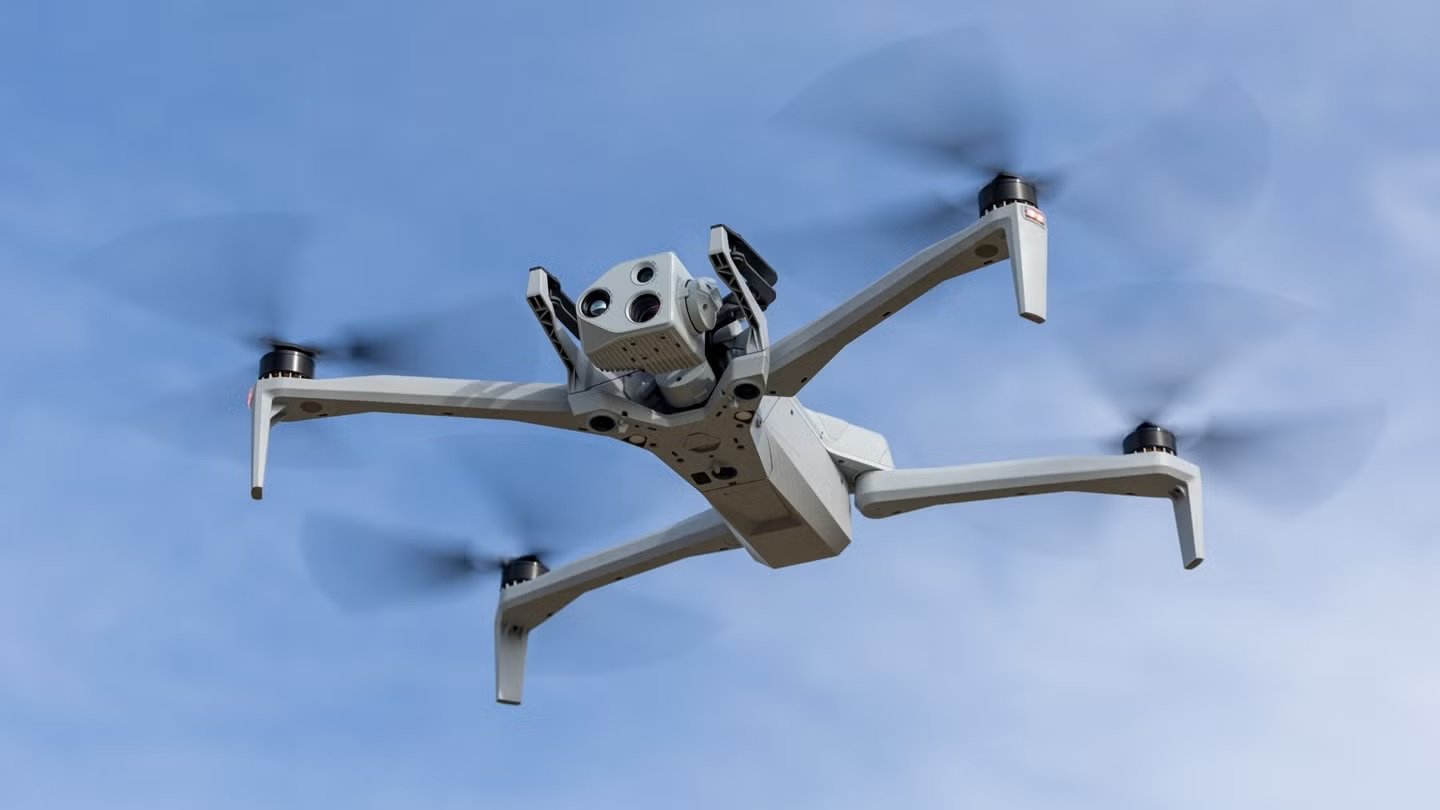 UK Ministry of Defence Opens £120,000 Tender for Skydio X10D Drones
-
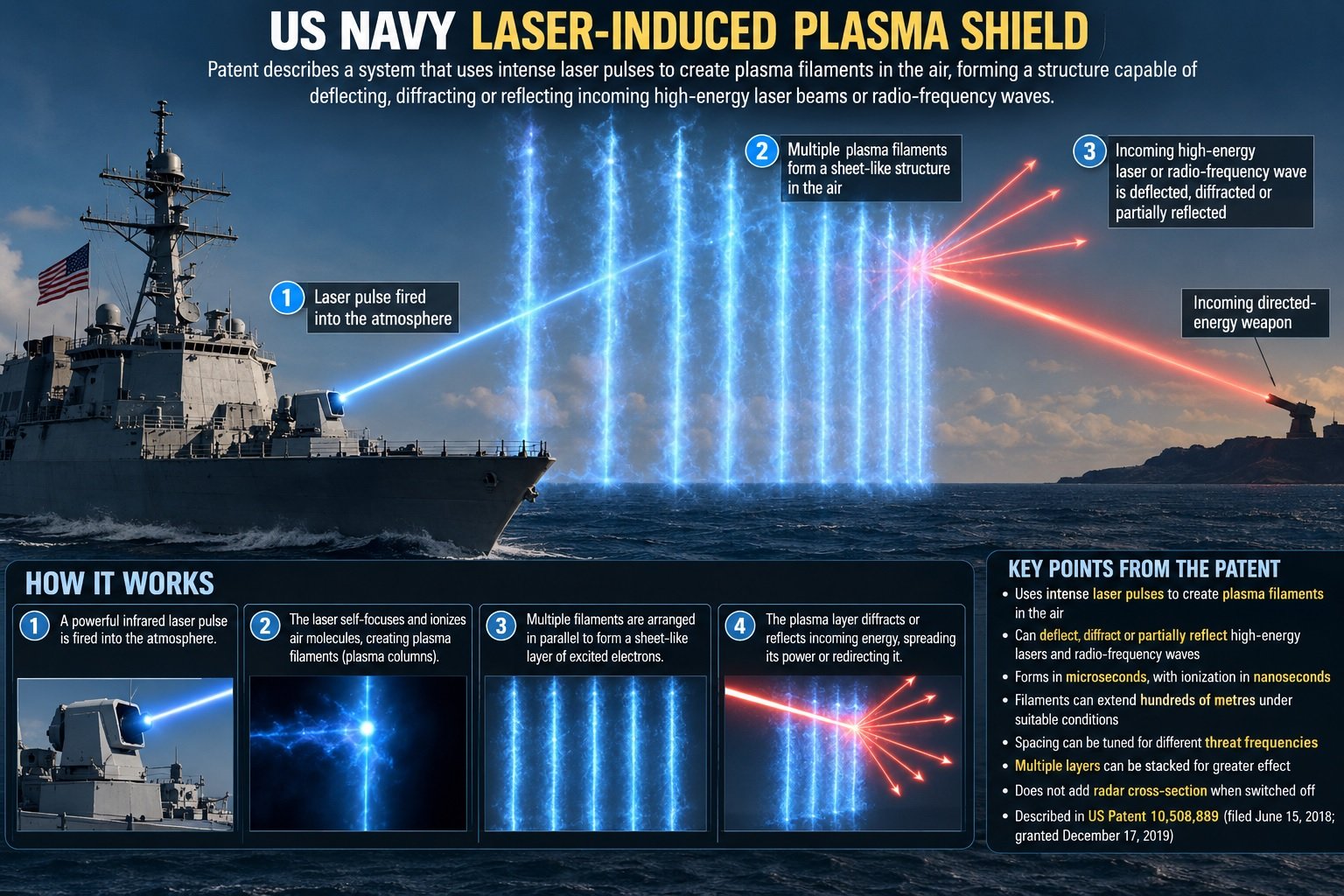 US Navy Patent Details Laser-Induced Plasma System to Deflect Directed-Energy Weapons
-
 US Expands Military Buildup Near Iran with Third Aircraft Carrier and Additional Marines
-
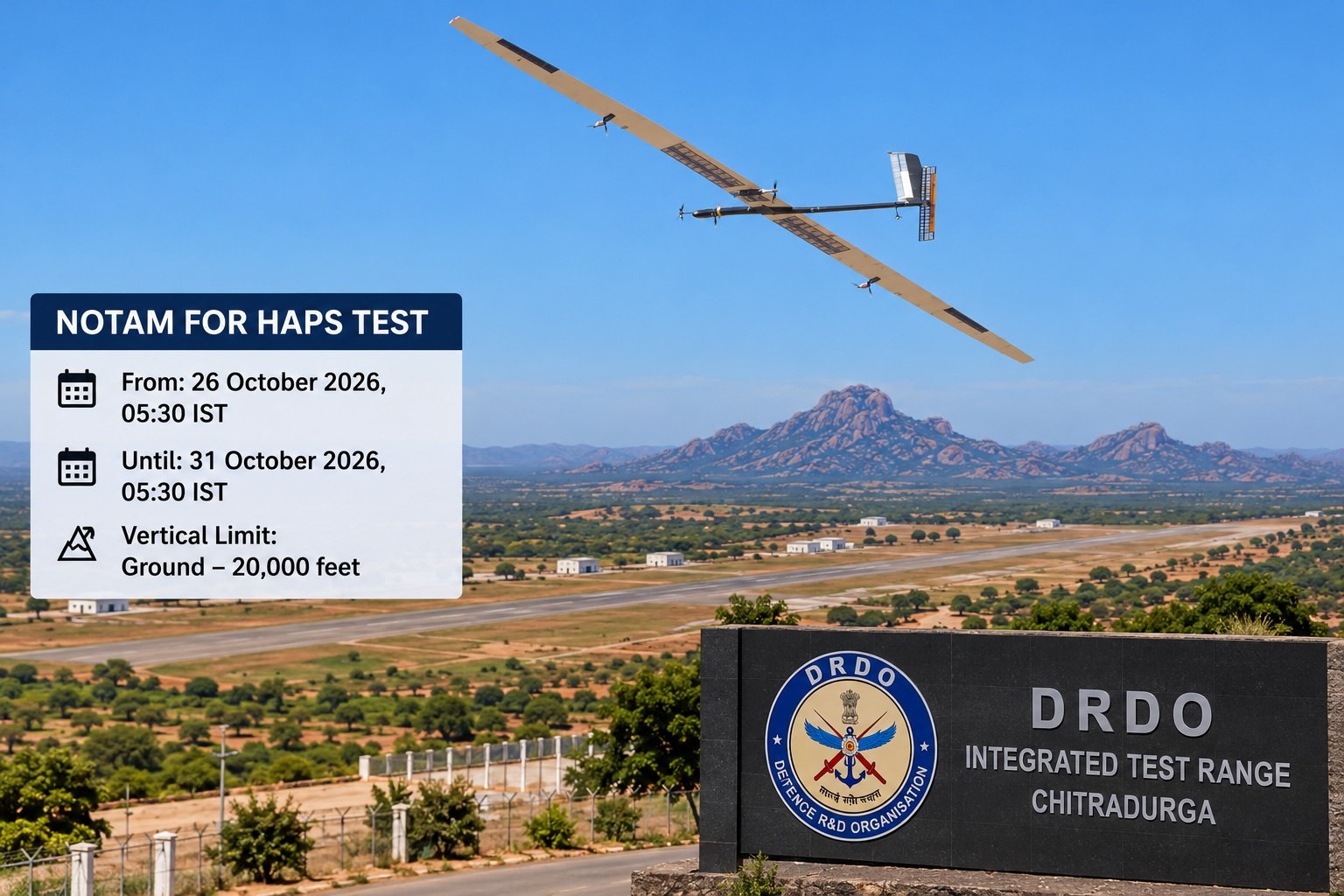 India Issues NOTAM for High Altitude Pseudo Satellite Test at DRDO Chitradurga Facility
-
 EDGE Integrates Autonomous Naval Systems in UAE-US Maritime Demonstration
-
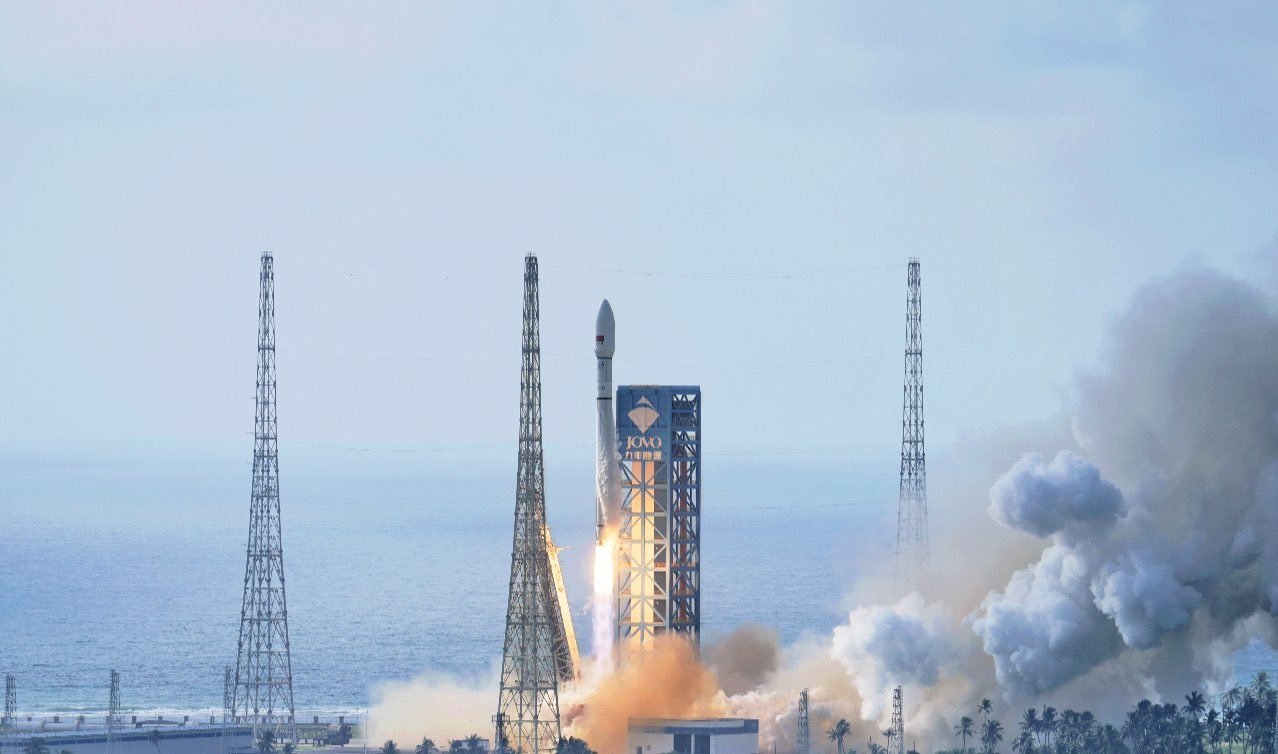 China Launches Six New Remote-Sensing Satellites into Orbit to Expand Earth-Observation Network
-
 Italy Reportedly Orders 30 Panther Tanks and 48 Lynx IFVs in €3.7 Billion Deal
-
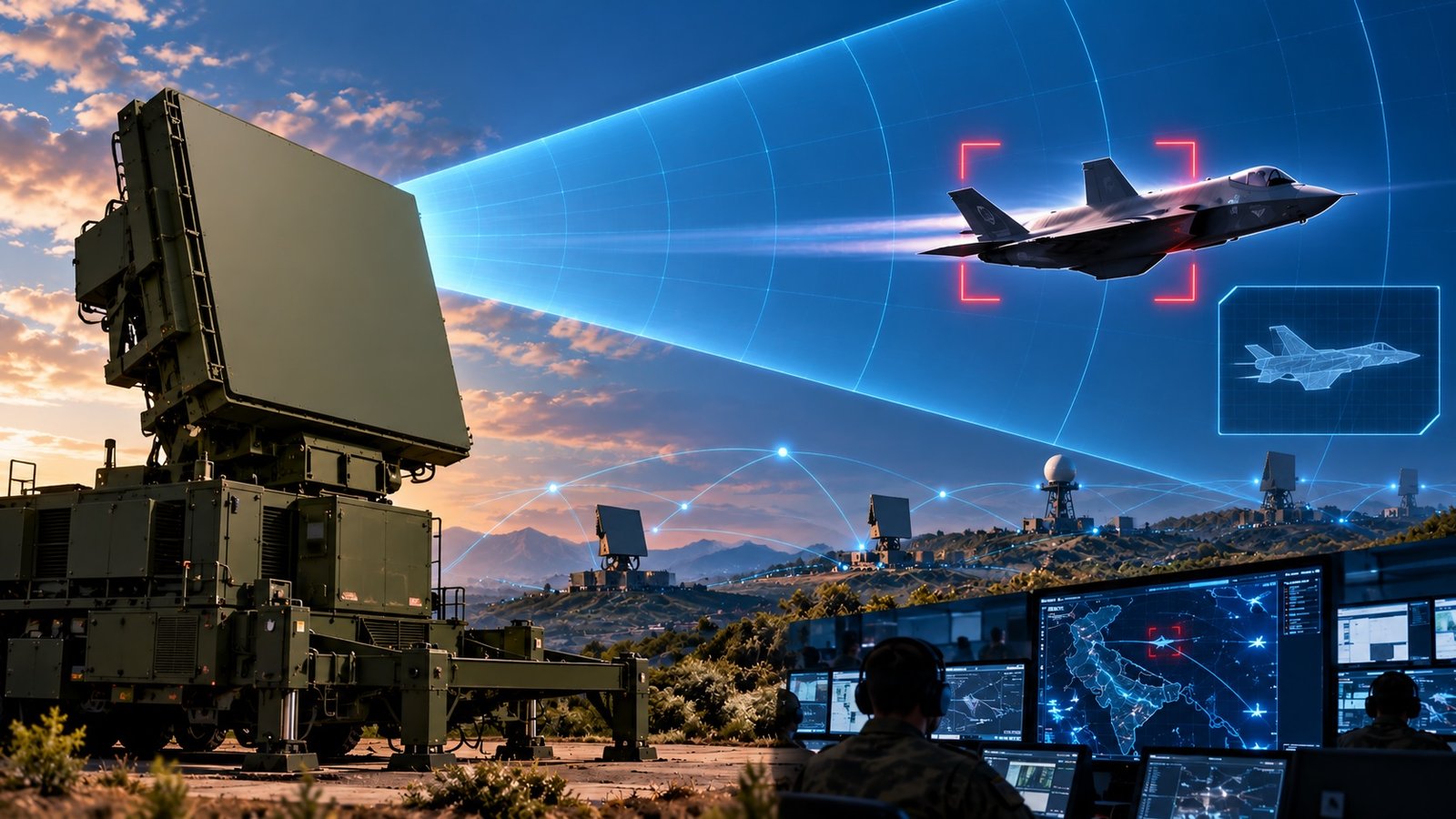 DRDO’s Arudhra Radar Reportedly Tracks F-35-Like Stealth Target in AI-Assisted Simulation: How It Works
Top Trending in 4 Days
-
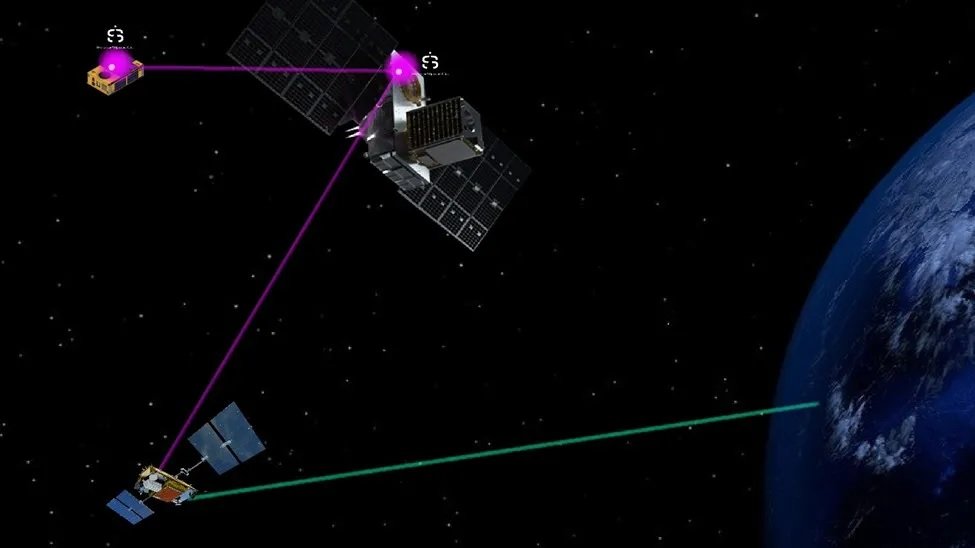 NASA Demonstrates Space-to-Space Wi-Fi Between Two Orbiting Spacecraft
-
 USS Pinckney Becomes First U.S. Navy Destroyer to Begin Phase Two Modernization with Advanced SPY-6 Radar
-
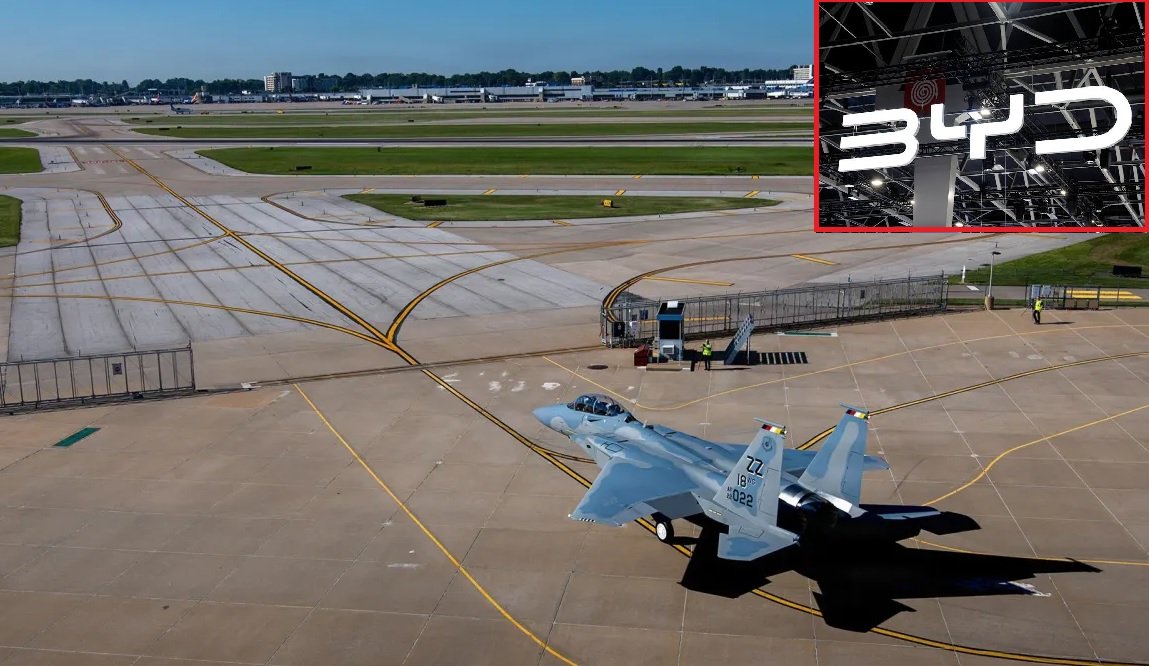 U.S. Military to Ban Chinese Automaker BYD Vehicles from Kadena Air Base in Japan Over Security Concerns
-
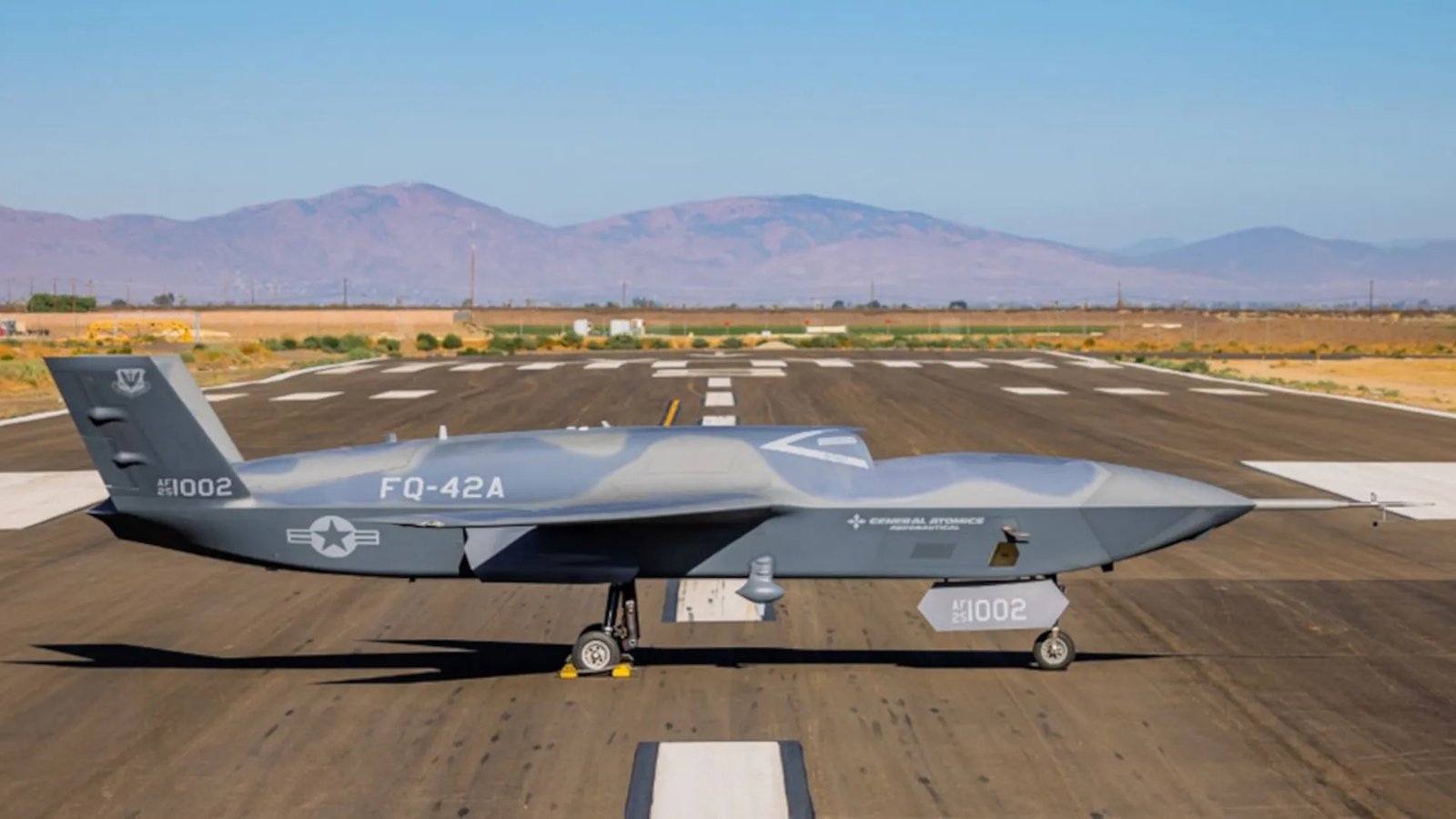 General Atomics Partners With Spirit Defense to Expand FQ-42 Vengeance Production
-
UK Ministry of Defence Opens £120,000 Tender for Skydio X10D Drones
-
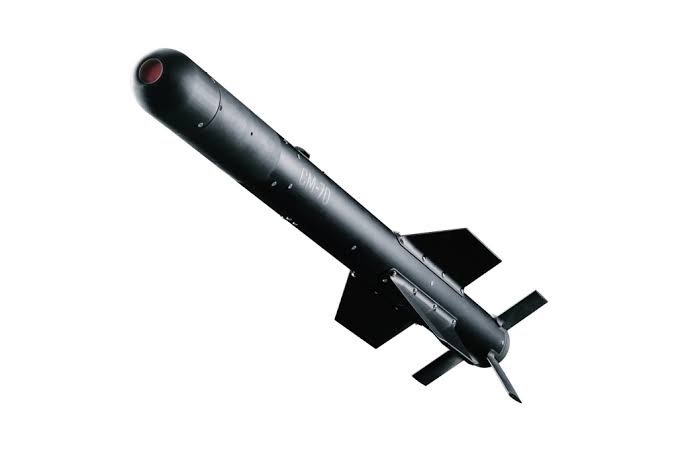 CSG and North Vector Dynamics Sign MoU to Explore European Production of CM-70 Counter-Drone Interceptor
-
 Unitree Unveils H2-X ‘Kung Fu Legend: Guardian’ Humanoid Robot for Security and Rescue
-
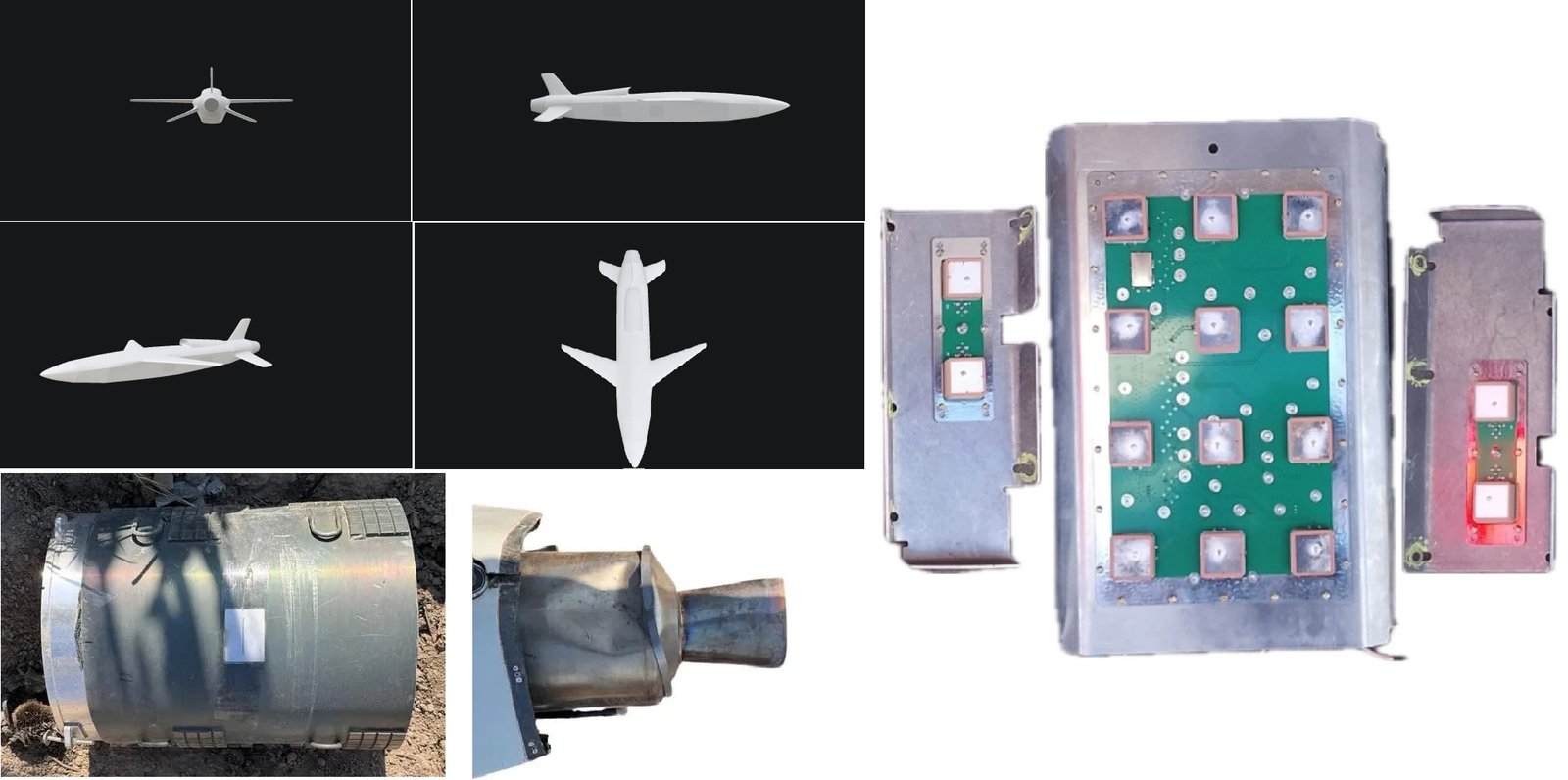 Ukraine Reveals Technical Details of Russia’s New Filin Cruise Missile