
Space & Technology
Technology News ,Philippine :- In a groundbreaking announcement, SP New Energy Corporation (SPNEC) declared the commencement of what is touted as the "world largest solar project" within the Philippines. Spearheaded by its subsidiary, Terra Solar Philippines, Inc., the ambitious venture is already underway, with land clearing operations initiated across 3,500 hectares in Nueva Ecija and Bulacan, according to a statement from SPNEC Vice Chairman, Leandro Leviste.Highlighting the magnitude of the endeavor, Leviste revealed plans for the installation of over 5 million solar panels. Concurrently, efforts to establish the project interconnection with the national grid are in progress. Leviste emphasized the commitment to delivering the first phase of the project by the first quarter of 2026, prompting an acceleration of site clearing activities.The focal point of the Terra Solar project will be Peñaranda, Nueva Ecija, with SPNEC having already completed the installation of solar panels for the initial developments in the same town, as stated in the official release.With a staggering goal of achieving 3,400 megawatts of solar panel capacity and 4,000 megawatt-hours of battery storage, the project represents a significant investment of P200 billion by SPNEC. Once operational, it is projected to generate approximately 5 billion kilowatt-hours annually, equivalent to an estimated 5% of the total Philippine grid volume and 12% of the nation total energy demand.In an ambitious comparison, SPNEC asserted that upon completion, the Terra Solar project would surpass the capacities of India Bhadla Solar Park and China Golmud Solar Park, currently recognized as the world largest solar farms, each with over 2.2 gigawatts. Furthermore, the project is anticipated to outstrip the combined capacity of all grid-connected solar projects in the Philippines, totaling over 1.5 gigawatts, according to figures from the energy department.This monumental initiative comes on the heels of MGen Renewable Energy, Inc. (MGreen) solidifying its P15.9-billion investment in SPNEC on December 27, 2023, further signaling the commitment and financial backing behind this transformative solar undertaking.
Read More → Posted on 2024-01-02 15:52:26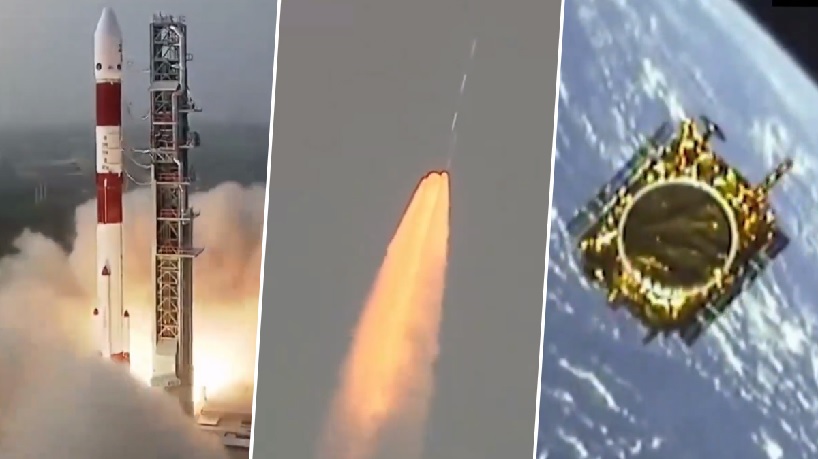
Space & Technology
Space News ,India :- In a remarkable achievement, the Indian Space Research Organisation (ISRO) executed a flawless mission using the PSLV-DL variant, boasting a lift-off mass of 260 tons. At the heart of today success was the fourth stage, meticulously configured as a 3-axis stabilized Orbital platform designed for groundbreaking experiments.The mission pivotal moment unfolded with the injection of XPOSAT, followed by the PS4 stage undergoing two re-starts. This strategic move reduced the orbit to a 350 km circular orbit, setting the stage for a 3-axis stabilized mode to conduct extensive Orbital Platform (OP) experiments.In a groundbreaking maneuver on Monday, ISRO conducted a maneuvering experiment by firing the fourth stage of the Polar Satellite Launch Vehicle rocket twice. This scientific feat aimed to delve into uncharted territories and expand our understanding of space through experimentation.Further enhancing the scientific endeavor, scientists at ISRO Bangalore headquarters initiated the firing of the fourth stage twice, effectively lowering the altitude from 650 km to 350 km. This adjustment paved the way for the POEM-3 experiment, wherein 10 diverse payloads from various ISRO centers were activated in Low Earth Orbits.This success story mirrors a previous achievement in April 2023 when ISRO conducted a similar scientific experiment during the PSLV-C55 mission using the POEM-2 module.The fourth stage orbital platform electrical power needs are met through a combination of Flexible Solar Panels and a 50 Ah Li-ion battery. This platform encompasses avionic systems responsible for navigation, guidance, control, telecommands, and altitude control systems crucial for testing payloads.The intricate process of orbit change and passivation involved lowering the PS4 stage from 650 km to approximately 350 km. This was achieved through two restarts of the PS4 stage, with the remaining propellant disposed of through the main engines. This crucial step ensures the safety of the PS4 stage for future atmospheric re-entry experiments.ISRO PSLV Orbital Experimental Module-3 (POEM-3) is a key player in this mission, utilizing the fourth stage as a 3-axis stabilized Orbital platform. The platform is geared towards conducting experiments to space-qualify systems with innovative concepts. Avionic systems, flexible solar panels, and a Li-ion battery work in tandem to ensure precise navigation, guidance, control, and telecommands.Among the 10 payloads featured in this pioneering mission are projects such as the Radiation Shielding Experiment Module, Women Engineered Satellite, BeliefSat (an amateur radio satellite), Green Impulse Transmitter, LEATTD Technology Demonstrator, RUDRA 0.3HPGP, ARKA 200, Dust Experiment (DEX), and Fuel Cell Power System. These diverse experiments represent a collective stride towards advancing space exploration and technology.
Read More → Posted on 2024-01-02 14:56:39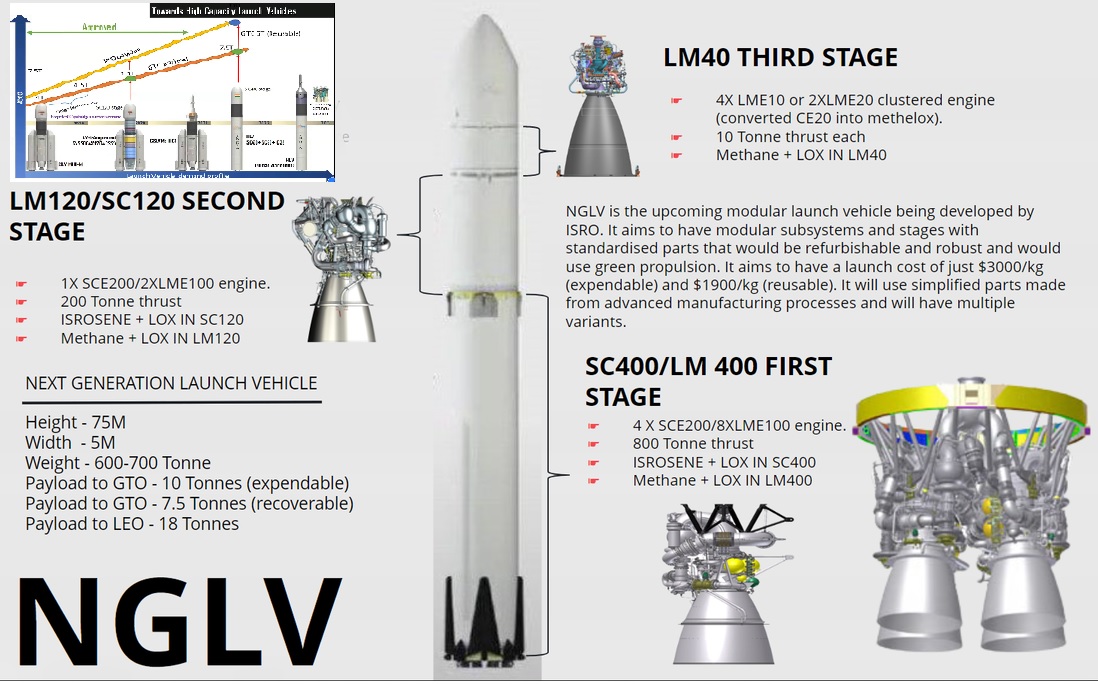
Space & Technology
Space News ,India :- A cutting-edge Electric Propulsion System (EPS) with high specific impulse has been developed by LPSC, primarily tailored for North-South station keeping. Simultaneously, efforts are underway to create a High Thrust Electric Propulsion system for orbit-raising operations. LPSC has actively engaged in crafting High Power EPS thrusters, achieving successful tests on 18mN, 75mN, and 300mN Stationary Plasma Thrusters (SPT).The upcoming TDS-01 mission is slated to conduct onboard flight testing for the 300mN-based EPS. LPSC is establishing Electric Propulsion facilities dedicated to the development and qualification of Stationary Plasma Thrusters (SPT), Power Processing and Control Unit (PPCU), Xenon feed system components, and meeting launch service requirements. These facilities are poised to accommodate the development of Electric Propulsion systems up to a thrust level of 1N.Green Propulsion is a key focus for LPSC, driven by the goal of substituting toxic propellants. Ongoing efforts involve replacing Hydrazine in monopropellant propulsion systems and MMH + N2O4 in bi-propellant propulsion systems. Successful development of Monopropellant thrusters (10N and 100N) using Hydrogen Peroxide (H2O2) has been achieved. The 100N thruster also serves as a backup system for the Gaganyaan crew module propulsion system.LPSC is at the forefront of innovation in rocket propulsion by exploring Methane as a potential propellant for interplanetary missions. Methane, abundant on planets like Mars, can be harvested from there. LPSC contribution includes the design and realization of a 20 Ton thrust LOX/Methane engine on the CE 20 engine platform, serving as a technology demonstrator. Successful hot tests have validated critical technology elements, such as the ignition of the thrust chamber and Gas Generator.
Read More → Posted on 2024-01-02 05:14:42
Space & Technology
Space News ,India :- India is set to make a substantial contribution of ₹1,250 crore to the groundbreaking Square Kilometre Array (SKA) project, aimed at constructing the world largest radio-telescope. This monumental initiative will span two continents, with radio telescopes strategically placed in remote, radio-quiet locations in western Australia near Perth and in South Africa near Cape Town. The Union Cabinet has given its approval for this financial commitment, marking a significant step towards advancing humanity comprehension of the universe, from its origins to the emergence of life.The SKA project involves the collaboration of more than 10 nations, with India playing a crucial role in the development of cutting-edge technology. The state-of-the-art instrument, powered by some of the world fastest supercomputers, promises to provide detailed insights into the inner workings of galaxies, enhance our understanding of black holes, and track gravitational waves, among other ambitious scientific investigations.The Department of Atomic Energy released a brief press statement confirming the government approval of India participation in this international mega science project, allocating ₹1,250 crore for the cause. The approval follows a cooperation agreement signed nearly two years ago between the SKA Observatory and the National Centre for Radio Astronomy, Pune, representing the Department of Atomic Energy.Indian radio astronomers, led by scientists from the National Centre for Radio Astronomy and Raman Research Institute, have been integral to the SKA project since its early planning stages. Renowned astronomer Govind Swarup, the first director of the National Centre for Radio Astronomy, played a pioneering role in proposing the concept of a SKA-type observatory back in the early 1990s.India primary contribution to the mega-project will center around developing the software required to operate the telescopes at the two different sites and linking them with the headquarters at the Jodrell Bank Observatory in the UK. The software will serve as the neural system of the telescopes, issuing commands necessary for astronomical observations. Indian software engineers will actively participate in managing the overall development of SKA software, offering significant contributions to and benefiting the software industry in India.Approximately 20 Indian institutes are actively involved in the Indian SKA network, contributing to various aspects of the program. The telescopes, named SKA-Mid and SKA-Low, will cover two different frequency ranges and are being constructed in South Africa and Western Australia, respectively. With construction already underway at both sites, these arrays will span large distances, collectively representing a massive field of antennas with a total signal collecting area of one square kilometer, aptly named the Square Kilometre Array.
Read More → Posted on 2024-01-01 06:28:56
Space & Technology
Space News ,India :- On Monday, India achieved a significant milestone by successfully launching the X-ray Polarimeter Satellite (XPoSat), the world second space-based observatory dedicated to exploring poorly observed celestial phenomena. The Indian Space Research Organisation (ISRO) employed its Polar Satellite Launch Vehicle to deploy XPoSat into a 650km orbit around Earth.The primary focus of XPoSat is to investigate some of the most violent and enigmatic objects in the cosmos, such as the remnants of dead stars known as black holes and neutron stars. Unlike traditional observations that rely on brightness, timing, and wavelength, XPoSat utilizes polarisation as a distinctive feature to study X-ray emissions from celestial sources. Many astronomers consider this approach a "fourth window" for observations, providing access to information otherwise inaccessible.Varun Bhalerao, an associate professor of physics at the Indian Institute of Technology, Bombay, expressed optimism about the mission, stating, "We are hoping to use XPoSat to gain new insights into the mechanisms fueling the emissions from some of the most extreme objects in the universe." XPoSat is designed to operate for five years.Neutron stars and black holes, characterized by their high densities, powerful magnetic fields, and intense gravity, are compact remnants of stars that have depleted their fuel. As material falls into these objects due to gravitational forces, it emits radiation, including X-rays detectable by space-based observatories.The United States National Aeronautics and Space Administration (NASA) launched the Imaging X-ray Polarimetry Explorer (IXPE) in December 2021, marking the first observatory with similar astronomical objectives. XPoSat features two instruments, namely POLIX, developed at the Raman Research Institute in Bangalore, and XSPECT, developed by the space astronomy group at ISRO UR Rao Space Centre, Bangalore.Tarun Souradeep, director of the Raman Research Institute, highlighted the institute contribution, stating that they designed and fabricated the flight model of POLIX, showcasing capabilities in both science and engineering. XPoSat and IXPE possess complementary observational capabilities, collectively probing different emission mechanisms and the physics of bright X-ray sources in the universe.
Read More → Posted on 2024-01-01 06:21:55
Space & Technology
Technology News ,Microsoft :- For over a year now, whispers about the potential arrival of Windows 12, the next significant release in Microsoft revered operating system, have been circulating. Speculations intensified when Intel Chief Financial Officer, David Zinsner, inadvertently hinted at an upcoming Windows release during a conversation at Citigroup Global Technology Conference in September. Zinsner remarks sparked a flurry of discussions about a potential Windows refresh in 2024, anticipated to drive a surge in new PC sales and processor upgrades.Although Zinsner refrained from explicitly mentioning Windows 12, his emphasis on a "refresh" rather than a specific version number intrigued industry observers. The key takeaway is that Microsoft has something substantial planned for the coming year, likely requiring new hardware. Regardless of the label, this update promises to be a significant overhaul, placing a strong emphasis on artificial intelligence, surpassing the current capabilities of Copilot for Windows, Microsoft existing generative AI tool.Industry experts anticipate a shift towards a more robust Windows operating system, showcasing advanced AI features that demand higher computing capabilities. Analysts like Bajarin suggest that this update will introduce software necessitating unprecedented levels of computing power, particularly centered around artificial intelligence applications.The rise of generative AI tools, exemplified by ChatGPT and Google Bard, has fueled the establishment of server farms equipped with thousands of GPUs. The question now arises: what could a single desktop PC contribute to this landscape? The answer lies in the realm of inferencing, a less resource-intensive process compared to AI training. Enterprises, prioritizing data sovereignty and privacy, express a growing preference for local processing over utilizing public clouds.The chip industry is experiencing a fascinating twist, with both Intel and AMD exploring the integration of AI processing into CPUs. Qualcomm has entered the competition by acquiring Nuvia, a startup specializing in Arm-based desktop CPUs, with plans to release Snapdragon X Elite chips. Qualcomm AI processor boasts impressive capabilities, outperforming Intel and AMD in terms of trillions of operations per second (TOPS).Adding to the intrigue, Nvidia is reportedly considering the development of its desktop processor based on the Arm architecture, expanding its footprint from servers to desktops. Microsoft supportive stance on Arm for both server and desktop environments further contributes to the evolving landscape. Consequently, what was once a two-horse race between Intel and AMD now becomes a four-horse race, with Qualcomm and Nvidia joining the fray.The imminent Windows refresh and the AI revolution in desktop computing signal a new era of choices for IT professionals and enthusiasts alike. As the industry prepares for these transformative changes, the increased competition promises both opportunities and challenges for users navigating the evolving landscape of desktop systems.
Read More → Posted on 2023-12-30 16:08:54
Space & Technology
Technology News ,China :- In a groundbreaking development, China has initiated trial runs for the world largest coal-based ethanol production plant in southeastern China, according to state media. This innovative facility, situated in Huaibei, Anhui province, boasts an impressive annual capacity of 600,000 tonnes and utilizes coal, rather than traditional crops, as the primary raw material for ethanol production.The shift to coal-based ethanol production is poised to alleviate the strain on China food resources while simultaneously reducing its reliance on imported fuel ethanol. Ethanol, a clean and renewable energy source with a density similar to petrol, serves as a valuable petrol additive and basic chemical.The Chinese Academy of Sciences Dalian Institute of Chemical Physics (DICP) emphasizes the significance of this new production route for China food security, energy security, and the chemical industry supply chain. Traditional ethanol production methods often compete with food supplies, making the utilization of low-grade coal—a resource abundantly available in China—an environmentally friendly alternative that could save millions of tonnes of grain annually.The coal-based plant in Huaibei relies on advanced technology jointly developed by DICP and the state-owned Shaanxi Yanchang Petroleum Group. Referred to as DMTE, the innovative technology produces methanol from coke oven gas, a by-product of coke production. This methanol then reacts with other materials to generate ethanol. Remarkably, DMTE technology is versatile enough to enable large-scale ethanol production not only from coal but also from natural gas or gas derived from steel plants.China stands alone as the only country to have deployed this technology on an industrial scale, marking a significant milestone in its commitment to sustainable energy practices.Ethanol, with its clean energy attributes, can be transformed into ethylene or replace ethylene in certain reactions as a chemical feedstock. This dual functionality positions ethanol as both an excellent energy product and a bulk chemical raw material, capable of producing a myriad of related products.Despite a significant demand for fuel ethanol in China, the country faces a considerable shortfall. Last year, it produced around 2.7 million tonnes of fuel ethanol through the fermentation of aged grain. However, a substantial market gap of 10 million tonnes necessitated heavy reliance on imports.The coal-to-ethanol team, led by DICP director Liu Zhongmin, has been at the forefront of environmentally friendly DMTE pathway research since 2010. The team previously designed the world first 100,000-tonne coal-to-ethanol production line in 2017, located in northwestern Shaanxi province. Over the years, they have optimized the reaction process and reduced production costs, achieving international standards in coal-to-ethanol production.With 13 industrial facilities, including two overseas ones, planning to adopt DMTE technology, the total ethanol production capacity is set to reach an impressive 3.95 million tonnes per year, marking a significant leap toward sustainable and domestically sourced fuel production.
Read More → Posted on 2023-12-30 16:01:27
Space & Technology
Space News ,India:- In recent times, India space program, spearheaded by the Indian Space Research Organisation (ISRO), has not only captured the nation imagination but also garnered international respect with remarkable achievements. From a successful lunar landing near the south pole to the upcoming Gaganyaan, India maiden manned space mission, the country is setting the stage for a new era of scientific exploration and technological prowess.The lunar mission, with its groundbreaking technological capabilities, showcased not only a precise touchdown but also the versatility to handle unplanned experiments. Notably, the lander strategic hop from its initial landing point demonstrated a maneuver crucial for potential future lunar missions. The retrieval of the propulsion module from the lunar orbit to Earth underscored another critical aspect of space exploration.S Somanath, the Chairman of ISRO, recently unveiled an ambitious roadmap for India space missions. The plan includes establishing an Indian space station module by 2028 and achieving a crewed lunar landing by 2040. Additionally, upcoming missions like Chandrayaan 4, Mangalyaan 2, a Venus Orbiter Mission, and advancements in technology and launch vehicles aim to enhance payload capacities and scientific outcomes from interplanetary missions.Beyond government-led initiatives, the burgeoning interest in space entrepreneurship in India has resulted in over $250 million in capital raised by space startups in the last three years. Responding to this, the Indian government established the Indian National Space Promotion and Authorisation Centre (IN-SPACe) to bridge the gap between ISRO and non-governmental entities.In a notable shift, the Indian space program, traditionally focused on civilian applications, is now venturing into defense applications. Mission DefSpace, coordinated by Innovations For Defence Excellence (iDEX), encourages indigenous design and development of space technologies to meet defense needs. This initiative serves as a co-investment pathway, fostering research and development within the Indian space industry.Jitendra Singh, the Union Minister overseeing science, technology, atomic energy, and space, envisions India space economy growing to $40 billion by 2040, a substantial leap from the current estimated $8 billion.As India stands at this pivotal juncture, challenges and opportunities abound. One key challenge is empowering the Indian industry to transition from being mere vendors for ISRO to independently building spacecraft and launching vehicles. To compete globally, these startups need anchor-tenant-based support systems, fostering the maturity needed to command intellectual property in space missions.While the Indian space program originated with a focus on civilian applications, its time to renew its charter to include a broader emphasis on interplanetary, robotic, and crewed missions. The government must support the development of futuristic technologies while providing a clear roadmap for industry engagement in routine missions for societal applications.A significant stride in this direction is the Indian industry consortium ownership of the entire realization process of the polar satellite launch vehicle, potentially increasing annual launches from 6-8 to multiples. This shift allows ISRO to concentrate on developing new launch vehicle technologies, including reusability, to reduce mission costs—a challenging task for the Indian industry alone.Proposing a project management role for ISRO and positioning it as an interface between end-users and industry can systematically allow the Indian industry to mature. By involving end-users in funding missions through ISRO contract management, the industry gains access to local demand, positioning itself as a formidable contender for global contracts. This strategic shift would enable ISRO to focus exclusively on high-risk missions such as scientific exploration, interplanetary orbiters, robotics, and crewed missions.In the defense space initiative, a shift towards co-funding R&D at the sub-system level is evident. The defense ministry should reassess space-based services procured internationally and devise a plan to localize them. Initiating the indigenization of small satellites can be a promising start to reduce dependency on foreign sources.The current era is witnessing remarkable achievements by the Indian space program, and now is the opportune moment to build upon this momentum for global prominence.
Read More → Posted on 2023-12-30 15:43:01
Space & Technology
Space News ,India :- Three pioneering space technology companies, Dhruva Space from Hyderabad, Bellatrix Aerospace from Bangalore, and TakeMe2Space (TM2Space), are poised to launch their innovative payloads on the upcoming Polar Satellite Launch Vehicle (PSLV) – C58 XPoSat Mission by the Indian Space Research Organisation (ISRO) next Monday.The payloads are destined for the PSLV Orbital Experimental Module (POEM-3) on the launch vehicle, scheduled to ascend from Sriharikota in Andhra Pradesh at 9:10 AM, according to a report by Moneycontrol.Dhruva Space, headquartered in Hyderabad, is gearing up to introduce its LEAPTD (Launching Expeditions for Aspiring Technologies Technology Demonstrator) to showcase microsatellite subsystems. Simultaneously, Bellatrix Aerospace plans to deploy two payloads, including Rudra 0.3 HPGP, a green monopropellant thruster essential for maintaining satellite orbits over their 10-15 year lifespan, and ARKA 200.This collaborative effort follows their previous joint venture in April 2023 when Bellatrix and Dhruva Space shared space in the POEM module of PSLV-C55 to launch individual payloads. Furthermore, TM2Space, based in Bangalore, will contribute to the mission with the launch of the Radiation Shielding Experiments Module, aimed at assessing the effectiveness of tantalum coating.India, which achieved a historic milestone in 2022 with the inaugural private rocket launch by Skyroot and numerous satellite launches, continues to attract global attention to its growing space sector.In October, Skyroot Aerospace unveiled its indigenously built rocket, Vikram-I, at its new headquarters, marking another significant stride in the country space capabilities.The spacetech sector in India has witnessed remarkable growth, expanding from a single startup in 2014 to a noteworthy count of 189 in 2023. According to Inc42 Indian Spacetech Start-Up Landscape & Market Opportunity Report 2023, the spacetech sector is projected to reach a market size of $77 billion by 2030.Earlier this year, Skyroot secured INR 225 crore (approximately $27.5 million) in a Pre-Series C funding round led by Temasek, propelling its growth through increased investments in infrastructure, technology leadership reinforcement, talent acquisition, and the enhancement of launch frequency and capabilities.Agnikul, another spacetech startup with the distinction of owning the first private launchpad within the ISRO campus, secured INR 200 crore ($26.7 million) in October to expedite the commercialization of its existing technologies.
Read More → Posted on 2023-12-30 05:17:12
Space & Technology
Space News ,India :- In a groundbreaking development reported by the Times of India on December 29, 2023, India space exploration is set to reach new heights as the country nuclear sector takes the reins in powering future space missions through nuclear propulsion.ISRO chairman S Somanath unveiled plans to forge a strategic collaboration with the department of atomic energy, signaling a pivotal moment in India space endeavors. Notably, the successful performance of radioisotope heating units in Chandrayaan-3 propulsion module has sparked considerable excitement within the space community.The intricate workings of a nuclear rocket engine involve harnessing the power of a fission reactor to generate high temperatures. Subsequently, this intense heat is transferred to a liquid propellant, which, upon expansion and exhaust through a nozzle, propels the spacecraft forward. This innovative technology mirrors the principles of chemical rockets, with thermal energy released into a gaseous propellant to create momentum.Collaboration is at the forefront of ISRO strategy, as revealed in a Business Today article from August 14, 2023. The Indian Space Research Organization is joining forces with the Bhabha Atomic Research Centre (BARC) to develop a nuclear-powered engine tailored for deep space missions. Recognizing the limitations of chemical engines for interplanetary travel due to fuel constraints, this collaboration marks a significant step toward overcoming these challenges.Somanath statement gains additional weight in light of global space agencies venturing into the realm of nuclear-powered exploration. The Bharatiya Antariksh Station (Space Station) is set to materialize in two phases, with the first phase scheduled for completion by 2028 and the entire facility expected to be operational by 2035. Emphasizing its international nature, Somanath envisions the space station as a collaborative hub for research spanning interplanetary missions, microgravity studies, space biology, medicine, and more.Delving into ISRO diverse projects, Somanath shed light on the Integrated Lunar Exploration Roadmap. This comprehensive plan includes the establishment of a lunar base habitat at a cost-effective rate compared to other nations. Additionally, the lunar roadmap outlines ambitious missions such as a lunar sample return mission.The integration of nuclear thermal rockets in India space exploration endeavors holds the promise of faster transit times, a crucial factor in minimizing risks for astronauts. As the space community eagerly anticipates these advancements, reducing transit time emerges as a key element in enhancing the efficiency and viability of human space missions, ultimately propelling India into the forefront of space exploration.
Read More → Posted on 2023-12-29 16:54:04
Space & Technology
Space News ,U.S :- In a remarkable feat on December 28, a SpaceX Falcon Heavy rocket successfully propelled the U.S. Space Force X-37B spaceplane into orbit for its seventh mission. The majestic triple-booster Falcon Heavy took off at 8:07 pm Eastern from Launch Complex 39A at NASA Kennedy Space Center in Florida, marking a pivotal moment in space exploration.Designated as USSF-52, this mission became SpaceX 97th launch of the year and the ninth flight for the Falcon Heavy. Originally scheduled for liftoff on December 10, the launch faced delays due to weather conditions. Despite being rescheduled for December 11, technical issues prompted another delay, leading to the Falcon Heavy return to the hangar on December 14. Reports indicate that one or more engines were replaced during this period.Shortly after liftoff, the side boosters of the Falcon Heavy gracefully separated from the center core, with the second stage detaching about four minutes later. In an impressive display of precision, the side boosters made their return to Landing Zones 1 and 2 at Cape Canaveral Space Force Station approximately eight minutes after liftoff, marking the 257th and 258th successful landings of a SpaceX booster. Regrettably, the center core was expended and descended into the Atlantic Ocean. Interestingly, SpaceX concluded the live webcast without revealing any images of the payload.This mission was particularly noteworthy as it marked the first time the X-37B spaceplane was launched aboard a Falcon Heavy rocket. Previously, the X-37B had completed five missions on United Launch Alliance Atlas 5 and one on SpaceX Falcon 9. SpaceX secured a $130 million contract in June 2018 to launch USSF-52.The X-37B, characterized as an autonomous reusable vehicle, has been on space missions since 2010, featuring extended missions that span multiple years. Unlike traditional satellites, the X-37B returns to Earth at the end of each mission, landing on runways either at Kennedy Space Center or Vandenberg Space Force Base in California.The recently launched Operational Test Vehicle 7, part of the X-37B fleet, carried a payload of U.S. military and NASA science experiments. Operated jointly by the Air Force and Space Force, these Boeing-made spacecraft have been pivotal in advancing space exploration.The specifics of USSF-52 target orbit remain classified, though space enthusiasts estimate a highly elliptical, high inclination orbit. The X-37B unique capabilities, including rapid orbit changes, pose challenges for tracking its precise location.The 29-foot-long spaceplane is set to conduct a diverse array of tests, including operations in new orbital regimes, experiments with space domain awareness technologies, and investigations into the radiation effects on materials, courtesy of NASA and the Space Force.Among the payloads, NASA Seeds-2 mission aims to expose plant seeds to harsh radiation environments, while the mission will also deploy FalconSat-8, a small satellite developed by the United States Air Force Academy for scientific experiments.This mission follows the success of the previous X-37B mission, OTV-6, which launched in May 2020 and set a new endurance record, spending an impressive 908 days on orbit before landing in November 2022. The X-37B continues to contribute significantly to scientific research and advancements in space technology.
Read More → Posted on 2023-12-29 15:55:08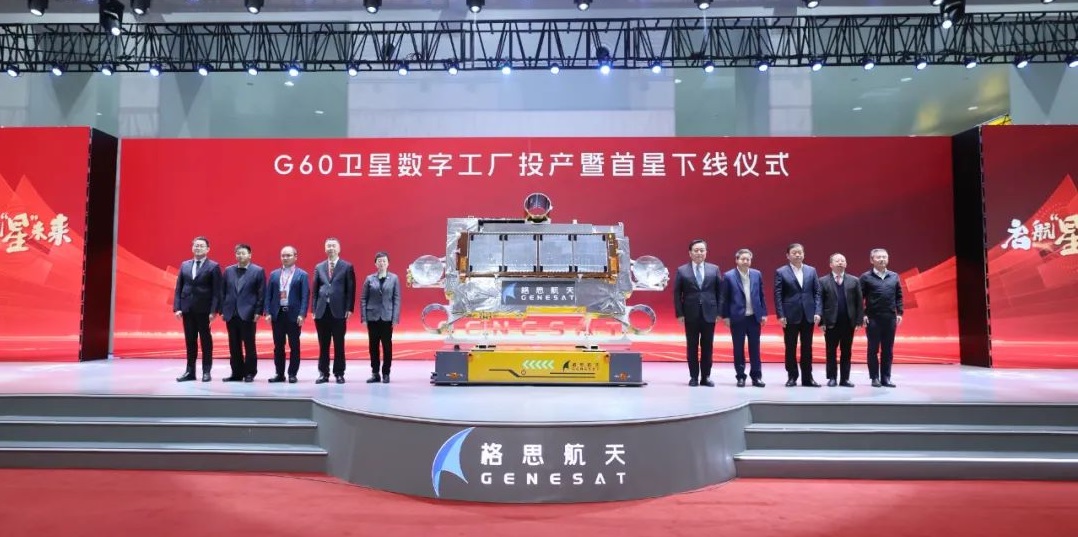
Space & Technology
Space News ,China :- In a significant stride towards global satellite internet dominance, China has unveiled the first satellite for its ambitious G60 Starlink low Earth orbit communications megaconstellation. The breakthrough occurred at the state-of-the-art G60 digital satellite production factory in Shanghai Songjiang District on December 27, marking a pivotal moment in China pursuit of advanced space technology.Managed by Shanghai Gesi Aerospace Technology (Genesat), a state-owned entity formed in 2022 through collaboration between the Chinese Academy of Sciences Innovation Academy for Microsatellites (IAMCAS) and Shanghai Spacecom Satellite Technology, the production facility is gearing up to launch an initial batch of 108 satellites from the G60 Starlink constellation by 2024. The long-term goal is an expansive network comprising around 12,000 satellites.The G60 Starlink project, documented with the International Telecommunication Union (ITU) in April, outlines a strategic plan involving 36 polar orbital planes, each accommodating 36 satellites. This totals a fleet of 1,296 spacecraft, operating across the Ku, Q, and V bands. The satellites are characterized as low-cost, high-throughput, highly-reliable, low-latency, and modularized, aligning with the global trend set by competitors like SpaceX Starlink.Integral to the broader Yangtze River Delta G60 Science and Technology Innovation Corridor, the G60 Starlink initiative aligns with Shanghai government plans to establish a flourishing commercial space ecosystem by 2025. This ecosystem encompasses satellite production, launch vehicles, applications, and infrastructure, with ambitious targets of 50 commercial rockets and 600 commercial satellites annually.The G60 Starlink satellite manufacturing center, operational since this year, boasts a production capacity of 300 satellites annually, coupled with a promised 35% reduction in the cost of each satellite. This breakthrough technology positions China as a formidable player in the evolving landscape of global satellite communications.China foray into megaconstellations, epitomized by the G60 Starlink project, follows the establishment of the China Satellite Network Group in 2021, overseeing the national 13,000 satellite Guowang (SatNet) project. As experimental satellite internet spacecraft are launched under Guowang in 2023, the race is on to determine which megaconstellation will take precedence in alignment with Chinese national policy.In tandem with satellite development, China is addressing the challenge of efficiently launching vast satellite batches into orbit. Options include utilizing the Long March 5B rocket with a Yuanzheng-2 upper stage and leveraging the mass production capabilities of the expendable Long March 8. Simultaneously, new commercial launch pads on Hainan island are set to become operational in 2024, easing launch bottlenecks and streamlining access to space.The emergence of competing communications megaconstellations signifies a potential boon for global internet connectivity, particularly in remote and underserved regions. However, the proliferation of satellite projects in low Earth orbit raises concerns about space traffic management, international coordination, collision avoidance, and the accumulation of orbital space debris. As these projects unfold, the global implications transcend technological advancements, delving into realms of economic activity, global health, national security, surveillance, and geopolitical influence. The world watches with anticipation as China cements its position in the race for enhanced satellite communication capabilities.
Read More → Posted on 2023-12-29 15:51:21
Space & Technology
Space News ,India :- ISRO has recently concluded another phase of testing for its Scramjet engine, marking a significant milestone in the development of air-breathing propulsion technology. In an earlier phase, the engine was tested with Hydrogen as fuel, and the recent tests involved the use of Kerosene (Isroscene) as fuel. This shift to Kerosene is notable for its ability to reduce overall volume, making it more suitable for extended-duration flights.Presently, satellite launch vehicles are typically expendable, designed for one-time use. These vehicles carry both fuel and oxidizer for combustion, resulting in high costs and low efficiency, as they can only transport a small percentage of their lift-off mass to orbit. To address this, there is a global effort to reduce launch costs, and one key focus is on developing next-generation launch vehicles with air-breathing propulsion systems.Approximately 70% of the propellant carried by current launch vehicles consists of oxidizer. Future launch vehicles need a propulsion system that can utilize atmospheric oxygen during flight, significantly reducing the total propellant required to place satellites in orbit. Additionally, making these vehicles reusable could further slash the cost of satellite launches.The concept of a reusable launch vehicle combined with air-breathing propulsion is gaining traction as a promising approach to achieving routine and cost-effective access to space. The development of air-breathing engines, including Ramjet, Scramjet, and Dual Mode Ramjet (DMRJ), is a strategic focus for space agencies worldwide.Ramjets utilize the vehicle forward motion to compress incoming air for combustion without a rotating compressor. They are most efficient at supersonic speeds but start to lose efficiency at hypersonic speeds. Scramjet engines, on the other hand, operate efficiently at hypersonic speeds, allowing supersonic combustion. The Dual Mode Ramjet (DMRJ) is a hybrid engine that transforms from a ramjet to a scramjet over a specific speed range, making it versatile for subsonic and supersonic combustor modes.In a significant achievement for ISRO, the successful flight testing of its Scramjet Engine Technology Demonstrator took place on August 28, 2016. This marked a crucial step towards realizing an Air Breathing Propulsion System. The test involved the use of the Scramjet engine at hypersonic speeds, reaching Mach 6, with the engine designed to use Hydrogen as fuel and atmospheric oxygen as the oxidizer. The testing utilized ISRO Advanced Technology Vehicle (ATV), a two-stage spin-stabilized launcher with identical solid motors. The Scramjet engines were mounted on the second stage, and after reaching the desired conditions for engine start-up, they functioned for about 5 seconds.ISRO successfully tackled various technological challenges during the development of the Scramjet engine, including designing a hypersonic engine air intake, developing a supersonic combustor, creating materials capable of withstanding high temperatures, simulating hypersonic flow with computational tools, ensuring engine performance across a wide range of flight speeds, managing thermal issues, and conducting extensive ground testing.India achievement in demonstrating the flight testing of a Scramjet Engine positions it as the fourth country globally to accomplish this significant milestone.
Read More → Posted on 2023-12-29 15:37:11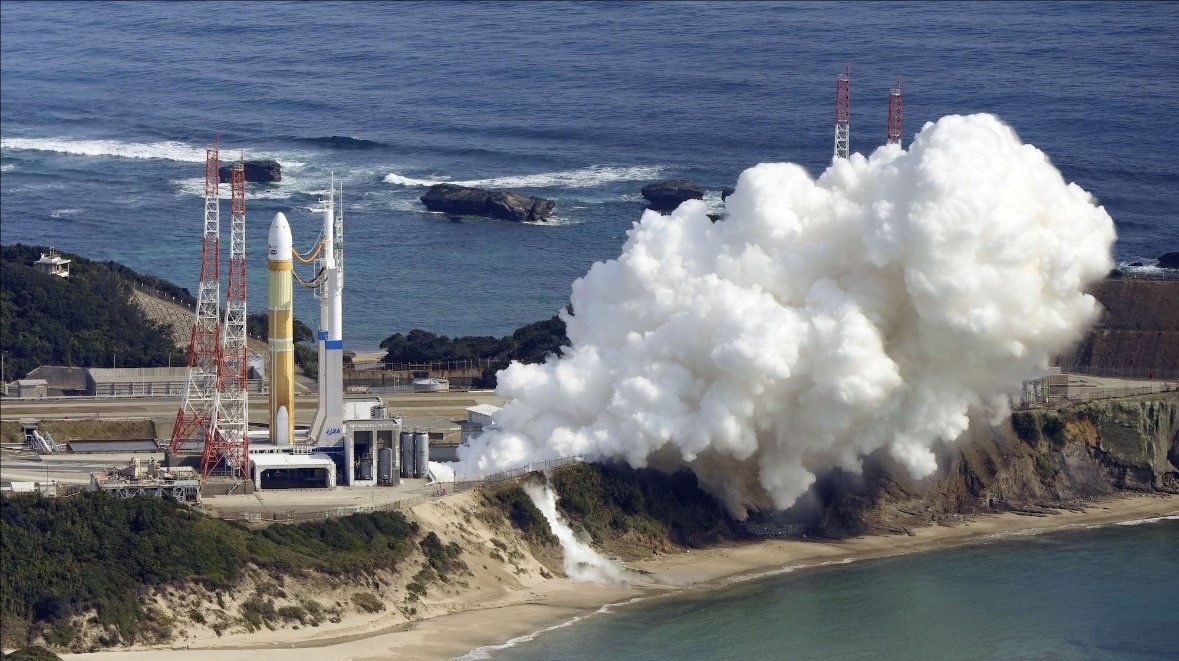
Space & Technology
Space New ,Japan :- Japan space agency, JAXA, is gearing up for the anticipated return to flight of its H3 rocket, marking a significant milestone almost a year after the vehicle initial launch encountered a setback.On December 27, JAXA officially announced that the second attempt to launch the H3 is scheduled for no earlier than February 14 (February 15 Japanese time) from the Tanegashima Space Center. The launch window for this mission, known as H3 Test Flight No. 2 or H3TF2, extends through the end of March.This upcoming launch is poised to be a crucial moment for the H3, as it follows the challenges faced during its inaugural flight on March 7. During that mission, while the first stage performed as expected, the engine in the second stage failed to ignite, prompting the activation of the vehicle flight termination system.Details surrounding the cause of the failure have been limited, with both JAXA and Mitsubishi Heavy Industries (MHI), the prime contractor for the H3, keeping information under wraps. The second stage engine similarity to the one used on the existing H-2A led to a delay in the launch of the H-2A carrying the XRISM X-ray astronomy satellite and SLIM lunar lander from May to September.Iwao Igarashi, MHIs vice president and general manager, revealed at the World Satellite Business Week conference in September that the investigation into the H3 failure had concluded in August. However, he did not disclose the specifics of the findings, stating, "We defined the corrective actions, and some of them applied to the H-2A launch vehicle." He expressed the company commitment to preparing for the H3 return to flight, initially planned for late 2023.A notable change for the second H3 launch is the payload. Following sharp criticism for placing the valuable ALOS-3 Earth observation satellite on the rocket first flight, JAXA has opted for a test payload for the upcoming mission. Named the Vehicle Evaluation Payload-4, this mission will also carry two smallsat secondary payloads – CE-SAT-1E, an Earth imaging spacecraft developed by Canon Electronics, and TIRSAT, a cubesat with an infrared Earth observation instrument built by Japan Space Systems.
Read More → Posted on 2023-12-28 15:25:35
Space & Technology
Space News ,India :- Following the success of Chandrayaan-3, the Indian Space Research Organisation (ISRO) is actively engaged in advancing technologies crucial for the upcoming Chandrayaan-4 mission, aimed at bringing lunar rock samples back to Earth. Scheduled for launch in the latter part of this decade, Chandrayaan-4 will involve intricate in-orbit spacecraft docking, a critical step in ensuring the secure retrieval of lunar samples.One of the key initiatives in this technological pursuit is the Space Docking Experiment, or SPADEX, a mission developed by ISRO to test technologies related to orbital rendezvous, docking, and formation flying. Costing ₹124.47 crore, SPADEX comprises two satellites, the Chaser and the Target, which will simulate docking and separation as a mock drill for the impending Moon mission.SPADEX, a twin spacecraft mission, aims to mature technologies associated with orbital rendezvous, docking, and formation flying, with potential applications in human spaceflight, in-space satellite servicing, and other proximity operations. The Chaser and Target components will autonomously dock and separate in low-Earth orbit, showcasing ISRO advanced capabilities in space navigation and robotics.The groundbreaking technology essential for SPADEX is currently undergoing testing as the mission progresses towards its launch, the date of which is yet to be finalized. This mission, conceived to refine capabilities in orbital rendezvous, docking, and formation flying, is making substantial strides in its development.The SPADEX initiative involves two IMS class satellites, each weighing 200 kg. The Chaser and Target are designed to execute precise orbital maneuvers, representing significant advancements in human spaceflight and in-space satellite servicing. The Polar Satellite Launch Vehicle from the Satish Dhawan Space Centre will carry out the launch, injecting both spacecraft into marginally distinct orbits, a critical aspect of the experimental mission.The primary objectives of SPADEX include demonstrating autonomous rendezvous and docking capabilities, as well as controlling one spacecraft using the Attitude Control System of the other in a docked configuration. Additionally, the mission aims to showcase formation flying techniques and conduct remote robotic arm operations, marking a significant leap forward in space technology.The SPADEX mission, which began with preliminary studies in 2016 and received government approval in 2017, has undergone substantial development, supported by a funding injection of around ₹125 crore. As ISRO continues to push the boundaries of space exploration, SPADEX stands as a testament to India commitment to advancing space capabilities and technology.
Read More → Posted on 2023-12-28 05:02:29Search
Top Trending in 24 Hours
-
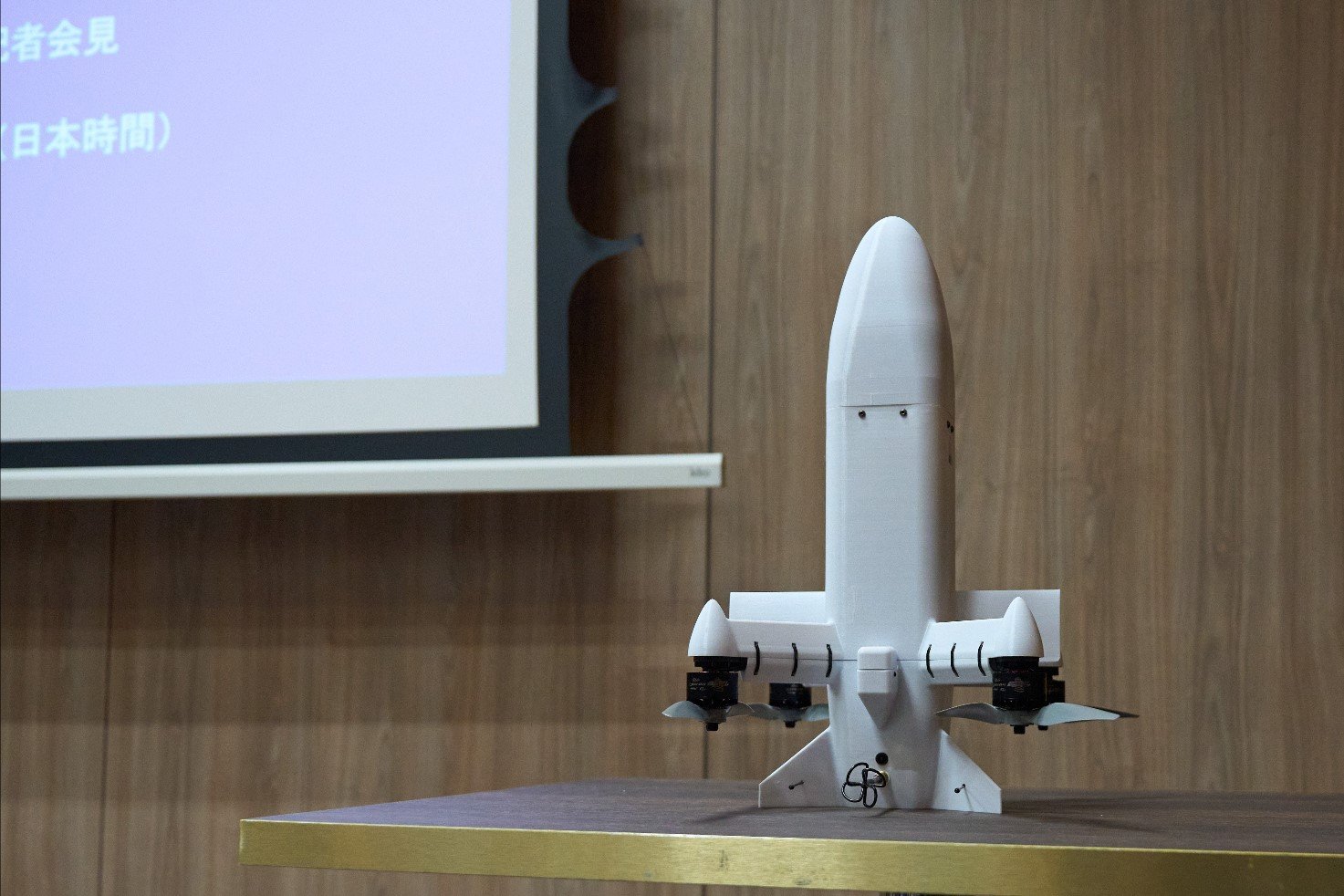 Japan Selects Terra Drone’s Terra B1 for Mass Production of Interceptor UAVs
-
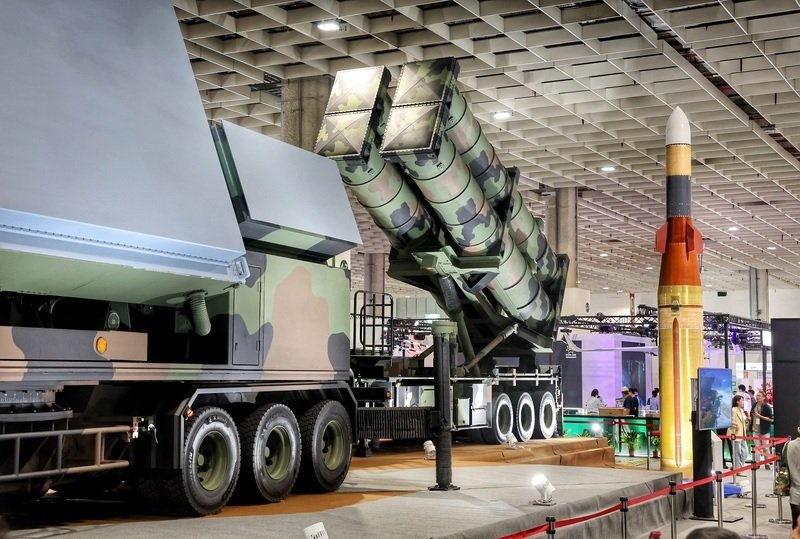 Taiwan Unveils New Details of Strong Bow Air Defense Missile System
-
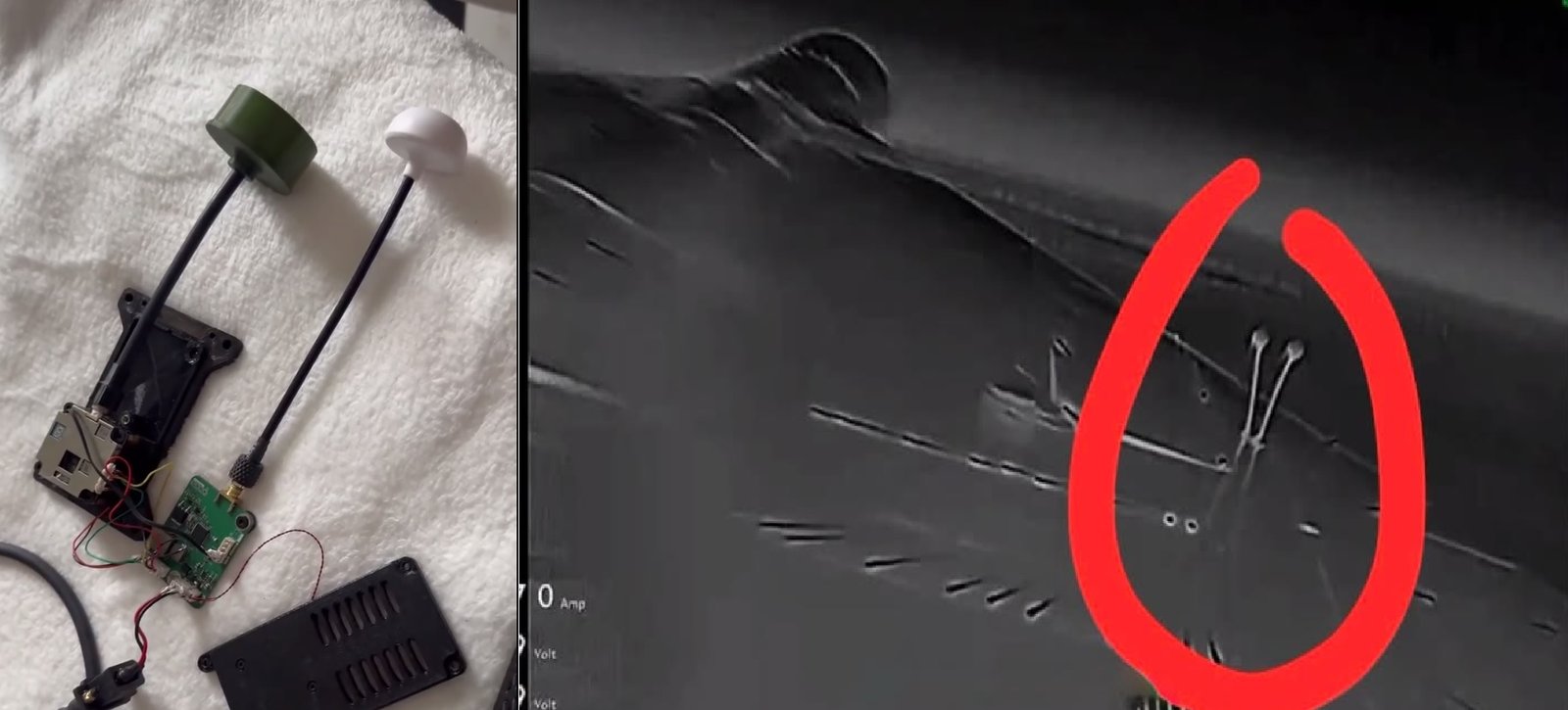 Russia Equips Shahed and Geran Drones With Electronic Warfare Systems to Jam Ukrainian Interceptor Video Links
-
 U.S. Removes Syria From State Sponsors of Terrorism List After 47 Years, Clearing Key Barrier to Investment
-
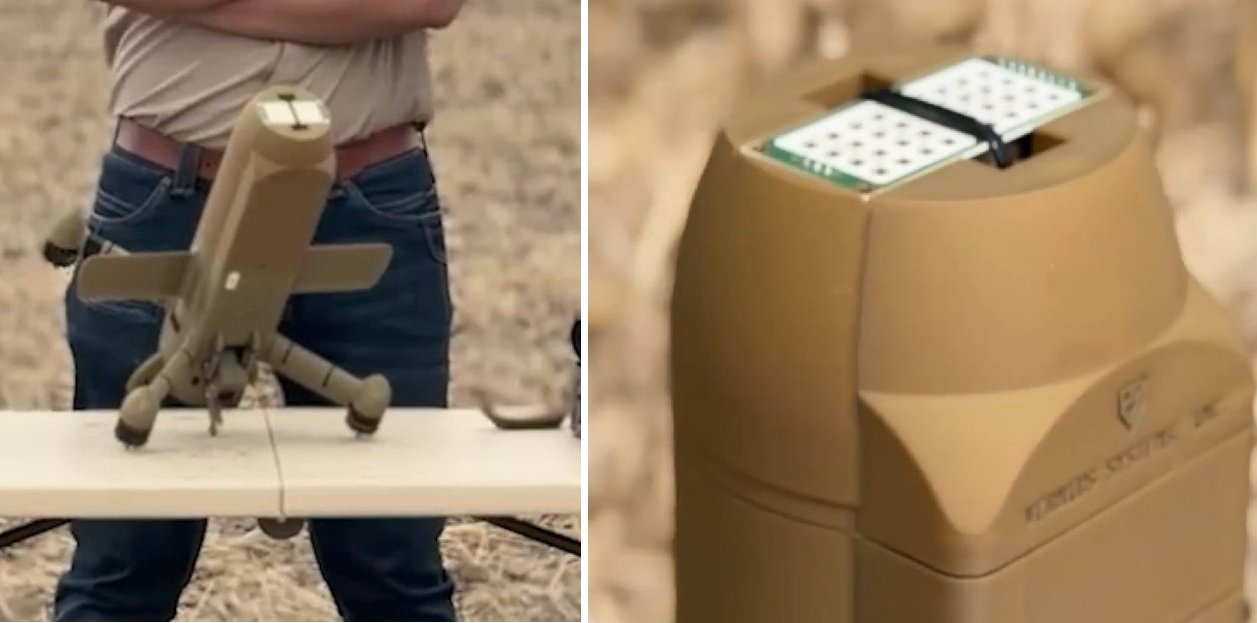 Vernius Systems Unveils Archimedes 1A Radar Seeker for Ukrainian STING Interceptor
-
 Russia Warns UK Factories Could Face Attacks After Britain Shares Storm Shadow Missile Blueprints With Ukraine
-
 Austria Receives First Modernized Leopard 2A4Ö Tank and Ulan NV Infantry Fighting Vehicle
-
 NATO Launches Exercise Northern Viking 26 in Iceland to Secure North Atlantic Routes
Top Trending in 4 Days
-
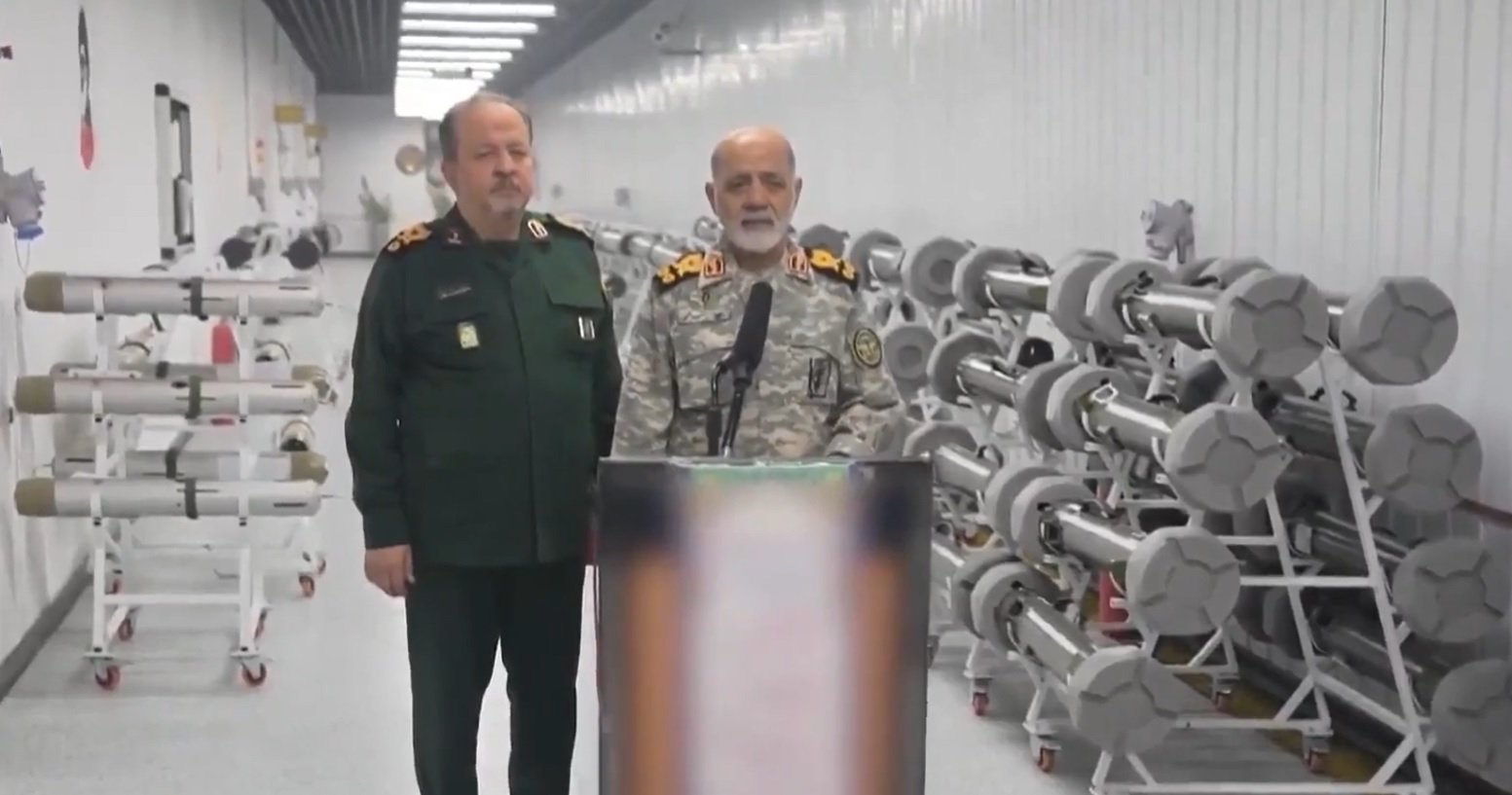 Iran Reveals Underground Weapons Manufacturing Facility for First Time on State TV
-
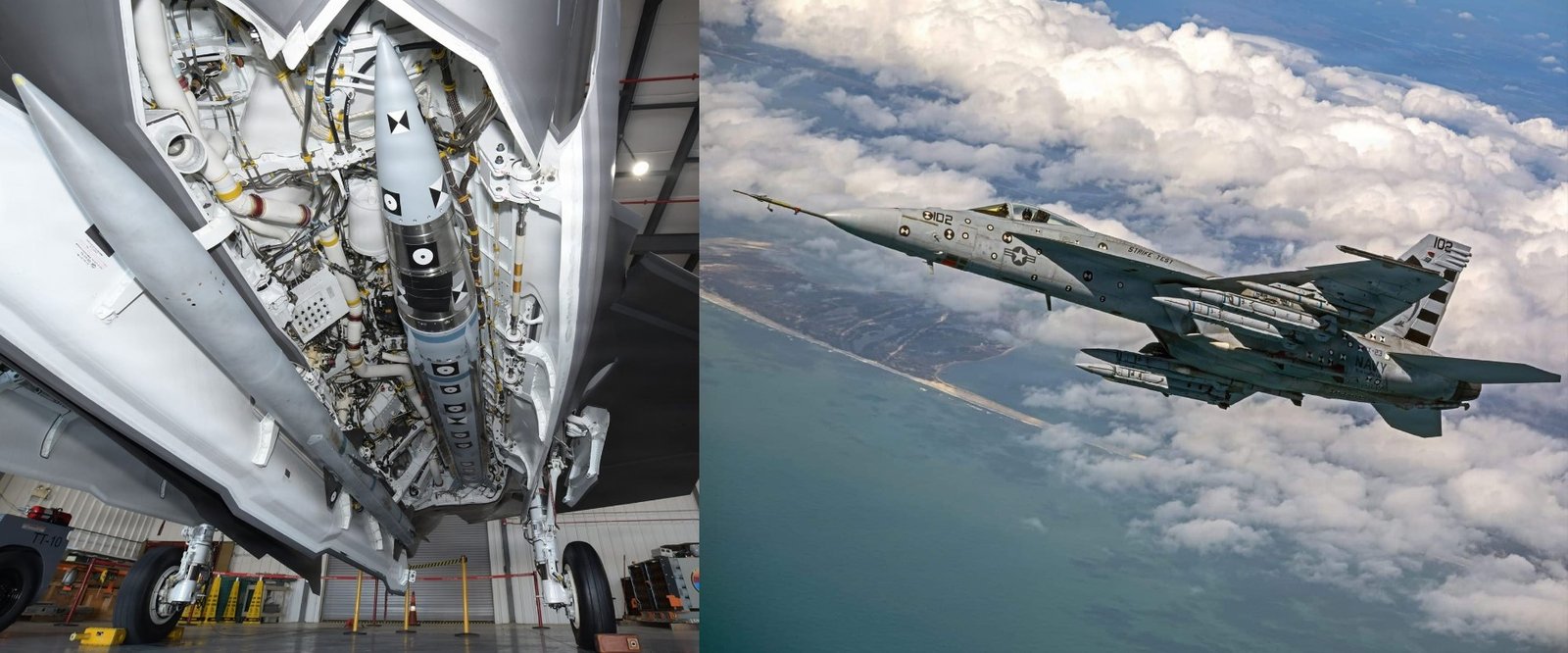 U.S. Navy Unveils New AIM-424 ‘Malice’ Air-to-Air Missile With 463+ km Range for F-35C, Super Hornet and F/A-XX
-
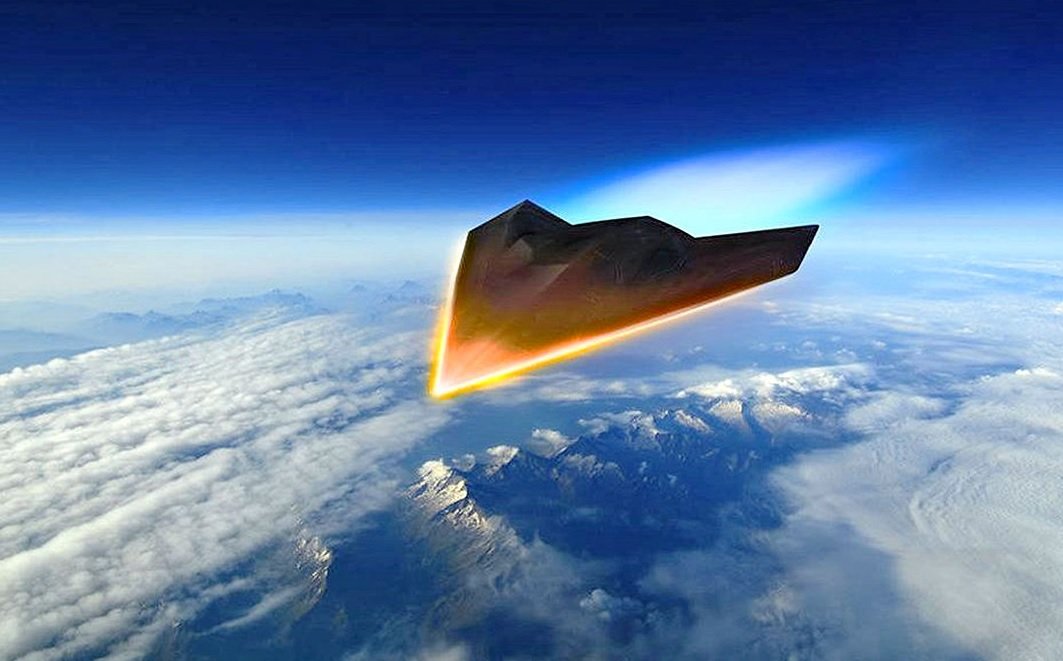 China Develops Hypersonic Glide Vehicles Capable of Launching Air-to-Air Missiles Mid-Flight
-
 Israel Explores Potential Acquisition of U.S. F-47 Sixth-Generation Fighter
-
 Iran-Linked Hackers Shut Down UK Power Plant for Four Days in First Known Attack
-
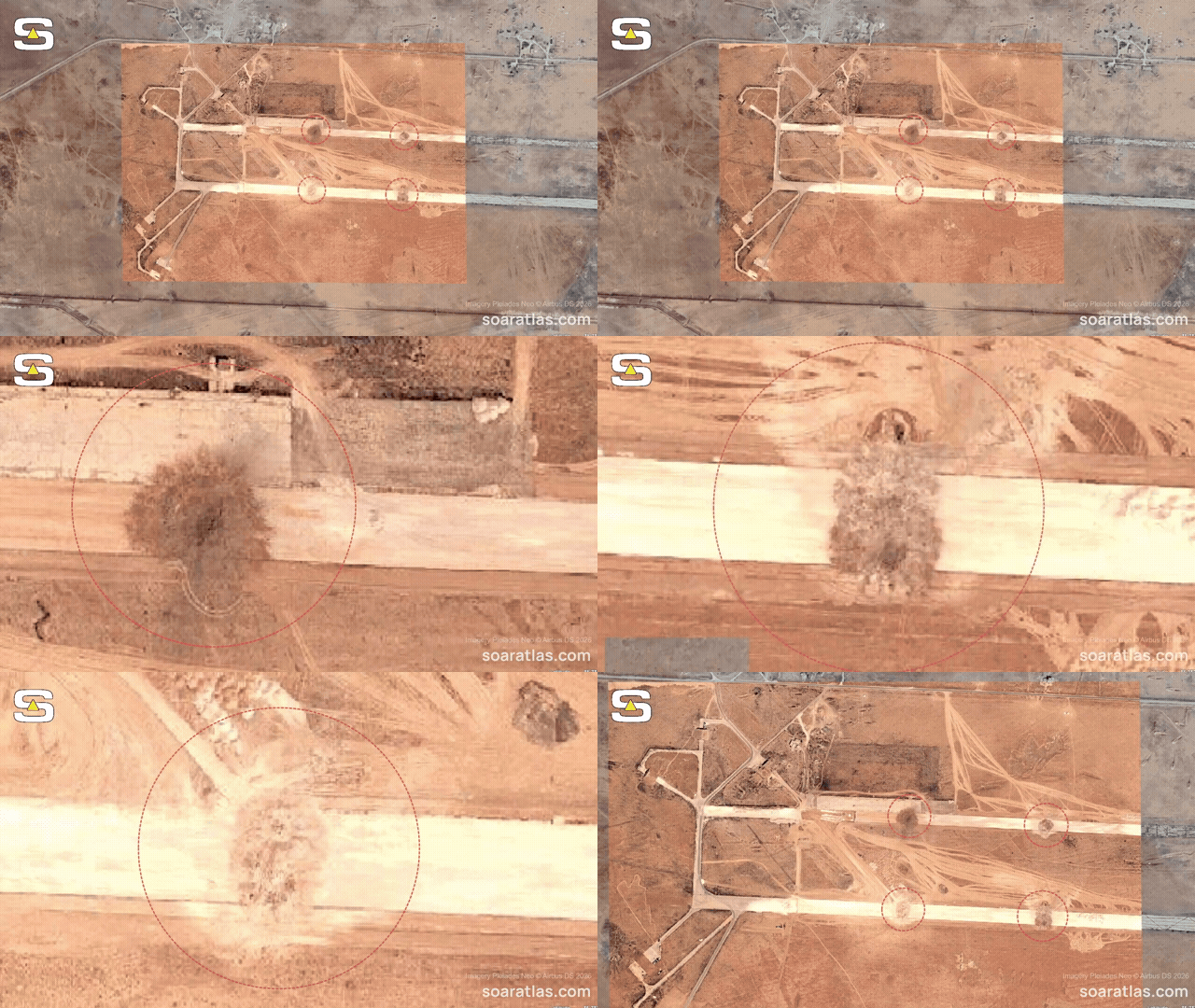 Satellite Imagery Shows Damage From Israeli Strikes on Turkey Military Occupied Syria’s Abu al-Duhur Airbase
-
 Ukraine Holds World’s First Unmanned Military Parade on 35th Independence Day
-
 North Korea Deploys 400 Drone Operators to Russia Amid Expanding Military Support