Space & Technology
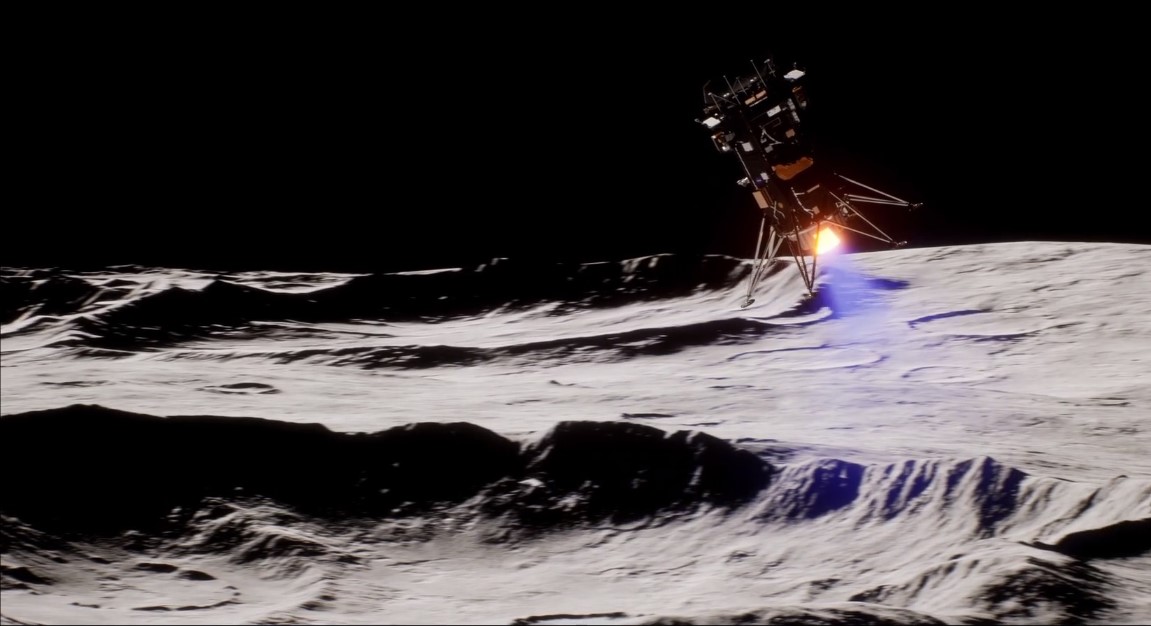
Space News ,U.S :- The Odysseus lunar lander, affectionately known as "Odie" or IM-1, built by Intuitive Machines, faced an unexpected turn of events during its historic mission on the lunar surface. Initially described as "upright" after touchdown, it was later revealed in a news conference that the lander was actually sideways. This surprising revelation came after the spacecraft's descent, raising concerns about the mission's success. However, despite challenges, the Odysseus lander remains in stable condition, demonstrating resilience and pioneering achievements.The Unforeseen Tilt:Intuitive Machines CEO, Steve Altemus, disclosed that data analysis indicated the lunar lander was likely tilted on its side due to catching one of its feet on a lunar rock during descent. Altemus demonstrated the issue using a small model of the lander during a news briefing. Despite the tilt, he assured that only one piece of cargo, a piece of art from a commercial customer, was on the side facing the lunar surface.Altemus emphasized that the spacecraft maintained stability, with solar panels effectively capturing sunlight and fully charging its batteries. Notably, experimental technology payloads from NASA were successfully tested, achieving key mission objectives.Overcoming Navigation Challenges:Before descent, Intuitive Machines discovered a faulty navigation equipment piece on Odysseus. Facing a potential mission loss, the team opted for a creative solution. They bypassed the malfunctioning equipment and utilized an experimental NASA instrument onboard – the Navigation Doppler Radar (NDL), developed at NASA’s Langley Research Centre.Altemus described the initial realization of the navigation issue as "like a punch in the stomach." Engineers had to operate like hackers, patching in data from NASA's NDL intended for a simple demo flight. The unconventional approach proved successful, allowing the spacecraft to soft-land on the moon. This marked a historic achievement, as no U.S. spacecraft had achieved this since the Apollo 17 mission in 1972, and Odysseus became the first commercial spacecraft to soft-land on the lunar surface.Assessing Mission Success:Despite the triumph, challenges persist as NASA and Intuitive Machines work together to assess whether Odysseus can fulfill all its science objectives. Joel Kearns, deputy associate administrator for exploration in NASA’s Science Mission Directorate, mentioned ongoing evaluations to determine if certain measurements are still possible with the new orientation of the lander.Issues related to data gathering speed and consistency are also being addressed. However, Kearns commended the mission as a significant accomplishment, especially given its focus on the lunar south pole, a key area for future human Artemis missions aiming to return astronauts to the moon later in the decade.The Road Ahead:Intuitive Machines is actively working to evaluate Odysseus's capabilities on the lunar surface and confirm the spacecraft's physical state after the unexpected tilt. The company expressed hope in obtaining images captured by the lander during its time on the moon and plans to deploy EagleCam, a device aboard Odysseus, to capture images from a distance.Tim Crain, Intuitive Machines’ chief technology officer, provided insights into Odysseus's operational timeline on the lunar surface. The spacecraft is projected to operate for about nine days, slightly longer than the initial estimate of seven days. After this period, the lunar night will set in, causing the sun to move beyond the solar arrays, leading to a deep cold that the electronics may not survive.The Odysseus lunar lander's sideways adventure on the moon has added unexpected twists to its mission. Despite challenges, the spacecraft remains in stable condition, showcasing the resilience and ingenuity of the team at Intuitive Machines. The successful use of innovative solutions, such as the Navigation Doppler Radar, highlights the adaptability of space exploration technologies. As Odysseus continues its lunar journey, scientists and engineers eagerly await the insights it will provide and the data it will gather, contributing to our understanding of the lunar surface and paving the way for future lunar exploration missions.
Read More → Posted on 2024-02-24 07:58:53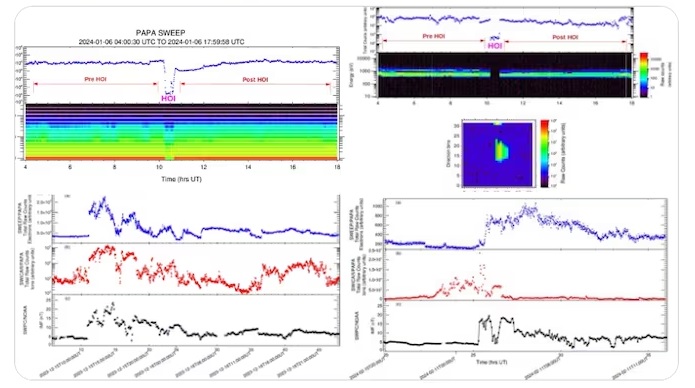
Space & Technology
Space News , India :- The Plasma Analyser Package for Aditya (PAPA) payload onboard the Aditya-L1 has been operational and performing nominally. Its advanced sensors have successfully detected the impact of coronal mass ejections (CMEs) including those that occurred during February 10-11, 2024.PAPA is an energy and mass analyzer designed for in-situ measurements of solar wind electrons and ions in the low energy range. It has two sensors: the Solar Wind Electron Energy Probe (SWEEP, measuring electrons in the energy range of 10 eV to 3 keV) and the Solar Wind Ion Composition Analyser (SWICAR, measuring ions in the energy range of 10 eV to 25 keV and mass range of 1-60 amu). The sensors are also equipped to measure the direction of arrival of solar wind particles.The payload has been operational since December 12, 2023. Its observations during the Halo Orbit Insertion (HOI) phase are shown in Figure 1. The figure illustrates the time series of SWEEP electron energy spectra and total count observed during the HOI phase and the period preceding and succeeding it. It reveals about three-order magnitude change in electron counts from 10 eV to 3000 eV. The majority of electrons have energy below 40 eV. It displays an excellent signal-to-noise ratio and energy resolution. Drastic reduction in the electron energy spectra and the total count occurs during the HOI phase due to the change in payload orientation away from the sun direction during this orbit maneuvering period. This is also evident in the ion energy spectra observed using SWICAR (Figure 2).Figure 2 shows the time series of SWICAR ion energy spectra and integrated counts during the specified timeframe. It exhibits the expected patterns of ion energy spectra under normal space weather conditions. The ion energy spectrum indicates the dominance of protons (H+ @ 1 amu at around 800 eV) and alpha particles (He++ @ 2 amu at around 1600 eV). The ability of SWICAR to identify individual ion masses aligns with its design.The electron (SWEEP) and ion (SWICAR) energy spectra observed before and after the HOI phase are comparable.The data collected by PAPA revealed the occurrence of Coronal Mass Ejection (CME) events, notably on December 15, 2023, and during February 10-11, 2024, as shown in Figures 3 and 4. The CME on December 15, 2023, was a single event. PAPA observations during this period (Figure 3) showed an abrupt increase in total electron and ion counts and the time variations align with the solar wind parameters and magnetic field measurements obtained from the Deep Space Climate Observatory (DSCOVR) and Advanced Composition Explorer (ACE) satellites at the L1 point. In contrast, the observed variations in electron and ion counts during February 10-11, 2024 are the result of multiple minor events, with differences in the time variations of electrons and ions.The SWEEP and SWICAR sensors on PAPA-Aditya-L1 are currently making continuous observations of solar wind electrons and ions in the default mode, demonstrating that they are performing as per the design in all modes of operations. The observations made by PAPA emphasize its effectiveness in monitoring space weather conditions and its capability to detect and analyze solar phenomena.The PAPA payload is developed by the Space Physics Laboratory and Avionics Entity of the Vikram Sarabhai Space Centre (VSSC)/ISRO.
Read More → Posted on 2024-02-23 15:19:28
Space & Technology
Space News ,World :- On Thursday, February 22, the United States experienced major cellphone outages, coinciding with two powerful tantrums from the sun. These solar flares, explosions of energy from the sun, occurred on the evening of February 21 and early morning of February 22. The first flare, labeled X1.8-class, happened at 6:07 p.m. ET on February 21, followed by another, an X1.7-class flare, at 1:32 a.m. ET on February 22. The National Oceanic and Atmospheric Administration (NOAA) mentioned that these flares came from a sun region displaying strong magnetic complexity.As of now, there is no evidence of Coronal Mass Ejections (CMEs) resulting from these events, but the possibility has not been ruled out, according to NOAA. Despite this, an alert was issued by NOAA for a solar radio emission at 6:58 a.m. ET on February 22, which sometimes accompanies strong CMEs and solar radiation storms.NASA's Solar Dynamics Observatory captured this image of an X1.8-class solar flare on Feb. 21, 2024. (Image credit: NASA/SDO)Coincidentally, widespread cellphone outages were reported across the U.S. on the same day as the solar flares. Major carriers like AT&T, Verizon, and T-Mobile reported tens of thousands of outages. While it's unclear if the solar flares caused the outages, the timing of the reports aligns with the flares. Some solar scientists, however, are skeptical about any direct connection between the solar flares and the cellphone outages. Solar astrophysicist Ryan French from the National Solar Observatory noted that flares typically affect the "dayside" of the Earth, and since the U.S. was not on the dayside during the events, it might just be a coincidence. The effects of these solar flares might linger for days. NOAA reported an "eruptive filament" seen exploding from the northwest quadrant of the sun's visible disk on February 21. While most of the energy is expected to pass ahead of Earth in its orbit, there's a possibility of a "glancing influence" on February 25, as per NOAA's forecast.NASA's Solar Dynamics Observatory captured this image of an X1.8-class solar flare on Feb. 21, 2024. (Image credit: NASA/SDO)NOA issued this warning about two X-class flare events that occurred on Feb. 21 and 22. (Image credit: NOAA)Image Credit: NOAASolar flares occur when magnetic energy builds up in the sun's atmosphere and is released in an intense burst of electromagnetic radiation. These flares are categorized by size into groups, with X-class being the most powerful, followed by M-class, C-class, B-class, and A-class, which are too weak to significantly impact Earth. The sun is currently entering the most active phase of its approximately 11-year solar cycle known as the "solar maximum." This phase could bring more space weather events, including communication blackouts and threats to orbiting spacecraft. On a positive note, it could also result in more widespread auroras globally.
Read More → Posted on 2024-02-23 07:45:38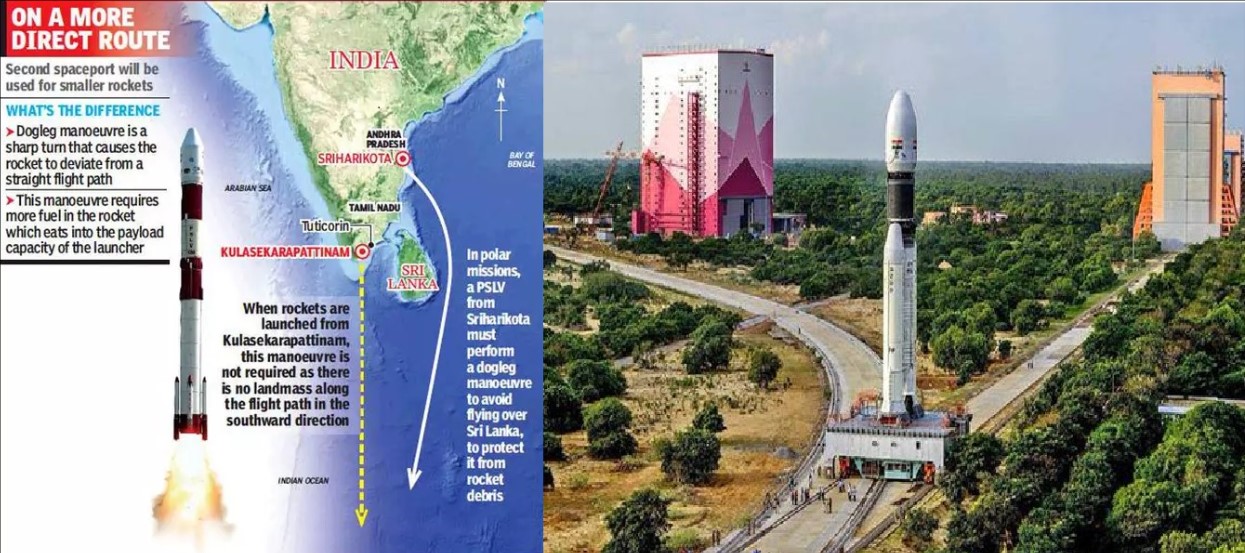
Space & Technology
Space News ,India :- On February 28th, Prime Minister Narendra Modi will mark the beginning of the construction of the Indian Space Research Organisation’s (ISRO) second spaceport in Kulasekarapattinam, Thoothukudi district.The decision to create a new rocket launch pad in Tamil Nadu was made by the central government, as the existing launch pad in Sriharikota, Andhra Pradesh, was handling ISRO's space projects. After careful research, Kulasekarapatnam in Thoothukudi was chosen as the ideal location for the new rocket launch pad.ISRO is gearing up to start the construction of the Rs 950-crore greenfield rocket launch facility, which will cover 233 acres of land. Government sources indicate that it will take at least two years for the spaceport to be fully operational.In addition to the spaceport, PM Modi will be part of a government event at Thoothukudi Port where various other projects will be launched.During the visit, PM Modi will also inaugurate the new railway suspension bridge in the middle of the Rameswaram Pamban Sea, constructed at a cost of Rs 550 crore.To ensure the safety of the town ahead of PM Modi’s visit, security measures have been intensified in Thoothukudi. Central Industrial Security Forces and Coast Guards have been deployed for 24-hour patrols in the area, covering the route from Rameswaram Pamban to Kanyakumari three times a day until February 28th.
Read More → Posted on 2024-02-23 06:48:53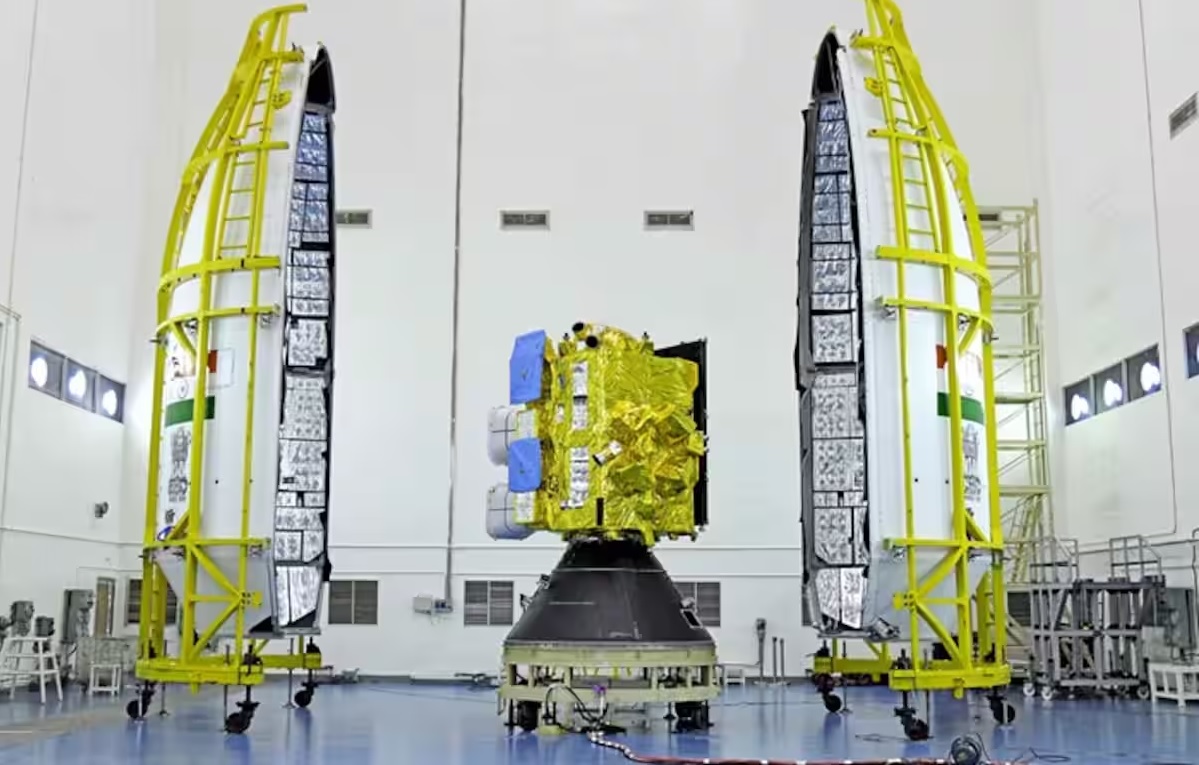
Space & Technology
Space news ,India :- The Indian Space Research Organisation (ISRO) shared an update about the recent launch of its weather satellite, INSAT-3DS. They announced that all four planned firings of the Liquid Apogee Motor (LAM) for the mission have been successfully completed. The spacecraft is now positioned in the geosynchronous orbit.In a post on the social media platform 'X' (formerly Twitter), ISRO mentioned, "INSAT-3DS update: All four planned Liquid Apogee Motor (LAM) firings are completed. The spacecraft is now in the geosynchronous orbit." The spacecraft is expected to reach the In-Orbit Testing (IOT) location by February 28.On February 17, ISRO launched INSAT-3DS aboard GSLV F14 from the Sriharikota spaceport in Andhra Pradesh. This satellite is designed to study weather forecasts and issue warnings for natural disasters.INSAT-3DS is part of the Third Generation Meteorological Satellite mission in Geostationary Orbit, fully funded by the Ministry of Earth Sciences (MoES). It aims to enhance meteorological observations, monitor land and ocean surfaces for weather forecasting, and provide disaster warnings. The satellite is a collaborative effort involving Indian industries.Various departments of the Ministry of Earth Sciences (MoES), including the India Meteorology Department (IMD), National Centre for Medium-Range Weather Forecasting (NCMRWF), Indian Institute of Tropical Meteorology (IITM), National Institute of Ocean Technology (NIOT), Indian National Center for Ocean Information Services (INCOIS), and other agencies, will use the INSAT-3DS Satellite data to improve weather forecasts and meteorological services.The mission's primary objectives include monitoring Earth's surface, conducting oceanic observations, and analyzing the environment in different spectral channels of meteorological importance. Additionally, the satellite will facilitate Data Collection and Data Dissemination capabilities, as well as Satellite Aided Search and Rescue services.
Read More → Posted on 2024-02-22 15:04:00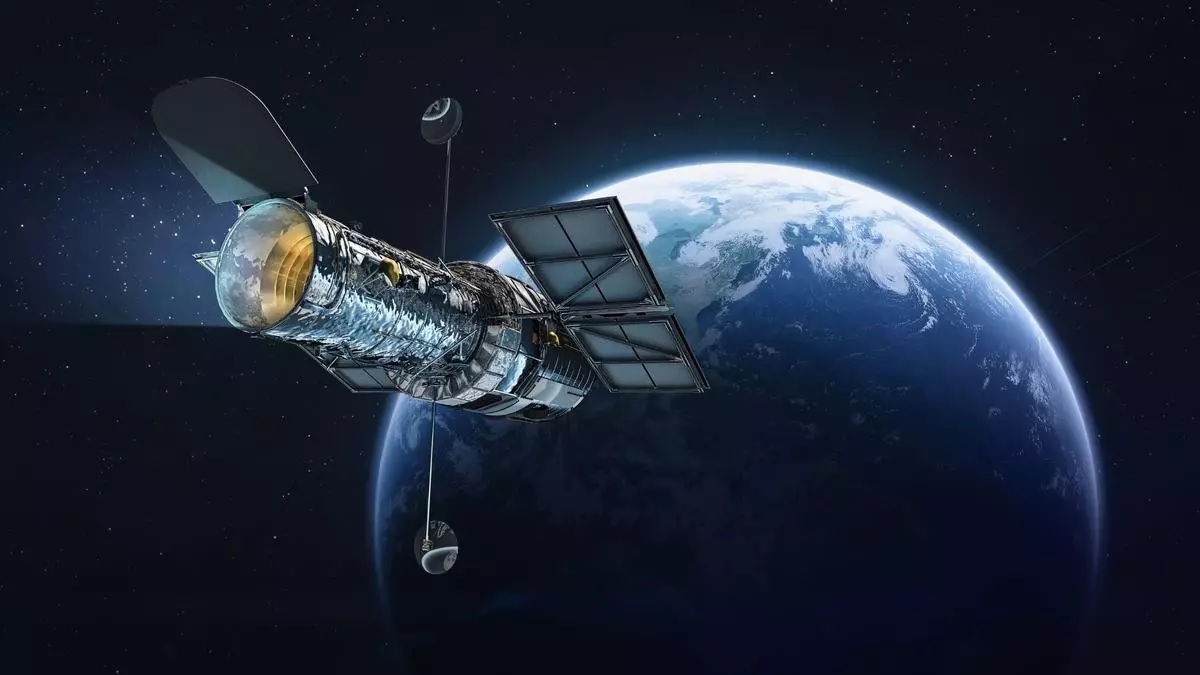
Space & Technology
Space News ,India :- In a significant move, the Union Cabinet led by Prime Minister Shri Narendra Modi has given the green light to amend the Foreign Direct Investment (FDI) policy in the space sector. This decision brings about a division of the satellites sub-sector into three distinct activities, each with specified limits for foreign investment.The Indian Space Policy 2023 stands as a comprehensive, adaptable framework, with a vision to unlock India's potential in the space sector by encouraging increased private participation. The policy aims to enhance space capabilities, foster a thriving commercial presence in space, leverage space as a catalyst for technology development, and create a supportive environment for effective implementation of space applications among stakeholders.Previously, the FDI policy allowed foreign investment in the establishment and operation of satellites through the Government approval route exclusively. Aligned with the goals outlined in the Indian Space Policy 2023, the Union Cabinet has simplified the FDI policy for the space sector by introducing more flexible FDI thresholds for various sub-sectors and activities.The Department of Space collaborated with internal stakeholders such as IN-SPACe, ISRO, NSIL, and various industrial partners. Next-Generation Enterprises (NGEs) have already demonstrated capabilities and expertise in satellite and launch vehicle areas. Increased investment is expected to elevate their products' sophistication, expand global operations, and increase their share in the global space economy.The proposed reforms aim to liberalize FDI policy provisions in the space sector by introducing more flexible entry routes and providing clarity on FDI in satellites, launch vehicles, associated systems or subsystems, creation of spaceports, and manufacturing of space-related components and systems.Key Benefits of the Reforms:The amended FDI policy allows for 100% FDI in the space sector, opening up new opportunities for potential investors to invest in Indian space companies.The entry routes for various activities under the amended policy are as follows:1. Up to 74% under Automatic route:Satellites-Manufacturing & OperationSatellite Data ProductsGround Segment & User Segment Beyond 74%, government approval is required.2. Up to 49% under Automatic route:Launch Vehicles and associated systems or subsystemsCreation of Spaceports for launching and receiving Spacecraft Beyond 49%, government approval is necessary.3. Up to 100% under Automatic route:Manufacturing of components and systems/sub-systems for satellites, ground segment, and user segment.This increased participation from the private sector is expected to generate employment, facilitate the absorption of modern technology, and contribute to making the sector self-reliant. The move is anticipated to integrate Indian companies into global value chains, promoting the 'Make In India (MII)' and 'Atmanirbhar Bharat' initiatives of the Government.
Read More → Posted on 2024-02-22 07:16:57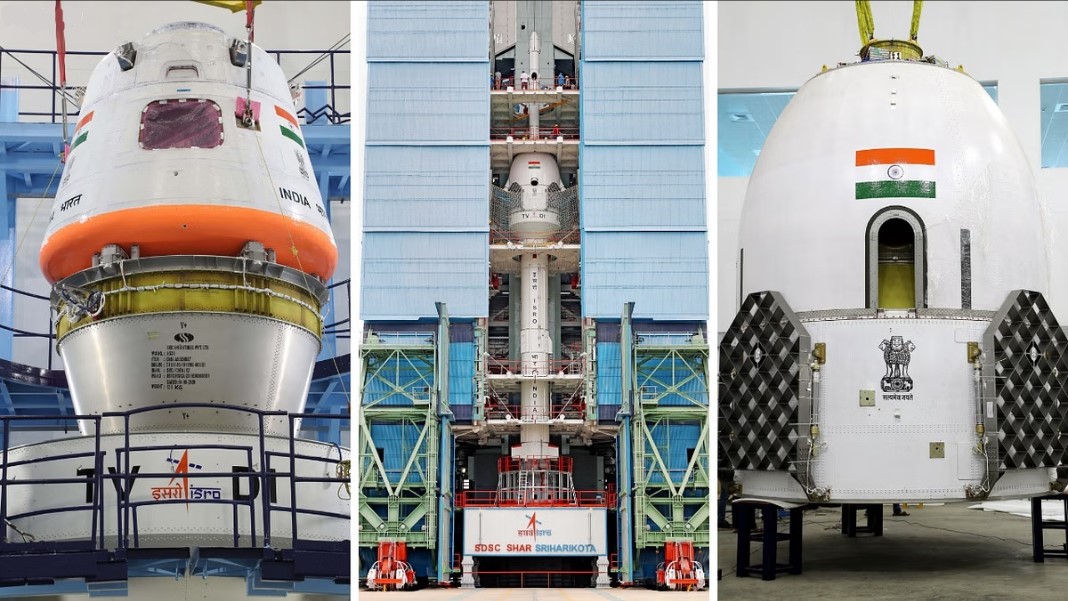
Space & Technology
Space News ,India :- The Indian Space Research Organisation (ISRO) is making significant progress towards its ambitious Gaganyaan mission, aimed at sending the first Indian astronauts to space. With the second test vehicle now ready and set for transport to Sriharikota next month, the mission is on track for a potential manned flight later this year.ISRO chief S. Somanath confirmed the readiness of the second test vehicle, highlighting its arrival at Sriharikota next month and preparations for its launch within two months. This vehicle will further validate crucial aspects of the mission, including the low-altitude and high-altitude motors, as well as the emergency crew escape system.Beyond the test vehicles, ISRO is actively engaged in various critical tasks. Helicopter drop tests are planned for parachute validation, while development and testing of environmental life support systems and astronaut training programs are ongoing. Somanath emphasized the “huge bank of work” that needs completion this year to ensure a successful mission.Before the manned mission, ISRO plans to launch an unmanned test flight with “Vyommitra,” a female robot astronaut. This crucial step will gather valuable data on the spacecraft’s performance and prepare the ground for the human crew.The Gaganyaan mission represents a significant milestone for India’s space program, showcasing its technological advancements and aspirations in human spaceflight. The successful completion of the second test vehicle launch and the ongoing preparations across various fronts indicate steady progress towards this historic endeavor.
Read More → Posted on 2024-02-21 14:05:47
Space & Technology
Space News ,India :- The Indian Space Research Organisation (ISRO) has marked a significant achievement in its ambitious Gaganyaan mission, successfully completing the human rating of its CE20 cryogenic engine, a pivotal step for India's manned space flights. This engine is essential for the operation of the LVM3 launch vehicle, which will carry a crew into space, underscoring India's growing prowess in space technology.Scheduled to demonstrate India's capability in human spaceflight, the Gaganyaan mission aims to send a three-member crew into a 400 km orbit for a three-day expedition, followed by a safe return to Earth, landing in the Indian Ocean. This venture underscores ISRO's commitment to advancing India's position in global space exploration, with a focus on manned missions.The culmination of the CE20 engine's human rating was announced following the successful execution of the final series of vacuum ignition tests on February 13, 2024, at the ISRO Propulsion Complex in Mahendragiri. These tests were designed to replicate the conditions of space, marking the end of a rigorous series of evaluations aimed at ensuring the engine's safety and reliability for manned missions. The engine underwent a total of 39 hot firing tests across various operating conditions, amassing a cumulative duration of 8810 seconds, well above the minimum requirement for human rating certification.Furthermore, ISRO has completed acceptance testing for the CE20 flight engine designated for the inaugural unmanned Gaganyaan mission (G1), set to launch in the second quarter of 2024. This engine is a crucial component of the LVM3 vehicle's upper stage, boasting a thrust range of 19 to 22 tonnes and a specific impulse of 442.5 seconds, highlighting ISRO's technical capabilities in developing high-performance spaceflight components.The recent accomplishments of ISRO, including the historic Chandrayaan-3 mission's lunar south pole landing and the launch of Aditya-L1, India's inaugural solar exploration mission, have not only solidified India's status in the international space community but also catalyzed growth in the nation's private space sector. Looking ahead, ISRO has outlined ambitious goals, including the Gaganyaan mission in the near term, the establishment of the 'Bharatiya Antariksha Station' by 2035, and achieving the milestone of sending an Indian astronaut to the Moon by 2040, each step furthering India's commitment to exploring new frontiers in space.
Read More → Posted on 2024-02-21 08:38:34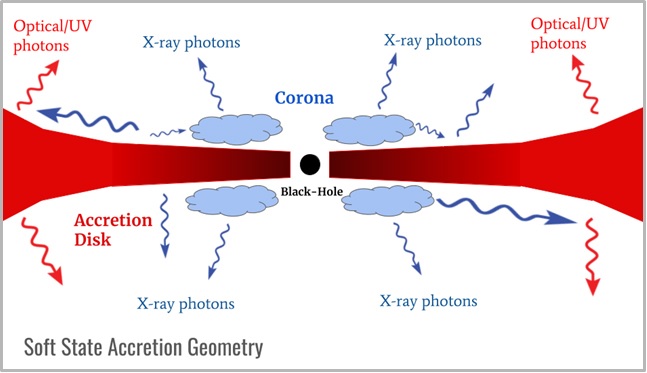
Space & Technology
Space New ,India :- AstroSat's advanced multi-wavelength capabilities have empowered an international team of scientists to unravel the enigmatic nature of the X-ray binary system MAXI J1820+070, which hosts a black hole. The extensive study, titled "A Multi-Wavelength Spectral Study of MAXI J1820+070 in the Soft and Hard States," has been accepted for publication in The Astrophysical Journal. This research provides unique insights into the behavior of the transient black hole X-ray binary during its 2018 outburst, led by researchers from IUCAA, Pune, along with contributors from India, the United Kingdom, Abu Dhabi, and Poland.Positioned approximately 9800 light-years away from Earth, MAXI J1820+070 is a transient black hole X-ray binary that gained significant attention within the astronomy community when first detected during its 2018 outburst using the MAXI instrument aboard the International Space Station (ISS). Due to its proximity to Earth and remarkable brightness, ranking as the second brightest object in the X-ray sky, MAXI J1820+070 sparked numerous observing campaigns across various electromagnetic bands.Equipped with three X-ray payloads and a UV telescope, AstroSat captured soft and hard X-ray emissions as well as far ultraviolet radiation, creating a detailed portrait of the regions surrounding the black hole in MAXI J1820+070. By collaborating with optical data from Las Cumbres Observatory and soft X-ray data from NASA's NICER mission, the research team gained a comprehensive understanding of the system's dynamics.The study divulges intriguing findings about the accretion states of MAXI J1820+070. Black hole X-ray binaries, including MAXI J1820+070, often exhibit multiple accretion states throughout an outburst. The study reveals distinctions between the hard and soft states, characterized by the emission of predominantly higher-energy X-rays from the corona surrounding the black hole in the hard state, and softer X-rays emitted by the accretion disk itself in the soft state. The research, utilizing advanced techniques, also unveiled the black hole's spin, providing insights into its fundamental properties.Additionally, the study establishes a compelling connection between X-ray emission from the inner regions near the black hole and optical/UV emission from the outer region of the accretion disk. Reprocessed radiation in the outer accretion disk emerges as a primary mechanism for generating optical/UV photons, with a notably higher proportion observed during the hard state.This research extends beyond the specific case of MAXI J1820+070, emphasizing the crucial role of AstroSat in advancing the understanding of transient black hole X-ray binaries. With its unique multi-wavelength capabilities, AstroSat paves the way for further exploration of diverse astrophysical phenomena, laying the groundwork for future endeavors in the field.The significance of this study is underscored by its highlighting of the importance of acquiring multi-wavelength spectroscopic data for X-ray binaries, providing novel insights into the intricate workings of these cosmic phenomena.The accompanying schematic diagram illustrates the geometries associated with the hard state (upper panel) and soft state (lower panel) of MAXI J1820+070, as deduced in this study. Various physical processes contributing to X-ray emissions are denoted by blue-colored arrows, while those responsible for optical/UV emissions are represented by red-colored arrows.
Read More → Posted on 2024-02-21 07:14:38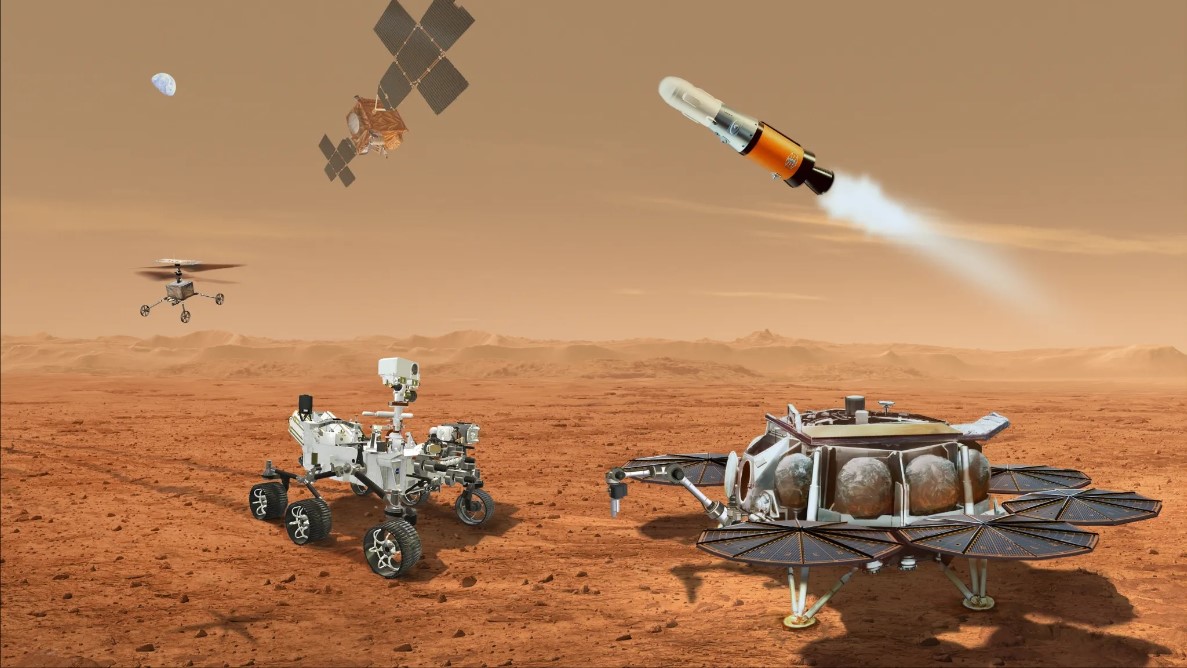
Space & Technology
Space News ,India :- India Plans Exciting Mission to Mars!India is gearing up for an incredible space adventure! The Indian Space Research Organisation (ISRO) is getting ready to send a special mission to Mars, and it's going to be a big deal. Led by Dr. Nandini Harinath, this Mars Lander Mission is set to launch between 2028 and 2030, aiming to make history with a unique combination of a lander and a helicopter - the first of its kind in Mars exploration.This mission comes after the success of India's Mangalyaan mission, which put the Mars Orbiter Mission (MOM) into orbit back in 2014. MOM has been busy studying Mars for over eight years, going beyond its planned lifespan and gathering important data. Now, ISRO is taking the next bold step by landing a spacecraft directly on the Martian surface.What makes this mission so fascinating is its plan. The lander, armed with advanced scientific tools, will study the soil on Mars, look for signs of ancient life, and explore the planet's geological history. And here's the twist - it will have a sidekick, a mini helicopter, to explore areas that the lander can't reach, giving us a new perspective and valuable aerial images.This mission is a big deal for India's space dreams. It showcases the country's skills in making complex spacecraft for exploring other planets. The discoveries made during this mission could teach us a lot about Mars and whether it could support life.We don't know the exact launch date yet, but the news has got scientists and the public buzzing with excitement. This mission is expected to create important collaborations with other countries and confirm India's status as a major player in the global space race.Get ready to look up at the sky! In a few years, we might see the Indian flag proudly planted on Mars, marking a momentous occasion in human exploration and scientific learning.
Read More → Posted on 2024-02-20 06:44:52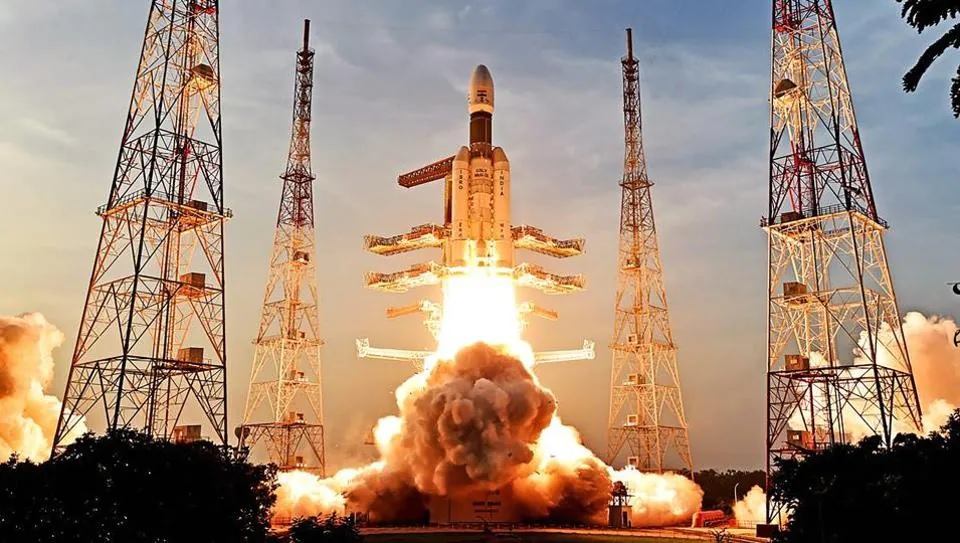
Space & Technology
Space News ,India :- Success always pushes us to achieve more, and the Indian Space Research Organisation (ISRO) is a perfect example of this. ISRO has increased the payload capacity of its heavy rocket GSLV from 1,500 kg to 2,274 kg and aims to launch even heavier satellites into the Geosynchronous Transfer Orbit (GTO).ISRO is now on a mission to develop a next-gen rocket in collaboration with private industries, capable of carrying payloads up to 10 tonnes. Inspired by the success of the GSLV-F14/INSAT-3DS mission, which launched one of the heaviest payloads into GTO, ISRO is now targeting greater heights by launching satellites with a ten-tonne capacity.The project report for the development of this next-generation rocket is ready, and ISRO is seeking government funds to enhance its capabilities in the competitive space sector. According to ISRO Chairman S. Somanath, the team has submitted the project report along with estimated costs, and the next step involves approaching the government for funds and establishing mechanisms for development, including private industry participation.The new rocket design is in progress and will be partially reusable, with a capacity of about 10 tonnes into GTO. Currently, ISRO's heaviest rocket, LVM3 (formerly GSLV-MkIII), can carry satellites up to four tonnes. The next-gen rocket will naturally be heavier to accommodate higher payloads.Mr. Somanath also provided updates on India's first manned mission, Gaganyaan, scheduled for 2025. Two more abort missions are planned this year following the success of the first unmanned flight test (TV-D1) last year, demonstrating the crew escape system. Various tests and activities are set for 2024 to realize the manned space mission in 2025.Additionally, ISRO is planning its next moon mission, Chandrayaan-4, with the goal of achieving something unprecedented—possibly bringing a lunar sample back using a robot. High-end technology and government funding are essential for this ambitious project.Regarding the Indo-US collaboration on the earth observation satellite NASA-ISRO Synthetic Aperture Radar (NISAR), Mr. Somanath clarified that it is intended solely for earth observation, emphasizing a focus on the Earth as a system, not for surveillance.
Read More → Posted on 2024-02-19 14:51:46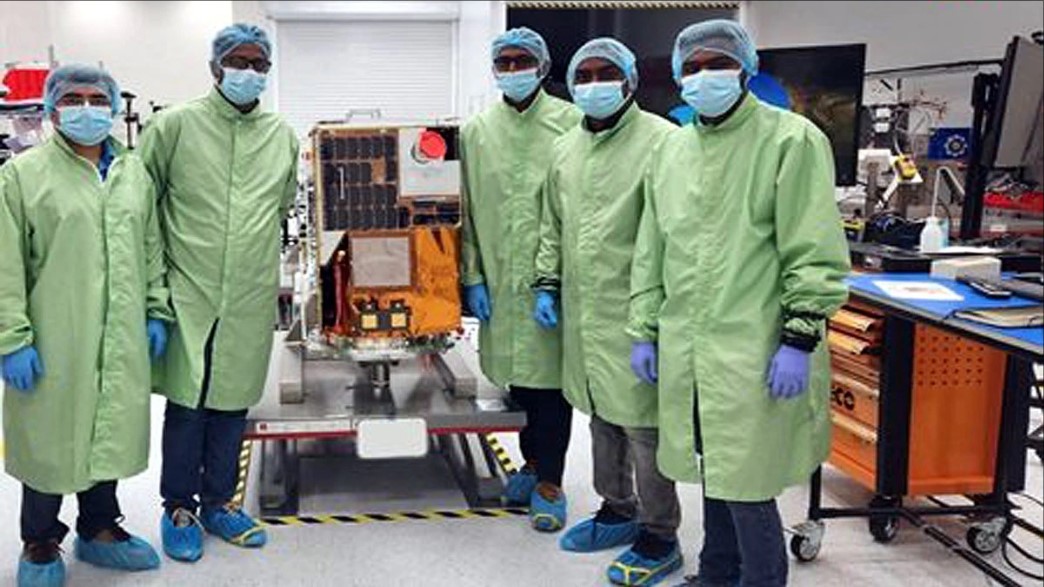
Space & Technology
India has successfully developed its first military-grade spy satellite through a collaboration between TATA Advanced Systems (TASL) and Satellogic, a Latin American company. This achievement marks a major milestone in India's space capabilities.Key Details:1. Satellite Specifications:The satellite has an impressive 0.5-meter spatial resolution, allowing it to capture detailed images from space.Unlike previous satellites, this one maintains a ground control center in India, ensuring the confidentiality of critical information needed by the armed forces.Its primary purpose is to monitor infrastructure and gather intelligence on military targets.2. Launch And Control:TASL has completed the satellite, and it is currently en route to Florida for an anticipated launch in April aboard a SpaceX rocket.Once operational, a state-of-the-art ground control center will be established in Bengaluru, overseeing the satellite's path and processing its imagery.3. Strategic Importance:With the capability to monitor borders and track enemy movements, this satellite significantly boosts India's intelligence capabilities.The Bangalore plant, capable of producing 25 low Earth orbit satellites annually, highlights India's growing expertise in space technology.This milestone represents a substantial advancement for India's space endeavors, showcasing the successful synergy of private sector innovation and cutting-edge technology.
Read More → Posted on 2024-02-19 14:39:22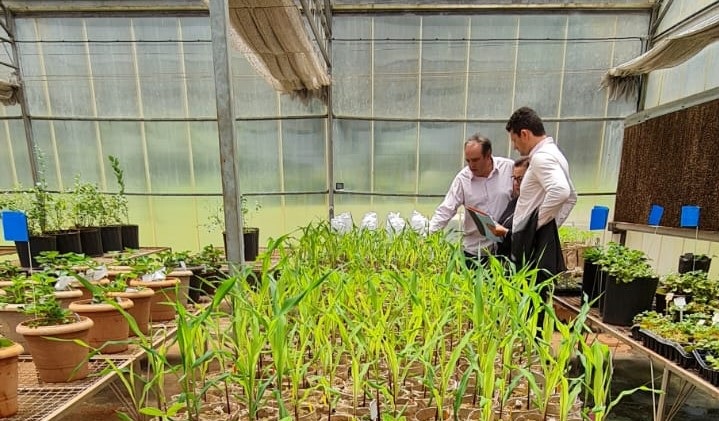
Space & Technology
Technology News ,Israel :- A group of researchers led by experts from Tel Aviv University and the Volcani Institute in Rishon LeZion has made a breakthrough in improving the process of genetically cloning plants. This development could have a significant impact on modern agriculture.The key advancement, achieved after eight years of research, focuses on making the process of rooting cuttings from mature trees more efficient. This method, known as "cutting propagation," involves using a piece of a parent plant, such as a stem or branch, to grow a new plant.The traditional way of cutting propagation uses the plant hormone auxin to stimulate root growth. However, this method is not equally effective for all plant species, making widespread adoption challenging. Building on existing knowledge, the researchers aimed to enhance the effectiveness of auxin by exploring slow-release formulations.After extensive experimentation, the researchers developed a "library" of synthetic auxin varieties. Compounds showing promising results were identified and further refined, enabling prolonged auxin release within plant cells. This significantly increased rooting percentages in various plant species.The findings were recently published in the peer-reviewed journal Nature Biotechnology.To understand the enhancement's mechanisms, the researchers studied the mode of action of the new compounds using model plants. They discovered that the synthetic auxin in the compounds exhibited greater stability within plant cells. The researchers also identified a family of enzymes responsible for its release, paving the way for broader applications across different plant species.Research student Ohad Roth explained, "We identified compounds with a positive effect on the rooting process and focused on the most effective one. This compound allows high permeability to the plant with a prolonged release of the synthetic auxin, staying in the plant for up to a week and a half."The study's significance was highlighted by its success in propagating argan trees, historically challenging due to their reliance on sexual reproduction via seeds. The researchers successfully produced a large number of seedlings from elite selections, opening up possibilities for cultivating argan trees outside their native habitat.The upgraded treatment also showed promising results with other trees, including apple, poplar, and eucalyptus. For example, the rooting percentage of eucalyptus cuttings increased to 60%, up to six times higher than the standard method.The team believes that their findings will reduce the cost of rooting procedures, improve produce quality, and contribute to the development of new crops capable of adapting to challenging climate conditions.
Read More → Posted on 2024-02-19 07:29:11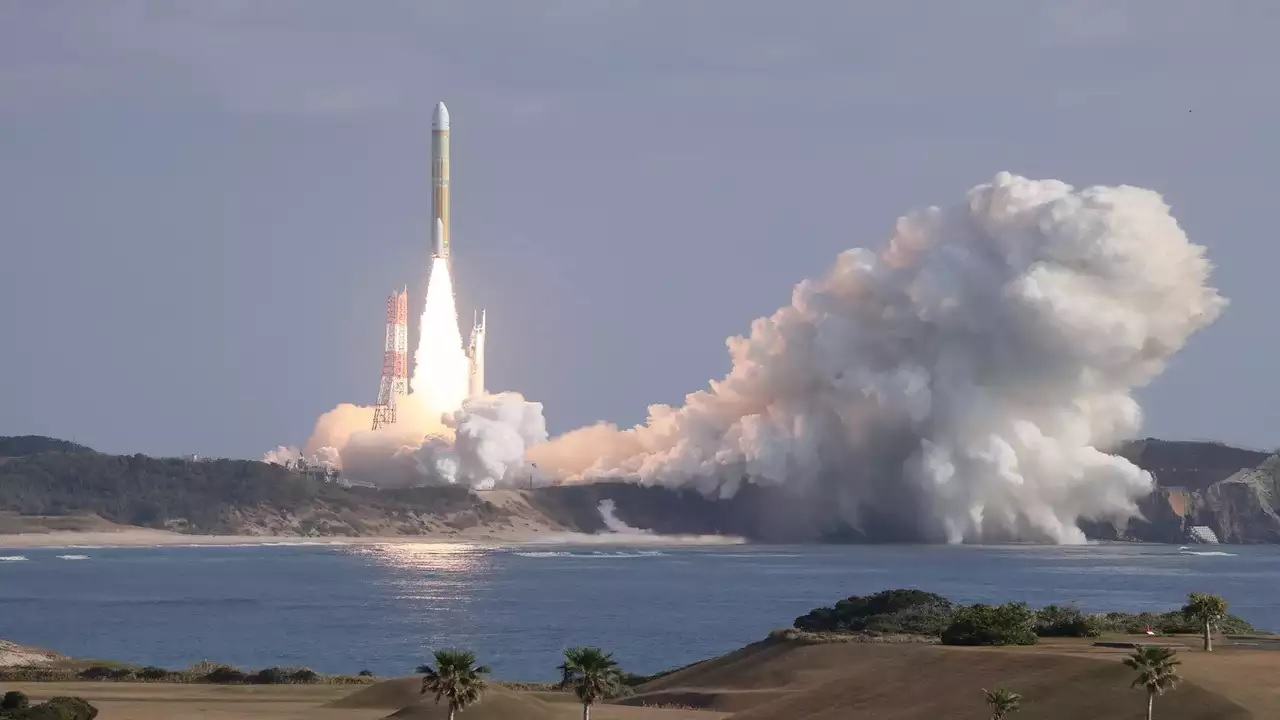
Space & Technology
Space News ,Japan :- On the evening of February 16, the H3 rocket achieved a significant milestone by successfully deploying its payloads into orbit. This success marks a remarkable recovery from its debut flight failure last year, positioning the H3 as Japan's promising future workhorse rocket.During a live webcast provided by the Japan Aerospace Exploration Agency (JAXA), a commentator expressed their excitement, stating, "I was so moved! The story of H3 will begin from today." JAXA offered real-time English translations for the original Japanese comments.JAXA, in collaboration with Mitsubishi Heavy Industries, has dedicated a decade to the development of the H3 rocket. Designed as an expendable, medium-lift rocket, it is set to replace the venerable H-2A, which has been in operation since 2001 and is scheduled for retirement later this year.Standing at either 187 feet or 207 feet (57 or 63 meters), depending on the choice of payload fairing, the two-stage H3 is equipped with newly developed liquid hydrogen-liquid oxygen LE-9 engines for the first stage. The upper stage features a single LE-5B-3, an advanced variant of the upper-stage engine on Japan's previous H-1 and H-2 vehicles.Configurable with two or four solid rocket boosters, the H3 can haul over 7.2 tons (6.5 metric tons) of payload to geostationary transfer orbit (GTO) in its most robust configuration. This is a significant improvement over the H-2A, which can deliver about 4.4 tons (4 metric tons) to GTO. Furthermore, the H3 is expected to be more cost-effective to build and operate, according to JAXA officials.Originally targeted for a 2020 debut, the H3 faced development delays, primarily due to challenges in developing the LE-9 engine. It eventually launched on March 6, 2023, carrying the Advanced Land Observing Satellite-3 (ALOS-3), also known as DAICHI-3, on its debut mission.However, the debut mission encountered issues as the H3's second-stage engine failed to ignite due to an electrical problem, resulting in the loss of the satellite.After almost a year, the H3 took off again from Japan's Tanegashima Space Center on February 16 at 7:22 p.m. EST (0022 GMT and 9:22 a.m. Japan Standard Time on Feb. 17). This time, it successfully carried two small Earth-observation satellites, CE-SAT-IE and TIRSAT, along with a 5,900-pound (2,600 kilograms) mass simulator called the Vehicle Evaluation Payload-4.The mission's primary goal was to evaluate the H3 rocket's performance and its payload deployment mechanism. Impressively, the rocket achieved all required milestones on time, including the successful ignition of its upper-stage engine, which had encountered issues in the previous mission.The upper stage reached orbit and deployed CE-SAT-IE, followed by the planned deployment of TIRSAT and the payload simulator. In a postflight update, JAXA confirmed the successful separation and controlled re-entry of the second stage, verifying the separation of the Vehicle Evaluation Payload-4 (VEP-4).The triumphant success of the H3's recent mission marks a significant step forward, solidifying its position as a reliable and resilient rocket for Japan's future space endeavors.
Read More → Posted on 2024-02-18 07:12:01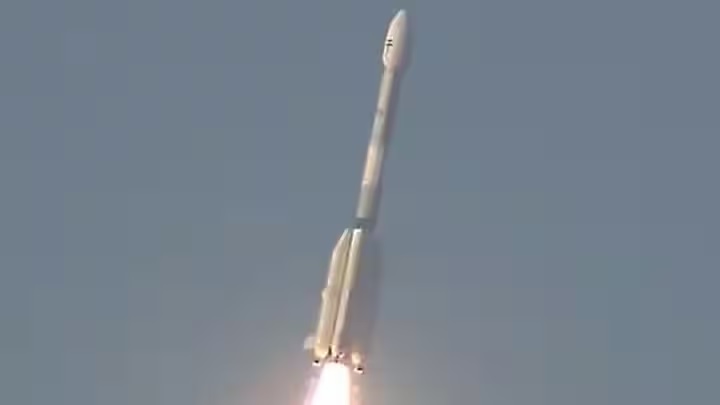
Space & Technology
Space News ,India :- In its 16th overall mission and 10th flight using the indigenous super-cooled cryogenic engine, the GSLV-F14 successfully lifted off from the Satish Dhawan Space Centre, placing the INSAT-3DS satellite into a precise orbit.Launched on the Geosynchronous Launch Vehicle (GSLV), the INSAT-3DS meteorological satellite embarked on its space journey on the evening of February 17, 2024. The mission, considered crucial by ISRO, was nicknamed "Naughty Boy" by former ISRO Chairman K Sivan.The success of this mission holds paramount importance for the GSLV, which is set to carry the Earth observation satellite NISAR later this year. NISAR, a collaborative effort between NASA and ISRO, aims to map the entire globe in 12 days, providing spatially and temporally consistent data to understand changes in Earth's ecosystems, ice mass, sea level rise, and natural hazards like earthquakes and tsunamis.Key Points about the INSAT-3DS Satellite Launch:1. Purpose of the Satellite: INSAT-3DS will contribute to more accurate and informative weather forecasts by studying the surface of the ocean, enabling the provision of natural disaster warnings.2. GSLV F14's 16th Mission: This mission marks the 16th space mission for the Geosynchronous Satellite Launch Vehicle (GSLV), aiming to deploy the INSAT-3DS satellite into the Geosynchronous Transfer Orbit (GTO).3. Funding: The GSLV F14's 16th mission has been entirely funded by the Ministry of Earth Sciences, representing a significant step forward in India's space advancements.4. Success Rate: Termed "Naughty Boy" by the former ISRO Chairman due to its historical challenges, GSLV-F14 has faced problems in 6 out of its total 15 space missions, resulting in a 40% failure rate. The successful launch of this mission holds great significance for ISRO's ongoing efforts.
Read More → Posted on 2024-02-17 16:05:46Search
Top Trending in 24 Hours
-
 Iran’s DotOne Plans 200 High-Altitude Platform Station Communication Drones for Nationwide Internet Coverage
-
 U.S. Air Force Moves First Hypersonic Missile Into Production With $694 Million Contract
-
 Tekever Wins U.S. Special Operations Command Contract for AR3 Uncrewed Aerial Systems
-
 Israeli Ad-Tech Firm Discover-Tech Suspected of Tracking Starlink Users Across More Than 100 Countries
-
 France’s SEABER Introduces RAVEN Autonomous Underwater Vehicle for Mine Countermeasures
-
 ESA’s Space Rider Reusable Spaceplane Crashes in Italy During Test After Main Parafoil Detaches
-
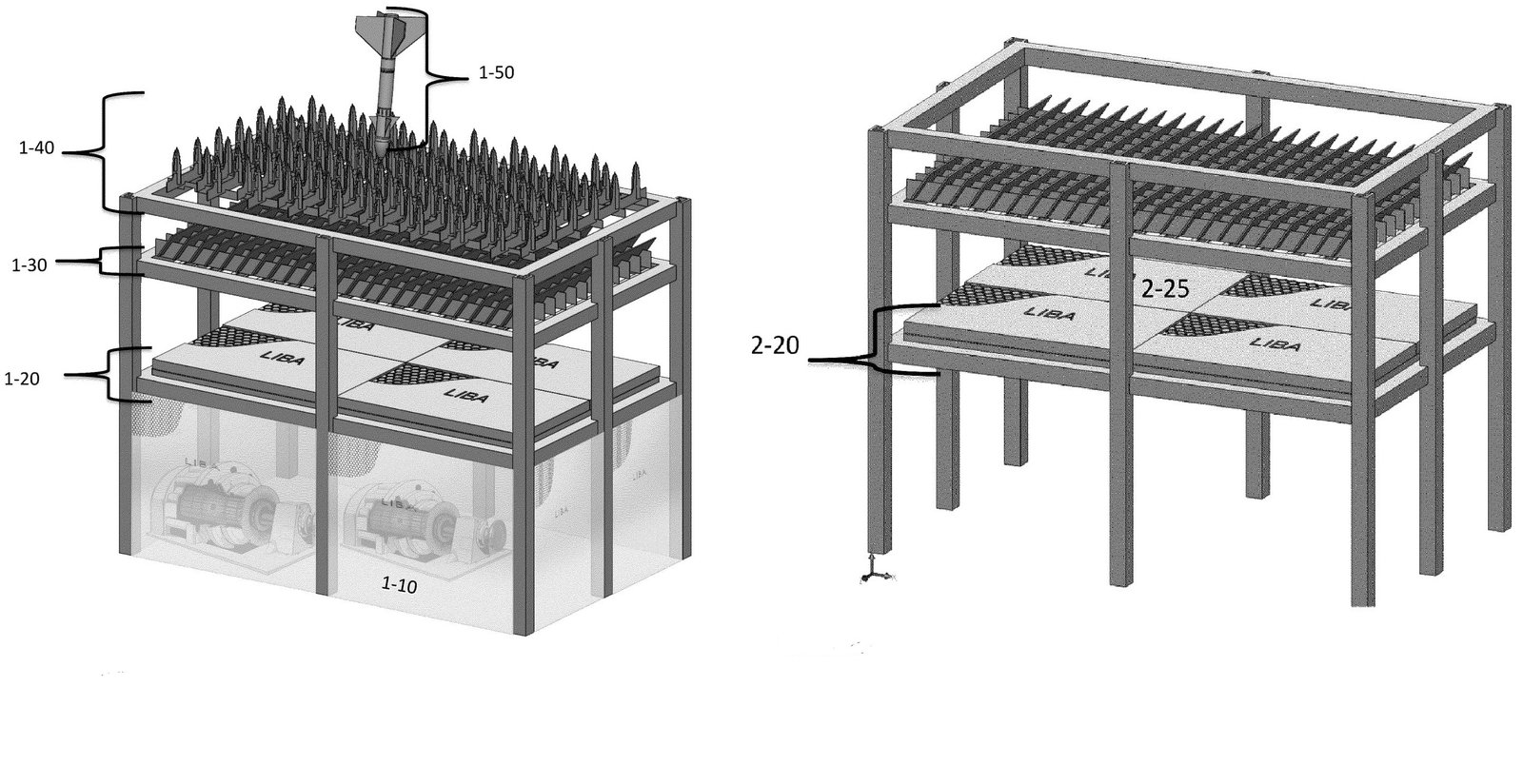 Israel Reportedly Developing Three-Layer Physical Shield for Critical Infrastructure
-
 U.S. Lawmaker Warns Oil Companies of Criminal Penalties for Purchasing Russian Diesel
Top Trending in 4 Days
-
 Pentagon Launches FORTRESS Initiative to Make Major U.S. Bases Self-Sufficient for 90 Days
-
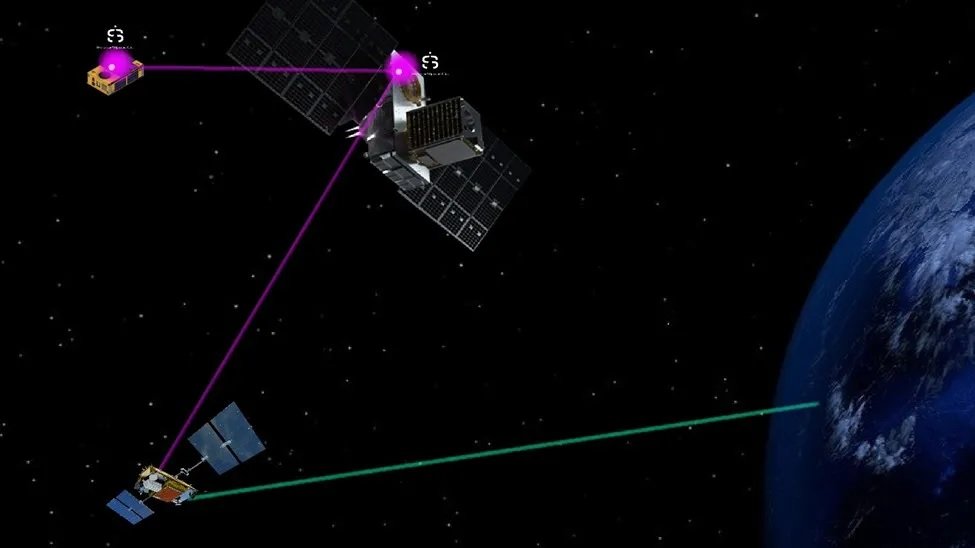 NASA Demonstrates Space-to-Space Wi-Fi Between Two Orbiting Spacecraft
-
 USS Pinckney Becomes First U.S. Navy Destroyer to Begin Phase Two Modernization with Advanced SPY-6 Radar
-
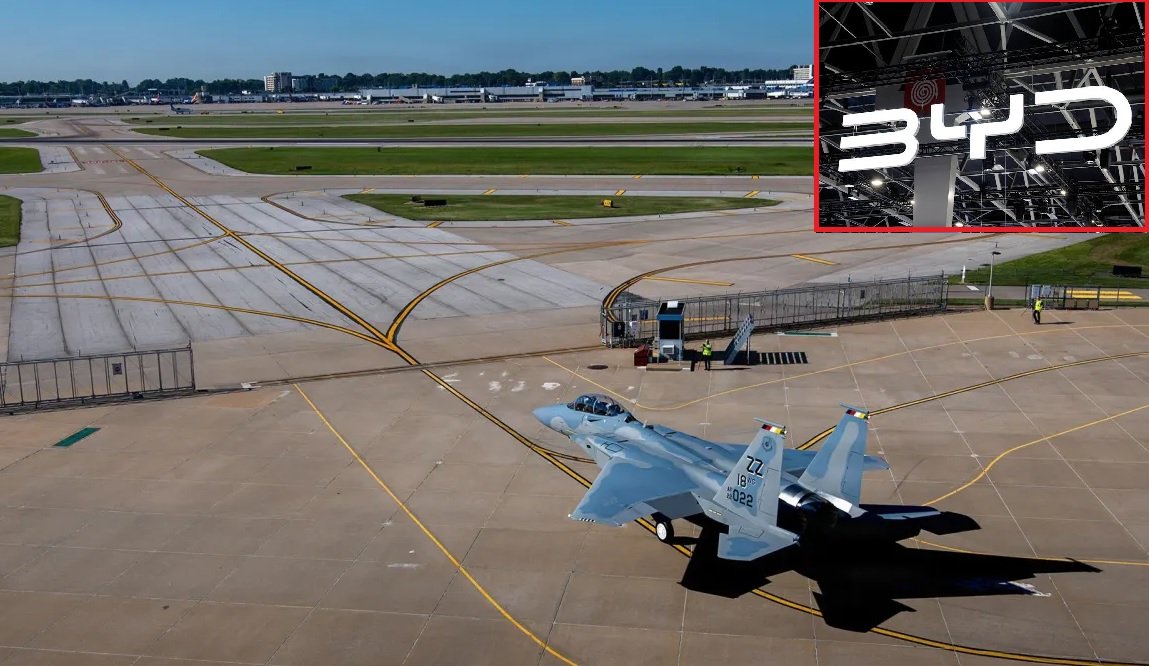 U.S. Military to Ban Chinese Automaker BYD Vehicles from Kadena Air Base in Japan Over Security Concerns
-
 Saudi Arabia, Pakistan and Turkey Hold High-Level Security Talks with Iran in Tehran Amid Reports of Potential Iranian Integration
-
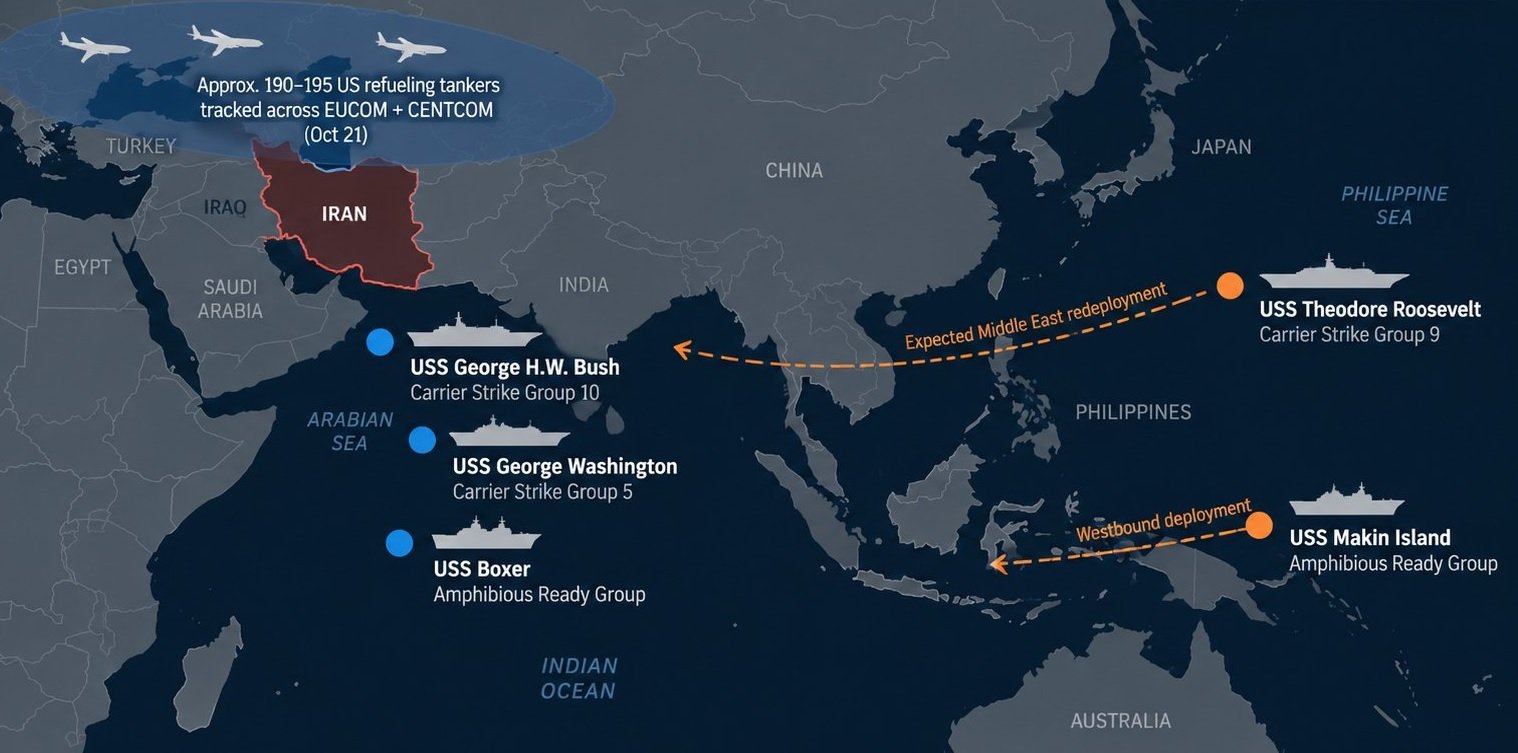 US Expands Military Buildup Near Iran with Third Aircraft Carrier and Additional Marines
-
 UK Ministry of Defence Opens £120,000 Tender for Skydio X10D Drones
-
 General Atomics Partners With Spirit Defense to Expand FQ-42 Vengeance Production