Space & Technology
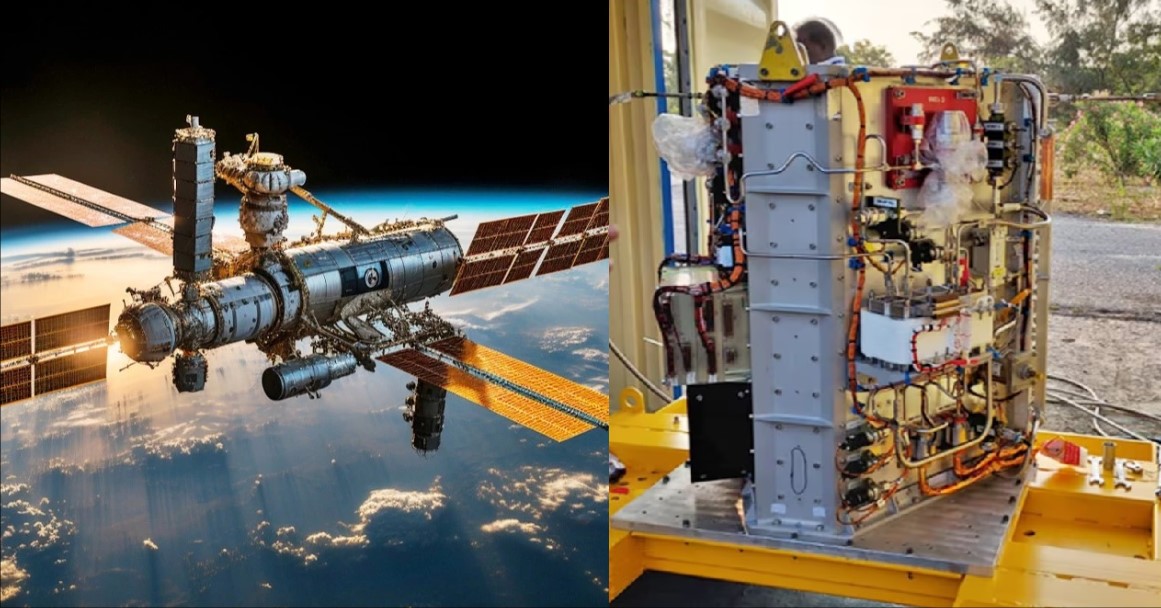
Space News ,India :- The Indian Space Research Organisation (ISRO) has achieved a major milestone by successfully testing cutting-edge fuel cells designed for potential use in India upcoming space station. The recently tested 100 W class Polymer Electrolyte Membrane (PEM) Fuel Cell demonstrated its prowess on the PSLV-C58 orbital platform, POEM3, in space. This breakthrough technology is poised to transform power generation in space habitats, providing an efficient and sustainable solution for future space missions.Conducted by ISRO Vikram Sarabhai Space Centre (VSSC), the test aimed to evaluate the performance of PEM Fuel Cells in the unique conditions of space and gather crucial data for designing systems for upcoming space endeavors.During the experiment, the fuel cell showcased its capability by generating an impressive 180 W of power using hydrogen and oxygen gases stored in high-pressure vessels aboard POEM. This success not only provided invaluable insights into the performance of various static and dynamic systems within the power system but also shed light on the underlying physics involved.PEM Fuel Cells operate on the principle of converting chemical energy from hydrogen and oxygen directly into electricity through electrochemical reactions, akin to batteries but without combustion. This direct conversion process makes them exceptionally efficient. Furthermore, as the sole byproduct is water, these fuel cells offer an emission-free power source, making them ideal for manned space missions where electricity, potable water, and heat are essential.The societal implications of this breakthrough technology are extensive. Fuel Cells are not only set to revolutionize the automotive industry by potentially replacing traditional engines but also hold promise for standby power systems, marking a significant step towards clean transportation and energy solutions.ISRO successful deployment of the PEM Fuel Cell on POEM3 signifies a crucial milestone in space exploration. As the agency looks ahead to the development of the Bhartiya Space Station, this fuel cell technology could be the key component paving the way for the future of orbital laboratories, reducing costs, and minimizing dependence on foreign sources.
Read More → Posted on 2024-01-06 15:16:26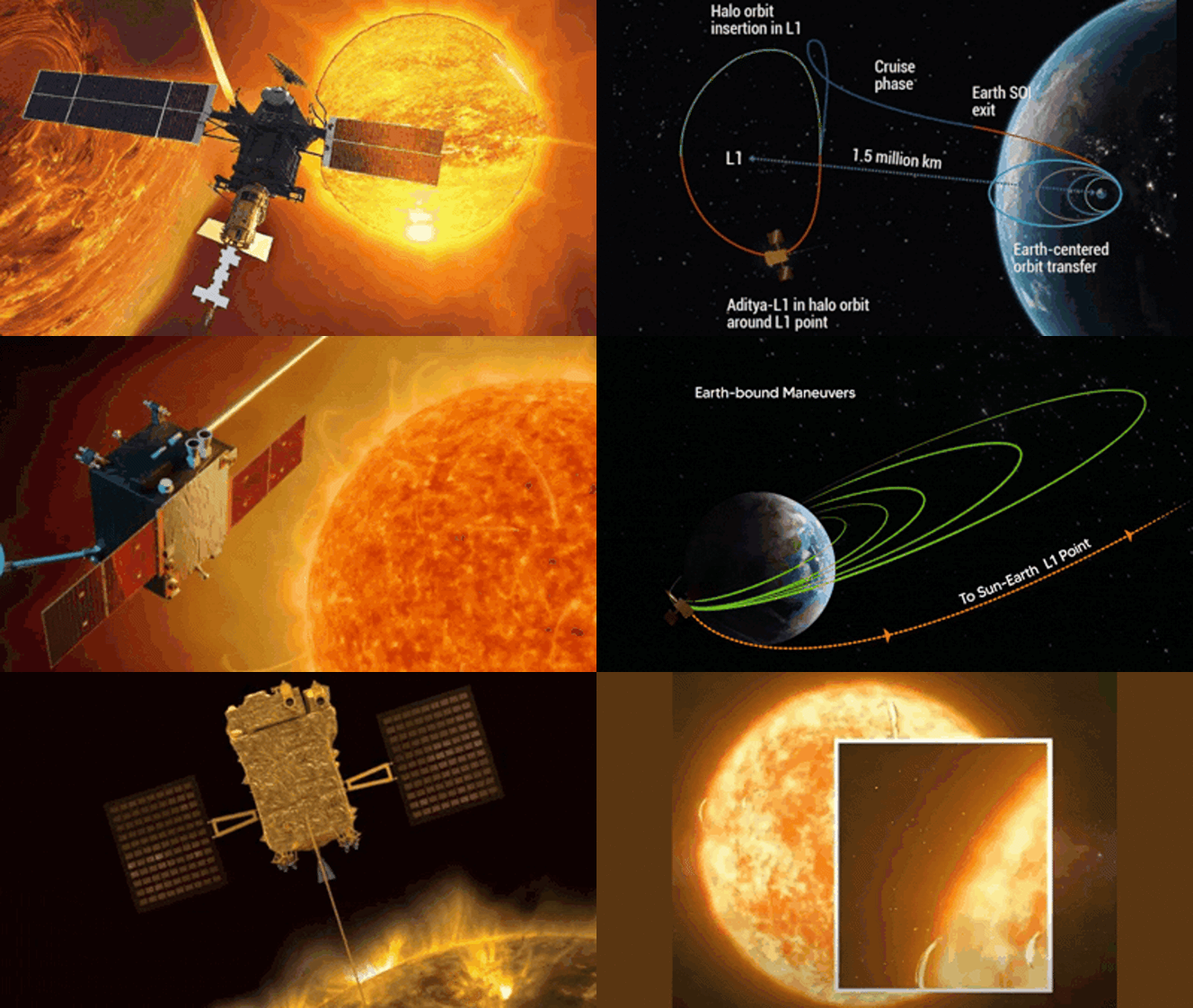
Space & Technology
Space News ,India :- In a historic achievement, the Indian Space Research Organisation (ISRO) orchestrated a pivotal maneuver on Saturday, successfully positioning the Aditya-L1 spacecraft, the nation inaugural space-based solar observatory, into its designated orbit at Lagrange Point 1, situated approximately 15 lakh kilometers away from Earth.Prime Minister Narendra Modi was the first to share the groundbreaking news online, as ISRO maintained its characteristic silence on social media and mainstream platforms, leaving the eager audience without live updates. CNN News-18, however, took the lead by broadcasting a live show, ensuring viewers were informed of the mission success – a commendable effort by the news network.Understanding Lagrange Point 1:Lagrange Point 1, also known as L1 point, is one of five equilibrium positions in the Earth-Sun system. Positioned between the Earth and the Sun, about 15 lakh kilometers away from Earth, L1 experiences gravitational forces from both celestial bodies that counteract the centrifugal force, providing a stable position for objects.ISRO Strategic Choice for Aditya-L1:ISRO strategically placed Aditya-L1 at Lagrange Point 1 due to the unique stability offered by this position in the Earth-Sun system. The gravitational forces at L1 create a stable environment, making it an ideal location for scientific observations and space missions. Aditya-L1, free from eclipses, is poised to unravel solar mysteries with unprecedented clarity.The Aditya-L1 mission aims to achieve several scientific objectives:1. Study the dynamics of the solar upper atmosphere, including the chromosphere and corona.2. Investigate chromospheric and coronal heating, physics of partially ionized plasma, coronal mass ejections, and flares.3. Observe in-situ particle and plasma environments for the study of solar wind dynamics.4. Explore the physics of the solar corona and its heating mechanism.5. Diagnose the plasma in coronal loops, measuring temperature, velocity, and density.6. Examine the development, dynamics, and origin of coronal mass ejections (CMEs).7. Identify processes leading to solar eruptive events at multiple layers (chromosphere, base, and extended corona).8. Map magnetic field topology and measure magnetic fields in the solar corona.9. Investigate the drivers for space weather, including the origin, composition, and dynamics of solar wind.Aditya-L1 127-Day Journey into Space: A Detailed TimelineThe journey began on September 2 with the successful launch of PSLV-C57, placing Aditya-L1 precisely into its intended orbit. Subsequent milestones include Earth-bound maneuvers, trajectory corrections, and operational readiness of various scientific payloads, culminating in the complex maneuver on January 6, where ISRO inserted Aditya-L1 into a halo orbit around Lagrange Point 1. Today, Aditya-L1 stands ready to revolutionize our understanding of the Sun from its unique vantage point in space.
Read More → Posted on 2024-01-06 15:07:55
Space & Technology
Technology News ,Medical Science :- Scientists have found a brand-new kind of antibiotic that seems to be effective against one of the three bacteria that pose a major threat to human health due to their high drug resistance. This breakthrough involves a drug called Zosurabalpin, which successfully fought against Carbapenem-resistant Acinetobacter baumannii (Crab) in mouse models of pneumonia and sepsis. Crab is categorized as a top-priority pathogen by the World Health Organization, alongside two other drug-resistant bacteria.Dr. Andrew Edwards from Imperial College London, not involved in the study, emphasized the significance of this discovery. Crab causes infections in hospitals, especially in ventilator-dependent individuals. Its resistance to multiple antibiotics makes treatment challenging. Developing new treatments against Crab has been tough, but Zosurabalpin shows promise by overcoming the bacterium outer cell layer barrier.Antibiotic-resistant infections, especially those caused by Gram-negative bacteria, are a pressing threat to human health. Gram-negative bacteria have an outer shell with lipopolysaccharide (LPS), protecting them from antibiotics and immune system attacks. Roche Pharma Research and Early Development in Switzerland created Zosurabalpin, a drug identified for blocking A baumannii growth. Through experiments at Harvard University, researchers discovered that the drug prevents LPS transport, effectively killing the bacterium.While Zosurabalpin alone won"t completely solve the problem of antibiotic-resistant infections, it opens doors for future efforts targeting similar transport systems in other bacteria. Another antibiotic in development, murepavadin, also targets LPS transport but through a different mechanism, potentially expanding the approach to combat other antibiotic-resistant bacteria.Despite these advancements, transitioning from animal studies to human trials can be challenging. Simultaneously, the UK science, innovation, and technology committee advocate exploring bacteriophages, viruses that kill bacteria, as an alternative to antibiotics. However, the development of phage therapies faces obstacles, requiring specific standards for clinical trials, which, in turn, depend on successful clinical trials. The committee suggests considering the establishment of a facility in the West Midlands to support the production of bacteriophages.
Read More → Posted on 2024-01-06 03:14:16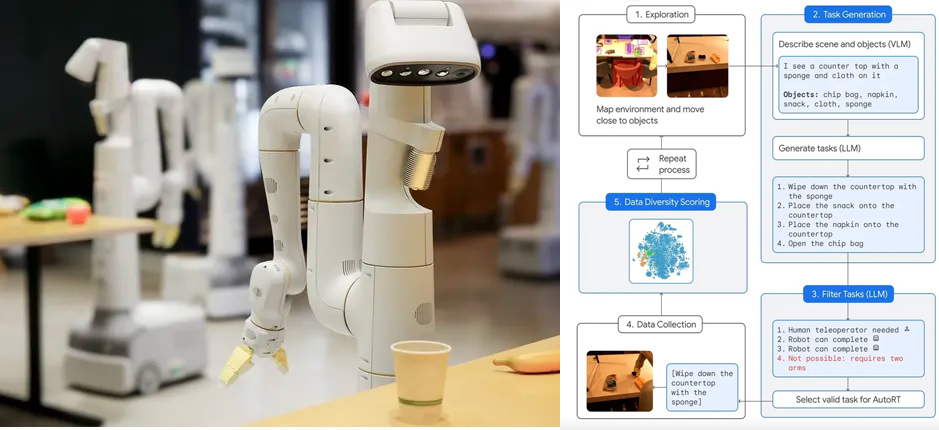
Space & Technology
Technology News ,Google :- The DeepMind robotics team has introduced three groundbreaking advancements aimed at enhancing robots" decision-making abilities in various environments. These innovations are designed to make robots operate more efficiently, effectively, and safely. One notable improvement involves a data gathering system named AutoRT, which utilizes a visual language model (VLM) and a large language model (LLM) working together. This system enables robots to understand their surroundings, adapt to new settings, and determine suitable tasks.To ensure safety, DeepMind has implemented a "Robot Constitution," inspired by Isaac Asimov "Three Laws of Robotics." This set of safety-focused guidelines directs the LLM to avoid selecting tasks that involve humans, animals, sharp objects, and even electrical appliances. The robots are also equipped with a safety feature that automatically stops them if the force on their joints exceeds a certain threshold. Additionally, a physical kill switch is available for human operators to deactivate the robots, adding an extra layer of security.Over a seven-month period, Google deployed 53 AutoRT robots in four different office buildings, conducting over 77,000 trials. Some robots were controlled remotely by human operators, while others operated based on pre-programmed scripts or autonomously using Google Robotic Transformer (RT-2) AI learning model.In the trial, AutoRT VLM identified objects on a countertop, such as a sponge, cloth, a bag of chips, and a napkin. The LLM then suggested tasks like placing the napkin on the countertop and opening the bag of chips. AutoRT follows a systematic approach for each task, ensuring a logical and safe decision-making process.The robots used in the trial were practical in design, equipped with a camera, robot arm, and mobile base. DeepMind has also introduced two additional technologies. SARA-RT enhances the existing Robotic Transformer RT-2 with a more accurate and faster neural network architecture. RT-Trajectory incorporates 2D outlines to assist robots in performing specific physical tasks, such as wiping down a table.Although fully autonomous robots capable of serving drinks and fluffing pillows may still be in the distant future, these advancements pave the way for safer and more intelligent robotic systems, providing valuable lessons for future developments in the field.
Read More → Posted on 2024-01-06 03:04:59
Space & Technology
Space News ,China :- China has achieved a significant milestone in space exploration with the completion of the first launch pad at the Hainan Commercial Launch Site on December 29. This marks the initial step of a two-pad development, promising increased access to space for national and commercial purposes. The strategic location near the Wenchang spaceport in Hainan, surrounded by the South China Sea, positions it as a crucial hub for China space ambitions.The completed Pad 1 is dedicated to the Long March 8, a cutting-edge kerolox medium-lift rocket developed by the China Aerospace Science and Technology Corp. (CASC). This advancement not only facilitates a smoother launch process but also serves as a pivotal move away from older hypergolic rockets, reducing concerns about debris falling in inhabited areas.Anticipated to be operational in the first half of 2024, the new launch pad opens doors for diverse missions, including the Queqiao-2 lunar relay satellite launch – a prerequisite for the historic Chang e-6 lunar far side sample return mission.China burgeoning launch rate, growing from 22 launches in 2016 to an impressive 67 in 2023, underscores the need for enhanced facilities. The completion of Hainan new launch pad is a strategic response to this demand, providing vital support for the ambitious "Guowang" constellation project.CASC plans for a 13,000-satellite low Earth orbit broadband megaconstellation, colloquially referred to as China Starlink, further underscores the significance of the new launch pad. The mass production of Long March 8 rockets is intricately linked to the realization of this colossal satellite network.Notably, a second commercial launch pad is under construction, slated for completion by May of this year. This pad will host the "XLV" rocket developed by CASC Shanghai Academy of Spaceflight Technology, offering versatility by accommodating 19 different launch vehicles.The facilities at Hainan are expected to attract at least nine manufacturers, including CASC subsidiaries and commercial entities such as iSpace, CAS Space, and Deep Blue Aerospace. With the potential to launch several dozen or even over 100 satellites annually, the site strong launching capabilities are poised to lower costs, making satellite constellations more economically viable.As China continues its strides in space exploration, the completion of the Hainan Commercial Launch Site first pad is a testament to the nation commitment to advancing its space capabilities, fostering innovation, and propelling itself to new heights in the global space arena.
Read More → Posted on 2024-01-05 15:09:21
Space & Technology
Space News ,India ISRO :- India groundbreaking space mission, known as the "Celestial Surya Namaskar," is on the verge of reaching a pivotal moment as the Aditya-L1 satellite, the country first space-based solar observatory, prepares to settle into its designated orbit for the next five years. The Indian Space Research Organization (ISRO) has announced that the satellite is scheduled to reach its destination orbit on January 6 at 4 pm after a remarkable 126-day journey covering approximately 3.7 million kilometers since its launch on September 2 last year.Throughout its journey, Aditya-L1 has taken a circuitous route, showcasing its resilience and robust health, as confirmed by ISRO. The satellite has already begun beaming back captivating images of the Sun full disc, providing a glimpse into the scientific treasures it holds.Aditya-L1 celestial abode is a halo-shaped orbit positioned approximately 1.5 million kilometers away from Earth. Despite its proximity to the Sun, the orbit keeps the satellite significantly distant, considering the Sun vast distance of around 150 million kilometers from Earth.From its final observation point, the Lagrangian Point-1, the 1,475-kilogram Aditya-L1 satellite is poised to conduct a series of scientific experiments aimed at unraveling the mysteries of our solar system central star. Positioned strategically, it will offer an uninterrupted view of the Sun, aiding in understanding space weather dynamics. Nigar Shaji, the Project Director for Aditya-L1, highlighted its significance, stating that the observatory will serve as a forecasting and warning platform for solar storms.Solar storms, large-scale magnetic eruptions on the Sun, can impact the entire solar system. Aditya-L1 continuous monitoring capability positions it as a crucial tool for issuing warnings about potential solar electromagnetic effects on Earth. This capability is vital for safeguarding India extensive space assets, which include over 50 operational satellites valued at more than ₹50,000 crores.S Somanath, Chairman of ISRO, emphasized Aditya-L1 role as a space-based protector, safeguarding against solar flares and ensuing solar storms. The intelligent satellite, as described by astrophysicist Prof Somak Raychaudhury, will remain vigilant, ensuring continuous surveillance of Earth nearest star.The solar mission key highlights include Aditya-L1 successful injection into an elliptical orbit around Earth, its unique halo orbit around the Sun-Earth Lagrangian point, and its stable position at the Lagrange Point, where gravitational forces between the Earth and the Sun reach equilibrium. The satellite is armed with seven indigenously developed scientific payloads, designed to observe various layers of the Sun using electromagnetic particle and magnetic field detectors.As India Aditya-L1 satellite embarks on this unprecedented journey, scientists eagerly anticipate gaining valuable insights into the Sun behavior and contributing to our understanding of space phenomena.
Read More → Posted on 2024-01-05 14:20:44
Space & Technology
Space News ,U.S :- SpaceX achieved a milestone on January 2 by launching its inaugural batch of Starlink satellites designed for direct connection to unmodified smartphones. This breakthrough follows the acquisition of a temporary experimental license to commence testing this capability within the United States.The Falcon 9 rocket, carrying a total of 21 Starlink satellites, took off from Vandenberg Space Force Base, California, at 10:44 p.m. Eastern. Among these satellites, six are equipped with a payload intended to offer connectivity for a wide range of 4G LTE devices when within reach.In a strategic move, SpaceX plans to initiate text messaging capabilities from space in collaboration with cellular operators later this year. Voice and data connectivity are anticipated to follow suit in 2025, pending regulatory approvals for commercial service provision.To conduct the initial direct-to-smartphone tests, SpaceX will utilize cellular spectrum from its U.S. mobile partner, T-Mobile. The company has also established partnerships with mobile operators in Australia, Canada, Chile, Japan, New Zealand, and Switzerland.During the launch webcast, SpaceX Senior Manager for Quality Systems Engineering, Kate Tice, revealed that the first six "direct-to-cell" satellites would emit brighter signals compared to the 15 Starlink V2 Mini broadband satellites joining the mission without the hardware for smartphone connectivity.Acknowledging the concerns of astronomers, SpaceX plans to collaborate with them to assess the impact on their observations. Adjustments to the hardware will be made to ensure that the direct-to-cell spacecraft remain as inconspicuous as possible.SpaceX informed the Federal Communications Commission in November that it aimed to deploy 840 direct-to-cell satellites over the next six months. The initial direct-to-cell launch, initially scheduled for mid-December, became SpaceX first mission of 2024 and marked the 296th overall.This mission also marked the maiden flight for the booster on the Falcon 9, which successfully landed on a drone ship in the Pacific Ocean for reuse after lift-off.At 11:47 p.m. Eastern, SpaceX confirmed the successful deployment of all 21 Starlink satellites, with the 15 Starlink V2 Mini satellites enhancing the capacity of SpaceX existing low Earth orbit broadband constellation.In the broader context of direct-to-device satellite constellations, early-stage ventures AST SpaceMobile and Lynk Global are making strides toward expanding their capabilities.AST SpaceMobile announced its intention to secure funds from multiple parties this month. It plans to launch its first five commercial satellites on a Falcon 9 early this year.Simultaneously, Lynk Global, currently providing intermittent texting and low-bandwidth services outside cellular networks in various locations, aims to raise funds through a merger with a shell company led by former professional baseball player Alex Rodriguez.
Read More → Posted on 2024-01-03 14:47:32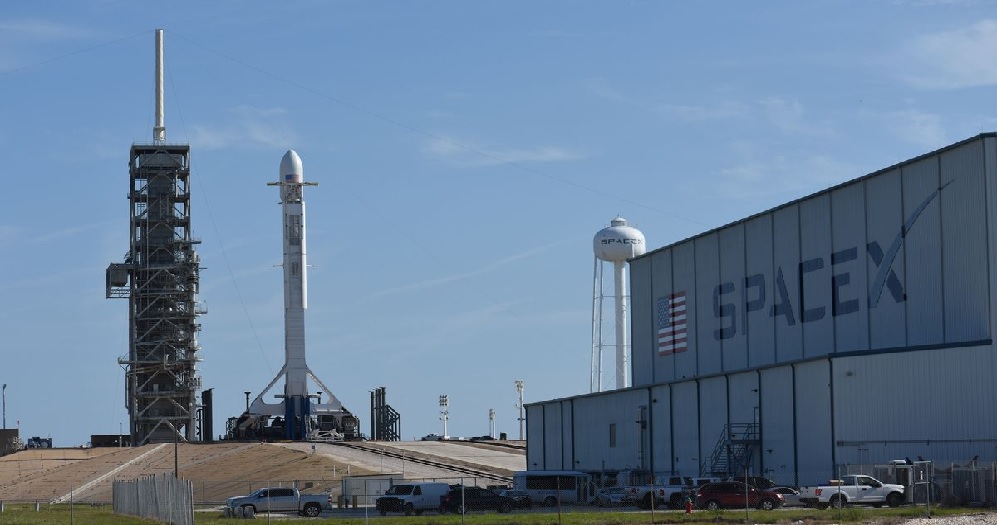
Space & Technology
Space News ,India :- India NewSpace India Limited (NSIL), the commercial arm of ISRO, has announced plans to launch GSAT-20, now renamed GSAT-N2, aboard SpaceX Falcon-9 during the second quarter of 2024. This satellite boasts Ka-Ka band High Throughput Satellite (HTS) capacity with 32 beams, ensuring Pan-India coverage, including remote regions like Andaman and Nicobar and Lakshadweep islands.Weighing 4,700 kg, GSAT-20 offers an HTS capacity of nearly 48 Gbps, specifically designed to cater to the service needs of remote and unconnected areas. NSIL, mandated by the Indian government space sector reforms in June 2020, aims to build, launch, own, and operate satellites in a "Demand-driven mode" to meet user service needs.Following the success of its first Demand-driven satellite mission, GSAT-24, in June 2022, fully funded by NSIL and with TataPlay securing the satellite capacity, NSIL currently operates 11 communication satellites in orbit. Now, NSIL is gearing up for its GSAT-20 satellite mission during the second quarter of 2024, aiming to provide cost-effective Ka-Ka band HTS capacity for Broadband, IFMC, and cellular backhaul service needs.NSIL emphasized that the majority of the HTS capacity onboard GSAT-20 has already been secured by Indian service providers. The realization of GSAT-20 is in collaboration with ISRO, and the satellite will be launched on Falcon-9 under a launch service contract between NSIL and SpaceX, USA.SpaceX describes Falcon-9 as the world first orbital class reusable rocket, designed to transport people and payloads into Earth orbit and beyond. The rocket reusability significantly contributes to reducing the cost of space access, making it an innovative and cost-effective choice for NSIL upcoming GSAT-20 mission.
Read More → Posted on 2024-01-03 14:17:12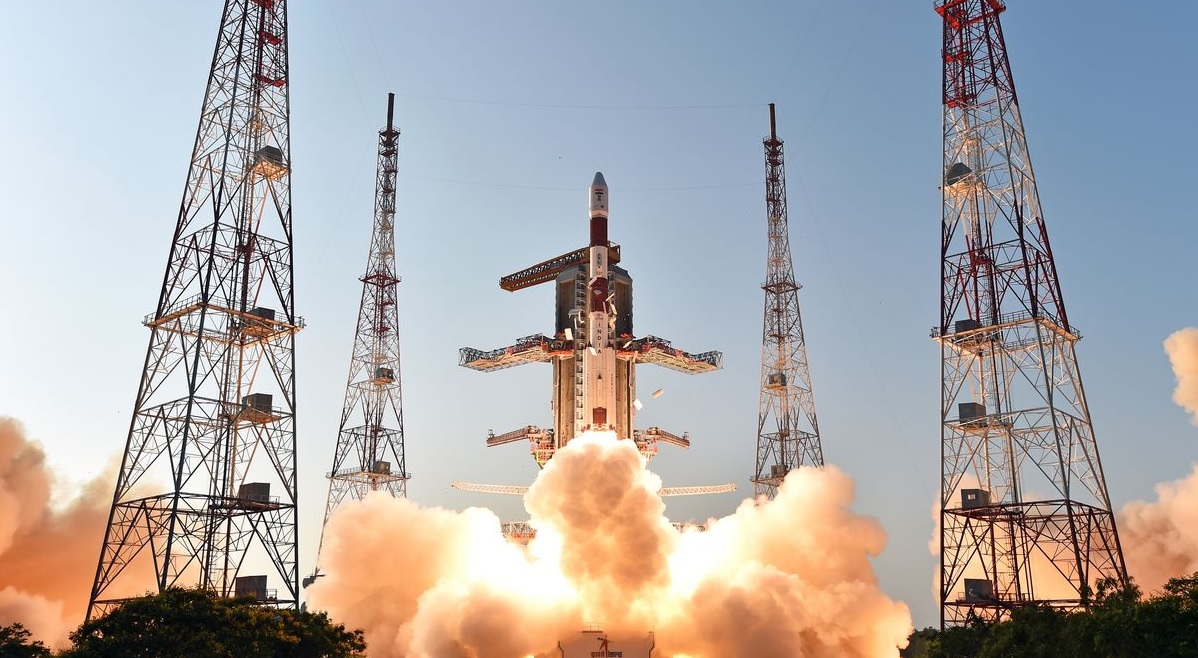
Space & Technology
Space News ,India :- Following a remarkable 2023 marked by achievements such as landing a spacecraft on the Moon and launching another for solar study, the Indian Space Research Organisation (ISRO) is poised to break records with a projected minimum of 12 launches in 2024, as revealed by chairman S Somanath on Monday.Addressing the media after the successful launch of India inaugural polarimetry mission, the X-Ray Polarimeter Satellite, Somanath outlined the ambitious plans, stating, "We are planning at least 12 missions for 2024. It may also go up depending on our ability to produce the hardware and complete testing."In the preceding year, ISRO undertook a historic seven missions, including the Chandrayaan-3 lunar landing near the south pole and the deployment of India first sun observatory, the Aditya-L1, scheduled to reach Lagrange Point 1 on January 6. Alongside these achievements, the space agency conducted crucial technology demonstrations, setting the stage for future endeavors like the Gaganyaan spacecraft and a reusable launch vehicle.Designating this year as the "year for Gaganyaan," Somanath emphasized, "2024 is going to be a year to prepare for Gaganyaan. We are targeting the launch for 2025, but this year we will be conducting at least two more rounds of tests before gearing up for the final mission."The Gaganyaan mission, India inaugural human space flight, is planned to carry a three-member crew to an orbit 400km above Earth surface for a three-day mission. The preparations for this milestone include the development of critical technologies such as a human-rated launch vehicle, life support systems, and an emergency escape system.Highlighting key milestones, Somanath mentioned the TV-D1 test flight demonstration in October, a test flight with a humanoid robot named Vyomitra, and an unmanned flight preceding the manned Gaganyaan mission, tentatively scheduled for 2025. The extensive preparations involve critical activities like recovery trials of the crew module and testing of propulsion systems and crew escape systems.As ISRO continues its trajectory of groundbreaking achievements, 2024 promises to be a pivotal year for India space exploration endeavors.
Read More → Posted on 2024-01-03 03:43:55
Space & Technology
Technology News ,Philippine :- In a groundbreaking announcement, SP New Energy Corporation (SPNEC) declared the commencement of what is touted as the "world largest solar project" within the Philippines. Spearheaded by its subsidiary, Terra Solar Philippines, Inc., the ambitious venture is already underway, with land clearing operations initiated across 3,500 hectares in Nueva Ecija and Bulacan, according to a statement from SPNEC Vice Chairman, Leandro Leviste.Highlighting the magnitude of the endeavor, Leviste revealed plans for the installation of over 5 million solar panels. Concurrently, efforts to establish the project interconnection with the national grid are in progress. Leviste emphasized the commitment to delivering the first phase of the project by the first quarter of 2026, prompting an acceleration of site clearing activities.The focal point of the Terra Solar project will be Peñaranda, Nueva Ecija, with SPNEC having already completed the installation of solar panels for the initial developments in the same town, as stated in the official release.With a staggering goal of achieving 3,400 megawatts of solar panel capacity and 4,000 megawatt-hours of battery storage, the project represents a significant investment of P200 billion by SPNEC. Once operational, it is projected to generate approximately 5 billion kilowatt-hours annually, equivalent to an estimated 5% of the total Philippine grid volume and 12% of the nation total energy demand.In an ambitious comparison, SPNEC asserted that upon completion, the Terra Solar project would surpass the capacities of India Bhadla Solar Park and China Golmud Solar Park, currently recognized as the world largest solar farms, each with over 2.2 gigawatts. Furthermore, the project is anticipated to outstrip the combined capacity of all grid-connected solar projects in the Philippines, totaling over 1.5 gigawatts, according to figures from the energy department.This monumental initiative comes on the heels of MGen Renewable Energy, Inc. (MGreen) solidifying its P15.9-billion investment in SPNEC on December 27, 2023, further signaling the commitment and financial backing behind this transformative solar undertaking.
Read More → Posted on 2024-01-02 15:52:26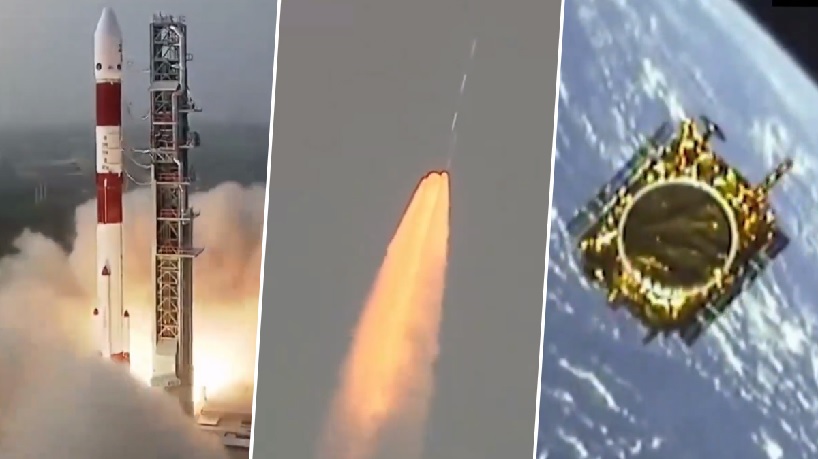
Space & Technology
Space News ,India :- In a remarkable achievement, the Indian Space Research Organisation (ISRO) executed a flawless mission using the PSLV-DL variant, boasting a lift-off mass of 260 tons. At the heart of today success was the fourth stage, meticulously configured as a 3-axis stabilized Orbital platform designed for groundbreaking experiments.The mission pivotal moment unfolded with the injection of XPOSAT, followed by the PS4 stage undergoing two re-starts. This strategic move reduced the orbit to a 350 km circular orbit, setting the stage for a 3-axis stabilized mode to conduct extensive Orbital Platform (OP) experiments.In a groundbreaking maneuver on Monday, ISRO conducted a maneuvering experiment by firing the fourth stage of the Polar Satellite Launch Vehicle rocket twice. This scientific feat aimed to delve into uncharted territories and expand our understanding of space through experimentation.Further enhancing the scientific endeavor, scientists at ISRO Bangalore headquarters initiated the firing of the fourth stage twice, effectively lowering the altitude from 650 km to 350 km. This adjustment paved the way for the POEM-3 experiment, wherein 10 diverse payloads from various ISRO centers were activated in Low Earth Orbits.This success story mirrors a previous achievement in April 2023 when ISRO conducted a similar scientific experiment during the PSLV-C55 mission using the POEM-2 module.The fourth stage orbital platform electrical power needs are met through a combination of Flexible Solar Panels and a 50 Ah Li-ion battery. This platform encompasses avionic systems responsible for navigation, guidance, control, telecommands, and altitude control systems crucial for testing payloads.The intricate process of orbit change and passivation involved lowering the PS4 stage from 650 km to approximately 350 km. This was achieved through two restarts of the PS4 stage, with the remaining propellant disposed of through the main engines. This crucial step ensures the safety of the PS4 stage for future atmospheric re-entry experiments.ISRO PSLV Orbital Experimental Module-3 (POEM-3) is a key player in this mission, utilizing the fourth stage as a 3-axis stabilized Orbital platform. The platform is geared towards conducting experiments to space-qualify systems with innovative concepts. Avionic systems, flexible solar panels, and a Li-ion battery work in tandem to ensure precise navigation, guidance, control, and telecommands.Among the 10 payloads featured in this pioneering mission are projects such as the Radiation Shielding Experiment Module, Women Engineered Satellite, BeliefSat (an amateur radio satellite), Green Impulse Transmitter, LEATTD Technology Demonstrator, RUDRA 0.3HPGP, ARKA 200, Dust Experiment (DEX), and Fuel Cell Power System. These diverse experiments represent a collective stride towards advancing space exploration and technology.
Read More → Posted on 2024-01-02 14:56:39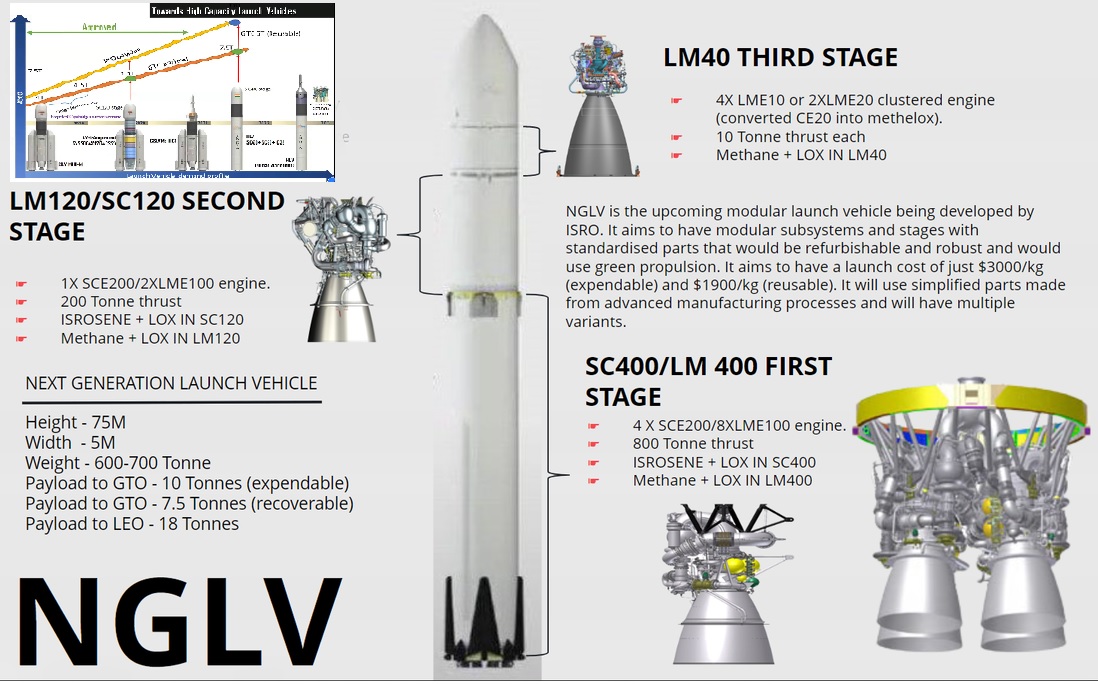
Space & Technology
Space News ,India :- A cutting-edge Electric Propulsion System (EPS) with high specific impulse has been developed by LPSC, primarily tailored for North-South station keeping. Simultaneously, efforts are underway to create a High Thrust Electric Propulsion system for orbit-raising operations. LPSC has actively engaged in crafting High Power EPS thrusters, achieving successful tests on 18mN, 75mN, and 300mN Stationary Plasma Thrusters (SPT).The upcoming TDS-01 mission is slated to conduct onboard flight testing for the 300mN-based EPS. LPSC is establishing Electric Propulsion facilities dedicated to the development and qualification of Stationary Plasma Thrusters (SPT), Power Processing and Control Unit (PPCU), Xenon feed system components, and meeting launch service requirements. These facilities are poised to accommodate the development of Electric Propulsion systems up to a thrust level of 1N.Green Propulsion is a key focus for LPSC, driven by the goal of substituting toxic propellants. Ongoing efforts involve replacing Hydrazine in monopropellant propulsion systems and MMH + N2O4 in bi-propellant propulsion systems. Successful development of Monopropellant thrusters (10N and 100N) using Hydrogen Peroxide (H2O2) has been achieved. The 100N thruster also serves as a backup system for the Gaganyaan crew module propulsion system.LPSC is at the forefront of innovation in rocket propulsion by exploring Methane as a potential propellant for interplanetary missions. Methane, abundant on planets like Mars, can be harvested from there. LPSC contribution includes the design and realization of a 20 Ton thrust LOX/Methane engine on the CE 20 engine platform, serving as a technology demonstrator. Successful hot tests have validated critical technology elements, such as the ignition of the thrust chamber and Gas Generator.
Read More → Posted on 2024-01-02 05:14:42
Space & Technology
Space News ,India :- India is set to make a substantial contribution of ₹1,250 crore to the groundbreaking Square Kilometre Array (SKA) project, aimed at constructing the world largest radio-telescope. This monumental initiative will span two continents, with radio telescopes strategically placed in remote, radio-quiet locations in western Australia near Perth and in South Africa near Cape Town. The Union Cabinet has given its approval for this financial commitment, marking a significant step towards advancing humanity comprehension of the universe, from its origins to the emergence of life.The SKA project involves the collaboration of more than 10 nations, with India playing a crucial role in the development of cutting-edge technology. The state-of-the-art instrument, powered by some of the world fastest supercomputers, promises to provide detailed insights into the inner workings of galaxies, enhance our understanding of black holes, and track gravitational waves, among other ambitious scientific investigations.The Department of Atomic Energy released a brief press statement confirming the government approval of India participation in this international mega science project, allocating ₹1,250 crore for the cause. The approval follows a cooperation agreement signed nearly two years ago between the SKA Observatory and the National Centre for Radio Astronomy, Pune, representing the Department of Atomic Energy.Indian radio astronomers, led by scientists from the National Centre for Radio Astronomy and Raman Research Institute, have been integral to the SKA project since its early planning stages. Renowned astronomer Govind Swarup, the first director of the National Centre for Radio Astronomy, played a pioneering role in proposing the concept of a SKA-type observatory back in the early 1990s.India primary contribution to the mega-project will center around developing the software required to operate the telescopes at the two different sites and linking them with the headquarters at the Jodrell Bank Observatory in the UK. The software will serve as the neural system of the telescopes, issuing commands necessary for astronomical observations. Indian software engineers will actively participate in managing the overall development of SKA software, offering significant contributions to and benefiting the software industry in India.Approximately 20 Indian institutes are actively involved in the Indian SKA network, contributing to various aspects of the program. The telescopes, named SKA-Mid and SKA-Low, will cover two different frequency ranges and are being constructed in South Africa and Western Australia, respectively. With construction already underway at both sites, these arrays will span large distances, collectively representing a massive field of antennas with a total signal collecting area of one square kilometer, aptly named the Square Kilometre Array.
Read More → Posted on 2024-01-01 06:28:56
Space & Technology
Space News ,India :- On Monday, India achieved a significant milestone by successfully launching the X-ray Polarimeter Satellite (XPoSat), the world second space-based observatory dedicated to exploring poorly observed celestial phenomena. The Indian Space Research Organisation (ISRO) employed its Polar Satellite Launch Vehicle to deploy XPoSat into a 650km orbit around Earth.The primary focus of XPoSat is to investigate some of the most violent and enigmatic objects in the cosmos, such as the remnants of dead stars known as black holes and neutron stars. Unlike traditional observations that rely on brightness, timing, and wavelength, XPoSat utilizes polarisation as a distinctive feature to study X-ray emissions from celestial sources. Many astronomers consider this approach a "fourth window" for observations, providing access to information otherwise inaccessible.Varun Bhalerao, an associate professor of physics at the Indian Institute of Technology, Bombay, expressed optimism about the mission, stating, "We are hoping to use XPoSat to gain new insights into the mechanisms fueling the emissions from some of the most extreme objects in the universe." XPoSat is designed to operate for five years.Neutron stars and black holes, characterized by their high densities, powerful magnetic fields, and intense gravity, are compact remnants of stars that have depleted their fuel. As material falls into these objects due to gravitational forces, it emits radiation, including X-rays detectable by space-based observatories.The United States National Aeronautics and Space Administration (NASA) launched the Imaging X-ray Polarimetry Explorer (IXPE) in December 2021, marking the first observatory with similar astronomical objectives. XPoSat features two instruments, namely POLIX, developed at the Raman Research Institute in Bangalore, and XSPECT, developed by the space astronomy group at ISRO UR Rao Space Centre, Bangalore.Tarun Souradeep, director of the Raman Research Institute, highlighted the institute contribution, stating that they designed and fabricated the flight model of POLIX, showcasing capabilities in both science and engineering. XPoSat and IXPE possess complementary observational capabilities, collectively probing different emission mechanisms and the physics of bright X-ray sources in the universe.
Read More → Posted on 2024-01-01 06:21:55
Space & Technology
Technology News ,Microsoft :- For over a year now, whispers about the potential arrival of Windows 12, the next significant release in Microsoft revered operating system, have been circulating. Speculations intensified when Intel Chief Financial Officer, David Zinsner, inadvertently hinted at an upcoming Windows release during a conversation at Citigroup Global Technology Conference in September. Zinsner remarks sparked a flurry of discussions about a potential Windows refresh in 2024, anticipated to drive a surge in new PC sales and processor upgrades.Although Zinsner refrained from explicitly mentioning Windows 12, his emphasis on a "refresh" rather than a specific version number intrigued industry observers. The key takeaway is that Microsoft has something substantial planned for the coming year, likely requiring new hardware. Regardless of the label, this update promises to be a significant overhaul, placing a strong emphasis on artificial intelligence, surpassing the current capabilities of Copilot for Windows, Microsoft existing generative AI tool.Industry experts anticipate a shift towards a more robust Windows operating system, showcasing advanced AI features that demand higher computing capabilities. Analysts like Bajarin suggest that this update will introduce software necessitating unprecedented levels of computing power, particularly centered around artificial intelligence applications.The rise of generative AI tools, exemplified by ChatGPT and Google Bard, has fueled the establishment of server farms equipped with thousands of GPUs. The question now arises: what could a single desktop PC contribute to this landscape? The answer lies in the realm of inferencing, a less resource-intensive process compared to AI training. Enterprises, prioritizing data sovereignty and privacy, express a growing preference for local processing over utilizing public clouds.The chip industry is experiencing a fascinating twist, with both Intel and AMD exploring the integration of AI processing into CPUs. Qualcomm has entered the competition by acquiring Nuvia, a startup specializing in Arm-based desktop CPUs, with plans to release Snapdragon X Elite chips. Qualcomm AI processor boasts impressive capabilities, outperforming Intel and AMD in terms of trillions of operations per second (TOPS).Adding to the intrigue, Nvidia is reportedly considering the development of its desktop processor based on the Arm architecture, expanding its footprint from servers to desktops. Microsoft supportive stance on Arm for both server and desktop environments further contributes to the evolving landscape. Consequently, what was once a two-horse race between Intel and AMD now becomes a four-horse race, with Qualcomm and Nvidia joining the fray.The imminent Windows refresh and the AI revolution in desktop computing signal a new era of choices for IT professionals and enthusiasts alike. As the industry prepares for these transformative changes, the increased competition promises both opportunities and challenges for users navigating the evolving landscape of desktop systems.
Read More → Posted on 2023-12-30 16:08:54Search
Top Trending in 24 Hours
-
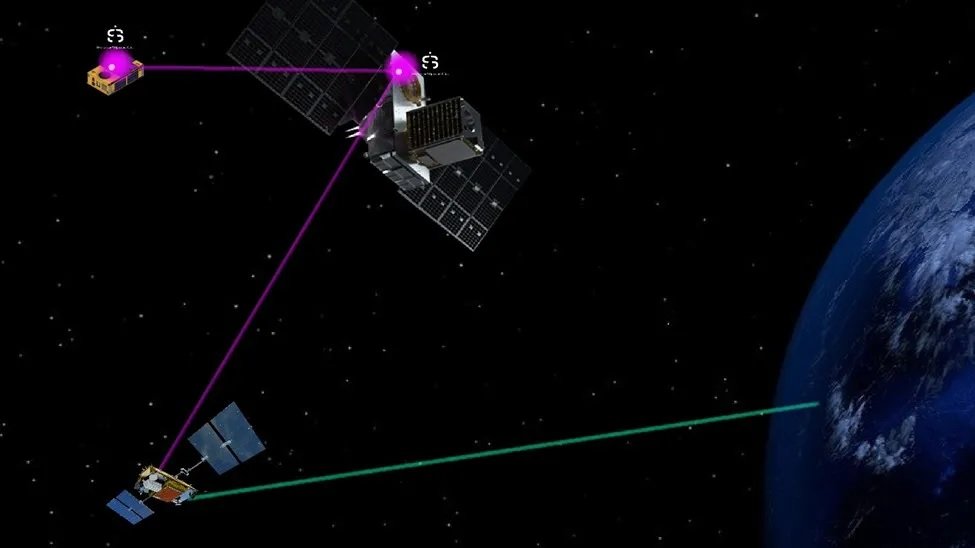 NASA Demonstrates Space-to-Space Wi-Fi Between Two Orbiting Spacecraft
-
 USS Pinckney Becomes First U.S. Navy Destroyer to Begin Phase Two Modernization with Advanced SPY-6 Radar
-
 U.S. Military to Ban Chinese Automaker BYD Vehicles from Kadena Air Base in Japan Over Security Concerns
-
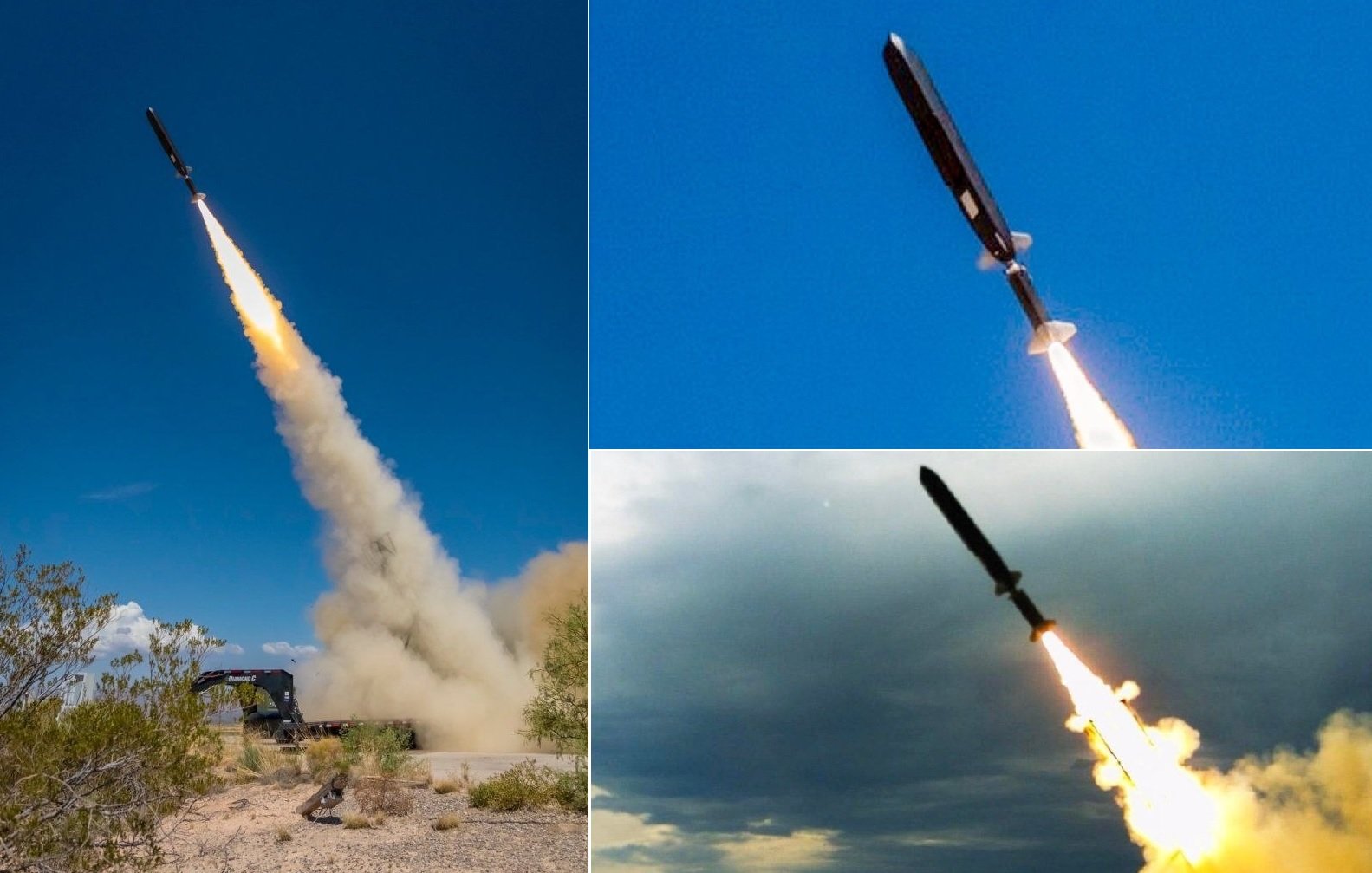 Zone 5 Technologies Demonstrates Ground Launch of Upgraded AGM-188A Rusty Dagger Missile
-
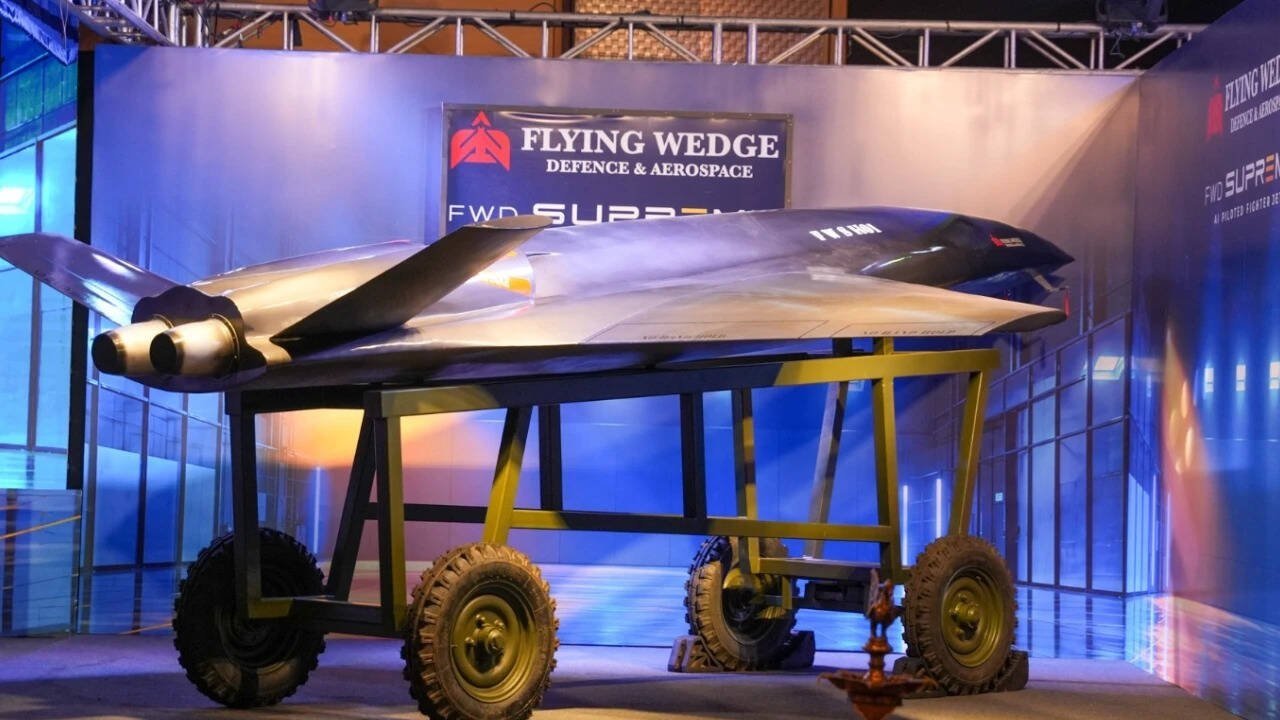 Bengaluru Startup FWDA Unveils FWD Supreme AI-Piloted Loyal Wingman Prototype
-
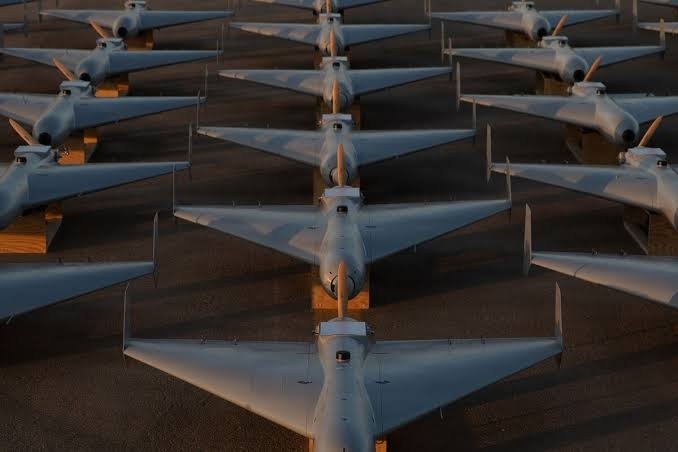 Pentagon Orders 60,000 Kamikaze Drones Under Second Phase of Drone Dominance Program
-
 Russia Launches Project 20380 Corvette Grozny for Pacific Fleet at Amur Shipyard
-
 Israeli Firm Silynxcom Develops AI-Powered Wearable Drone Detection System for Soldiers
Top Trending in 4 Days
-
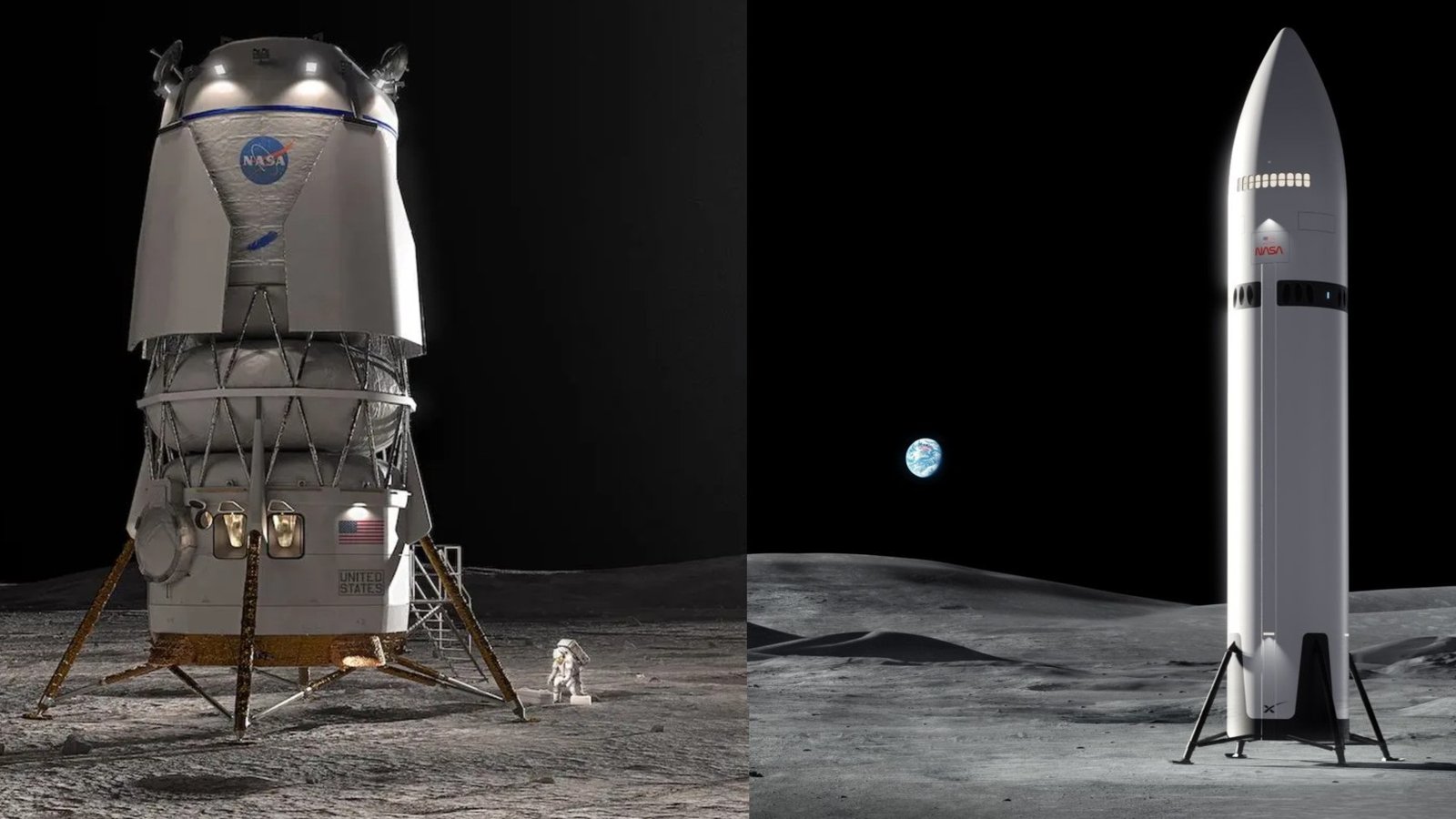 NASA Sets New Artemis Milestones as SpaceX and Blue Origin Target Moon Landings in 2027–2028
-
NASA Demonstrates Space-to-Space Wi-Fi Between Two Orbiting Spacecraft
-
USS Pinckney Becomes First U.S. Navy Destroyer to Begin Phase Two Modernization with Advanced SPY-6 Radar
-
 General Atomics Partners With Spirit Defense to Expand FQ-42 Vengeance Production
-
U.S. Military to Ban Chinese Automaker BYD Vehicles from Kadena Air Base in Japan Over Security Concerns
-
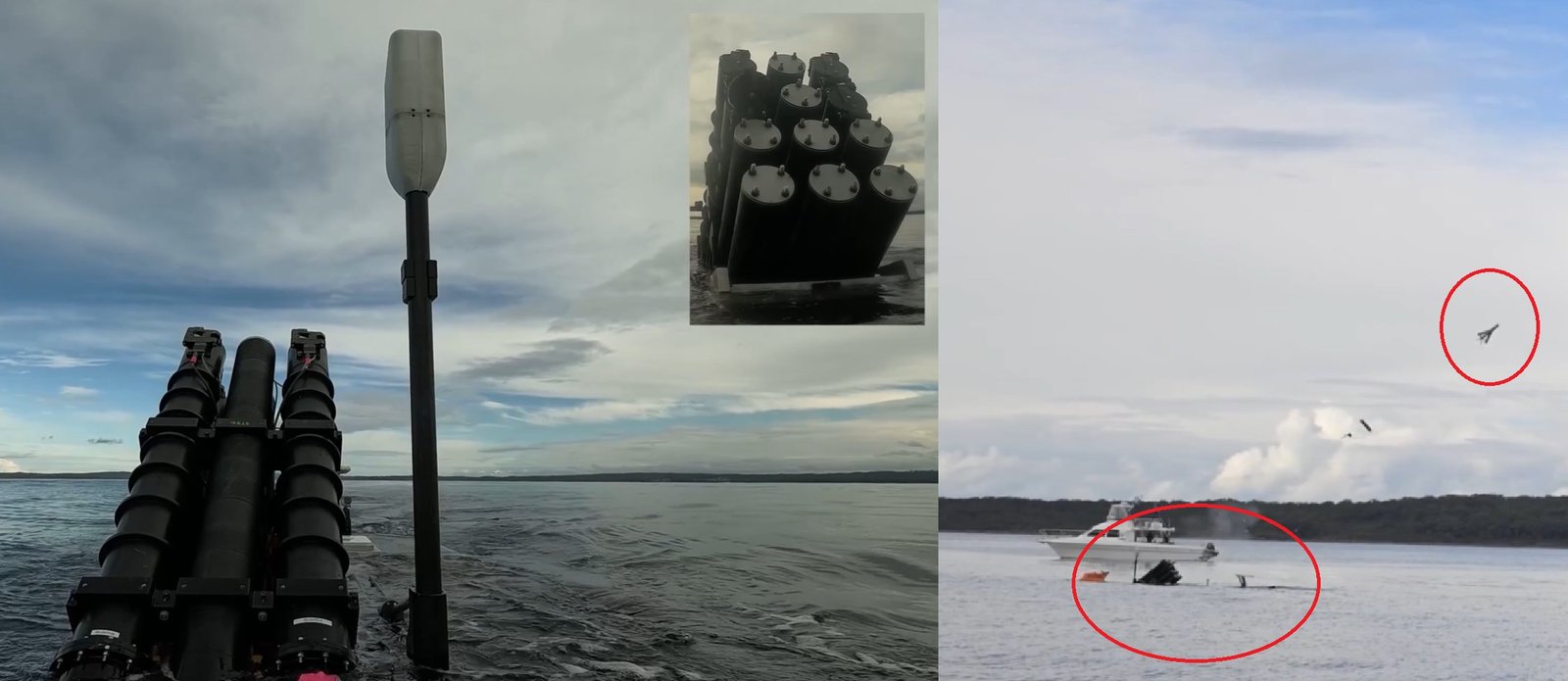 Australia Unveils Ghost Shark Autonomous Submarine’s Mine, Drone and Logistics Capabilities
-
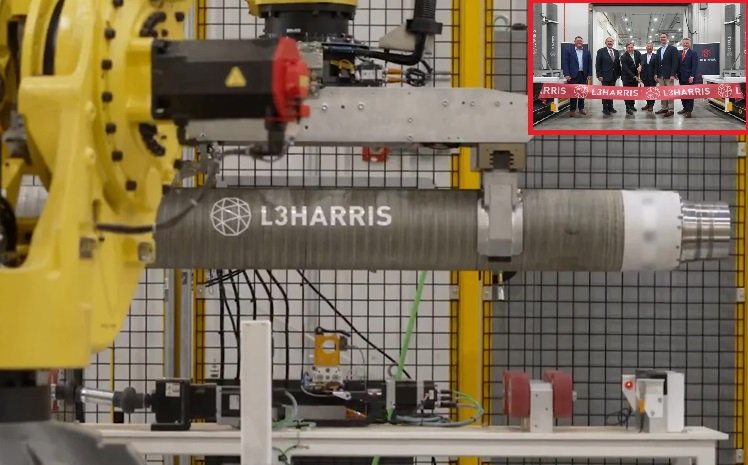 L3Harris Opens ‘Arsenal of Freedom’ Rocket Motor Plant in Arkansas to Double Production Capacity
-
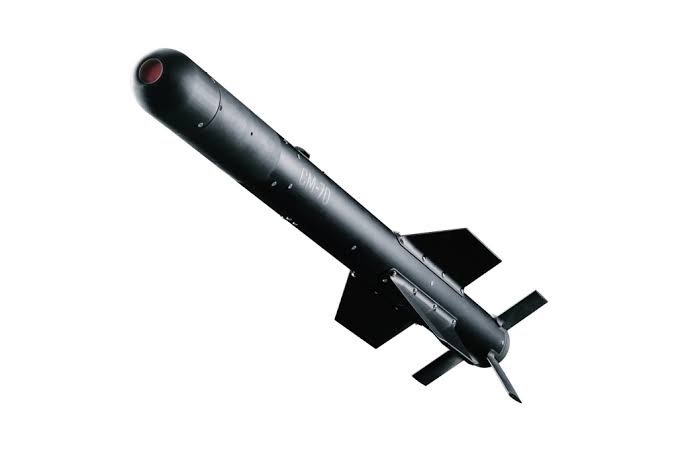 CSG and North Vector Dynamics Sign MoU to Explore European Production of CM-70 Counter-Drone Interceptor