
Space & Technology
Space News ,India :- ISRO launched Cartosat-2, their first advanced imaging satellite, on January 10, 2007. This satellite, weighing 680 kg, orbited at 635 km above Earth and provided detailed pictures for urban planning until 2019.Originally, Cartosat-2 was expected to orbit for about 30 years. However, to follow international guidelines on space debris, ISRO decided to use leftover fuel to lower its orbit. This action reduced the risk of collisions and ensured a safe end-of-life disposal, following recommendations from organizations like the United Nations Committee on the Peaceful Uses of Outer Space (UN-COPOUS) and the Inter-Agency Space Debris Coordination Committee (IADC).ISRO's System for Safe and Sustainable Space Operations (IS4OM) team predicted Cartosat-2's atmospheric re-entry for February 14, 2024. On this day, electrical passivation was successfully completed, and tracking confirmed that the satellite reached an altitude of about 130 km.The Multi-object tracking radar at Shriharikota was used to track Cartosat-2 during its atmospheric re-entry over the Indian Ocean at 10:18 UTC / 3:48 pm IST on February 14, 2024. Analysis indicated that all major spacecraft components would disintegrate during this process.Cartosat-2's successful de-orbiting marks a significant achievement for ISRO in ensuring the long-term sustainability of activities in outer space.
Read More → Posted on 2024-02-16 14:28:07
Space & Technology
Space News ,India :- The Small Satellite Launch Vehicle (SSLV), first proposed in 2016, was meant to be India’s challenge to the dominance of the US in space launch services. But in the past two years, it has only seen two demonstrator launches. Mint finds out why things are going slow. What Is The SSLV, And Why Is It Important? The SSLV is a small rocket, both in size and capacity, in comparison with other rockets that the Indian Space Research Organisation (ISRO) has. The Polar Satellite Launch Vehicle (PSLV) can carry up to 1.75 tonnes in satellite payload. The Geosynchronous Satellite Launch Vehicle Mark-III (LVM-3) can carry up to 8 tonnes. But large-capacity rockets have long waitlists as they wait for a single large order—the ‘primary’ payload. Hence, private commercial firms often wait for years until they can launch their small satellites. This model helps cut satellite launch costs. The SSLV can help resolve this with faster, cheaper launch cycles. What’s Holding Things Up? While the first SSLV demo launch was a part-failure, the second was a success. Nodal agency In-Space’s FY25 launch schedule shows only three scheduled launches in the next 12 months. A large part of this is due to engineering requirements: a key part of making small rockets successful is reliability, which often takes years in the space sector. However, apart from this, the space sector itself has been slow—with demand for commercial operators being limited. SpaceX, the most successful private space firm so far, has had only two non-SpaceX and non-Nasa missions this year, and 19 last year. Who Are Its Global Competitors? Elon Musk’s SpaceX is the SSLV’s biggest rival, thanks to the former’s small satellite ride-share programme. The next one is US-based Rocket Labs, which uses its small rocket ‘Electron’ for frequent launch missions. Others include French firm Arianespace’s upcoming rockets. In India, start-ups Skyroot Aerospace and Agnikul Cosmos hope to grab a piece of the pie. How Will This Impact India’s Space Sector? Slowing demand, particularly in the US, means firms that had plans for commercial small-satellite constellations are actively reconsidering their launch plans. This is leading to a revision in the projected demand for satellite launch services. Much of the SSLV’s success will depend on this demand, which, at the moment, remains low. Experts believe that a chunk of the SSLV’s demand will come from India itself, but a regularized commercial launch schedule for the small rocket may take up to another four years. Is There An Overlap With Private Start-Ups? No Indian private space firm has made an orbital launch with a satellite payload—leaving them largely untested. Add to that, space launches are capital-intensive, so start-ups have a tough job to not burn too much cash while proving their reliability to commercial clients. The SSLV, meanwhile, is backed by ISRO and operated by its commercial arm, NewSpace India Ltd—a recognized name in the global space industry. Commercial satellite clients that India would attract may go SSLV’s way, rather than to start-ups.
Read More → Posted on 2024-02-15 16:27:11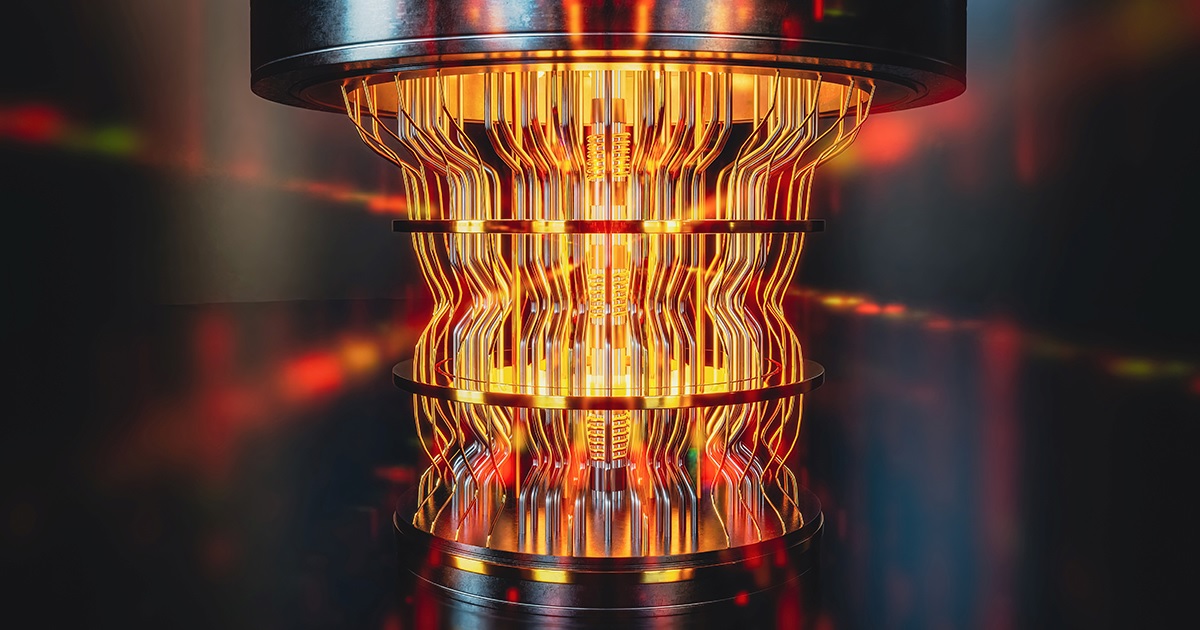
Space & Technology
Technology News ,World :- QuEra, a pioneering startup, is set to launch the world's first commercial fault-tolerant quantum computer featuring "logical qubits" by the end of this year, marking a significant milestone in quantum computing advancements. This groundbreaking machine, equipped with 256 physical qubits and 10 logical qubits, is designed to minimize errors through quantum error correction, offering a glimpse into the potential future of quantum computing.The announcement comes on the heels of a groundbreaking study published in the journal Nature on December 6, 2023, showcasing a functional quantum computer with 48 logical qubits—the highest number achieved to date. Harry Zhou, a physicist at QuEra and Harvard University, emphasized that this new machine is the first to incorporate quantum error correction, paving the way for more robust and reliable quantum computing systems.While the current quantum computer may not possess enough power to be independently useful, it serves as a crucial platform for software programmers to begin testing code for future quantum computers, according to Zhou.The need for error correction in quantum computing arises from the inherent susceptibility of qubits to disturbances, making them error-prone compared to classical bits. Quantum computers, which leverage the superposition of qubits, can perform rapid calculations, but their high failure rate—roughly 1 in 1,000 compared to 1 in 1 billion billion for conventional computers—has posed a significant challenge.QuEra's error-correction system relies on logical qubits, employing data redundancy by storing the same data in multiple locations. This redundancy ensures that calculations can continue even if one or more physical qubits fail, resulting in a remarkable reduction in error rates. The logical qubits are created by applying error-correcting computer code to regular qubits and entangling them through logical gates or circuits.Comparatively, QuEra's achievement boasts an impressive 0.5% error rate with 48 logical qubits, surpassing previous efforts. The University of Oxford currently holds the world record with error rates of less than 0.01%, albeit limited to two-qubit gates. Google Quantum AI Lab demonstrated a 2.9% error rate using three logical qubits in 2023.QuEra has ambitious plans for the future, intending to launch several quantum computers in the coming years. The next in line is a 30-logical-qubit machine with 3,000 physical qubits expected in 2025. A groundbreaking machine with over 10,000 physical qubits and 100 logical qubits is on the horizon for 2026, promising correct calculations that surpass the capabilities of today's supercomputers, according to Zhou.
Read More → Posted on 2024-02-12 15:56:24
Space & Technology
Technology News ,India :- Prime Minister Narendra Modi, accompanied by Sri Lankan President Ranil Wickremesinghe and Mauritius Prime Minister Pravind Jugnauth, is set to inaugurate Unified Payment Interface (UPI) services in Sri Lanka and Mauritius, along with the launch of RuPay card services in Mauritius. The Ministry of External Affairs (MEA) announced that the event, scheduled for Monday at 1 pm, will be conducted via video conferencing.India, recognized as a leader in fintech innovation and digital public infrastructure, is keen on sharing its development experiences and innovations with partner countries, a vision underscored by PM Modi. With strong cultural and people-to-people linkages between India and Sri Lanka/Mauritius, the launch is poised to revolutionize digital transactions, fostering faster and seamless experiences while enhancing digital connectivity between the nations, according to the MEA.The UPI settlement services introduced through this launch will cater to Indian nationals traveling to Sri Lanka and Mauritius, as well as Mauritian nationals visiting India. Additionally, the extension of RuPay card services in Mauritius will empower Mauritian banks to issue cards based on the RuPay mechanism, facilitating transactions in both India and Mauritius.This initiative follows an agreement signed during President Wickremesinghe's visit to New Delhi in July 2023, where India and Sri Lanka formalized the acceptance of UPI in the island nation. Earlier that year, in February, PhonePe, a prominent Indian digital payments and fintech company, pioneered cross-border UPI payments under UPI International, allowing users to leverage their Indian bank accounts for transactions in the UAE, Singapore, Mauritius, Nepal, and Bhutan.Rahul Chari, CTO and co-founder of PhonePe, expressed confidence in UPI International as a game-changer, offering a transformative payment experience for Indians abroad. PhonePe, India's largest UPI app by market size, has raised substantial funding and is gearing up for an IPO after securing USD 350 million as part of its USD 1 billion fundraising.The UPI payment system, renowned for its popularity in retail digital payments within India, operates as a mobile-based fast payment system, enabling customers to make instant, round-the-clock payments using a virtual payment address (VPA). India's expansion of fintech services to its neighboring nations marks a significant stride towards fostering regional economic connectivity and digital financial inclusivity.
Read More → Posted on 2024-02-12 06:14:31
Space & Technology
Space News ,India :- S. Somanath, Chairman of the Indian Space Research Organisation (ISRO), expressed India's ambition to position itself as a hub for multinational companies to build and launch rockets and spacecraft. During a discussion at the Mathrubhumi International Festival of Letters, Somanath revealed ongoing talks with companies like Boeing to explore collaboration in this endeavor.Highlighting the potential, Somanath emphasized the need to develop a robust ecosystem in India for building and launching rockets. He proposed leveraging India's capabilities to attract multinational companies, envisioning a future where rocket launches could originate from the country.Somanath also discussed ISRO's commitment to expanding scientific research missions, such as the Chandrayaan moon missions and the Aditya-L1 solar probe. He emphasized the importance of establishing a sustained science program, moving beyond occasional missions. Additionally, the ISRO chairman outlined ambitious plans for India, including the development of a space station, crewed space missions, more lunar and Martian missions, and aiming to land an Indian on the lunar surface by 2040.Addressing policy changes in the Indian space sector, Somanath noted the shift from secrecy to increased economic and commercial activity. By involving more players and pushing manufacturing responsibilities to the private sector, ISRO aims to concentrate on research and scientific missions. This transformation reflects the evolving landscape of India's space endeavors.
Read More → Posted on 2024-02-11 06:35:57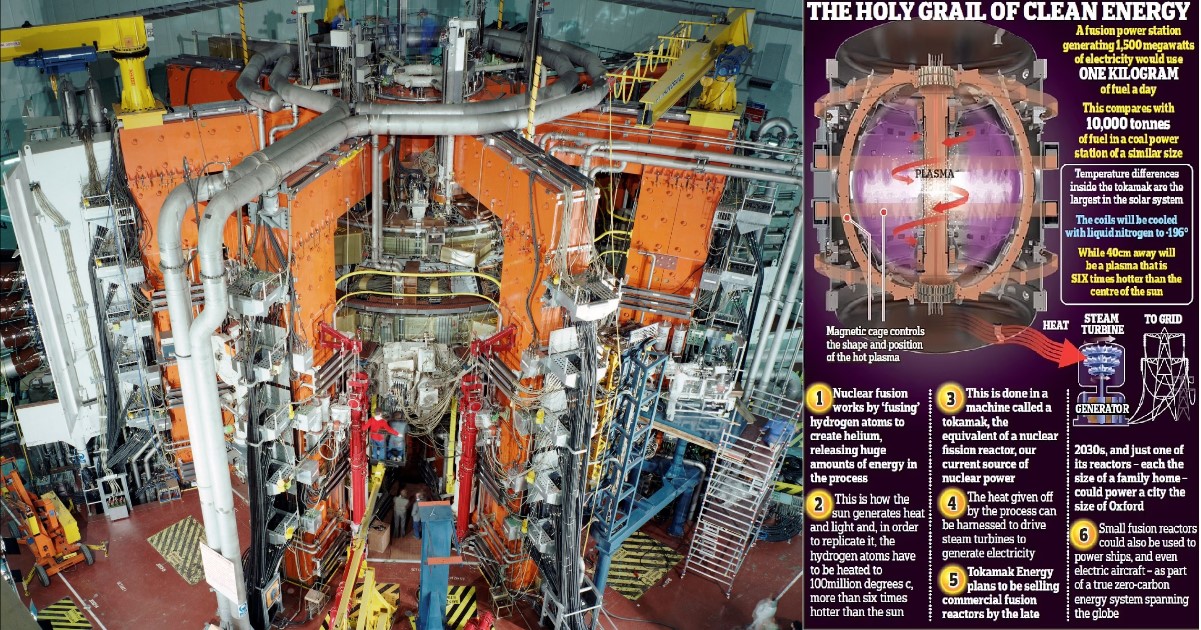
Space & Technology
Technology News ,UK :- In a significant stride towards cleaner energy sources, a UK-based nuclear fusion collaboration achieved a groundbreaking feat, producing a record amount of energy at the Joint European Torus (JET) facility. The milestone marked a moment of optimism in humanity's pursuit of sustainable energy solutions. JET generated over 69 megajoules of heat, showcasing the potential of nuclear fusion, a process wherein atomic nuclei fuse, releasing immense energy in the process.Nuclear fusion stands in contrast to its counterpart, nuclear fission, which involves splitting atoms to generate energy, accompanied by substantial waste. The fusion reaction mirrors the process that powers stars like the Sun, and scientists have long aspired to make this reaction energy-efficient on Earth. The ultimate goal is to achieve a state where fusion reactions generate more energy than they consume, offering the promise of virtually limitless clean energy. However, the commercial viability of fusion remains a challenge, with substantial investments made by organizations such as the UK Atomic Energy Authority (UKAEA) and the US Department of Energy (DOE).While the dream of commercially viable nuclear fusion always seems a few decades away, recent achievements, like those at JET, serve as crucial steps towards realizing a clean energy future. JET, operational since 1983, recently concluded its scientific operations at the end of December, making way for its decommissioning.The UK facility, costing £20-30 million per year to operate, is viewed as a precursor to the International Thermonuclear Experimental Reactor (ITER) in France, a massive $22.5 billion project. Andrew Bowie, the UK Minister for Nuclear and Networks, acknowledged JET's contribution, stating, "JET's final fusion experiment is a fitting swansong after all the groundbreaking work that has gone into the project since 1983."The recent energy record set by JET is particularly noteworthy, achieving this feat using a mere 0.2 milligrams of fuel, equivalent to the weight of a single grain of pollen. The resulting energy output of 69 megajoules is substantial, enough to heat water for approximately 600 cups of tea. This accomplishment surpasses JET's previous record of 59 megajoules set over two years ago and significantly exceeds its initial peak fusion power record of 22 megajoules from 1997.If sustained at 69 megajoules, JET could potentially provide power to around 12,000 households continuously. The facility's four-decade-long journey has been dedicated to demonstrating the potential of nuclear fusion as a viable power source. The recent success at JET also outshines the energy output record of the US Department of Energy’s National Ignition Facility from the previous year, achieved through a different fusion process.JET utilized tokamaks and stellarators, employing magnetic fields to confine plasma and catalyze fusion over an extended period. The facility's final act serves as a triumphant conclusion to its 40 years of operations, setting multiple records along the way. Andrew Bowie emphasized, "We are closer to fusion energy than ever before thanks to the international team of scientists and engineers in Oxfordshire."The prospect of a world powered by fusion energy brings with it the promise of a cleaner and more sustainable future, where concerns over carbon emissions and energy dependence may be alleviated. The success of JET stands as a testament to the progress made in fusion research, offering hope for a time when fusion energy becomes a practical and reliable source, transcending the current mirage-like perception of its commercial viability. In such a world, the achievements of projects like JET could play a pivotal role in reshaping our energy landscape, making the dream of a cleaner, greener future a reality.
Read More → Posted on 2024-02-10 16:35:00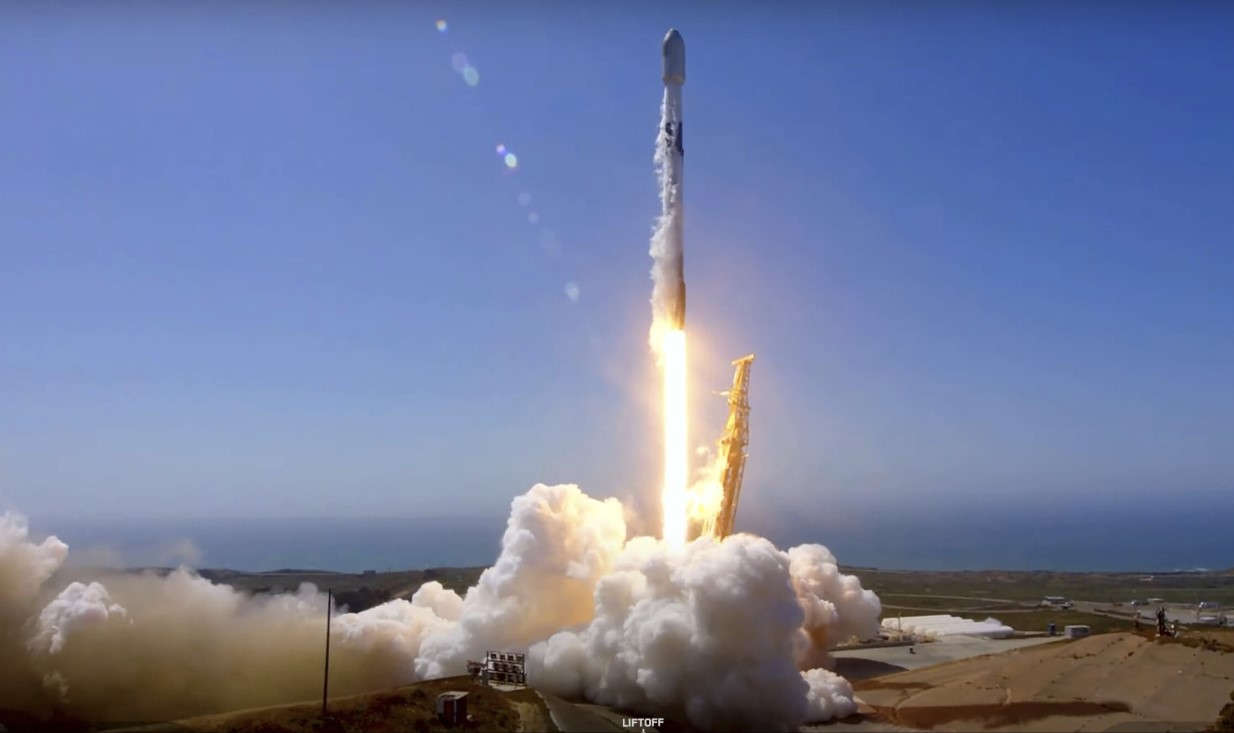
Space & Technology
Space News ,Space X :- On Friday at 7:34 p.m. EST, a Falcon 9 rocket carried 22 Starlink spacecraft into orbit from Vandenberg Space Force Base in California. This marked SpaceX's third attempt, with the initial launch plans scheduled for early Wednesday morning and Thursday evening (EST) delayed due to unfavorable weather conditions.Following the planned trajectory, the Falcon 9's first stage executed a successful return to Earth approximately 8.5 minutes after liftoff, landing on the droneship "Of Course I Still Love You" stationed in the Pacific Ocean. Notably, this mission marked the 14th launch and landing for this specific booster, with seven of its previous 13 flights dedicated to Starlink missions.Starlink, SpaceX's broadband megaconstellation in low Earth orbit, currently comprises nearly 5,400 operational satellites, with ongoing additions. The successful liftoff on Wednesday evening underscored the continuous expansion of the Starlink constellation.This particular Starlink launch marked the 11th orbital mission for SpaceX in the current year, and the company anticipates a busy schedule ahead. With an ambitious goal of launching 144 missions in 2024, SpaceX is positioned for a year filled with numerous deployments, contributing to the growth of its satellite network and space exploration endeavors.
Read More → Posted on 2024-02-10 16:12:09
GalaxEye Showcases World’s First Multi-Sensor Satellite 'Drishti' to Revolutionize Earth Observation
Space & Technology
Space News ,India :- India's space sector has achieved a major breakthrough thanks to the visionary strides of GalaxEye, a space-tech startup founded by alumni of IIT Madras. Their triumph in the prestigious iDEX DefSpace challenge marks a pivotal moment, unveiling the world's first multi-sensor satellite for Earth observation, aptly named "Drishti.""Drishti," meaning "vision" in Sanskrit, goes beyond its name, embodying the mission of this groundbreaking satellite. Unlike conventional satellites, Drishti harnesses the power of two distinct sensors:1. Multispectral Imaging (MSI): Capturing high-resolution visible-light images, it reveals details such as land cover, vegetation health, and infrastructure.2. Synthetic Aperture Radar (SAR): Penetrating clouds and darkness, it provides insights into soil moisture, flood conditions, and movement patterns.GalaxEye's proprietary technology seamlessly integrates these capabilities on a single platform, resulting in an intuitive, all-weather, all-time information system. This comprehensive dataset offers unparalleled insights into any region of interest, unaffected by weather or lighting conditions.The story behind Drishti is as remarkable as its technology. Founded in 2020 by five individuals who made history as the only Asian finalists in the SpaceX Hyperloop Competition, GalaxEye embodies the spirit of innovation and collaboration.Their vision extends beyond technical excellence, as Drishti's data has the potential to revolutionize various sectors:1. Agriculture: Enabling precise crop monitoring, yield prediction, and irrigation management.2. Disaster Management: Providing real-time flood mapping, landslide detection, and emergency response planning.3. Infrastructure Development: Monitoring construction progress, identifying environmental risks, and optimizing resource allocation.4. Maritime Security: Enhancing surveillance of coastlines, detecting illegal activities, and improving navigational safety.The launch of Drishti marks not only a milestone for GalaxEye but also a significant leap forward for India's space capabilities. It showcases the nation's growing prowess in developing cutting-edge technologies with global impact.As Drishti orbits Earth, collecting its unique data, it paves the way for a future where information is accessible, comprehensive, and available at all times. This not only empowers decision-making across diverse sectors but also lays the foundation for a more sustainable and informed future for our planet.
Read More → Posted on 2024-02-10 06:02:11
Space & Technology
Space News ,India :- Indian space startups, Skyroot Aerospace and Agnikul Cosmos, are gearing up for a series of launches between 2024 and early 2025, as per the latest release from the Indian Space Promotion and Authorisation Centre (IN-SPACe). The manifesto outlines seven planned launches, marking the maiden commercial missions for these space tech start-ups.Currently, Hyderabad's Skyroot is leading the way as the only private player in space launches. Having launched the Vikram-S vehicle as a tech demonstrator in 2022, Skyroot is now focusing on its orbital Vikram-1 launch vehicle.Meanwhile, Agnikul Cosmos from Chennai is preparing to launch its Agnibaan-Sorted vehicle, serving as a sub-orbital mission and a tech demonstrator/validator for the startup, similar to Skyroot's Vikram-S.According to IN-SPACe's manifesto, Agnibaan-Sorted is scheduled to launch in the last quarter of FY 2023-24, though a specific timeframe is yet to be confirmed.The commercial debuts are set for the first quarter of FY 2024-25, with Skyroot launching Vikram-1, marking its first commercial mission. IN-SPACe's manifesto indicates that Skyroot plans to continue its commercial launches in the following three quarters.Agnikul Cosmos will make its commercial entry in the third quarter of FY 2024-25, launching the Agnibaan vehicle. Another launch is anticipated in the fourth quarter of the same fiscal year, as outlined in the manifesto.The manifesto highlights the involvement of non-governmental entities (NGEs) like Digantara Research & Technology, Dhruvaspace, Space Kidz India, and academic institutes in planned sub-orbital and orbital launches by Agnikul Cosmos and Skyroot Aerospace.Overall, the manifesto outlines a total of around 30 launches planned for 2023-2024 (Q4) and 2024-2025 from Sriharikota. Additionally, seven test launches for India's human flight mission, Gaganyaan, are also scheduled during this period.
Read More → Posted on 2024-02-09 13:55:20
Space & Technology
Space News ,India :- Prepare for an unprecedented triple threat on Mars as the Indian Space Research Organisation (ISRO) breaks new ground in space exploration. Beyond mere landing and roving, ISRO is introducing the MARtian Boundary Layer Explorer (MARBLE) – a cutting-edge Mars rotorcraft, essentially a drone, set to redefine the exploration of the Red Planet.MARBLE's Unique Contributions:Unlike traditional missions, MARBLE boasts a unique suite of scientific instruments, enabling it to make high-resolution vertical profiles of critical atmospheric parameters. Equipped to measure temperature, pressure, wind speed and direction, dust levels, and trace gases within the near-surface boundary layer of Mars (the first 100 meters from the ground), MARBLE stands out as a game-changer in Martian science.Key Features of MARBLE's Payloads:1. Temperature Sensor: Measures the Martian chills.2. Pressure Sensor: Feels the pressure of the thin Martian atmosphere.3. Wind Sensor: Catches the Martian breeze.4. Trace Species and Dust Sensor: Sniffs out the composition of the Martian air.5. Electric Field Sensor: Feels the electric pulse of the Martian atmosphere.6. Humidity Sensor: Checks for any traces of Martian moisture.Unprecedented Mission Objectives:MARBLE's mission extends beyond technological prowess; it represents a scientific breakthrough. The data it collects will significantly contribute to:1. Understanding Martian Weather Patterns: Crucial for predicting dust storms and hazards for future crewed missions.2. Studying the Planet's Climate History: Unprecedented insights into Mars's climate changes over time.3. Preparing for Future Exploration: Invaluable data for planning both crewed and robotic missions to Mars.ISRO's Mars Mission: Beyond BoundariesISRO's Mars mission transcends conventional exploration. With MARBLE, they are not merely navigating Mars; they are revolutionizing the approach to exploration. This mission promises to elevate our understanding of the Red Planet to new heights, or rather, new skies! Stay tuned, as ISRO takes us on an extraordinary journey through the Martian atmosphere, expanding the horizons of space exploration.
Read More → Posted on 2024-02-08 05:55:47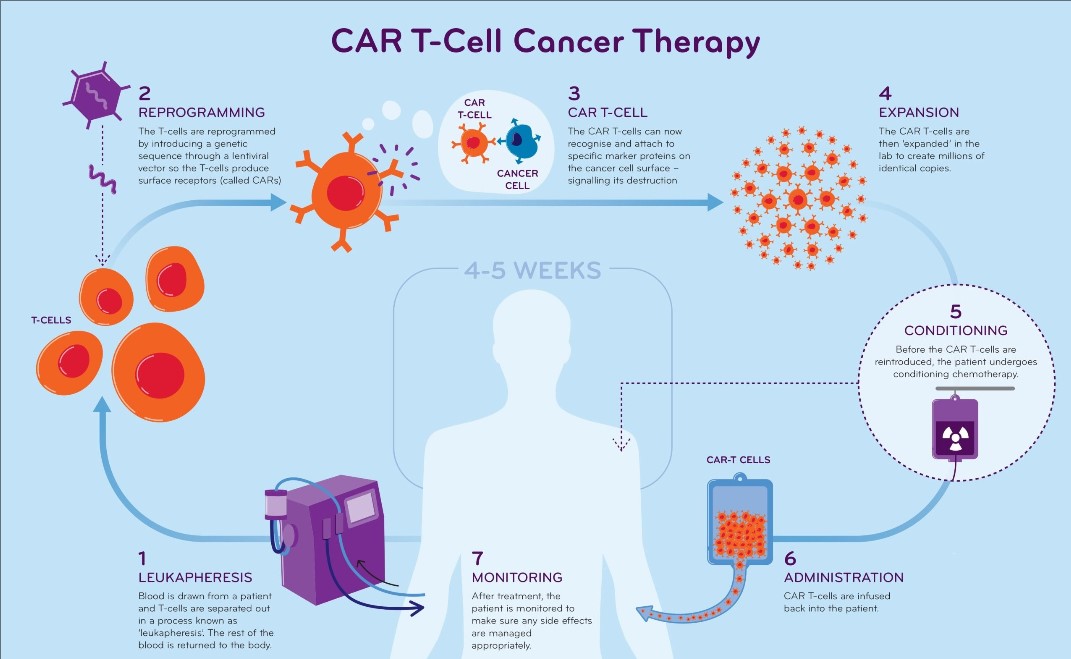
Space & Technology
Technology News ,India :- In a landmark decision a few months ago, India's drug regulatory authority, the Central Drugs Standard Control Organisation (CDSCO), granted approval for the commercial application of CAR-T cell therapy. This groundbreaking therapy involves genetically reprogramming a patient's immune system to combat cancer.Recent reports from the Indian Express highlight the remarkable success of this therapy, particularly in the case of Dr (Col) V K Gupta, a highly experienced gastroenterologist based in Delhi with 28 years of service in the Indian Army.Dr. Gupta accessed the therapy at the Tata Memorial Hospital by paying just INR 42 lakh or $50,000, a fraction of the cost compared to the INR 4 crore or $480,000 for a similar treatment abroad. The doctors at Tata Memorial Hospital, where the procedure took place, confirmed that Dr. Gupta is currently "free of cancer cells," marking him as the first patient to achieve this status, a dream unimaginable just a year ago.The doctor overseeing Gupta's therapy, Dr. Hasmukh Jain, a hemato-oncologist and associate professor at the Advanced Centre for Treatment, Research and Education in Cancer (ACTREC), Tata Memorial Centre, stated, "While it's premature to claim a lifelong cure, the patient is currently free of cancer cells."Despite this promising outcome, Dr. Jain emphasized that it is still too early to determine the overall success rate of the therapy. Initial findings, however, suggest "better survival chances and lower remission rates" for patients in the early stages of cancer.The CDSCO granted approval for the commercial use of CAR-T cell therapy in October 2023, and today, it is available in over 30 hospitals across more than 10 cities in India. Eligible patients, aged above 15 and suffering from B-cell cancers, can now access this revolutionary treatment, offering hope for a brighter future in the fight against cancer.
Read More → Posted on 2024-02-08 05:32:51
Space & Technology
Space News ,India :- In recent months, Indians have been celebrating the remarkable success of their space program, led by the Indian Space Research Organization (ISRO). Behind the scenes, ISRO holds a couple of well-guarded technological secrets, one of them being nuclear, set to drive future cosmic voyages.In the sci-fi blockbuster "The Martian," astronaut Mark Watney relies on a Radioisotope Thermoelectric Generator (RTG) fueled by Plutonium-238 to survive on the red planet. In reality, RTGs generate electricity from the heat produced by decaying radioactive substances. Plutonium-238, known for its steady heat emission, has been a preferred choice for deep-space missions by both the former USSR and the US.ISRO entered the realm of nuclear-powered space exploration during the successful lunar mission Chandrayaan-3, utilizing a scaled-down version of the RTG called the radioisotope heating unit (RHU). Weighing 40 grams, RHUs, provided by India's atomic energy experts, are set to play a crucial role in ISRO's future missions to the Moon, Mars, Venus, and beyond.RHUs, smaller counterparts of RTGs, emit approximately one watt of heat each, maintaining operational temperatures for spacecraft components. These compact heat sources are vital in environments where solar energy may be scarce, such as lunar nights or as probes venture farther from the Sun. Not only do RHUs offer a reliable power supply, but they also contribute to reducing the weight and mass of space probes, eliminating the need for large solar panels.In contrast to solar panels, which can become inefficient during deep space missions, RHUs, each weighing only 40 grams, become critical in ensuring continuous power for instruments and sensors. With the cost of launching payloads into space and the limitations of solar panels in mind, RHUs play a pivotal role in ISRO's ambitious plans, including placing a lander on Mars and exploring Venus.Collaboration with Russia for radioisotope heating units was considered during the Chandrayaan-2 mission but was eventually dropped due to design differences. The choice between solar and nuclear power depends on the mission's goals and operational needs, with radioisotope power enhancing a mission's scientific capabilities.Meanwhile, ISRO has quietly developed two groundbreaking technologies with Bengaluru-based startup Bellatrix Aerospace. These technologies involve electric propulsion systems for satellites, tested in space aboard POEM-3, and the replacement of hazardous Hydrazine with a non-toxic, environmentally friendly propellant.The propulsion systems, utilizing electricity instead of conventional chemical propellants, offer a glimpse into the future of space travel. The use of non-toxic propellants addresses health and environmental concerns associated with traditional fuels, aligning with global efforts to phase out hazardous substances in space exploration.As ISRO continues to push the boundaries of space technology, these developments position India as a key player in shaping the future of space exploration and satellite propulsion systems.
Read More → Posted on 2024-02-05 06:14:26
Space & Technology
Space News ,India :- In a media interaction held in New Delhi, Union Minister of State for Science and Technology and Space, Jitendra Singh, revealed that the uncrewed "Vyommitra" mission is set for launch in the third quarter of this year. This mission precedes India's landmark "Gaganyaan" project, scheduled for 2025, which aims to conduct the nation's first human-manned space flight.Derived from Sanskrit words, "Vyoma" (meaning space) and "Mitra" (meaning friend), Vyommitra is a female robot astronaut equipped with the capability to monitor module parameters, issue alerts, and execute life support operations. The robot can perform tasks such as operating six panels and responding to queries, simulating human functions in the space environment.Jitendra Singh explained that Vyommitra is designed to interact with the life support system and replicate human functions in space. The successful completion of the first Test Vehicle Flight TV D1 on October 21 last year marked a crucial step in the preparation for the Gaganyaan mission, qualifying the crew escape system and parachute system.Singh emphasized that the human rating of the launch vehicle is complete, and all propulsion stages are qualified. As India gears up for its first-ever manned space flight with Gaganyaan, the uncrewed unmanned robot flight Vyommitra is scheduled for this year.The Gaganyaan project aims to showcase India's human space capabilities by launching a crew of astronauts into a 400-kilometer orbit and safely bringing them back to Earth by landing in India's sea waters.
Read More → Posted on 2024-02-05 06:05:34
Space & Technology
Space News ,China :- In a significant technological stride, China is in the process of developing a nuclear reactor designed to power its missions to the Moon and Mars. The reactor boasts a capacity of generating one megawatt of electricity, claiming to be a staggering 100 times more potent than a comparable device currently in the works at NASA, as reported by the South China Morning Post.NASA's fission power source, slated for completion by the end of the decade, aims to support sustained human habitation on the Moon. However, two anonymous scientists argue that traditional sources such as chemical fuel and solar power may fall short of meeting the demands of extensive human space exploration and potential settlements on celestial bodies. They propose that nuclear power holds the most promising solution, emphasizing the global competition in this domain.Despite its potential, challenges are expected for the megawatt space reactor, particularly in terms of cooling. The reactor's compact size, coupled with the need to dissipate excess heat into space, poses potential hurdles in generating electricity efficiently. To address this, Jiang Jieqiong, a professor at the Chinese Academy of Sciences’ Institute of Nuclear Safety Technology, suggests a foldable structure akin to an umbrella to enhance radiator surface area.Various approaches are being explored, including the possibility of assembling smaller reactors into a larger machine. Such a system could power large ion thrusters, propelling astronauts toward Mars.However, the advancement in space technology raises concerns beyond power sources. The proliferation of space debris, exemplified by the recent Russian satellite test that generated hundreds of thousands of debris pieces, poses a threat to global interests. China's Long March 5B rocket's erratic orbit earlier this year exemplifies the challenges in tracking and predicting space objects.The South China Morning Post notes that the secrecy surrounding space nuclear reactor programs has left a legislative void to address potential accidents, such as failed launches or meltdowns in space. Urgent calls for the establishment of a safety evaluation and management system, suited to China's technological status, underscore the need for increased transparency in research and development progress to alleviate public concerns, according to space scientist Zhang Ze of the Shanghai Institute of Space Propulsion.
Read More → Posted on 2024-02-04 15:27:45
Space & Technology
Space News ,NASA :- NASA is in the final stages of the design phase for its Fission Surface Power Project, a groundbreaking initiative aimed at creating a compact nuclear fission reactor to generate electricity on the moon. The project is a key component of NASA's Artemis program, addressing the need for a reliable and independent energy source during the prolonged lunar nights.In 2022, NASA and the U.S. Department of Energy awarded contracts to three companies — Lockheed Martin, Westinghouse, and IX (a joint venture of Intuitive Machines and X-Energy) — to develop initial designs for the reactor and subsystems. The primary goal is to establish a clean, safe, and sustainable energy solution that can support a prolonged human presence on the lunar surface for at least a decade.Trudy Kortes, program director for technology demonstration missions within NASA's Space Technology Mission Directorate, emphasized the significance of the nuclear reactor, which operates independently of solar conditions, making it crucial for long-term lunar exploration and scientific endeavors.The lunar south pole, with its permanently shadowed regions believed to contain water ice and other volatiles, is identified as a potential location for deploying the reactor. The next phase involves extending contracts to refine the project's direction, leading to Phase 2, which encompasses the final reactor design for a lunar demonstration. The open solicitation for Phase 2 is anticipated in 2025.Lindsay Kaldon, Fission Surface Power project manager at NASA's Glenn Research Center, explained that the information gathered from the initial partners will guide the decision-making process for Phase 2, ensuring the development of a lower-risk system.NASA's target date for delivering the reactor to the launch pad is set for the early 2030s, following Phase 2. The agency has specified a 40-kilowatt reactor using low-enriched uranium, with a weight limit of 13,200 pounds (6,000 kilograms). While certain constraints are defined, NASA has encouraged flexibility, allowing companies to present creative and diverse approaches for technical review.In the U.S., a 40-kilowatt reactor can provide electrical power for approximately 33 households, according to NASA. This lunar nuclear reactor initiative is part of NASA's broader nuclear plans for space, which includes launching a nuclear-powered spacecraft named DRACO by early 2026. Additionally, recent contracts have been awarded for the development of more efficient Brayton power converters to Rolls Royce North American Technologies, Brayton Energy, and General Electric.
Read More → Posted on 2024-02-03 15:43:52Search
Top Trending in 24 Hours
-
 Iran’s DotOne Plans 200 High-Altitude Platform Station Communication Drones for Nationwide Internet Coverage
-
 U.S. Air Force Moves First Hypersonic Missile Into Production With $694 Million Contract
-
 France’s SEABER Introduces RAVEN Autonomous Underwater Vehicle for Mine Countermeasures
-
 Tekever Wins U.S. Special Operations Command Contract for AR3 Uncrewed Aerial Systems
-
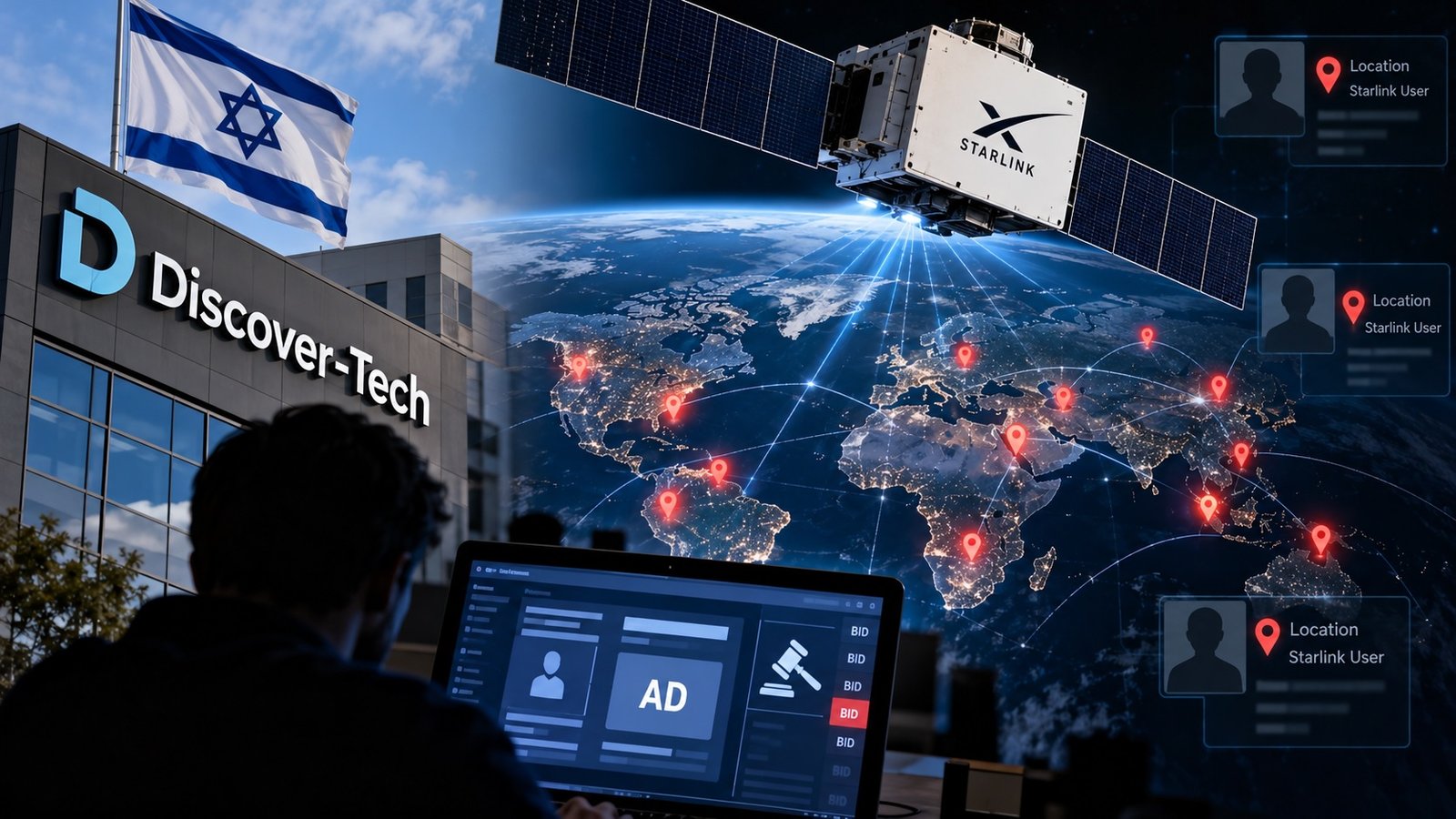 Israeli Ad-Tech Firm Discover-Tech Suspected of Tracking Starlink Users Across More Than 100 Countries
-
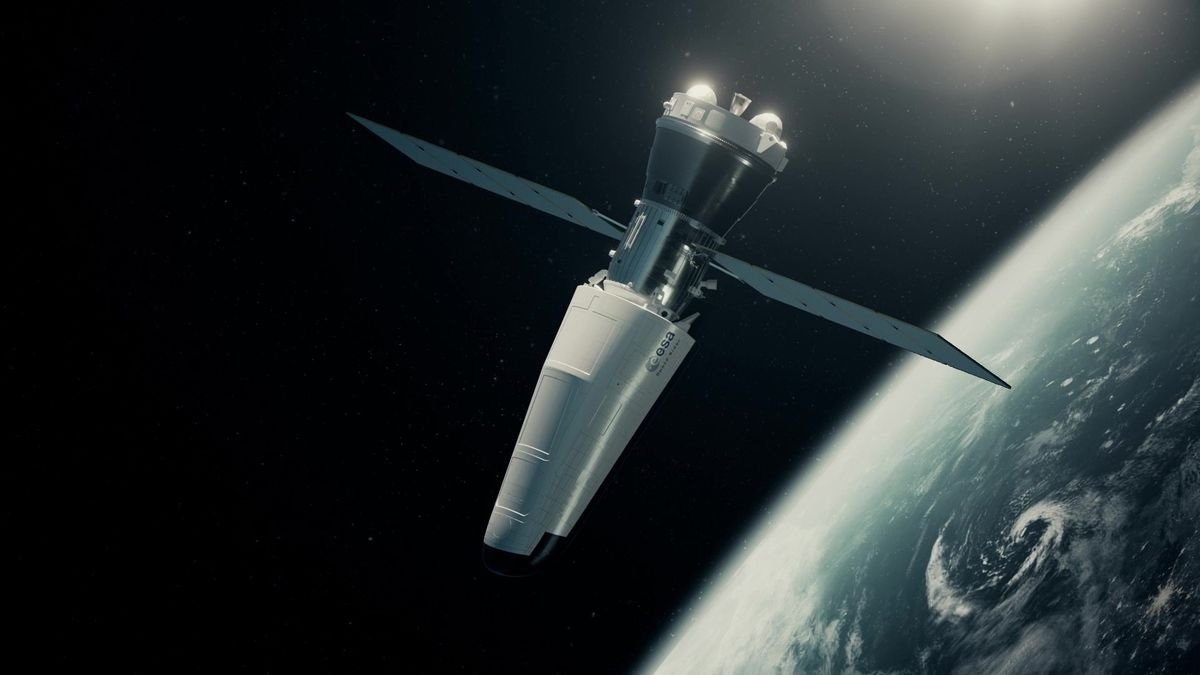 ESA’s Space Rider Reusable Spaceplane Crashes in Italy During Test After Main Parafoil Detaches
-
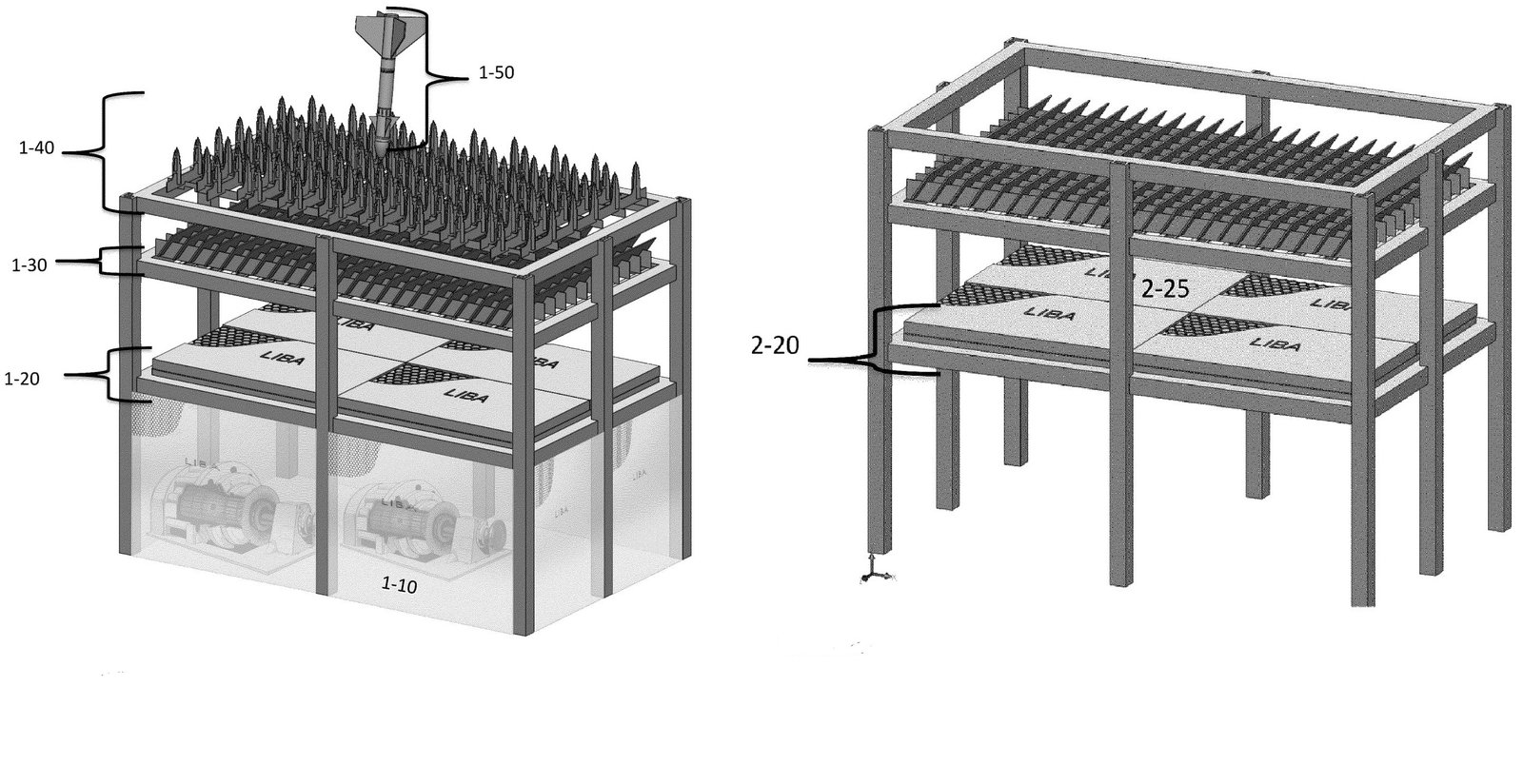 Israel Reportedly Developing Three-Layer Physical Shield for Critical Infrastructure
-
 U.S. Lawmaker Warns Oil Companies of Criminal Penalties for Purchasing Russian Diesel
Top Trending in 4 Days
-
 Pentagon Launches FORTRESS Initiative to Make Major U.S. Bases Self-Sufficient for 90 Days
-
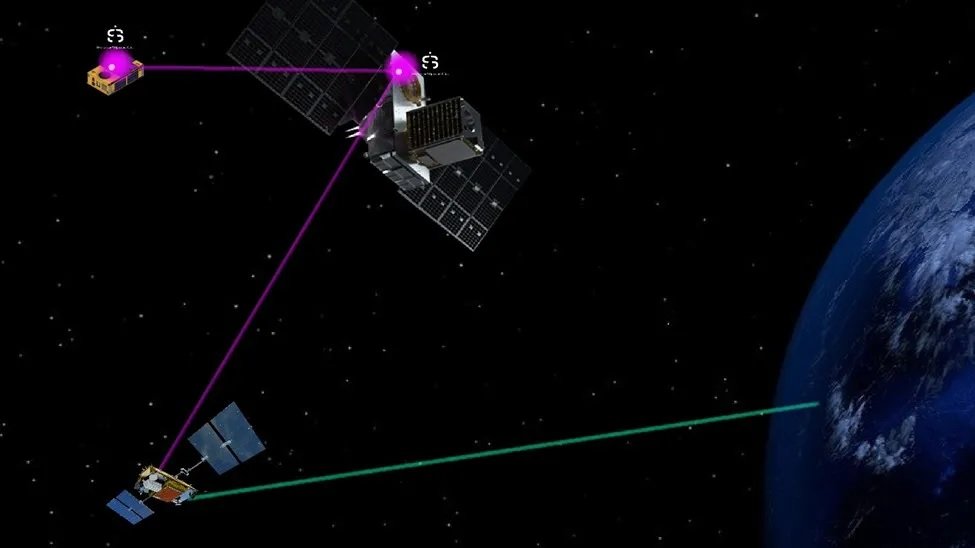 NASA Demonstrates Space-to-Space Wi-Fi Between Two Orbiting Spacecraft
-
 USS Pinckney Becomes First U.S. Navy Destroyer to Begin Phase Two Modernization with Advanced SPY-6 Radar
-
 U.S. Military to Ban Chinese Automaker BYD Vehicles from Kadena Air Base in Japan Over Security Concerns
-
 Saudi Arabia, Pakistan and Turkey Hold High-Level Security Talks with Iran in Tehran Amid Reports of Potential Iranian Integration
-
 US Expands Military Buildup Near Iran with Third Aircraft Carrier and Additional Marines
-
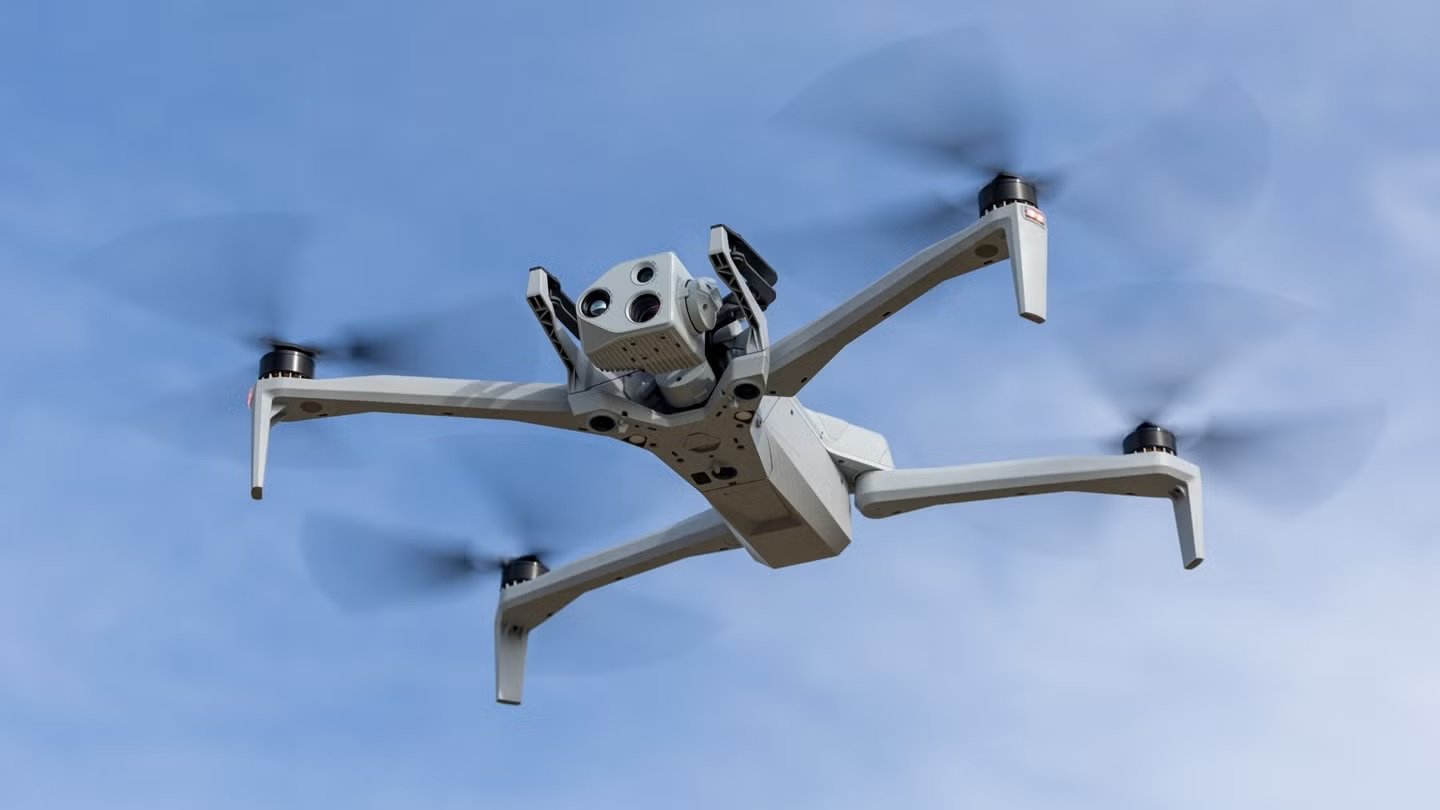 UK Ministry of Defence Opens £120,000 Tender for Skydio X10D Drones
-
 General Atomics Partners With Spirit Defense to Expand FQ-42 Vengeance Production