
Space & Technology
Space News , India :- The Indian Space Research Organisation (ISRO) is planning to use Russian spacesuits instead of their own for the Gaganyaan mission, as reported by Hindustan Times.Originally, ISRO developed its own Intra Vehicular Activity (IVA) suits for astronauts through the Vikram Sarabhai Space. These suits were set to be used during the Gaganyaan mission, but recent preparations suggest a change of plans.An official document shared with Hindustan Times' Soumya Pillai stated, "To ensure the crew's safety and meet program requirements, Russian spacesuits will be included in the (Gaganyaan) mission."S Somanath, earlier this month, declared 2024 as "the year for Gaganyaan," highlighting ISRO's upcoming key tests and demonstrations related to the mission.About the ISRO Gaganyaan Mission:ISRO's Gaganyaan mission aims to showcase India's ability to conduct its first human spaceflight. The plan involves sending a crew of three members into orbit at 400km for a three-day mission, ensuring their safe return.Before the actual launch, ISRO will focus on developing critical technologies such as a human-rated launch vehicle, a Life Support System for a comfortable space environment, crew emergency escape provisions, and managing crew aspects like training and recovery.Precursor Missions:Several tests and programs are scheduled before the Gaganyaan mission, including the Integrated Air Drop Test (IADT), Pad Abort Test (PAT), and Test Vehicle (TV) flights. Unmanned missions will also be conducted to assess the safety and reliability of all systems before the manned mission takes place.
Read More → Posted on 2024-01-14 05:24:26
Space & Technology
Technology News , World :- In the year 3023, people might have an incredible way to see how the Arizona desert looked a thousand years ago. It's all thanks to a unique project known as the Millennium Camera, an art and science initiative by Jonathon Keats, an experimental philosopher from the University of Arizona College of Fine Arts. This camera aims to capture an extraordinarily long-exposure photo, spanning a thousand years, offering future Tucson inhabitants a glimpse of what has changed and what has remained the same.To achieve this, Keats drew inspiration from the past, designing the Millennium Camera based on the ancient pinhole camera, invented around 1,000 years ago. The camera is a copper cylinder with a thin sheet of 24-karat gold on one end, featuring a tiny hole punched into it. Sunlight passes through this hole, reaching a light-sensitive surface coated with layers of rose madder, an oil paint pigment.Mounted on a steel pole and pointed toward a Tucson neighborhood, the controlled light exposure will gradually fade the pigment, creating a millennium-long exposure photo. Over the centuries, there will be noticeable movement in the frame, making future observers squint to decipher the changes. However, Keats finds charm in this, as stable elements like mountains will appear bold, while changing objects like buildings will be semi-transparent, emphasizing the impermanence of humanity.Despite the ambitious plan, uncertainties loom over the camera's fate, considering natural disasters, theft, or changes to the landscape over the next millennium. However, the Millennium Camera serves a dual purpose – not only as a time capsule for future generations but also as a present-day inspiration. Located near a hiking trail on Tumamoc Hill, the camera invites hikers to ponder the future while appreciating the present view. Keats envisions installing similar cameras in different directions in Arizona and in locations like Griffith Park in Los Angeles, China, and the Austrian Alps.Keats believes that contemplating potential future scenarios, even bleak ones, can motivate people to take action to shape a better future. So, whether or not the Millennium Camera survives its intended timeframe, it stands as a symbol encouraging us to think about the past, present, and future.
Read More → Posted on 2024-01-13 16:14:10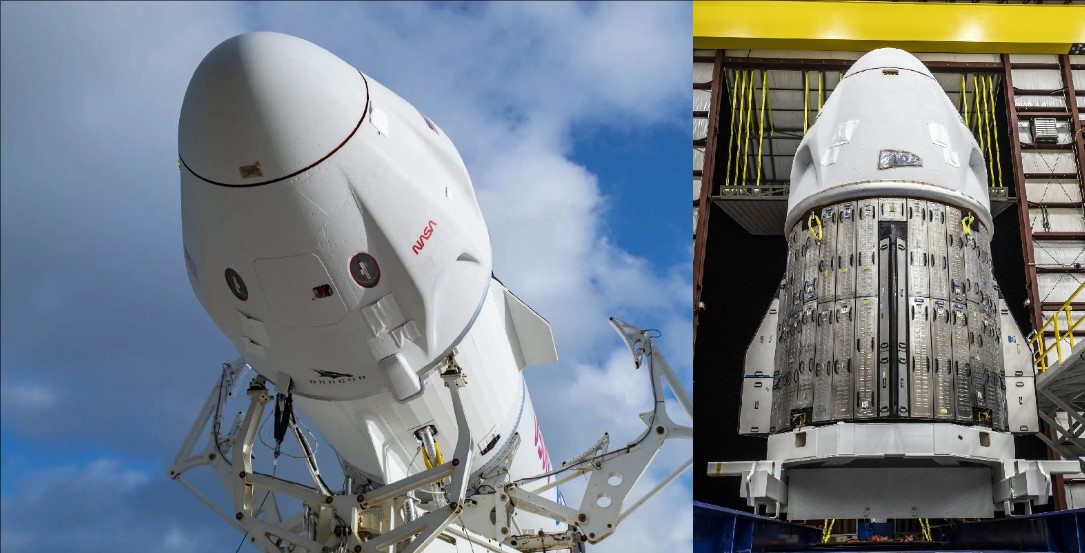
Space & Technology
Space News ,U.S :- SpaceX is getting ready for its next exciting astronaut mission, known as Ax-3. The launch is set to happen on January 17 from Pad 39A at NASA's Kennedy Space Center in Florida. The mission will send four people to the International Space Station (ISS).Recently, SpaceX shared some cool news: the Dragon capsule, which will transport the astronauts to and from the ISS, has just arrived at Pad 39A's hangar. SpaceX even posted pictures of the spacecraft in its new home on X.Ax-3 is the third mission to the ISS organized by Axiom Space, a company based in Houston. Similar to the two missions before it in April 2022 and May 2023, Ax-3 will use SpaceX hardware, including the Falcon 9 rocket and the Dragon capsule.The crew for Ax-3 includes former NASA astronaut Michael López-Alegría, Italian Air Force Col. Walter Villadei (who also flew with Virgin Galactic in June 2023), Marcus Wandt of the European Space Agency, and Alper Gezeravcı, the first citizen of Turkey to reach space.López-Alegría, who now works for Axiom, will lead the mission. It's interesting to note that NASA requires every private crewed mission to the ISS to be led by a former agency astronaut. López-Alegría, a dual Spanish-American citizen, brings an unprecedented international flair to Ax-3.In September 2023, López-Alegría shared, "The Ax-3 mission will be transformational, fostering partnerships outside the ISS and positioning European nations as pioneers in the emerging commercial space industry."Ax-3 marks SpaceX's 12th astronaut mission. Aside from the two Axiom flights, Elon Musk's company has launched eight crewed missions for NASA, including the Demo-2 test flight in 2020, and the private Inspiration4 effort. All these missions visited the ISS, except for Inspiration4, where Dragon flew freely in Earth orbit.One more SpaceX mission remains at the ISS – Crew-7, a four-person crew that launched last August and is scheduled to return to Earth next month.
Read More → Posted on 2024-01-13 14:22:16
Space & Technology
Betavolt Technology, a Chinese company, has created a groundbreaking nuclear battery that can power your phone for an incredible 50 years without needing to be charged.The small-sized atomic energy batteries, measuring just 15 x 15 x 5mm (less than a coin), are being developed by Betavolt. These compact batteries use 63 nuclear isotopes to generate 100 microwatts and 3V of electricity through a process called radioactive decay.Currently undergoing pilot testing, Betavolt aims to mass-produce these batteries for various commercial devices, including phones, drones, aerospace equipment, AI, medical devices, advanced sensors, and micro-robots. The company drew inspiration from devices like pacemakers and satellites.Betavolt has ambitious plans to enhance its technology and produce a 1-watt battery by 2025. The company claims that its development is ahead of European and American scientific research institutions and enterprises.Mini Nuclear Batteries Revolutionizing Electronics: No More Chargers Needed!This revolutionary technology has the potential to transform electronics by eliminating the need for chargers or portable power banks. Devices powered by these batteries could run continuously without the batteries degrading in terms of capacity and lifespan, as seen with traditional Li-ion batteries.The BV100, as Betavolt calls it, also promises increased safety. According to the company, these batteries won't catch fire or explode, even when punctured or exposed to high temperatures. This contrasts with some current batteries that pose safety risks when damaged.Unlimited Power for Continuous Use: Drones, Phones, Electric Cars, and More!This innovation could provide continuous power for drones, phones that never stop running, and electric cars that don't require recharging. While nuclear batteries are currently used in space exploration and other specialized applications, Betavolt's approach aims to make them more accessible and efficient.How Betavolt's Radioactive Battery Works: A Safer ApproachBetavolt scientists used nickel-63, a radioactive element, as the energy source and diamond semiconductors as energy converters. The team developed a thin single-crystal diamond semiconductor, placing a nickel-63 sheet between two diamond semiconductor converters. The decay energy of the radioactive source is then converted into an electrical current.The advantages of Betavolt's atomic energy batteries include their lightweight design, long service life, high energy density, and the ability to function under extreme temperatures from -60 to 120 degrees Celsius. The modular design allows multiple atomic batteries to be connected, providing higher energy output for various applications, including automotive technology and AI systems.Addressing Concerns: Safety FirstDespite the incredible potential, some may be hesitant due to the association of nuclear materials with disasters like Chernobyl and Fukushima. Betavolt addresses these concerns, stating that the battery is safe with no external radiation. It can be used in medical devices inside the human body, such as pacemakers and cochlear implants. After decay, the nuclear isotopes become non-radioactive copper, posing no environmental threat.While this technology may sound like something out of 1950s science fiction, it has the potential to revolutionize electronics, providing unwired, always-on devices and ushering in a new era of nuclear energy use.
Read More → Posted on 2024-01-13 14:16:40
Space & Technology
Space News , India :- Indian space enthusiasts have something exciting to look forward to! AgniKul Cosmos, a rising star in India's private space race, has officially announced the launch of its Agnibaan Sub-Orbital Technological Demonstrator (SOrTeD) rocket by the end of the first quarter of 2024. This upcoming test flight is a big step forward for India's growing space dreams.The Agnibaan SOrTeD rocket is a single-stage rocket that aims to test and confirm the technologies needed for Agnibaan, AgniKul's future orbital launch vehicle. This suborbital flight, reaching a height of 70 km, will provide important information about how critical systems like the engine, guidance, and control mechanisms perform.Here's the exciting part: Agnibaan SOrTeD will use a modern kerolox engine, a mix of kerosene and liquid oxygen. This combination is not only cost-effective but also reliable, offering a smart alternative to traditional fuels. This advancement could lead to more affordable and frequent space launches in the future.If the launch of Agnibaan SOrTeD is successful, it will be a significant achievement for AgniKul and a boost for India's growing private space sector. It showcases the increasing capabilities of Indian companies to compete globally and contribute to the country's space aspirations.The success of Agnibaan SOrTeD's test has great potential for the future. It might open the door to a new era of affordable and frequent space launches, supporting scientific research, satellite deployment, and even space tourism in the years to come.As the countdown to Agnibaan SOrTeD's launch officially begins, space enthusiasts in India and around the world are eagerly watching. This test flight is a crucial step toward realizing India's orbital dreams and establishing itself as a significant player in the global space competition.
Read More → Posted on 2024-01-13 13:59:46
Space & Technology
Technology News ,World :- Guess what? Wi-Fi is about to get a major upgrade, and it's called Wi-Fi 7, officially known as 802.11be. Brace yourself because our homes and offices are on the verge of experiencing incredible speeds—almost 5.8 Gigabits per second (Gbps). Yes, you read that right!I have a little secret to share. I find it hard to believe when Intel claims that a typical Wi-Fi 7 laptop can reach a maximum speed of 5.8 Gbps. But, let's not get caught up in the top-end numbers. What I can believe is that Wi-Fi 7 can deliver real-world speeds of around 4 Gbps, which is more than fast enough for most people, unless you're running a high-performance supercomputer cluster at home.So, what makes Wi-Fi 7 stand out from its predecessor, Wi-Fi 6E, which can reach speeds of up to 1.5 Gbps? Well, Wi-Fi 7 achieves these blazing speeds thanks to some cool new features:Increased Channel Bandwidth:- Wi-Fi 7 doubles the maximum channel bandwidth from 160MHz to 320MHz, allowing for faster data transmission. Bigger bandwidth means higher wireless download speeds.4K Quadrature Amplitude Modulation (QAM):- This feature lets each signal pack up to 120% more data into a channel compared to Wi-Fi 6E. Multi-Link Operation (MLO):- This feature allows devices to connect across two or three bands (2.4 GHz, 5GHz, and 6GHz), boosting speed and stability. It seamlessly switches to another band if one is out of range. Improved Latency:- Integrating all three bands reduces airtime restrictions, making immediate data packet transmission more likely. This is great for applications requiring low latency, like online gaming and video conferencing. MU-MIMO Enhancement:- Wi-Fi 7 supports more multi-user, multiple-input, multiple-output (MU-MIMO) spatial streams, enabling routers to communicate with more devices simultaneously, especially in crowded environments. Multi Resource Units (RU):- Unlike older Wi-Fi standards, Wi-Fi 7 allows the channel to be shared if there's available room in itWi-Fi 7 operates on the familiar 2.4GHz, 5GHz, and 6GHz bands, making it backward compatible with previous Wi-Fi standards. However, older devices won't fully benefit from its higher performance and new features.To make the most of Wi-Fi 7, all your gear needs to support the new standard. With the right equipment, you can enjoy 8K movies, augmented reality/virtual reality gaming, and lightning-fast large file downloads.For home networks, Wi-Fi 7 enhances the performance of smart home devices, providing a more reliable connection for Internet of Things technologies. The improved bandwidth and speed are perfect for families with multiple devices streaming high-definition content simultaneously.In businesses, Wi-Fi 7 supports more devices with minimal interference, making it ideal for large offices and coworking spaces. The improved speed and stability facilitate seamless video conferencing and efficient cloud-based applications.Now, here's a bit of a downside. The 6 GHz wireless spectrum, while great for fast data transfers at close range, struggles with long distances and interference from physical obstructions. However, the Federal Communications Commission (FCC) is working on a solution that will increase Wi-Fi 7's range and overall performance.Wi-Fi 7 routers are already available, but they come with a hefty price tag. If you're eager to experience the cutting edge, go ahead and invest. But for most people, it might be wise to wait until more devices support Wi-Fi 7, and prices come down. After all, this new standard is a significant leap forward in wireless technology, and it's only going to get better!
Read More → Posted on 2024-01-11 15:06:54
Space & Technology
Technology News ,World :- Researchers at Harvard's School of Engineering have created an innovative lithium metal battery that can be charged and discharged over 6,000 times, surpassing other batteries in durability. The breakthrough not only introduces a novel method for making solid-state batteries but also enhances our understanding of the materials crucial for these potentially game-changing batteries.Traditional lithium metal anode batteries are considered highly desirable due to their capacity, which is ten times greater than commercial graphite anodes. This could significantly extend the driving range of electric vehicles. Xin Li, Associate Professor of Materials Science at SEAS and senior author of the paper, emphasized the importance of this research in moving towards practical solid-state batteries for industrial and commercial use.A major challenge in designing these batteries is the formation of dendrites on the anode's surface. These dendrites, similar to roots, grow into the electrolyte, causing short circuits or even fires. The researchers addressed this issue by using micron-sized silicon particles in the anode to control the lithiation reaction, preventing dendrite formation and facilitating even plating of a thick layer of lithium metal.Unlike traditional lithium-ion batteries, where lithium ions penetrate deep into the anode, the solid-state battery design constrains the lithiation reaction to the surface of silicon particles. This results in lithium metal plating around the silicon core, creating a uniform surface that prevents dendrite growth. The even surface also allows for quick plating and stripping, enabling the battery to recharge in just about 10 minutes.The researchers successfully tested a postage stamp-sized pouch cell version of the battery, which outperformed other pouch cell batteries on the market by retaining 80% of its capacity after 6,000 cycles. The technology has been licensed to Adden Energy, a Harvard spinoff company, for further development into a smartphone-sized pouch cell battery.Li and his team also identified the unique properties of silicon that facilitate the lithium diffusion process, providing a pathway to discover new materials for battery design. This research opens up possibilities for developing batteries with enhanced performance and durability, bringing us closer to a future of more efficient and long-lasting energy storage solutions.
Read More → Posted on 2024-01-11 14:47:09
Space & Technology
Space News ,NASA :- In a media teleconference held on Tuesday (Jan. 9), NASA leadership announced a shift in the timeline for its flagship Artemis missions. The Artemis 2 mission, originally set for November 2024, is now rescheduled for September 2025. Likewise, the Artemis 3 moon-landing mission, initially targeted for late 2025, is now aiming for September 2026.During the briefing, NASA Administrator Bill Nelson emphasized the agency's commitment to safety. He stated, "Safety is our top priority, and to provide the Artemis teams with more time to address challenges related to first-time developments, operations, and integration, we are extending the timeline for Artemis 2 and 3."Jim Free, NASA's associate administrator, highlighted that the decision to delay Artemis 2 was made with crew safety as the foremost consideration. "Safety is our number one priority. As we prepare to send our friends and colleagues on this mission, we are dedicated to launching as safely as possible. We will launch when we're ready," Free stated during the press conference.Amit Kshatriya, deputy associate administrator for NASA's Moon to Mars program, outlined various new systems and technologies being tested and developed ahead of Artemis 2. These include facilities at Kennedy Space Center to facilitate rapid propellant loading, crew ingress and egress, a new abort system, and an advanced life support system, all aimed at enhancing crew safety.Kshatriya addressed concerns regarding the heat shield issues encountered during the Artemis 1 test flight around the moon in late 2022. He explained that while the heat shield adequately protected the Orion capsule, unexpected charred pieces were observed. Additionally, he mentioned the need to replace some life-support hardware inside the Artemis 3 Orion spacecraft due to testing failures.The briefing also highlighted challenges with the electrical system in the crew abort system, designed to pull the capsule away from NASA's Space Launch System rocket in the event of a launch anomaly. Kshatriya reassured that investigations were underway, and multiple options were being considered to address the issue.Artemis 2, when launched, will carry a crew of four around the moon and back to Earth, including NASA astronauts Reid Wiseman, Victor Glover, and Christina Koch, as well as Canadian Space Agency astronaut Jeremy Hansen. Despite the delays, NASA leadership remains enthusiastic about the Artemis missions, viewing them as a testament to what can be achieved through national and global collaboration when aiming for unprecedented accomplishments in space exploration.
Read More → Posted on 2024-01-10 15:33:27
Space & Technology
Space News ,World :- In the vast reaches of space, a peculiar green glow, reminiscent of a Grinch-like apparition, has been captivating astronomers. Known as the Green Monster, this enigmatic phenomenon was first spotted last year meandering through the remnants of a supernova, painting a mesmerizing scene in the cosmic canvas.Captured by NASA's James Webb Space Telescope alongside Hubble, Spitzer, and Chandra space telescopes, a recent image unveiled at the American Astronomical Society conference provides an unprecedented glimpse into the cosmic drama surrounding Cassiopeia A (Cas A). Situated approximately 11,000 light-years away, Cas A is an expanding shell of hot gas, and its light reached us 340 years ago.The captivating image showcases the Green Monster, a 10-light-year-long streak of light infused with red clouds, surrounded by cosmic hues of white, green, and orange. This celestial spectacle has ignited astronomers' curiosity, prompting a year-long quest to decipher its origin within the well-studied supernova remnant.The latest observations, combining the capabilities of multiple space telescopes, have propelled scientists closer to demystifying the Green Monster's origins. The image's X-ray properties align with the outer regions of the supernova debris field, suggesting that this peculiar feature emerged when a blast wave collided with material shed by the ill-fated star, tens of thousands of years before its explosive demise.Study co-author Ilse De Looze compares the Green Monster to a celestial photobomber, separate from the central part of Cas A. By digitally removing this cosmic intruder, astronomers gained unprecedented access to the background details, uncovering a well-preserved area near the explosion's epicenter.As the Green Monster took a backseat in the imagery, a "treasure map" unfolded, revealing a delicate, web-like network near the center of Cas A. Purdue University's Danny Milisavljevic, who led the study, expressed excitement at the opportunity to witness the "insides of a supernova explosion so well-preserved and with such detail."The network of "pristine debris" within Cas A likely formed during the star's collapse when its interior mixed with intensely hot radioactive matter. Milisavljevic emphasizes that studying these structures can provide valuable insights into the physical processes preceding a star's collapse.However, as one cosmic mystery unravels, another emerges. The Green Monster's greenish glow is adorned with "remarkably round holes," possibly formed when knots of supernova ejecta punctured an expanding cloud of stellar gas previously shed by the star.In the quest to unveil the nature of the ill-fated star and its activities leading up to the supernova explosion, future studies of the Green Monster and its mysterious circles hold the promise of shedding light on these cosmic enigmas.This groundbreaking research is detailed in a paper submitted to The Astrophysical Journal, marking a significant leap forward in our understanding of the celestial wonders that adorn our universe.
Read More → Posted on 2024-01-10 15:09:51
Space & Technology
Space News ,NASA :- In a groundbreaking discovery using NASA's James Webb Space Telescope (JWST), astronomers have identified an unexpected phenomenon—a celestial aurora surrounding a brown dwarf known as W1935, located more than 40 light-years away from Earth. Brown dwarfs, often dubbed "failed stars," fall between gas giant planets and stars in size, forming from collapsing gas and dust clouds but lacking the mass required for hydrogen fusion.Unlike typical auroras witnessed on Earth or other planets, the mystery deepens around W1935 because no nearby stars exist to supply charged particles needed to generate the aurora. In the absence of an external solar wind, scientists speculate that internal processes within the brown dwarf or interstellar plasma may be responsible for the peculiar light display.The team, led by astronomer Jackie Faherty from the American Museum of Natural History, made this remarkable find while investigating a dozen brown dwarfs with JWST. Among them, W1935 stood out due to its methane emissions, detected through infrared signals—an unusual occurrence not observed in its near-identical counterpart, W2220.The researchers delved into modeling the atmospheres of these brown dwarfs to unravel the methane emission mystery. Surprisingly, they found that while W2220 exhibited a typical cooling with altitude, W1935 experienced a temperature inversion, heating up at higher altitudes—a puzzling phenomenon absent an apparent external heat source.Drawing parallels with Jupiter and Saturn, where similar temperature inversions are linked to auroras, the team theorizes that the aurora phenomenon might be responsible for W1935's atmospheric anomaly. This marks the first time that a methane emission from a brown dwarf has been associated with an aurora, according to JWST observations.Astronomer Ben Burningham of the University of Hertfordshire expressed astonishment at the unexpected temperature inversion, noting that similar instances were previously observed in planets with nearby stars, but not in celestial bodies lacking an obvious external heat source.Jackie Faherty, presenting the findings at the 243rd meeting of the American Astronomical Society in New Orleans, emphasized the significance of using the JWST to explore and understand celestial processes beyond our solar system. With W1935, scientists now have a unique opportunity to unravel the intricacies of auroral processes without the influence of stellar irradiation, providing a new perspective on the chemistry of brown dwarfs.
Read More → Posted on 2024-01-10 14:38:59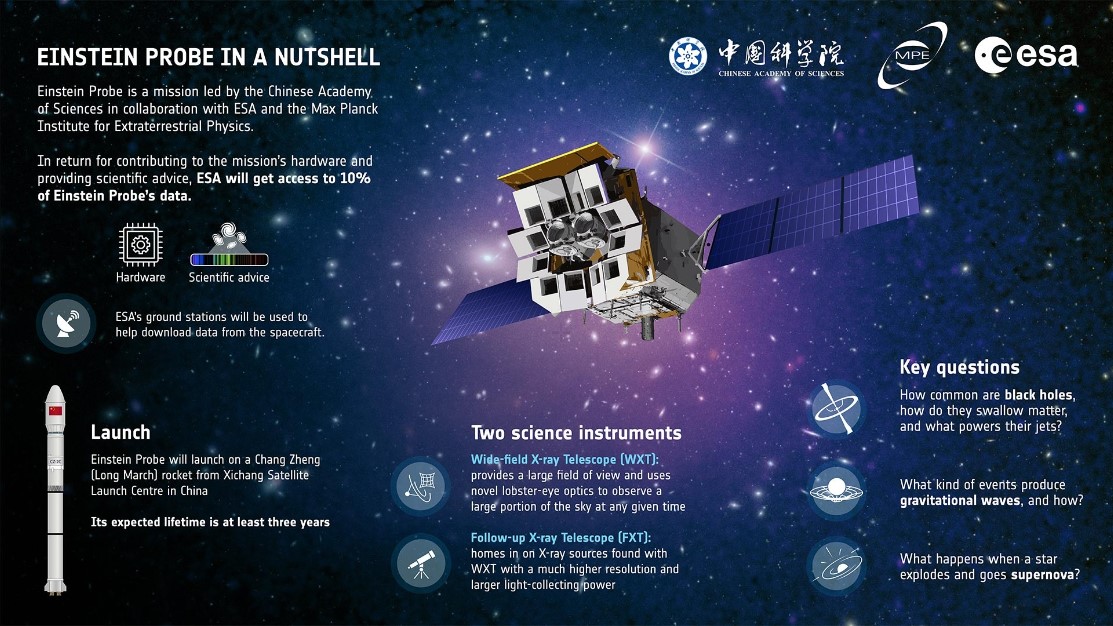
Space & Technology
Space News ,China :- China reached another milestone in its space exploration endeavors as it successfully launched the Einstein Probe on Tuesday. The probe, designed to detect X-ray emissions from intense cosmic events, took off from the Xichang Satellite Launch Center in southwestern China via a Long March 2C rocket at 2:03 a.m. (0703 UTC), Jan. 9, marking another achievement for the China Aerospace Science and Technology Corp. (CASC).The Einstein Probe (EP) represents a significant stride in China's strategic space science initiatives. Over the next three years, the spacecraft aims to observe distant, dramatic celestial interactions, including tidal disruption events, supernovae, and the high-energy electromagnetic counterparts to gravitational wave events. These observations could provide valuable insights into the intricate processes surrounding massive black holes and the formation of ionized matter jets.Operating at a 600-kilometer altitude with a 29-degree inclination orbit, the 1,450-kilogram EP spacecraft is equipped with a Wide-field X-ray Telescope (WXT). What sets the WXT apart is its innovative "lobster-eye" optics, inspired by the eyes of lobsters, allowing it to delve deeper into X-ray events across a broader spectrum.The WXT utilizes 12 lobster-eye optics modules, previously tested in a 2022 mission, providing a remarkable field of view spanning 3,600 square degrees. The European Space Agency (ESA) contributed to the mission by supporting the testing and calibration of WXT's detectors and optical elements.Erik Kuulkers, ESA Project Scientist, emphasizes the EP's strength in observing almost the entire night sky in about 5 hours, thanks to the lobster-eye technique. He notes the capability to swiftly capture unpredictable transient events in X-ray light, crucial for understanding the origins of gravitational wave impulses.EP's onboard data processing and autonomous follow-up capabilities, including the Follow-up X-ray Telescope (FXT), allow rapid response to detected X-ray events. Kuulkers anticipates that EP will play a pivotal role in identifying the source of gravitational wave impulses observed on Earth.In exchange for its contributions, ESA will gain access to 10% of the data generated by EP, benefiting the European Einstein Probe Science Team members with diverse interests, ranging from auroral emission on Jupiter to the swallowing of matter by supermassive black holes in other galaxies.As China continues its dedicated space science missions, EP follows in the footsteps of the DAMPE dark matter probe launched in 2015. Approved in 2017 as part of the Chinese Academy of Sciences’ Strategic Priority Program, EP joins a lineup of ambitious projects exploring phenomena such as magnetars, active galactic nuclei, and the interactions between comets and solar wind ions.Looking ahead, China's commitment to space exploration remains strong, with plans for upcoming missions, including the launch of the Sino-Franco Space-based multi-band astronomical Variable Objects Monitor (SVOM) in Spring 2024.
Read More → Posted on 2024-01-09 17:24:53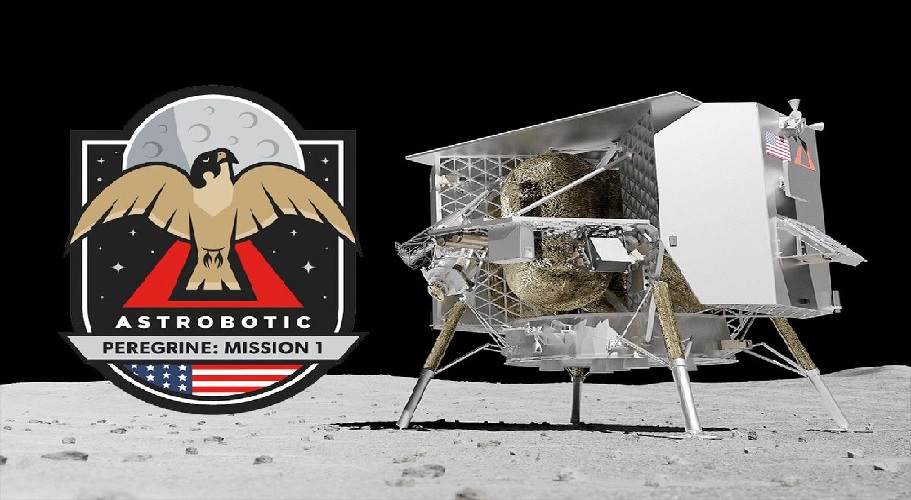
Space & Technology
Space news ,World :- Astrobotic's Peregrine lander had a problem in space and might not win the private moon race. The issue happened in its propulsion system on January 8, just after it was sent into space by United Launch Alliance's new Vulcan Centaur rocket. This issue might stop Peregrine from going to the moon as planned.Astrobotic, based in Pittsburgh, shared the update on X (formerly known as Twitter): "Unfortunately, it appears the failure within the propulsion system is causing a critical loss of propellant. The team is working to try and stabilize this loss, but given the situation, we have prioritized maximizing the science and data we can capture. We are currently assessing what alternative mission profiles may be feasible at this time."Peregrine's launch was a significant moment in space travel. It marked the successful debut of the Vulcan Centaur, replacing ULA's Atlas V and Delta rockets. This launch was supposed to open a new era of private moon exploration.Peregrine was part of NASA's Commercial Lunar Payload Services (CLPS) program, putting agency science payloads on private robotic moon crafts. Five NASA payloads, including a radiation detector and spectrometers, were on this flight. NASA aims to use private spacecraft for lunar research quickly and cost-effectively to prepare for crewed missions under its Artemis program.However, NASA acknowledges that CLPS missions are high-risk. Joel Kearns from NASA's Science Mission Directorate stated, "Each success and setback are opportunities to learn and grow."Peregrine was carrying 20 payloads, including Mexico's first lunar probes and a memorial capsule from Celestis. The inclusion of human remains in the memorial capsule sparked objections from the Navajo Nation, as it's considered sacred.Celestis also placed a separate memorial payload on Vulcan Centaur's upper stage, called Enterprise. It carries cremated remains of "Star Trek" icons and the DNA of notable people, including former U.S. presidents.The next private moon lander in NASA's CLPS program is Nova-C, built by Intuitive Machines. It is scheduled to launch in mid-February atop a SpaceX Falcon 9 rocket and land near the moon's south pole shortly afterward.
Read More → Posted on 2024-01-09 04:37:01
Space & Technology
Technology News ,Medical science :- Scientists from MIT and Harvard have discovered a more effective way to correct genetic mistakes using tiny, virus-like particles. These particles, called engineered virus-like particles (eVLPs), carry prime editors into mouse cells with great success, fixing genetic disorders.Prime editing is a powerful technique for fixing genetic mutations that cause diseases. The researchers improved the editing process in human cells by 170 times by modifying these eVLPs. In tests on mice with genetic eye problems, they corrected mistakes and partially restored their vision.The breakthrough is seen as a promising treatment for genetic disorders in living animals. Importantly, when the same method was used to edit genes in the mouse brain, there were no unintended changes. This study marks the first time that therapeutic prime editing has been successfully delivered in an animal using protein-RNA complexes, according to David Liu, the senior author of the study.Scientists have been exploring gene editing to address genetic issues causing diseases. Prime editing, introduced in 2019, allows precise and diverse changes in DNA. However, delivering this editing system into living animal cells has been challenging.Different methods have been used, including lipid nanoparticles and viruses, with virus-like particles (VLPs) showing promise. VLPs are made of viral proteins and carry cargo but do not contain viral genetic material. Although VLPs have had some success, they require specific engineering for each cargo type.In their study, Liu and his team used their system to fix two different genetic problems in the eyes of mice. One issue causes a disease called retinitis pigmentosa, leading to gradual vision loss, and the other is linked to blindness in a condition called Leber congenital amaurosis (LCA) in humans.Using their eVLPs, they corrected the mutations in about 20 percent of the animals" retina cells, partially restoring their vision. The researchers made improvements to how the prime editing cargo was packaged, separated from the delivery vehicle, and entered the target cells" nuclei. These coordinated enhancements led to a 100-fold increase in efficiency, making the technique potentially suitable for therapeutic use in animals."This kind of improvement in efficiency should be enough to give us therapeutically relevant levels of prime editing," said Liu. "But we did not know for sure until we tested it in animals."
Read More → Posted on 2024-01-08 15:51:00
Space & Technology
Space News ,India :- The head of the Indian Space Research Organisation (ISRO), S Somnath, recently shared updates on their efforts to ensure the safety of Indian spacecraft. Instead of relying on existing certification mechanisms for aircraft, ISRO is working on its own process tailored to space missions. Speaking at a discussion with S Christopher, the former chairman of the Defence Research and Development Organisation (DRDO), Somnath highlighted the unique challenges of certifying spacecraft for human spaceflight.He emphasized the distinction between certifying an aircraft for human flight and establishing a similar process for spacecraft. ISRO recognizes the evolving demands of the industry and is committed to developing a reliable certification mechanism for Indian spacecraft.Addressing the construction of a new spaceport in Kulasekarapattinam, Thoothukudi, Somnath clarified that this facility is not intended to replace the existing Sriharikota spaceport. Instead, it will be dedicated to launching minor satellites. ISRO aims to send 20-30 small satellites into space from this new spaceport, fostering the growth of space clusters in the process.Somnath also commented on the possibility of sending robots to space. He explained that this can only happen when advanced robots with sensory perception capabilities are developed. He emphasized that there may no longer be a need for humans to embark on space flights, given the potential of robotic exploration.In summary, ISRO is pioneering a unique certification process for its spacecraft, developing a new spaceport for specific satellite launches, and exploring the future of space exploration through robotic missions.
Read More → Posted on 2024-01-08 14:37:36
Space & Technology
Space News ,World :- In the early hours of January 8, the United Launch Alliance (ULA) Vulcan Centaur embarked on a historic journey, marking its inaugural flight named Cert-1. Taking off from Cape Canaveral Space Force Station in Florida, the 202-foot-tall rocket, fueled by two solid rocket boosters and two Blue Origin-built BE-4 first-stage engines, roared into the dark Florida sky with a staggering 2 million pounds of thrust.Perched atop the rocket was the Astrobotic Peregrine moon lander, hailing from Pittsburgh, carrying a diverse payload of 20 items, including five NASA science instruments. The spectacle was nothing short of breathtaking as Vulcan exhaust formed a towering pillar, and two minutes post-launch, the solid rocket boosters gracefully detached from the first-stage booster.Around five minutes later, the first stage shut its engines down, initiating the separation from the Centaur upper stage. After a 15-second coast phase, Centaur executed the first of three burns, marking a significant phase in the mission. Approximately 50.5 minutes post-launch, Peregrine was released to commence its lunar voyage.Amidst the excitement, ULA president and CEO Tory Bruno exclaimed, "Yeehaw! I am so thrilled, I can not tell you how much." This mission could potentially make history, with Peregrine becoming the first American spacecraft to touch the moon surface since Apollo 17 in 1972 and, perhaps, the first private mission ever to land on the moon.The Cert-1 launch is a key milestone for NASA Commercial Lunar Payload Services (CLPS) initiative. Astrobotic Peregrine, contracted through CLPS, not only marks a significant achievement for the space agency but also sets the stage for a new era of lunar exploration.NASA CLPS contracts, exemplified by Peregrine mission, are transforming the way space missions are executed. Instead of handling every aspect internally, NASA is now collaborating with private companies, like Astrobotic, to handle mission design, lander construction, launch vehicle procurement, and communication systems. This shift allows NASA to focus on cutting-edge research and development, preparing for the Artemis program ambitious goal of landing astronauts on the moon by 2025 or 2026.The Peregrine mission carries five scientific payloads from NASA, designed to study various aspects of the lunar environment. These instruments will play a crucial role in preparing for future Artemis missions, particularly those targeting the moon southern polar region, rich in water ice.Astrobotic Peregrine is not only advancing scientific exploration but also serving as a platform for international cooperation. The 20-payload roster includes contributions from six nations, marking a collaborative effort to explore and understand the moon mysteries.However, the mission is not without its share of controversies. Celestis, a space memorial company, has included a payload named Tranquility, carrying the DNA and cremated remains of individuals to be permanently placed on the moon. This move has sparked ethical debates and objections, notably from the Navajo Nation. The incident underscores the challenges of balancing commercial interests with ethical considerations in the evolving landscape of lunar exploration.As Peregrine heads towards its lunar landing scheduled for February 23, the success of this mission will not only make history but also pave the way for a new chapter in lunar exploration, demonstrating the potential of collaboration between public and private entities in shaping the future of space exploration.
Read More → Posted on 2024-01-08 14:10:57Search
Top Trending in 24 Hours
-
 Pentagon Launches FORTRESS Initiative to Make Major U.S. Bases Self-Sufficient for 90 Days
-
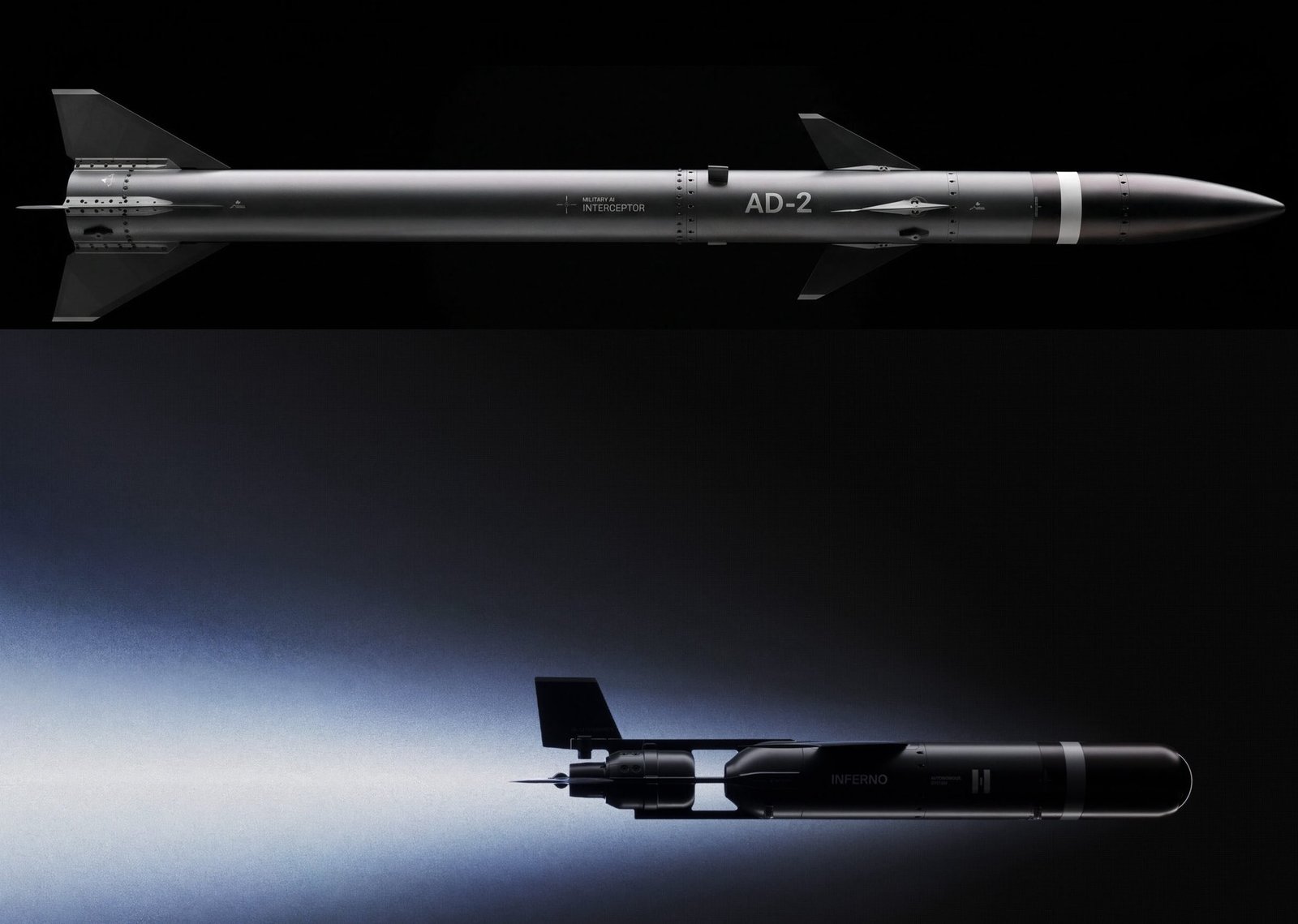 German Firm Helsing Unveils Contra AI Air Defence System with AD-1 Inferno and AD-2 Ambush Interceptor Missiles
-
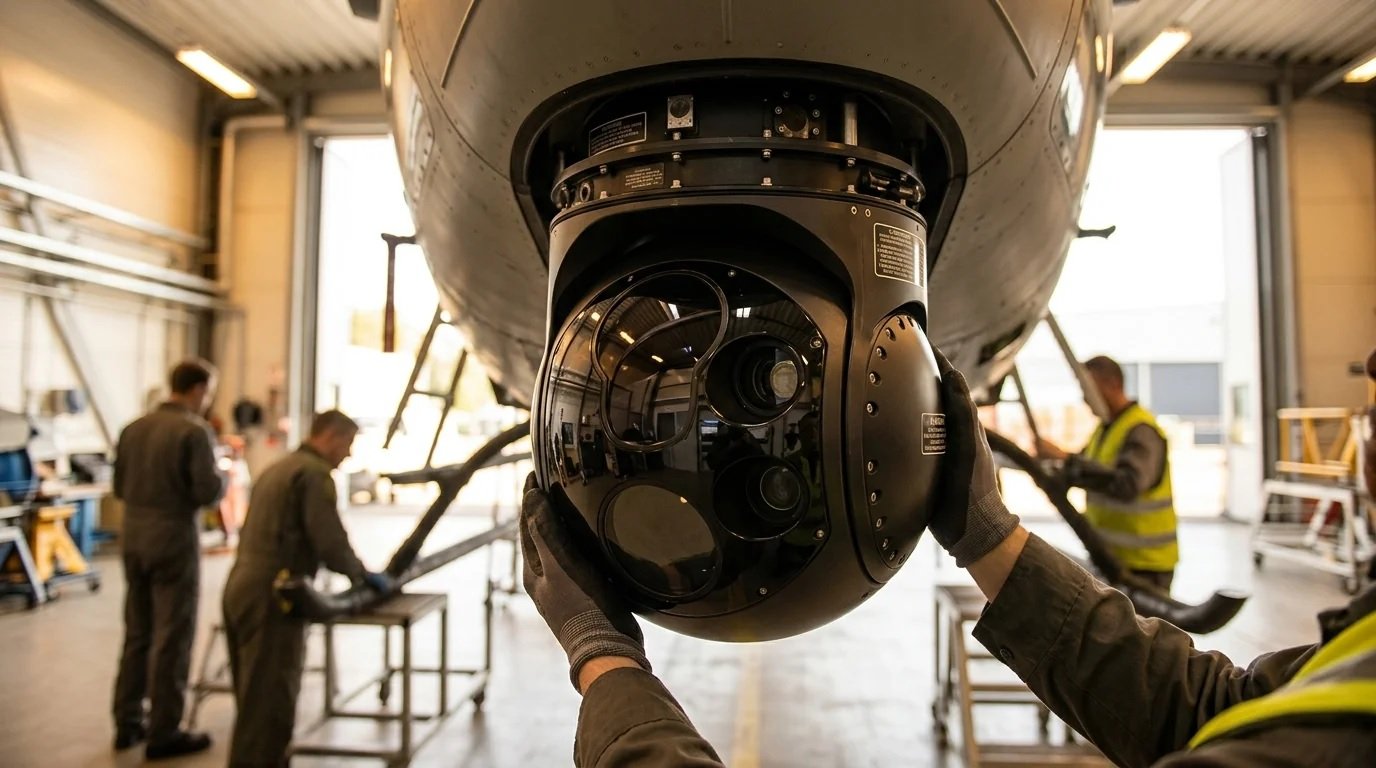 Elbit Systems Secures $200 Million Contract for Airborne Surveillance and Training Systems in Asia-Pacific
-
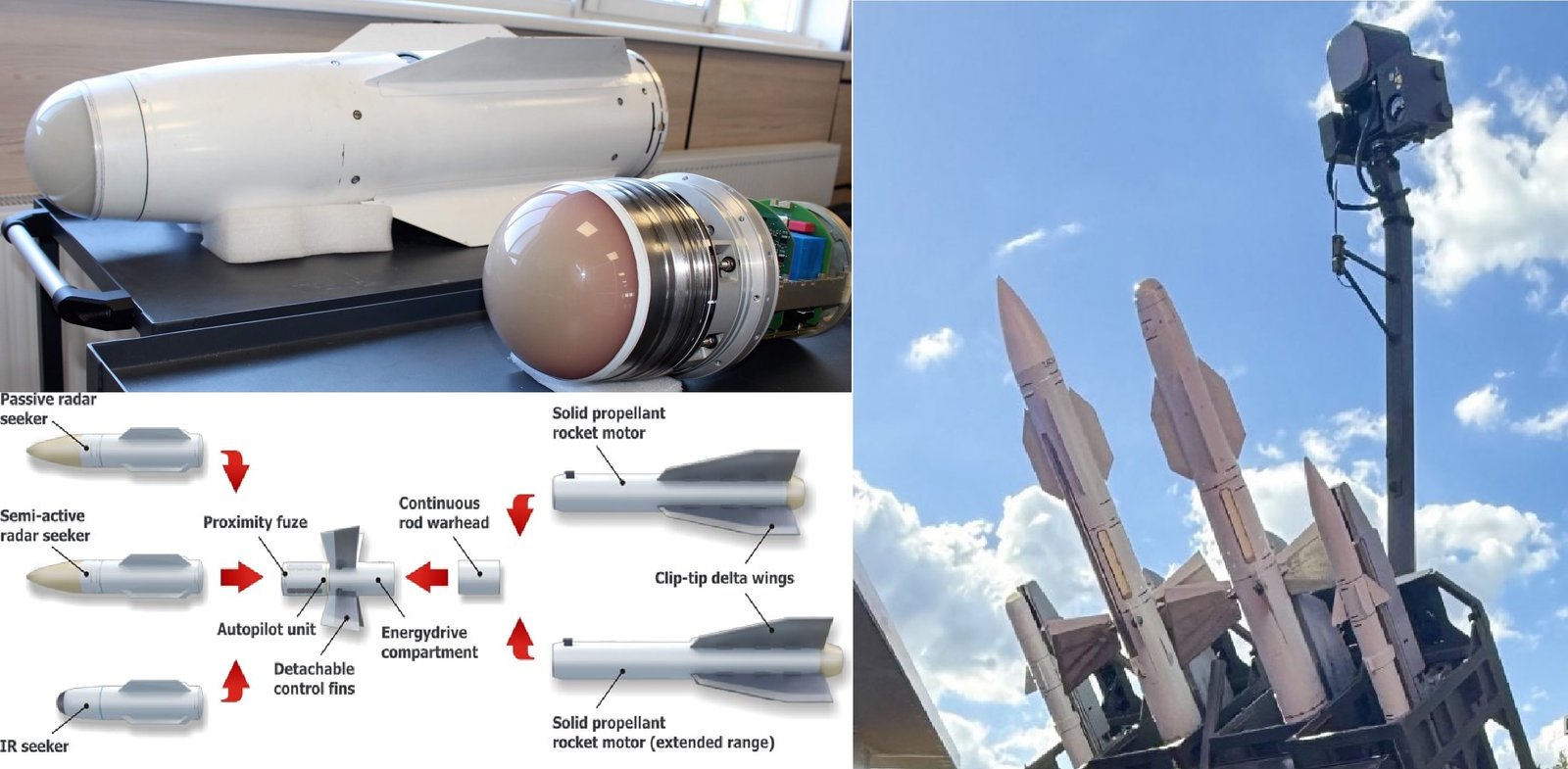 Ukraine Reveals New Details on R-287T and R-287R Missiles for Shershen Air Defense System
-
 Sweden Deploys Four Saildrone Voyager USVs for Year-Long Baltic Sea Surveillance
-
 U.S. Space Command Blocks Release of Records on Auckland Surveillance Hub Linked to Iran Operations
-
 Indian Navy Inducts Sagar Defence’s Autonomous Armed Boats for Swarm Operations
-
 Indian DAC to Evaluate ₹75,000 Crore Project 18A for Next-Generation Navy Destroyers
Top Trending in 4 Days
-
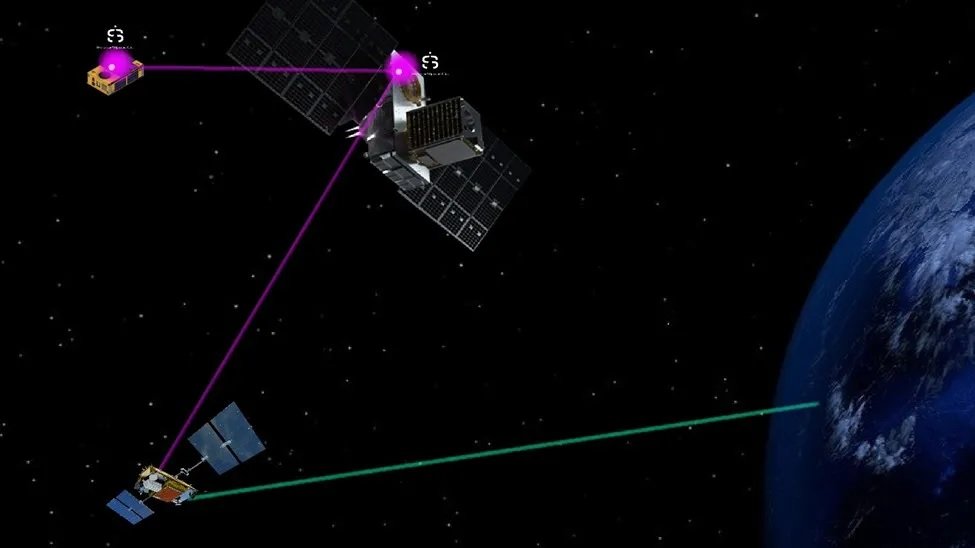 NASA Demonstrates Space-to-Space Wi-Fi Between Two Orbiting Spacecraft
-
 USS Pinckney Becomes First U.S. Navy Destroyer to Begin Phase Two Modernization with Advanced SPY-6 Radar
-
 U.S. Military to Ban Chinese Automaker BYD Vehicles from Kadena Air Base in Japan Over Security Concerns
-
 General Atomics Partners With Spirit Defense to Expand FQ-42 Vengeance Production
-
 UK Ministry of Defence Opens £120,000 Tender for Skydio X10D Drones
-
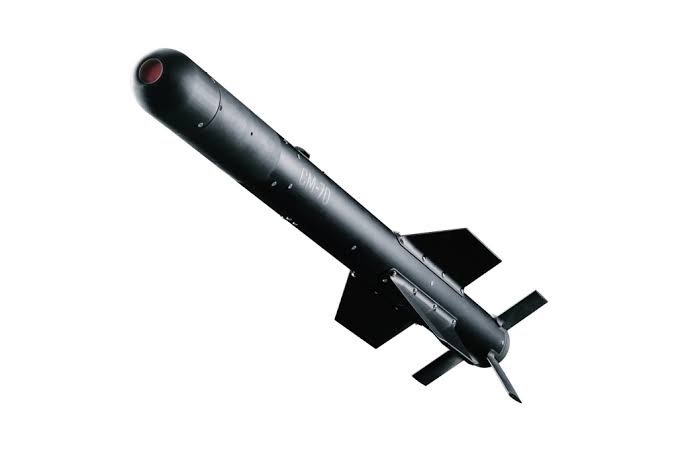 CSG and North Vector Dynamics Sign MoU to Explore European Production of CM-70 Counter-Drone Interceptor
-
 Unitree Unveils H2-X ‘Kung Fu Legend: Guardian’ Humanoid Robot for Security and Rescue
-
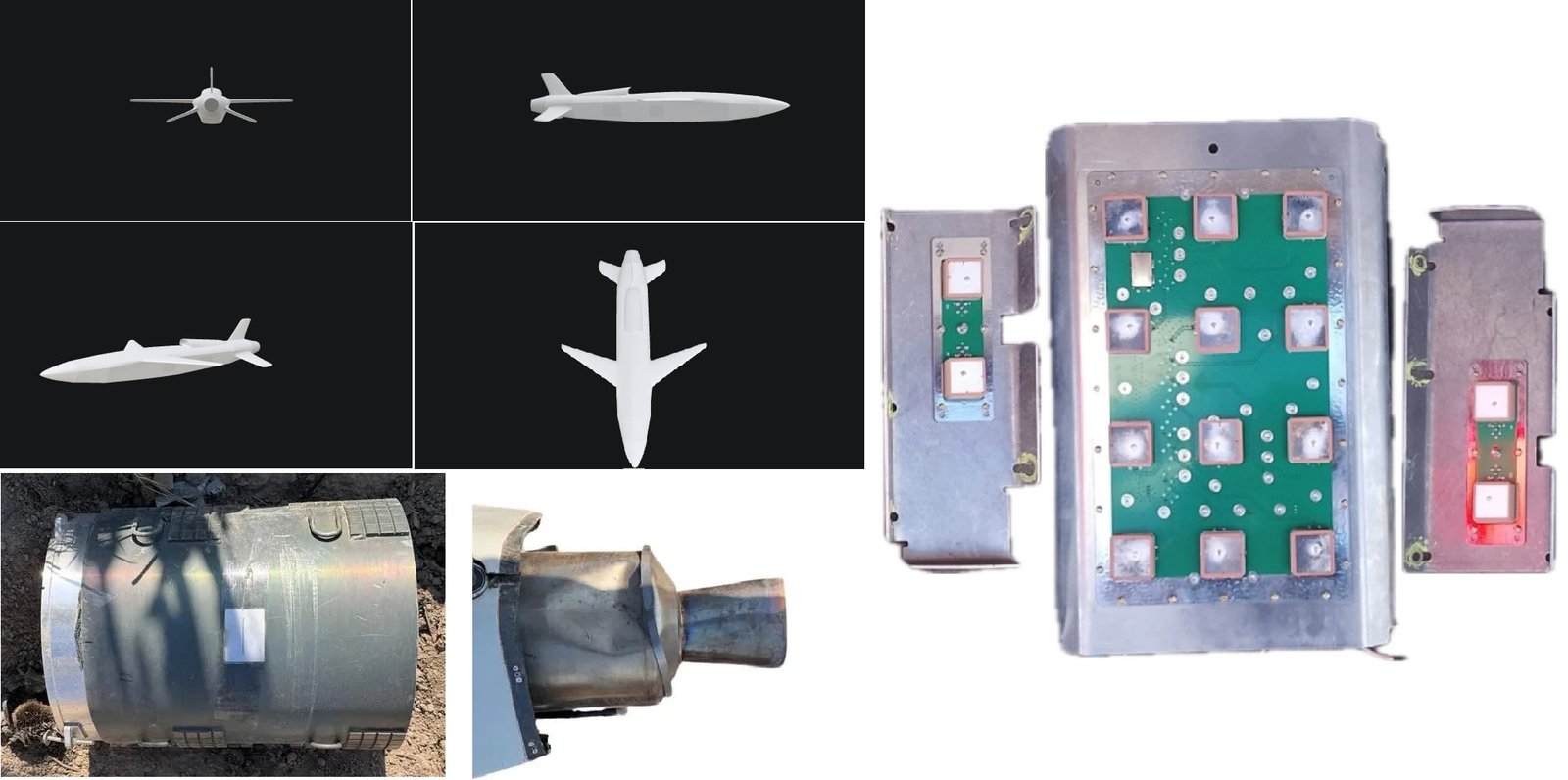 Ukraine Reveals Technical Details of Russia’s New Filin Cruise Missile