India
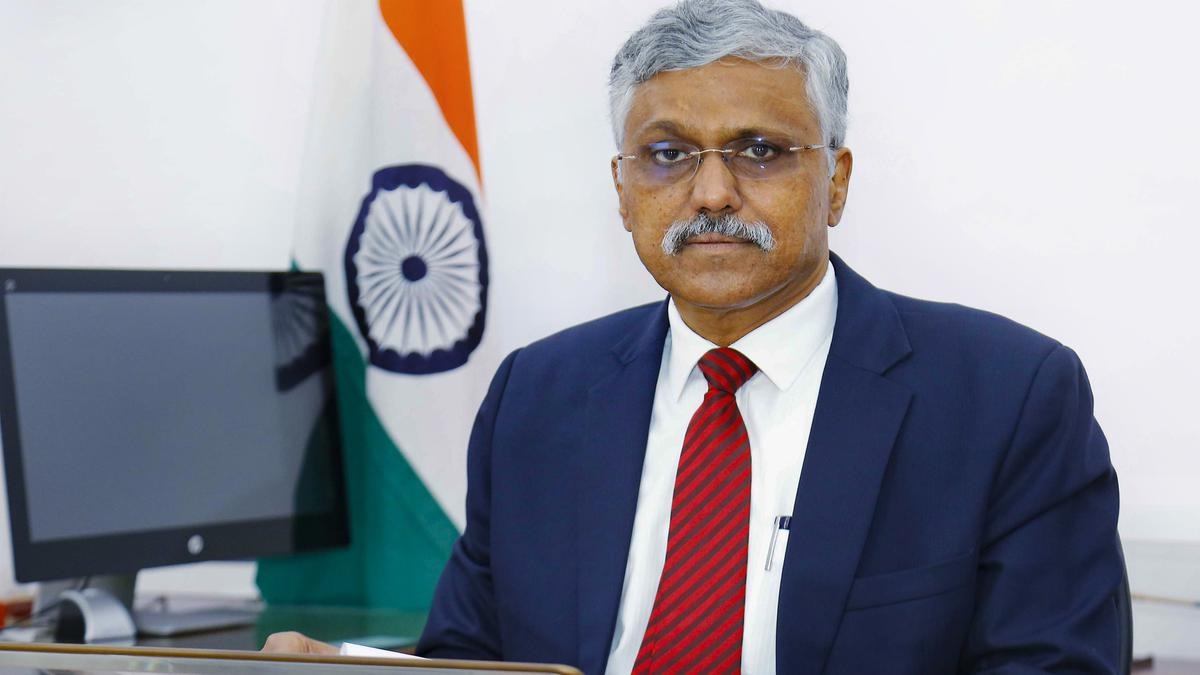
India Defence Secretary Giridhar Aramane emphasized India's need for self-reliance in manufacturing and shipbuilding during Mazagon Dock Shipbuilders Limited's 250th Foundation Day, highlighting the importance of domestic innovation and private sector involvement.Mumbai, May 15, 2024 — During the 250th Foundation Day celebration of Mazagon Dock Shipbuilders Limited (MDL), Defence Secretary Giridhar Aramane emphasized the importance of India becoming self-reliant in the manufacturing sector. Speaking at the event, which included the release of a commemorative coin, a seminar, and a panel discussion on "Emerging Technologies and the Future of Shipbuilding," Aramane stressed that India's needs cannot be met by relying on foreign industries.Aramane stated, "India is such a country that its needs cannot be met by the industries of other countries. It is impossible for us to depend on others for a consistent supply of anything—whether it's food grains or modern equipment. We have to manufacture for ourselves."Highlighting India's extensive coastline and numerous island chains, Aramane pointed out the necessity of developing domestic capabilities. "We need several technologies which we do not have and we don't have any visibility of their being supplied by our friends from abroad," he said.Aramane also underscored the importance of collaboration with academic institutions and young innovators. "Domestic solutions by innovation will be difficult to come by if we don't engage with the academic institutions and the young innovators who are very enthusiastic about starting their own companies and contributing to the country," he noted.Reflecting on India's maritime heritage, Aramane mentioned that India has historically been a significant maritime nation. "India occupies a central role in the Indo-Pacific. India has been a maritime country for centuries. We forgot somewhere down the line. It was briefly revived during Chhatrapati Shivaji's time in Maharashtra. However, because our battles were fought on land, we didn't give so much importance to the Navy and shipbuilding practices. It caused immense harm to us for a period of time. From the 19th century onwards, we have been building up our capabilities again."Aramane encouraged the integration of the private sector in shipbuilding. "Again, the time has come to give a free hand to our enterprise, where we encourage the private sector industry to acquire those instincts to contribute to the nation's growth. In this context, MDL has a major role. You (MDL) were a private company initially, and then you became a public sector company. Now again, you have to work with the private sector industry in a major fashion, build a consortium of shipbuilders, meet the needs of our country, and also contribute to our friendly countries, both to the west and east of our country."Discussing India's role in regional security, Aramane said, "India is a member of the Indo-Pacific Oceans Initiative. Our Prime Minister gave importance as a concept to the Indo-Pacific, which has now been accepted by the US and other major players in the world. They consider India to contribute to the safety and security of this region—the entire Indian Ocean as well as adjoining areas of the Pacific Ocean. The Indian Navy is playing a major role."Aramane highlighted the active role of the Indian Navy in Southeast Asia and the East African coast, emphasizing that India's geopolitical situation requires a strong shipbuilding industry. "We now send our ships and submarines to the entire Southeast Asia. Our ships constantly travel to the East African coast, and our role in the Arabian Sea has acquired a lot of laurels recently. We will continue to do this, and the situation in geopolitics is such that India has to play a major role which requires shipbuilders in India to contribute in a major fashion."Addressing the impact of ongoing global conflicts on the defence industry, Aramane noted, "The Defence Industry worldwide is facing a capacity crunch, whether it's ammunition or land platforms, which are in great demand because of the Russia-Ukraine war. The new technologies and asymmetric warfare in the Red Sea and the Gulf indicate continued demand for the next several years to build up inventories and refurbish what is being destroyed in the two wars (Russia-Ukraine and Israel-Hamas). So, we must build the capacity to meet the security needs of ourselves and also the other friendly countries."The event marked a significant milestone for MDL, reinforcing the critical role of self-reliance and innovation in India's defence and shipbuilding sectors.
Read More → Posted on 2024-05-15 14:26:53
India
India The Astra Gun Park in Telipara, West Bengal, is India's pioneering military storage facility, utilizing cutting-edge Light Gauge Steel Frame (LGSF) technology for rapid construction and enhanced durability against severe weather conditions. This innovative approach marks a significant leap forward in military infrastructure, showcasing the Indian Army's commitment to efficiency and sustainability.The Indian Army has set a new benchmark in military infrastructure with the unveiling of its cutting-edge Astra Gun Park in Telipara, West Bengal. This state-of-the-art facility is not just another storage space; it represents a significant leap forward in construction technology, utilizing Light Gauge Steel Frame (LGSF) technology for the first time in India.So, why the buzz about LGSF? Well, it's all about efficiency, durability, and sustainability. Firstly, LGSF allowed the Astra Gun Park to be constructed in nearly half the time it would have taken using traditional concrete methods. The speed at which the park was completed showcases the efficiency of this innovative approach.Secondly, LGSF structures are tough cookies. They can withstand severe weather conditions that might wreak havoc on regular buildings. This durability factor ensures that the Astra Gun Park will stand strong against the elements, a crucial aspect for military installations.Lastly, sustainability is a key benefit of LGSF. This method requires fewer resources and produces less waste compared to traditional construction techniques. By embracing LGSF, the Indian Army is not only enhancing its operational capabilities but also reducing its environmental footprint.Lieutenant General Rajiv Sirohi, Commander of the Eastern Command, views the Astra Gun Park as a significant advancement. He emphasizes how embracing LGSF technology has expedited the construction process while addressing the unique challenges of the operational environment.Now, you might be wondering, "What does this mean for me?" Well, even if you're not in the business of storing artillery guns, the implications of this innovative construction technique are far-reaching. Faster construction means quicker project completions, whether it's building homes, offices, or infrastructure projects. Plus, the added durability and sustainability aspects are something we can all appreciate.Colonel Arjun Kapoor, the project lead for the Astra Gun Park, highlights the benefits of LGSF technology, stressing its role in accelerating infrastructure development and better preparing for operational demands. Additionally, its environmentally friendly nature is a win-win for all.Is LGSF the future of construction? Only time will tell, but the Astra Gun Park serves as a compelling example of what's possible. As the Indian Army continues to innovate, we can expect more groundbreaking projects on the horizon.In conclusion, the Astra Gun Park isn't just a storage facility; it's a symbol of progress and innovation. By embracing LGSF technology, India's military is leading the charge towards a more efficient, durable, and sustainable future in construction.
Read More → Posted on 2024-05-15 05:13:20
India
India The Border Roads Organisation achieves a breakthrough in the construction of the 2.79-km Sungal tunnel along the Jammu-Poonch national highway, marking significant progress in enhancing connectivity and defense infrastructure in the region. Once completed, the project aims to reduce travel time between Jammu and Poonch by almost half, while driving economic prosperity in the border region.The Border Roads Organisation (BRO) has reached a significant milestone in its efforts to enhance connectivity and strengthen defense infrastructure along the Jammu-Poonch national highway. With the breakthrough of the 2.79-kilometer Sungal tunnel, the project is progressing rapidly, marking a pivotal moment in the region's development.Led by BRO chief Lt Gen Raghu Srinivasan, the breakthrough ceremony underscores the strategic importance of the Jammu-Poonch link, which is vital for both connectivity and defense preparedness. Lt Gen Srinivasan highlighted the importance of this project in light of the challenges posed by nefarious activities from neighboring regions, aimed at disrupting peace in Jammu and Kashmir.The completion of the Sungal tunnel, along with the previously achieved breakthrough at the Naushera tunnel, signifies significant progress towards reducing travel time between Jammu and Poonch by nearly half, from eight hours to a more manageable duration. These tunnels, along with road widening efforts, will ensure all-weather connectivity and safer travel conditions for residents and travelers alike.Importantly, the development of the 200-kilometer Akhnoor-Poonch section of the highway is expected to not only improve connectivity but also drive economic prosperity in the border region. Better roads are anticipated to attract investors and pave the way for large-scale development projects, further bolstering the region's growth.Looking ahead, the BRO aims to complete the project by 2026, with a focus on connecting remote areas with major centers in the Jammu-Poonch region. The organization remains steadfast in its commitment to strengthening defense infrastructure along the Line of Control (LoC) and Line of Actual Control (LAC) through the construction and upgrading of strategic roads.Under the banner of Project Sampark, the BRO is dedicated to creating, connecting, caring, and saving lives in the regions it serves. With a belief in the transformative power of roads, the organization is rededicating itself to the construction of border road infrastructure, driving socio-economic progress and fostering a safer, more connected future for all.
Read More → Posted on 2024-05-15 05:08:36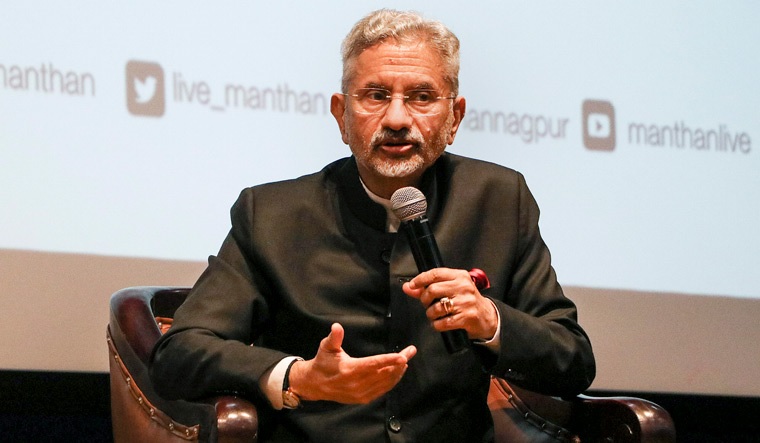
India
India India's External Affairs Minister defends the Chabahar Port agreement with Iran, stressing its regional benefits, amid US warnings of potential sanctions. The agreement aims to enhance trade connectivity with Afghanistan and Central Asia.India’s External Affairs Minister, S. Jaishankar, has emphasized the regional benefits of the Chabahar Port project in Iran, despite recent warnings from the United States about potential sanctions. This statement came a day after the US cautioned about the risks of doing business with Iran following India's signing of a 10-year agreement to operate the port.During an event in Kolkata, Jaishankar highlighted that the Chabahar Port has broader implications for regional trade and development, urging that the project should not be viewed narrowly. He noted that the US has previously recognized the strategic importance of Chabahar, which serves as a key transit hub for trade with Afghanistan and Central Asia.Responding to the US warnings, Jaishankar stated, "I did see some of the remarks which were made, but I think it’s a question of communicating, convincing, and getting people to understand that this is actually for everyone’s benefit. I don’t think people should take a narrow view of it." He pointed out that the US had been supportive of the Chabahar project in the past due to its broader relevance.On Tuesday, US State Department Principal Deputy Spokesperson Vedant Patel reiterated that US sanctions on Iran remain in place and warned entities of the risks involved in business deals with Tehran. "Any entity, anyone considering business deals with Iran, they need to be aware of the potential risk they are opening themselves up to, potential risk of sanctions," Patel stated.The recent agreement, signed between Indian Ports Global Limited (IPGL) and Iran’s Port & Maritime Organisation (PMO), allows India to operate the Shahid Beheshti port within the Chabahar Port Development Project for a decade. Jaishankar explained that while India has been involved with the Chabahar Port for a long time, issues on the Iranian side had previously hindered a long-term pact. Resolving these issues was crucial for improving port operations and realizing its regional benefits.The Chabahar Port project, a collaborative effort between India and Iran, aims to enhance trade connectivity with Afghanistan and Central Asia, providing these landlocked regions with access to maritime routes. India's investment in the port’s infrastructure underscores its strategic interest in facilitating regional trade and economic integration.In conclusion, Jaishankar reiterated India’s commitment to the Chabahar Port project, expressing confidence that the long-term agreement would benefit the entire region despite the potential challenges posed by US sanctions.
Read More → Posted on 2024-05-15 04:56:12
India
India India has denied Maldivian Defence Minister Ghassan Maumoon's claim that Indian helicopter pilots conducted an unauthorized operation in 2019, stating all activities were properly authorized. This clarification follows India's recent withdrawal of military personnel from the Maldives amid strained relations.India has rejected a claim made by Maldivian Defence Minister Ghassan Maumoon that Indian military helicopter pilots conducted an unauthorized operation in the Maldives in 2019. The Indian High Commission in the Maldives stated that all Indian aviation activities in the Maldives have been conducted according to agreed procedures and with proper authorization.This response came shortly after India withdrew 76 military personnel from the Maldives, following a demand from Maldivian President Mohamed Muizzu. Relations between the two countries have been strained since Muizzu, known for his pro-China stance, took office in November last year. President Muizzu had set a deadline of May 10 for the withdrawal of Indian troops.At a press conference, Defence Minister Ghassan alleged that one of the two helicopters operated by Indian military personnel landed in Thimarafushi without permission in October 2019. He stated that this incident was reviewed by the Parliament's Committee on National Security Services, where he was a lawmaker at the time.However, the Indian High Commission refuted this allegation, explaining that the emergency landing at Thimarafushi on October 9, 2019, was due to an unforeseen exigency. They emphasized that the sortie was conducted with the approval of the Maldives National Defence Force (MNDF) and necessary on-ground clearances from Air Traffic Control were obtained to ensure the safety of the crew and the aircraft.Local media reports have suggested that the MNDF disclosed on May 11 that Indian military personnel had conducted a helicopter trip without informing the Maldivian military during former President Ibrahim Mohamed Solih's administration.Despite these tensions, Defence Minister Ghassan admitted during the press conference that the Maldives military still lacks pilots capable of operating the three aircraft donated by India. Indian military personnel had been stationed in the Maldives to operate these aircraft, which include two helicopters and a Dornier aircraft primarily used for medical evacuations.The last group of Indian military personnel left the Maldives by May 10, in accordance with the deadline agreed upon in February between the two countries. The Maldives remains a key maritime neighbor for India in the Indian Ocean Region and holds significant importance in India's regional initiatives such as 'Security and Growth for All in the Region' (SAGAR) and the 'Neighbourhood First Policy'.
Read More → Posted on 2024-05-15 04:52:57
India
India Thirty Naxalites, including nine with ₹39 lakh bounties, surrendered in Chhattisgarh's Bijapur district, citing disillusionment with Maoist ideology and atrocities. They will be rehabilitated under the government's policy.Bijapur, Chhattisgarh — In a significant development, 30 Naxalites, including six women, surrendered to security forces in Chhattisgarh's Bijapur district on Tuesday. This group includes nine individuals with a combined bounty of ₹39 lakh on their heads. The surrender took place before senior officials of the police and Central Reserve Police Force (CRPF). According to a police release, the Naxalites cited their dissatisfaction with Maoist atrocities against tribals and the "hollow" ideology of the Maoists as reasons for their decision to surrender. They were also influenced by the police's rehabilitation policy.Among the prominent surrendered cadres, Mitki Kakem alias Sarita (35) and Muri Muhnda alias Sukhmati (32) were part of the Maoist military company no. 2 and platoon no. 32, respectively, and each had a bounty of ₹8 lakh on their heads. Rajita Vetti (24), Deve Kovasi (24), Ayta Sodhi (22), and Sinu, a battalion no. 1 member, had bounties of ₹5 lakh each. Munna Hemla (35), Aytu Midiam (38), and Aytu Karam (50), who led 'janatana sarkar' (people's government) groups, carried rewards of ₹1 lakh each.These nine key cadres were reportedly involved in multiple attacks on security personnel.The surrendered Naxalites were each provided with ₹25,000 and will be rehabilitated under the government's policy. This surrender is part of a broader trend in the district, with 76 Naxalites having given up violence so far this year.Police and CRPF officials view this surrender as a positive step towards peace and stability in the region.
Read More → Posted on 2024-05-15 04:50:03
India
Russia ,India Russian-made Ural 4320-3 command vehicles spotted in India prompt speculation: are they undergoing Indian Army trials or simply here for certification by a Russian company? Their shared platform with the S-400 air defense system vehicles fuels intrigue about their potential role in India's military.In recent days, the sighting of Russian-made Ural 4320-3 command vehicles being transported within India has sparked widespread curiosity and speculation. These sturdy vehicles have prompted questions about their purpose on Indian soil: are they undergoing testing for potential integration into the Indian Army, or are they simply here for certification by a Russian company? Adding to the intrigue is the fact that the Ural 4320-3 shares the same platform as the 55K6E command and control center vehicles, which are crucial components of the S-400 air defense system recently acquired by the Indian Air Force (IAF). This common chassis has led to speculation that the Ural 4320-3 could serve a similar command and control function within the Indian military.Two main scenarios have been proposed to explain the presence of these vehicles:1. Indian Army Trials: It's possible that the vehicles are undergoing rigorous evaluation by the Indian Army to assess their suitability for integration into existing military infrastructure. This would involve various tests to evaluate factors such as performance, compatibility, and ease of use in Indian conditions.2. Russian Homologation: Alternatively, the Ural 4320-3s might be in India for homologation, which is the process of certification and approval by a Russian firm. This is a standard procedure for vehicles intended for use in foreign markets.Despite the attention generated by these sightings, available information, including videos showing multiple vehicles (around 5-6), doesn't provide a definitive answer. Further details, such as any markings or insignia on the vehicles, could offer clues to their intended purpose.The Ural-4320 series has a well-established history of military use, renowned for its ruggedness and off-road capabilities. Various models within the series are employed for tasks such as cargo transport, troop movement, and specialized roles like mobile workshops and communication centers.India's ongoing efforts to modernize its armed forces are evident, with the recent acquisition of the S-400 system serving as a notable example of this commitment to advanced weaponry. If the Ural 4320-3s are indeed being considered for adoption, it would signify a continued push to enhance India's defense capabilities.As more information emerges, the purpose of these Ural 4320-3 command vehicles in India is expected to become clearer. For now, their presence remains a subject of keen interest and speculation among defense observers and the general public alike.
Read More → Posted on 2024-05-14 15:59:46
India
India Bharat Forge advances in the defence sector with the development of a light tank for the Indian Army and plans for a new factory in Pune, aligning with India's goal of self-reliance in defence. Leveraging internal innovation, the company aims to reduce dependence on imports and position itself as a key player in the global defence export market.Bharat Forge, a leading name in the industrial landscape, is making significant strides in the defence sector, aligning with the evolving needs of the Indian Army. The company's recent endeavor involves the development of a light tank weighing under 25 tons, catering to the future requirements of the Indian Army. This initiative is part of Bharat Forge's broader focus on defence exports and reducing dependence on imported parts by the year 2030.One notable aspect of Bharat Forge's approach is its emphasis on leveraging its own intellectual property to innovate and develop new weapons systems. Unlike some other defence companies that rely on external technology for product assembly, Bharat Forge is tapping into its internal resources to drive innovation in the defence sector.In line with its expansion plans, Bharat Forge is establishing a new factory in Jejuri, Pune district. This facility will be dedicated to producing vehicles like the M4, which has garnered significant interest from the Indian Army. The move signifies Bharat Forge's commitment to meeting the demands of the Indian armed forces while also contributing to the nation's self-reliance in defence capabilities.With an impressive order book of ₹5,000 crore, 80% of which is attributed to exports, Bharat Forge is poised to emerge as a key player in the defence export market. The development of the light tank not only meets the Indian Army's evolving needs but also presents a substantial opportunity for domestic defence companies to contribute to the nation's defence capabilities.In conclusion, Bharat Forge's initiatives in the defence sector underscore its commitment to innovation, self-reliance, and meeting the requirements of the Indian armed forces. By leveraging its intellectual property and focusing on domestic production, Bharat Forge is not only strengthening its position in the defence market but also playing a crucial role in bolstering India's defence capabilities.
Read More → Posted on 2024-05-14 15:38:36
India
India Indian Army's Panther Division showcases military readiness with integrated combat drills, featuring unexpected T-55 tanks, sparking speculation on their renewed role in modern warfare.In a recent demonstration of strength, troops from the Indian Army's Panther Division, stationed under Western Command, engaged in integrated combat training exercises. These drills, designed to simulate real-world operational scenarios, aimed to reinforce professionalism and ensure the division's readiness for potential conflicts. However, what captured the attention of many online observers was the unexpected inclusion of T-55 main battle tanks (MBTs) in the exercises.Why the Interest in the T-55?The T-55, a tank with Soviet origins, was once a cornerstone of the Indian Army, with nearly 700 units in service since its introduction in 1965. However, by 2011, newer models like the T-72 and T-90 had taken precedence, relegating the aging T-55s to a secondary role. Eventually, these tanks were phased out, symbolizing the end of an era.Yet, in 2017, it was discovered that some T-55s had been repurposed along the Line of Control (LoC) as fortified bunkers, utilizing their main guns as mobile artillery.What Does This Signify?The presence of T-55s in the recent training exercises prompts questions about their potential ongoing use. While official details are scarce, several possibilities exist:1. Specialized Roles: Despite their age, the T-55's sturdy build and potent main gun could still be valuable in specific situations, such as providing fire support in challenging terrain or serving as a mobile reserve force.2. Training Purposes: These tanks might serve as cost-effective training platforms for tank crews, allowing them to refine their skills and tactics without relying on more advanced and expensive models.3. Psychological Warfare: Merely including T-55s in the exercises could be a deliberate tactic to sow uncertainty and confusion among potential adversaries.What Comes Next?The Indian Army has not commented officially on the role of the T-55s in the recent drills. However, their reappearance underscores the military's commitment to adaptability and resourcefulness.Whether these tanks are destined for a new purpose or are making a temporary return, their presence in the exercise highlights the enduring legacy of the T-55 in India's military history.Conclusion:As more information becomes available regarding the T-55s' role in the Panther Division's training exercise, we'll keep you informed. In the meantime, the sight of these iconic tanks rolling across the training grounds sparks curiosity and speculation, reminding us that even retired military hardware can still have relevance in the evolving landscape of modern warfare.
Read More → Posted on 2024-05-14 15:26:57
India
India Mazagon Dock Shipbuilders Limited unveils 'Arowana,' India's inaugural fully indigenous midget submarine, symbolizing a leap forward in naval defense innovation and self-reliance.Mazagon Dock Shipbuilders Limited (MDL) celebrated its 250th Foundation Day in Mumbai with a remarkable achievement – the launch of 'Arowana,' India's first fully homegrown midget submarine prototype.This event, attended by Defence Secretary Shri Giridhar Aramane, marks a significant step forward in India's journey towards self-reliance in naval defense. The Arowana represents more than just a submarine; it symbolizes MDL's dedication to indigenous innovation. This advanced vessel is designed to be a stealth platform, reducing noise and electromagnetic signals for improved operational secrecy.Equipped with state-of-the-art technologies like SONAR, GPS, Inertial Navigation System, and advanced communication systems, the Arowana promises to be a formidable asset in underwater warfare.Midget submarines like the Arowana are designed for specialized missions. With space for a pilot, co-pilot, and a combat swimmer team, along with their equipment, the Arowana is prepared for missions both on land and at sea. The pilot and co-pilot are integral parts of the swimmer team, ensuring efficient coordination during underwater operations.The Arowana launch is part of MDL's broader modernization efforts. The company is upgrading its infrastructure and facilities to meet the increasing maritime demands of the nation.Looking ahead, MDL is working on the MS-X02A Midget Submarine, expected to be even more advanced than the Arowana, further cementing India's position in submarine technology.While the Arowana project is in its early stages, rigorous testing and evaluation are essential to ensure its operational readiness. If successful, the Arowana could pave the way for a fleet of indigenous underwater vehicles, enhancing India's naval capabilities significantly.In addition to the Arowana launch, MDL's 250th Foundation Day celebrations included the inauguration of new infrastructure acquired from the Mumbai Port Authority, the commissioning of Electric Boats, and the release of a commemorative coin. A technical seminar highlighted the company's commitment to advancing shipbuilding technology.In conclusion, the launch of the Arowana marks a proud moment for MDL and signifies India's growing prowess in the defense sector. It represents a new era of indigenous innovation and self-reliance in naval technology, which is poised to garner attention globally.
Read More → Posted on 2024-05-14 15:16:40
India
India The Indian Air Force tests BHISHM portable cubes in Agra, showcasing their rapid deployment capabilities for emergency medical response. These innovative cubes integrate AI and data analytics, promising effective coordination and comprehensive care for up to 200 casualties.The Indian Air Force recently conducted a significant test in Agra, Uttar Pradesh, showcasing its capabilities in emergency medical response. The focus was on BHISHM portable cubes, a key component of the broader initiative called "Project BHISHM" - Bharat Health Initiative for Sahyog, Hita and Maitri.These portable cubes are designed to serve as rapid-response hospitals, capable of treating up to 200 casualties. What makes them stand out is their versatility and speed of deployment. With 72 easily transportable components, they can be swiftly carried by hand, cycle, or even drone.The Aid Cube, as it's called, integrates innovative tools and technology, including Artificial Intelligence (AI) and data analytics. This ensures effective coordination, real-time monitoring, and efficient management of medical services during emergencies.One of the remarkable features of these cubes is their ability to be deployed within just 12 minutes. This makes them invaluable during mass casualty incidents, where immediate medical attention is crucial.Moreover, these cubes are designed to withstand various environmental conditions. They are robust, waterproof, and light, making them suitable for diverse emergency scenarios, whether it's through airdrops or ground transportation.Earlier this year, during the Pran Pratishtha ceremony in Ayodhya on January 22, two Arogya Maitri Disaster Management Cube-BHISHM units were strategically deployed. This deployment highlighted their role in enhancing medical preparedness and response capabilities.In essence, the testing of BHISHM portable cubes by the Indian Air Force marks a significant step towards strengthening emergency medical services in the country. With their rapid deployment capabilities and advanced features, these cubes have the potential to save countless lives during critical situations.
Read More → Posted on 2024-05-14 15:09:34
India
India ,U.S The Biden administration is nearing an agreement with India for General Electric Co to produce military jet engines in India, bolstering bilateral military-industrial ties and enhancing India's defense capabilities in the region. This landmark deal, expected to be unveiled during President Biden's meeting with Prime Minister Modi, signifies a significant step towards deeper collaboration in defense manufacturing between the two nations.In a significant move signaling closer ties between the United States and India, the Biden administration is on the brink of approving a groundbreaking agreement for General Electric Co to initiate the production of military jet engines in India. This development, anticipated to be formally announced during President Joe Biden’s upcoming meeting with Indian Prime Minister Narendra Modi on June 22, marks a notable step forward in bilateral military-industrial cooperation.Sources familiar with the ongoing discussions, who preferred to remain anonymous due to the sensitivity of the negotiations, revealed that while the agreement is not yet finalized, it would require notification to the U.S. Congress, a procedural requirement for such international defense collaborations.The proposed deal involves the joint production of jet engines, primarily intended for India’s second-generation light combat aircraft, among other platforms. India’s state-owned Hindustan Aeronautics Ltd (HAL) has expressed intentions to utilize GE-manufactured 414 engines for these aircraft and is currently in talks for domestic production capabilities.This partnership not only aims to strengthen India’s aviation sector but also positions HAL as a licensed manufacturer, potentially enabling technology transfer from GE. India has been advocating for increased technology sharing, underscoring its commitment to enhancing self-reliance in defense manufacturing. With plans to produce over 350 fighter jets for its air force and navy in the next two decades, the need for a consistent and indigenous engine supply is paramount.However, beyond the scope of engine production, this agreement is part of a broader joint initiative launched earlier this year to foster collaboration between U.S. and Indian firms, particularly in the realm of military equipment and advanced technology.Against the backdrop of India’s drive for domestic engine production, it is noteworthy to consider the regional context. While this deal unfolds, Pakistan, India’s regional rival, has been making progress with its JF-17 Thunder Block-III fighter jets, securing export orders and defense agreements with countries such as Iraq.In conclusion, the impending agreement between the Biden administration and India for military jet engine production signifies a significant milestone in bilateral relations, underlining the growing strategic partnership between the two nations. As both countries continue to pursue their defense objectives, such collaborations are poised to shape the regional military landscape in the years to come.
Read More → Posted on 2024-05-14 15:06:26
India
India India's Bharat Dynamics Limited is set to test its latest creation, the Takshak torpedo, a cutting-edge advancement poised to enhance the country's naval defense capabilities significantly. Equipped with state-of-the-art technology, including GPS-based guidance and an extended operational range, the Takshak represents India's commitment to indigenous defense innovation.Bharat Dynamics Limited (BDL) is on the brink of a significant milestone in India's naval defense with the imminent testing of its latest creation, the Takshak torpedo. In a recent interview with Bharat Shakti's Editor-in-Chief, Nitin A. Gokhale, BDL's Chairman and Managing Director, Commodore A. Madhavarao (Retd.), shared insights into this groundbreaking weapon.The Takshak represents a notable advancement from its predecessor, the Varunastra HWT, which has long been a cornerstone of India's anti-submarine warfare (ASW) capabilities. With a diameter of 533mm and a length of 6.4 meters, the Takshak is specifically designed for submarine launch, positioning it as a formidable asset beneath the waves.What sets the Takshak apart is its cutting-edge technology. Equipped with a Ring Laser Gyro Inertial Navigation System (RLG INS) and GPS-based guidance, it boasts unparalleled accuracy. Moreover, its extended operational range surpasses that of the Varunastra, enhancing the Indian Navy's ability to detect and neutralize underwater threats.Commodore Madhavarao's announcement that the Takshak is poised for sea trials marks a significant stride forward. Successful trials could pave the way for its integration into the Indian Navy's arsenal, bolstering its capabilities in sub-surface defense.Beyond its tactical implications, the Takshak underscores India's commitment to indigenous defense development. It underscores India's transition from being a consumer to a producer of cutting-edge defense technology. As the world watches, the Takshak stands as a testament to India's growing prowess in defense innovation.In conclusion, the impending sea trials of the Takshak herald a new chapter in India's naval defense capabilities. With its advanced features and indigenous development, the Takshak is poised to elevate India's position as a formidable maritime power in the Indian Ocean region and beyond. Stay tuned for further updates on this exciting development.
Read More → Posted on 2024-05-14 14:57:59
India
India India accelerates defense capabilities by launching BrahMos missile production in Lucknow, aiming for self-reliance and bolstering strategic defenses with the advanced BrahMos-NG variant.India takes a significant step forward in enhancing its defense capabilities with the recent announcement by Defense Minister Rajnath Singh regarding the commencement of BrahMos missile production in Lucknow from 2026. This move marks a crucial milestone in India's journey towards achieving self-reliance in defense manufacturing.The BrahMos missile, a result of collaboration between India’s Defence Research and Development Organisation (DRDO) and Russia’s NPO Mashinostroyeniya, is renowned for its precision strike capabilities and supersonic speed. By establishing a BrahMos missile production plant in Lucknow, India aims to substantially increase its production capacity, thereby reducing its reliance on imports and strengthening its strategic defense capabilities.A noteworthy aspect of this announcement is the incorporation of the BrahMos-NG (Next Generation) missile into the production plans. The BrahMos-NG, currently in the developmental phase, is anticipated to be a lighter, faster, and more adaptable version of the original BrahMos missile.The commencement of BrahMos missile production in Lucknow, scheduled to begin in 2026, signifies a significant stride towards bolstering India’s defense manufacturing capabilities. Furthermore, the addition of BrahMos-NG production, expected to commence in 2027, heralds a new era in India’s defense technology landscape.The advanced features and capabilities of the BrahMos-NG missile are poised to elevate India’s deterrence capabilities and provide a decisive edge in modern warfare scenarios. With its increased range, speed, and precision, the BrahMos-NG is anticipated to play a pivotal role in safeguarding India’s national security interests.India's initiative to produce BrahMos missiles domestically underscores its commitment to enhancing indigenous defense manufacturing capabilities. This move not only contributes to the country's self-reliance goals but also strengthens its position as a significant player in the global defense arena.In conclusion, the commencement of BrahMos missile production in Lucknow represents a significant milestone in India's journey towards bolstering its defense capabilities and achieving self-reliance in defense manufacturing. With the inclusion of BrahMos-NG production, India is poised to embrace cutting-edge technology and reinforce its position as a formidable force in the realm of defense.
Read More → Posted on 2024-05-14 03:19:09
India
India ,U.S India signs a decade-long agreement with Iran to operate the Chabahar Port, bolstering regional trade despite US sanctions warnings. The deal underscores India's commitment to enhancing connectivity and economic cooperation in the region.India recently inked a significant deal with Iran to operate the Chabahar Port for the next decade, marking a pivotal milestone in their bilateral relations. The agreement, signed between Indian Ports Global Limited (IPGL) and Iran's Port & Maritime Organisation (PMO), solidifies India's commitment to enhancing regional connectivity and trade routes.The Chabahar Port, situated in Iran, holds strategic importance as a crucial transit point for trade between India, Afghanistan, and Central Asian nations. Over the years, India has actively invested in the port's infrastructure to facilitate smoother movement of goods and strengthen economic ties with its neighboring countries.Under the terms of the agreement, IPGL will invest around USD 120 million in equipping and operating the port during the ten-year period. Additionally, India has extended a credit line of USD 250 million for collaborative projects aimed at improving Chabahar's infrastructure further.Despite the positive momentum generated by this partnership, the United States has cautioned against engaging in business ventures with Iran due to ongoing sanctions. Vedant Patel, the Principal Deputy Spokesperson of the US State Department, emphasized the importance of understanding the potential risks associated with such dealings.While reaffirming the US stance on maintaining sanctions against Iran, Patel acknowledged India's prerogative in determining its foreign policy goals and bilateral relationships. He underscored the need for entities considering business deals with Iran to weigh the potential consequences of violating existing sanctions.India's decision to proceed with the Chabahar Port agreement reflects its commitment to regional development and economic cooperation, despite external pressures. By enhancing connectivity through projects like Chabahar, India aims to foster trade relations and promote stability in the region.The long-term lease agreement not only strengthens the partnership between India and Iran but also instills confidence among traders and stakeholders in the viability of Chabahar as a key trade route. As India continues to invest in infrastructure and forge alliances, the Chabahar Port project stands as a testament to its dedication to fostering inclusive growth and connectivity in the region.In conclusion, the signing of the Chabahar Port agreement signifies a significant step forward in India's pursuit of enhancing regional connectivity and trade. While challenges persist, the enduring partnership between India and Iran underscores the potential for mutually beneficial collaborations despite external pressures.
Read More → Posted on 2024-05-14 03:04:32Search
Top Trending in 24 Hours
-
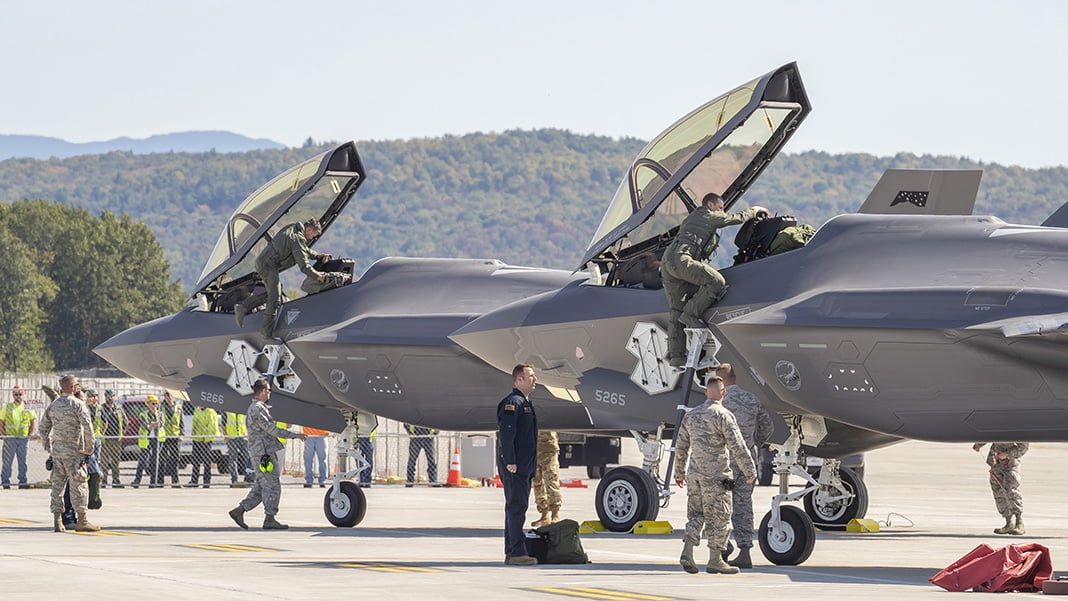 F-35 Fleet Readiness Falls to 25% Amid Parts Shortages and Software Delays: GAO Report
-
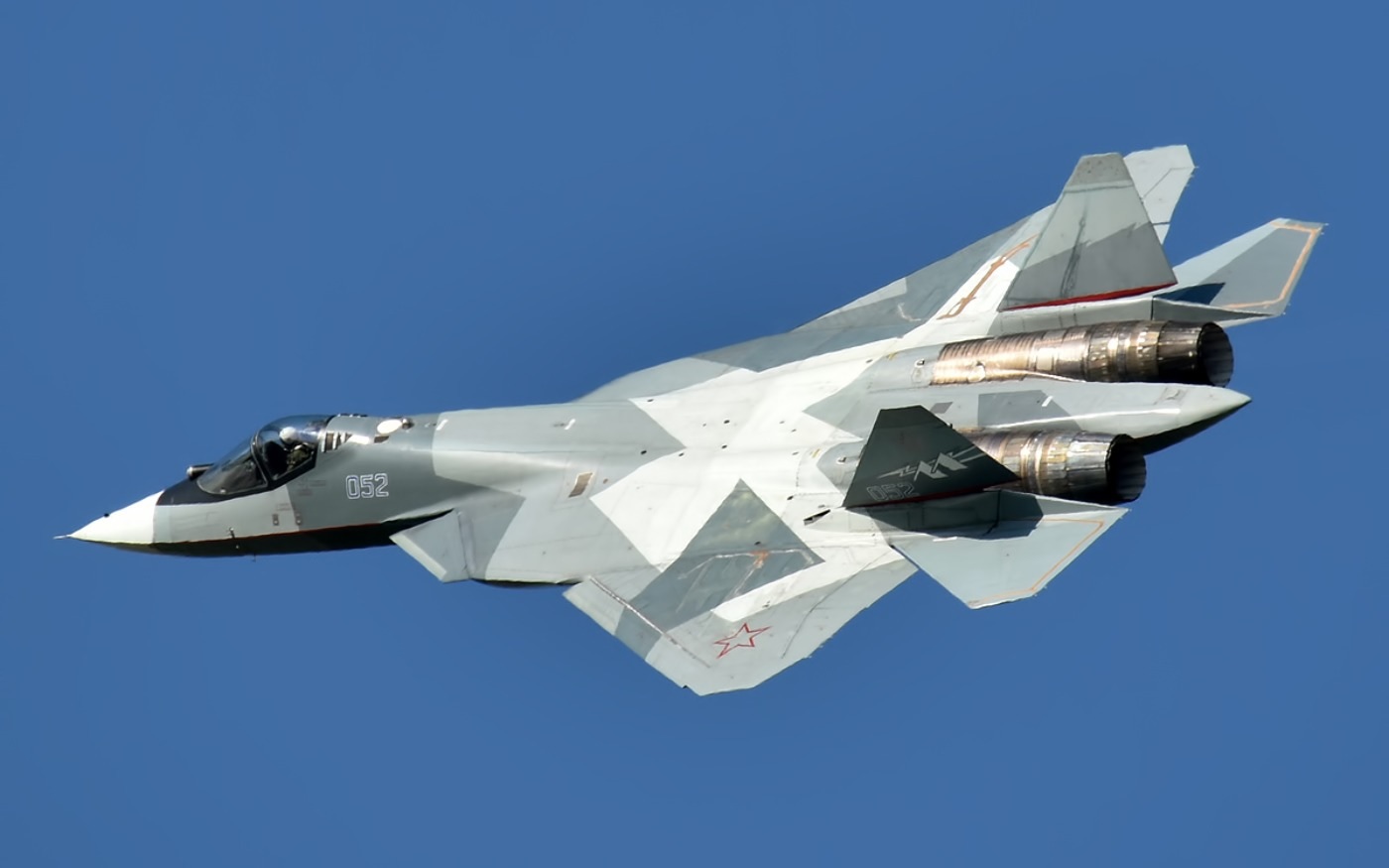 Russian Analysts Debate Su-57 Capabilities After Putin Calls Fighter Superior to F-35
-
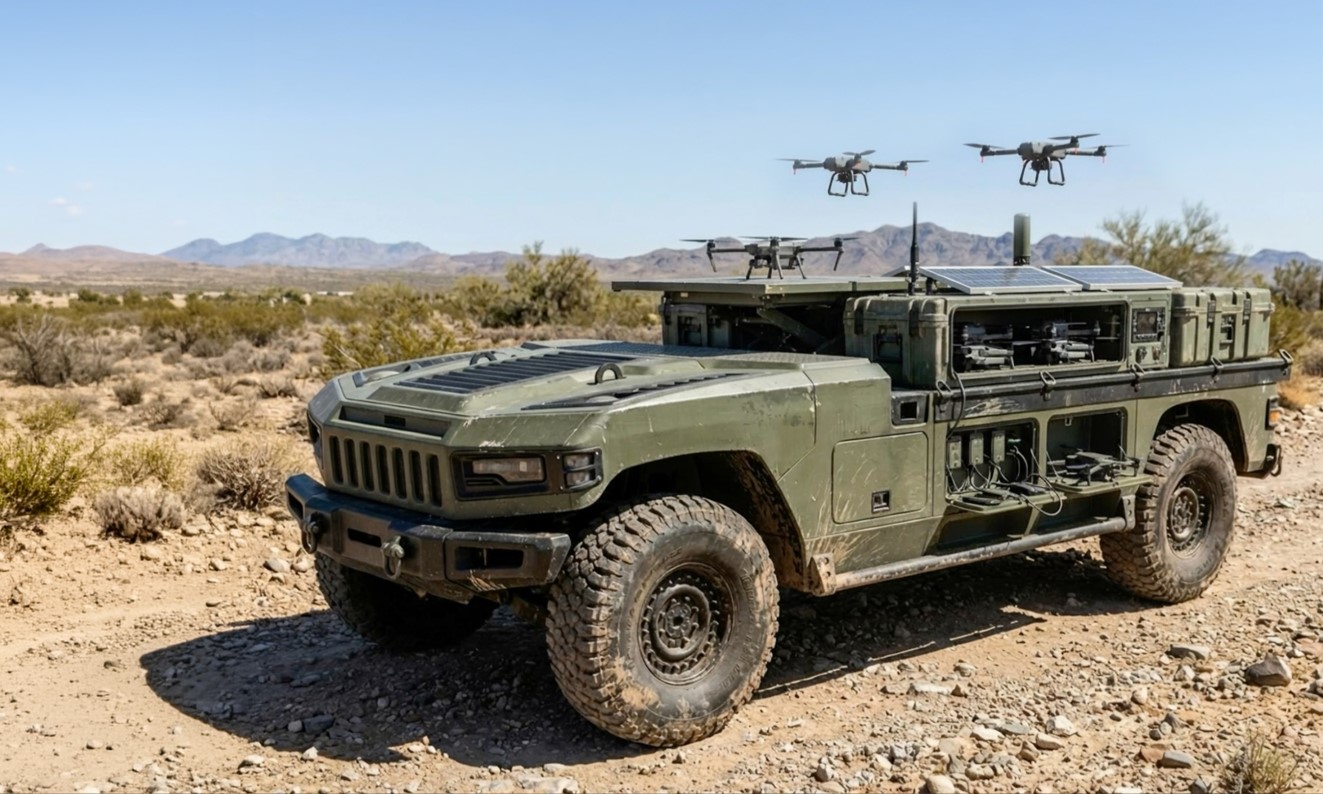 AM General Unveils Next-Generation UGV and JLTV A2 with Counter-Drone Systems at Eurosatory 2026
-
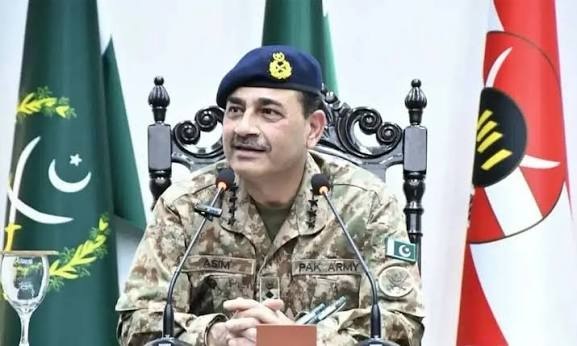 Pakistan Raises Defence Budget from $9 Billion to $10.8 Billion as J-35 Fighter and Hangor Submarine Programs Advance
-
 Tulsi Gabbard Releases Declassified Files Detailing U.S.-Backed Network of 120 Biolaboratories Across 30+ Countries
-
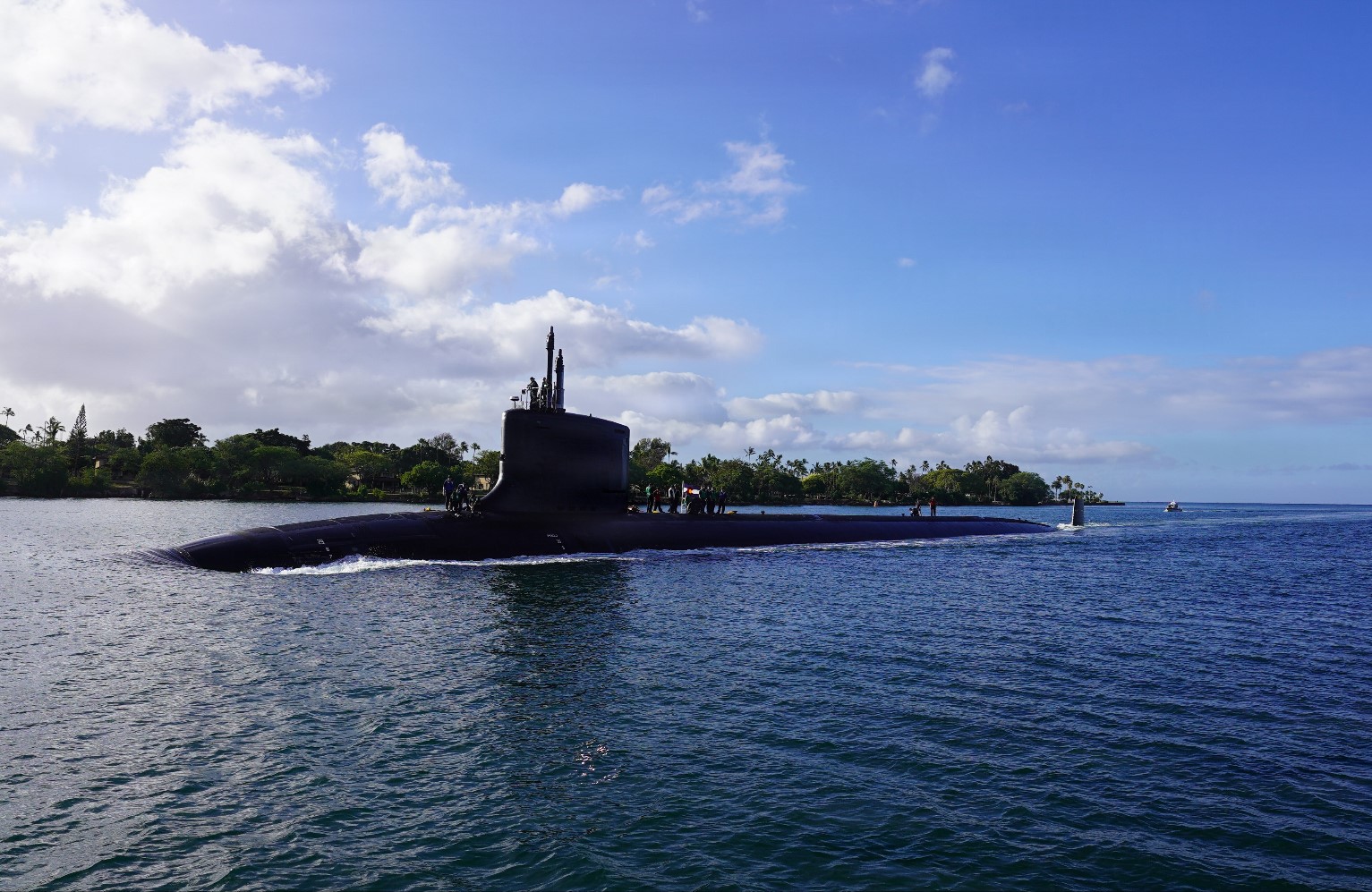 U.S. Navy's USS Colorado Submarine Returns to Pacific Fleet 29 Days Early After Major Pearl Harbor Overhaul
-
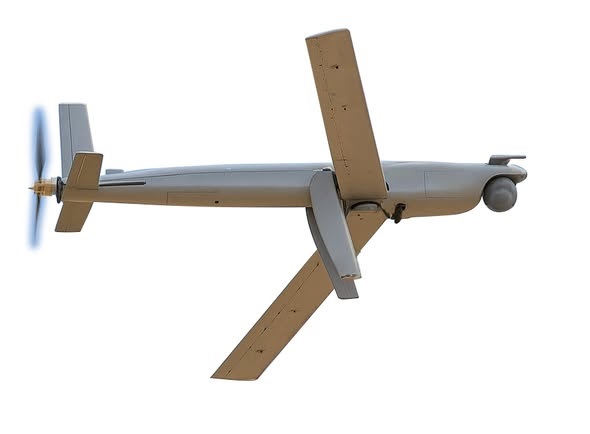 Elbit Systems and Diehl Defence Partner to Offer SkyStriker Loitering Munition to German Armed Forces
-
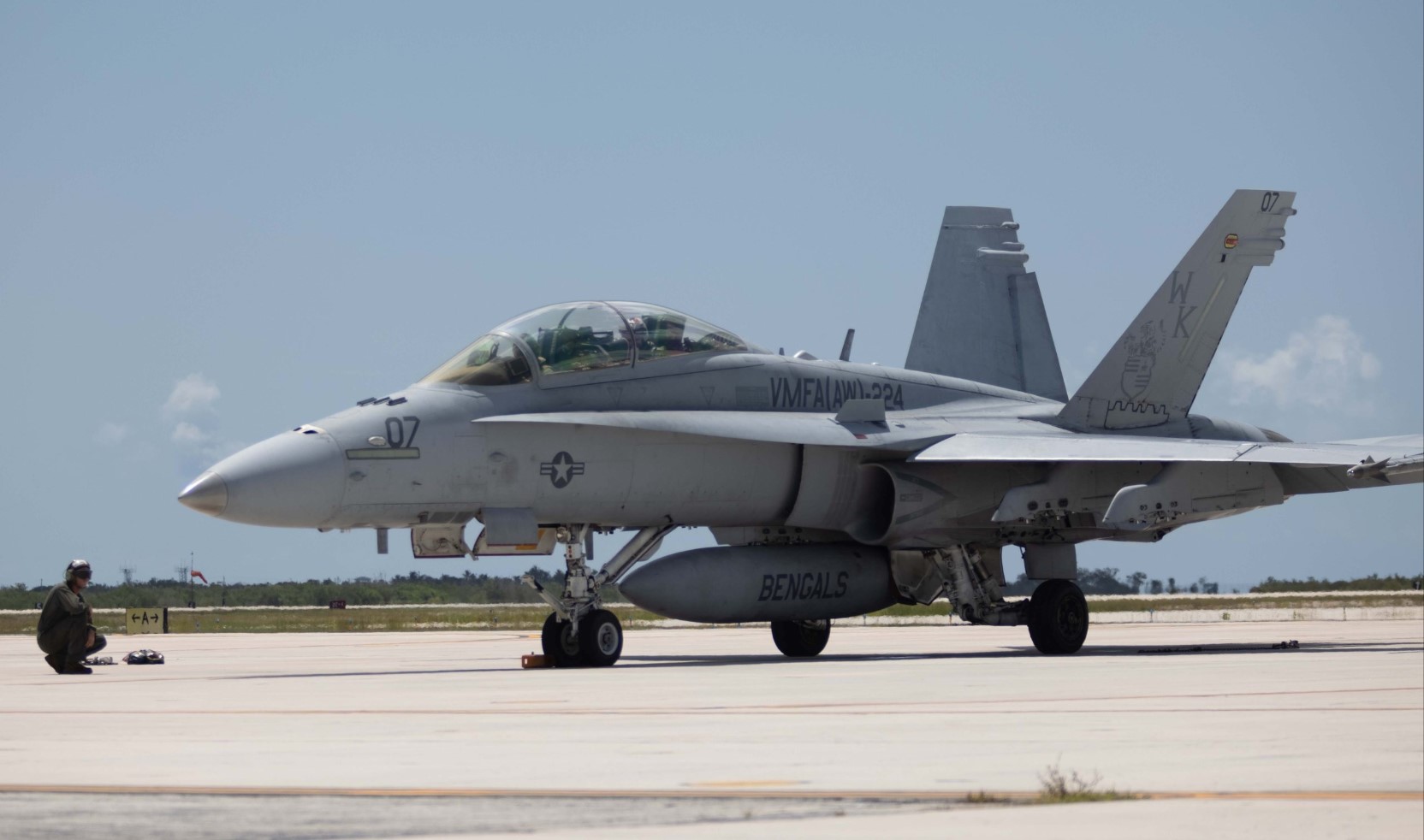 US Marine Corps F/A-18D Hornet Crashes During Training Flight in Washington Mountains; Pilot Ejects Safely
Top Trending in 4 Days
-
 Iranian Media Leaks 14-Point U.S.-Iran Peace Framework Amid Ongoing Negotiations
-
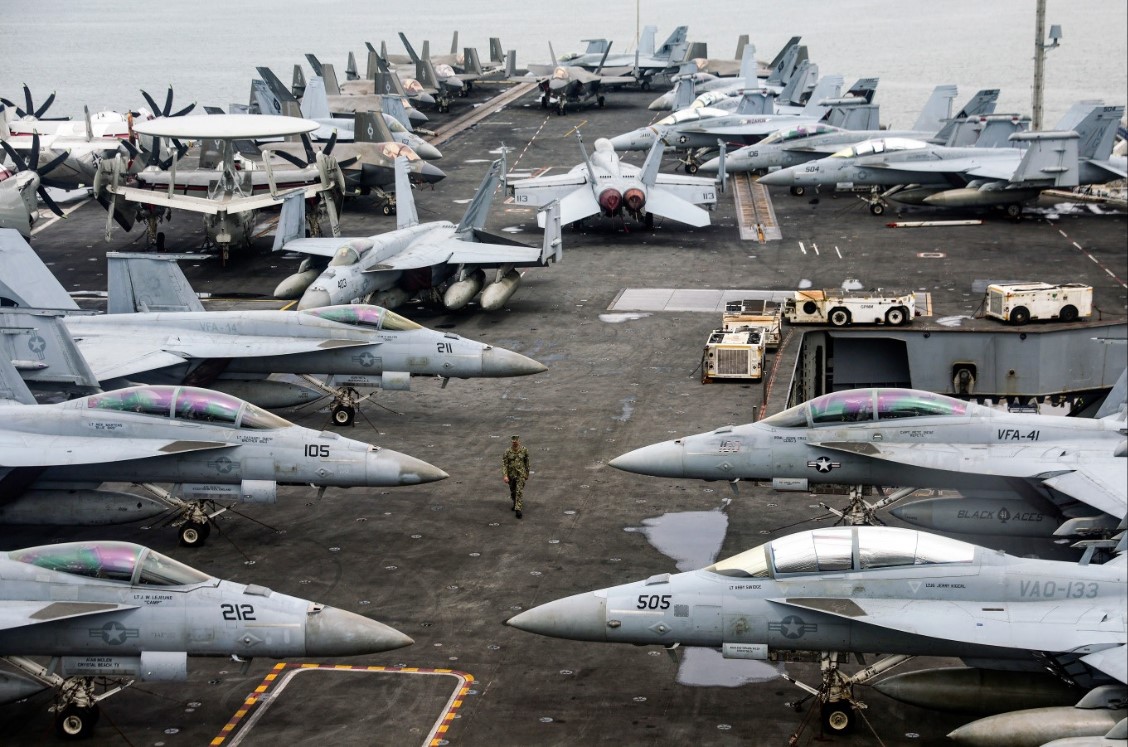 US Plans Significant Reduction of Fighter Jets and Warships for NATO Operations in Europe
-
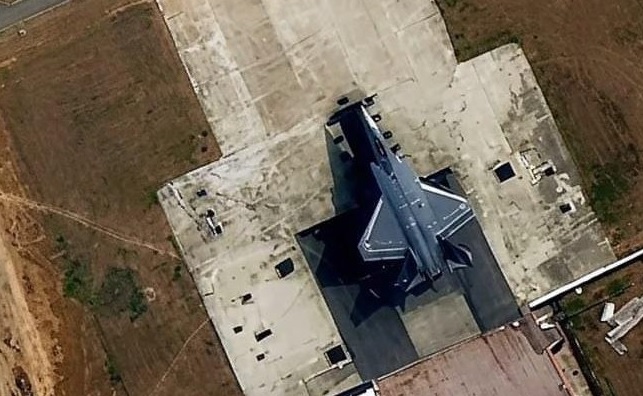 AMCA Airframe Spotted at DRDO’s ORANGE Facility for Radar Cross-Section Testing
-
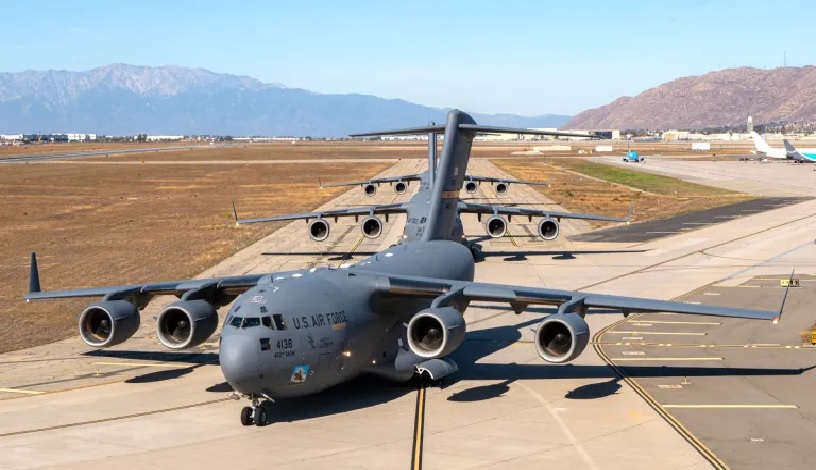 U.S. Air Force Faces Strategic Airlift Shortfall as C-17 Production Restart Remains Uncertain
-
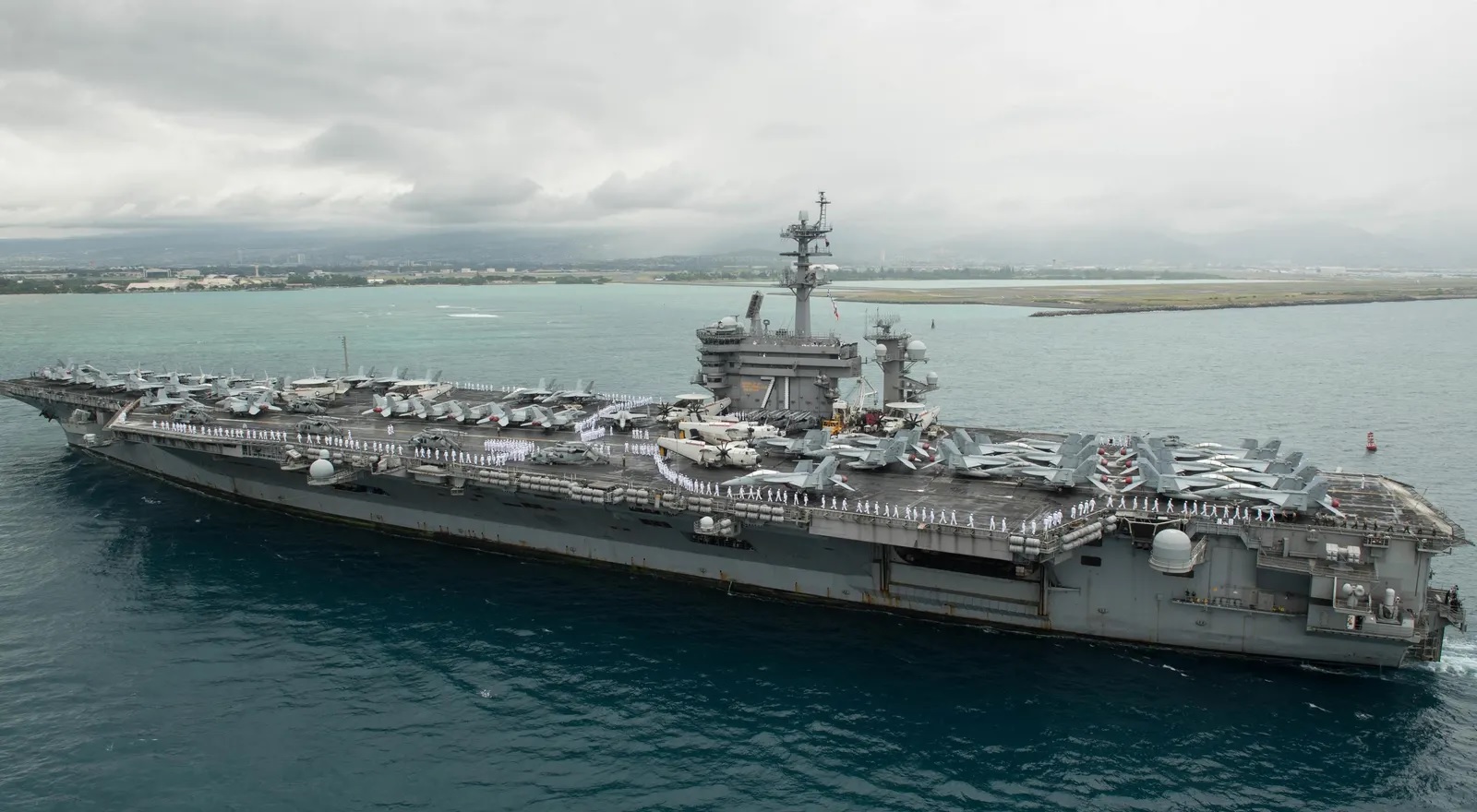 U.S Aircraft Carrier USS Theodore Roosevelt Departs San Diego for Major RIMPAC 2026 Naval Exercise
-
 NATO Commander Says Russia Not Seeking Conflict With Alliance Despite U.S. Force Reductions
-
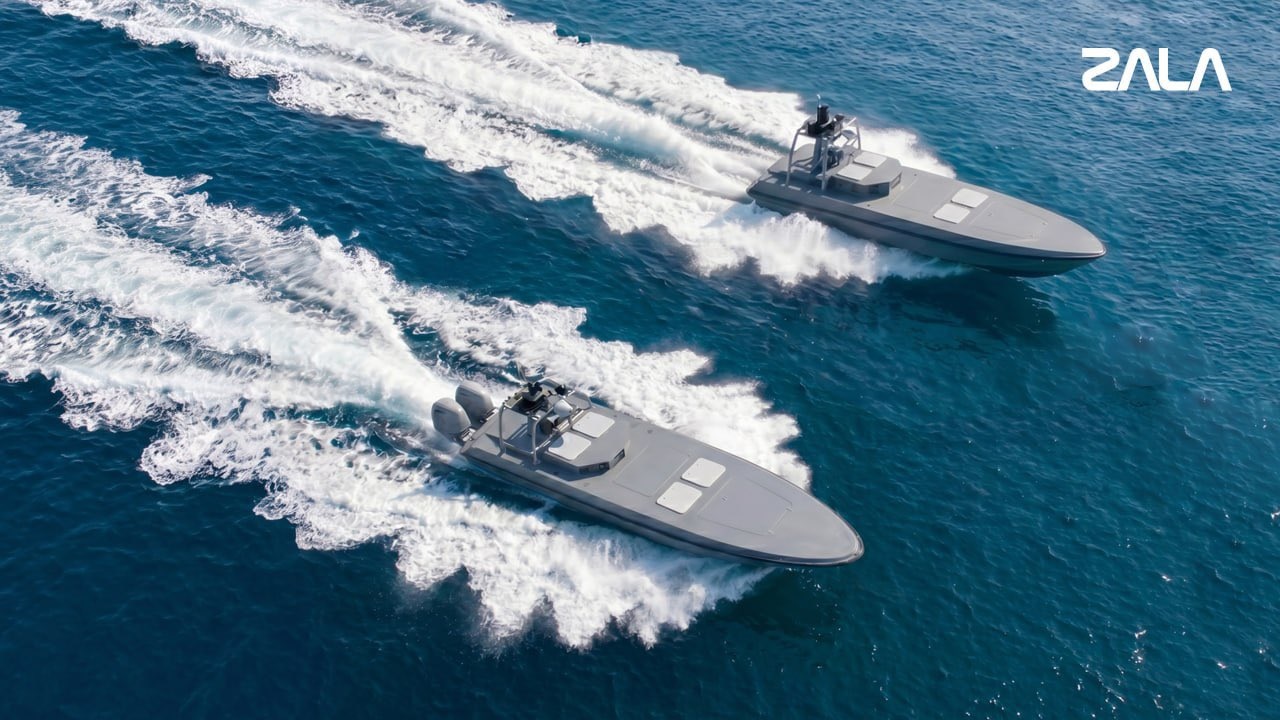 Russian Defense Firm ZALA Unveils KAMA Unmanned Surface Vessel Family at FLOT-2026 Naval Exhibition
-
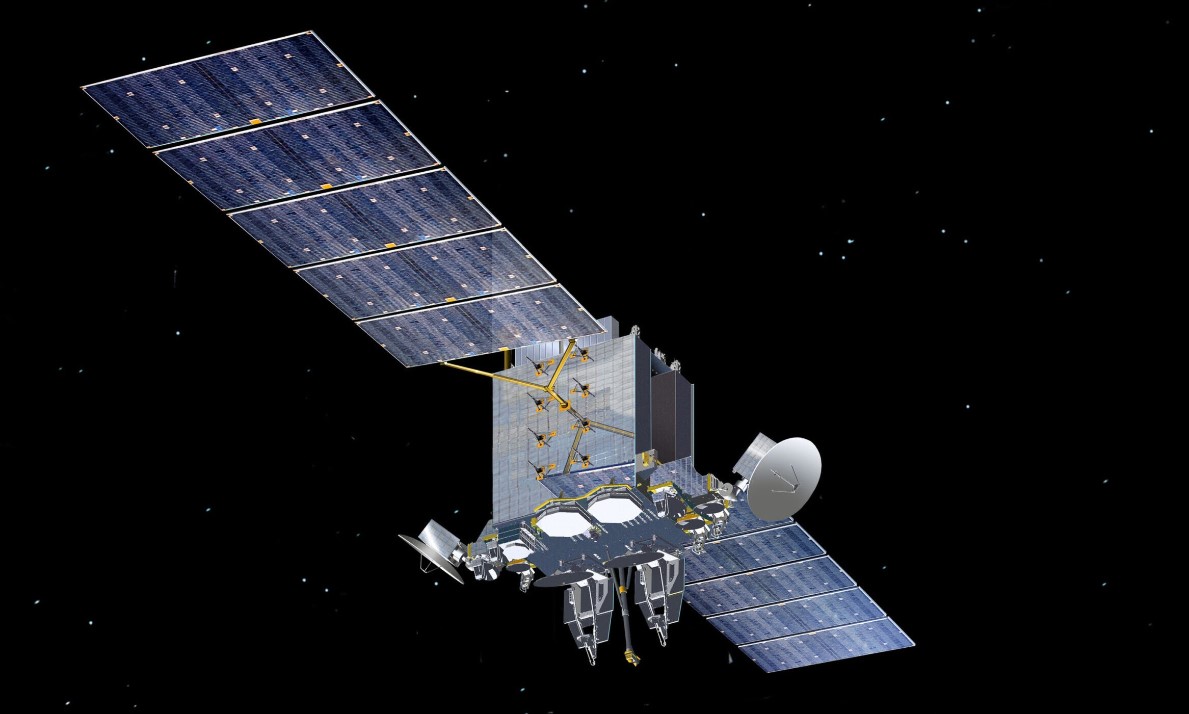 U.S. Space Force Awards $437.7 Million Contracts for First PTS-G Swarm 1 Anti-Jam Satellites