
India
India ,Pakistan Union Home Minister Amit Shah criticizes opposition leaders' remarks on Pakistan's nuclear arsenal during an election rally in Uttar Pradesh's Pratapgarh, emphasizing BJP's commitment to national security ahead of the upcoming Lok Sabha elections.Union Home Minister Amit Shah has stirred a debate during an election rally in Uttar Pradesh's Pratapgarh by criticizing the opposition's stance on Pakistan's nuclear capabilities. Shah targeted Congress leader Mani Shankar Aiyar and Jammu and Kashmir National Conference (NC) leader Farooq Abdullah for their recent remarks regarding Pakistan's possession of atomic weapons.During his speech, Shah referenced a viral video featuring Mani Shankar Aiyar, where Aiyar suggested that India should accord respect to Pakistan due to its possession of nuclear arms. Aiyar's comments raised concerns about the potential repercussions if these weapons were misused. However, the Congress party distanced itself from Aiyar's remarks, emphasizing that the video was from several months ago.Similarly, Farooq Abdullah, in response to Defence Minister Rajnath Singh's statements about integrating Pakistan Occupied Kashmir (POK) with India, cautioned about Pakistan's potential retaliation, mentioning the threat of "atom bombs."Amit Shah emphasized the BJP's resolve to address key issues, outlining the party's objectives for the upcoming elections. He reiterated the goals of securing a third term for Prime Minister Narendra Modi, ensuring victories for the Bharatiya Janata Party (BJP) in Uttar Pradesh, and supporting the candidacy of Vinod Kumar Sonkar for the Kaushambi Lok Sabha seat.The remarks made by Shah underscore the ongoing political discourse surrounding national security and territorial integrity. With the Lok Sabha elections in Uttar Pradesh approaching, such discussions are expected to influence voter sentiments.The Kaushambi (SC) Lok Sabha seat is slated for voting in the fifth phase of the elections on May 20, making the statements by political leaders all the more significant in shaping public opinion.In conclusion, Union Home Minister Amit Shah's critique of the opposition's remarks regarding Pakistan's nuclear capabilities highlights the importance of national security discourse in the political landscape of India. As the electoral process progresses, voters will weigh these issues alongside other factors when making their decisions at the ballot box.
Read More → Posted on 2024-05-13 16:41:53
India
India The Indian Army's upgraded T-90S Bhishma tanks, the Bhishma Mk 3, feature automated targeting, digital ballistic computing, and advanced sighting systems, enhancing combat effectiveness and modernizing India's armored capabilities. With over 450 tanks ordered, these upgrades ensure the Indian Army maintains a potent and reliable armored fleet for years to come.The Indian Army has taken delivery of the first batch of upgraded T-90S Bhishma tanks, designated Bhishma Mk 3. This marks a significant step in modernizing India's armored capabilities. Reports suggest an order exceeding 450 tanks.T-90 MkIII rolled out from HVF AvadiThe Bhishma Mk 3 boasts several enhancements over its predecessors:Automated Targeting Capabilities: The upgraded tanks come equipped with a new fire control system that automates target acquisition and tracking. This allows for faster and more accurate engagement in dynamic combat situations.Digital Ballistic Computer: A digital ballistic computer replaces the older analog system, improving firing accuracy by factoring in various environmental conditions like wind speed and temperature.Next-Generation Sighting System: The Bhishma Mk 3 integrates a next-generation sighting system, potentially drawing inspiration from the Arjun Mk 1A. This advanced system provides superior situational awareness for the crew and enhanced target identification capabilities, especially at night or in low-visibility conditions.These upgrades, reportedly influenced by technology from the Arjun Mk 1A, are expected to significantly improve the Bhishma Mk 3's battlefield performance. The upgraded tanks will provide the Indian Army with a potent tool to deter potential adversaries and maintain regional security.While details haven't been officially revealed, it's possible that the Bhishma Mk 3 may also benefit from improvements in armor protection and engine performance. These enhancements would further solidify the tank's position as a formidable fighting machine.The induction of the Bhishma Mk 3 marks a crucial step towards modernizing India's armored fleet. With an order exceeding 450 tanks, this upgrade program will ensure that the Indian Army remains equipped with a powerful and reliable main battle tank for years to come.
Read More → Posted on 2024-05-13 16:36:56
India
India ,France 'Shakti-2024' marks the seventh edition of joint military exercises between India and France, focusing on ground control operations in challenging terrains with the participation of Air Force assets for the first time, reflecting the deepening Indo-French defense ties and commitment to regional security.The seventh edition of the joint military exercise between the Indian and French Armies, known as ‘Shakti-2024’, commenced on Monday at the Eastern Command’s Joint Training Node in Umroi, Meghalaya. This exercise, held alternatively in India and France, will run until May 26, with a focus on training for ground control operations in semi-urban and mountainous terrain under United Nations mandate. Notably, this year’s exercise includes Air Force assets for the first time, alongside Navy and Air Force observers, marking a significant advancement in its complexity compared to previous editions.One key highlight of ‘Shakti-2024’ is the participation of a larger contingent, with twice the number of troops compared to previous exercises. The exercise commenced with a brigade-level command post-exercise, showcasing the depth and intensity of the training involved.The French contingent, consisting of 90 personnel from the elite corps of the French Army known as Legion etrangere (Foreign Legion), brings a wealth of experience and expertise to the exercise. Their involvement underscores the growing collaboration between India and France in the defense sector.This year’s ‘Shakti’ exercise is part of the broader efforts to strengthen Indo-French defense ties, following French President Emmanuel Macron’s State Visit to India earlier in the year. Recent high-level visits, including the official visit of CDS General Anil Chauhan to France and the visits of the French Navy and Army Chiefs to India, have further cemented this cooperation.The exercise also reflects the deepening engagement between the two nations in various domains, including naval exercises and joint military drills. A recent port call by a French frigate, FNS Bretagne, in Kerala, and upcoming naval exercises like ‘Varuna’, demonstrate the growing synergy between the Indian and French armed forces.Defense and security cooperation between India and France have been identified as a cornerstone of their strategic partnership. This was reaffirmed during Prime Minister Narendra Modi’s visit to France in 2023, with the adoption of the Horizon 2047 Roadmap. The aim is to enhance both nations’ sovereignty and strategic autonomy while fostering peace and security in the Indo-Pacific region.Speaking at the opening ceremony of the exercise, Thierry Mathou, Ambassador of France to India, emphasized the unique bond between the two nations, highlighting the reciprocal invitations extended to leaders on their respective National Days. He underscored the aim of the Indo-French defense cooperation to strengthen sovereignty, strategic autonomy, and contribute to peace and security in the Indo-Pacific region.In conclusion, the ‘Shakti-2024’ exercise symbolizes the deepening Indo-French defense cooperation and underscores the commitment of both nations to enhance mutual capabilities and contribute to regional stability.
Read More → Posted on 2024-05-13 16:27:10
India
India ,Nepal Nepal's economic advisor resigns amid controversy over new currency featuring disputed Indian territories, highlighting tensions between the two nations over territorial claims.In a recent development, Nepal's economic advisor, Chiranjivi Nepal, has resigned from his position following a controversy sparked by his remarks regarding the government's decision to issue new hundred-rupee notes featuring a map that includes three Indian territories. The move has already been met with rejection from India.President Ram Chandra Paudel approved Chiranjivi Nepal's resignation, as stated in a press release from the Office of the President. Chiranjivi Nepal expressed his sentiments, explaining, "I made the remarks as an economist and a former governor of the central bank, but some news media have twisted it in an attempt to unnecessarily drag the respectful institution of the president into controversy, which made me feel sad."The new map depicted on the currency includes territories such as Kalapani, Lipulekh, and Limpiyadhura. However, India maintains sovereignty over these areas.Chiranjivi Nepal clarified his stance, saying, "My intention in the statement was just to make people aware as a conscious citizen that such acts could create practical problems for the country and the people at a time when discussions are underway at diplomatic levels."The decision to print the new hundred-rupee notes with the revised map was made during a Cabinet meeting, despite criticism from various quarters. CPN-UML chairman and former Prime Minister KP Sharma Oli, along with a group of civil society leaders, expressed disapproval of Chiranjivi Nepal's remarks, arguing that they were against national interest and breached decorum.Nepal's government had previously unveiled a new political map in May 2020, including Lipulek, Kalapani, and Limpiyadhura within its territory. This decision was backed by the Parliament but faced objection from India.India's External Affairs Ministry stated, "This artificial enlargement of claims is not based on historical fact or evidence and is not tenable. It is also violative of our current understanding to hold talks on outstanding boundary issues."External Affairs Minister S Jaishankar voiced dissatisfaction with Nepal's decision to issue the new notes, emphasizing that it would not alter the ground situation.Nepal shares a border of over 1,850 km with five Indian states – Sikkim, West Bengal, Bihar, Uttar Pradesh, and Uttarakhand.The resignation of Chiranjivi Nepal underscores the complexities surrounding diplomatic relations and territorial disputes between Nepal and India. The incident highlights the importance of thoughtful dialogue and diplomacy in addressing sensitive issues while upholding national interests and international norms.
Read More → Posted on 2024-05-13 16:14:49
India
India India's CSIR-NAL celebrates Technology Day by achieving a record-breaking altitude of 25,000 feet with its solar-powered High Altitude Pseudo Satellite, marking a significant milestone in aerial technology advancements.India celebrated its Technology Day with a remarkable feat in aerial technology as the Council of Scientific and Industrial Research-National Aerospace Laboratories (CSIR-NAL) achieved a record-breaking altitude of 25,000 feet above sea level with its High Altitude Pseudo Satellite (HAP) vehicle.What are HAPs?HAPs, or High Altitude Pseudo Satellites, are not your typical drones. These aircraft are designed to fly in the stratosphere, a layer of the atmosphere above where commercial airplanes fly. They are powered by solar cells and advanced batteries, allowing them to stay in the air for long periods, making them a cost-effective alternative to traditional satellites.CSIR-NAL's Success:The successful test flight of CSIR-NAL's HAP showcases India's growing expertise in developing advanced aerial technology. Reaching such high altitudes opens up possibilities for various applications like telecommunications, surveillance, and environmental monitoring.Future Plans:Having achieved this milestone, CSIR-NAL aims to enhance the capabilities of their HAP further. They plan to improve flight durations, increase payload capacity, and integrate advanced sensors and communication systems. The goal is to develop a fully operational system that can contribute to scientific and commercial endeavors.India's Ambitions:This achievement not only demonstrates CSIR-NAL's technological prowess but also reflects India's ambitions in aerospace innovation. As India continues to invest in research and development, more groundbreaking advancements can be expected in the future.A Glimpse into the Future:CSIR-NAL's successful high-altitude flight with the HAP signifies India's commitment to pushing the boundaries of technological innovation. As HAPs become more sophisticated and accessible, they have the potential to revolutionize various industries and benefit society as a whole.
Read More → Posted on 2024-05-13 16:08:17
India
India ,Iran India to sign a historic agreement with Iran, taking operational control of Chabahar Port for 10 years, marking a pivotal moment in regional connectivity and trade dynamics.In a significant move amidst escalating geopolitical tensions, India is poised to sign an agreement with Iran to take over the management of the Chabahar Port for the next decade. The Economic Times reports that Shipping Minister Sarbananda Sonowal is slated to travel to Iran for the signing ceremony on Monday.This development marks a historic milestone as it will be the first time India assumes operational control of a port beyond its borders. Chabahar Port holds strategic importance for India, serving as a crucial gateway to Afghanistan, Central Asia, and the wider Eurasian region. It is seen as a key counterbalance to Pakistan's Gwadar port and China's expansive Belt and Road Initiative.The agreement comes at a crucial juncture, as India aims to bolster its connectivity with Afghanistan and Central Asia while reducing dependence on Pakistan. Plans are underway to integrate Chabahar Port with the International North South Transport Corridor (INSTC), offering India alternative trade routes amidst disruptions in the region.The Ministry of External Affairs approved a proposal by India Ports Global in April to take charge of operations at Myanmar's Sittwe Port, further solidifying India's maritime presence in the Bay of Bengal.The timing of Sonowal's visit to Iran, amid ongoing election campaigns, underscores the significance of the impending pact. The agreement, which has been in negotiation for years, is set to empower India with operational control of Chabahar Port, which it has supported financially for expansion.Chabahar Port has been a focal point of discussions between Indian and Iranian leadership, with Prime Minister Narendra Modi and President Ebrahim Raisi highlighting its importance during various diplomatic engagements. The new agreement is poised to replace the original contract signed in 2016 during Modi's visit to Iran, with a validity period of 10 years, extendable automatically.As global trade routes face disruptions due to the West Asia crisis, India's move to assume control of Chabahar Port signifies its commitment to strengthening regional connectivity and securing vital trade corridors.In conclusion, India's upcoming agreement with Iran to manage Chabahar Port marks a significant step towards enhancing its strategic presence in the region and ensuring uninterrupted access to key markets.
Read More → Posted on 2024-05-13 15:22:39
India
India ,Maldives Maldives Defense Minister acknowledges lack of pilots for Indian-donated aircraft, amid strained relations; plans underway for training local pilots to fill the gap.In a recent revelation, Maldives Defence Minister Ghassan Maumoon acknowledged the absence of qualified pilots within the Maldives National Defense Force (MNDF) capable of operating three aircraft donated by India. This admission comes amidst the withdrawal of 76 Indian defence personnel from the Maldives, following President Mohamed Muizzu's directive.Speaking at a press conference held at the President’s Office, Ghassan disclosed that despite previous training efforts initiated by past administrations, no Maldivian soldiers have attained the necessary licensing or proficiency to fly the two helicopters and Dornier aircraft provided by the Indian military. These training programs were aimed at building local capacity but faced challenges leading to incomplete training for Maldivian soldiers.The strained relations between the Maldives and India escalated when President Muizzu, known for his pro-China stance, demanded the withdrawal of all Indian military personnel operating the aviation platforms by May 10. India has complied with this request by withdrawing its military personnel, leaving a void in operational expertise for the donated aircraft.Contrary to current statements, during their time in opposition, senior officials of the present administration criticized the previous government's handling of military aviation capabilities. They claimed that capable pilots existed within the MNDF, which now appears to be not the case.The training of Maldivian pilots was the primary objective behind the deployment of Indian soldiers to operate the helicopters and Dornier aircraft, which were donated during different administrations. However, despite ongoing efforts, the completion of training remains elusive.Foreign Minister Zameer has indicated that the agreement to replace Indian soldiers with civilians also includes provisions for training local pilots. This signals a commitment from both sides to address the deficiency in pilot expertise and ensure the sustainable operation of the donated aircraft in the future.In light of these developments, the Maldives government underscores its commitment to strengthening its military capabilities while maintaining cooperative relations with strategic partners. Efforts to train local pilots will be crucial in ensuring the effective utilization of the donated aircraft for national security and emergency response purposes.As the Maldives navigates its military aviation challenges, collaboration with international partners, including India, will continue to play a pivotal role in enhancing its defence capabilities and safeguarding its territorial integrity.
Read More → Posted on 2024-05-13 15:02:59
India
India Central paramilitary forces adopt beekeeping model pioneered by BSF in West Bengal to boost employment and security along India's international borders.In a bid to enhance employment opportunities in border areas while strengthening security measures, the Union home ministry has directed various central paramilitary and allied forces to replicate a successful beekeeping model pioneered by a BSF unit in West Bengal. This initiative aims to foster goodwill among local communities and deter criminal activities along India's international borders.The model, developed and implemented by the 32nd battalion of the Border Security Force (BSF) stationed in Nadia district, West Bengal, garnered praise during a recent meeting chaired by Union Home Secretary Ajay Bhalla. Following the meeting, all central armed police forces (CAPFs) have been tasked with adopting this beekeeping approach in their respective regions of responsibility.While some border guarding forces like the Sashastra Seema Bal (SSB) and the Indo Tibetan Border Police (ITBP) do not have physical fences, they can still implement similar initiatives tailored to their specific duties. The overarching goal is to leverage local resources and community engagement to bolster security efforts.The primary objective of replicating the BSF West Bengal beekeeping model is twofold: to generate employment opportunities in remote border regions and cultivate positive relationships with local residents, who serve as crucial allies in maintaining security. By involving locals in productive activities, such as beekeeping and horticulture, the initiative aims to mitigate the allure of criminal involvement driven by limited livelihood options.Initiated in November last year, the BSF unit in Nadia has installed nearly 200 beehives along the India-Bangladesh border fence. This strategic placement not only serves as a deterrent to border crimes like smuggling but also provides a source of income for participating communities. Additionally, efforts are underway to plant flowering and fruit-bearing plants to sustain honeybee populations and support trade activities.Commandant Sujeet Kumar, the commanding officer of the BSF battalion, emphasized the direct correlation between economic opportunities and border security. Recognizing the need to address root causes of trans-border crimes, the 'beehives on fence' initiative aims to empower local populations through sustainable livelihoods.Collaborating with the Ayush ministry, the BSF has procured herbal and aromatic plants to complement the beekeeping initiative. This integration aligns with the government's broader agenda, including the vibrant village programme (VVP), which seeks to engage border communities in productive ventures to curb migration and enhance internal security.Since the inception of the 'beehives on border fence' model, over 100,000 saplings have been planted in Nadia's border area through joint efforts involving BSF personnel, the Ayush ministry, and local volunteers. This collective endeavor underscores the commitment of security forces to not only safeguard the nation's borders but also uplift the socio-economic well-being of border communities.In conclusion, the adoption of the BSF West Bengal beekeeping model by various central paramilitary and allied forces signifies a proactive approach towards addressing security challenges while promoting sustainable development in border regions. By harnessing the potential of beekeeping and horticulture, these initiatives aim to create a win-win situation for both security agencies and local communities, fostering a safer and more prosperous border environment.
Read More → Posted on 2024-05-12 16:19:23
India
India , Russia Russian exporters leverage idle funds in Indian rupees to purchase $4 billion worth of Indian defence equipment and other imports, facilitated by Vostro accounts, amid efforts to enhance bilateral trade ties with India.In recent developments, Russian exporters engaging in trade with India have made significant transactions amounting to nearly $4 billion. These transactions encompassed the procurement of Indian-made defence equipment, armaments, and other imports, alongside investments in Indian securities. These expenditures were made possible through funds that had been dormant in their Vostro accounts.Vostro accounts serve as a pivotal mechanism to facilitate trade between Russia and India, leveraging the Indian rupee for transactions. Managed by domestic banks on behalf of foreign counterparts, these accounts enable various trade-related activities, including forex settlements, cross-border payments, and investments in different markets.Until October, Russian exporters had approximately $8 billion resting in Vostro accounts, intended to bolster trade ties between the two nations. However, due to limited investment opportunities within India, a substantial portion of these funds remained unutilized.Reports indicate that in the span of just six months, around 50% of the funds held in Vostro accounts were deployed for various trade-related purposes. While the exact figures remain elusive due to the complexity of transactions, insiders familiar with the matter confirm a significant utilization of funds during this period.The Reserve Bank of India (RBI) had earlier sanctioned the opening of Special Rupee Vostro Accounts (SRVAs) for 20 banks operating in India, thereby facilitating bilateral trade in local currencies with partner banks from 22 countries, including Russia. This initiative aimed to streamline trade transactions and enhance economic cooperation between India and its international counterparts.The surge in rupee deposits in Russian Vostro accounts correlates with India's heightened imports of affordable Russian crude oil amidst Western sanctions on Moscow. Russia's substantial contributions to India's crude oil supply further solidify their economic ties.Moreover, Russian funds in Indian rupees have found their way into investments in Indian government treasury bills. However, regulatory restrictions prohibit such funds from being invested in corporate debt instruments.Efforts are underway by both Indian and Russian authorities to address the issue of accumulating rupee payments in Vostro accounts. These funds are also being utilized to settle Indian exports, further facilitating the bilateral trade relationship.In 2023, India's exports to Russia amounted to $4.06 billion, while imports totaled $60.60 billion, underscoring the significance of their economic partnership.In essence, the recent utilization of idle funds in Vostro accounts highlights the dynamic nature of Indo-Russian trade relations and the mutual benefits derived from strategic economic cooperation. As both nations continue to explore avenues for enhancing bilateral trade, the efficient utilization of available resources remains paramount for sustaining this symbiotic partnership.
Read More → Posted on 2024-05-12 16:10:31
India
India A recent report highlights changes in India's religious demographics over the past 65 years, sparking concerns about cultural identity amid declining Hindu and rising Muslim population shares. As discussions unfold, emphasis is placed on promoting tolerance and understanding while ensuring equal opportunities for all religious communities in the country.A recent report by the Economic Advisory Council to the Prime Minister (EAC-PM) has sparked discussions about religious demographics in India. The report highlights a significant shift between 1950 and 2015: the Hindu population share declined from 84% to 78%, while the Muslim population share grew from 9.84% to 14.09%. This translates to an 8% decrease for Hindus and a 43.15% increase for Muslims.While the report focuses on a 65-year timeframe, it's important to note that some sources suggest an even faster growth rate for the Muslim population. Figures suggesting a compounded growth of nearly 400% for Muslims between 1951 and 2011 have caused concern among some Hindu communities.These demographic shifts have led to anxieties about the future of India's religious makeup. Some fear that a continued decline in the Hindu population share could threaten the country's cultural identity and potentially lead to efforts to turn India into a Muslim-majority nation.It's crucial to address these concerns with a nuanced approach.Firstly, India has a well-established secular democracy enshrined in its constitution. This guarantees the right to freedom of religion for all citizens.Secondly, demographic trends can be influenced by various factors, including birth rates, mortality rates, Illegal Immigrants ,Religious Conversion ,and migration patterns. Understanding these factors is essential for informed policy decisions.Thirdly, fostering interfaith dialogue and promoting tolerance are key to ensuring a harmonious society where all communities feel secure.Open discussions and data-driven analysis are necessary to address these demographic changes effectively. The government's role lies in ensuring equal opportunities and promoting social cohesion for all religious communities in India.
Read More → Posted on 2024-05-11 16:22:39
India
India Explore India's burgeoning defence sector, projected to witness a USD 138 billion surge in ordering opportunities by 2032, driven by government support and strategic investments in indigenous manufacturing and technology development.In the dynamic landscape of global security, India stands at the forefront, poised for significant strides in its defence sector. A recent report by Nomura sheds light on the tremendous opportunities awaiting companies engaged in defence production and technology development. With projections estimating a staggering USD 138 billion in ordering opportunities over FY24-32, the Indian defence sector emerges as a beacon of growth and innovation.Key Drivers of Growth:The report underscores several factors propelling the growth of India's defence sector. Foremost among these is the escalating demand for defence equipment, technologies, and services. As nations worldwide prioritize modernization efforts to bolster their security apparatus, India stands ready to meet this demand.Government Support and Policy Reforms:Integral to this growth trajectory is the unwavering support of the Indian government. Through favorable policy reforms, incentives, and initiatives such as "Make in India," the government is actively fostering indigenous manufacturing and technology development. This strategic focus not only enhances self-reliance but also fuels economic growth and innovation within the sector.Projected Surge in Capital Expenditure:The Nomura report highlights a significant surge in India's defence capital expenditure, poised to reach 37% of the total budget by FY30. This substantial increase, from the projected 29% in FY25, signifies a strategic shift towards modernization and capacity building. With a cumulative capital outlay of Rs 15.5 trillion over FY24-30, the sector is set to witness unprecedented growth compared to previous periods.Opportunities Across Segments:Diving deeper, the report identifies lucrative opportunities across various segments of the defence sector. The defence aerospace sector alone presents a USD 50 billion opportunity, spanning investments in aircraft, helicopters, UAVs, avionics, and related systems. Similarly, defence shipbuilding emerges as a significant area with a potential of USD 38 billion, bolstering maritime security through naval vessels, submarines, and patrol boats.Enhanced Capabilities in Missiles and Artillery:India's efforts to enhance its artillery and missile capabilities resonate in the projected USD 21 billion investment in missiles, artillery, and gun systems. This strategic alignment underscores the nation's commitment to bolstering its defensive capabilities and securing its borders effectively.Rise in Defence Exports:Another notable aspect highlighted in the report is the substantial growth in defence exports, estimated at USD 29 billion. With momentum expected to continue, Indian defence manufacturers are poised to leverage export opportunities, thereby diversifying revenue streams and expanding their global footprint.Investment Potential in Key Players:The report identifies key players poised for substantial growth in the Indian defence sector. Hindustan Aeronautics (HAL) and Bharat Electronics emerge as frontrunners, with significant potential for upside. HAL's strong moat in fighter aircraft and helicopters, coupled with its capability upgrade for indigenous engine development, positions it for a 28% potential upside. Similarly, Bharat Electronics holds promise with a potential upside of 32%, driven by increased visibility on order inflows and expansion in returns ratios.Government Support Fuelling Industry Expansion:The active support of the Indian government serves as a catalyst for industry expansion. By fostering an environment conducive to indigenous manufacturing and technology development, policymakers are paving the way for sustained growth and innovation within the defence sector. This strategic alignment not only strengthens national security but also propels economic growth and technological advancement.Global Expansion and Collaboration:Furthermore, the report underscores the increasing focus of India's defence industry on expanding its global presence through exports, technology transfer, and collaboration. By leveraging international partnerships and alliances, Indian defence manufacturers can tap into new markets, exchange expertise, and drive innovation, thereby solidifying their position on the global stage.In Conclusion:India's defence sector stands at the cusp of a transformative journey, fueled by escalating demand, government support, and technological advancements. With projected ordering opportunities of USD 138 billion over FY24-32, the sector presents a fertile ground for companies engaged in defence production and technology development. By capitalizing on key growth drivers, leveraging export opportunities, and investing in innovation, Indian defence manufacturers can not only bolster national security but also emerge as global leaders in the realm of defence technology and innovation. As the nation marches towards self-reliance and strategic autonomy, the Indian defence sector serves as a testament to resilience, innovation, and unwavering commitment to safeguarding the nation's interests on the global stage.
Read More → Posted on 2024-05-11 15:48:07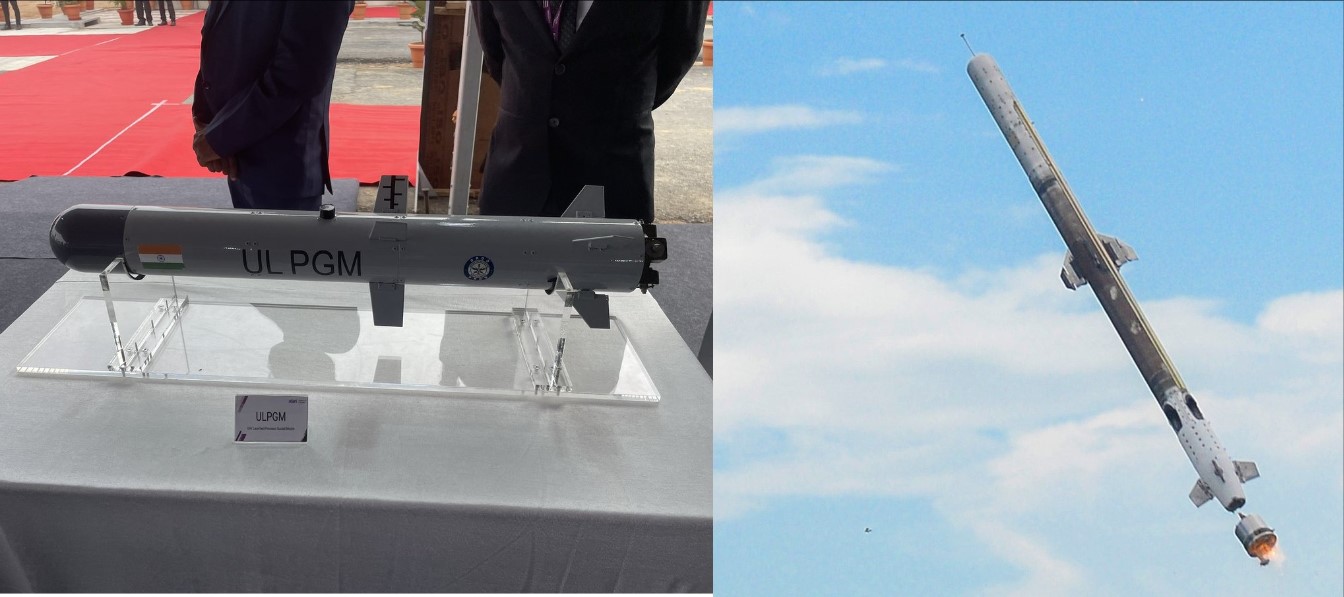
India
India Adani Defence is set to deliver game-changing defense systems to the Indian Army: the ULPGM for precision strikes from UAVs and the VSHORADS for countering low-altitude aerial threats, marking a significant leap in India's defense capabilities.India's defense sector is on the brink of a groundbreaking moment as Adani Defence gears up to deliver two innovative weapon systems to the Indian Army. Starting from May 18th, 2024, these systems – the UAV Launched Precision Guided Munition (ULPGM) and the Very Short-Range Air Defence System (VSHORADS) – are set to redefine tactical operations and bolster air defense capabilities.The ULPGM, developed in collaboration with the Defence Research and Development Organisation (DRDO), is a compact missile designed to be launched from unmanned aerial vehicles (UAVs). What sets it apart is its ability to maintain accuracy even in challenging environments, thanks to its jamming-proof technology. This feature ensures precise targeting, enhancing the effectiveness of tactical missions.On the other hand, the VSHORADS, developed jointly by Research Centre Imarat (RCI), DRDO, and industry partners, is a Man-Portable Air Defence System (MANPAD) designed to counter low-altitude aerial threats. Equipped with advanced features such as a miniaturized Reaction Control System (RCS) and integrated avionics, this system has undergone rigorous testing to ensure reliability in the field.The delivery of these cutting-edge systems signifies a significant stride in India's defense modernization efforts. The ULPGM's precision and versatility promise to revolutionize tactical operations, providing a strategic advantage on the battlefield. Meanwhile, the VSHORADS will strengthen India's air defense capabilities, safeguarding against emerging threats.More than just technological advancements, these deliveries reflect a broader shift towards indigenous development and production of defense equipment in India. With continued investment and collaboration, the country is poised to further enhance its self-reliance in developing advanced defense technologies.Overall, the future looks promising for India's defense sector, with these deliveries marking a pivotal moment in its journey towards achieving greater security and sovereignty.
Read More → Posted on 2024-05-11 15:28:24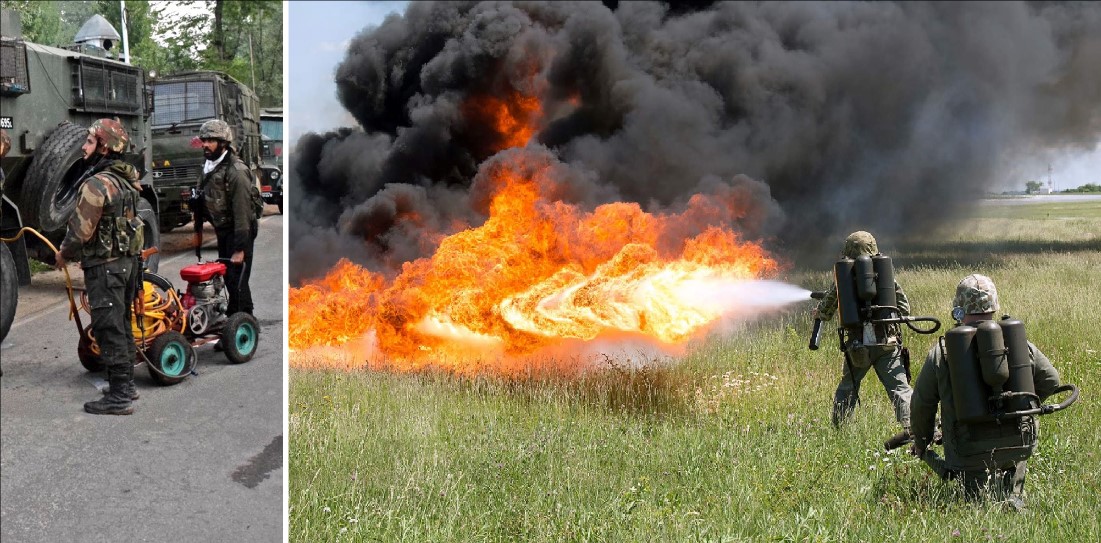
India
India In a recent counter-terrorism operation in Kulgam, Jammu and Kashmir, the Indian Army utilized flamethrowers to clear fortified positions, sparking discussions about their tactical effectiveness and ethical implications.In a recent counter-terrorism operation in Kulgam, Jammu and Kashmir, the Indian Army employed a rarely seen tactic: the use of flamethrowers. This decision has sparked discussions about the advantages and drawbacks of utilizing such weapons in such scenarios. Why Use a Flamethrower?The primary reason behind deploying flamethrowers seems to be the protection of Indian soldiers. Here's why flamethrowers can prove effective in certain situations:Clearing Enclosed Spaces: Flamethrowers are particularly adept at clearing fortified positions or driving adversaries out of buildings or bunkers. In the Kulgam encounter, this likely aided in neutralizing the threat from a distance, reducing the need for risky close-quarter combat.Limited Collateral Damage (In Theory): Compared to explosives, flamethrowers can offer more controlled destruction, potentially minimizing harm to nearby structures or civilians. However, this depends on how the weapon is used and the specific situation.Psychological Impact: The fear induced by a flamethrower can be a potent weapon, potentially disorienting or even causing enemies to surrender.The Downsides of FlamethrowersDespite their niche applications, flamethrowers are not commonly used in modern warfare for several reasons:Risk to Civilians and Environment: The indiscriminate nature of fire poses a significant risk to non-combatants and can lead to widespread environmental damage.Limited Range: Flamethrowers are effective only at close range, making their use impractical in many situations.Ethical Concerns: The use of incendiary weapons raises ethical questions, especially in populated areas.A Calculated Risk?The Kulgam incident underscores the tough decisions faced in counter-terrorism operations. The Indian Army's decision likely stemmed from the specific circumstances of the encounter, with a focus on safeguarding its soldiers. However, the use of flamethrowers raises important questions about proportionality and the potential for unintended consequences.Open Source InvestigationWhile official reports on the Kulgam incident are scarce, open-source information such as eyewitness accounts and social media posts indicates that the encounter was intense and involved a barricaded situation. The use of a flamethrower in this context aligns with its tactical strengths, but a complete understanding of the situation remains elusive.In ConclusionThe uncommon deployment of a flamethrower in Kulgam serves as a reminder of the complex challenges faced in counter-terrorism. While such tactics may offer tactical advantages in specific scenarios, their use must be carefully weighed against potential risks and ethical considerations. As discussions continue, it's vital to comprehend both the potential benefits and the serious drawbacks of this unconventional weapon.
Read More → Posted on 2024-05-11 15:16:59
India
India The Kartarpur Corridor facilitates pilgrimage to the revered Sikh site of Kartarpur Sahib, bridging India and Pakistan. Recent discussions address the USD 20 fee imposed by Pakistan on Indian visitors, prompting diplomatic efforts for resolution.In recent discussions, External Affairs Minister S Jaishankar addressed the issue of a fee imposed by Pakistan on Indians visiting Kartarpur Sahib, a revered Sikh pilgrimage site. Here's a simple breakdown of what was discussed and its significance.Kartarpur Sahib holds immense spiritual importance as the final abode of Sri Guru Nanak Dev Ji, where he spent the last 18 years of his life. Situated on the west bank of the river Ravi, it's a place of deep reverence for Sikhs worldwide.The Kartarpur Corridor, a passage between India and Pakistan, facilitates pilgrimages to this sacred site. This corridor has been a significant development, allowing Indian pilgrims visa-free access to Kartarpur Sahib.However, amidst these advancements, a USD 20 fee levied by Pakistan on Indian visitors has sparked discussions. Minister Jaishankar clarified that this fee was not imposed by India but by Pakistan, emphasizing the need for bilateral agreements to address such matters.While visas are no longer necessary for Kartarpur Sahib visits, crossing international borders mandates possession of passports. Understandably, this requirement might pose challenges for some aspiring pilgrims without passports.The Indian government, acknowledging the aspirations of many to visit Kartarpur Sahib, expressed its intent to engage with Pakistani authorities to address the fee issue. Jaishankar assured that efforts would be made to discuss and potentially resolve this matter amicably.It's important to note the geographical context of Kartarpur and Dera Baba Nanak. These towns straddle the India-Pakistan border, symbolizing the shared heritage and spiritual significance they hold for both nations.The Dera Baba Nanak-Sri Kartarpur Sahib corridor, spanning 4.1 kilometers, connects Dera Baba Nanak in India to Kartarpur in Pakistan. This corridor includes a modern passenger terminal building at the international border, facilitating pilgrim movement.Dera Baba Nanak, named after Guru Nanak Dev Ji, holds historical and cultural significance, resonating with followers of Sikhism and admirers of the Guru's teachings.In conclusion, the Kartarpur Corridor represents a bridge of faith and goodwill between India and Pakistan, allowing pilgrims to connect with their spiritual heritage. While challenges such as the imposed fee exist, diplomatic efforts remain underway to address them, ensuring unhindered access to Kartarpur Sahib for all devotees.In essence, the Kartarpur Corridor stands as a testament to the enduring spirit of unity and harmony, transcending borders in the pursuit of spiritual fulfillment.
Read More → Posted on 2024-05-11 14:56:37
India
India The Indian Army receives its first Hermes-900 Starliner drone, enhancing border surveillance capabilities along the Pakistan border. Adani Defence Systems supplies the drone, marking a significant step in bolstering India's defence infrastructure.In a significant development aimed at bolstering surveillance capabilities along the Pakistan border, the Indian Army is set to receive its first Hermes-900 Starliner drone on June 18. These drones, also known as the Drishti-10, are being supplied by Adani Defence Systems.According to defence officials, the first drone will be handed over to the Indian Army on June 18 in Hyderabad. These acquisitions are part of a deal signed under emergency powers granted by the Defence Ministry. The Indian Army plans to deploy these drones at its Bhatinda base, providing comprehensive surveillance along the entire western border with Pakistan.The delivery of the first Hermes-900 drone follows the earlier supply to the Indian Navy in January this year. The Indian Army has placed orders for two drones, with the second one being delivered soon.Furthermore, the Indian Navy is set to receive the third drone, while the fourth will be allocated to the Army. These procurements adhere to the requirement that systems supplied to the forces should be more than 60 per cent indigenous, in line with the 'Make in India' initiative in Defence.Adani Defence, in collaboration with Israeli firm Elbit, has transferred technology for the drones. They have indigenized 70 per cent of the drones and aim to increase this percentage further. The Indian Army is already operating Heron Mark 1 and Mark 2 drones, and these Hermes-900 drones will complement their existing capabilities.The drones, with their satellite communication-enabled features, provide enhanced surveillance capabilities. The Indian Navy plans to position them in Porbandar to monitor the maritime boundary with Pakistan and the high seas. With the ability to fly for over 30 hours and cover a distance of around 2,000 km in one go, these drones significantly enhance India's border and maritime security.In conclusion, the acquisition of Hermes-900 Starliner drones marks a significant step forward for the Indian Army in bolstering its surveillance capabilities along the Pakistan border and maritime boundaries. These drones, with their advanced features and indigenous technology, underscore India's commitment to enhancing its defence capabilities.
Read More → Posted on 2024-05-11 06:26:56Search
Top Trending in 24 Hours
-
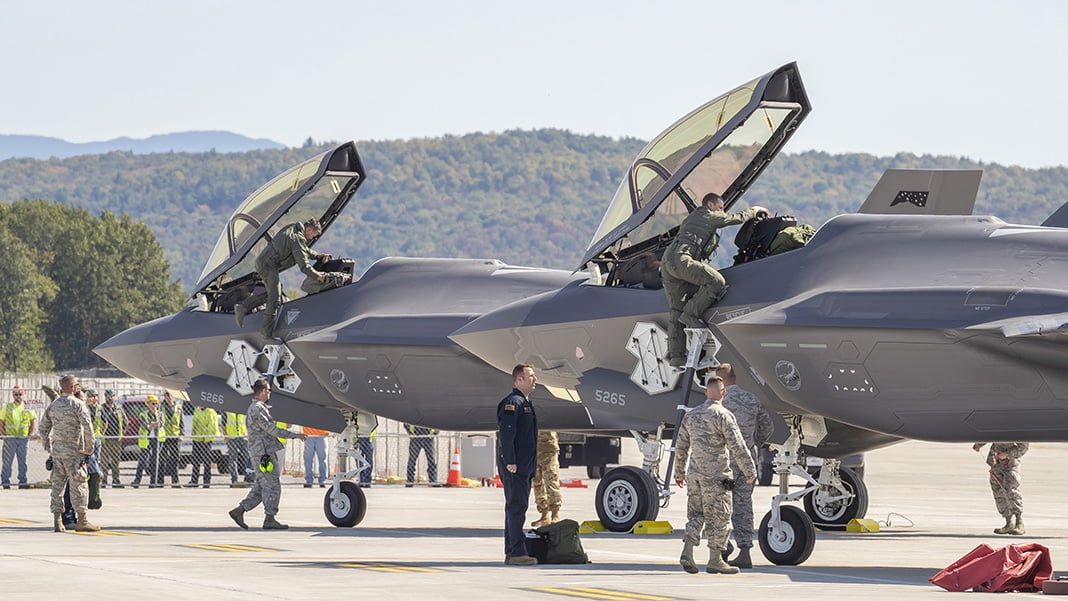 F-35 Fleet Readiness Falls to 25% Amid Parts Shortages and Software Delays: GAO Report
-
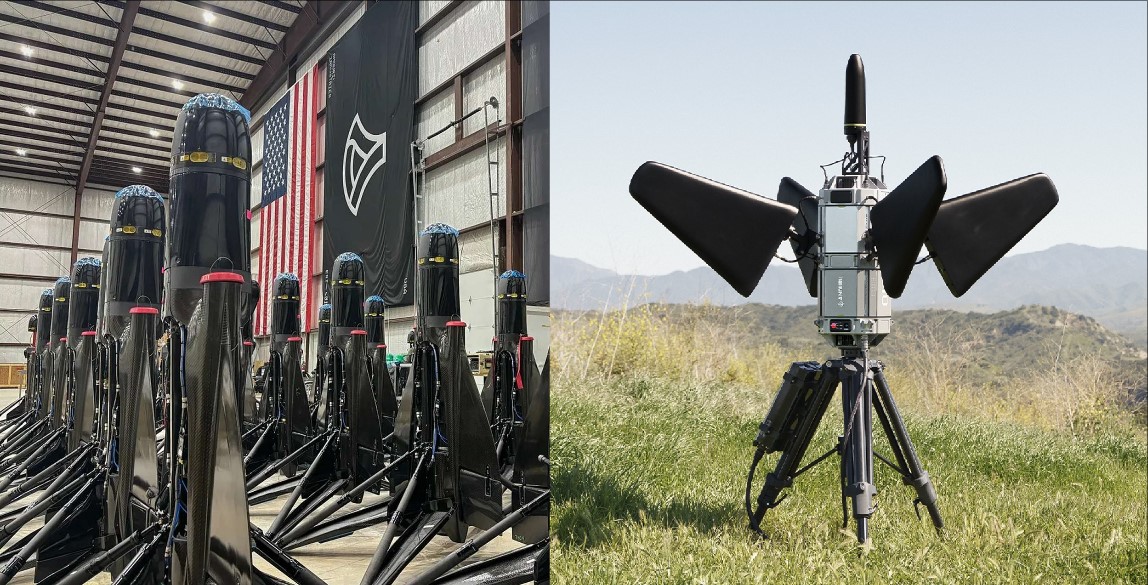 U.S. Approves $1.98 Billion Sale of Anduril AI-Powered Counter-Drone Systems to Kuwait
-
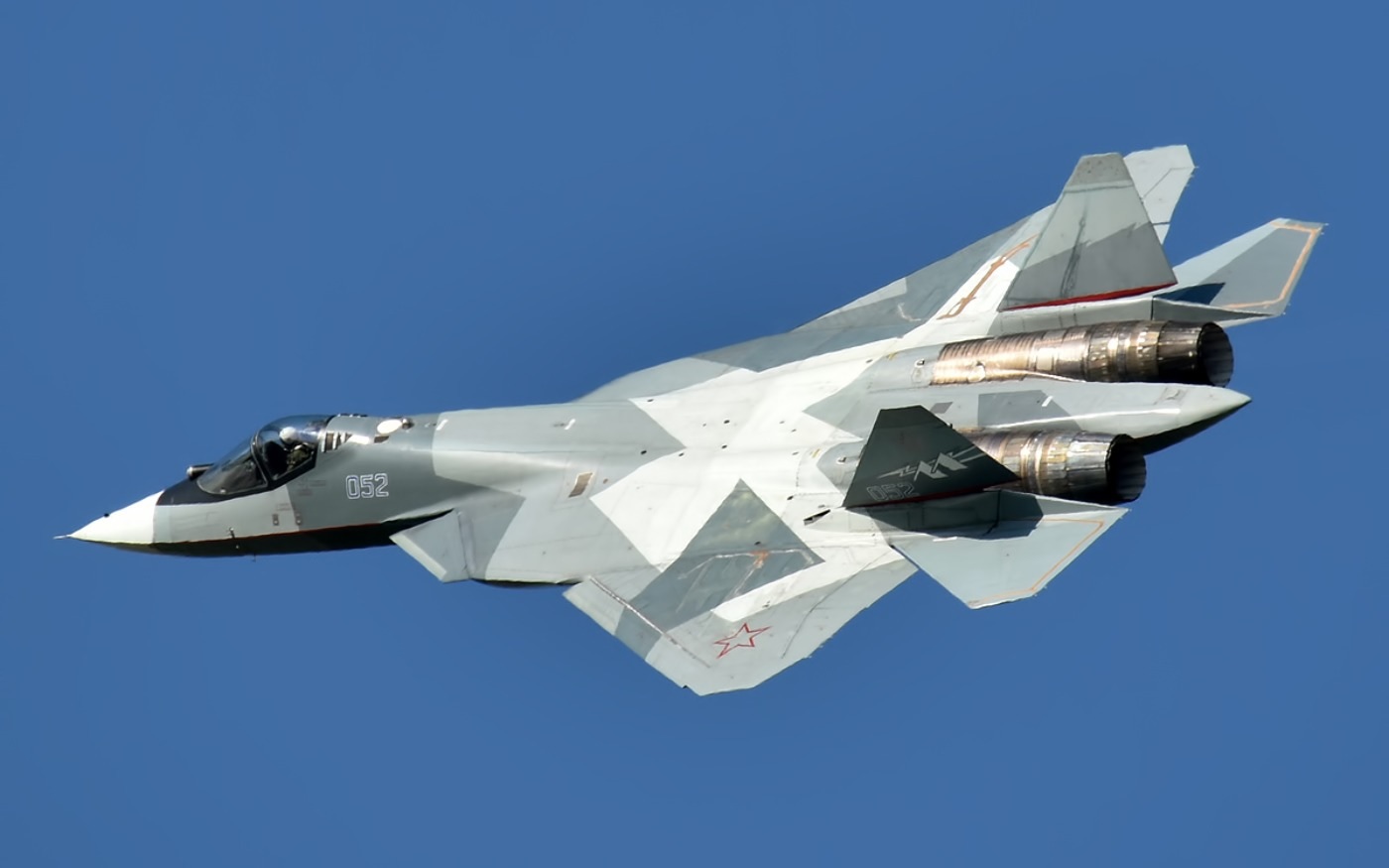 Russian Analysts Debate Su-57 Capabilities After Putin Calls Fighter Superior to F-35
-
 NASA X-59 Achieves Planned Mission Conditions with Mach 1.4 Flight at 55,000 Feet
-
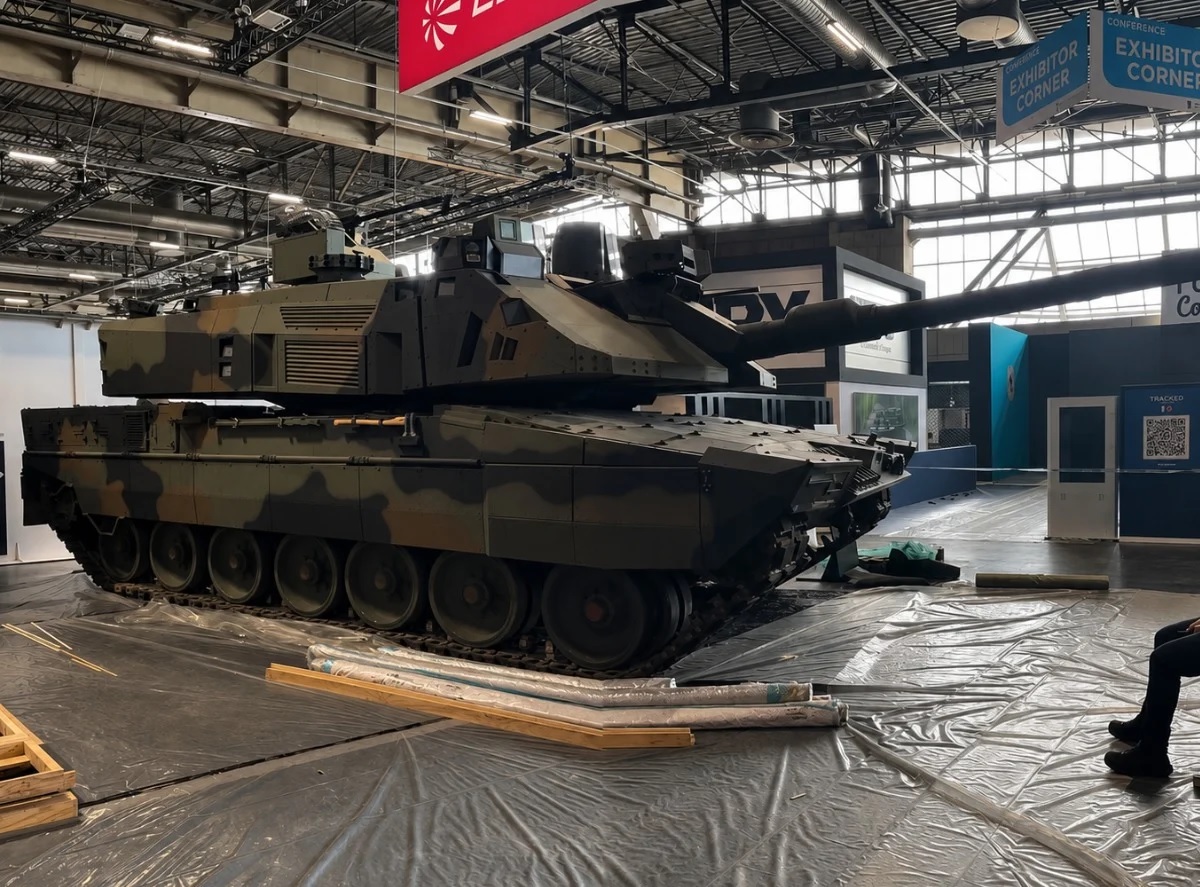 Leonardo Rheinmetall to Unveil Italy’s New IMBT Main Battle Tank at Eurosatory 2026
-
 Australia Receives Third MC-55A Peregrine Intelligence Aircraft Under A$2.4 Billion ISR Program
-
 AM General Unveils Next-Generation UGV and JLTV A2 with Counter-Drone Systems at Eurosatory 2026
-
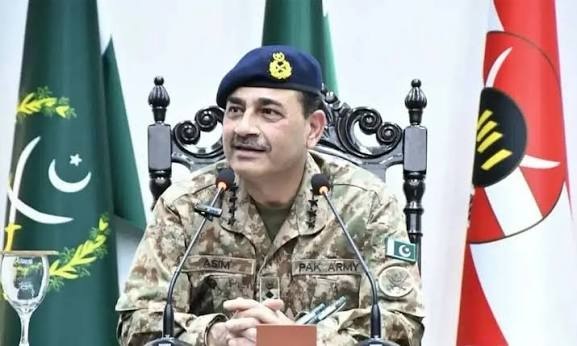 Pakistan Raises Defence Budget from $9 Billion to $10.8 Billion as J-35 Fighter and Hangor Submarine Programs Advance
Top Trending in 4 Days
-
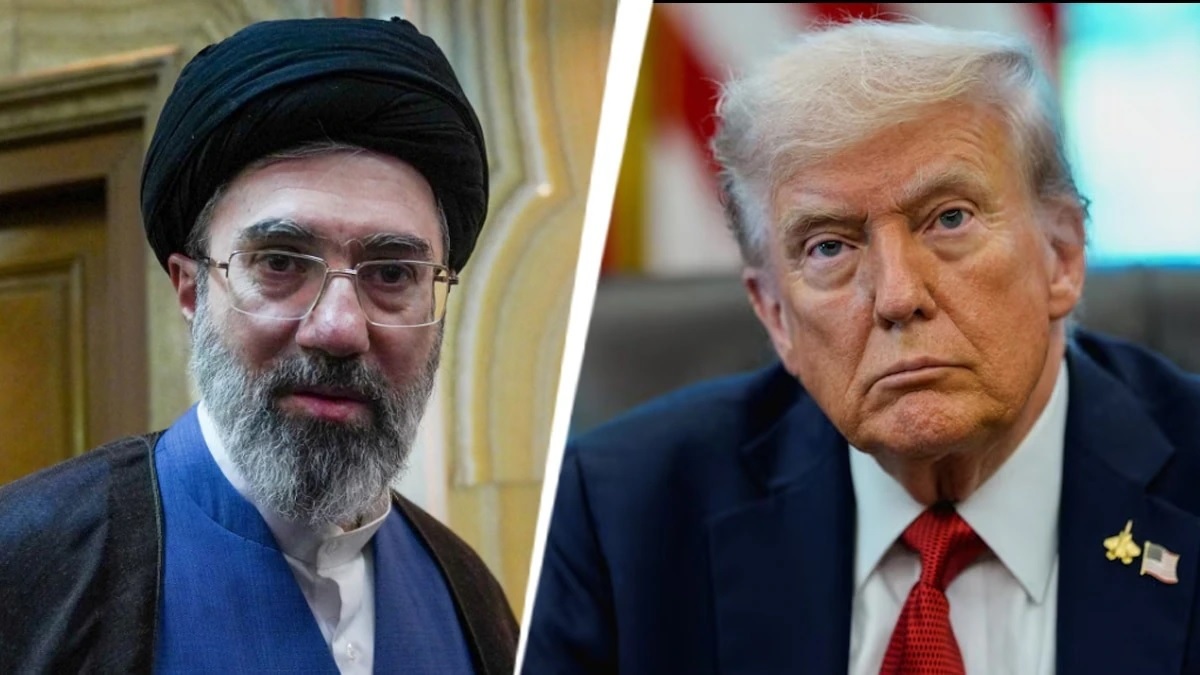 Iranian Media Leaks 14-Point U.S.-Iran Peace Framework Amid Ongoing Negotiations
-
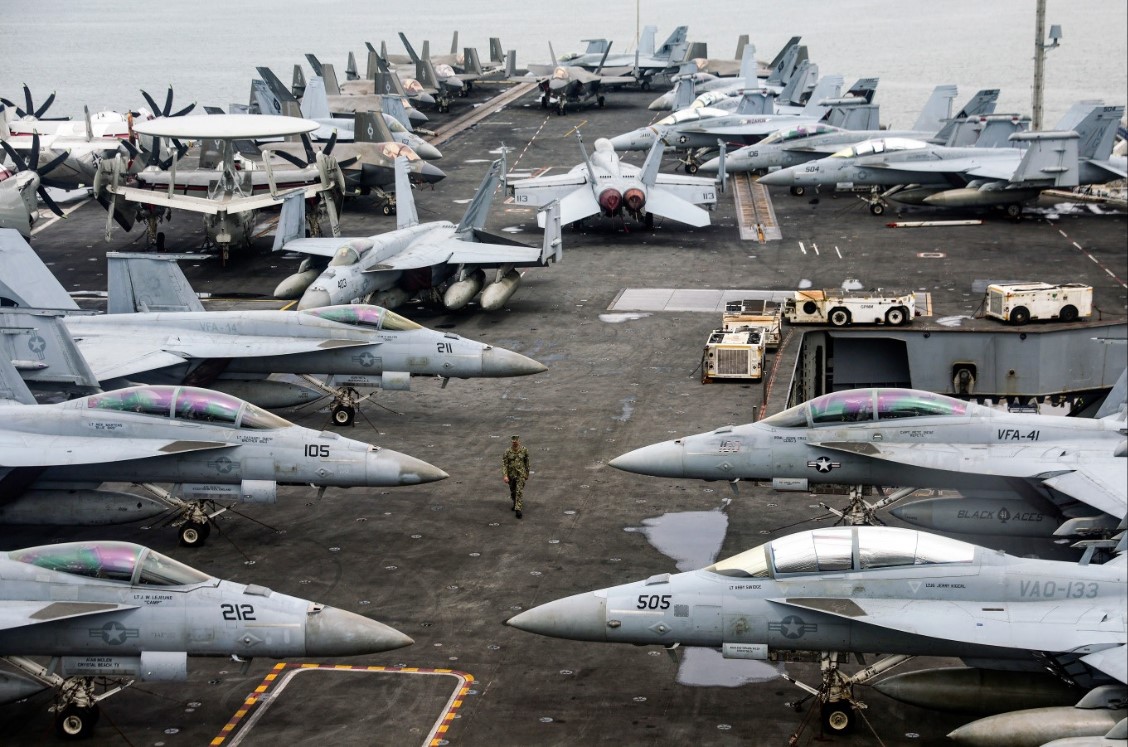 US Plans Significant Reduction of Fighter Jets and Warships for NATO Operations in Europe
-
 Boeing Introduces New MQ-28 Ghost Bat Upgrades with Increased Range, Payload and Weapons Capacity at ILA Berlin 2026
-
 AMCA Airframe Spotted at DRDO’s ORANGE Facility for Radar Cross-Section Testing
-
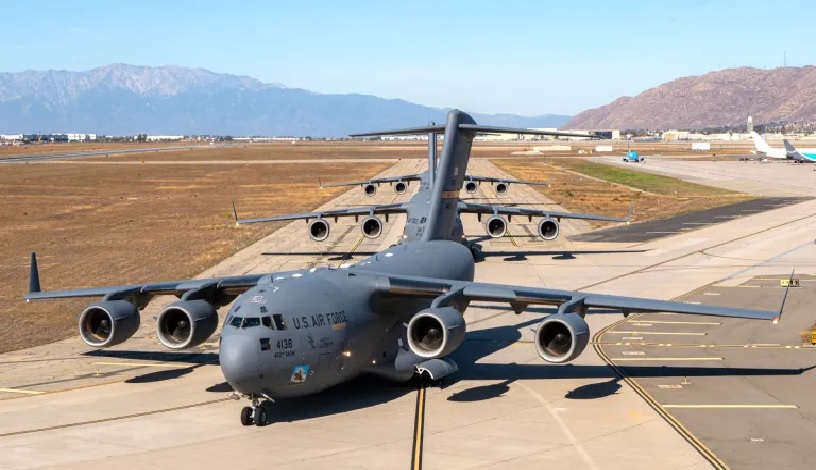 U.S. Air Force Faces Strategic Airlift Shortfall as C-17 Production Restart Remains Uncertain
-
 U.S Aircraft Carrier USS Theodore Roosevelt Departs San Diego for Major RIMPAC 2026 Naval Exercise
-
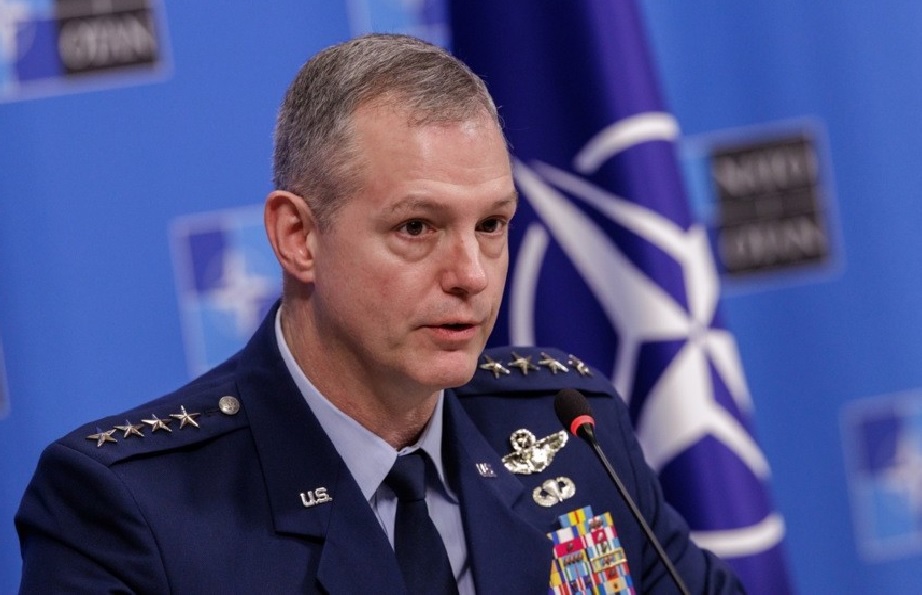 NATO Commander Says Russia Not Seeking Conflict With Alliance Despite U.S. Force Reductions
-
 Russian Defense Firm ZALA Unveils KAMA Unmanned Surface Vessel Family at FLOT-2026 Naval Exhibition